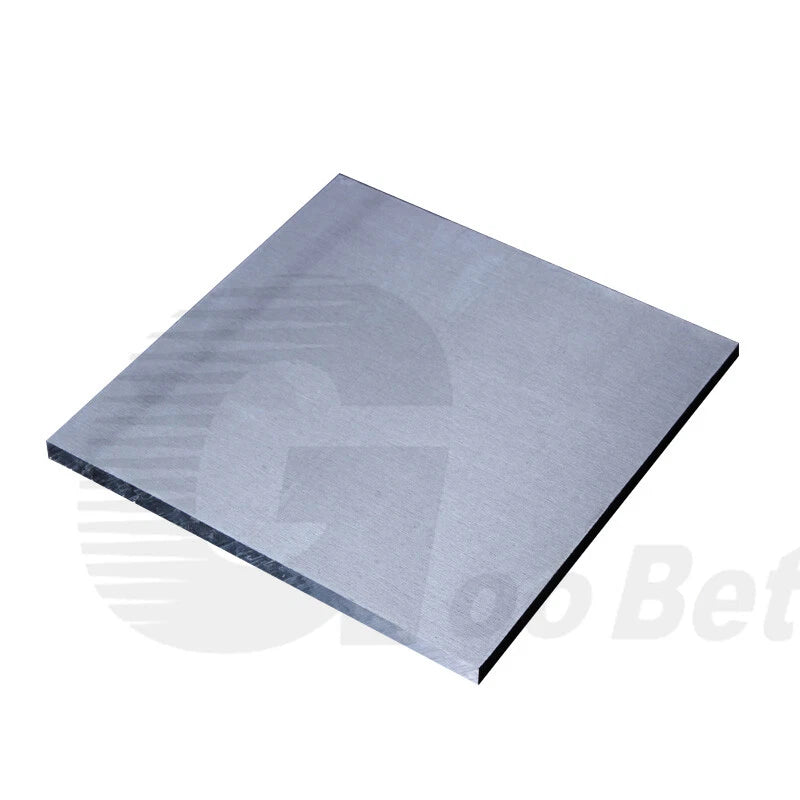
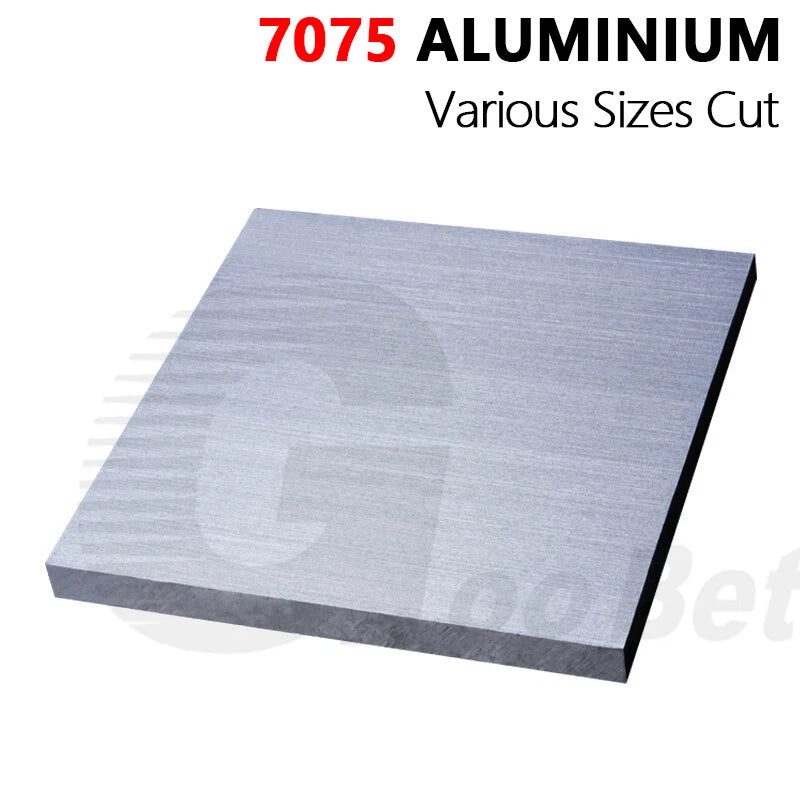
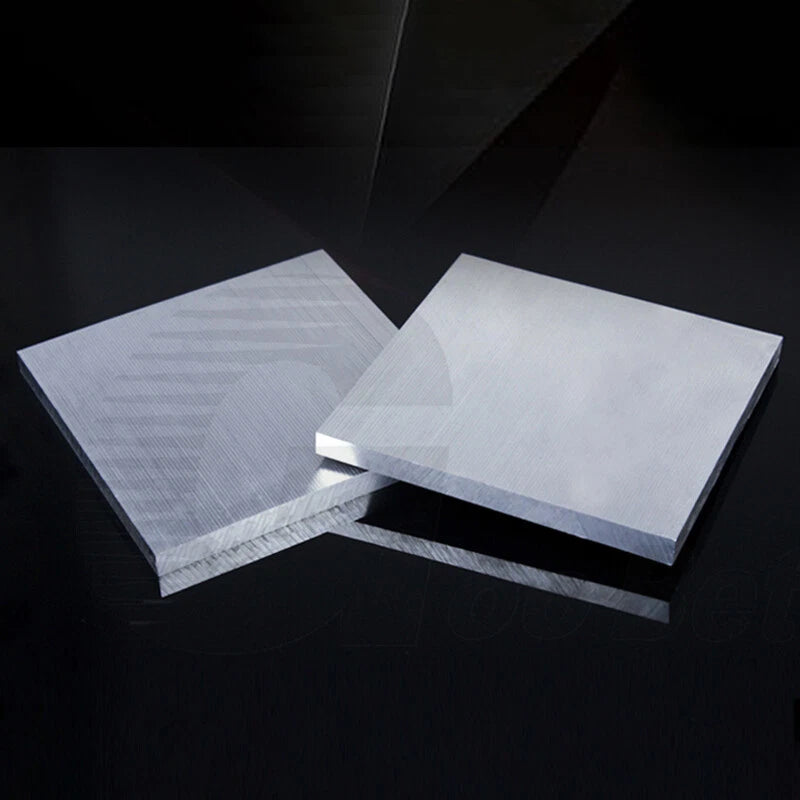
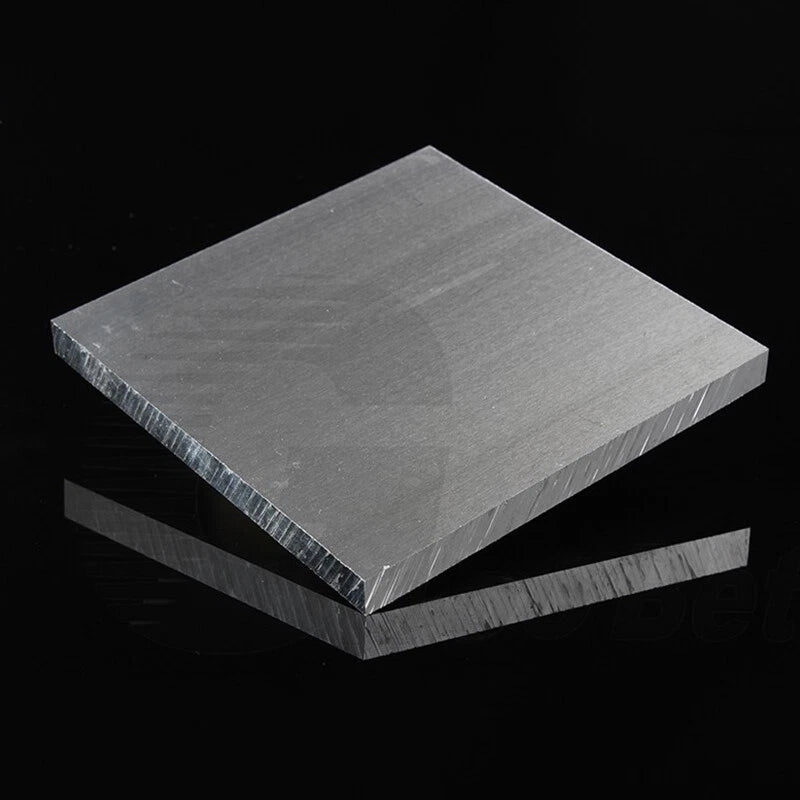
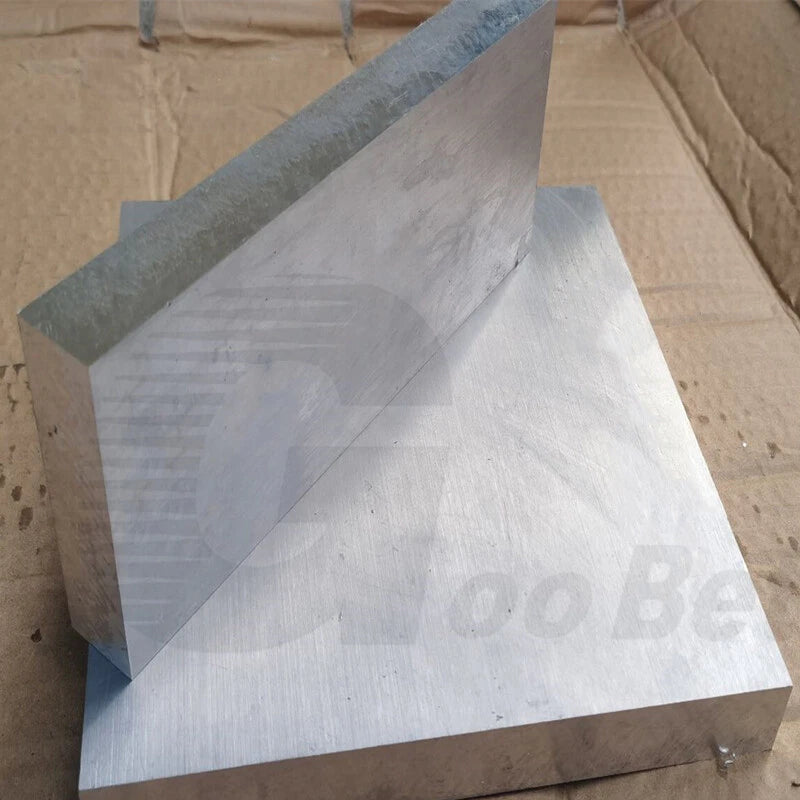
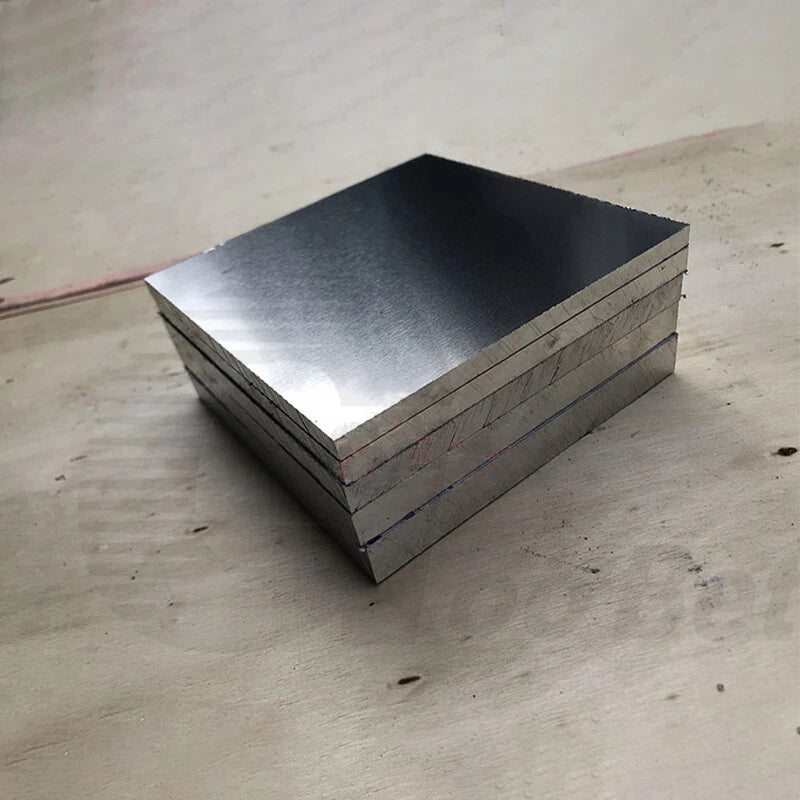
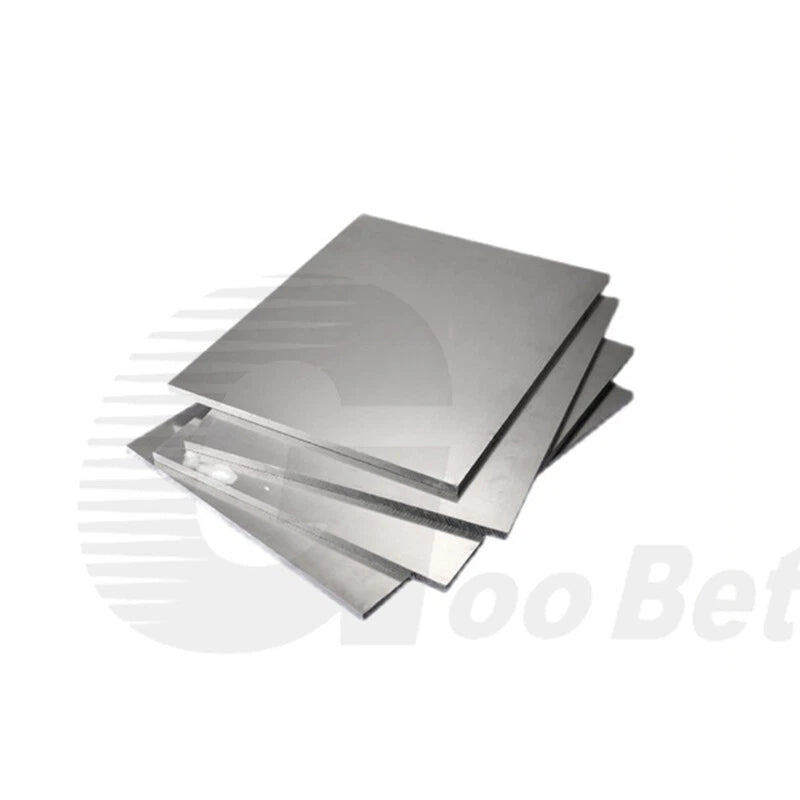
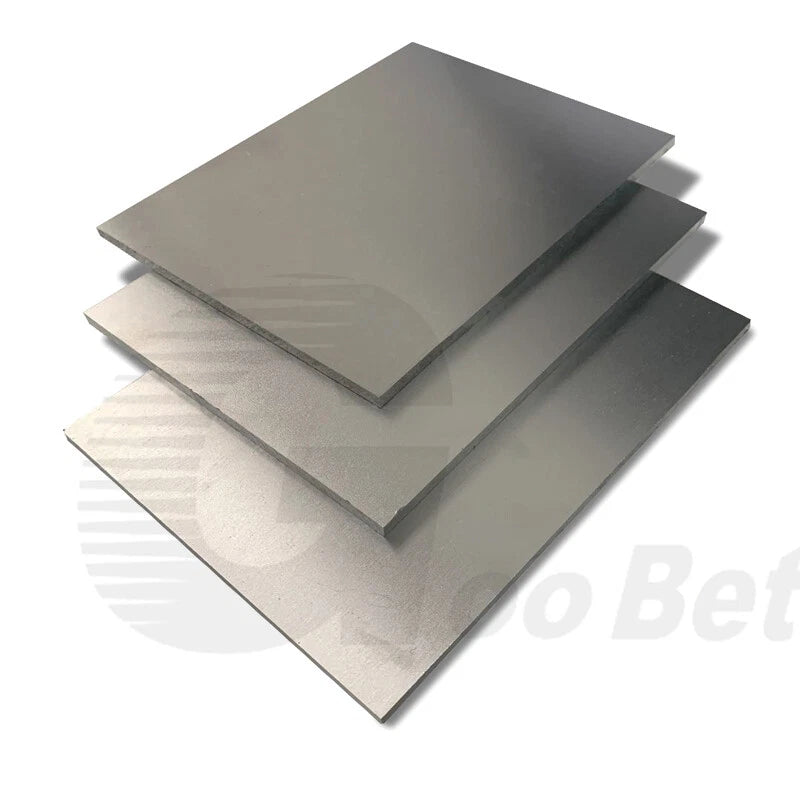
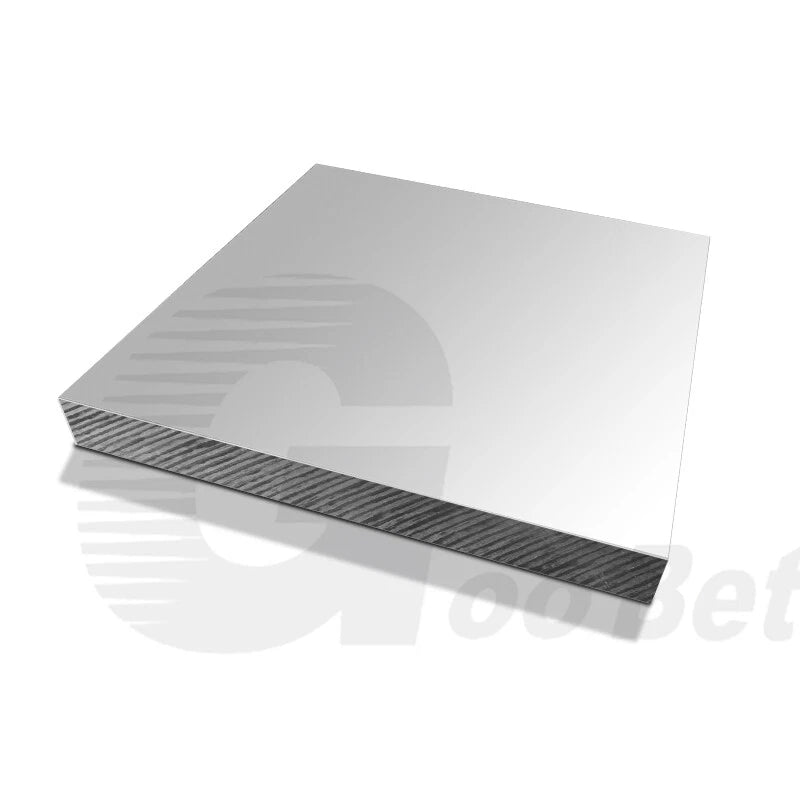
10mm Thick Aluminium Plate Sheet EN-AW 7075 T651 Grade Super Hard Various Sizes

No reviews

Price:
Sale price$15.76 USD
Stock:
In stock (500 units), ready to be shipped

Payment & Security

Ach Direct Debit Amazon American Express Apple Pay Bancontact Diners Club Discover Google Pay iDEAL Wero Mastercard PayPal Shop Pay USDC Visa

Your payment information is processed securely. We do not store credit card details nor have access to your credit card information.

Quantity Discount Promotion
🎯 BULK DISCOUNT: Buy More, Save More!
Buy 2 Items
5% OFF
Buy 4 Items
10% OFF
Buy 6 Items
15% OFF
Expert

DIY Expert Support

Get fitment advice & recommendations

Mon-Fri, 8:30AM-8PM
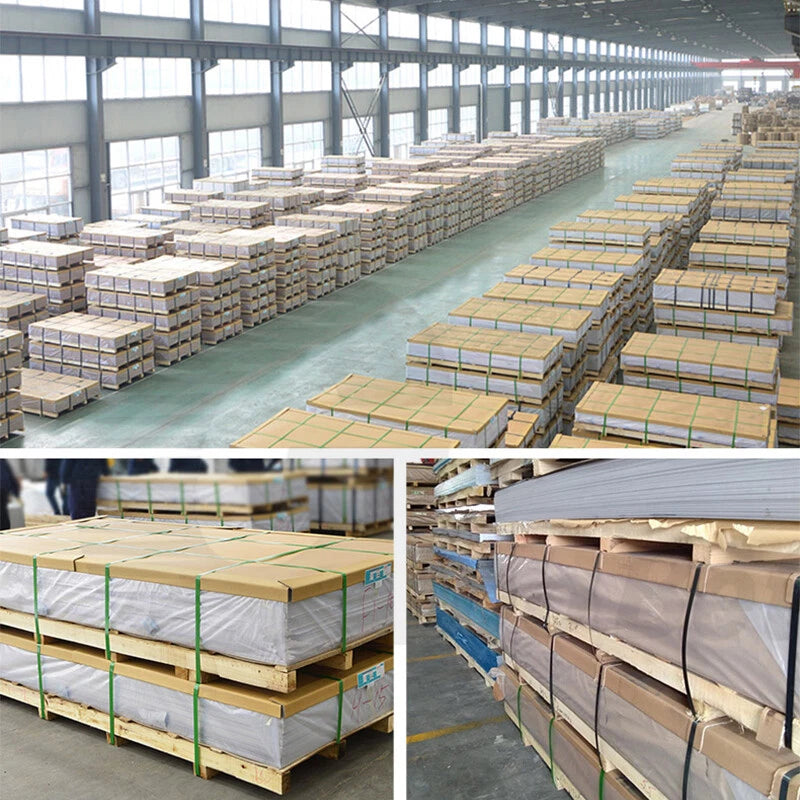
24-Hour Fast Ship
🚚
Arrives in 3-14 days
🌍
Global Reach
↩️
30-Day Returns
🌱 1 tree planted with every purchase

Description

10mm 7075-T651 Aluminium Plate Sheet — Aerospace-Grade Strength for Demanding DIY & Machining Projects

When a standard aluminium sheet simply won't hold up, engineers, machinists, and serious DIYers reach for 7075-T651. If you've ever had a structural bracket crack under load, a jig flex mid-cut, or a lightweight panel dent from routine handling, the problem isn't your design — it's the alloy. EN-AW 7075 T651 is one of the strongest aluminium alloys commercially available, delivering steel-like rigidity at a fraction of the weight.

This plate is 10 mm (approx. 0.394 in) thick and is available in a range of widths and lengths — from compact 100 mm × 100 mm (3.94 in × 3.94 in) squares up to 150 mm × 200 mm (5.91 in × 7.87 in) rectangles. The T651 temper designation confirms the material has been solution heat-treated, stress-relieved by stretching, and artificially aged, resulting in a flat, stable plate with minimal residual stress — critical for precision machining.

Typical applications include CNC fixture plates and tooling jigs, lightweight structural brackets for automotive and aerospace prototyping, drone frames and RC vehicle chassis, and custom enclosures or panels where both stiffness and low weight are non-negotiable. The alloy's high strength-to-weight ratio also makes it a go-to choice for competitive robotics builds and load-bearing shelf brackets in workshop environments.

🔧 Compatible with standard CNC routers, milling machines, band saws, and drill presses. Suitable for anodizing, powder coating, and most mechanical surface treatments.

✅ Key Features of These 7075-T651 Aluminium Plate Sheets

💪Super-Hard 7075 Alloy

EN-AW 7075 delivers a tensile strength typically in the range of 500–570 MPa — significantly stronger than the more common 6061 alloy — making it suitable for load-bearing and high-stress applications.

📐Precision T651 Temper

The T651 process (solution heat-treat + stretch stress-relief + artificial age) produces a dimensionally stable plate with low residual stress, reducing warping during and after machining.

⚖️10 mm Consistent Thickness

Uniform 10 mm (0.394 in) thickness across the full plate area ensures predictable material removal rates and consistent clamping depth in fixturing setups.

✂️Multiple Size Options

Choose from widths and lengths ranging from 100 mm × 100 mm up to 150 mm × 200 mm (and more via variant selector), so you only pay for the material you actually need.

🛡️Natural Corrosion Resistance

While 7075 is zinc-based and less corrosion-resistant than 6061 in bare form, it responds well to anodizing and protective coatings, extending service life in moderate-exposure environments.

🔩Machinable & Drillable

Despite its hardness, 7075-T651 machines cleanly with carbide tooling at appropriate feeds and speeds, producing tight-tolerance holes and slots without excessive burring.

📐 Technical Specifications — 7075-T651 Aluminium Plate

Alloy / Grade EN-AW 7075 / AA7075
Temper T651 (solution heat-treated, stress-relieved, artificially aged)
Thickness 10 mm (0.394 in)
Width × Length See variant options
Tensile Strength (typical) 500–570 MPa
Yield Strength (typical) 430–500 MPa
Hardness (typical) ~87 HRB
Density 2.81 g/cm³
Finish Mill finish (uncoated)
Primary Alloying Element Zinc (Zn)
Machinability Good with carbide tooling
Weldability Not recommended (susceptible to stress-corrosion cracking)
Quantity per Order 1 pcs (per variant)

❓ Frequently Asked Questions

What is the difference between 7075-T651 and 6061-T6 aluminium?

7075-T651 is a zinc-based alloy with tensile strength typically 500–570 MPa, making it roughly 40–50% stronger than 6061-T6 (tensile ~310 MPa). 6061 is easier to weld and slightly more corrosion-resistant in bare form, while 7075 is the choice when maximum strength-to-weight ratio is the priority — such as in aerospace brackets, tooling fixtures, and high-load structural parts.

Is 7075-T651 suitable for outdoor or marine use?

In bare mill-finish form, 7075 has moderate corrosion resistance and is not ideal for prolonged salt-spray or marine exposure without a protective coating. Anodizing or powder coating significantly improves durability. For consistently wet or coastal environments, 5052 or 5083 alloys are typically a better bare-metal choice.

Can I cut this plate with a standard circular saw or jigsaw?

Yes, with the correct blade. Use a fine-tooth carbide-tipped blade rated for non-ferrous metals, run at moderate speed, and apply cutting fluid or lubricant to reduce heat buildup. Avoid high-speed cuts without lubrication, as this can work-harden the cut edge and dull blades prematurely. A band saw or cold saw gives the cleanest results.

What thickness tolerance should I expect?

T651 plate is produced to tight dimensional tolerances. Thickness tolerance for 10 mm plate is typically ±0.3 mm per standard EN 485-4 / ASTM B209 specifications, though actual tolerance may vary by batch. If your application requires tighter tolerance, contact us to confirm before ordering.

How do I choose the right size for my project?

Select the smallest size that fully covers your required blank with at least 5–10 mm of margin on each edge for clamping and finishing. Ordering slightly oversized is more cost-effective than ordering a second piece. If your required dimensions fall between listed sizes, choose the next size up and machine to final dimensions.

Can this plate be anodized after machining?

Yes. 7075 anodizes well and produces a hard, wear-resistant oxide layer. Type II (standard) and Type III (hard anodize) are both compatible. Note that anodizing adds a thin layer (typically 5–25 µm for Type II) which may affect tight-tolerance features — account for this in your design if hole fits or mating surfaces are critical.

🛒 Select your Width × Length, Thickness, and Amount above, then add to cart.

You may also like

Recently viewed