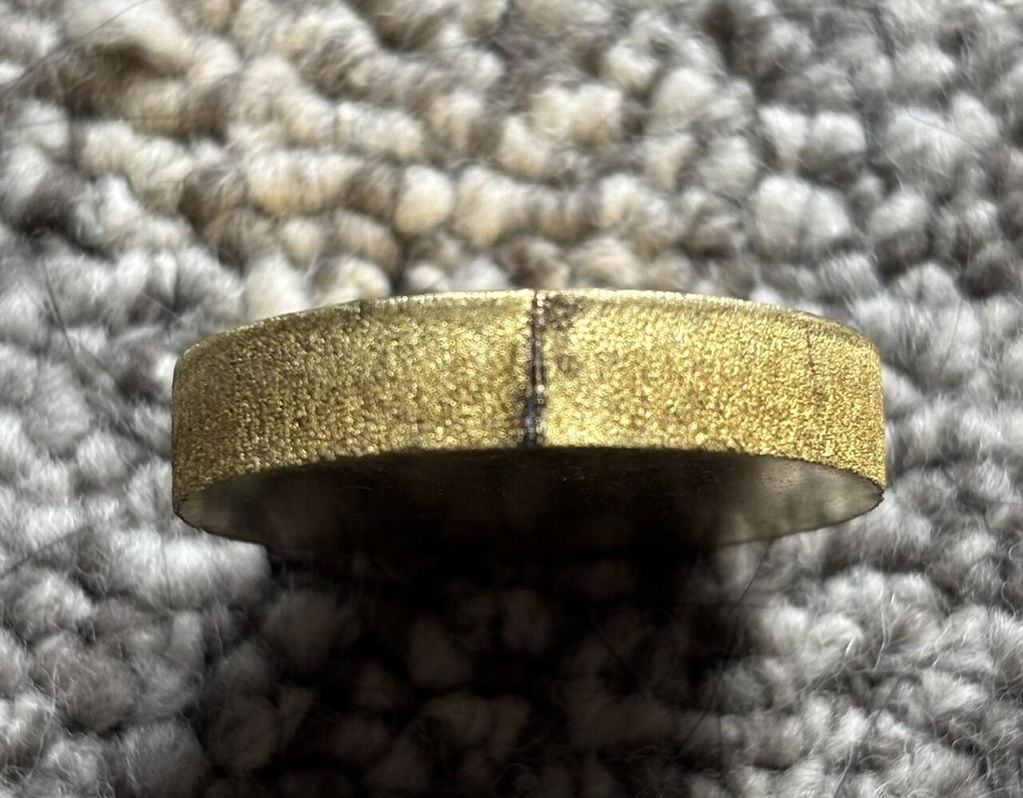
The chain is fine...but I ordered the wrong size. Nine links of the chain I ordered equals six of the size I wanted. My error...
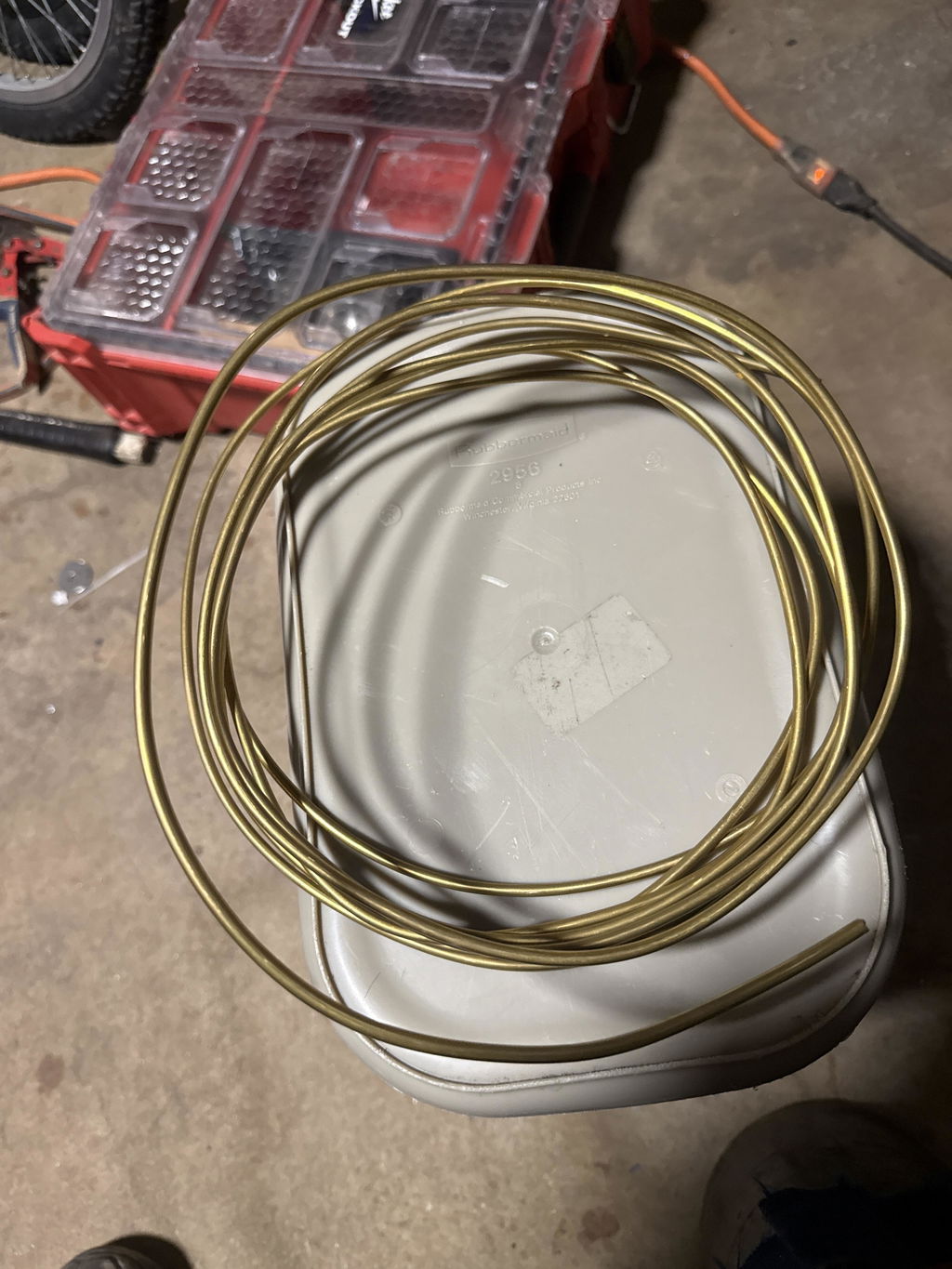
How can I straighten out the springs? I can't use them coil uo as is.
Your payment information is processed securely. We do not store credit card details nor have access to your credit card information.
Get fitment advice & recommendations
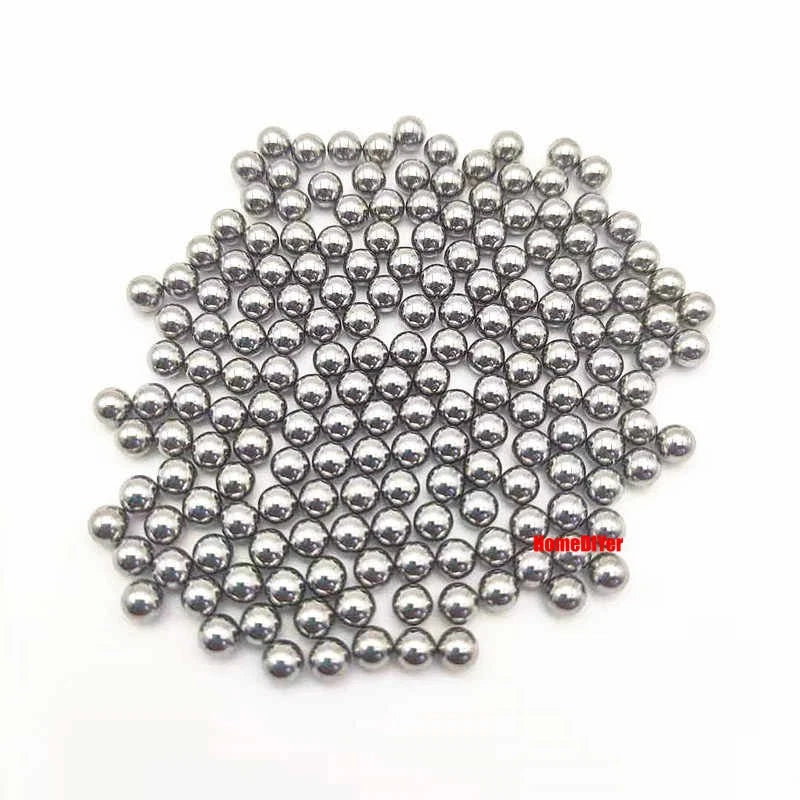
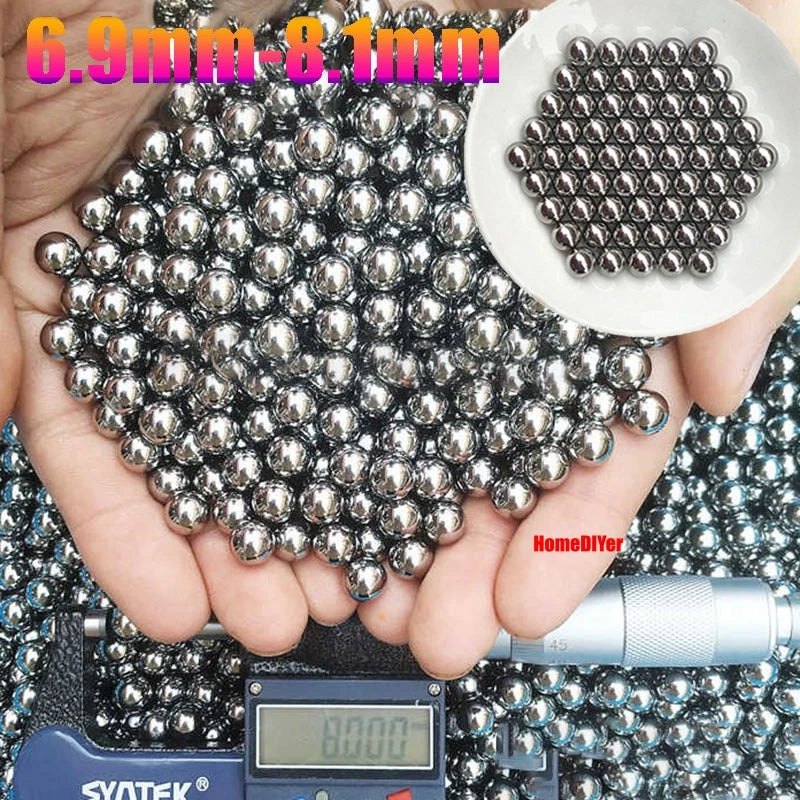
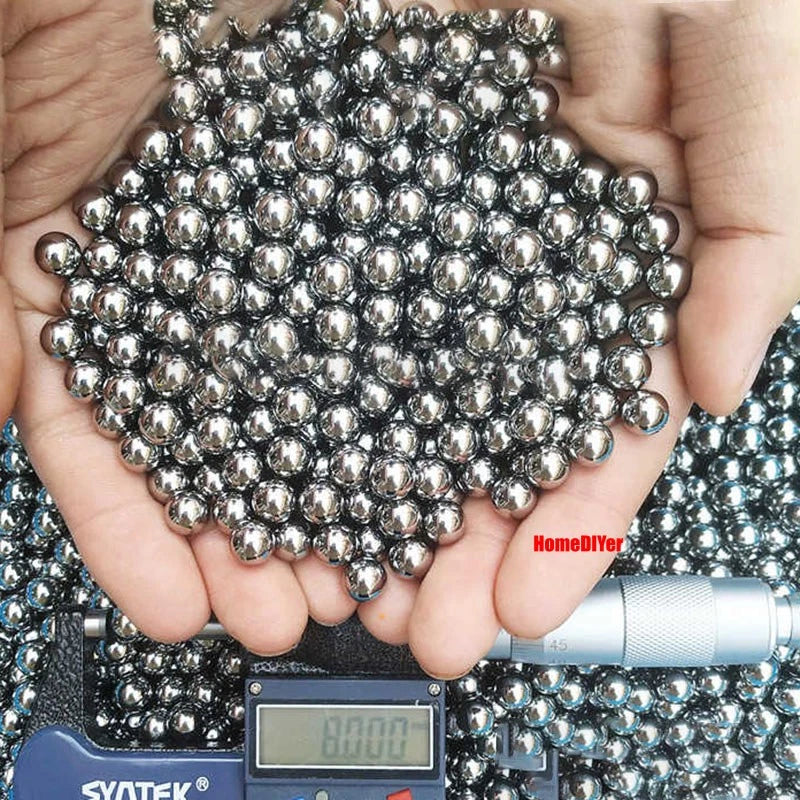
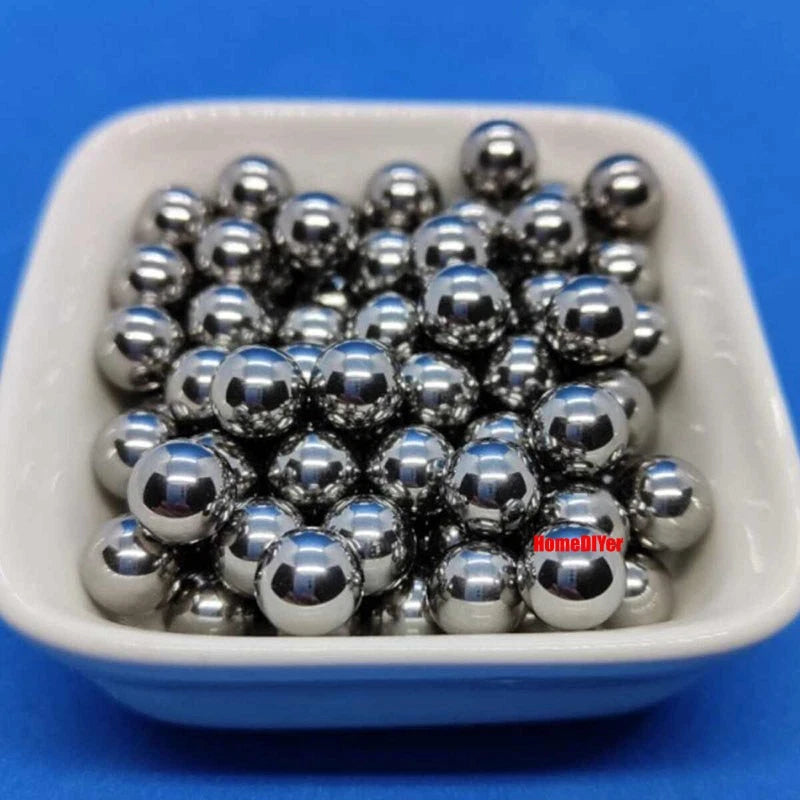
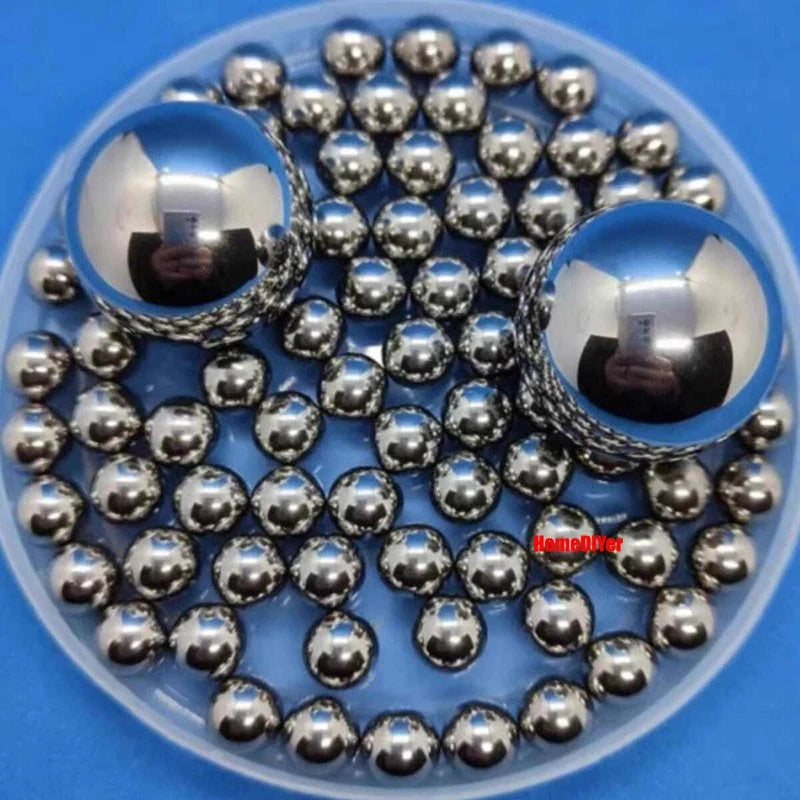
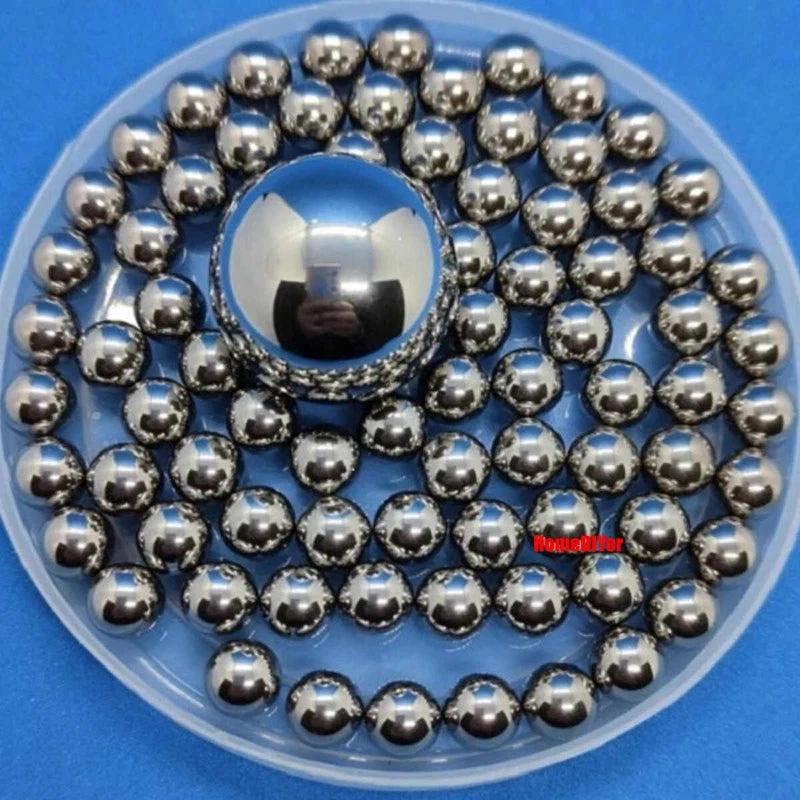
When a loose or oversized ball causes premature bearing failure, vibration, or measurement error, the root cause is almost always dimensional inconsistency. Engineers, machinists, and DIY builders who work with precision assemblies need steel balls they can trust to spec — every single time. These 1kg high-precision steel balls are stocked in a continuous diameter range from 6.90 mm (0.272 in) to 8.10 mm (0.319 in), giving you the exact size your application demands without compromise.
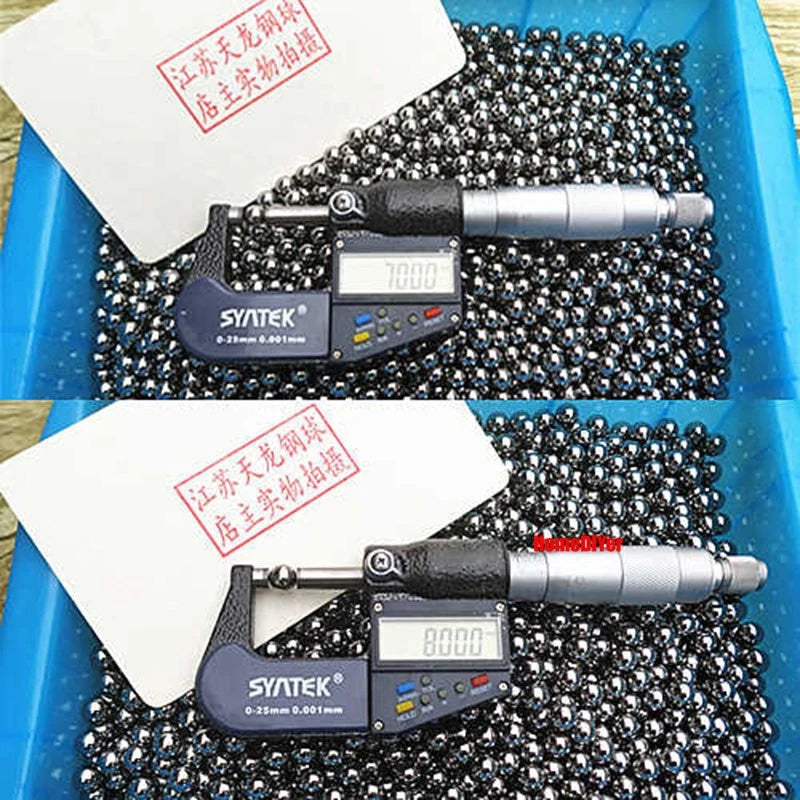
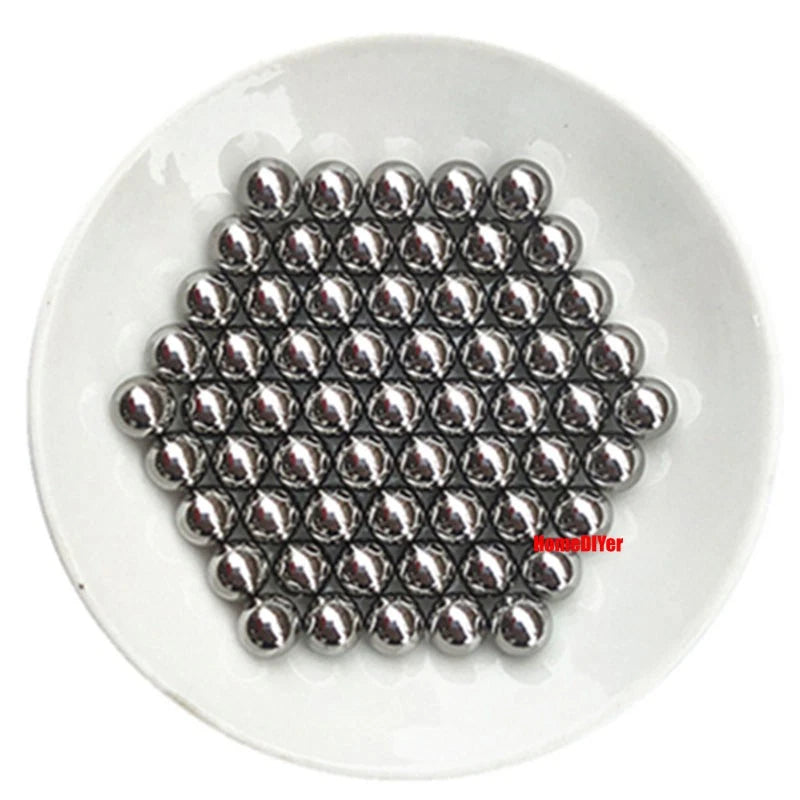
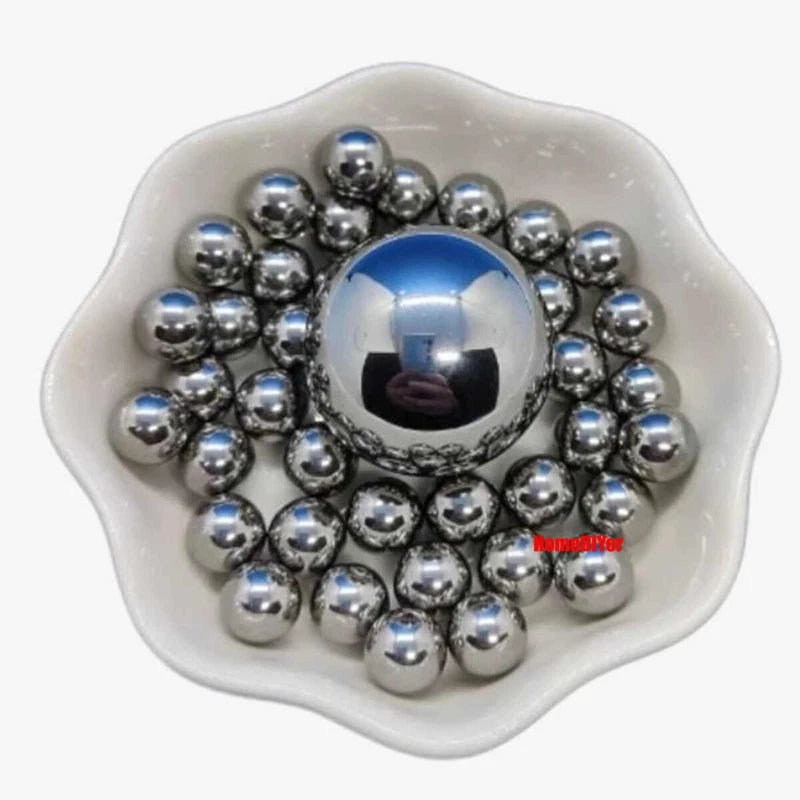
Each bag contains approximately 1 kg of solid steel balls in a single selected diameter. The balls are manufactured from carbon steel or chrome steel (depending on diameter variant) with a smooth, ground surface finish. Diameters span 6.90 mm through 8.10 mm in increments as fine as 0.01 mm, with select sizes including the industry-standard 7.938 mm (5/16 in) fractional dimension.
Typical use cases include replacement rolling elements in radial ball bearings, precision gauge calibration and go/no-go fixtures, ball-screw and linear-motion assemblies, valve seats in fluid-control systems, and load-distribution inserts in jigs and fixtures. The consistent sphericity and surface finish make these balls equally suited to industrial maintenance and precision hobby builds.
| Diameter Range | 6.90 mm – 8.10 mm (0.272 in – 0.319 in) |
|---|---|
| Diameter Increment | As fine as 0.01 mm; see variant options |
| Quantity per Order | 1 kg (weight-based; ball count varies by diameter) |
| Material | Carbon steel / Chrome steel (see variant options) |
| Surface Finish | Ground and polished |
| Hardness | See variant options |
| Sphericity / Tolerance Grade | See variant options |
| Corrosion Protection | Surface-treated |
| Application | Ball bearings, valve seats, gauges, linear guides, jigs |
| Weight per Package | 1 kg |
Measure the inner race diameter of your bearing with a micrometer or digital caliper. The replacement ball should match the original ball diameter, not the bore or outer diameter of the bearing. If you have the bearing part number, cross-reference the manufacturer's datasheet for the specified ball diameter. For worn races, select the next size up (e.g., step from 7.00 mm to 7.01 mm) to restore the correct preload.
Yes. The balls are manufactured from through-hardened carbon or chrome steel, which provides the compressive strength and fatigue resistance required for rolling-contact loads in standard radial ball bearings. For heavy-load or high-speed spindle applications, confirm the grade (G10–G100) with us before ordering to ensure the tolerance class meets your dynamic load requirements.
The balls carry a surface treatment that provides baseline corrosion protection during storage and intermittent exposure to moisture. For continuous wet or submerged environments, we recommend applying a compatible bearing grease or considering stainless steel balls instead. Contact us to confirm availability of stainless variants in your required diameter.
Yes. The ground and polished surface finish is compatible with open bearings, single-shielded (Z), and double-shielded (ZZ) configurations. The balls seat correctly in standard Conrad-type and angular-contact races. Ensure the diameter you select matches the original specification — even a 0.01 mm oversize ball can increase preload significantly in a tight race.
The ball count depends on the selected diameter. As a reference, a solid steel ball at 7.00 mm weighs approximately 1.41 g, yielding roughly 709 balls per kilogram. At 8.00 mm, each ball weighs approximately 2.10 g, yielding roughly 476 balls per kilogram. Exact counts vary slightly with material density. If you need a specific count rather than a weight-based quantity, contact us before ordering.
These balls are suitable for go/no-go gauges, ball-end probes, and dimensional fixtures where a consistent spherical reference is needed. For certified metrology applications requiring traceable dimensional documentation (e.g., ISO 3290 grade certification), contact us to confirm whether a calibration certificate is available for your chosen diameter.
The 7.938 mm size is the metric equivalent of the 5/16 inch fractional dimension (5 ÷ 16 × 25.4 = 7.9375 mm), commonly specified in inch-standard bearings used in North American and legacy British equipment. The 8.00 mm option is the ISO metric standard size. If your bearing datasheet specifies 5/16 in, select 7.938 mm. If it specifies 8 mm, select 8.00 mm — the 0.062 mm difference is significant in precision races.