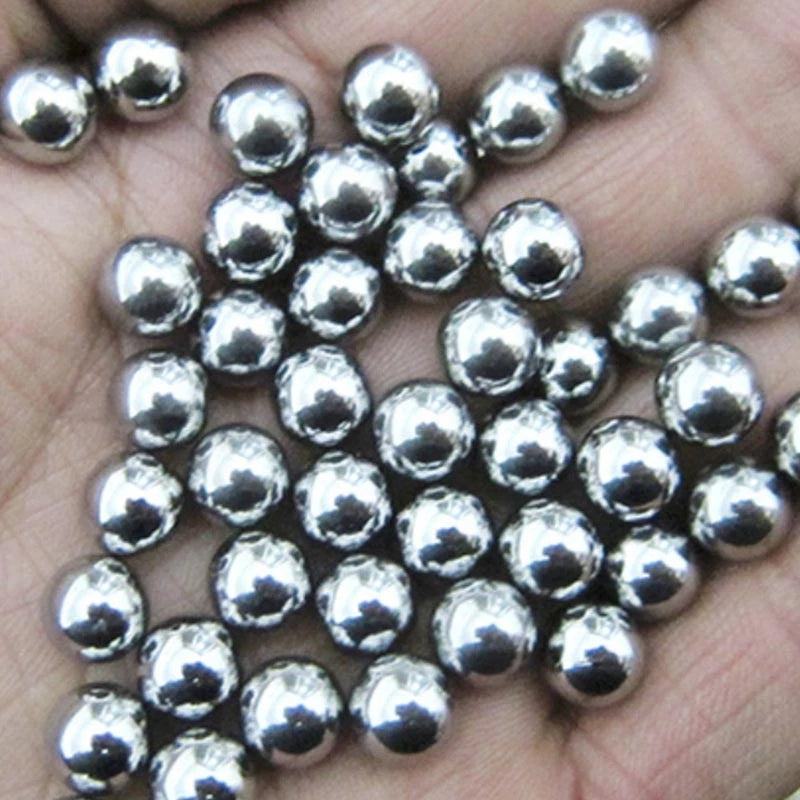
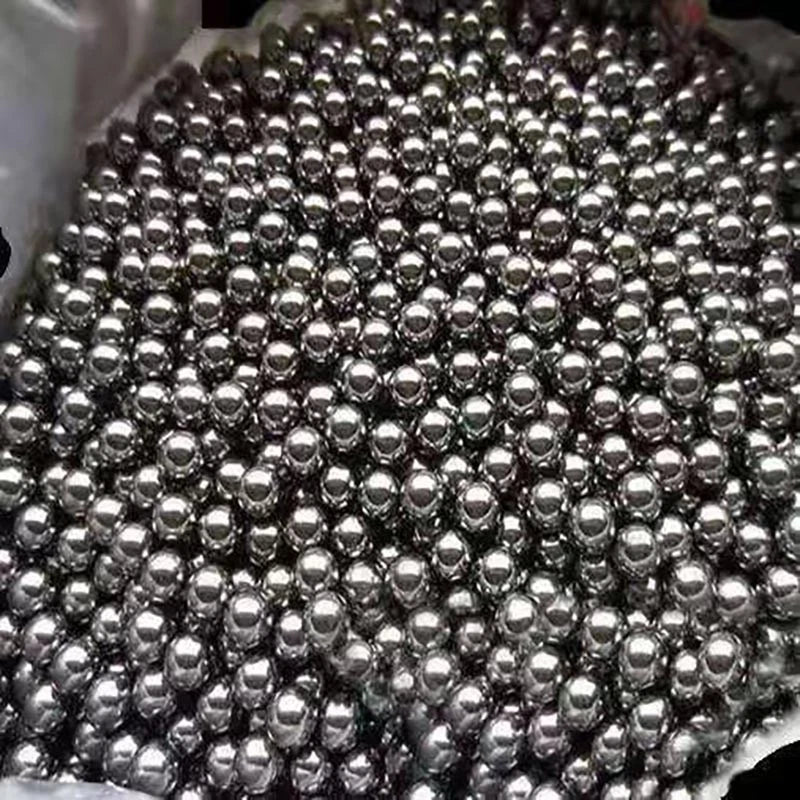
1mm To 3mm Grade 10 Bike Bicycle Cycle Loose Stainless Steel Ball Bearings

No reviews

Price:
Sale price$1.84 USD
Stock:
In stock (500 units), ready to be shipped

Payment & Security

Ach Direct Debit Amazon American Express Apple Pay Bancontact BLIK Diners Club Discover EPS Google Pay iDEAL Wero JCB Maestro Mastercard Multibanco MobilePay PayPal Przelewy24 Shop Pay Twint Union Pay USDC Visa

Your payment information is processed securely. We do not store credit card details nor have access to your credit card information.

Quantity Discount Promotion
🎯 BULK DISCOUNT: Buy More, Save More!
Buy 2 Items
5% OFF
Buy 4 Items
10% OFF
Buy 6 Items
15% OFF
Expert

DIY Expert Support

Get fitment advice & recommendations

Mon-Fri, 8:30AM-8PM
24-Hour Fast Ship
🚚
Arrives in 3-14 days
🌍
Global Reach
↩️
30-Day Returns
🌱 1 tree planted with every purchase

Description

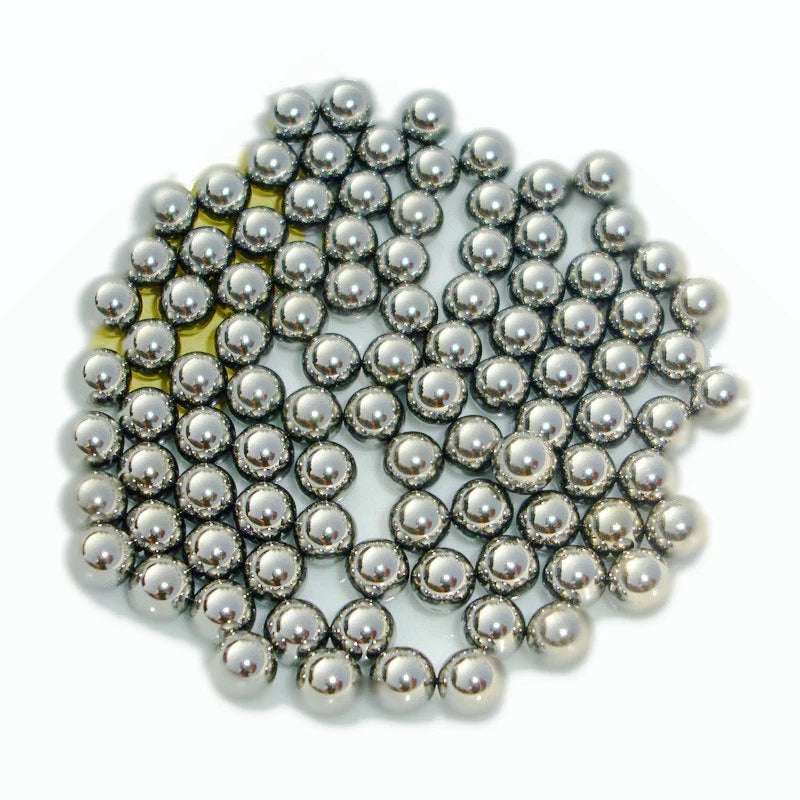
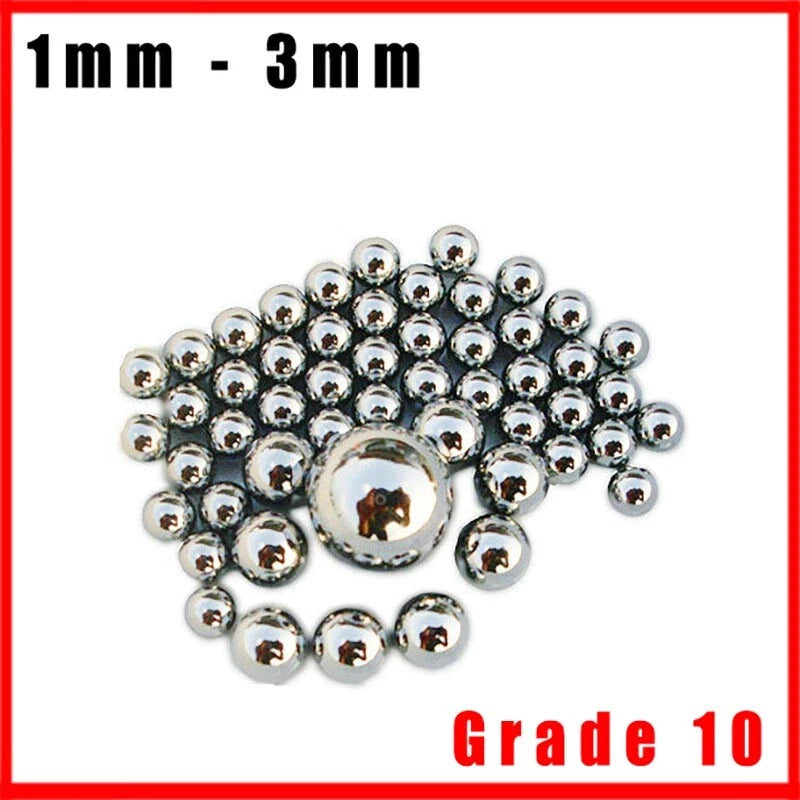
Grade 10 Stainless Steel Loose Ball Bearings — Precision Rolling Elements for Bikes, Cycles & Beyond

When a worn or undersized ball bearing causes your wheel hub to grind, your headset to wobble, or your bottom bracket to drag, the fix starts with sourcing the right replacement. Cyclists, mechanics, and DIY enthusiasts who demand dimensional accuracy know that a few microns of variance can mean the difference between a smooth ride and premature wear. These Grade 10 stainless steel loose ball bearings are stocked in a wide diameter range specifically to cover the replacement needs of road bikes, mountain bikes, BMX, and general cycle components.

Each ball is manufactured from stainless steel to Grade 10 tolerances, delivering a spherical deviation of no more than 0.25 µm at this grade level. Diameters span 1.0 mm to 3.0 mm (approximately 0.039 in to 0.118 in), with many intermediate sizes available — including fractional-inch equivalents such as 1.588 mm (1/16 in), 2.381 mm (3/32 in), and 2.778 mm (7/64 in) — to match both metric and imperial bearing races. Pack sizes range from 1 piece up to 2,000 pieces to suit single-repair jobs and workshop restocking alike.

Typical applications include bicycle wheel hub bearings, headset cups, bottom bracket cartridges, pedal axle bearings, inline skate wheels, and light-duty industrial pivot points where a corrosion-resistant Grade 10 stainless steel loose ball bearing is required. The broad size selection also makes these suitable for model engineering, clock repair, and any application where a loose ball must be matched to an existing race.

🔧 Compatibility: Designed to replace loose balls in standard open-race bicycle hubs, headsets, bottom brackets, and pedals. Verify your existing ball diameter with a micrometer before ordering — select the diameter that matches your current balls exactly.

✅ Key Features of These Grade 10 Stainless Steel Ball Bearings

⚙️ Grade 10 Precision
Sphericity tolerance within 0.25 µm ensures consistent rolling contact and even load distribution across the bearing race, reducing vibration and extending service life.
🦾 Stainless Steel Construction
Manufactured from stainless steel alloy that resists oxidation and surface pitting in wet or humid cycling environments, maintaining dimensional integrity over repeated use.
📏 Wide Diameter Range
Available from 1.0 mm to 3.0 mm with 28 distinct sizes, including metric and fractional-inch equivalents, covering the majority of bicycle hub, headset, and pedal bearing specifications.
📦 Flexible Pack Quantities
Choose from 1 to 2,000 pieces per order. Single-piece options allow precise matching before committing to bulk; larger packs reduce per-unit cost for workshop or fleet maintenance.
🔄 Direct Replacement Fit
Sized to match standard open-race bicycle bearing cups. Fractional-inch sizes (1.588 mm, 2.381 mm, 2.778 mm, etc.) are included to cover legacy and imported components that use inch-based specifications.
🏭 Multi-Application Versatility
Beyond cycling, these balls suit inline skates, scooter wheels, model engineering pivots, clock mechanisms, and any light-duty application requiring a corrosion-resistant precision rolling element.

📐 Technical Specifications — Stainless Steel Loose Ball Bearings

Material Stainless Steel
Grade Grade 10
Diameter Range 1.0 mm – 3.0 mm (approx. 0.039 in – 0.118 in)
Available Diameters See variant options
Pack Sizes 1, 10, 20, 50, 100, 200, 500, 1000, 2000 pieces
Surface Finish Smooth ground, bright finish
Corrosion Resistance Yes — stainless steel alloy
Sphericity Tolerance ≤ 0.25 µm (Grade 10)
Typical Applications Bicycle hubs, headsets, bottom brackets, pedals, inline skates, light industrial pivots
Compatibility Open-race bearing cups — confirm diameter with micrometer before ordering

❓ Frequently Asked Questions

How do I measure the correct ball diameter for my bicycle bearing?

Remove one of the existing balls from the bearing race and measure it across its widest point using a digital micrometer or vernier caliper. Record the measurement in millimetres and select the matching diameter from the variant options. Avoid measuring with a ruler — even a 0.05 mm error can cause the replacement ball to fit too loosely or too tightly in the race.

What does Grade 10 mean for ball bearings?

Grade 10 refers to the ABMA/ISO precision classification for ball bearings. It specifies that the maximum allowable spherical deviation (out-of-roundness) is 0.25 µm (0.00025 mm). Grade 10 balls are suitable for bicycle hubs, headsets, and similar applications where smooth rolling and consistent load distribution are required, without the cost of ultra-precision grades used in high-speed spindles.

Are these balls compatible with both metric and inch-specification bearing races?

Yes. The range includes several sizes that correspond to common fractional-inch specifications: 1.588 mm (1/16 in), 2.381 mm (3/32 in), 2.778 mm (7/64 in), and 3.0 mm (approximately 0.118 in / close to 3/32 in). Always verify the exact diameter of your existing balls before ordering, as nominal inch sizes can vary slightly between manufacturers.

Will stainless steel balls rust or corrode in wet cycling conditions?

Stainless steel offers significantly better corrosion resistance than carbon steel balls. In typical cycling conditions — rain, mud, and humidity — stainless steel balls will resist surface rust and pitting far longer than standard steel alternatives. For best results, re-grease the bearing race with a water-resistant bicycle grease after installation and inspect periodically if riding in consistently wet conditions.

How many balls do I need to replace a bicycle hub bearing?

The number of balls per race varies by hub design and ball diameter. A typical front hub uses 9–10 balls per side (18–20 total), while rear hubs commonly use 9 balls on the drive side and 10 on the non-drive side. Headsets typically use 18–22 balls per cup. Count your existing balls carefully before ordering, and consider purchasing a few extra to account for any that may be lost during reassembly.

Can I use these balls in applications other than bicycles?

Yes. These Grade 10 stainless steel balls are suitable for any open-race bearing application that falls within the 1.0–3.0 mm diameter range. Common non-cycling uses include inline skate wheels, kick scooter pivot bearings, model engineering projects, clock and watch repair (larger sizes), and light-duty industrial pivot points. Confirm the required diameter and grade specification for your application before ordering.

What is the difference between loose ball bearings and caged (cartridge) bearings?

Loose (uncaged) ball bearings are individual balls that sit directly in an open bearing race, held in place by grease. They are the traditional design used in most cup-and-cone bicycle hubs, headsets, and pedals. Caged or cartridge bearings enclose the balls in a sealed unit with inner and outer races. Loose balls allow more balls per race (higher load capacity) and are field-serviceable with basic tools, making them the preferred choice for traditional bicycle maintenance.

🛒 Select your Diameter and Pack Size above, then add to cart.


You may also like

Recently viewed