The chain is fine...but I ordered the wrong size. Nine links of the chain I ordered equals six of the size I wanted. My error...
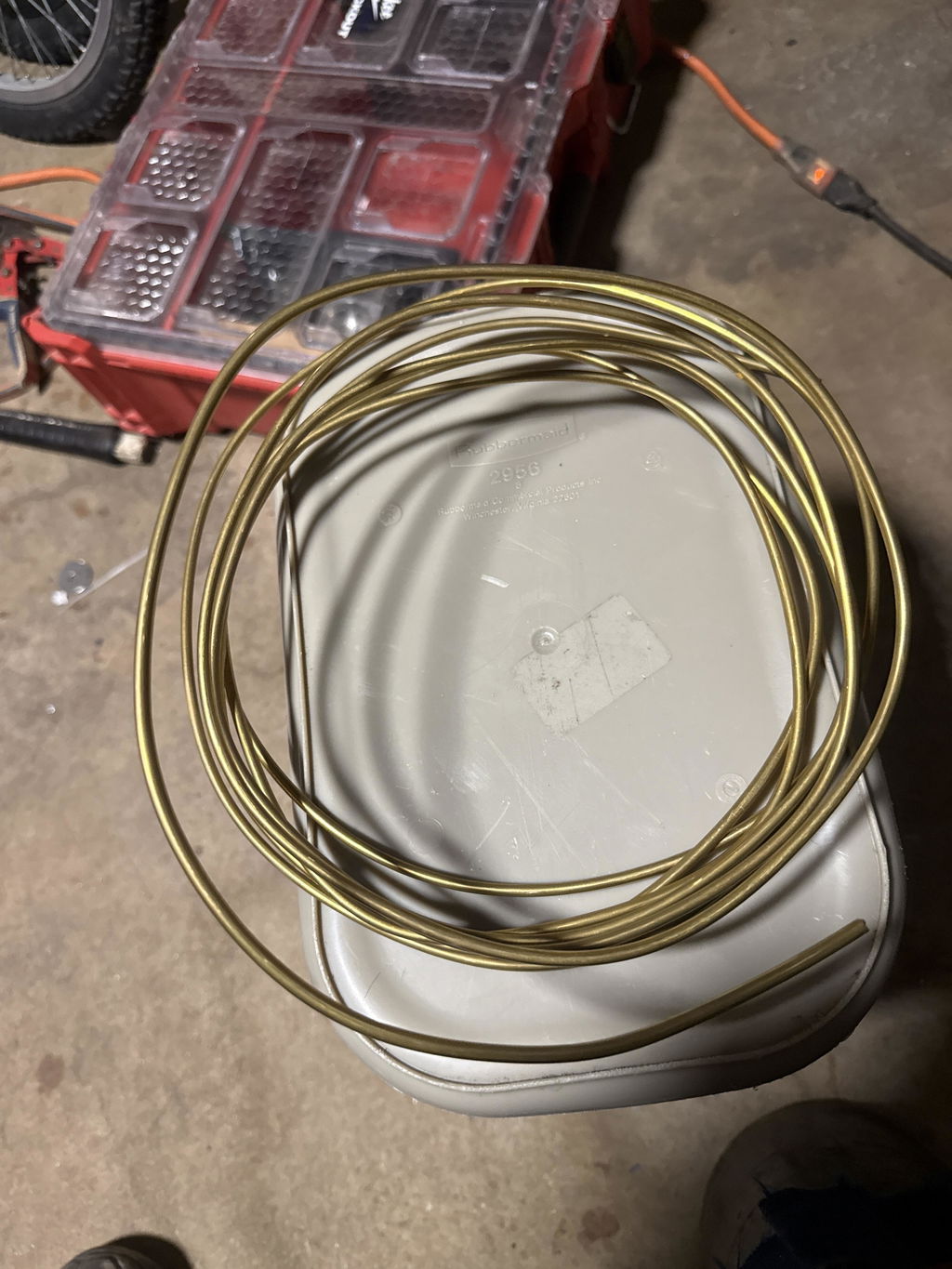
How can I straighten out the springs? I can't use them coil uo as is.
Your payment information is processed securely. We do not store credit card details nor have access to your credit card information.
Get fitment advice & recommendations
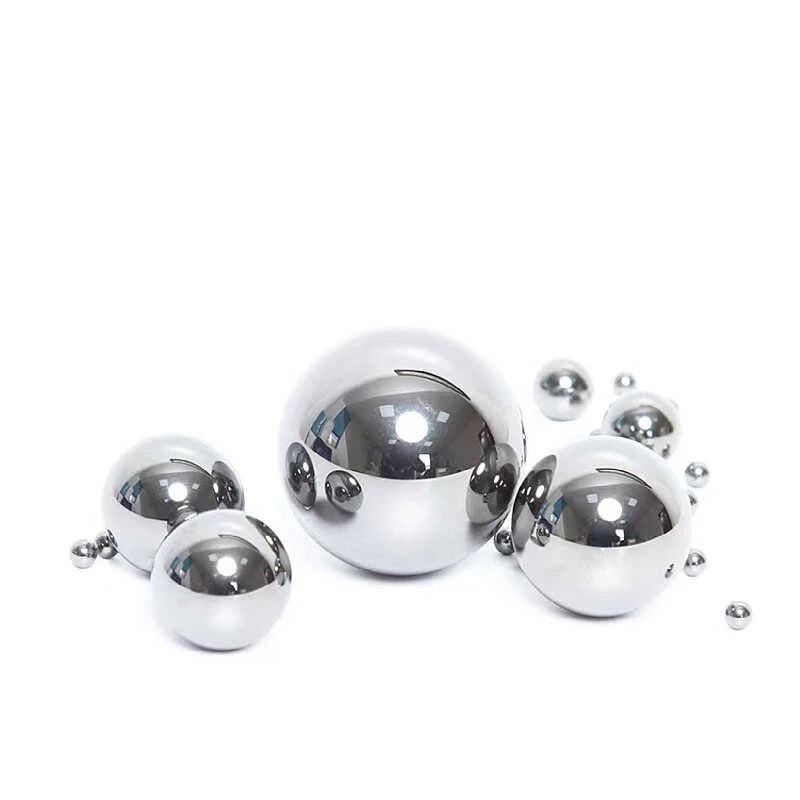
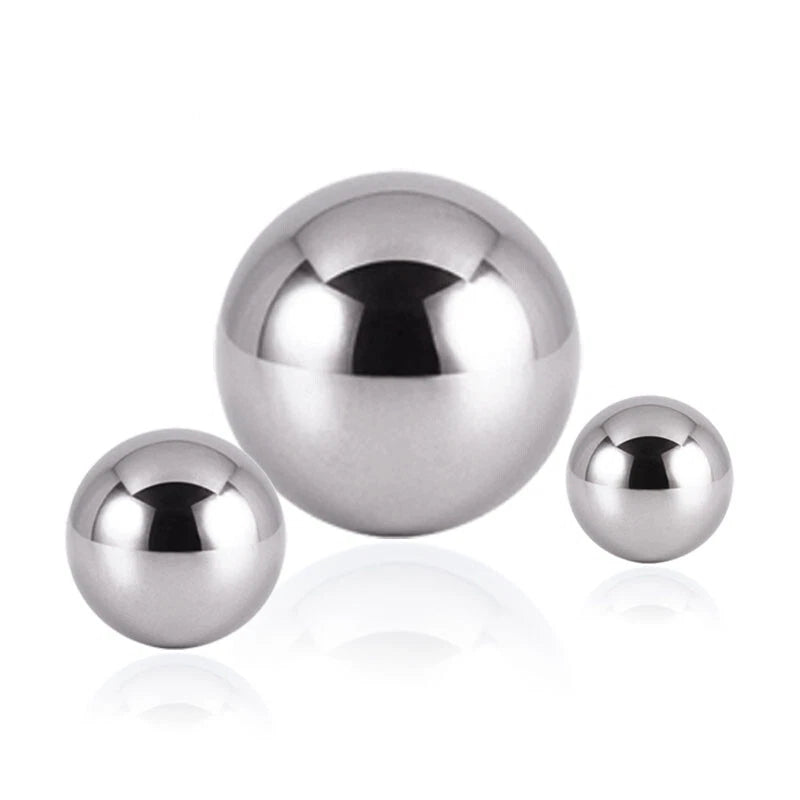
When a worn or undersized ball bearing causes a valve to leak, a linear rail to bind, or a custom jig to lose its tolerance, sourcing the exact diameter quickly becomes the bottleneck. These 304 stainless steel ball bearings are stocked in 70+ sizes from 0.5 mm (0.020 in) to 75 mm (2.953 in), giving engineers, machinists, and serious DIYers a single source for both micro-precision and heavy-duty rolling elements.
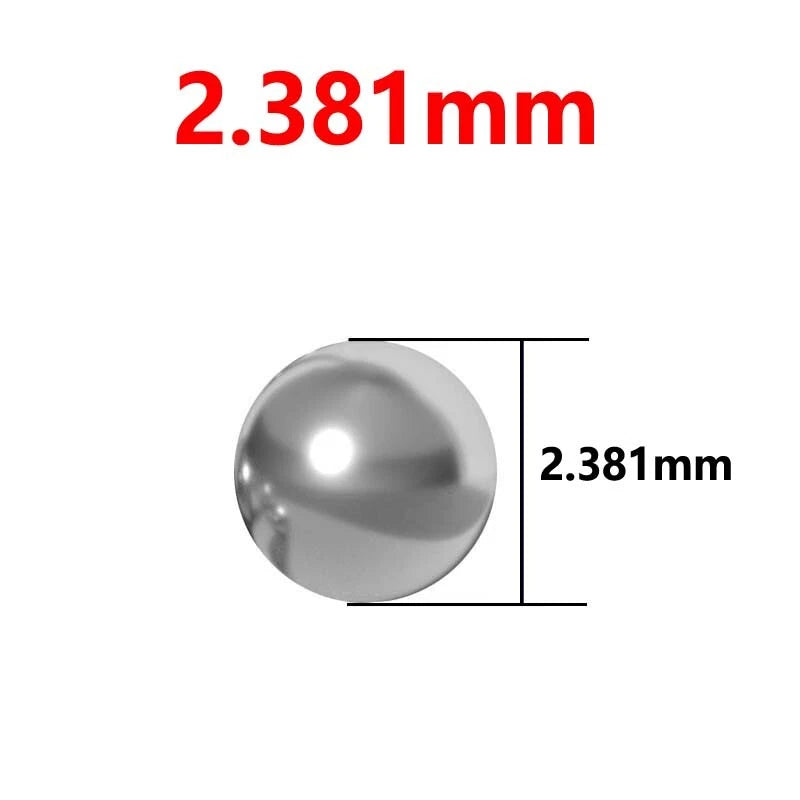
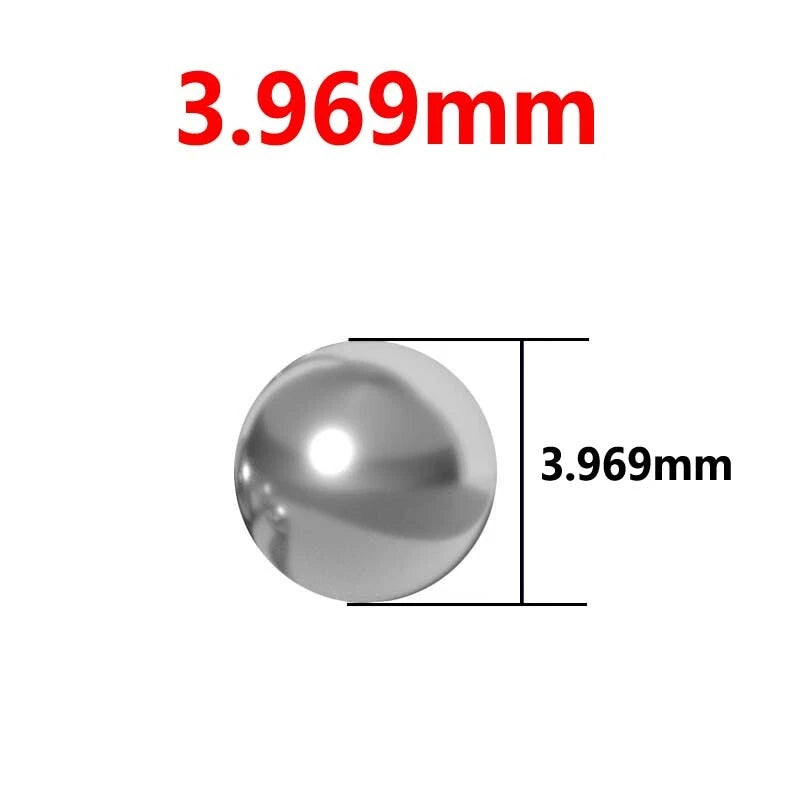
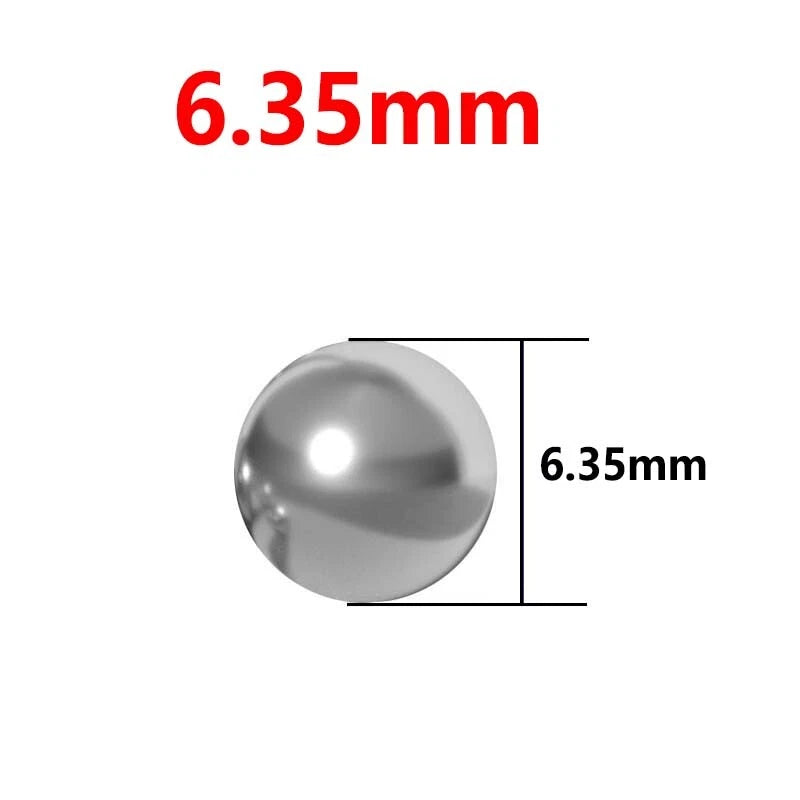
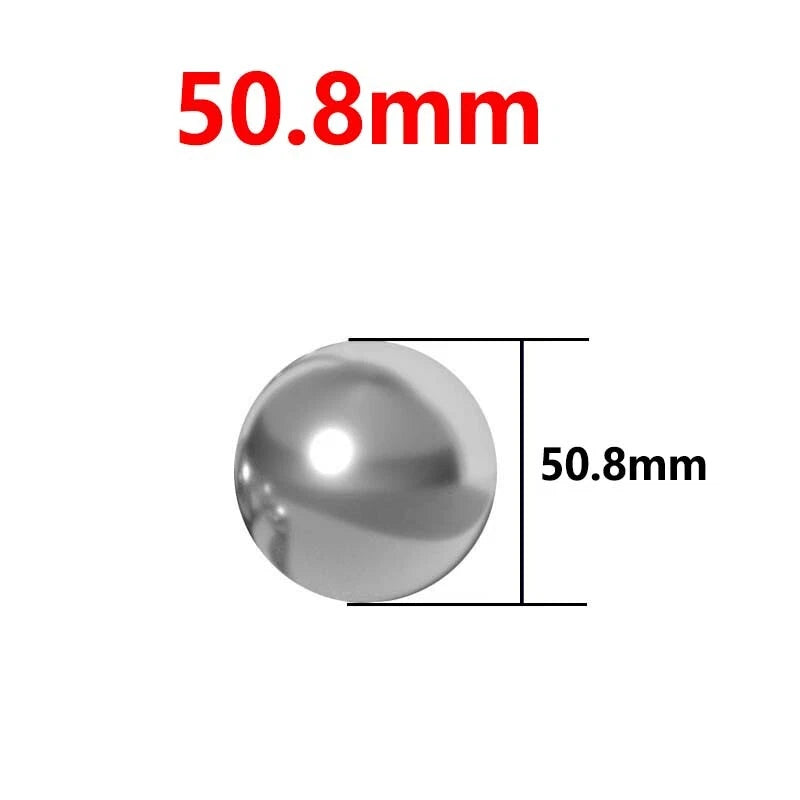
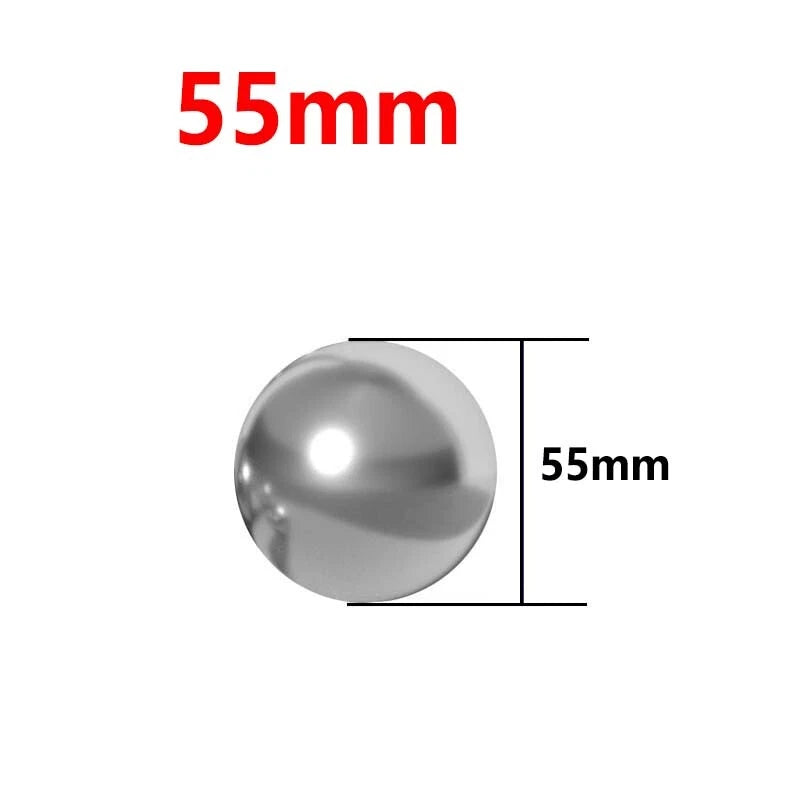
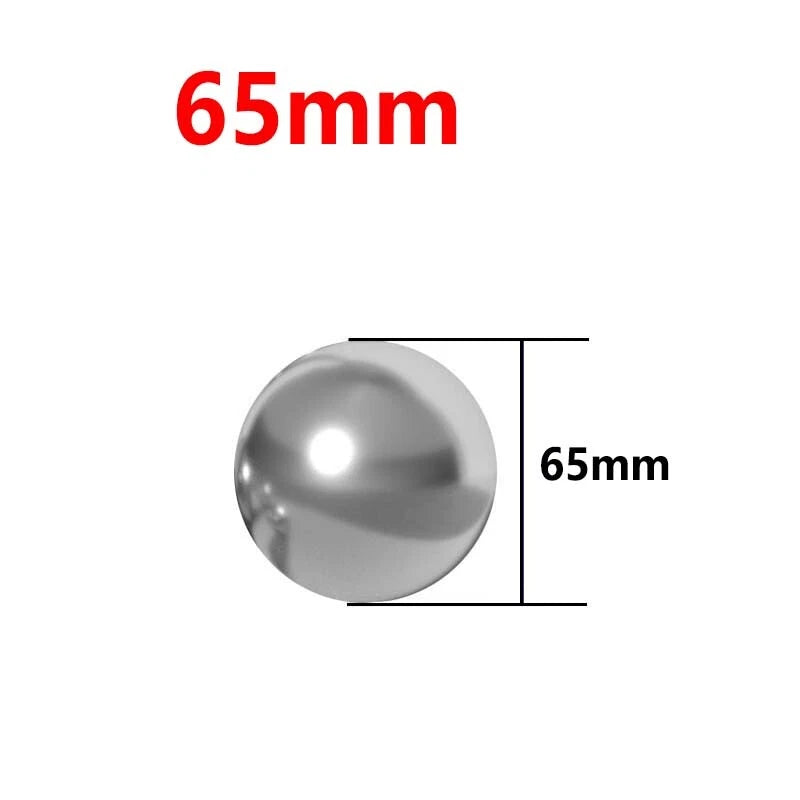
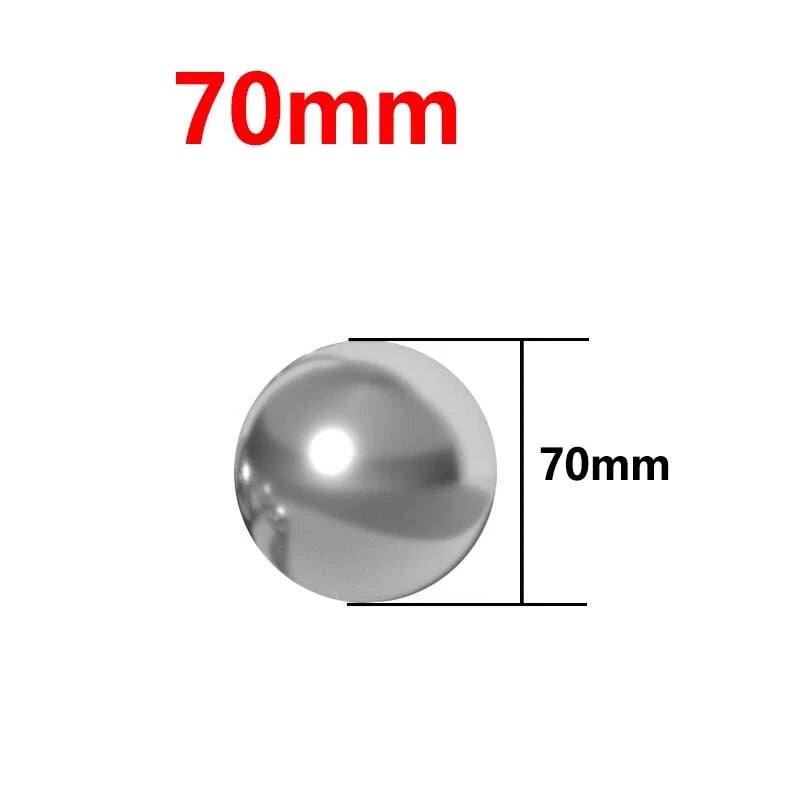
Each ball is manufactured from 304 stainless steel — an austenitic alloy containing 18% chromium and 8% nickel — and finished to a smooth spherical surface. Diameters span 0.5 mm through 75 mm (approximately 0.020 in to 2.953 in), with fractional inch equivalents such as 3/32" (2.381 mm), 1/8" (3.175 mm), 5/32" (3.969 mm), 1/4" (6.35 mm), 7/32" (5.556 mm), and 1" (25.4 mm) included in the range. Quantities are available from single pieces up to 100-piece packs, allowing both prototype sampling and production restocking.
Typical use cases include replacement rolling elements in radial and thrust bearings, check-valve seats in fluid systems, load-distributing balls in drawer slides and casters, and precision spacers in custom CNC fixtures. The corrosion resistance of 304 stainless makes these balls well-suited for food-processing equipment, marine hardware, and wet-environment automation where carbon steel would corrode.
| Material | 304 Stainless Steel (18% Cr, 8% Ni austenitic alloy) |
|---|---|
| Diameter Range | 0.5 mm – 75 mm (approx. 0.020 in – 2.953 in) |
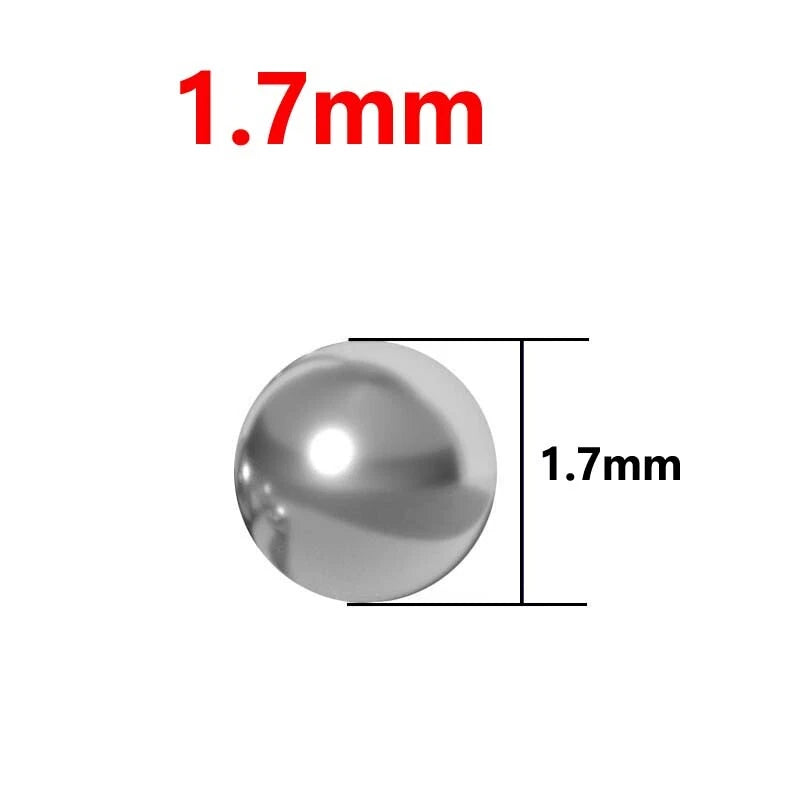
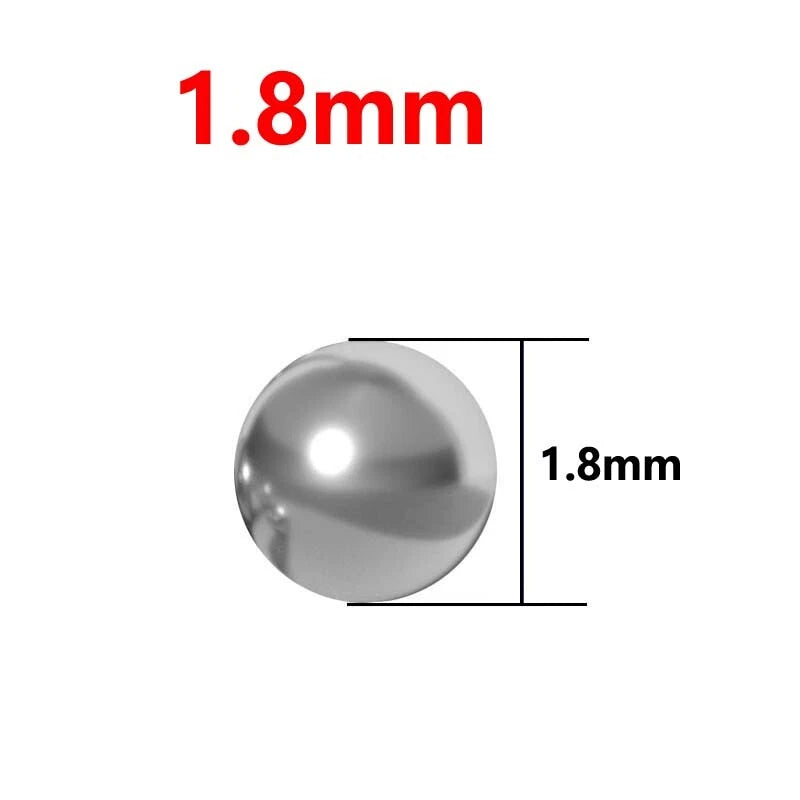
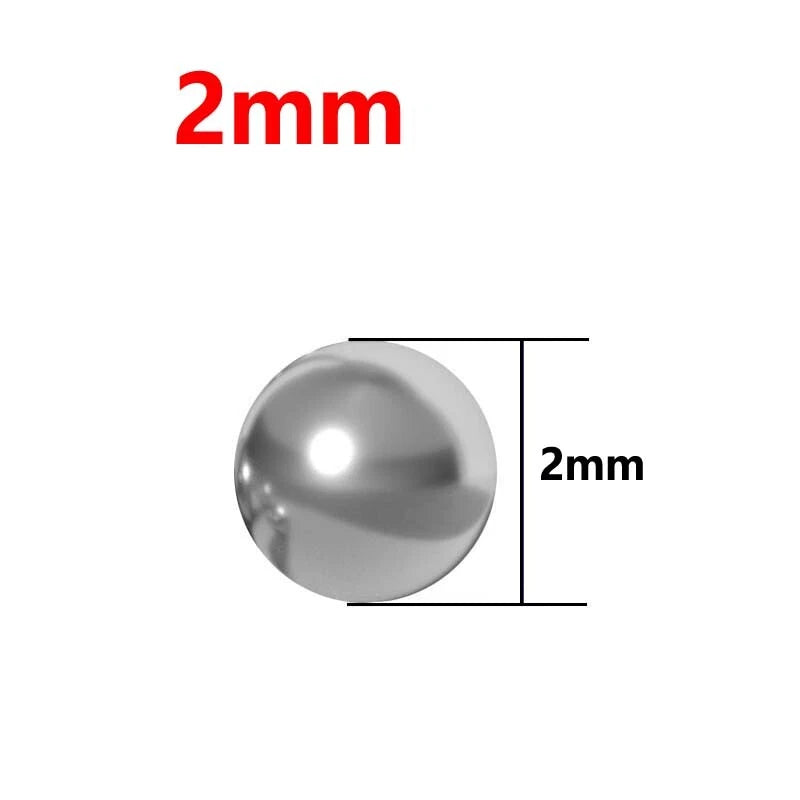
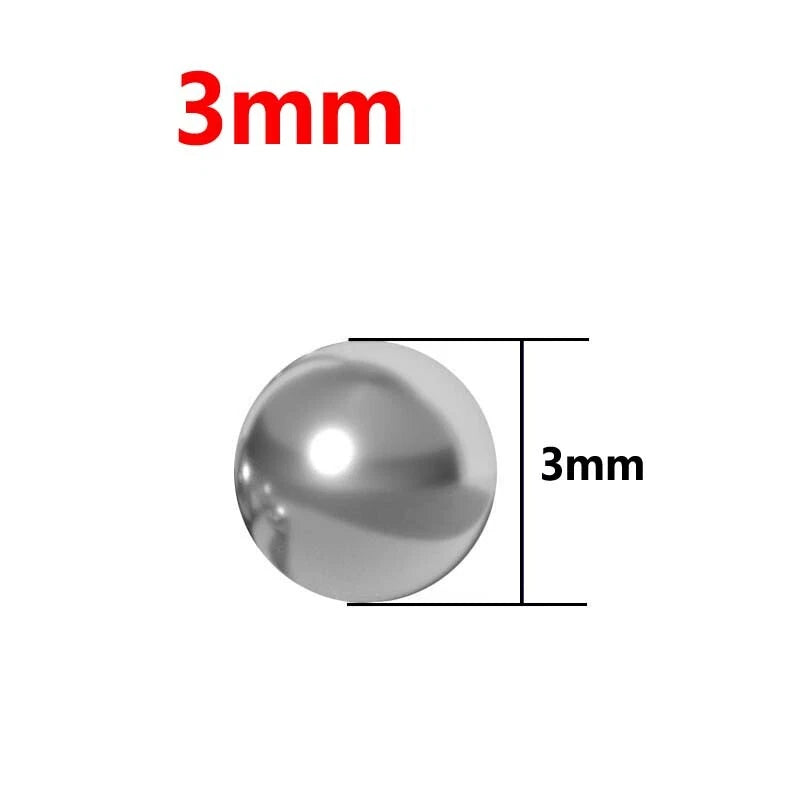
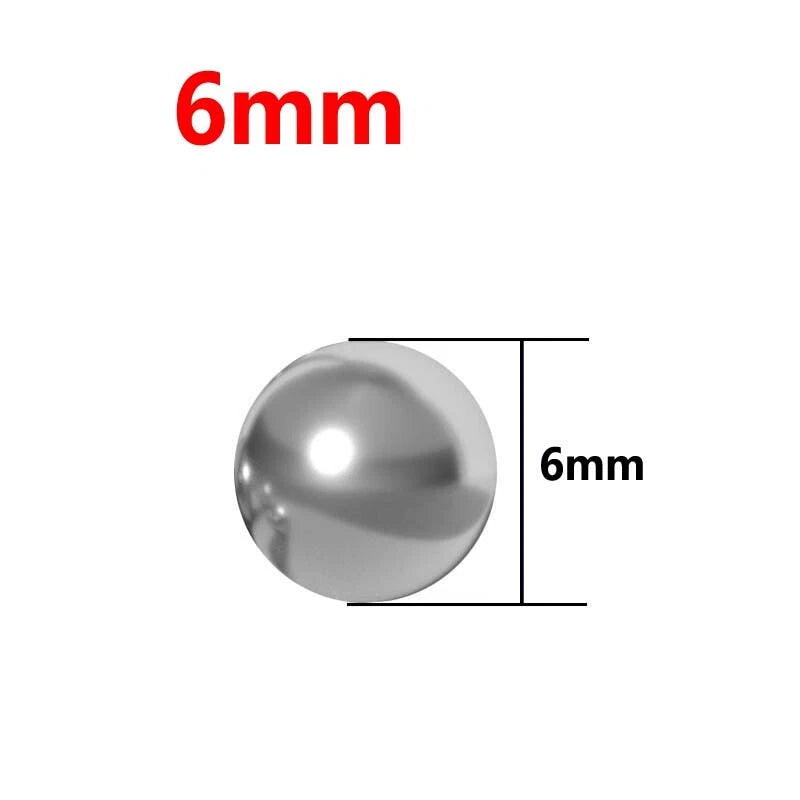
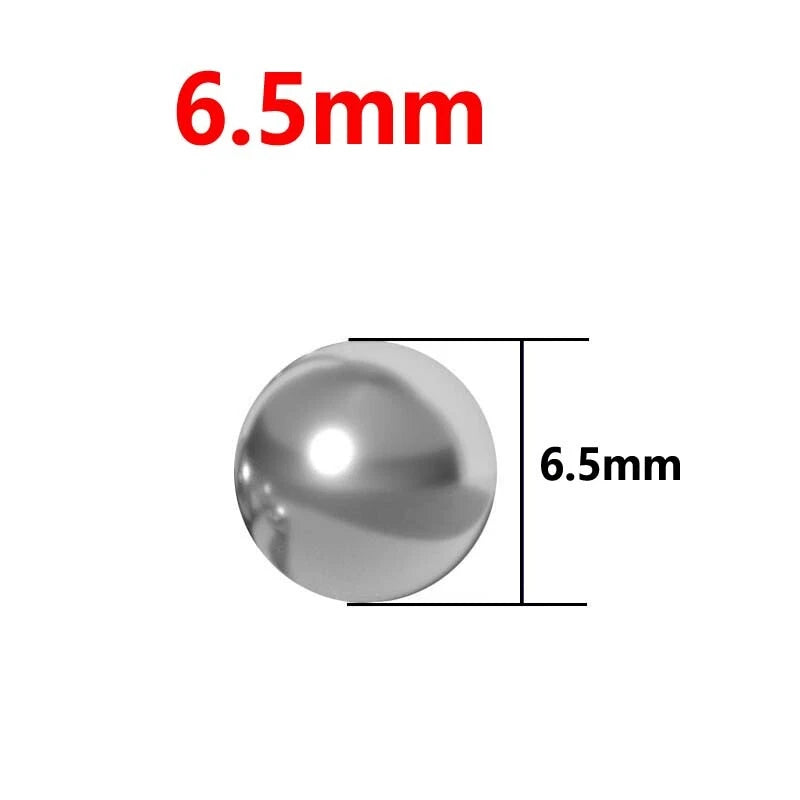
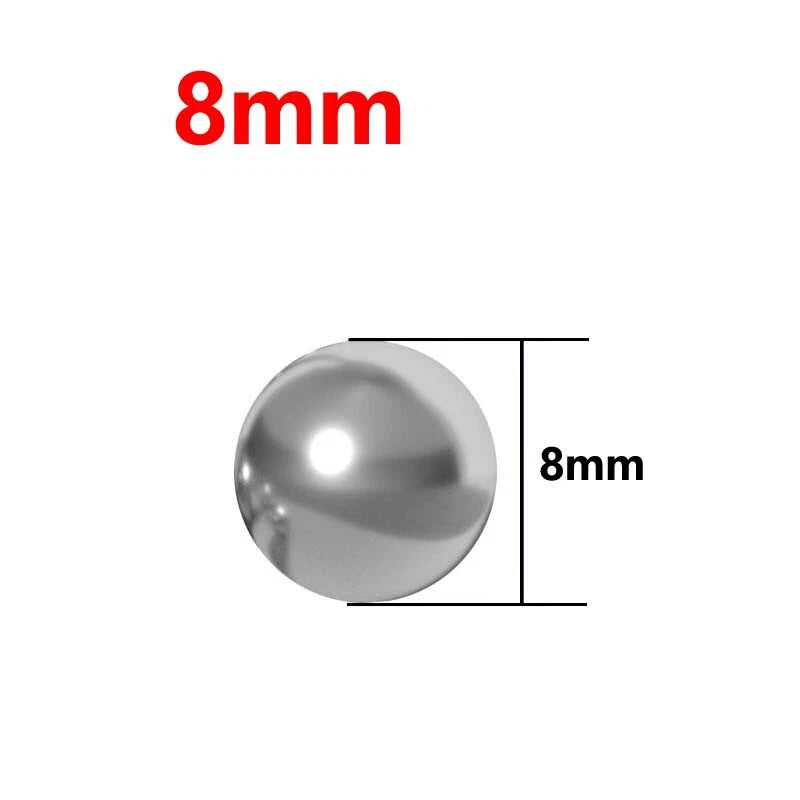
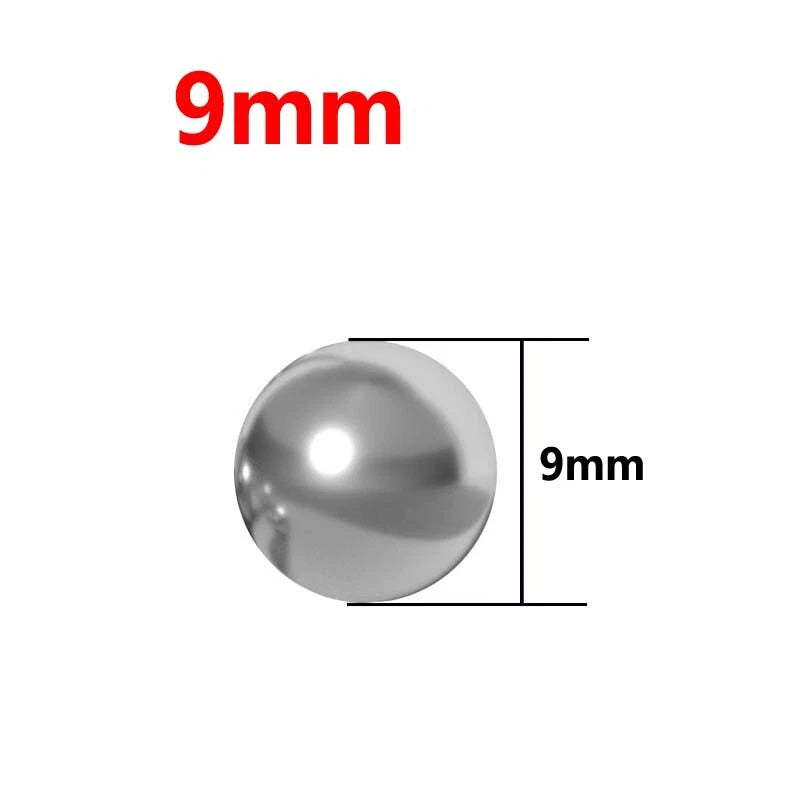
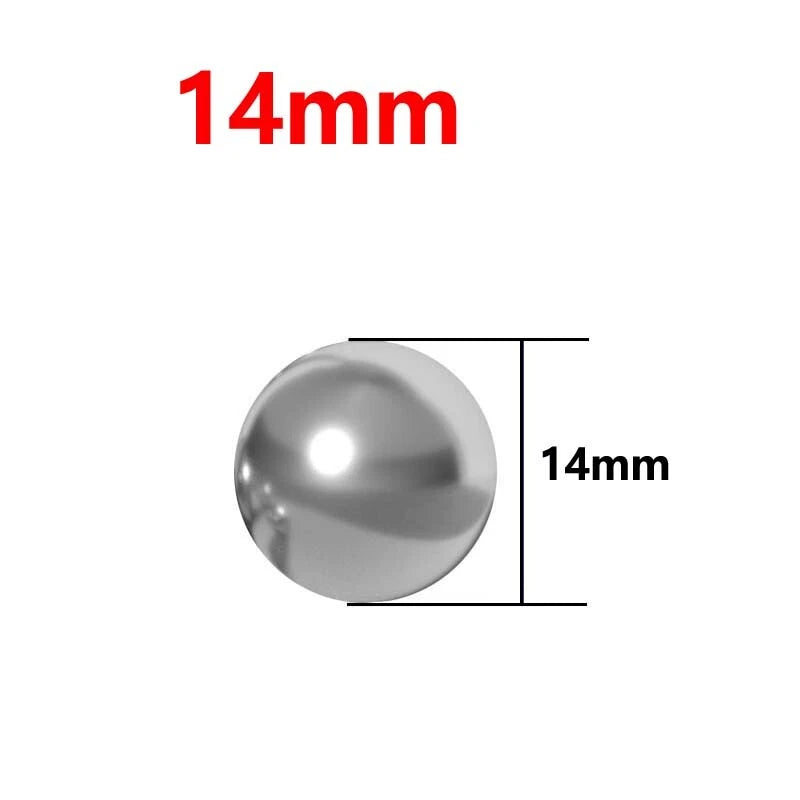
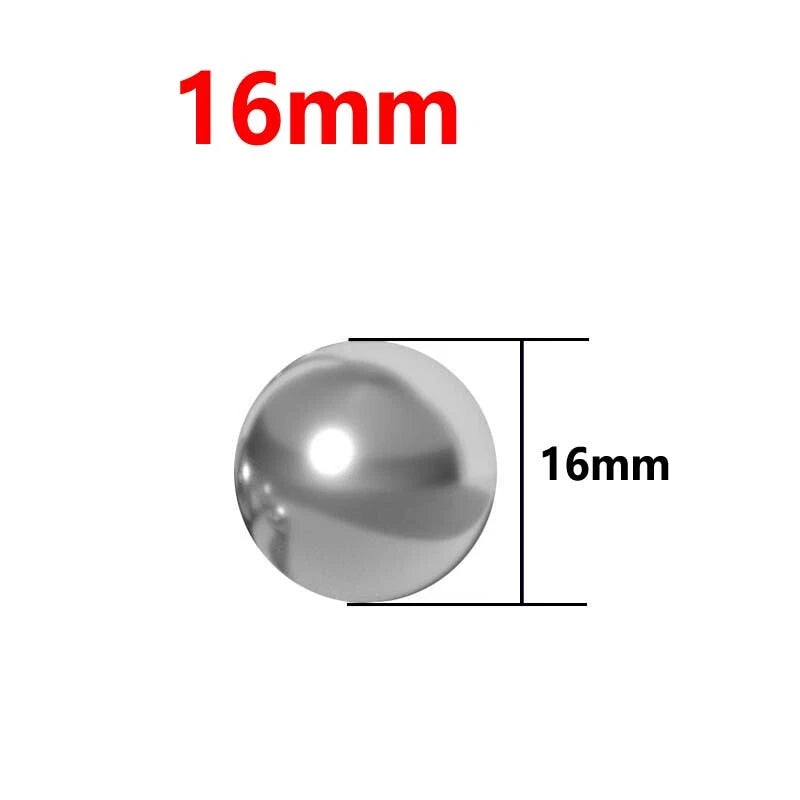
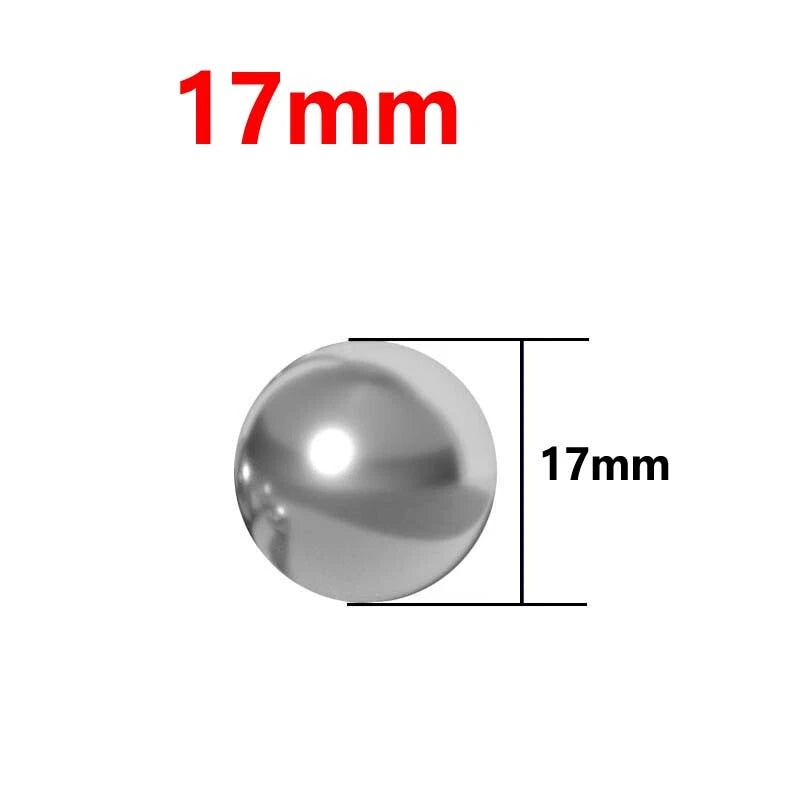
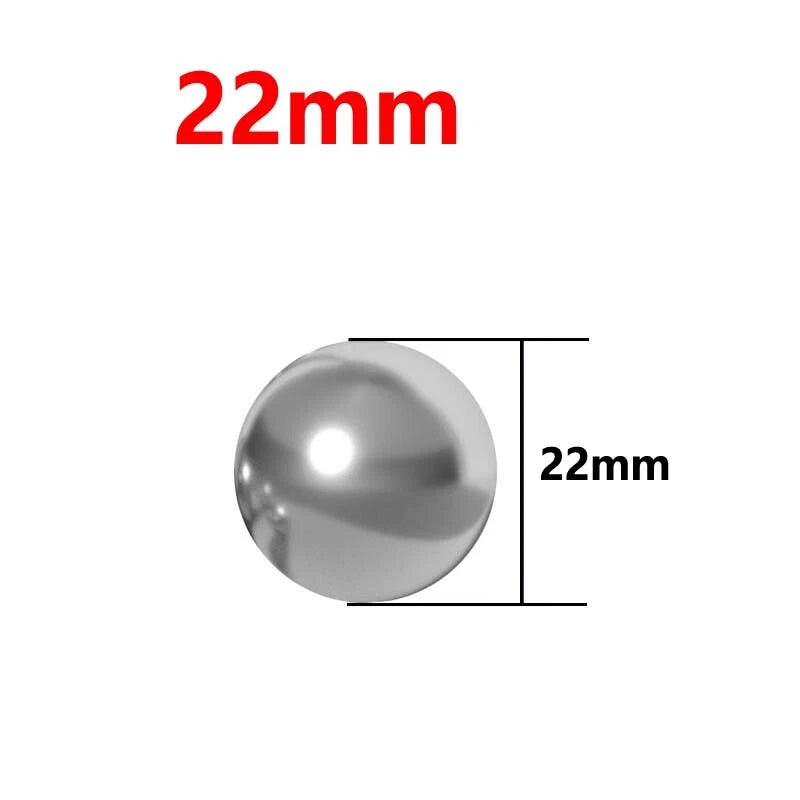
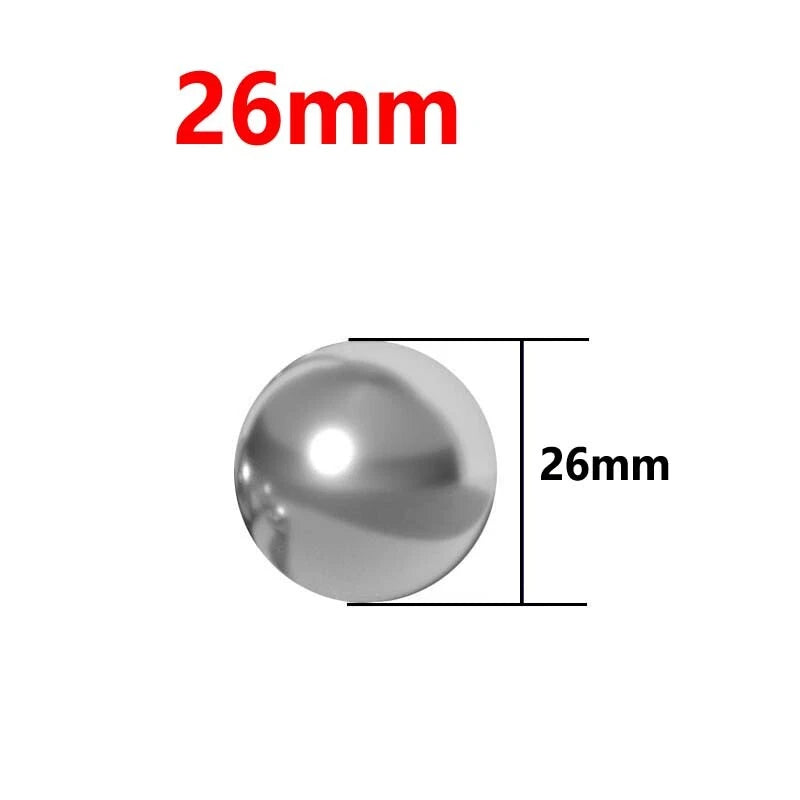
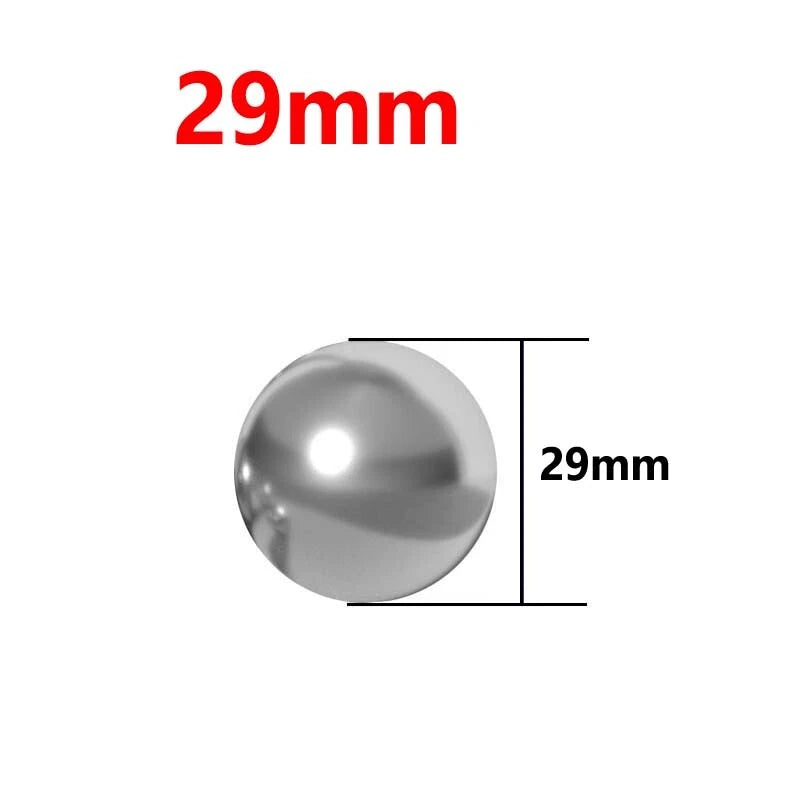
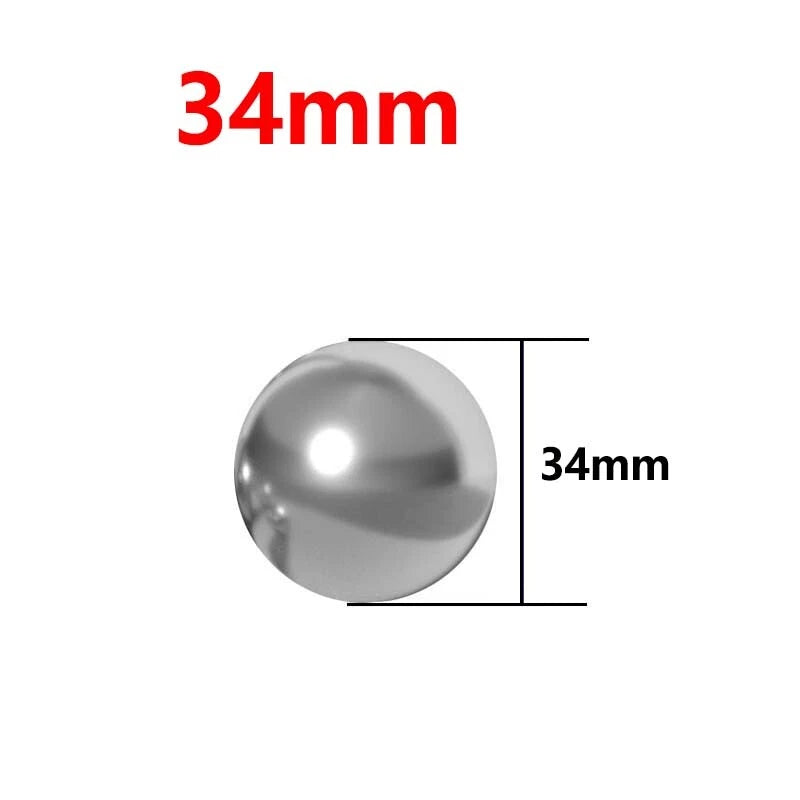
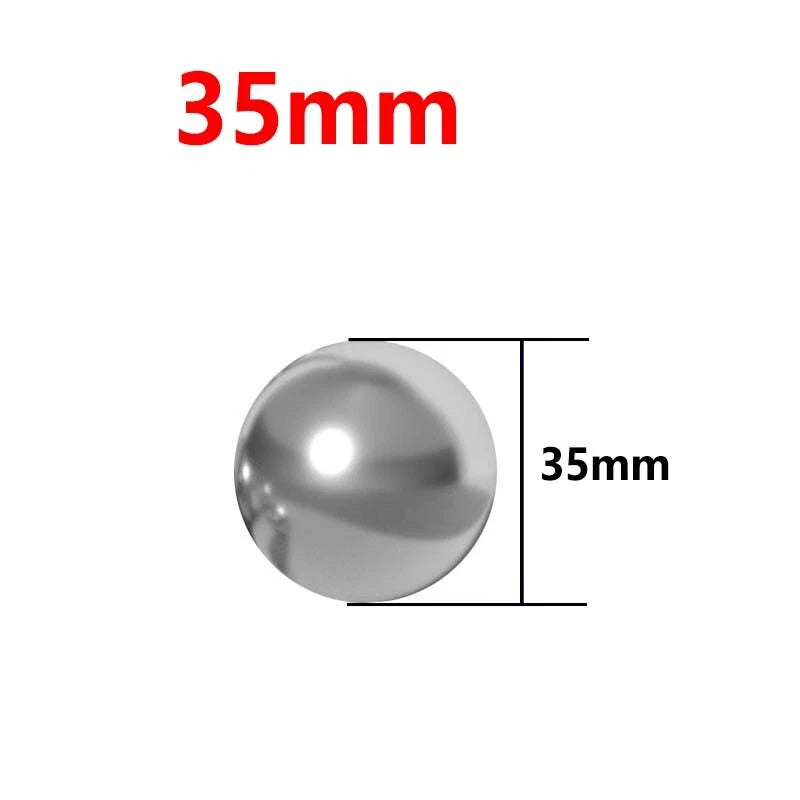
| Available Metric Sizes | 0.5, 0.7, 0.8, 1, 1.1, 1.2, 1.3, 1.4, 1.5, 1.6, 1.7, 1.8, 1.9, 2, 2.5, 3, 3.5, 4.5, 5, 5.5, 6, 6.5, 7, 8, 8.5, 9, 9.5, 10, 11, 12, 13, 14, 15, 16, 17, 18, 19, 20, 21, 22, 23, 24, 25, 26, 27, 28, 29, 30, 32, 34, 35, 36, 39, 40, 42, 45, 48, 50, 55, 60, 65, 70, 75 mm |
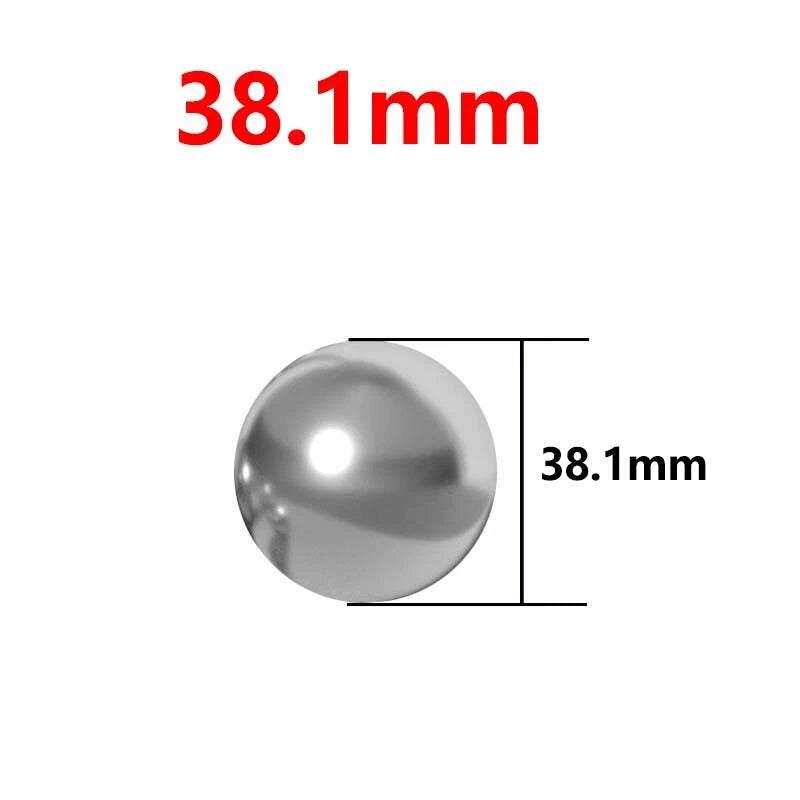
| Available Fractional-Inch Equivalents | 2.381 mm (3/32"), 3.175 mm (1/8"), 3.969 mm (5/32"), 6.35 mm (1/4"), 7.144 mm (9/32"), 12.7 mm (1/2"), 22.225 mm (7/8"), 25.4 mm (1"), 31.75 mm (1-1/4"), 38.1 mm (1-1/2"), 50.8 mm (2"), 63.5 mm (2-1/2") |
| Pack Quantities | 1, 2, 5, 10, 25, or 100 pcs (availability varies by size) |
| Surface Finish | Smooth spherical (loose rolling element, unground) |
| Corrosion Resistance | Resistant to atmospheric moisture, mild acids, and oxidation |
| Typical Applications | Bearing races, check valves, ball screws, drawer slides, casters, precision fixtures |
| Form Factor | Loose balls (not pre-assembled bearing units) |
| Hardness | See variant options |
| Tolerance Grade | See variant options |
Measure the existing ball with a micrometer or digital caliper, or check the bearing manufacturer's part number — the last digits typically encode the ball diameter. For valve seats, measure the seat bore and select a ball diameter that matches the specified seat-contact diameter in your valve datasheet. If you are replacing a fractional-inch ball (e.g., 1/4"), look for the metric equivalent listed in the variant options (6.35 mm for 1/4").
These are general-purpose 304 stainless steel loose balls. For standard radial bearings, drawer slides, casters, and low-to-medium speed applications they perform reliably. For high-speed precision spindles or heavily loaded industrial bearings that specify hardened chrome steel (52100) or ceramic balls, contact us to confirm suitability before ordering, as 304 stainless is softer than bearing-grade chrome steel.
304 stainless steel resists rust in atmospheric conditions, fresh water, and mild chemical environments. It is not fully immune to corrosion in chloride-rich environments (e.g., saltwater immersion or concentrated chlorine solutions), where 316 stainless would be a better choice. For most indoor, food-processing, and light marine applications, 304 performs well without surface treatment.
Yes. 304 stainless balls are widely used as check-valve seats in water, oil, and mild chemical systems. Ensure the ball diameter matches the valve seat specification precisely — even a 0.1 mm mismatch can cause leakage. For aggressive chemicals or high-pressure hydraulic systems, verify chemical compatibility with 304 stainless before use.
The fractional-inch sizes (e.g., 2.381 mm = 3/32", 6.35 mm = 1/4", 25.4 mm = 1") are exact metric conversions of standard imperial ball diameters used in older US-manufactured equipment. If your equipment was designed to imperial standards, select the fractional-inch equivalent rather than the nearest round metric size to ensure a proper fit in the bearing race or valve seat.
Store balls in a dry, clean container away from abrasive particles and dissimilar metals that could cause galvanic pitting. A sealed plastic bag or small parts organizer works well. Avoid dropping balls onto hard surfaces, as even stainless steel can develop flat spots or micro-cracks from impact that reduce rolling performance. Wipe balls with a clean cloth before installation to remove any handling oils or debris.
Yes. Most sizes are available in a 1-piece quantity so you can verify the diameter fits your application before committing to a 10, 25, or 100-piece pack. Simply select the desired ball size and choose "1 pcs" from the Amount option. Larger packs offer a lower per-unit cost for production or maintenance stock.