The chain is fine...but I ordered the wrong size. Nine links of the chain I ordered equals six of the size I wanted. My error...
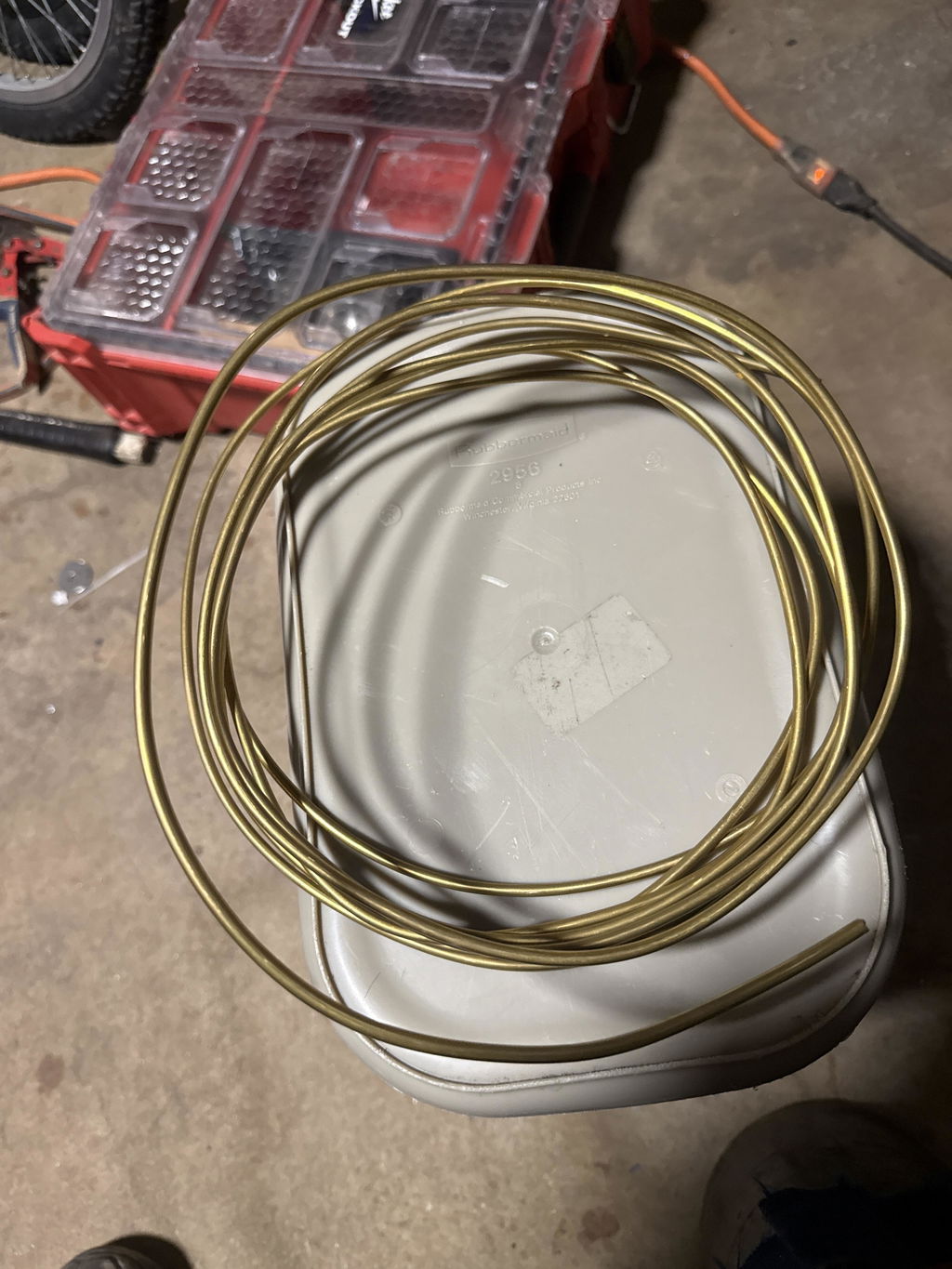
How can I straighten out the springs? I can't use them coil uo as is.
Your payment information is processed securely. We do not store credit card details nor have access to your credit card information.
Get fitment advice & recommendations
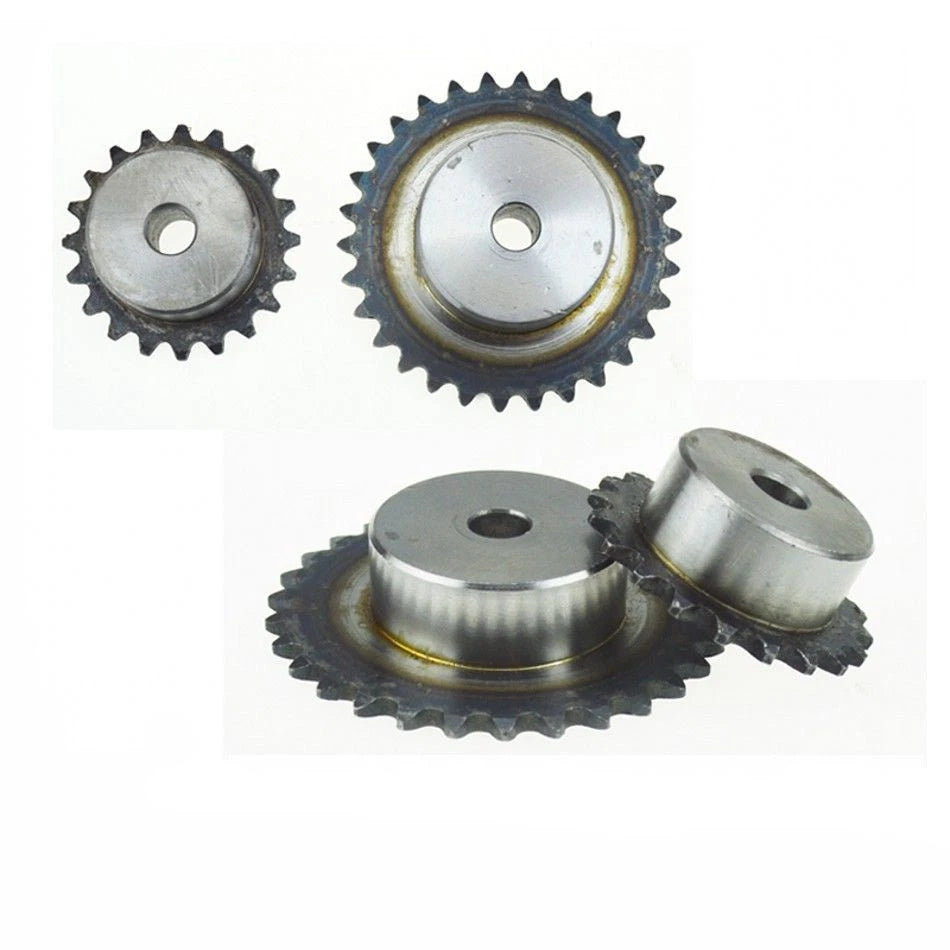
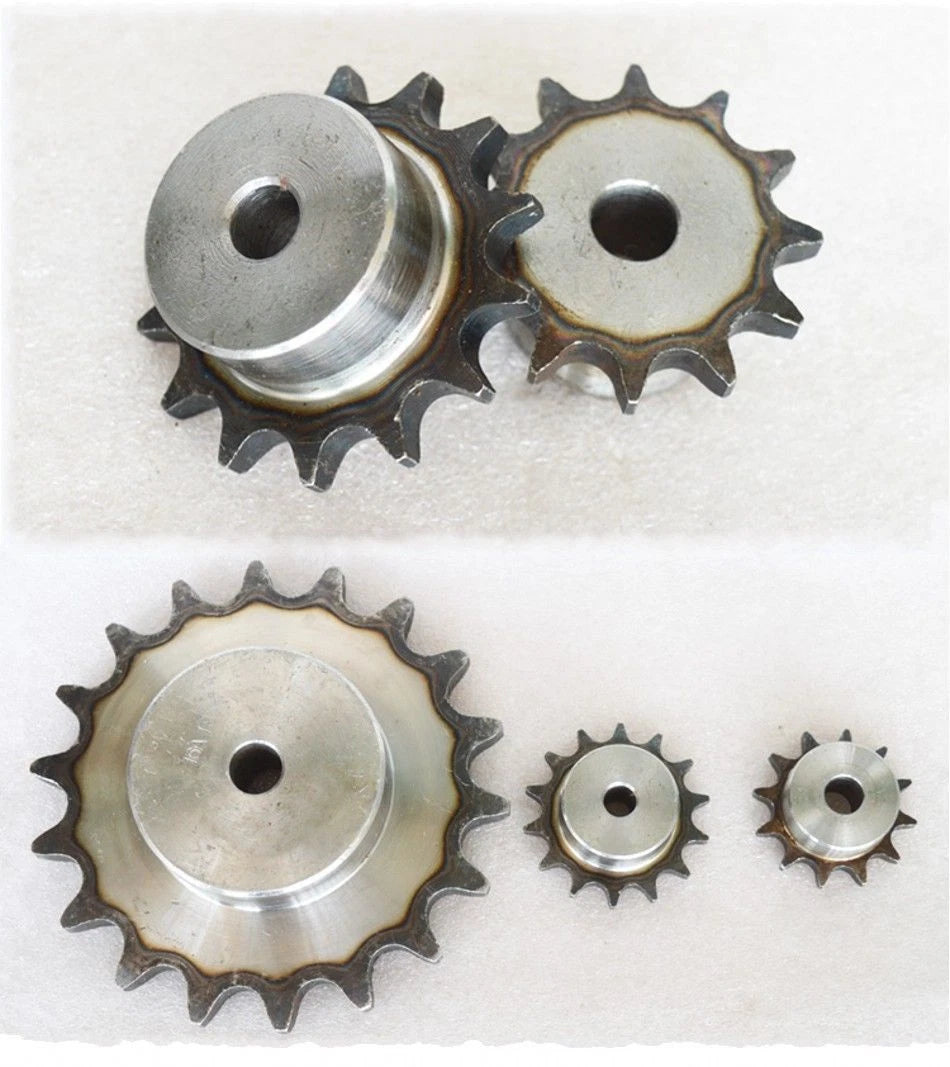
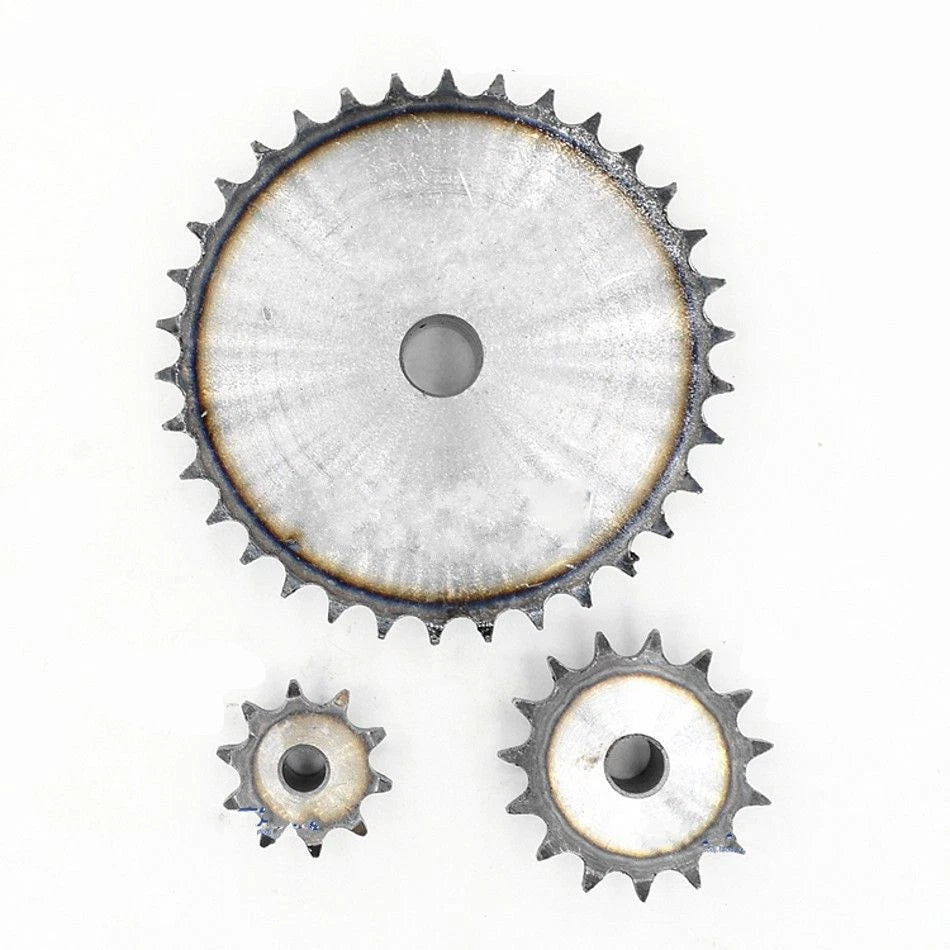
When a worn or undersized sprocket causes chain skip, premature wear, or misalignment in your drivetrain build, the fix starts with a correctly matched sprocket. Whether you're a maker building a go-kart, a DIYer assembling a conveyor, or a hobbyist upgrading a mini-bike, these #40 roller chain drive sprockets give you the exact tooth count you need without compromise.
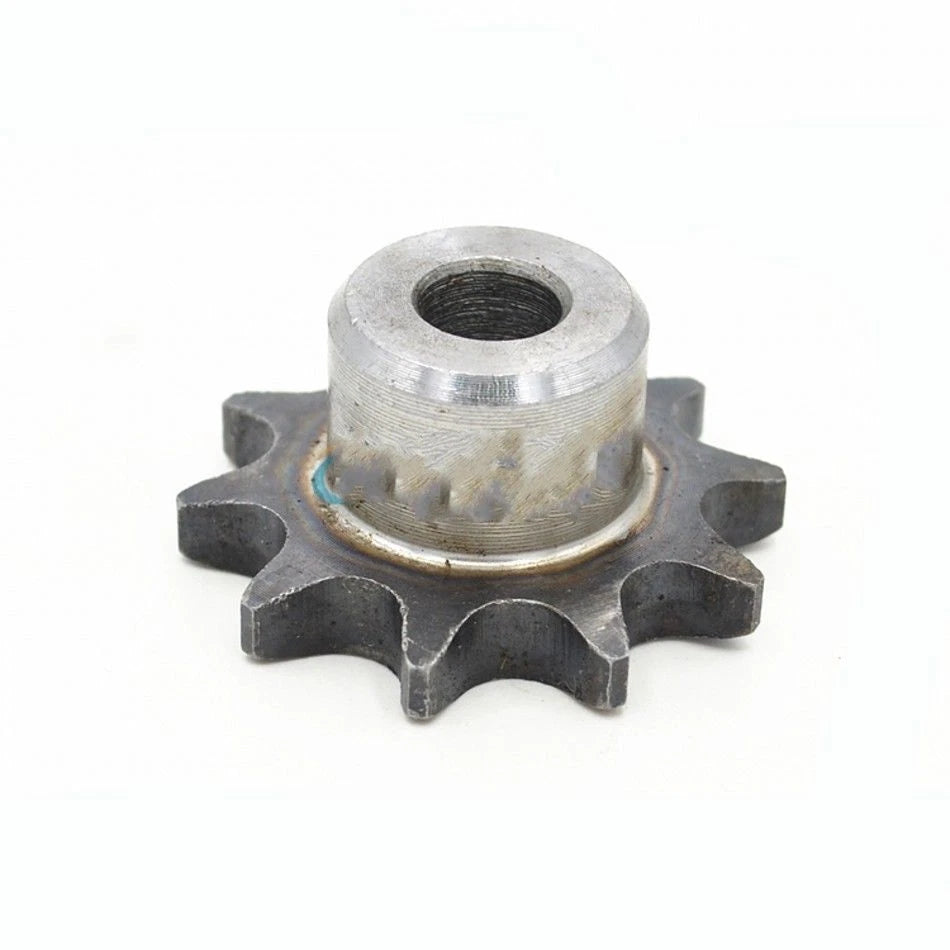
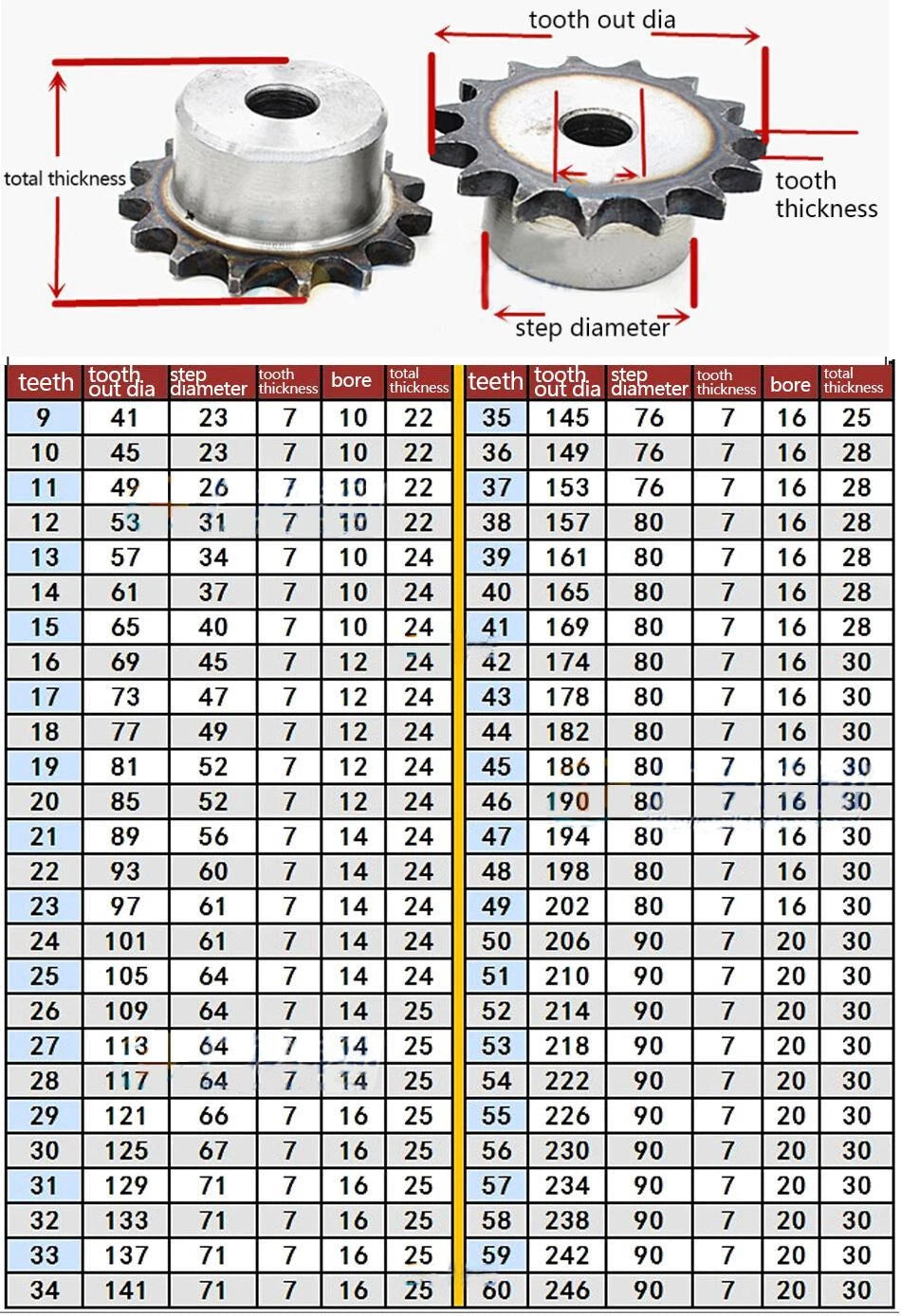
Each sprocket is machined from carbon steel with a hardened tooth profile, sized to the ANSI #40 / ISO 08B standard pitch of 1/2" (12.7 mm). Tooth counts span 9T through 40T, covering a wide range of gear ratios. Bore diameter varies by tooth count — see variant options for your specific selection.
Typical applications include go-kart and mini-bike chain drives, DIY conveyor and indexing systems, electric motor reduction stages, and small-engine power transmission projects where a reliable #40 chain sprocket replacement or upgrade is required.
| Chain Standard | ANSI #40 / ISO 08B |
|---|---|
| Pitch | 1/2" (12.7 mm) |
| Roller Width | 5/16" (7.94 mm) |
| Roller Diameter | 0.306" (7.77 mm) |
| Tooth Count | 9T – 40T (select variant) |
| Material | Carbon Steel |
| Tooth Finish | Hardened |
| Hub Style | See variant options |
| Bore Diameter | See variant options |
| Outer Diameter | See variant options |
| Weight | See variant options |
| Surface Treatment | See variant options |
Tooth count determines your drive ratio. Divide the driven sprocket teeth by the drive sprocket teeth to get the reduction ratio. For example, a 9T drive sprocket paired with a 36T driven sprocket gives a 4:1 reduction. Lower tooth counts on the drive side increase torque; higher counts increase speed. Match your motor RPM and desired output RPM to select the correct pairing.
Yes. ANSI #40 and ISO 08B share the same 1/2" (12.7 mm) pitch and are dimensionally interchangeable in most applications. These sprockets are machined to that shared pitch standard and will engage correctly with either chain type.
Bore diameter varies by tooth count and hub style. Please refer to the variant detail page or contact us to confirm the bore size for your selected tooth count before ordering. Many variants are available with a pilot bore that can be finish-bored to your shaft diameter.
The sprockets are machined from carbon steel with hardened teeth, providing solid fatigue resistance under cyclic loading. For exact tensile and shear ratings, refer to the ANSI #40 chain load table and match the sprocket's tooth count to your chain's working load limit. Contact us if you need application-specific load confirmation.
The base material is carbon steel, which is not inherently corrosion-resistant. For outdoor or high-humidity environments, we recommend applying a chain lubricant or anti-rust coating regularly. If your application requires stainless steel or zinc-plated sprockets, please contact us to discuss available options.
Yes — #40 chain drive is one of the most common standards for go-karts and mini-bikes. Select the tooth count that matches your existing rear axle sprocket or engine output sprocket. Confirm the bore diameter matches your axle or crankshaft diameter before ordering.
A 9T sprocket is a small-diameter drive sprocket typically used on the motor or engine output shaft to achieve high reduction ratios. A 40T sprocket is a large-diameter driven sprocket used on the axle or output shaft. Using a 9T drive with a 40T driven sprocket gives approximately a 4.4:1 reduction, multiplying torque while reducing speed.