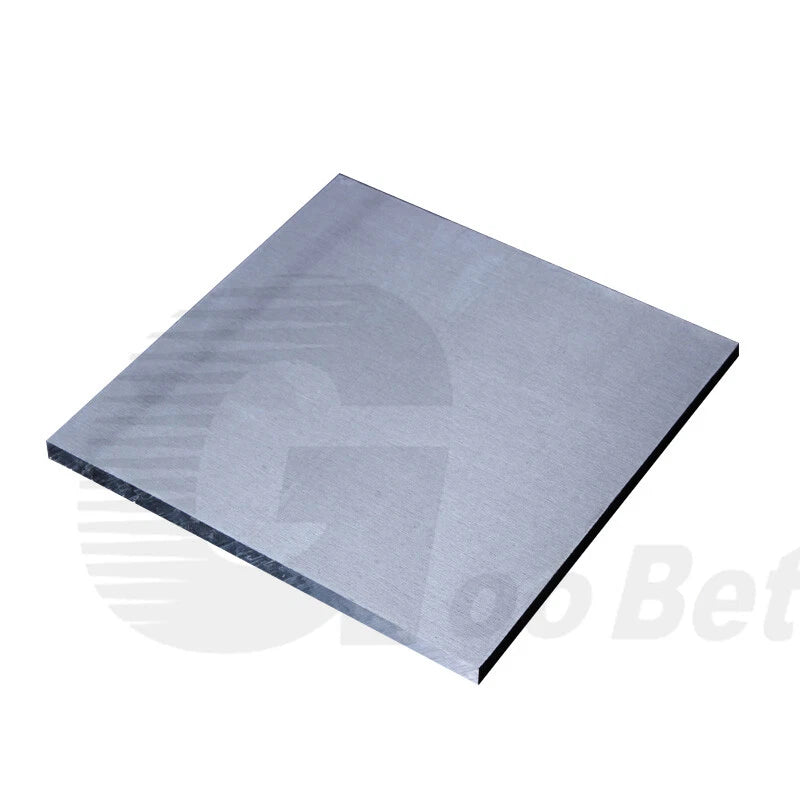
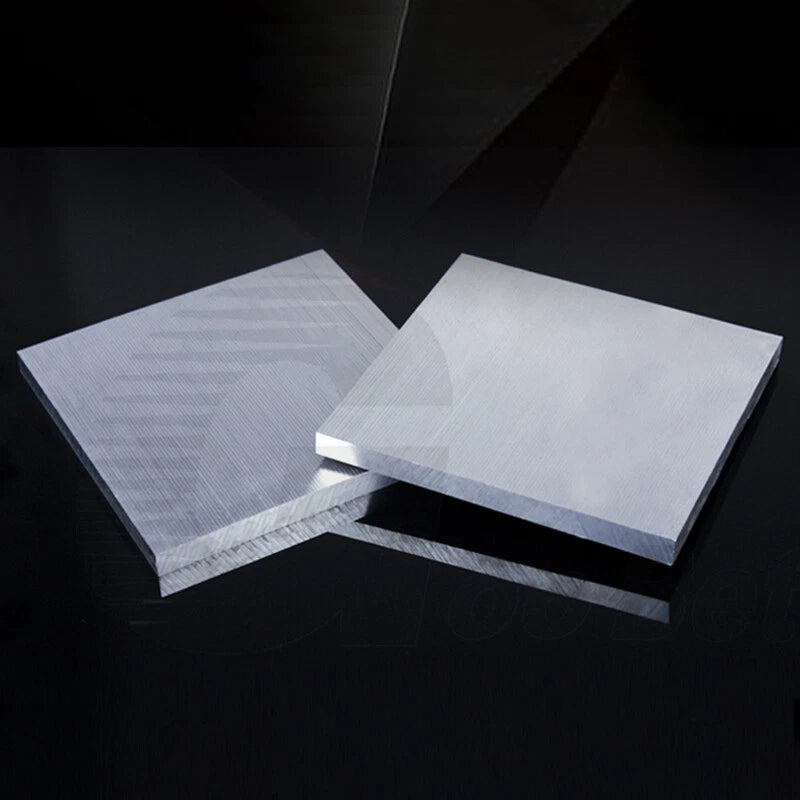
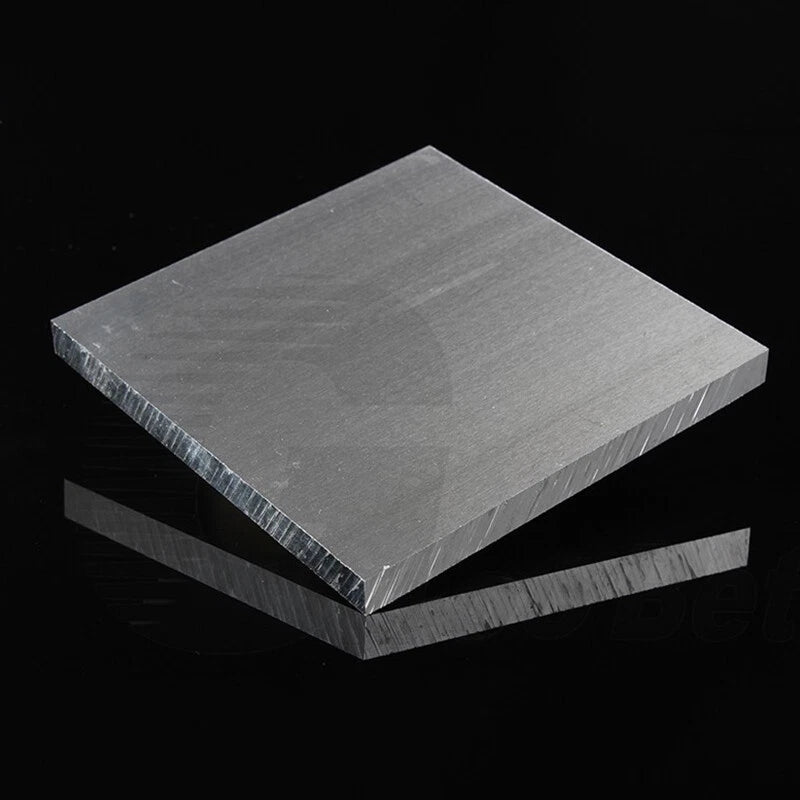
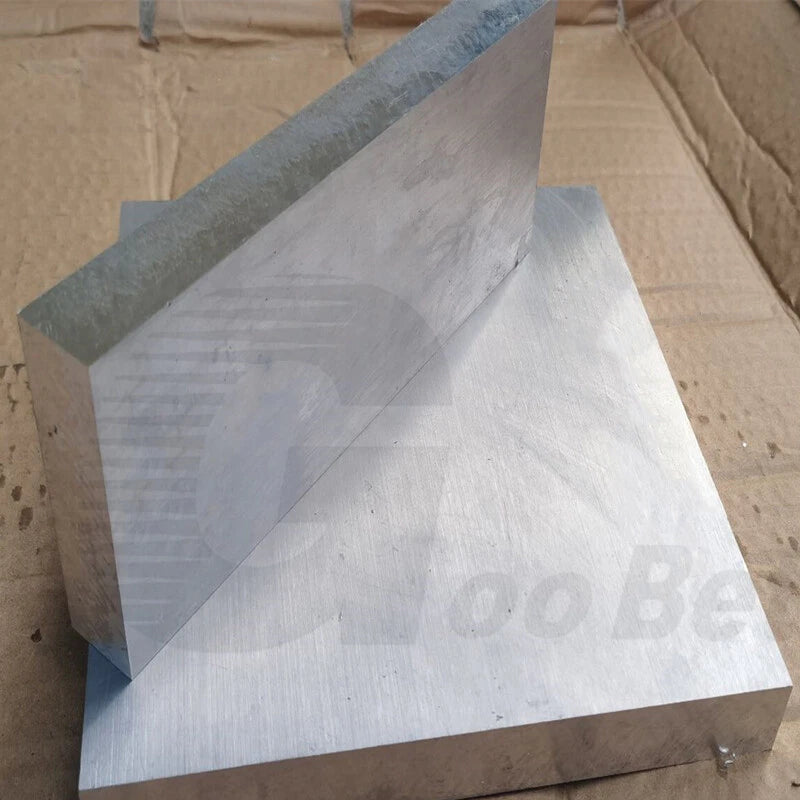
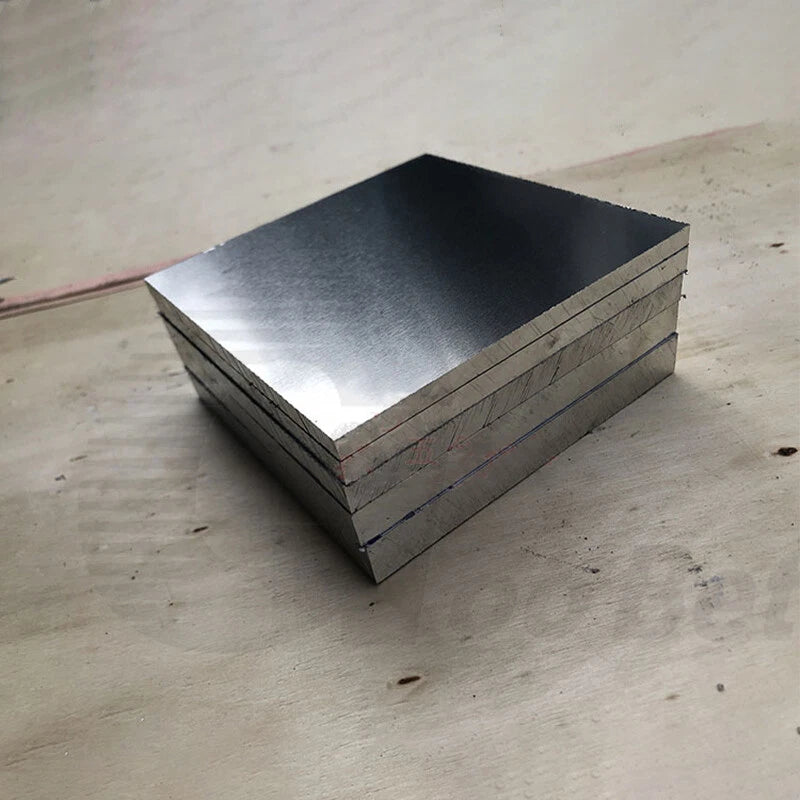
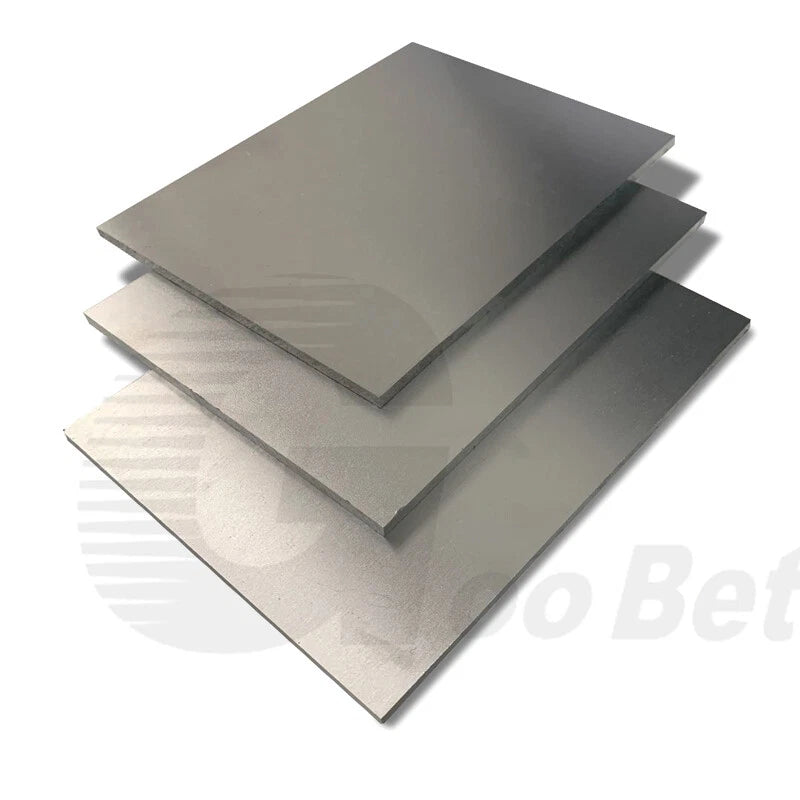
4pcs Aluminium Plate Sheet EN-AW 7075 T651 Grade 14mm Thick 60mm Wide 170mm Long

No reviews

Price:
Sale price$80.00 USD
Stock:
In stock (500 units), ready to be shipped

Payment & Security

Ach Direct Debit Amazon American Express Apple Pay Bancontact Diners Club Discover Google Pay iDEAL Wero Mastercard PayPal Shop Pay USDC Visa

Your payment information is processed securely. We do not store credit card details nor have access to your credit card information.

Quantity Discount Promotion
🎯 BULK DISCOUNT: Buy More, Save More!
Buy 2 Items
5% OFF
Buy 4 Items
10% OFF
Buy 6 Items
15% OFF
Expert

DIY Expert Support

Get fitment advice & recommendations

Mon-Fri, 8:30AM-8PM
24-Hour Fast Ship
🚚
Arrives in 3-14 days
🌍
Global Reach
↩️
30-Day Returns
🌱 1 tree planted with every purchase

Description

EN-AW 7075-T651 Aluminium Plate Sheet — Aerospace-Grade Strength for Precision Machining

When your project demands a material that won't flex, warp, or fail under load, standard aluminium simply isn't enough. Machinists, fabricators, and serious DIYers who work with structural brackets, jigs, fixtures, and tooling plates need an alloy that delivers consistent hardness and tight dimensional tolerances right out of the box. This 4-piece set of EN-AW 7075-T651 aluminium plate sheet is built for exactly those demands.

Each plate is cut to 14mm thick × 60mm wide × 170mm long (approximately 0.55" × 2.36" × 6.69") from EN-AW 7075 aluminium alloy in the T651 temper — a stress-relieved, solution heat-treated, and artificially aged condition that maximises hardness and minimises residual stress. The 7075 alloy is one of the strongest commercially available aluminium grades, with a zinc-dominant composition that delivers tensile strength typically in the range of 500–570 MPa.

Typical use cases include CNC machining blanks for custom brackets and adapters, precision jig and fixture plates in workshop setups, lightweight structural components in RC vehicles and drone frames, and prototype tooling for aerospace-adjacent DIY applications where strength-to-weight ratio is critical.

⚙️ Compatibility: Suitable for milling, drilling, turning, and anodising. Compatible with standard HSS and carbide tooling. Not recommended for welding without specialist filler wire.

✅ Key Features of These 7075-T651 Aluminium Plate Sheets

  • 🔩 Aerospace-Grade 7075 Alloy: Zinc-magnesium-copper composition delivers tensile strength typically 500–570 MPa — significantly stronger than 6061 for demanding structural applications.
  • 📐 Precise Cut Dimensions: Each plate measures 14mm thick × 60mm wide × 170mm long, providing consistent stock for machining without excess material waste.
  • 🔧 T651 Stress-Relieved Temper: Stretch-levelled after solution heat treatment to eliminate internal stress, reducing distortion during machining and ensuring flat, stable workpieces.
  • ✂️ Excellent Machinability: Machines cleanly with standard carbide or HSS tooling; holds tight tolerances for CNC milling, drilling, and turning operations.
  • 🛡️ Corrosion Resistance: Natural oxide layer provides moderate atmospheric corrosion resistance; anodising or chromate conversion coating recommended for outdoor or high-humidity environments.
  • 📦 4-Piece Pack: Supplied as a set of four identical plates, giving you matched stock for batch machining, prototyping multiple parts, or keeping spares on hand.

📐 Technical Specifications — 7075-T651 Aluminium Plate

Alloy Grade EN-AW 7075 (AA7075)
Temper T651 (stress-relieved, artificially aged)
Thickness 14 mm (0.55")
Width 60 mm (2.36")
Length 170 mm (6.69")
Quantity per Pack 4 pieces
Tensile Strength (typical) 500–570 MPa
Yield Strength (typical) 430–500 MPa
Hardness (typical) ~87 HRB
Density 2.81 g/cm³
Finish Mill finish (uncoated)
Weldability Not recommended without specialist filler
Anodising Compatible
Primary Applications CNC machining, jigs, fixtures, structural brackets, tooling plates

❓ Frequently Asked Questions

How does 7075-T651 compare to 6061 aluminium for machining?

7075-T651 is significantly harder and stronger than 6061-T6, with tensile strength typically 30–40% higher. It machines cleanly and holds tighter tolerances, making it the preferred choice for structural jigs, fixtures, and load-bearing brackets. However, 6061 is easier to weld and offers better corrosion resistance without coating, so choose 7075 when strength is the priority.

What does the T651 temper designation mean?

T651 means the plate has been solution heat-treated, stress-relieved by stretching, and then artificially aged. The stretching step removes internal residual stresses that would otherwise cause the plate to warp or distort during machining. This makes T651 the preferred temper for precision machining applications where dimensional stability is critical.

Is 7075 aluminium suitable for outdoor or marine use?

7075 has moderate corrosion resistance due to its natural oxide layer, but it is less corrosion-resistant than 6061 or 5052 in aggressive environments. For outdoor, marine, or high-humidity applications, anodising or applying a chromate conversion coating (e.g. Alodine) is strongly recommended to protect the surface.

Can I weld these plates?

Welding 7075 aluminium is technically possible but not recommended for structural applications without specialist knowledge. The high zinc content makes it susceptible to hot cracking during fusion welding. If joining is required, mechanical fastening (bolts, rivets) or adhesive bonding is generally preferred. Consult a welding specialist if welding is unavoidable.

What size cutting tools should I use for milling these plates?

Standard carbide end mills work well with 7075-T651. For a 14mm-thick plate, use a 2- or 3-flute carbide end mill with a cutting depth of no more than 1× the tool diameter per pass. HSS tooling can also be used at lower feed rates. Use cutting fluid or compressed air to manage chip evacuation and heat, especially for deep pockets.

How do I select the right plate size for my project?

These plates measure 14mm thick × 60mm wide × 170mm long. They are well-suited for small structural brackets, adapter plates, jig components, and prototype parts where a compact, thick billet is needed. If your part requires larger dimensions, check our other aluminium plate listings or contact us to confirm availability of custom sizes.

Can these plates be anodised after machining?

Yes. 7075 aluminium anodises well and accepts both Type II (decorative/protective) and Type III (hard anodise) finishes. Anodising after machining is a common workflow — machine your part to final dimensions first, then send to an anodising service. Note that hard anodising adds approximately 0.025–0.05mm per surface, so account for this in your tolerances if tight fits are required.

🛒 Select your quantity above, then add to cart.

You may also like

Recently viewed