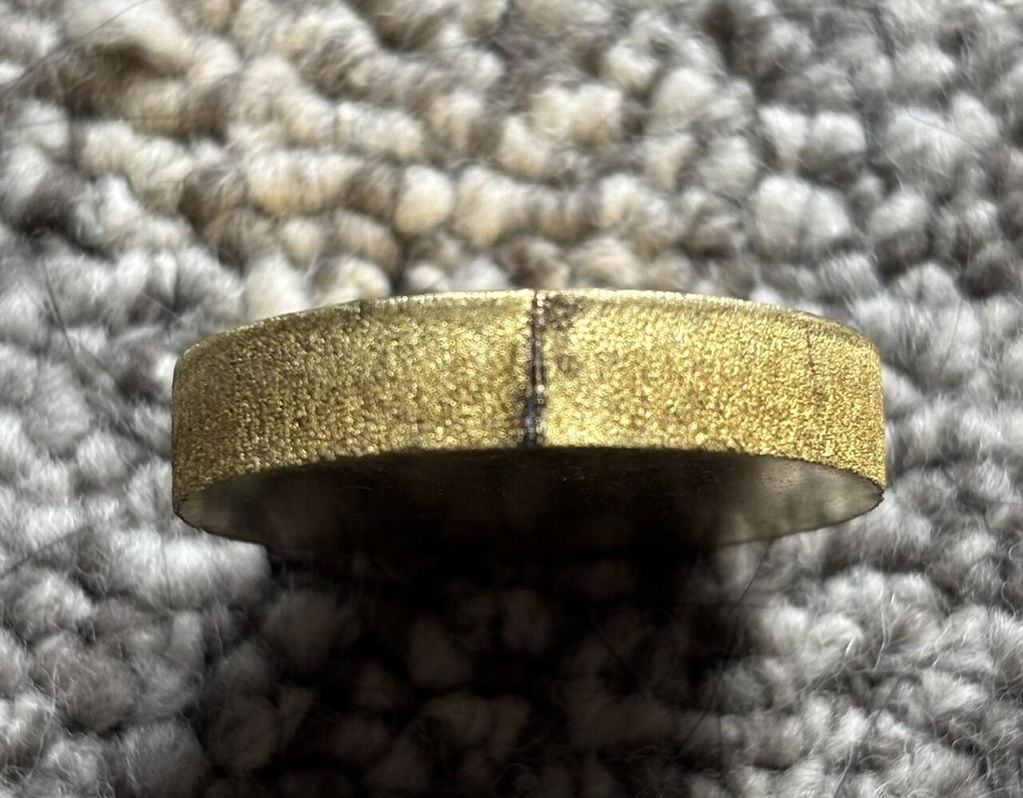
The chain is fine...but I ordered the wrong size. Nine links of the chain I ordered equals six of the size I wanted. My error...
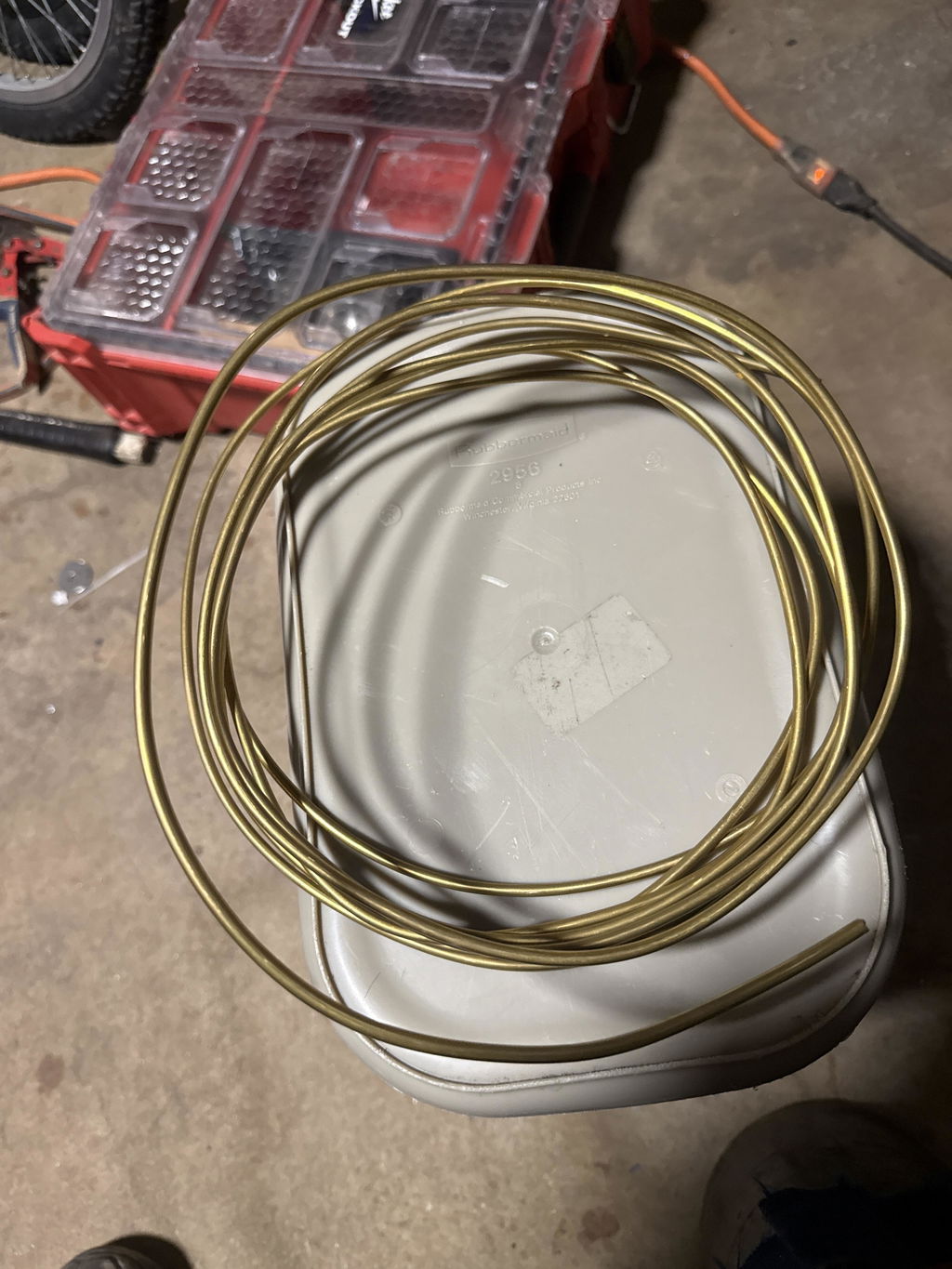
How can I straighten out the springs? I can't use them coil uo as is.
Your payment information is processed securely. We do not store credit card details nor have access to your credit card information.
Get fitment advice & recommendations
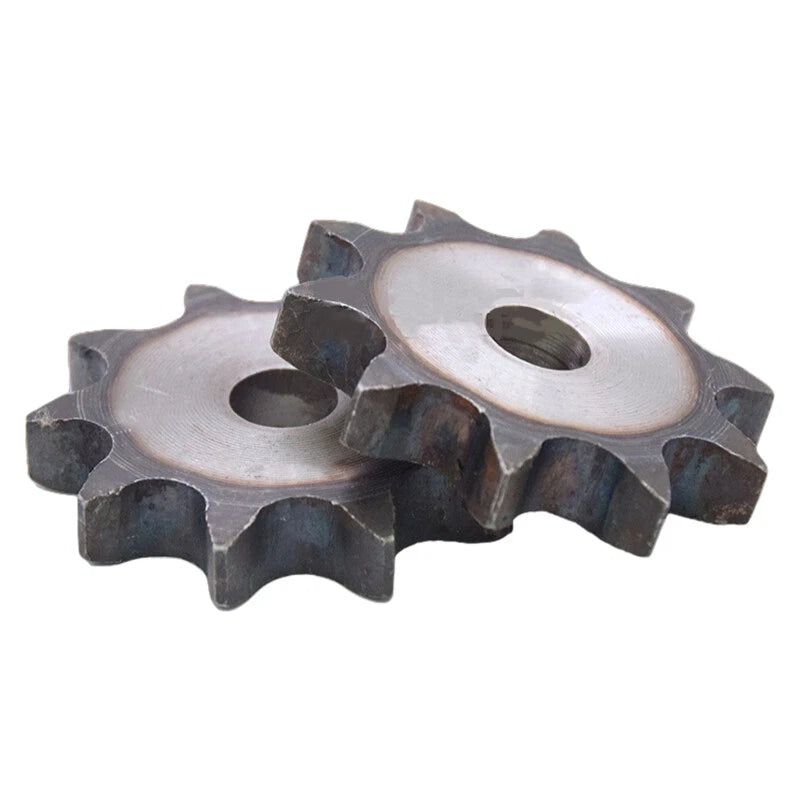
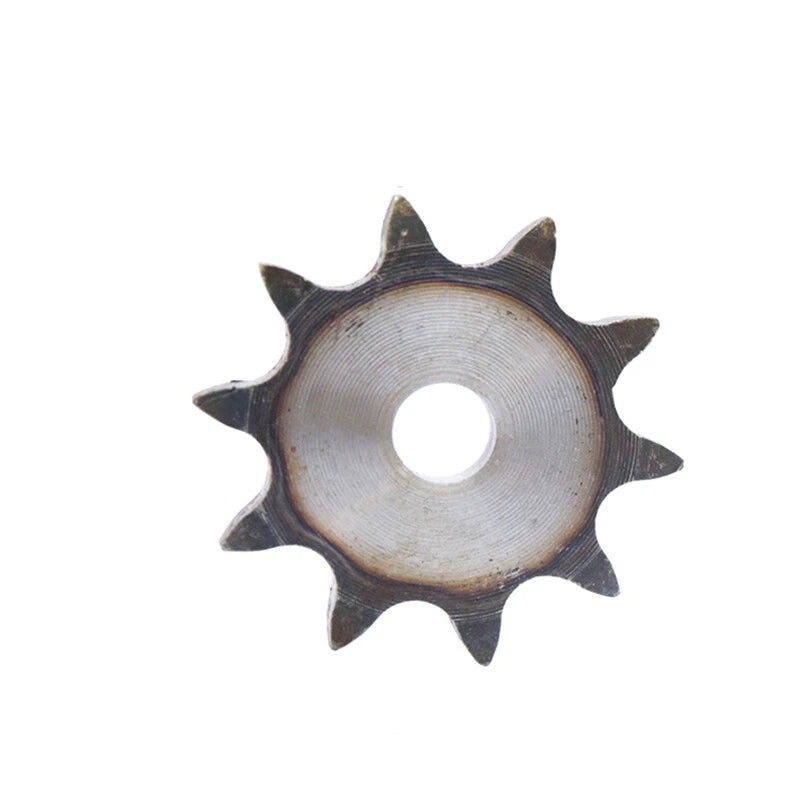
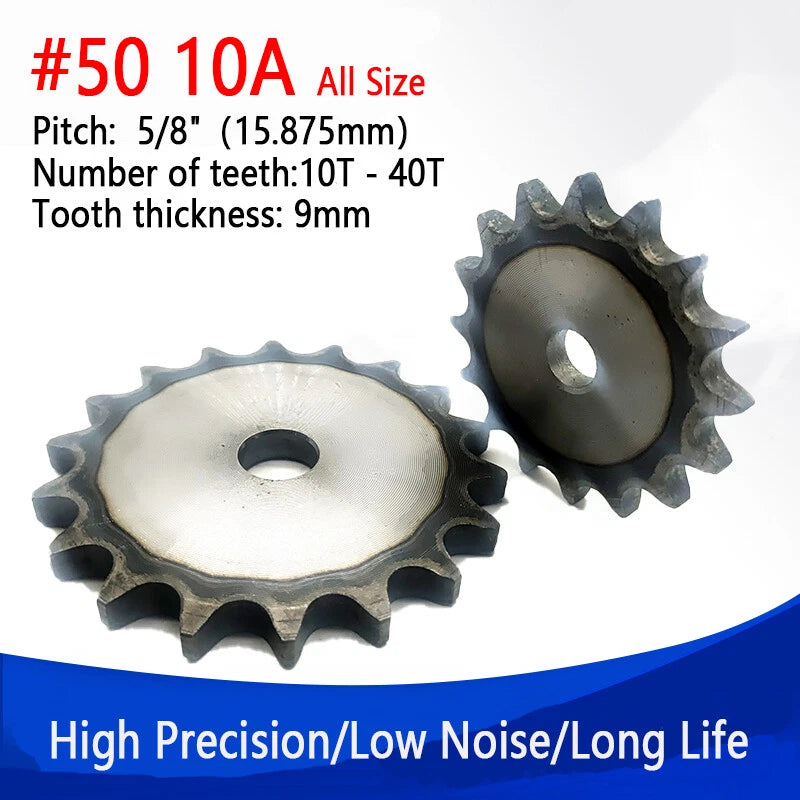
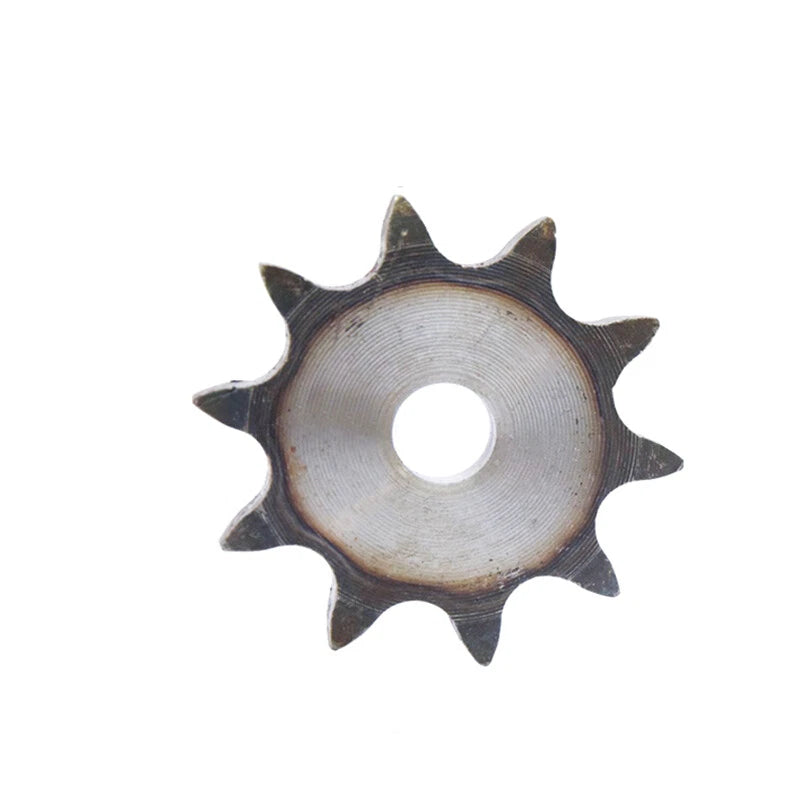
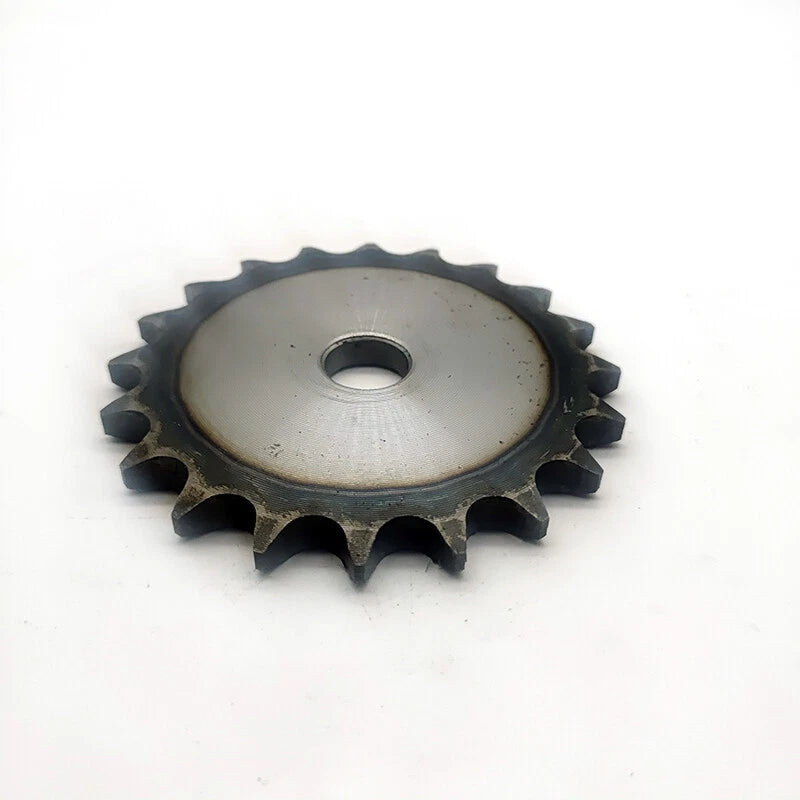
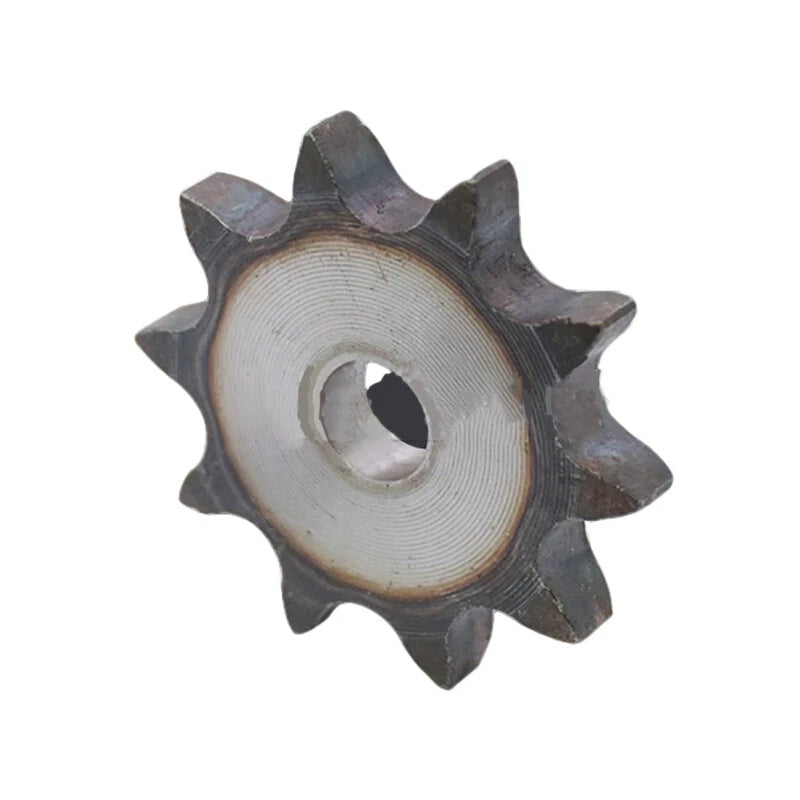
When a worn or undersized sprocket causes chain skip, premature wear, or misalignment in your drive system, the fix starts with a correctly matched component. These #50 flat chain drive sprockets are engineered for makers, mechanics, and DIY builders who need a reliable, drop-in solution for ANSI #50 (10A) roller chain applications — from go-kart builds to industrial conveyor retrofits.
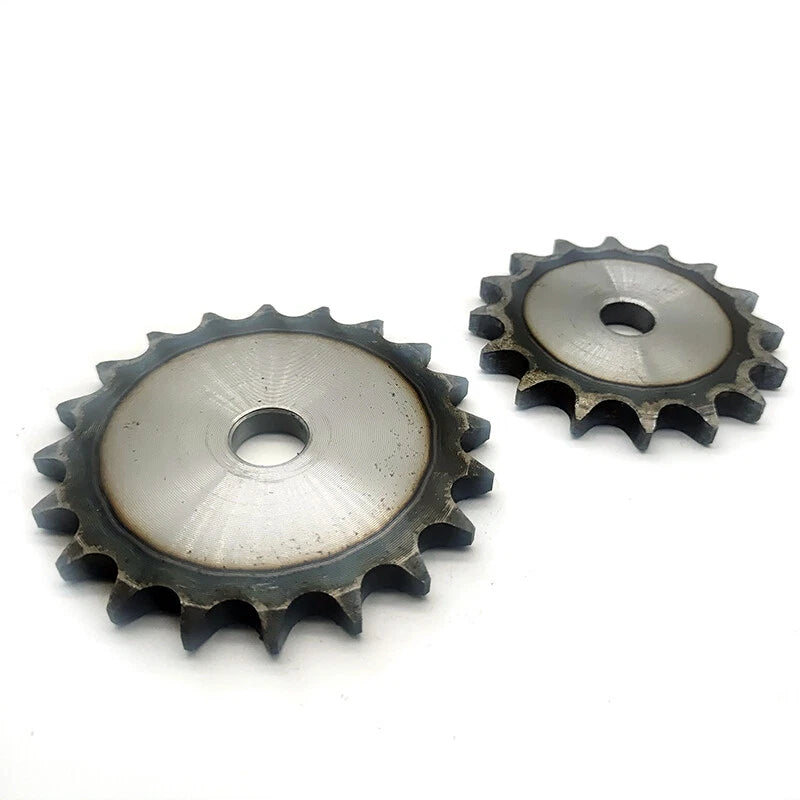
Each sprocket is machined from medium-carbon steel with a natural or lightly finished surface, available in tooth counts from 10T through 40T to suit a wide range of gear ratios. The bore diameter and hub dimensions vary by tooth count; refer to variant options for exact measurements. The 5/8" (15.875 mm) pitch matches the ANSI #50 / ISO 10A chain standard precisely.
Typical use cases include go-kart and mini-bike drive systems requiring a #50 sprocket replacement, small conveyor and power-transmission builds where a flat sprocket profile saves axial space, and custom reduction drives in robotics, agricultural equipment, and shop-built machinery.
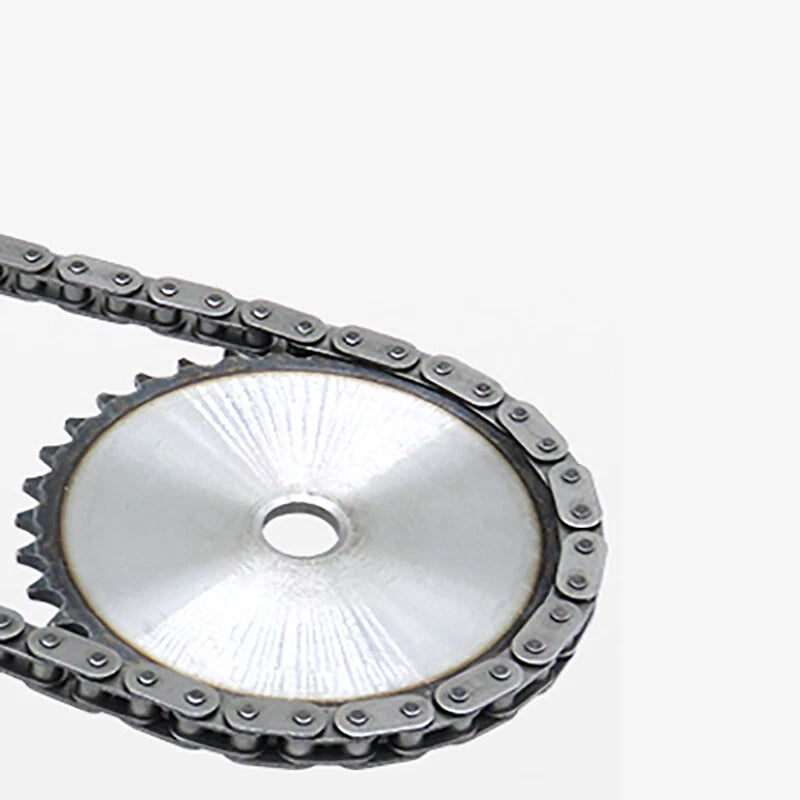
5/8" (15.875 mm) pitch matches all standard #50 roller chain, ensuring zero-clearance tooth engagement and smooth power transfer without chain slap or skip.
21 tooth-count options from 10T through 40T let you dial in the exact gear ratio your drive system needs — whether you're building a fast go-kart or a slow-speed conveyor.
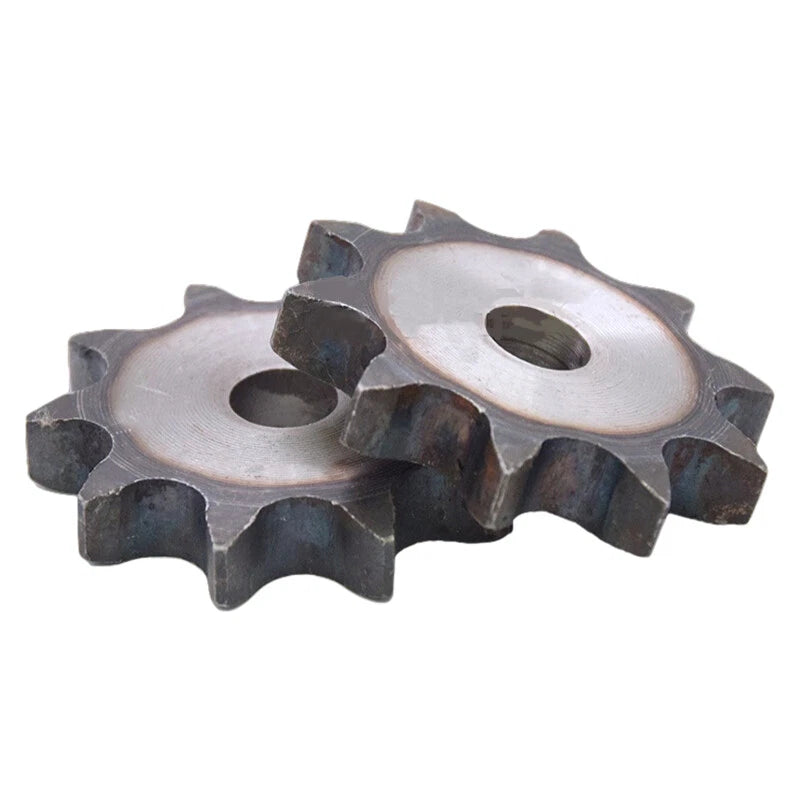
The flat (type A) hub design minimizes axial footprint, making these sprockets ideal for space-constrained assemblies where a flanged or extended hub would interfere with adjacent components.
Machined from medium-carbon steel for a balance of hardness and toughness — resists tooth deformation under load while remaining machinable for custom bore modifications.
CNC-machined tooth geometry conforms to ANSI B29.1 tolerances, delivering consistent chain seating across all tooth counts and extending both chain and sprocket service life.
Available in 1PCS quantity so you can replace a single worn sprocket or mix tooth counts to build a custom drive ratio without purchasing unnecessary extras.
| Chain Standard | ANSI #50 / ISO 10A |
|---|---|
| Chain Pitch | 5/8" (15.875 mm) |
| Roller Diameter (chain) | 3/8" (9.525 mm) |
| Tooth Count | 10T, 11T, 12T, 13T, 14T, 15T, 16T, 17T, 18T, 19T, 20T, 31T–40T |
| Sprocket Type | Flat / Type A (no hub) |
| Material | Medium-carbon steel |
| Surface Finish | See variant options |
| Bore Diameter | See variant options |
| Outer Diameter | See variant options |
| Thickness | See variant options |
| Quantity per Order | 1 piece |
Your gear ratio equals the driven sprocket tooth count divided by the drive sprocket tooth count. For example, pairing a 10T drive sprocket with a 20T driven sprocket gives a 2:1 reduction — the output shaft turns at half the speed of the input. Choose a smaller tooth count on the drive side for more torque, or a larger count for higher speed. If you're replacing an existing sprocket, count the teeth on the worn part or check your original equipment specification.
Yes. These sprockets are machined to ANSI #50 / ISO 10A specifications with a 5/8" (15.875 mm) pitch and 3/8" (9.525 mm) roller diameter. Any standard #50 or 10A roller chain will seat correctly on these sprockets. If your chain is labeled #50, 50-1, or 10A, it is compatible.
Bore diameter varies by tooth count and is listed in the variant detail page for each size. If you need a custom bore, the medium-carbon steel construction allows machining to a specific shaft diameter. We recommend confirming the listed bore before ordering if your shaft size is non-standard.
Yes. The #50 chain standard is one of the most common specifications for go-karts, mini-bikes, and small engine-driven vehicles. The flat hub profile keeps the sprocket close to the axle bearing, reducing bending moment. Tooth counts in the 10T–20T range are typical for drive sprockets on these applications, while 30T–40T are common for driven (rear axle) sprockets.
Three factors extend sprocket life significantly: (1) always replace the chain and both sprockets together when either shows wear — a worn chain accelerates sprocket tooth erosion; (2) maintain proper chain tension — a slack chain causes impact loading on tooth flanks; (3) lubricate the chain regularly with a dedicated roller chain lubricant to reduce metal-to-metal contact at the roller-tooth interface.
Yes. The flat type-A profile and ANSI-standard tooth geometry make these sprockets well-suited for light-to-medium duty conveyor drives, agricultural equipment, and shop-built power-transmission systems. For continuous-duty or high-load applications, verify that the selected tooth count and bore size match your shaft and load requirements, and consider a lubrication system to maximize service intervals.
Installation typically requires a shaft key and set screw (or a custom bore with keyway) to secure the sprocket to the shaft, plus a chain breaker tool if you need to shorten or join the roller chain. No special sprocket-specific tooling is required. Ensure the sprocket is aligned with the mating sprocket within 1–2 mm of lateral offset to prevent uneven chain wear.