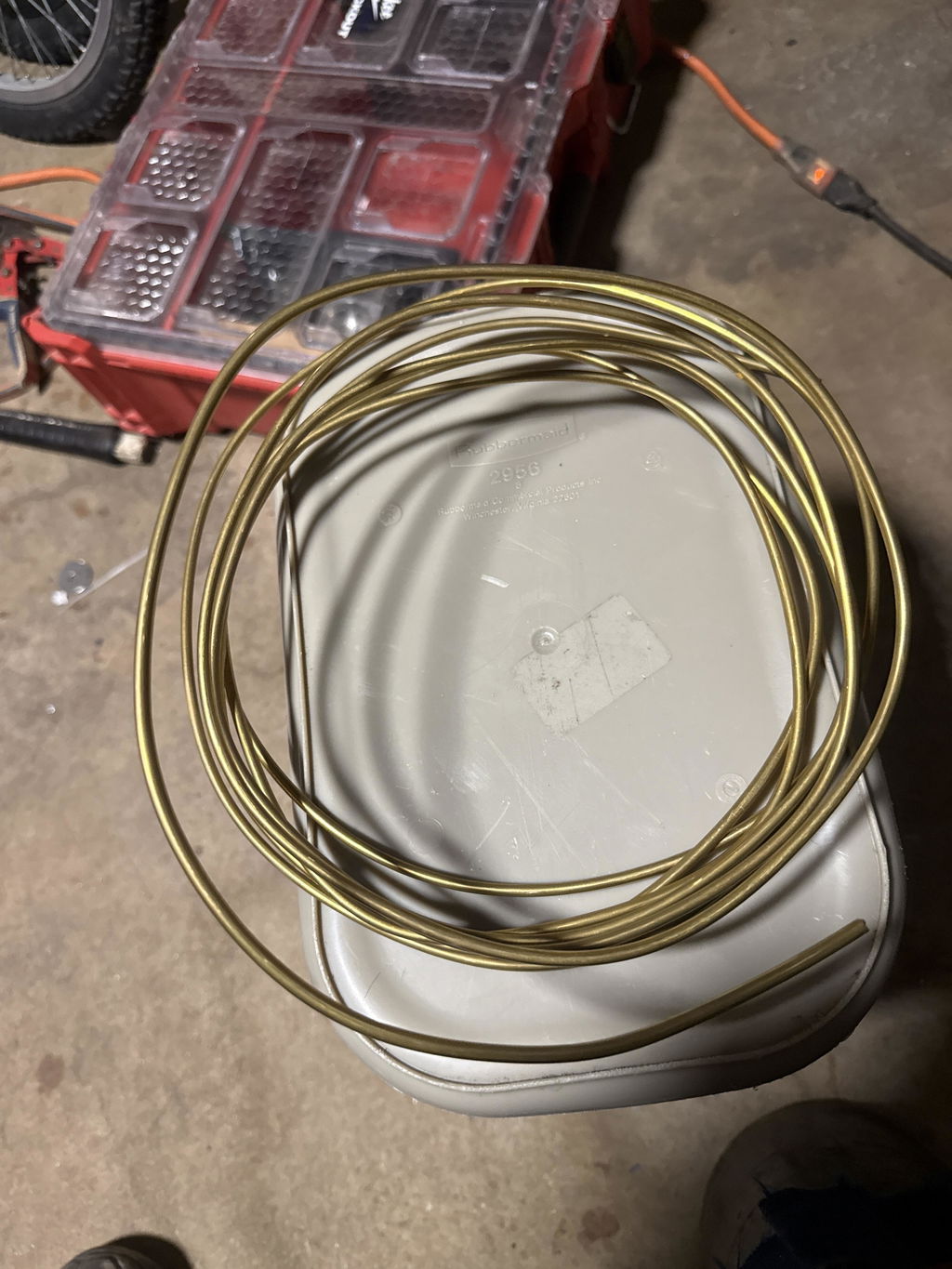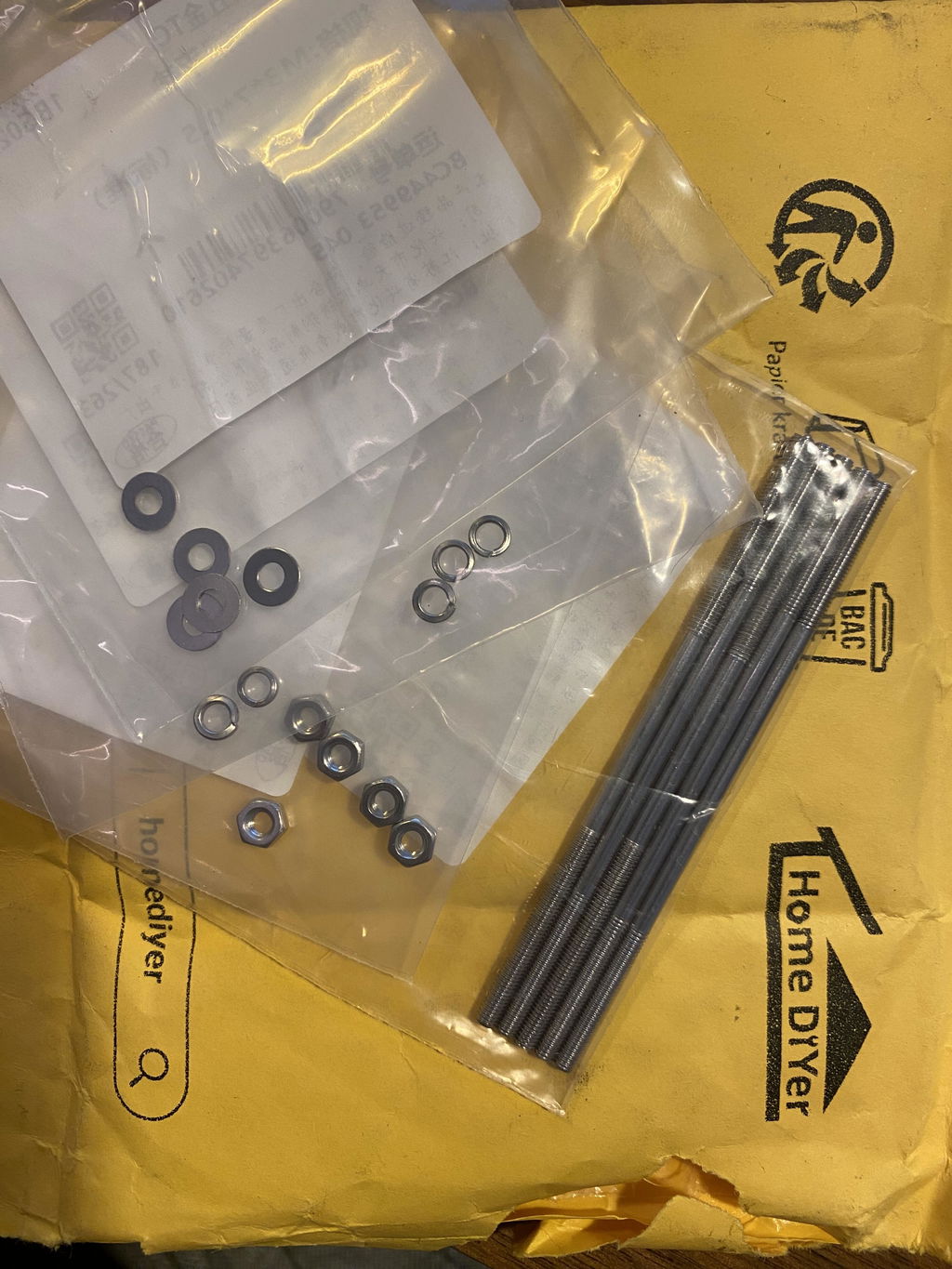
The chain is fine...but I ordered the wrong size. Nine links of the chain I ordered equals six of the size I wanted. My error...
How can I straighten out the springs? I can't use them coil uo as is.
Your payment information is processed securely. We do not store credit card details nor have access to your credit card information.
Get fitment advice & recommendations
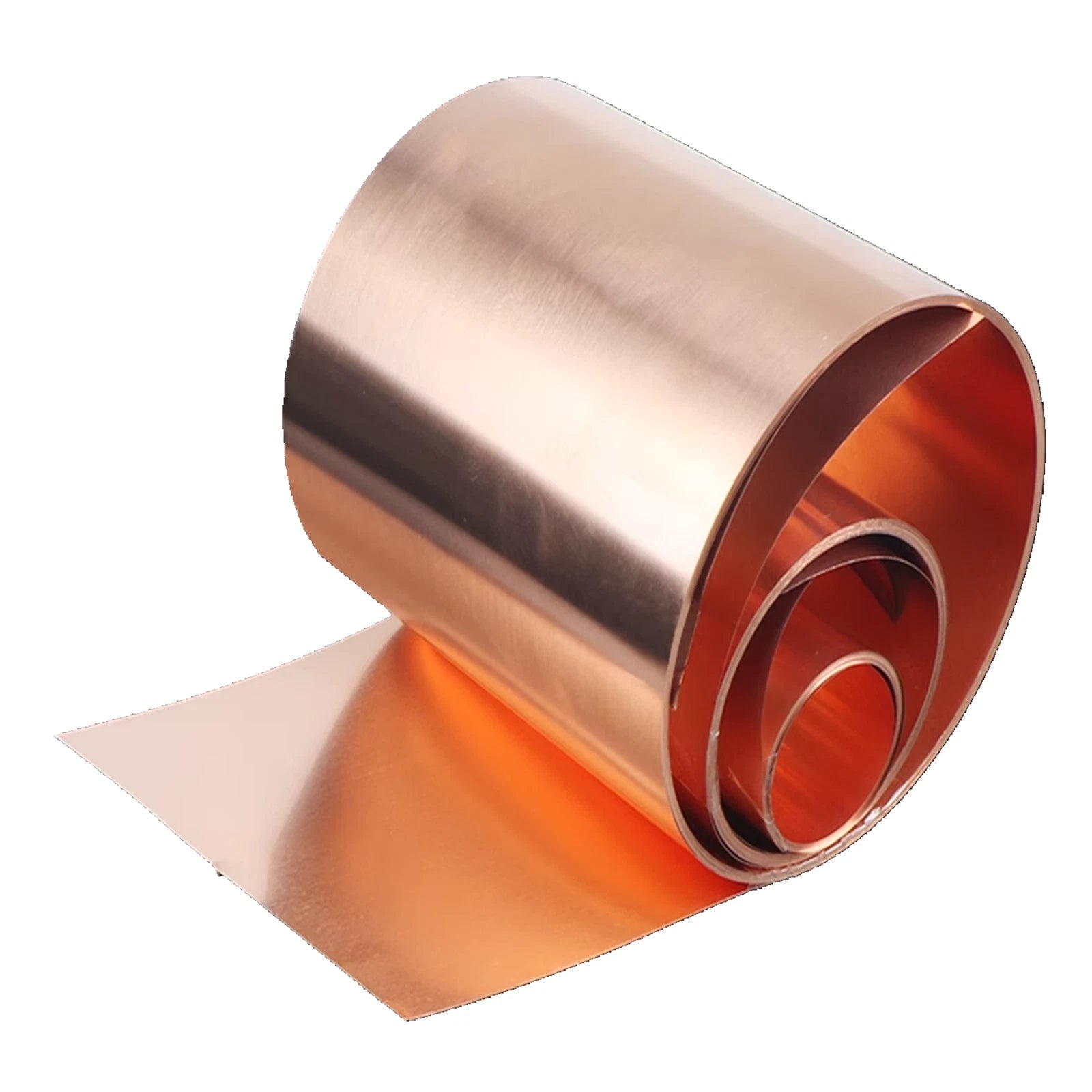
When your project demands exact conductivity, tight tolerances, or a material that bends without cracking, finding the right copper foil strip can be a challenge. Makers, electricians, hobbyists, and small-shop fabricators all need a reliable source of pure copper sheet in the exact thickness and width they require — without ordering oversized stock or paying for custom cuts.
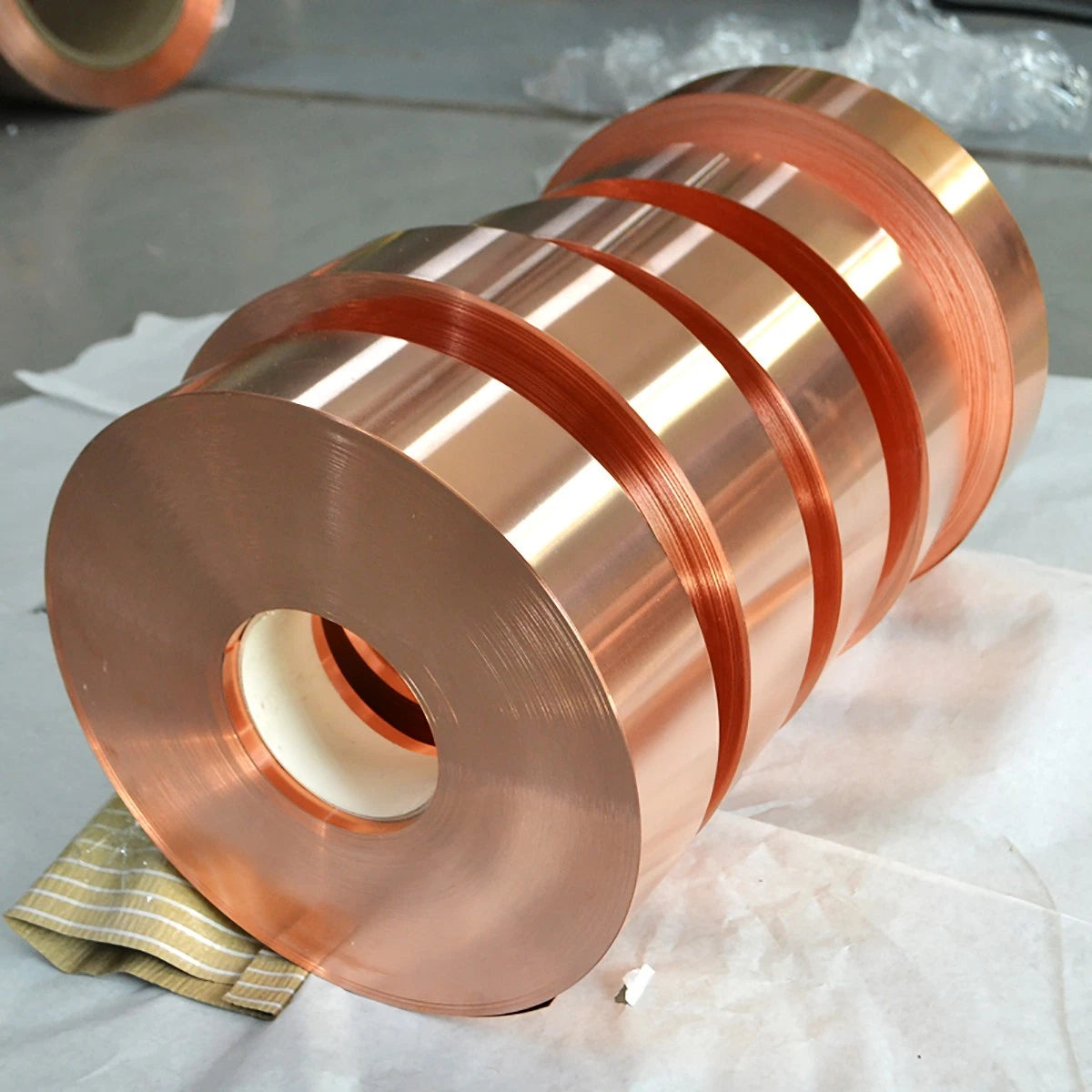
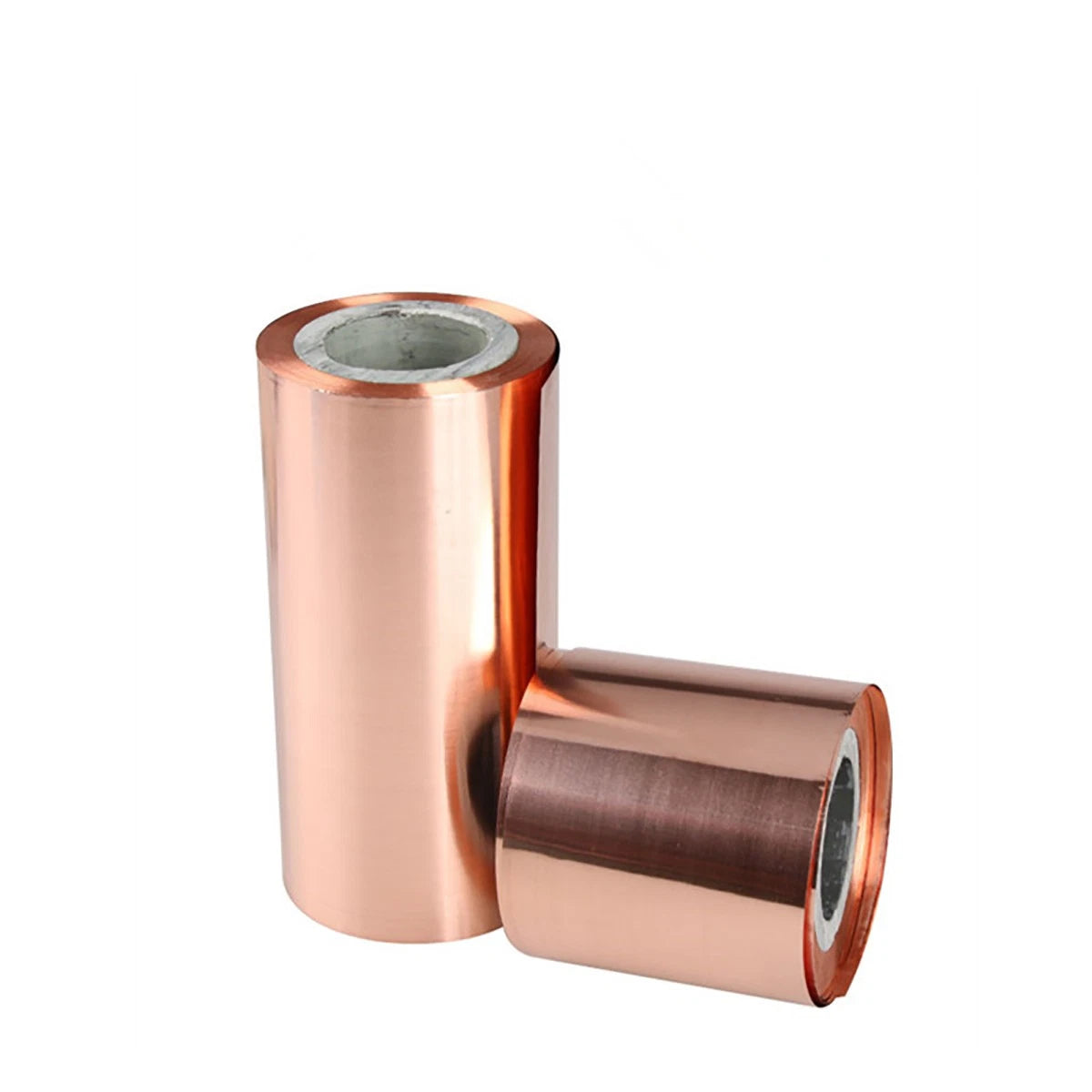
This pure copper foil strip is made from 99.9% Cu material, available in thicknesses ranging from 0.01 mm to 1.5 mm (approximately 0.0004 in to 0.059 in) and widths from 5 mm to 300 mm (approximately 0.2 in to 11.8 in). Each roll is supplied in a 1 m (approximately 39.4 in) length, offering a flexible, workable format that can be cut, shaped, or layered to suit your build.
Typical use cases include EMI shielding tape for electronics enclosures, grounding straps in electrical panels, heat-spreading layers in DIY thermal management builds, decorative inlay work in woodworking and resin casting, and conductive traces in custom PCB prototyping. The combination of high purity and consistent rolling tolerances makes this copper foil strip a dependable choice for precision copper sheet applications.
| Material | 99.9% Pure Copper (Cu) |
|---|---|
| Thickness Range | 0.01 mm – 1.5 mm (0.0004 in – 0.059 in) |
| Width Range | 5 mm – 300 mm (0.2 in – 11.8 in) |
| Length per Roll | 1 m (approx. 39.4 in) |
| Surface Finish | Bright rolled (mill finish) |
| Temper | Soft / annealed (thin gauges); semi-hard (thicker gauges) |
| Electrical Conductivity | Approx. 58 MS/m (IACS ~100%) |
| Thermal Conductivity | Approx. 385 W/(m·K) |
| Density | Approx. 8.96 g/cm³ |
| Melting Point | Approx. 1085 °C (1985 °F) |
| Color | Reddish-orange (natural copper) |
| Weight | See variant options |
For EMI shielding and grounding tape applications, 0.05–0.1 mm is typically sufficient. For heat spreading or thermal interface layers, 0.1–0.3 mm provides a good balance of flexibility and thermal mass. For structural straps, bus bars, or decorative inlay work, 0.3–1.5 mm offers the rigidity and durability needed. If you are unsure, start with a mid-range thickness (0.1–0.2 mm) and adjust based on your results.
Thin gauges (0.01–0.1 mm) are soft-annealed and can be bent repeatedly without cracking under normal handling. Thicker gauges (0.3 mm and above) are semi-hard and will hold a bend shape well but may require more force to form. Avoid sharp-radius bends on thicker strips without annealing first if repeated flexing is expected.
Copper is naturally corrosion-resistant and will develop a patina (greenish oxide layer) over time when exposed to moisture and air. This patina actually slows further corrosion. For indoor electronics and shielding applications, the surface remains stable for years. For outdoor or high-humidity environments, consider applying a clear lacquer or conformal coating if a bright finish is required.
For thicknesses up to 0.1 mm, ordinary scissors or craft scissors work well. For 0.1–0.5 mm, tin snips or heavy-duty scissors are recommended. For 0.5 mm and above, use tin snips, a utility knife with a metal straightedge, or a bench shear. A deburring tool or fine file is useful for cleaning cut edges before soldering or assembly.
Yes. 99.9% pure copper solders readily with standard rosin-core or no-clean solder and a common electronics soldering iron. For best results, lightly abrade the surface with fine sandpaper (400–600 grit) and apply flux before soldering. Thicker strips may require a higher-wattage iron (60 W or above) to bring the copper up to soldering temperature quickly.
No. Garden copper tape is typically very thin (under 0.05 mm) and may have an adhesive backing. This product is bare, unadhesive copper foil and strip in a much wider range of thicknesses and widths, intended for electrical, thermal, and fabrication applications. It does not include any adhesive layer.
For light-duty grounding straps (signal ground, chassis ground in small enclosures), 10–25 mm wide strip at 0.1–0.3 mm thickness is commonly used. For higher-current bus bar applications, wider strips (50–100 mm) at 0.5–1.5 mm thickness provide lower resistance and better current-carrying capacity. Always verify current ratings against your specific application requirements.