The chain is fine...but I ordered the wrong size. Nine links of the chain I ordered equals six of the size I wanted. My error...
How can I straighten out the springs? I can't use them coil uo as is.
Your payment information is processed securely. We do not store credit card details nor have access to your credit card information.
Get fitment advice & recommendations
When your project demands a structural metal that won’t add unnecessary mass, finding a reliable source of flat magnesium alloy stock in exact thicknesses can be a real challenge. Hobbyists, prototype engineers, and research labs working with weight-sensitive assemblies need sheet material that is dimensionally consistent, easy to machine, and available in small quantities — without committing to industrial minimums.
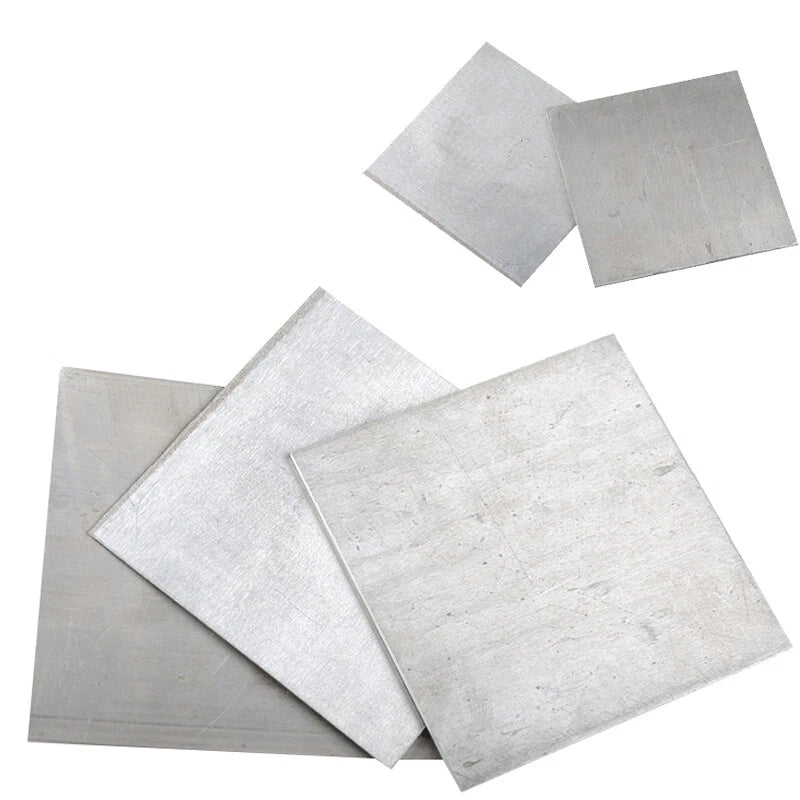
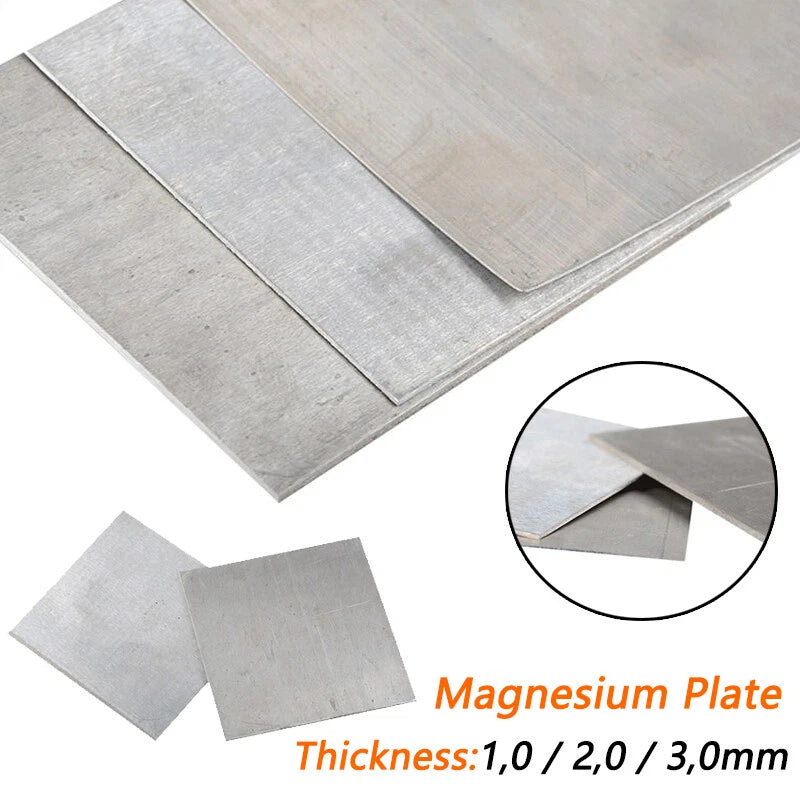
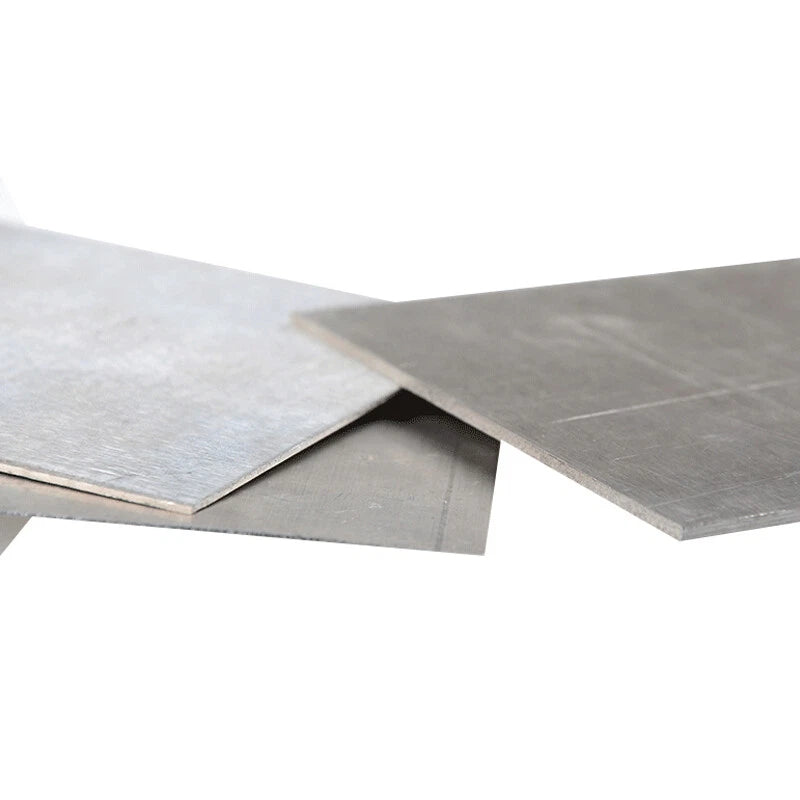
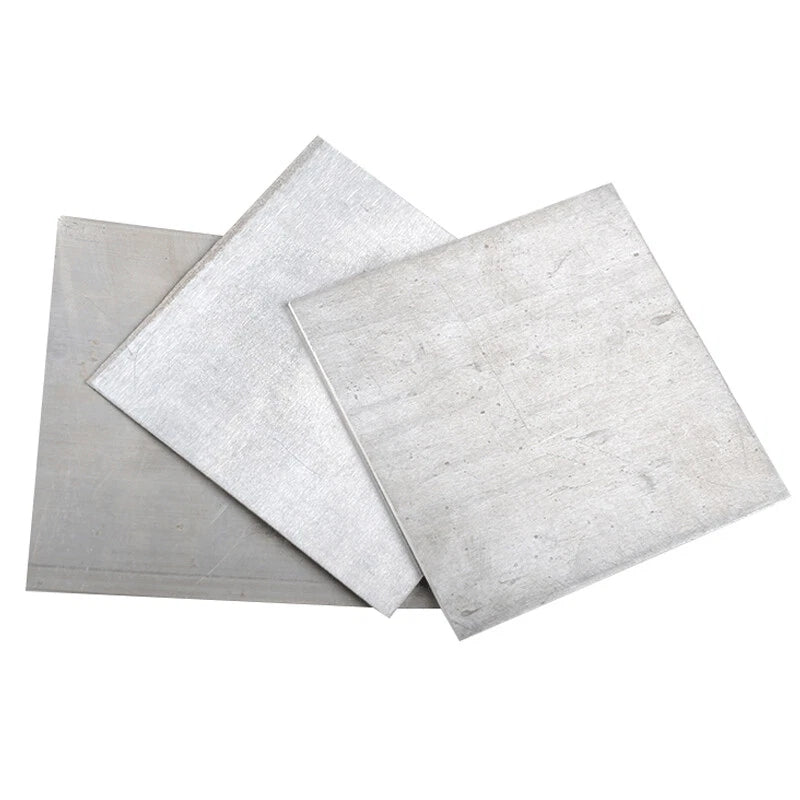
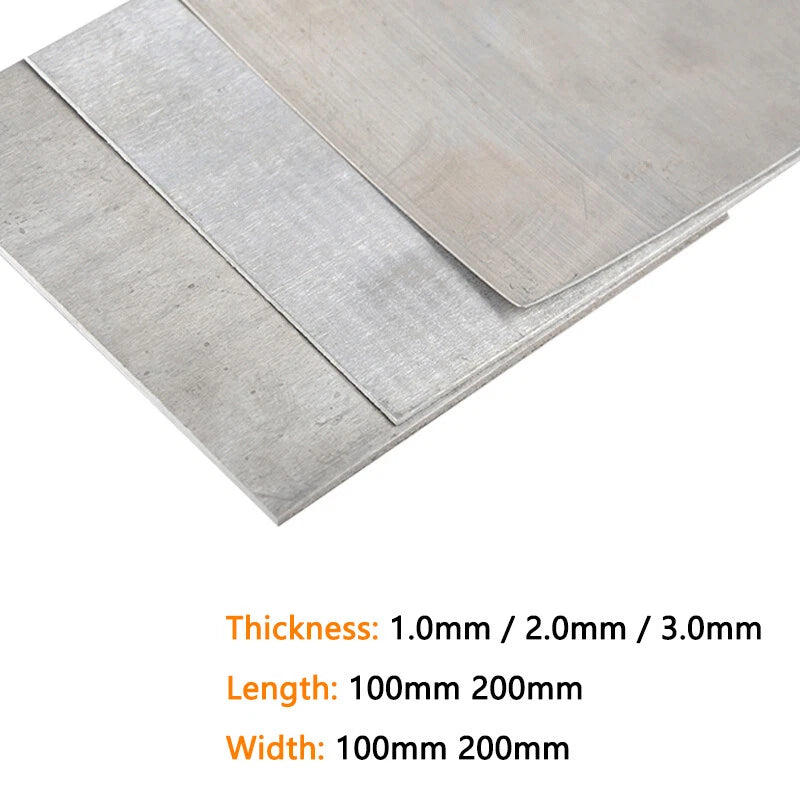
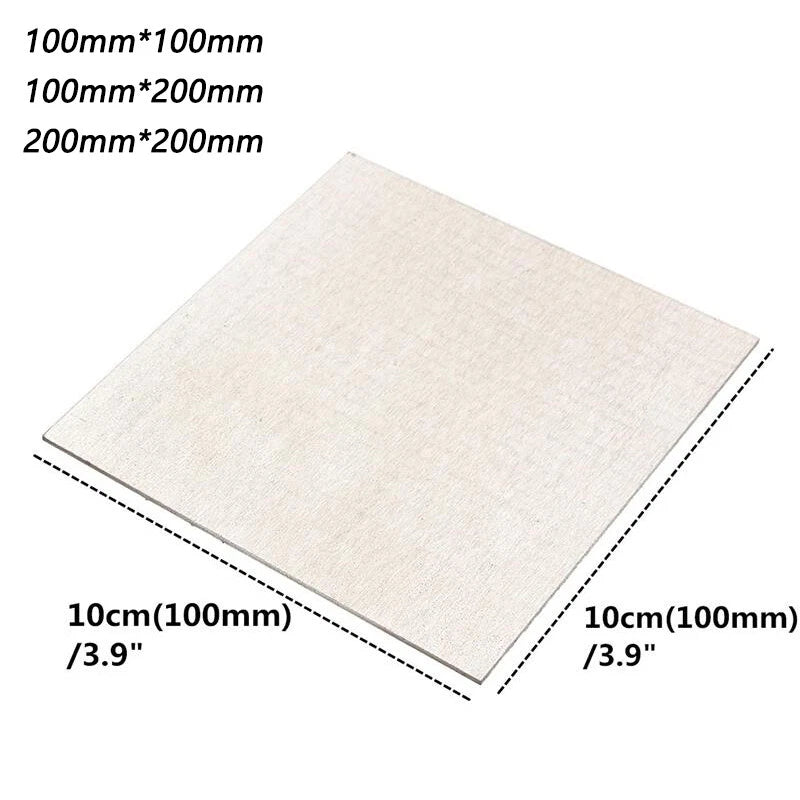
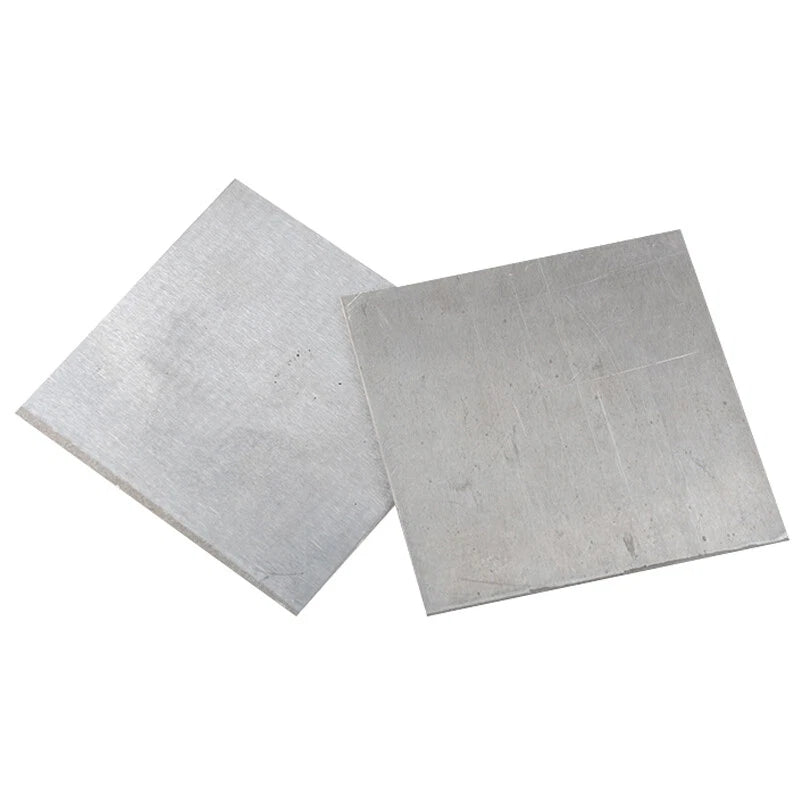
These AZ31B magnesium alloy thin sheet plates are cut from wrought AZ31B-H24 alloy stock — a commercially standard magnesium-aluminum-zinc composition. Each plate is available in thicknesses of 1.0 mm (~0.039 in), 2.0 mm (~0.079 in), and 3.0 mm (~0.118 in), with planar dimensions ranging from 100×100 mm (~3.94×3.94 in) to 200×200 mm (~7.87×7.87 in). Surface finish is mill-rolled with a consistent flat profile.
Typical applications include lightweight structural brackets for UAV and RC aircraft frames, sacrificial anode blanks for cathodic protection research, biomedical implant prototyping where low density and biocompatibility are required, and thermal management substrates in electronics R&D. The AZ31B alloy sheet plate is also widely used for CNC milling practice and educational metalworking projects where machinability and low cutting resistance matter.
| Material | AZ31B Magnesium Alloy (Wrought, H24 temper) |
|---|---|
| Alloy Composition | Mg ≥95%, Al ~3%, Zn ~1% (per ASTM B90/B90M) |
| Thickness Options | 1.0 mm / 2.0 mm / 3.0 mm |
| Planar Dimensions | 100×100 mm / 100×200 mm / 200×200 mm |
| Surface Finish | Mill-rolled, flat |
| Density | ~1.77 g/cm³ |
| Tensile Strength | Typically 260–290 MPa (H24 temper) |
| Yield Strength | Typically 200–220 MPa |
| Elongation | Typically 12–15% |
| Hardness | Typically 55–65 HB |
| Melting Point | ~630°C (1166°F) |
| Corrosion Resistance | Moderate; protective coating recommended for humid or saline environments |
| Packing Quantity | See variant options |
| Tolerance | See variant options |
For lightweight structural panels or shielding applications where rigidity is secondary, 1.0 mm is sufficient. For load-bearing brackets, fixtures, or parts requiring tapping, 2.0 mm offers a better balance of strength and weight. The 3.0 mm option is best for structural components, thicker substrates, or when you need material for multi-pass CNC operations.
Yes. AZ31B in H24 temper has a tensile strength of approximately 260–290 MPa and a yield strength of 200–220 MPa — comparable to some aluminum alloys at roughly one-third the density. It is widely used in aerospace, automotive, and electronics enclosures where structural integrity and low mass are both required.
AZ31B has moderate corrosion resistance in dry indoor environments. For outdoor, humid, or saline applications, a protective surface treatment — such as anodizing, chromate conversion coating, or powder coating — is strongly recommended. Avoid prolonged contact with saltwater, strong acids, or alkaline solutions without a protective barrier.
Yes. AZ31B is one of the most machinable metals available. It cuts cleanly with standard carbide or HSS tooling at high spindle speeds. Use magnesium-safe (non-aqueous or dedicated) cutting fluid and follow standard fire-safety precautions for magnesium swarf — keep fine chips away from open flames and store dry.
EDM (Electrical Discharge Machining) is compatible with AZ31B. Laser cutting is technically possible but requires careful parameter control due to magnesium’s flammability at elevated temperatures — consult your laser equipment manufacturer’s guidelines for magnesium alloys before proceeding.
For UAV frame arms and mounting plates, 1.0–2.0 mm thickness in the 100×200 mm or 200×200 mm format is a common starting point. The 1.0 mm sheet offers the lowest weight for non-structural skins, while 2.0 mm is preferred for motor mounts and structural ribs. Order a 2-piece pack of the 1.0 mm variant to allow for test cuts before committing to your final design.
Yes. AZ31B magnesium alloy is electrochemically active and is used in cathodic protection research as a sacrificial anode material. The flat plate form makes it easy to cut custom anode shapes. Confirm alloy purity requirements against your specific research protocol before ordering.