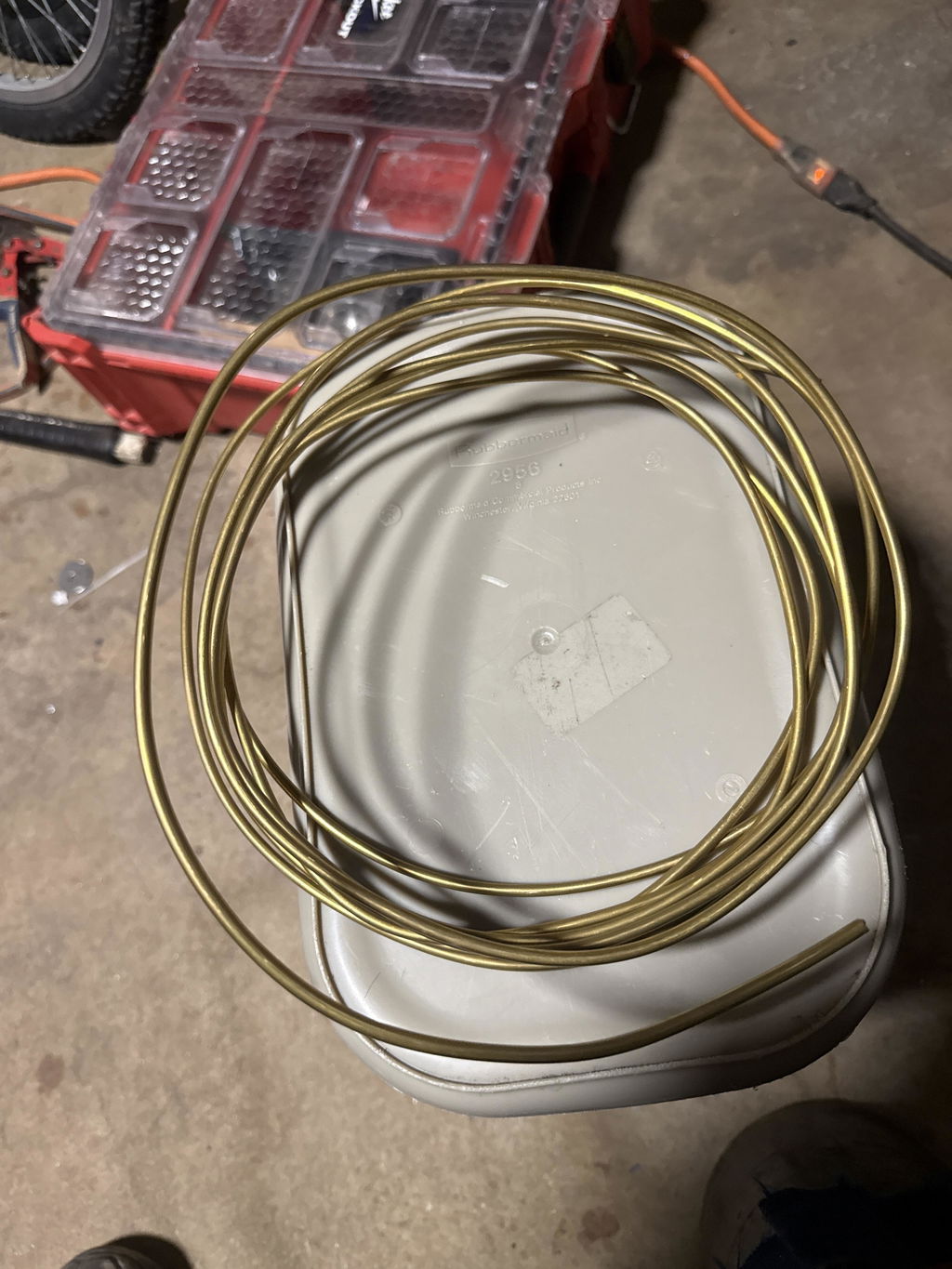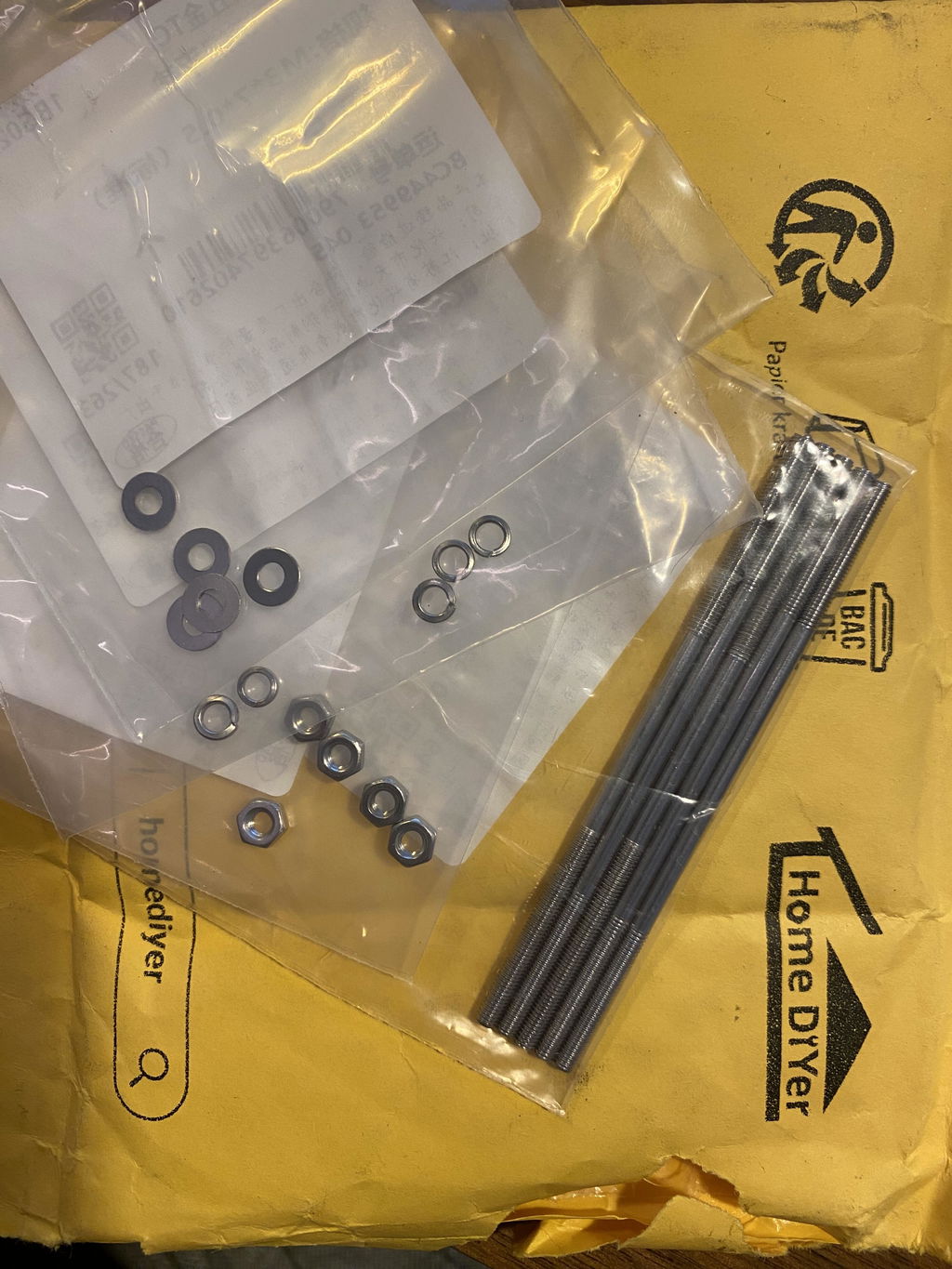
The chain is fine...but I ordered the wrong size. Nine links of the chain I ordered equals six of the size I wanted. My error...
How can I straighten out the springs? I can't use them coil uo as is.
Your payment information is processed securely. We do not store credit card details nor have access to your credit card information.
Get fitment advice & recommendations
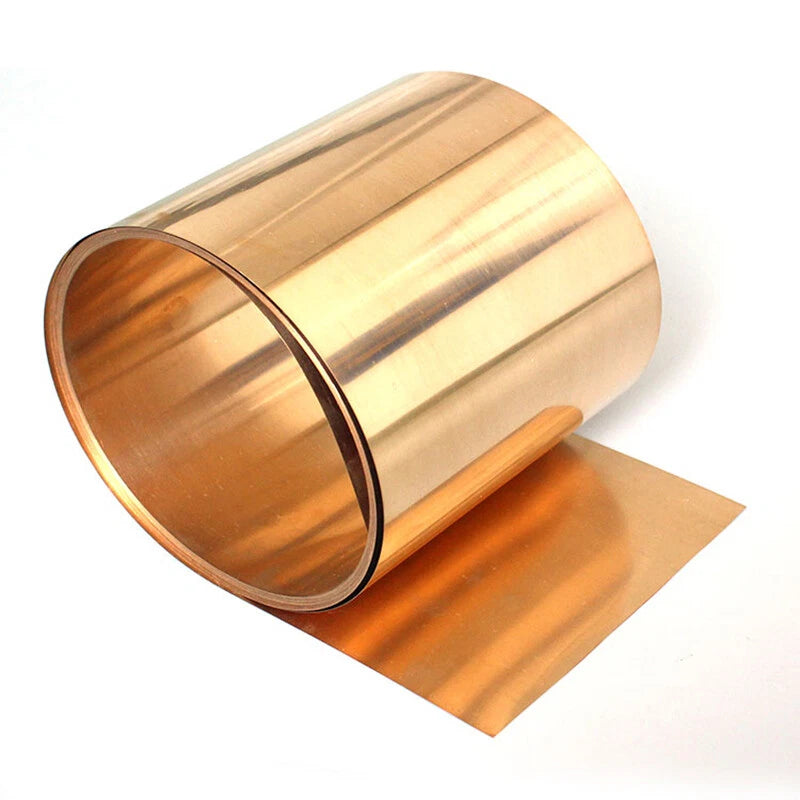
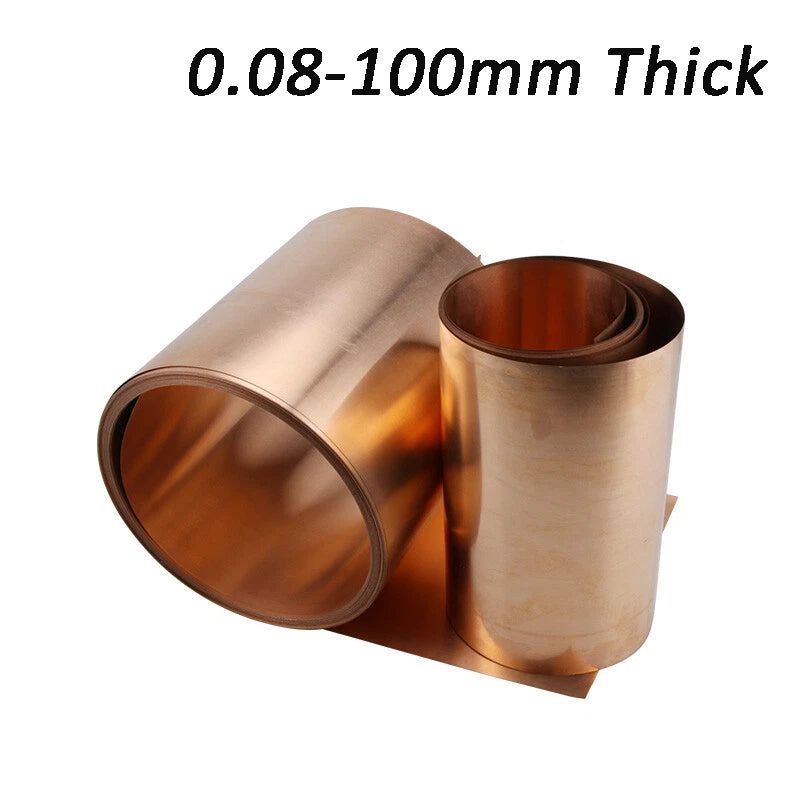
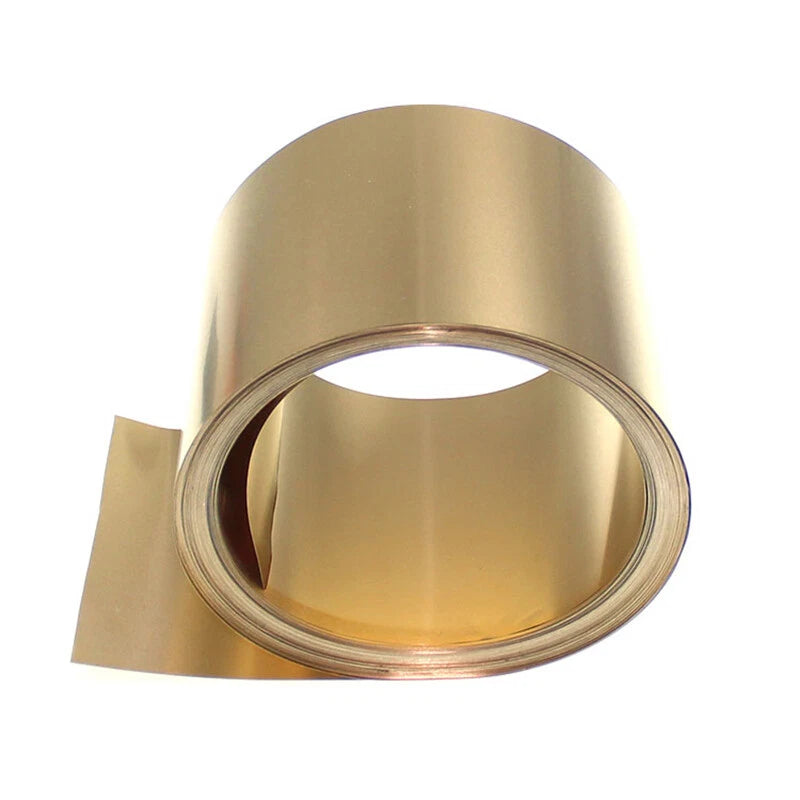
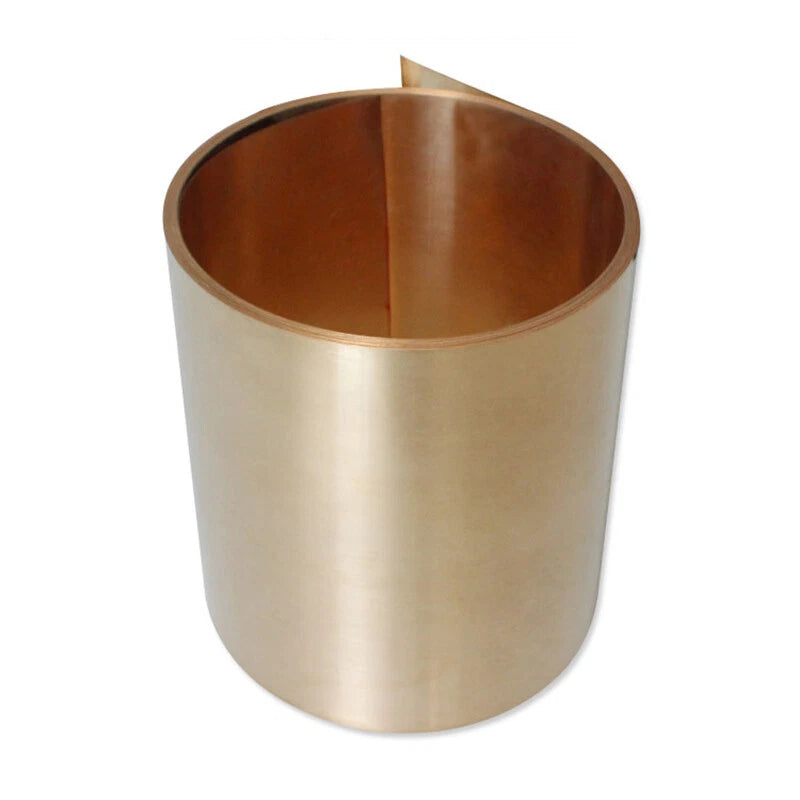
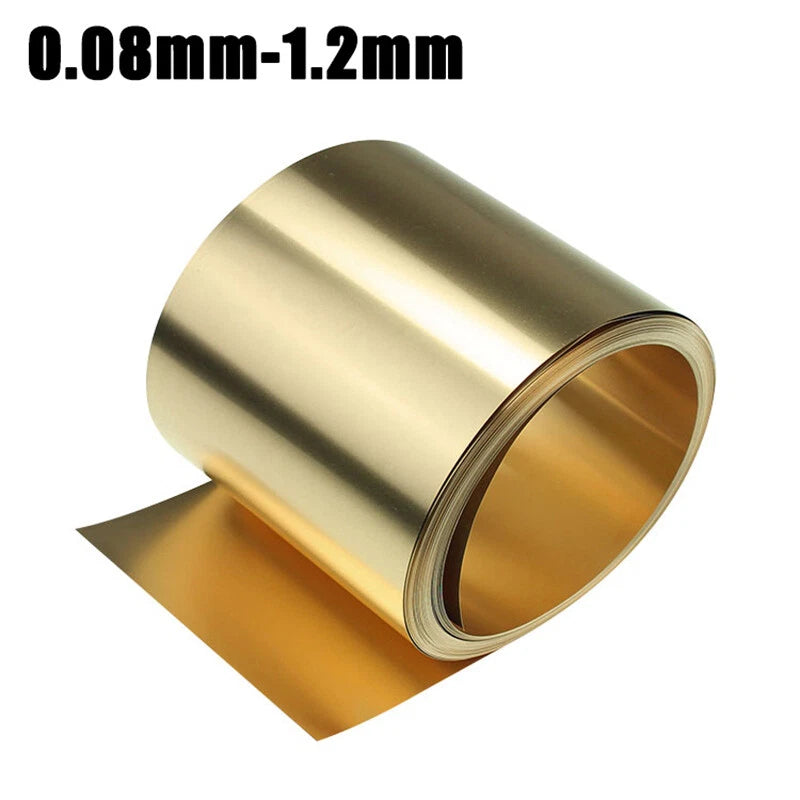
When your project demands a thin, conductive metal that holds its shape under repeated stress, standard copper sheet simply falls short. Engineers, makers, and precision fabricators working on electrical contacts, spring components, and EMI shielding need a material that combines conductivity with real mechanical strength — that's exactly where beryllium copper sheet delivers. This BeCu foil strip is sized at a versatile 200mm × 200mm (approx. 7.87" × 7.87") and is available in a wide thickness range from 0.08mm to 1.2mm (approx. 0.003" to 0.047"), letting you match the exact gauge your application requires.
Each sheet is cut from beryllium copper alloy (C17200 / BeCu), a material recognized for its exceptional combination of electrical conductivity, spring-back elasticity, and corrosion resistance. The 200mm × 200mm (7.87" × 7.87") format provides a workable blank for bench cutting, stamping, or CNC machining. Thickness options span 0.08mm, 0.1mm, 0.15mm, 0.2mm, 0.25mm, 0.3mm, 0.4mm, 0.5mm, 0.6mm, 0.8mm, 1.0mm, and 1.2mm — covering ultra-thin foil through structural sheet stock.
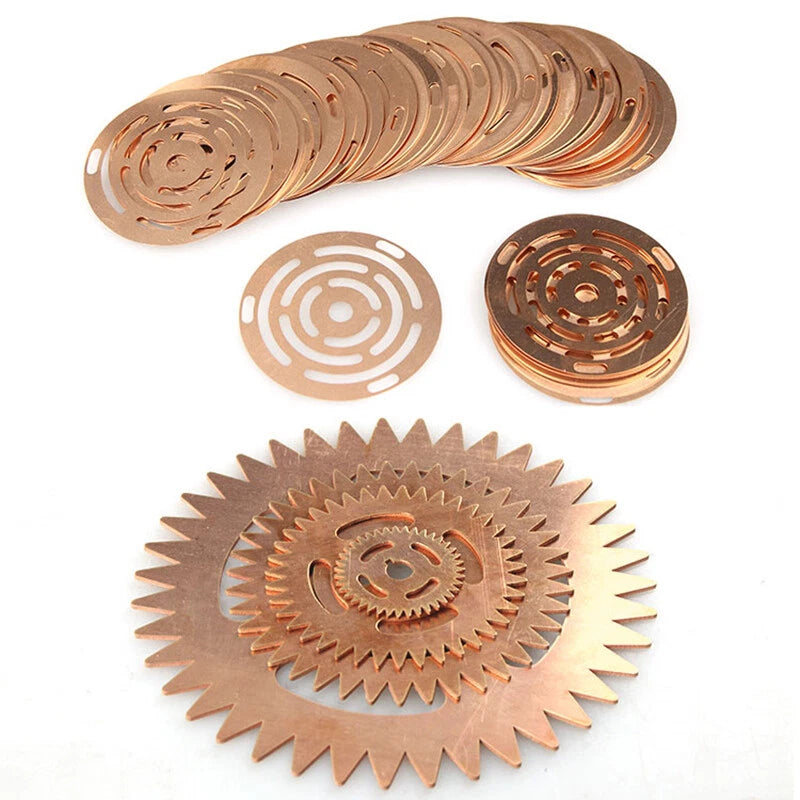
Typical use cases include fabricating precision electrical contact springs for relays and switches, cutting EMI/RFI shielding gaskets for enclosures, producing beryllium copper shim stock for tight-tolerance mechanical assemblies, and prototyping flexible conductive elements in scientific instruments or aerospace sub-assemblies.
| Material | Beryllium Copper Alloy (C17200 / BeCu) |
|---|---|
| Sheet Size | 200mm × 200mm (approx. 7.87" × 7.87") |
| Thickness Options | 0.08 / 0.1 / 0.15 / 0.2 / 0.25 / 0.3 / 0.4 / 0.5 / 0.6 / 0.8 / 1.0 / 1.2 mm |
| Thickness (inches) | 0.003" – 0.047" (varies by variant) |
| Electrical Conductivity | Approx. 22% IACS (C17200 typical) |
| Tensile Strength (hardened) | Typically 1,000–1,400 MPa |
| Hardness (hardened) | Typically 36–45 HRC |
| Finish | Mill finish (as-rolled) |
| Weight | See variant options |
| Quantity per Order | 1 pcs |
| Heat Treatment | Age-hardenable (precipitation hardening) |
| Machinability | Suitable for CNC, laser, shear, EDM |
For ultra-thin EMI shielding gaskets or flexible conductive foils, choose 0.08mm–0.15mm. For precision contact springs and reed-style components, 0.2mm–0.5mm is the most common range. For structural shims, tooling inserts, or load-bearing spring plates, 0.6mm–1.2mm provides the rigidity needed. If you are unsure, select the variant closest to your current material spec and test-fit before committing to a larger quantity.
Yes — significantly. Standard copper has a tensile strength of roughly 200–250 MPa. Beryllium copper (C17200) in the age-hardened condition typically reaches 1,000–1,400 MPa, comparable to many tool steels, while retaining copper's conductivity and corrosion resistance. This makes BeCu the material of choice when both strength and conductivity are required simultaneously.
Beryllium copper forms a stable, adherent oxide layer that protects the base metal from further atmospheric corrosion. It performs well in humid environments, mild industrial atmospheres, and most non-oxidizing chemical exposures. For highly aggressive environments (strong acids, chloride-rich conditions), additional surface protection such as nickel or gold plating is recommended.
Yes. In the as-rolled (mill-annealed) condition, BeCu sheet can be cut with bench shears, CNC mills, laser cutters, or EDM wire. Thinner gauges (0.08mm–0.3mm) can also be cut with sharp scissors or a craft knife for prototyping. Note: always follow appropriate safety guidelines when machining beryllium-containing alloys — use wet cutting or proper dust extraction to avoid airborne beryllium particles.
BeCu can be soldered using standard tin-lead or lead-free solders with appropriate flux. Resistance welding and laser welding are also feasible. Conventional arc welding is not recommended due to beryllium fume hazards. For most electronic contact applications, soldering is the preferred joining method and works reliably on BeCu sheet.
This listing provides flat, pre-cut 200mm × 200mm (7.87" × 7.87") sheet blanks — not continuous rolls or strips. Each piece is a discrete flat sheet, which is convenient for bench work, stamping, or CNC fixturing without the need to unroll or flatten material. If you need a continuous strip or custom length, please contact us to confirm availability.
Yes. Beryllium copper (C17200) is an age-hardenable alloy. After forming your part in the softer annealed condition, you can precipitation-harden it by heating to approximately 315–340°C (600–645°F) for 2–3 hours. This significantly increases hardness and spring strength without distorting the formed shape. Always perform heat treatment in a controlled oven environment.