The chain is fine...but I ordered the wrong size. Nine links of the chain I ordered equals six of the size I wanted. My error...
How can I straighten out the springs? I can't use them coil uo as is.
Your payment information is processed securely. We do not store credit card details nor have access to your credit card information.
Get fitment advice & recommendations
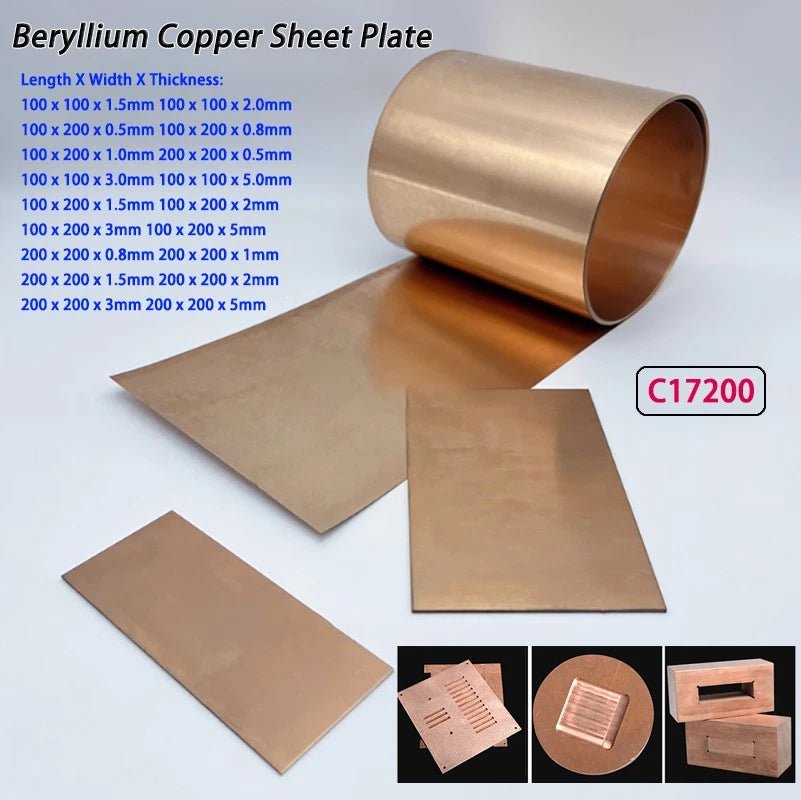
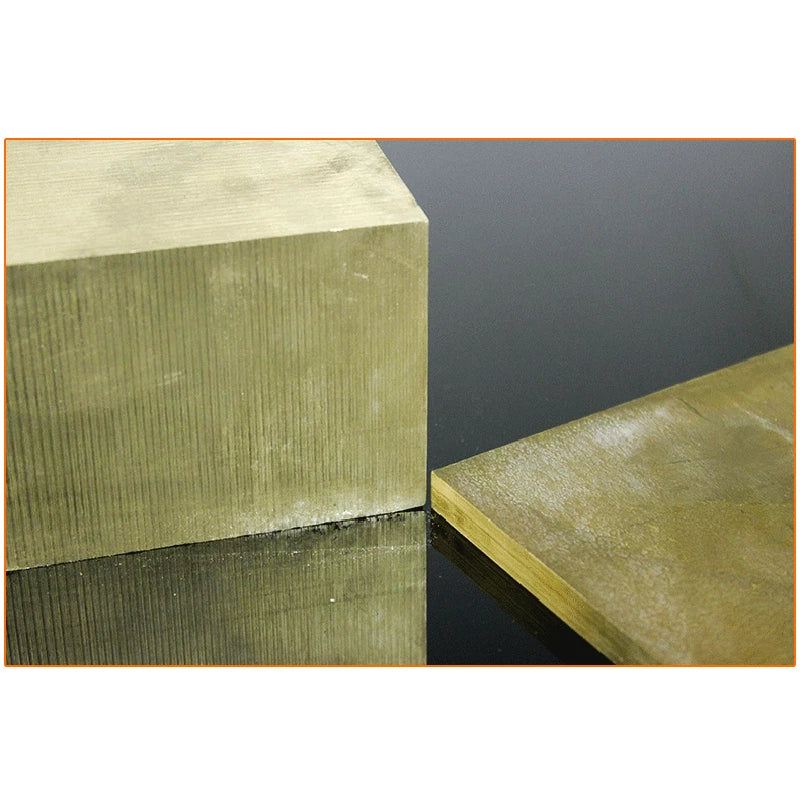
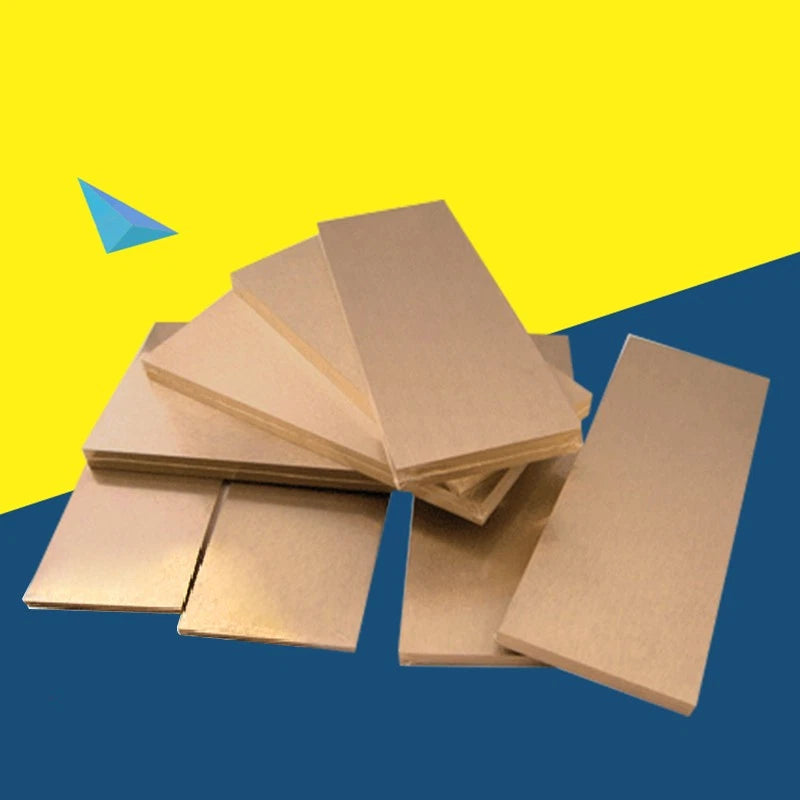
When standard copper just will not hold its shape under load, makers, machinists, and small-shop engineers reach for beryllium copper. C17200 is the workhorse alloy of the beryllium-copper family, combining the electrical conductivity of copper with spring-like resilience that ordinary sheet metal cannot match. Whether you are fabricating contact springs, shielding enclosures, or precision tooling inserts, this plate gives you a reliable, dimensionally stable starting point.
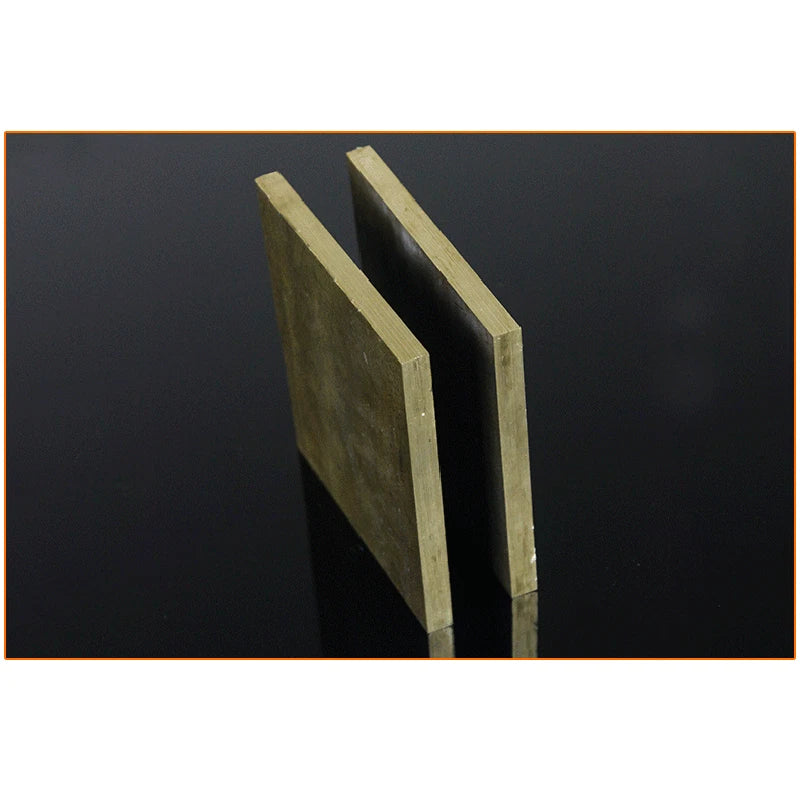
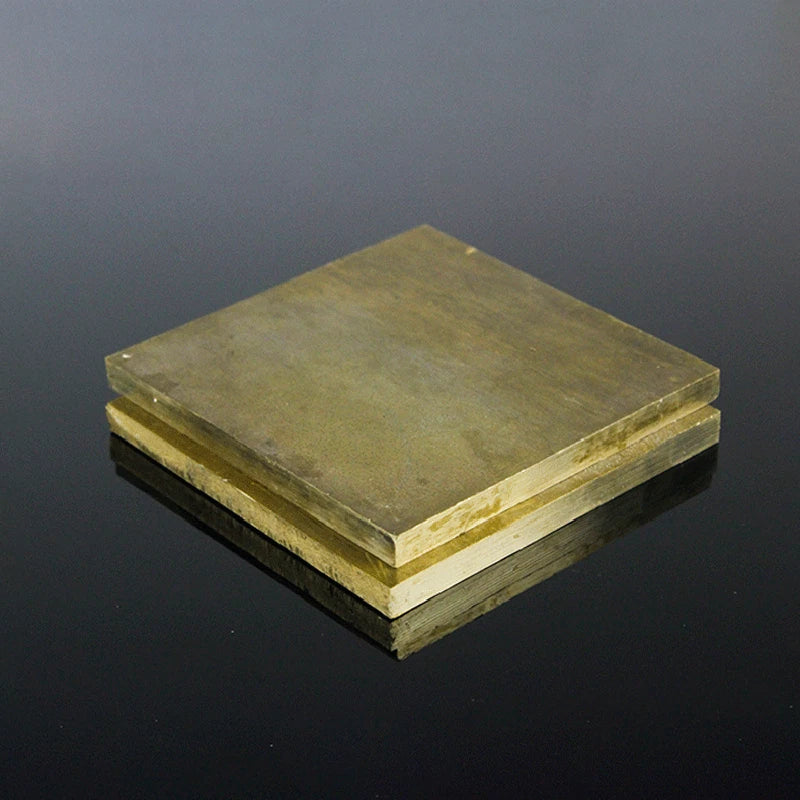
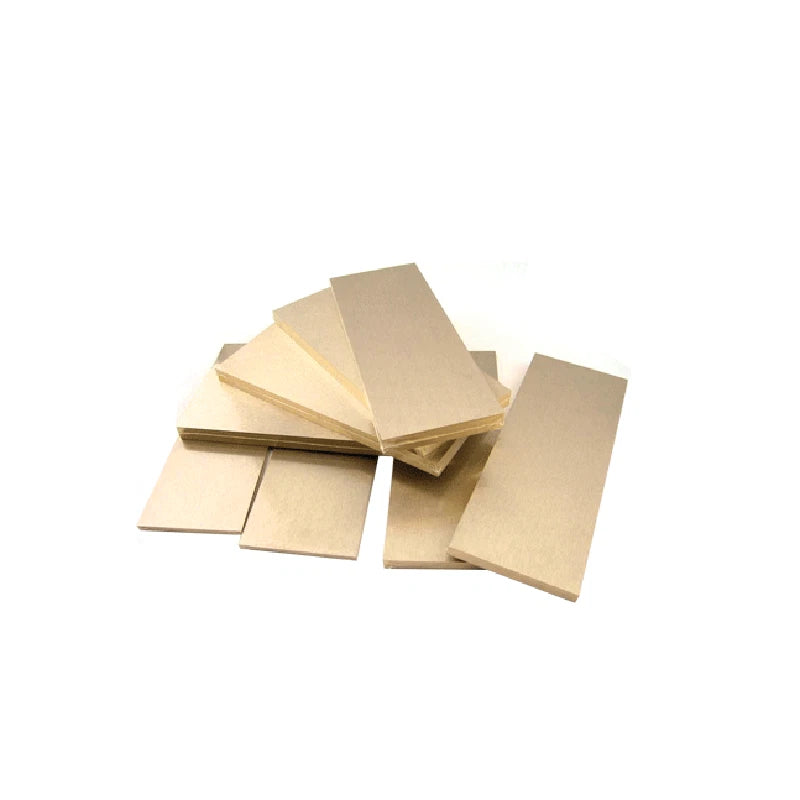
Each piece is cut from solid C17200 beryllium copper alloy stock. Sizes range from 100 × 100 mm (approx. 3.94 × 3.94 in) up to 200 × 200 mm (approx. 7.87 × 7.87 in), with thickness options spanning 0.5 mm to 5.0 mm (approx. 0.020 in to 0.197 in). The surface finish is mill-rolled with a consistent, smooth appearance suitable for further machining, forming, or direct use.
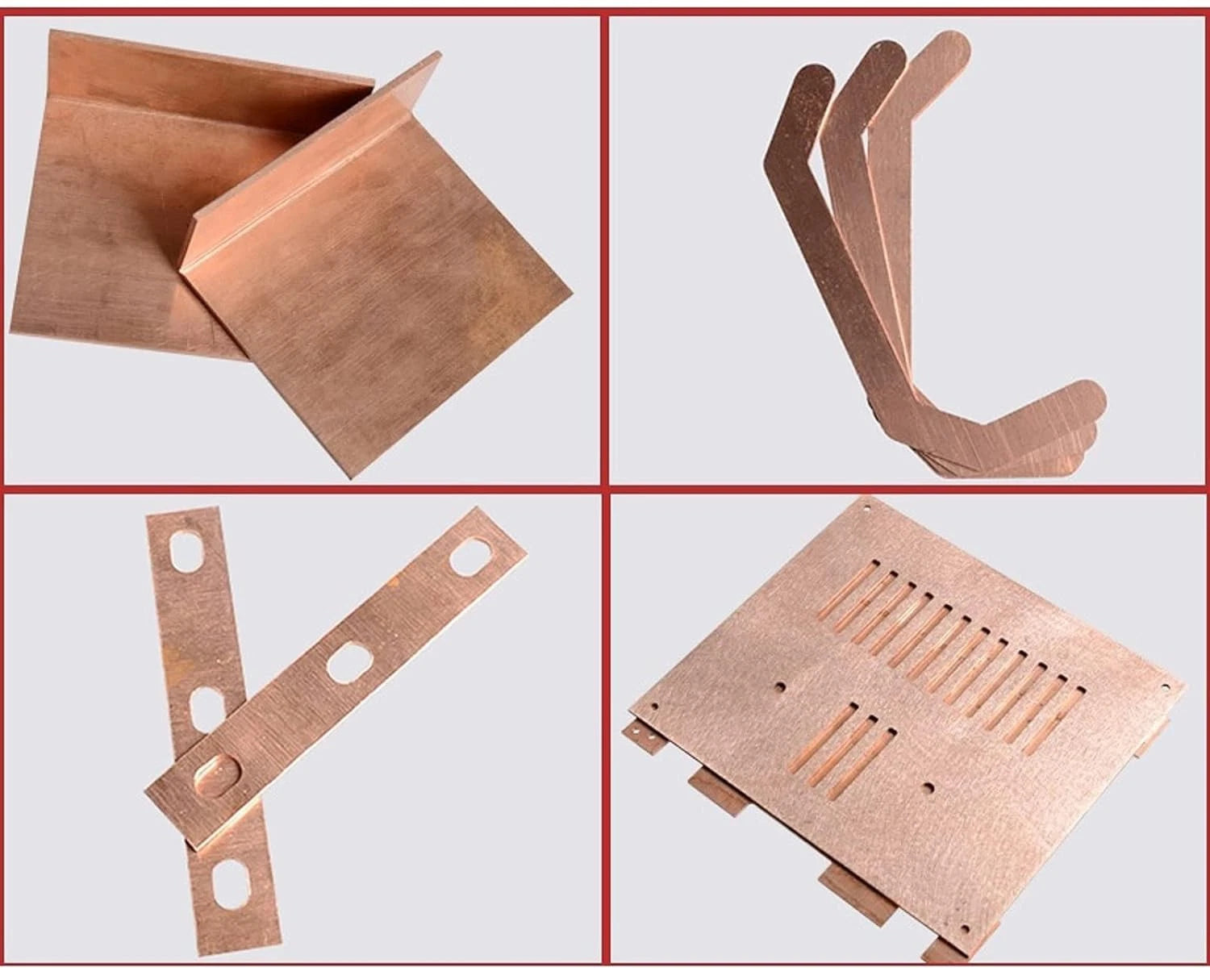
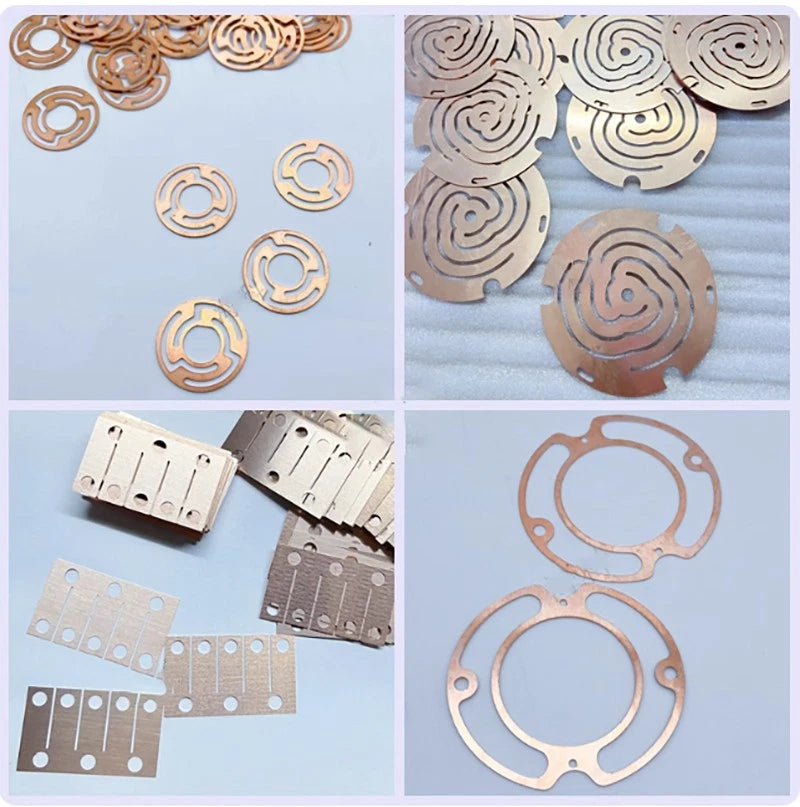
Typical use cases include fabricating electrical contact springs for relay assemblies, cutting shim stock for precision mechanical fits, machining non-sparking tooling inserts for hazardous environments, and crafting RF/EMI shielding panels for electronics enclosures. The combination of size flexibility and multi-piece pack options makes this listing well-suited for prototyping beryllium copper parts or stocking a small workshop.
| Alloy Designation | C17200 (CuBe2) |
|---|---|
| Beryllium Content | Approx. 1.8–2.0% |
| Temper / Condition | See variant options |
| Length Options | 100 mm / 200 mm (3.94 in / 7.87 in) |
| Width Options | 100 mm / 200 mm (3.94 in / 7.87 in) |
| Thickness Range | 0.5 mm – 5.0 mm (0.020 in – 0.197 in) |
| Surface Finish | Mill-rolled, smooth |
| Electrical Conductivity | Approx. 22–28% IACS (aged condition) |
| Density | Approx. 8.26 g/cm³ |
| Tensile Strength (aged) | Typically 1,100–1,400 MPa |
| Hardness (aged) | Approx. 36–42 HRC |
| Melting Point | Approx. 865–980 °C (1,590–1,796 °F) |
| Pack Quantity | 1 / 2 / 3 / 4 / 5 Pcs (see variant options) |
For electrical contact springs and thin shims, 0.5–1.0 mm is typically sufficient. For structural inserts, tooling blanks, or parts that need to withstand significant mechanical load, 2.0–5.0 mm provides the necessary rigidity. If you are unsure, start with a 1.0 mm or 1.5 mm piece for prototyping before committing to a thicker blank.
In aged (precipitation-hardened) condition, C17200 reaches tensile strengths of 1,100–1,400 MPa, which is comparable to many medium-carbon steels. It is widely used as a non-sparking substitute for steel in tooling, punches, and dies where magnetic neutrality or spark-free operation is required. It is not a direct replacement for hardened tool steel in high-abrasion cutting applications.
C17200 forms a protective oxide layer that resists atmospheric corrosion and moderate humidity well. For prolonged outdoor exposure or salt-spray environments, a light coating of lacquer or a corrosion-inhibiting oil is recommended. The alloy is not suitable for immersion in strong acids or ammonia-based solutions without additional protection.
Yes — C17200 machines similarly to brass and can be cut with carbide-tipped tools, band saws, or laser cutters. Important safety note: beryllium dust and fumes are hazardous. Always machine in a well-ventilated area, use appropriate respiratory protection (P100 respirator), and follow local regulations for beryllium-containing materials. Wet machining is strongly recommended to suppress dust.
C17200 can be soldered using standard copper-alloy fluxes and silver-bearing solders. Silver brazing is also effective. Fusion welding is possible but requires specialist inert-gas shielding and beryllium-safe fume extraction. For most DIY and small-shop joining tasks, silver brazing or mechanical fastening is the practical choice.
The 100×100 mm (approx. 3.94×3.94 in) size is ideal for small contact springs, shims, and single-component blanks. The 100×200 mm and 200×200 mm sizes give you more material per piece, which is useful when cutting multiple smaller parts from one blank or when your finished part dimensions are close to 100 mm in any direction. Order multiple pieces if you need spares or plan to iterate on your design.
Yes — the per-piece price decreases as pack quantity increases. If you anticipate needing more than one piece for your project or want backup material, selecting a 3–5 piece pack is more cost-effective than placing multiple single-piece orders. Check the variant selector above to compare pricing across pack sizes.