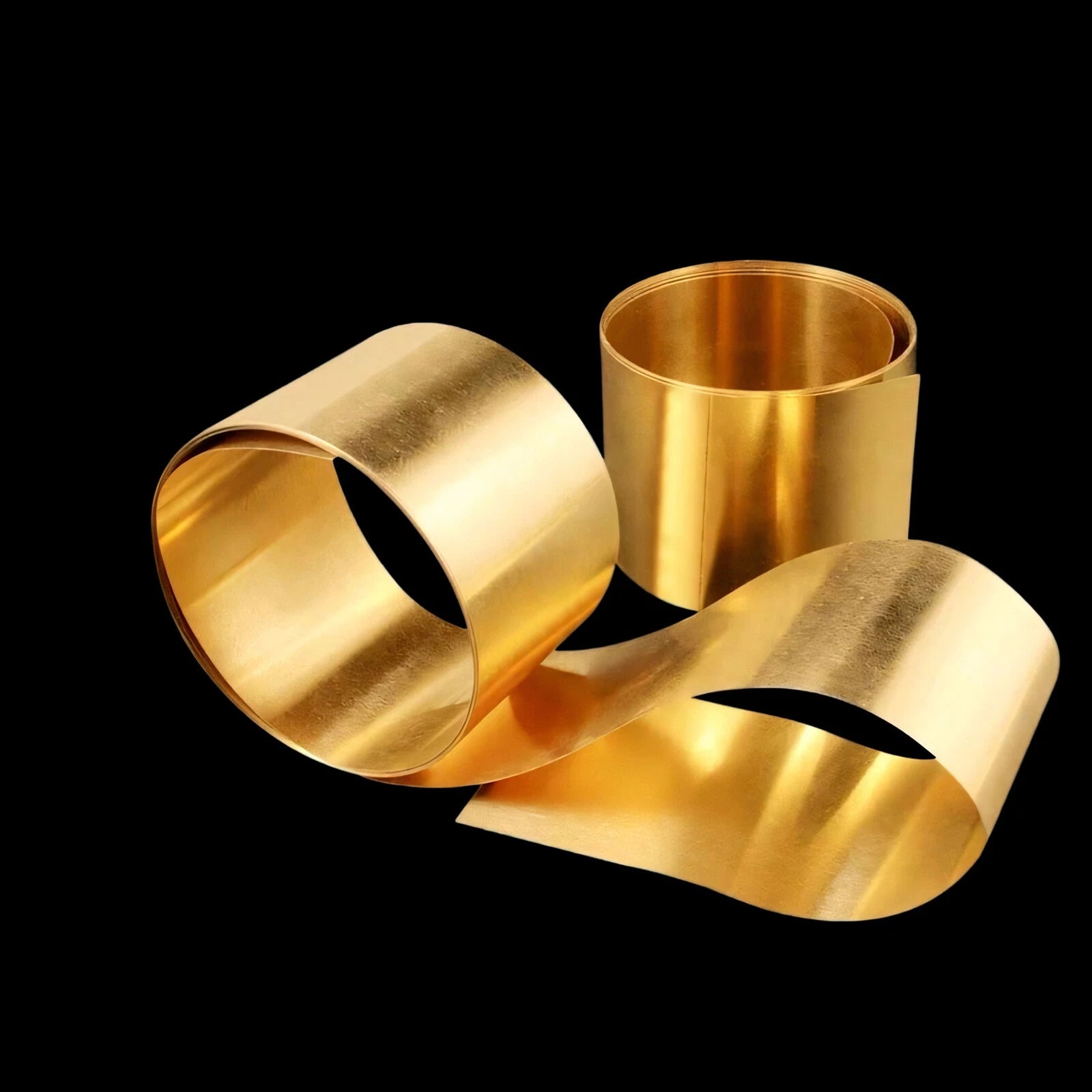
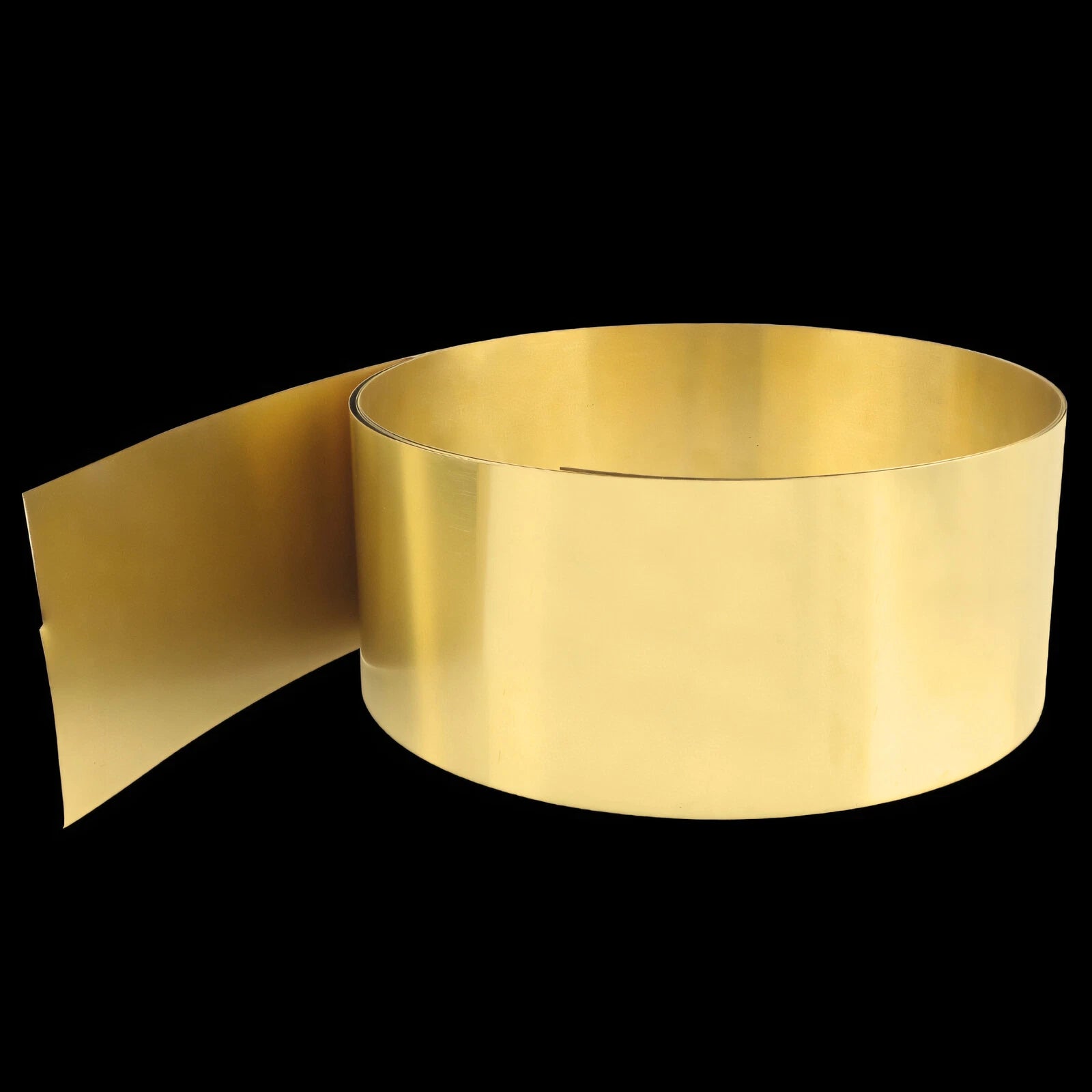
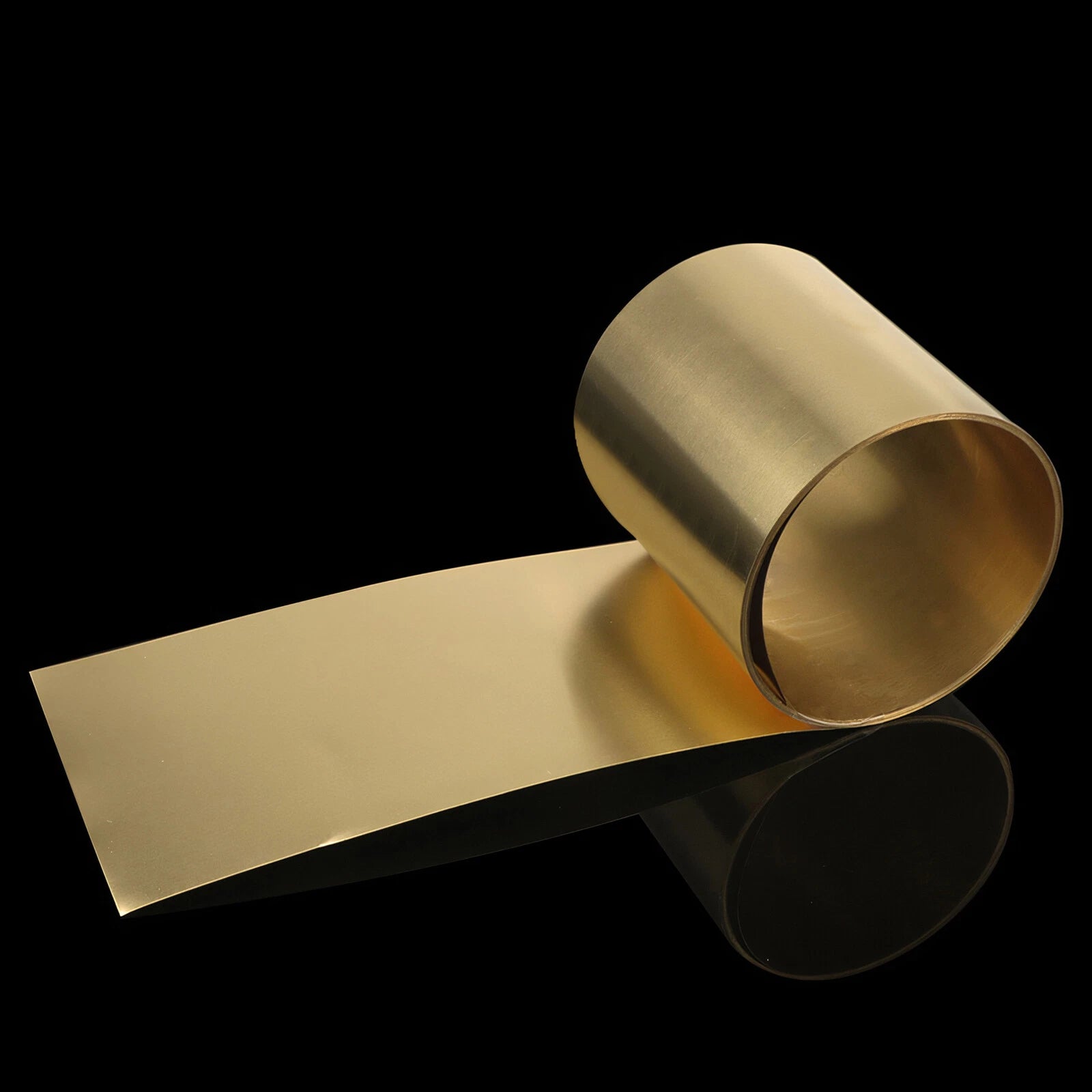
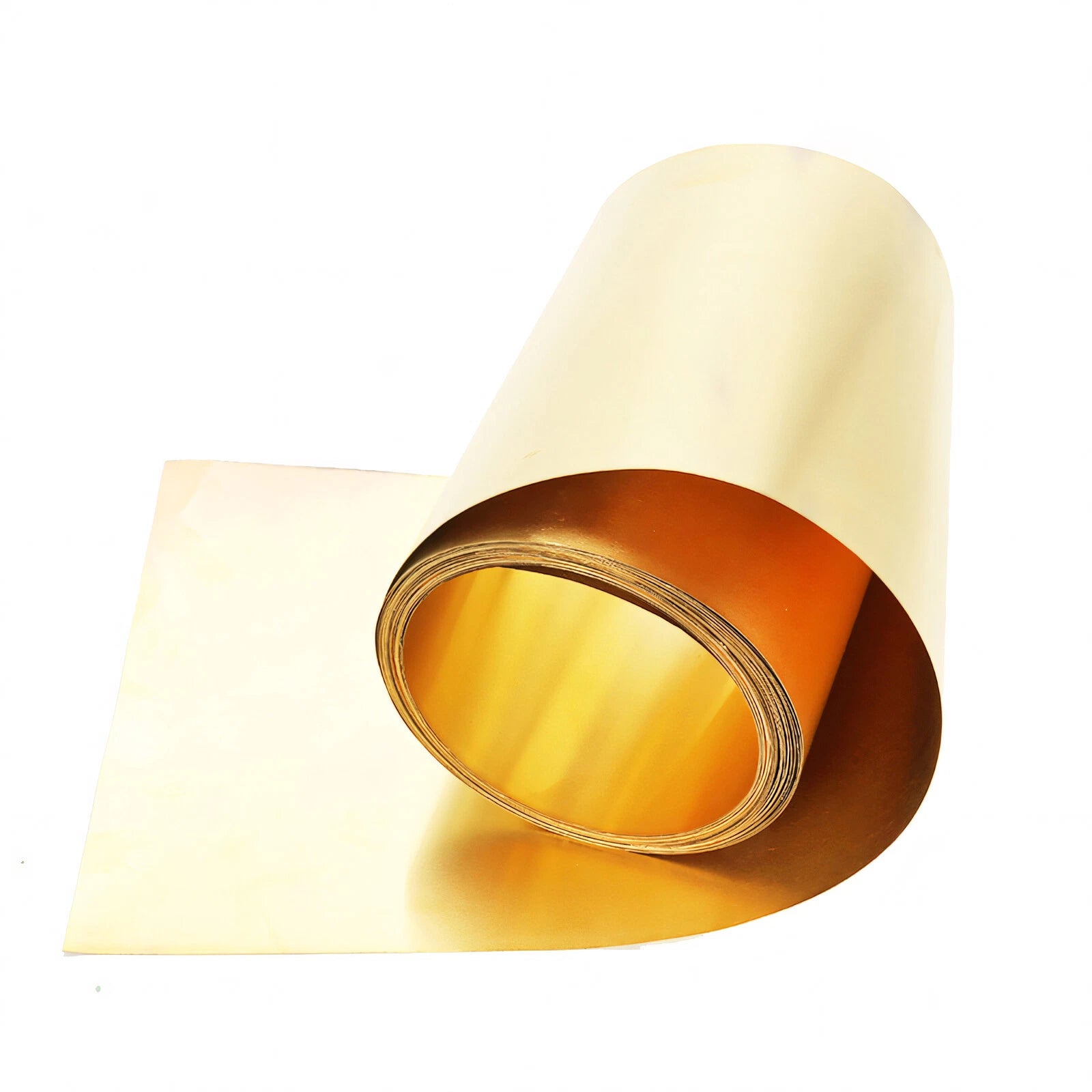
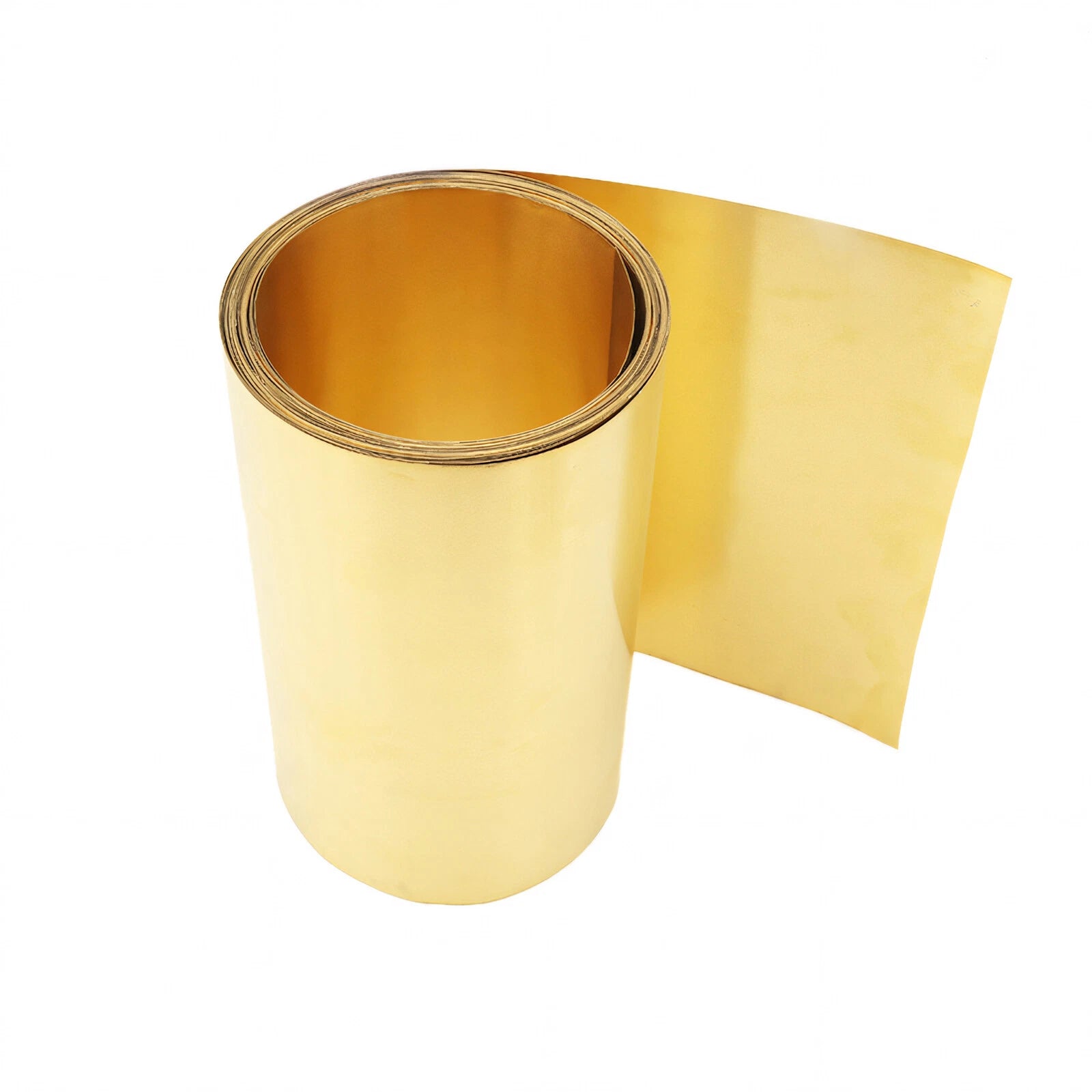
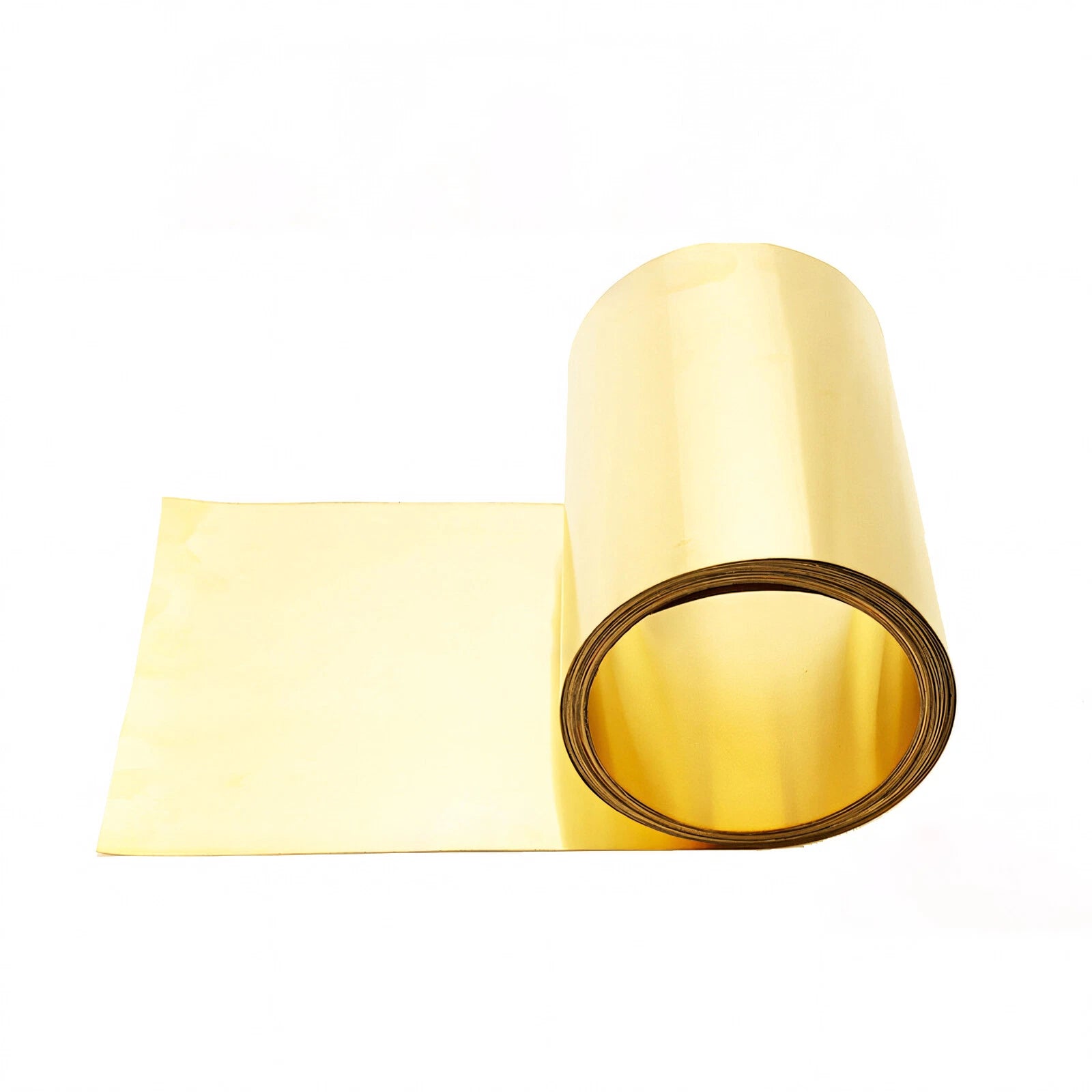
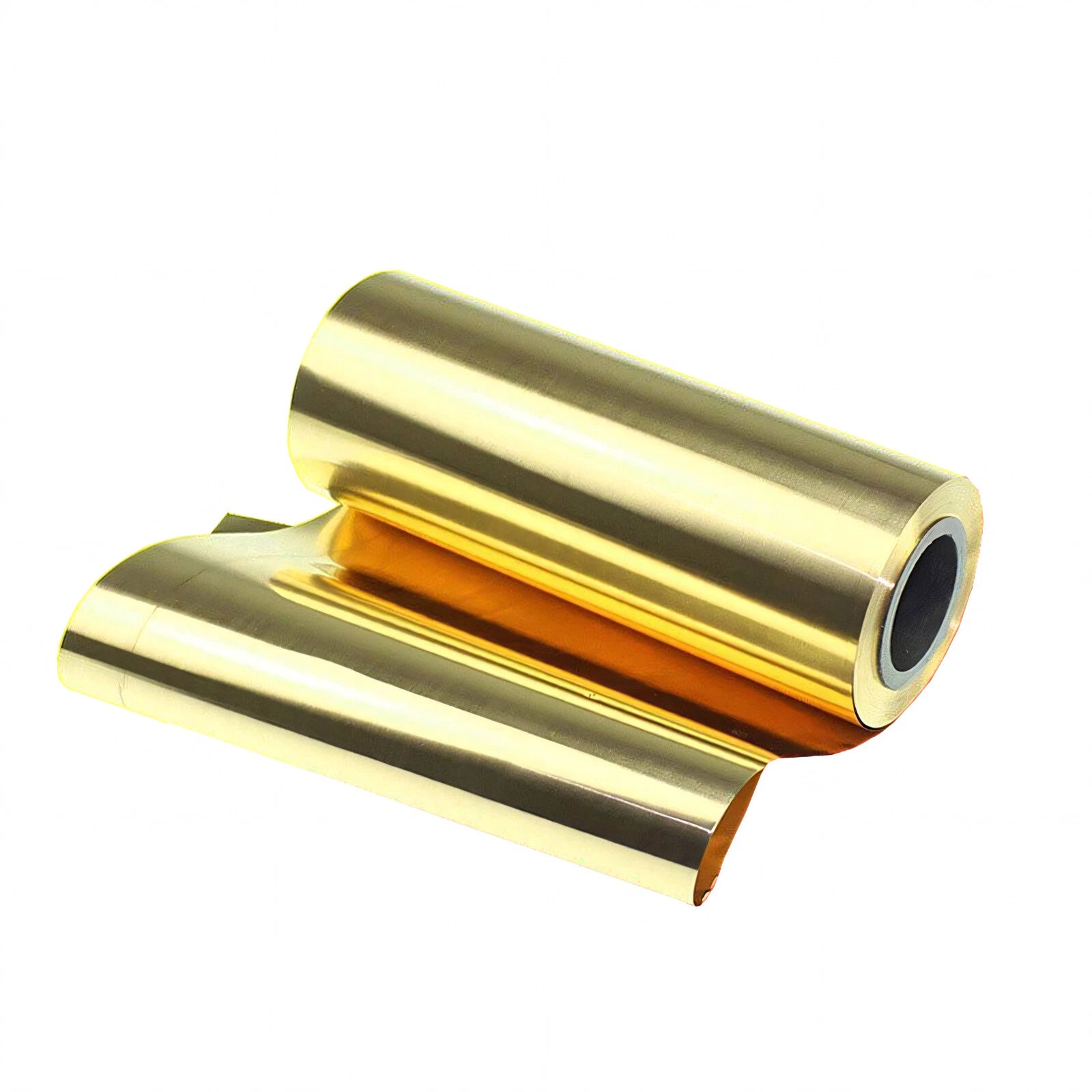
BRASS COIL Sheet Strip 0.01mm-1mm Flexible Pure Brass Sheet Brass Coil 5mm-300mm

No reviews

Price:
Sale price$4.04 USD
Stock:
In stock (500 units), ready to be shipped

Payment & Security

Ach Direct Debit Amazon American Express Apple Pay Bancontact BLIK Diners Club Discover EPS Google Pay iDEAL Wero JCB Maestro Mastercard Multibanco MobilePay PayPal Przelewy24 Shop Pay Twint Union Pay USDC Visa

Your payment information is processed securely. We do not store credit card details nor have access to your credit card information.

Limited Offer — Spend More, Save More
Spend $55+
Save $5
Spend $100+
Save $10
Spend $200+
Save $25
HomeDIYer DIY Expert Support

DIY Expert Support

Get fitment advice & recommendations

Mon–Fri  8:30 AM – 8:00 PM
24-Hour Fast Ship
Arrives in 3–14 Days
Worldwide Shipping
30-Day Returns
1 tree planted with every purchase

Description

Brass Coil Sheet Strip — Precision-Cut Flexible Pure Brass for Every Project

When your project demands a material that holds tight tolerances without cracking or corroding, finding the right brass strip in the exact thickness and width can be a frustrating search. Whether you are a machinist shimming a bearing housing, a jeweller forming a bezel, or an electronics hobbyist fabricating a contact spring, this brass coil sheet strip is stocked in the widths and gauges you actually need — no minimum order, no full-sheet waste.

Each piece is cut from flexible pure brass (CuZn alloy, typically C26000 / 70-30 cartridge brass) with a smooth, mill-finished surface. Thickness ranges from 0.01 mm (approx. 0.0004 in) up to 1 mm (approx. 0.039 in); width options span 5 mm (approx. 0.20 in) to 300 mm (approx. 11.81 in); every piece ships as a 1-metre (approx. 39.4 in) length. Tolerances are typically ±10% on thickness for ultra-thin gauges (≤0.05 mm) and ±5% for 0.1 mm and above.

Typical use cases include precision shim stock for mechanical assemblies and bearing fits, flexible electrical contacts and bus-bar strips for DIY electronics and battery packs, decorative inlay and craft metalwork such as marquetry banding and jewellery forming, and heat-exchanger or radiator repair strips where thin, thermally conductive material is required.

🔧 Compatibility: Suitable for soldering, brazing, cold-forming, and light machining. Compatible with standard brass-cutting tools, tin snips, and laser cutters. Not recommended for applications requiring stainless-steel corrosion resistance or high-temperature (>400 °C) service.

✅ Key Features of These Brass Coil Sheet Strips

📏 Ultra-Wide Size Range

Thickness from 0.01 mm to 1 mm and width from 5 mm to 300 mm — one listing covers shim-stock gauges through structural strip, so you can order exactly what your drawing calls for.

Excellent Electrical Conductivity

Pure brass (70% copper / 30% zinc) delivers strong electrical conductivity, making these strips well-suited for contact springs, bus bars, and grounding straps in low-voltage electronics.

🔩 Flexible Yet Dimensionally Stable

Thin gauges (≤0.1 mm) flex without cracking under repeated bending, while thicker strips (0.3 mm–1 mm) hold their shape after forming — ideal for both spring-contact and structural applications.

🛡️ Natural Corrosion Resistance

Brass forms a stable oxide patina that protects against atmospheric corrosion in indoor and light-outdoor environments, reducing the need for additional coatings in most workshop and craft applications.

✂️ Easy to Cut and Form

Mill-finished surface machines cleanly with standard tools. Thin strips cut with scissors or tin snips; thicker gauges respond well to a guillotine shear, angle grinder, or laser cutter without delaminating or burring excessively.

🎨 Warm Golden Finish for Decorative Work

The natural brass colour suits jewellery, musical instrument repair, architectural inlay, and model-making where a warm metallic tone is part of the design — no painting or plating required.

📐 Technical Specifications — Brass Coil Sheet Strip

Material Brass (CuZn alloy, approx. 70% Cu / 30% Zn)
Finish Mill finish (smooth, uncoated)
Thickness Range 0.01 mm – 1 mm (0.0004 in – 0.039 in)
Width Range 5 mm – 300 mm (0.20 in – 11.81 in)
Length 1 Meter (approx. 39.4 in)
Thickness Tolerance ±10% for ≤0.05 mm; ±5% for ≥0.1 mm (typical)
Temper See variant options
Tensile Strength See variant options
Max Service Temp. Approx. 200 °C continuous; up to 400 °C short-term
Electrical Conductivity Approx. 28% IACS (typical for C26000 brass)
Thermal Conductivity Approx. 120 W/m·K (typical)
Density Approx. 8.5 g/cm³
Item Type Metal Plate / Coil Strip
Quantity per Order 1 piece (1 metre length)

❓ Frequently Asked Questions

How do I choose the right thickness for my application?

For shim stock and precision gap-filling, select a thickness that matches your required clearance — gauges from 0.01 mm to 0.1 mm are typical. For spring contacts and flexible connectors, 0.05 mm–0.2 mm provides the right balance of flex and spring-back. For structural strips, brackets, or heat-exchanger fins, 0.3 mm–1 mm offers the rigidity needed. If you are unsure, start with 0.1 mm as a versatile mid-range option.

How strong is brass compared to copper or aluminium strip?

Brass (70/30) is significantly stronger than pure copper and roughly comparable to 3000-series aluminium alloys in tensile strength, while being denser. Its yield strength is typically 70–200 MPa depending on temper, making it suitable for light structural and spring applications where pure copper would deform too easily. For heavy structural loads, consider thicker gauges or a harder alloy.

Will this brass strip corrode or tarnish outdoors?

Brass forms a natural oxide patina that protects against atmospheric corrosion in most indoor and sheltered outdoor environments. In humid, marine, or chemically aggressive environments, dezincification can occur over time. For prolonged outdoor exposure, applying a clear lacquer or wax coating is recommended. The strip is not suitable as a direct replacement for stainless steel in harsh outdoor or submerged applications.

Is this strip compatible with soldering and brazing?

Yes. Brass solders readily with standard tin-lead or lead-free solder using a mild flux. For brazing, use a silver-bearing brazing alloy and appropriate flux at temperatures of 600 °C–900 °C. Ensure the surface is clean and free of oxide before joining. Avoid overheating thin gauges (≤0.1 mm) as they can warp or melt through quickly.

Can I cut this strip with standard workshop tools?

Thin gauges (≤0.2 mm) cut cleanly with sharp scissors, tin snips, or a craft knife and steel rule. Gauges from 0.3 mm to 1 mm are best cut with a guillotine shear, angle grinder with a thin cutting disc, or a laser cutter. Avoid using a hacksaw on very thin strips as it tends to distort the material. Deburr cut edges with a fine file or emery cloth for safe handling.

How do I decide between different widths for my project?

Select a width that matches or slightly exceeds your required coverage area — you can always trim down but cannot add material. For shim applications, match the width to the bearing or joint face. For decorative inlay, choose a width that fits your routed channel. For electrical bus bars, wider strips carry more current; as a rough guide, 1 mm² of cross-section carries approximately 1–2 A in free air. Use the variant selector above to pick your exact width from 5 mm to 300 mm.

What is the difference between brass coil strip and brass sheet?

Brass coil strip is supplied in a continuous roll or straight length cut from a coil, typically in narrow widths (5 mm–300 mm) and thin gauges. Brass sheet is usually supplied as a flat panel in larger dimensions. Coil strip is ideal when you need a long, narrow piece for wrapping, forming, or shimming, while sheet is better for cutting out larger flat blanks. This listing supplies 1-metre straight lengths cut from coil stock.

🛒 Select your Thickness and Width above, then add to cart.

You may also like

Recently viewed