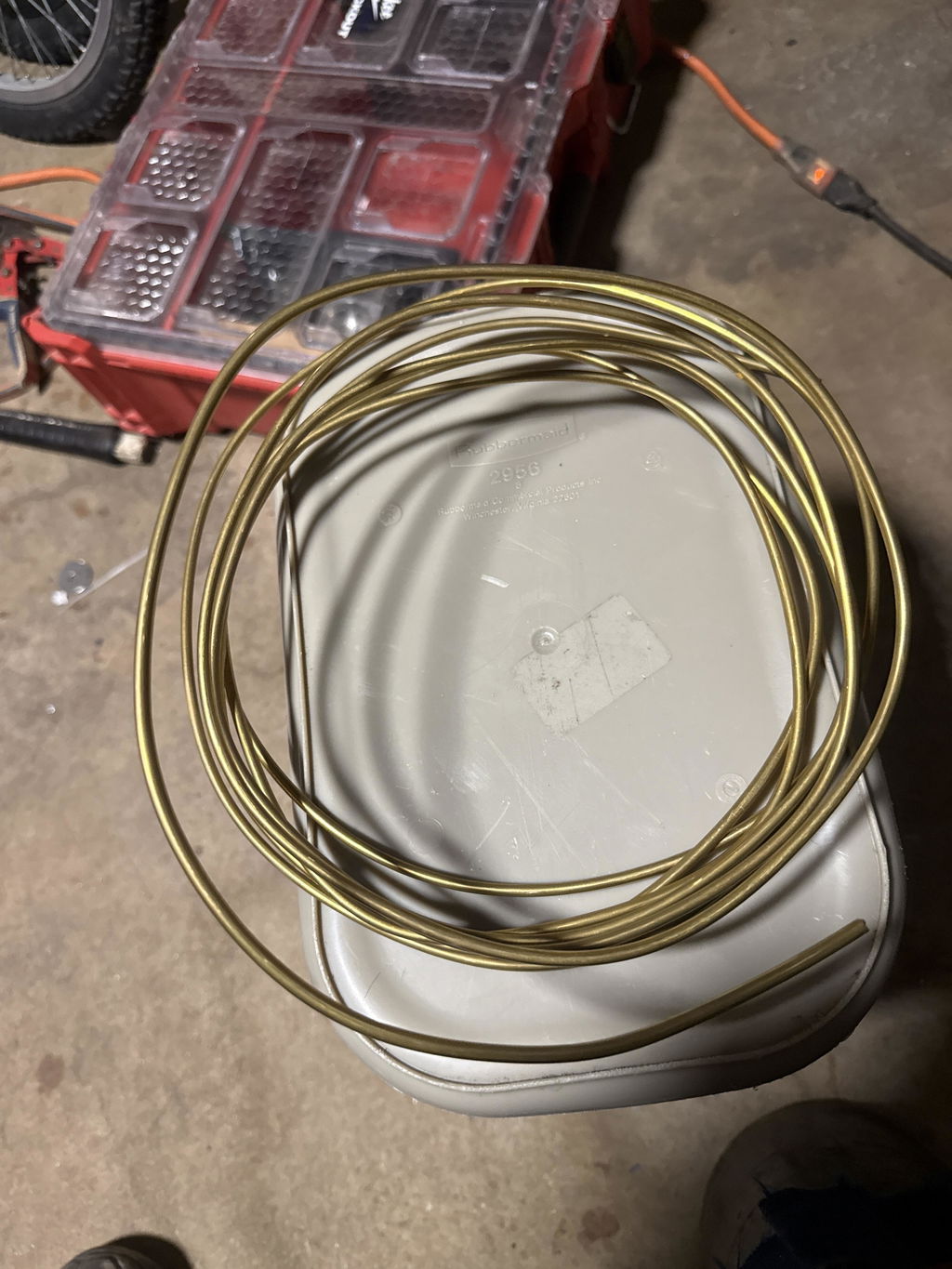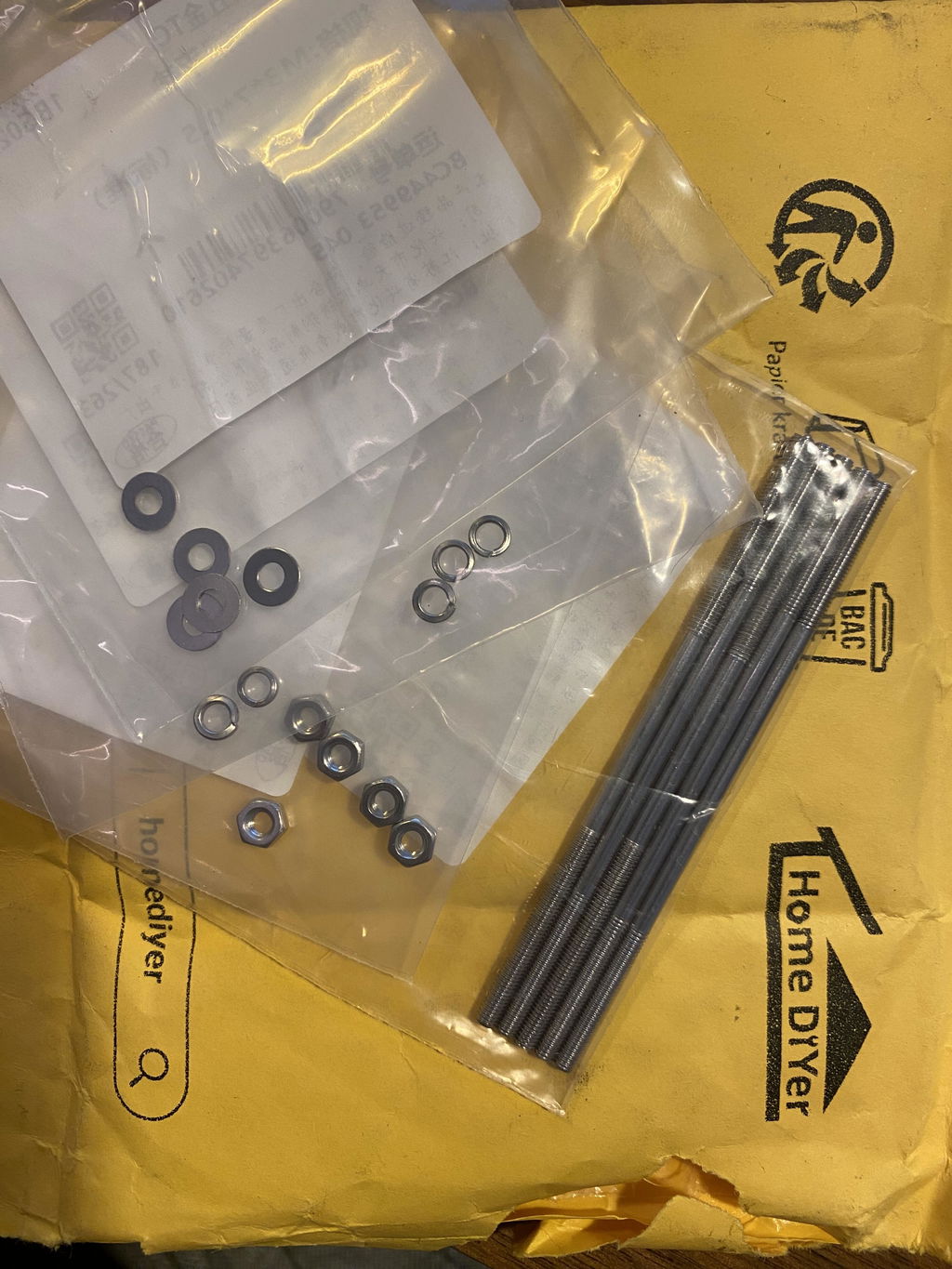
The chain is fine...but I ordered the wrong size. Nine links of the chain I ordered equals six of the size I wanted. My error...
How can I straighten out the springs? I can't use them coil uo as is.
Your payment information is processed securely. We do not store credit card details nor have access to your credit card information.
Get fitment advice & recommendations
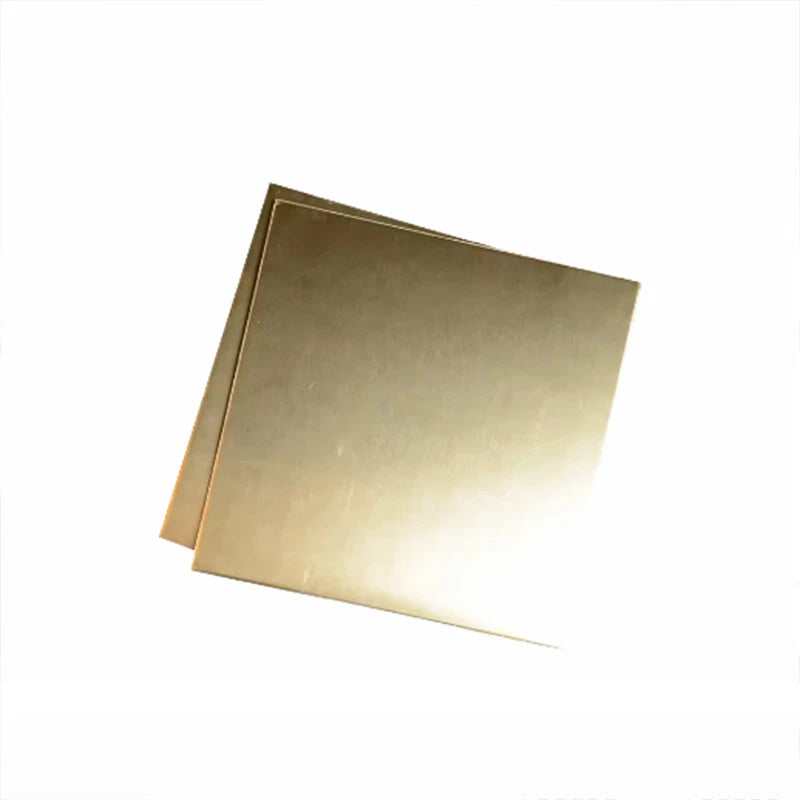
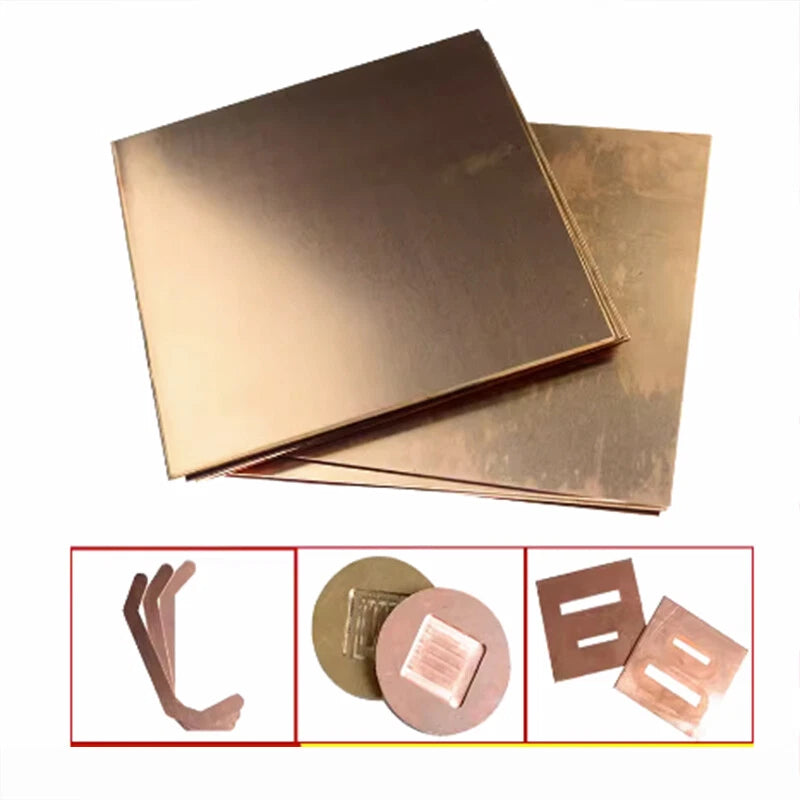
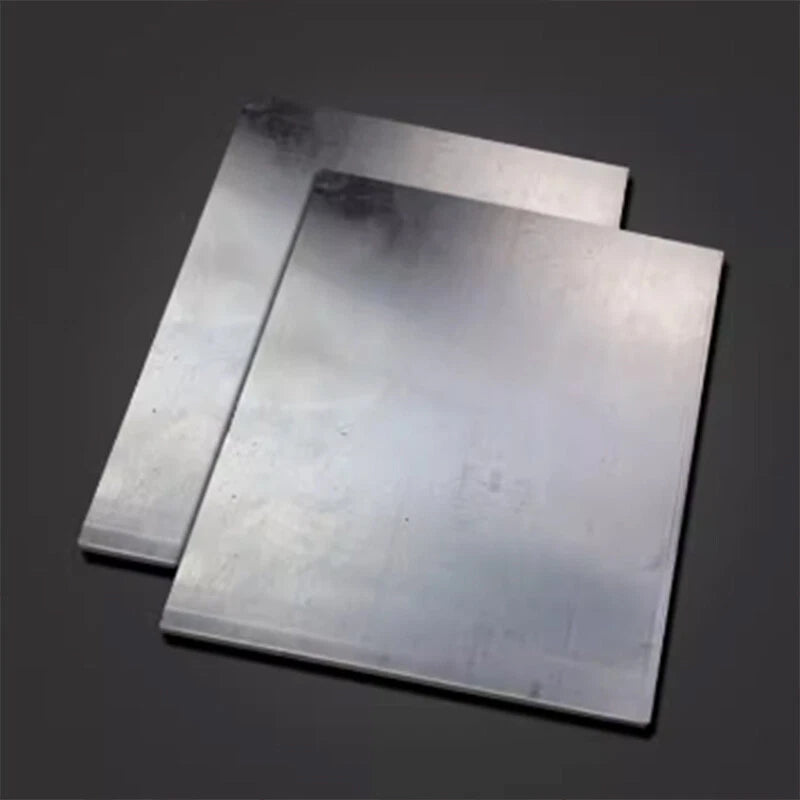
When your project demands a flat metal sheet that cuts cleanly, holds tight tolerances, and looks the part, generic hardware-store offcuts just don't cut it. Whether you're a scale-model builder chasing exact wall thicknesses, a maker prototyping a bracket, or a hobbyist needing a reliable shim, this brass copper stainless steel sheet metal selection gives you the right material in the right size — no sawing, no waste.
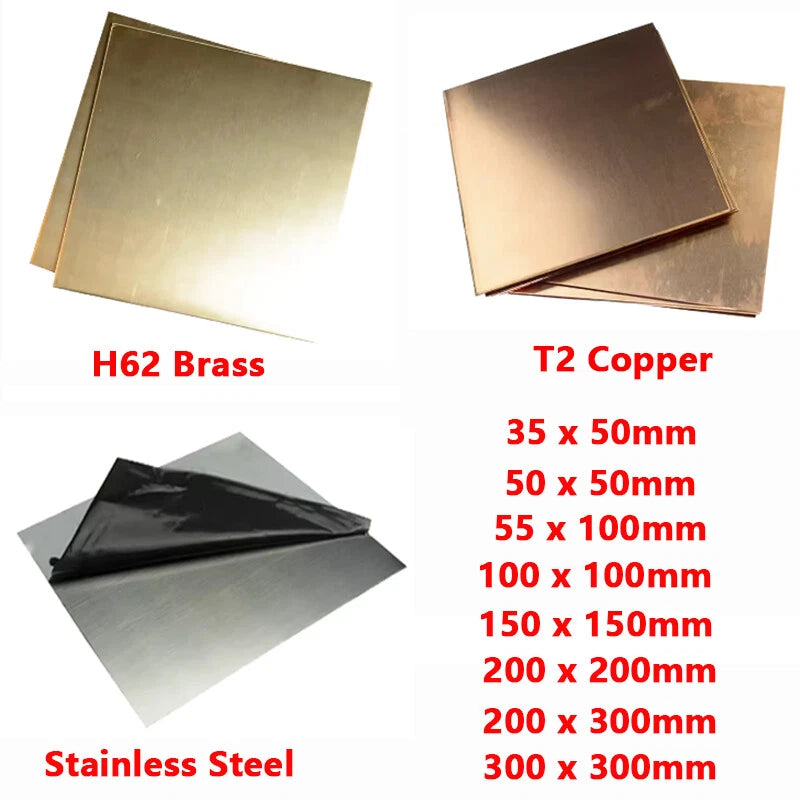
Each sheet is supplied as a flat, mill-finished piece in your chosen material and dimensions. H62 Brass sheets range from 35×50 mm (approx. 1.38"×1.97") up to 200×300 mm (approx. 7.87"×11.81"), with thickness options from 0.8 mm to 3 mm (approx. 0.031"–0.118"). T2 Copper sheets cover 35×50 mm through 150×150 mm at 0.8–5 mm thick (approx. 0.031"–0.197"). Stainless Steel sheets span 100×100 mm to 300×300 mm (approx. 3.94"×3.94" to 11.81"×11.81") at 1–3 mm thick (approx. 0.039"–0.118"). Quantity per order varies by size — see variant options.
Typical use cases include architectural scale models and dioramas requiring thin brass sheet for model making, electrical grounding pads and bus-bar blanks cut from T2 copper flat stock, and corrosion-resistant backing plates or heat shields fabricated from stainless steel sheet metal for DIY projects.
| Materials Available | H62 Brass, T2 Copper, Stainless Steel |
|---|---|
| Sheet Dimensions (W×L) | 35×50 mm to 300×300 mm (see variant options) |
| Thickness Range | 0.5 mm – 5 mm (varies by material and size) |
| Surface Finish | Mill finish, flat |
| Edge Condition | Sheared, deburring level may vary by thickness |
| H62 Brass Composition | Cu 60–63%, Zn balance |
| T2 Copper Purity | ≥99.9% Cu |
| Stainless Steel Grade | See variant options |
| Quantity per Pack | 1–20 pcs (see variant options) |
| Machinability | Brass: excellent; Copper: good; Stainless: moderate |
| Corrosion Resistance | Brass: good; Copper: good; Stainless Steel: excellent |
| Electrical Conductivity | Copper: highest; Brass: moderate; Stainless: low |
Measure the largest flat area your project requires, then select the next size up to allow for cutting margins. For scale models, 35×50 mm and 55×100 mm sheets suit fine detail work, while 150×150 mm to 300×300 mm panels are better for larger structural pieces or multiple smaller cuts from one sheet.
H62 Brass is a zinc-copper alloy (approx. 60–63% copper) offering a golden appearance, good machinability, and moderate corrosion resistance — ideal for decorative and structural model parts. T2 Copper is nearly pure copper (≥99.9%) with superior electrical and thermal conductivity, making it the preferred choice for electrical contacts, bus bars, and heat-transfer applications.
Stainless steel sheets offer the highest corrosion resistance and are suitable for humid or outdoor-adjacent environments. Brass and copper develop a natural patina over time that actually provides a protective layer, though they are not recommended for prolonged submersion in harsh chemicals without additional coating.
Yes. H62 Brass and T2 Copper sheets are well-suited for soft soldering and silver brazing. Stainless steel sheets can be MIG or TIG welded; use appropriate filler rod and shielding gas for best results. Avoid using standard flux on stainless steel — use stainless-specific flux or a TIG process.
For thinner sheets (0.5–1 mm), aviation snips or hand shears work well. Sheets 1.5–3 mm thick are best cut with a bench shear, angle grinder with a metal-cutting disc, or a CNC router. For precision cuts on brass and copper, a fine-tooth hacksaw or laser cutter gives clean edges. Always deburr cut edges with a file or deburring tool.
For decorative inlays, shims, and thin model skins, 0.5–1 mm is typically sufficient. Structural brackets, heat shields, and load-bearing plates generally call for 2–3 mm. For electrical bus bars or heavy-duty gaskets, 3–5 mm copper provides the cross-section needed for current capacity and mechanical durability.
Brass and copper sheets up to approximately 1.5 mm can be cut with a fiber laser cutter. Thicker sheets may require higher wattage. CO₂ lasers are generally not effective on bare metals. Stainless steel up to 3 mm is compatible with fiber laser cutting. Always verify your machine's rated cutting capacity before processing.