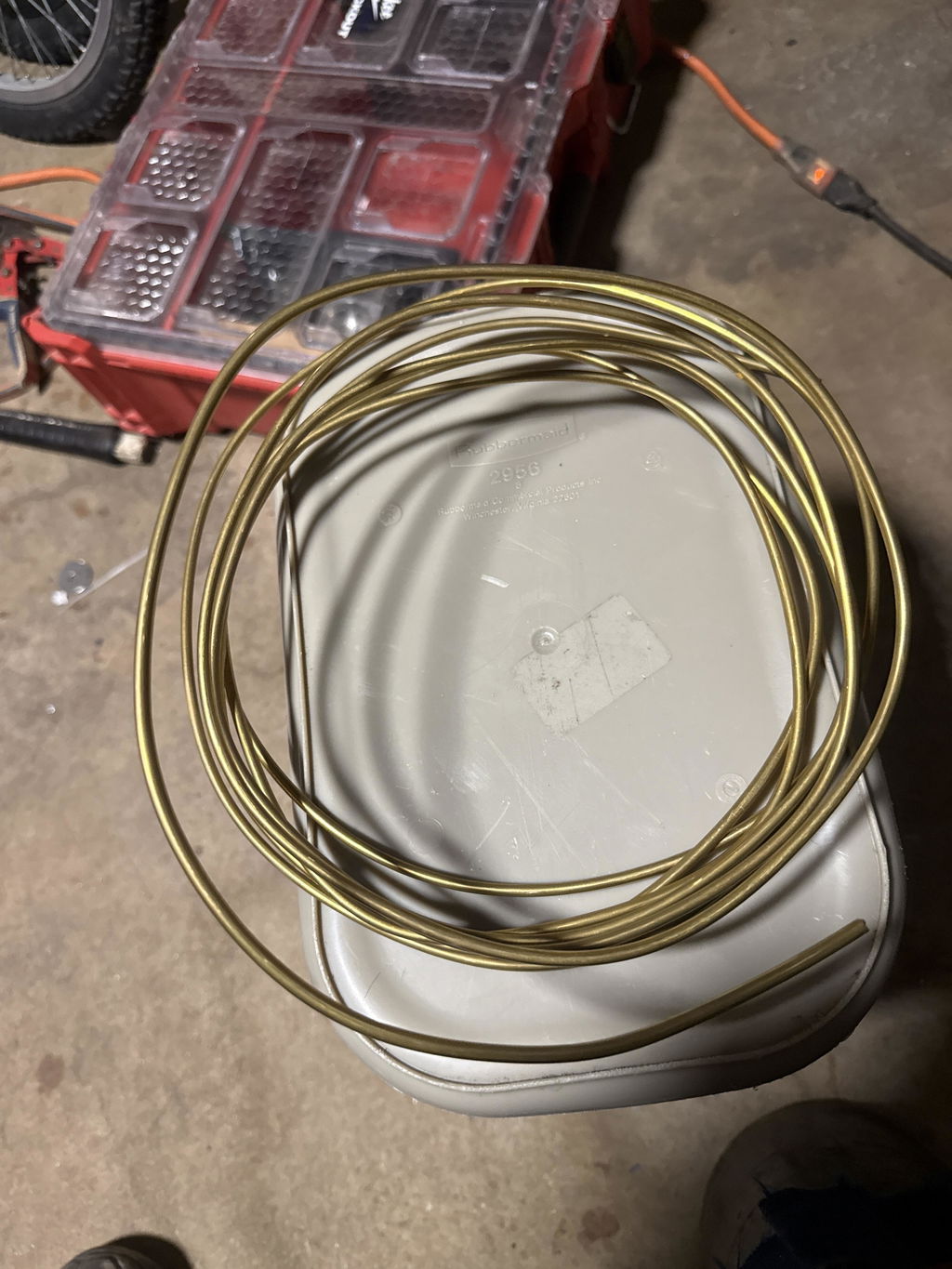
The chain is fine...but I ordered the wrong size. Nine links of the chain I ordered equals six of the size I wanted. My error...
How can I straighten out the springs? I can't use them coil uo as is.
Your payment information is processed securely. We do not store credit card details nor have access to your credit card information.
Get fitment advice & recommendations
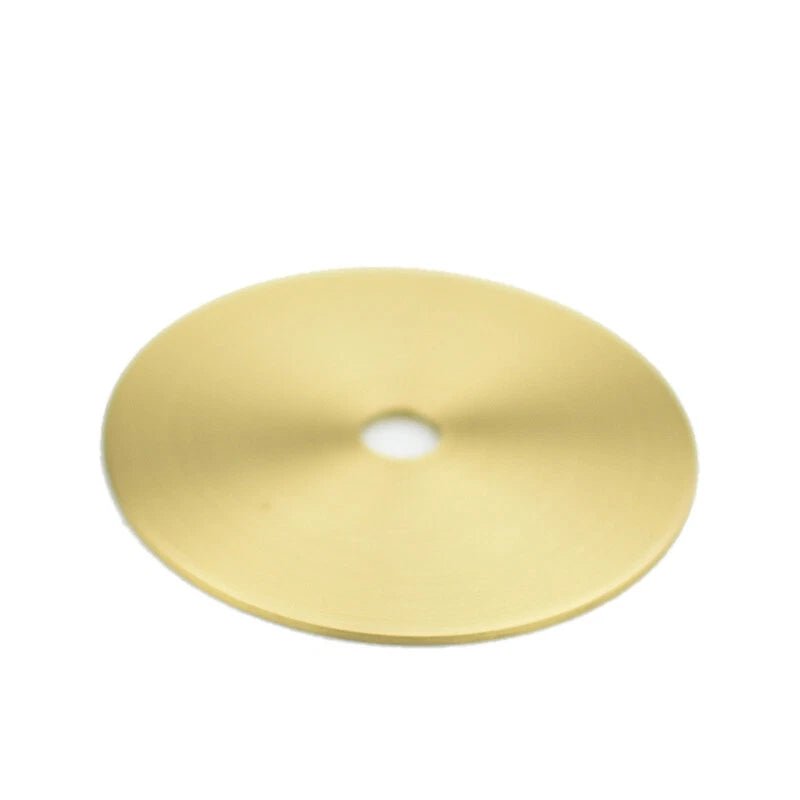
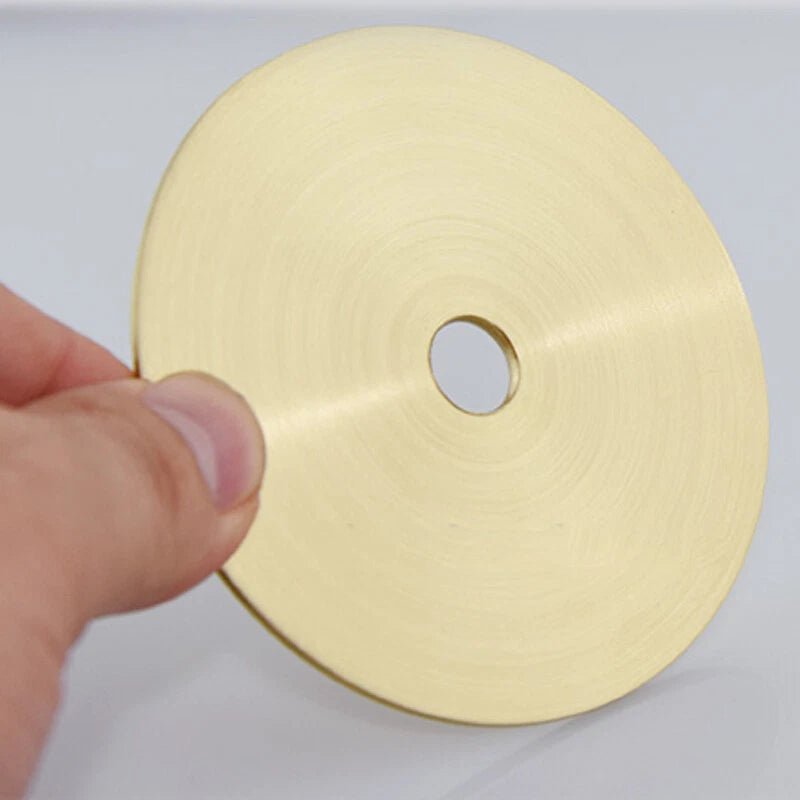
When your project demands a flat, dimensionally consistent metal blank that won't warp under pressure or corrode in damp environments, thin sheet stock cut to arbitrary sizes wastes both time and material. These brass disc blanks are purpose-made for makers, machinists, and repair technicians who need a reliable round metal starting point — whether you're fabricating custom gaskets, stamping jewelry, or shimming mechanical assemblies.
Each disc is cut from solid brass (copper-zinc alloy, typically C260 or equivalent), finished to a uniform 1.5mm (approximately 0.059 in) thickness. Available diameters range from 20mm (approx. 0.79 in) to 150mm (approx. 5.91 in), covering the most common sizes needed for hobby metalwork, light industrial repair, and decorative fabrication. Edges are machine-cut and may require light deburring depending on your application.
Typical use cases include: cutting custom copper-alloy gaskets for plumbing fittings and valve seats, using brass disc blanks for metal stamping and jewelry blanks, and inserting round shim stock between mating surfaces in mechanical assemblies where precise spacing is required.
| Material | Brass (copper-zinc alloy) |
|---|---|
| Thickness | 1.5mm (approx. 0.059 in) |
| Available Diameters | 20mm / 30mm / 50mm / 60mm / 70mm / 80mm / 90mm / 100mm / 120mm / 150mm |
| Shape | Round / Disc |
| Surface Finish | See variant options |
| Tolerance | See variant options |
| Quantity per Order | 1 piece |
| Machinability | Good — suitable for drilling, filing, and light CNC work |
| Corrosion Resistance | Moderate — brass resists oxidation in dry and mildly humid environments |
| Solderability | Good — compatible with standard soft solder and brazing alloys |
Measure the outer diameter of the mating surface or bore you need to seal, then select the next size up. You can drill a center hole and trim the outer edge with a rotary tool or hole saw to achieve a precise fit. The 10 available sizes — from 20mm to 150mm — cover the most common plumbing and mechanical fitting ranges.
For light to moderate compressive loads — such as shimming a bearing housing or leveling a machine foot — 1.5mm brass provides adequate rigidity. Brass has a tensile strength of approximately 300–500 MPa depending on alloy temper. For heavy-duty structural shimming, consider stacking multiple discs or selecting a thicker material.
Brass does not rust (it contains no iron), but it will develop a natural patina when exposed to moisture and air over time. In outdoor or marine environments, applying a clear lacquer or wax coating will preserve the original finish. For fully submerged or chemically aggressive environments, consider a stainless steel or PTFE gasket instead.
Yes. Brass has excellent solderability with standard rosin-core soft solder (60/40 or lead-free) and is compatible with silver brazing alloys. Clean the surface with fine sandpaper or flux before soldering to ensure a strong bond. Avoid overheating, as prolonged high heat can cause zinc to volatilize from the alloy.
Absolutely. Brass disc blanks are a popular choice for pendant blanks, stamped charms, and etched medallions. The 1.5mm thickness is firm enough to hold stamped impressions cleanly while remaining workable with standard jewelry tools. Smaller diameters (2cm–5cm) are most commonly used for wearable pieces.
No — these are solid blanks without any pre-drilled holes. This gives you full flexibility to drill holes of any size and position to suit your specific application, whether that's a center bolt hole for a gasket, a hanging hole for a pendant, or multiple mounting holes for a bracket.
For basic shaping: a hand file, sandpaper (120–400 grit), and a bench vise are sufficient. For drilling: standard HSS drill bits work well — use cutting fluid and moderate speed to avoid work-hardening. For precision cutting or engraving: a CNC router or laser cutter handles brass cleanly. Always wear eye protection when cutting or filing metal.