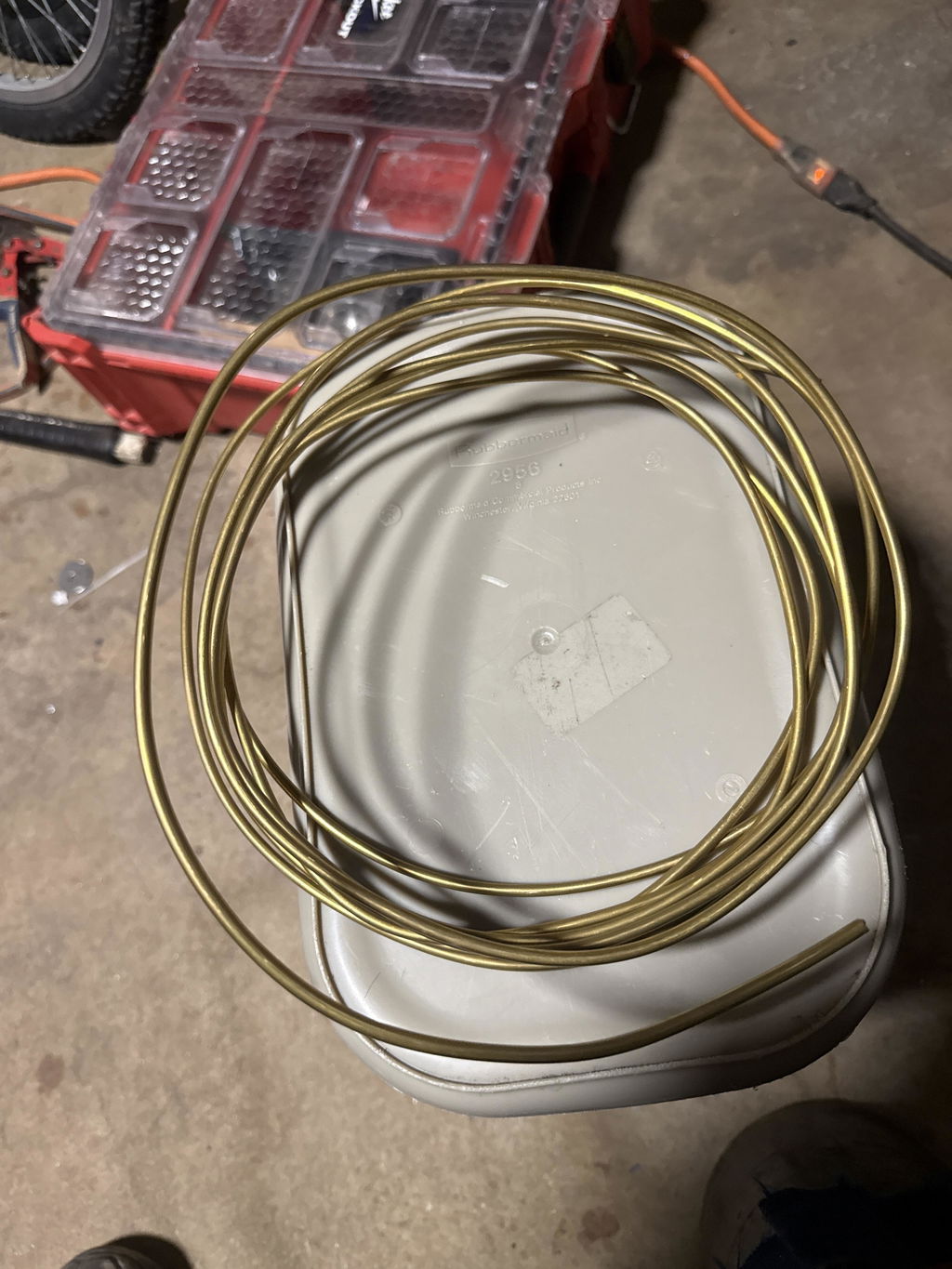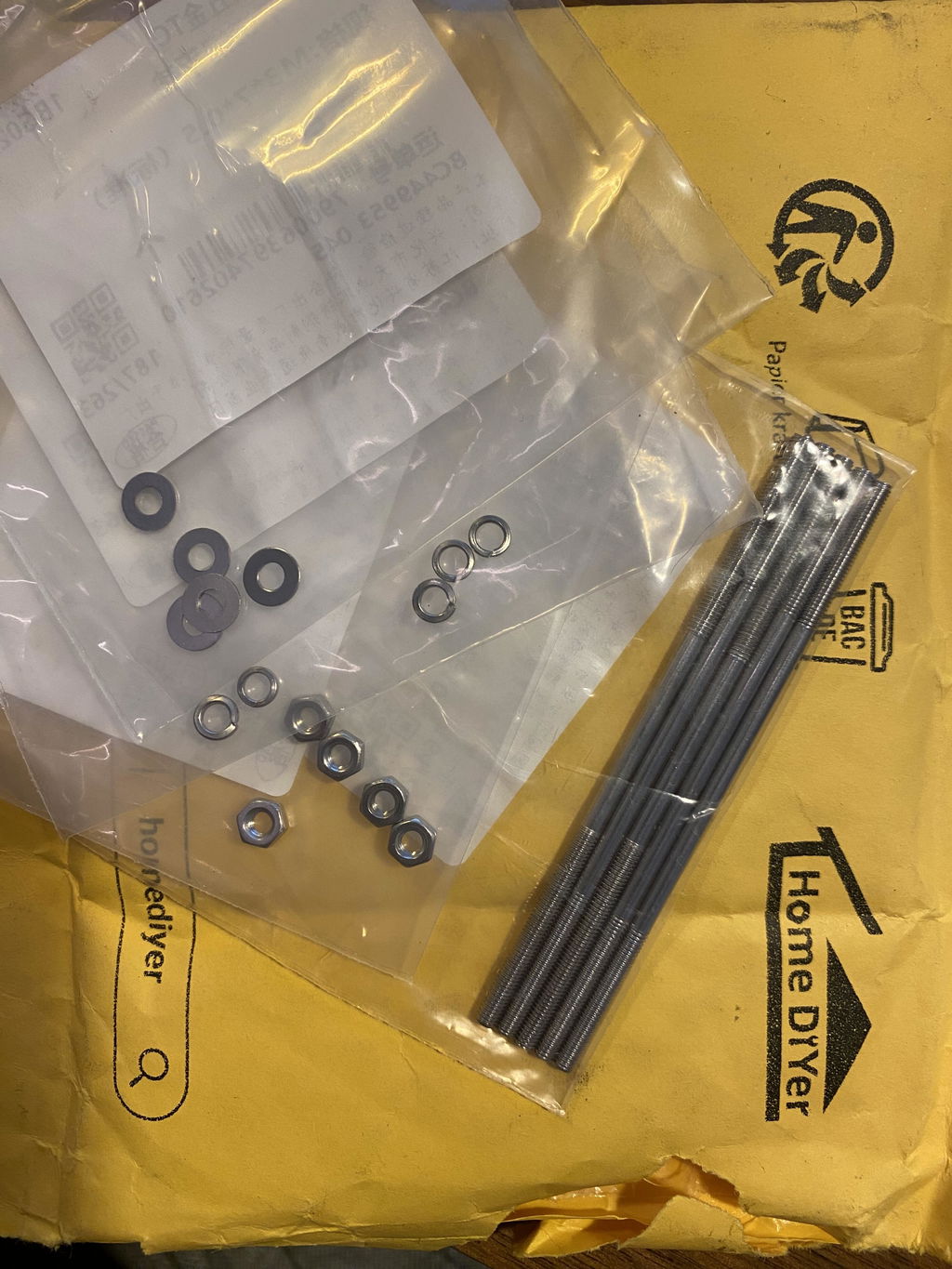
The chain is fine...but I ordered the wrong size. Nine links of the chain I ordered equals six of the size I wanted. My error...
How can I straighten out the springs? I can't use them coil uo as is.
Your payment information is processed securely. We do not store credit card details nor have access to your credit card information.
Get fitment advice & recommendations
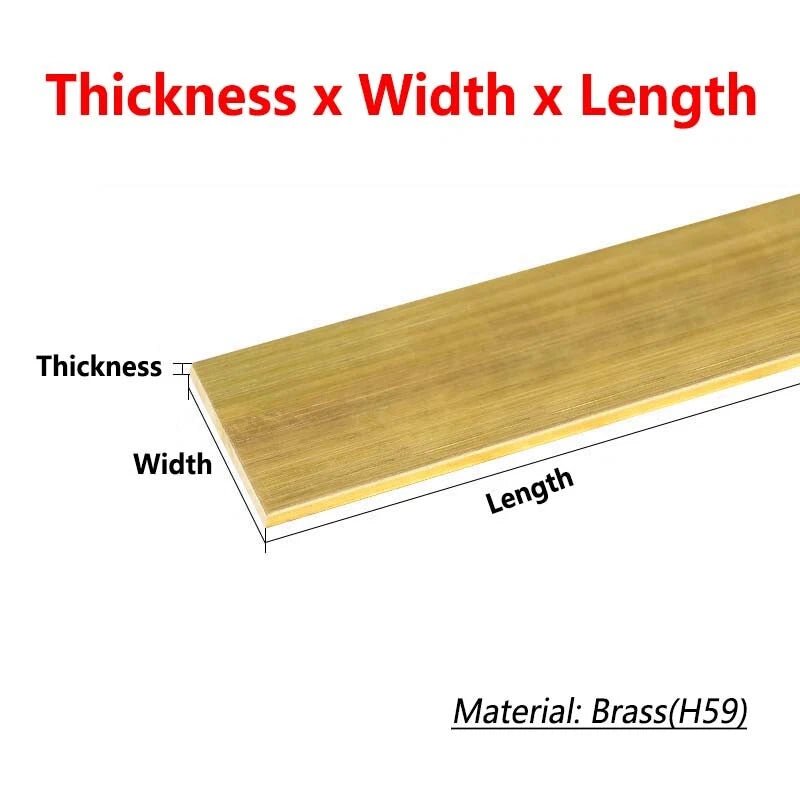
When your project demands a reliable, machinable metal stock that holds tight tolerances, finding the right flat bar in the exact thickness can be a frustrating hunt. Whether you are a hobbyist building scale models, a maker crafting custom brackets, or a technician needing a small metal shim, these brass flat bar plate strips give you the dimensional accuracy you need without ordering oversized stock and wasting material.
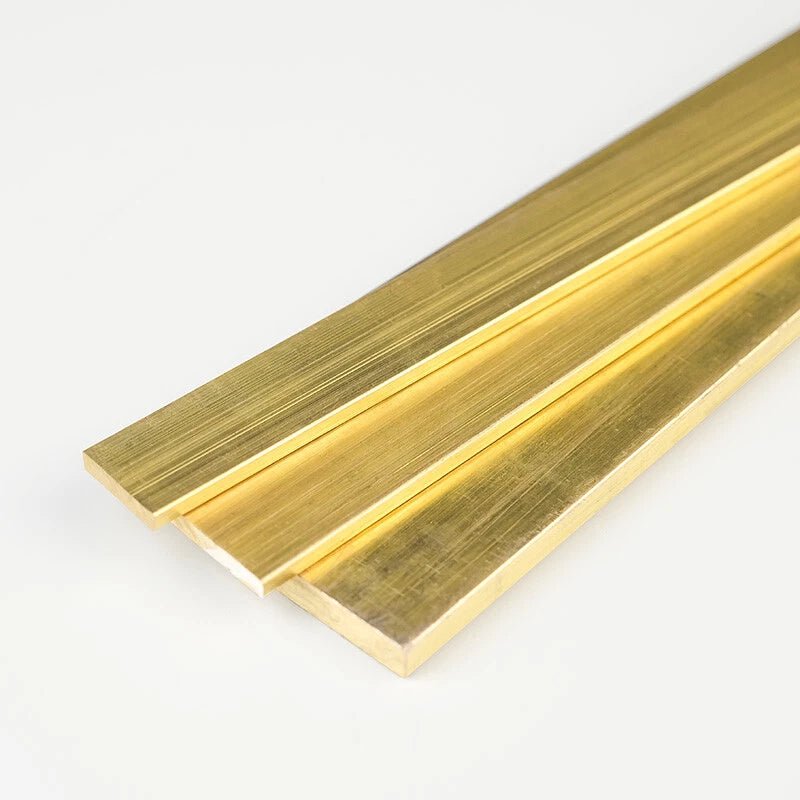
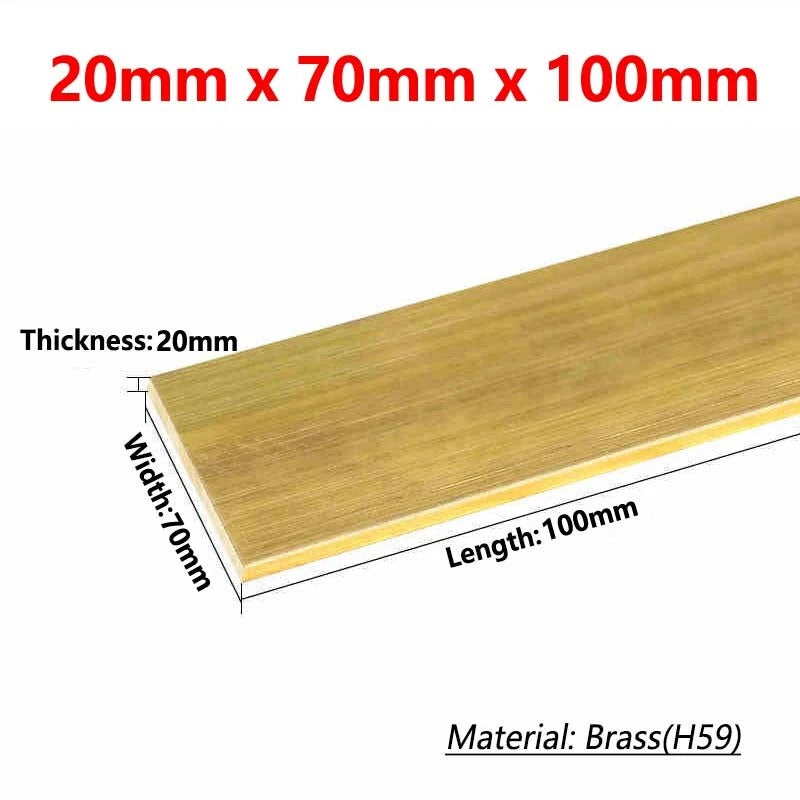
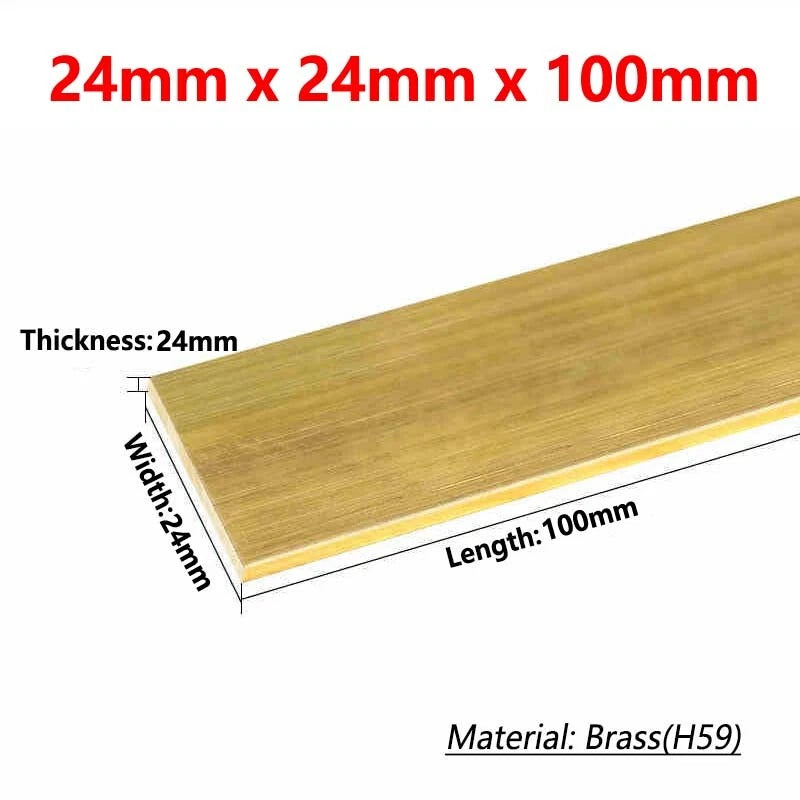
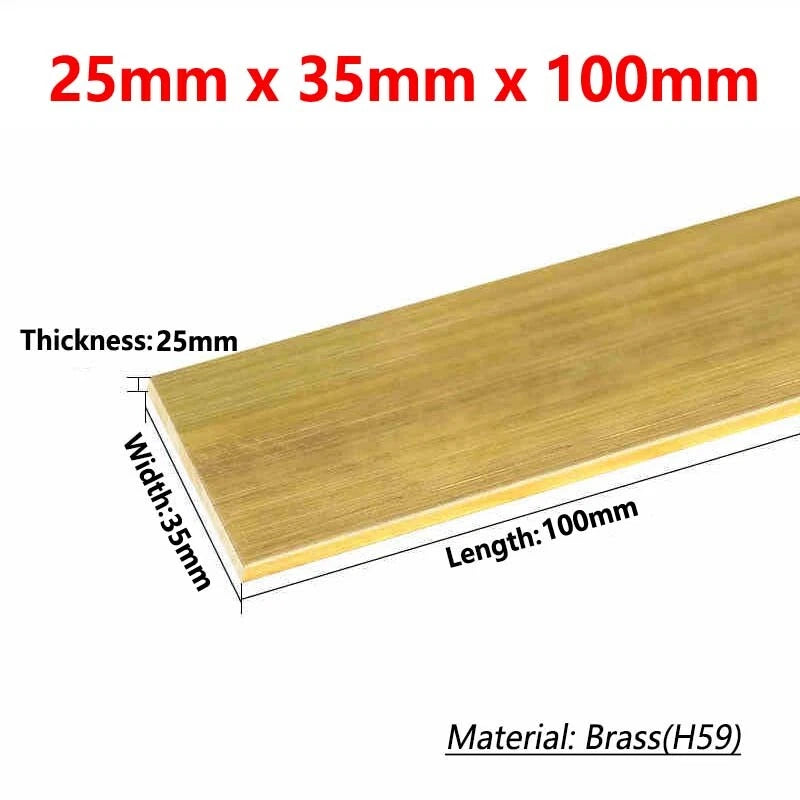
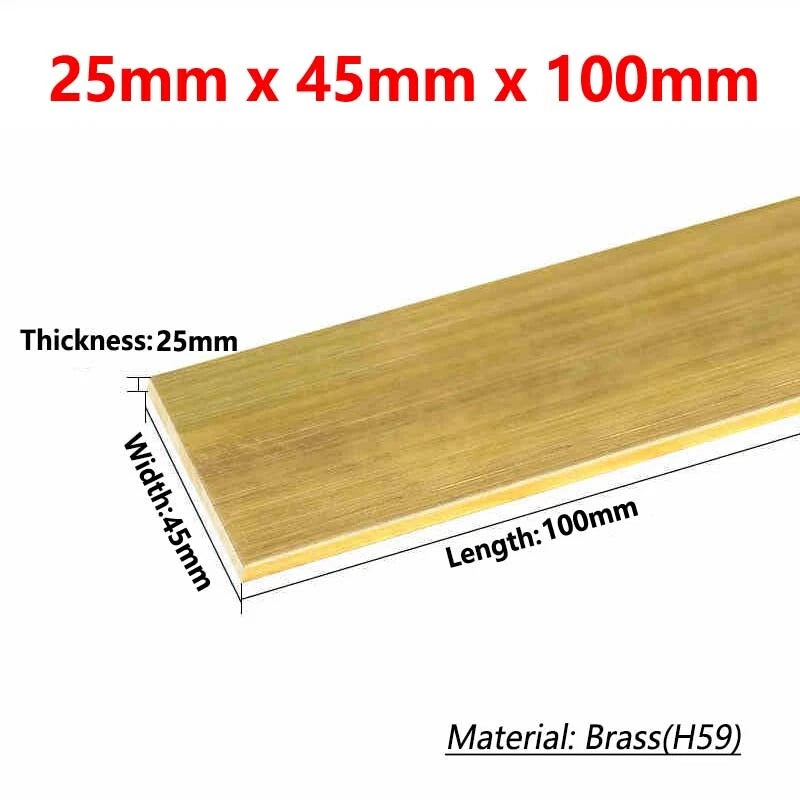
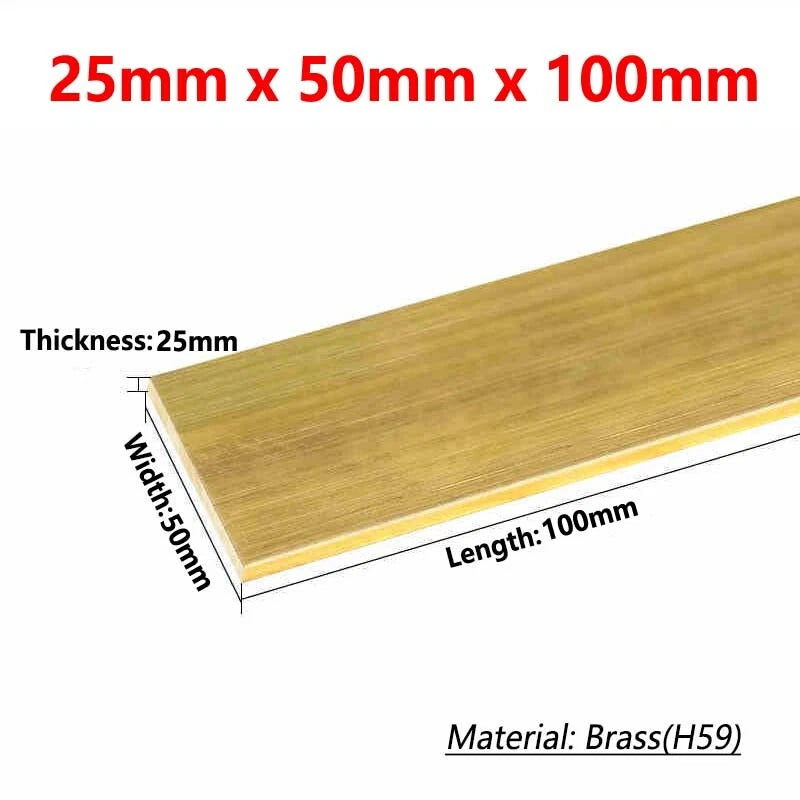
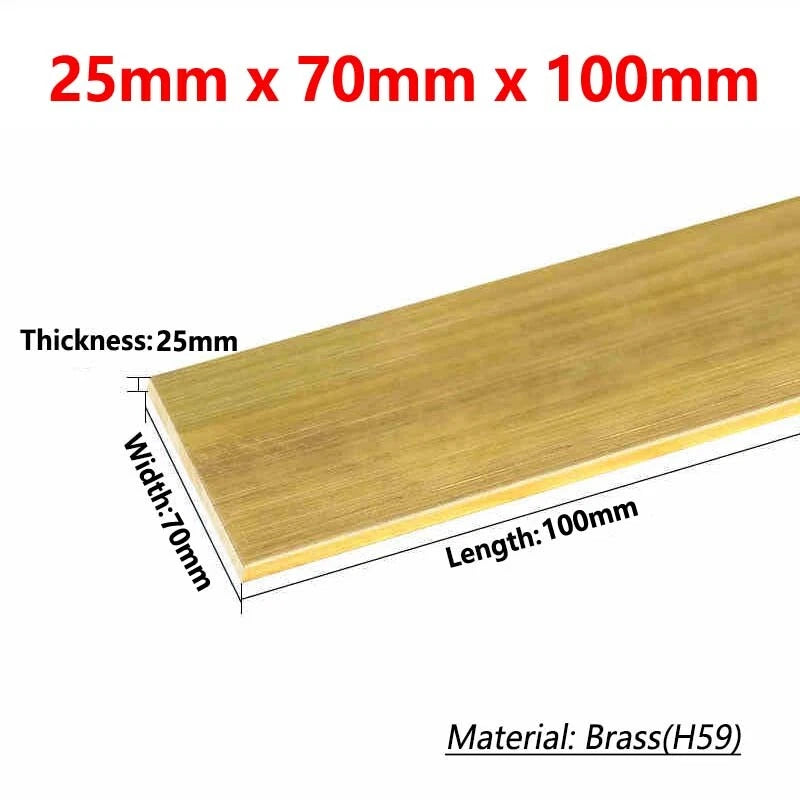
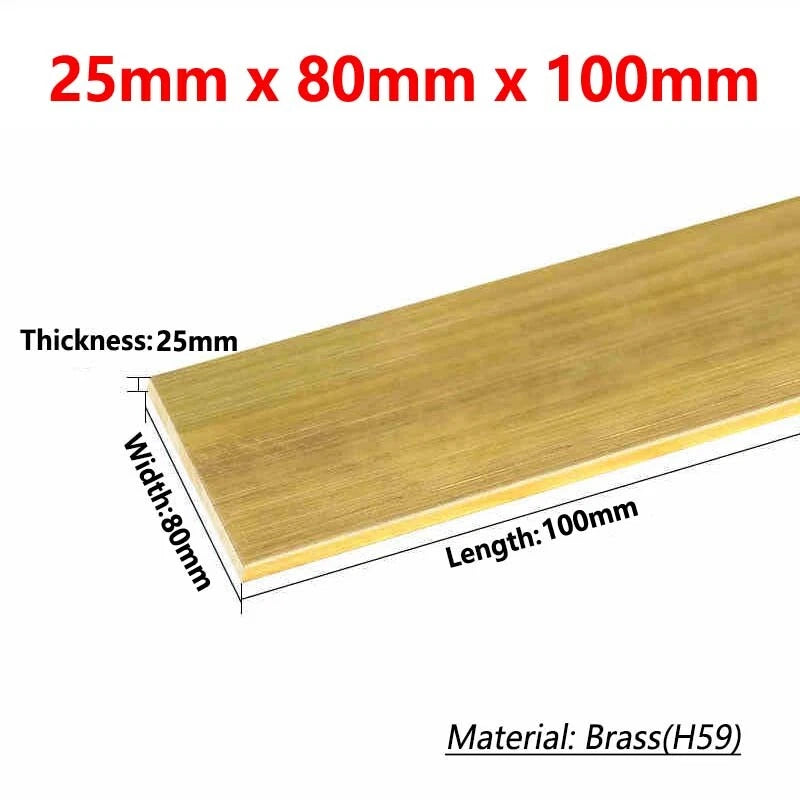
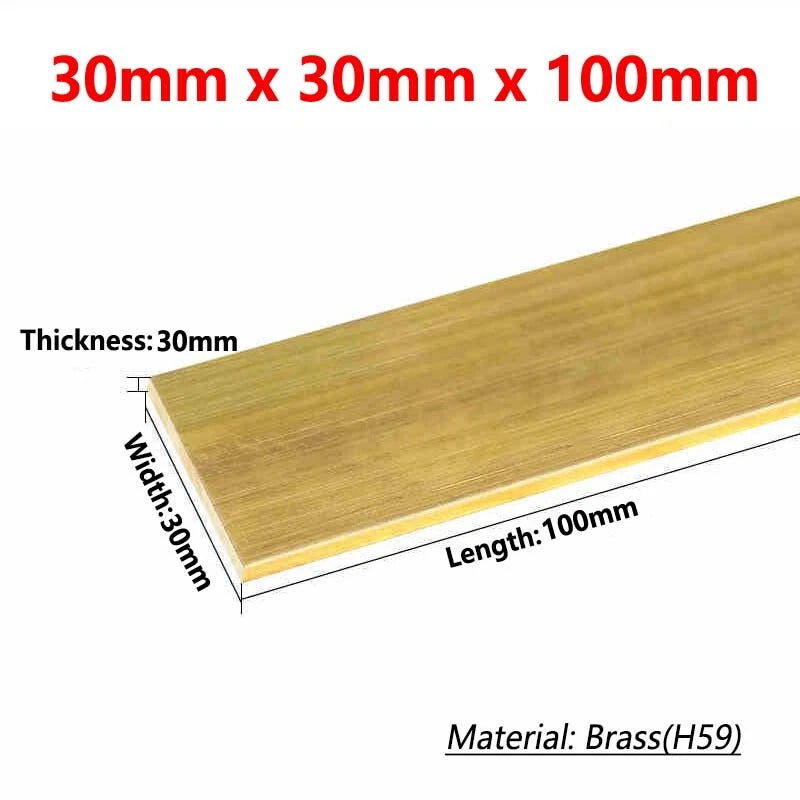
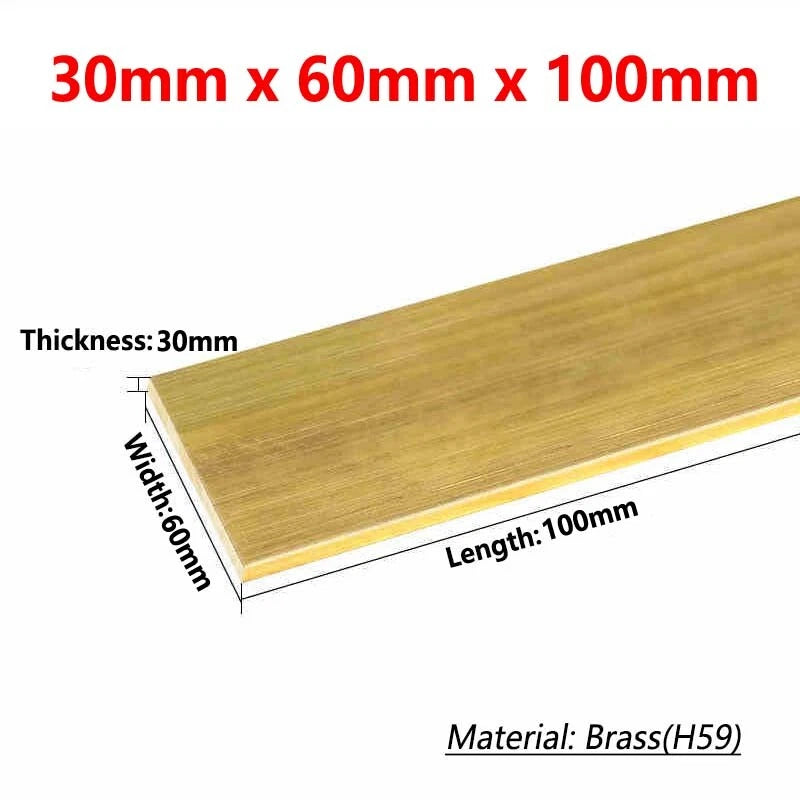
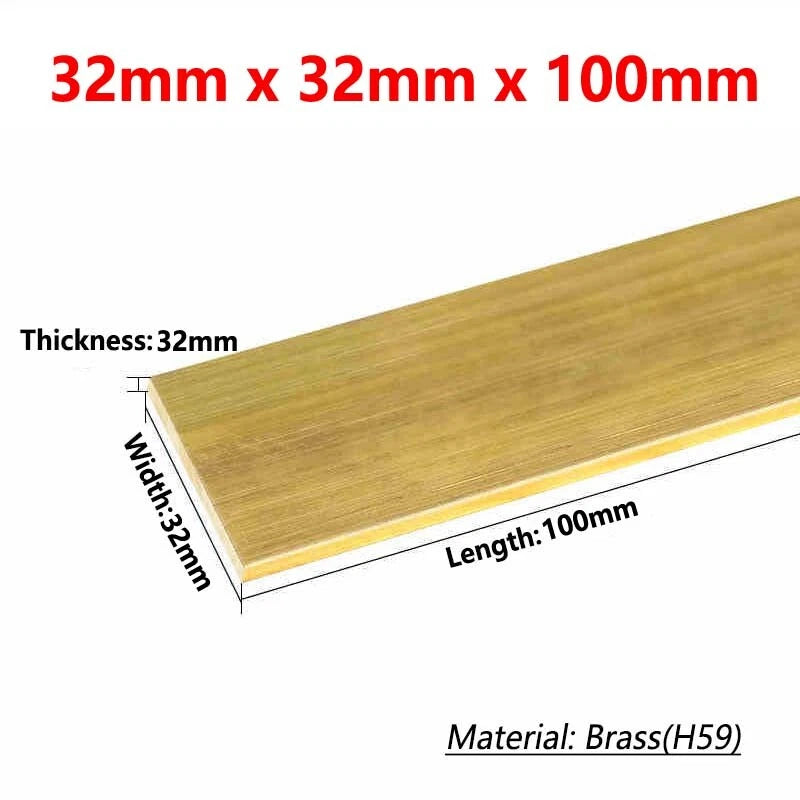
Each piece is cut from solid brass bar stock, offering a warm golden finish with good machinability and moderate corrosion resistance. Thickness options range from 15 mm to 32 mm (~0.59 in to 1.26 in), widths from 20 mm to 100 mm (~0.79 in to 3.94 in), and all pieces share a consistent 100 mm (~3.94 in) length. The rectangular cross-section makes these strips easy to clamp, drill, file, and solder.
Typical use cases include brass flat bar for model making, custom metal spacers and standoffs for electronics enclosures, DIY repair shims for machinery, and decorative inlay strips for woodworking projects requiring a contrasting metal accent.
Thickness from 15 mm to 32 mm and width from 20 mm to 100 mm — choose the exact cross-section your project requires without cutting down oversized stock.
Made from solid brass bar with a uniform rectangular profile, offering good machinability, easy soldering, and a naturally attractive golden appearance.
Brass resists oxidation in typical indoor and light outdoor environments, making these strips suitable for decorative, structural, and functional applications.
All variants share a fixed 100 mm (~3.94 in) length, giving you a predictable starting blank that is easy to cut, drill, or machine to your final dimension.
Ideal as model making metal sheet, custom shims, spacers, brackets, inlay strips, and small structural components across hobby and light industrial applications.
Available in single-piece quantities so you can order exactly what you need — no minimum bundle requirements, no leftover offcuts.
| Material | Brass (copper-zinc alloy) |
|---|---|
| Finish | Mill finish / natural brass |
| Profile | Rectangular flat bar |
| Thickness | 15 mm – 32 mm (0.59 in – 1.26 in) — See variant options |
| Width | 20 mm – 100 mm (0.79 in – 3.94 in) — See variant options |
| Length | 100 mm (3.94 in) |
| Weight (per piece) | See variant options |
| Machinability | Good — suitable for drilling, filing, sawing, and soldering |
| Corrosion Resistance | Moderate — suitable for indoor and light outdoor use |
| Quantity per Order | 1 piece |
Start with your load or fit requirements. For decorative inlays or light shims, a thinner option (15–20 mm) is usually sufficient. For structural brackets or heavy-duty spacers, choose a thicker cross-section (25–32 mm). Width should match the contact surface you need to cover or the slot you are fitting into. Use the variant selector above to compare all available Thickness × Width combinations.
Brass has a tensile strength typically in the range of 300–500 MPa depending on alloy grade, making it suitable for light structural uses, brackets, and mechanical spacers. It is not recommended for high-stress or impact-critical structural applications where steel or aluminum would be more appropriate. For model making, decorative work, and light fabrication, brass performs reliably.
Brass does not rust (rust is specific to iron-based metals), but it can develop a natural patina or tarnish when exposed to moisture and air over time. For indoor applications this is generally not a concern. If you need a bright finish long-term, a clear lacquer coat applied after machining will protect the surface. Avoid prolonged exposure to saltwater or harsh chemicals.
Yes. Brass is one of the most workable metals for hobbyists and makers. It can be cut with a hacksaw or bandsaw, drilled with standard HSS drill bits, filed and sanded smoothly, and soldered with common electronics or plumbing solder. For milling or turning, brass machines cleanly with minimal tool wear at moderate speeds.
Brass bonds well with copper via soldering and can be mechanically fastened to steel, aluminum, or wood using standard hardware. Be aware that direct contact between brass and aluminum in wet environments can cause galvanic corrosion — use an insulating barrier or appropriate fasteners if this is a concern for your application.
The 100 mm (3.94 in) length is a standard blank size optimized for model making, small fabrication tasks, and prototyping. It is easy to cut down to shorter lengths with a hacksaw. If you need longer stock, please contact us to confirm availability of extended lengths for your specific thickness and width combination.
Square cross-sections (e.g., 20×20 mm, 25×25 mm) are ideal when you need equal strength or appearance on both axes — common for posts, standoffs, and symmetric brackets. Rectangular cross-sections (e.g., 20×50 mm, 25×80 mm) provide more surface area on one face, which is better for flat mounting plates, shims, and inlay strips where width matters more than depth.