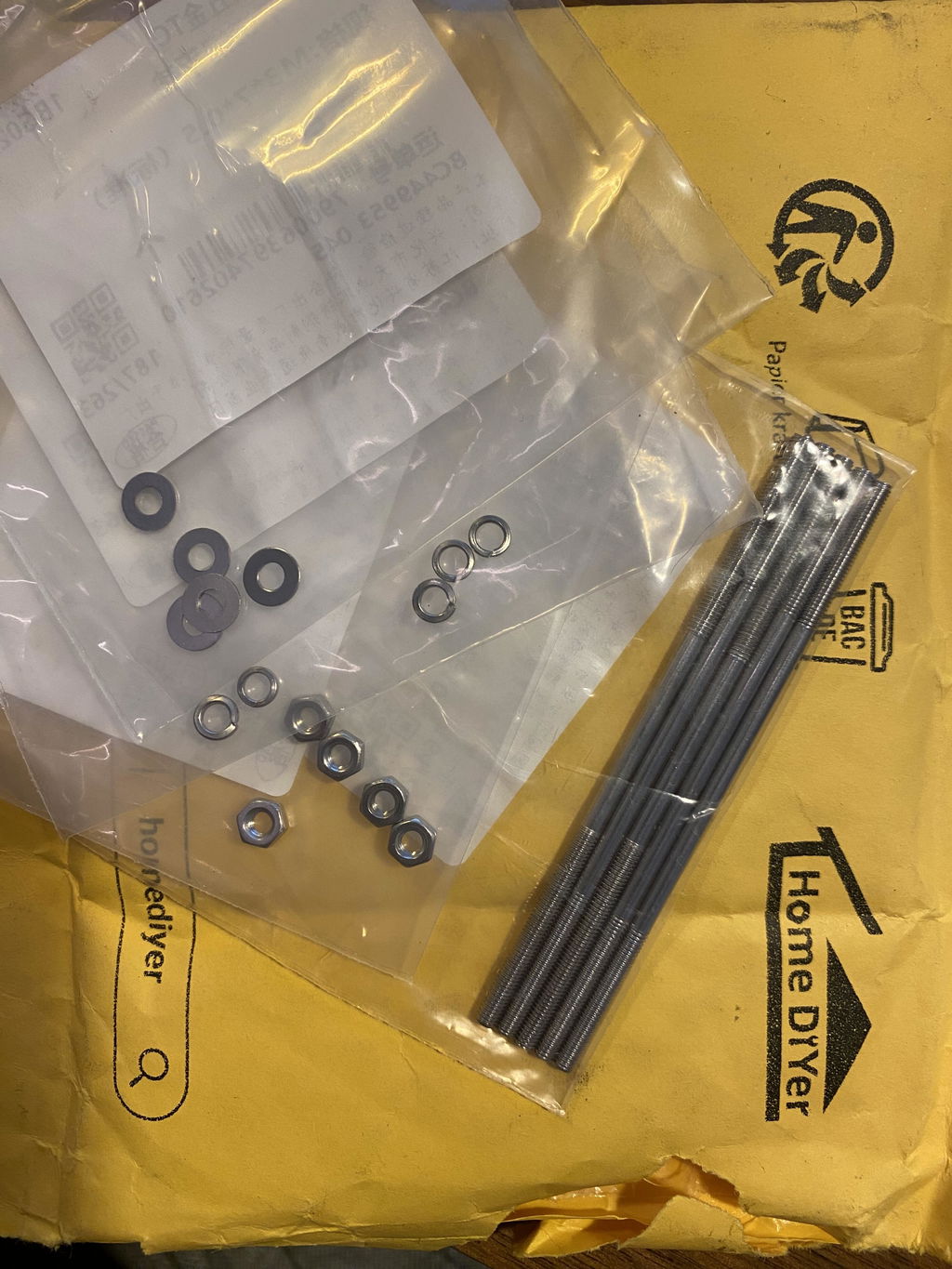
The chain is fine...but I ordered the wrong size. Nine links of the chain I ordered equals six of the size I wanted. My error...
How can I straighten out the springs? I can't use them coil uo as is.
Your payment information is processed securely. We do not store credit card details nor have access to your credit card information.
Get fitment advice & recommendations
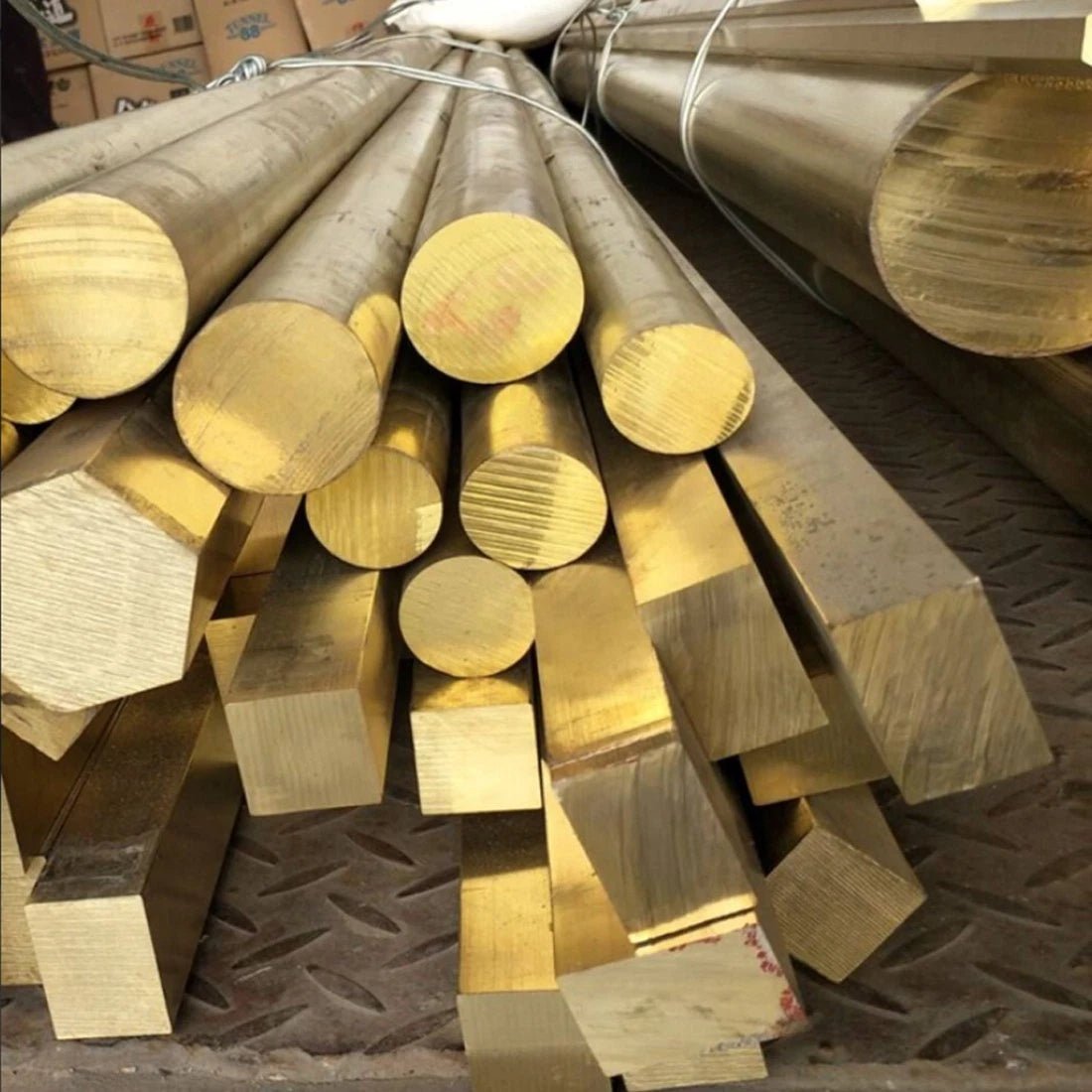
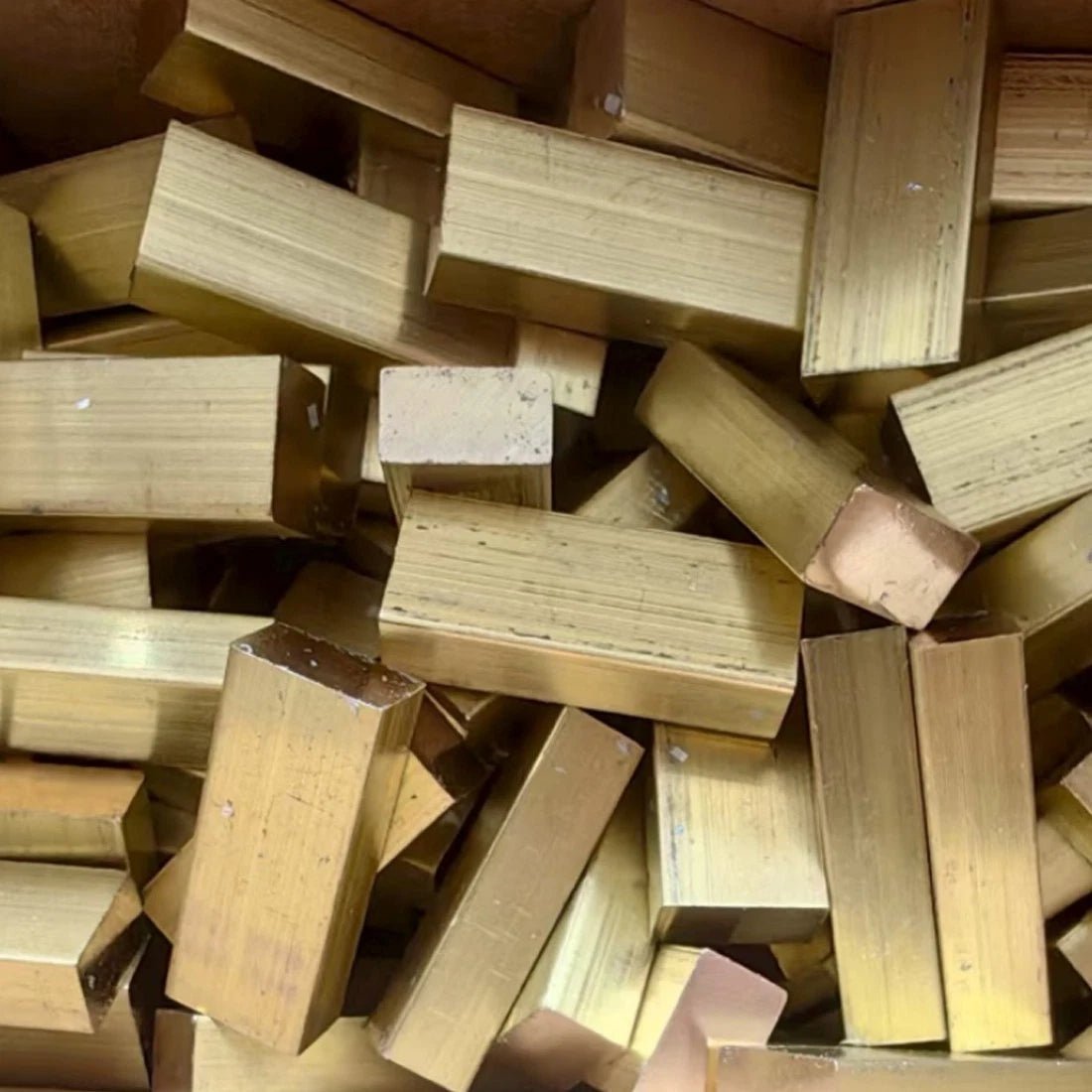
When your project demands clean, straight edges and consistent dimensions, sourcing raw metal stock that's already cut to size saves hours of bench work. Whether you're a hobbyist machinist, a furniture maker adding decorative brass inlays, or a repair technician replacing worn shim stock, these brass flat bar and sheet metal pieces deliver the dimensional accuracy you need right out of the pack.
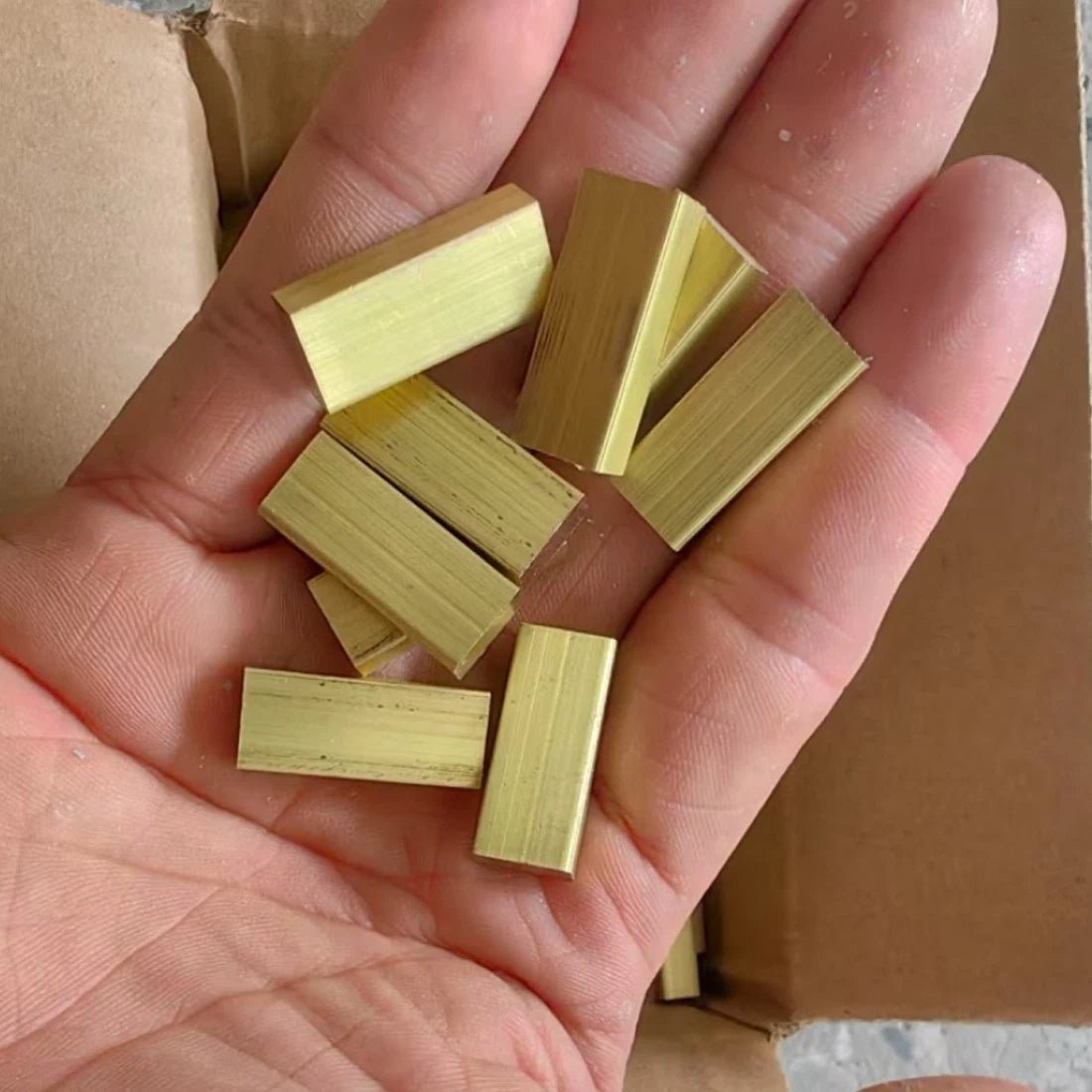
Each piece is guillotine-cut from C260 cartridge brass (70% copper / 30% zinc), offering a balance of workability and corrosion resistance. Thickness ranges from 2 mm to 12 mm (~0.08" to ~0.47"), with widths and lengths spanning 3 mm to 20 mm (~0.12" to ~0.79"). All variants are sold in packs of 20 pieces, giving you spares for prototyping or multi-point applications.
Typical use cases include brass shim stock for machinery alignment, decorative inlay strips for woodworking and furniture, electrical bus bar blanks for low-voltage DIY electronics, and spacer or standoff stock for custom fabrication — all long-tail applications where off-the-shelf cut-to-size brass flat bar outperforms raw coil or sheet.
| Material | Brass (C260 Cartridge Brass, 70% Cu / 30% Zn) |
|---|---|
| Finish | Mill finish (as-cut, unpolished) |
| Thickness Range | 2 mm – 12 mm (approx. 0.08" – 0.47") |
| Width Range | 3 mm – 20 mm (approx. 0.12" – 0.79") |
| Length Range | 3 mm – 20 mm (approx. 0.12" – 0.79") |
| Cut Method | Guillotine shear cut |
| Quantity per Pack | 20 Pieces |
| Hardness | See variant options |
| Tensile Strength | See variant options |
| Weight per Pack | See variant options |
| Tolerance | See variant options |
Select your size using the Thickness × Width × Length format shown in the variant dropdown. Thickness is the smallest dimension (the gauge of the bar), while Width and Length define the face dimensions of each piece. For shim applications, match thickness to your required gap. For inlay or decorative work, match width and length to your channel or groove dimensions.
C260 cartridge brass has a typical tensile strength of around 300–500 MPa depending on temper, making it suitable for light structural brackets, spacers, and hardware components. It is not recommended for heavy load-bearing structural applications where steel or aluminum alloy would be more appropriate. For decorative, electrical, and light mechanical uses, it performs reliably.
Brass does not rust (rust is specific to iron-based metals). It may develop a natural patina (darkening or greenish tarnish) over time when exposed to air and moisture. For indoor or mildly humid environments, no coating is needed. For outdoor or marine use, applying a clear lacquer or wax will preserve the appearance. The underlying metal remains structurally sound even when patinated.
Yes. C260 brass is one of the most solderable and brazeable copper alloys. It bonds well with standard lead-free solder (for electronics) and silver brazing alloys (for mechanical joints). Clean the surface with flux before soldering to ensure a strong bond. Avoid overheating, as prolonged high heat can cause dezincification in some brass alloys.
Yes. Brass is one of the easiest metals to machine on hobby-grade CNC routers, mini mills, and drill presses. Use carbide or HSS tooling, moderate spindle speeds, and light cutting passes. No coolant is strictly required for small cuts, though a light cutting oil improves tool life and surface finish.
The three dimensions represent Thickness × Width × Length. Square sizes (e.g., 3mm × 3mm × 3mm) produce a cube-like piece useful as standoffs, spacers, or contact pads. Rectangular sizes (e.g., 3mm × 5mm × 10mm) produce flat bar strips better suited for inlays, shims, or bracket stock where one face dimension is longer than the other.
Yes. Brass has good electrical conductivity (approximately 28% IACS) and is commonly used for low-voltage bus bars, terminal blocks, and electrical contact strips in DIY electronics and custom switchgear. For high-current applications, verify that the cross-sectional area of your chosen size is sufficient for the amperage load.