The chain is fine...but I ordered the wrong size. Nine links of the chain I ordered equals six of the size I wanted. My error...
How can I straighten out the springs? I can't use them coil uo as is.
Your payment information is processed securely. We do not store credit card details nor have access to your credit card information.
Get fitment advice & recommendations
When your project demands exact material thickness and consistent flatness, standard off-the-shelf sheet metal rarely delivers. Whether you are a maker building custom gaskets, a hobbyist crafting decorative inlays, or a technician fabricating EMI shielding, having the right brass foil thickness on hand makes all the difference. This brass metal thin sheet foil is stocked specifically for DIY builders, small workshops, and precision craft applications that require reliable, measurable material.
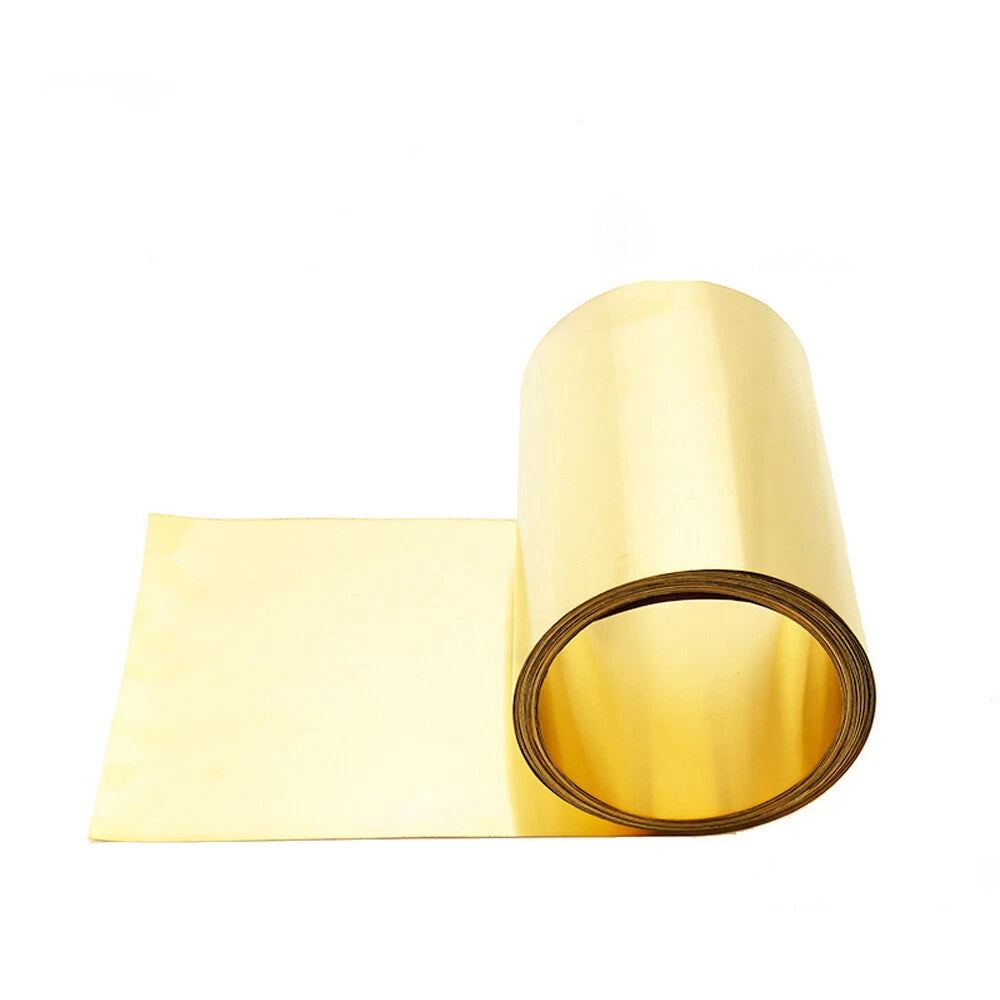
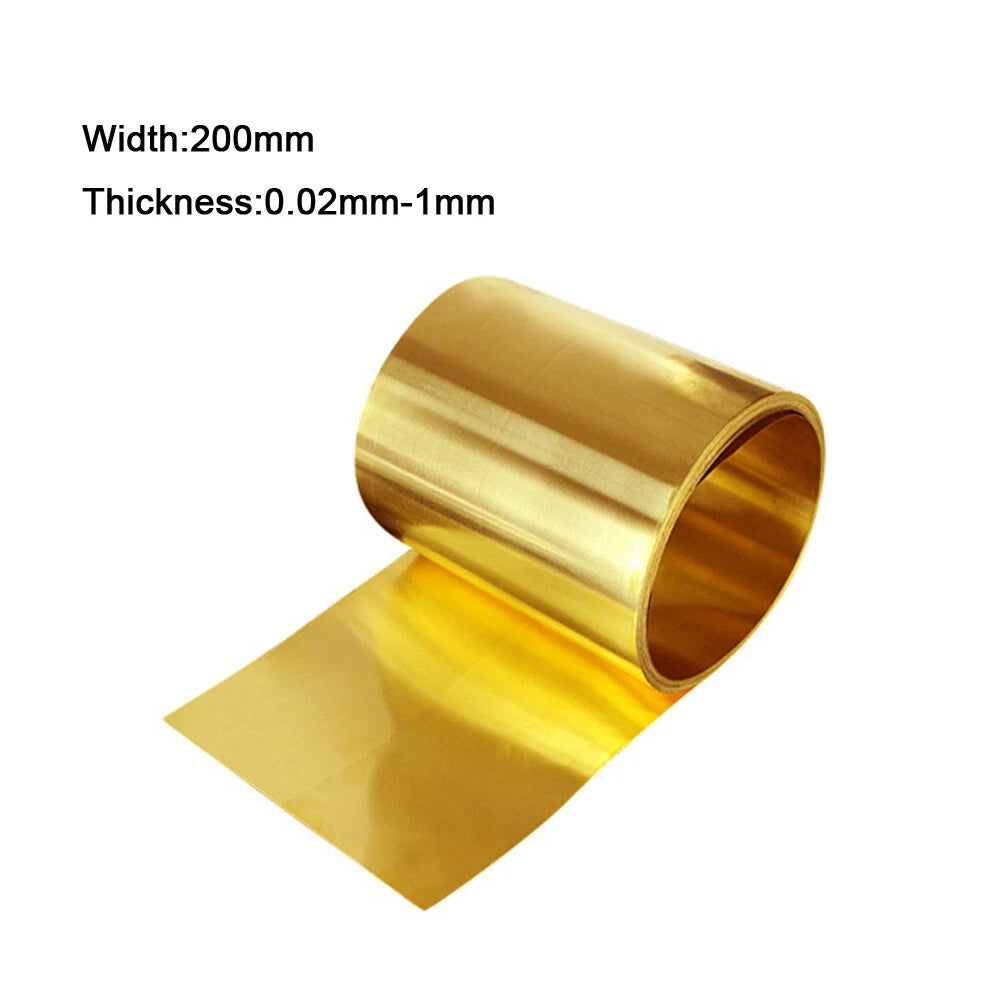
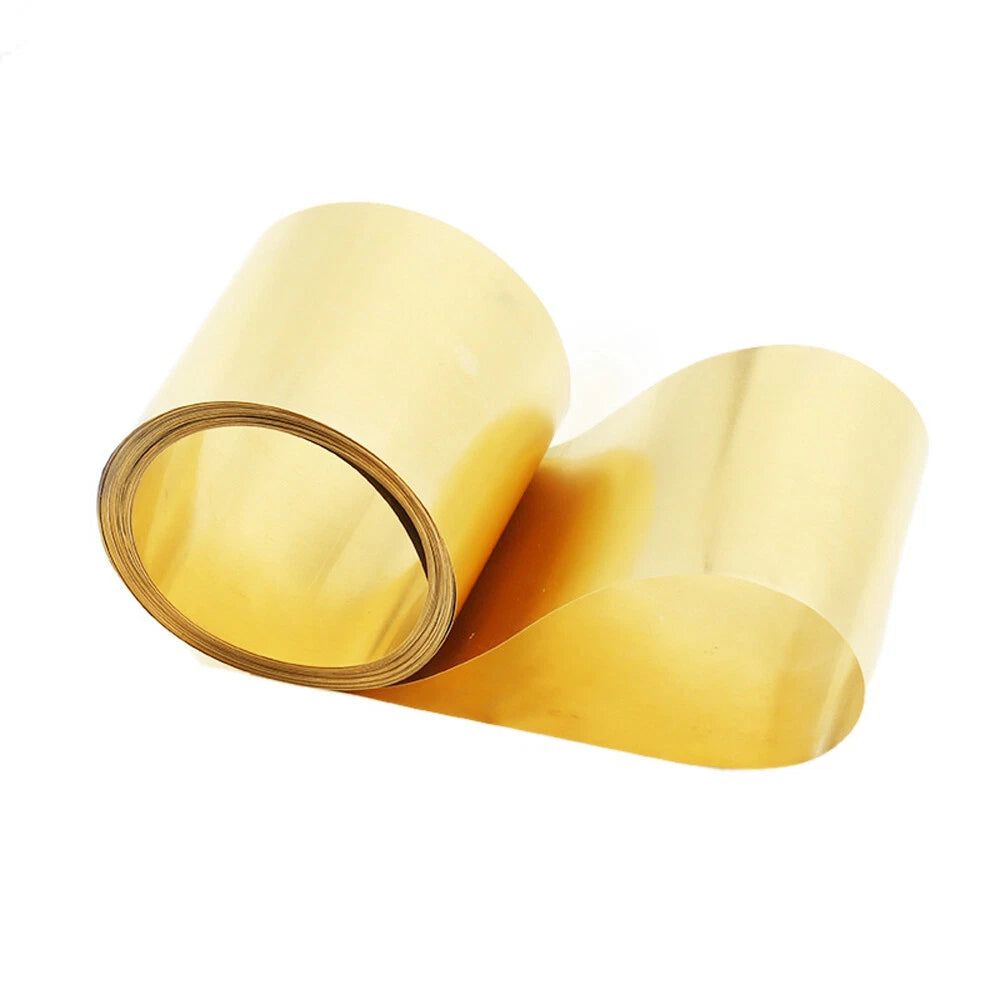
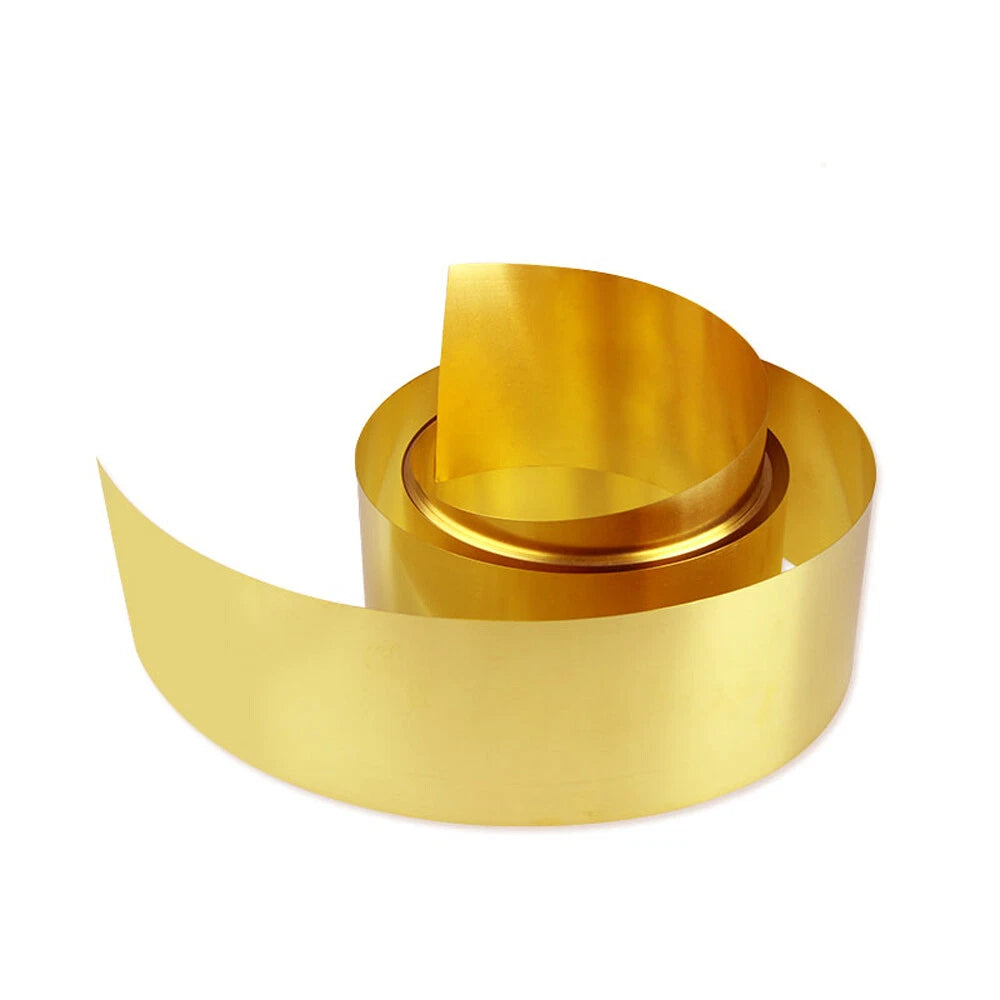
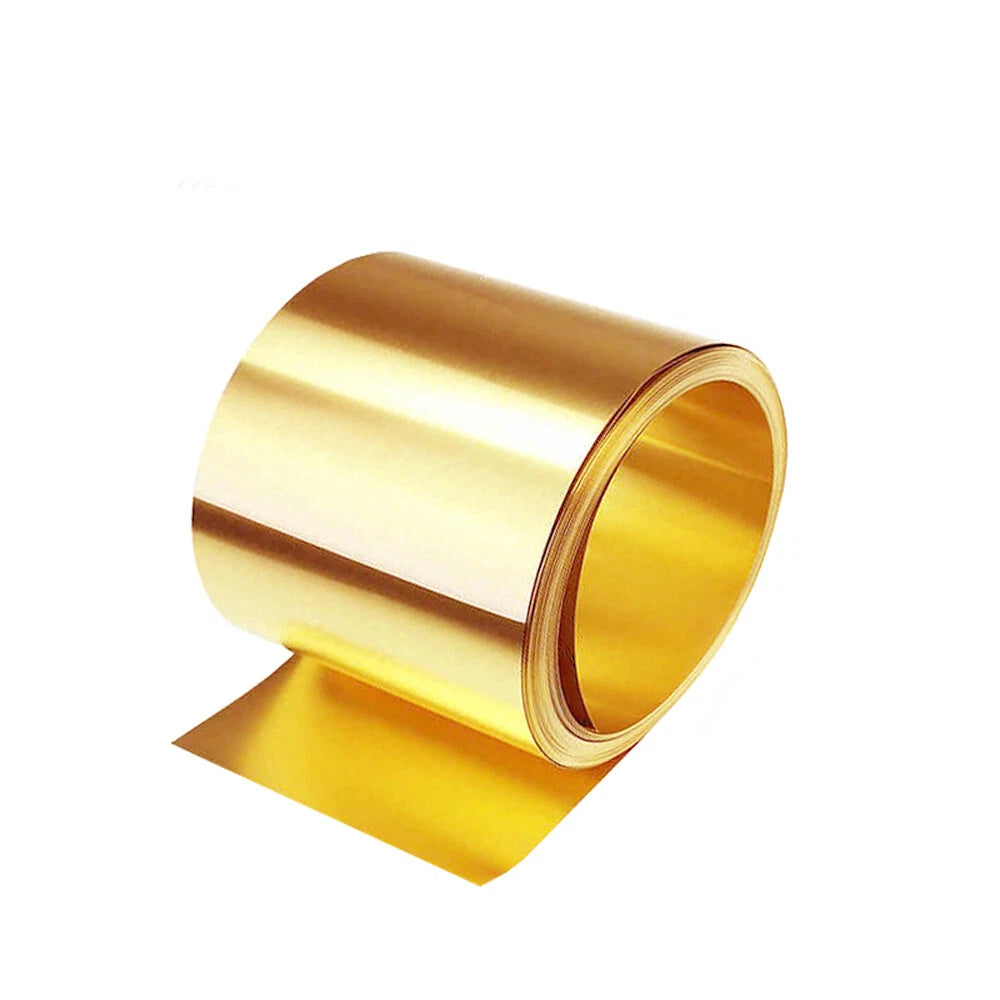
Each piece is a brass alloy sheet foil, 200mm (approximately 7.87 inches) wide and 1000mm (1 meter / 39.37 inches) long. Thickness options range from 0.03mm (approximately 0.0012 in) up to 0.8mm (approximately 0.031 in), covering ultra-thin foil grades through light-gauge sheet stock. The material exhibits the characteristic golden tone and moderate stiffness of standard brass alloy, with smooth rolled surfaces on both faces.
Typical use cases include fabricating custom shim stock and precision spacers for mechanical assemblies, cutting decorative brass inlay strips for woodworking and furniture projects, and forming thin EMI or RF shielding barriers in electronics enclosures. The 200mm width and 1-meter length make it easy to cut to size with standard metal snips or a craft knife for thinner gauges.
Available from 0.03mm to 0.8mm in 12 selectable grades — from ultra-thin foil for shielding to light-gauge sheet for structural shimming.
Each piece measures 200mm (7.87 in) wide by 1000mm (39.37 in) long, providing a practical working area for most bench-scale DIY and workshop tasks.
Mill-rolled finish on both faces ensures dimensional uniformity and clean edges — important for gasket sealing, inlay fitting, and precision shimming.
Brass offers good corrosion resistance, moderate electrical conductivity, and easy workability — suitable for both functional hardware and decorative applications.
Thinner grades (0.03mm–0.1mm) can be scored and snapped or cut with a craft knife; heavier grades (0.2mm–0.8mm) work cleanly with metal snips or a guillotine shear.
Suitable for shim stock, gaskets, EMI shielding, decorative inlays, model making, jewelry fabrication, and general metalwork prototyping.
| Material | Brass alloy (copper-zinc) |
|---|---|
| Width | 200mm (7.87 in) |
| Length | 1000mm / 1 Meter (39.37 in) |
| Thickness Range | 0.03mm – 0.8mm (0.0012 in – 0.031 in) |
| Available Thicknesses | 0.03 / 0.05 / 0.08 / 0.1 / 0.15 / 0.2 / 0.3 / 0.4 / 0.5 / 0.6 / 0.7 / 0.8 mm |
| Surface Finish | Mill-rolled, smooth both sides |
| Color / Appearance | Golden brass tone |
| Corrosion Resistance | Moderate — suitable for indoor and sheltered outdoor use |
| Workability | Cuttable, bendable, solderable, brazeable |
| Weight | See variant options |
| Quantity per Order | 1 piece (1 meter length) |
For EMI/RF shielding and decorative foil applications, thinner grades (0.03mm–0.1mm) are typically sufficient and easy to cut with a craft knife. For gaskets and mechanical shims requiring structural integrity, 0.2mm–0.5mm is a common working range. For heavier-duty shimming or forming tasks, 0.6mm–0.8mm provides more rigidity. If you are unsure, start with 0.1mm or 0.2mm as a versatile mid-range option.
Yes. Brass has good compressive strength for shimming applications. Thicknesses of 0.2mm and above are well-suited for use as precision shim stock in mechanical assemblies, bearing housings, and alignment tasks. Thinner grades (0.03mm–0.1mm) are better suited for light-duty or decorative shimming rather than load-bearing applications.
Brass offers moderate corrosion resistance — significantly better than plain steel, though not as resistant as stainless steel or pure copper in harsh environments. It performs well in indoor applications and sheltered outdoor settings. For prolonged exposure to moisture or chemicals, consider applying a clear lacquer or protective coating after cutting and forming.
Yes. Brass is readily solderable with standard rosin-core or acid-core solder and a suitable flux. It can also be brazed using silver brazing alloys. Ensure the surface is clean and free of oxidation before soldering for best results. Thinner foil grades (under 0.1mm) require careful heat management to avoid warping.
Thinner grades (0.03mm–0.2mm) can be cut with a fiber laser cutter. CNC routing is more practical for grades 0.3mm and above. Always verify your machine's minimum material thickness rating before processing. For hand-tool cutting, metal snips work well for 0.2mm and above; a sharp craft knife or scoring tool is recommended for thinner foil grades.
Grades from 0.03mm to 0.1mm behave more like flexible foil — they can be rolled, folded, and cut with light tools, making them ideal for shielding, wrapping, and decorative inlay work. Grades from 0.2mm to 0.8mm behave more like rigid sheet stock — they hold their shape under moderate force and are better suited for gaskets, shims, and structural forming tasks.
Each order includes one (1) piece of brass sheet foil at the thickness you select, measuring 200mm wide by 1000mm (1 meter) long. If you need multiple pieces or a different width, please contact us to discuss bulk or custom options.