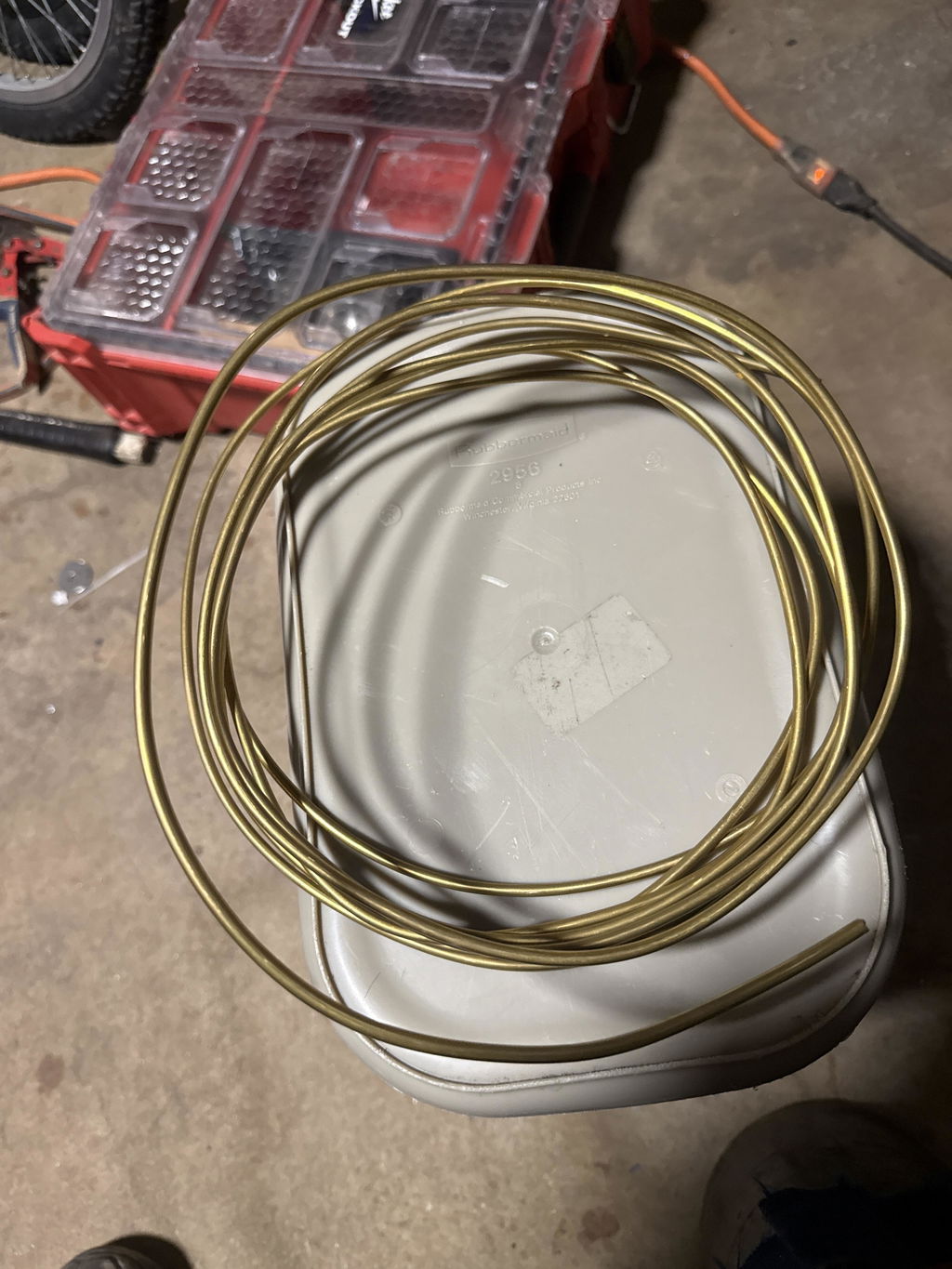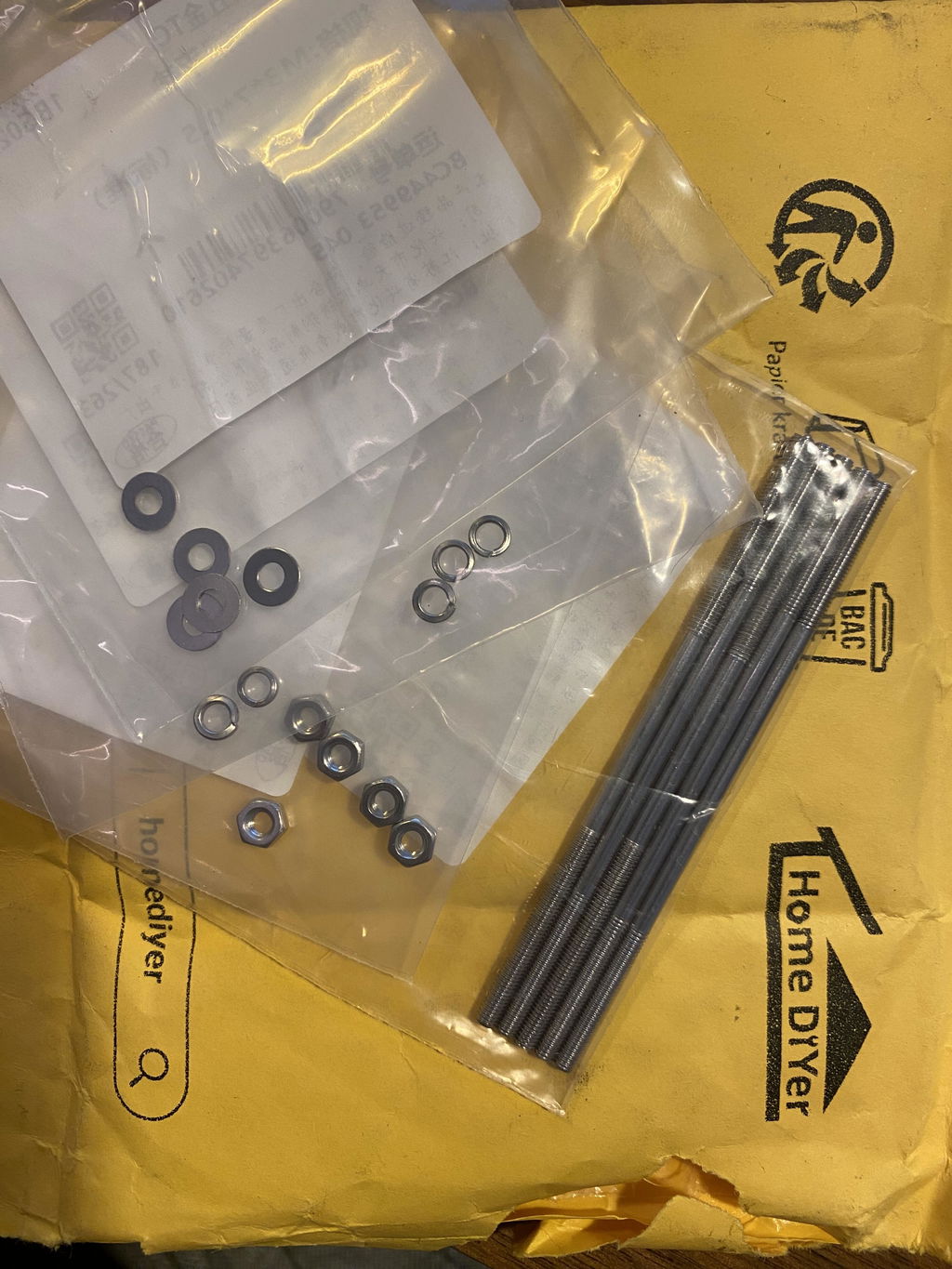
The chain is fine...but I ordered the wrong size. Nine links of the chain I ordered equals six of the size I wanted. My error...
How can I straighten out the springs? I can't use them coil uo as is.
Your payment information is processed securely. We do not store credit card details nor have access to your credit card information.
Get fitment advice & recommendations
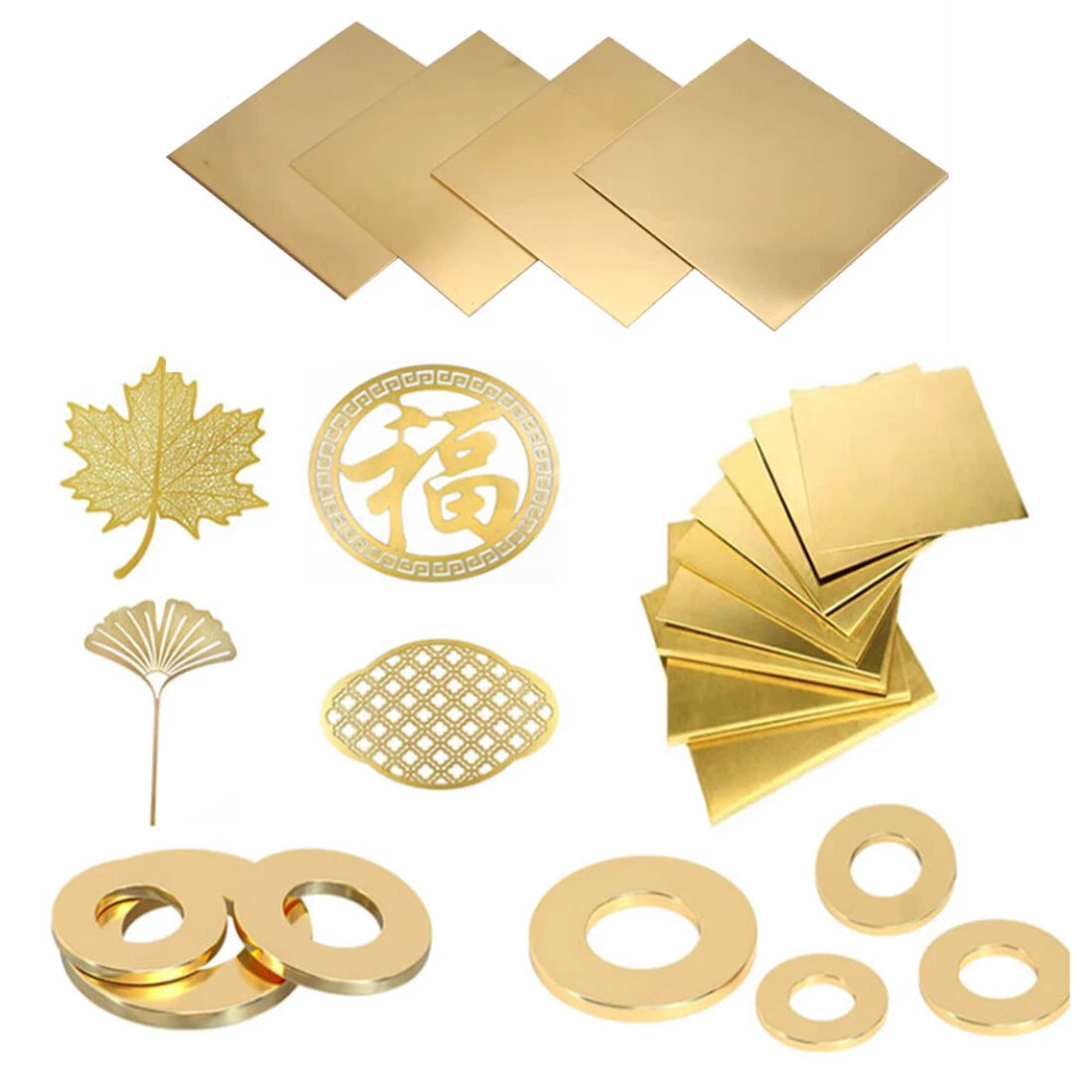
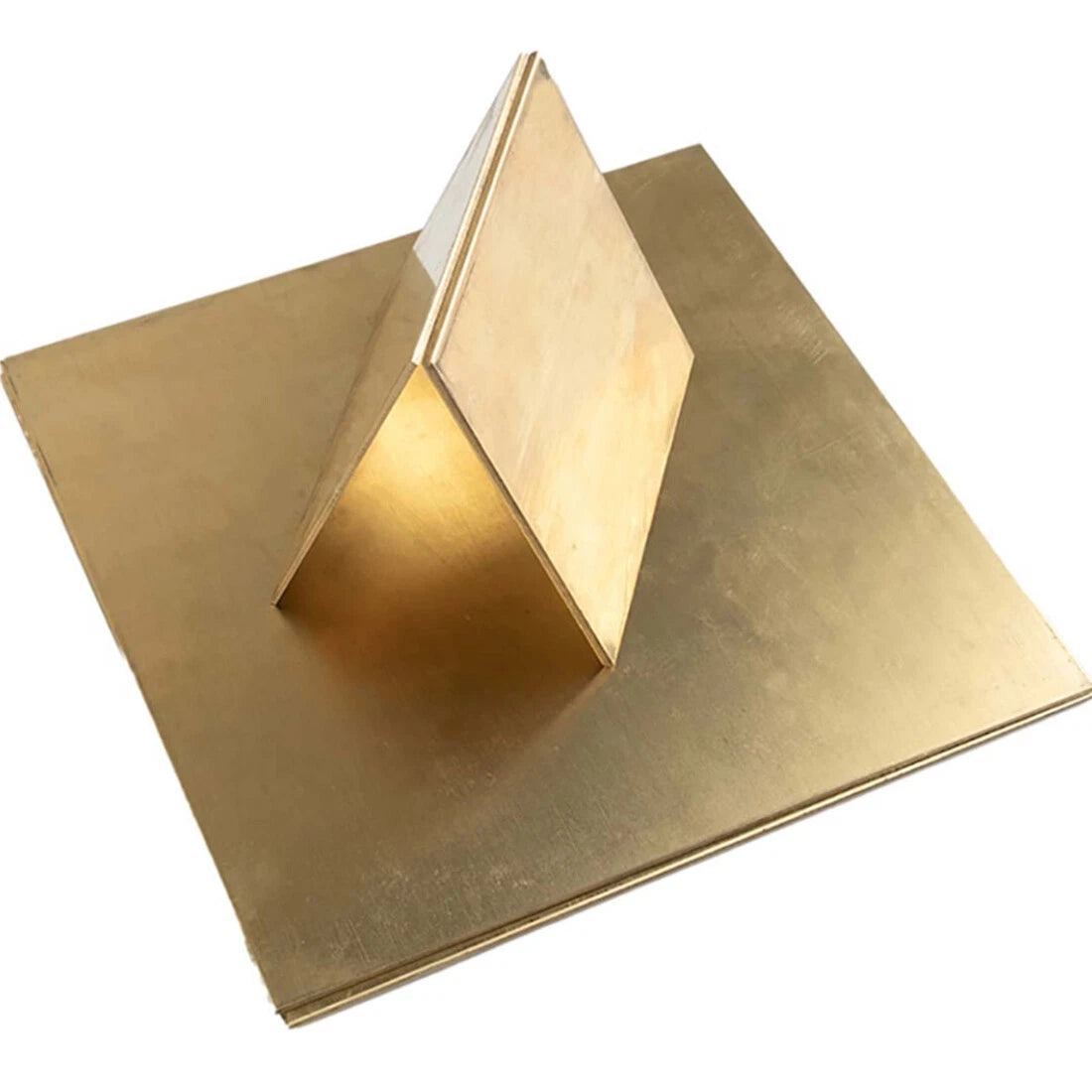
When your project demands a metal that machines cleanly, solders reliably, and looks sharp right out of the pack, finding the right flat stock can be frustrating. Hobbyists, model builders, and small-workshop fabricators who need consistent thickness and true flat surfaces will find these brass plate sheets a dependable go-to material.
Each sheet is cut from solid brass alloy stock, offering a warm golden finish and smooth surface on both faces. Thickness options range from 0.5 mm to 6 mm (approximately 0.020 in to 0.236 in), and plate sizes span from compact 50 × 50 mm (approx. 2 × 2 in) up to 300 × 300 mm (approx. 11.8 × 11.8 in), giving you flexibility to match the exact footprint your project requires.
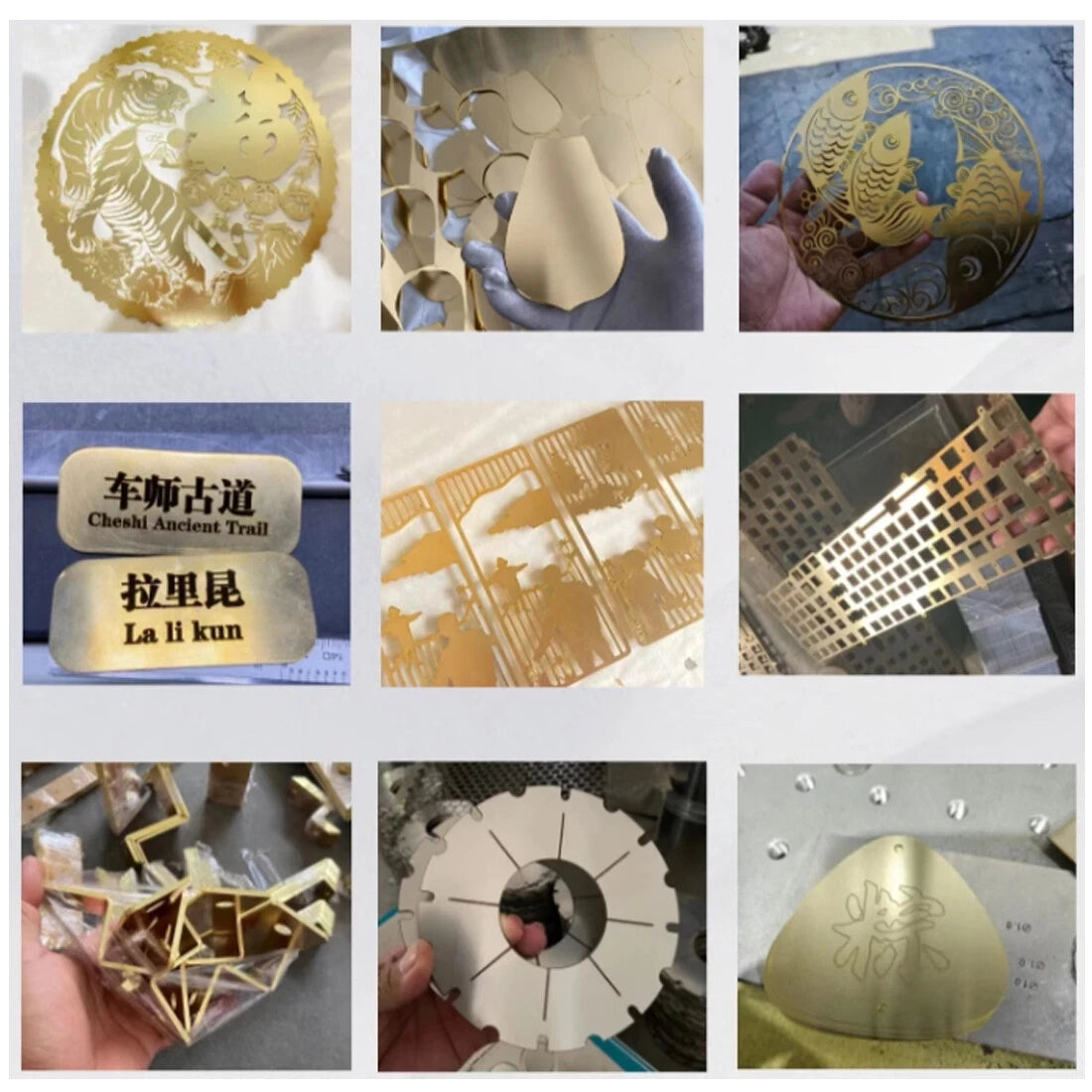
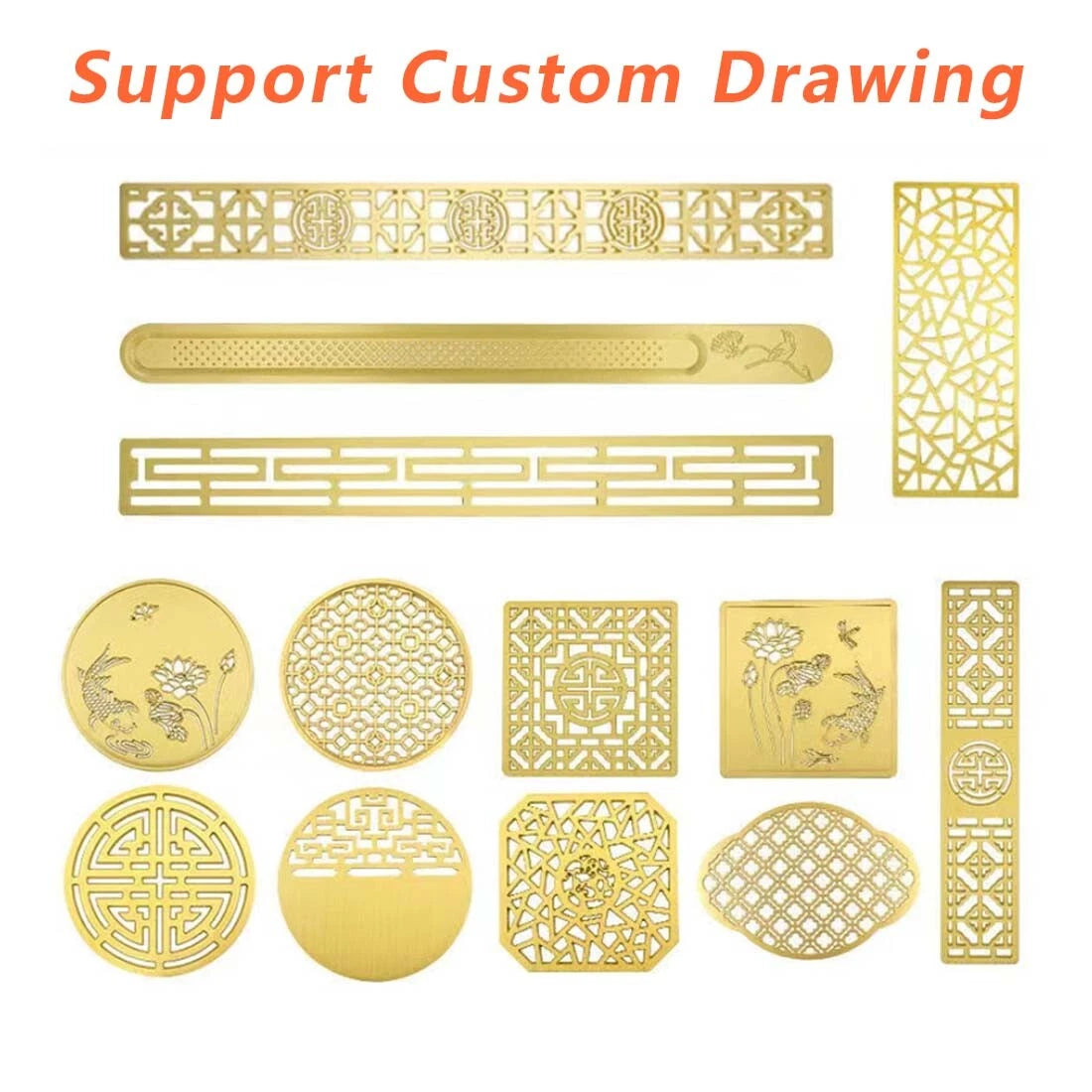
These brass plate sheets suit a wide range of applications: scale model detailing and scratch-building, decorative inlay work for woodworking and furniture, electrical shielding and grounding tabs in electronics prototyping, and structural reinforcement brackets in lightweight DIY assemblies.
| Material | Brass alloy (copper-zinc) |
|---|---|
| Surface Finish | Mill finish, smooth both sides |
| Thickness Options | 0.5 / 0.6 / 0.8 / 1 / 1.2 / 1.5 / 2 / 2.5 / 3 / 4 / 5 / 6 mm |
| Plate Size Options | 50×50 / 50×100 / 50×200 / 100×100 / 100×150 / 100×200 / 200×200 / 200×300 / 300×300 mm |
| Quantity per Order | See variant options |
| Hardness | See variant options |
| Tensile Strength | Typically 300–500 MPa (varies by alloy grade) |
| Melting Point | Approx. 900–940 °C (1650–1720 °F) |
| Electrical Conductivity | Moderate (approx. 26–28% IACS) |
| Machinability Rating | Excellent |
| Solderability | Excellent with soft and silver solder |
| Weight per Piece | See variant options |
For decorative inlays, engraving blanks, or thin shims, 0.5 mm–1 mm is typically sufficient. For structural brackets, reinforcement plates, or parts that need threading, 2 mm–6 mm provides the rigidity required. If you are unsure, start with 1 mm or 1.5 mm as a versatile mid-range option for most hobby and model-making tasks.
Yes. Thinner sheets (0.5 mm–1.5 mm) cut cleanly with tin snips, jeweler's saws, or a sharp utility knife and straight edge. Thicker sheets (2 mm–6 mm) are best cut with a hacksaw, angle grinder with a metal-cutting disc, or a CNC router. Always deburr edges after cutting for a clean finish.
Brass solders exceptionally well with standard soft solder (tin-lead or lead-free) and silver solder. Clean the surface with flux before soldering for the best bond. Brazing is also possible for thicker sections. Avoid overheating thin sheets as they can warp; use a heat sink clip when soldering small pieces.
Brass is naturally corrosion-resistant in typical indoor environments. Over time it may develop a patina (darkening or slight greenish tinge) when exposed to moisture and air. To maintain the original finish, apply a thin coat of clear lacquer or metal wax after cleaning. For outdoor use, a protective coating is recommended.
Yes. Brass machines with low tool wear and is widely used in CNC milling and routing. For laser cutting, brass reflects CO₂ laser beams, so a fiber laser is required. Thinner sheets (0.5 mm–1.5 mm) are the most practical for fiber laser cutting. Always confirm your machine's material compatibility before processing.
If you are testing a design or need a single prototype part, the 1-piece option lets you evaluate fit and finish before committing to more material. Multi-piece packs (5, 10, or 20 pieces) offer a lower per-piece cost and are ideal when you know your quantity requirement upfront — for example, producing a batch of brackets, shims, or decorative panels.
Drilling is straightforward for all thicknesses using standard HSS drill bits. Tapping threads is practical for sheets 2 mm and thicker, where there is enough material depth for at least 2–3 thread engagements. For thinner sheets, consider using brass rivets, press-fit inserts, or through-bolts instead of tapped threads.