The chain is fine...but I ordered the wrong size. Nine links of the chain I ordered equals six of the size I wanted. My error...
How can I straighten out the springs? I can't use them coil uo as is.
Your payment information is processed securely. We do not store credit card details nor have access to your credit card information.
Get fitment advice & recommendations
When a project demands a material that holds tight tolerances, resists corrosion, and machines cleanly without cracking, generic steel sheet often falls short. Makers, hobbyists, and light-fabrication professionals who need a reliable non-ferrous flat stock turn to solid brass plate for its predictable workability and long service life.
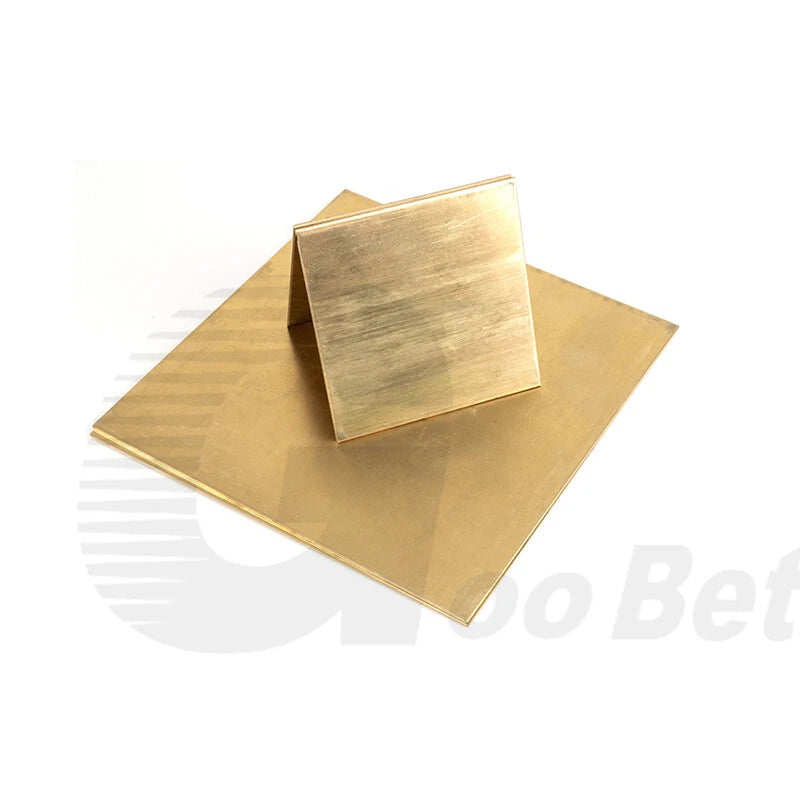
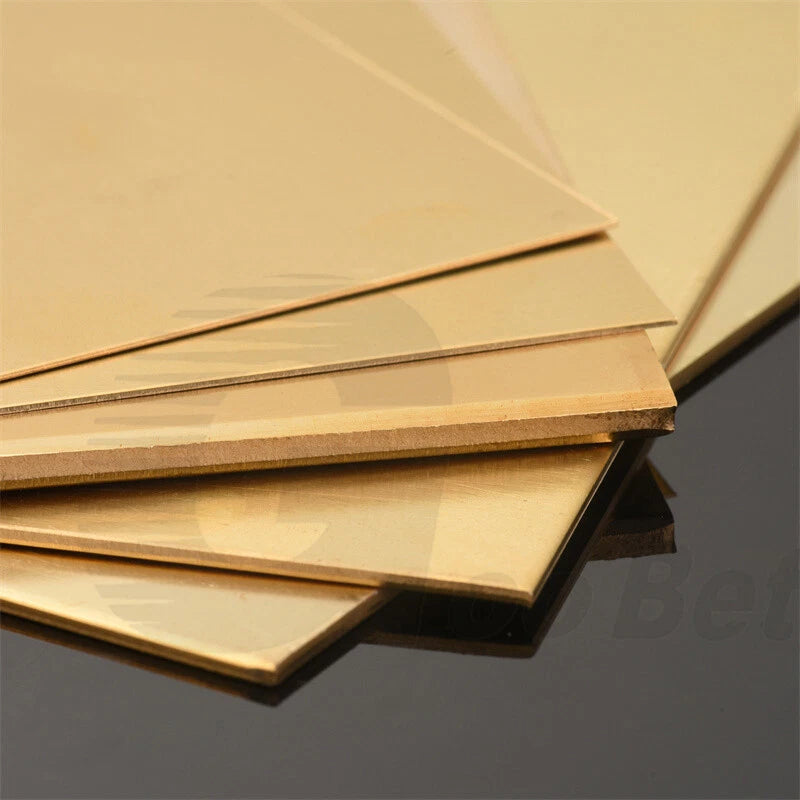
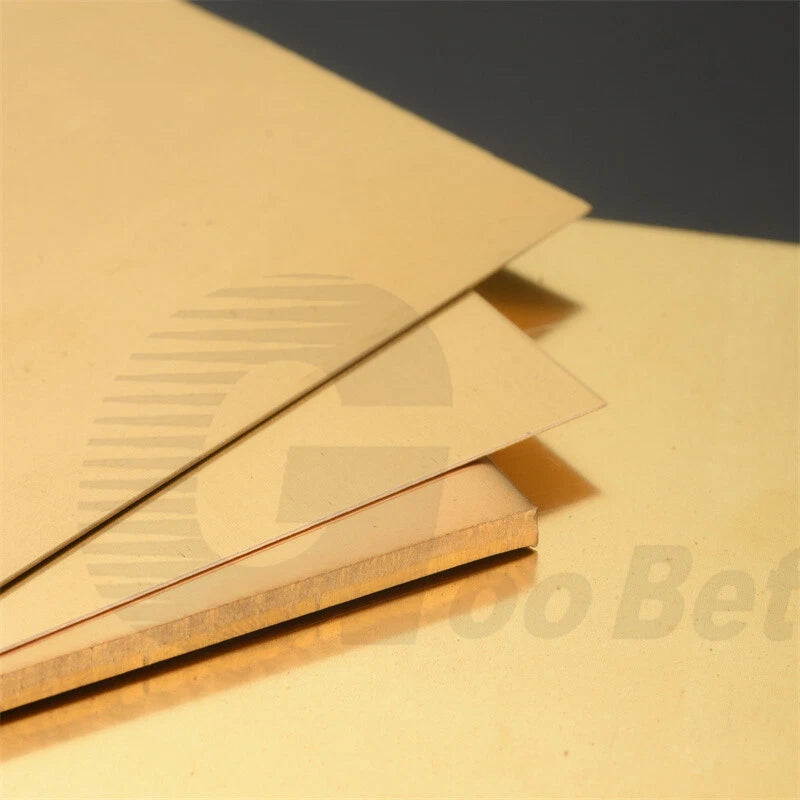
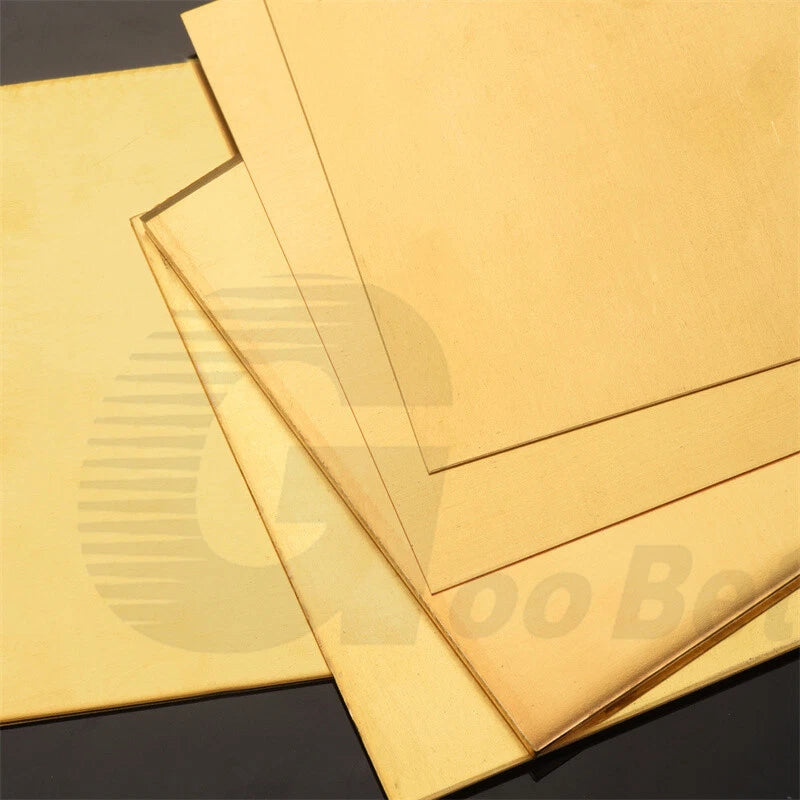
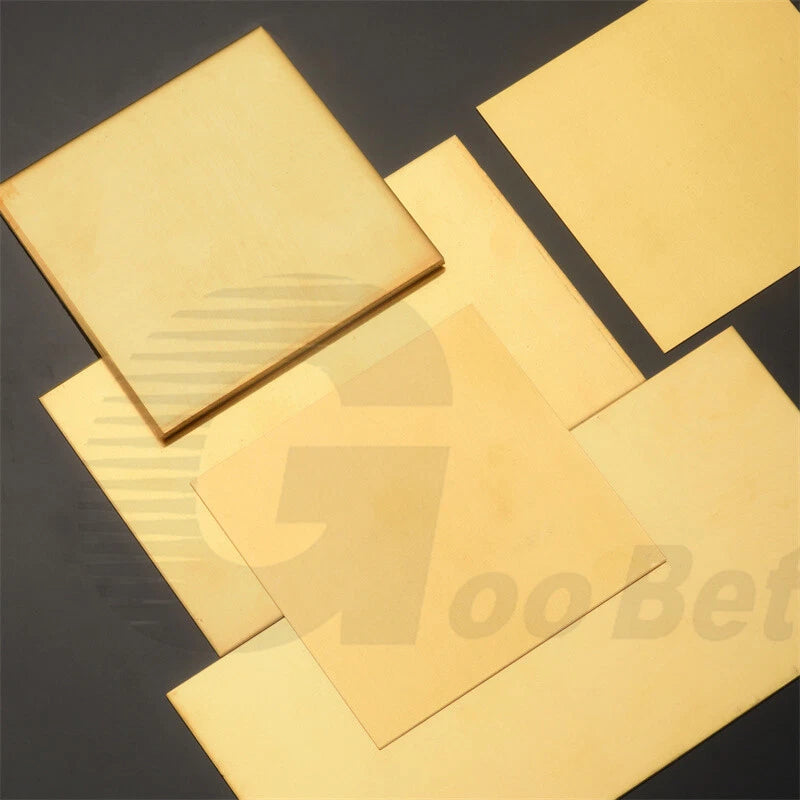
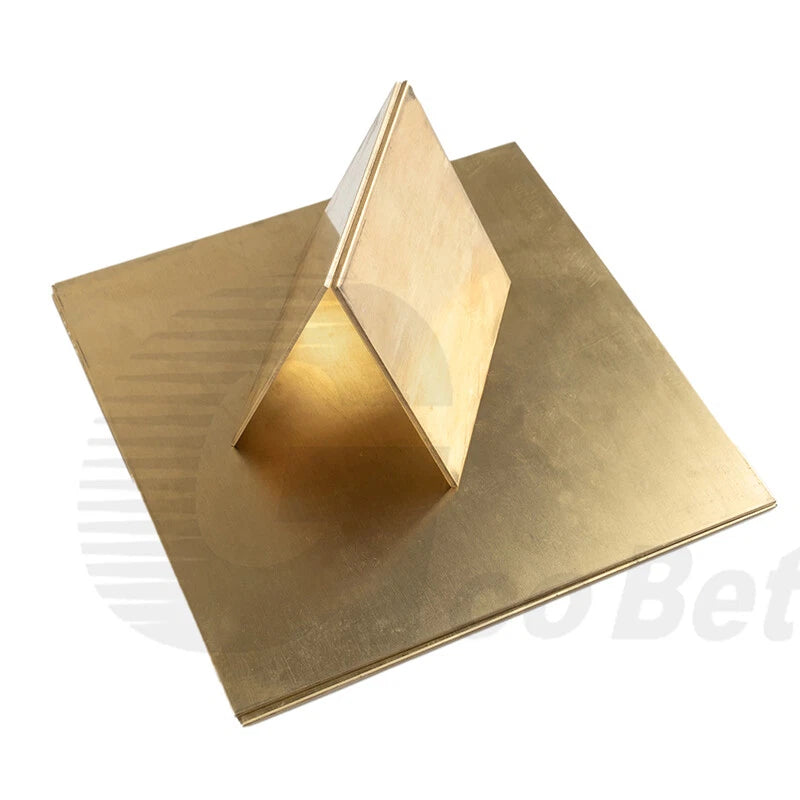
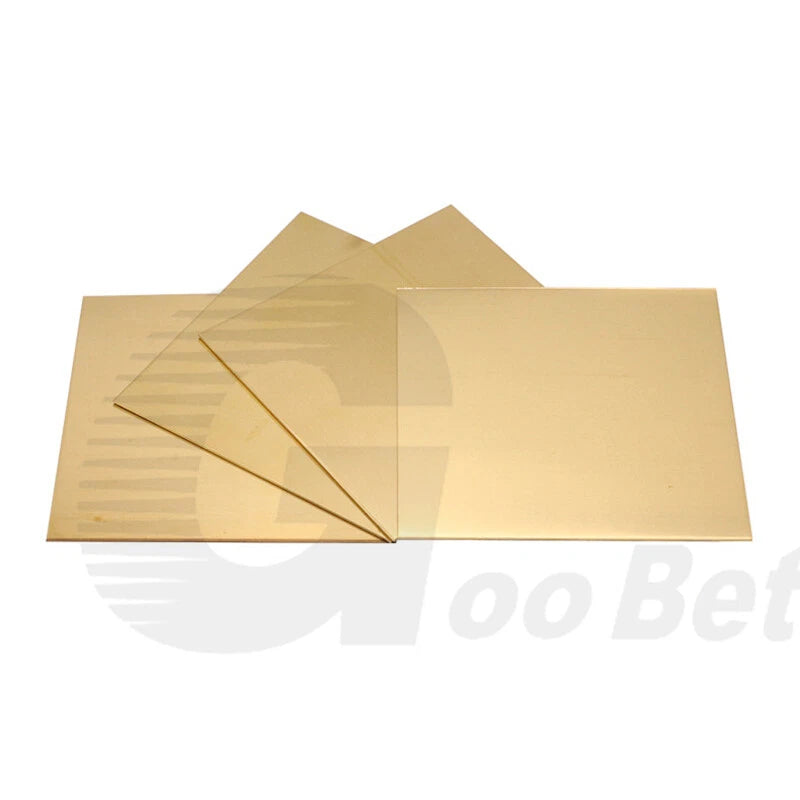
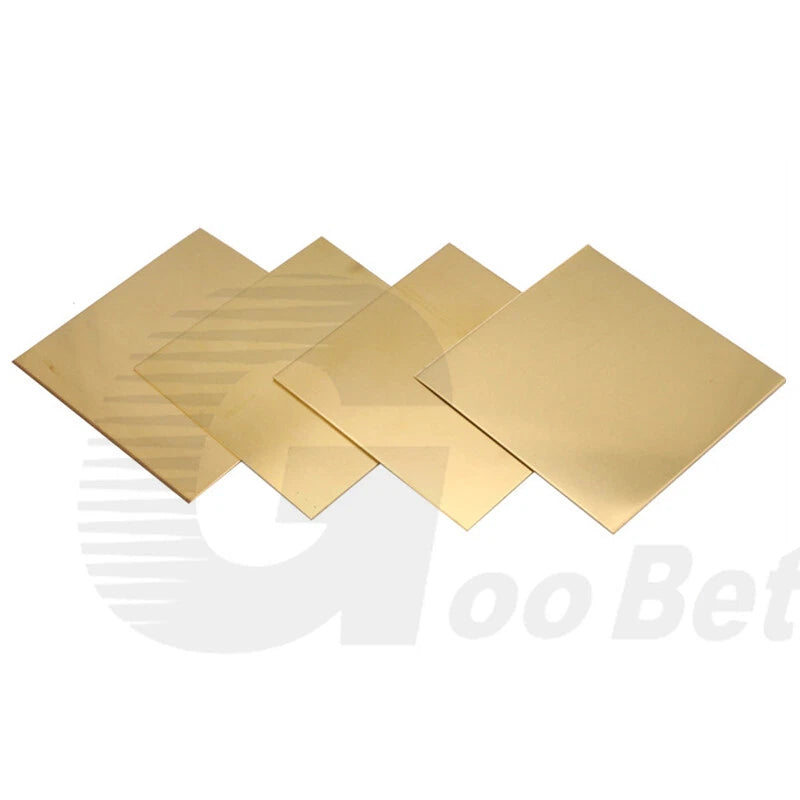
This solid flat brass plate sheet is cut to a ready-to-use 350mm × 350mm (approx. 13.8" × 13.8") panel at a uniform 1.5mm (approx. 0.059") thickness. The alloy is a standard CuZn brass composition offering a balance of strength, ductility, and machinability. Edges are shear-cut; light deburring may be required before final use.
Typical applications include DIY electrical shielding panels, custom bracket fabrication, decorative inlay work, model engineering, and craft engraving projects where a flat brass sheet panel of consistent gauge is required.
Uniform 1.5mm thickness across the full 350×350mm panel — consistent enough for close-tolerance brackets, spacers, and shielding applications.
Standard CuZn brass composition delivers good tensile strength (typically 300–400 MPa), natural corrosion resistance, and a warm golden appearance that ages gracefully.
Pre-cut to 350mm × 350mm so you can go straight to layout and drilling without a primary saw cut — saving setup time on small-batch projects.
Brass offers moderate electrical conductivity, making this sheet suitable for grounding straps, RF shielding enclosures, and bus-bar blanks in low-current applications.
Drills, taps, and bends without work-hardening rapidly. Accepts standard M2–M6 tapped holes cleanly and can be formed over a mandrel at room temperature.
The mill-finish surface accepts rotary engraving, chemical etching, and lacquer or patina finishes — ideal for nameplates, decorative panels, and craft inlay work.
| Material | Brass (CuZn alloy) |
|---|---|
| Thickness | 1.5mm (approx. 0.059") |
| Panel Size | 350mm × 350mm (approx. 13.8" × 13.8") |
| Tensile Strength | Typically 300–400 MPa (see variant options for alloy grade) |
| Surface Finish | Mill finish (light shear-cut edges) |
| Colour | Golden yellow |
| Conductivity | Moderate (suitable for low-current electrical use) |
| Quantity per Order | See variant options |
Shear-cut brass plate at 1.5mm nominal typically carries a thickness tolerance of ±0.1mm under standard mill production. For applications requiring tighter tolerances (±0.05mm or better), contact us to confirm the specific batch specification before ordering.
At 1.5mm, this panel is suitable for light-duty brackets, spacers, and mounting plates where loads are modest. For structural applications carrying significant mechanical stress, a thicker gauge (3mm+) or a higher-strength alloy such as C360 free-machining brass is recommended.
Brass does not rust (it contains no iron), but it will oxidise and develop a patina over time when exposed to moisture and air. For outdoor use, applying a clear lacquer or wax coating will preserve the original finish. In marine or high-humidity environments, consider a protective sealant reapplied annually.
Yes. At 1.5mm, this brass plate cuts cleanly with aviation tin snips, a jigsaw fitted with a fine-tooth metal blade (18–24 TPI), or a CNC router with a single-flute non-ferrous upcut bit. A drill press with HSS or cobalt bits handles hole-making without issue. Deburr cut edges with a file or deburring tool before handling.
This listing covers the 350mm × 350mm cut panel. If your project requires a different length, width, or thickness, please contact us — we may be able to accommodate custom cut sizes depending on stock availability.
Yes. Brass is one of the most solderable metals available. Standard 60/40 or lead-free solder with a rosin flux bonds reliably to a clean brass surface. For brazing, use a brass or silver brazing rod with an appropriate flux and torch — the 1.5mm gauge heats quickly, so use a diffuse flame to avoid warping.
Choose brass when you need a balance of corrosion resistance, machinability, and a decorative finish. Choose copper when maximum electrical or thermal conductivity is the priority. Choose aluminium when weight is critical and the application is structural or outdoor. Brass sits between the two in cost and is the most versatile for general fabrication and craft work.