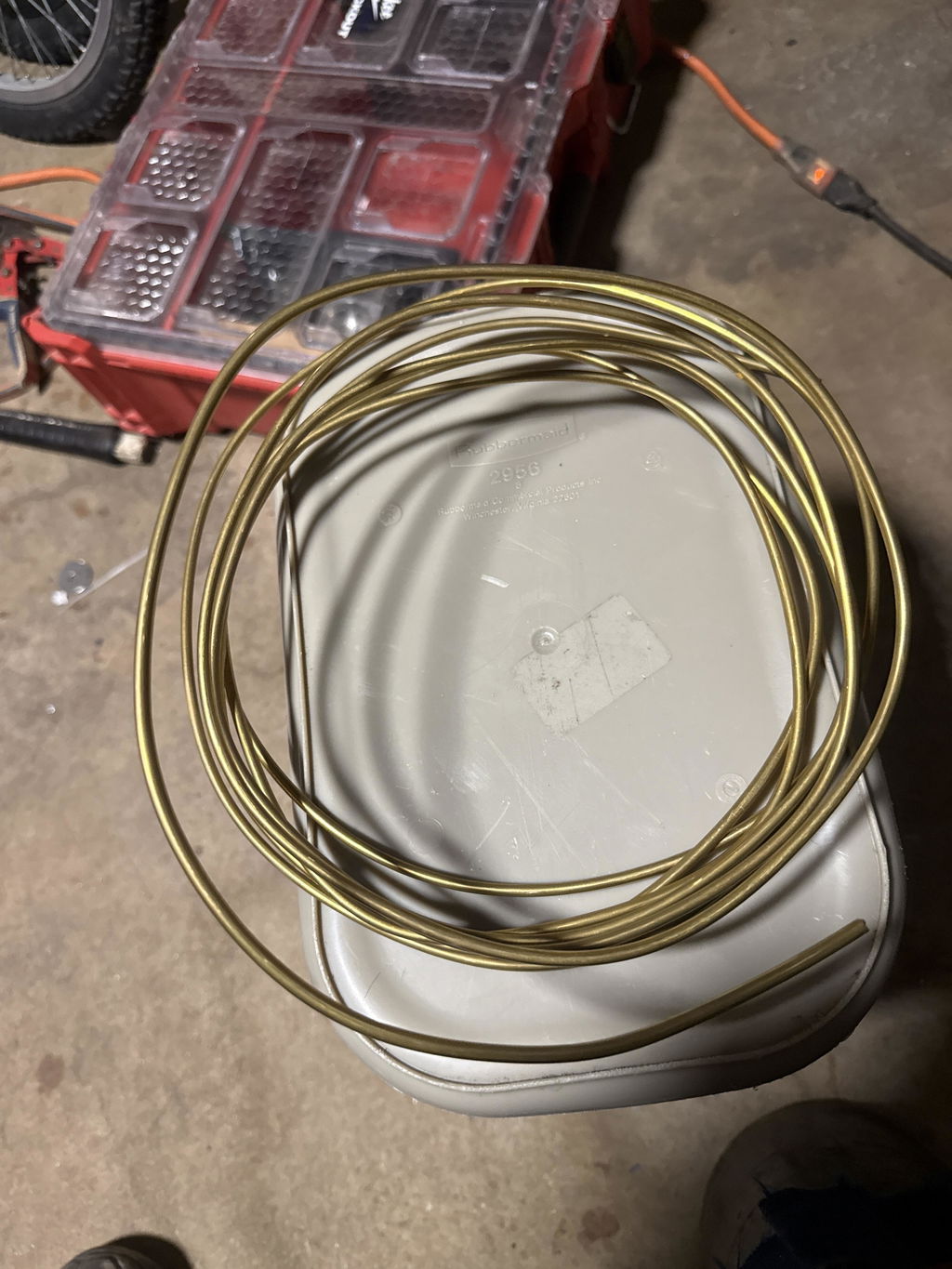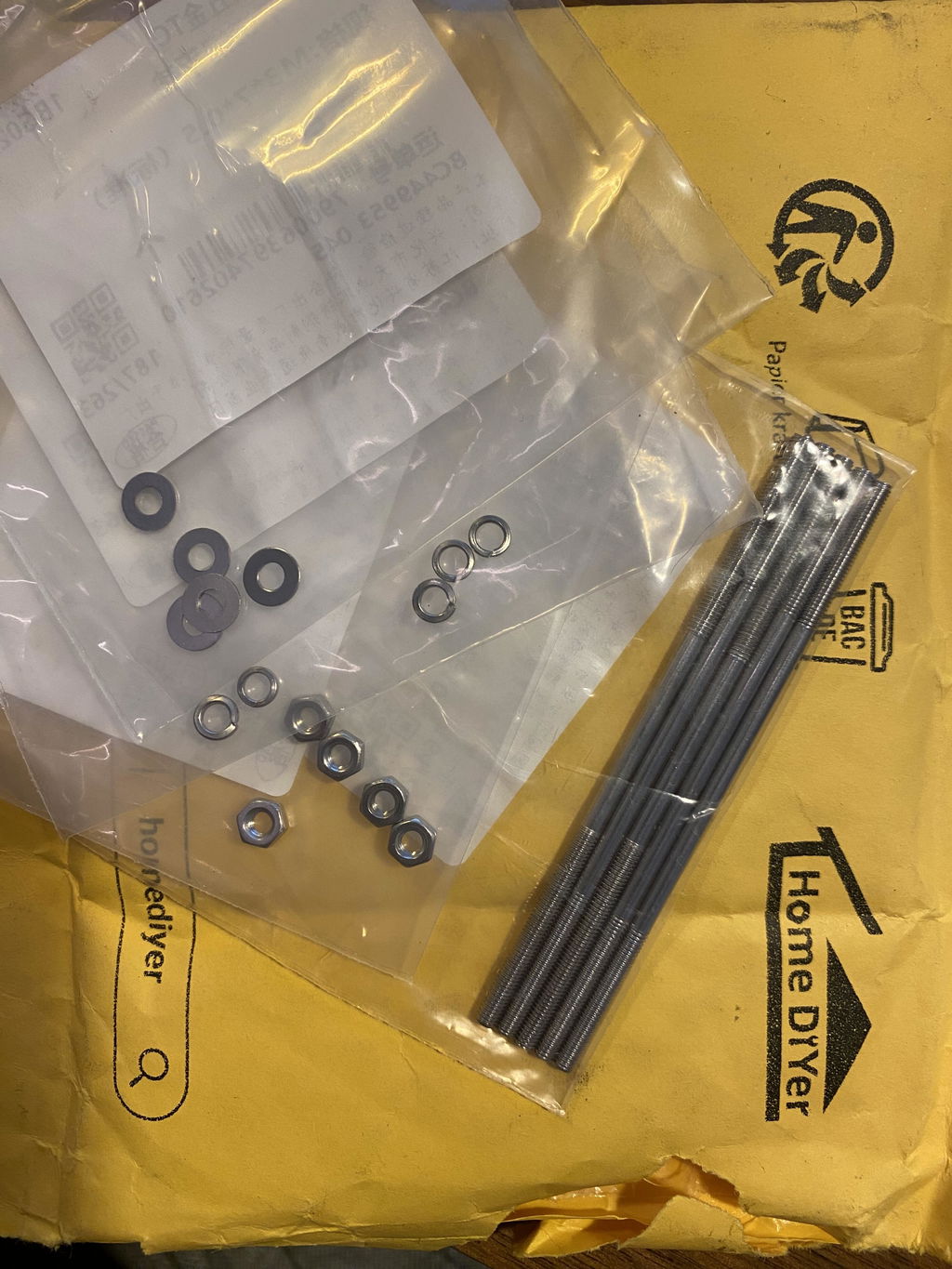
The chain is fine...but I ordered the wrong size. Nine links of the chain I ordered equals six of the size I wanted. My error...
How can I straighten out the springs? I can't use them coil uo as is.
Your payment information is processed securely. We do not store credit card details nor have access to your credit card information.
Get fitment advice & recommendations
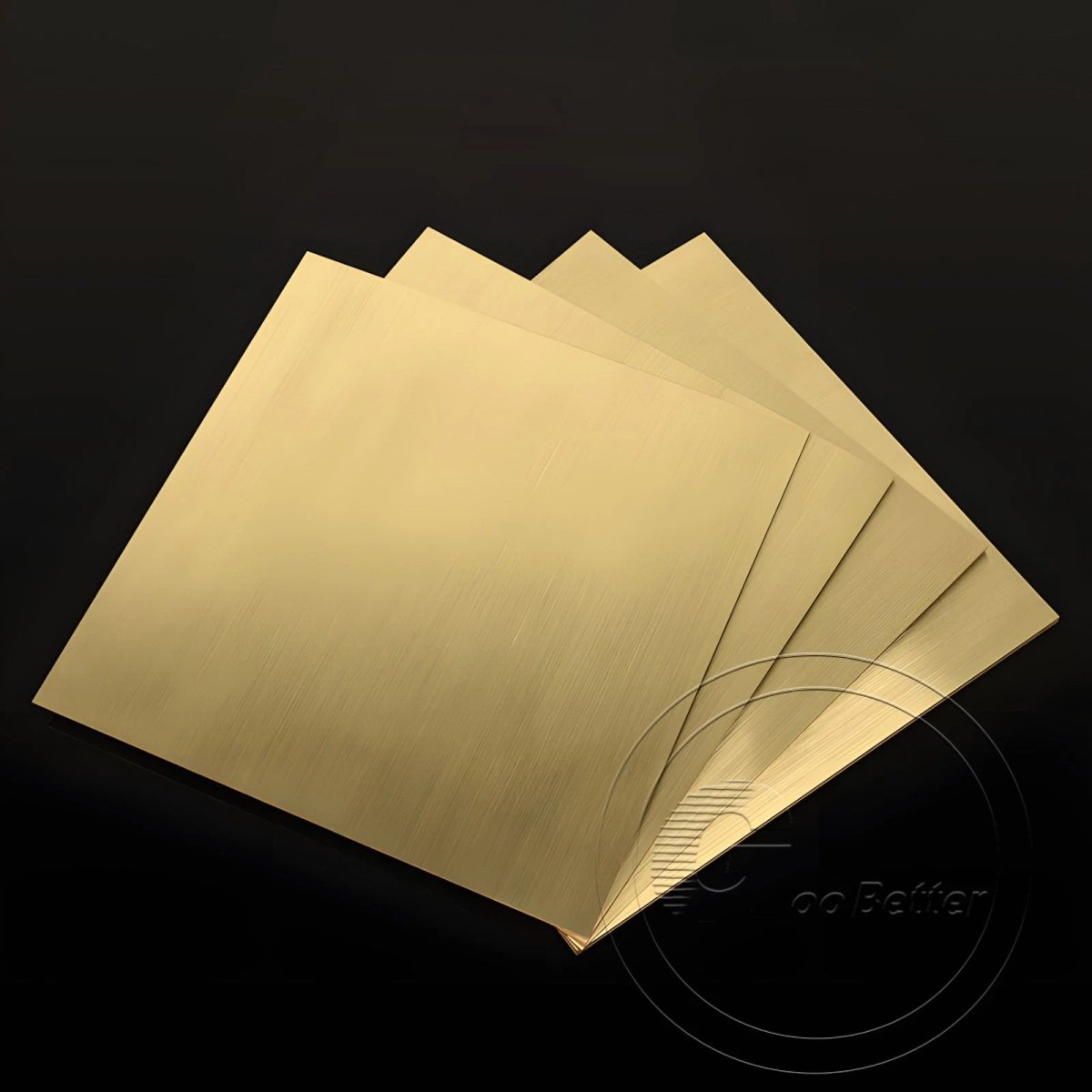
When your project demands a flat, burr-free metal surface that holds tight tolerances, ordinary hardware-store offcuts simply won't do. Whether you're a hobbyist building custom enclosures, a maker reinforcing a structural joint, or a technician fabricating shims and spacers, you need a brass plate that arrives ready to use — no secondary cutting, no edge cleanup. These guillotine-cut brass sheet metal squares are sized precisely to order so you can get straight to work.
Each piece is cut from solid brass alloy sheet stock. Thickness options span 0.1 mm to 1 mm (approximately 0.004 in to 0.039 in), and face dimensions range from 10 mm × 10 mm up to 300 mm × 400 mm (roughly 0.4 in × 0.4 in to 11.8 in × 15.7 in). The guillotine shear process produces clean, straight edges with minimal deformation, so the piece drops into your assembly without rework.
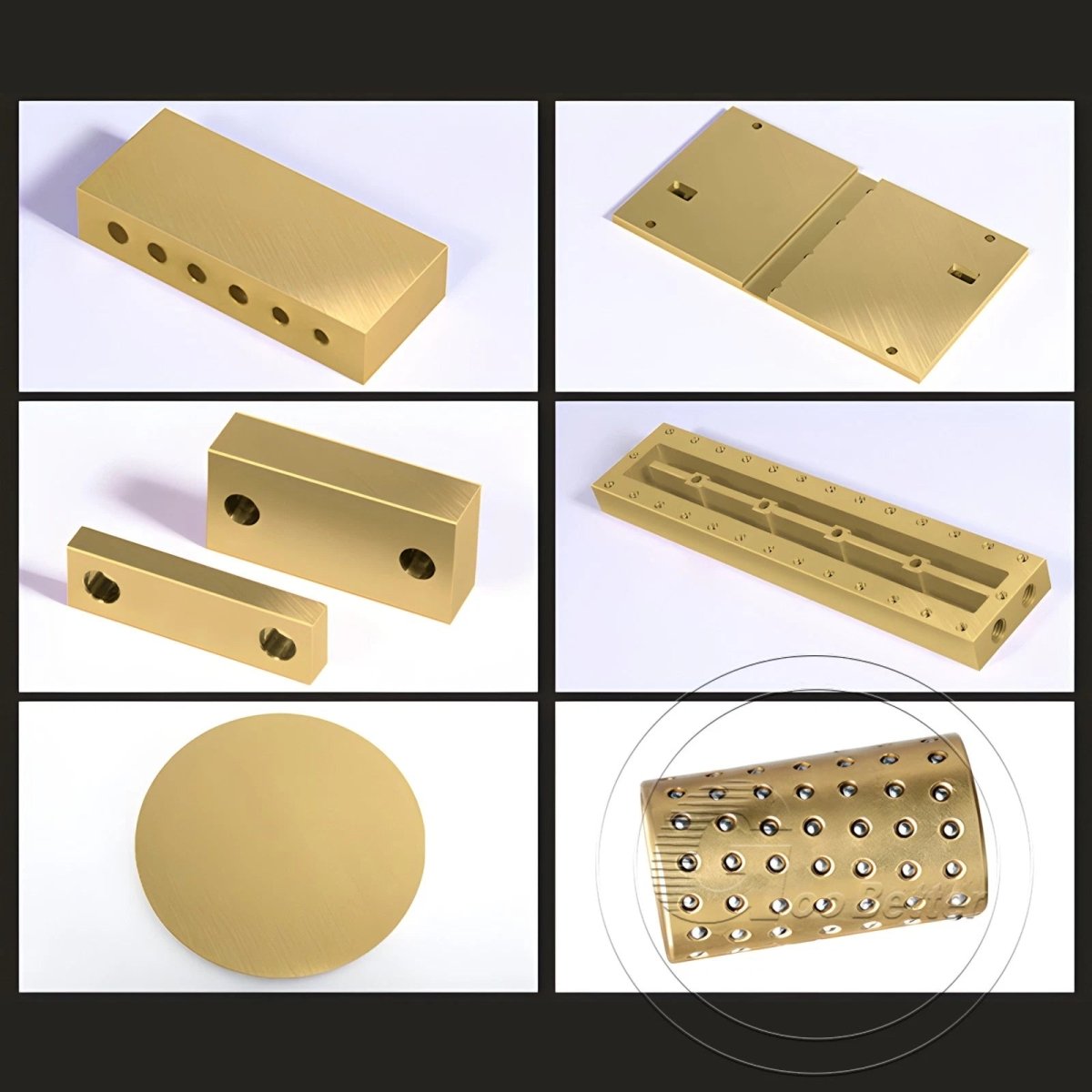
Typical applications include RF and EMI shielding panels in electronics enclosures, precision shim stock for machinery alignment, decorative inlay and engraving blanks for woodworking and jewelry projects, and patch plates for plumbing or HVAC repair where a corrosion-resistant, solderable metal is required. The wide size matrix means you can source the exact brass sheet size for DIY projects without paying for material you'll discard.
| Material | Brass alloy (copper-zinc) |
|---|---|
| Thickness Range | 0.1 mm – 1 mm (0.004 in – 0.039 in) |
| Width / Length Range | 10 mm – 400 mm per side (0.4 in – 15.7 in) |
| Cut Method | Guillotine shear (straight, square edges) |
| Surface Finish | Mill finish (smooth rolled) |
| Shape | Square / rectangular flat plate |
| Solderable | Yes — compatible with standard soft solder and silver solder |
| Quantity per Pack | See variant options (1 Pcs / 2 Pcs / 4 Pcs) |
| Weight per Piece | See variant options |
| Tolerance | See variant options |
For shielding, gaskets, and foil-style applications, 0.1–0.3 mm is typically sufficient. For shims, spacers, and light structural uses, 0.4–0.6 mm offers a good balance of rigidity and workability. For brackets, reinforcement plates, and heavier fabrication, 0.8–1 mm provides the stiffness most projects require. If you're unsure, start with 0.5 mm — it's the most versatile mid-range option.
Guillotine-shear cutting produces cleaner edges than saw or angle-grinder cuts, but thin metal edges can still be sharp. We recommend wearing cut-resistant gloves when handling pieces thinner than 0.3 mm, and lightly running a fine file or deburring tool along any edge that will be touched frequently in the finished assembly.
Yes. Brass is one of the most solderable metals available. It accepts standard 60/40 tin-lead solder, lead-free solder, and silver solder with appropriate flux. For brazing, use a brass-compatible brazing rod and a propane or MAPP torch. Clean the surface with isopropyl alcohol or a mild acid flux before joining for best results.
Brass does not rust (rust is iron-oxide, specific to ferrous metals). Over time, brass may develop a natural patina — a darkening or greenish tinge — due to oxidation. This is purely cosmetic and does not affect structural integrity. To maintain the original bright finish, apply a thin coat of clear lacquer or metal wax after cleaning.
Yes for CNC routing and milling — brass machines cleanly with carbide tooling at moderate speeds. For CO₂ laser engravers, brass reflects the beam and is not directly engravable without a laser-marking spray coating. Fiber laser systems can engrave brass directly. Always verify your machine's compatibility with non-ferrous metals before processing.
Use the Thickness × Width × Length dropdown to select your required dimensions. The first number is the plate thickness (e.g., 0.5 mm), and the second and third numbers are the face dimensions (e.g., 100 mm × 100 mm). Then choose your preferred pack quantity (1, 2, or 4 pieces) from the Amount dropdown. If you need a size not listed, contact us to confirm availability.
Brass is an effective EMI shielding material due to its electrical conductivity. Thinner gauges (0.1–0.3 mm) are commonly used as shielding foil in electronics enclosures, PCB shields, and cable wrap applications. For best shielding performance, ensure all seams are soldered or clamped to maintain electrical continuity around the shielded area.
All pieces within a pack are identical in thickness and dimensions. Larger packs offer a lower per-piece cost and are useful when you need spares, are prototyping multiple iterations, or are completing a project that requires several identical plates. The pack quantity is shown in the Amount (Pcs) variant selector.