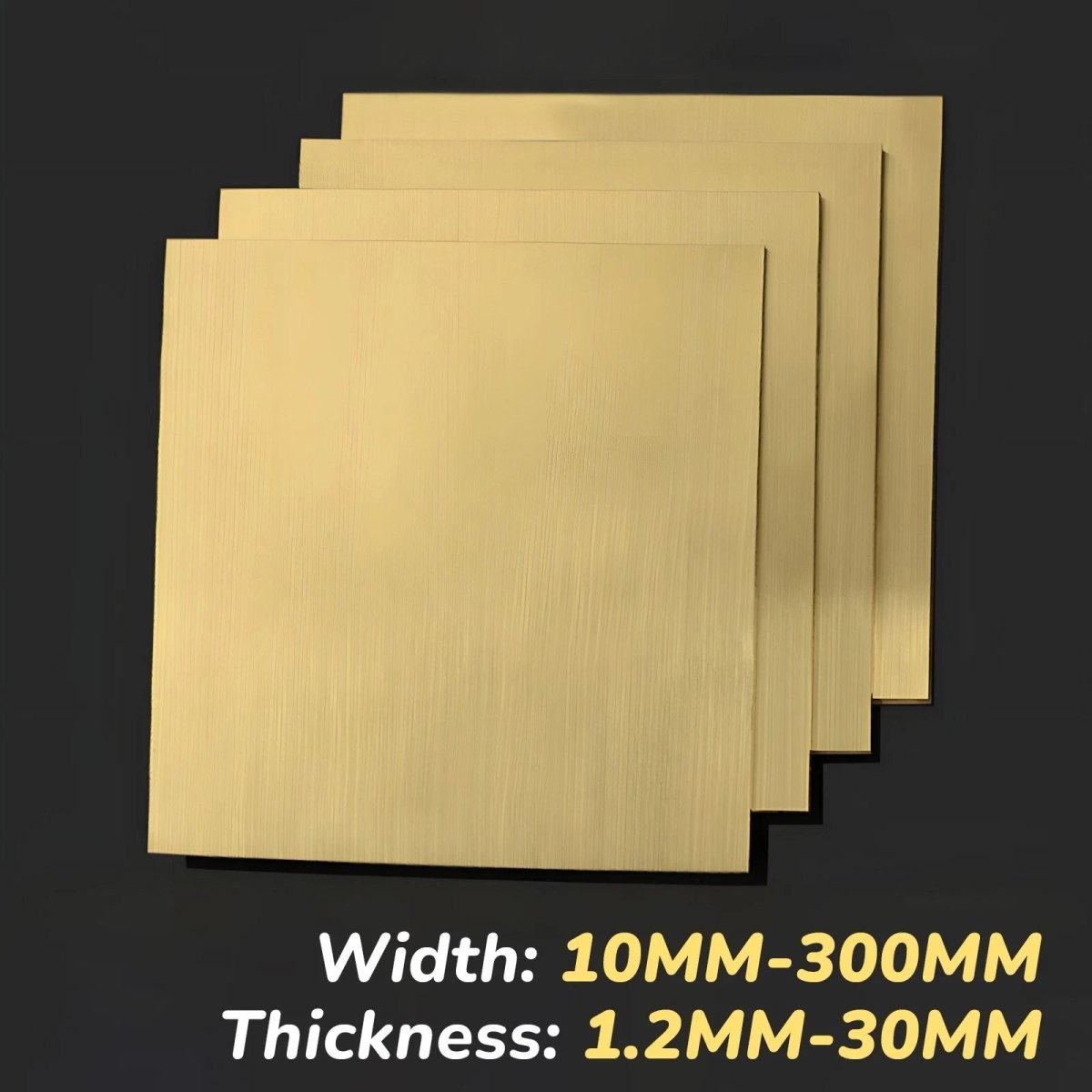
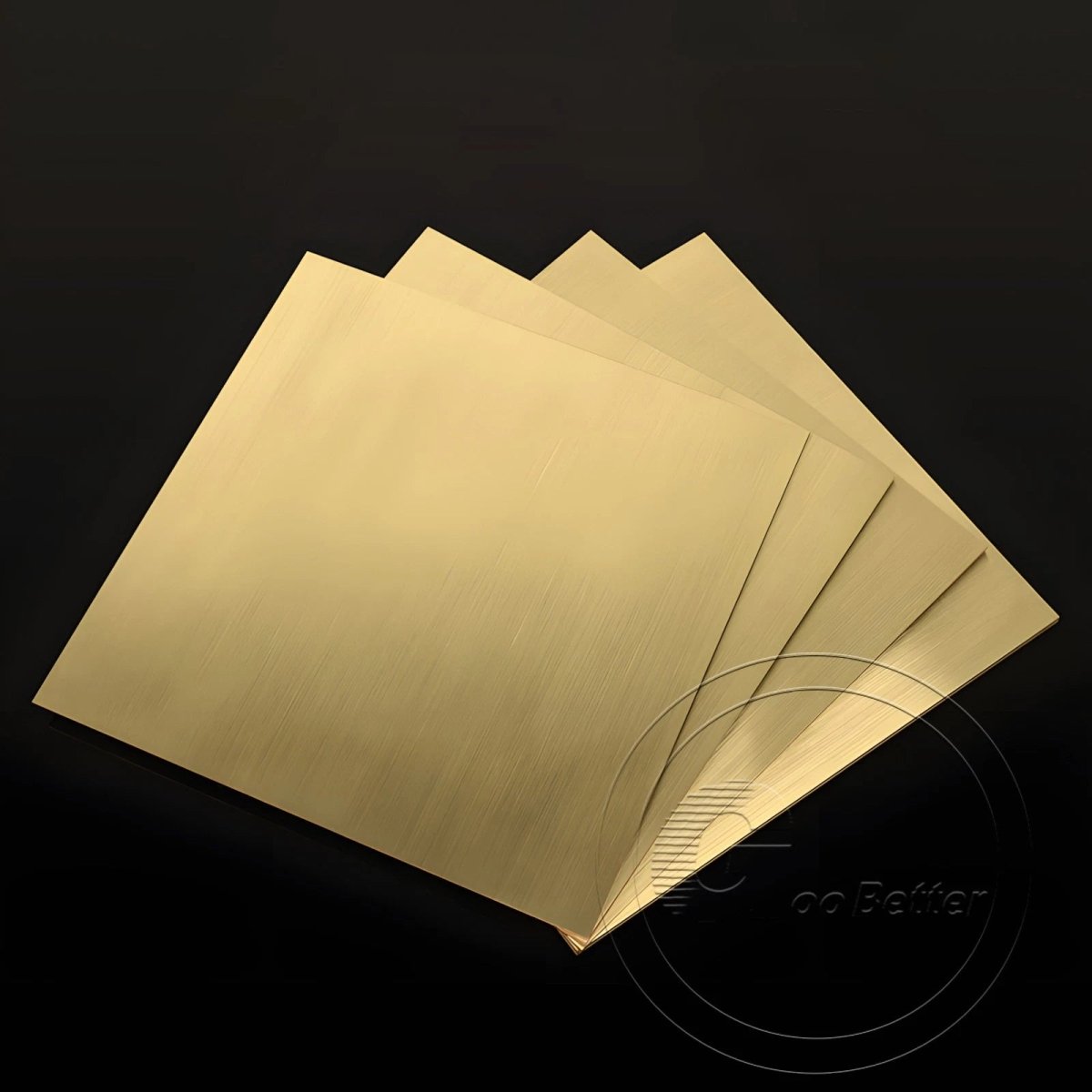
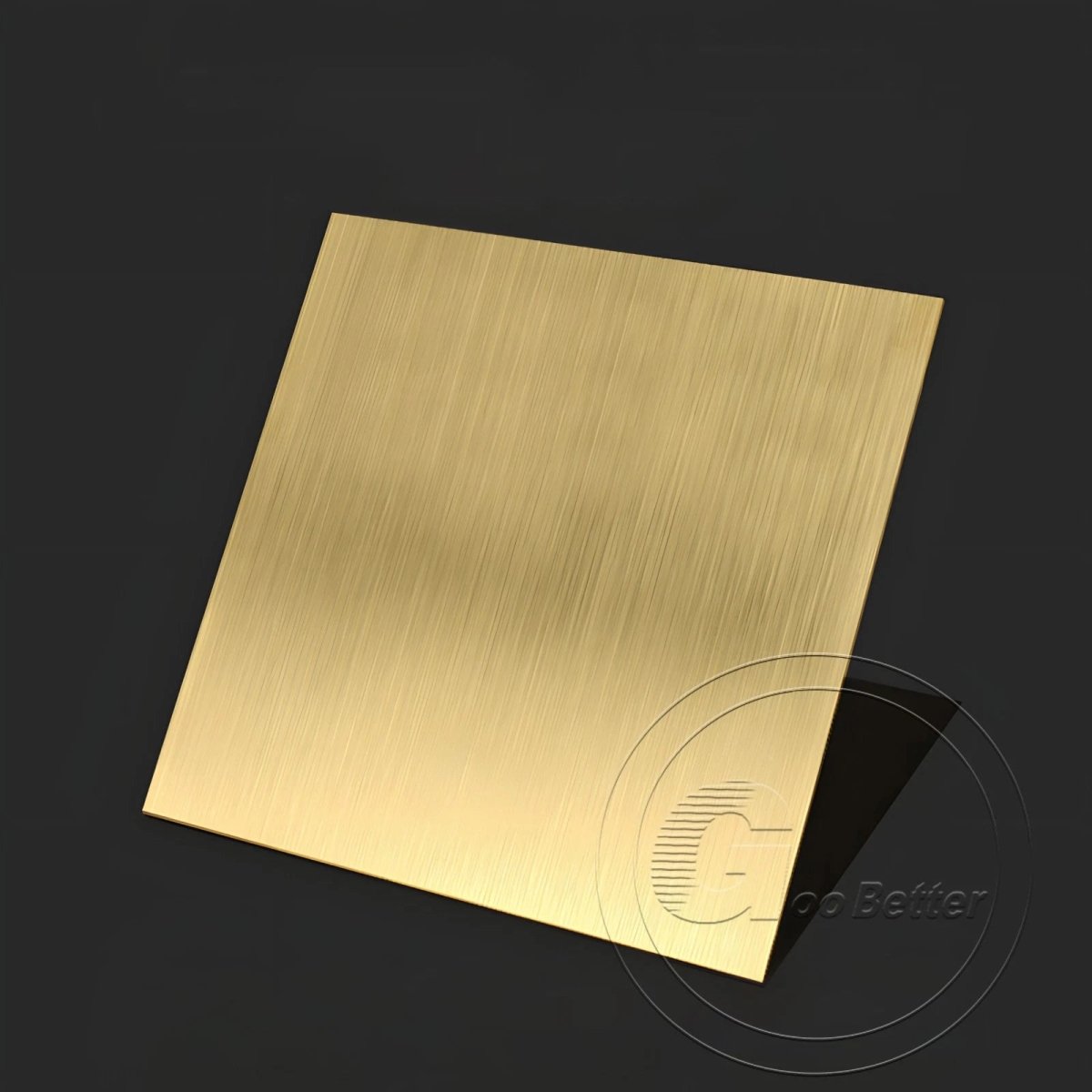
Brass Plate Square Brass Sheet Metal Guillotine Cut Thick 1-10MM Width 10-300MM

No reviews

Price:
Sale price$4.15 USD
Stock:
In stock (500 units), ready to be shipped

Payment & Security

Ach Direct Debit Amazon American Express Apple Pay Bancontact BLIK Diners Club Discover EPS Google Pay iDEAL Wero JCB Maestro Mastercard Multibanco MobilePay PayPal Przelewy24 Shop Pay Twint Union Pay USDC Visa

Your payment information is processed securely. We do not store credit card details nor have access to your credit card information.

Limited Offer — Spend More, Save More
Spend $55+
Save $5
Spend $100+
Save $10
Spend $200+
Save $25
HomeDIYer DIY Expert Support

DIY Expert Support

Get fitment advice & recommendations

Mon–Fri  8:30 AM – 8:00 PM
24-Hour Fast Ship
Arrives in 3–14 Days
Worldwide Shipping
30-Day Returns
1 tree planted with every purchase

Description

Brass Sheet Metal Plate — Precision Guillotine-Cut for DIY Fabrication

When your project demands a flat, dimensionally accurate metal blank and you can't afford warped edges or rough cuts, sourcing the right brass sheet becomes a real challenge. Whether you're a hobbyist machinist, a small-shop fabricator, or a maker building custom enclosures, you need stock that arrives ready to work — not stock that needs hours of cleanup. These brass sheet metal plates are guillotine-cut to your chosen dimensions so you can go straight from unboxing to layout.

Each plate is cut from C26000 cartridge brass (70% copper, 30% zinc), delivering a warm golden finish with good machinability and moderate corrosion resistance. Thickness options span 1.2 mm to 10 mm (~0.047" to ~0.394"), and width/length combinations range from 10 mm × 10 mm up to 400 mm × 400 mm (~0.39" × 0.39" to ~15.75" × 15.75"), with select rectangular cuts available up to 200 mm × 600 mm (~7.87" × 23.62").

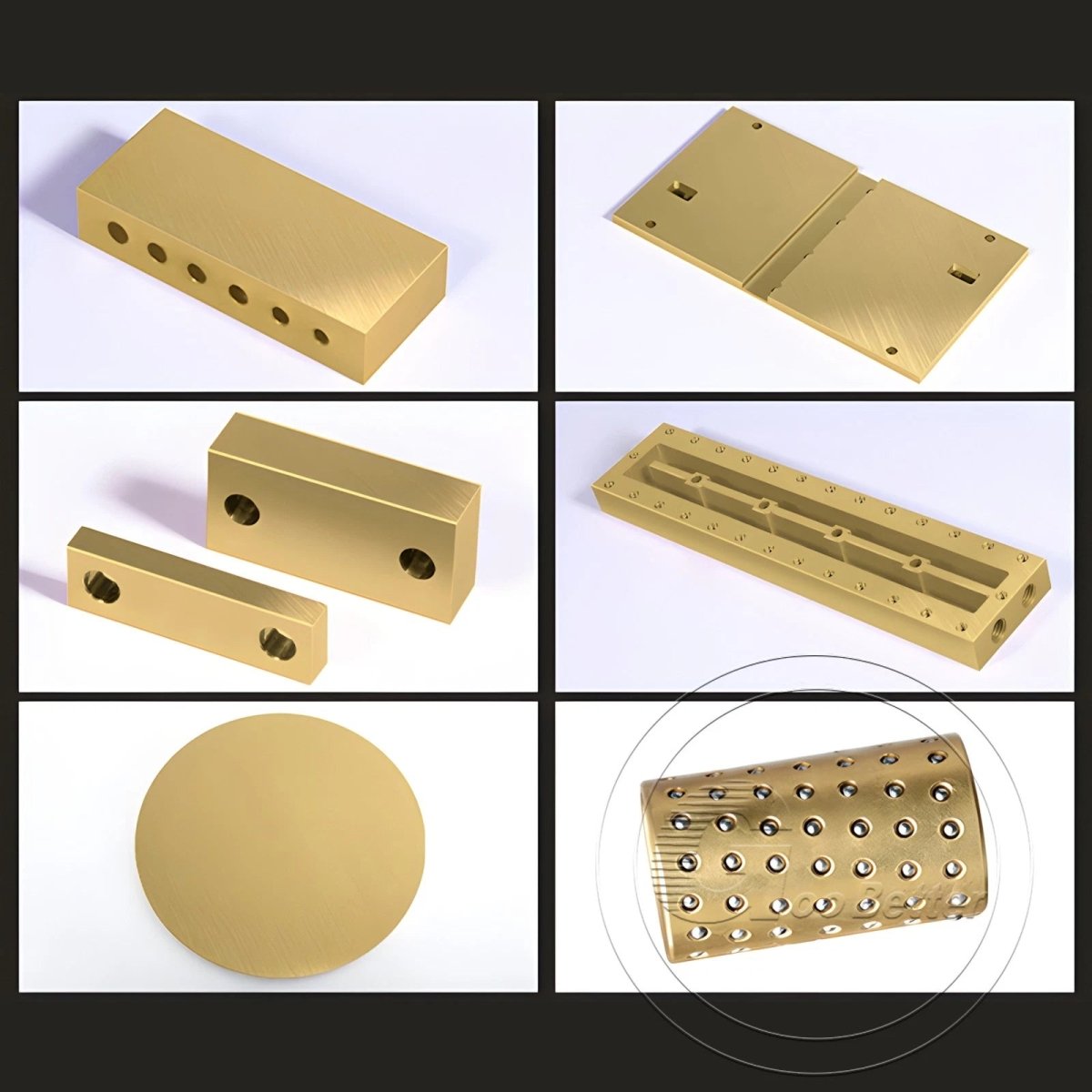
Typical applications include RF/EMI shielding panels for electronics enclosures, decorative inlay and engraving blanks for woodworking and jewelry, bearing spacers and shim stock for mechanical assemblies, and custom bracket or gusset blanks for light structural fabrication. The guillotine shear produces a clean, square edge that is ready for drilling, milling, bending, or soldering without secondary deburring on most thicknesses.

🔧 Compatible with: Standard metalworking tools — drill press, band saw, bench shear, milling machine, soldering iron, and most CNC routers with appropriate feeds and speeds for non-ferrous metals.

✅ Key Features of These Brass Sheet Metal Plates

  • 📐Guillotine-Cut Accuracy — Shear-cut edges are square and consistent, minimizing the need for secondary cleanup before layout or assembly.
  • 🔩Wide Thickness Range — Available from 1.2 mm to 10 mm, covering thin shim and shielding applications through heavier structural blanks in a single product listing.
  • 📏Broad Size Selection — Width and length combinations from 10 mm × 10 mm to 400 mm × 400 mm (plus extended rectangular cuts) let you order close to your finished size and reduce material waste.
  • C26000 Cartridge Brass Alloy — 70/30 brass offers a balance of workability, solderability, and corrosion resistance suitable for both indoor and lightly exposed outdoor applications.
  • ✂️Multi-Piece Packs Available — Select variants ship in 1, 2, or 4-piece quantities so you can order exactly what your project requires without over-buying.
  • 🛠️Ready for Multiple Processes — Suitable for drilling, tapping, milling, bending, laser engraving, and soft soldering without special tooling beyond standard non-ferrous cutting parameters.

📐 Technical Specifications — Brass Sheet Metal Plate

Material C26000 Cartridge Brass (70% Cu / 30% Zn)
Finish Mill finish (as-sheared)
Thickness Range 1.2 mm – 10 mm (0.047" – 0.394")
Width × Length Range 10 mm × 10 mm – 400 mm × 400 mm; select rectangular cuts to 200 mm × 600 mm
Cut Method Guillotine shear
Edge Condition Shear-cut, square; minor burr possible on thicker gauges
Tensile Strength (typical) ~330 MPa (48,000 psi) — varies by temper
Hardness (typical) See variant options
Temper See variant options
Quantity per Order 1 Pcs, 2 Pcs, or 4 Pcs (see variant options)
Weight See variant options (varies by size and thickness)

❓ Frequently Asked Questions

How do I choose the right thickness for my project?

For shielding panels, decorative inlays, and thin shims, thicknesses of 1.2 mm – 2 mm are typically sufficient. For structural brackets, bearing spacers, or parts that will be tapped for threads, 3 mm – 6 mm provides more material for thread engagement and rigidity. Thicknesses of 8 mm – 10 mm are suited to heavy-duty blanks where significant machining stock is needed.

How strong is brass compared to steel or aluminum?

C26000 brass has a typical tensile strength of around 330 MPa, which is lower than mild steel (~400 MPa) but higher than common 6061 aluminum (~310 MPa). Brass is not intended for high-load structural applications but performs well in brackets, spacers, decorative hardware, and electrical components where moderate strength and good machinability are priorities.

Is brass corrosion-resistant enough for outdoor use?

Brass offers moderate corrosion resistance and performs well in dry indoor environments and lightly exposed outdoor settings. In humid, marine, or chemically aggressive environments, brass can develop a patina (verdigris) over time. For long-term outdoor exposure, consider applying a clear lacquer or wax coating to the surface after fabrication.

Can I solder or braze these brass plates?

Yes. C26000 cartridge brass is one of the most solderable copper alloys. It accepts soft solder (tin-lead or lead-free) readily with standard flux, and can also be silver-brazed for higher-strength joints. Clean the surface with fine abrasive or flux before soldering to ensure good adhesion.

What tools do I need to cut or drill these plates?

For thinner plates (1.2 mm – 2 mm), a bench shear, aviation snips, or a jigsaw with a metal-cutting blade works well. For thicker plates (3 mm and above), a band saw, milling machine, or CNC router with non-ferrous tooling is recommended. Drilling requires standard HSS or cobalt drill bits at moderate speed with cutting fluid to prevent work-hardening and extend bit life.

How do I select the right size to minimize waste?

Measure your finished part dimensions and add at least 2–5 mm on each edge for layout lines and any cleanup cuts. Choose the next available size up from your finished dimensions. For rectangular parts, check whether a rectangular variant (e.g., 50 mm × 100 mm or 100 mm × 200 mm) is available to reduce offcuts compared to ordering a square plate and cutting it down.

Can I engrave or etch these brass plates?

Yes. The mill-finish surface of these plates is well-suited for rotary engraving, laser engraving (CO2 or fiber laser with appropriate settings), and chemical etching. For laser engraving, a fiber laser produces the sharpest results on bare brass. Applying a marking spray before CO2 laser engraving can also produce good contrast.

🛒 Select your Thickness × Width × Length and Amount above, then add to cart.

You may also like

Recently viewed