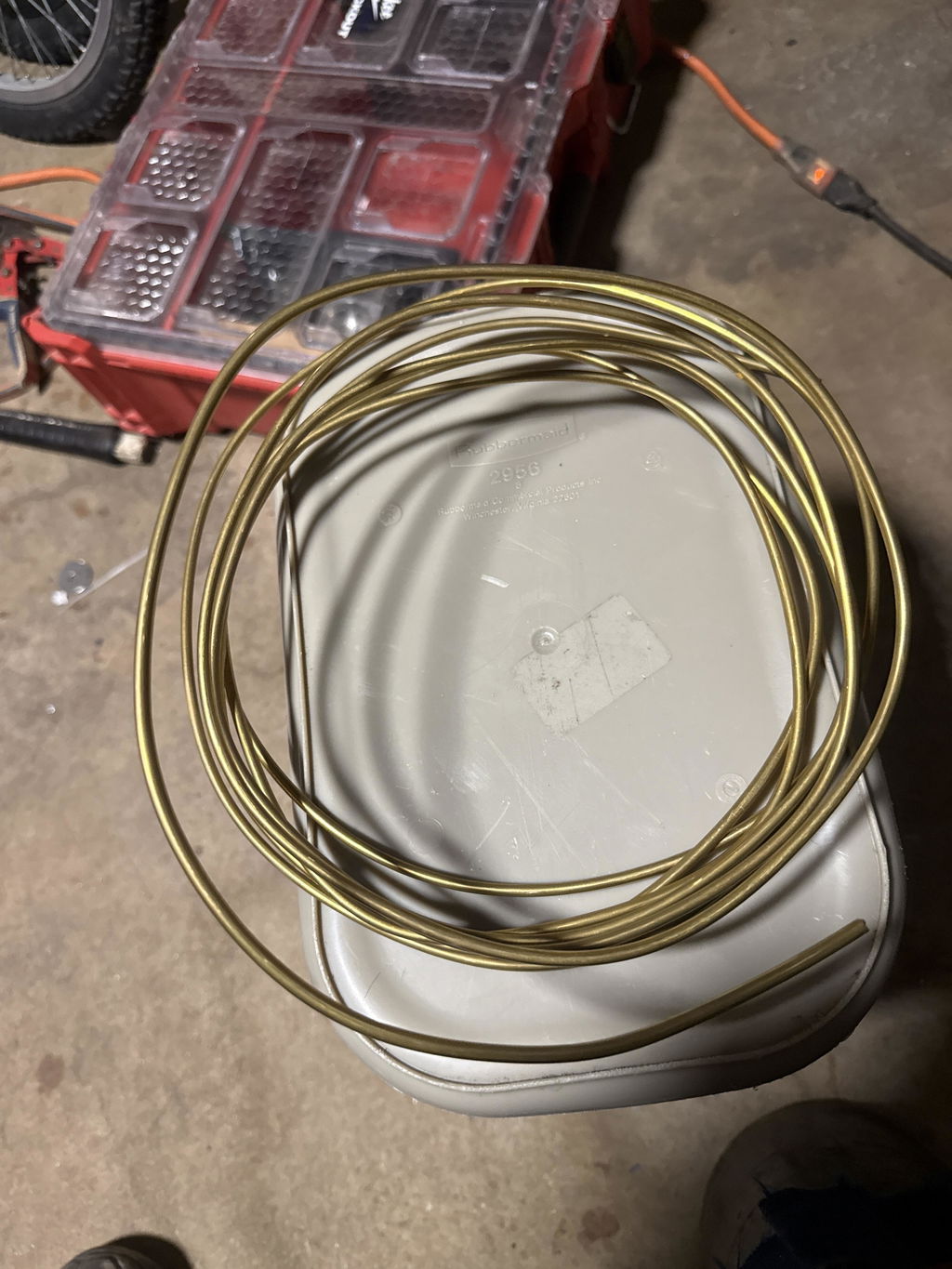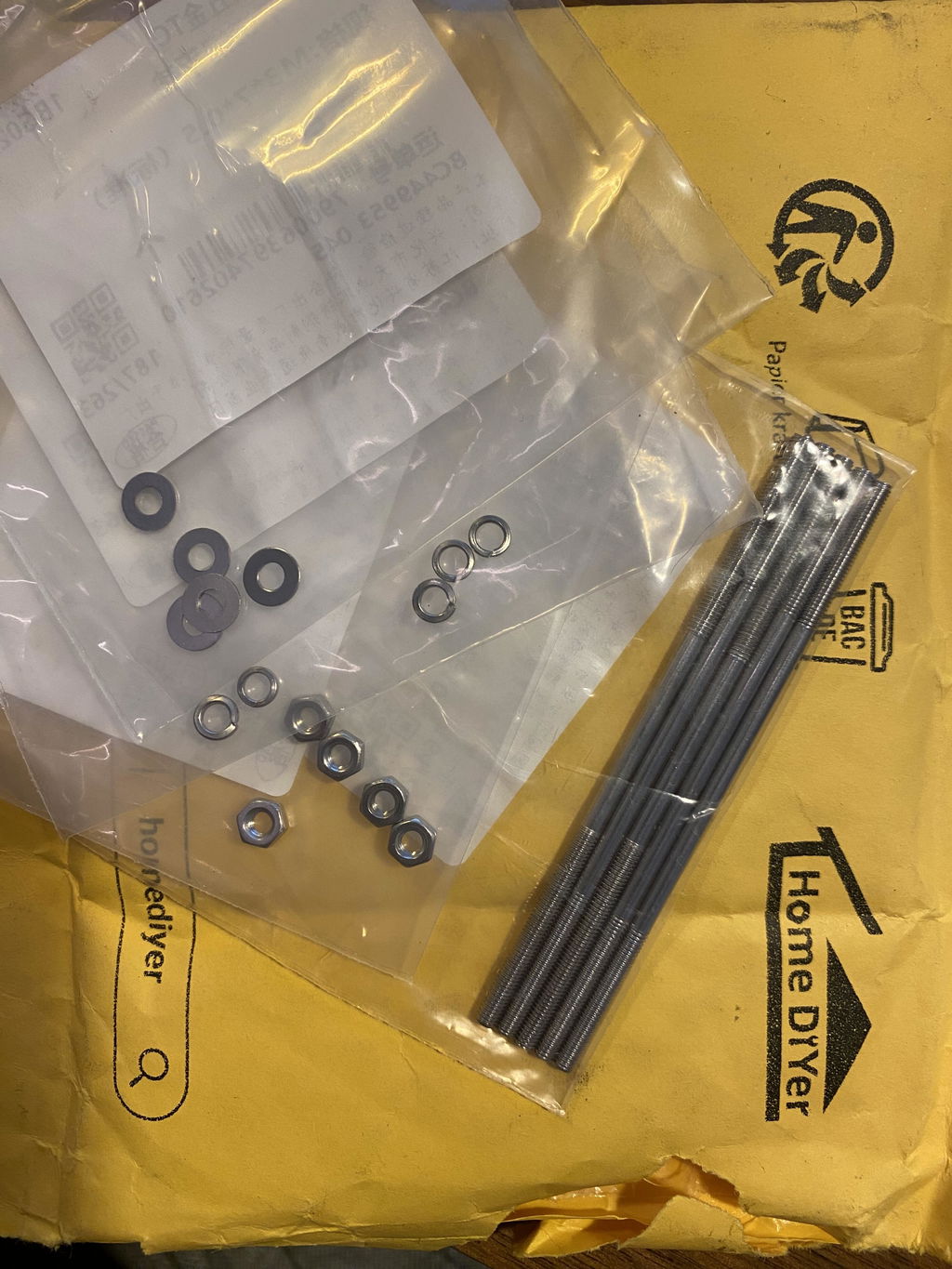
The chain is fine...but I ordered the wrong size. Nine links of the chain I ordered equals six of the size I wanted. My error...
How can I straighten out the springs? I can't use them coil uo as is.
Your payment information is processed securely. We do not store credit card details nor have access to your credit card information.
Get fitment advice & recommendations
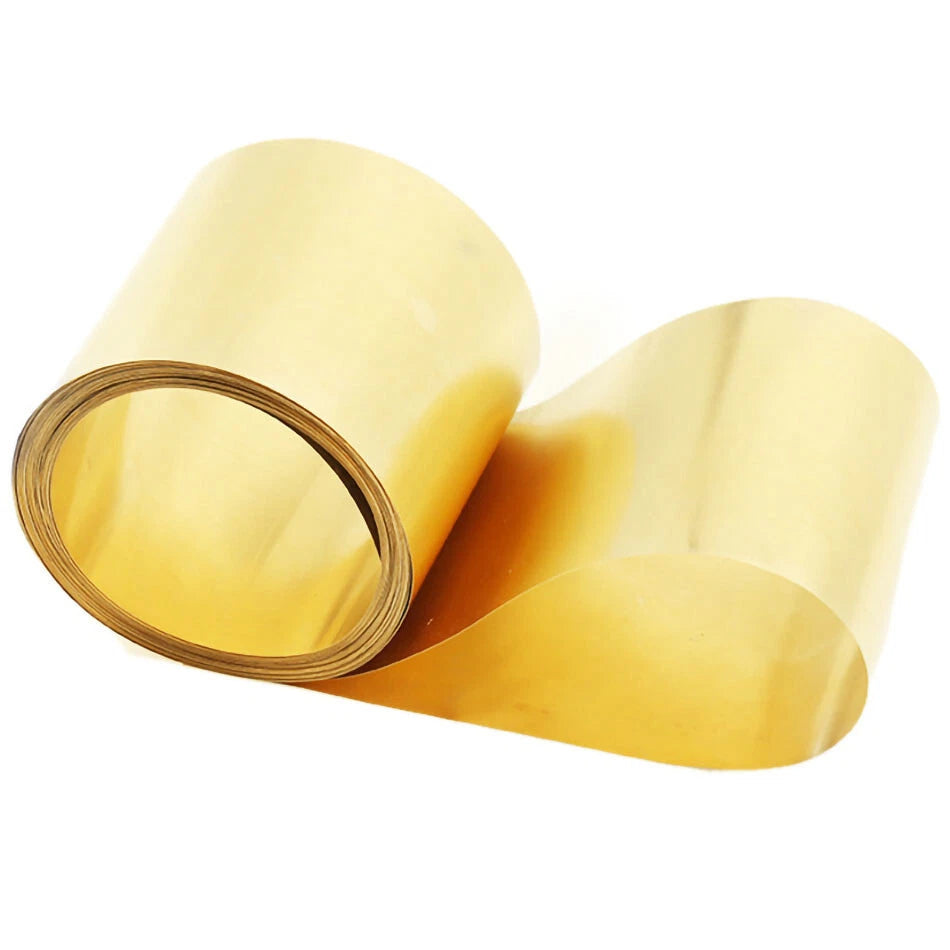
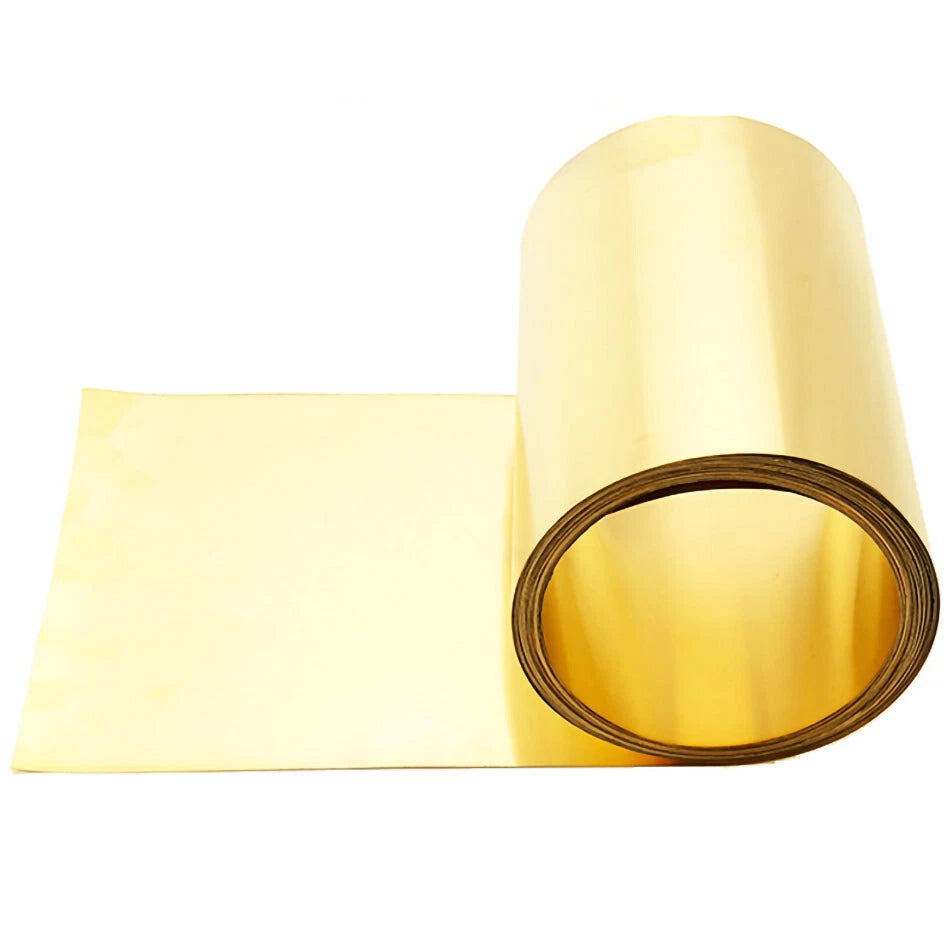
Finding the exact brass thickness for a precision shim, craft inlay, or electrical grounding strip can be a frustrating search — especially when most suppliers only stock a handful of gauges. Whether you are a maker, model engineer, jeweller, or workshop technician, this listing gives you access to brass flat stock in 102 carefully curated size combinations, so you can order exactly what your project demands without cutting waste or compromising fit.
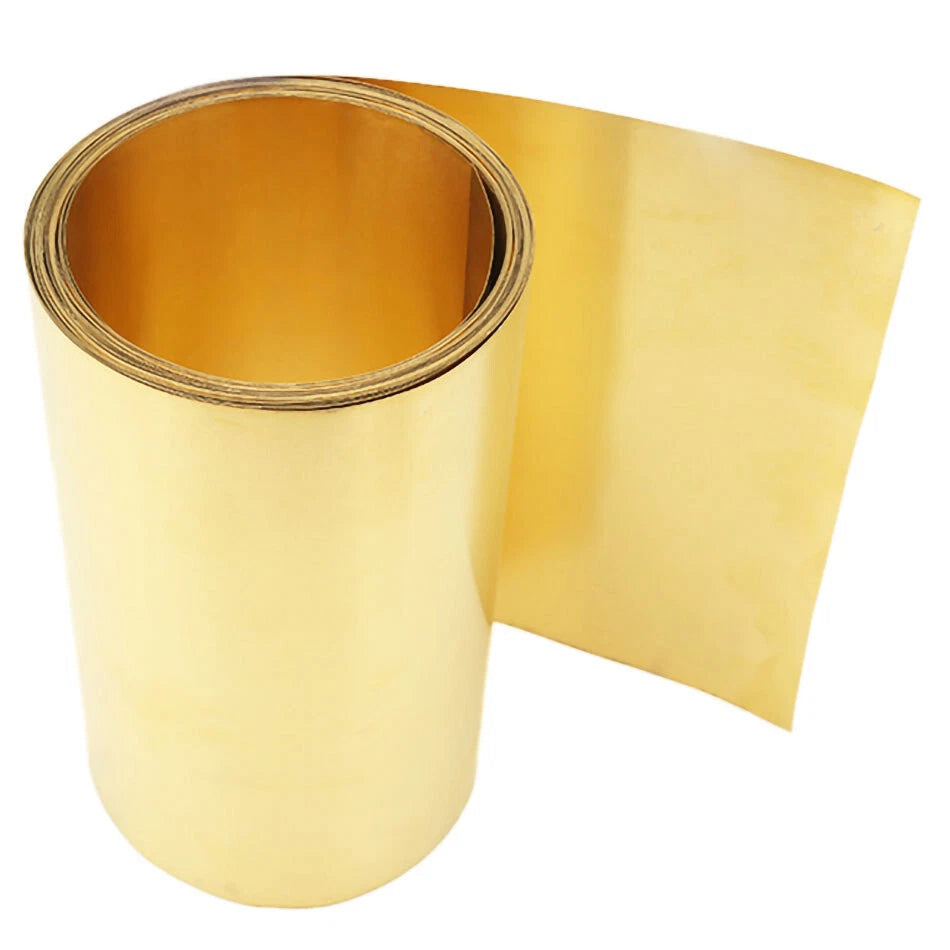
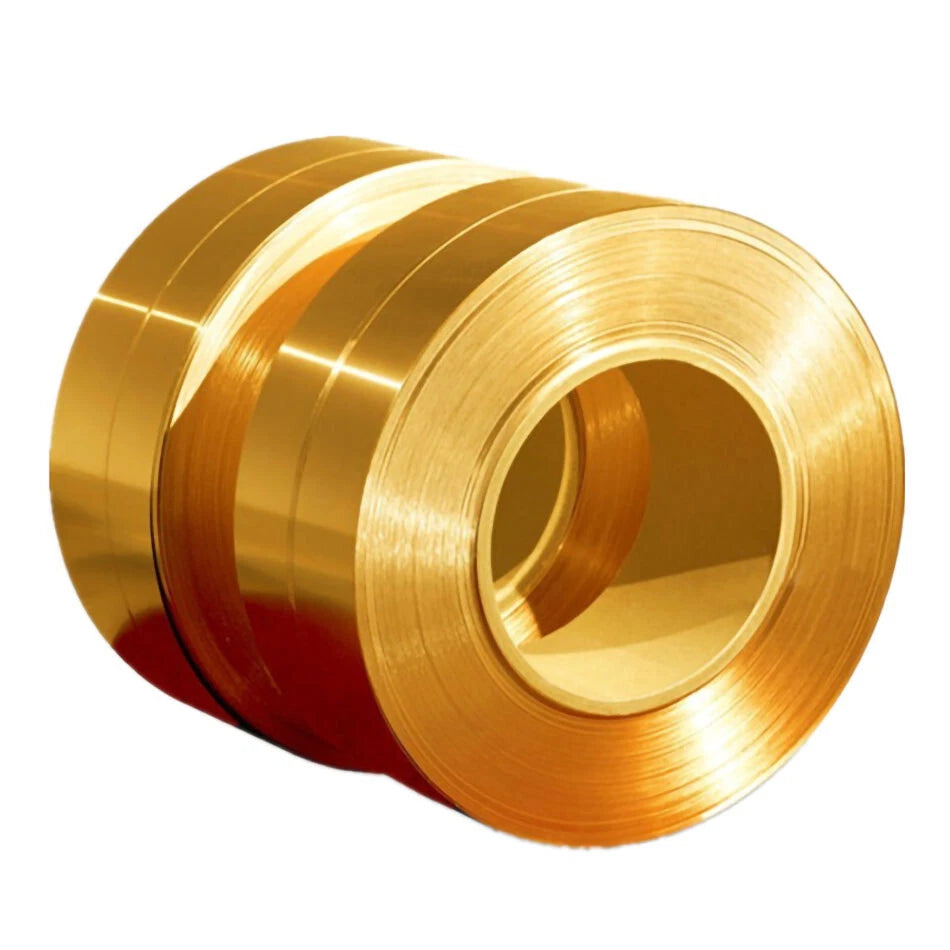
Each piece is solid brass flat stock (copper-zinc alloy, typically C260 or equivalent), supplied in a continuous roll or strip. Thickness ranges from 0.01 mm (0.0004 in) up to 1 mm (0.039 in), and width options span from 10 mm (0.39 in) to 400 mm (15.75 in). Length is selectable at 1 m, 2 m, 5 m, or 10 m per order, giving you the right quantity for both one-off repairs and ongoing production runs.
Typical applications include precision shimming and gap-filling in mechanical assemblies, decorative inlay and marquetry for woodworking, EMI/RF shielding tape in electronics enclosures, gasket material for low-pressure fluid systems, and thin-gauge stock for jewellery forming and etching. The consistent rolled finish makes it suitable for chemical etching, soldering, and light forming without annealing for thicknesses up to approximately 0.3 mm.
| Material | Brass (copper-zinc alloy, typically C260 or equivalent) |
|---|---|
| Item Type | Flat Stock / Sheet / Foil / Tape |
| Thickness Range | 0.01 mm – 1 mm (0.0004 in – 0.039 in) |
| Width Range | 10 mm – 400 mm (0.39 in – 15.75 in) |
| Available Lengths | 1 m, 2 m, 5 m, 10 m |
| Number of Size Options | 102 combinations |
| Surface Finish | Rolled, smooth both sides |
| Colour | Golden yellow (natural brass) |
| Tensile Strength (typical) | See variant options |
| Hardness | See variant options |
| Max Continuous Service Temp. | Approx. 200 °C (dry, non-structural) |
| Corrosion Resistance | Moderate; suitable for dry/indoor use; lacquer recommended for outdoor |
| Electrical Conductivity | Approx. 28% IACS (typical for C260 brass) |
| Condition | New |
For precision shimming or gap-filling, measure the gap with feeler gauges and select the matching thickness. For decorative inlay or etching, 0.1 mm – 0.3 mm is a common starting point as it is thin enough to cut with scissors or a craft knife yet rigid enough to hold shape. For structural shims or gaskets, 0.5 mm – 1 mm provides more load-bearing capacity. If you are unsure, order a 1 m sample of your target thickness first.
Thicknesses up to approximately 0.3 mm can typically be cut with sharp scissors, a craft knife and steel rule, or tin snips. Thicknesses from 0.4 mm to 1 mm are better suited to metal shears, a jeweller's saw, or a rotary tool with a cutting disc. Always deburr cut edges with a fine file or sandpaper for safe handling.
Yes. Brass solders readily with standard tin-lead or lead-free electronics solder using a rosin flux, and can be silver-brazed for higher-strength joints. Clean the surface with fine abrasive paper or flux before soldering to remove any surface oxidation. Avoid overheating thin foil (under 0.1 mm) as it can warp or burn through quickly.
Brass has moderate natural corrosion resistance and performs well in dry indoor environments. In outdoor, marine, or high-humidity settings, the surface will gradually develop a patina (oxidation layer). To preserve the bright finish, apply a clear lacquer, wax, or brass-specific sealant after cleaning. For fully corrosion-resistant applications, consider stainless steel or copper alternatives.
For EMI/RF shielding applications, a thickness of 0.05 mm – 0.1 mm is commonly used as it is thin enough to conform to enclosure seams while still providing effective shielding. Width depends on your seam or aperture size — 10 mm to 50 mm widths are typical for cable wrapping and enclosure seams. Order a length that covers your full run with 10–15% extra for overlaps and trimming.
Yes. Thicknesses of 0.1 mm – 0.3 mm are popular for jewellery forming, stamping, and chemical etching (using ferric chloride or similar etchants). The rolled surface accepts resist films and permanent marker well for masking. Thinner gauges (0.01 mm – 0.05 mm) are more suited to decorative overlays and gilding rather than structural jewellery components.
Thinner gauges (typically under 0.3 mm) are supplied as a coiled roll due to their flexibility. Thicker gauges may arrive as a flat strip or light coil depending on the width and length ordered. To flatten a coiled piece, place it under a flat heavy object for 24 hours, or gently reverse-bend it against a flat surface. Avoid sharp creasing when unrolling.