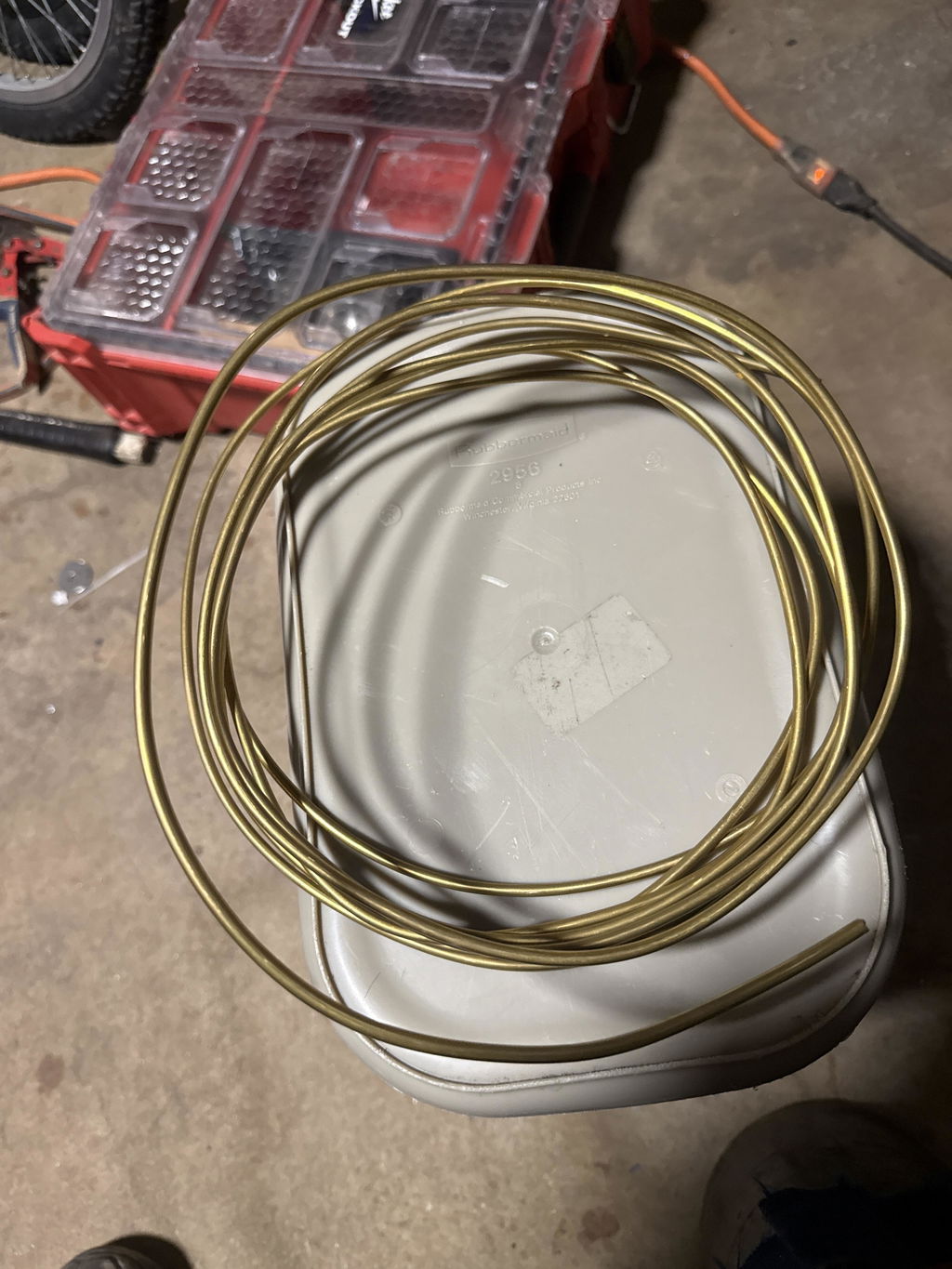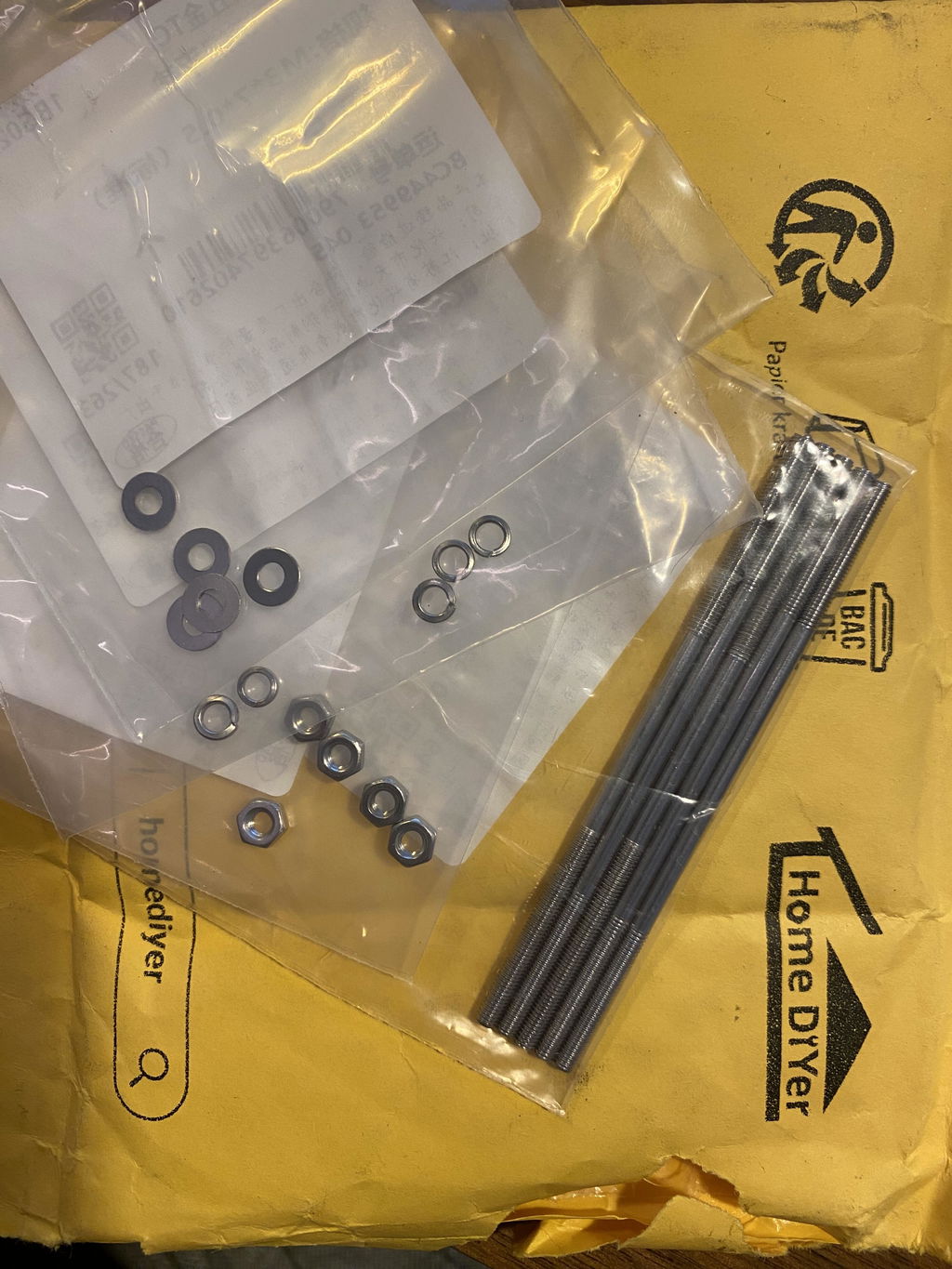
The chain is fine...but I ordered the wrong size. Nine links of the chain I ordered equals six of the size I wanted. My error...
How can I straighten out the springs? I can't use them coil uo as is.
Your payment information is processed securely. We do not store credit card details nor have access to your credit card information.
Get fitment advice & recommendations
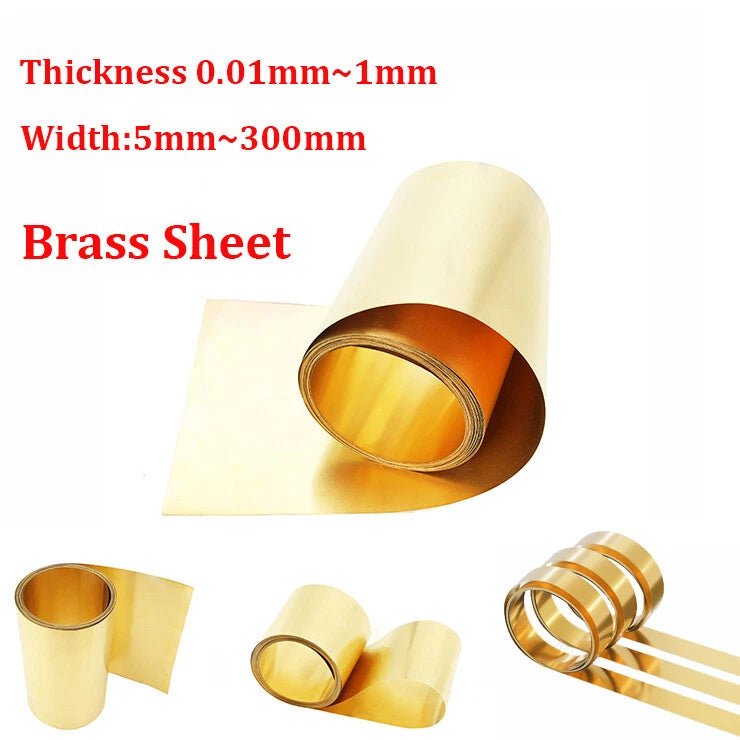
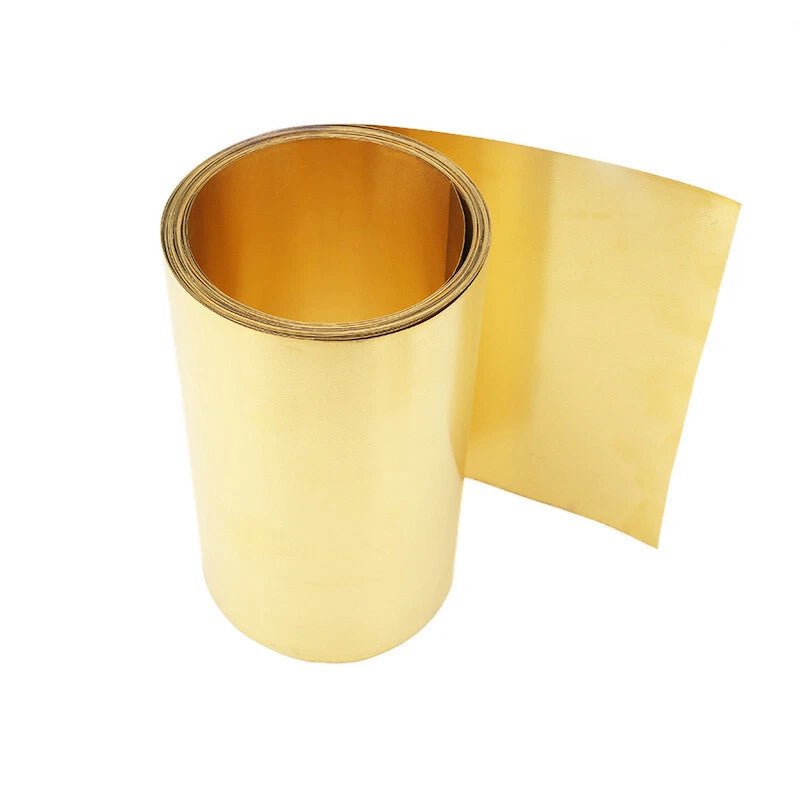
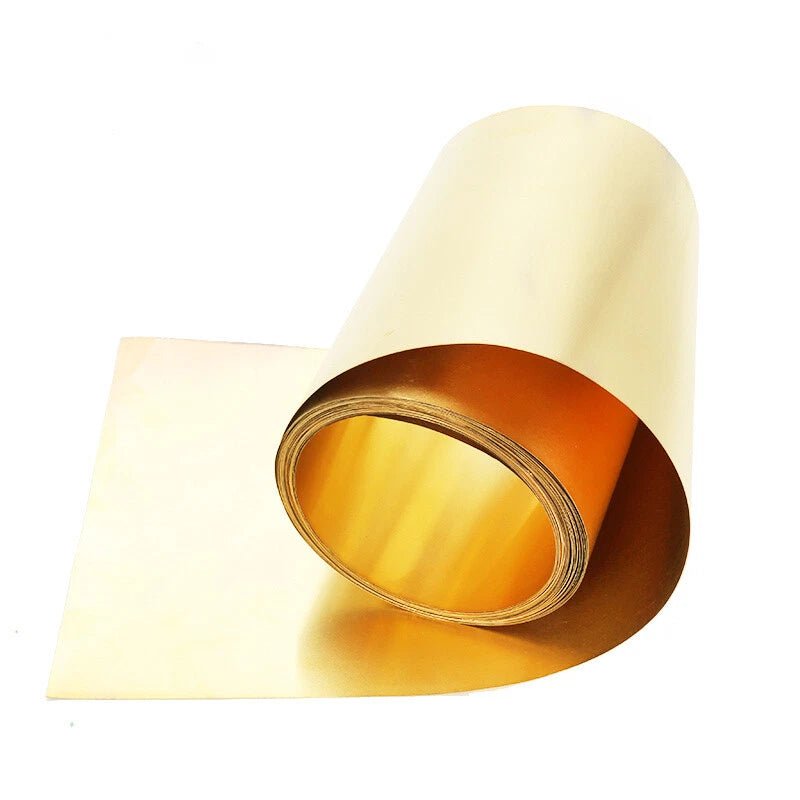
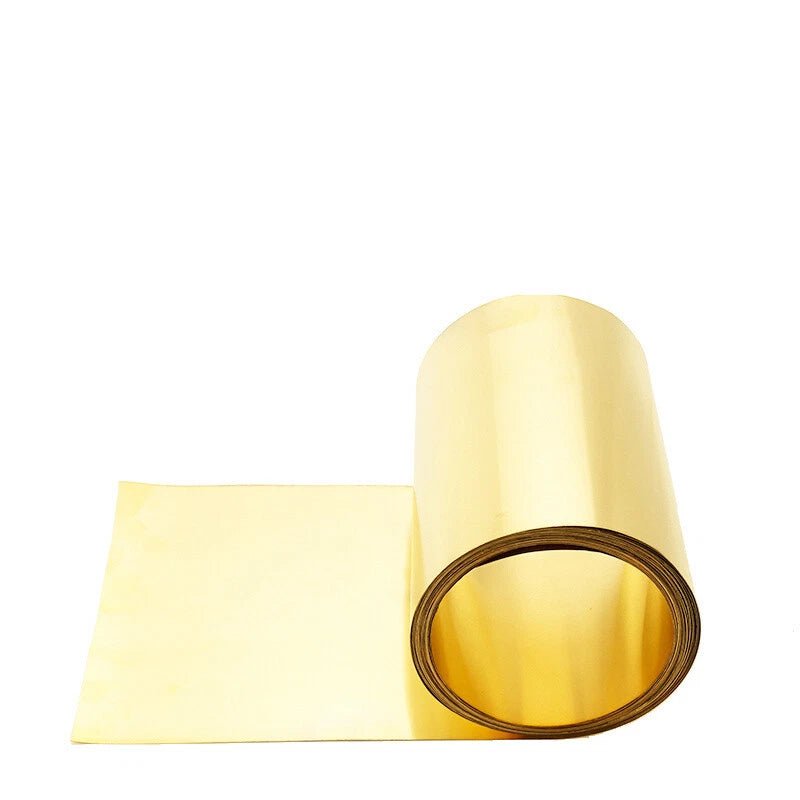
When your project demands a thin, workable metal sheet that holds its shape and machines cleanly, finding the right gauge in the right length is half the battle. Whether you are a scale modeler, a hobbyist engraver, or a workshop builder needing shim stock or RF shielding material, this guillotine-cut brass foil sheet delivers the dimensional accuracy and surface consistency that hand-cut alternatives simply cannot match.
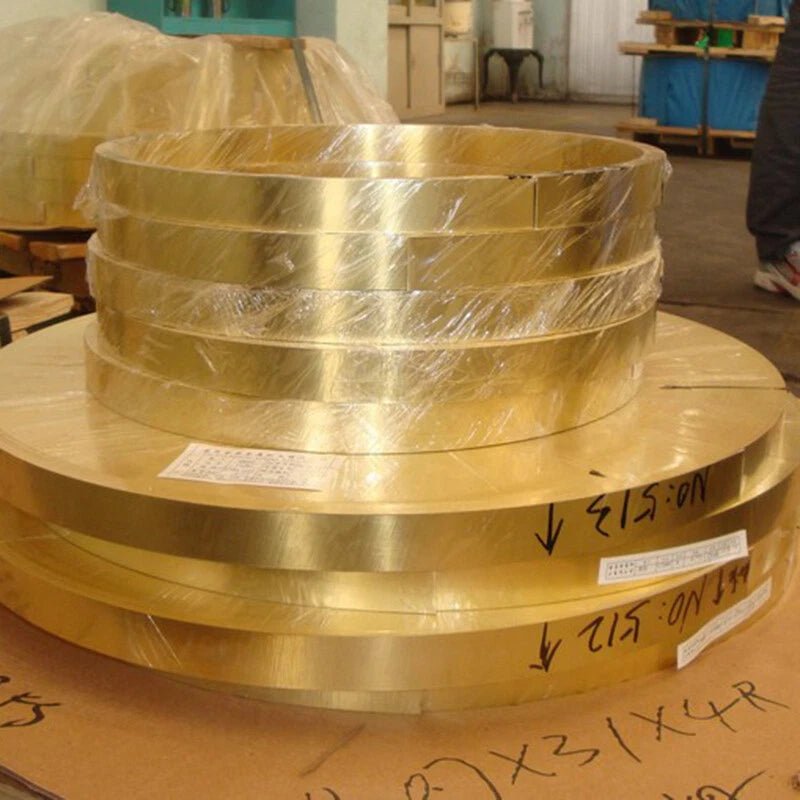
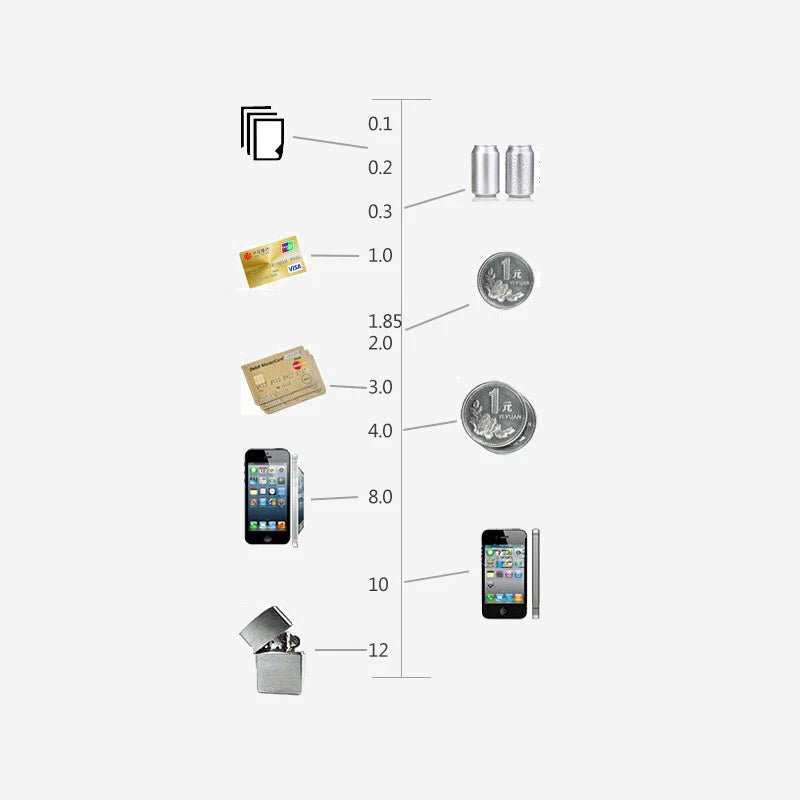
Each piece is cut from C26000 cartridge brass (70% copper / 30% zinc) strip stock, offering a warm golden finish and excellent machinability. Thickness options span 0.1 mm to 1 mm (approximately 0.004 in to 0.039 in), with a fixed width of 200 mm (≈ 7.87 in) and a choice of 0.5 M or 1 M lengths. Edges are shear-cut square, minimizing burrs and reducing prep time before use.
Typical applications include architectural scale models and dioramas requiring thin brass sheet for model making, electrical shielding panels and EMI gaskets in electronics enclosures, decorative inlay and engraving blanks for jewelry and craft work, and precision shim stock for machinery alignment and gap-filling in small-engine repair.
| Material | C26000 Cartridge Brass (Cu 70% / Zn 30%) |
|---|---|
| Thickness Range | 0.1 mm – 1.0 mm (0.004 in – 0.039 in) |
| Width | 200 mm (7.87 in) |
| Length Options | 0.5 M (500 mm / 19.69 in) or 1 M (1000 mm / 39.37 in) |
| Cut Method | Guillotine shear cut |
| Surface Finish | Mill finish, bright golden |
| Hardness (typical) | Half-hard (H02), approx. 75–85 HRB |
| Tensile Strength (typical) | Approximately 380–450 MPa |
| Corrosion Resistance | Good in dry and mildly humid environments; susceptible to dezincification in aggressive media |
| Solderability | Excellent with standard rosin or water-soluble flux |
| Weight per Sheet | See variant options |
| Tolerance (thickness) | See variant options |
For decorative inlay, engraving blanks, or very fine model details, 0.1–0.2 mm is easiest to cut with scissors or a craft knife. For structural model parts, shims, or shielding panels that need to hold shape under light load, 0.3–0.5 mm offers a good balance of rigidity and workability. Thicknesses of 0.6–1 mm are suited to heavier shim stock, small brackets, and parts that will be soldered into assemblies.
C26000 cartridge brass in the half-hard temper has a tensile strength of approximately 380–450 MPa, making it suitable for light structural applications such as model frames, brackets, and shim stock. It is not intended for high-stress mechanical components or applications requiring engineering-grade structural metals.
Brass naturally develops a patina when exposed to air and humidity. In dry indoor environments it remains bright for extended periods. For outdoor or high-humidity use, a clear lacquer or wax coating is recommended. Avoid prolonged contact with ammonia-based cleaners or salt water, which can accelerate dezincification in 70/30 brass alloys.
Yes. Thinner gauges (0.1–0.3 mm) can be cut with a fiber laser or high-power CO₂ laser with appropriate settings. CNC routers with carbide end mills work well across all thicknesses. For hand cutting, aviation snips or a guillotine paper trimmer work on gauges up to approximately 0.3–0.4 mm; thicker sheets require metal shears or a bench-mounted cutter.
Yes. C26000 brass has excellent solderability with standard rosin-core or water-soluble flux solders. For brazing, use a silver-bearing brazing alloy and a propane or MAPP torch. Clean the surface with fine abrasive or flux before joining to ensure a strong bond.
The 0.5 M length (500 mm) is ideal for single-piece model components, small shielding panels, or trial cuts when you are testing a new design. The 1 M length (1000 mm) offers better value per unit area for larger projects or when you need multiple pieces from a single strip. Both lengths share the same grain direction and surface quality.
Yes. C26000 brass etches cleanly with ferric chloride and other standard brass etchants, making it suitable for decorative chemical etching, nameplate production, and craft PCB-style artwork. It is not a standard PCB substrate material, but it is widely used in hobbyist etching for decorative and artistic applications.