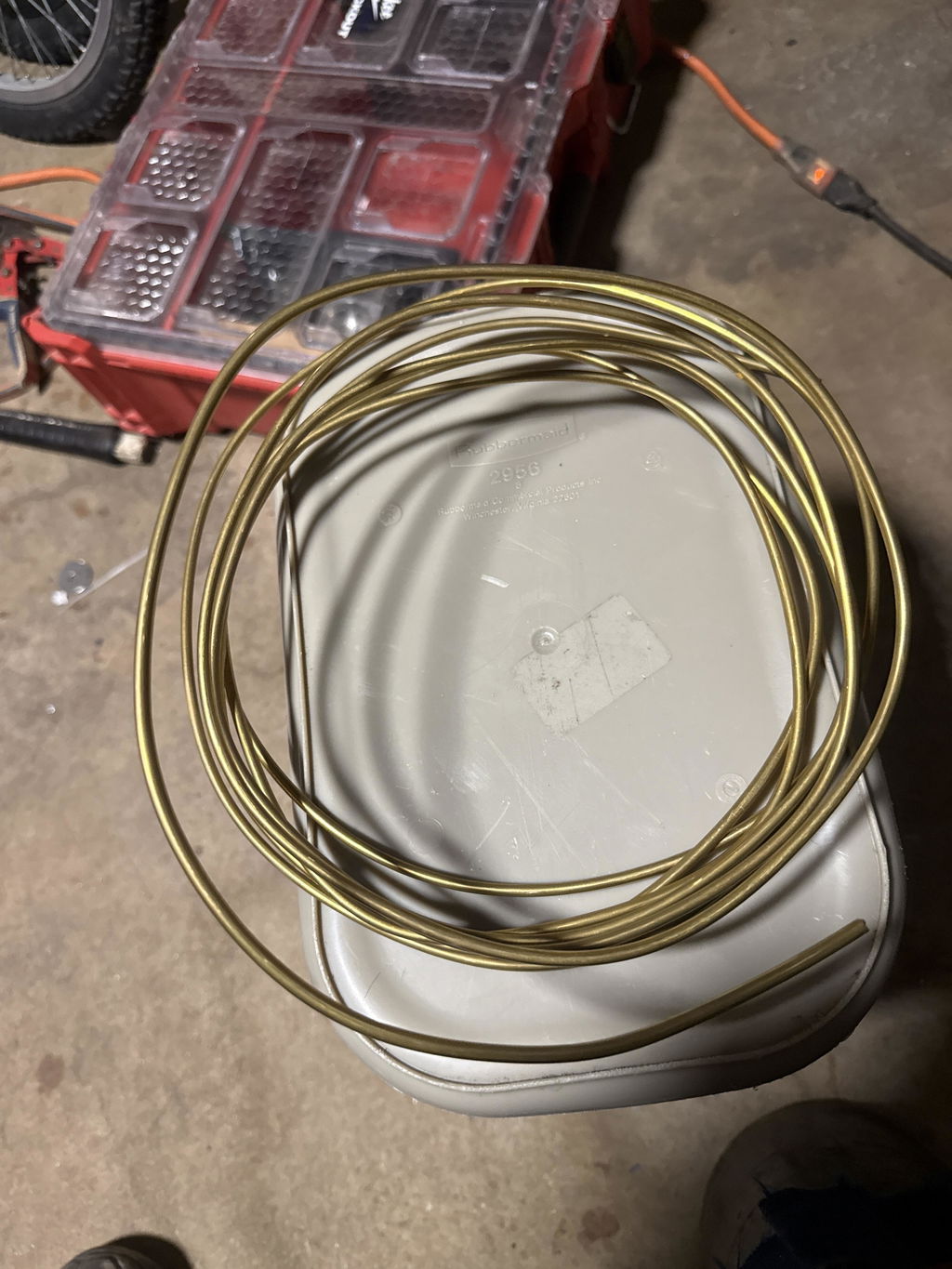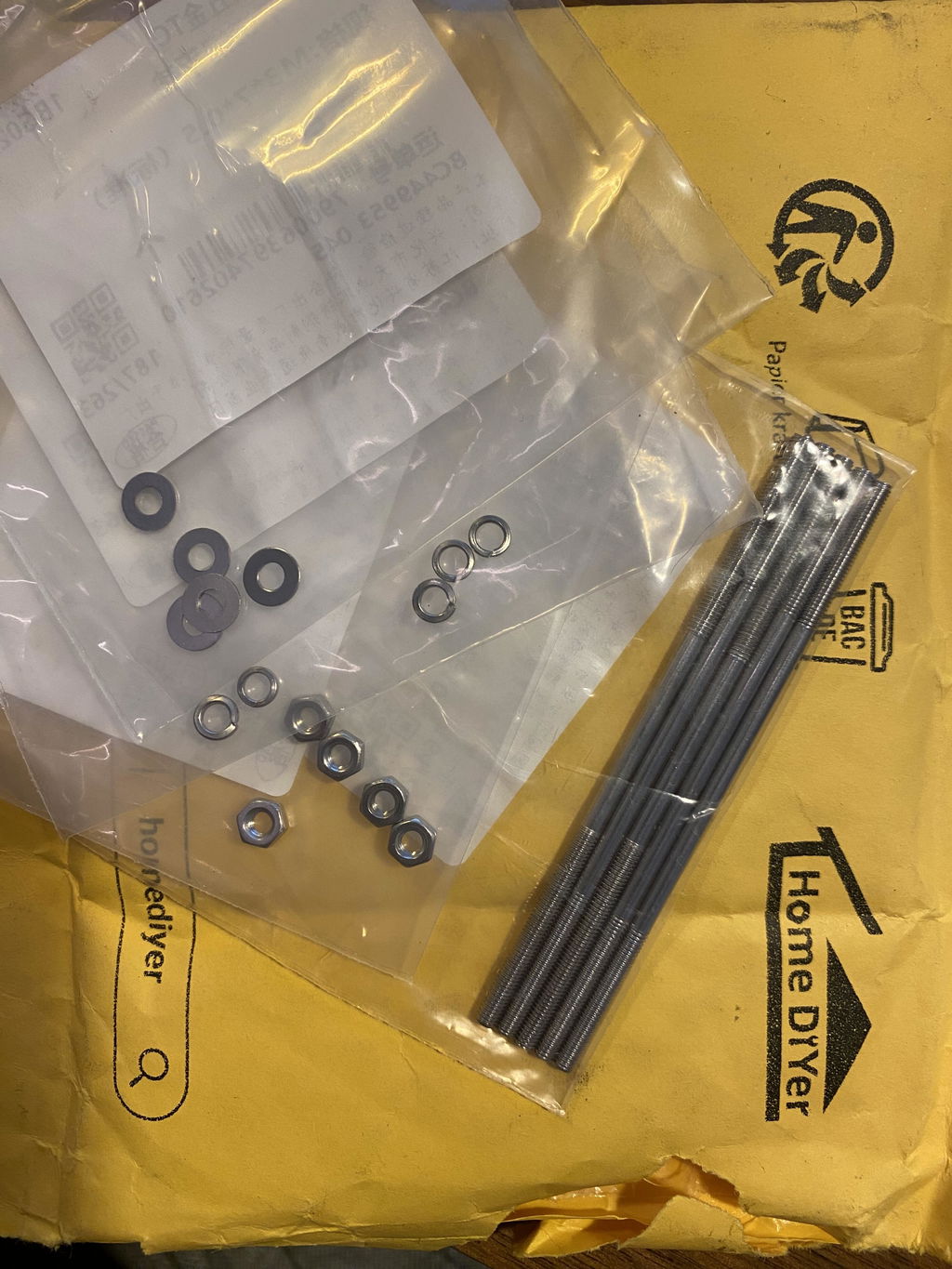
The chain is fine...but I ordered the wrong size. Nine links of the chain I ordered equals six of the size I wanted. My error...
How can I straighten out the springs? I can't use them coil uo as is.
Your payment information is processed securely. We do not store credit card details nor have access to your credit card information.
Get fitment advice & recommendations
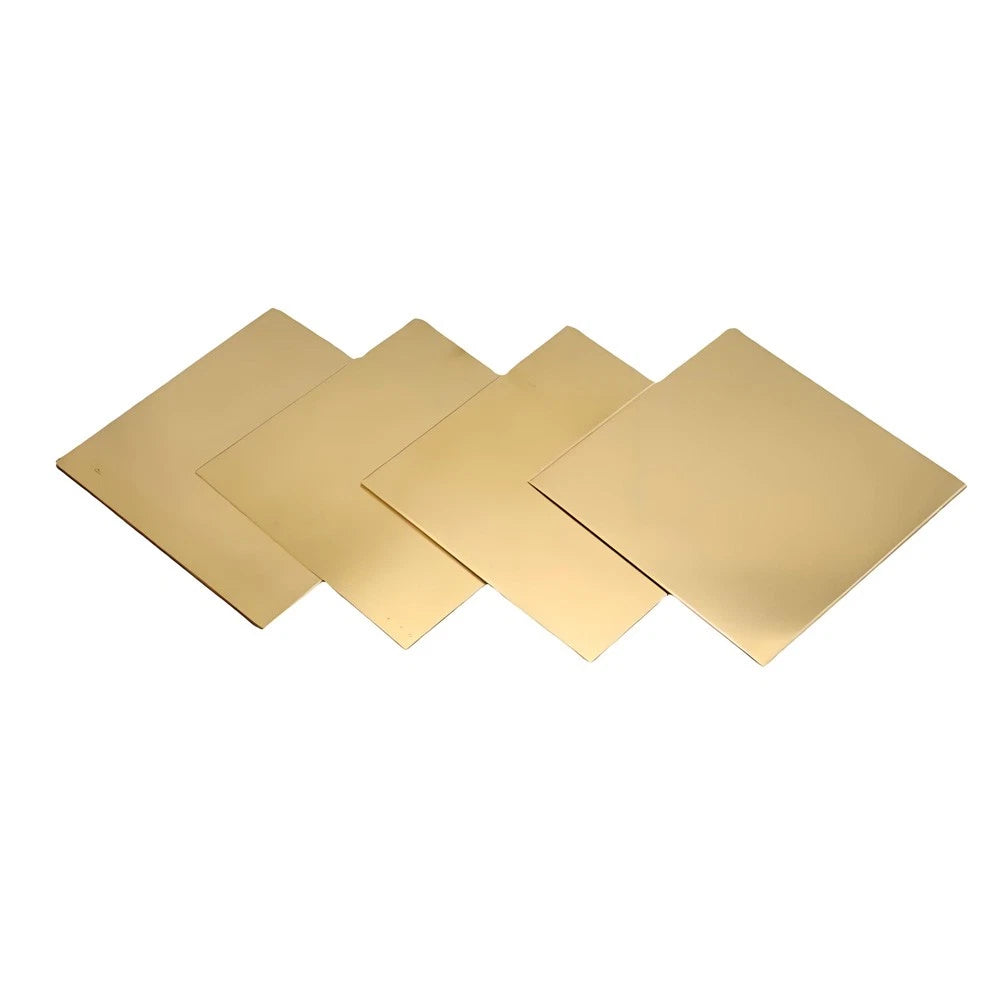
When your project demands a flat, burr-free metal blank that drops straight into a jig or fixture without extra prep, sourcing the right cut matters. Hobbyists, model engineers, electronics makers, and small-shop fabricators all face the same frustration: sheet stock that arrives warped, oversized, or with ragged shear edges that need hours of cleanup. These guillotine-cut brass sheets are sized and sheared to order so you can move directly from unboxing to layout.
Each piece is cut from C260 cartridge brass — an alloy of approximately 70% copper and 30% zinc — delivering a balance of workability, solderability, and corrosion resistance. Sizes span from compact 10 mm × 10 mm (approx. 0.39 in × 0.39 in) test coupons up to full 300 mm × 300 mm (approx. 11.8 in × 11.8 in) blanks, with thickness options from an ultra-thin 0.1 mm (0.004 in) shim stock all the way to a structural 5 mm (0.197 in) plate. Quantity options of 1, 2, or 4 pieces per order let you match your exact project needs without over-buying.
Typical use cases include: crafting custom shim stacks and bearing spacers for mechanical assemblies; cutting decorative inlay panels and name-plate blanks for woodworking and furniture projects; fabricating RF shielding enclosures and grounding straps in electronics prototyping; and producing flat pattern blanks for jewellery, etching, and engraving work where a clean, consistent surface is essential.
| Material | Brass (C260 / 70-30 Cartridge Brass) |
|---|---|
| Composition | ~70% Copper, ~30% Zinc |
| Finish | Bright Mill Finish (uncoated) |
| Thickness Range | 0.1 mm – 5.0 mm (0.004 in – 0.197 in) |
| Length × Width Options | 10×10 mm up to 300×300 mm (see variant options) |
| Cut Method | Guillotine / Shear Cut |
| Edge Condition | Sheared, low-burr |
| Quantity per Order | 1 Pcs / 2 Pcs / 4 Pcs (see variant options) |
| Hardness (typical) | See variant options |
| Tensile Strength (typical) | See variant options |
| Weight per Piece | See variant options |
| Applications | Shims, spacers, inlays, RF shielding, jewellery blanks, engraving stock, model engineering |
For shim and spacer applications, 0.1 mm–0.3 mm is typical. For decorative inlays and name plates, 0.5 mm–1 mm gives a solid feel without excessive weight. For structural brackets, RF enclosures, or parts that will be drilled and tapped, 1.5 mm–5 mm is recommended. If you are bending the sheet by hand, stay at 1 mm or below for smaller widths.
Select the smallest blank that fully contains your finished part outline, leaving at least 2–3 mm of margin on each edge for clamping and cutting. For example, if your finished part is 85 mm × 85 mm, the 100 mm × 100 mm blank is the right choice.
C260 cartridge brass has a typical tensile strength of around 300–500 MPa depending on temper, making it suitable for light-duty brackets, spacers, and non-structural enclosures. For high-load structural applications, consider a thicker gauge (3 mm–5 mm) or consult a materials engineer for your specific load case.
Brass does not rust (it contains no iron), but it will develop a natural patina — a darkening or greenish tarnish — when exposed to moisture and air over time. For outdoor use, applying a clear lacquer or wax coating will preserve the bright finish. For marine or high-humidity environments, consider a protective sealant.
Yes. C260 brass is one of the most solderable copper alloys. It accepts soft solder (tin-lead or lead-free) with standard flux, and can be silver-brazed or hard-soldered for higher-strength joints. Clean the surface with fine abrasive or flux before soldering for best results.
Yes. Sheets at 0.1 mm–0.3 mm thickness can be cut with heavy-duty craft scissors or tin snips along a straight edge. For curved cuts, jeweller's shears or a scalpel with a metal-cutting blade work well. Thicker gauges (0.5 mm and above) are better suited to a bench shear, angle grinder, or CNC router.
The quantity option controls how many individual cut pieces you receive in a single order. Larger blanks (100 mm × 200 mm and above) are typically available in 1 Pcs only due to size and weight. Smaller blanks (10 mm × 10 mm to 50 mm × 50 mm) are available in 4 Pcs packs, which is economical for prototyping or when you need spares. Check the variant selector for the exact quantity available for your chosen size and thickness combination.