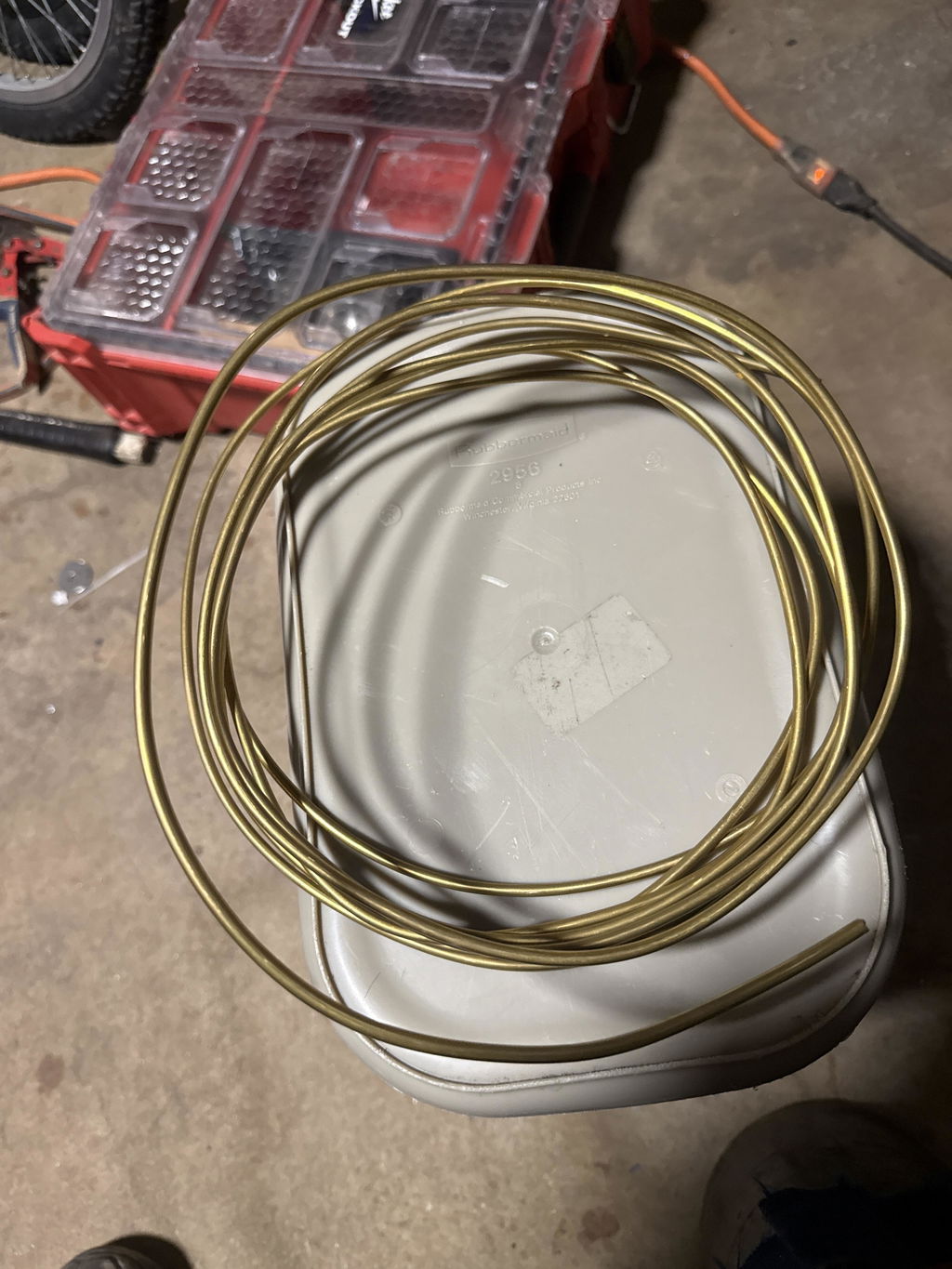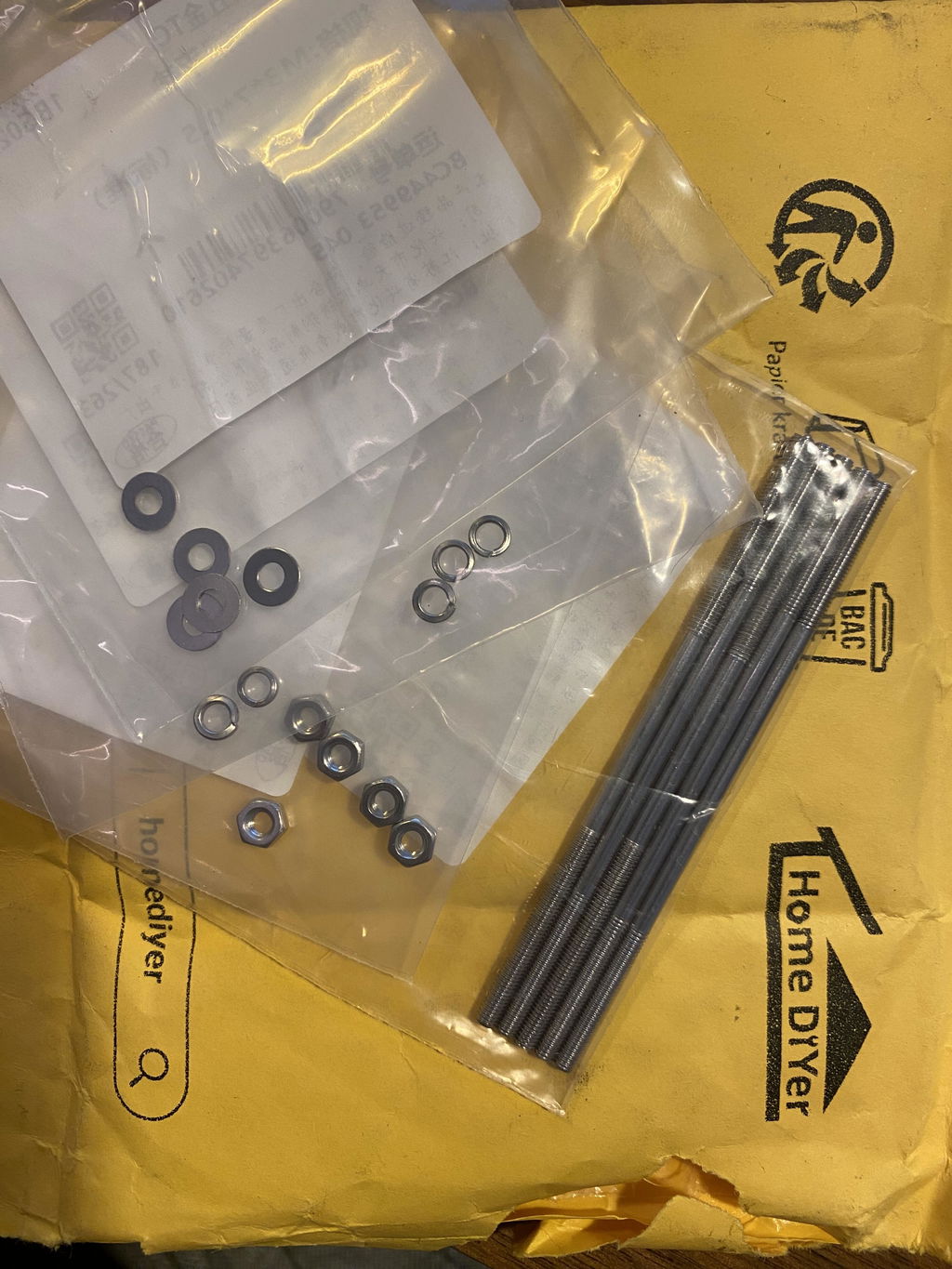
The chain is fine...but I ordered the wrong size. Nine links of the chain I ordered equals six of the size I wanted. My error...
How can I straighten out the springs? I can't use them coil uo as is.
Your payment information is processed securely. We do not store credit card details nor have access to your credit card information.
Get fitment advice & recommendations
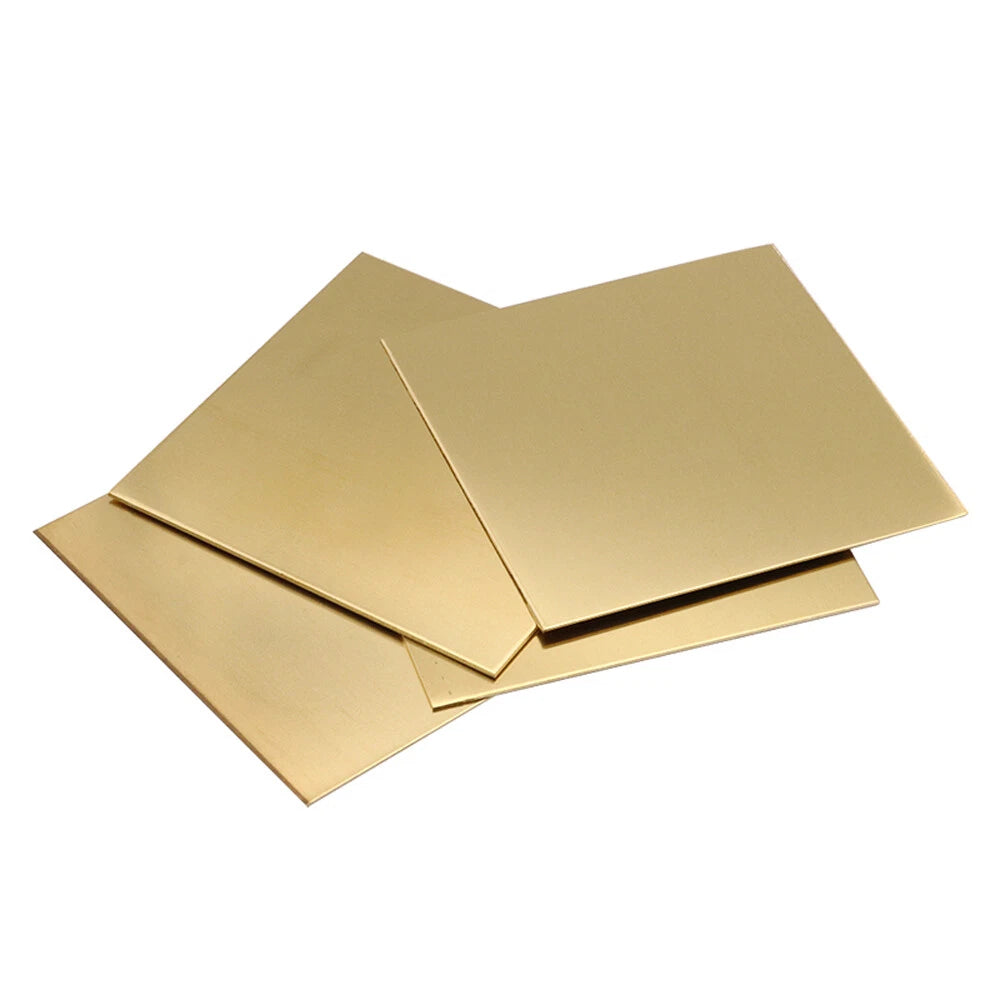
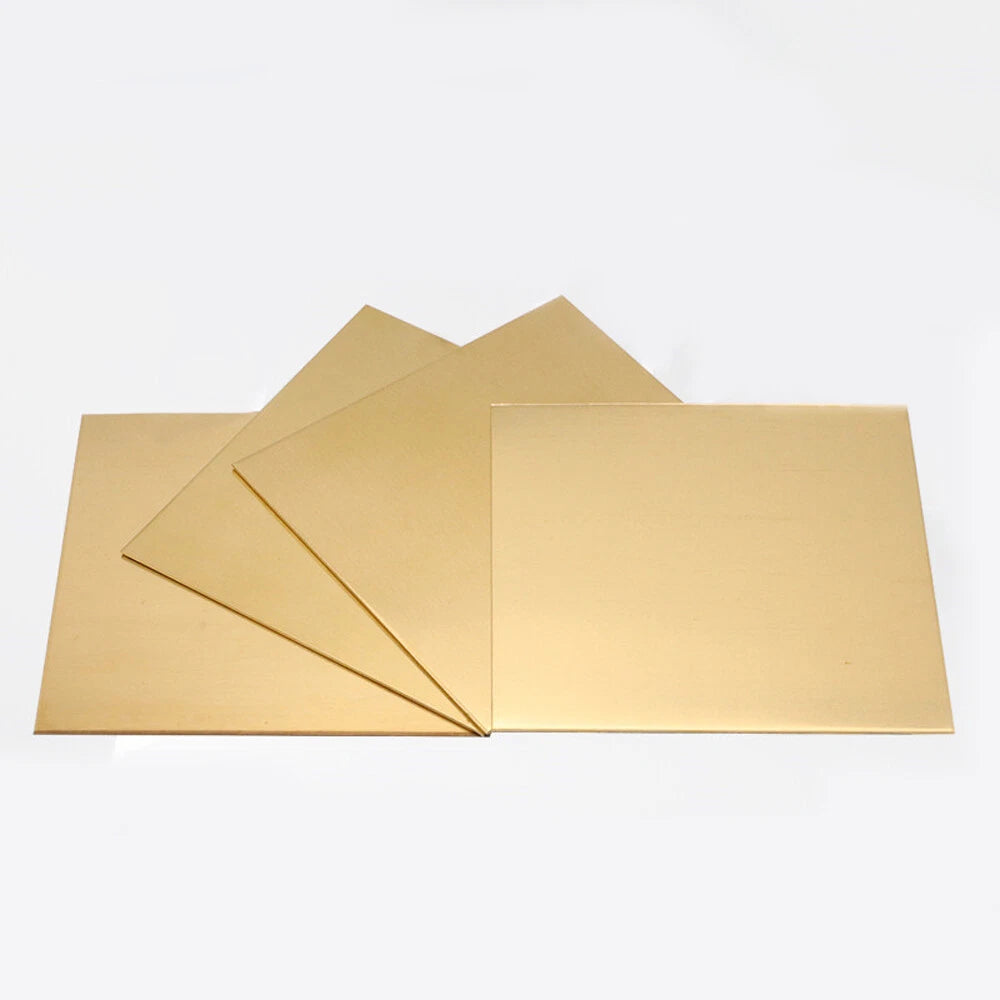
When your project demands a material that machines cleanly, solders reliably, and holds its shape under load, finding the right brass sheet metal plate in the exact size you need can be a real challenge. Whether you are a hobbyist building scale models, a maker fabricating custom brackets, or a repair technician patching worn components, having a ready-to-use brass plate in hand saves hours of sourcing and cutting time.
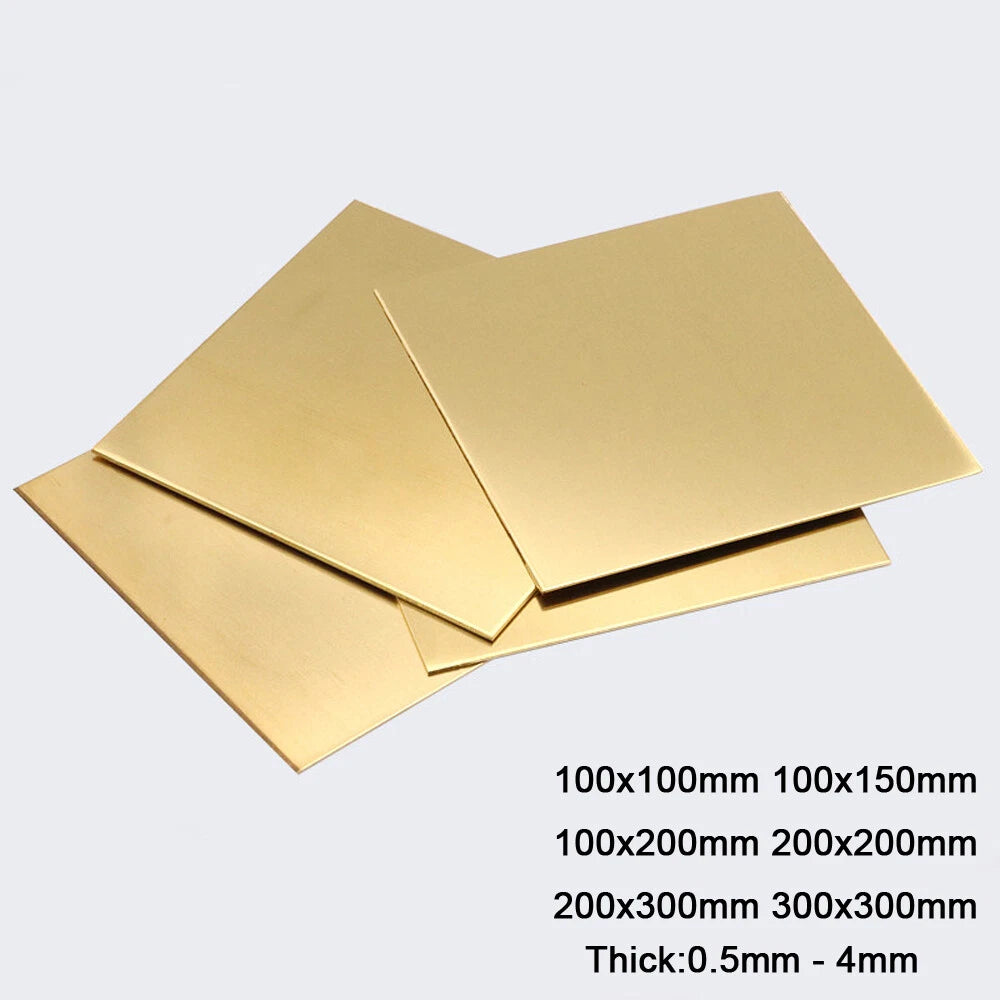
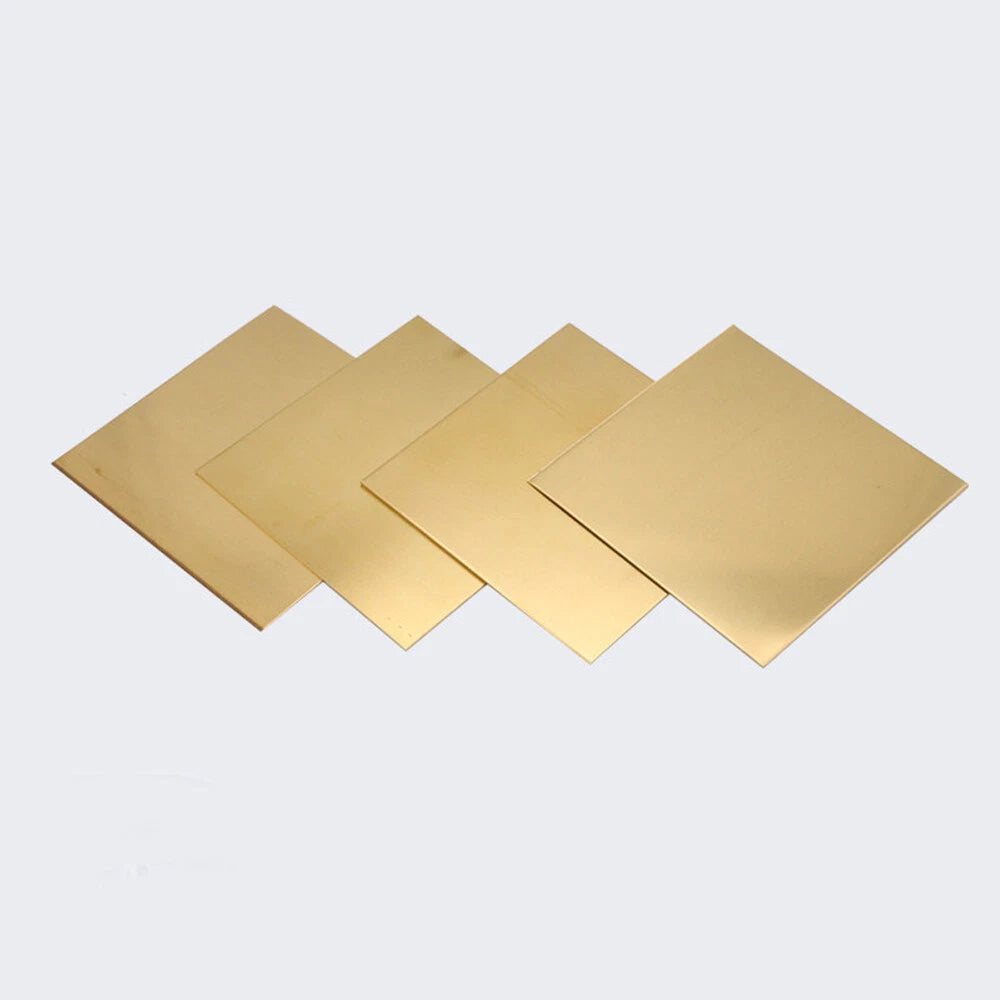
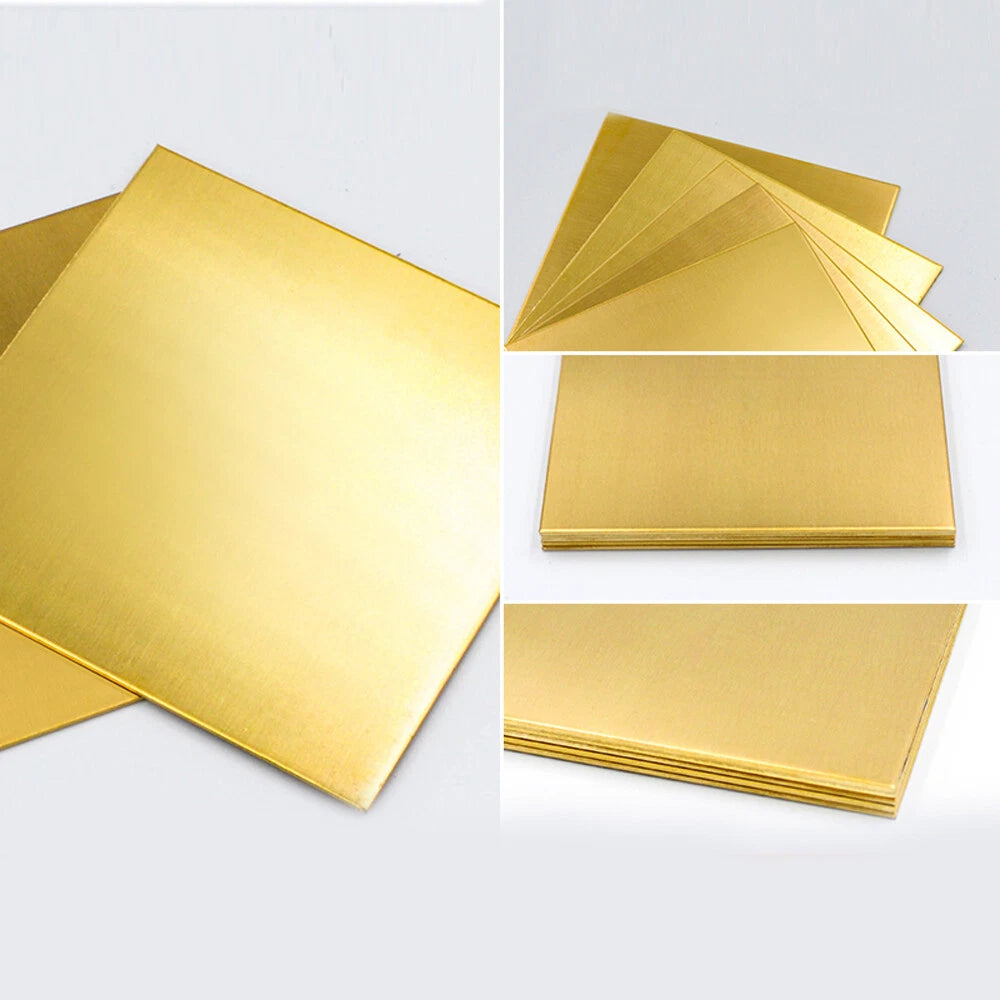
Each brass sheet metal plate is cut from solid brass alloy stock. Plates are available in six sheet sizes — 100×100 mm (3.94×3.94 in), 100×150 mm (3.94×5.91 in), 100×200 mm (3.94×7.87 in), 200×200 mm (7.87×7.87 in), 200×300 mm (7.87×11.81 in), and 300×300 mm (11.81×11.81 in) — and nine thickness options ranging from 0.5 mm (0.020 in) up to 4 mm (0.157 in), giving you precise control over weight and rigidity.
Typical applications include scale model construction and detailing, custom shim and spacer fabrication for mechanical assemblies, decorative inlay and engraving blanks for woodworking and leathercraft, and electrical grounding or shielding panels in electronics enclosures. The natural golden finish also makes these plates a popular choice for nameplate blanks and trophy hardware.
| Material | Brass alloy (copper-zinc) |
|---|---|
| Item Type | Flat sheet / metal plate |
| Available Sizes | 100×100 mm / 100×150 mm / 100×200 mm / 200×200 mm / 200×300 mm / 300×300 mm |
| Available Thicknesses | 0.5 mm / 0.8 mm / 1 mm / 1.2 mm / 1.5 mm / 2 mm / 2.5 mm / 3 mm / 4 mm |
| Surface Finish | Mill finish (smooth, flat) |
| Quantity per Order | 1 piece |
| Machinability | Excellent — compatible with HSS drills, end mills, and files |
| Solderability | Soft solder and silver solder compatible |
| Corrosion Resistance | Good in dry and mildly humid indoor environments |
| Weight | See variant options |
| Condition | New |
For decorative overlays, engraving blanks, and thin formed parts, choose 0.5 mm or 0.8 mm. For general-purpose brackets, shims, and model frames, 1 mm to 1.5 mm is the most versatile range. For structural load-bearing applications or parts that will be threaded or heavily machined, select 2 mm, 2.5 mm, 3 mm, or 4 mm depending on the required rigidity.
Brass has a tensile strength of approximately 300–500 MPa depending on alloy composition and temper. For light-duty structural applications — such as model frames, instrument panels, and decorative hardware — brass in 2 mm thickness and above performs well. For heavy mechanical loads, consider whether a ferrous metal might be more appropriate for your specific use case.
Brass does not rust (rust is specific to iron-based metals), but it will oxidize and develop a patina over time when exposed to moisture and air. For indoor and mildly humid environments, brass performs well without any coating. For outdoor or marine exposure, applying a clear lacquer or wax sealant is recommended to preserve the finish and slow patina development.
Yes. Thinner gauges (0.5 mm–1 mm) can be scored and snapped or cut with aviation snips and a fine-tooth hacksaw. Thicker plates (1.2 mm and above) are best cut with a hacksaw, jigsaw with a metal-cutting blade, or a bandsaw. Brass machines cleanly with standard HSS drill bits and end mills — no special tooling is required.
Yes. Brass accepts soft solder (tin-lead or lead-free) and silver solder readily. Clean the surface with fine abrasive paper or flux before soldering for best adhesion. Brazing is also possible with appropriate brass-compatible brazing rods. These plates are widely used in electronics repair, plumbing patch work, and jewelry fabrication for this reason.
Each order is for 1 piece (1 pcs) of the selected size and thickness combination. If you need multiple pieces, simply increase the quantity at checkout or add multiple variants to your cart. This allows you to order exactly the quantity your project requires.
Yes. The smooth mill finish surface is well-suited for rotary engraving, CNC routing, laser engraving (with appropriate settings for brass), and chemical etching. Brass is a popular choice for nameplates, trophy plaques, and decorative signage precisely because it engraves cleanly and holds fine detail. No additional surface preparation is required before engraving.