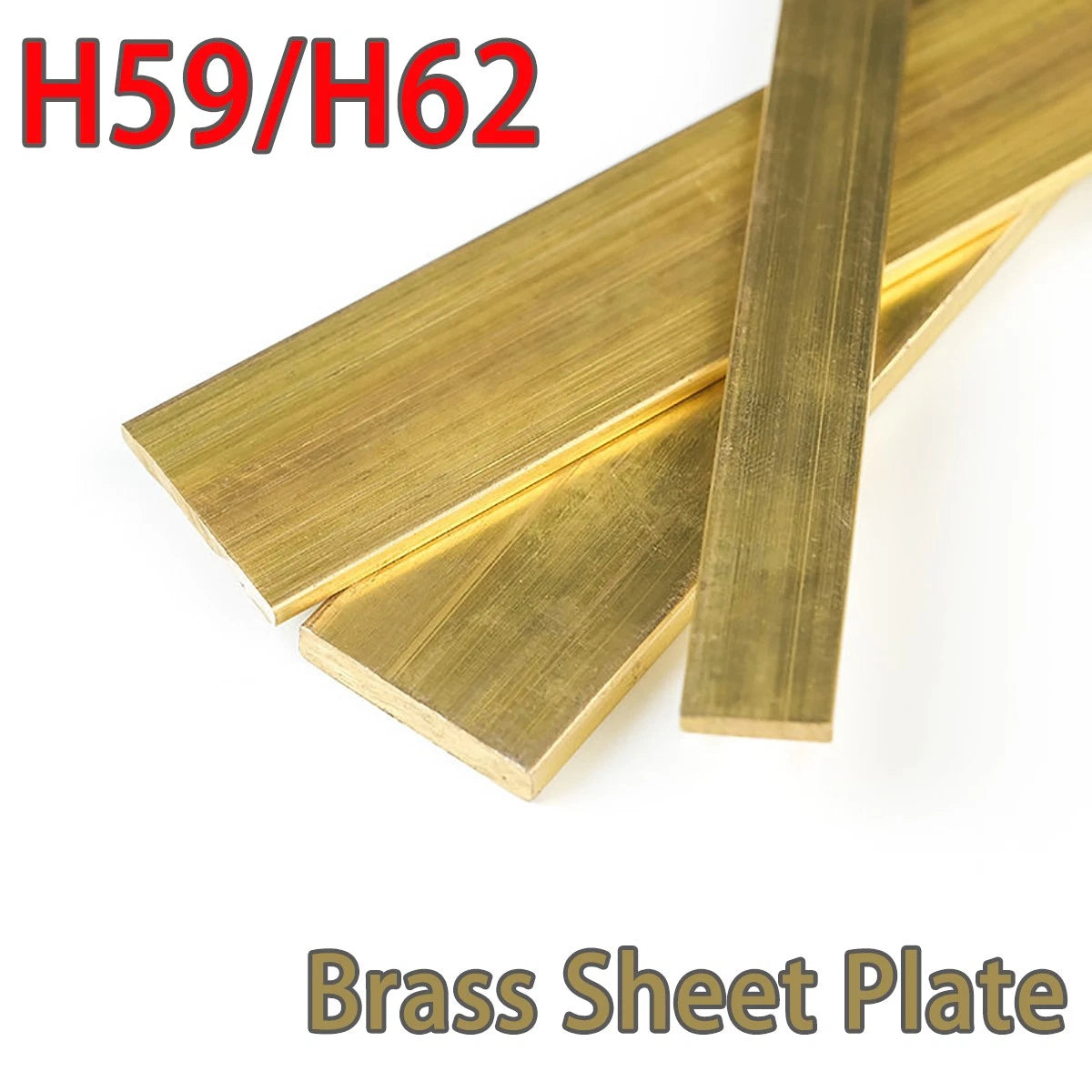
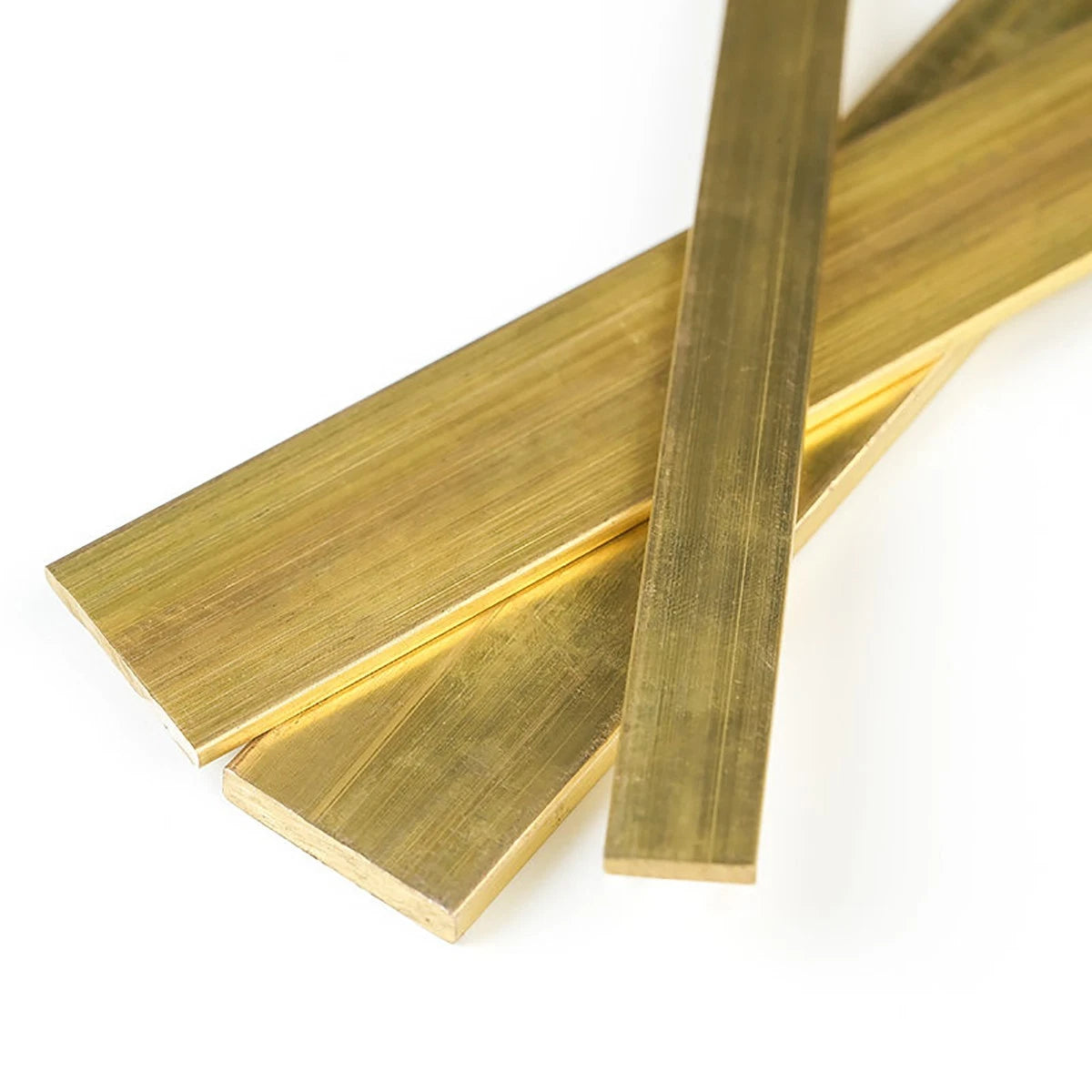
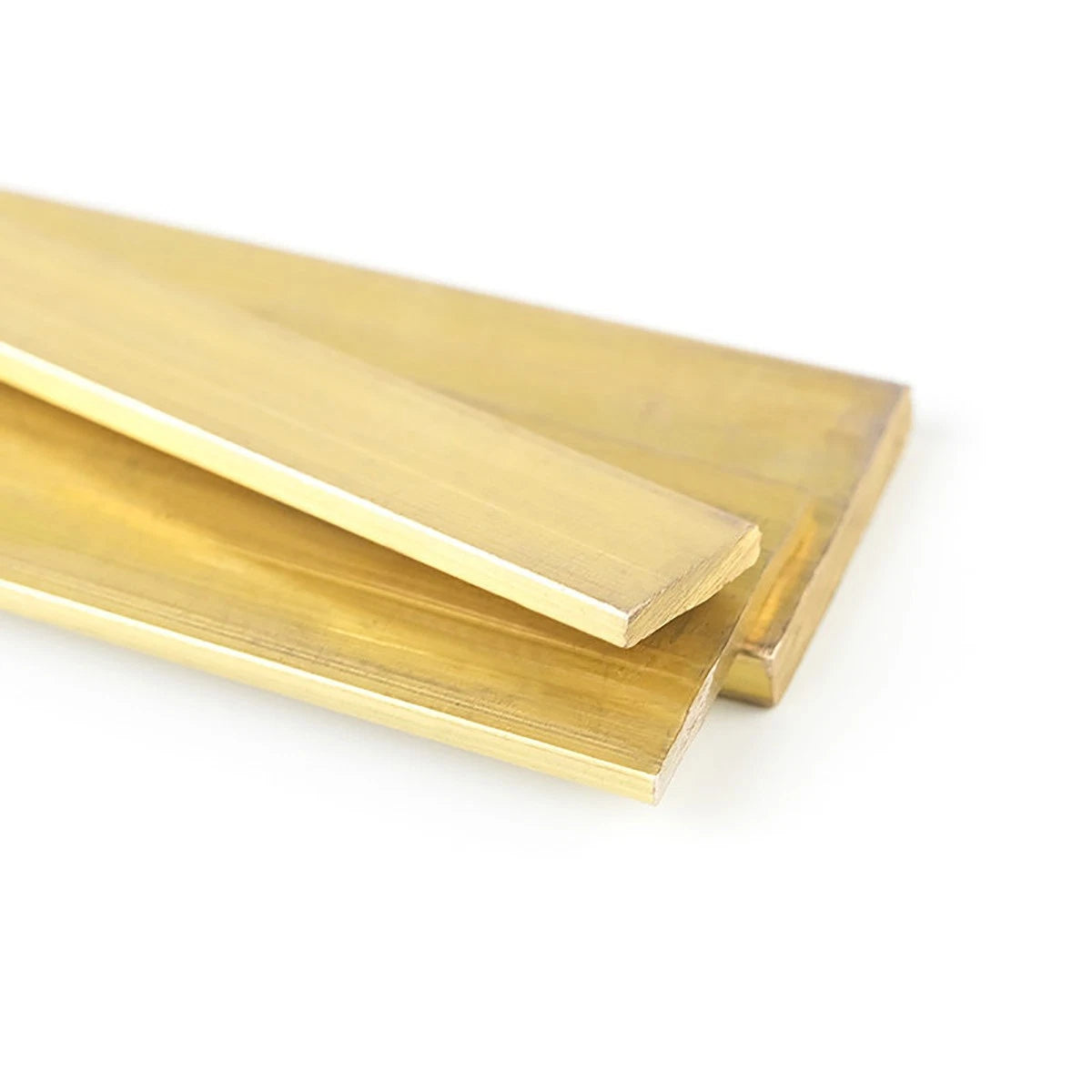
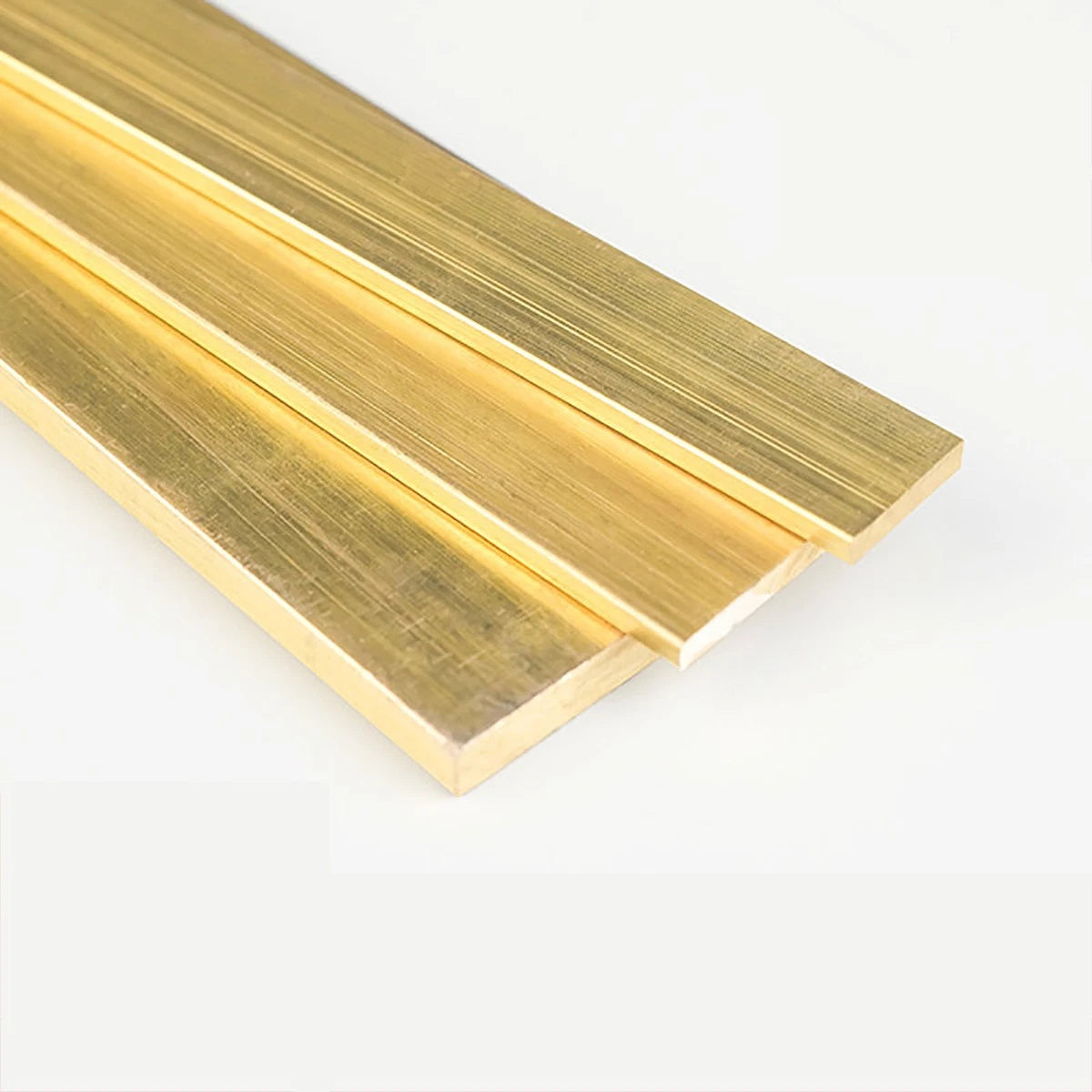
Brass Sheet Plate L200/500mm Metal Flat Bar Copper Plate Thick2-9mm Width 8-60mm

No reviews

Price:
Sale price$6.73 USD
Stock:
In stock (500 units), ready to be shipped

Payment & Security

Ach Direct Debit Amazon American Express Apple Pay Bancontact BLIK Diners Club Discover EPS Google Pay iDEAL Wero JCB Maestro Mastercard Multibanco MobilePay PayPal Przelewy24 Shop Pay Twint Union Pay USDC Visa

Your payment information is processed securely. We do not store credit card details nor have access to your credit card information.

Limited Offer — Spend More, Save More
Spend $55+
Save $5
Spend $100+
Save $10
Spend $200+
Save $25
HomeDIYer DIY Expert Support

DIY Expert Support

Get fitment advice & recommendations

Mon–Fri  8:30 AM – 8:00 PM
24-Hour Fast Ship
Arrives in 3–14 Days
Worldwide Shipping
30-Day Returns
1 tree planted with every purchase

Description

Brass Sheet Plate & Copper Flat Bar — Precision-Cut Metal Stock for DIY and Workshop Use

When your project demands a metal flat bar that holds tight tolerances without the hassle of cutting raw stock yourself, finding the right size in the right alloy can eat up hours. Makers, hobbyists, machinists, and small-shop fabricators who need ready-to-use brass or copper strip stock will find this listing covers the widest range of cross-sections in one place.

Each piece is a solid rectangular flat bar available in thickness from 2 mm to 9 mm (~0.08 in to 0.35 in) and width from 8 mm to 60 mm (~0.31 in to 2.36 in), with lengths of 200 mm (~7.87 in) or 500 mm (~19.69 in). The material is brass (a copper-zinc alloy) with a smooth mill finish, offering good machinability, moderate strength, and inherent corrosion resistance.

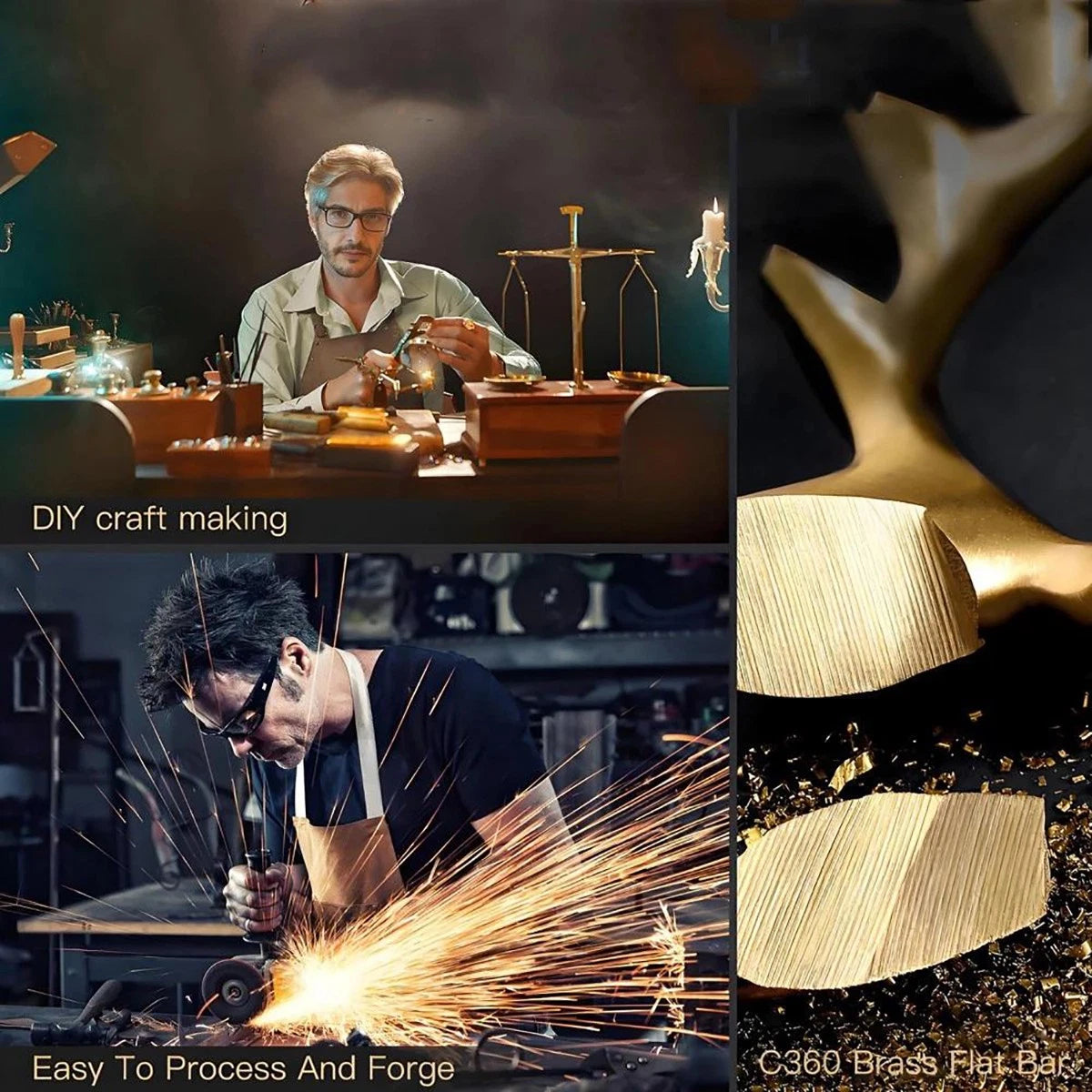
Typical applications include electrical bus bars and grounding straps, decorative inlay and trim work for woodworking projects, custom bracket and spacer fabrication for mechanical assemblies, and RF shielding or heat-sink tabs in electronics enclosures — all scenarios where a brass flat bar or copper plate strip delivers reliable performance.

🔧 Compatibility: Suitable for soldering, brazing, light machining, bending, and drilling. Compatible with standard metalworking tools including band saws, drill presses, and bench vises. Works with most common solder alloys and flux types used in electrical and plumbing applications.

✅ Key Features of These Brass Sheet Plate & Copper Flat Bar Strips

📐 Wide Size Matrix
Thickness 2–9 mm, width 8–60 mm, length 200 or 500 mm — choose the exact cross-section your project needs without over-buying raw sheet.
Excellent Electrical Conductivity
Brass and copper alloys offer low resistivity, making these flat bars well-suited for bus bars, grounding lugs, and electrical contact strips.
🛡️ Corrosion-Resistant Alloy
The copper-zinc composition resists oxidation in typical indoor and light outdoor environments, reducing maintenance needs over time.
✂️ Machinable & Formable
Brass machines cleanly with standard HSS or carbide tooling and bends without cracking at moderate radii, giving fabricators flexibility in shaping.
🔩 Smooth Mill Finish
The flat surfaces arrive with a consistent mill finish ready for further finishing, polishing, or direct use as decorative trim and inlay stock.
📦 Single-Piece or Multi-Pack Options
Order 1 Pc to test a size or select multi-pack quantities to stock your workshop — variant options let you match quantity to your actual project demand.

📐 Technical Specifications — Brass Flat Bar Sheet Plate

Material Brass (copper-zinc alloy)
Finish Mill finish
Thickness Range 2 mm – 9 mm (0.08 in – 0.35 in)
Width Range 8 mm – 60 mm (0.31 in – 2.36 in)
Length Options 200 mm (7.87 in) / 500 mm (19.69 in)
Shape Rectangular flat bar / sheet strip
Machinability Good — compatible with HSS and carbide tooling
Corrosion Resistance Good in indoor and light outdoor environments
Electrical Conductivity Good (copper-zinc alloy)
Quantity per Order See variant options
Weight per Piece See variant options

❓ Frequently Asked Questions

How do I choose the right thickness and width for my project?

Start with the load or clearance requirement of your application. For decorative inlay or trim, thinner stock (2–3 mm) is easier to bend and cut. For structural brackets or bus bars carrying current, thicker stock (5–9 mm) provides more rigidity and cross-sectional area. Select the width to match your slot, channel, or contact pad dimension. Use the Size (Thick × Width × Length) variant selector above to find your exact cross-section.

Is this material brass or copper — what is the difference?

Brass is a copper-zinc alloy. It is harder and more machinable than pure copper, with a golden-yellow color. Pure copper is softer, has higher electrical and thermal conductivity, and has a reddish tone. This listing covers brass flat bar stock. If your application requires maximum conductivity (e.g., heavy electrical bus work), pure copper may be preferable; for general fabrication, machining, and decorative use, brass is an excellent choice.

Can I solder or braze these flat bars?

Yes. Brass solders readily with standard rosin-core or acid-core solder and appropriate flux. For higher-strength joints, silver brazing with a torch is also effective. Clean the surface with fine abrasive or flux before soldering to ensure a good bond. Avoid overheating, which can cause zinc fuming in brass — work in a ventilated area.

What tools do I need to cut or drill these flat bars?

For cutting, a hacksaw, band saw, or angle grinder with a metal-cutting disc works well. For drilling, standard HSS twist drill bits are sufficient for most thicknesses; use cutting fluid to extend bit life and improve hole quality. Brass machines cleanly and does not work-harden significantly, so standard woodworking drill press speeds (with appropriate bits) can be used for thinner stock.

Will these flat bars rust or corrode over time?

Brass does not rust (rust is specific to iron-based metals). It can develop a natural patina (darkening or greenish tarnish) over time when exposed to moisture and air. For indoor applications this is typically slow and cosmetic only. To maintain a bright finish, apply a clear lacquer or metal polish. For outdoor or high-humidity environments, periodic cleaning and sealing is recommended.

Can I bend these flat bars without cracking?

Yes, brass flat bar can be bent at moderate radii without cracking, especially in the annealed or half-hard condition. As a general guideline, keep the inside bend radius at least equal to the material thickness to avoid cracking. For tighter bends, anneal the piece by heating to dull red and quenching in water before bending. Thicker stock (6 mm and above) may require a press brake or bending jig for consistent results.

How do I select the right quantity — 1 Pc vs. multi-pack?

If you need a single piece to prototype or complete a one-off repair, select 1 Pc. If you are stocking your workshop or completing a project that requires multiple identical pieces, a multi-pack reduces per-unit cost and ensures you have spares. Check the Pack quantity(Pcs) variant option to see available quantities for your chosen size.

🛒 Select your Size (Thick × Width × Length) and Pack quantity above, then add to cart.

You may also like

Recently viewed