The chain is fine...but I ordered the wrong size. Nine links of the chain I ordered equals six of the size I wanted. My error...
How can I straighten out the springs? I can't use them coil uo as is.
Your payment information is processed securely. We do not store credit card details nor have access to your credit card information.
Get fitment advice & recommendations
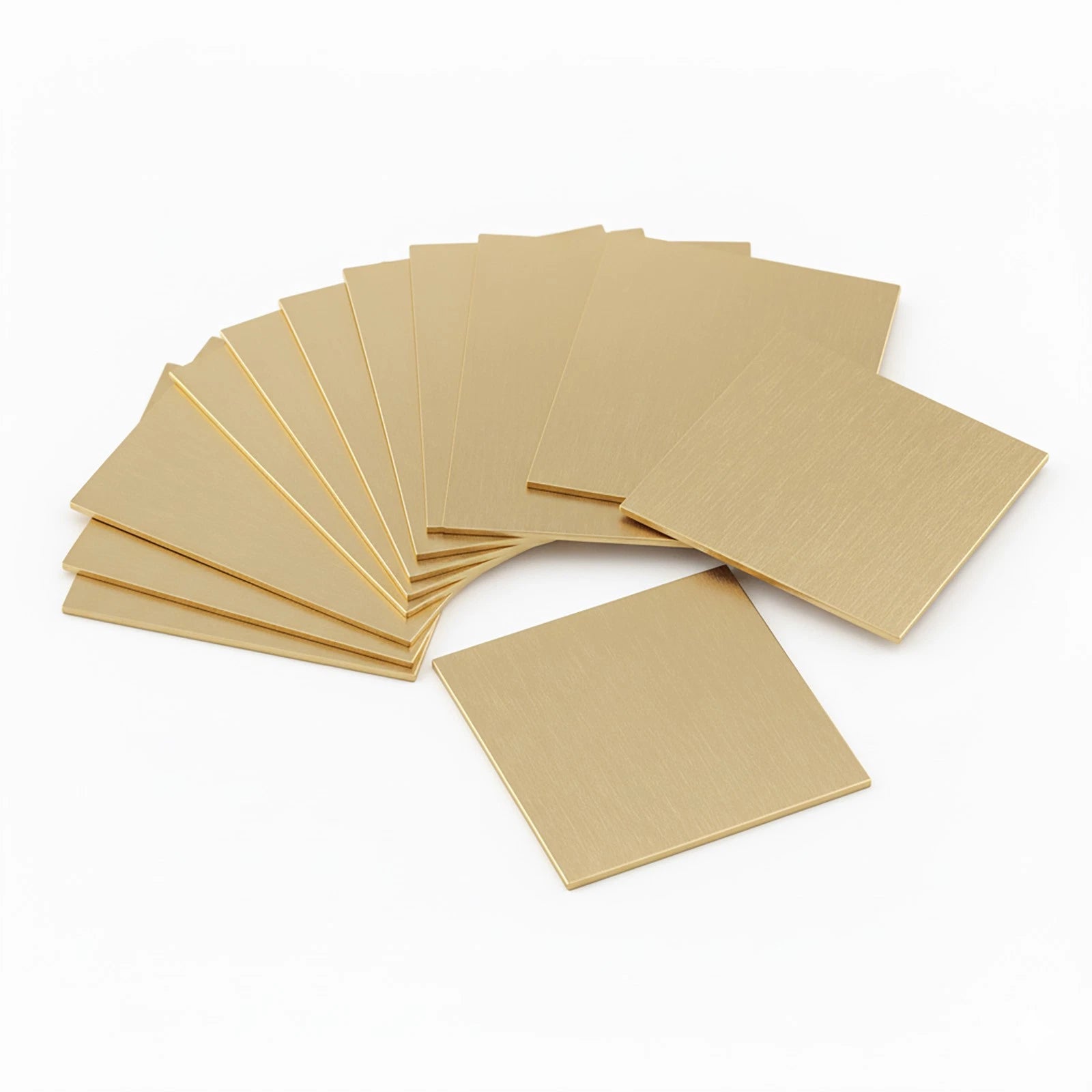
When your project demands a metal that machines cleanly, solders reliably, and holds a polished finish, finding the right brass sheet in the exact size you need can be a real obstacle. Hobbyists, jewellers, model makers, and workshop professionals all share the same frustration: ordering oversized stock and wasting material. These H62 brass sheet plates are stocked in a wide range of pre-cut dimensions so you get exactly what your build requires — no trimming, no waste.
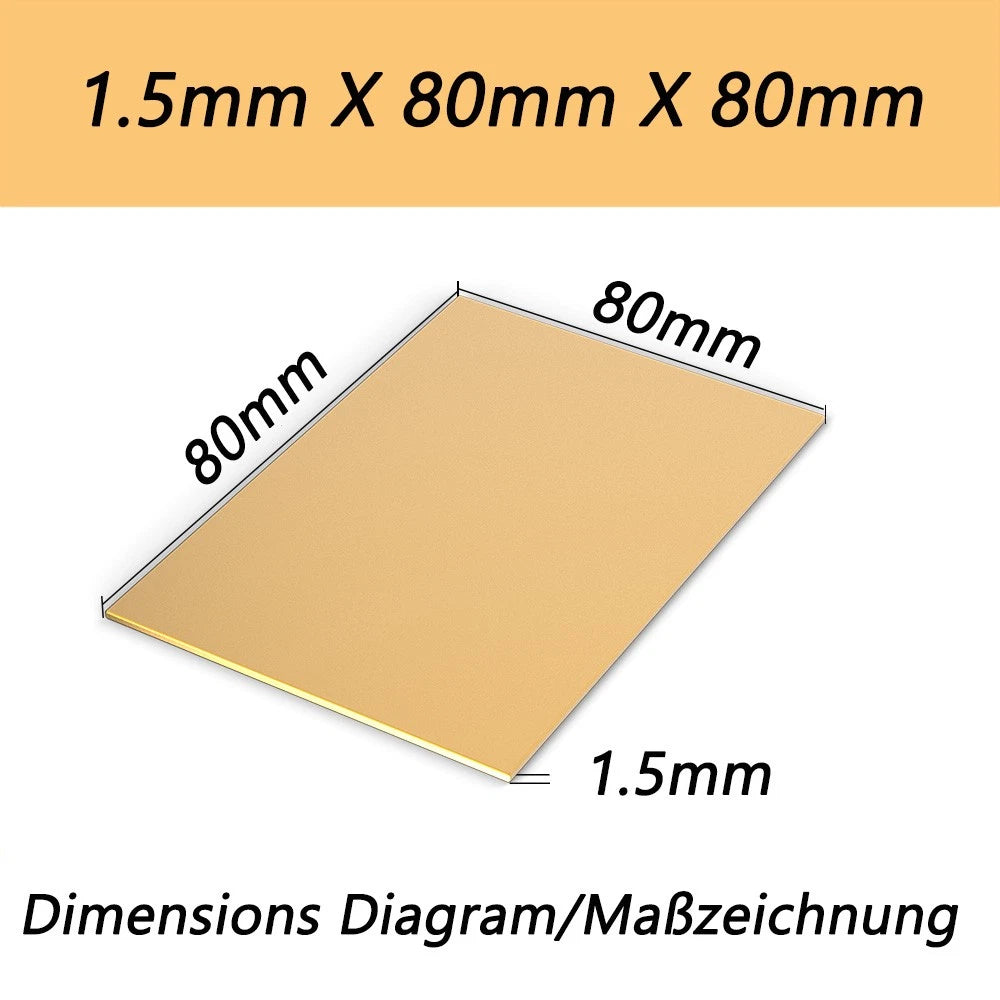
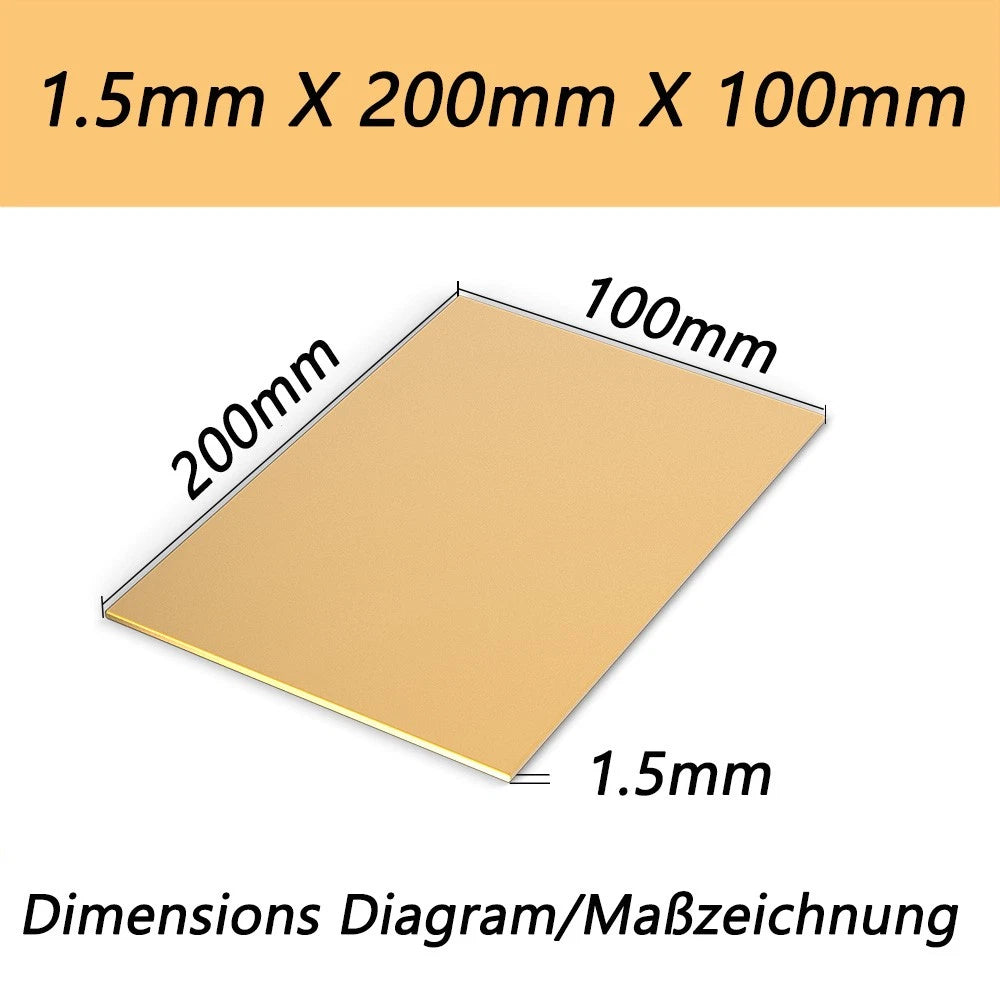
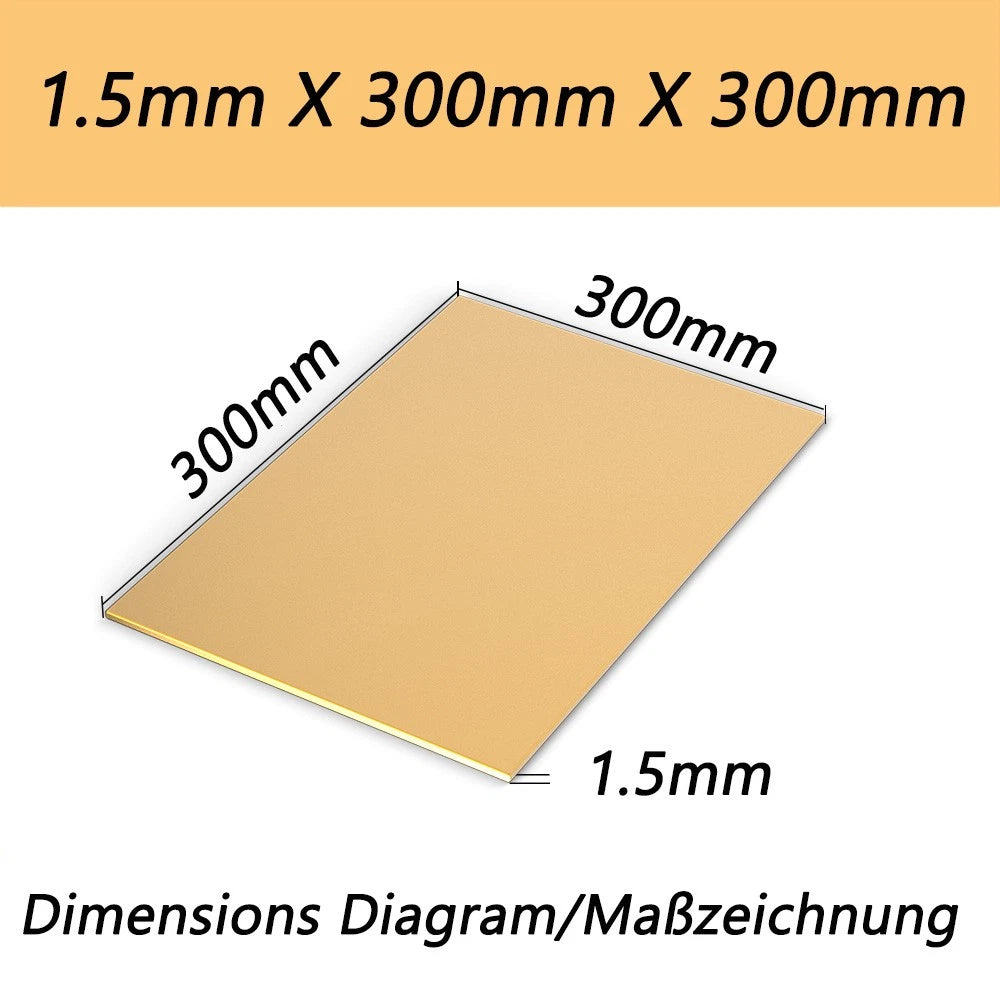
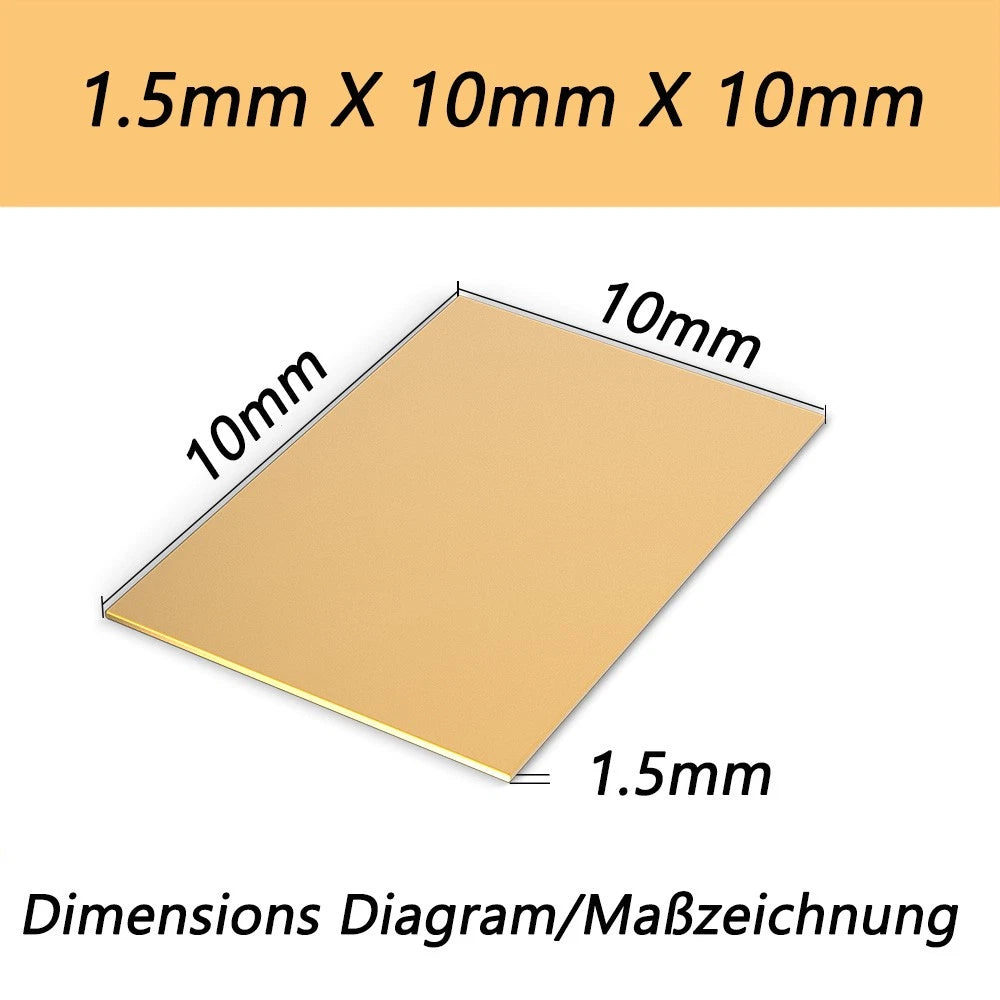
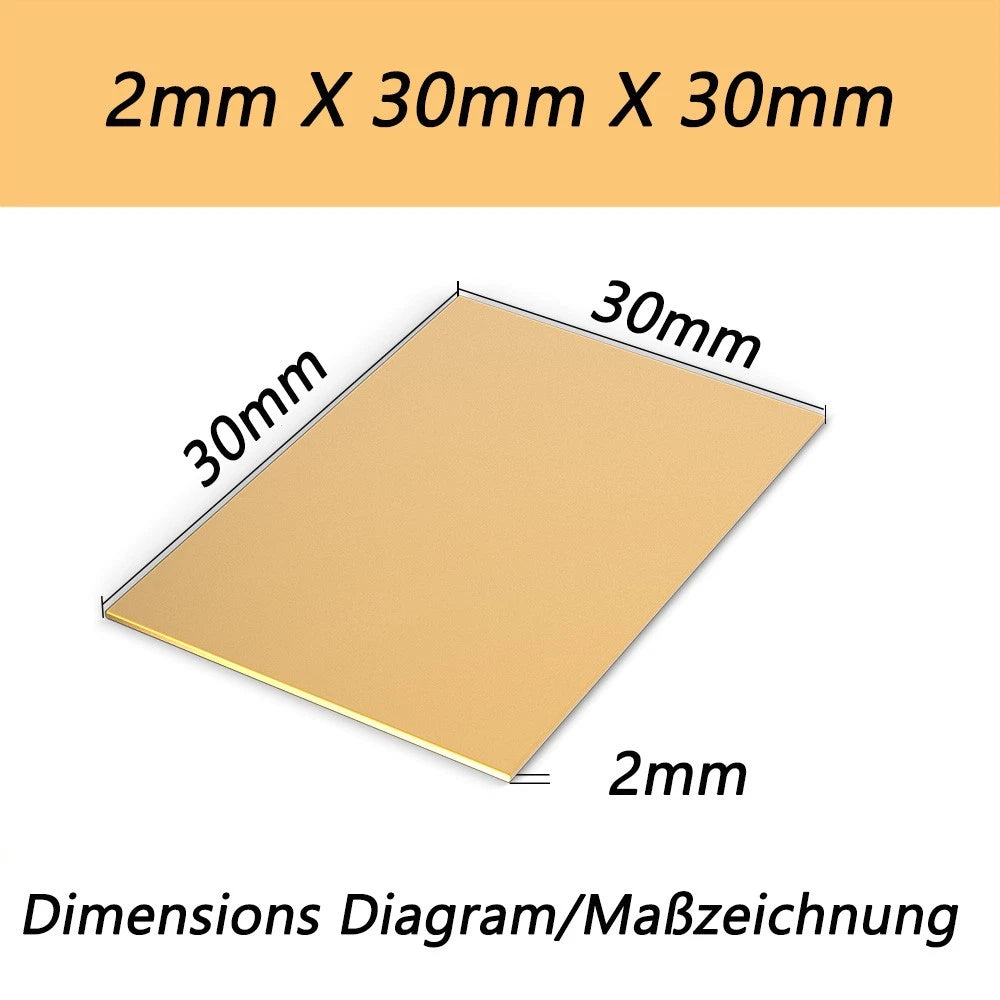
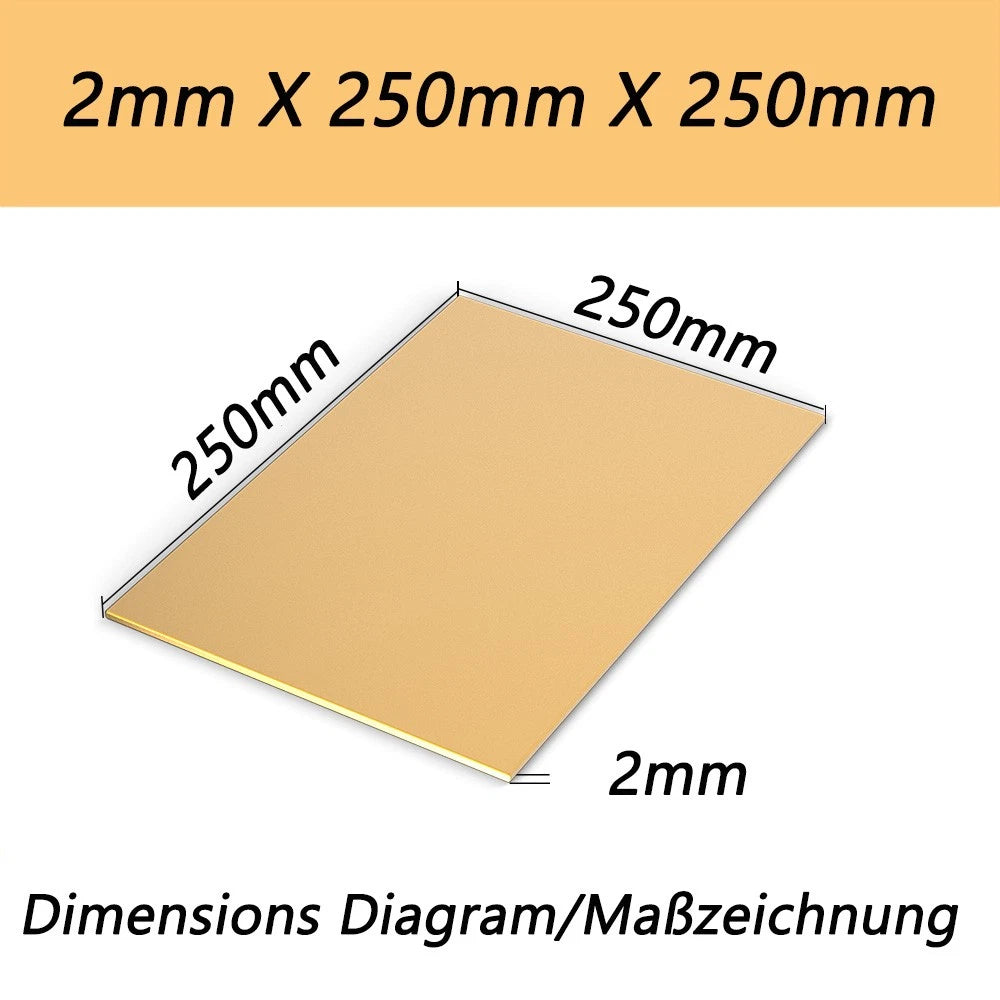
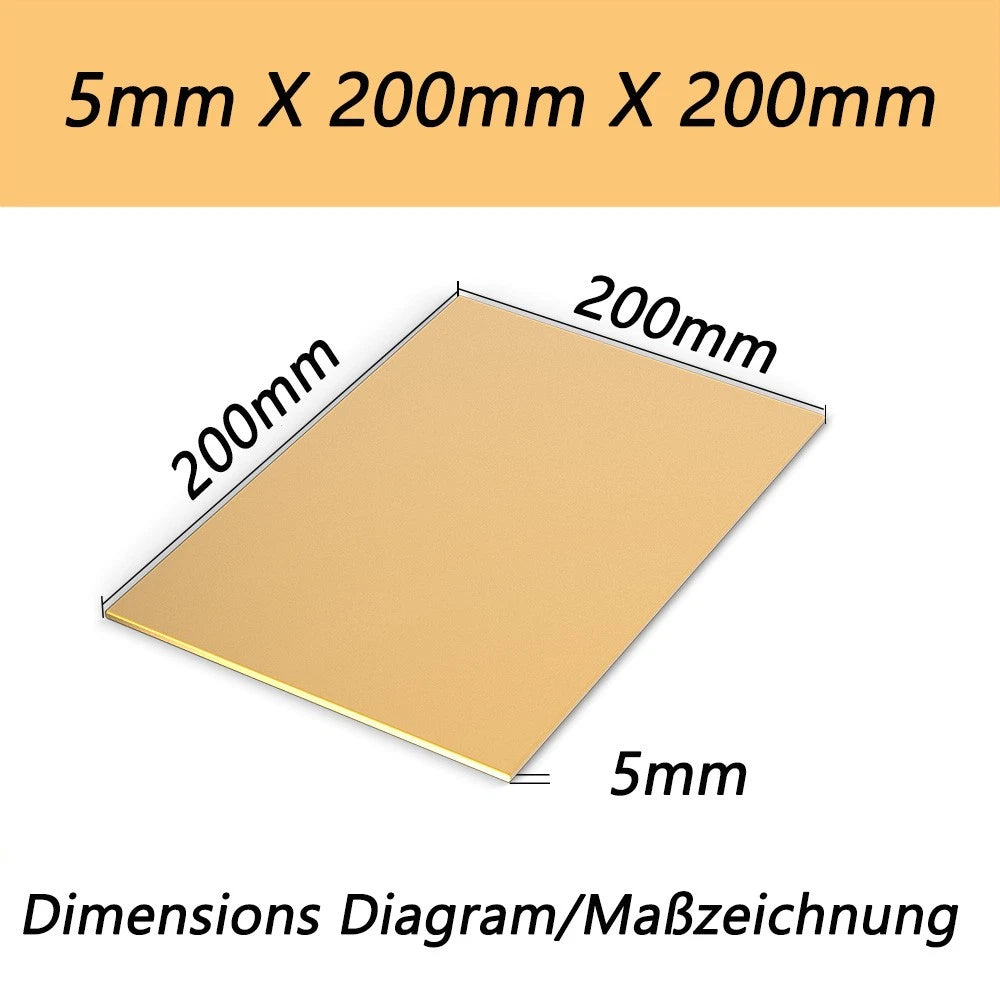
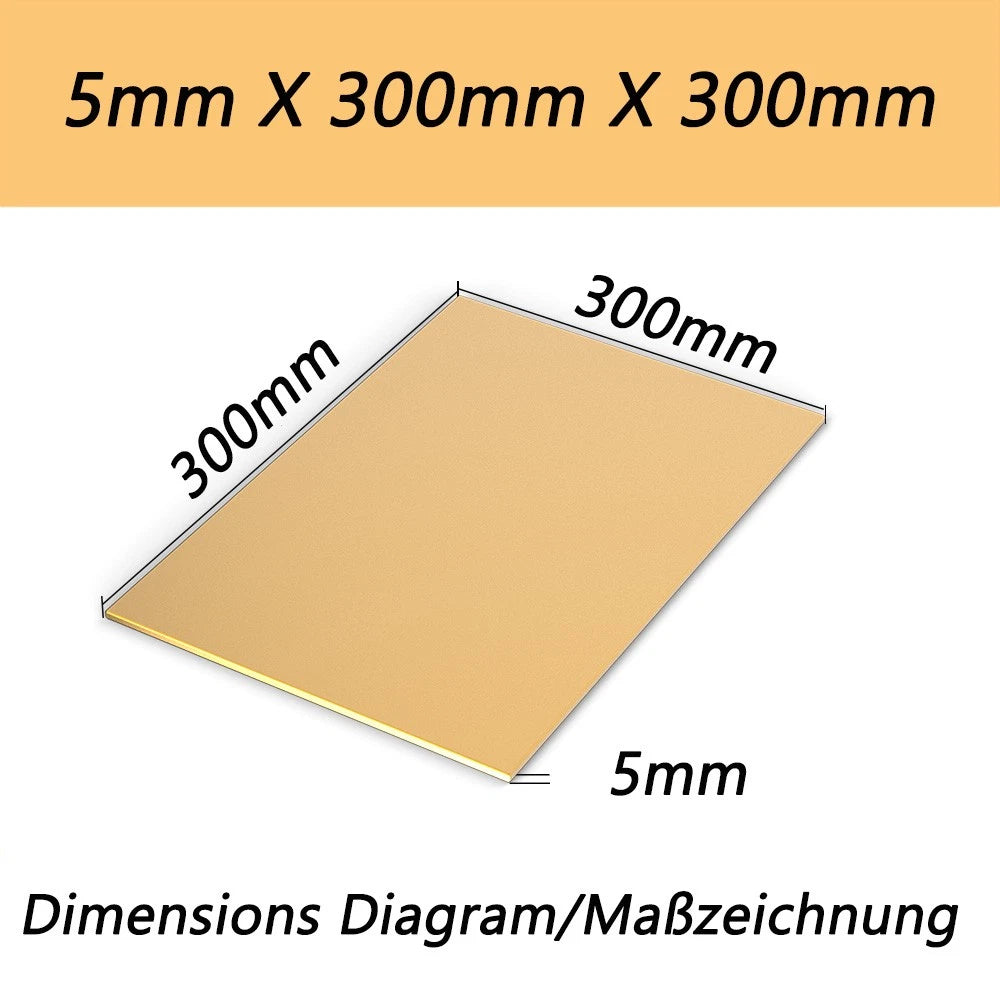
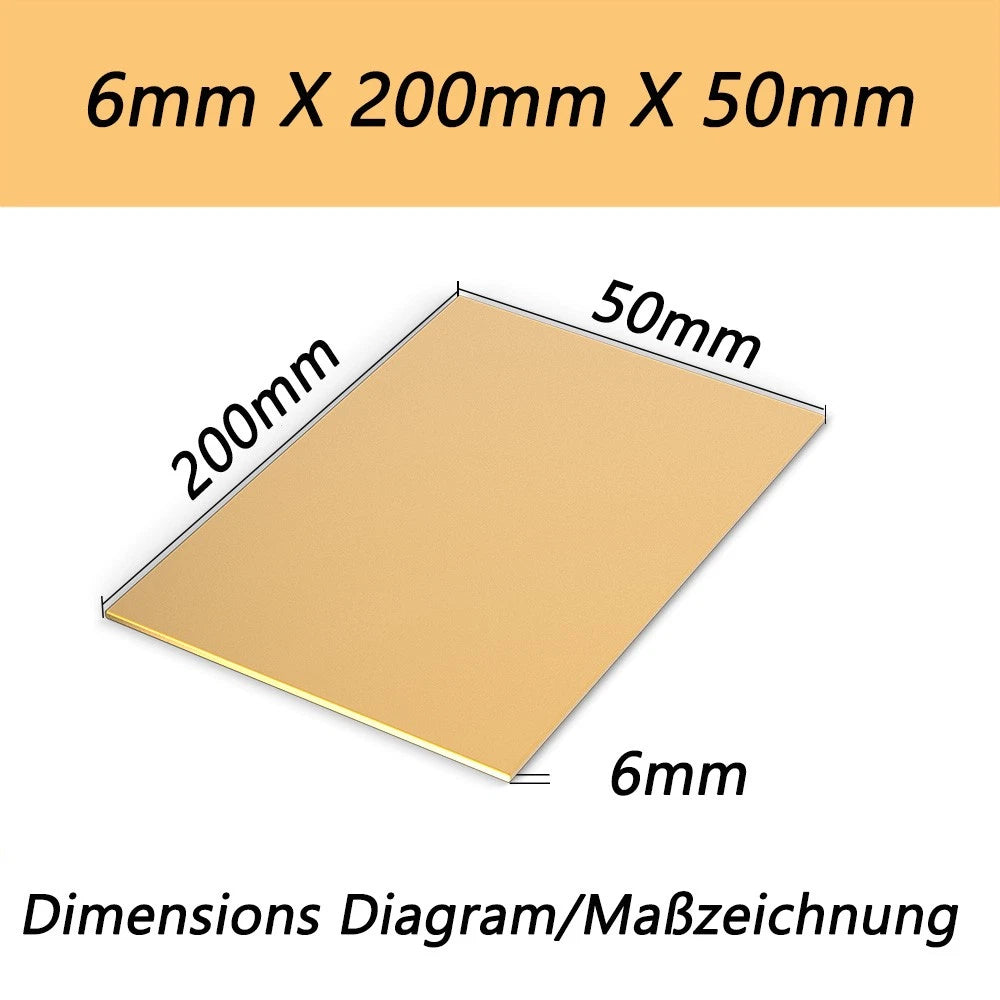
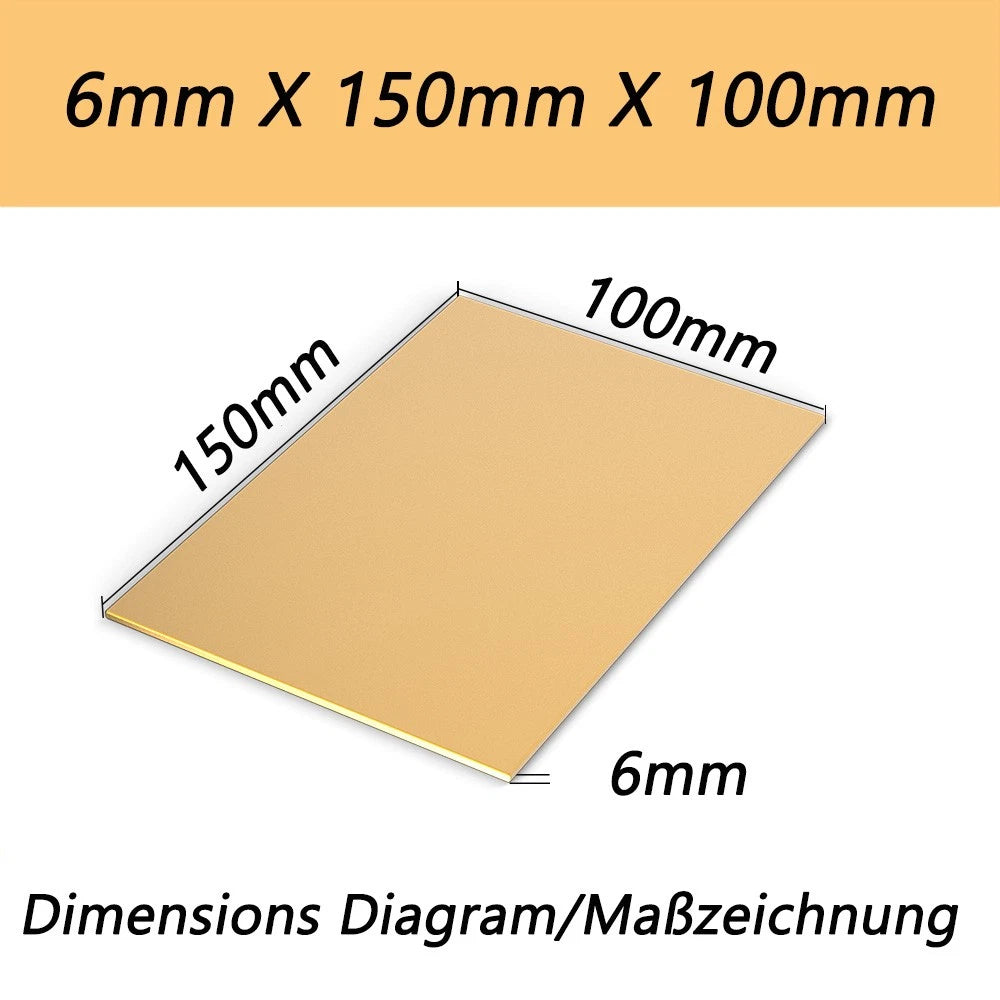
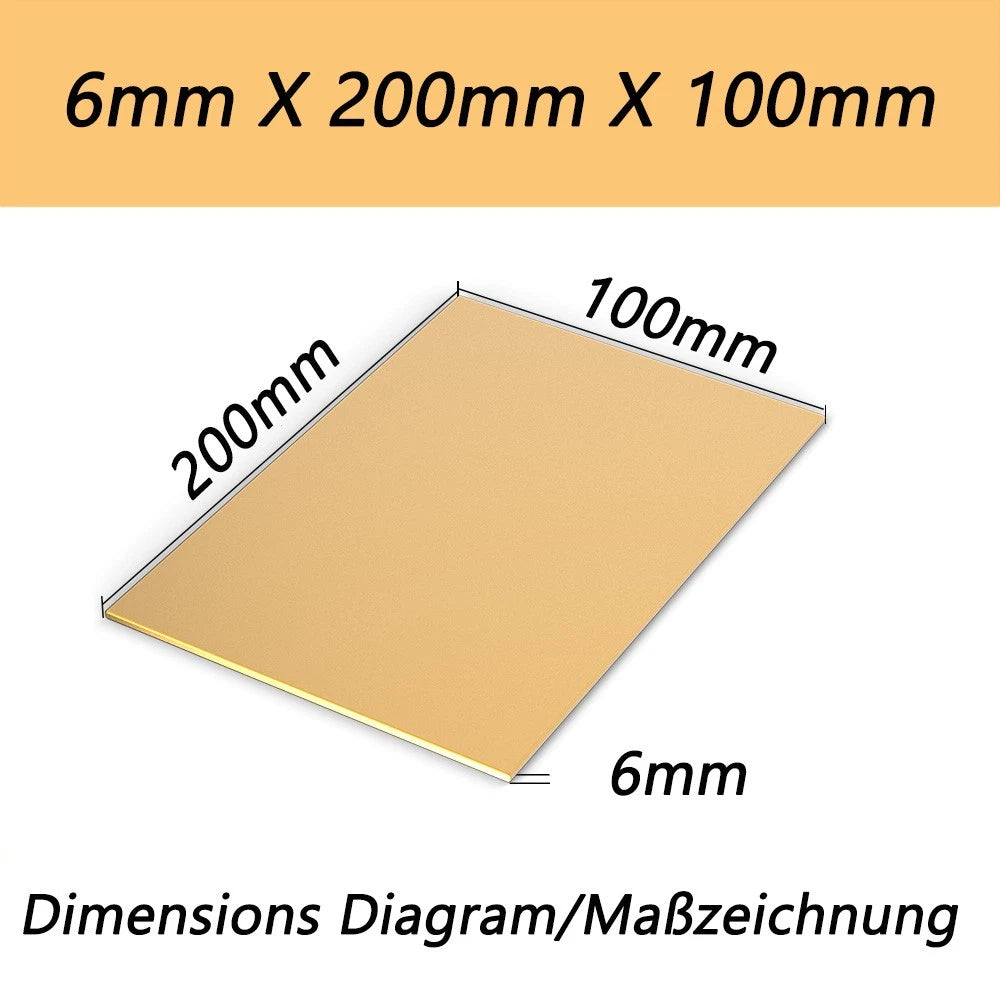
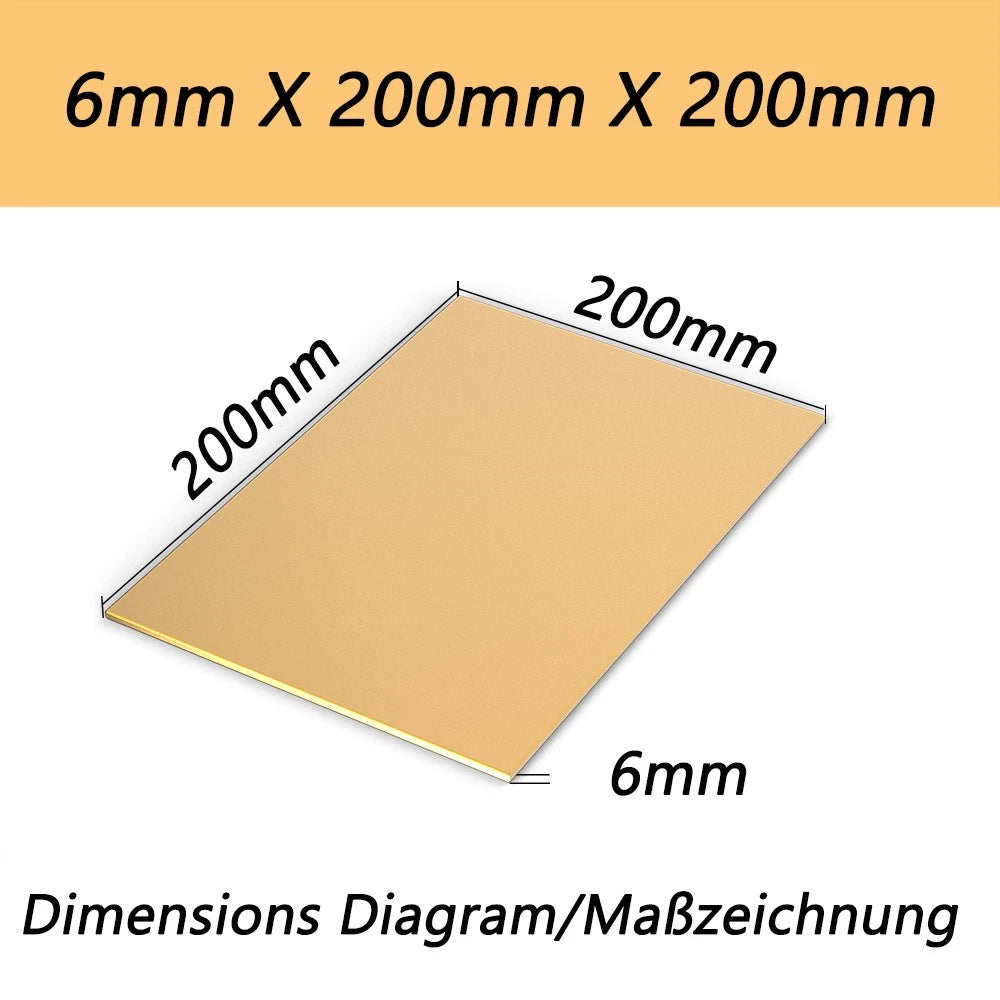
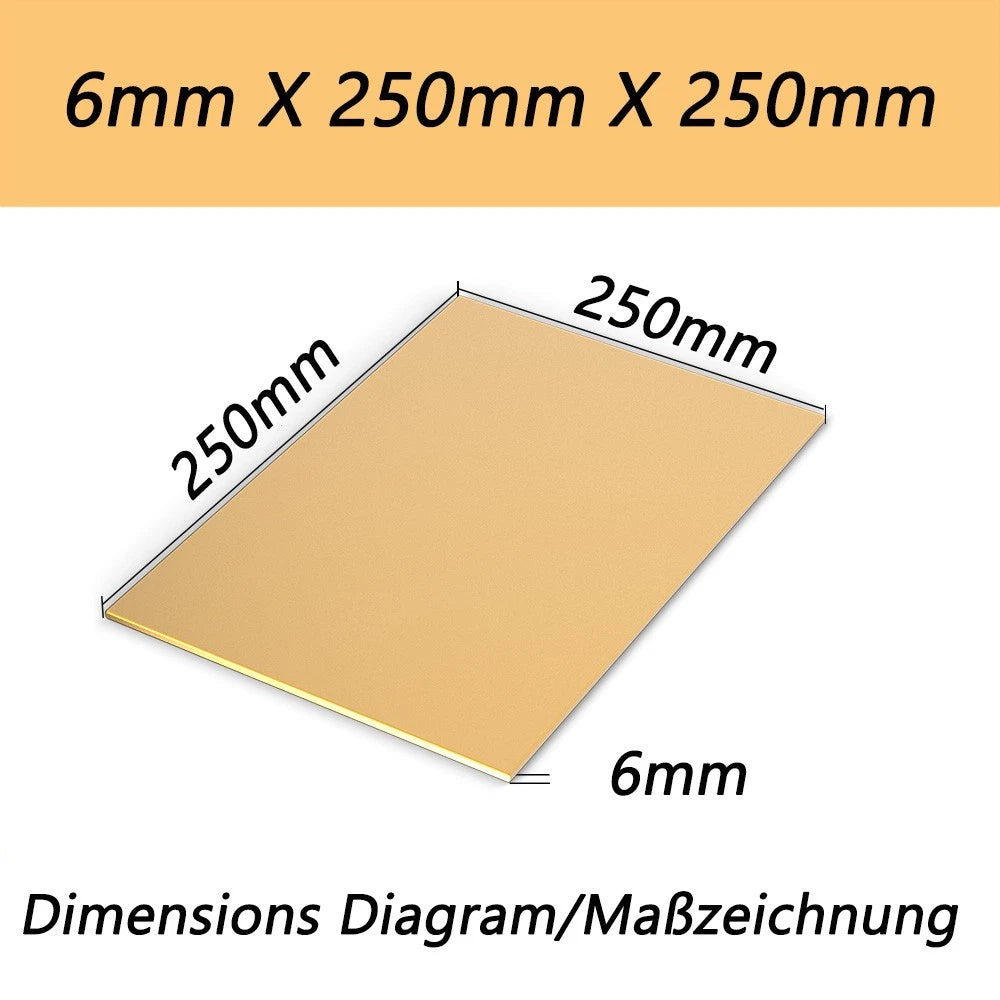
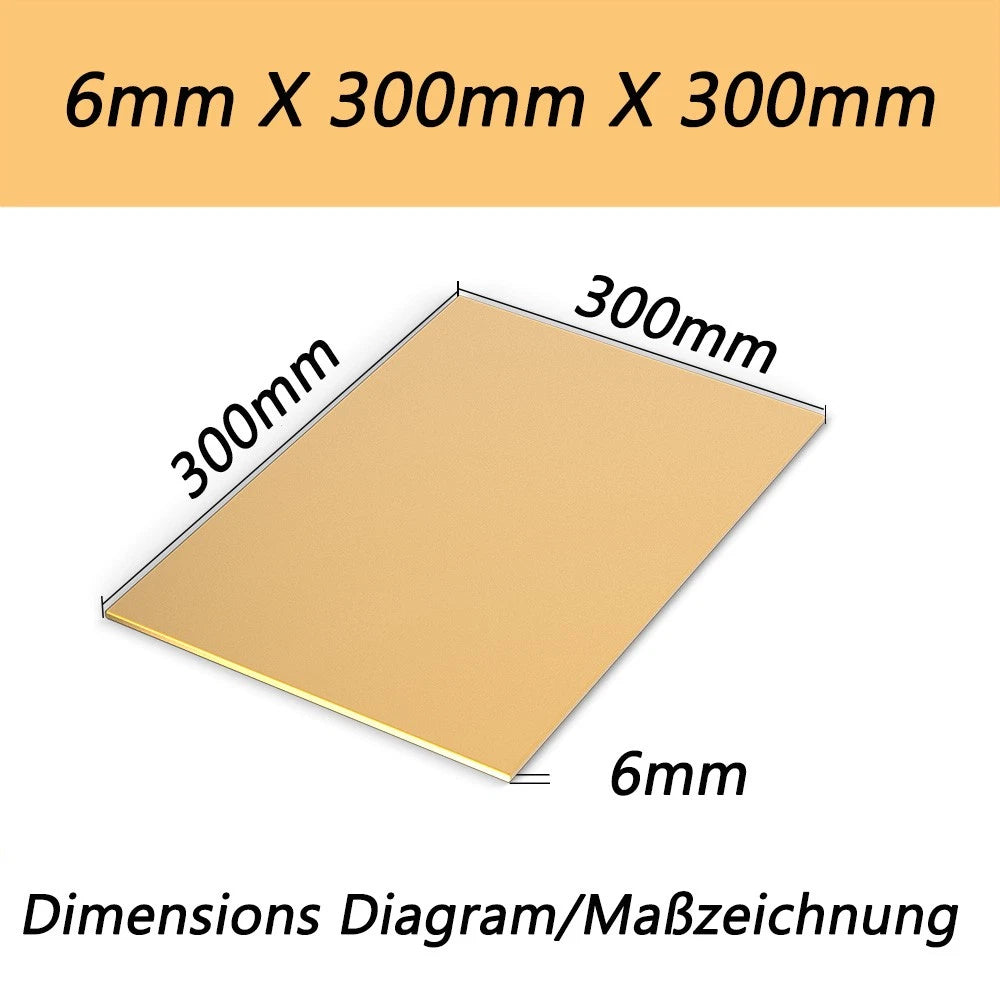
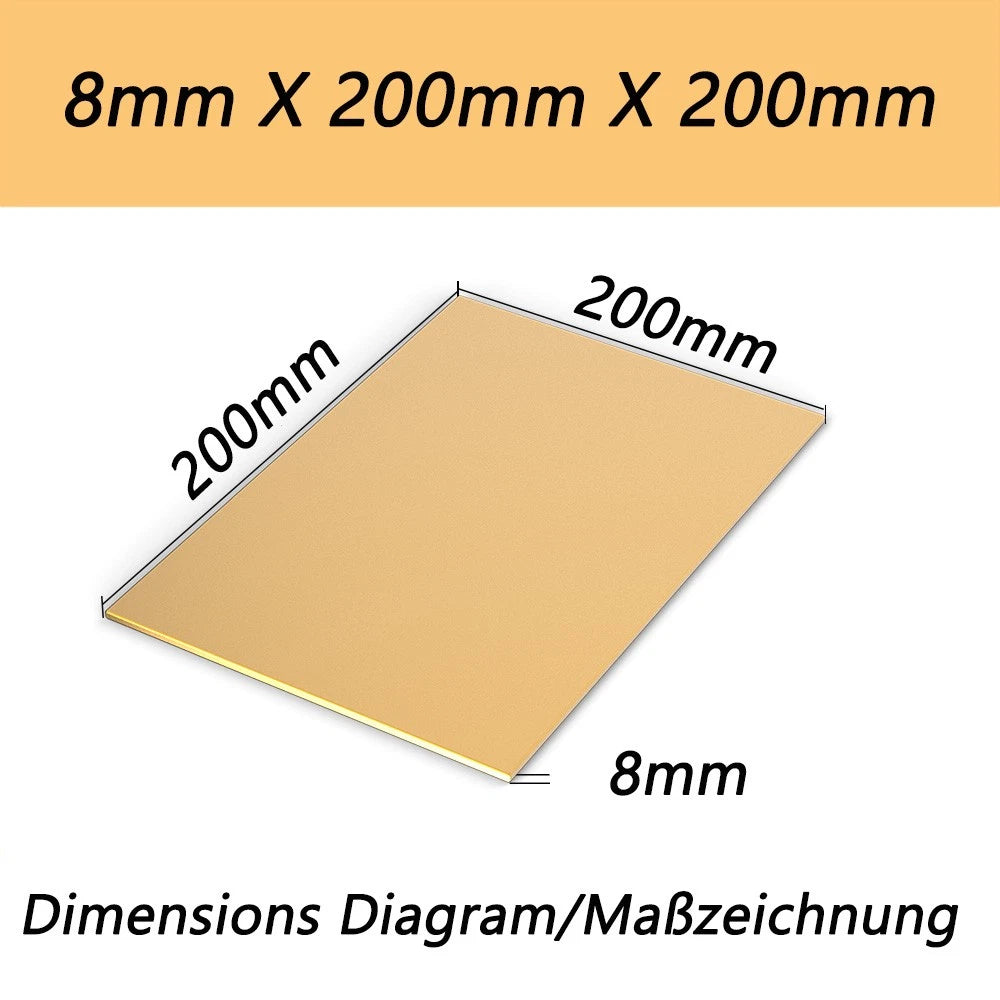
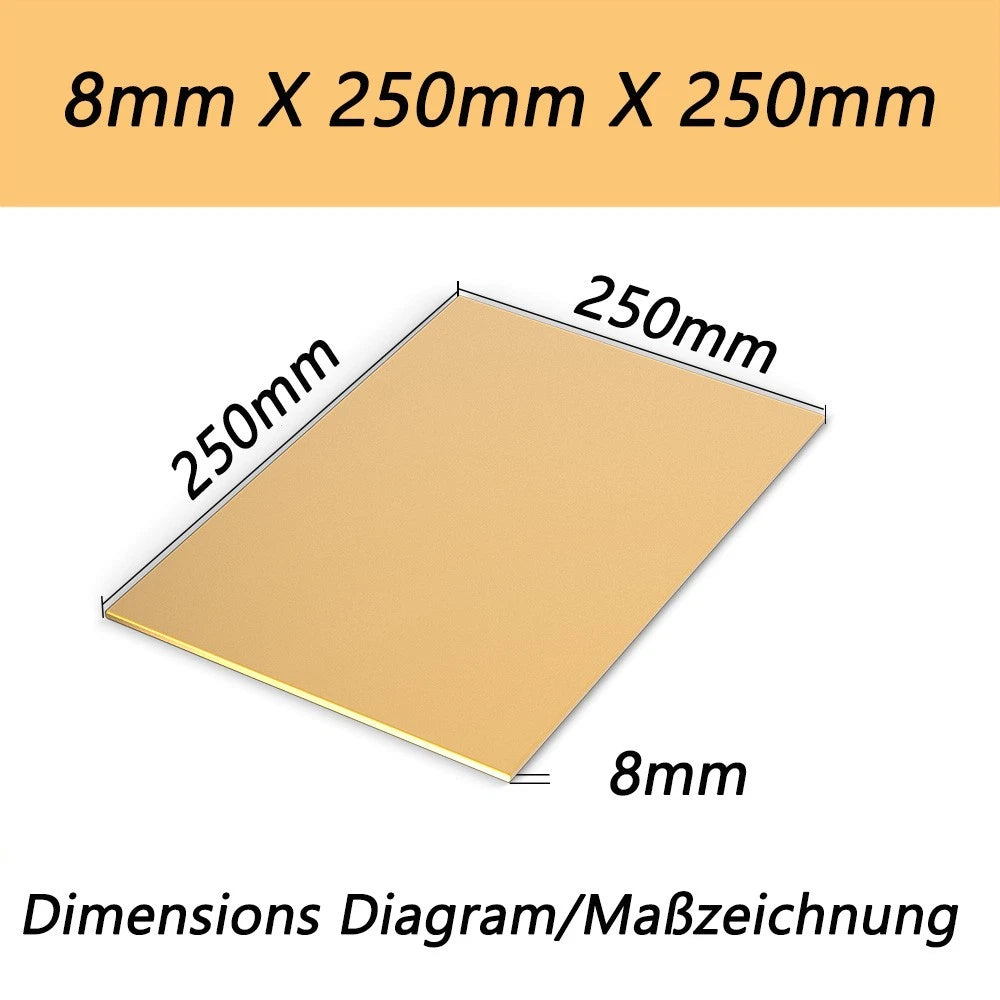
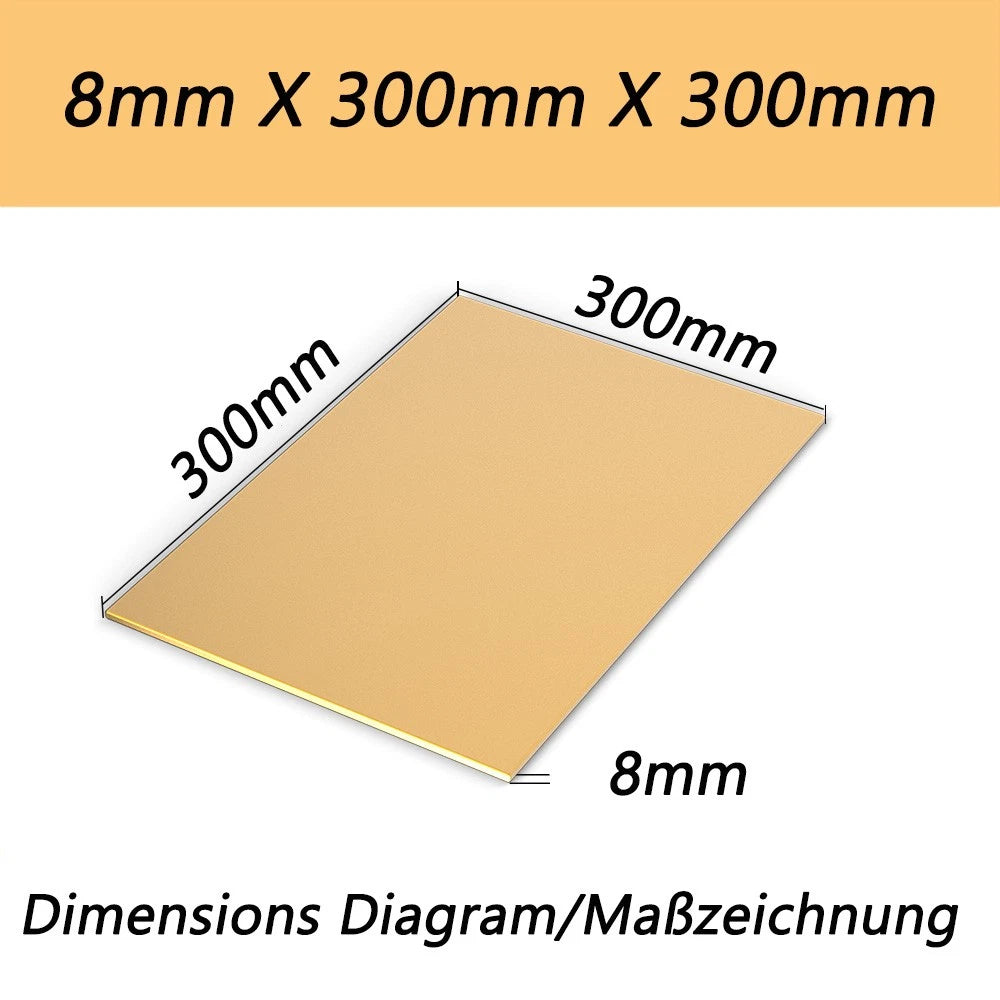
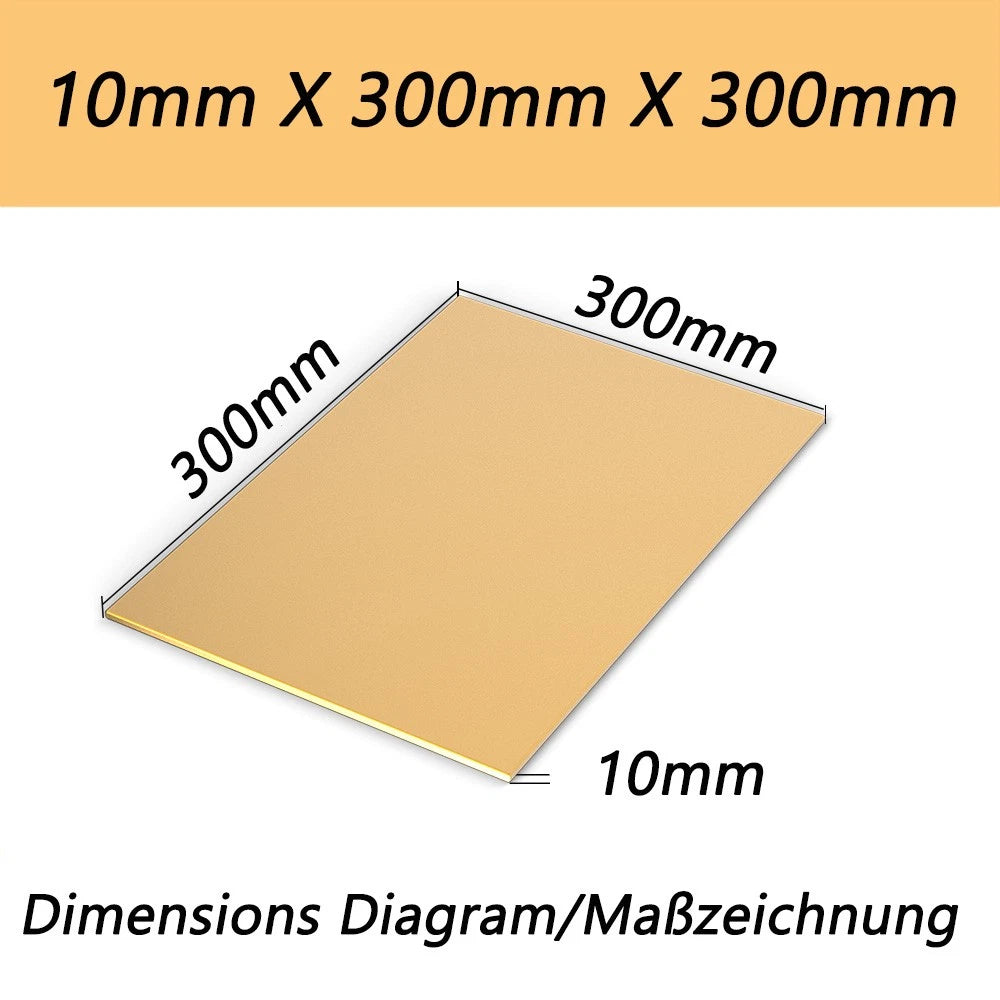
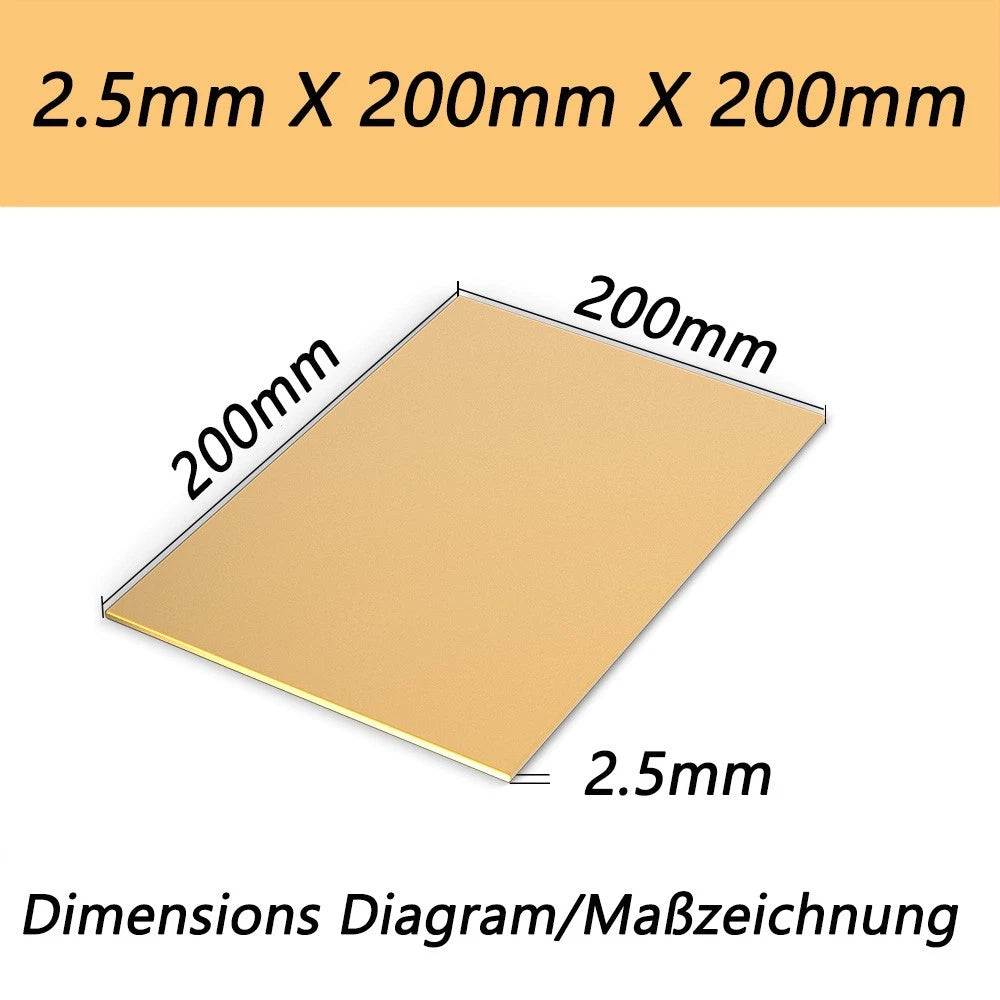
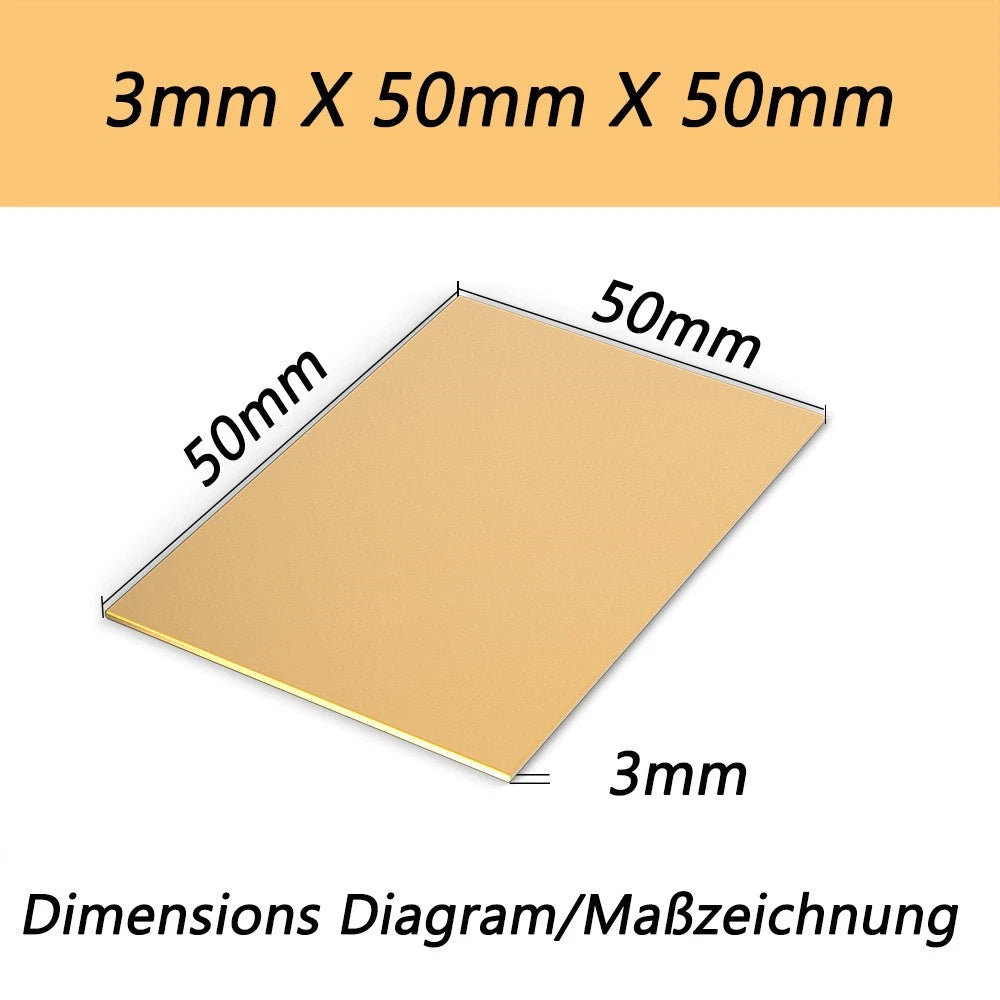
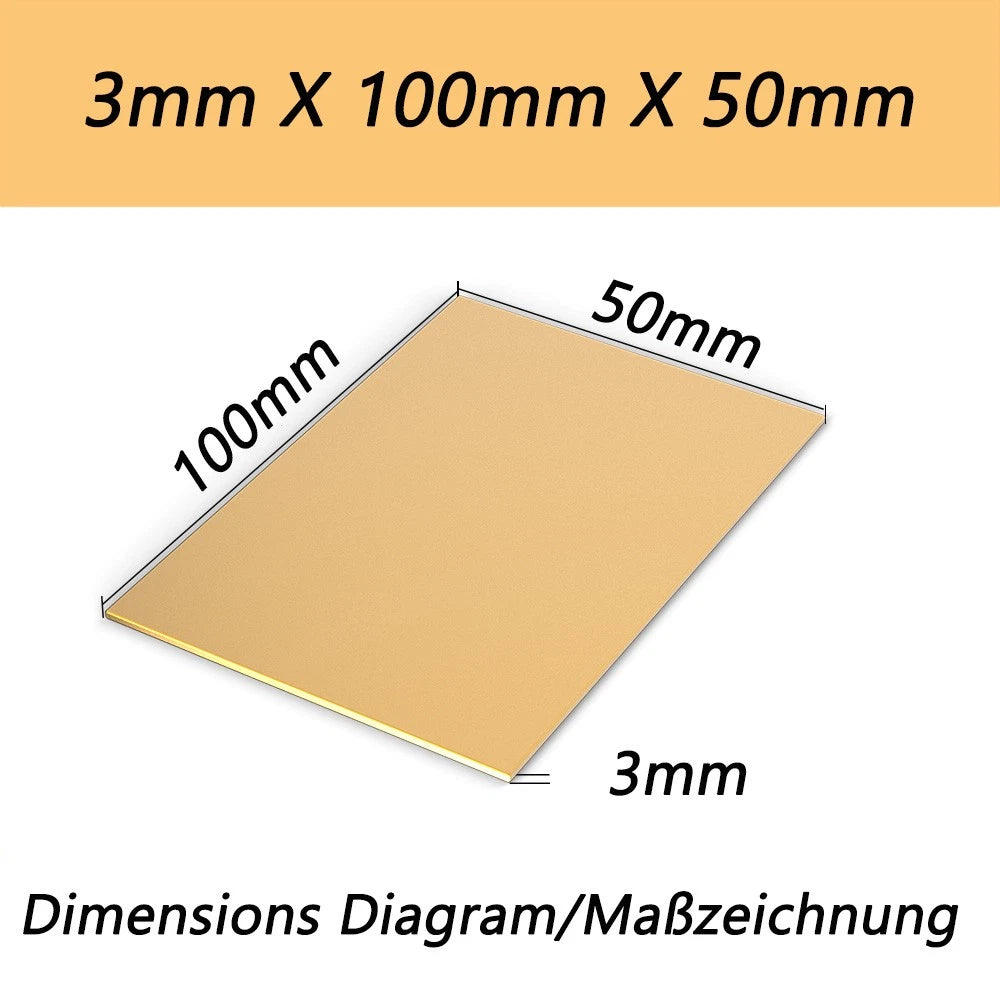
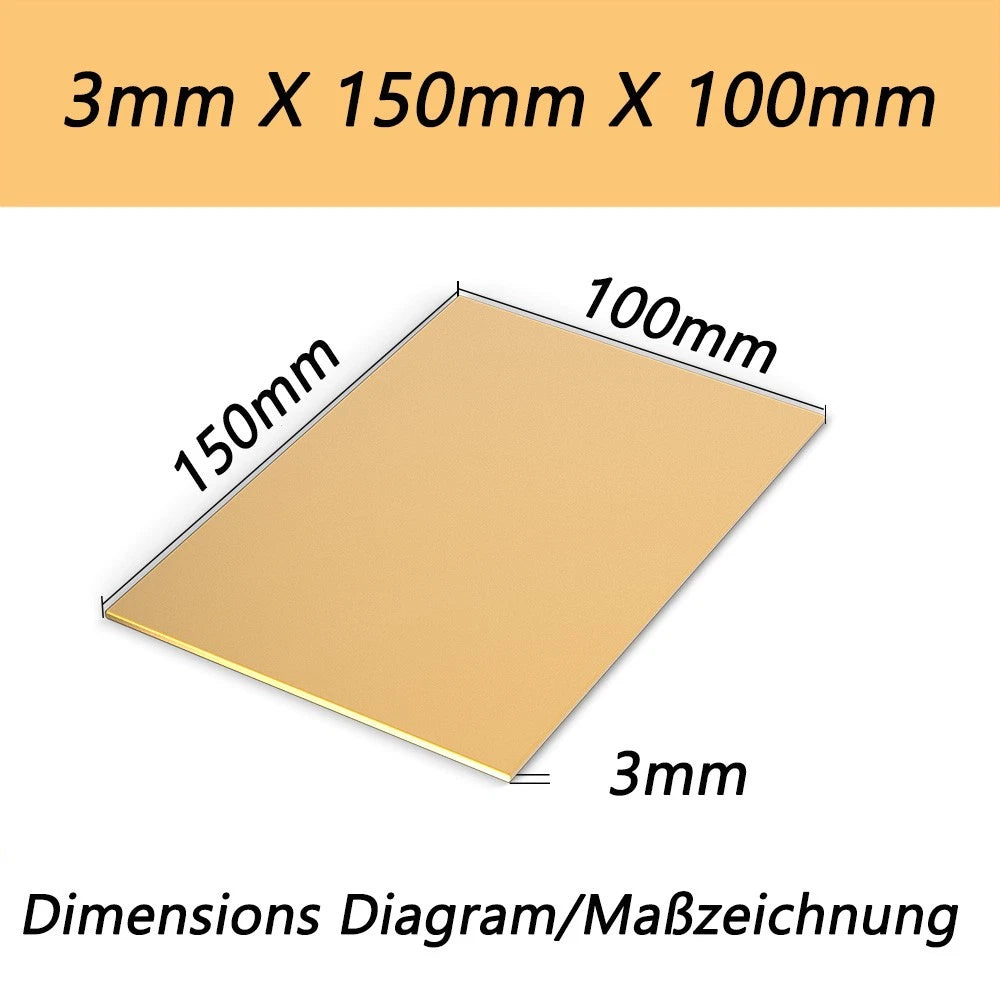
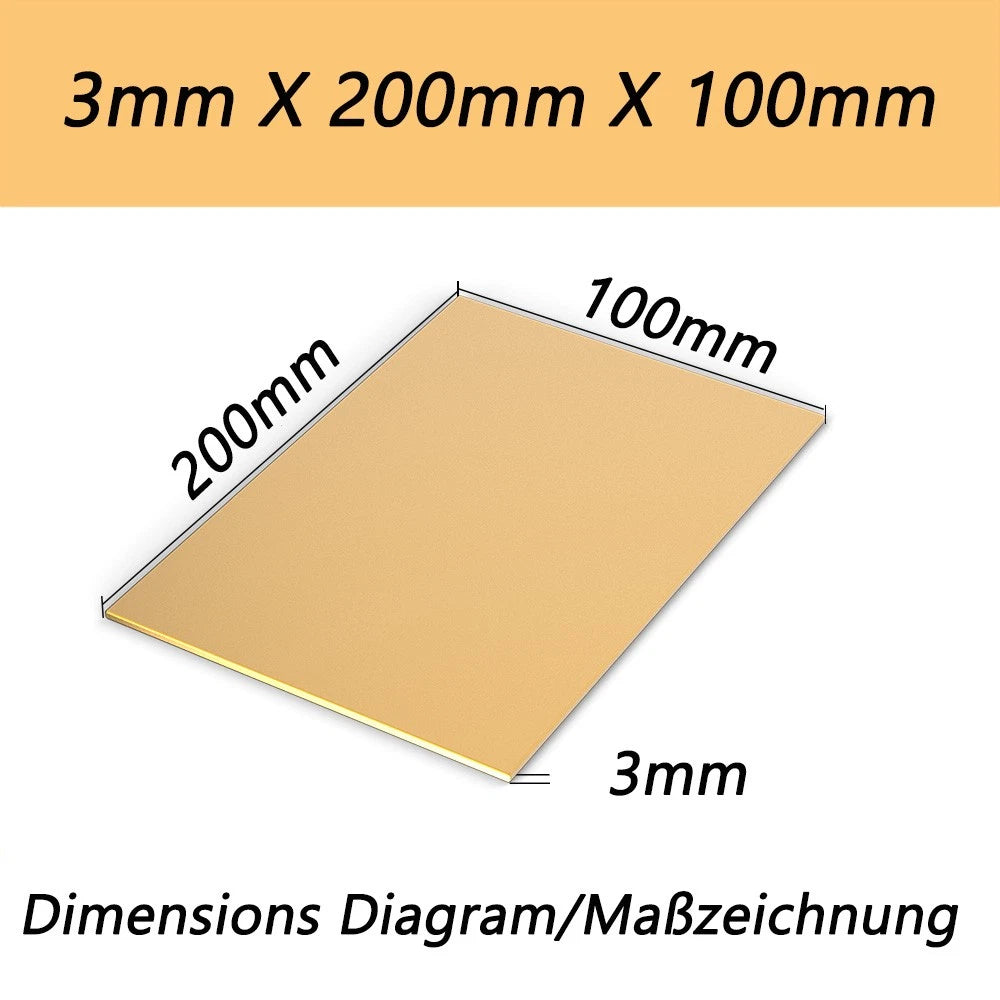
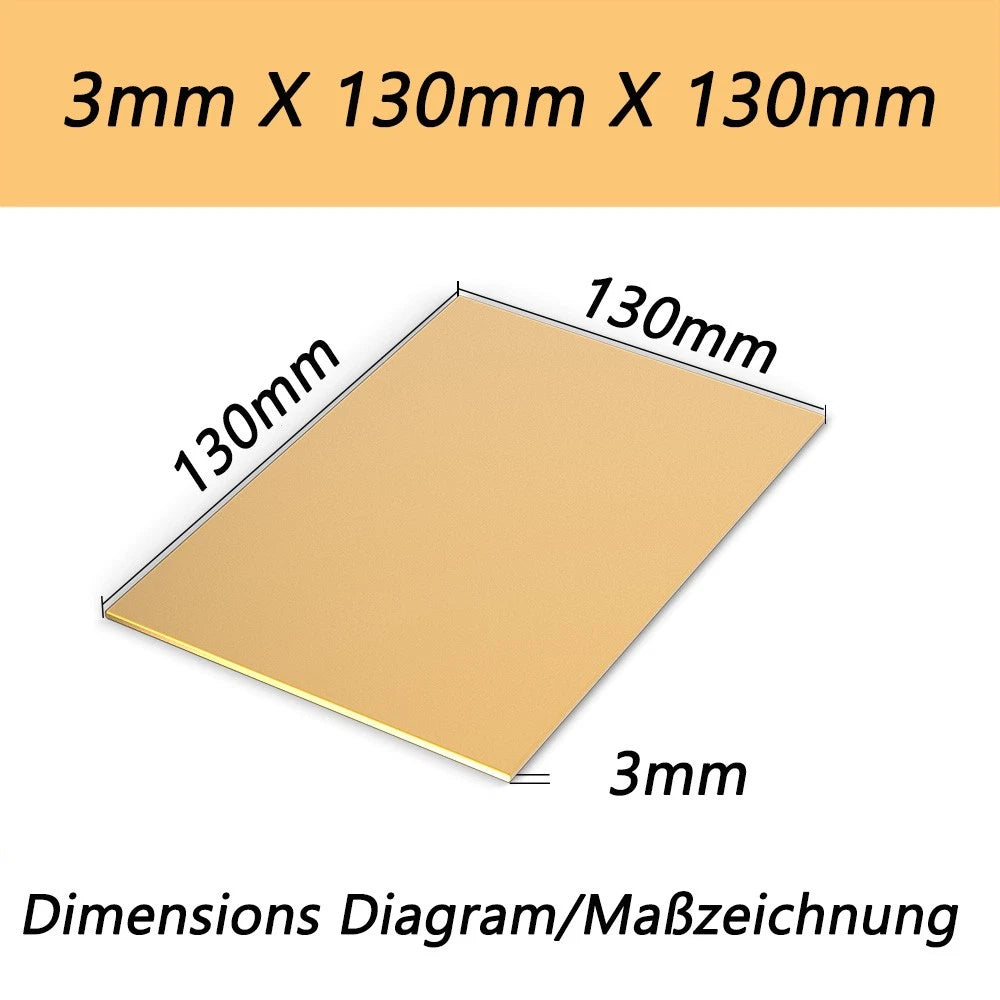
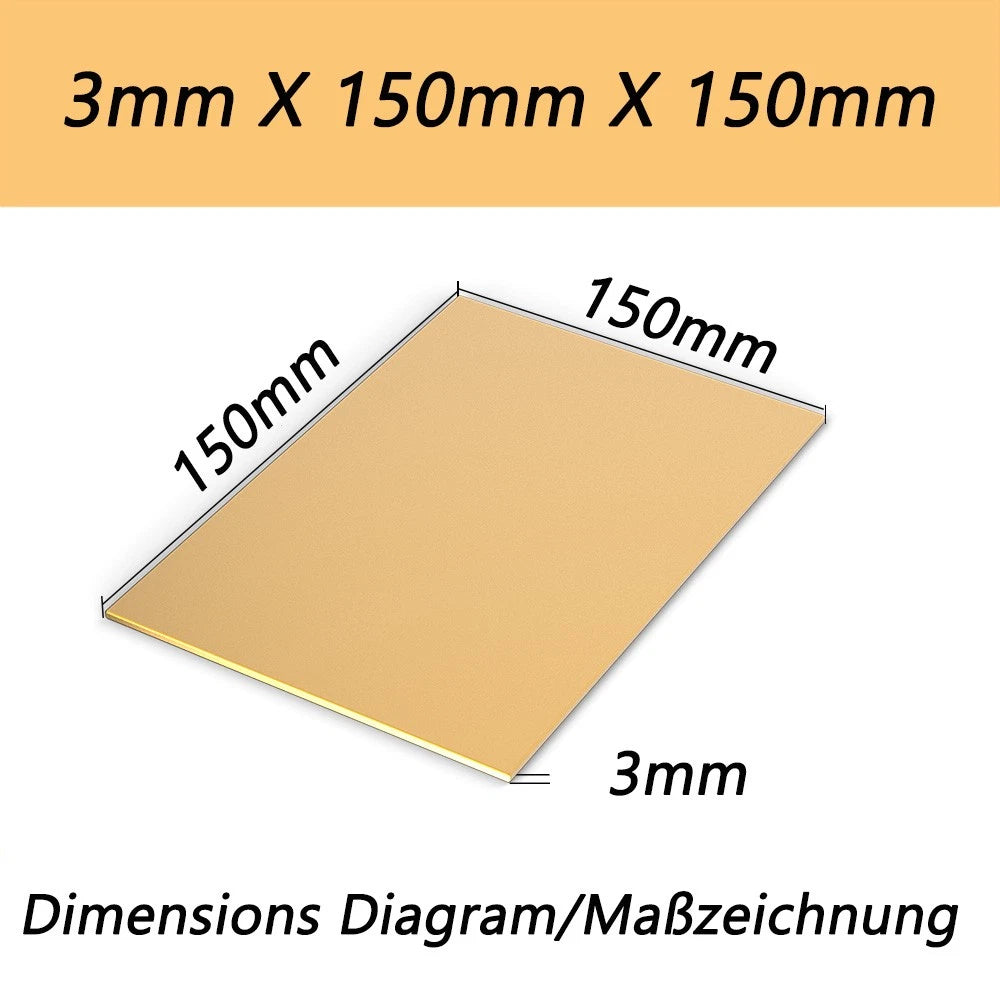
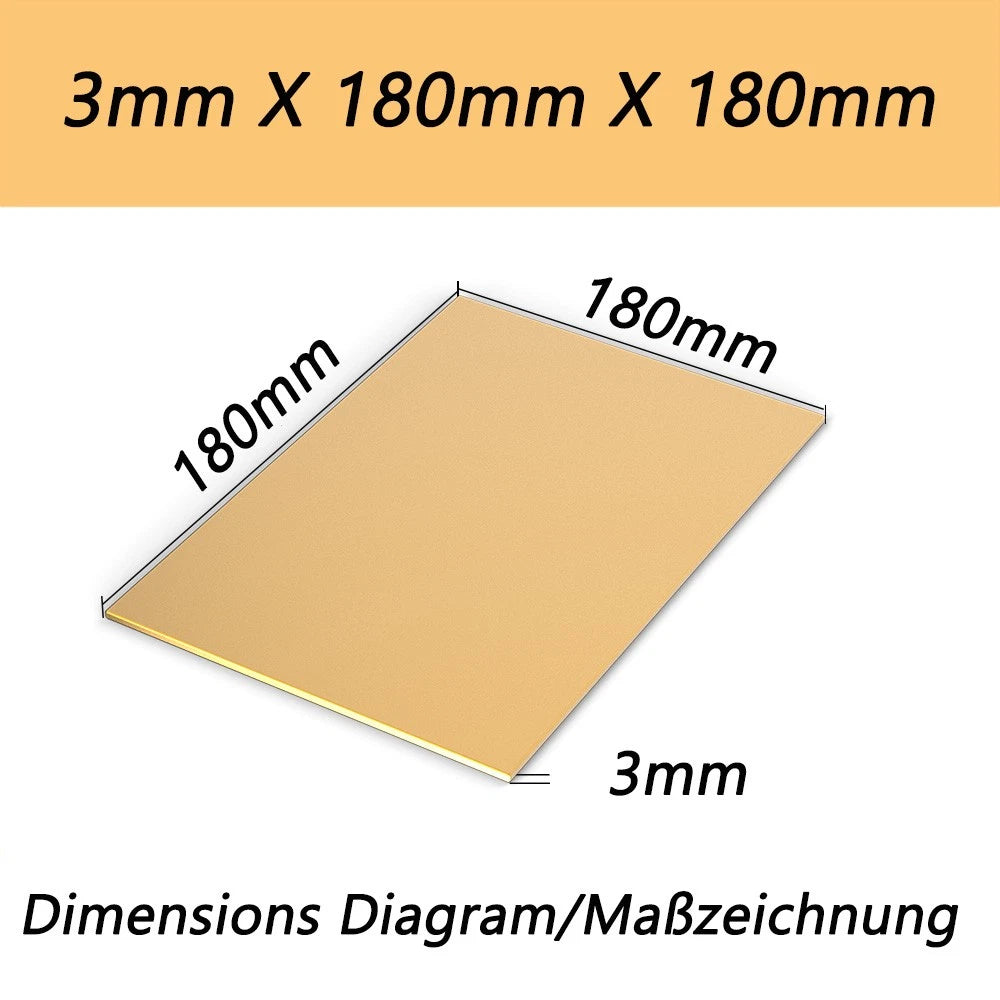
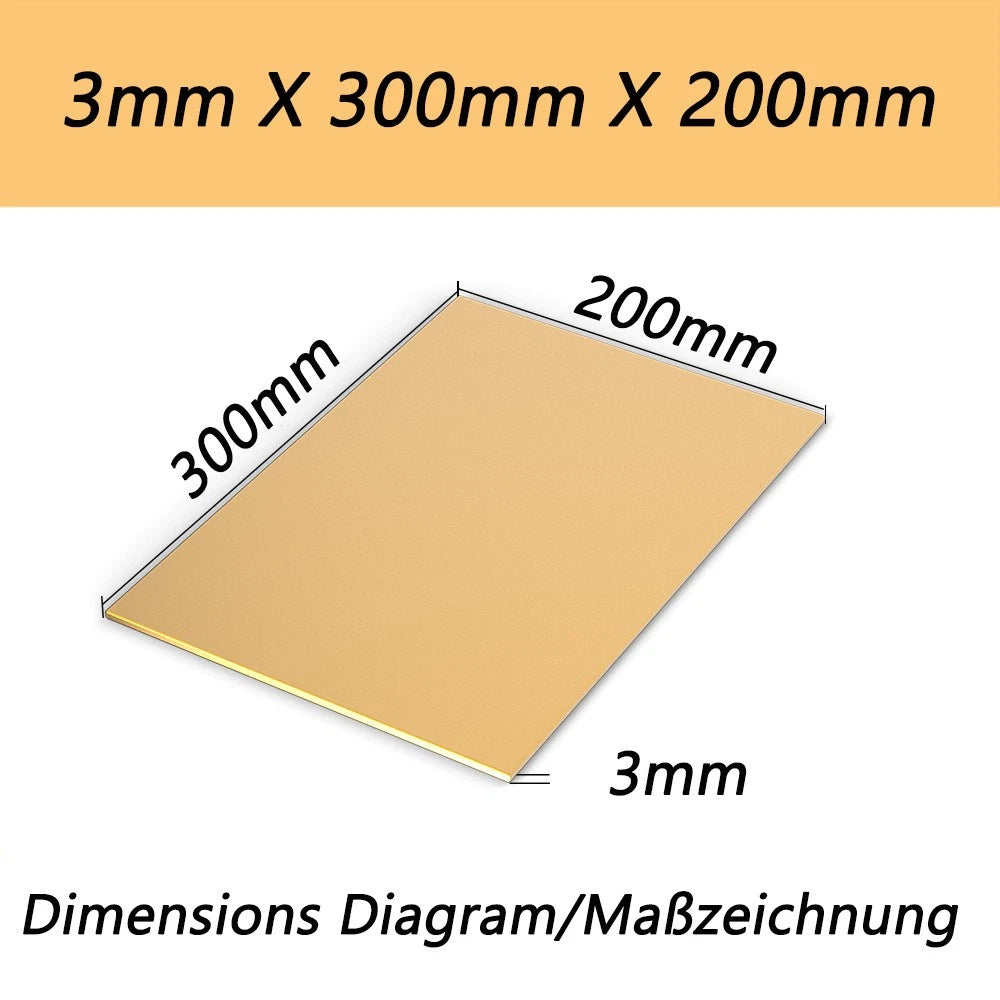
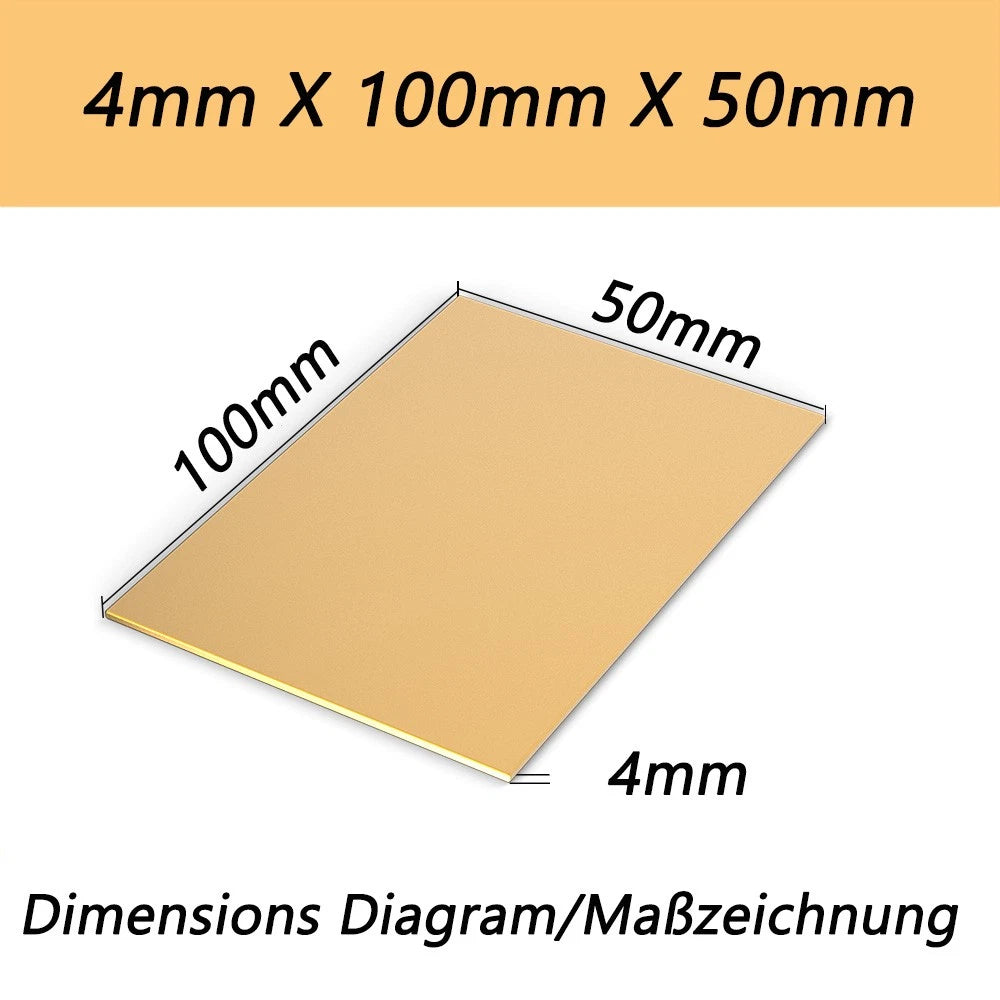
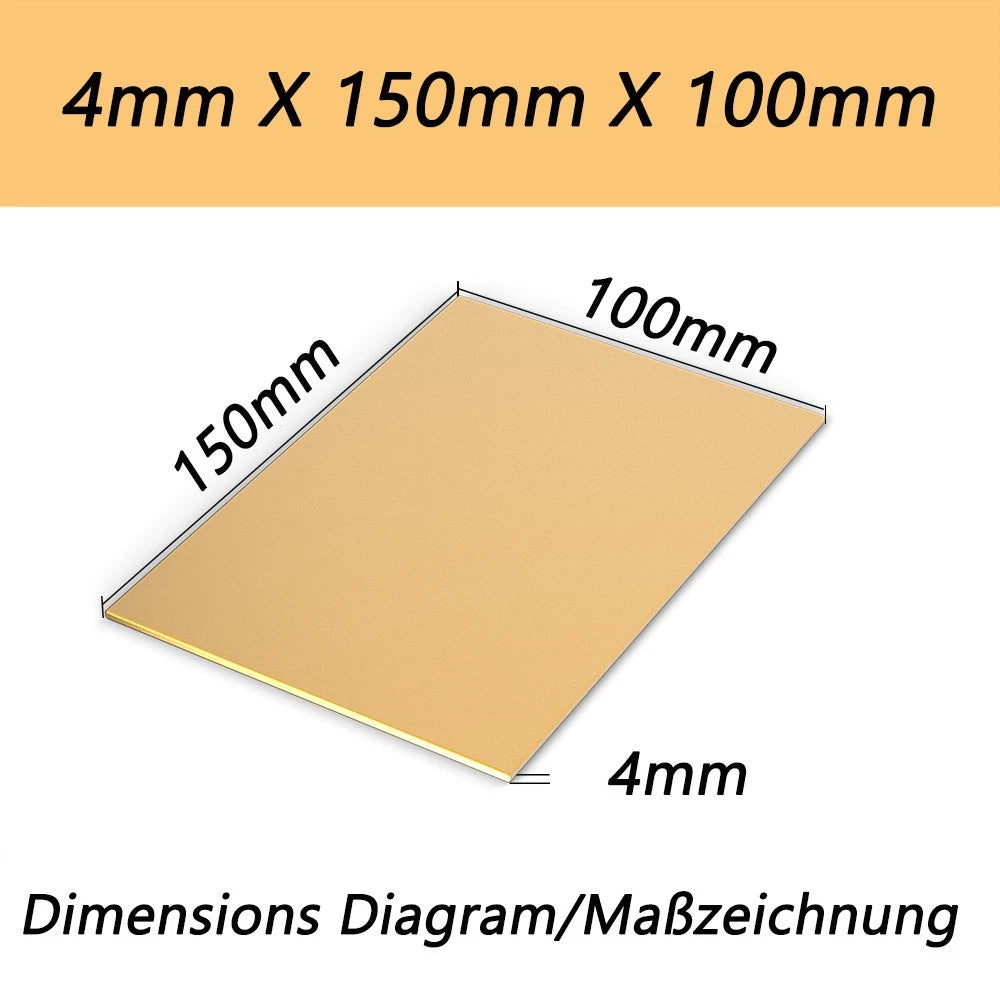
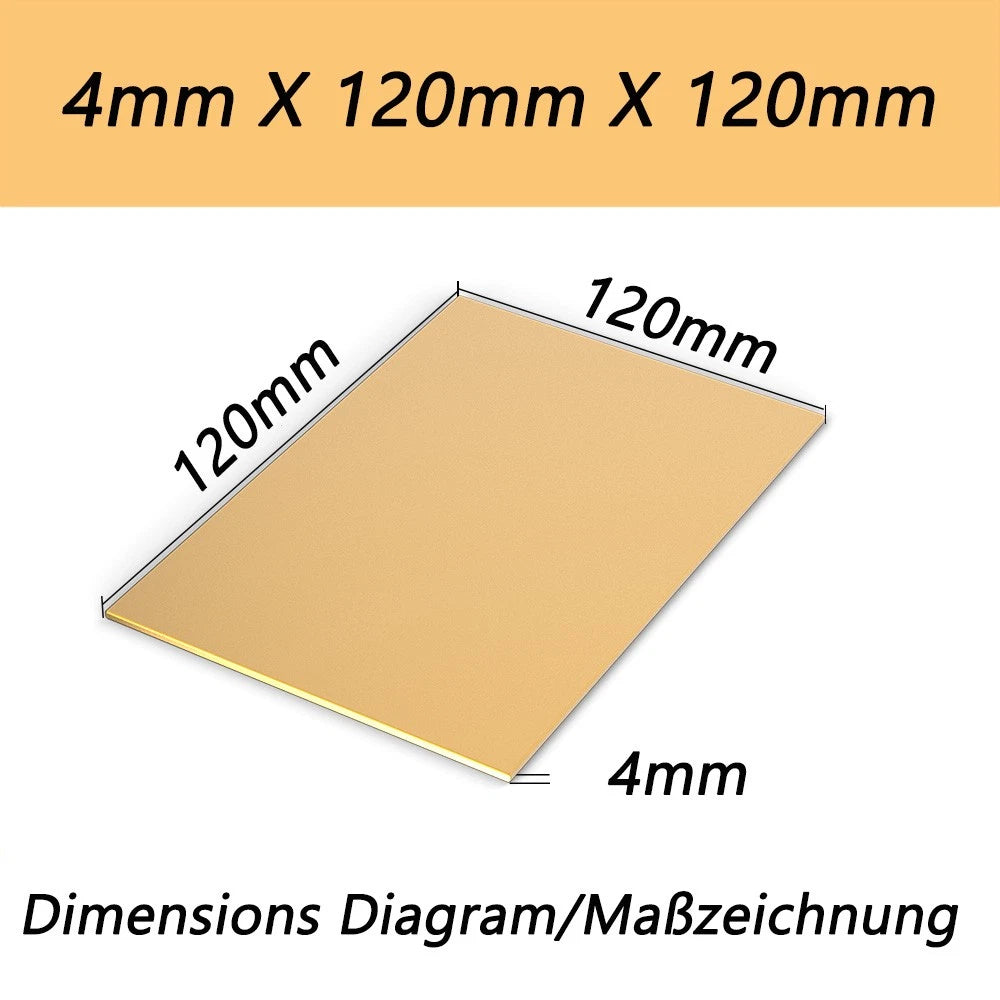
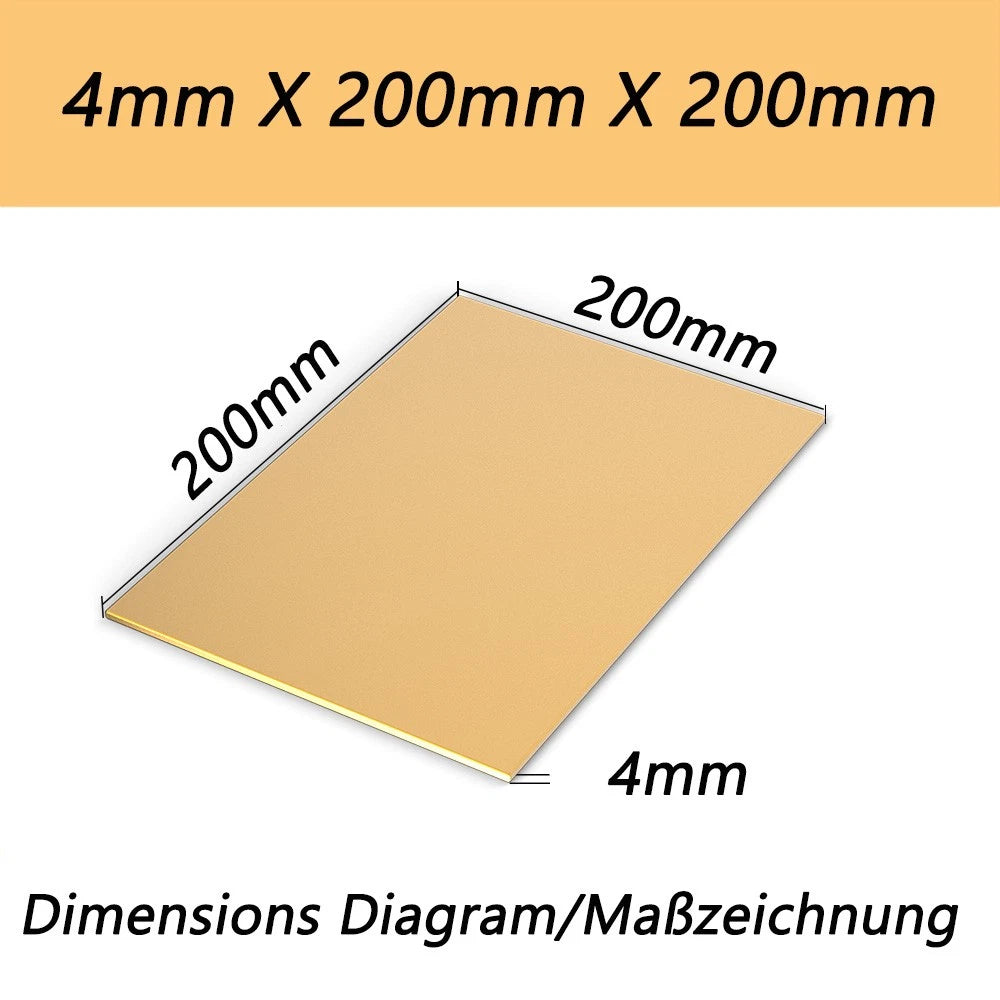
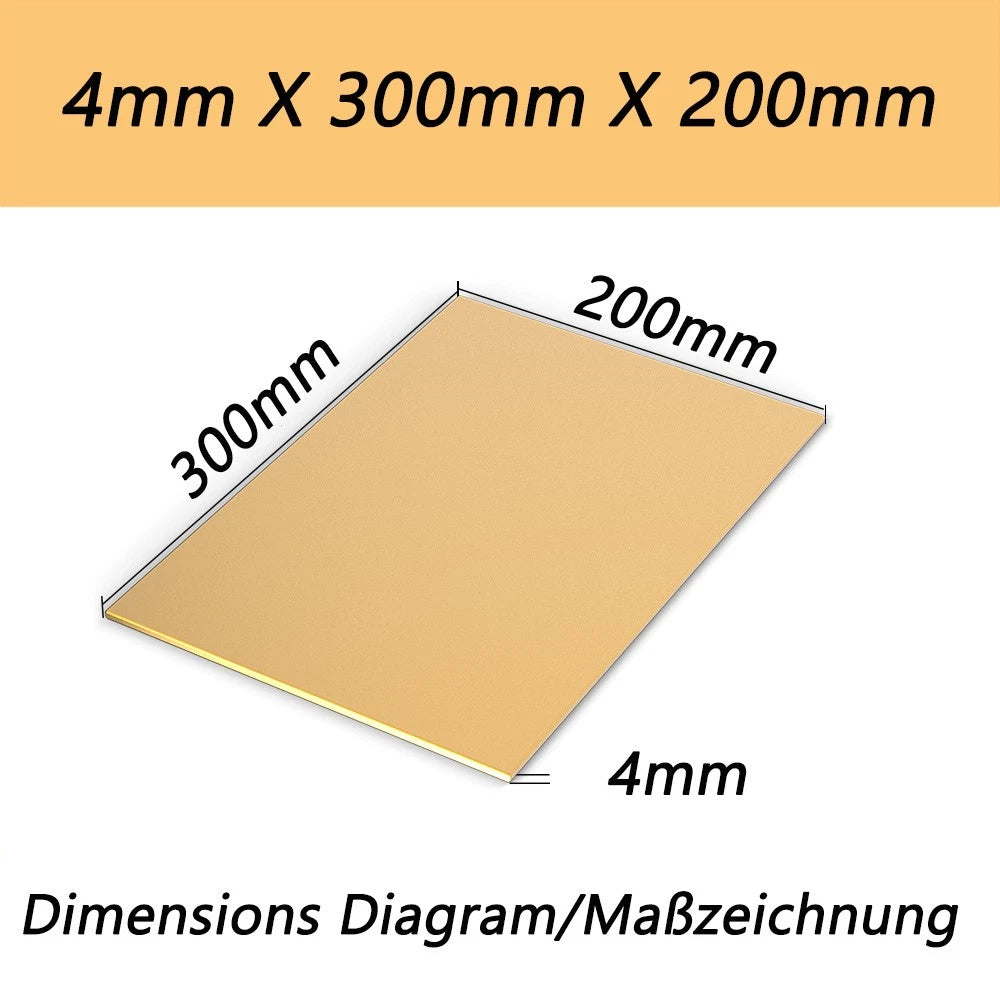
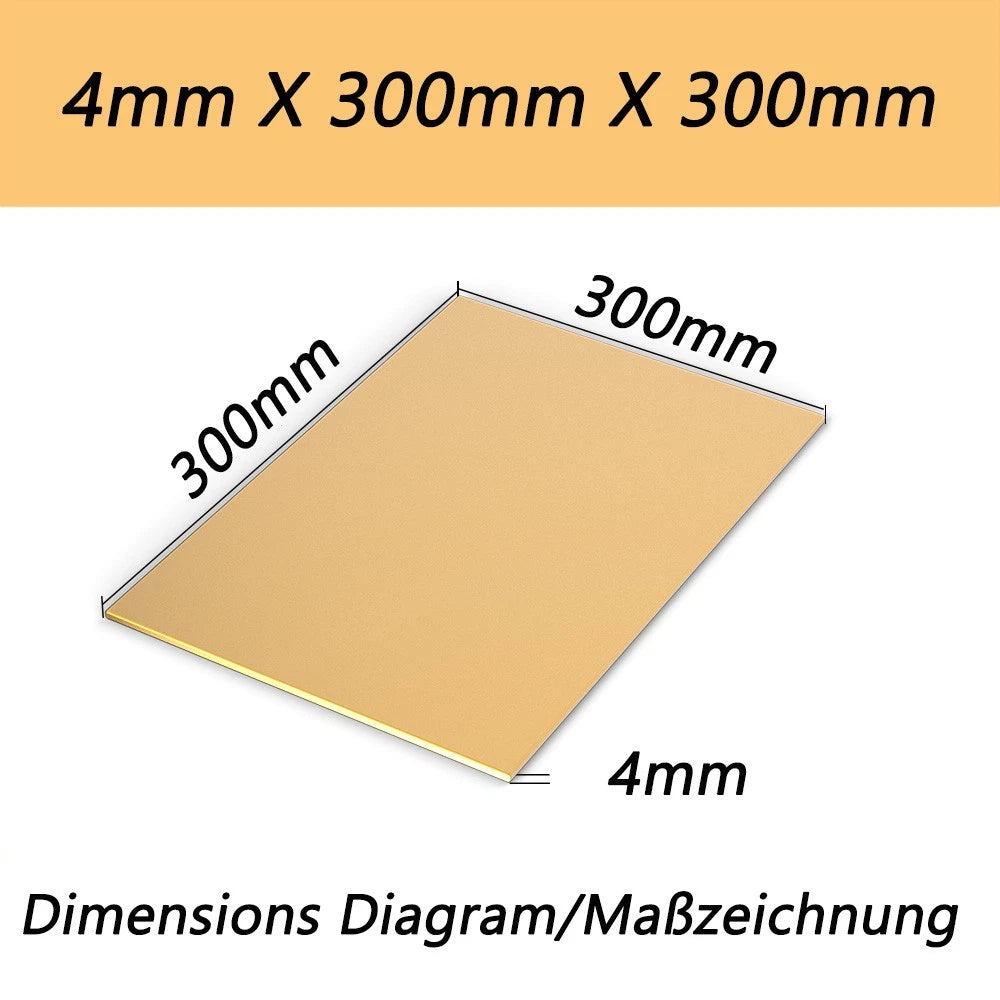
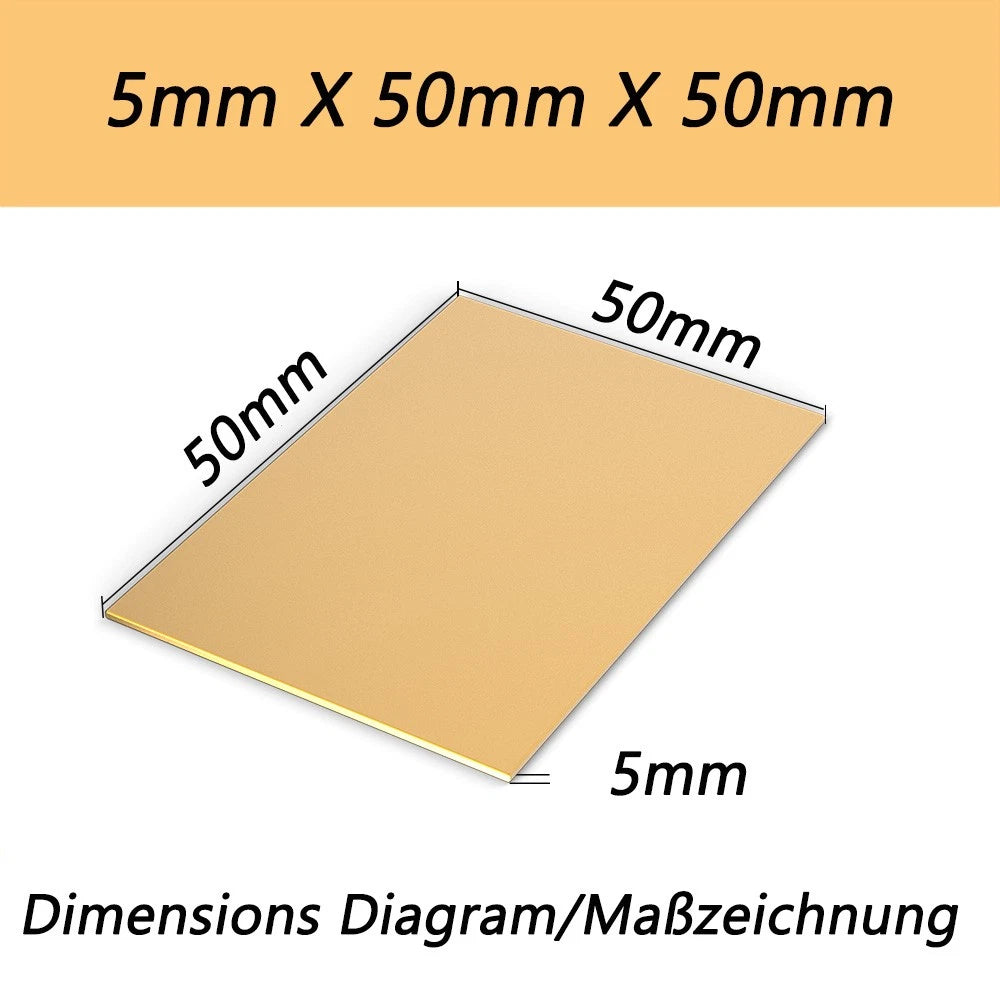
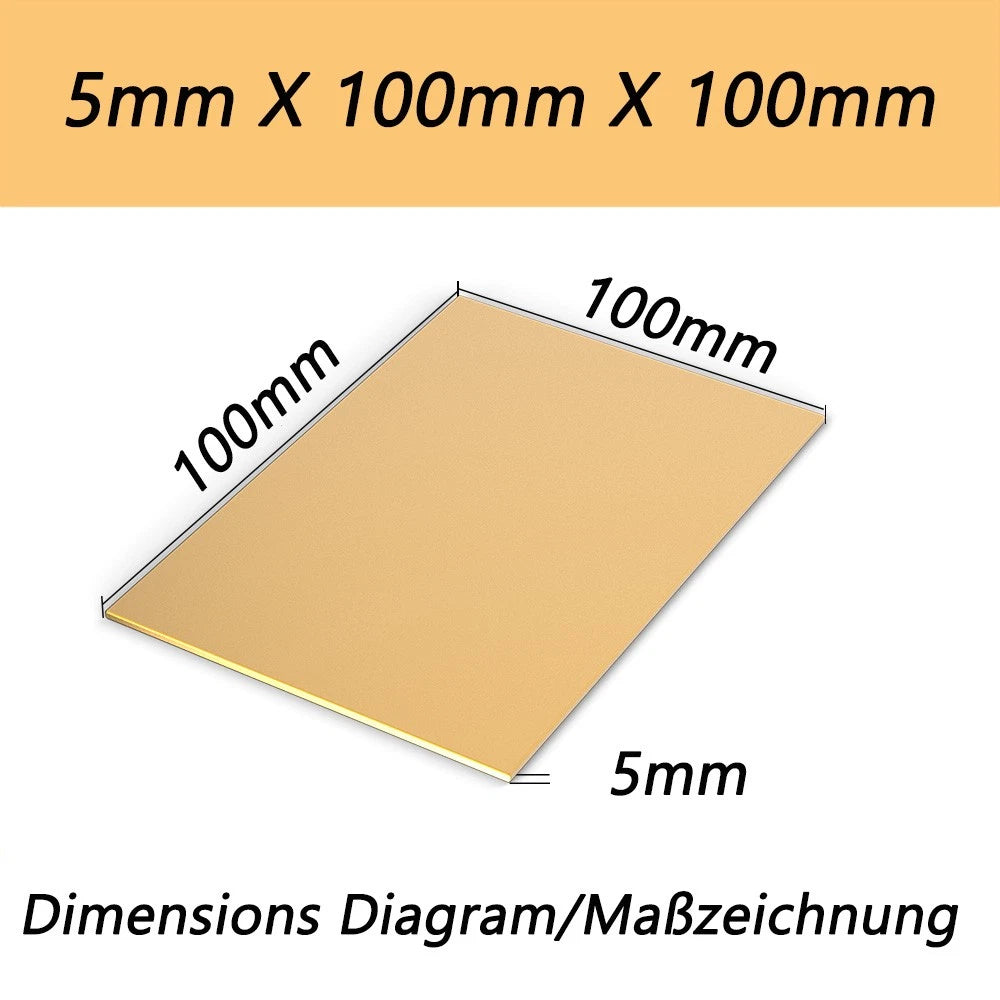
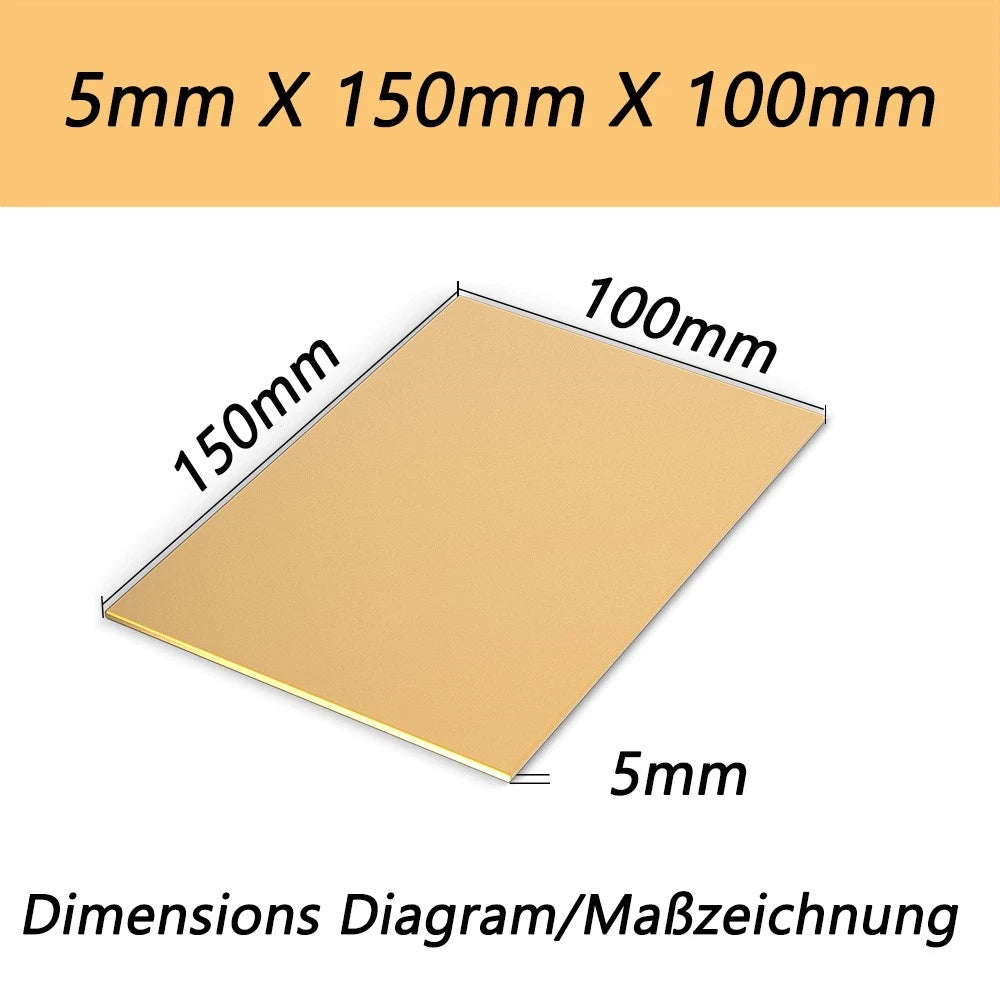
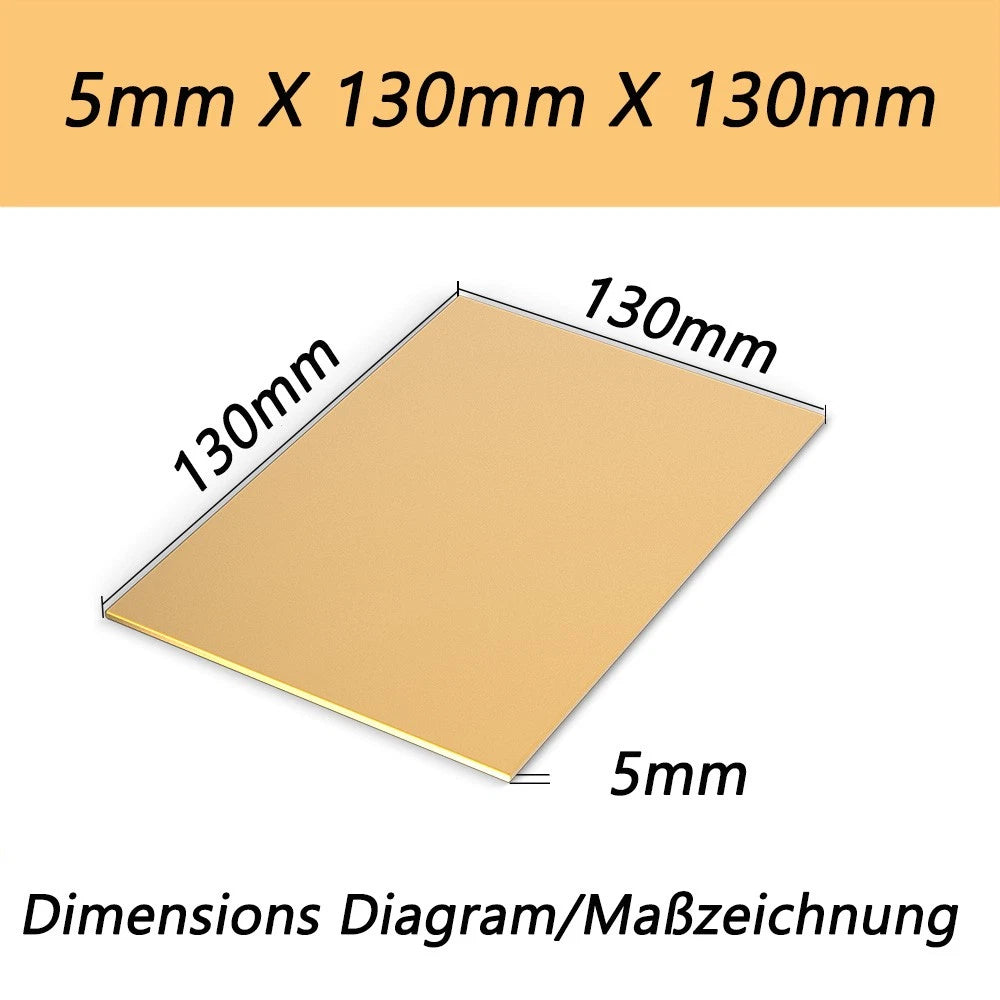
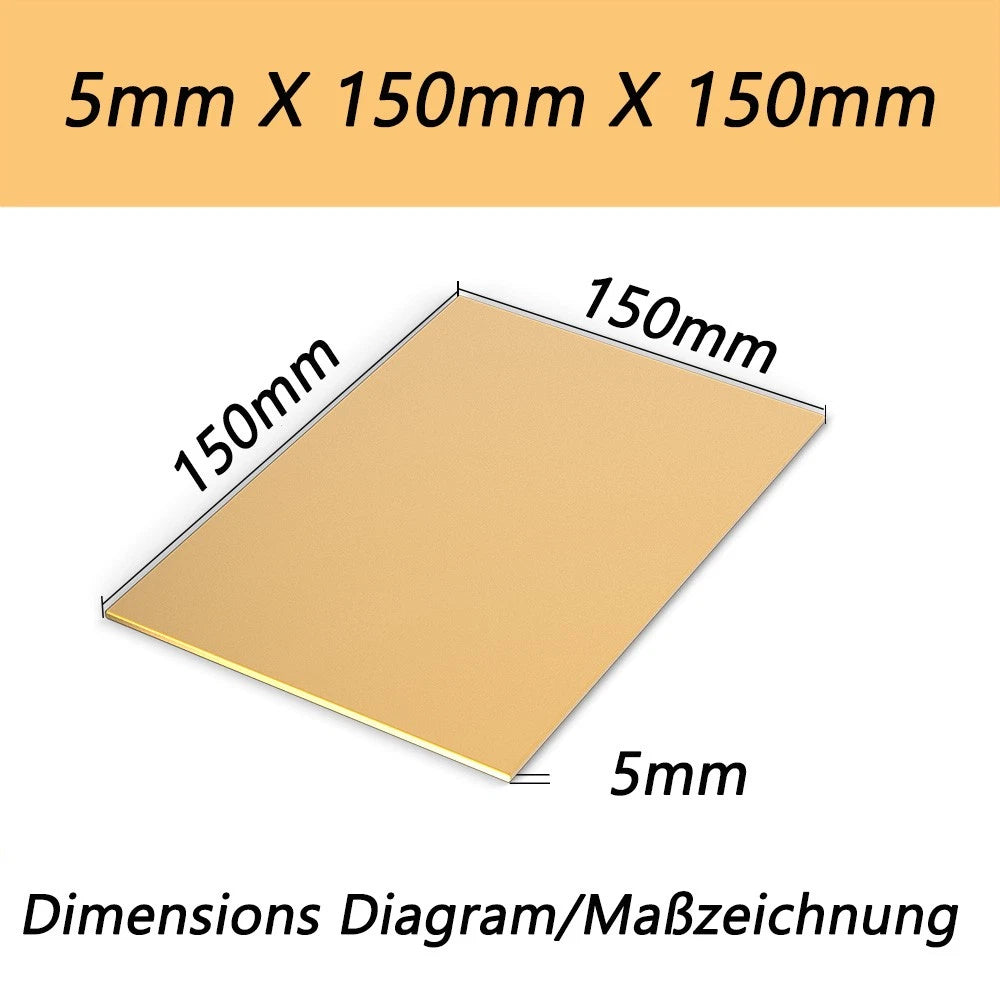
Each piece is cut from H62 grade brass alloy, a copper-zinc composition known for its balance of machinability, corrosion resistance, and warm golden appearance. Thickness options run from 1.5 mm (approx. 0.059 in) up to 10 mm (approx. 0.394 in), with sheet dimensions ranging from 10 mm × 10 mm (approx. 0.39 in × 0.39 in) up to 400 mm × 400 mm (approx. 15.75 in × 15.75 in). Quantity options of 1, 2, or 4 pieces are available depending on the size selected.
Typical applications include jewellery components and decorative inlays, scale model structural parts and detailing, electrical contact blanks and shim stock, craft engraving and etching substrates, and general metalworking repair patches. The consistent thickness and flat surface make these sheets well-suited for CNC routing, laser engraving, hand filing, and soldering workflows.
| Material / Alloy | H62 Brass (Copper-Zinc Alloy) |
|---|---|
| Thickness Range | 1.5 mm – 10 mm (0.059 in – 0.394 in) |
| Sheet Size Range | 10 × 10 mm up to 400 × 400 mm |
| Available Thicknesses | 1.5 mm, 2 mm, 2.5 mm, 3 mm, 4 mm, 5 mm, 6 mm, 8 mm, 10 mm |
| Surface Finish | Mill finish (flat, uncoated) |
| Quantity per Pack | 1 PCS / 2 PCS / 4 PCS (see variant options) |
| Weight | See variant options |
| Hardness | See variant options |
| Temper / Condition | See variant options |
| Tolerance | See variant options |
For jewellery components, decorative inlays, and thin shim applications, 1.5 mm – 2 mm is typically sufficient. For structural model parts that need rigidity, 3 mm – 5 mm is a common choice. For heavy-duty brackets, electrical bus bars, or load-bearing patches, 6 mm – 10 mm provides the necessary strength. If you are unsure, select the next thickness up from your estimate to allow for filing or machining to final dimension.
H62 brass has a tensile strength typically in the range of 330–440 MPa depending on temper, which is adequate for scale model structural components, brackets, and decorative hardware. It is not intended for high-load engineering applications, but for hobby and craft model building it performs reliably and holds threaded fasteners well when tapped.
H62 brass resists corrosion well in dry indoor environments. Over time, exposure to air and humidity will cause natural tarnishing — a darkening of the surface — which many makers consider desirable for aged or antique aesthetics. To maintain a bright finish, apply a clear lacquer or brass polish after fabrication. For outdoor or marine environments, additional protective coating is recommended.
Yes. H62 brass solders and brazes readily using standard brass-compatible silver solder, soft solder, or brazing rod with appropriate flux. Clean the surface with fine abrasive or flux before joining to ensure a strong bond. Avoid overheating, as prolonged high heat can cause zinc volatilisation (dezincification) which weakens the joint area.
Yes, with the appropriate tooling. For CNC routing, use carbide end mills rated for non-ferrous metals and apply cutting fluid to extend tool life. For laser engraving, a fibre laser is required to mark or cut brass effectively — CO₂ lasers alone are generally not effective on bare brass without a marking compound. Thinner sheets (1.5 mm – 3 mm) are most practical for laser cutting applications.
The quantity options vary by size variant. Smaller sizes (10 × 10 mm to 30 × 30 mm) are available in 2 or 4-piece packs, which suits jewellery makers who need multiples for batch production. Larger sheet sizes are typically sold as single pieces. Order extra pieces if your project involves test cuts, practice runs, or if you anticipate needing spares for future repairs.
H62 is a Chinese standard designation for a brass alloy containing approximately 60–63% copper and the remainder zinc. It is broadly equivalent to CuZn37 (European) or C27000 (US) grades. Compared to H59 (lower copper content), H62 offers better corrosion resistance and a slightly warmer colour. Compared to H68 or H70 (higher copper content), H62 is more economical while still offering good machinability and formability for most hobby and light industrial applications.