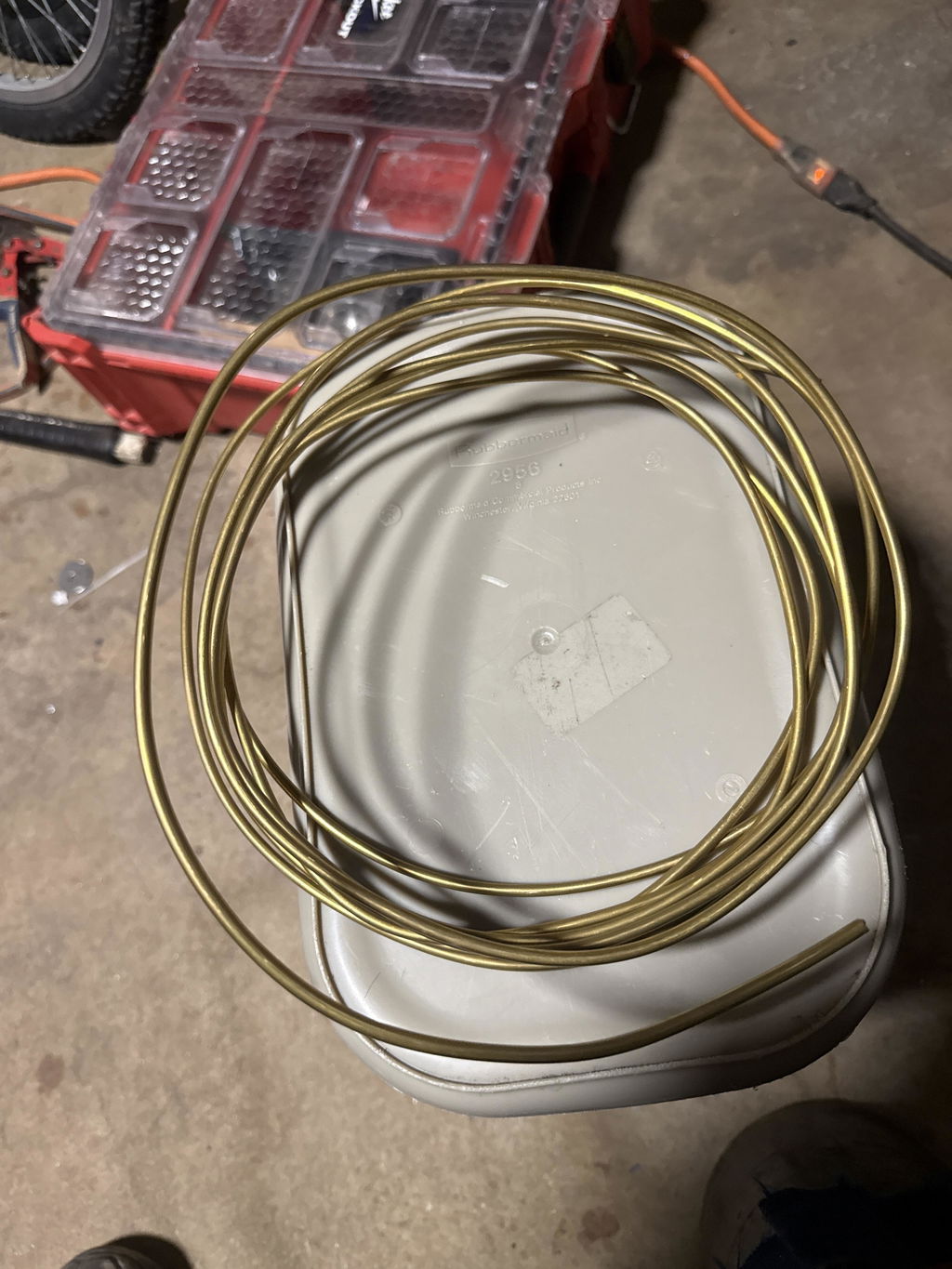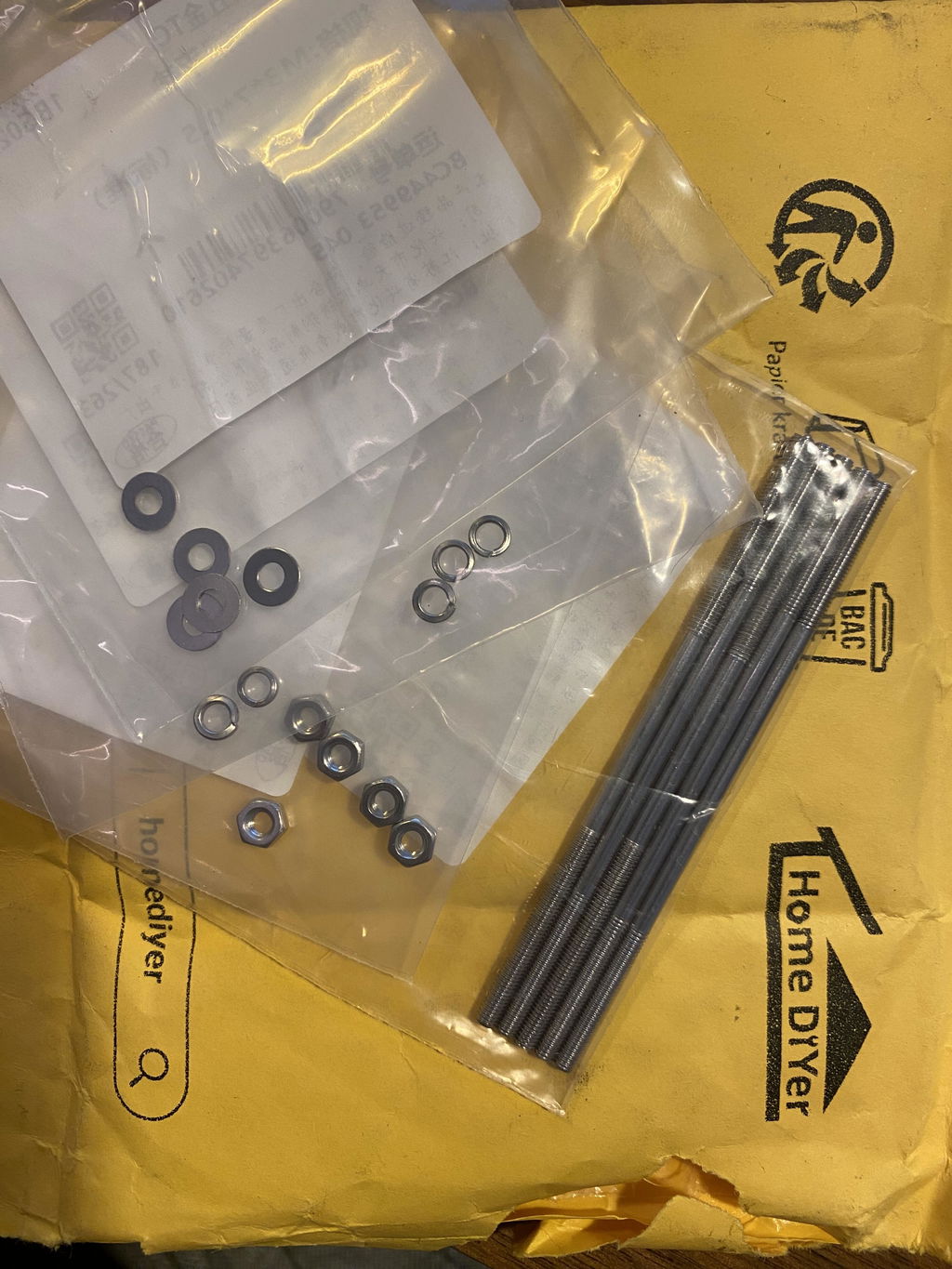
The chain is fine...but I ordered the wrong size. Nine links of the chain I ordered equals six of the size I wanted. My error...
How can I straighten out the springs? I can't use them coil uo as is.
Your payment information is processed securely. We do not store credit card details nor have access to your credit card information.
Get fitment advice & recommendations
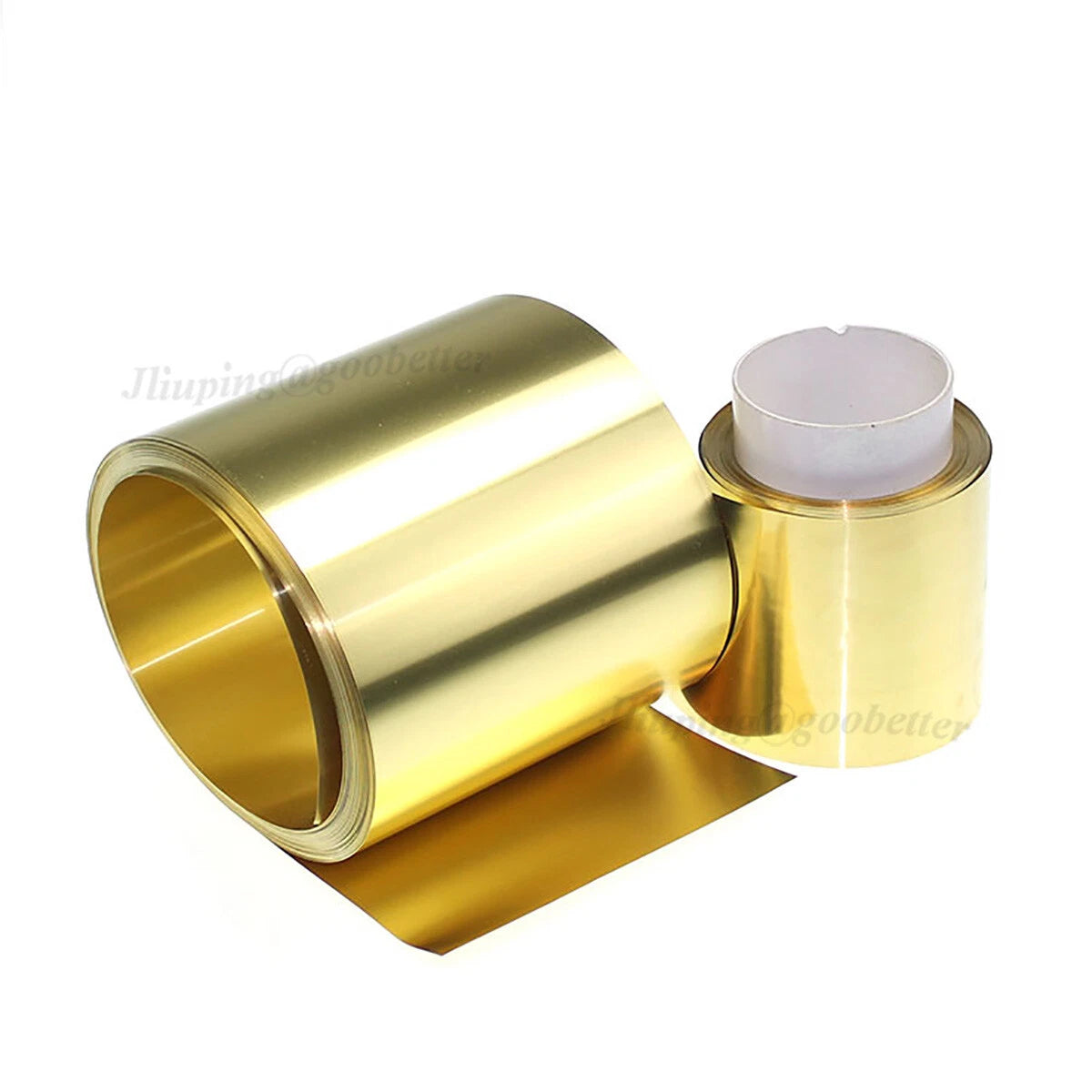
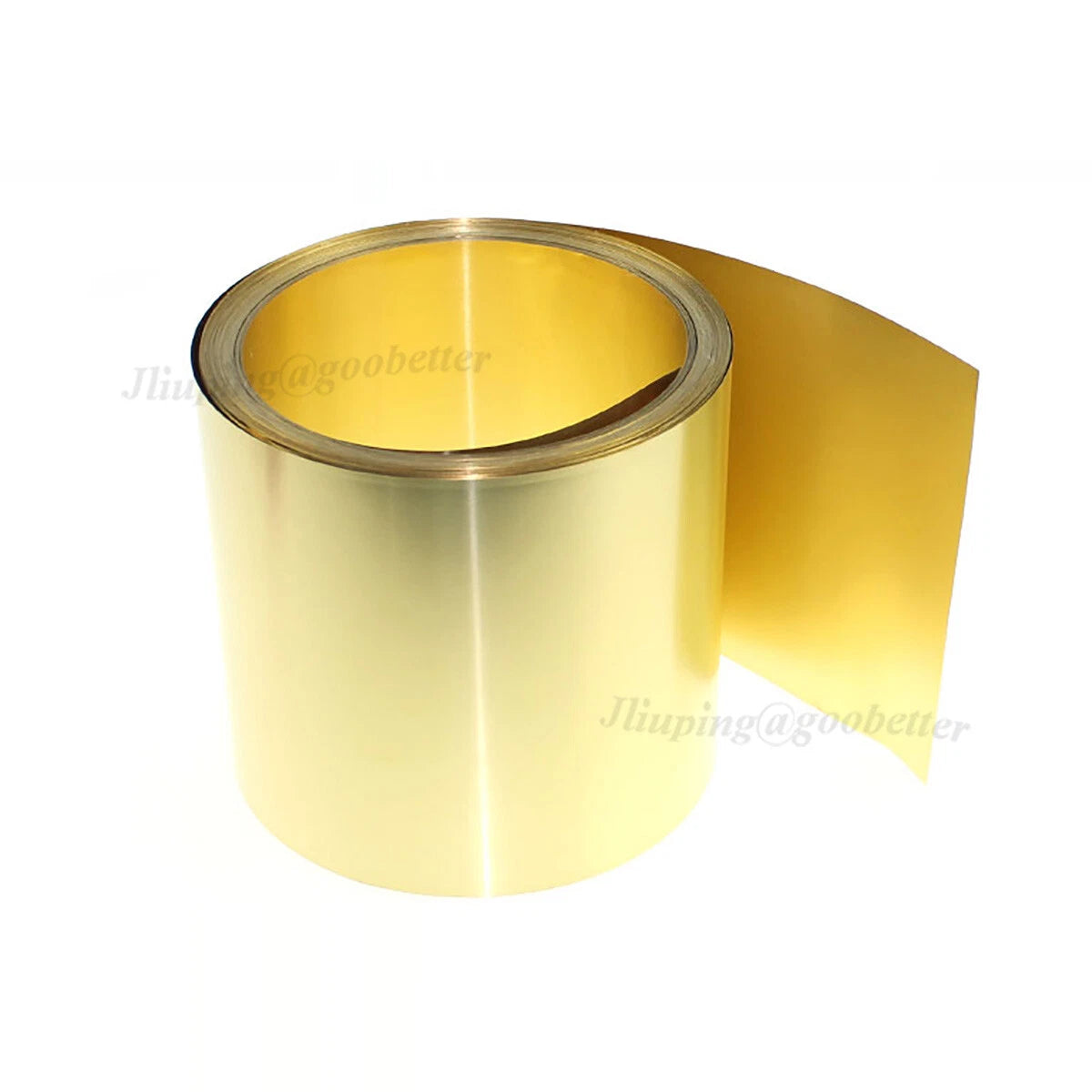
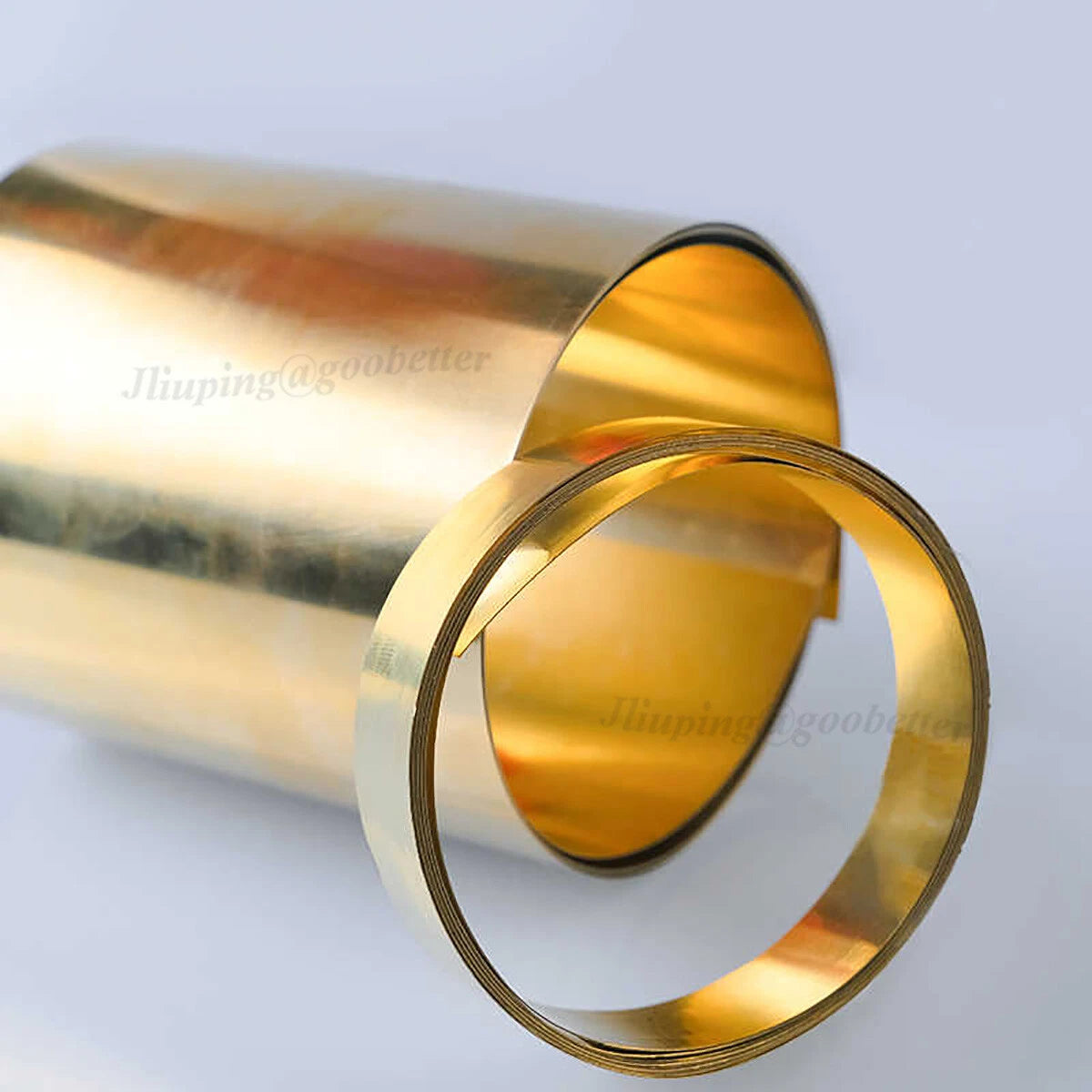
When a project demands exact tolerances and a material that holds its shape without adding bulk, finding a reliable source of ultra-thin brass foil can be frustrating. Machinists, model makers, electronics assemblers, and craft artisans who need consistent 0.02mm brass sheet often struggle with suppliers that offer inconsistent thickness or limited width options. This brass sheet roll is stocked specifically for those applications where dimensional accuracy is non-negotiable.
Each roll is cut to a fixed length of 1000mm (approximately 39.4 inches) with a uniform thickness of 0.02mm (approximately 0.0008 inches). Width options span from 10mm (0.39 in) to 200mm (7.87 in), covering the most common shim, foil, and strip applications. The material is brass alloy, offering a balance of corrosion resistance, workability, and electrical conductivity.
Typical use cases include shim stock for bearing and gear clearance adjustment, decorative inlay strips in woodworking and lutherie, EMI/RF shielding layers in electronics enclosures, and thin gasket material in low-pressure fluid systems. The consistent roll format makes it straightforward to cut to length on-site with standard metal shears or a utility knife and straightedge.
| Material | Brass alloy |
|---|---|
| Thickness | 0.02mm (0.0008 in) |
| Width Range | 10mm – 200mm (0.39 in – 7.87 in) |
| Length per Piece | 1000mm (1 m / ~39.4 in) |
| Available Widths | 10, 15, 20, 25, 30, 35, 40, 50, 60, 80, 100, 120, 200 mm |
| Finish | See variant options |
| Temper / Hardness | See variant options |
| Tolerance (Thickness) | ±0.005mm (typical for foil-gauge brass) |
| Electrical Conductivity | Moderate (brass alloy, contact us to confirm) |
| Corrosion Resistance | Suitable for ambient/indoor environments |
| Quantity per Order | 1 piece (1000mm length) |
Measure the span you need to cover or shim, then select the next width up to allow for minor trimming. For shim stock applications, the strip width should be at least as wide as the bearing or mating surface. For decorative inlay, match the width to your routed channel dimension. All widths are 0.02mm thick and 1000mm long.
At 0.02mm, this foil is designed for very fine clearance adjustments — typically stacked in multiple layers to achieve a target gap. A single layer provides approximately 0.02mm of spacing. For heavier load-bearing shim applications requiring structural rigidity, a thicker brass shim stock (0.1mm and above) would be more appropriate. Contact us if you need guidance on layer stacking for your specific clearance target.
Brass naturally develops a patina (surface oxidation) when exposed to air and humidity over time. For indoor or enclosed applications such as electronics shielding or internal machine shims, this is generally not a functional concern. For outdoor or high-humidity environments, consider applying a clear lacquer coat or selecting a stainless steel foil alternative. The base brass alloy does not rust.
Yes. At 0.02mm thickness, this brass foil cuts cleanly with sharp metal shears, a utility knife against a metal straightedge, or laser cutting equipment. Avoid tearing by scoring lightly first if using a knife. Standard scissors can also work for narrower widths, though metal shears produce a cleaner edge. No specialized metalworking machinery is required.
Brass is solderable with standard rosin-core or acid-core solder and appropriate flux. Clean the surface with isopropyl alcohol before soldering to remove any surface oxidation. Brazing is also possible but the thin gauge means heat must be applied carefully to avoid warping or burning through the foil. For electrical connections, soft soldering at low temperatures is recommended.
For large-area coverage such as EMI shielding panels, you can overlap multiple strips by 5–10mm and secure with conductive adhesive tape or solder the seam for continuous electrical contact. Select the widest available option (200mm) to minimize the number of seams. For structural or decorative applications, choose a width that minimizes waste from your 1000mm length.
Copper foil has higher electrical conductivity than brass and is the standard choice for PCB traces and high-conductivity grounding. Brass foil offers slightly lower conductivity but greater mechanical strength and spring-back, making it better suited for contact shims, spring contacts, and applications where the foil needs to hold a formed shape. If your application is purely electrical conductivity, copper foil may be preferable; if you need a formed or spring element, brass is the better choice.