
The chain is fine...but I ordered the wrong size. Nine links of the chain I ordered equals six of the size I wanted. My error...
How can I straighten out the springs? I can't use them coil uo as is.
Your payment information is processed securely. We do not store credit card details nor have access to your credit card information.
Get fitment advice & recommendations
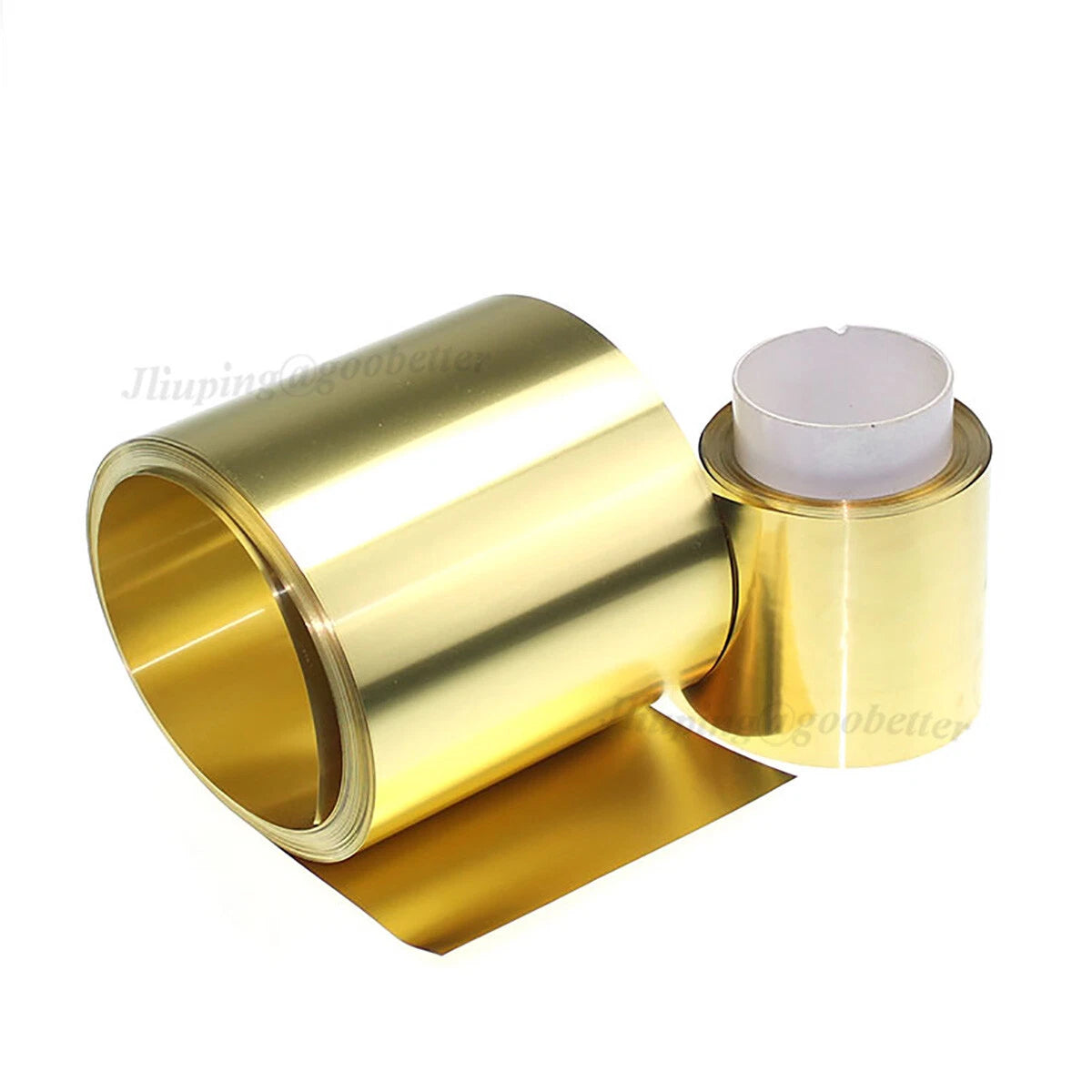
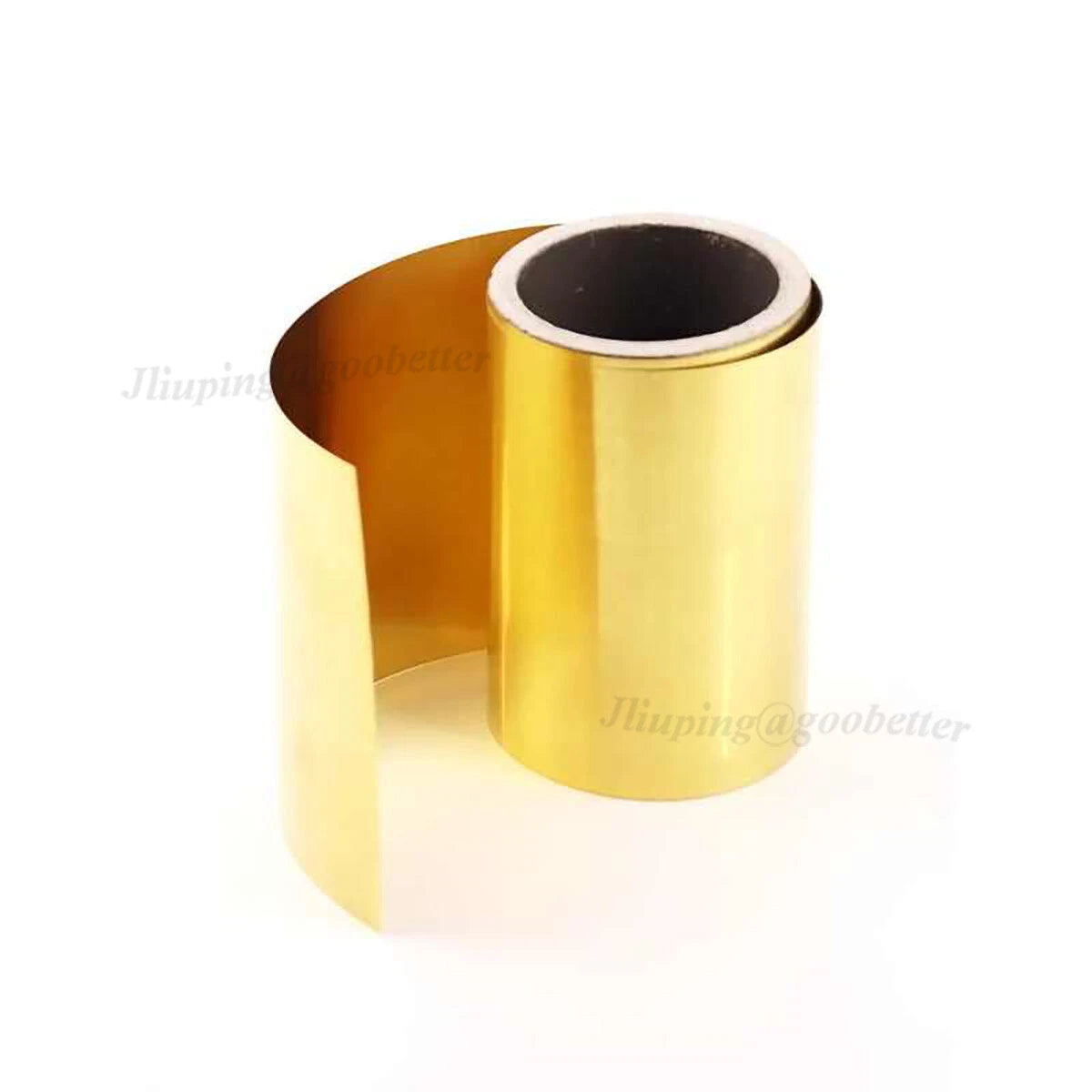
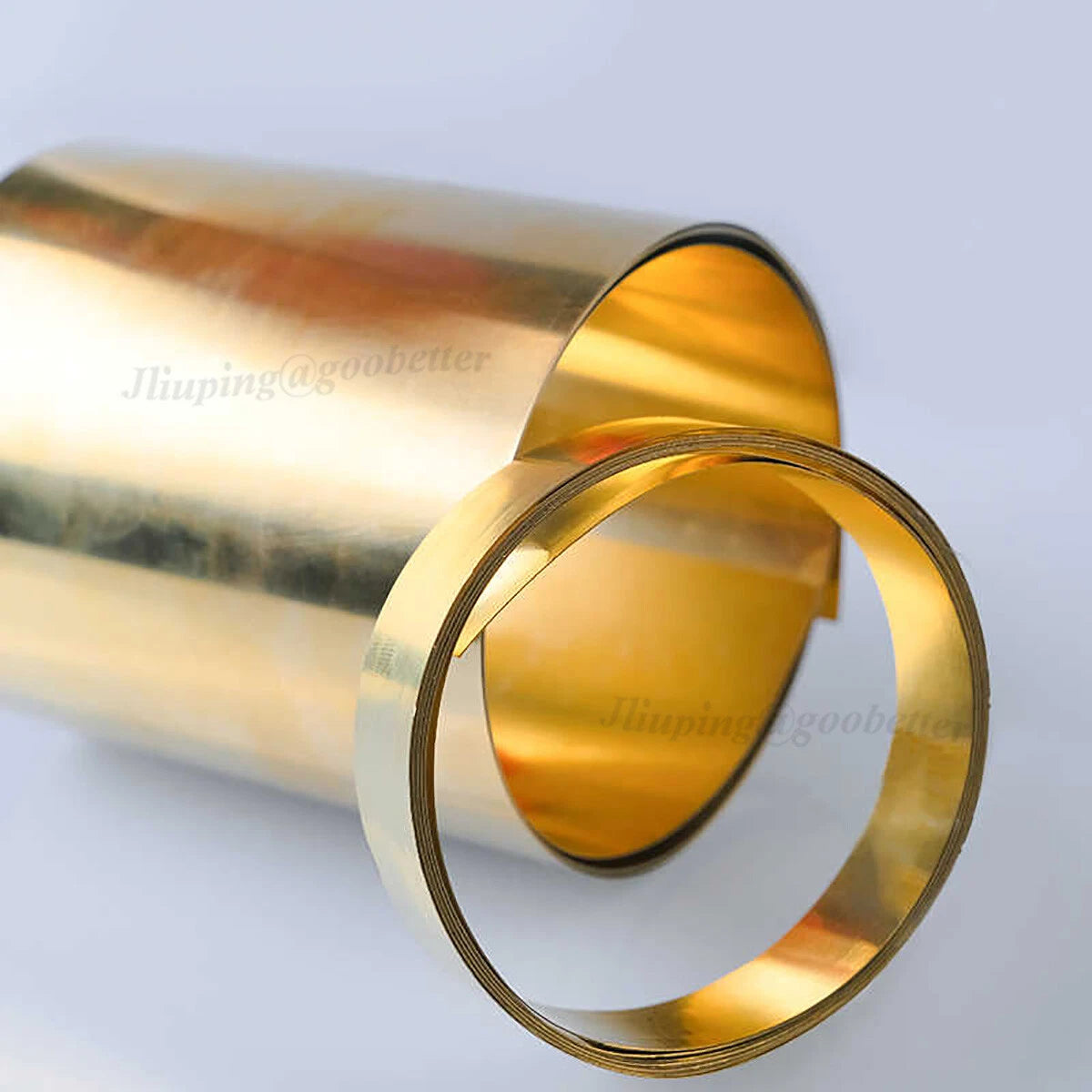
When a project demands exact material thickness and consistent flatness, even a fraction of a millimeter matters. Engineers, hobbyists, and makers who work with tight tolerances — from shimming mechanical assemblies to crafting intricate metalwork — need a brass foil strip they can rely on to stay flat, cut cleanly, and hold its dimensions. This brass sheet roll delivers that reliability in a 0.2mm thickness across a wide range of widths.
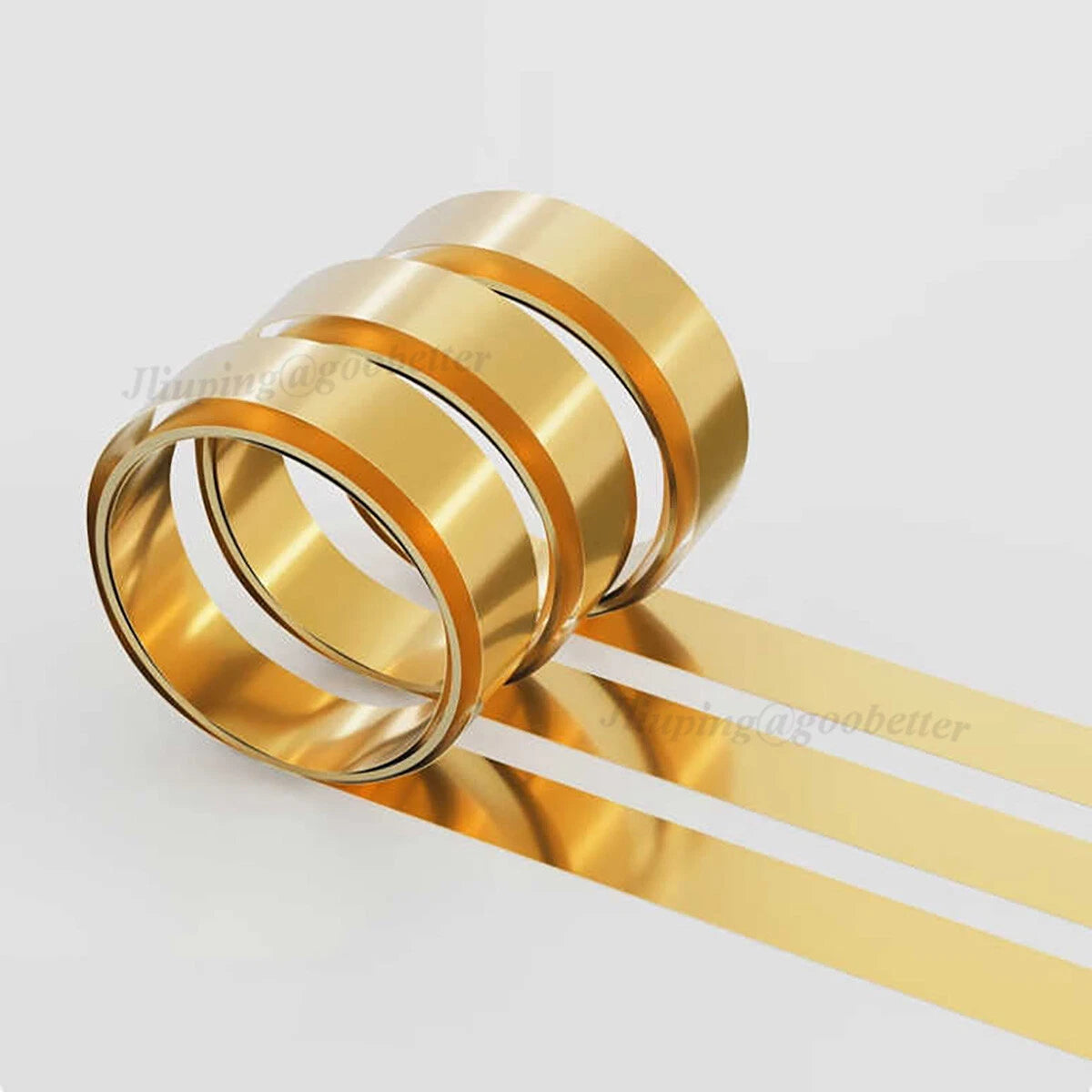
Each piece is a brass sheet roll cut to 1000mm (39.4 in) in length, 0.2mm (0.008 in) thick, and available in widths from 5mm (0.20 in) up to 400mm (15.75 in). The material is a standard copper-zinc brass alloy, offering a balance of workability, moderate corrosion resistance, and good electrical conductivity. The rolled surface finish is smooth and consistent across the full width.
Typical applications include precision shim stock for bearing and shaft alignment, thin gasket material for low-pressure seals, decorative inlay strips in woodworking and leathercraft, RF shielding and grounding tabs in electronics enclosures, and scale model detailing where thin brass sheet metal strips are required. The 1000mm length makes it straightforward to cut to exact project dimensions with standard metal snips or a sharp utility knife and straightedge.
| Material | Brass (copper-zinc alloy, typically C26000 / CuZn30 equivalent) |
|---|---|
| Thickness | 0.2mm (0.008 in) |
| Width Range | 5mm – 400mm (0.20 in – 15.75 in); see variant options |
| Length | 1000mm (39.4 in) per piece |
| Surface Finish | Mill-rolled, smooth |
| Temper | See variant options |
| Electrical Conductivity | Moderate (brass alloy, suitable for grounding/shielding) |
| Solderability | Good with standard flux and tin-lead or lead-free solder |
| Quantity per Order | 1 piece (1000mm length) |
Measure the span you need to cover or the slot you need to fill, then select the next width up from your measurement. For shim applications, the width should match or slightly exceed the bearing or shaft diameter. For decorative inlay, cut a wider strip down to your exact channel width using a steel rule and sharp blade.
Yes, for light-duty shimming applications such as aligning small bearings, adjusting door hinges, or setting clearances in hobby machinery. For heavy industrial loads or high-vibration environments, multiple layers can be stacked to achieve the required total thickness. Single-layer 0.2mm brass shims are not recommended for high-load structural applications.
Brass naturally oxidizes in air, developing a darker patina over time. In dry indoor environments this process is slow. In humid or salt-air environments, tarnishing accelerates. For applications where appearance must be maintained, a clear lacquer coat applied after installation will slow oxidation. For corrosion-critical applications, consider stainless steel shim stock instead.
Yes. Brass solders well with standard rosin-core or acid-core flux and tin-lead or lead-free solder. For brazing, use a silver-bearing brazing alloy and appropriate flux. Clean the surface with isopropyl alcohol or fine abrasive before soldering to remove any surface oxide for a reliable joint.
Laser cutting thin brass foil is possible with a fiber laser; CO₂ lasers have limited effectiveness on reflective metals. For CNC routing, a carbide end mill with appropriate feeds and speeds for brass will cut cleanly. Hand shearing with metal snips or a guillotine cutter is the most accessible method for straight cuts at this thickness.
The listed length is the nominal cut length. As with all cut metal stock, a small manufacturing tolerance applies (typically ±5mm). If your application requires a precise finished length, plan to trim to final dimension after receiving the piece.
Yes. Brass has moderate electrical conductivity and is commonly used for EMI shielding cans, grounding straps, and contact springs in prototyping. It can be soldered directly to PCB pads or chassis ground points. For high-frequency RF shielding enclosures, ensure all seams are soldered continuously to avoid gaps that would reduce shielding effectiveness.





