The chain is fine...but I ordered the wrong size. Nine links of the chain I ordered equals six of the size I wanted. My error...
How can I straighten out the springs? I can't use them coil uo as is.
Your payment information is processed securely. We do not store credit card details nor have access to your credit card information.
Get fitment advice & recommendations
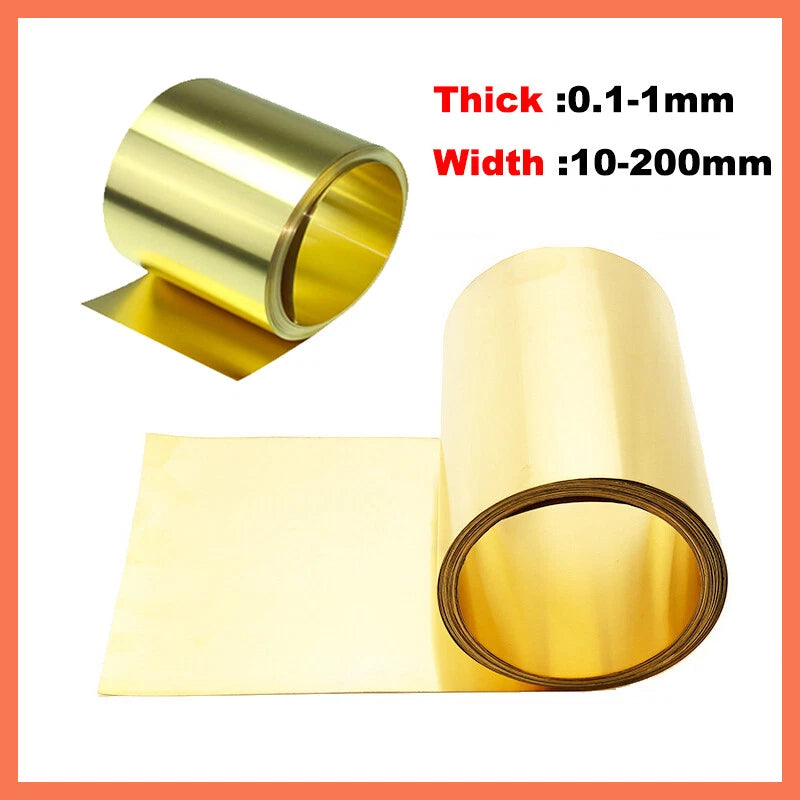
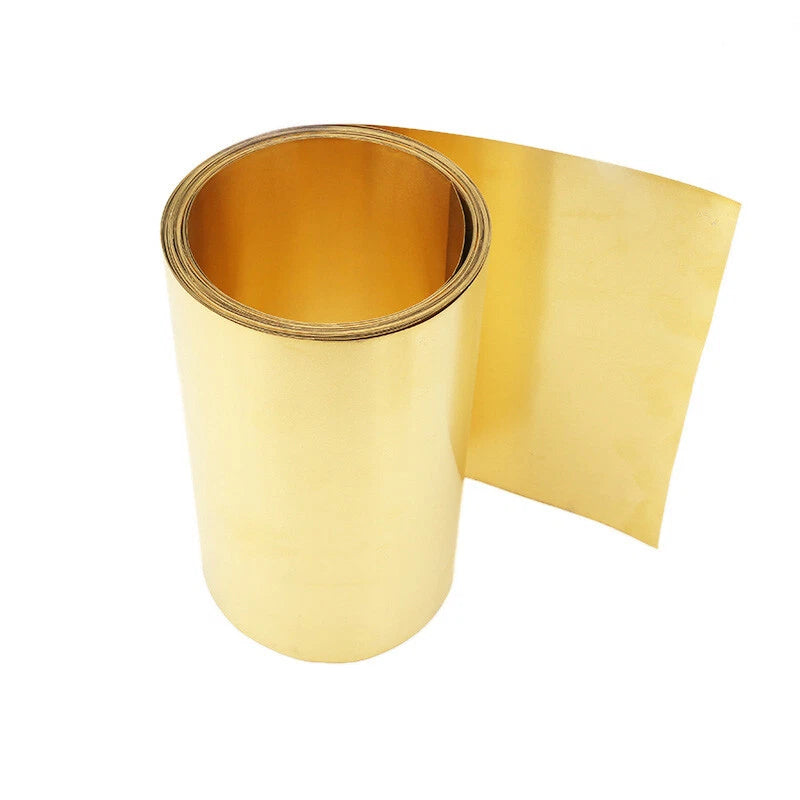
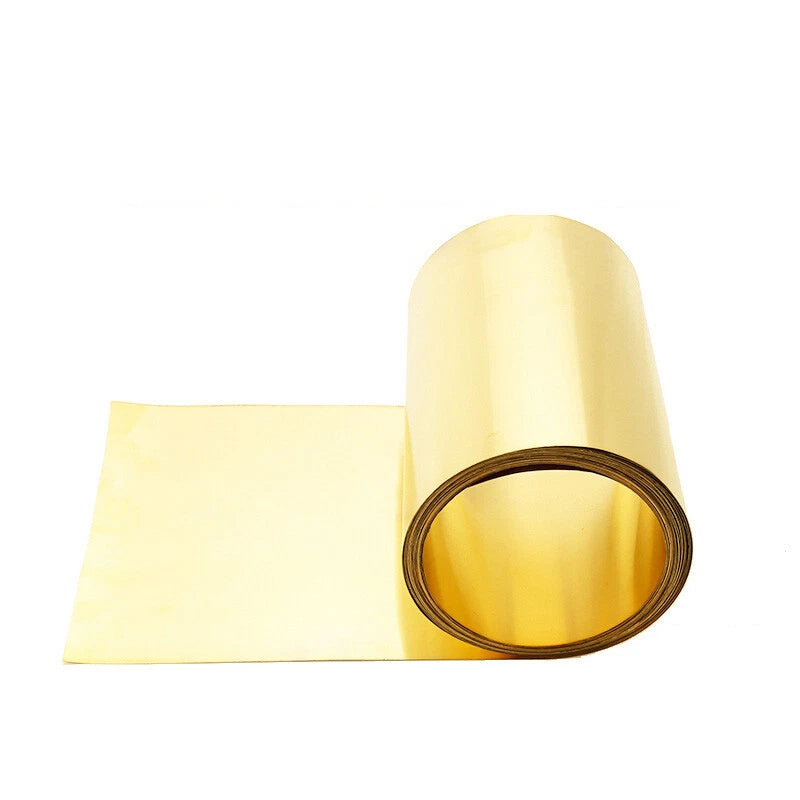
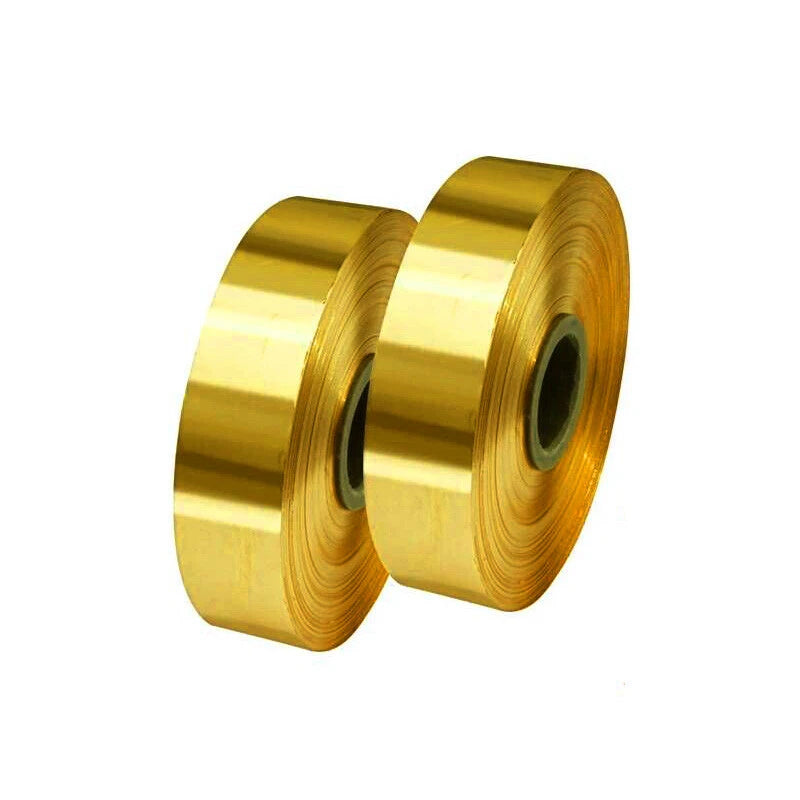
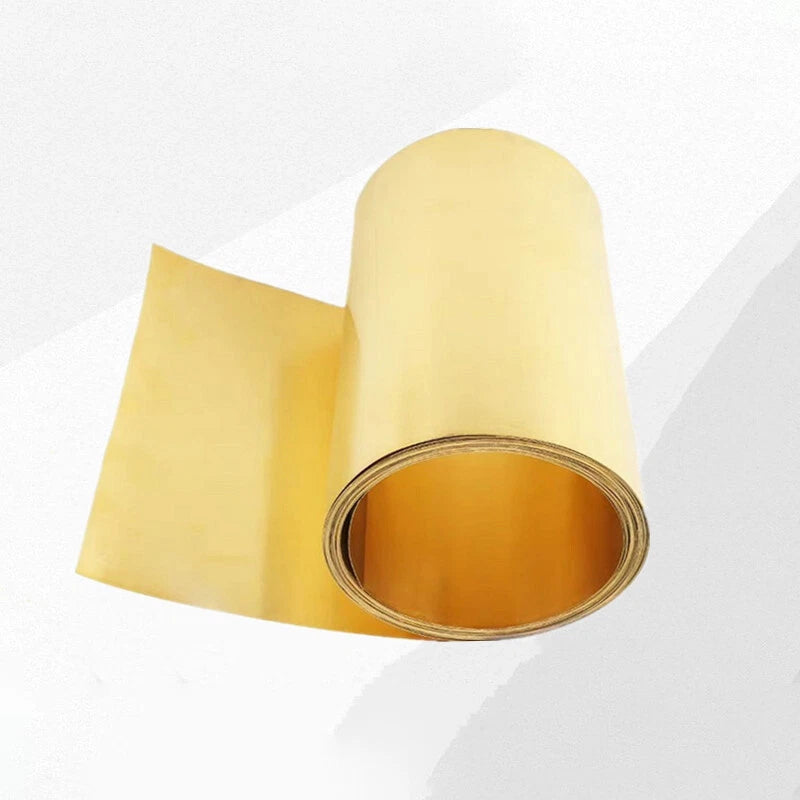
When your project demands a material that holds tight tolerances without cracking, warping, or corroding, finding the right thin brass sheet can be frustrating. Whether you are a hobbyist machinist, a model maker, or a workshop professional, this brass sheet roll gives you the exact thickness and width you need — cut to a usable length right out of the box.
Each piece is made from solid brass alloy, delivering a warm golden finish with excellent workability. Thickness ranges from 0.01 mm to 1 mm (approximately 0.0004 in to 0.039 in), width options span 10 mm to 305 mm (approximately 0.39 in to 12 in), and length is available in 500 mm (approx. 19.7 in) or 1000 mm (approx. 39.4 in) cuts.
Typical applications include precision shim stock for metal lathe and CNC setups, thin brass foil for engraving and etching projects, decorative inlay strips for woodworking and furniture making, and flat stock for electrical contacts and heat-shield lining in small appliance repair.
| Material | Brass Alloy |
|---|---|
| Finish | Natural Brass (Golden) |
| Thickness Range | 0.01 mm – 1 mm (0.0004 in – 0.039 in) |
| Width Range | 10 mm – 305 mm (0.39 in – 12 in) |
| Length Options | 500 mm (19.7 in) / 1000 mm (39.4 in) |
| Temper / Hardness | See variant options |
| Tensile Strength | See variant options |
| Surface Treatment | Mill finish, uncoated |
| Workability | Machinable, solderable, brazeable, cold-formable |
| Item Type | Flat Sheet / Foil / Strip |
For shim stock and precision gap-filling, 0.01 mm – 0.1 mm is typical. For decorative engraving or etching, 0.1 mm – 0.3 mm works well. For structural flat stock, brackets, or heat shields, 0.5 mm – 1 mm provides the rigidity needed. Select your thickness from the variant dropdown above.
Yes. Thinner gauges (0.01 mm – 0.2 mm) can be cut with sharp scissors or a craft knife and steel ruler. Thicker gauges (0.3 mm – 1 mm) are best cut with tin snips, a guillotine shear, or a fine-tooth metal-cutting blade on a bandsaw or jigsaw. Always wear gloves when handling cut edges.
Yes. Brass alloy has excellent solderability with standard rosin-core or acid-core solder, and it brazes well with silver brazing rods. Clean the surface with flux before joining to ensure a strong, clean bond. This makes it ideal for electronics, plumbing fittings, and model assembly.
Brass does not rust (it contains no iron), but it can develop a natural patina (darkening or greenish tarnish) when exposed to moisture and air over extended periods. For indoor use, no treatment is needed. For outdoor or high-humidity environments, apply a clear lacquer or wax coating to preserve the finish.
Choose the next width up from your required dimension so you have material to trim to final size. For example, if your project needs a 45 mm wide strip, select the 50 mm option. Width options available include 10, 20, 30, 40, 50, 100, 200, 300, and 305 mm. See the variant selector above for the full list.
Yes. Brass is a popular material for rotary engraving, CNC routing, and chemical etching. For laser etching, a coating spray (such as Cermark or dry moly lube) is typically applied first since bare brass reflects most laser wavelengths. Thicknesses of 0.1 mm – 0.5 mm are most commonly used for engraved nameplates and decorative panels.
Yes, both length options are the same brass alloy and finish. The 500 mm length is ideal for smaller projects or when you need a compact piece, while the 1000 mm (1 meter) length suits larger applications or when you want to cut multiple pieces from a single strip.