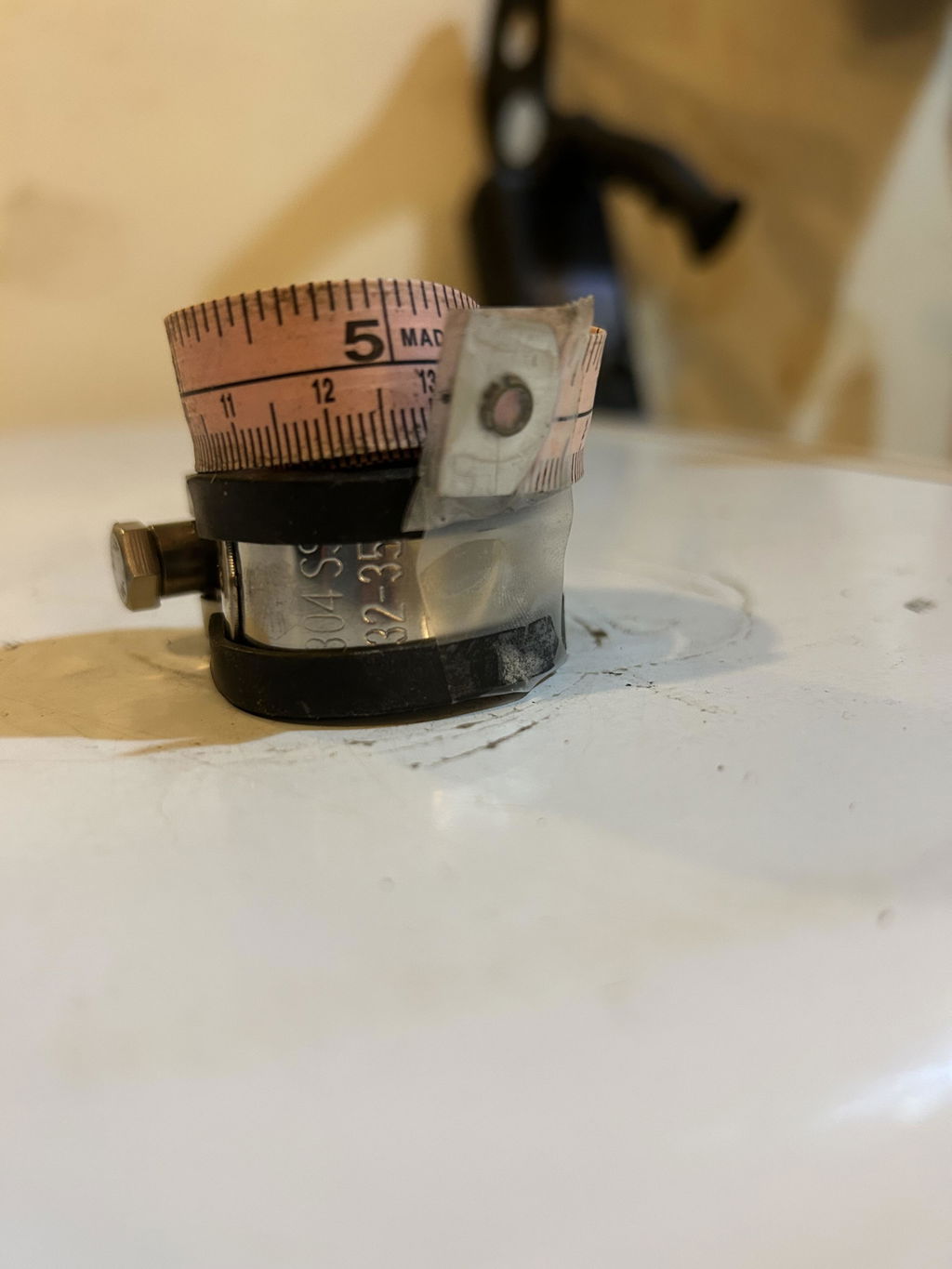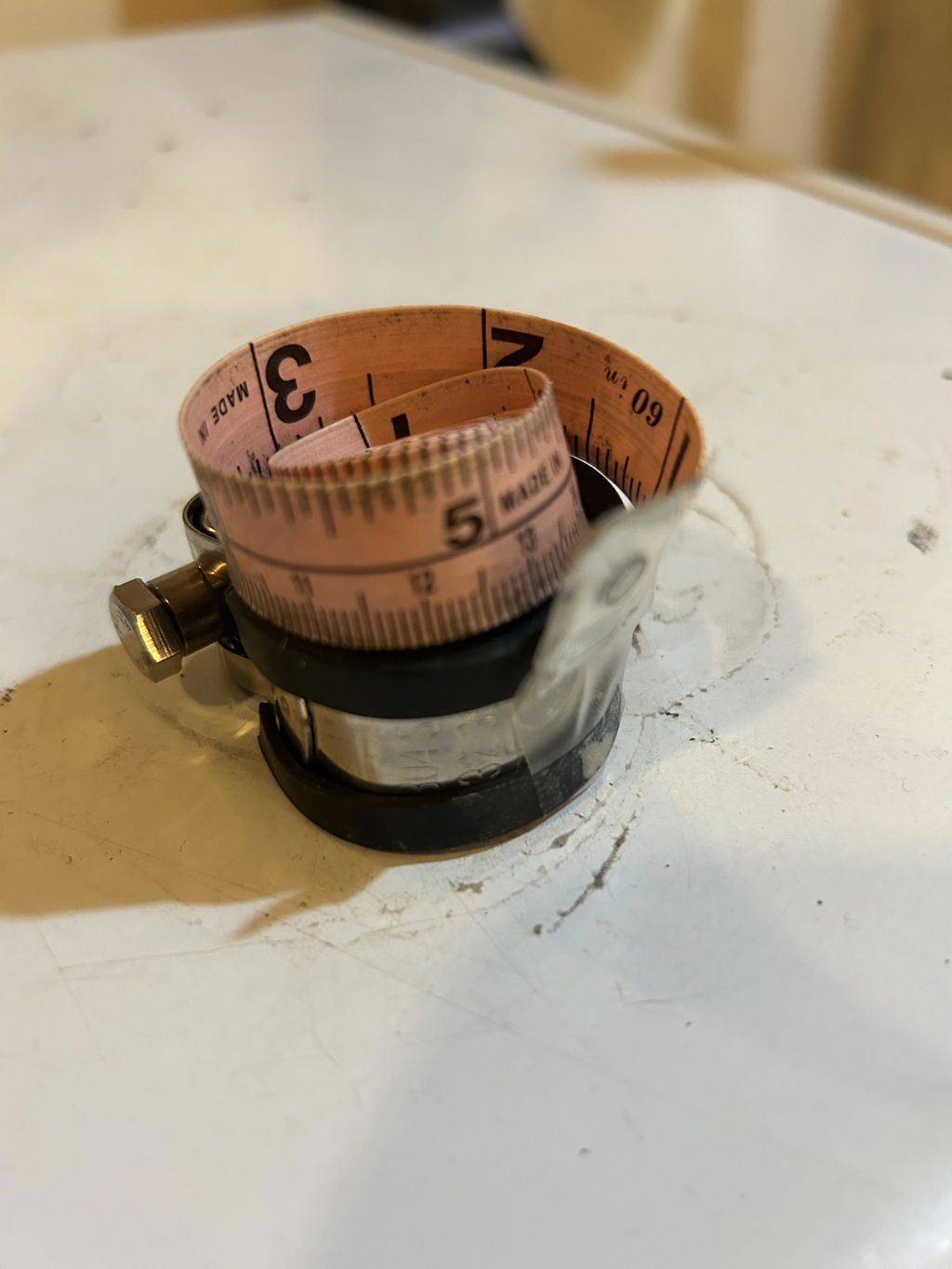
The chain is fine...but I ordered the wrong size. Nine links of the chain I ordered equals six of the size I wanted. My error...
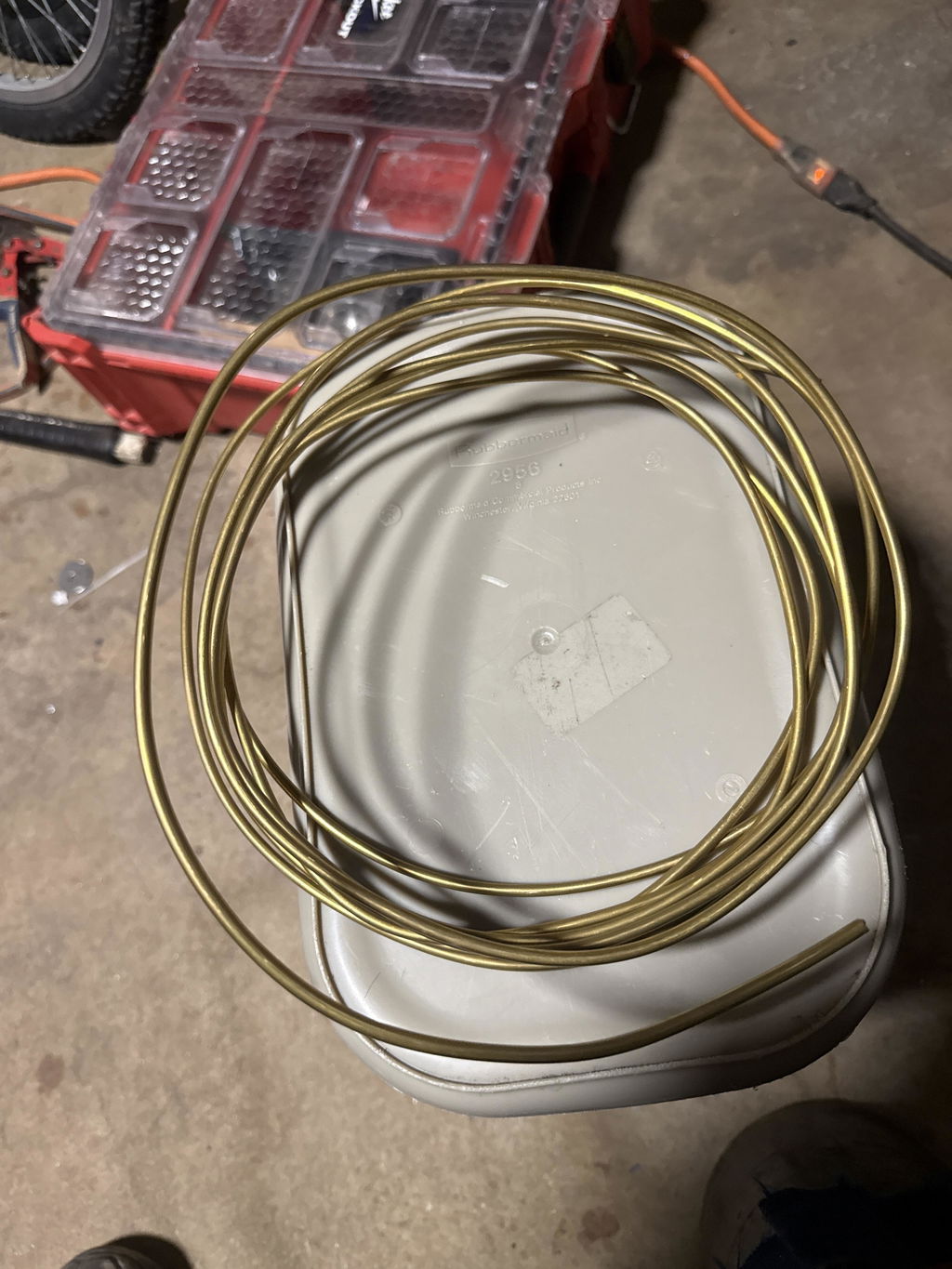
How can I straighten out the springs? I can't use them coil uo as is.
Your payment information is processed securely. We do not store credit card details nor have access to your credit card information.
Get fitment advice & recommendations
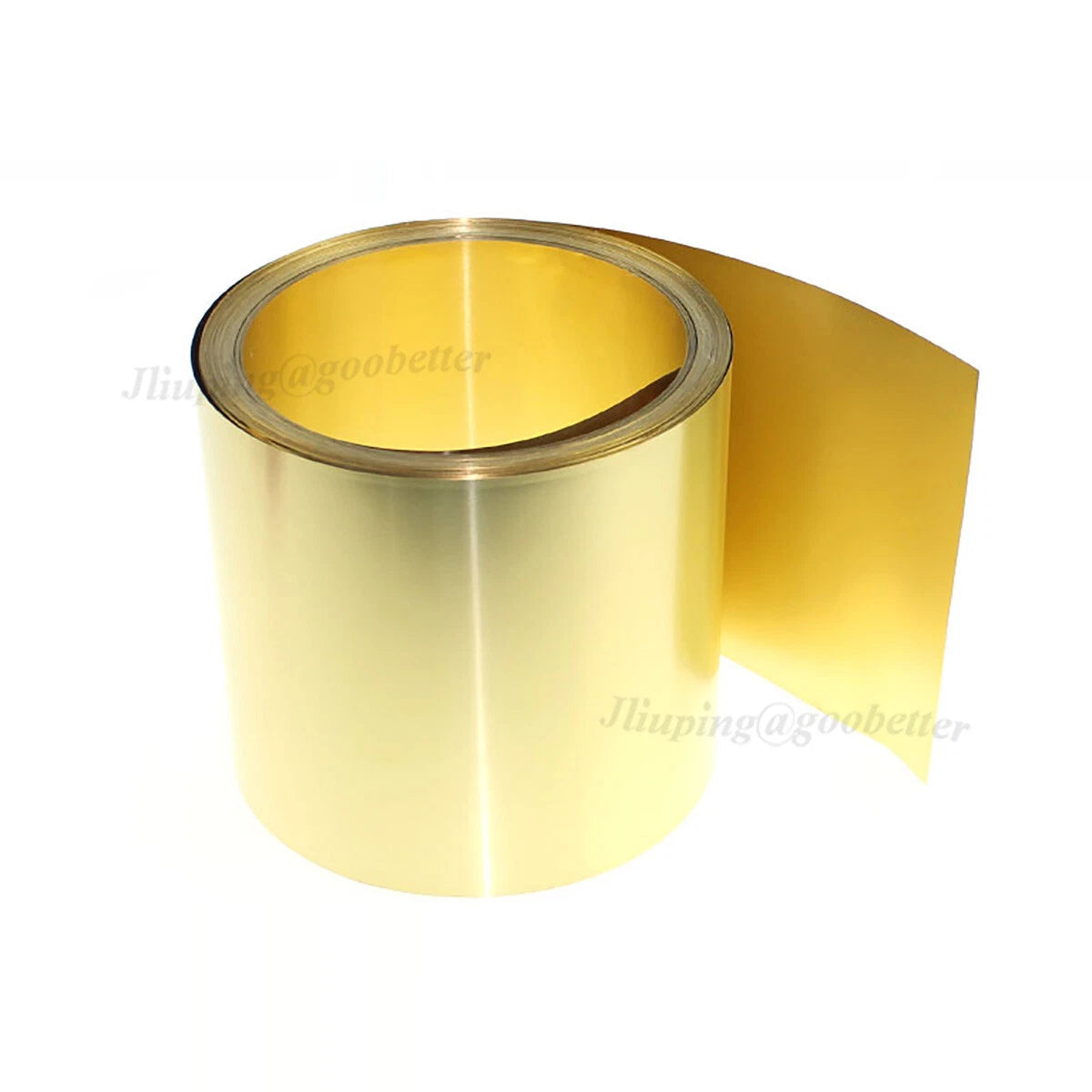
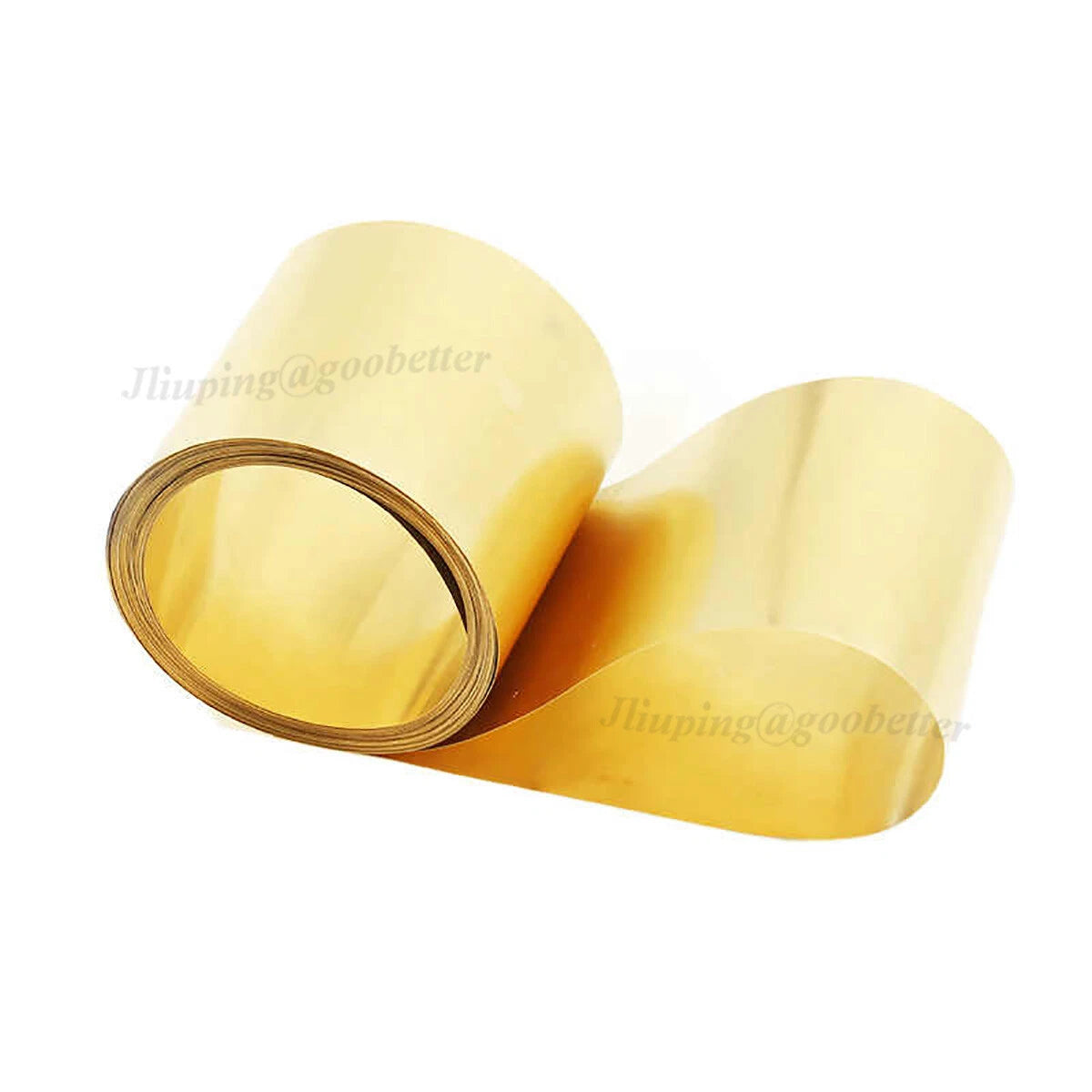
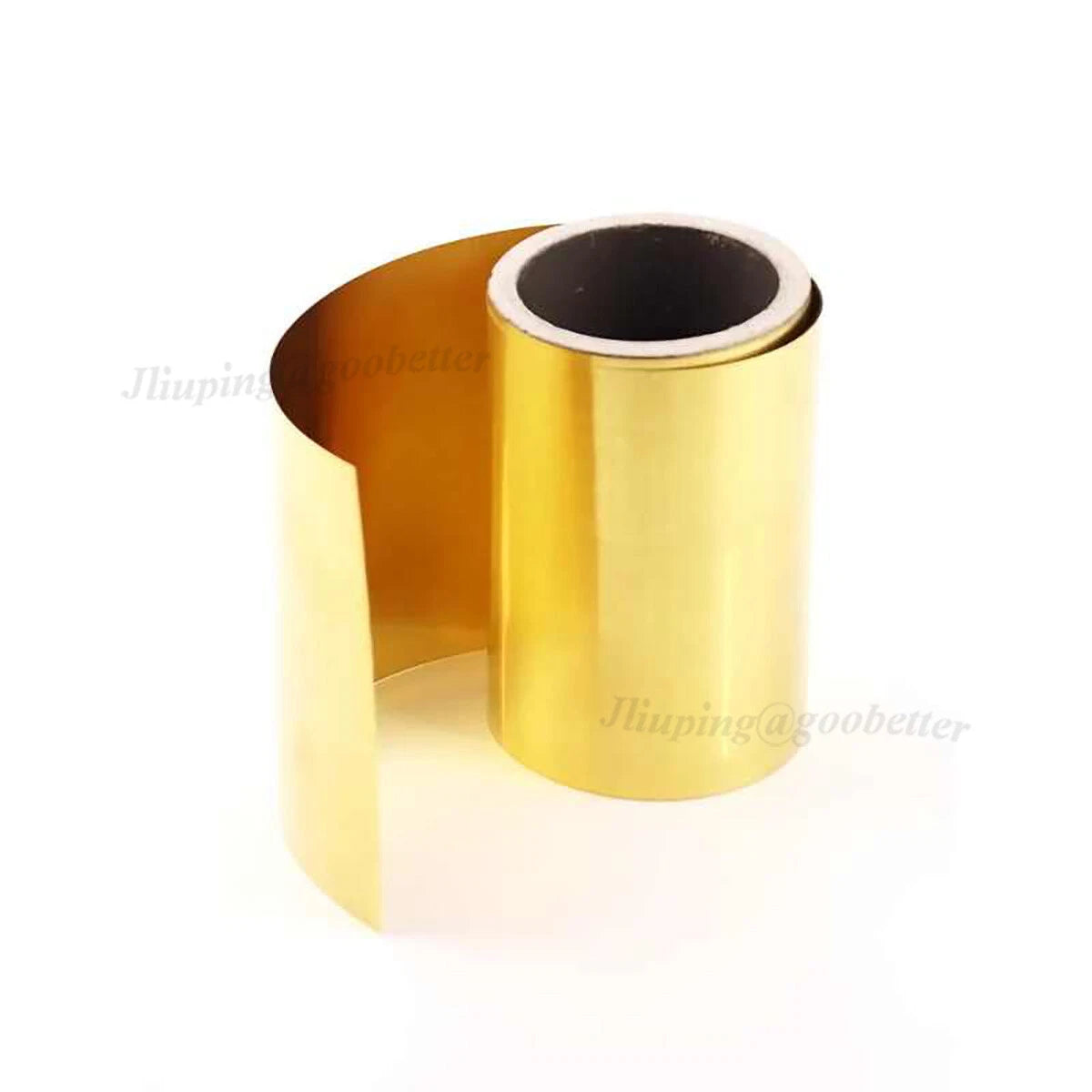
Finding a thin, workable brass strip that holds its shape without cracking is a recurring challenge for makers, model builders, and engineers alike. Whether you need a shim that fits a tight tolerance, a conductive liner for an electronics enclosure, or a decorative inlay for woodworking, a reliable brass sheet roll in the right width makes all the difference.
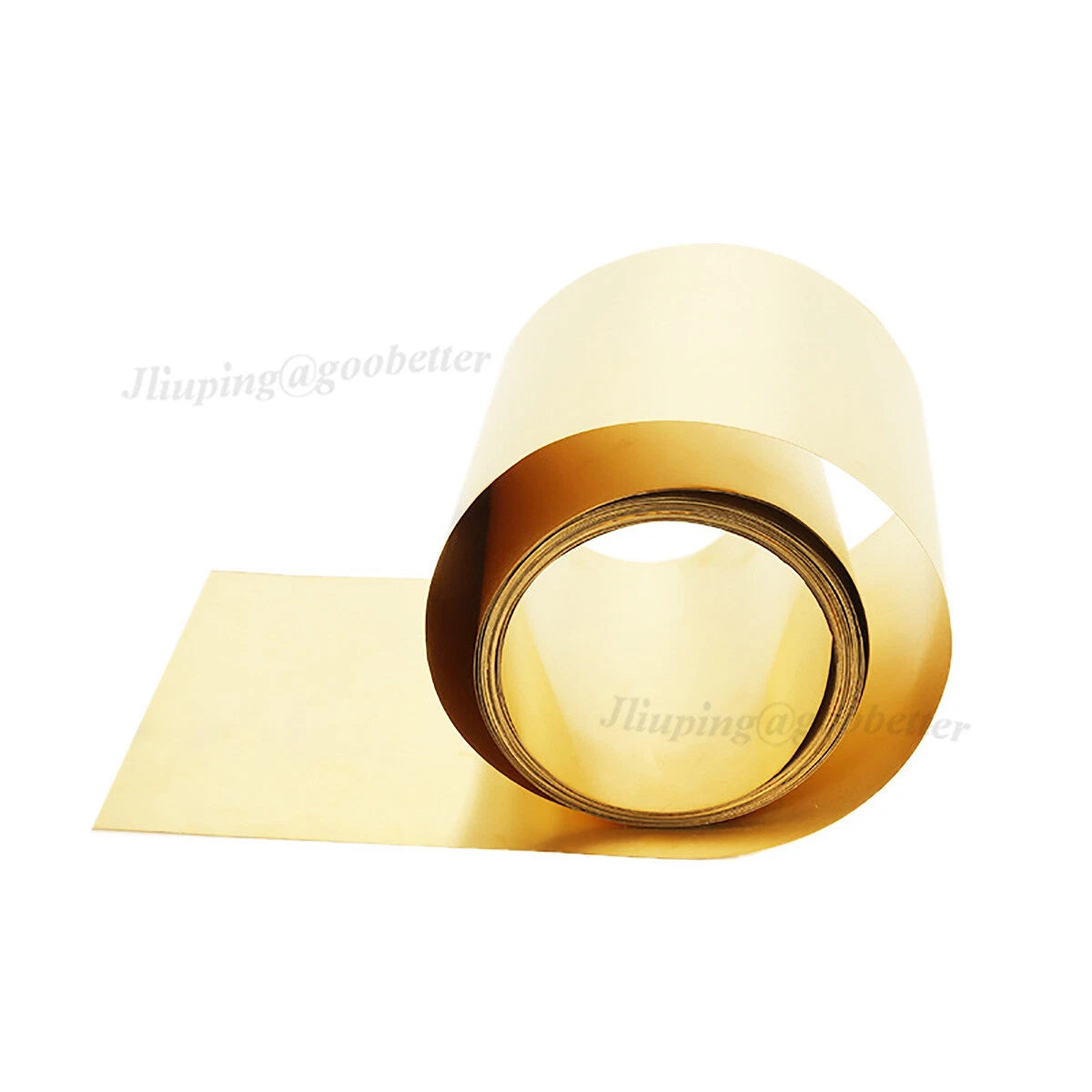
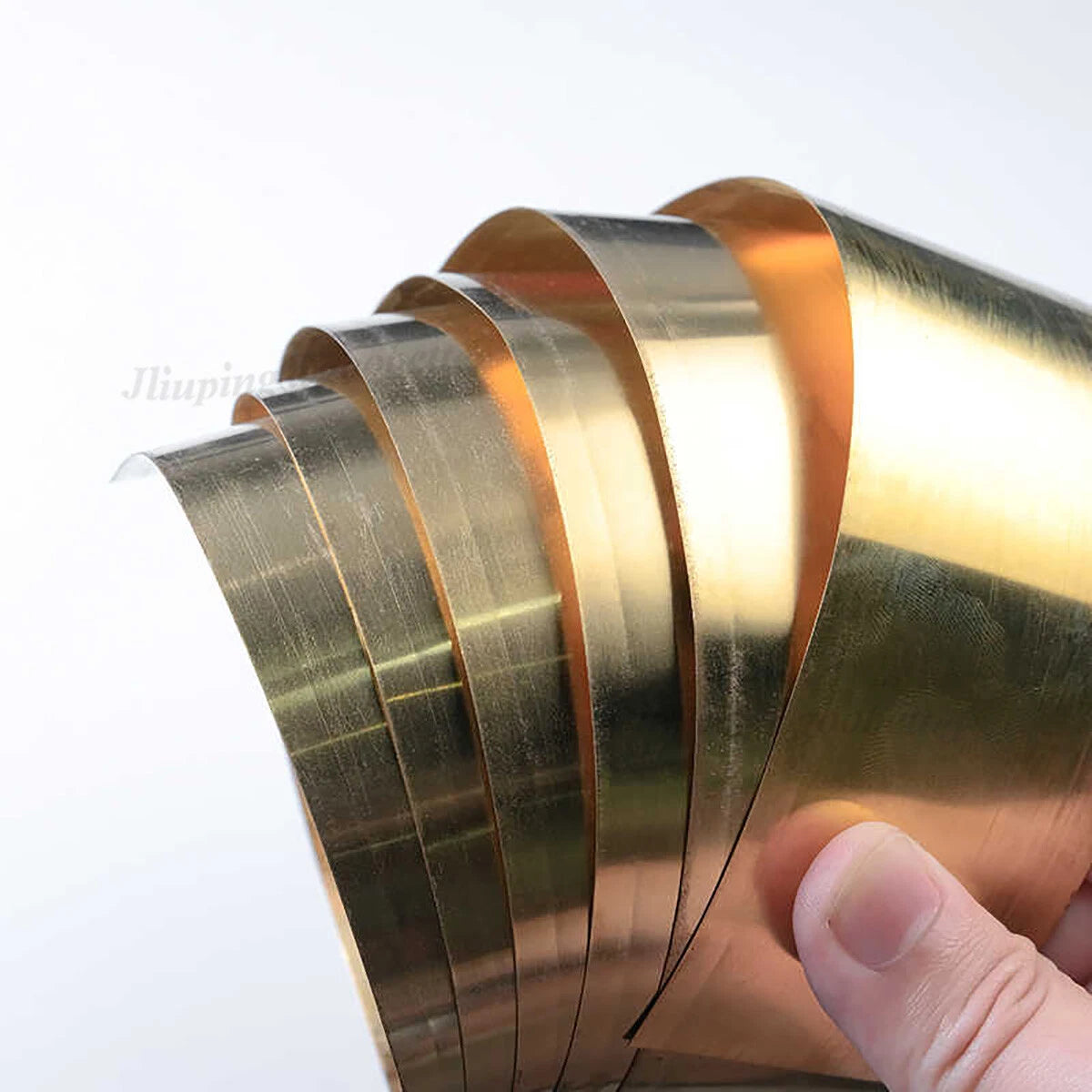
This brass sheet roll is a 0.3mm thick metal foil plate strip supplied in 1000mm (39.4 in) lengths. Width options range from 5mm (0.20 in) to 400mm (15.75 in), letting you select exactly the coverage you need without waste. The alloy is a standard copper-zinc brass composition offering a balance of ductility, moderate tensile strength, and a warm golden finish that machines, cuts, and bends cleanly.
Typical applications include RF and EMI shielding gaskets in electronics enclosures, precision shims and spacers in mechanical assemblies, decorative inlays and trim in furniture and model making, and thin conductive contacts in DIY electrical projects. The consistent 0.3mm gauge makes it well-suited for any task requiring a thin brass foil strip that can be scored, sheared, or formed by hand.
| Material | Brass (copper-zinc alloy) |
|---|---|
| Thickness | 0.3mm (0.012 in) |
| Width Range | 5mm – 400mm (0.20 in – 15.75 in) |
| Length | 1000mm (39.4 in) per piece |
| Finish | Mill finish, warm golden tone |
| Tensile Strength | Typically 300–500 MPa (varies by alloy temper) |
| Electrical Conductivity | Moderate (approx. 28% IACS, typical for brass) |
| Workability | Hand-bendable, shearable, solderable |
| Available Widths | See variant options |
| Weight per Piece | See variant options |
Select a width that matches or slightly exceeds the widest dimension of your target area. For shims and spacers, choose the narrowest width that covers the joint. For shielding panels, measure the opening and pick the next width up. All widths are 0.3mm thick and 1000mm long, so only the width changes between variants.
At 0.3mm, the foil can be cut with heavy-duty scissors, tin snips, or a sharp craft knife against a metal ruler. For straight, clean edges on wider strips, a guillotine-style paper trimmer or metal shear gives the best result. Avoid bending repeatedly along the cut line before shearing, as work-hardening can cause micro-cracks.
Yes. Brass solders readily with standard rosin-core or acid-core solder and a suitable flux. For brazing, use a brass-compatible brazing rod and ensure the surface is clean and oxide-free. Avoid prolonged torch exposure on thin 0.3mm sections to prevent warping or burn-through.
Brass naturally develops a patina in humid or outdoor environments. For indoor applications — electronics, furniture inlays, model making — the surface remains stable for years without treatment. If you need to maintain the bright finish, apply a thin coat of clear lacquer or metal wax after cleaning. For outdoor or marine use, consider a protective coating.
Brass provides moderate EMI shielding effectiveness, particularly at lower frequencies. It is commonly used for gaskets, enclosure liners, and contact strips in electronics enclosures. For high-frequency RF shielding above 1 GHz, copper foil offers better performance, but brass is a practical and cost-effective choice for general shielding applications.
Choose brass when you need a balance of workability, moderate conductivity, and corrosion resistance at a reasonable cost. Copper offers higher conductivity but is softer and more expensive. Stainless steel is harder and more corrosion-resistant but more difficult to cut and solder. Brass is the practical middle ground for most DIY, craft, and light engineering applications.
Each listing covers one 1000mm (39.4 in) length per piece. If your project requires a longer continuous run, you can order multiple pieces and join them with solder, adhesive, or mechanical overlap. Contact us if you need custom lengths — we may be able to accommodate bulk or cut-to-length requests.