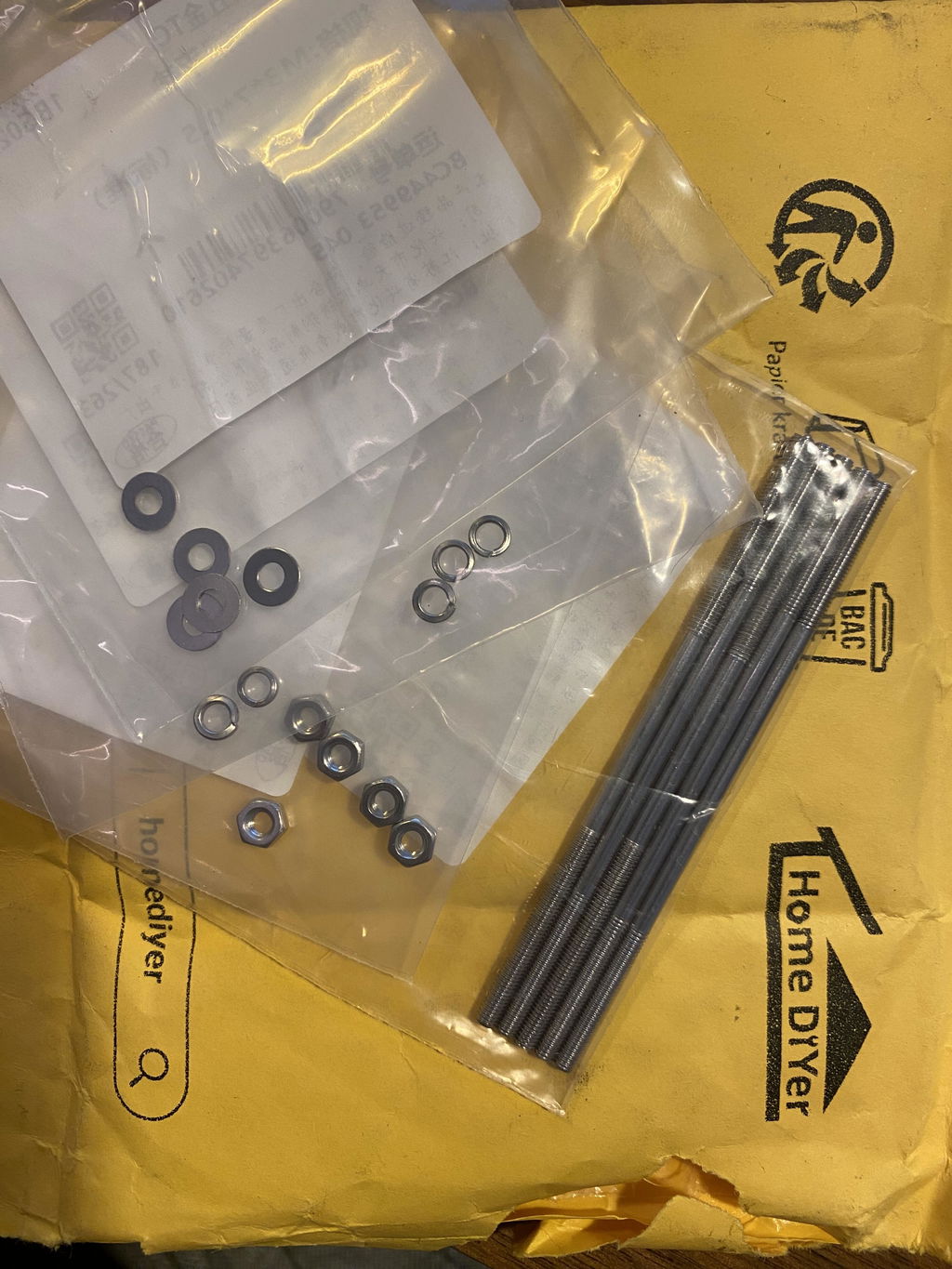
The chain is fine...but I ordered the wrong size. Nine links of the chain I ordered equals six of the size I wanted. My error...
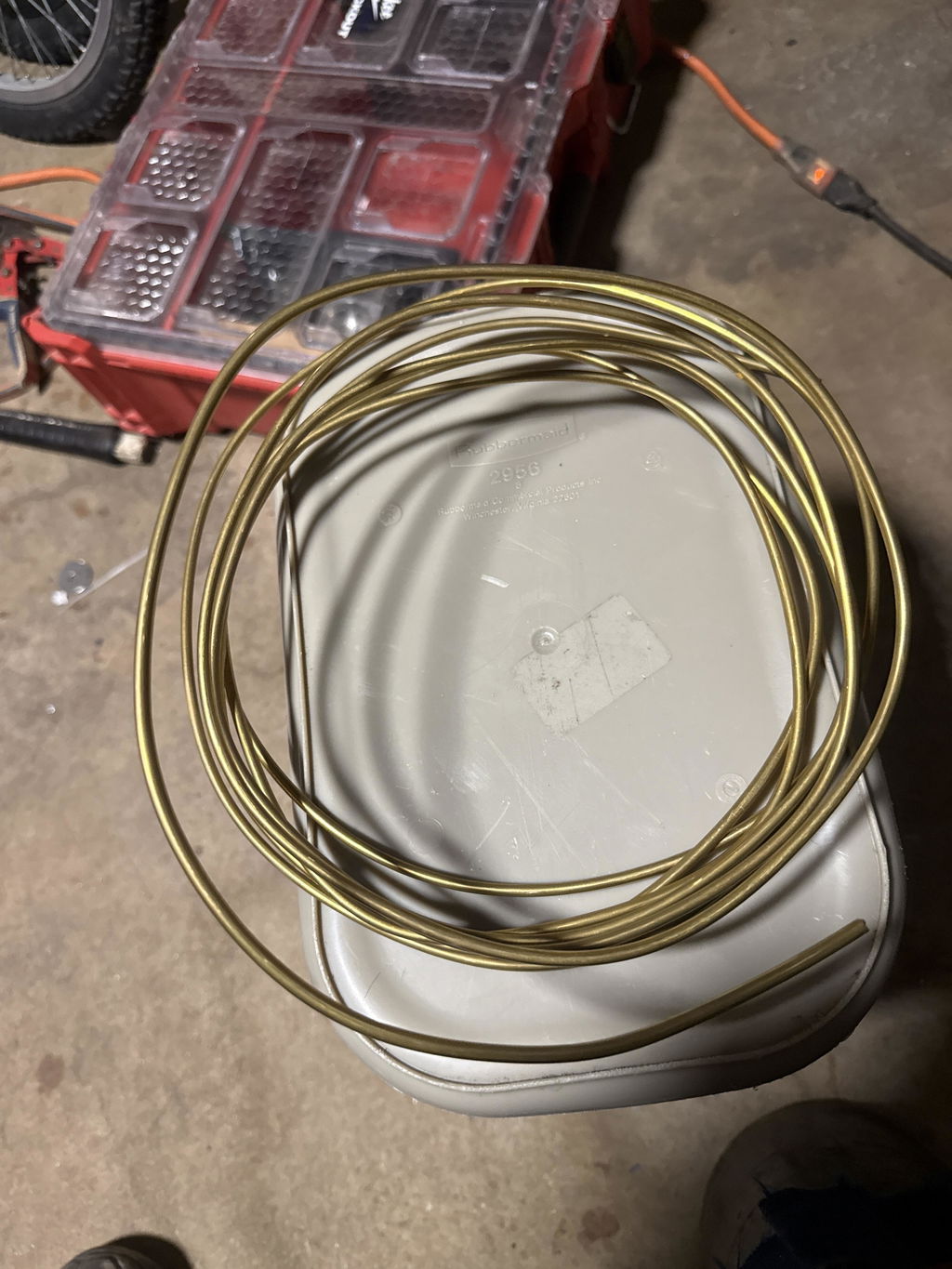
How can I straighten out the springs? I can't use them coil uo as is.
Your payment information is processed securely. We do not store credit card details nor have access to your credit card information.
Get fitment advice & recommendations
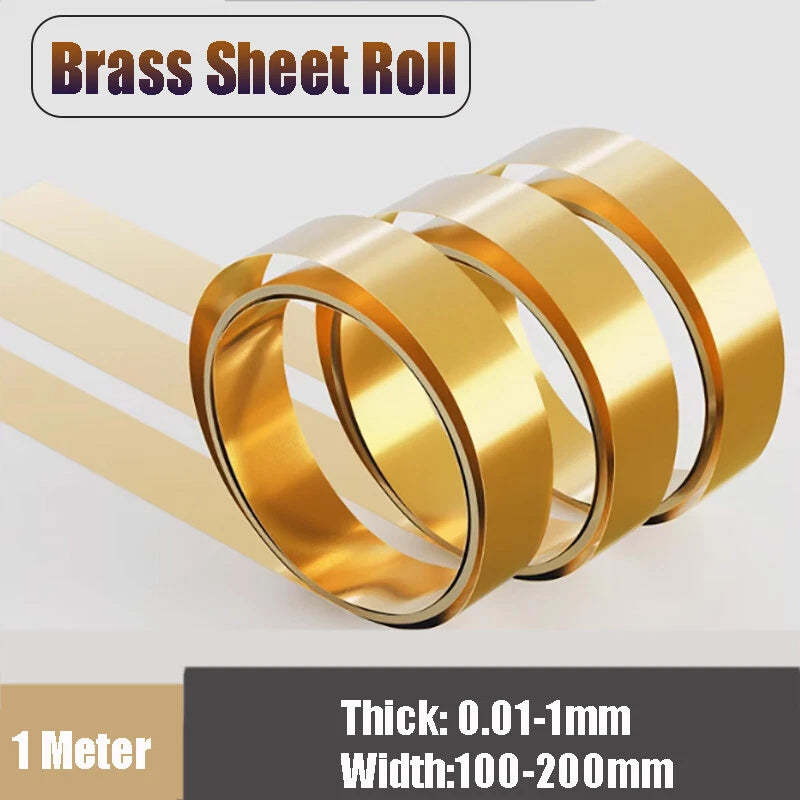
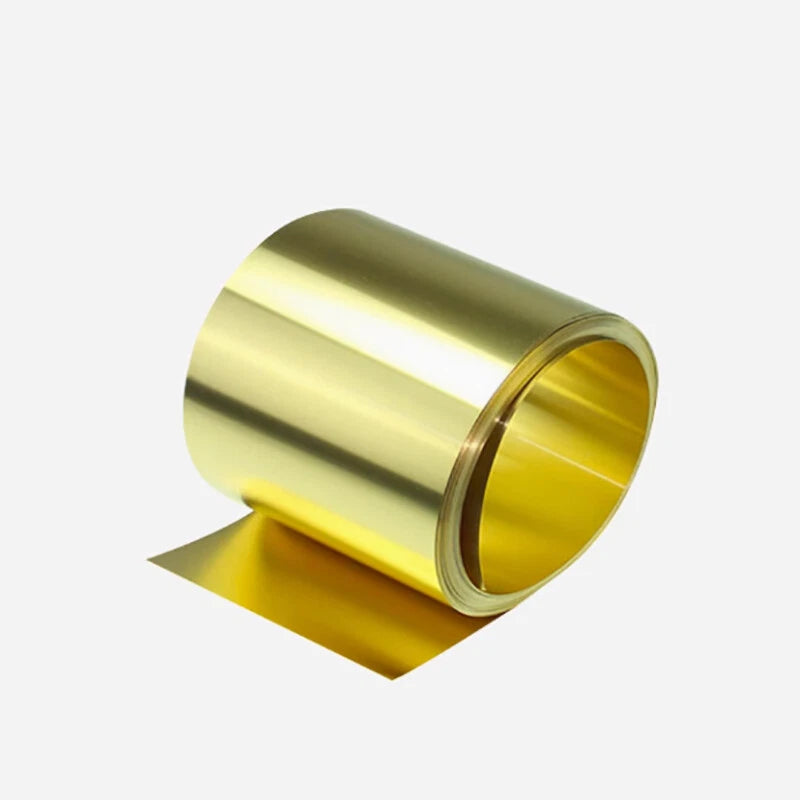
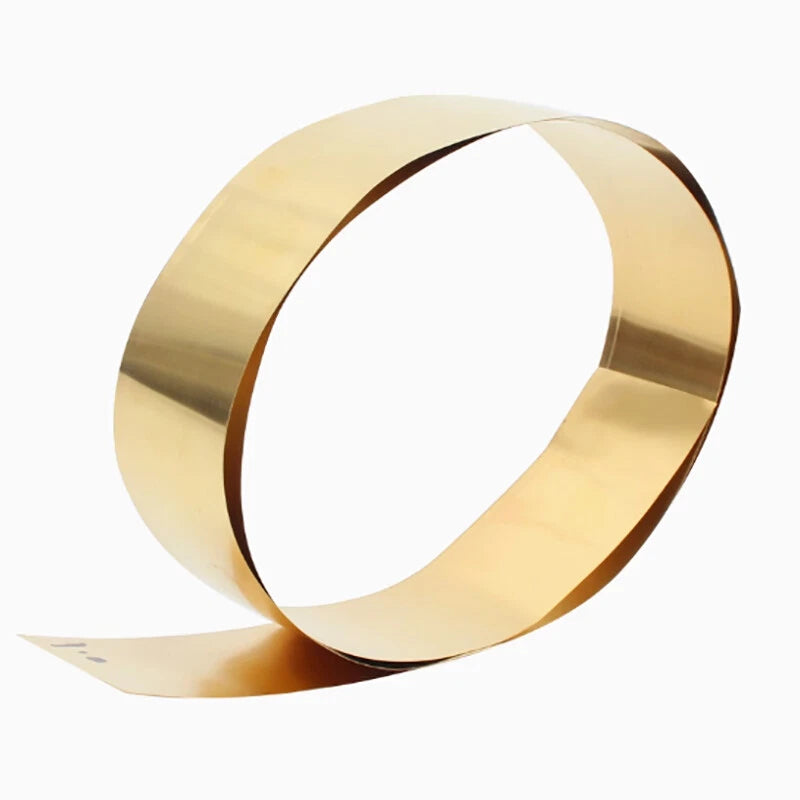
When your project demands a thin, workable metal that holds its shape without cracking or corroding, finding the right gauge in the right width can be a real challenge. Whether you are a model builder chasing scale accuracy, a maker shielding electronics, or a craftsperson adding metallic detail to decorative work, this brass sheet roll gives you the exact thickness and width you need — without ordering oversized stock you cannot use.
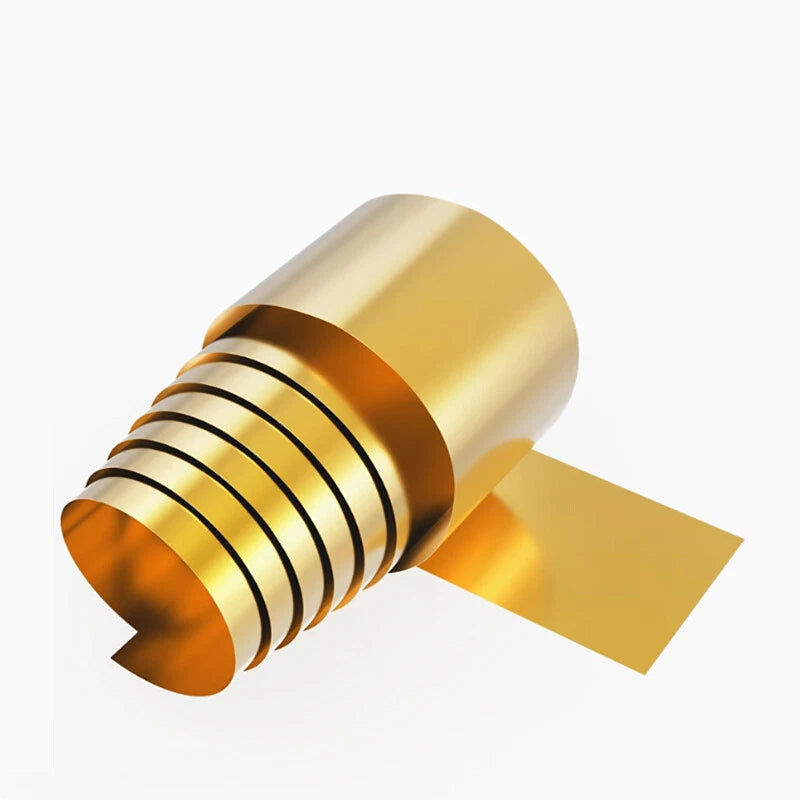
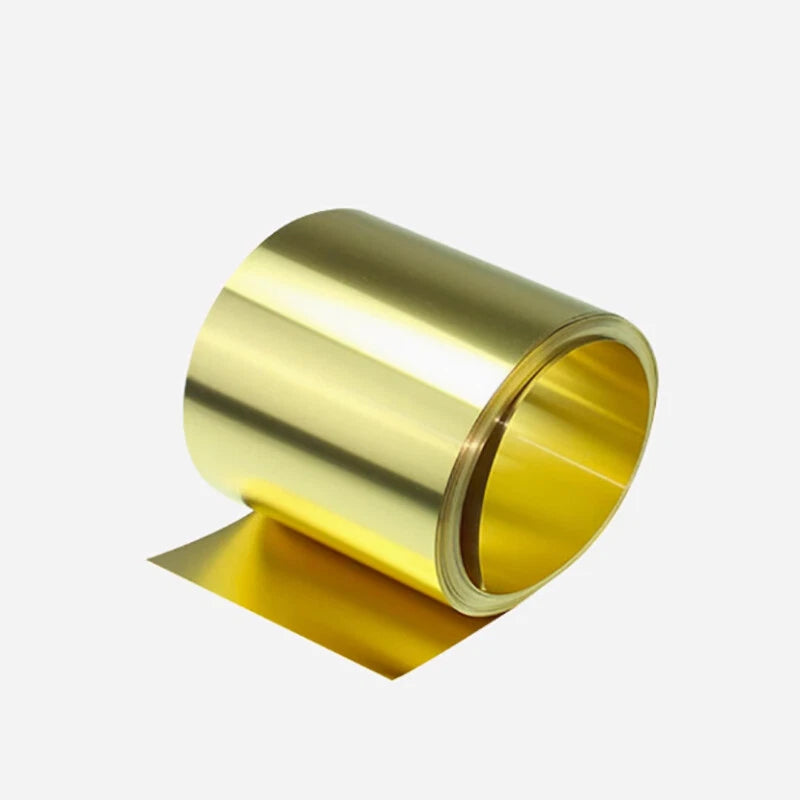
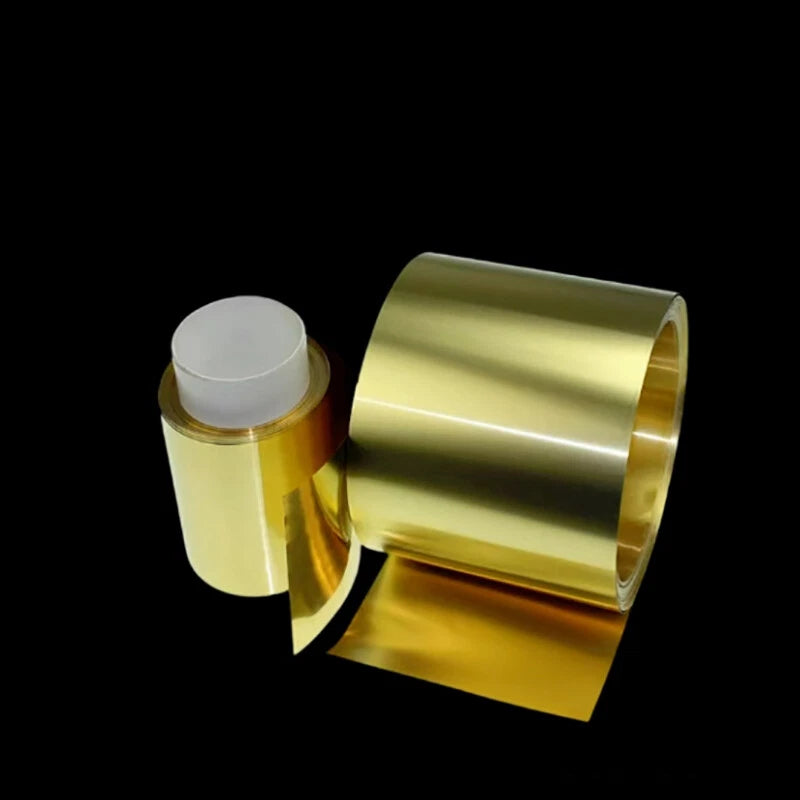
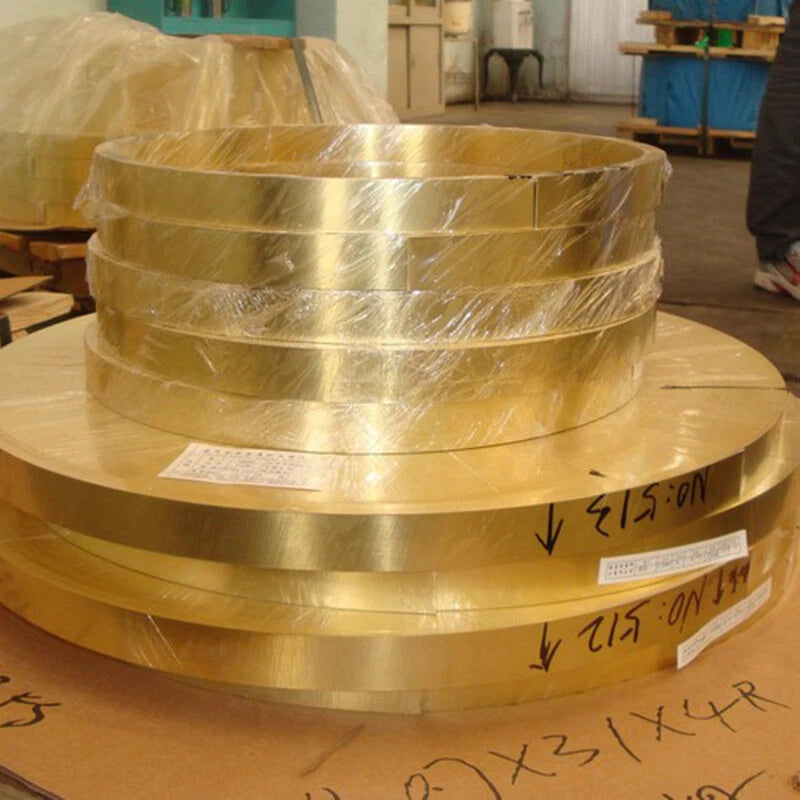
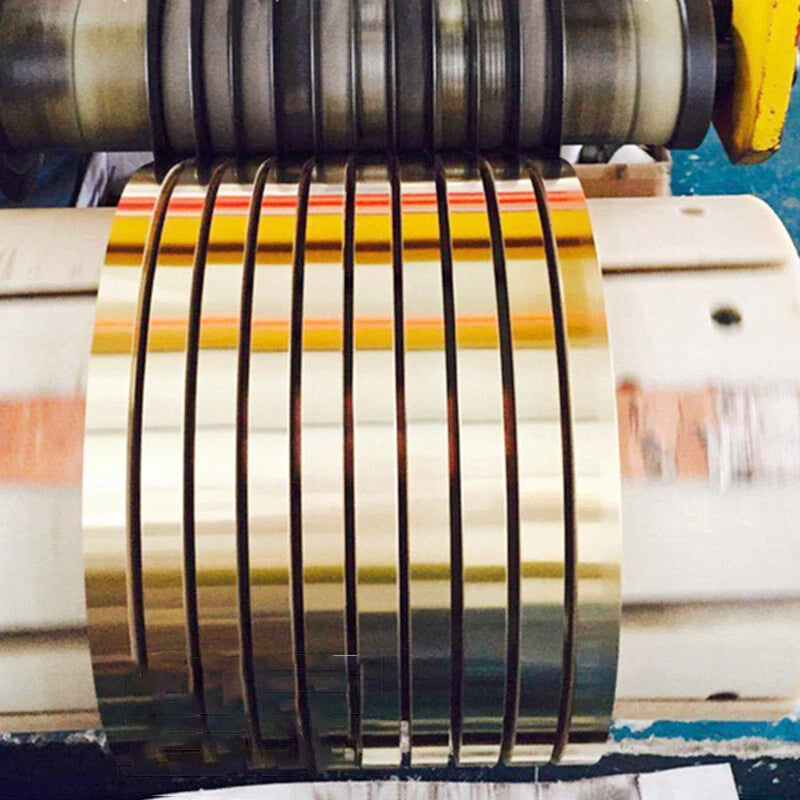
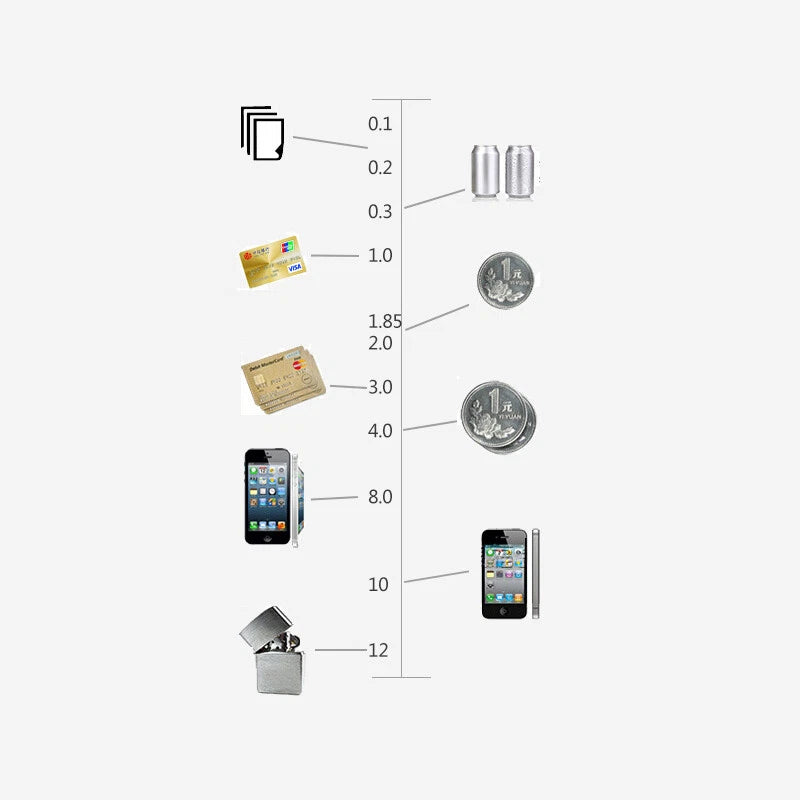
Each roll is made from brass alloy (copper-zinc), supplied in a continuous strip form. Thickness options span 0.01 mm to 1 mm (approximately 0.0004 in to 0.039 in), and widths range from 10 mm to 300 mm (approximately 0.39 in to 11.8 in). Length is available in 0.5 m or 1 m cuts, making it easy to match the quantity to your actual need.
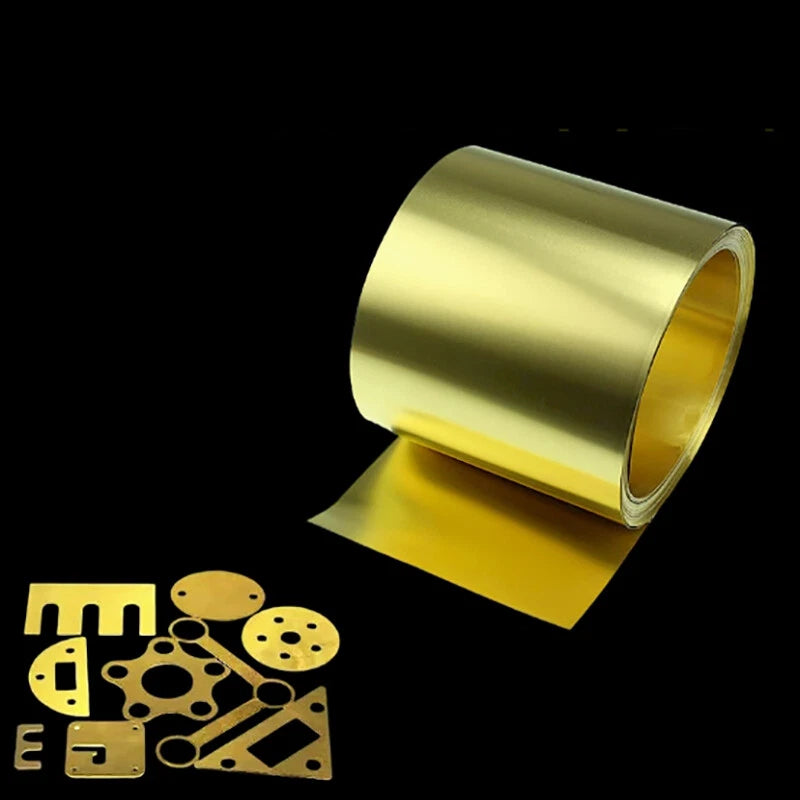
Typical applications include scale model detailing and scratch-building, RF and EMI shielding tape for electronics enclosures, decorative inlay and marquetry work, gasket and shim stock for mechanical assemblies, and thin-foil craft projects such as embossing, etching, and jewelry fabrication.
| Material | Brass alloy (copper-zinc) |
|---|---|
| Thickness Range | 0.01 mm – 1 mm (0.0004 in – 0.039 in) |
| Width Range | 10 mm – 300 mm (0.39 in – 11.81 in) |
| Available Lengths | 0.5 m / 1 m |
| Surface Finish | Mill-rolled, smooth both sides |
| Colour | Golden yellow (natural brass) |
| Temper / Hardness | See variant options |
| Tensile Strength | See variant options |
| Weight per Metre | See variant options |
| Form | Continuous roll / strip |
For decorative foil work, embossing, and thin shielding tape, 0.01–0.05 mm is typically sufficient and can be cut with scissors. For structural shims, gaskets, and model frames that need to hold shape under light load, 0.1–0.3 mm is a common choice. For mechanical shim stock or parts that will be machined or drilled, 0.4–1 mm provides the rigidity needed. If you are unsure, start with a mid-range thickness such as 0.1 mm and test it against your application.
Yes. Brass solders readily with standard rosin-core or acid-core solder and a suitable flux. For brazing, use a brass-compatible brazing rod and appropriate flux. Thinner gauges (under 0.05 mm) require careful heat control to avoid warping or burning through the material. Always clean the surface with isopropyl alcohol or a mild abrasive before soldering to remove any surface oxidation.
Brass has good natural corrosion resistance in dry indoor environments and light outdoor exposure. Over time, the surface will develop a patina (darkening or greening) when exposed to moisture and air — this is normal and can be desirable for decorative applications. For applications requiring long-term corrosion resistance in humid or marine environments, consider applying a clear lacquer or protective coating after fabrication.
Gauges up to 0.1 mm can be cut cleanly with sharp scissors, a craft knife and steel ruler, or a rotary cutter. Gauges from 0.1–0.5 mm work well with tin snips or aviation shears. For 0.5–1 mm, a metal shear, angle grinder with a thin cutting disc, or a bandsaw with a metal-cutting blade is recommended. The strip can be bent by hand or with pliers for thinner gauges; a sheet metal brake or bending jig is helpful for thicker gauges and consistent angles.
Yes. Brass is electrically conductive and is commonly used for EMI and RF shielding enclosures, gaskets, and contact strips. For shielding effectiveness, thinner foils (0.05–0.1 mm) are often used as flexible wrapping or lining material, while thicker strips (0.2 mm and above) are used for rigid enclosure panels. Ensure good electrical contact at seams and joints for optimal shielding performance.
Choose 0.5 m if your project requires only a short run of material or if you want to test a size before committing to a full metre. The 1 m option offers better value per metre and is the better choice for larger projects, repeat cuts, or when you want spare material on hand. Both lengths are cut from the same continuous roll stock, so quality and dimensions are identical.
Yes, brass strip is widely used in jewellery and metalsmithing. Thinner gauges (0.1–0.3 mm) are popular for forming bezels, decorative bands, and textured elements. The material can be stamped, etched with ferric chloride, hammered, and polished. Note that some individuals have a sensitivity to brass (due to its zinc content) when worn directly against skin for extended periods — consider a protective coating or lining if making skin-contact jewellery.