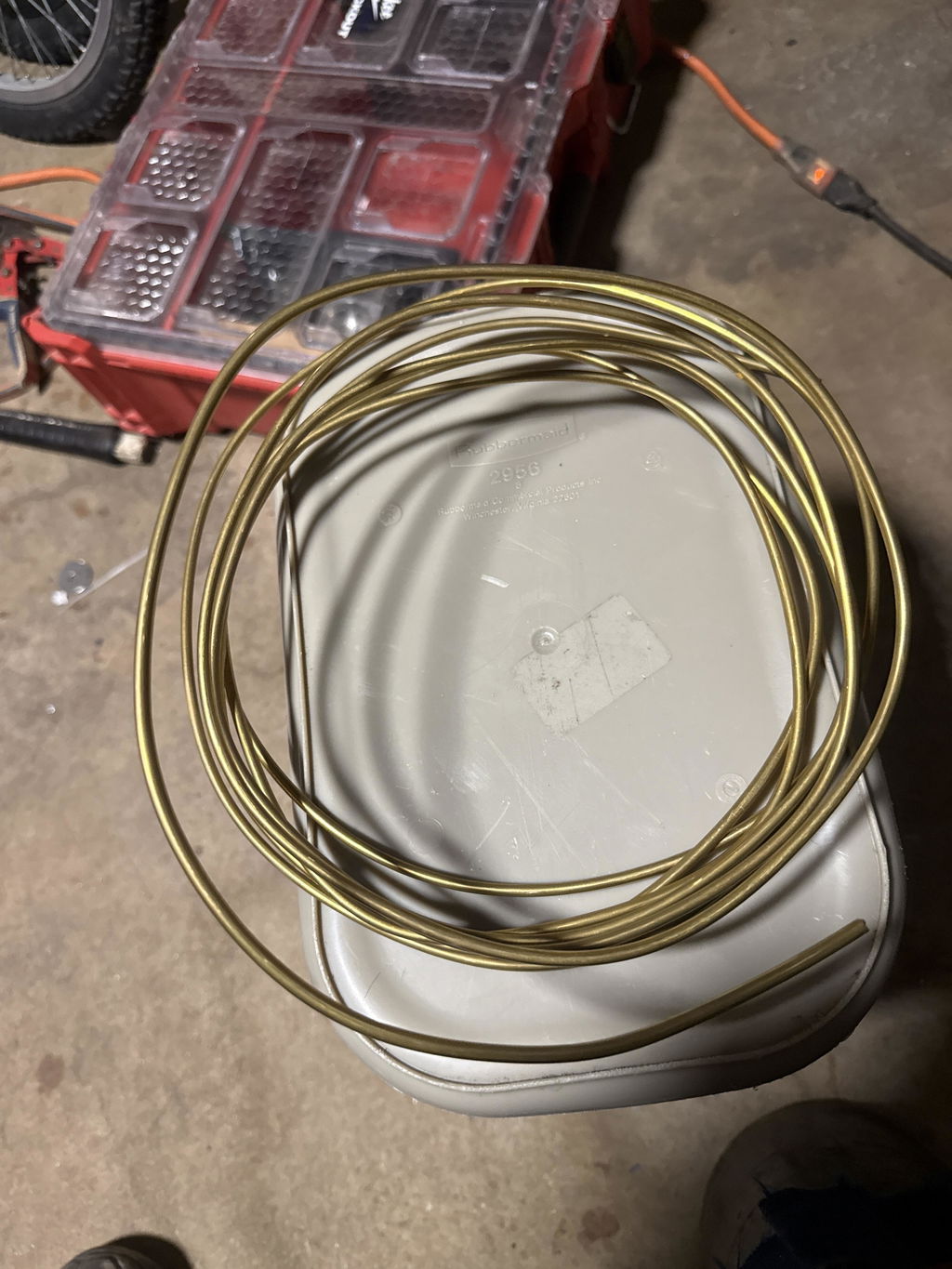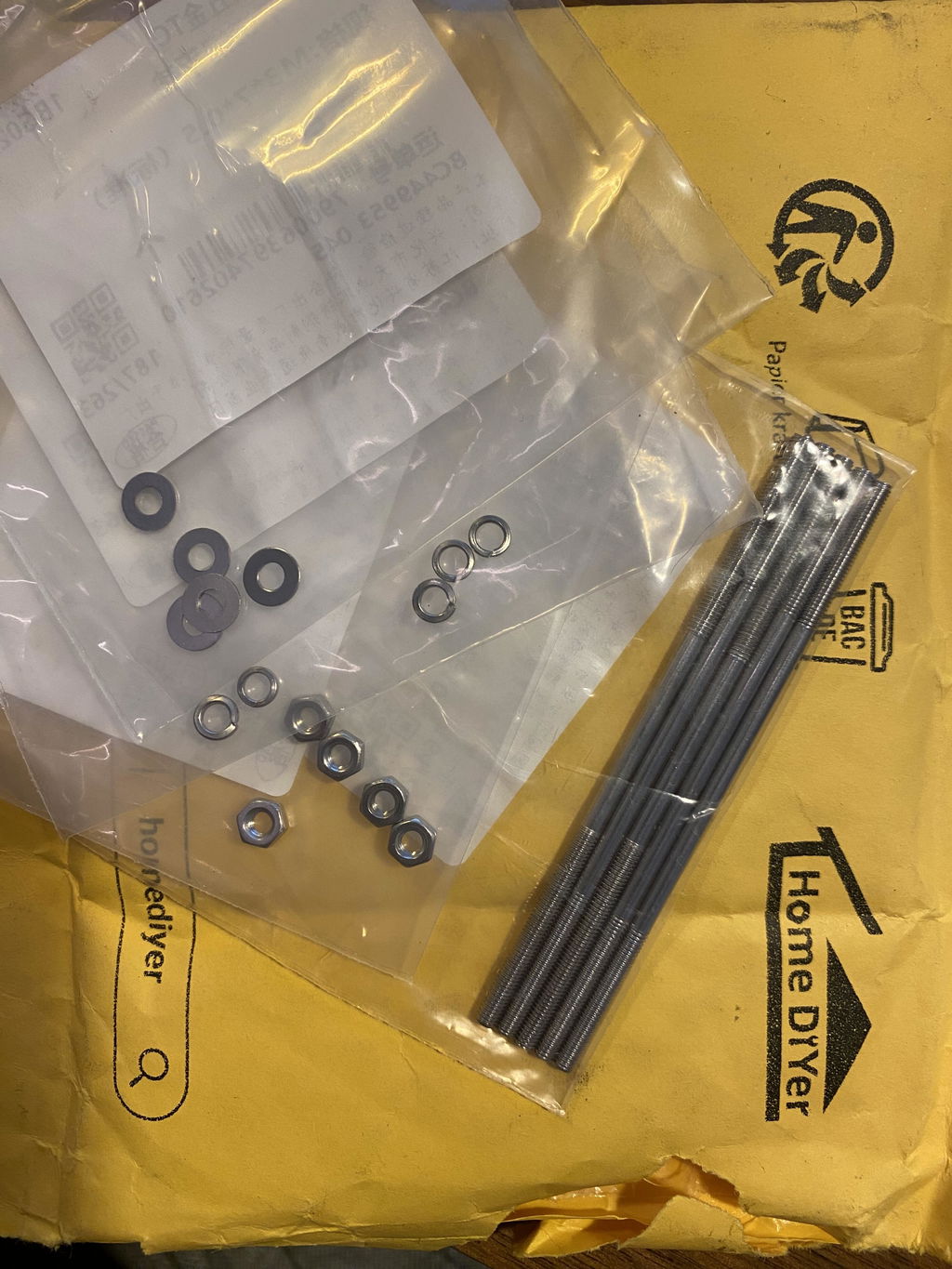
The chain is fine...but I ordered the wrong size. Nine links of the chain I ordered equals six of the size I wanted. My error...
How can I straighten out the springs? I can't use them coil uo as is.
Your payment information is processed securely. We do not store credit card details nor have access to your credit card information.
Get fitment advice & recommendations
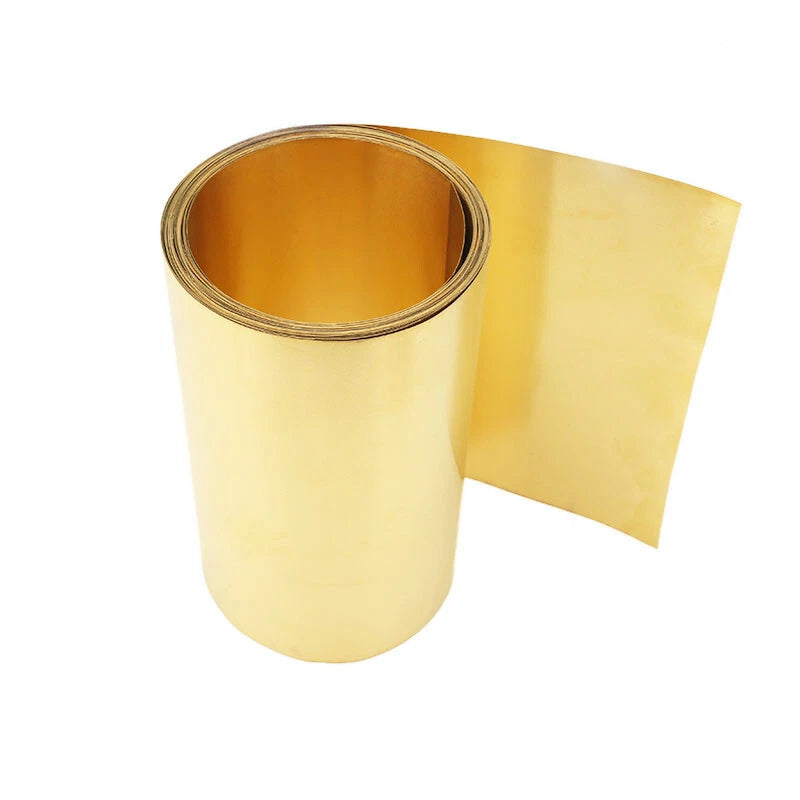
When your project demands a thin, workable metal that bends without cracking and holds its shape under pressure, standard sheet metal often falls short. Hobbyists, model makers, electronics technicians, and workshop professionals who need precise, thin-gauge brass foil know the frustration of sourcing material that is either too rigid, too thick, or inconsistently rolled. This brass sheet roll is engineered for those exacting applications where thickness tolerance and surface consistency matter.
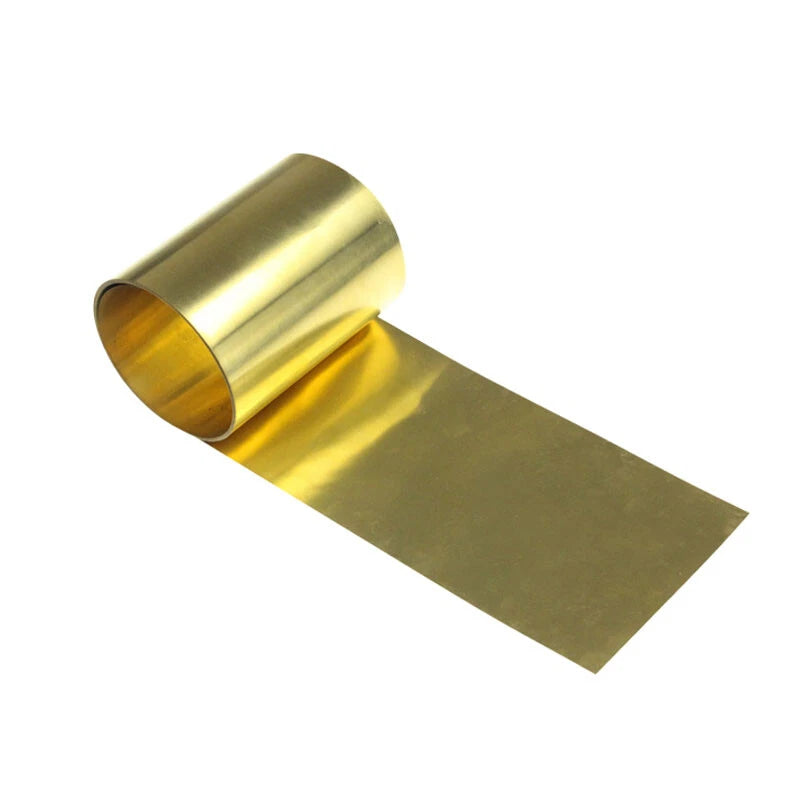
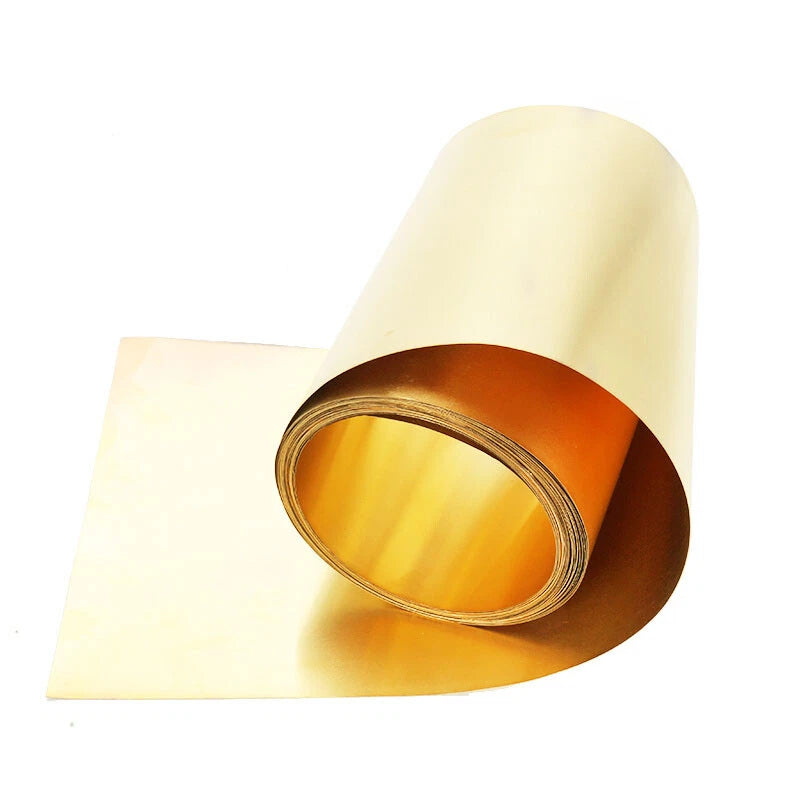
Each roll is made from flexible pure brass (copper-zinc alloy, typically C26000 / CuZn30 grade), offering a warm golden finish with excellent workability. Thickness ranges from 0.1 mm to 0.8 mm (approximately 0.004 in to 0.031 in), and width options span 10 mm to 200 mm (approximately 0.39 in to 7.87 in). The foil is supplied in roll form for easy cutting, shaping, and storage.
Typical use cases include DIY electromagnetic shielding and RF gasket fabrication, precision model-making and architectural scale models requiring thin brass sheet, craft and jewelry applications such as etching, stamping, and decorative inlay, and repair or shimming tasks in mechanical assemblies where a thin brass shim stock roll is needed.
Available in thicknesses from 0.1 mm to 0.8 mm and widths from 10 mm to 200 mm — select the exact combination your project requires.
The pure brass composition allows the foil to be bent, rolled, cut, and shaped without cracking, even at the thinnest 0.1 mm gauge.
Brass naturally resists oxidation and corrosion in typical indoor and light outdoor environments, maintaining its appearance and conductivity over time.
Pure brass foil provides reliable electrical conductivity, making it suitable for EMI/RFI shielding, grounding strips, and electrical contact applications.
Roll format allows you to cut exactly the length you need. Compatible with scissors, craft knives, tin snips, and CNC or laser cutting equipment.
Uniform surface finish across the roll ensures clean results for decorative etching, stamping, jewelry making, and architectural model work.
| Material | Pure Brass (Copper-Zinc Alloy) |
|---|---|
| Thickness Range | 0.1 mm – 0.8 mm (0.004 in – 0.031 in) |
| Width Range | 10 mm – 200 mm (0.39 in – 7.87 in) |
| Surface Finish | Smooth, uniform golden finish |
| Form Factor | Roll |
| Flexibility | Flexible; bendable without cracking at all listed thicknesses |
| Electrical Conductivity | Yes — suitable for EMI/RFI shielding and grounding |
| Corrosion Resistance | Good — suitable for indoor and light outdoor use |
| Packing Quantity | See variant options (1–5 rolls per order) |
| Roll Length | See variant options |
| Compatible Processes | Hand cutting, laser cutting, CNC routing, soldering, chemical etching |
For delicate crafts, jewelry, or decorative etching, 0.1–0.2 mm offers the most flexibility and ease of cutting. For structural shimming, gaskets, or EMI shielding where some rigidity is needed, 0.3–0.5 mm is a common choice. For heavier-duty mechanical applications or where the foil must hold a formed shape, 0.6–0.8 mm provides greater stiffness. If you are unsure, start with 0.2–0.3 mm as a versatile mid-range option.
Yes. Brass shim stock is widely used in mechanical assemblies to fill gaps, adjust tolerances, and create seals. The 0.3–0.8 mm range is particularly well-suited for shimming applications. Thinner gauges (0.1–0.2 mm) work well for light-duty gaskets or sealing applications where compressibility is acceptable.
Brass naturally develops a patina over time when exposed to air and moisture, which some users find desirable for decorative applications. For applications where a bright finish must be maintained, a clear lacquer or brass-compatible sealant can be applied after cutting and forming. In typical indoor environments, the foil will remain functional and structurally sound even as the surface color shifts slightly.
Yes, brass is readily solderable using standard rosin-core or acid-core solder with an appropriate flux. It can also be brazed. Welding thin brass foil (especially 0.1–0.2 mm) requires care to avoid burn-through; TIG welding with low amperage or laser welding is recommended for the thinnest gauges. For most DIY and electronics applications, soldering is the preferred joining method.
Yes. Brass responds well to ferric chloride and other brass-compatible etchants commonly used in PCB prototyping and decorative metalwork. The smooth, consistent surface finish of this foil ensures even etching results. Thinner gauges (0.1–0.2 mm) are typically preferred for etching due to faster etch-through times.
The ideal width depends on the enclosure or area you need to shield. The 200 mm wide rolls are best for covering larger surfaces or lining enclosures, while narrower widths (10–50 mm) are suited for shielding cable runs, seams, or small compartments. Multiple strips can be overlapped and soldered or taped for larger coverage areas.
You can select between 1 and 5 rolls per order using the Packing Quantity option. Ordering multiple rolls at once is cost-effective for larger projects or if you work with brass foil regularly. Each roll is the same size and thickness as specified by your selected Size variant.