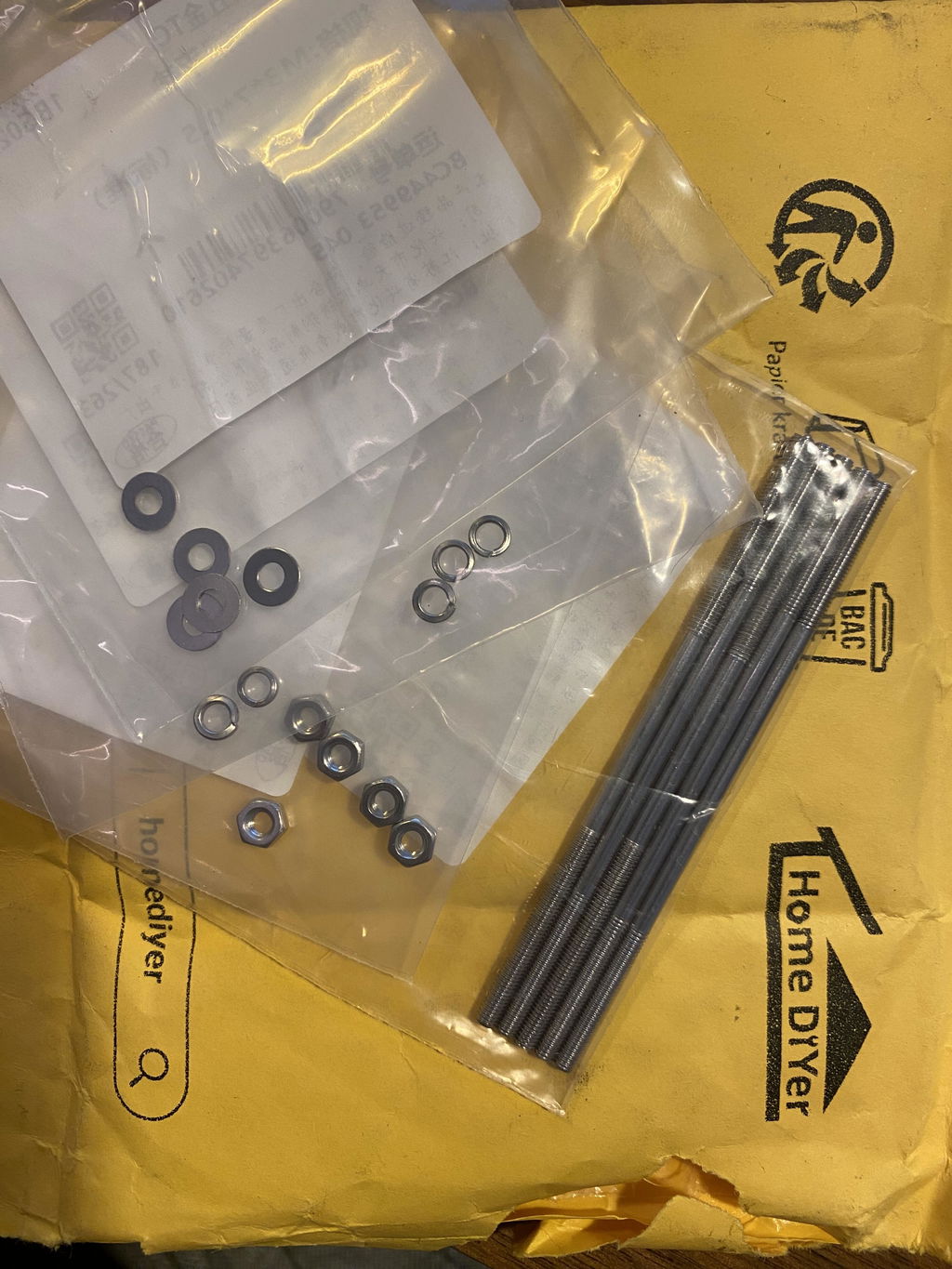
The chain is fine...but I ordered the wrong size. Nine links of the chain I ordered equals six of the size I wanted. My error...
How can I straighten out the springs? I can't use them coil uo as is.
Your payment information is processed securely. We do not store credit card details nor have access to your credit card information.
Get fitment advice & recommendations
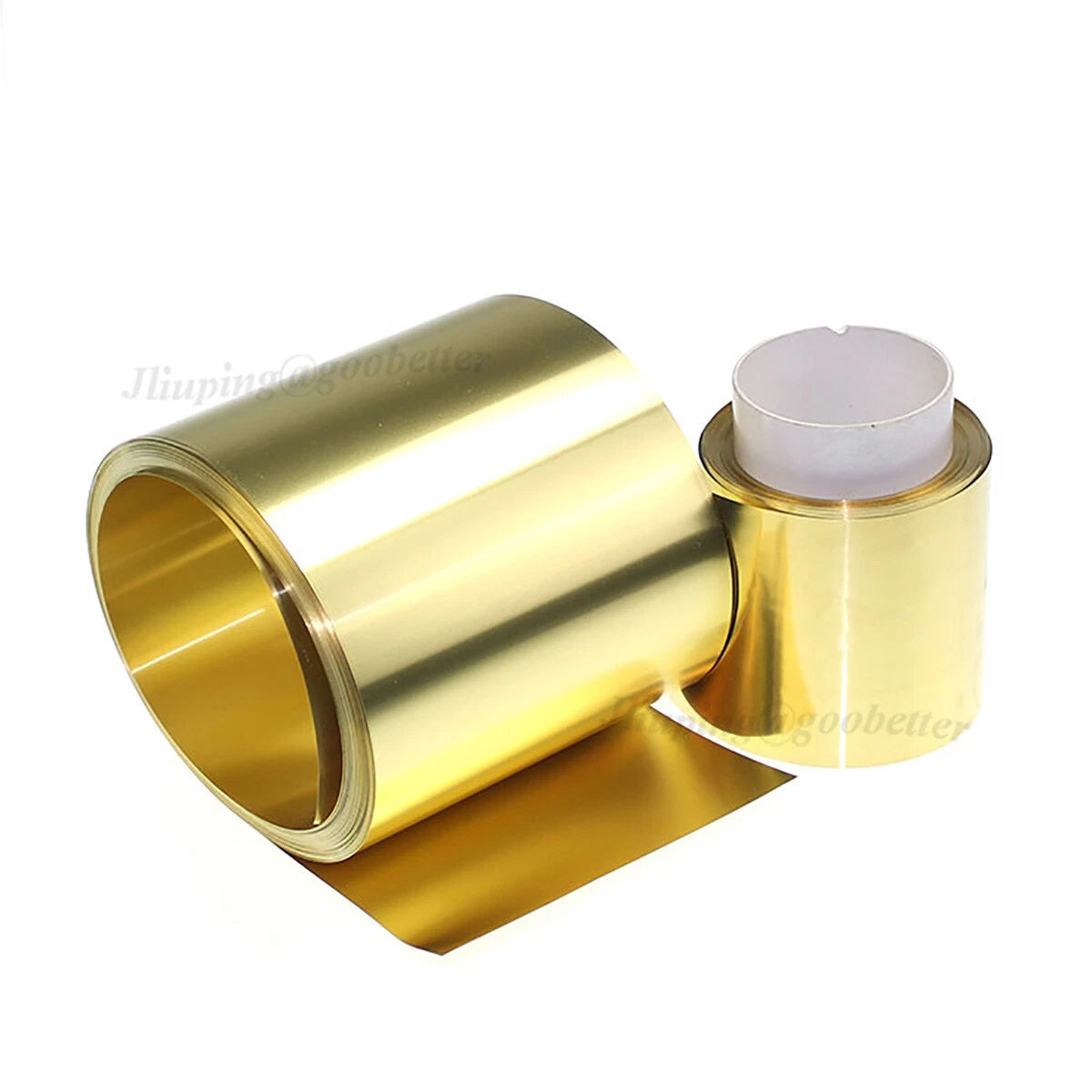
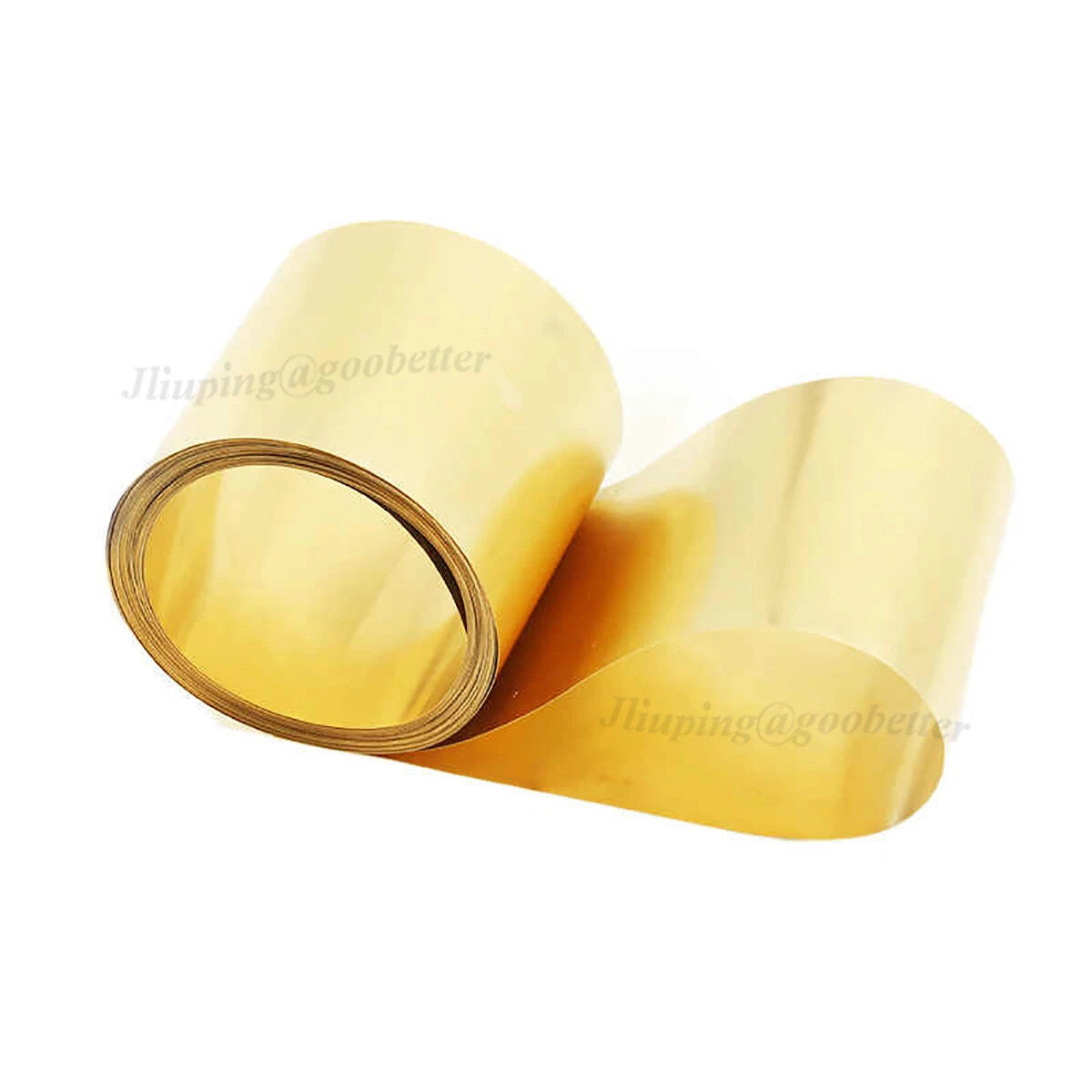
When a project demands exact tolerances and a material that holds its shape under repeated stress, finding a reliable source of thin brass strip in the right width is often the hardest part. Whether you are a model maker, electronics hobbyist, mechanical engineer, or DIY enthusiast, these brass sheet strips give you a consistent 0.1mm thickness across every width option — so you can cut, bend, and fit without guessing.
Each piece is a brass sheet strip measuring 0.1mm (approximately 0.004 in) thick and 1000mm (39.4 in) long, with widths ranging from 5mm (0.20 in) to 400mm (15.75 in). The alloy is a standard copper-zinc brass composition, offering a balance of workability, moderate tensile strength, and natural corrosion resistance suitable for indoor and light outdoor applications.
Typical uses include precision shimming between mechanical components, thin gasket fabrication, decorative inlay work on woodworking projects, RF shielding strips in electronics enclosures, and scale model detailing where a thin brass sheet strip that bends cleanly without cracking is essential.
| Material | Brass (copper-zinc alloy) |
|---|---|
| Thickness | 0.1mm (0.004 in) |
| Width Range | 5mm – 400mm (0.20 in – 15.75 in) |
| Length per Piece | 1000mm (39.4 in / ~1 meter) |
| Finish | Mill finish (bright, uncoated) |
| Hardness | See variant options |
| Tensile Strength | Typically 300–450 MPa (varies by temper) |
| Solderability | Yes — compatible with soft and silver solder |
| Magnetic | No |
| Width (Selected) | See variant options |
Measure the span you need to cover or the slot you need to fill, then select the next width up to allow for trimming. For shim applications, match the width to the bearing or joint face width. For decorative inlay, choose a width slightly wider than your routed channel so you can file flush after fitting.
At 0.1mm, this strip is well suited for light-duty shimming where small clearance adjustments are needed — for example, aligning bearing housings, adjusting door hinge gaps, or levelling machinery feet. For heavy-load applications requiring significant compressive strength, stacking multiple layers or using a thicker gauge is recommended.
Brass does not rust (it contains no iron), but it will develop a natural patina — a darkening or greenish tinge — when exposed to moisture and air over time. For indoor mechanical use this is generally not a concern. If a bright finish must be maintained, apply a clear lacquer or wax coating after installation.
Yes. The clean mill-finish surface accepts soft solder (60/40 tin-lead or lead-free) with standard flux, and silver solder with appropriate flux for higher-temperature joints. Ensure the surface is clean and free of oils before soldering. Brazing is also possible but requires careful heat control at this thickness to avoid warping.
Yes. At 0.1mm, this brass strip can be laser-cut with a CO₂ or fibre laser at low power settings. It can also be cut with a CNC router using a suitable end mill, or simply scored and snapped by hand. Always secure the strip flat before cutting to prevent movement.
Each variant represents one piece measuring 0.1mm thick × your selected width × 1000mm long. If you need multiple pieces or a longer run, simply increase the quantity at checkout. Contact us if you require custom lengths or bulk quantities.
Brass is a reasonable conductor and is commonly used for RF shielding cans and EMI gaskets in electronics enclosures. At 0.1mm it is thin enough to fold and form into enclosure walls or finger-stock gaskets. For critical RF applications, verify the conductivity requirements against the brass alloy specification for your design.