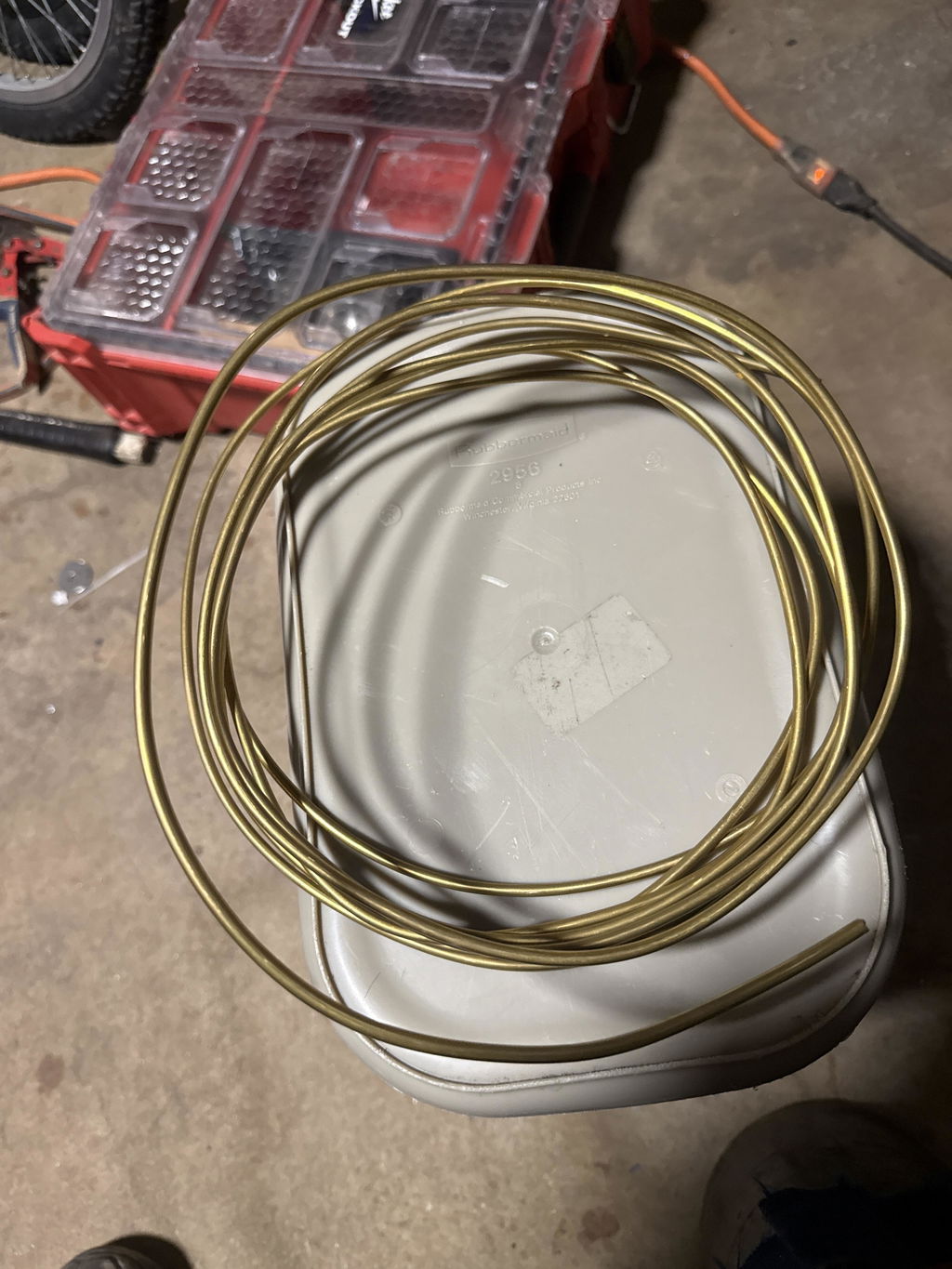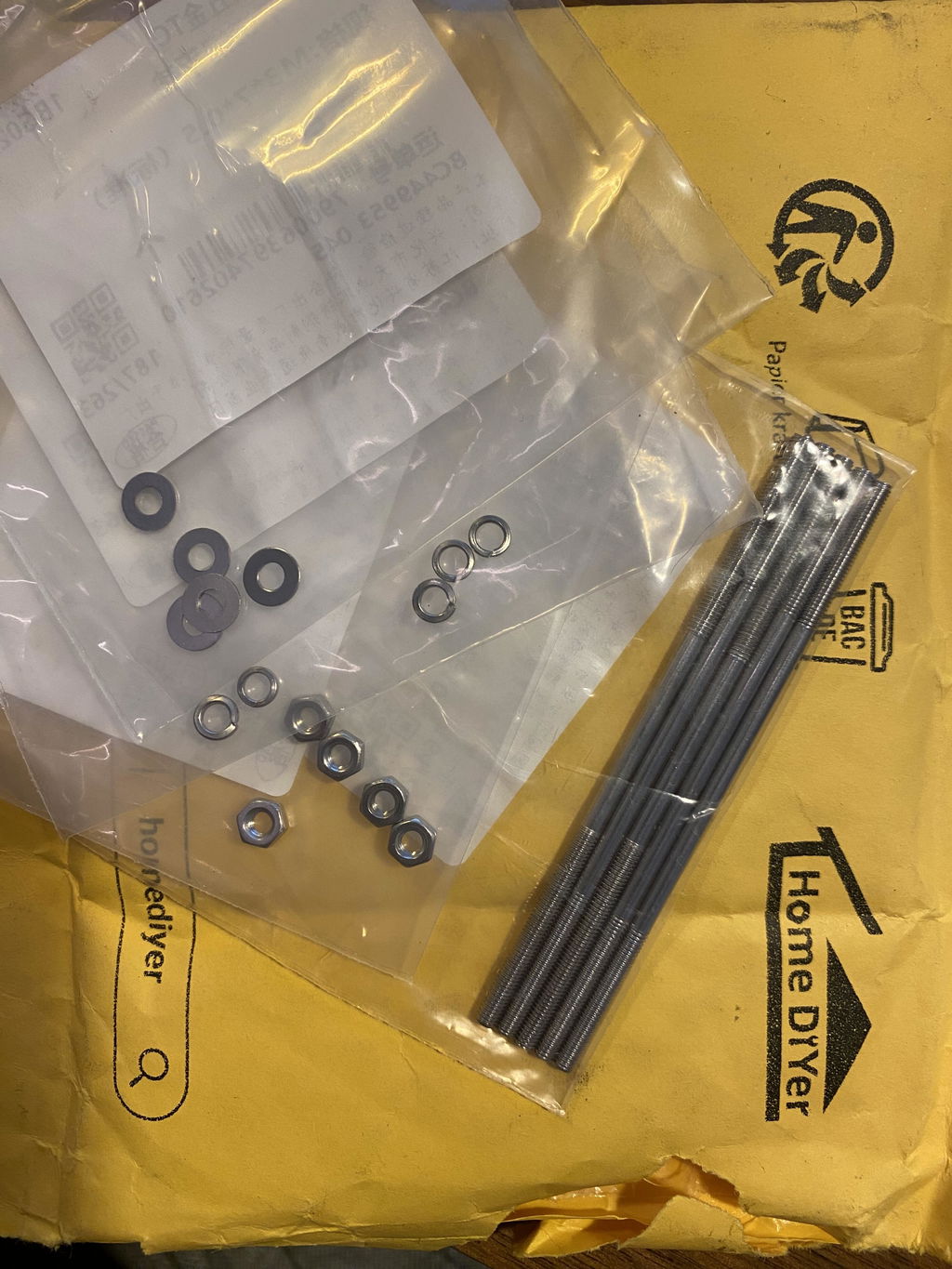
The chain is fine...but I ordered the wrong size. Nine links of the chain I ordered equals six of the size I wanted. My error...
How can I straighten out the springs? I can't use them coil uo as is.
Your payment information is processed securely. We do not store credit card details nor have access to your credit card information.
Get fitment advice & recommendations
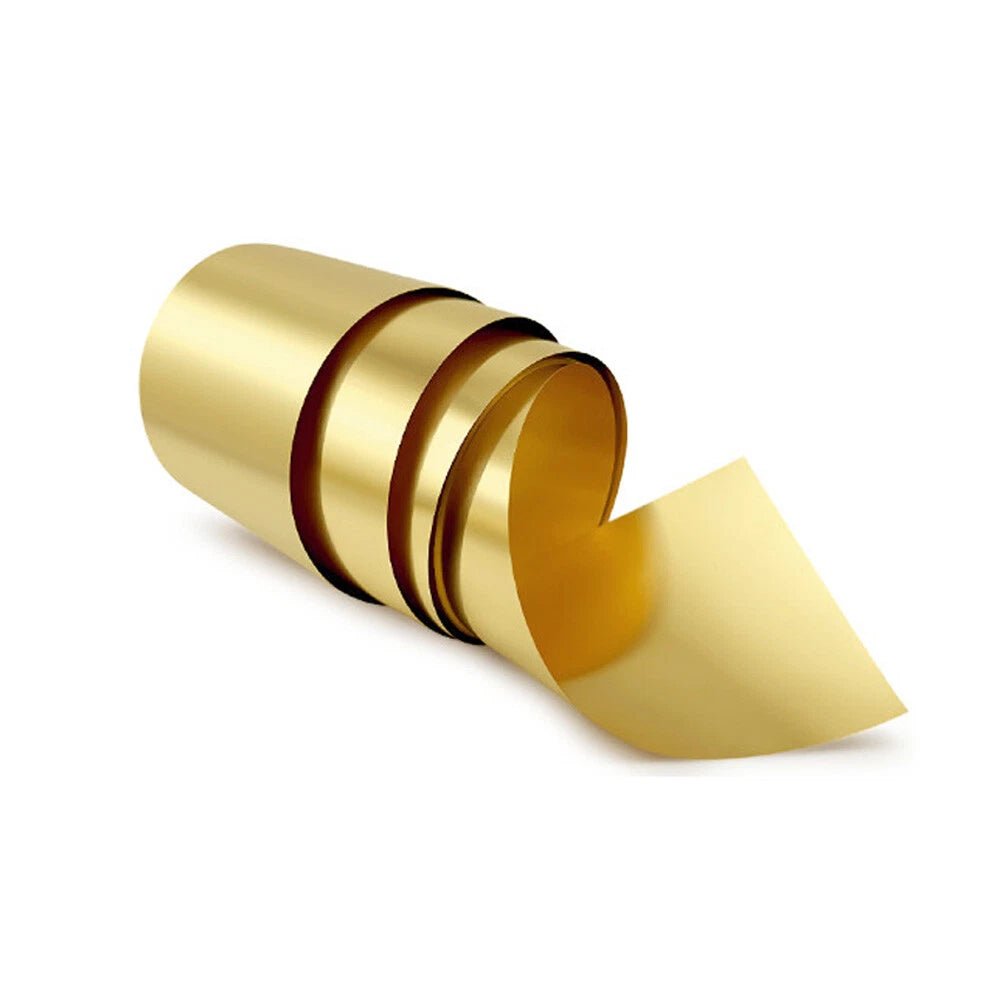
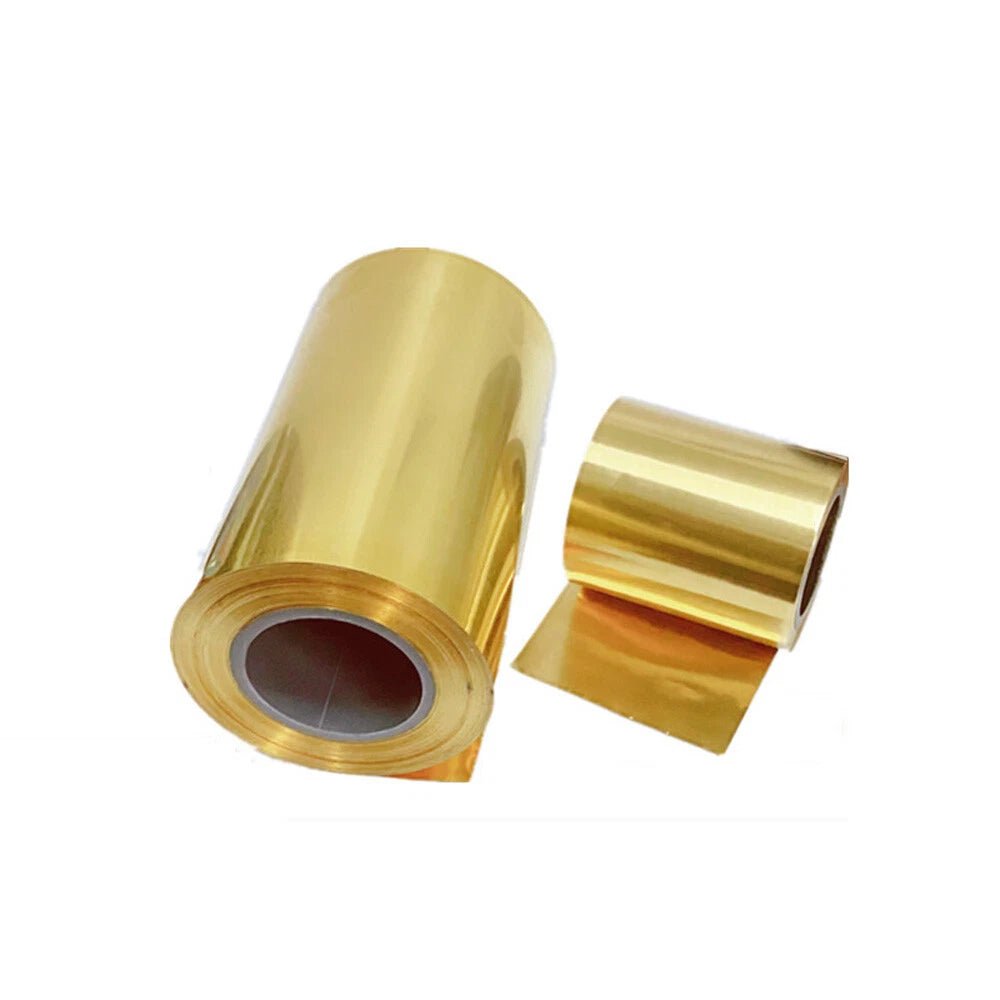
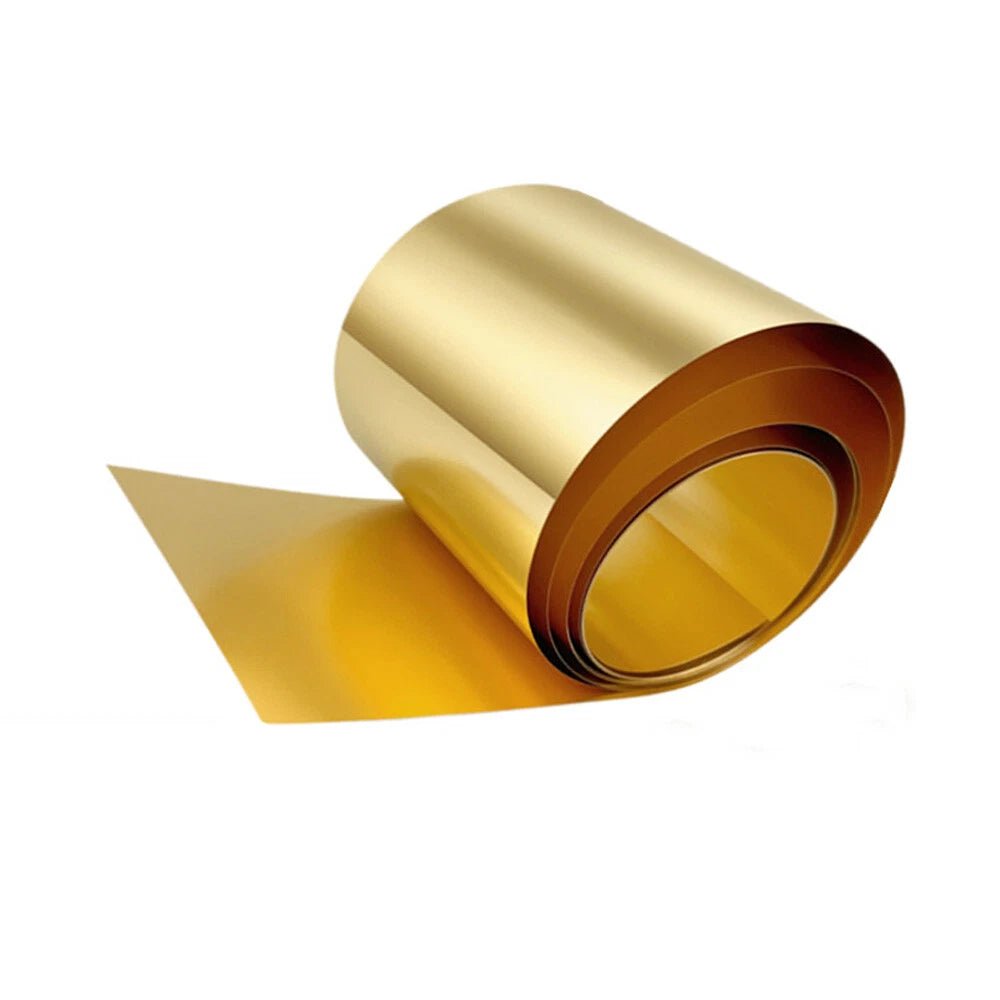
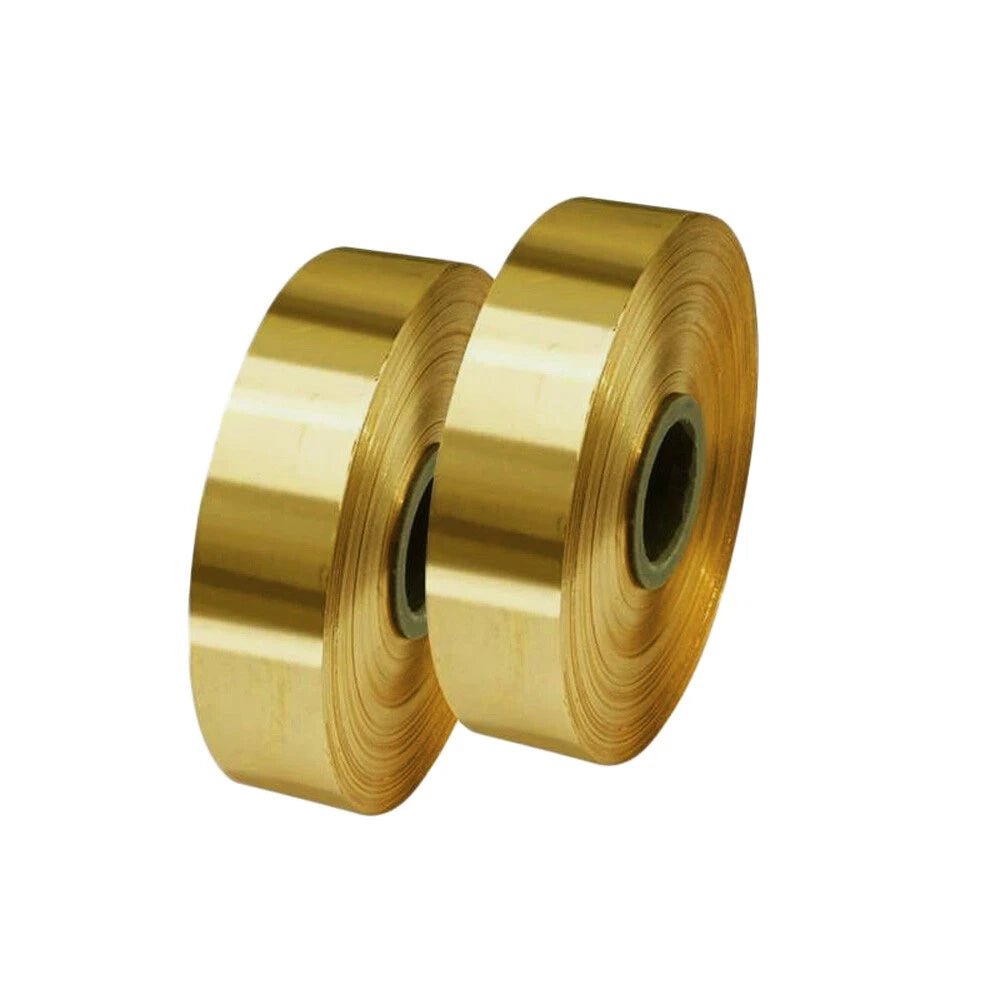
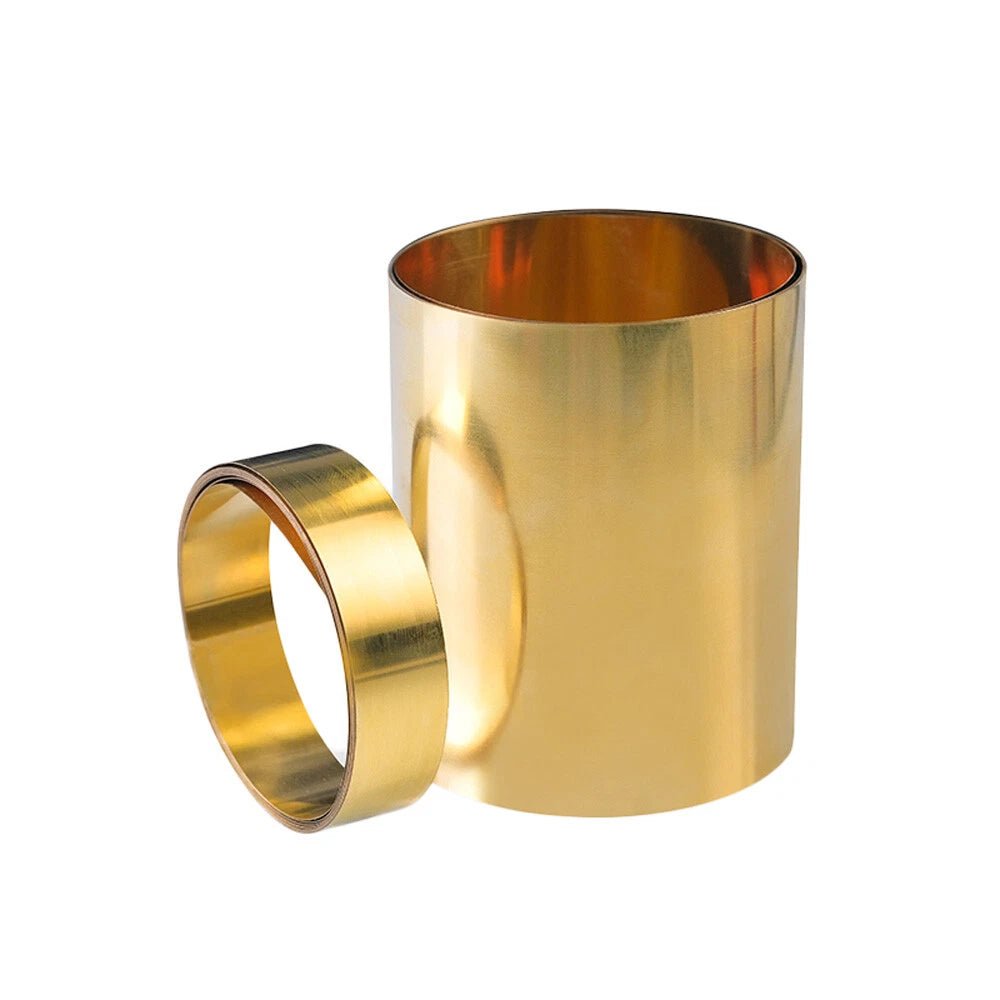
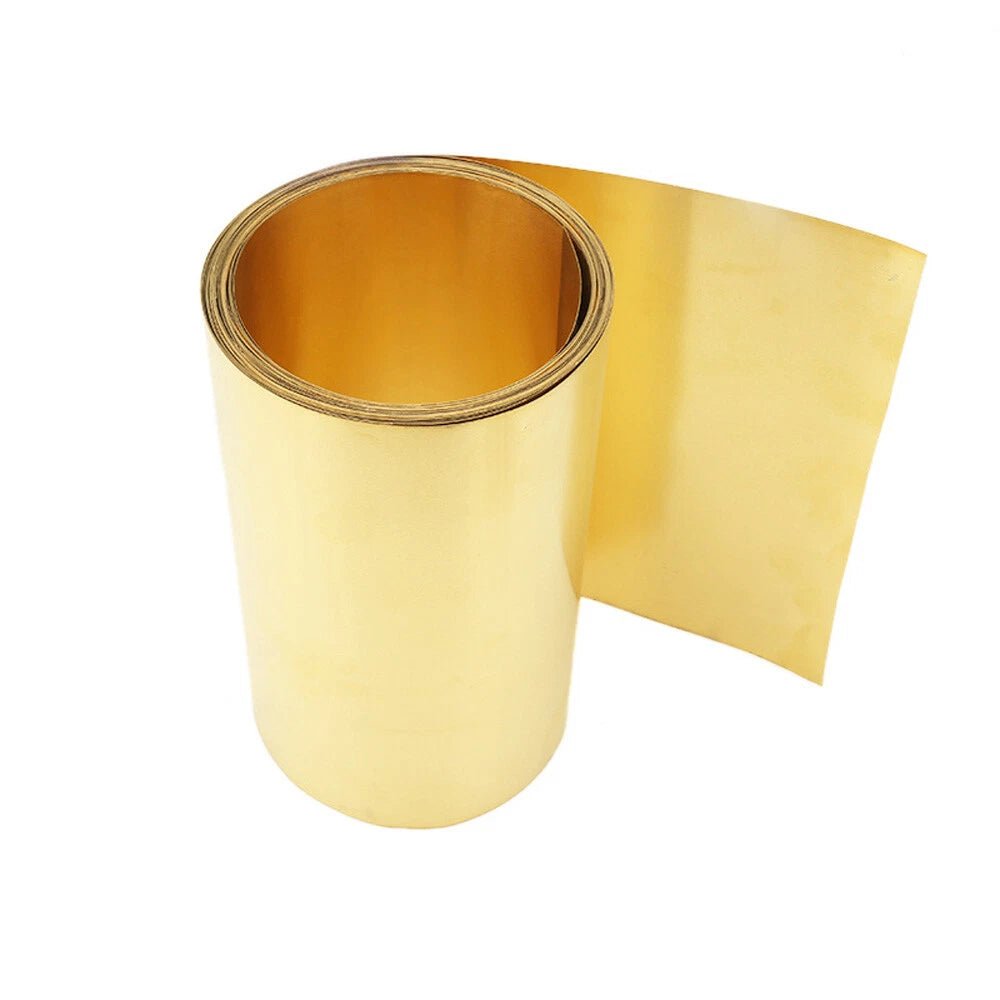
When a project demands exact tolerances and a material that holds its shape under pressure, finding the right brass sheet strip can be frustrating. Whether you're a hobbyist machinist, a model maker, or a professional fabricator, gaps in thickness selection or inconsistent widths waste time and money. This brass sheet strip roll is stocked in an extensive range of thicknesses and widths specifically for makers who need the right size the first time.
Each roll is made from C260 cartridge brass (70% copper, 30% zinc), offering a balance of workability and structural integrity. Thickness options span 0.01 mm to 1 mm (approximately 0.0004" to 0.039"), and widths range from 20 mm to 305 mm (approximately 0.79" to 12"). Available in 1-metre, 5-metre, and 10-metre lengths to suit both small repairs and larger production runs.
Typical applications include precision shimming between mechanical components, custom gasket fabrication for plumbing and HVAC assemblies, decorative inlay work in woodworking and furniture making, and thin-gauge stock for scale model construction and electronics shielding. The rolled format keeps the strip flat-packaged and ready to cut to your exact requirement.
Covers 0.01 mm through 1 mm in a single product line, eliminating the need to source from multiple suppliers for different project stages.
Available in 20 mm, 50 mm, 100 mm, 200 mm, and 305 mm widths, giving you the flexibility to minimise waste by choosing the closest match to your cut list.
The 70/30 copper-zinc composition delivers excellent cold-working characteristics, making it easy to bend, stamp, or roll without cracking at thin gauges.
Brass forms a stable oxide layer that resists moisture and mild chemical exposure, making it suitable for both indoor and sheltered outdoor applications.
Supplied as a continuous roll rather than pre-cut sheets, allowing you to cut exactly the length you need and store the remainder without kinking or warping.
Choose 1 m for prototyping, 5 m for small production runs, or 10 m for ongoing fabrication work — all at a per-metre cost that scales with quantity.
| Material | C260 Cartridge Brass (70% Cu / 30% Zn, typical) |
|---|---|
| Thickness Range | 0.01 mm – 1 mm (0.0004" – 0.039") |
| Width Range | 20 mm – 305 mm (0.79" – 12") |
| Available Lengths | 1 Metre / 5 Metre / 10 Metre |
| Surface Finish | Mill finish (bright rolled) |
| Hardness | See variant options |
| Tensile Strength | See variant options |
| Temper | See variant options |
| Colour | Yellow brass |
| Format | Continuous roll |
For shimming and gap-filling between mechanical parts, thicknesses of 0.01 mm – 0.1 mm are typically used. For structural brackets, decorative trim, or gaskets that need to hold shape under moderate load, 0.2 mm – 0.5 mm is a common range. For heavier-duty applications such as bearing shims or electrical bus bars, 0.5 mm – 1 mm is appropriate. If you are unsure, select the variant options above to compare dimensions, or contact us to confirm suitability.
Select the width closest to your finished part dimension to minimise cutting waste. The 20 mm width suits narrow shims and inlay strips; 50 mm and 100 mm cover most general fabrication needs; 200 mm and 305 mm are suited to larger sheet-metal work, heat shields, and wide gaskets. All widths are available across the full thickness range.
C260 brass has a tensile strength typically in the range of 300–500 MPa depending on temper, which is adequate for light structural brackets, spring contacts, and shim applications. It is not intended to replace steel in high-load structural roles. For precision shimming, bearing spacers, and decorative metalwork, brass performs reliably within its rated thickness range.
Brass naturally develops a patina (oxidation layer) when exposed to air and moisture, which actually slows further corrosion. For sheltered outdoor use — such as under eaves, inside enclosures, or in plumbing assemblies — brass performs well without additional coating. For prolonged direct outdoor exposure or contact with ammonia-based environments, a clear lacquer or protective coating is recommended.
Yes. C260 brass is one of the most solderable and brazeable copper alloys. It bonds readily with standard soft solders (tin-lead or lead-free) and silver brazing alloys. Clean the surface with flux before soldering to ensure a strong joint. Avoid overheating thin gauges (below 0.1 mm) as they can warp quickly.
For thicknesses up to 0.3 mm, heavy-duty scissors or tin snips work well. For 0.3 mm – 0.8 mm, a guillotine cutter or metal shears give cleaner edges. For 0.8 mm – 1 mm, a hacksaw, angle grinder with a thin cutting disc, or CNC router is recommended. Laser cutting is suitable across all thicknesses for precise shapes. Always deburr cut edges with a file or deburring tool.
Yes. Brass is one of the most machinable metals and is well-suited to CNC milling, laser cutting (CO₂ and fibre lasers), waterjet cutting, and EDM. The rolled strip format feeds cleanly into most automated cutting systems. For laser cutting, fibre lasers are preferred for reflective brass surfaces.
Re-roll the unused portion and store it in a sealed plastic bag or wrap it in anti-tarnish paper. Keep it away from humidity, direct sunlight, and chemicals such as ammonia or chlorine. If tarnishing occurs, the surface can be restored with a brass polish or a mild acid solution (e.g., diluted vinegar) followed by rinsing and drying.