
The chain is fine...but I ordered the wrong size. Nine links of the chain I ordered equals six of the size I wanted. My error...
How can I straighten out the springs? I can't use them coil uo as is.
Your payment information is processed securely. We do not store credit card details nor have access to your credit card information.
Get fitment advice & recommendations
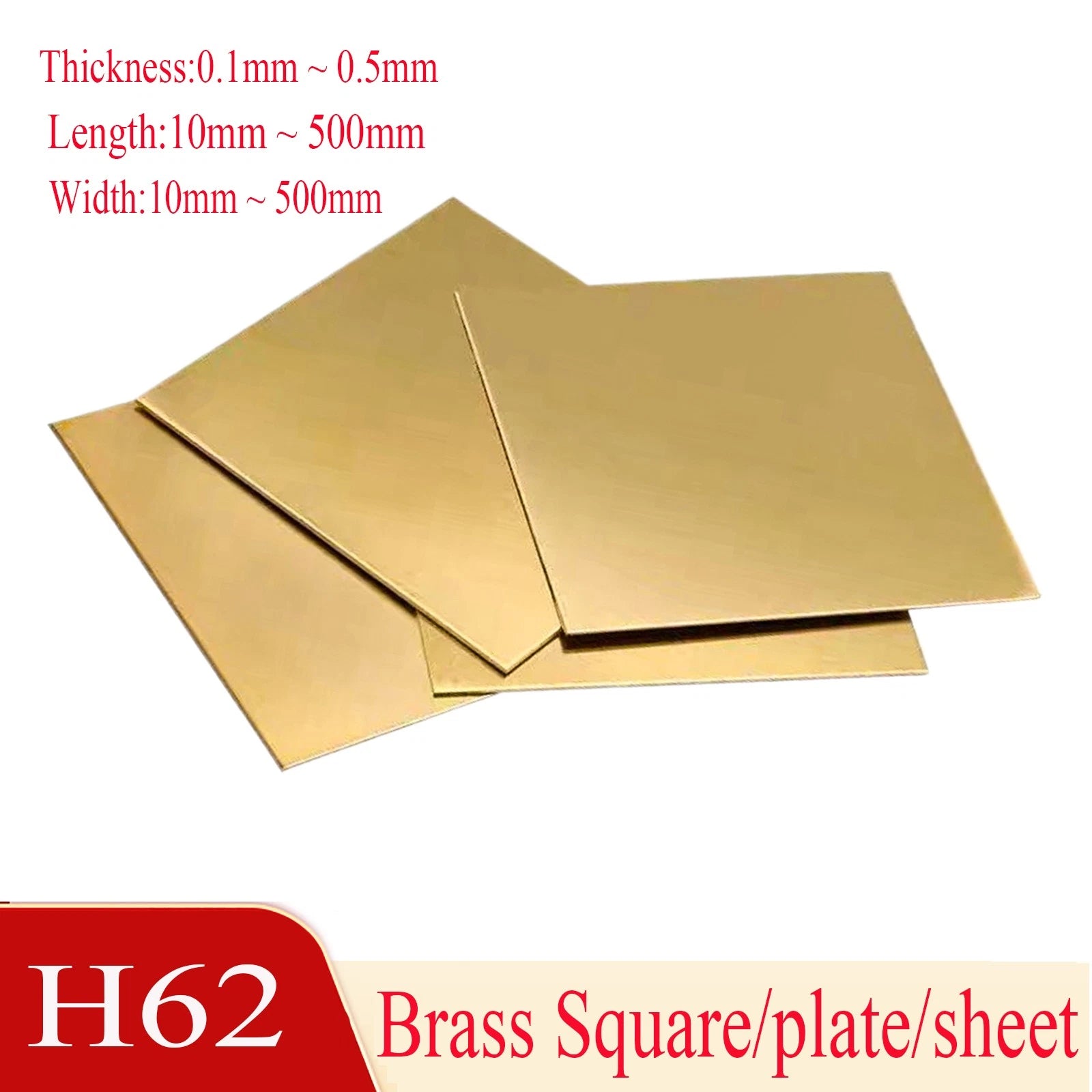
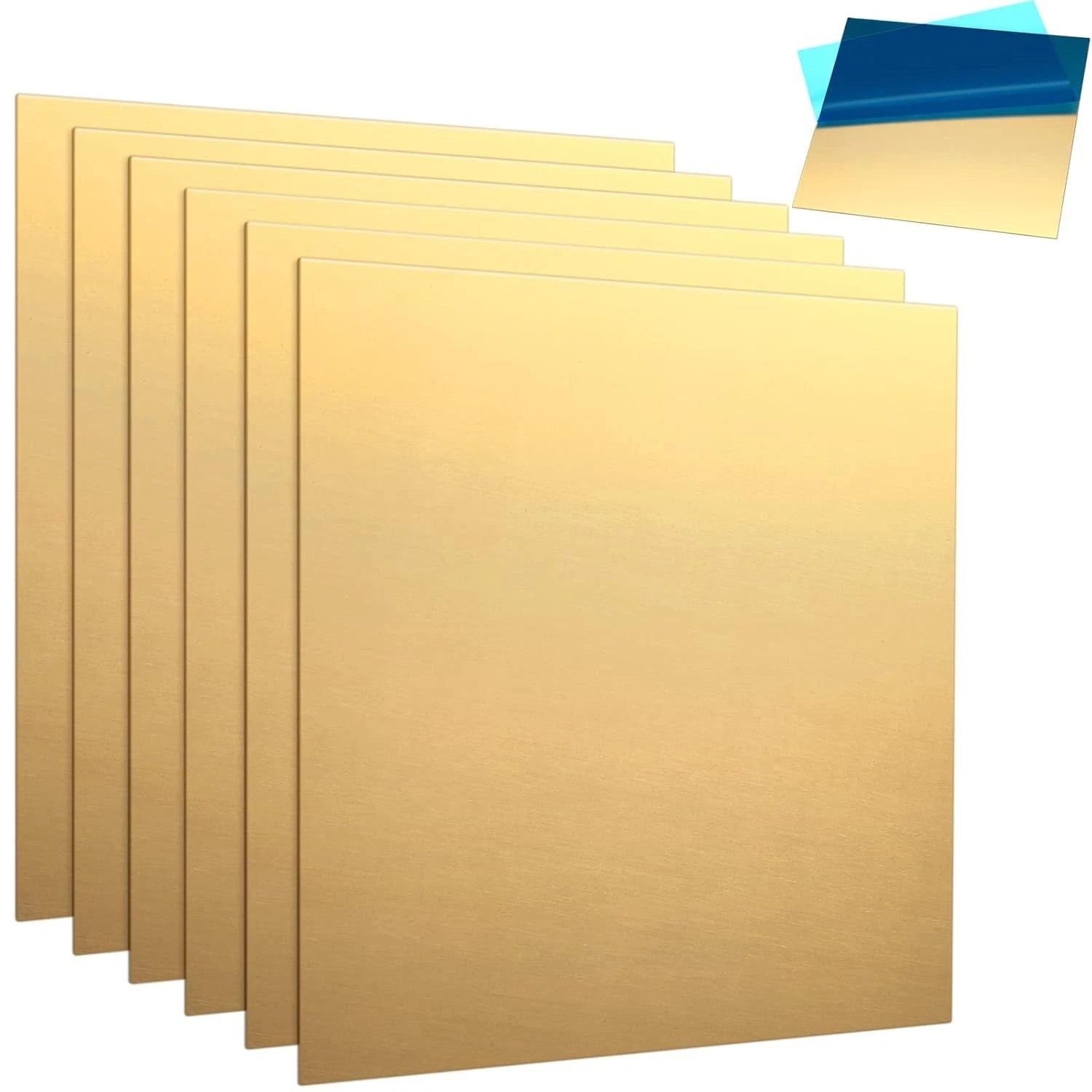
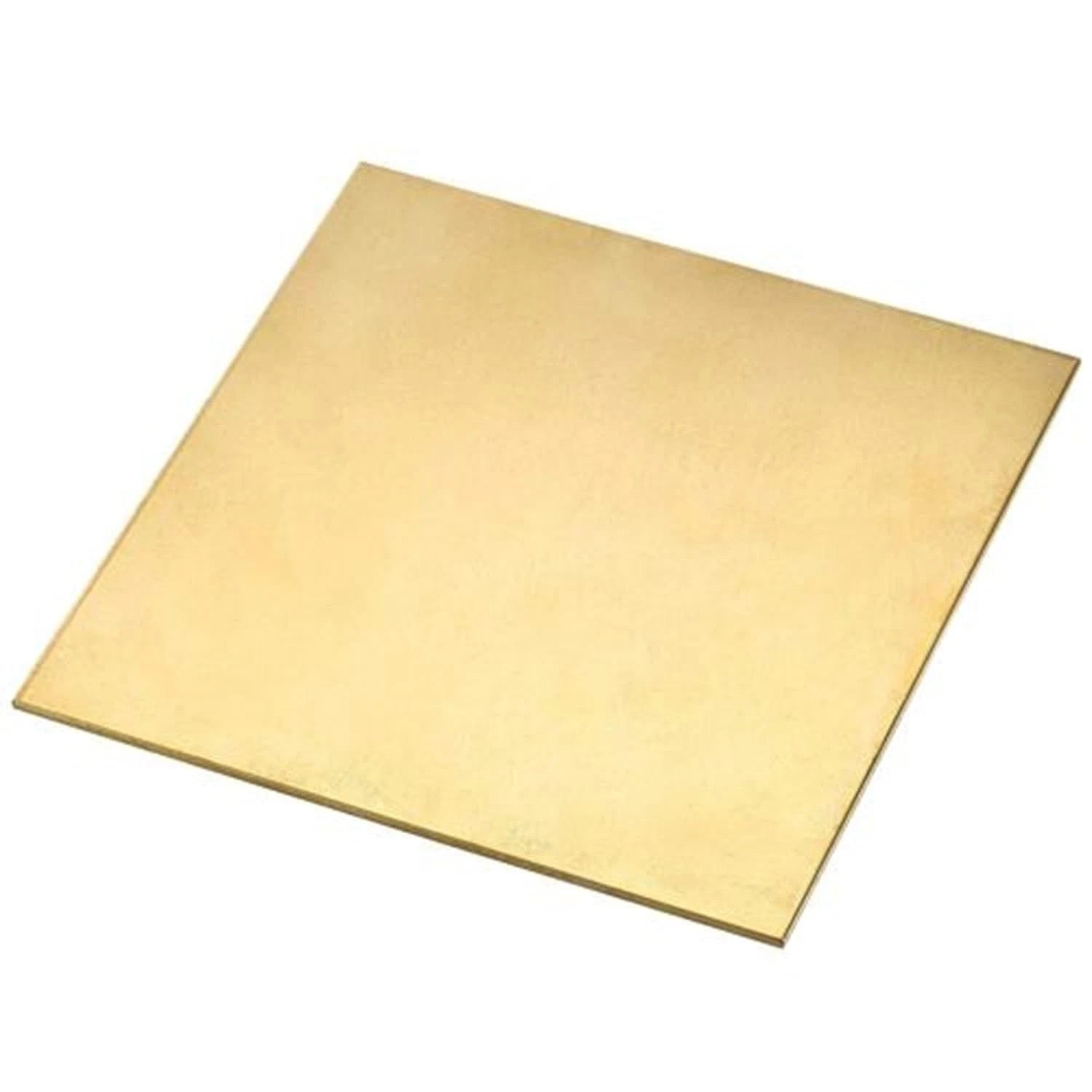
When your project demands a clean, burr-free edge and a consistent thickness you can actually trust, generic sheet stock falls short. Whether you are a hobbyist building scale models, a maker crafting custom enclosures, or a small-shop fabricator needing reliable raw material, these brass sheet metal squares give you a repeatable starting point without the waste of full-sheet orders.
Each piece is cut from C260 cartridge brass alloy — a copper-zinc composition known for its workability, solderability, and warm golden appearance. Thickness options span 0.1 mm (≈ 0.004 in) through 0.5 mm (≈ 0.020 in), and face dimensions range from a compact 10 × 10 mm (≈ 0.39 × 0.39 in) up to a generous 500 × 500 mm (≈ 19.7 × 19.7 in), with a variety of rectangular cuts in between. Each listing ships in quantities of 1, 2, or 4 pieces depending on the size selected.
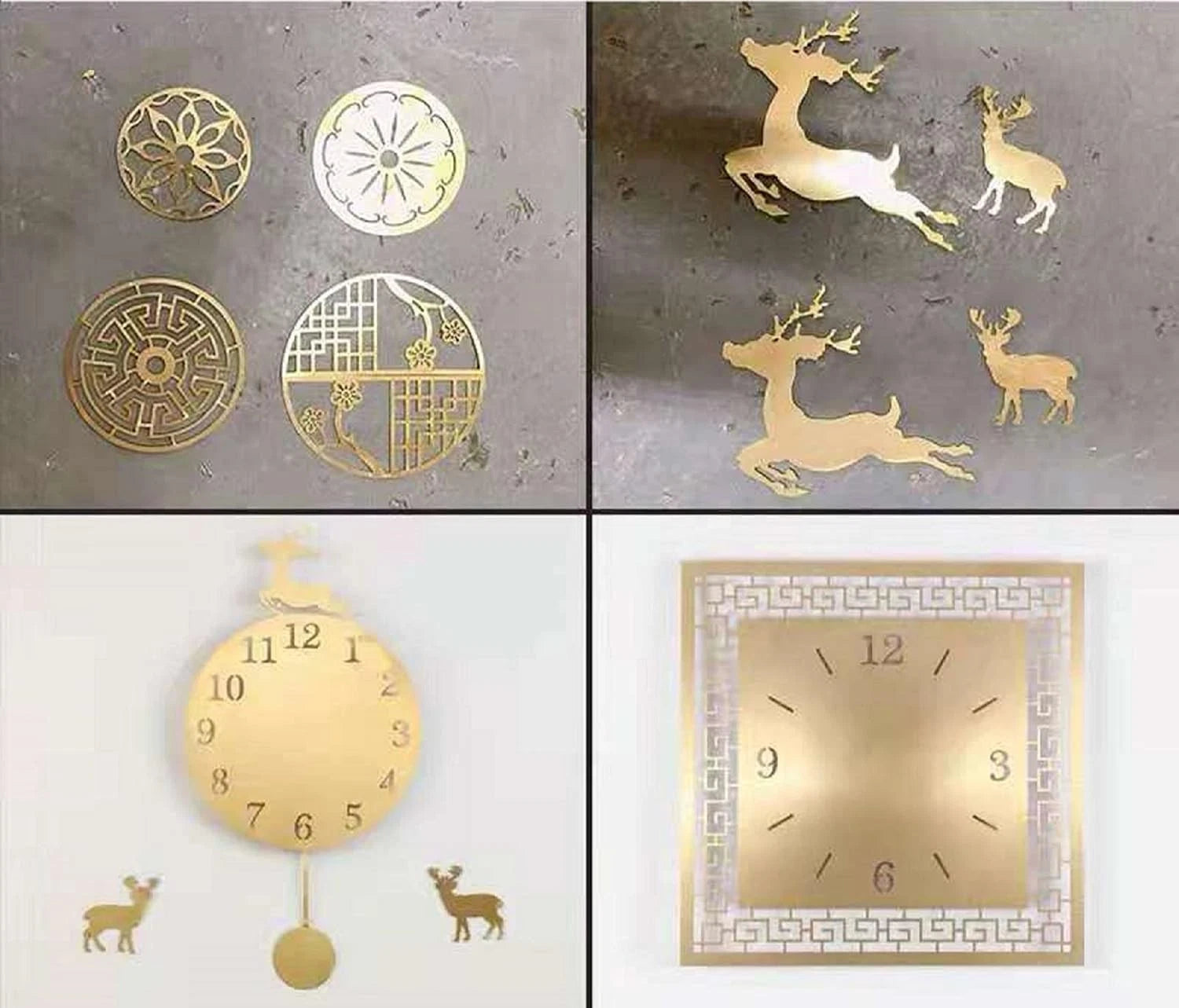
Typical applications include DIY electronics shielding and RF gaskets, architectural model-making and miniature detailing, custom jewelry blanks and metal-stamping stock, heat-spreader shims for PC builds and LED assemblies, and decorative inlay work for woodworking and leathercraft projects.
| Material | C260 Cartridge Brass (Cu 70% / Zn 30%) |
|---|---|
| Thickness Range | 0.1 mm – 0.5 mm (0.004 in – 0.020 in) |
| Face Dimensions | 10 × 10 mm up to 500 × 500 mm (see variant options) |
| Cut Method | Guillotine shear cut |
| Surface Finish | Mill finish (bright, uncoated) |
| Temper | Half-hard (H02), typical for rolled sheet |
| Corrosion Resistance | Good in dry / indoor environments; not rated for marine or high-humidity exposure without coating |
| Solderability | Excellent with standard rosin-core or acid-flux solder |
| Quantity per Pack | See variant options (1, 2, or 4 pcs) |
| Weight per Piece | See variant options |
For decorative inlays, jewelry blanks, or RF shielding foil, 0.1–0.2 mm is typically sufficient. For structural shims, heat spreaders, or parts that need to hold a bend without springing back, 0.3–0.5 mm offers more rigidity. If you are unsure, order a small 10 × 10 mm sample in two thicknesses to test before committing to a larger size.
C260 cartridge brass in the H02 (half-hard) temper has a tensile strength of approximately 400–500 MPa. These thin sheets (0.1–0.5 mm) are well-suited for light-duty structural roles such as shims, spacers, and brackets in low-stress assemblies, but are not intended for primary structural members under significant mechanical load.
Brass naturally develops a patina (surface oxidation) when exposed to air and humidity over time. In dry indoor environments this process is slow and largely cosmetic. For outdoor or high-humidity applications, apply a clear lacquer or wax coating after fabrication. The mill-finish surface is uncoated and ready to accept most metal finishes, patinas, or platings.
Yes. Thinner gauges (0.1–0.2 mm) cut cleanly with heavy-duty scissors, a craft knife, or a jeweler's saw. Thicker gauges (0.3–0.5 mm) respond well to tin snips, a bench shear, or a laser cutter. Drilling is straightforward with standard HSS bits at low speed with light pressure. Soldering is excellent using rosin-core solder and a standard electronics or plumbing iron.
Brass sheet in the 0.1–0.5 mm range is commonly used with fiber laser cutters and can be machined on CNC routers with appropriate carbide tooling and cutting fluid. CO₂ lasers are generally not effective on bare brass due to its high reflectivity; a fiber or diode laser is recommended. Always verify your machine's rated material thickness before cutting.
Most variants are square (equal length and width, e.g. 50 × 50 mm). Larger sizes include rectangular options such as 100 × 50 mm, 200 × 100 mm, and 300 × 200 mm, which are useful when your part layout is not square. Select the size that most closely matches your finished part dimensions to minimize waste.
The quantity option is tied to the size variant. Smaller sizes (10–50 mm) are available in packs of 4, mid-range sizes in packs of 2, and larger formats (100 mm and above) typically ship as single pieces. Order extra pieces when prototyping or when your process involves trial cuts — brass is easy to work but mistakes are hard to undo.





