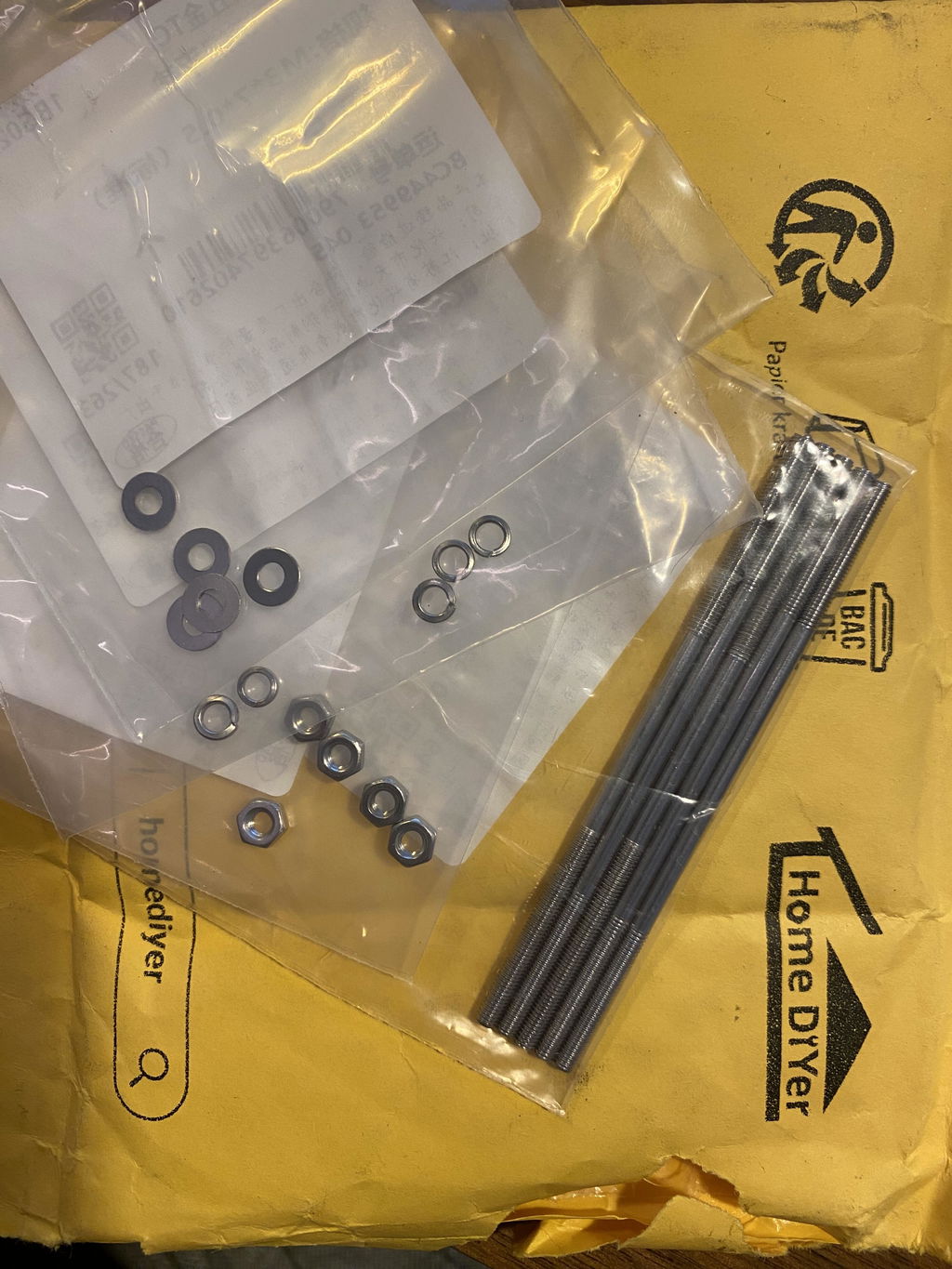
The chain is fine...but I ordered the wrong size. Nine links of the chain I ordered equals six of the size I wanted. My error...
How can I straighten out the springs? I can't use them coil uo as is.
Your payment information is processed securely. We do not store credit card details nor have access to your credit card information.
Get fitment advice & recommendations
When your project demands a material that holds tight tolerances, machines cleanly, and looks the part, finding the right brass sheet metal in the exact size you need can be a real challenge. Whether you are a hobbyist building custom enclosures, a maker fabricating decorative inlays, or a small workshop cutting shims and spacers, this guillotine-cut brass sheet metal delivers flat, burr-reduced edges straight out of the pack — no secondary cutting required.
Each piece is cut from solid brass alloy flat stock using a guillotine shear, producing clean, straight edges with minimal distortion. Thickness options range from 0.6 mm (approximately 0.024 in) up to 10 mm (approximately 0.394 in), and sheet dimensions span from compact 10 × 10 mm squares up to large 600 × 600 mm panels, giving you the flexibility to order exactly what your build calls for.
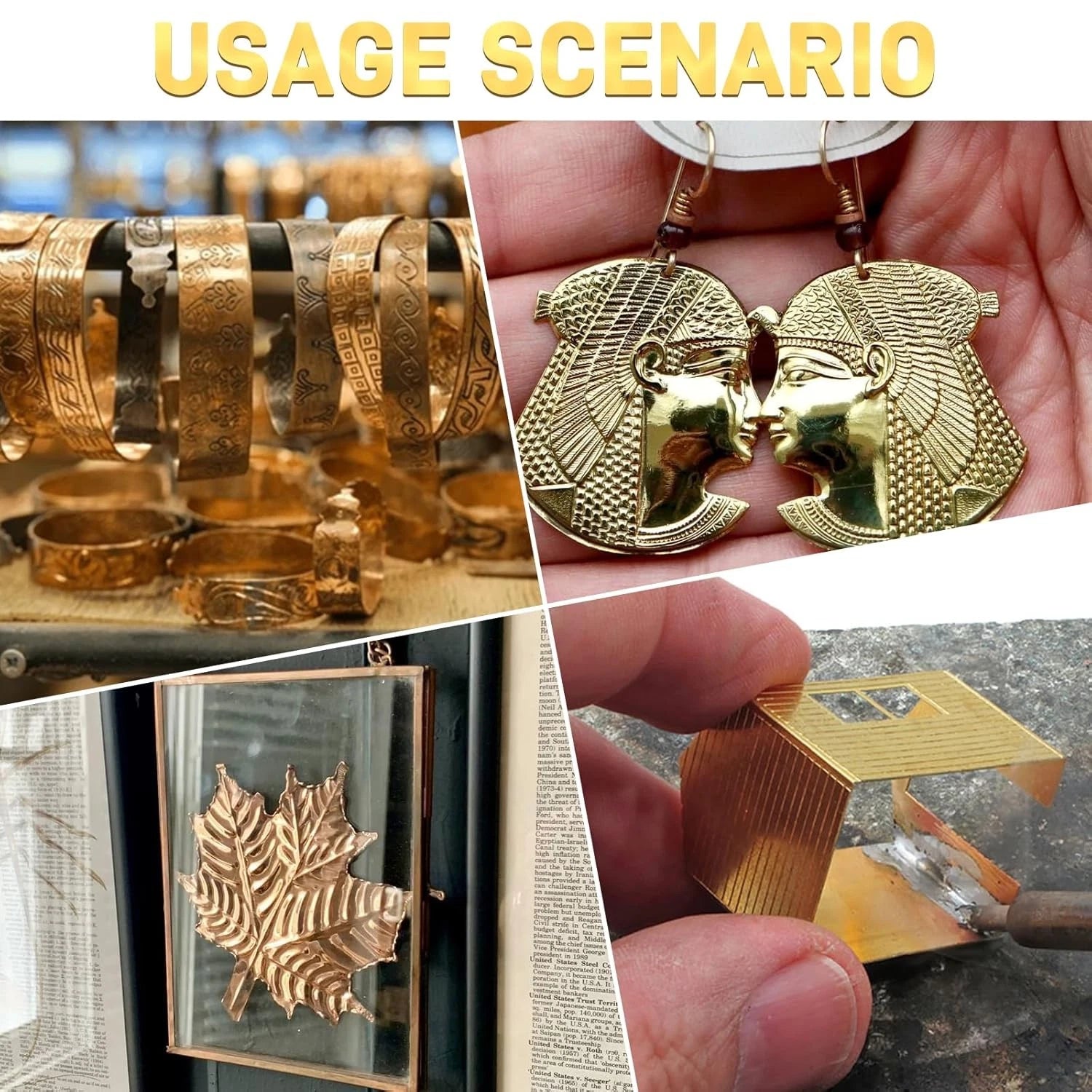
Typical use cases include custom shim stock and spacer plates for mechanical assemblies, decorative brass inlays and trim panels for furniture or cabinetry, electrical contact blanks and bus-bar prototypes, and craft or jewellery-making base material — all applications where a flat, accurately sized brass sheet metal blank saves significant bench time.
| Material | Brass alloy (copper-zinc) |
|---|---|
| Cut Method | Guillotine shear |
| Thickness Range | 0.6 mm – 10 mm (0.024 in – 0.394 in) |
| Sheet Size Range | 10 × 10 mm up to 600 × 600 mm |
| Surface Finish | Mill finish (as-cut) |
| Edge Condition | Guillotine-shear cut, minimal burr |
| Quantity per Pack | See variant options (1, 2, or 4 pcs) |
| Tolerance (thickness) | See variant options |
| Tolerance (length/width) | See variant options |
| Weight | See variant options |
For shims and gaskets, 0.6 mm – 1 mm is typically sufficient. Decorative panels and inlays commonly use 1 mm – 2 mm. Structural brackets, spacers, and load-bearing plates generally call for 3 mm – 10 mm. If you are unsure, select the variant closest to your finished part thickness to minimise machining time.
Brass is softer than mild steel but harder than most aluminium alloys. It offers good tensile strength for decorative and light structural applications, excellent machinability, and superior corrosion resistance compared to uncoated steel. For high-load structural parts, consult an engineer to confirm suitability.
Brass naturally develops a patina (darkening) when exposed to air and moisture over time. This is a surface oxidation process and does not affect structural integrity. You can maintain the bright finish by applying a clear lacquer or metal polish. For outdoor use in harsh environments, periodic re-finishing is recommended.
Thin gauges (0.6 mm – 1.5 mm) can be laser-cut with a suitable fibre laser. All thicknesses are compatible with CNC milling, drilling, and routing using standard carbide tooling. Always use appropriate feeds, speeds, and cutting fluid for best results with brass.
Yes. Brass solders and brazes readily using standard soft solder (tin-lead or lead-free) and silver brazing alloys. Clean the surface with flux before soldering to ensure a strong, clean joint. Brass is also compatible with most two-part epoxy adhesives for non-structural bonding.
Order 1 piece for a single prototype or repair. Choose 2 pieces if you need a spare or are making a matched pair (e.g., left and right brackets). Select 4 pieces for small production runs, classroom projects, or when you want extra material for test cuts. Pricing per piece generally decreases with higher quantities.
Each variant is labelled as Thickness × Length × Width in millimetres. For example, "1mm X 100mm X 100mm" means a 1 mm thick piece measuring 100 mm long by 100 mm wide. Select the size closest to your required blank to minimise waste and cutting time.