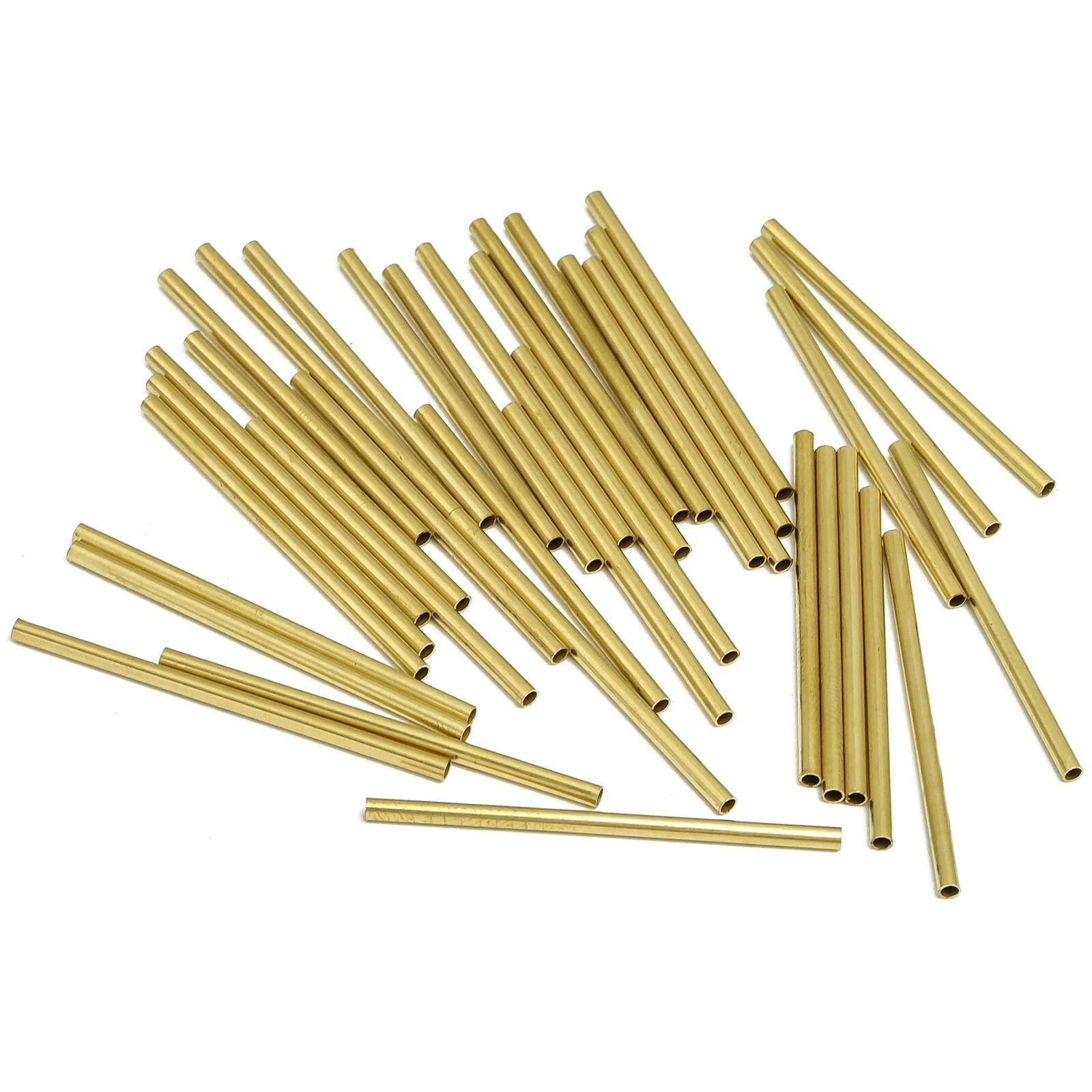
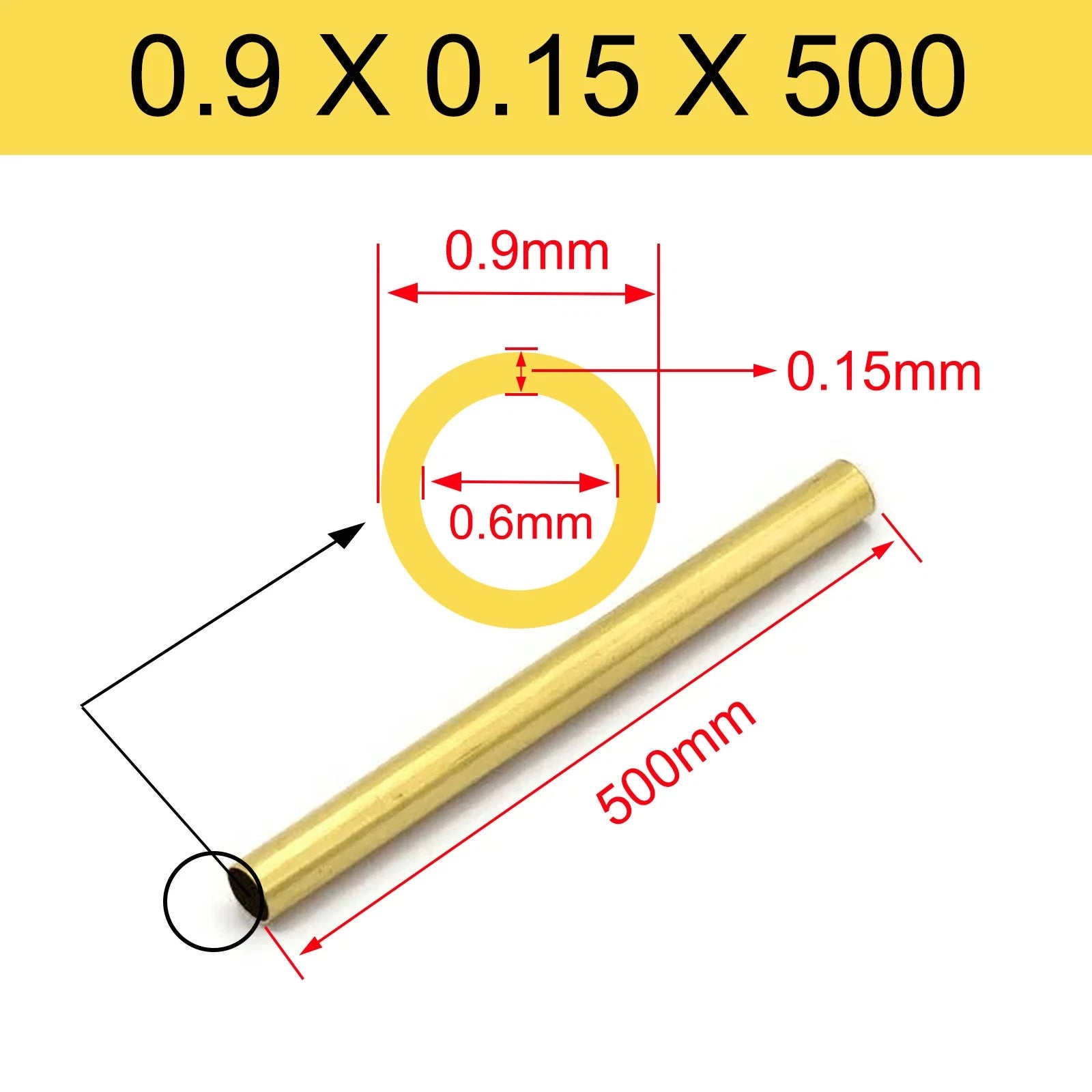
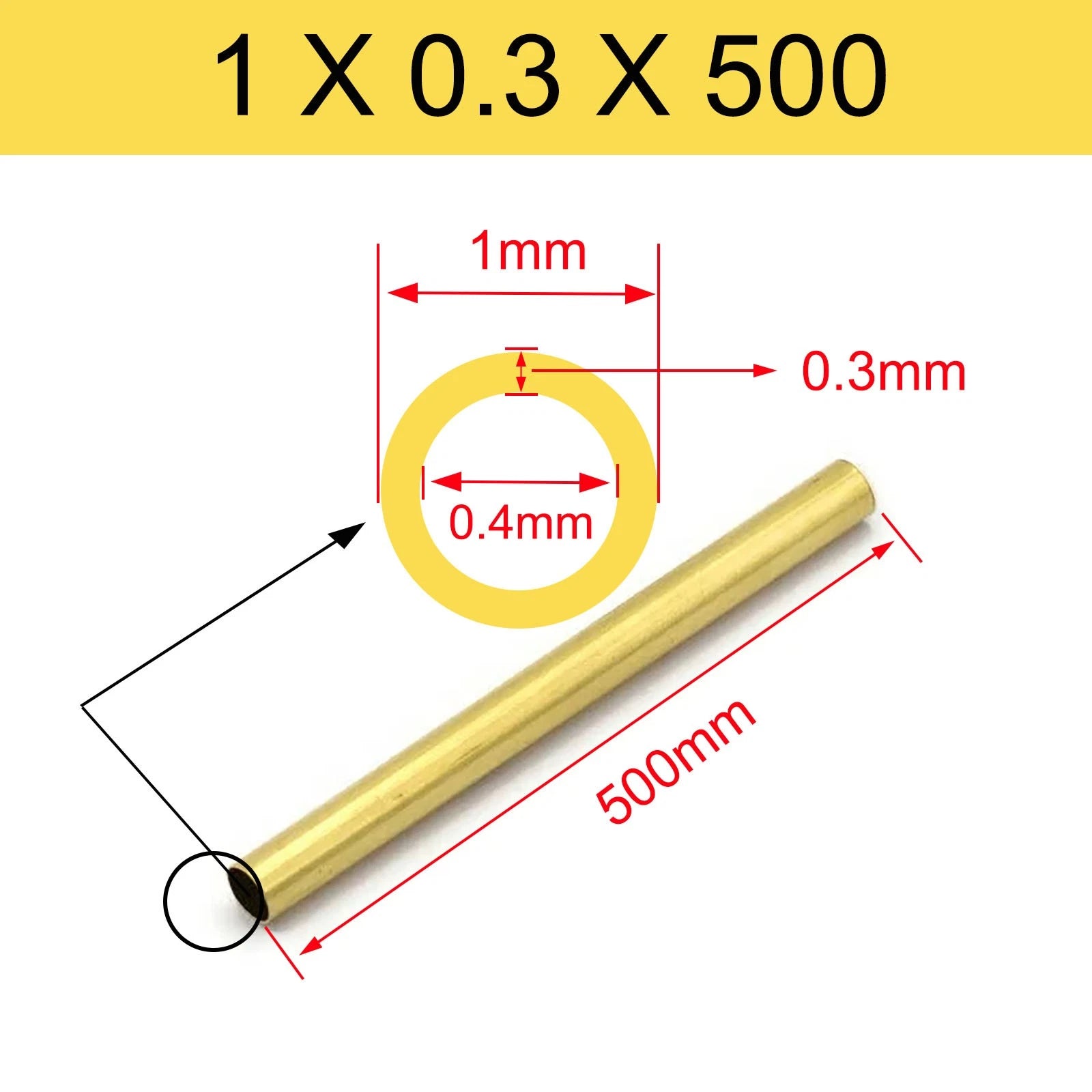
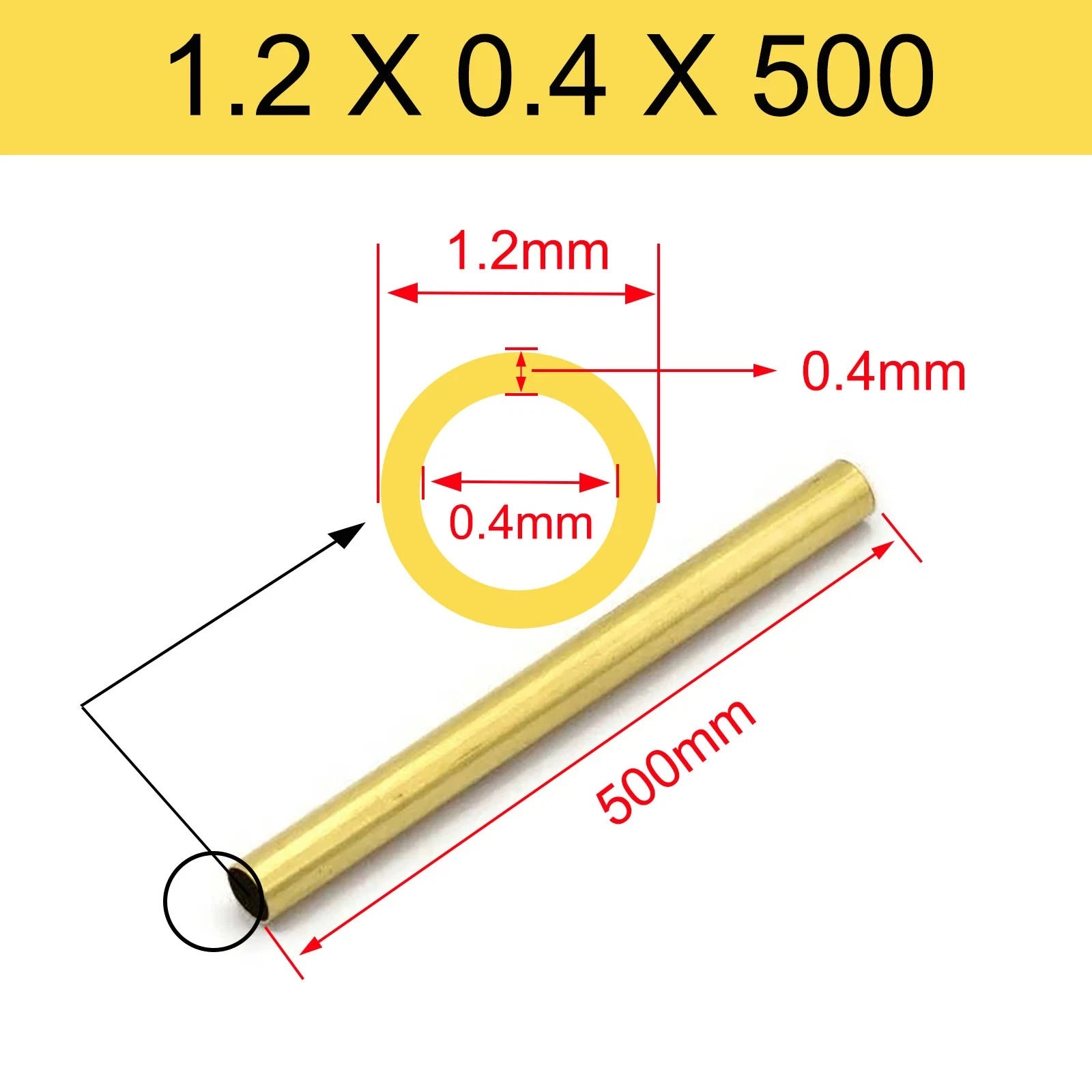
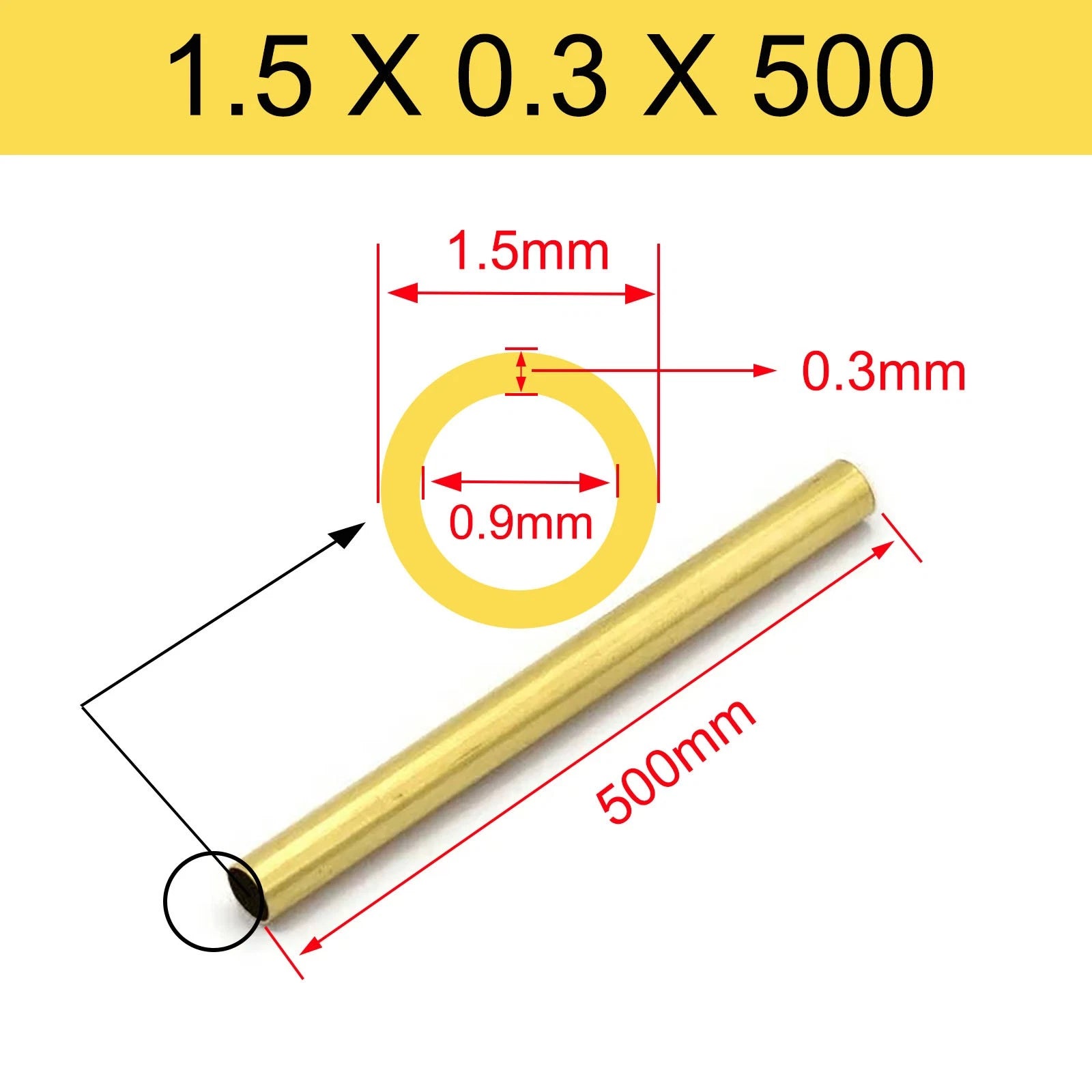
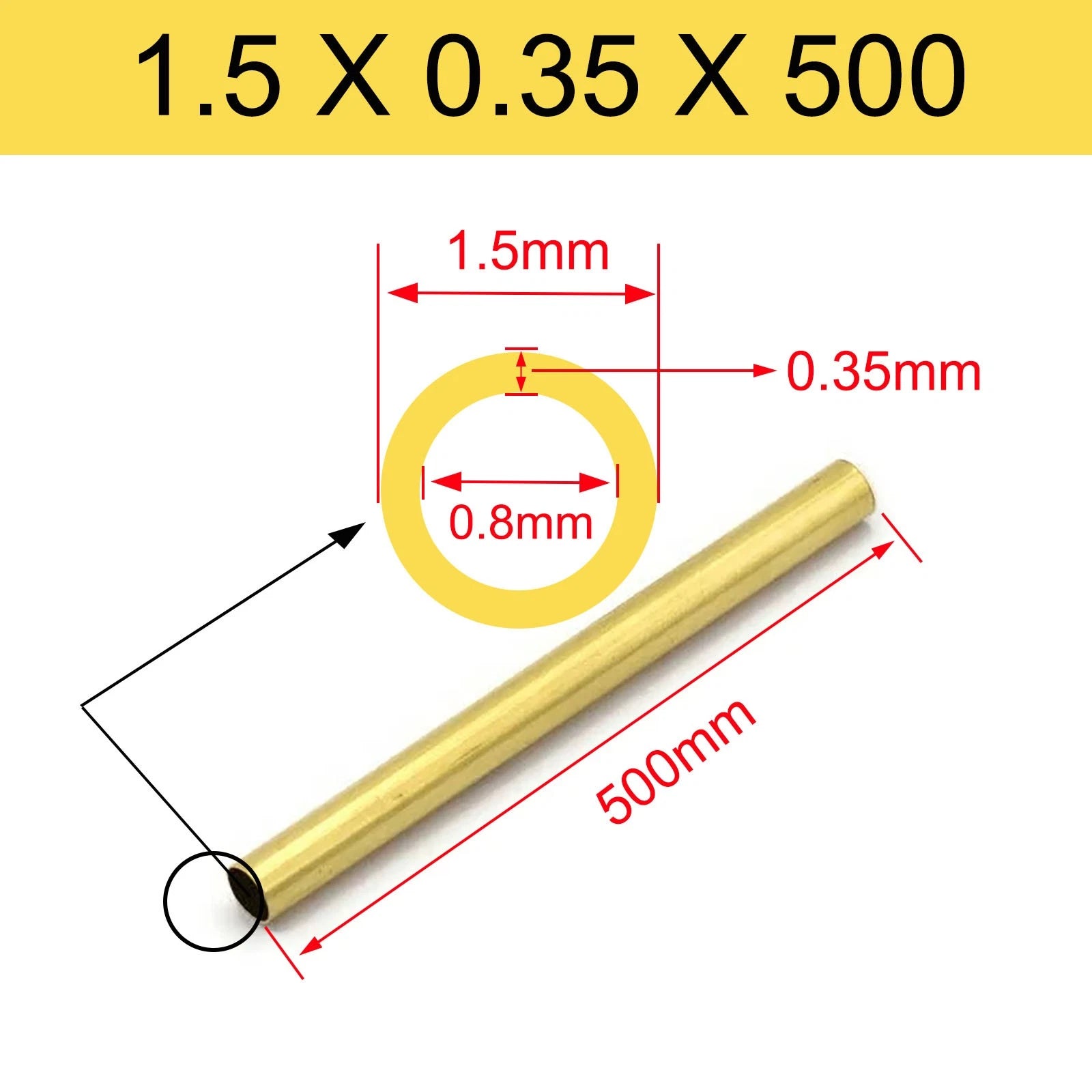
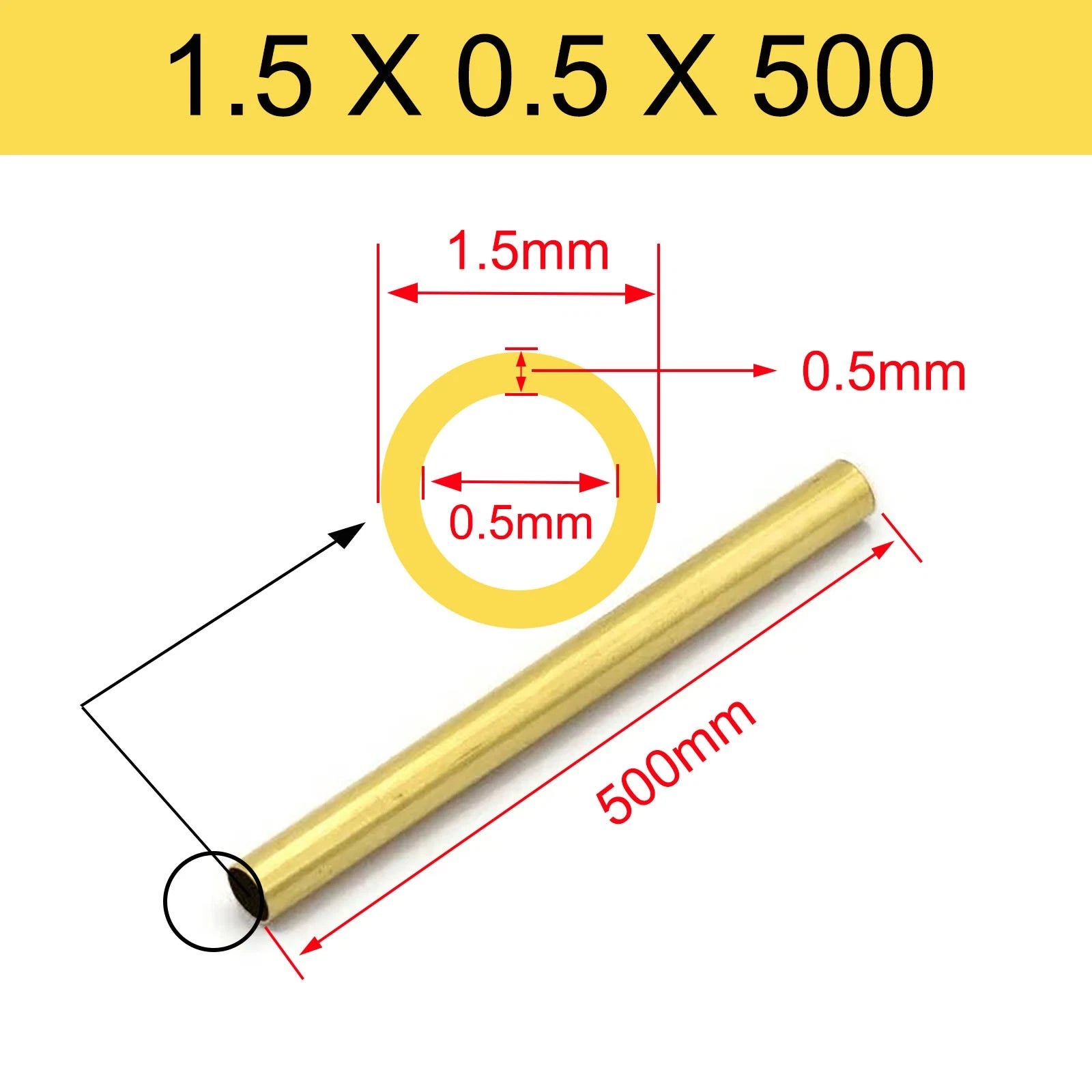
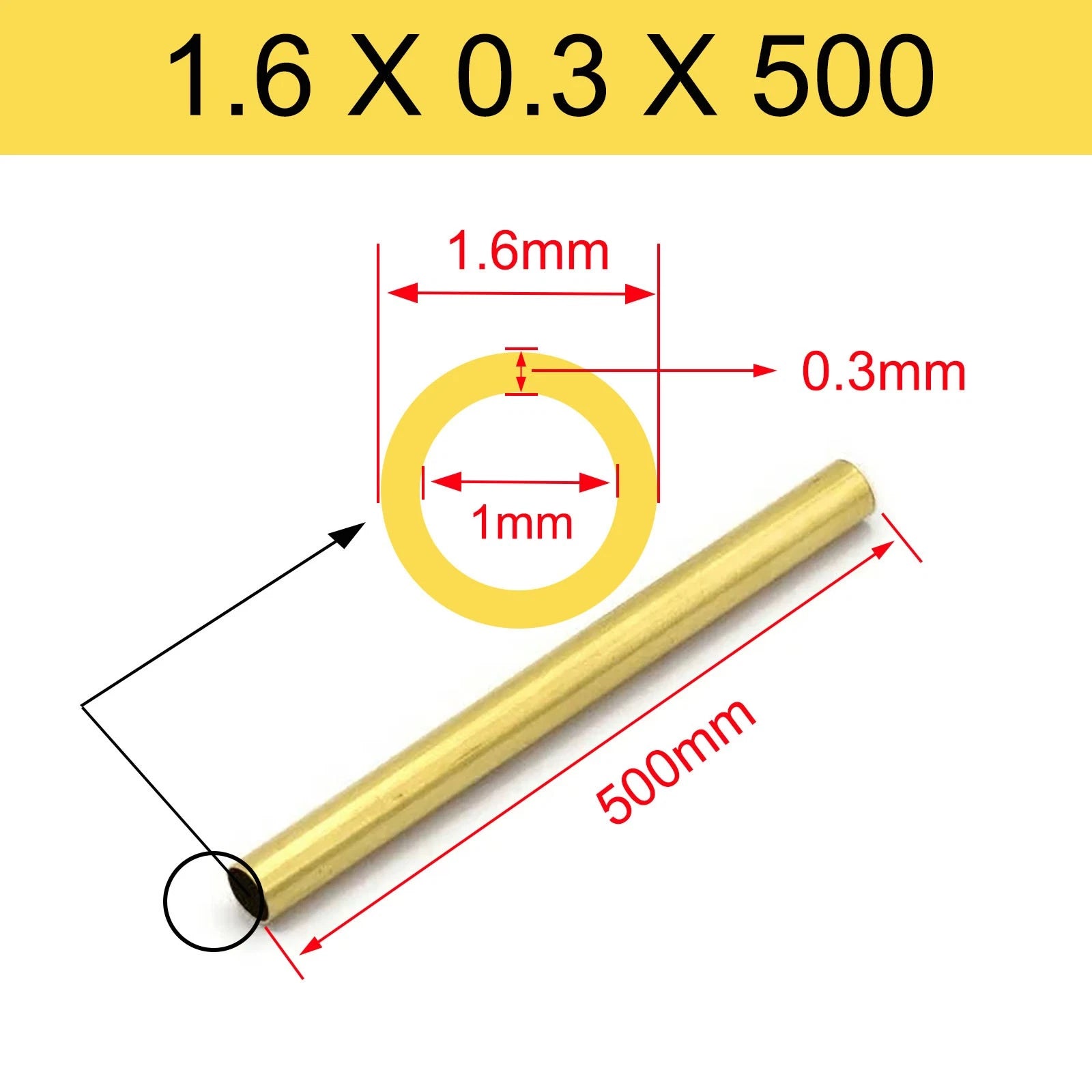
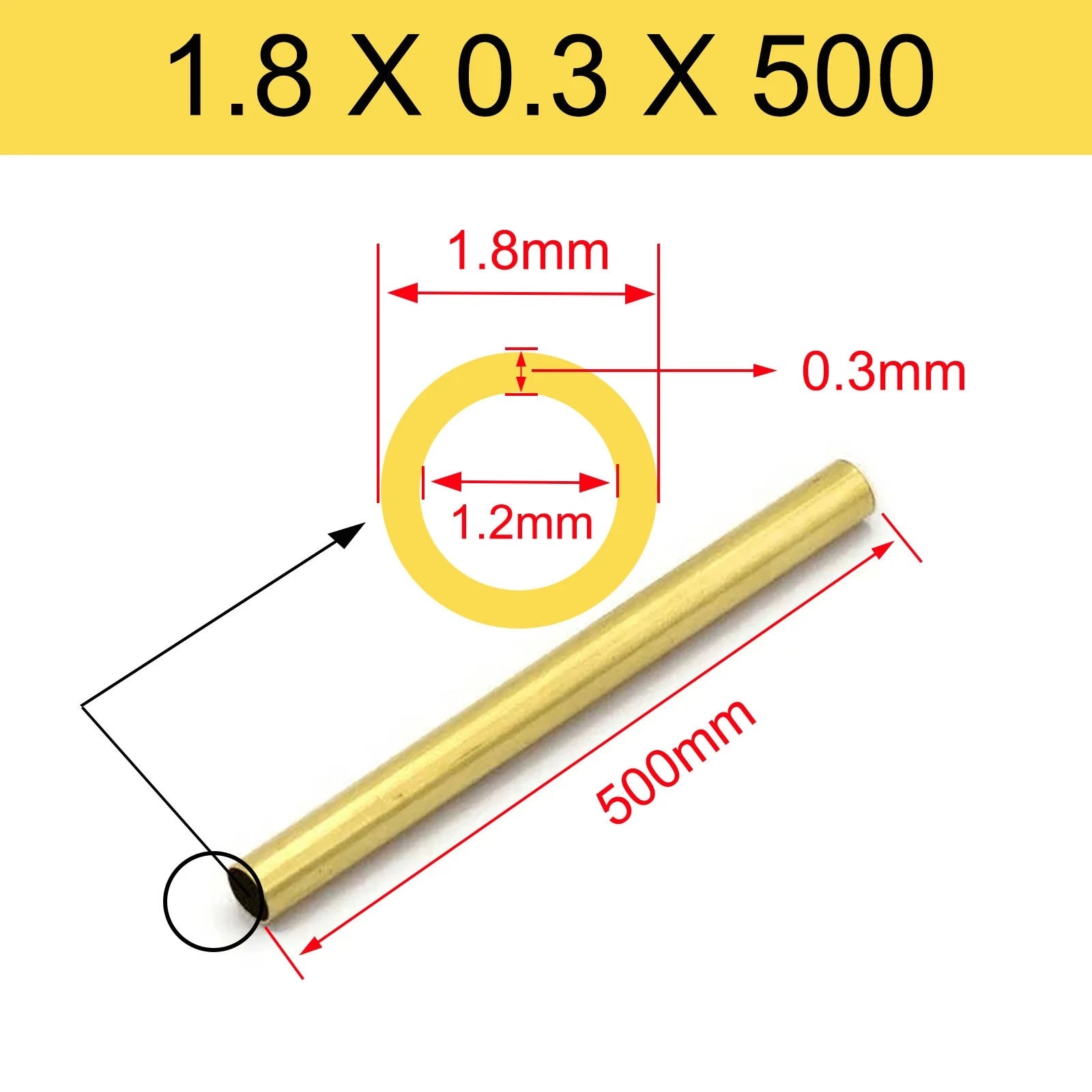
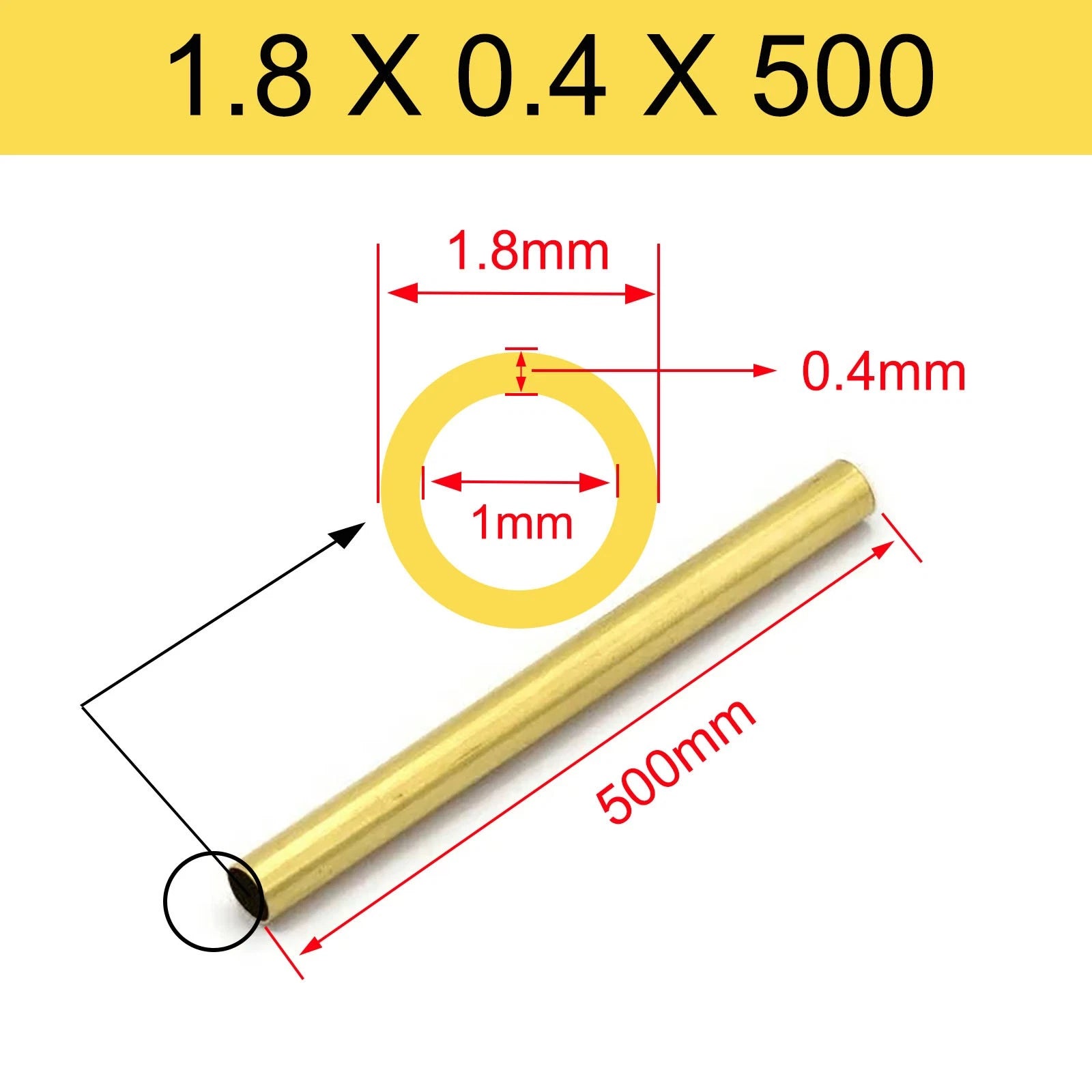
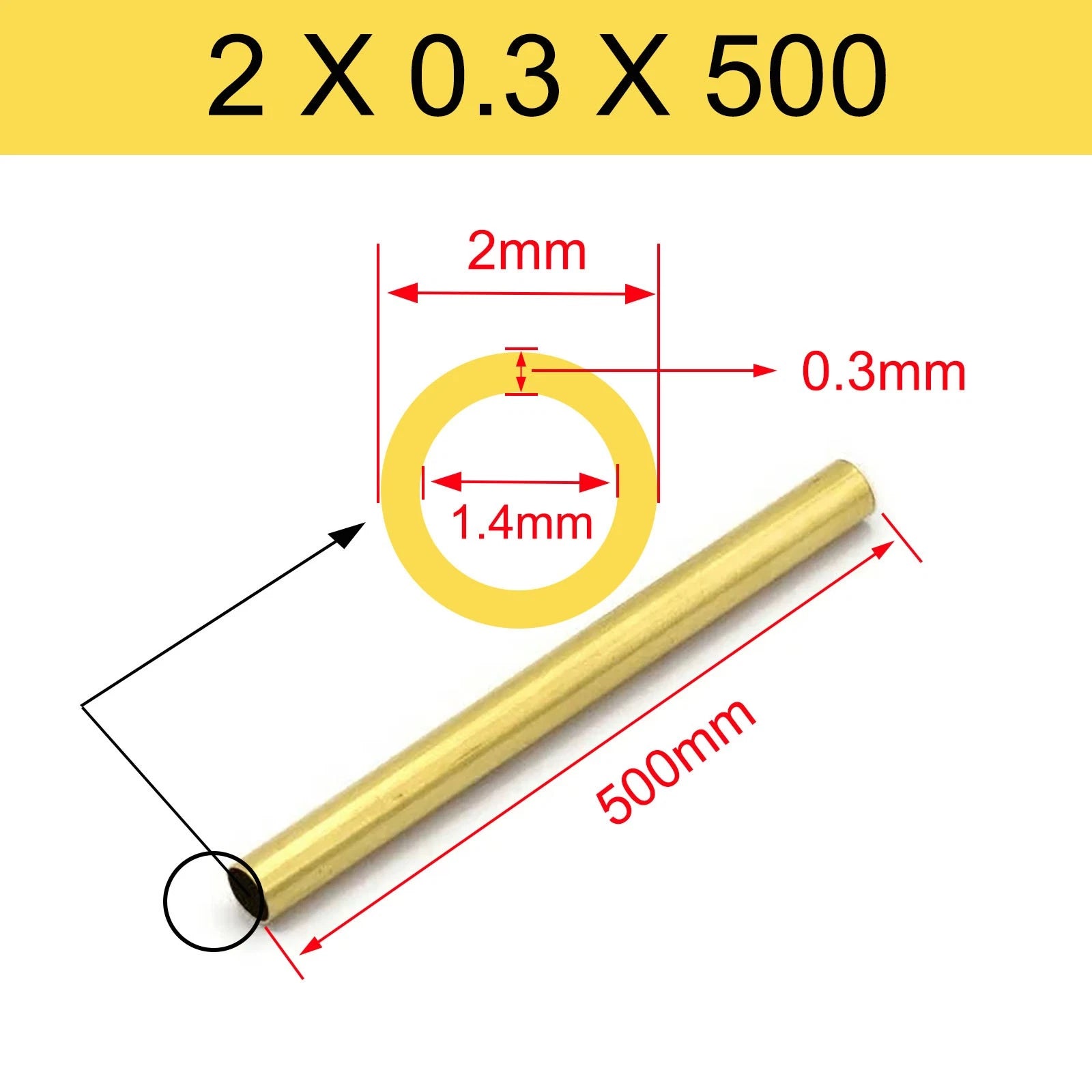
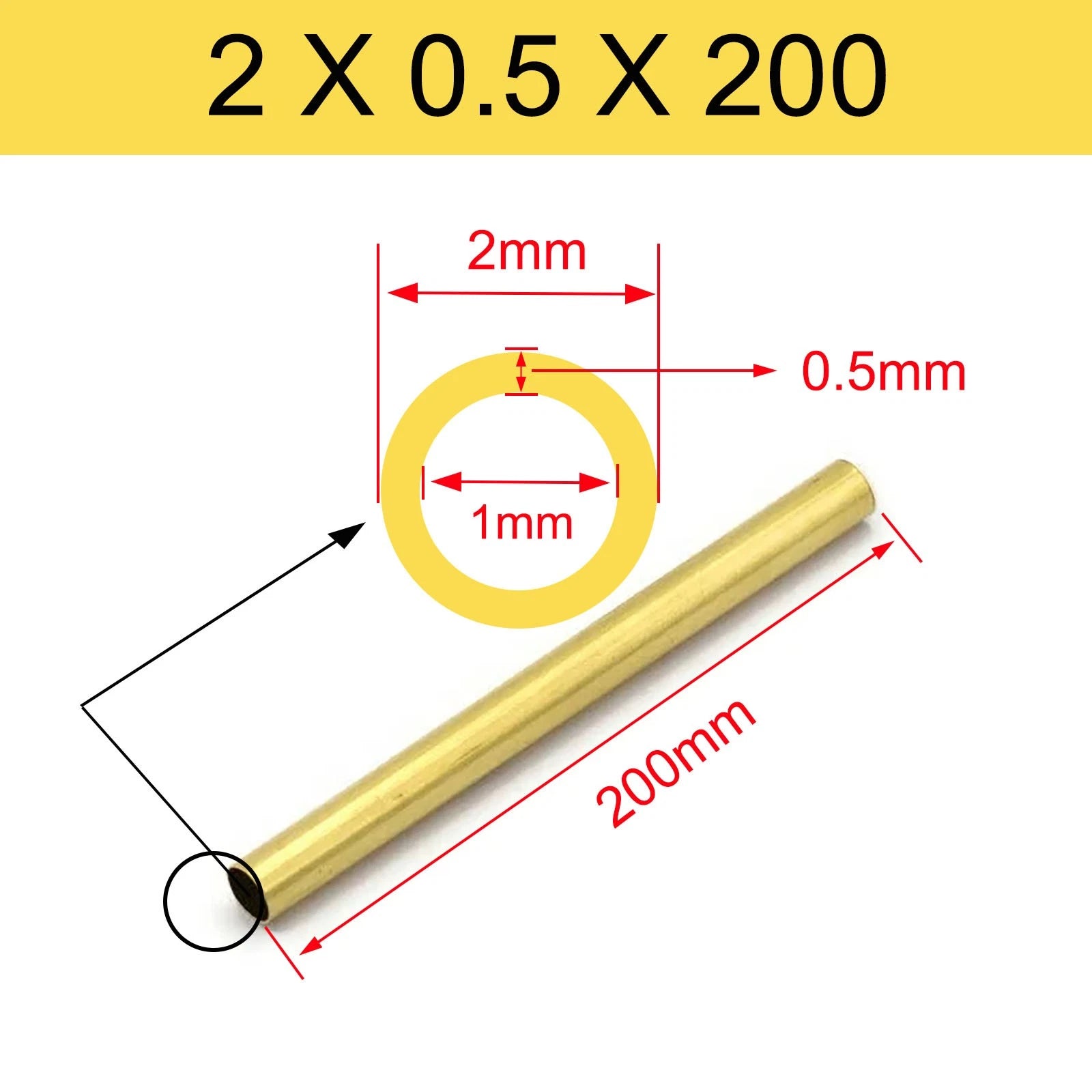
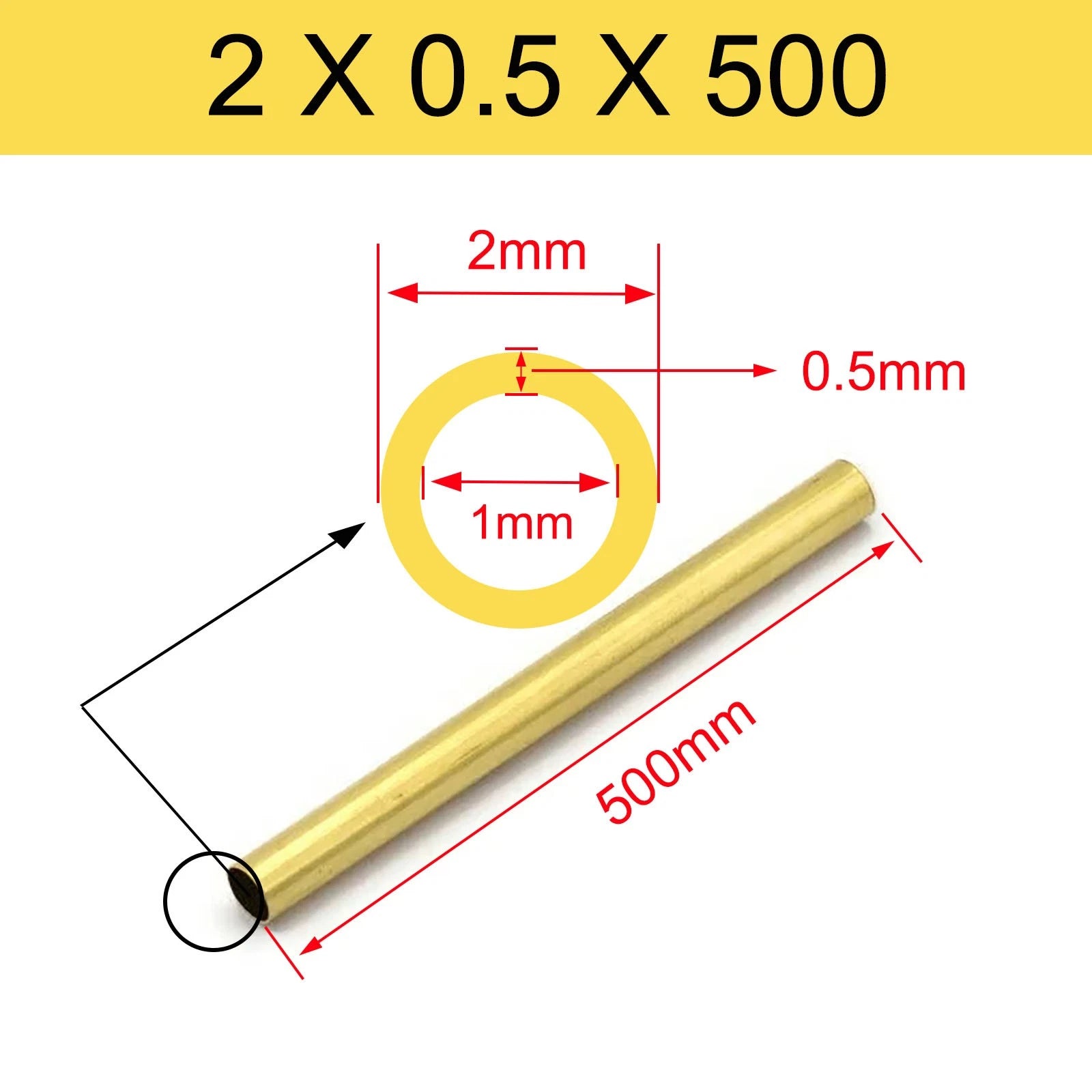
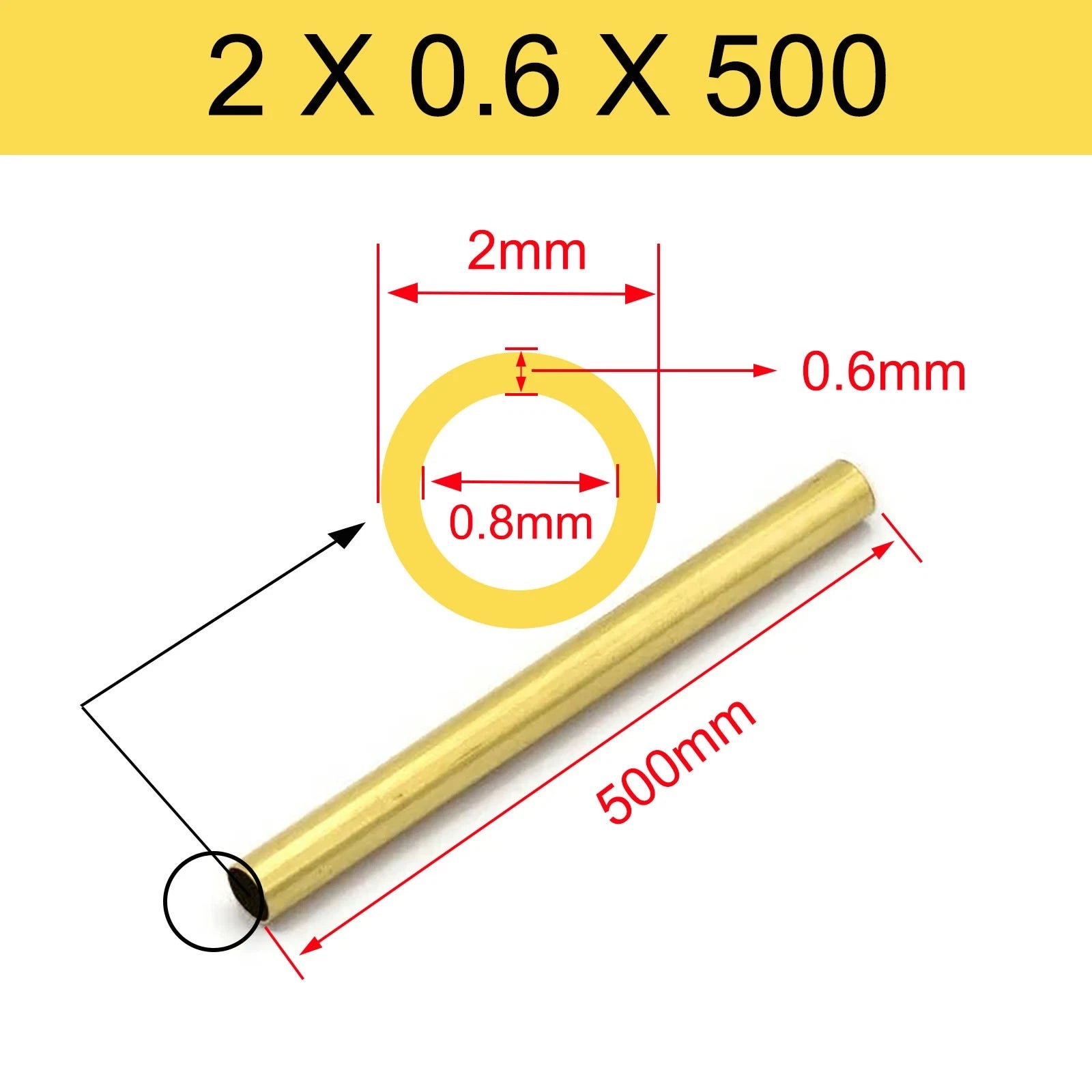
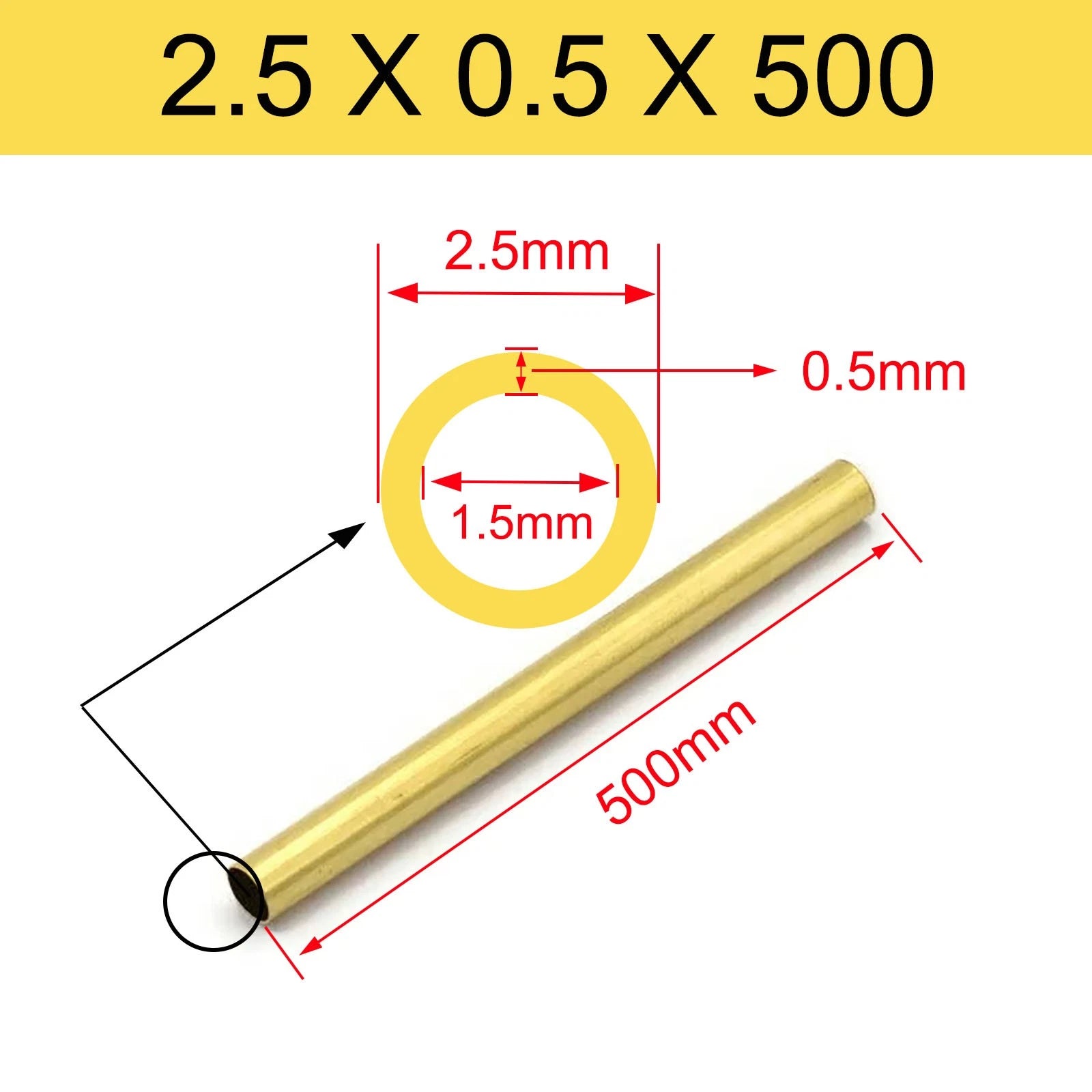
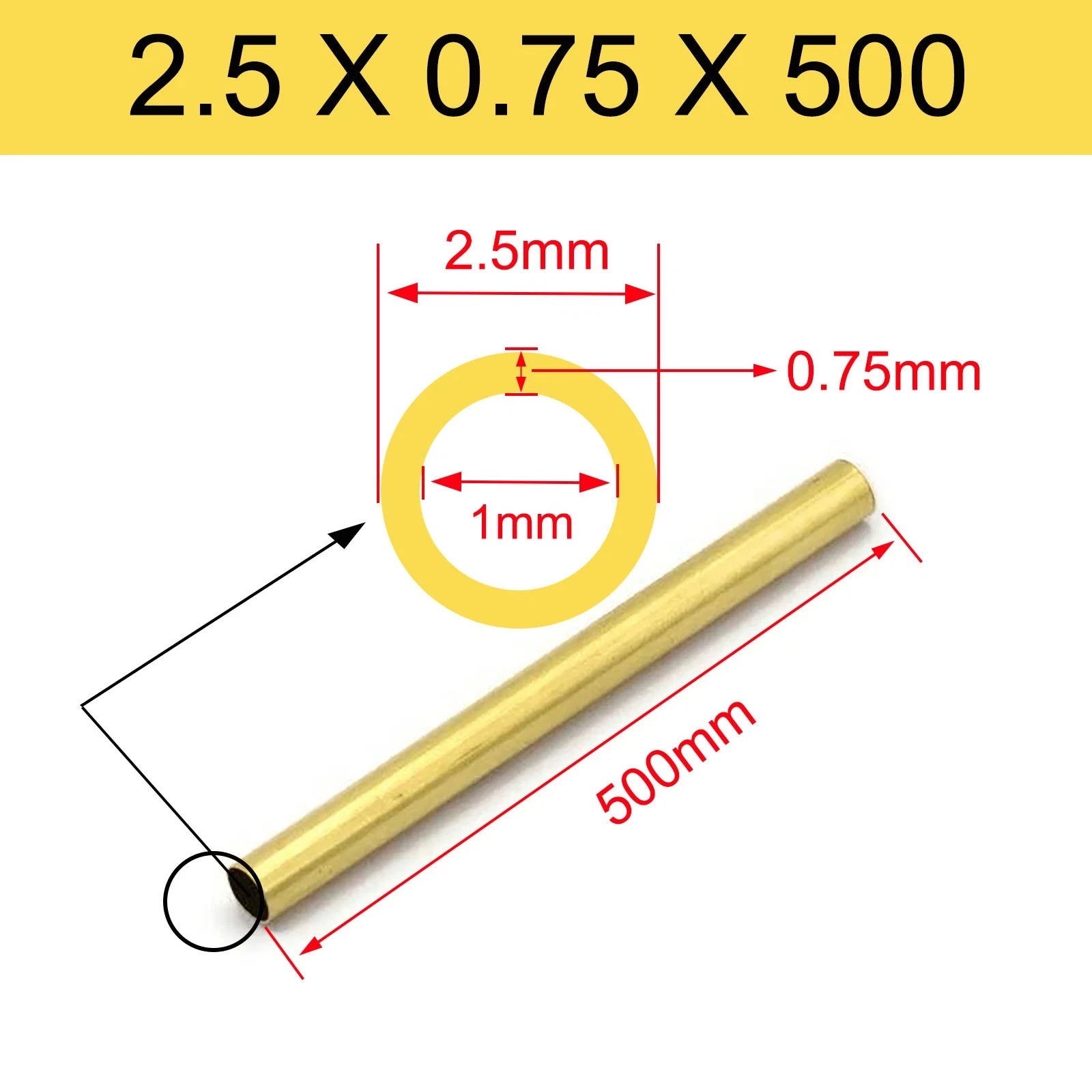
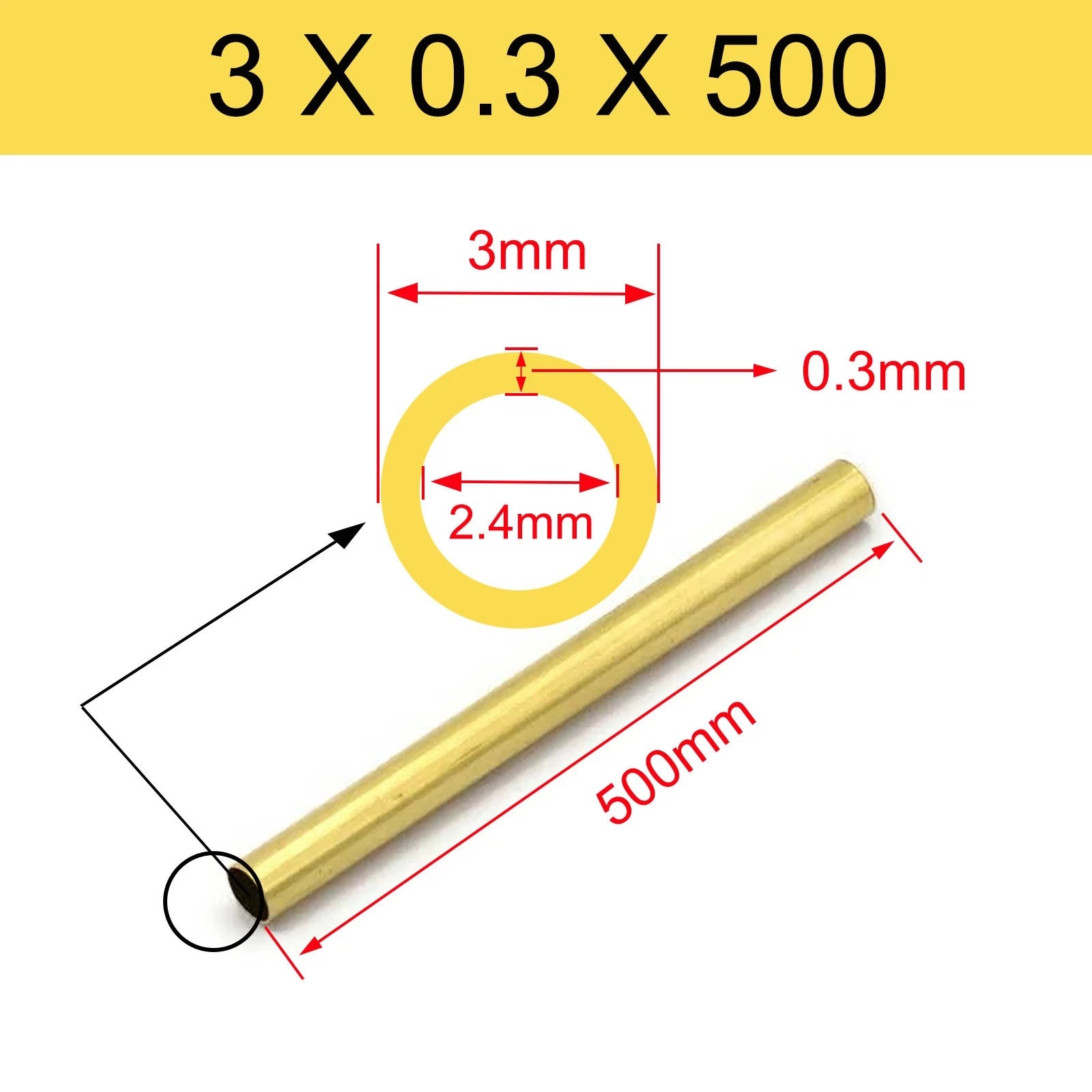
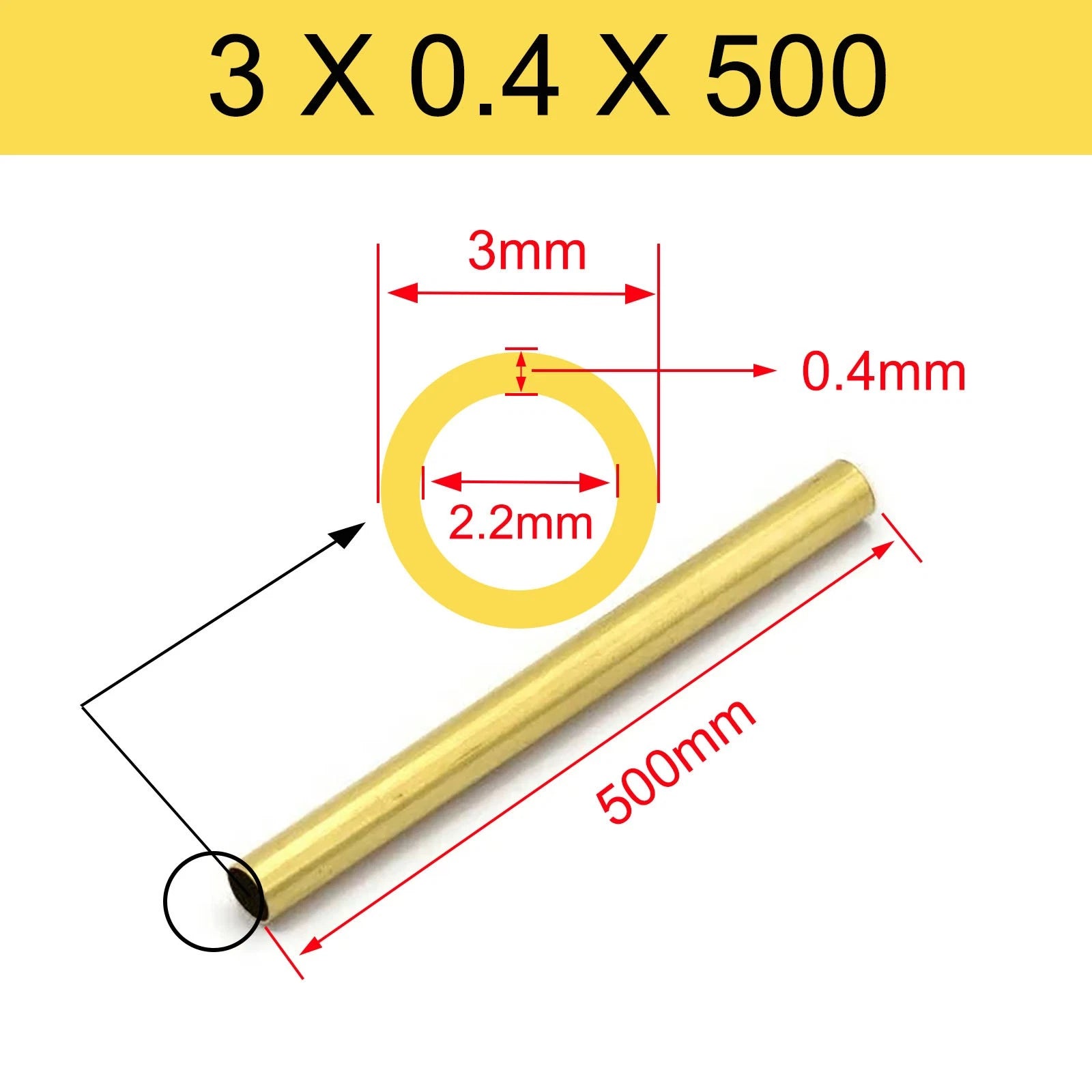
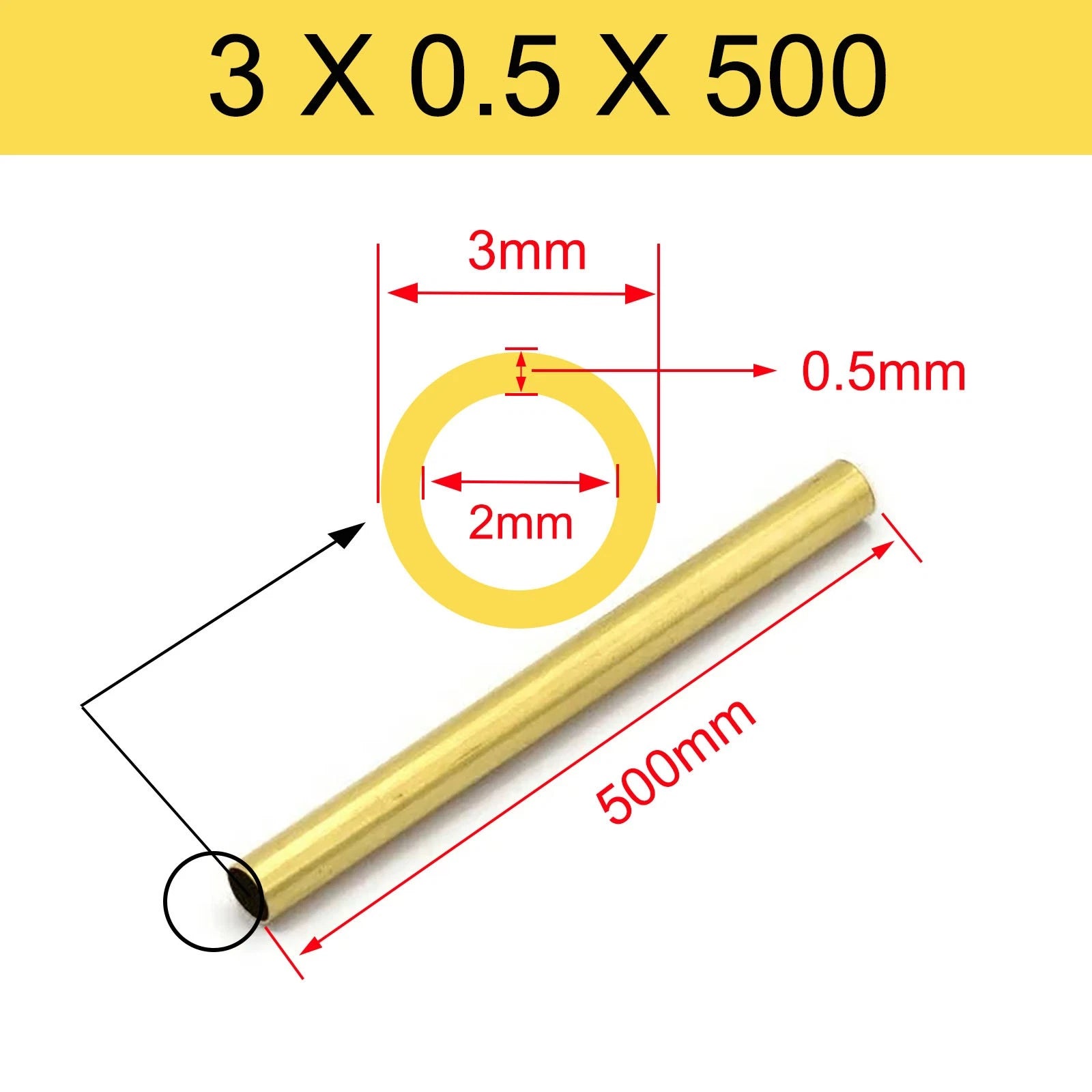
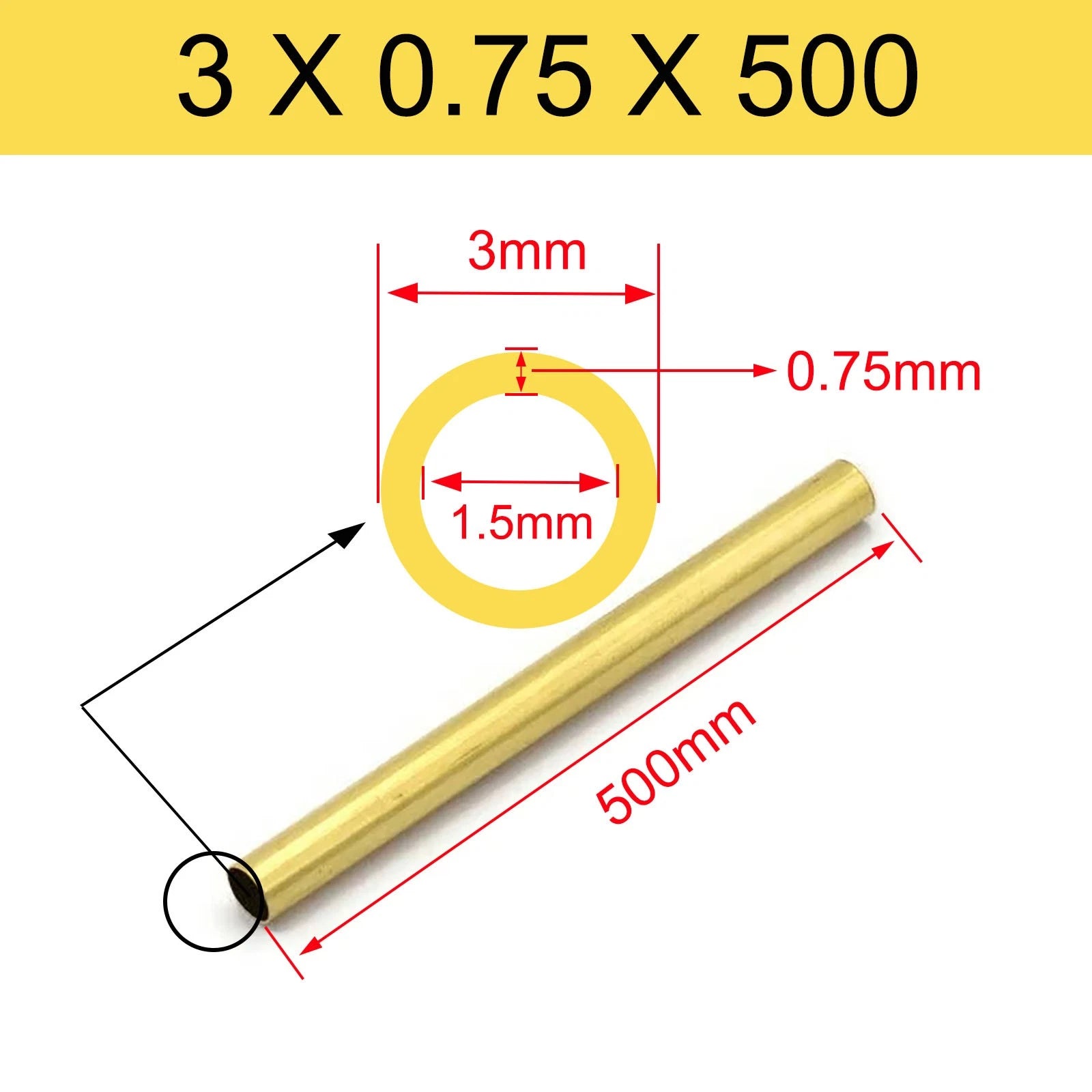
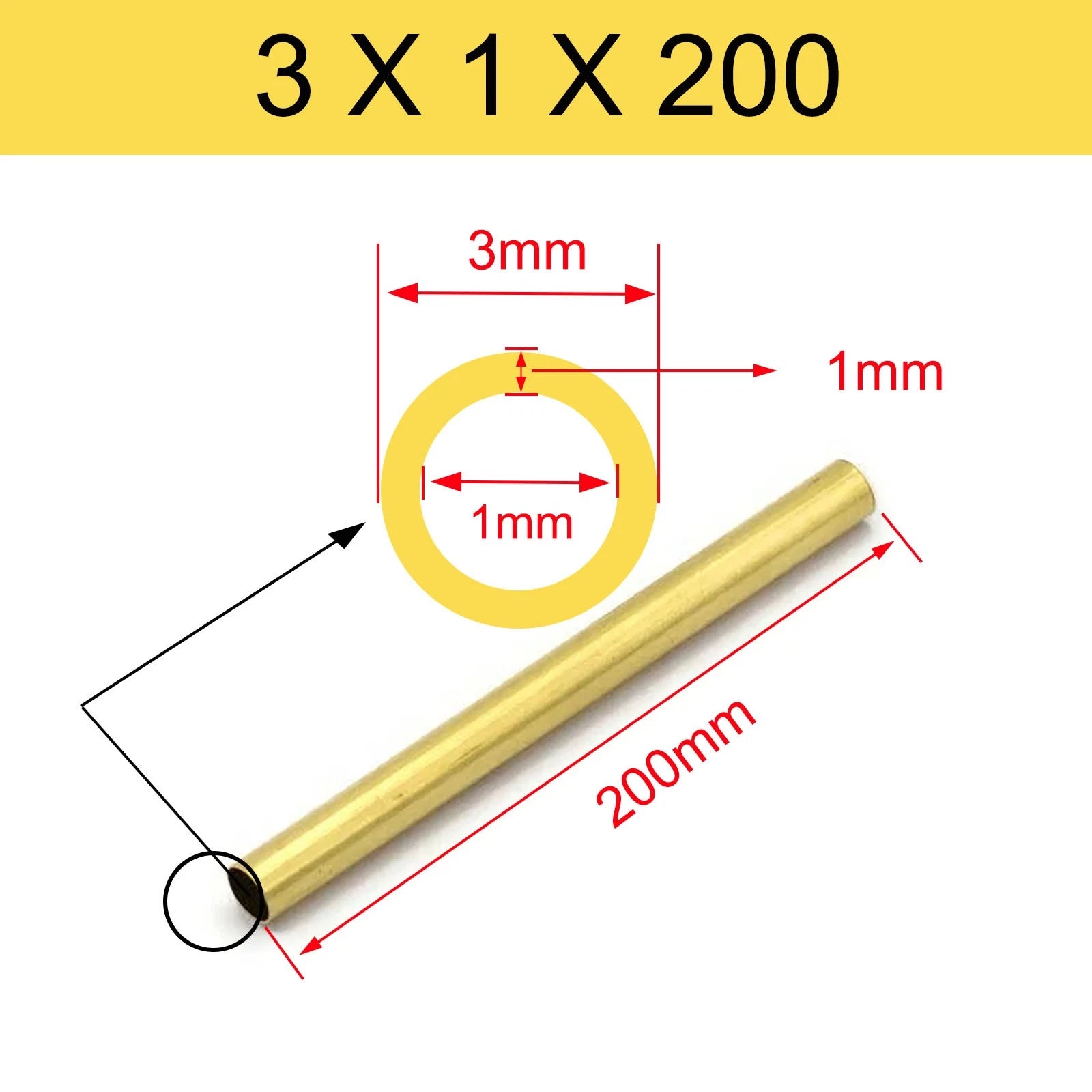
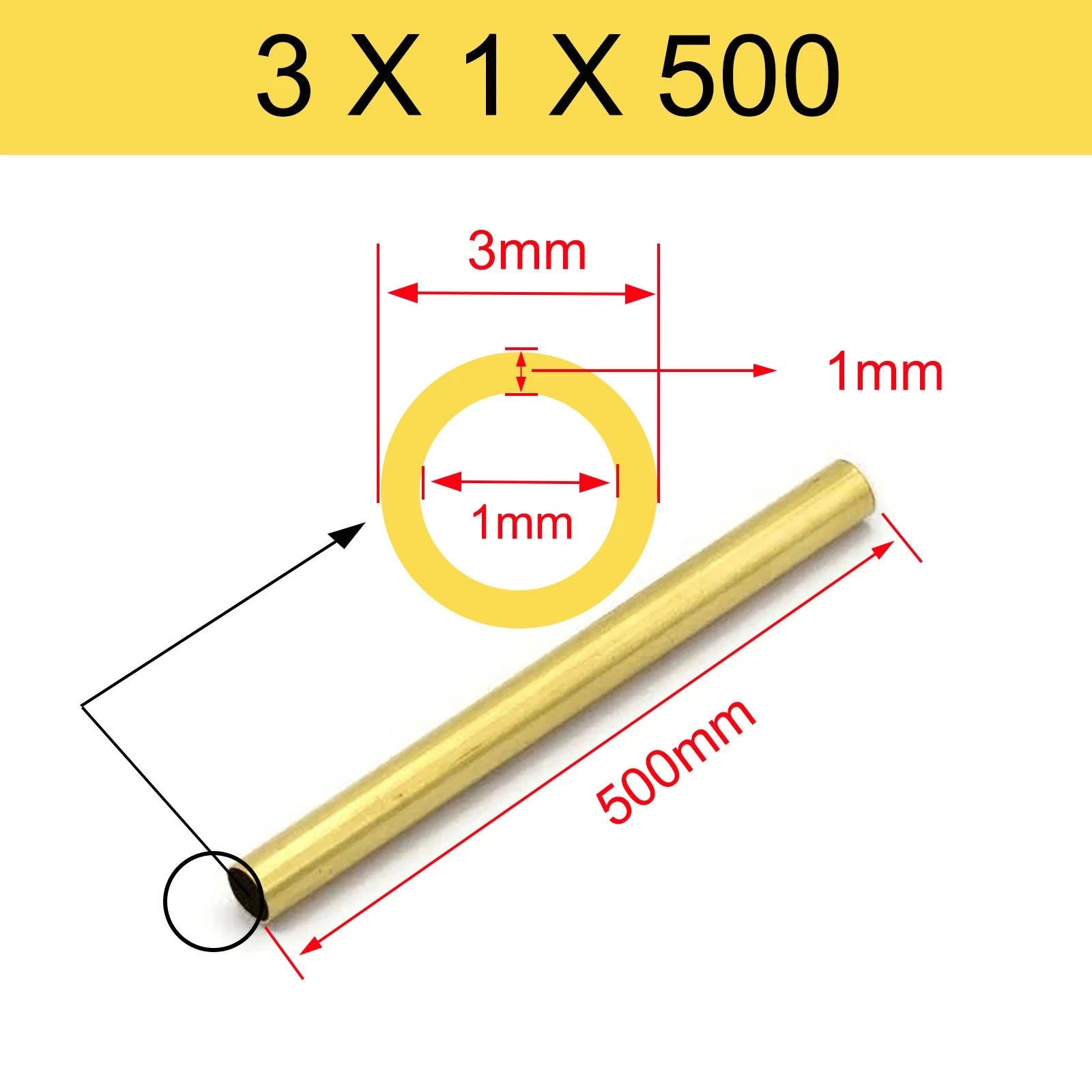
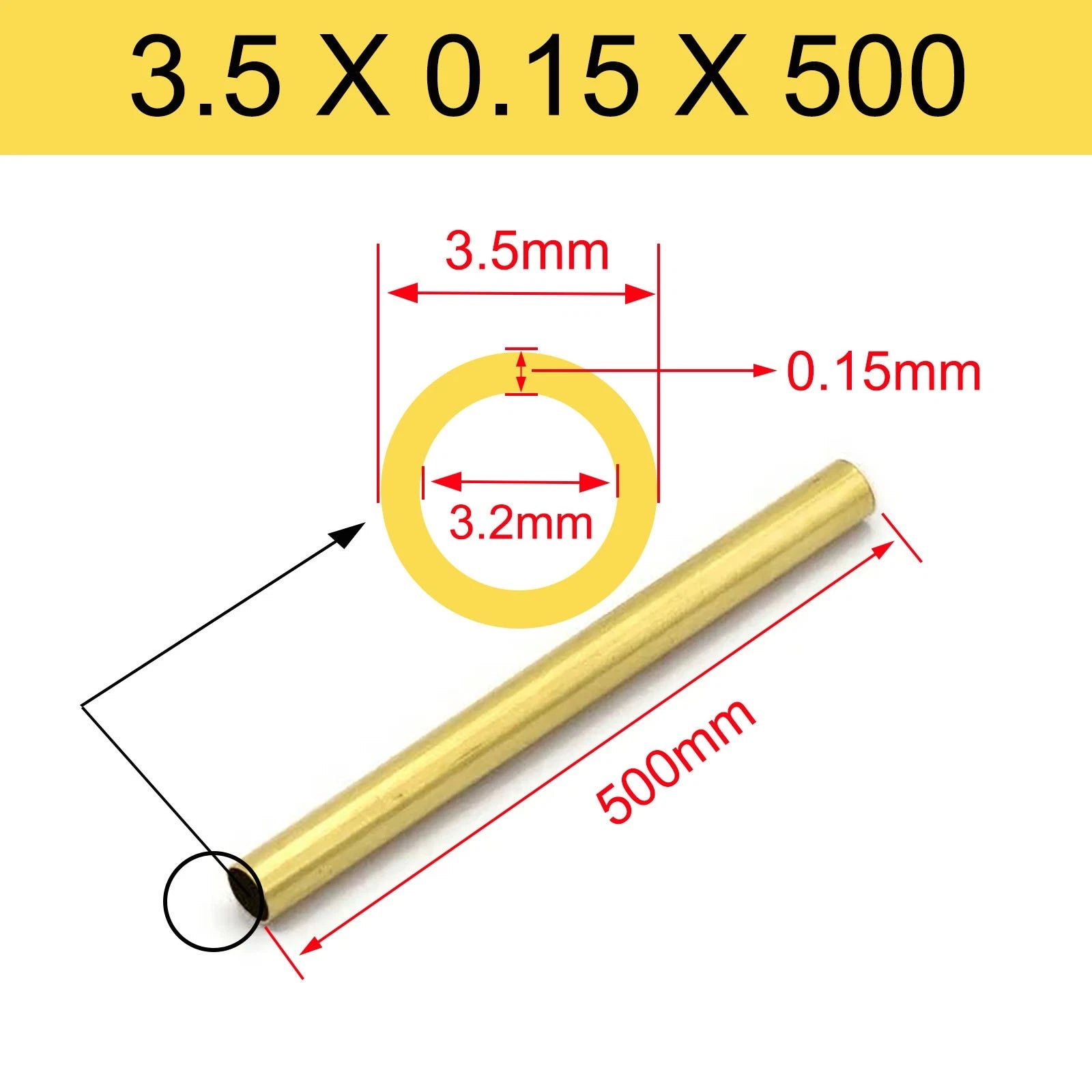
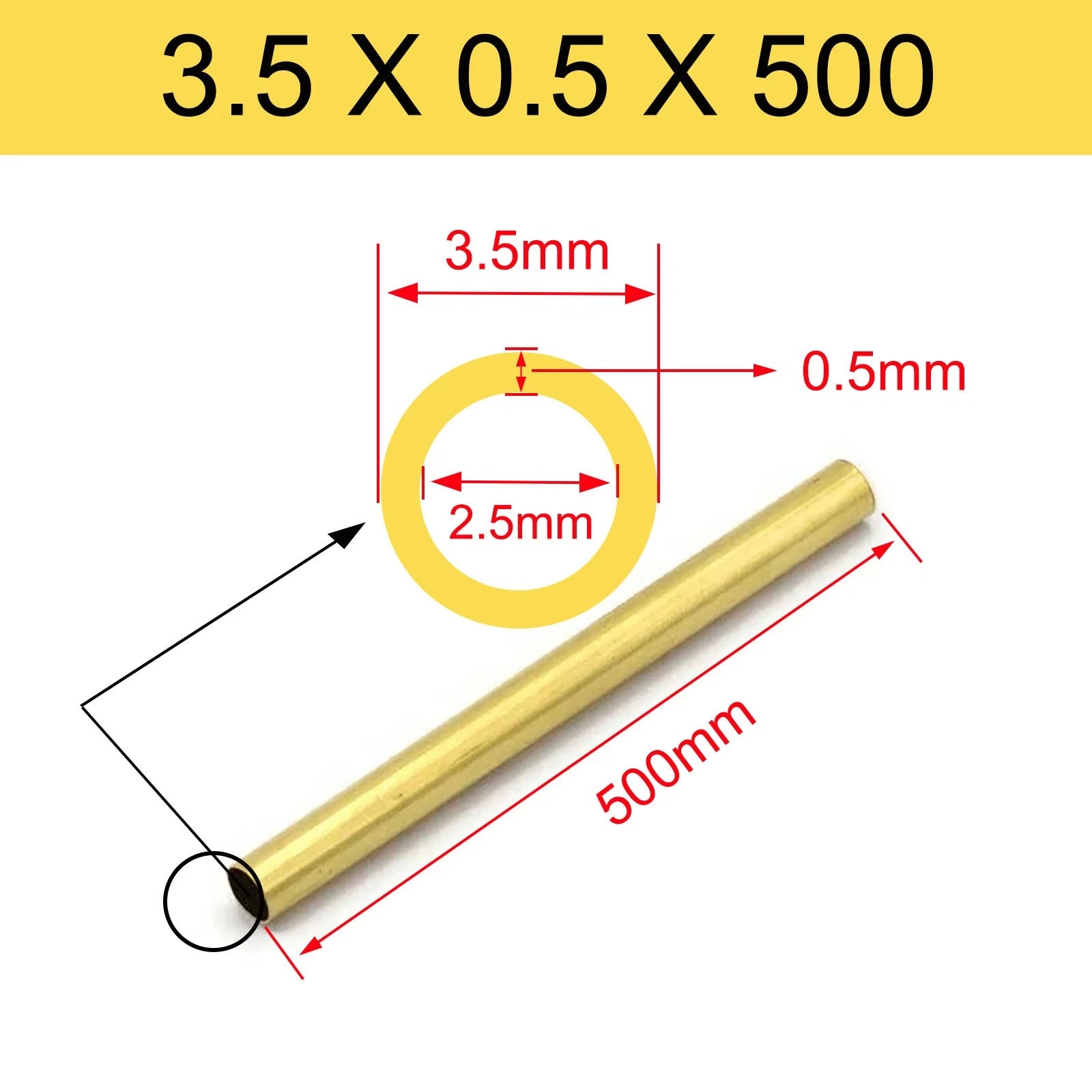
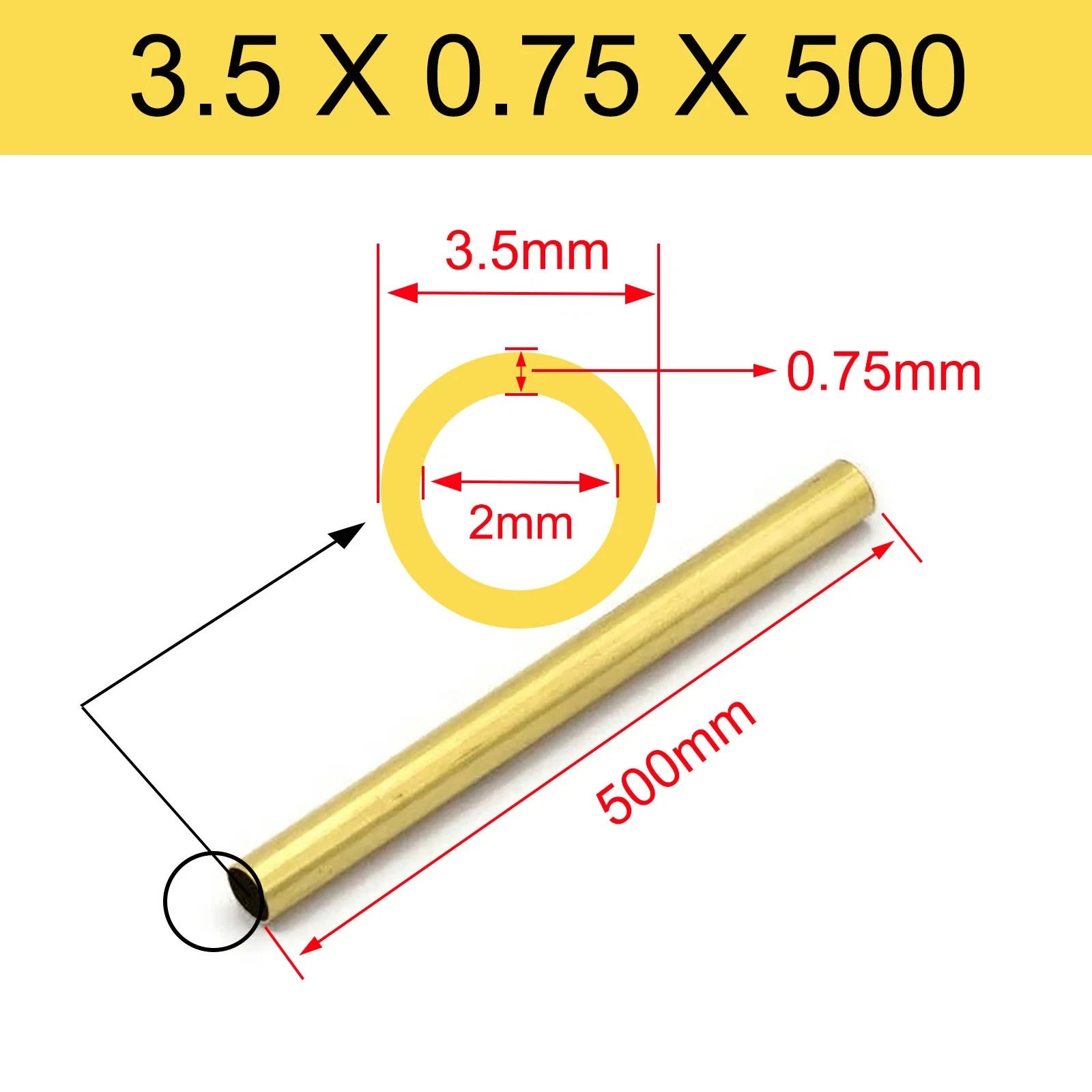
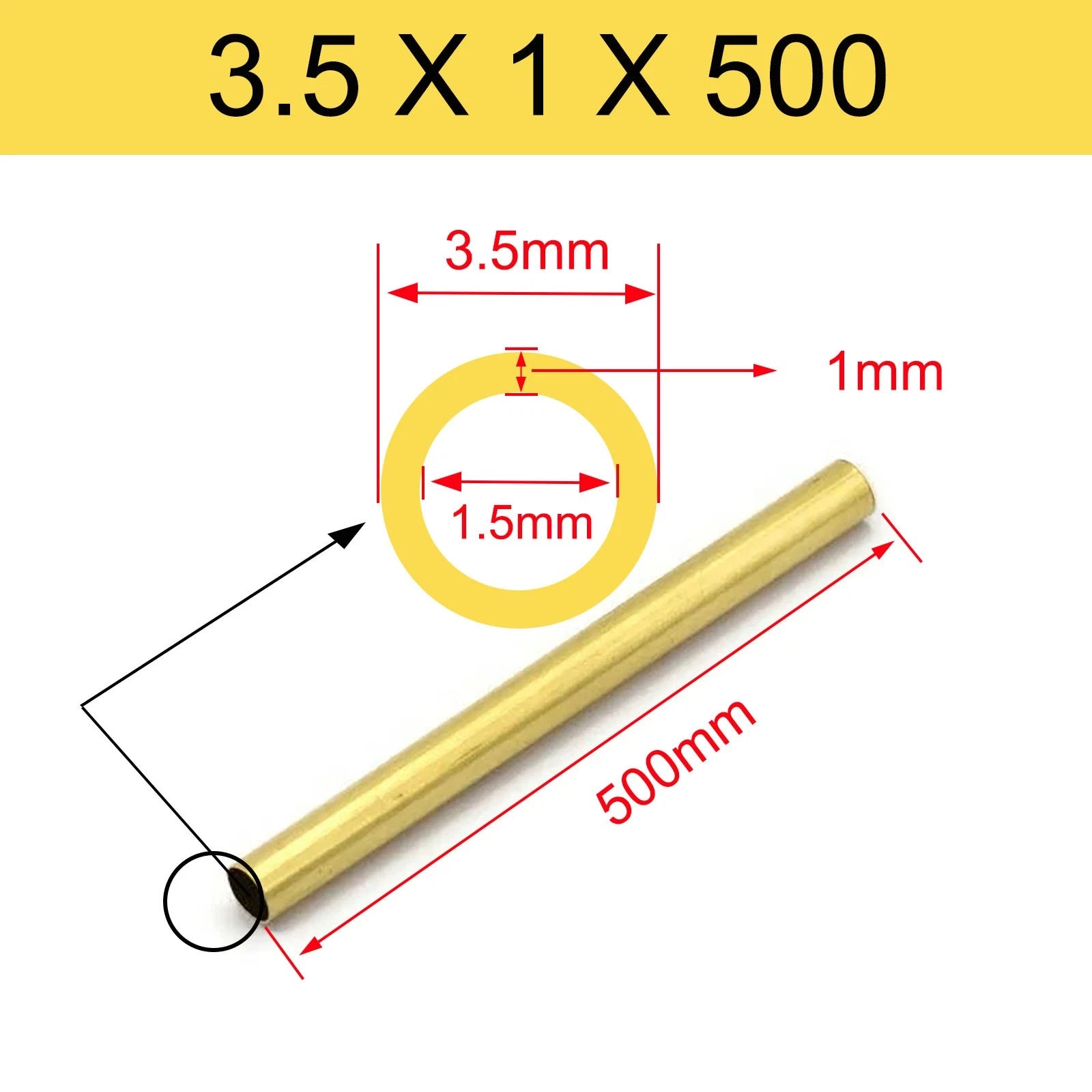
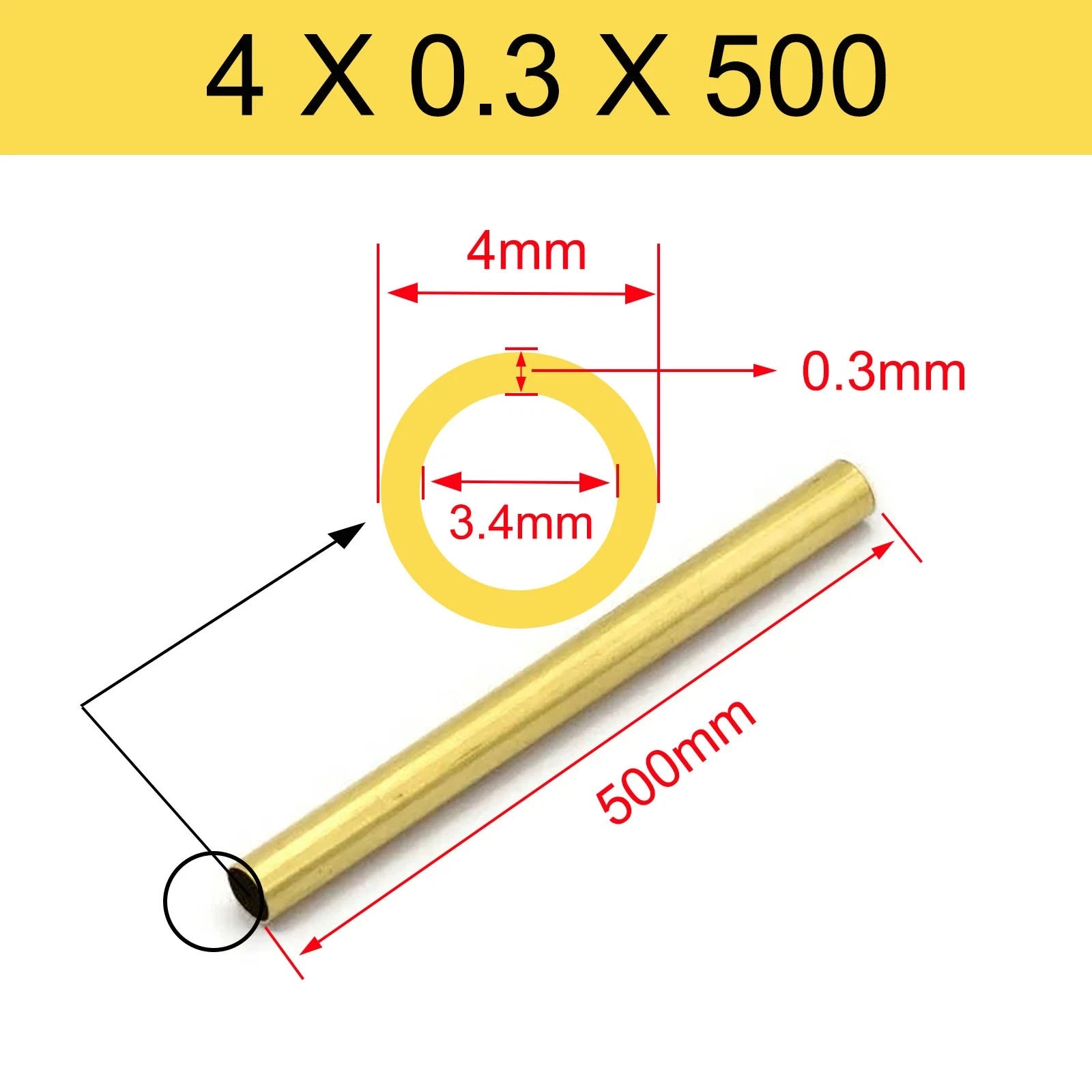
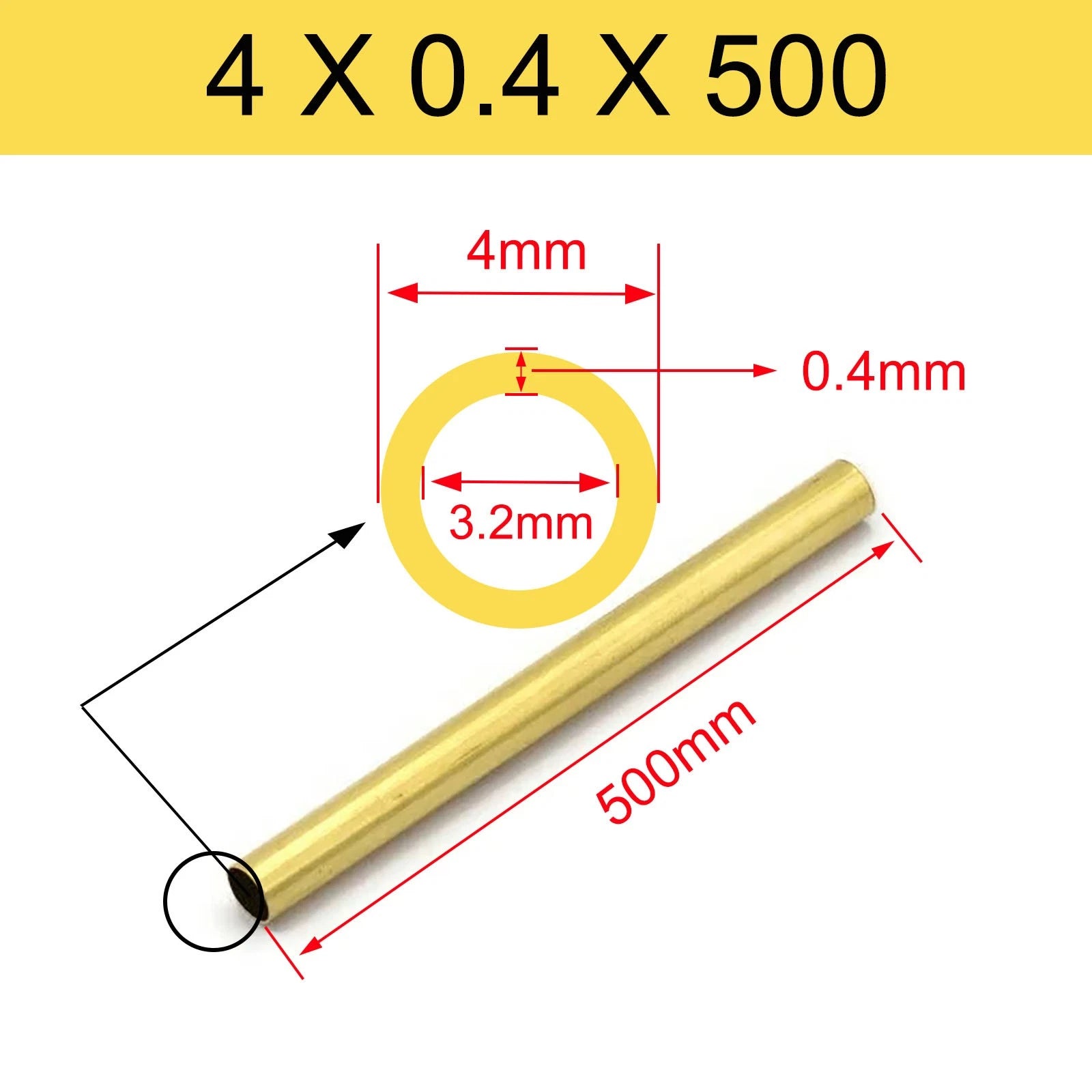
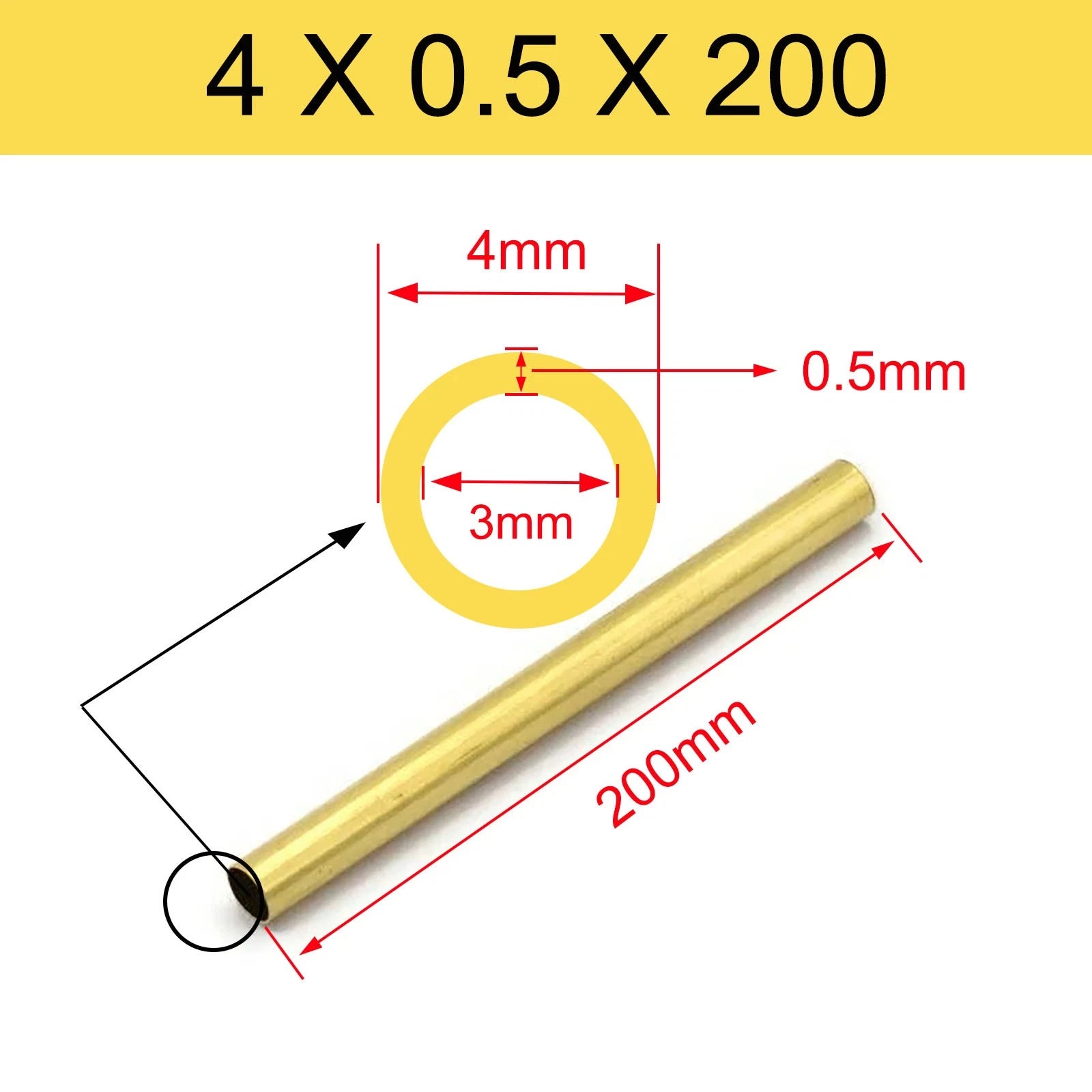
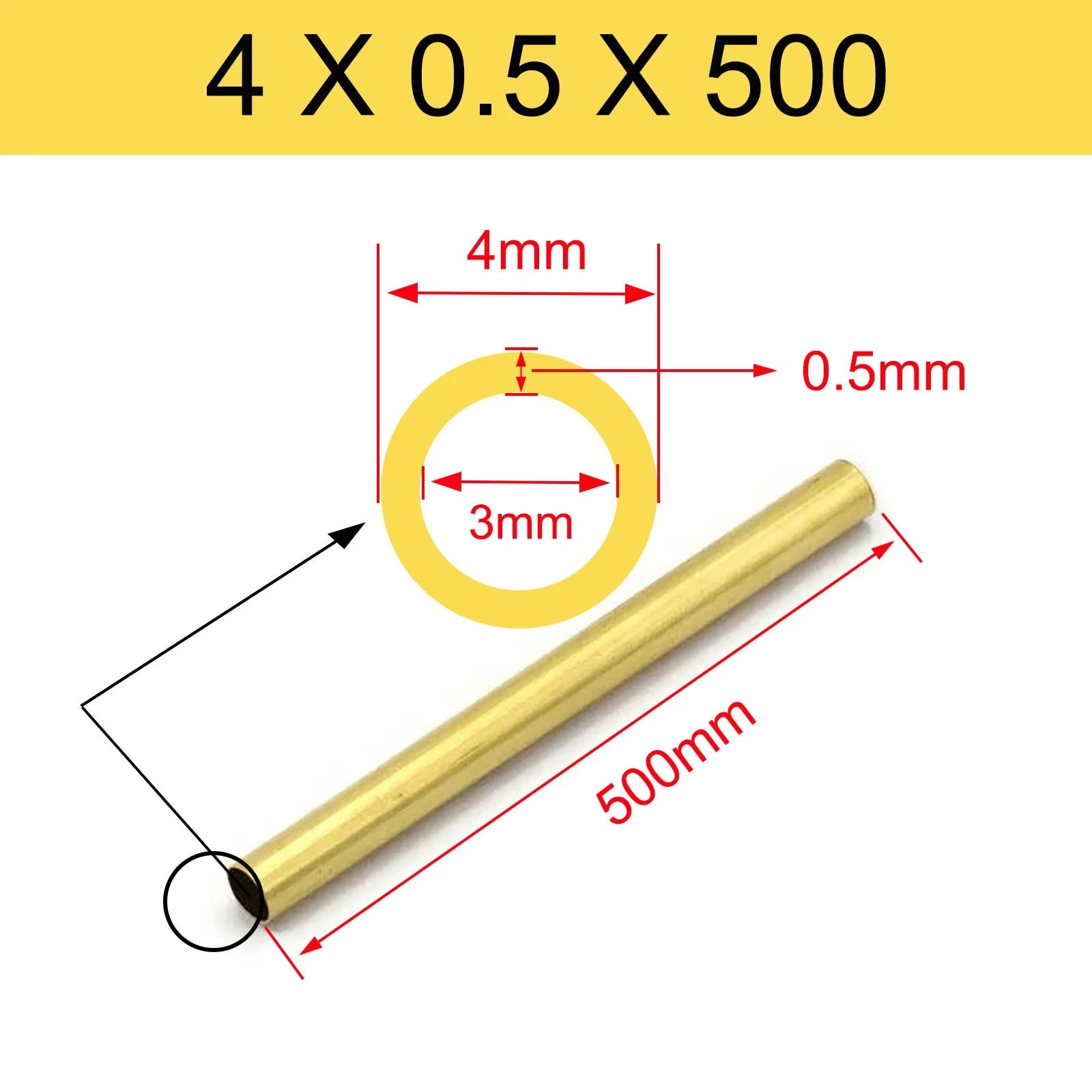
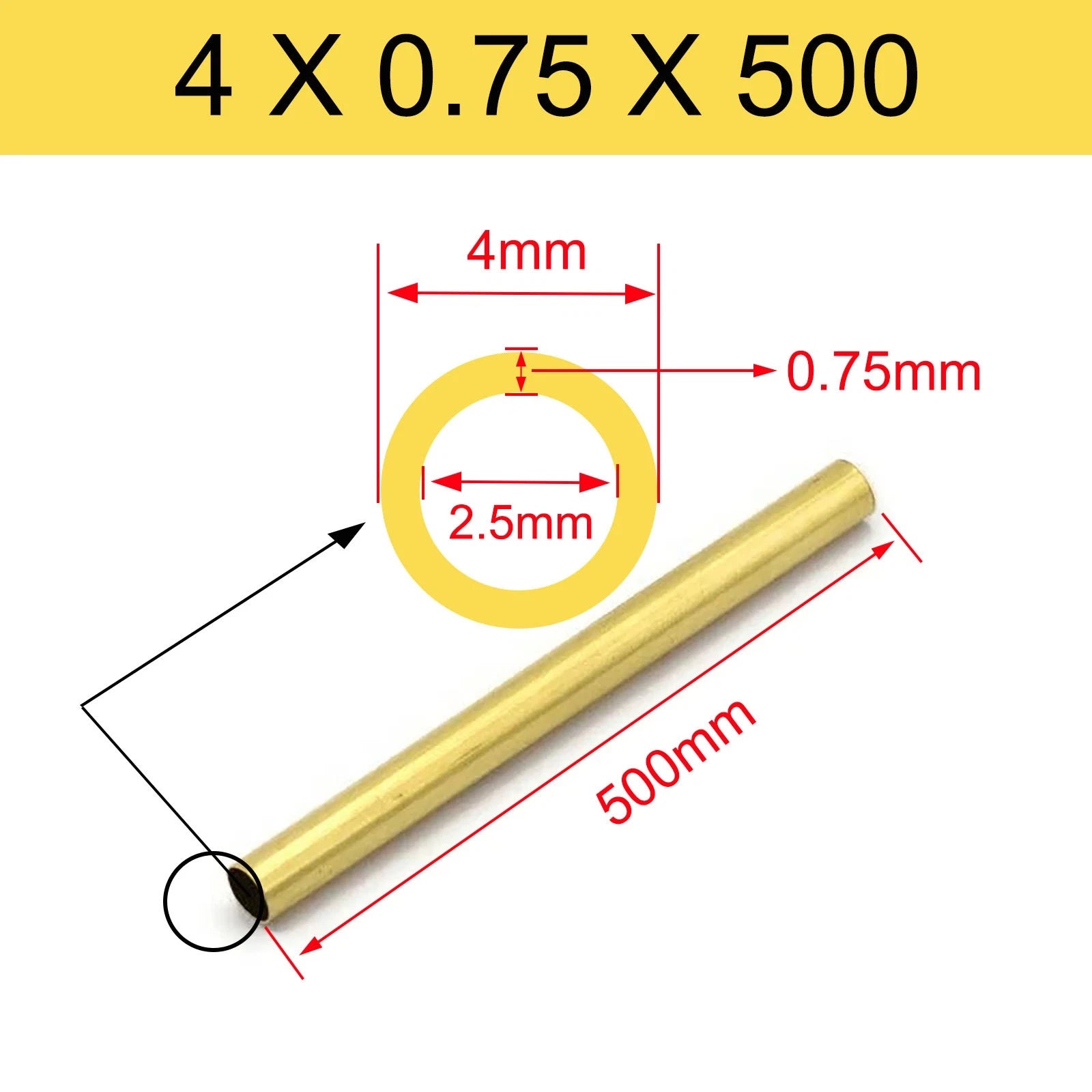
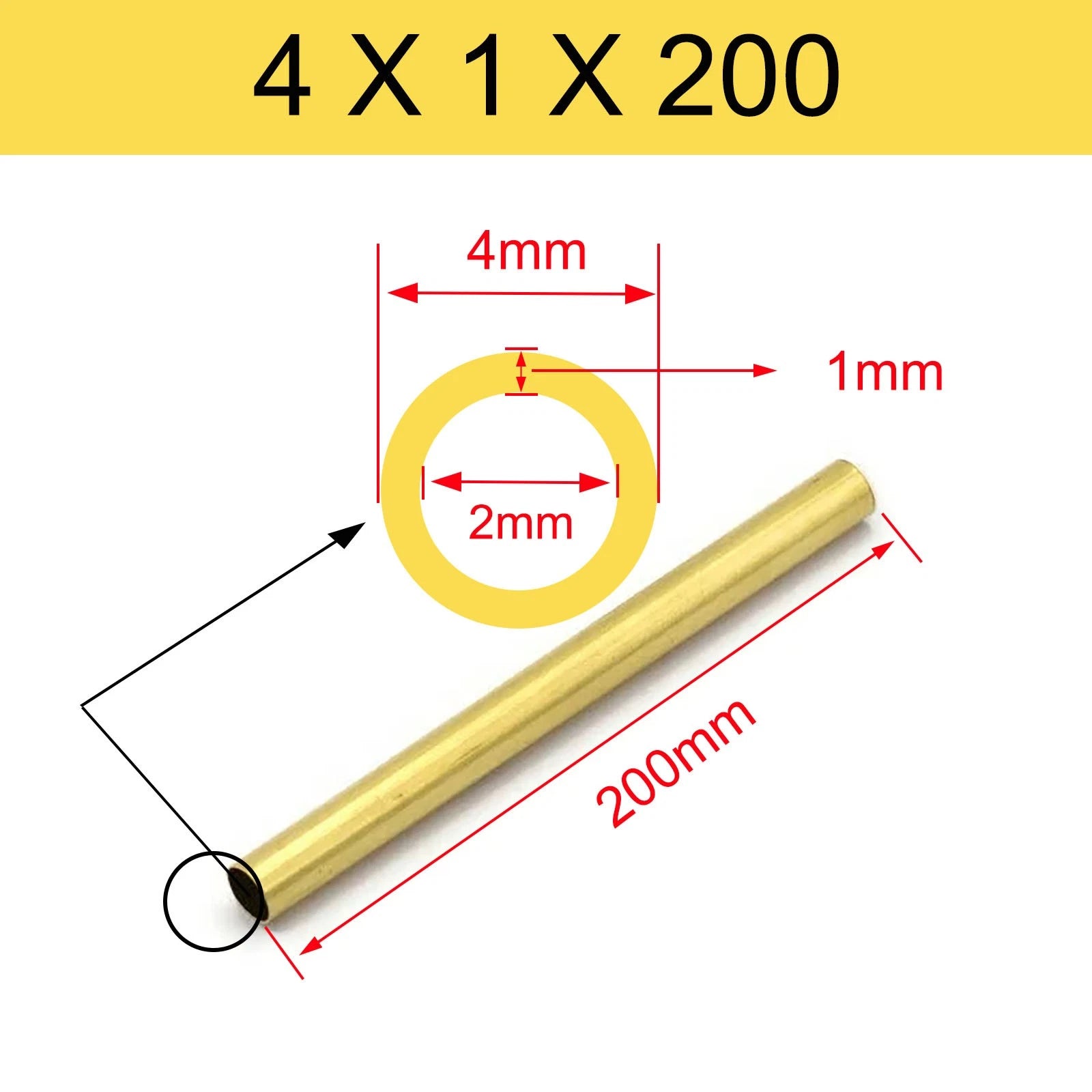
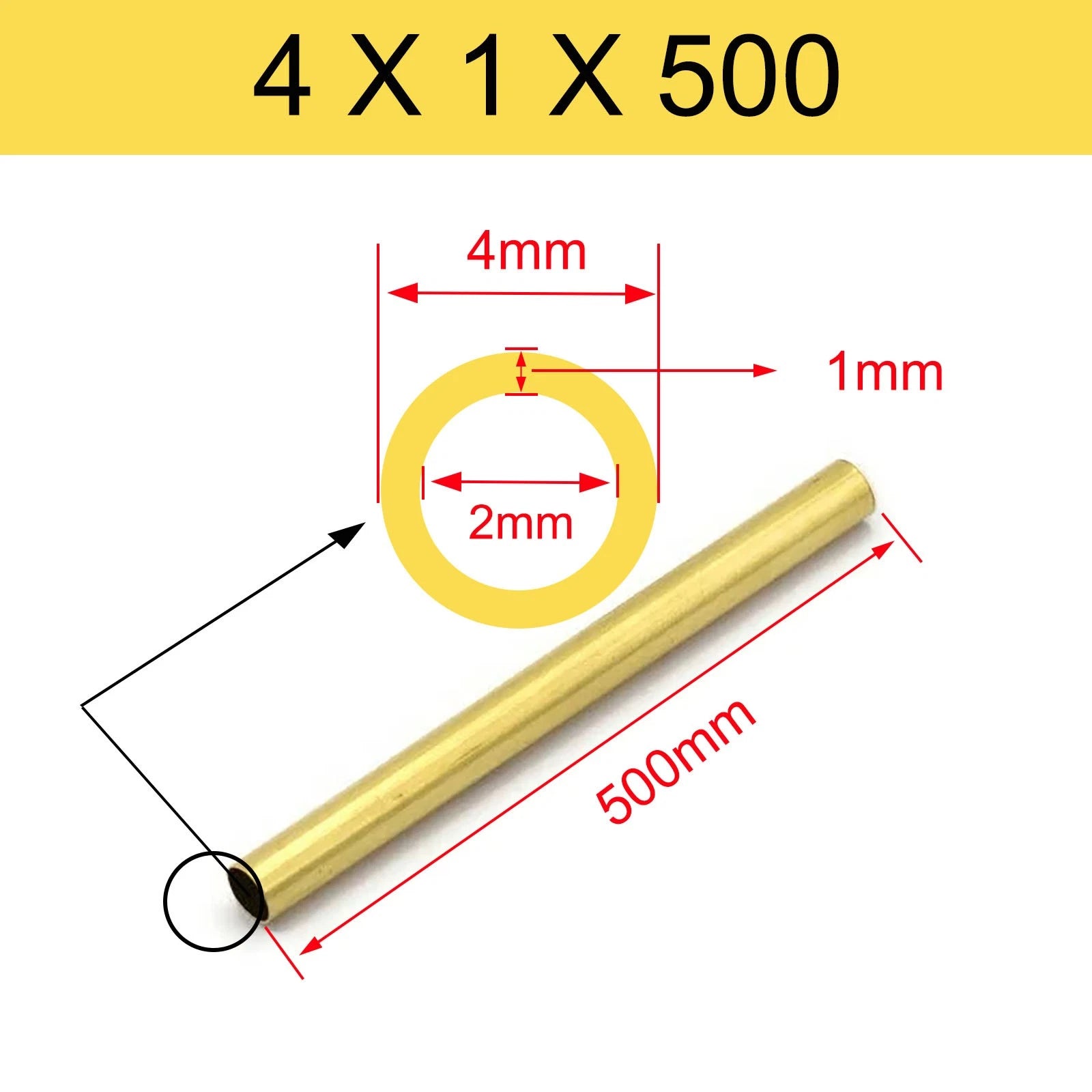
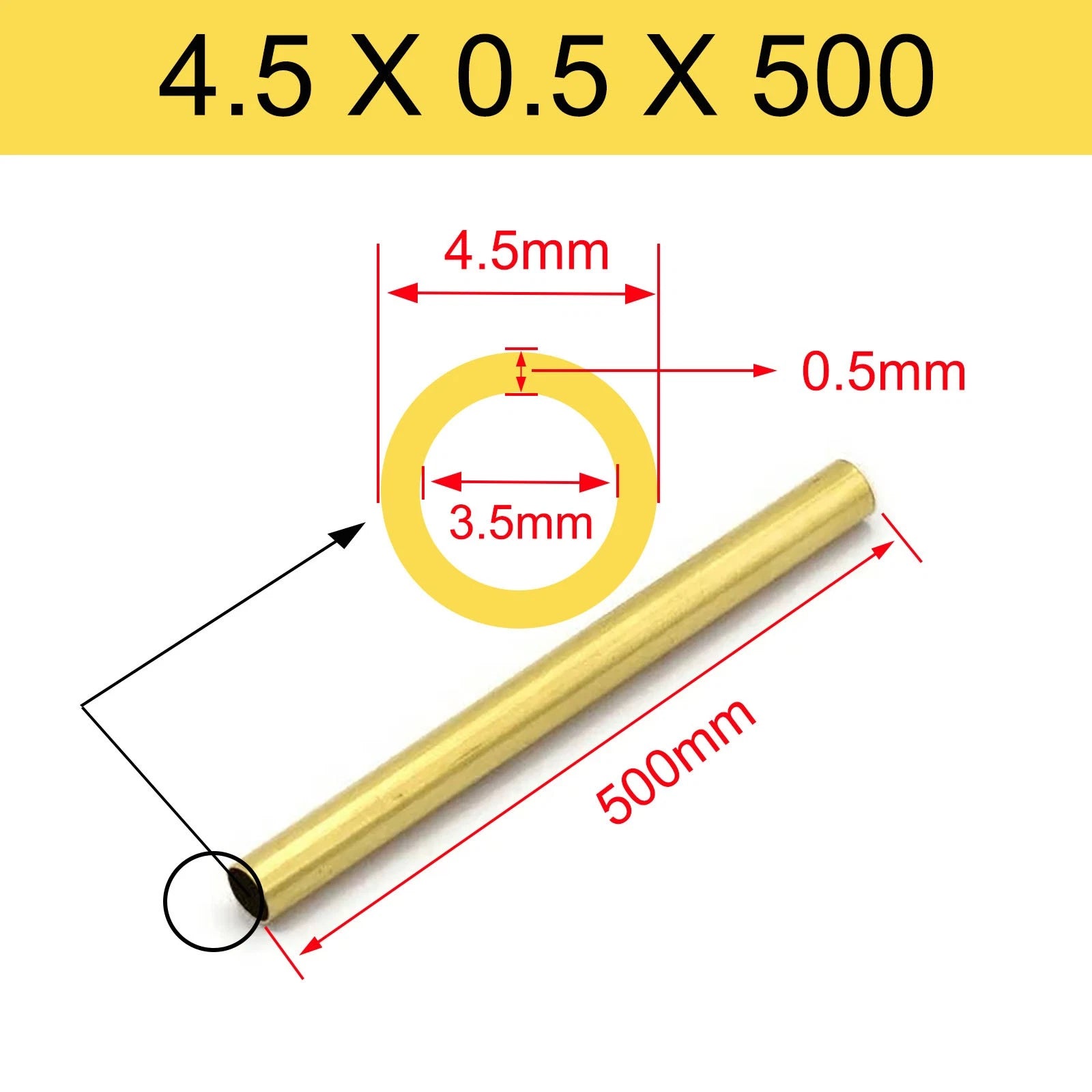
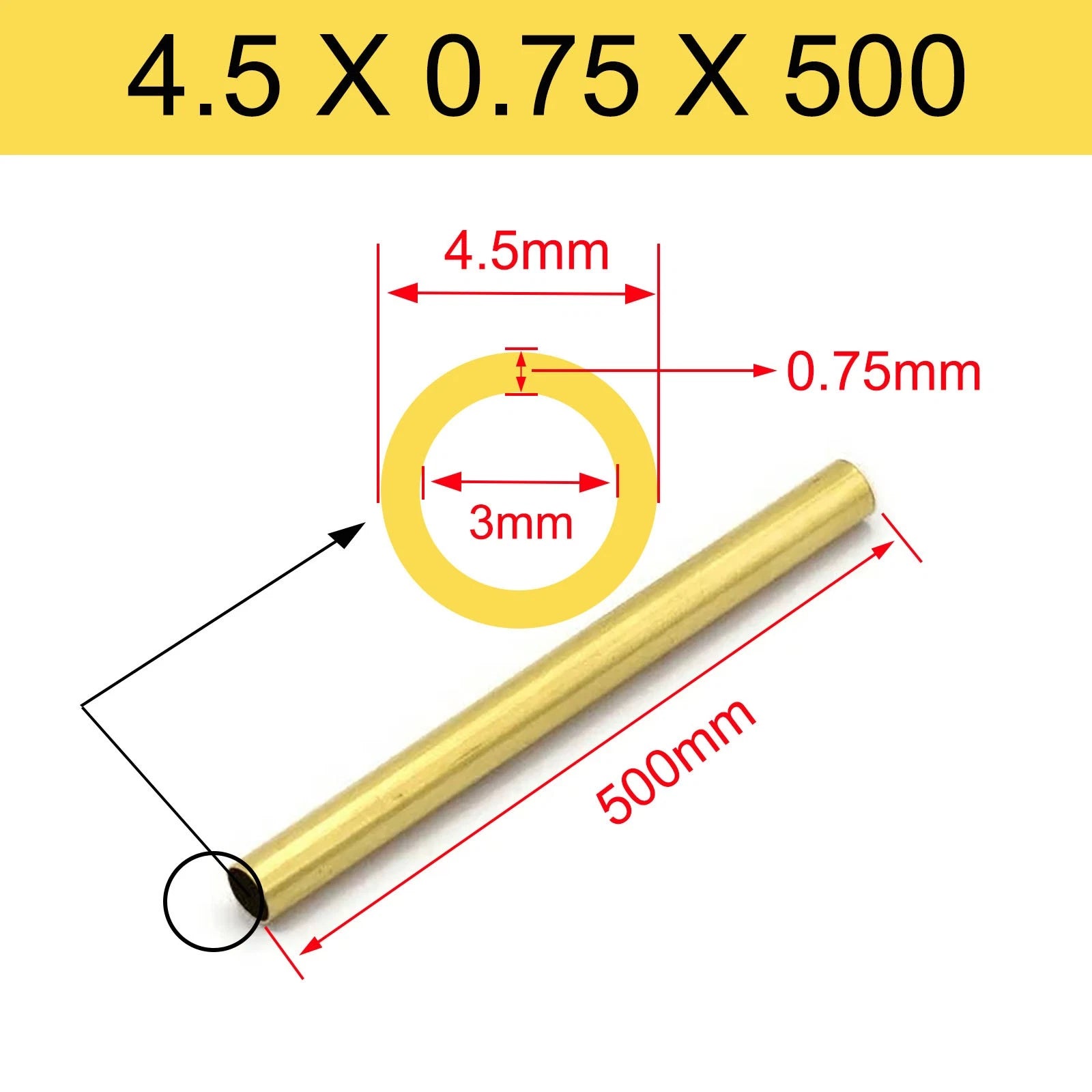
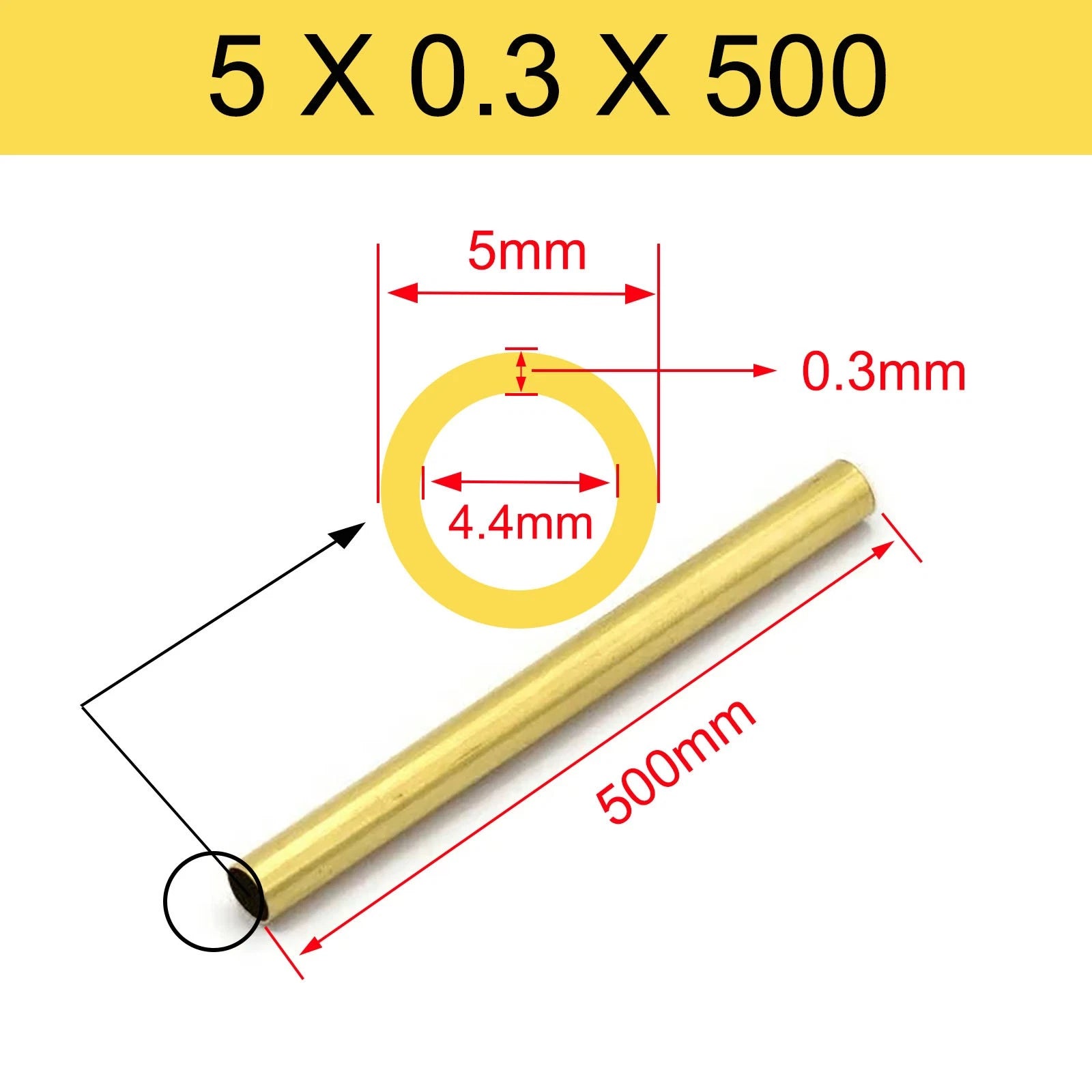
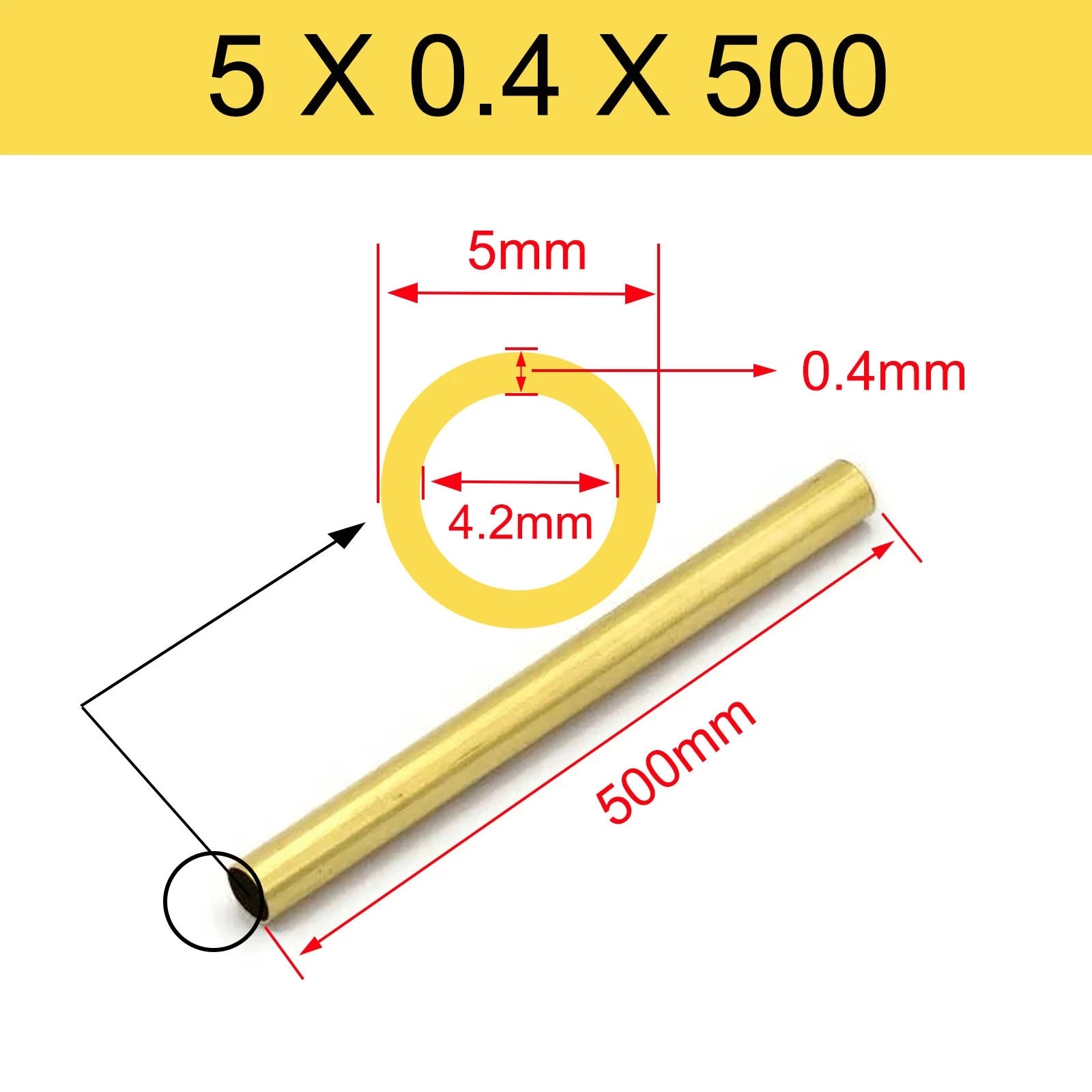
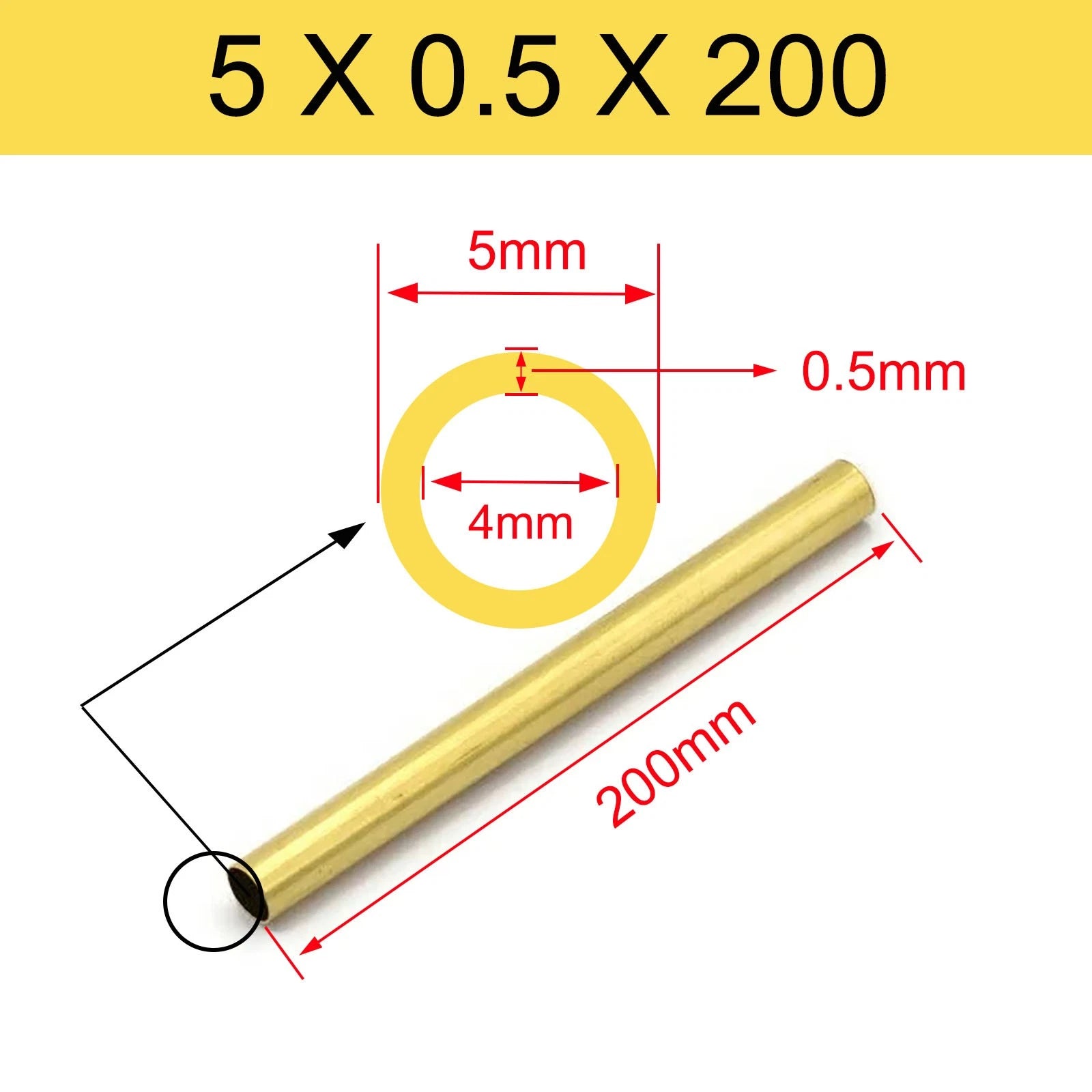
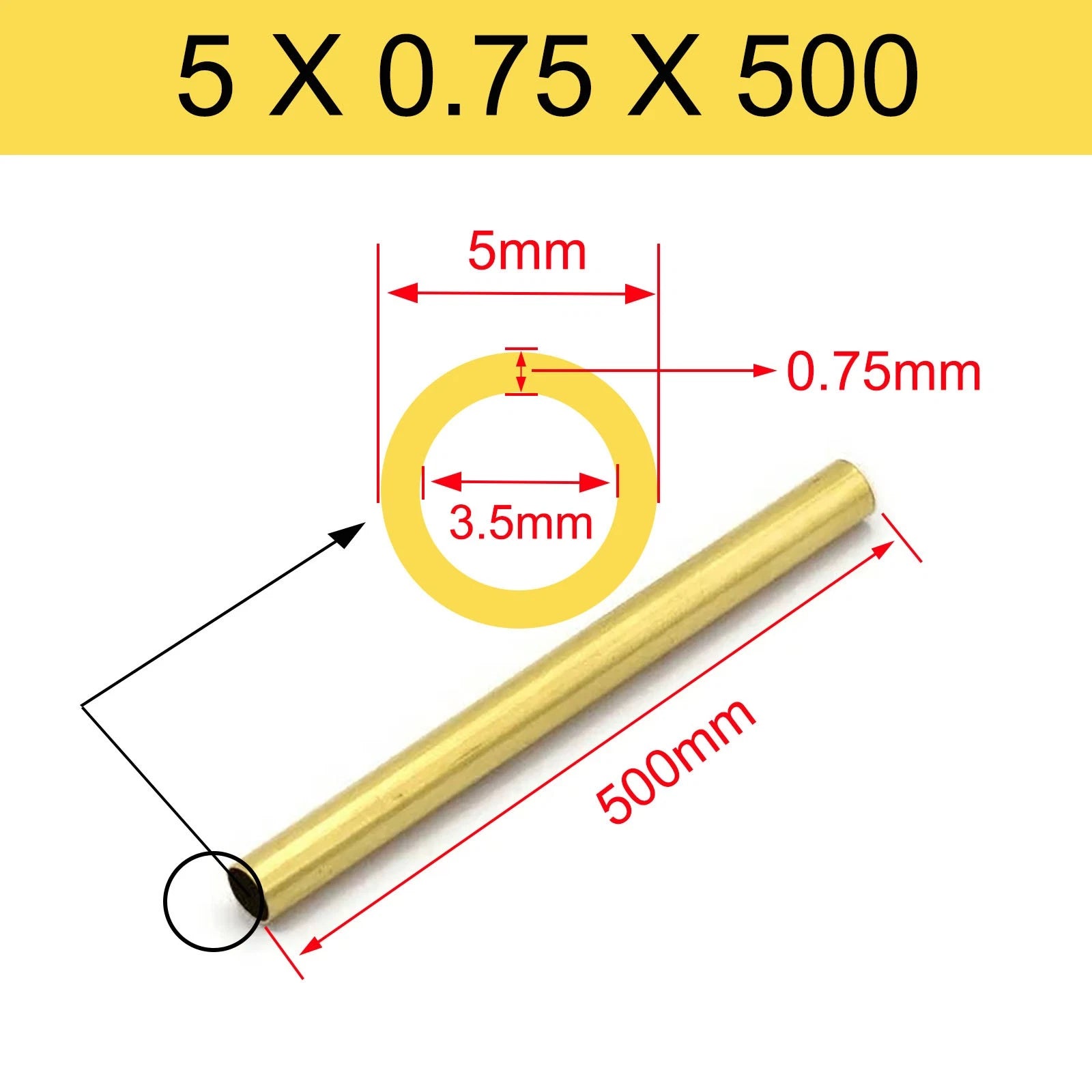
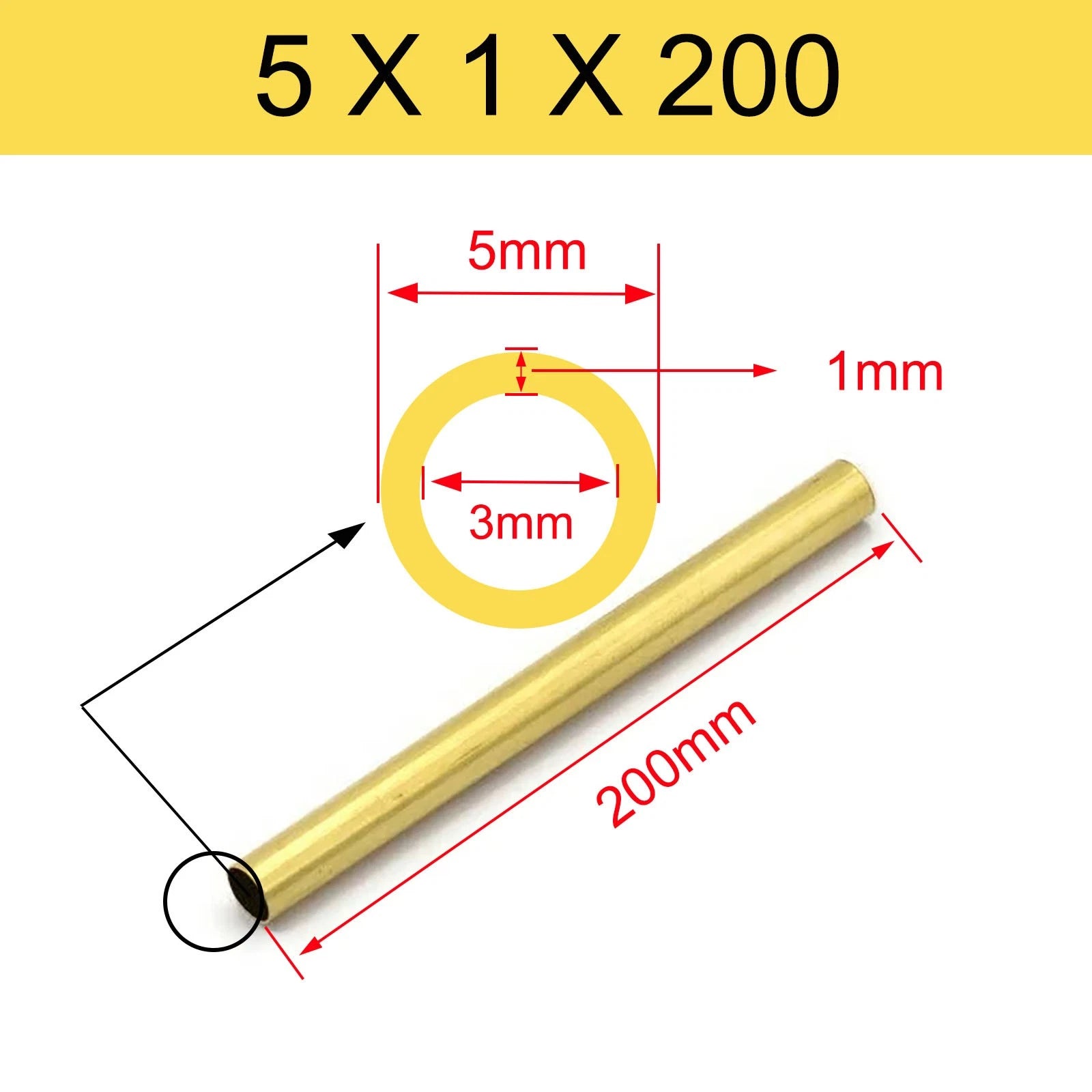
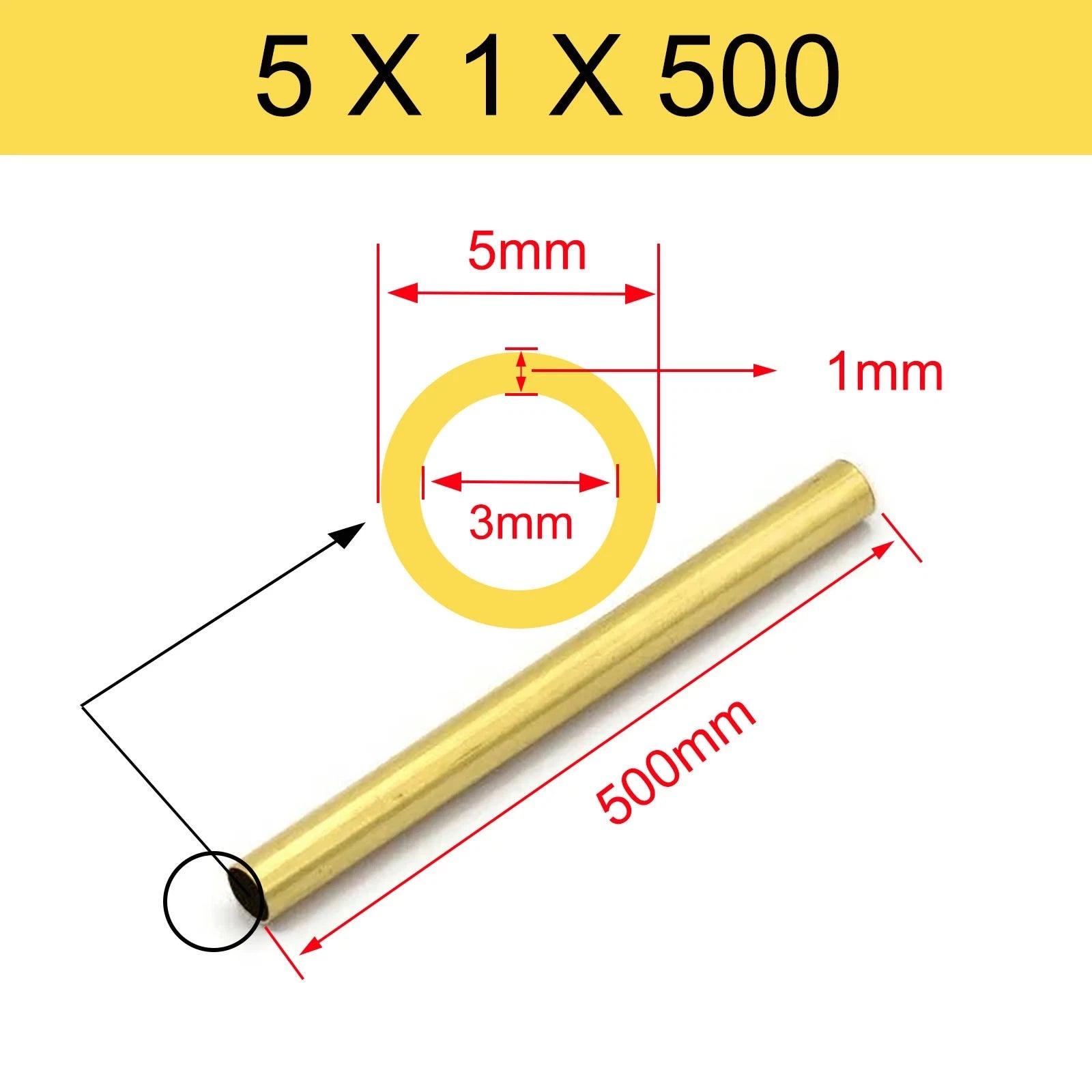
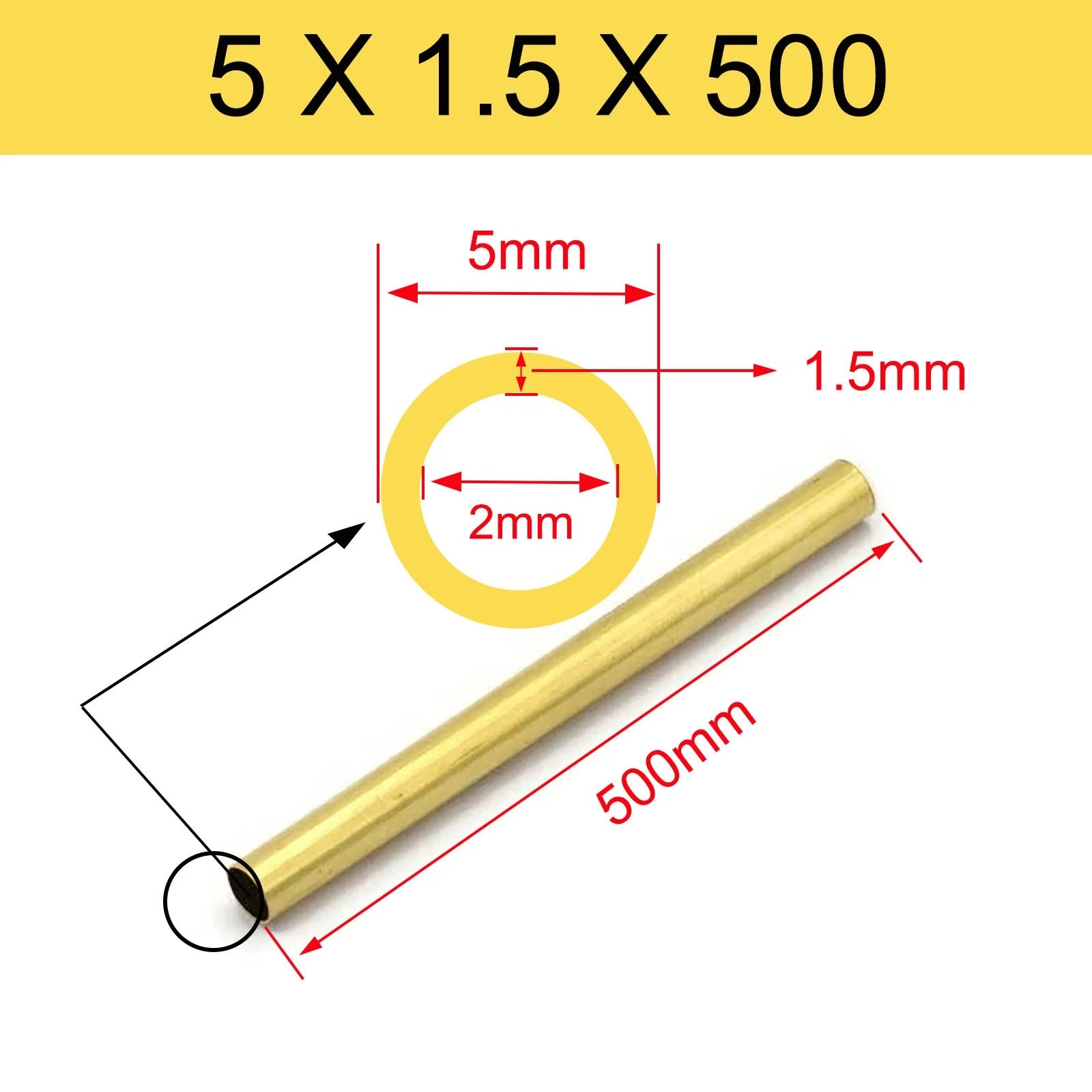
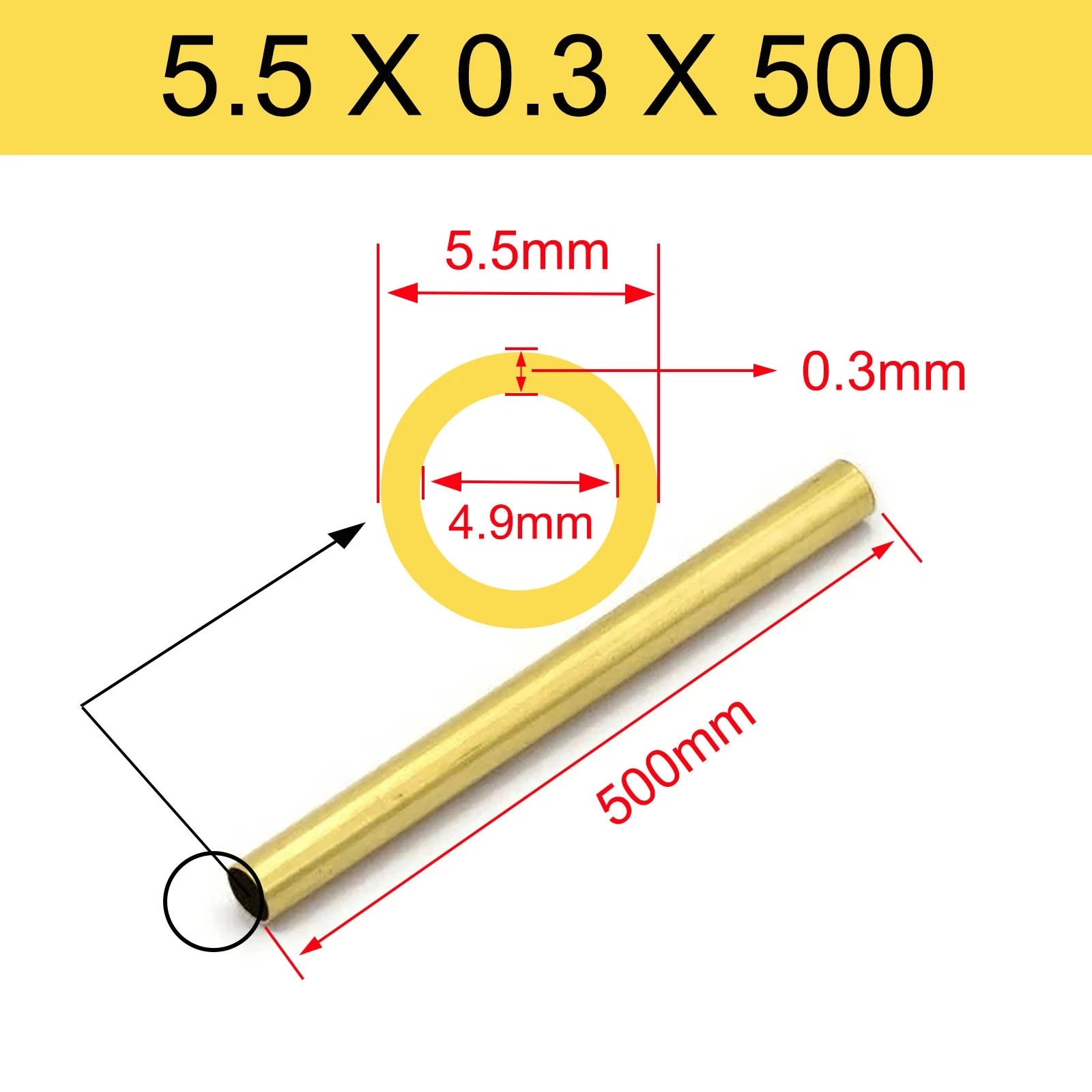
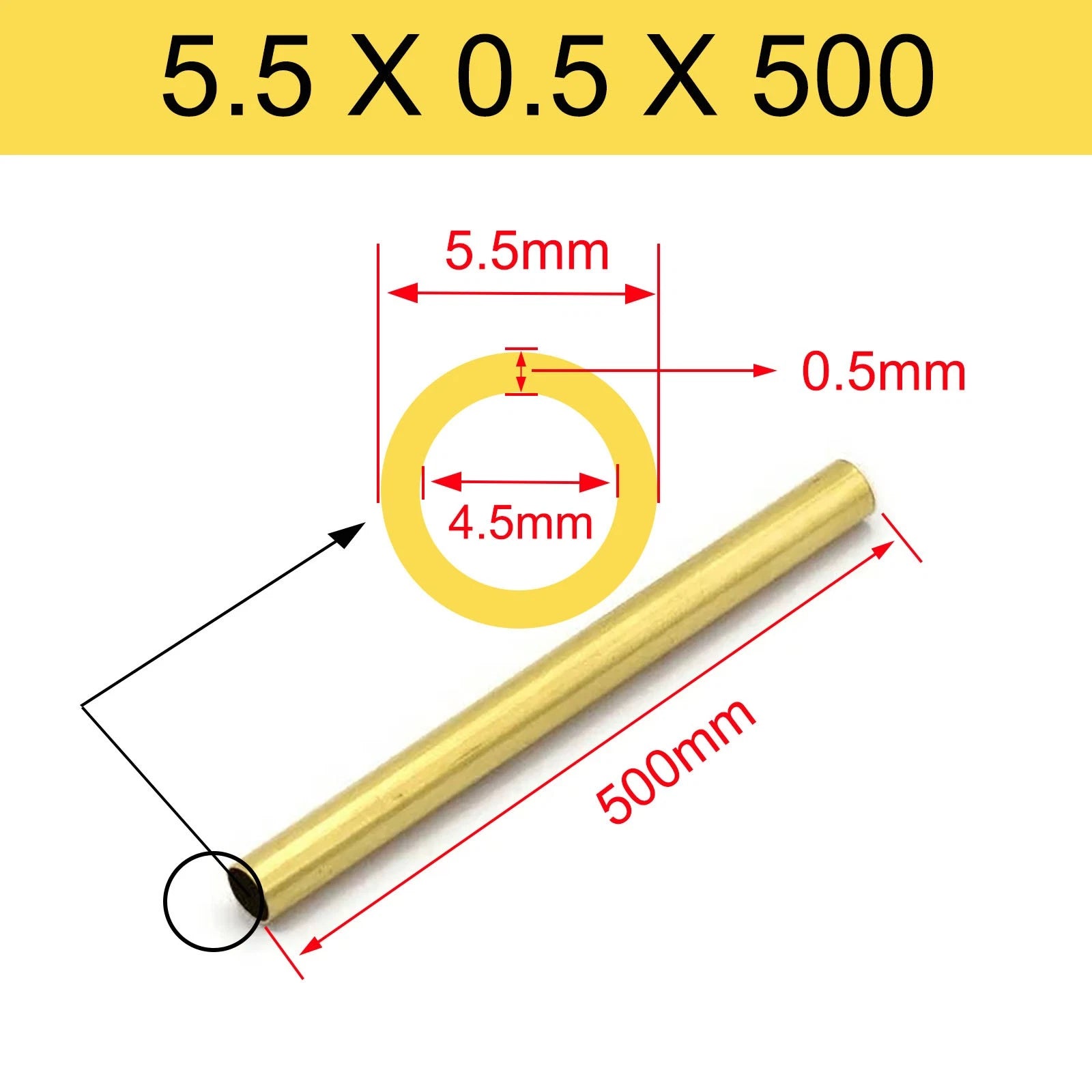
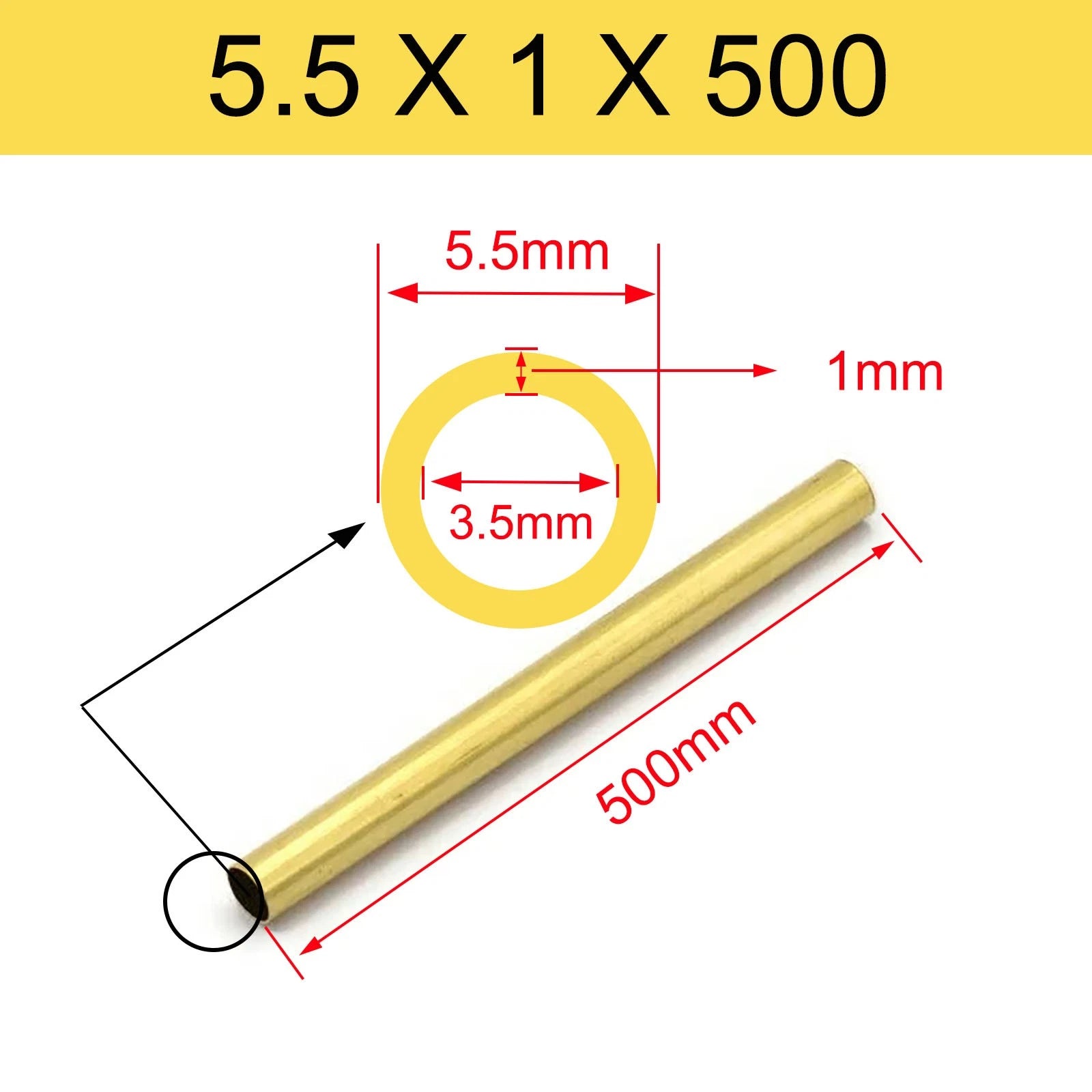
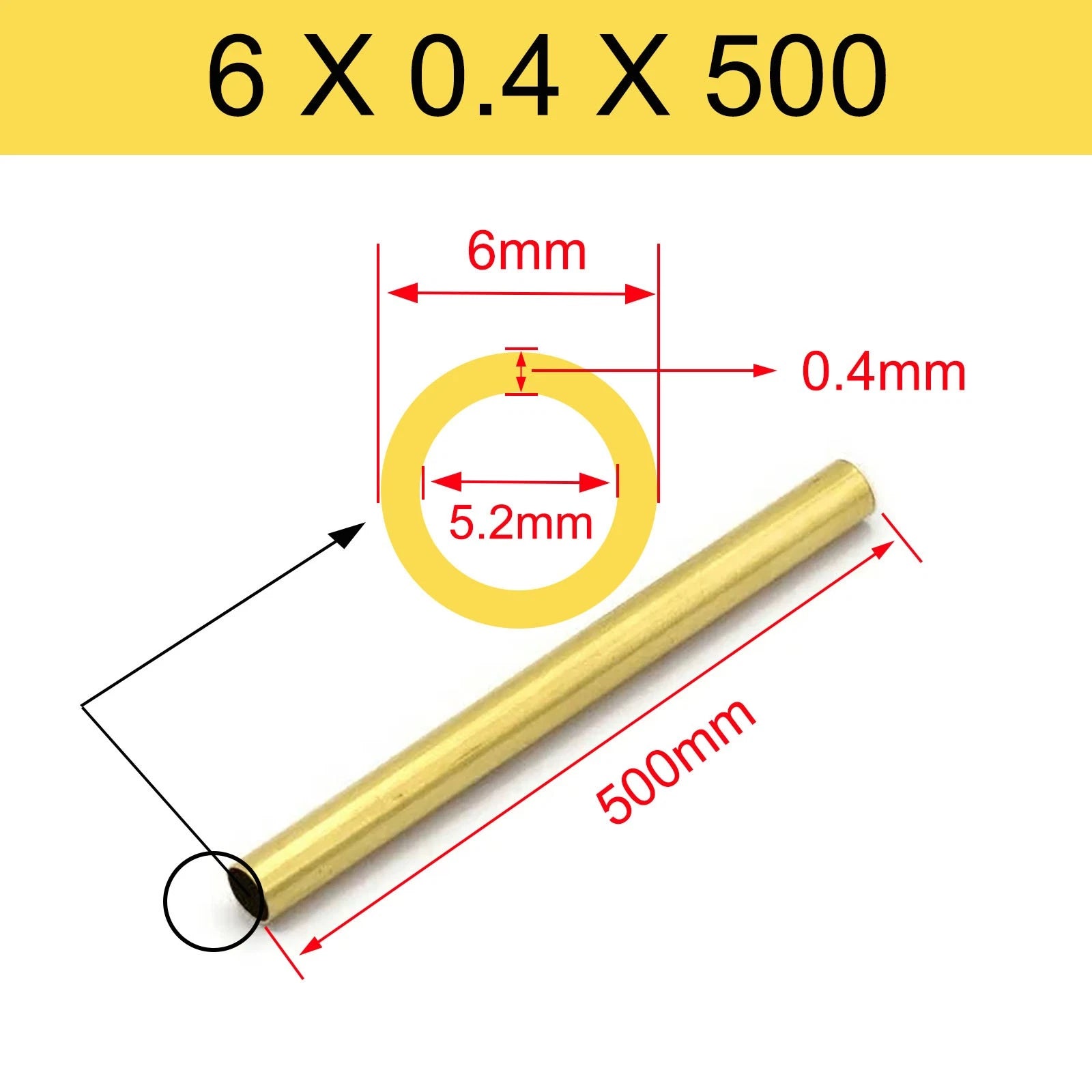
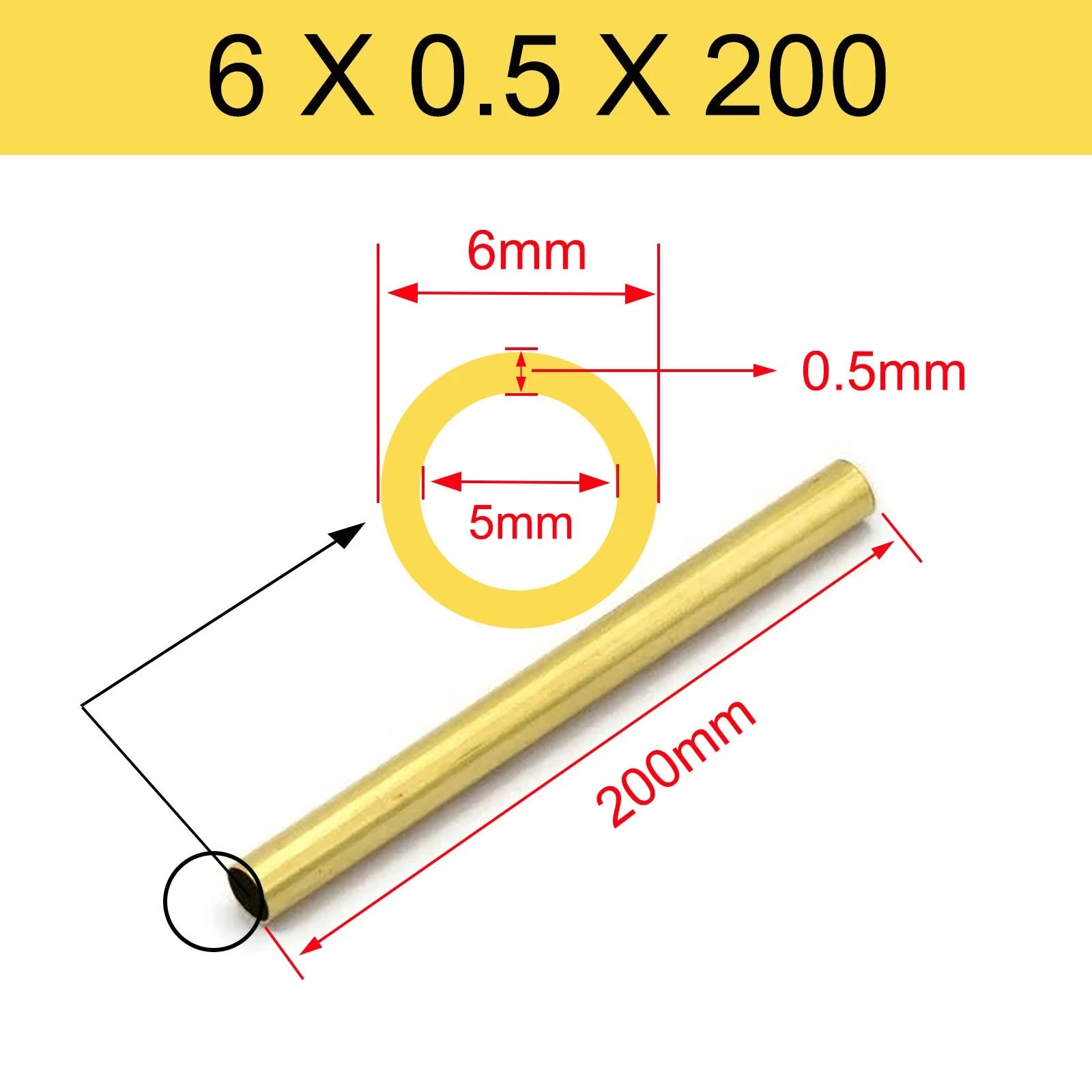
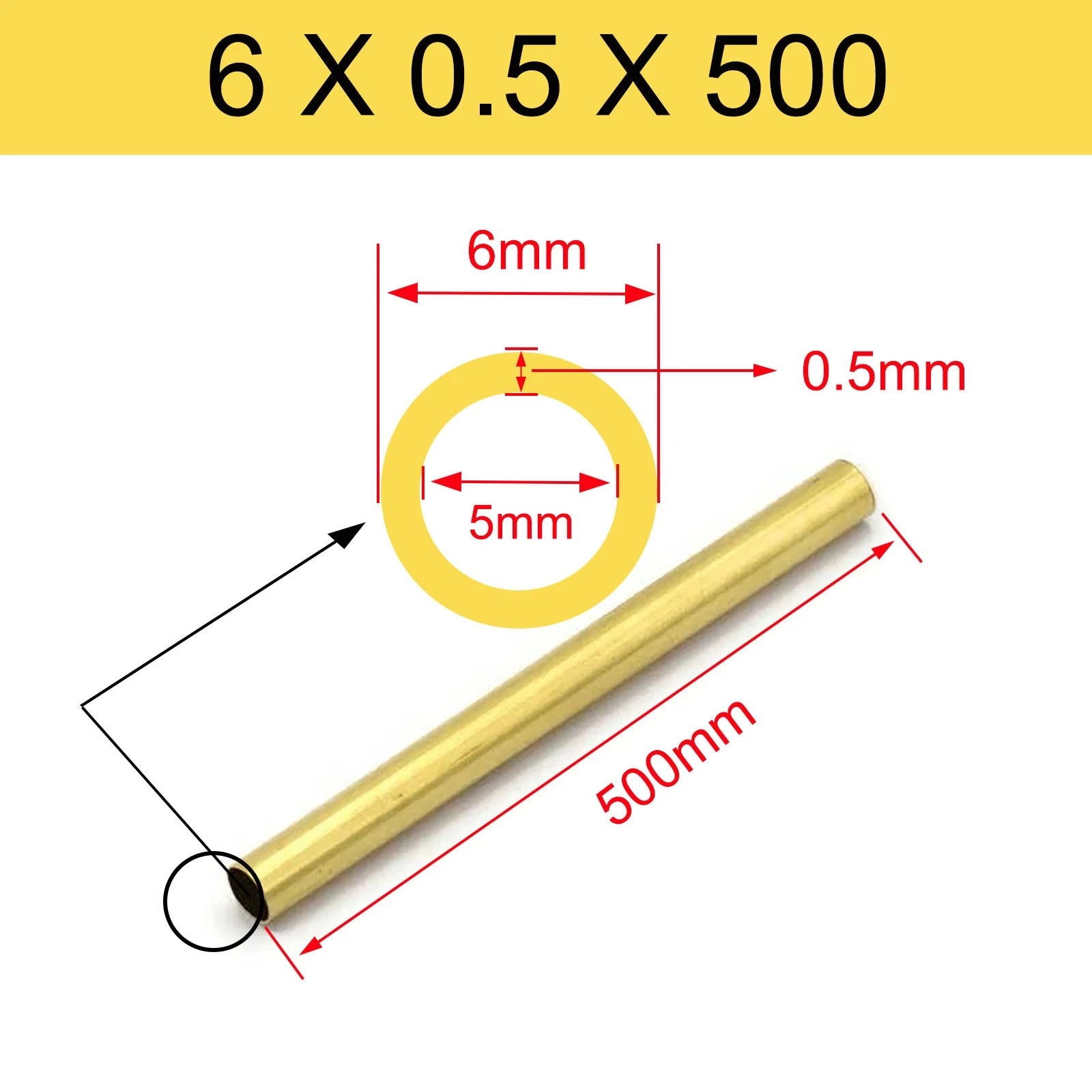
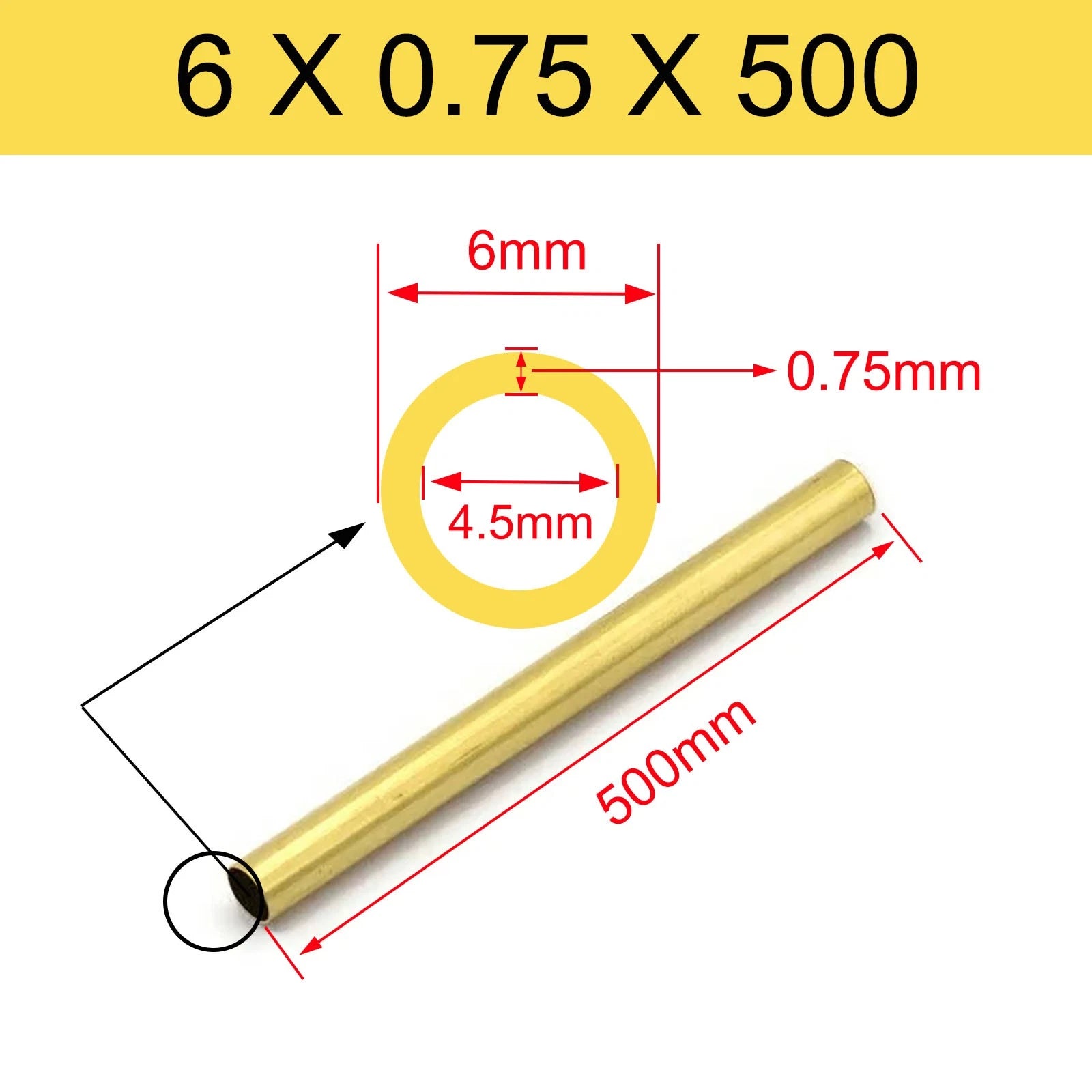
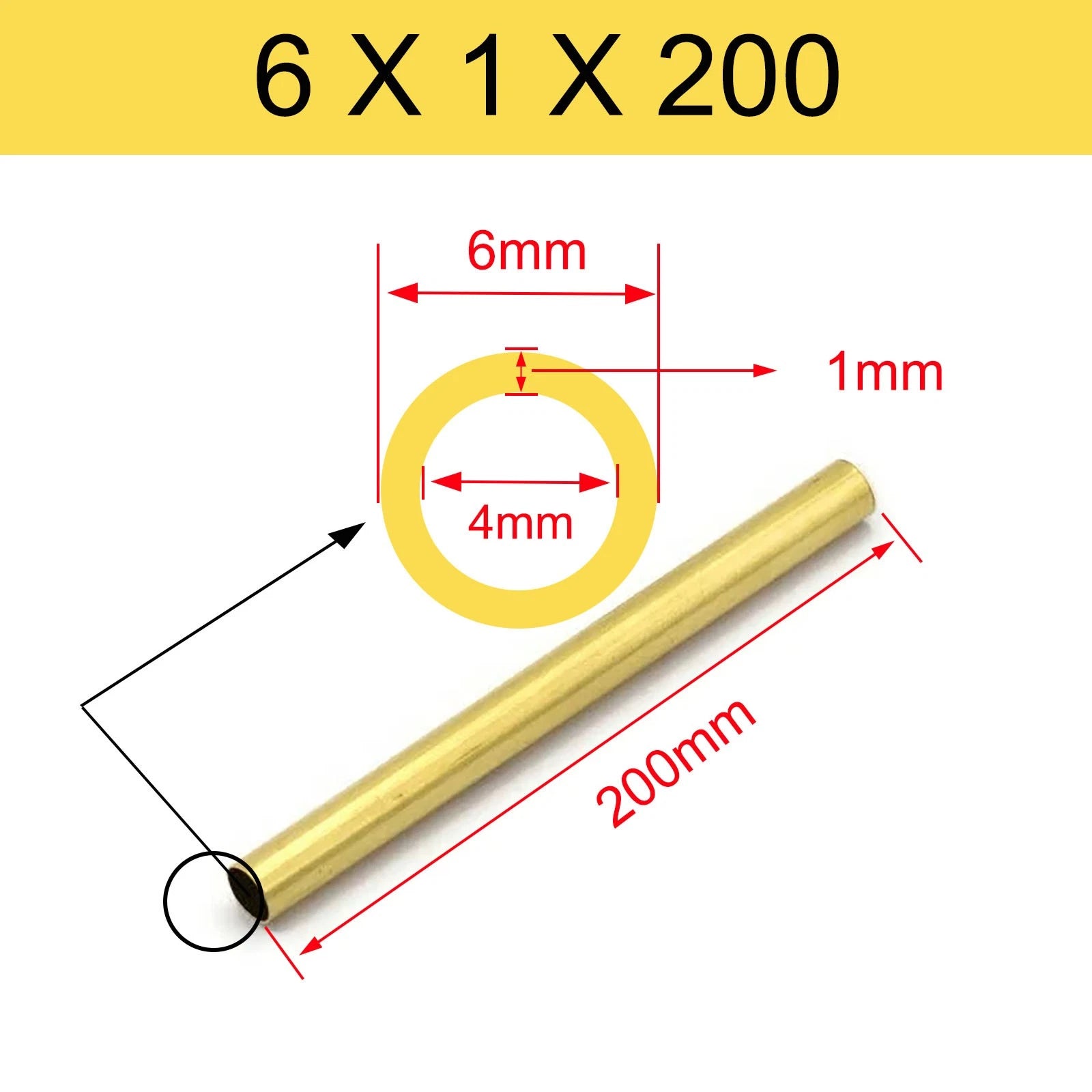
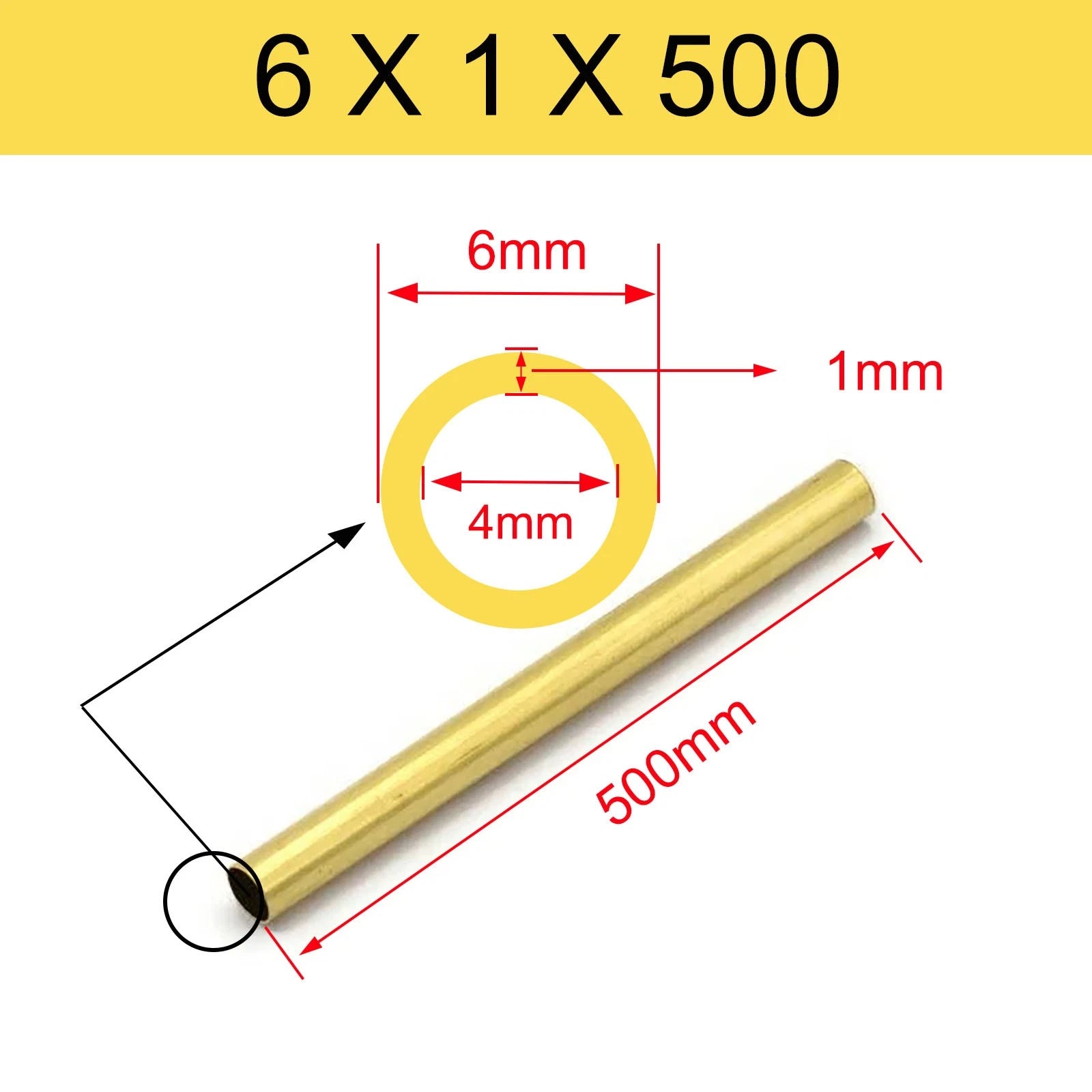
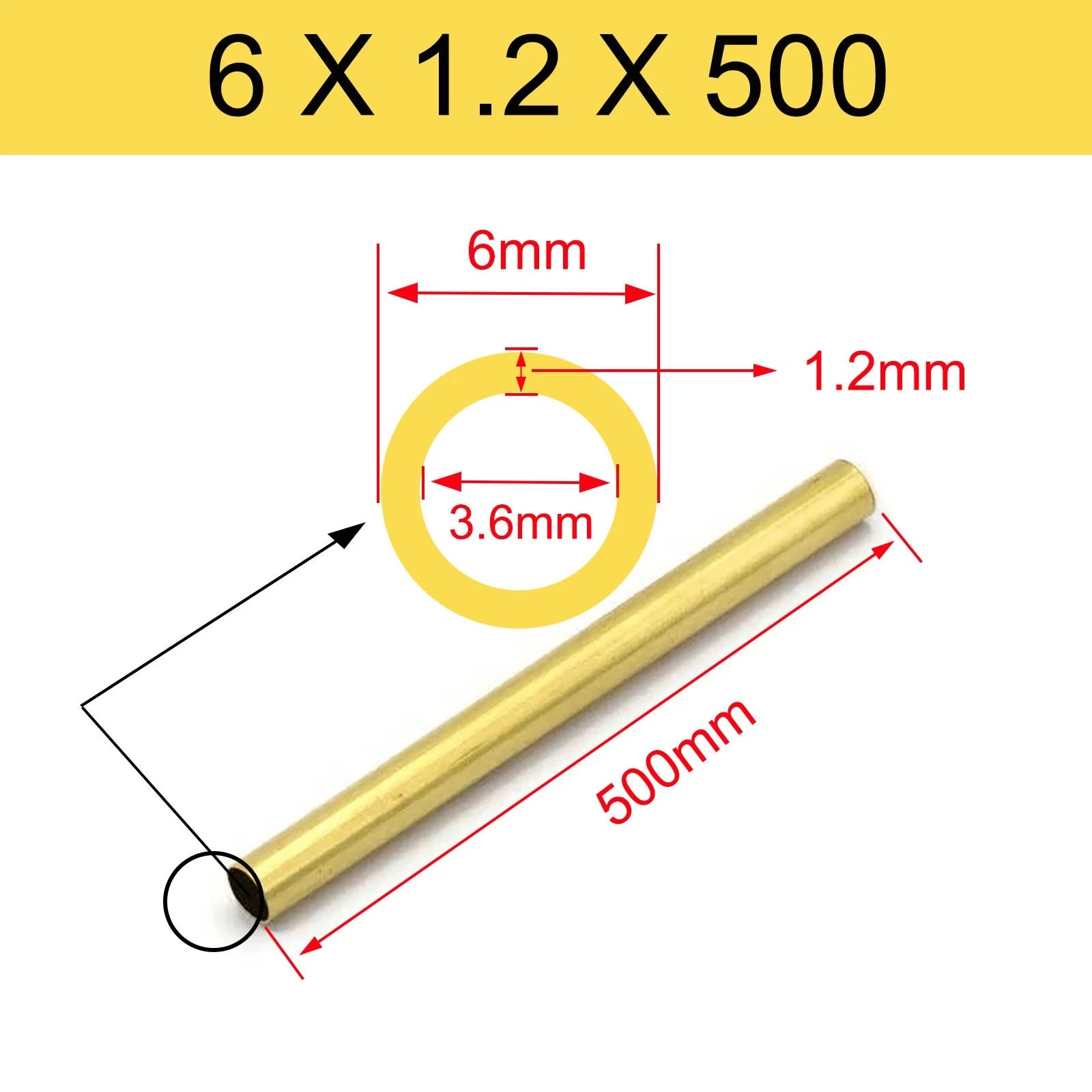
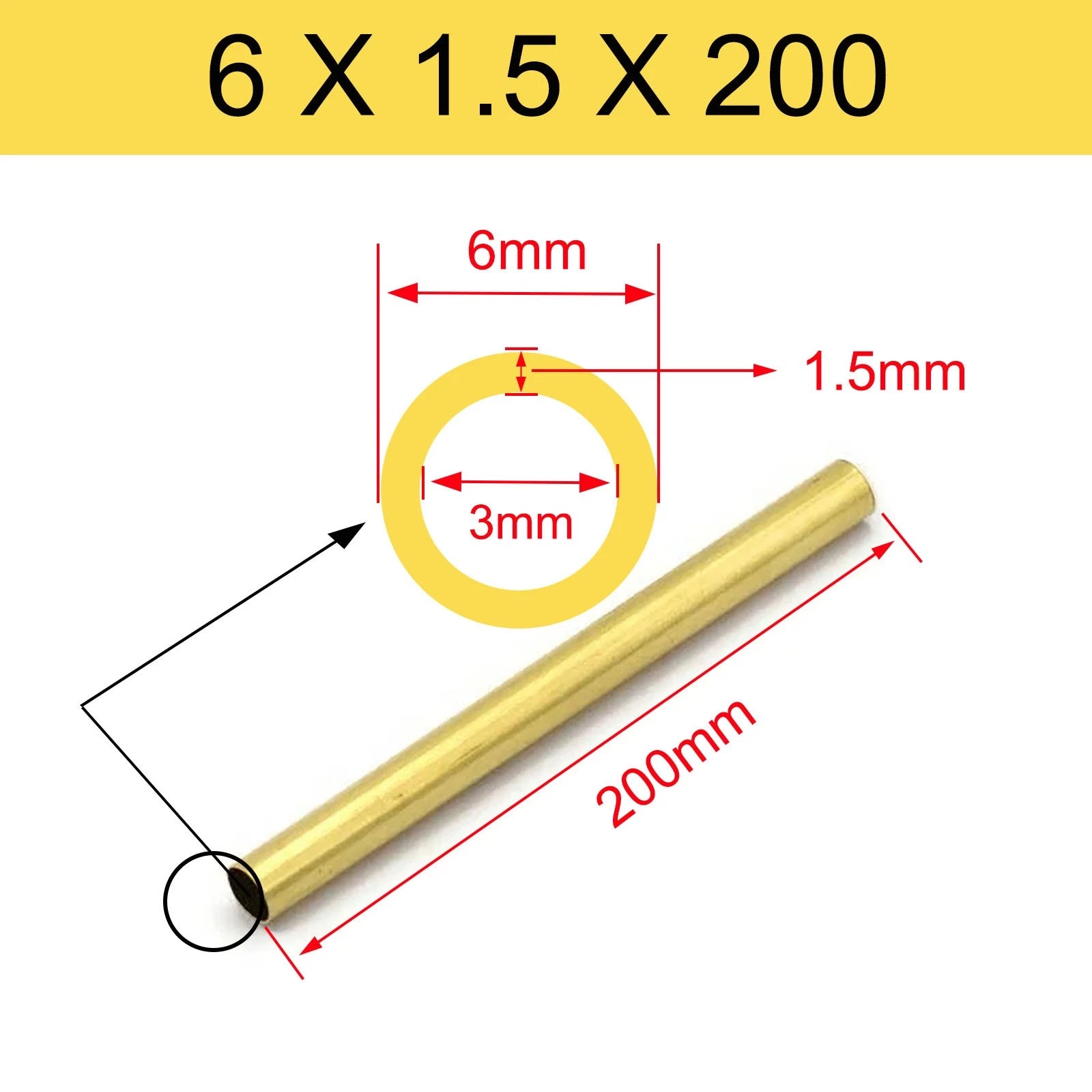
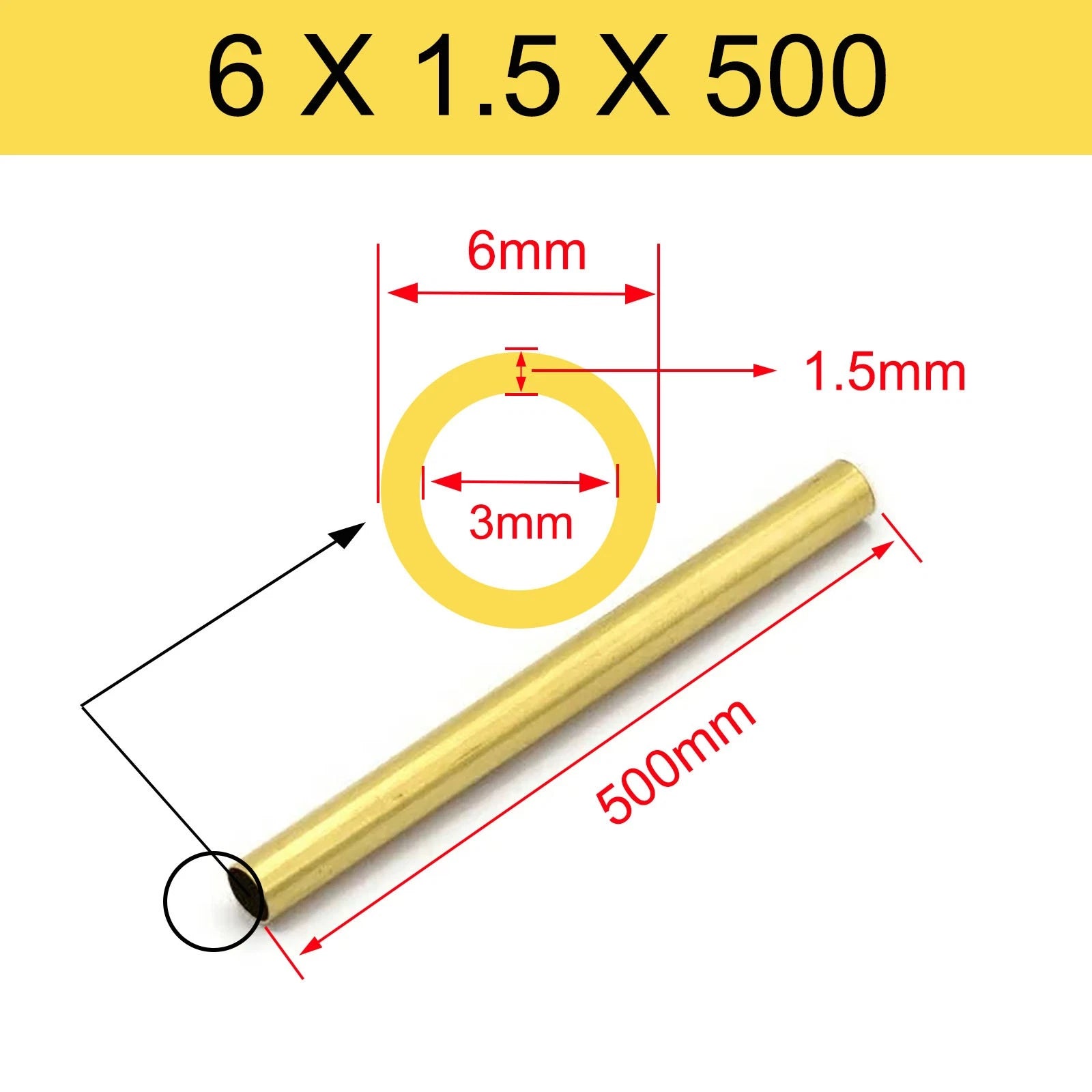
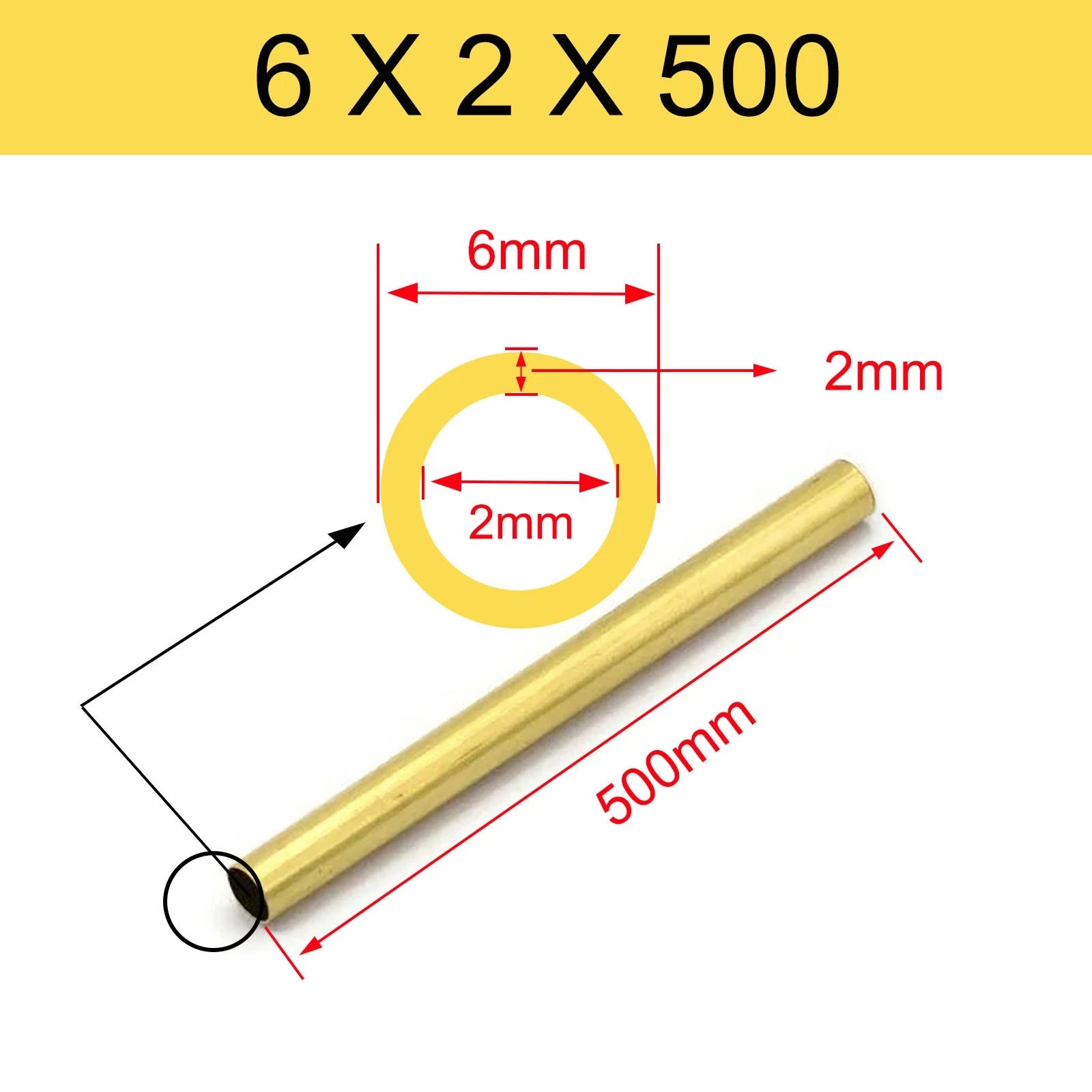
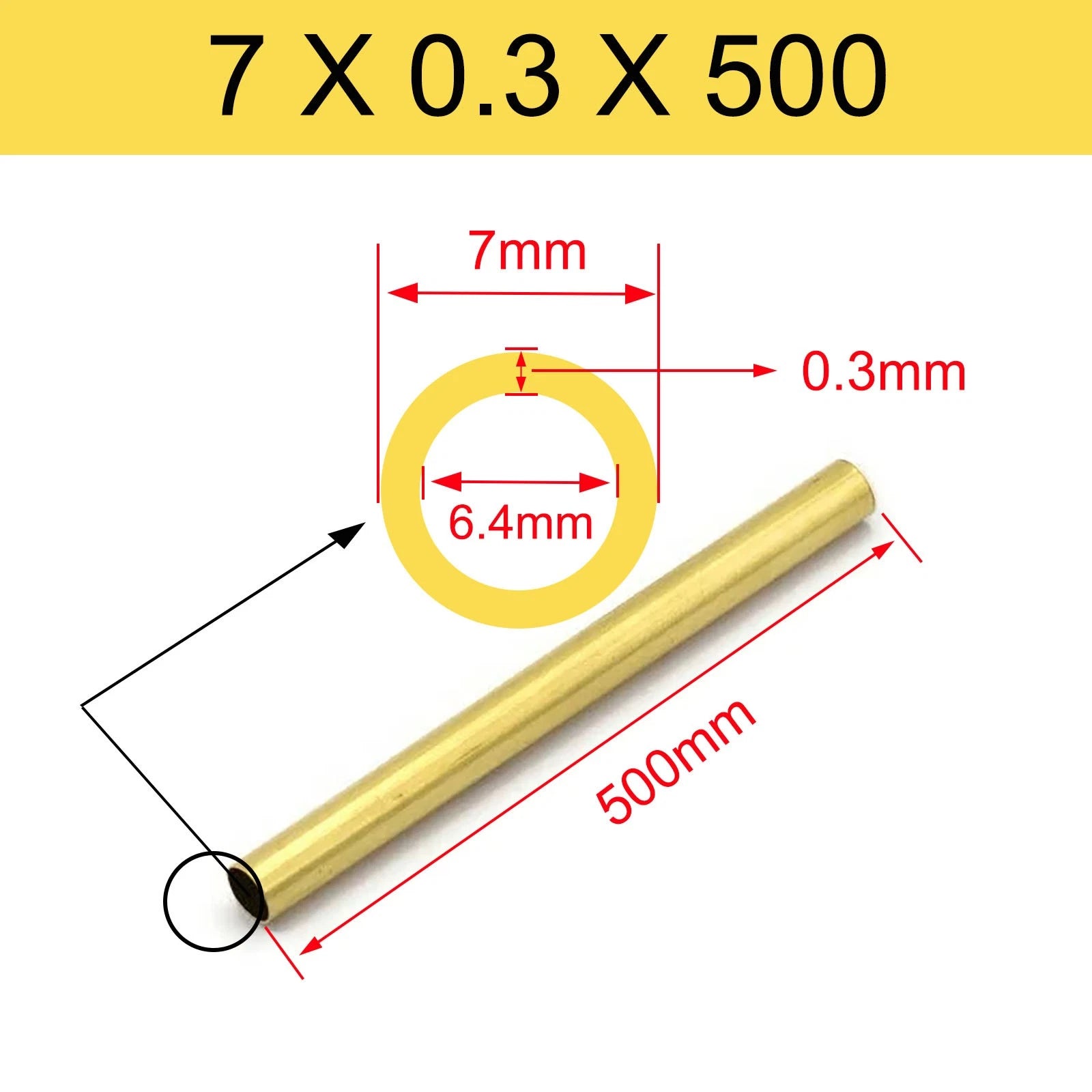
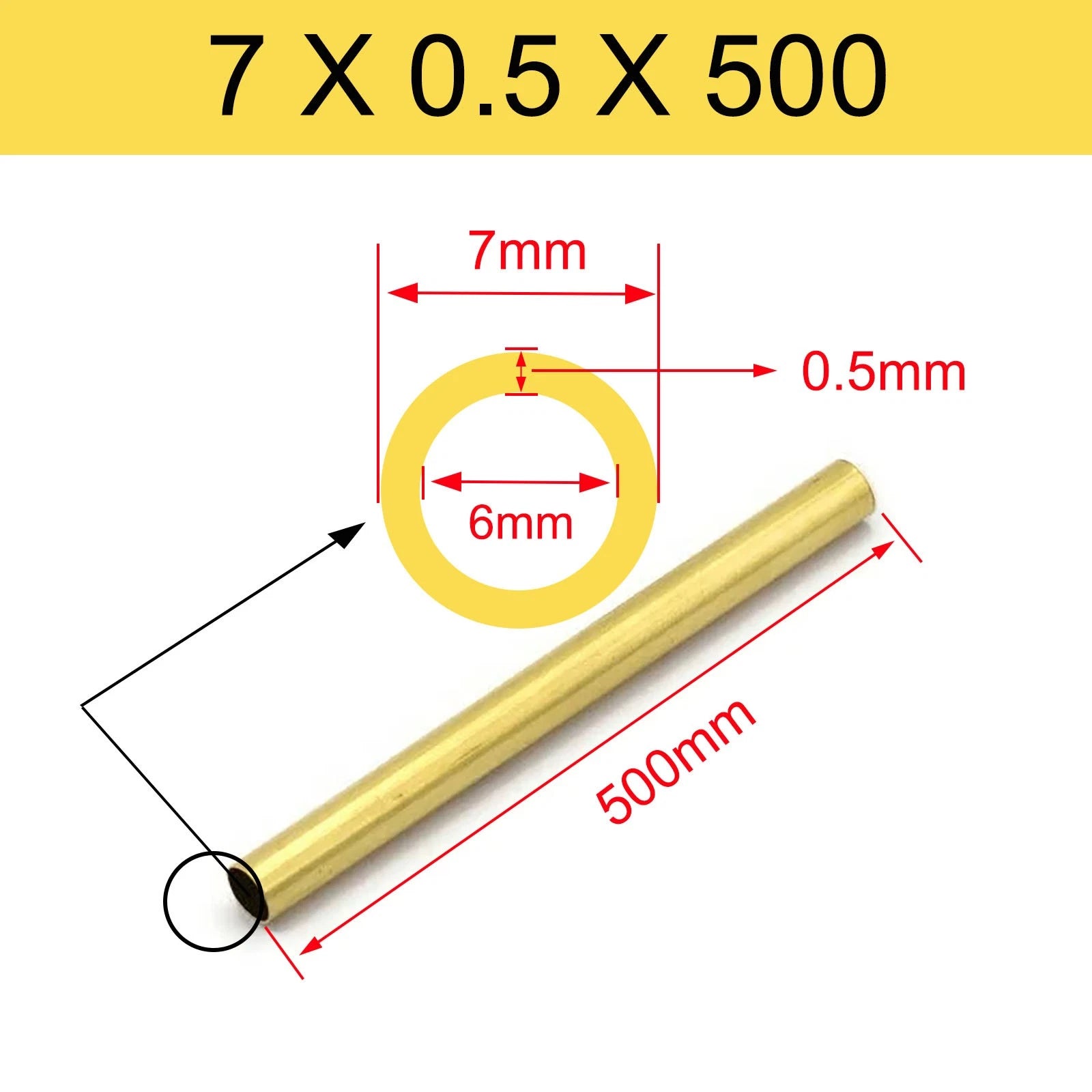
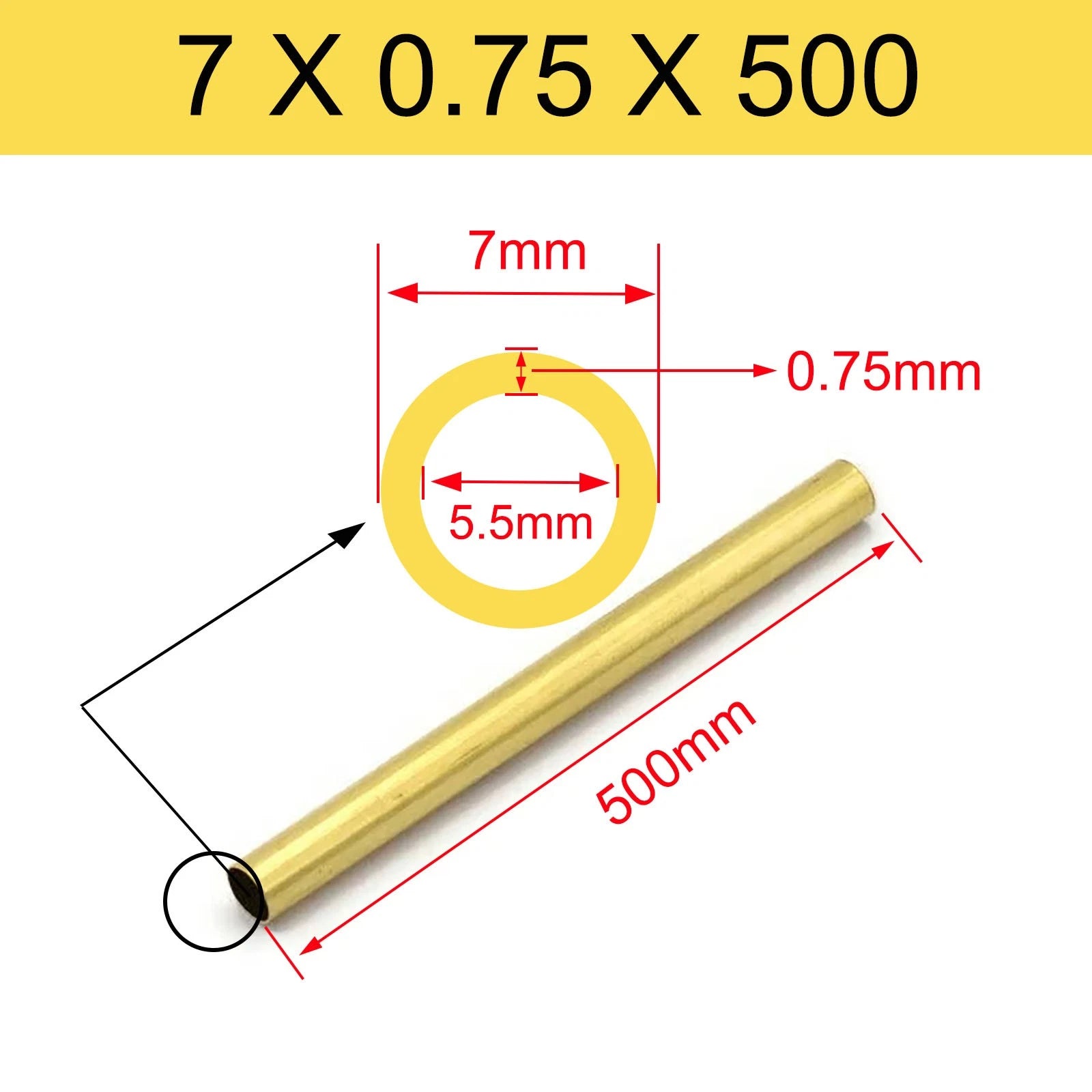
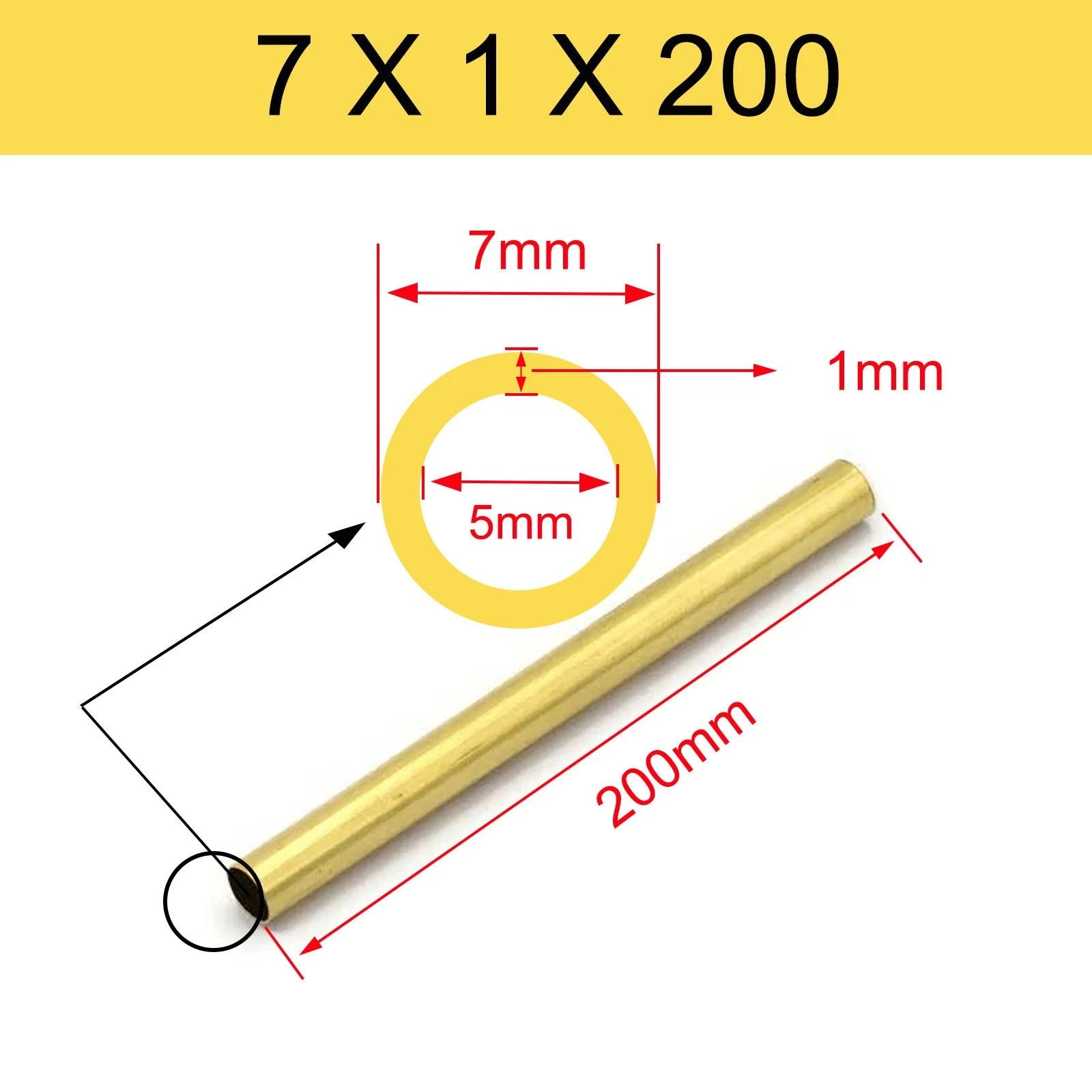
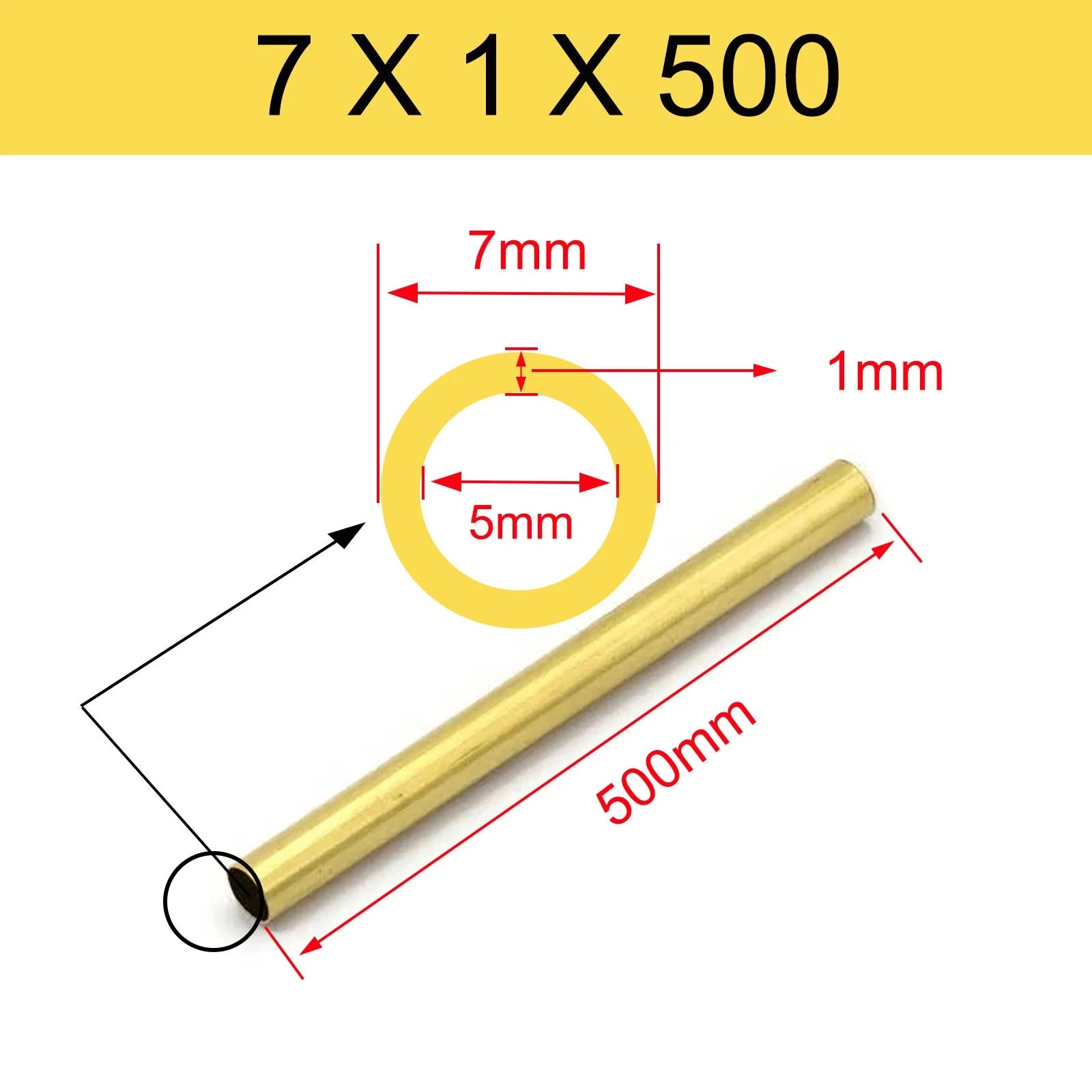
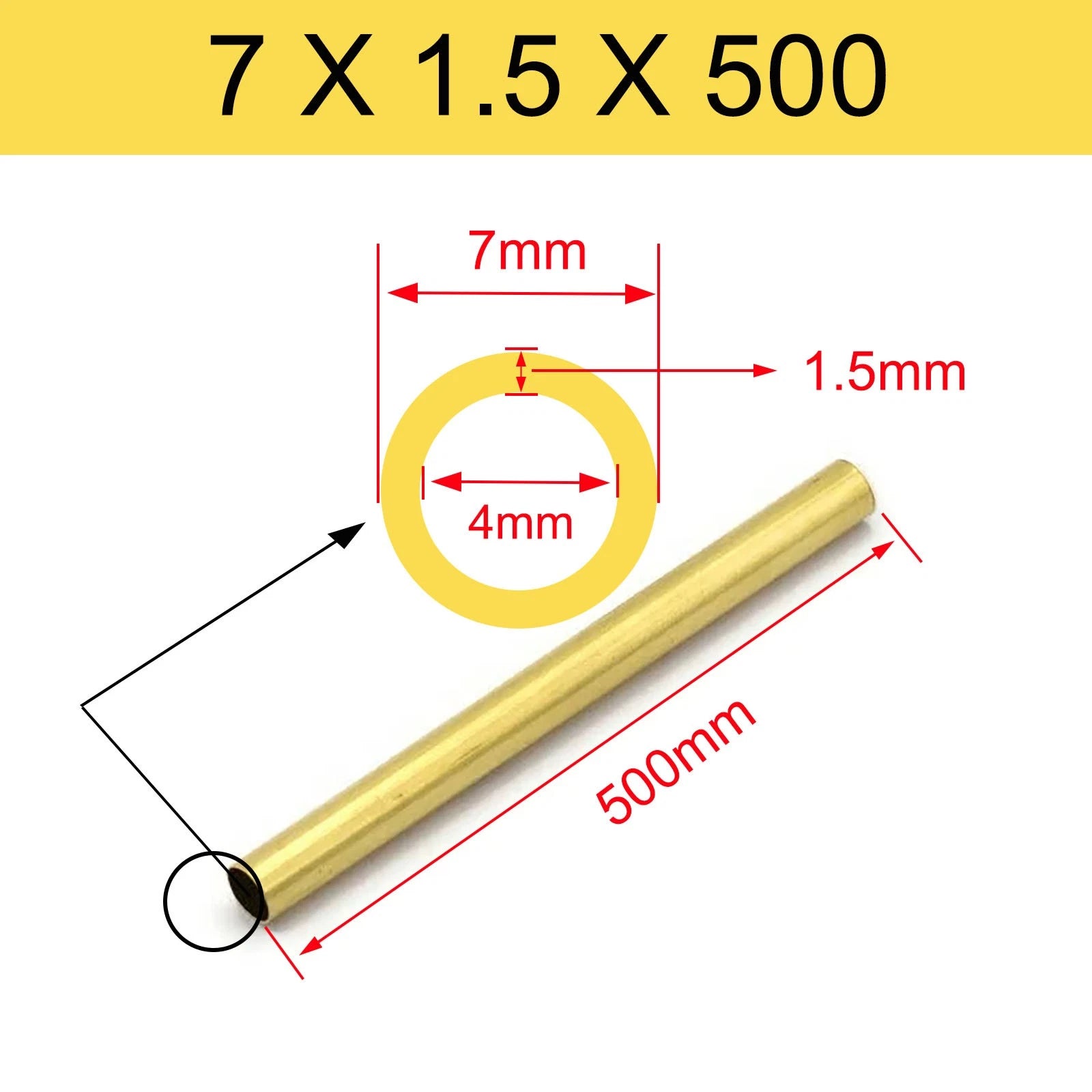
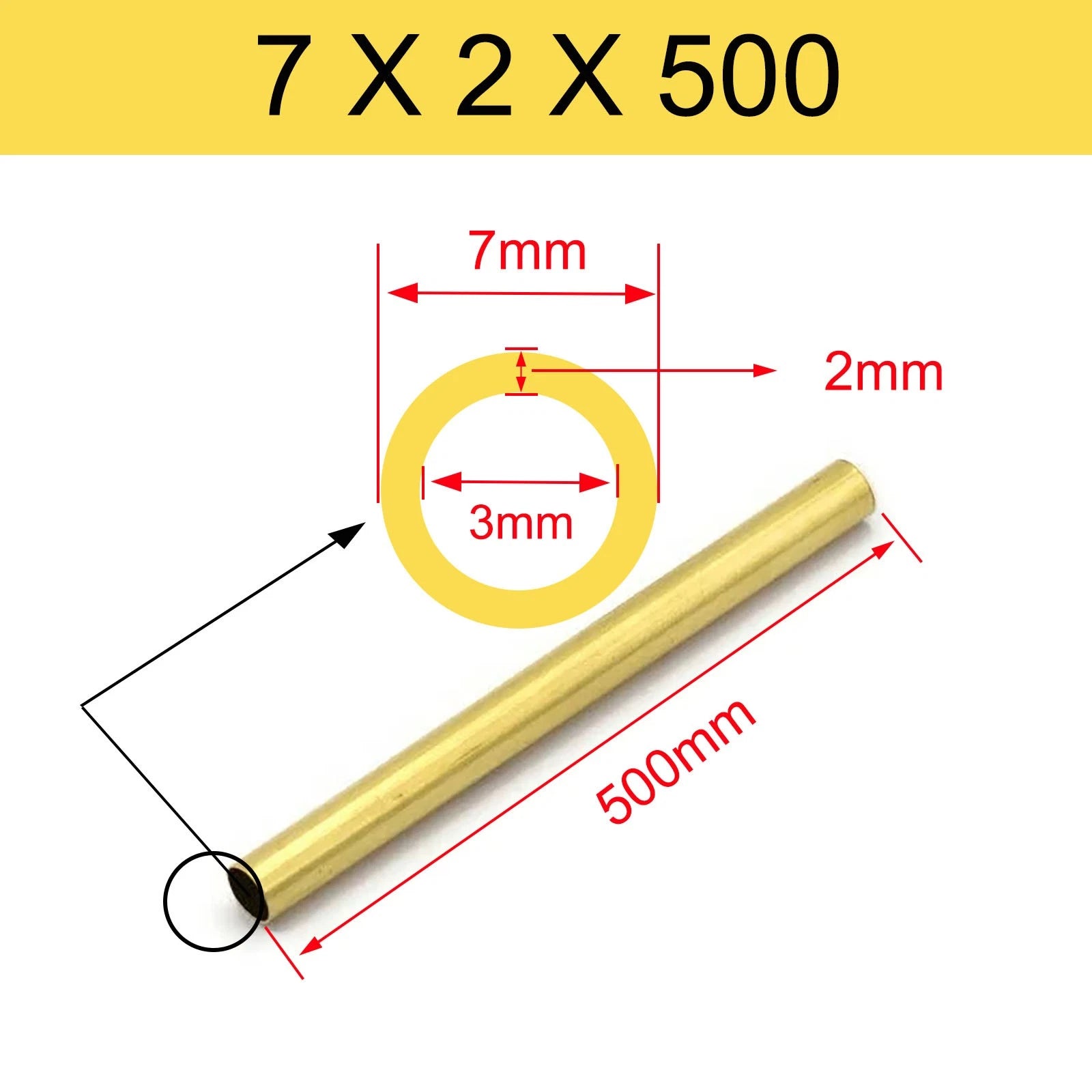
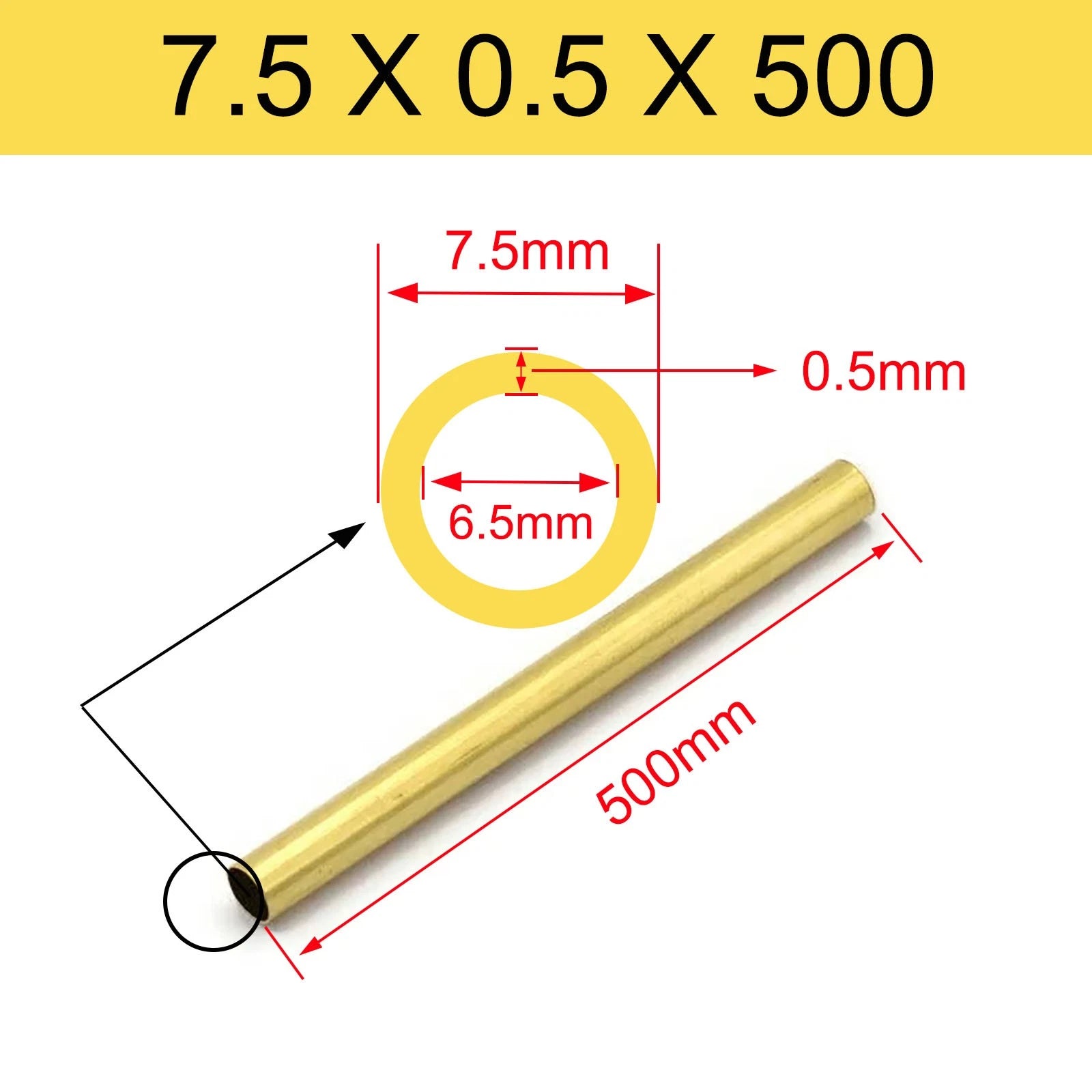
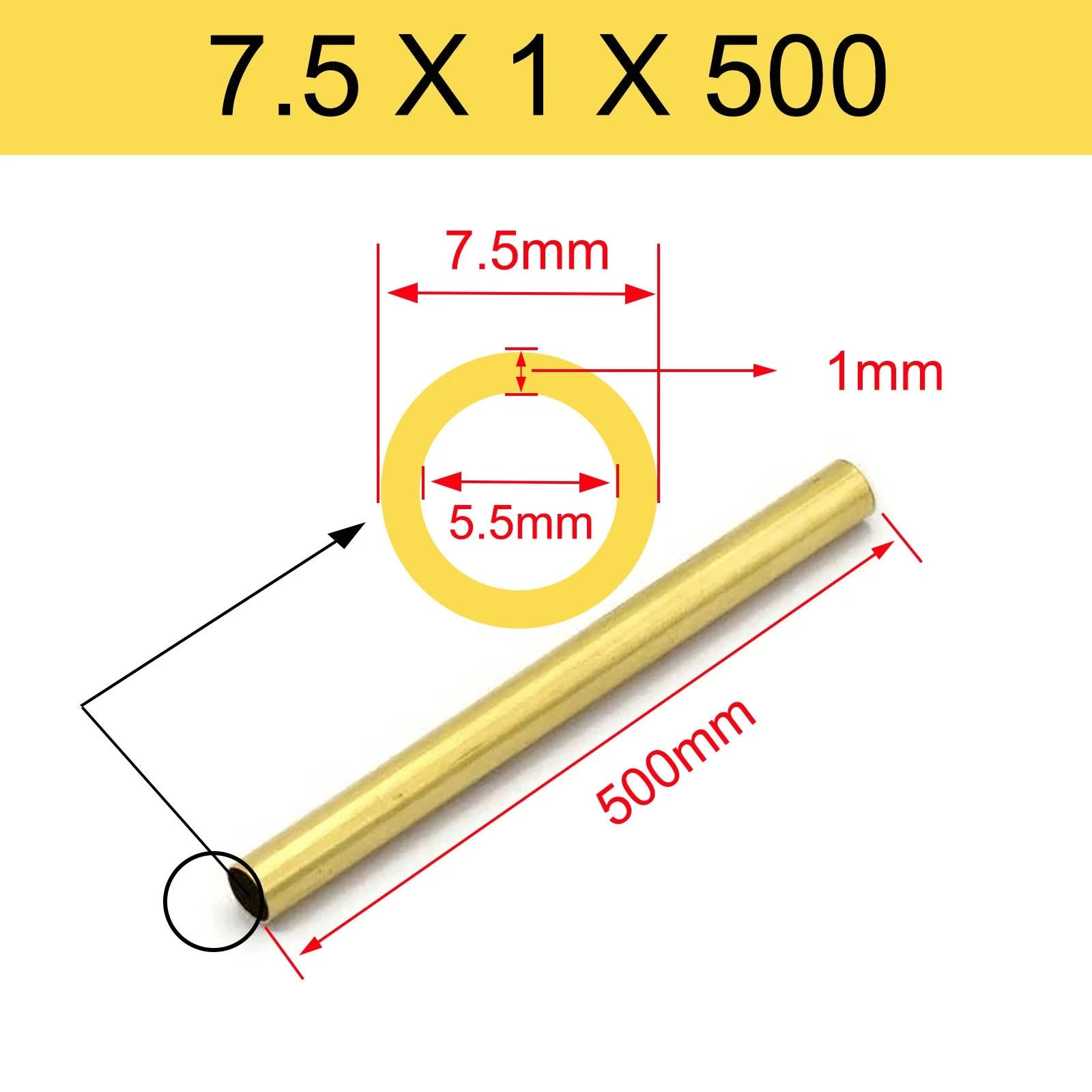
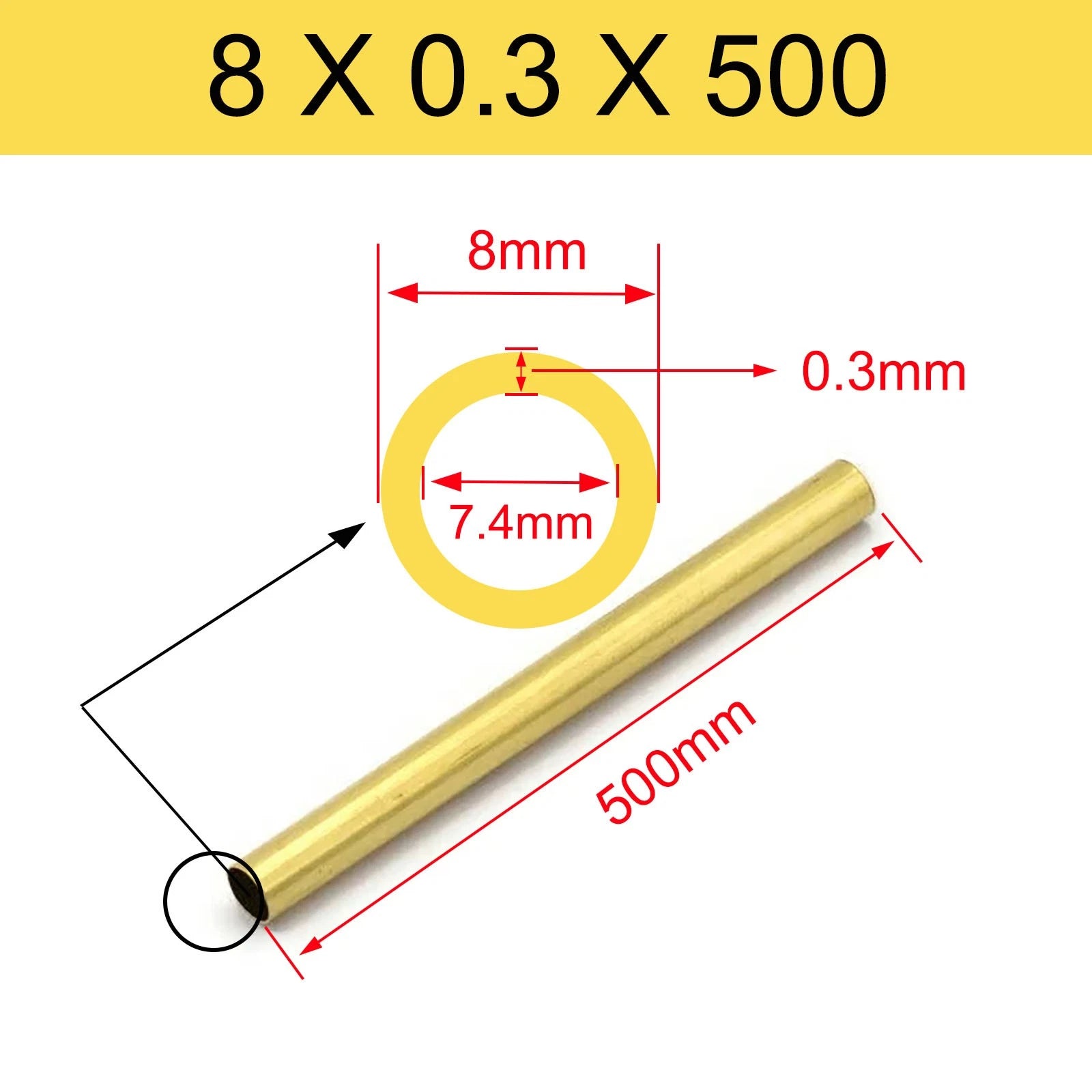
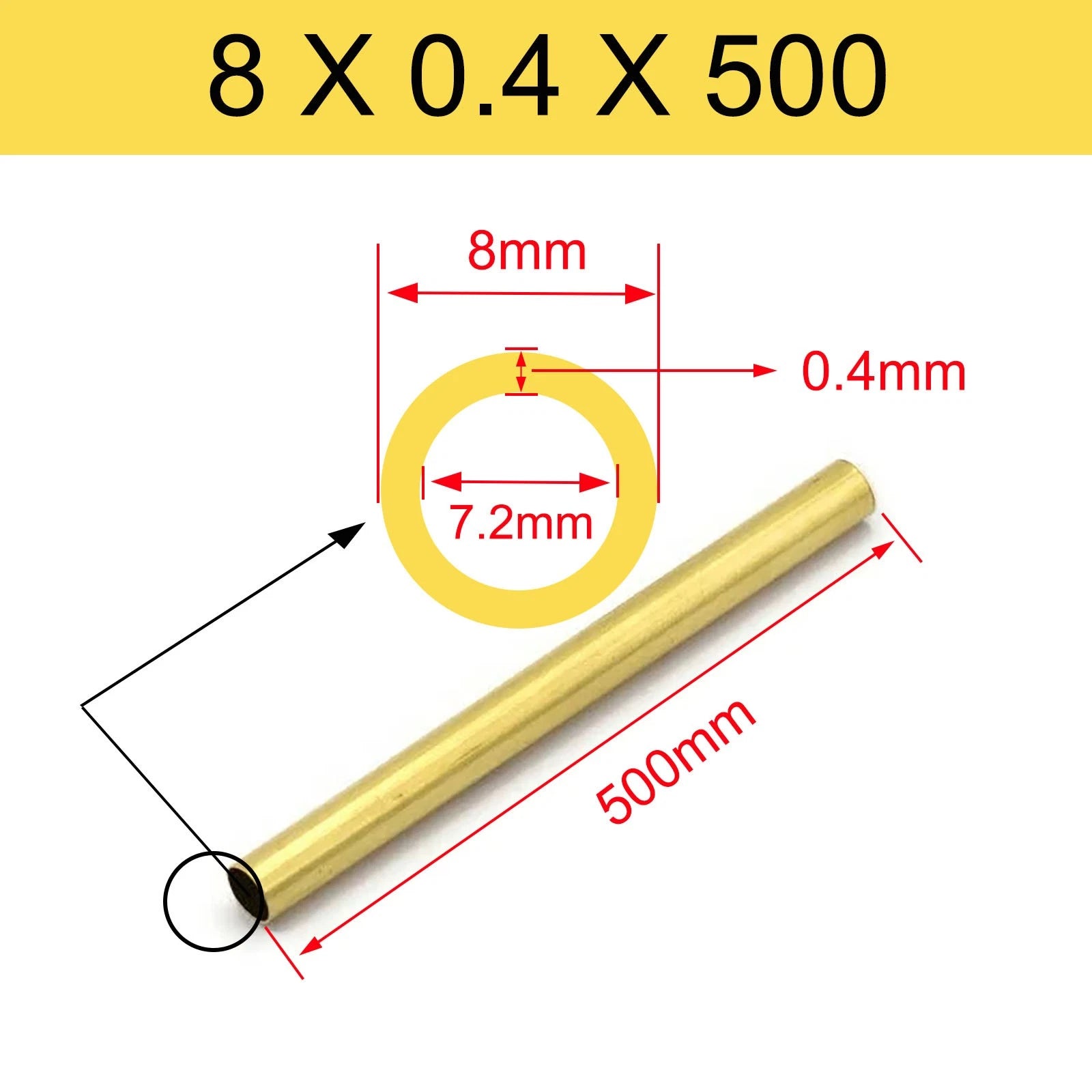
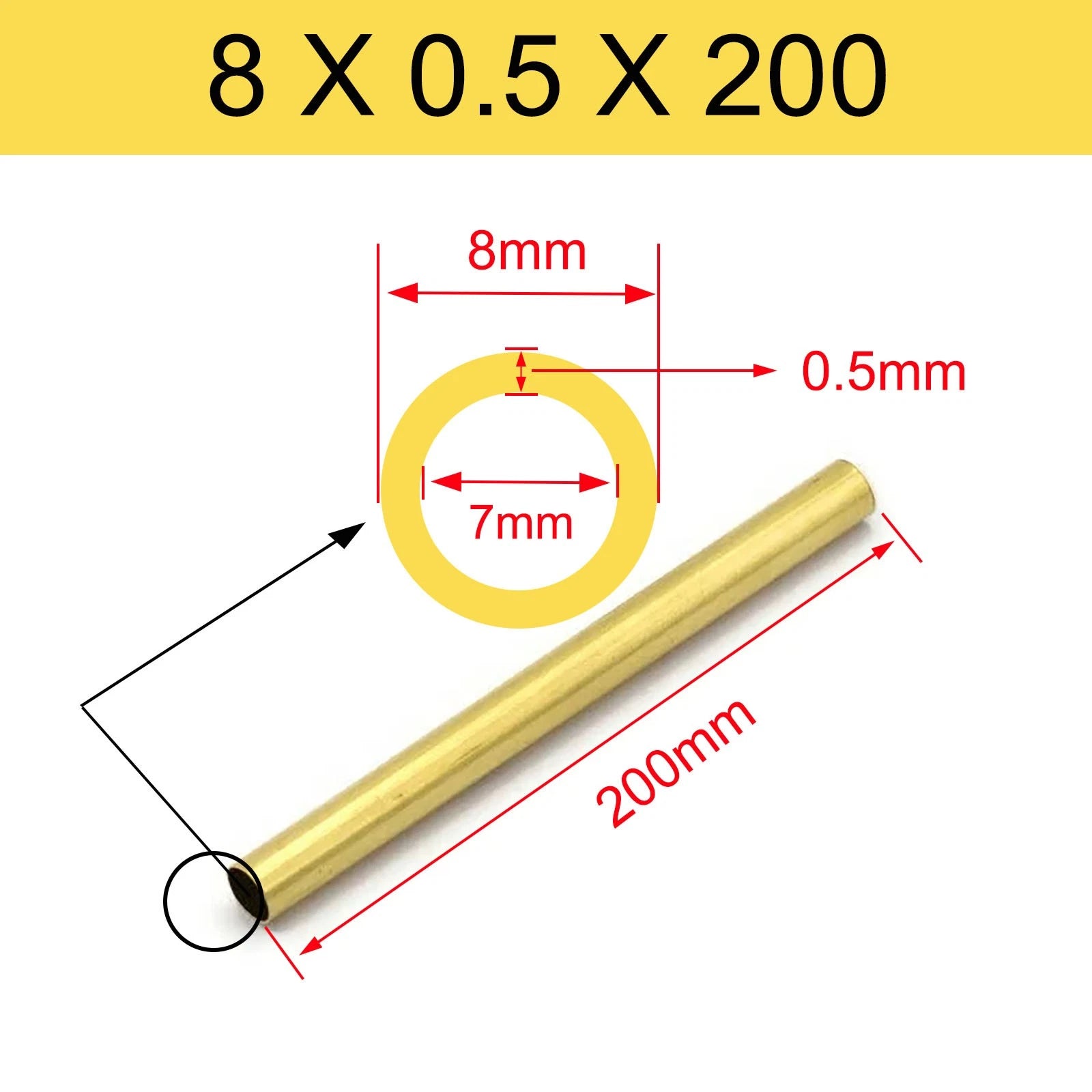
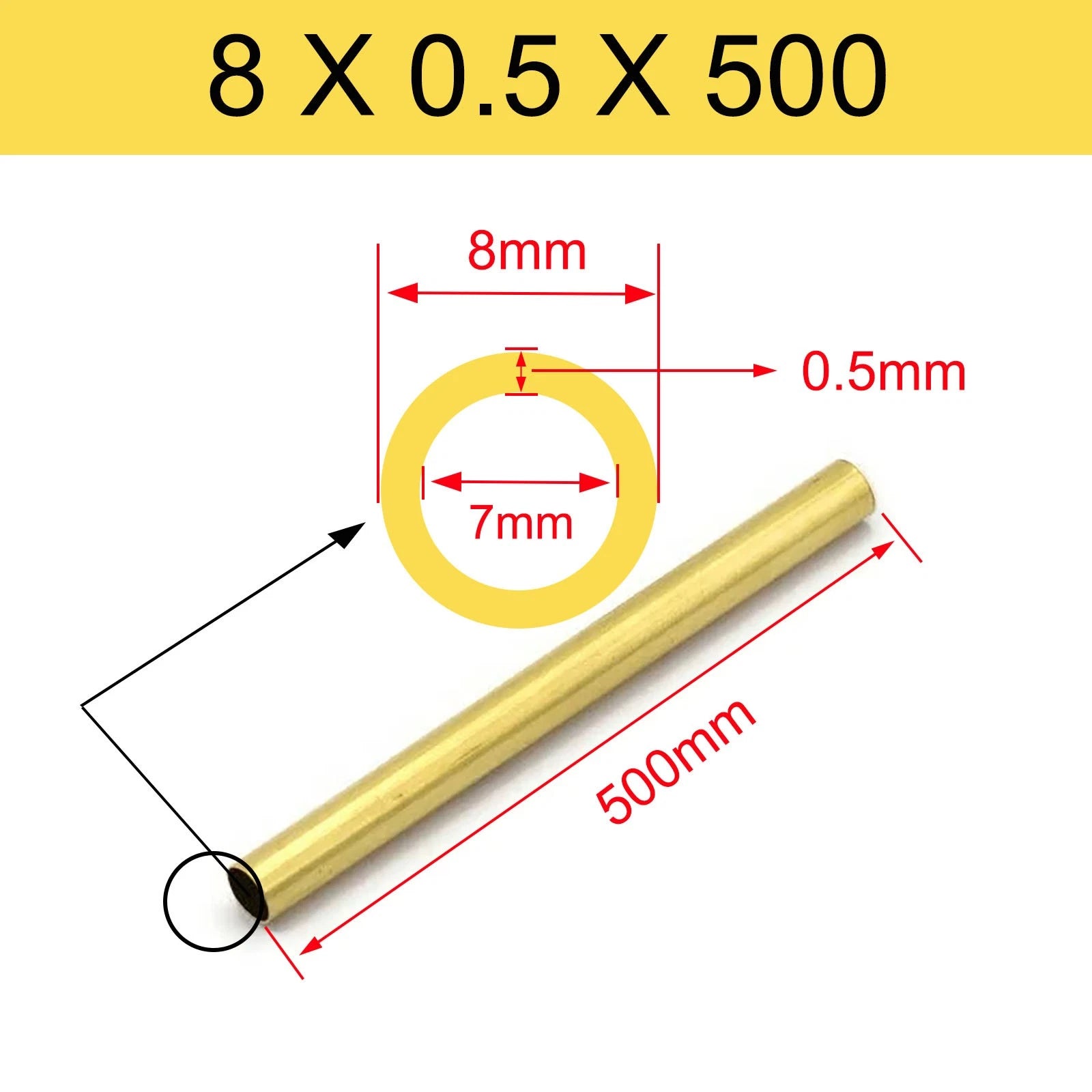
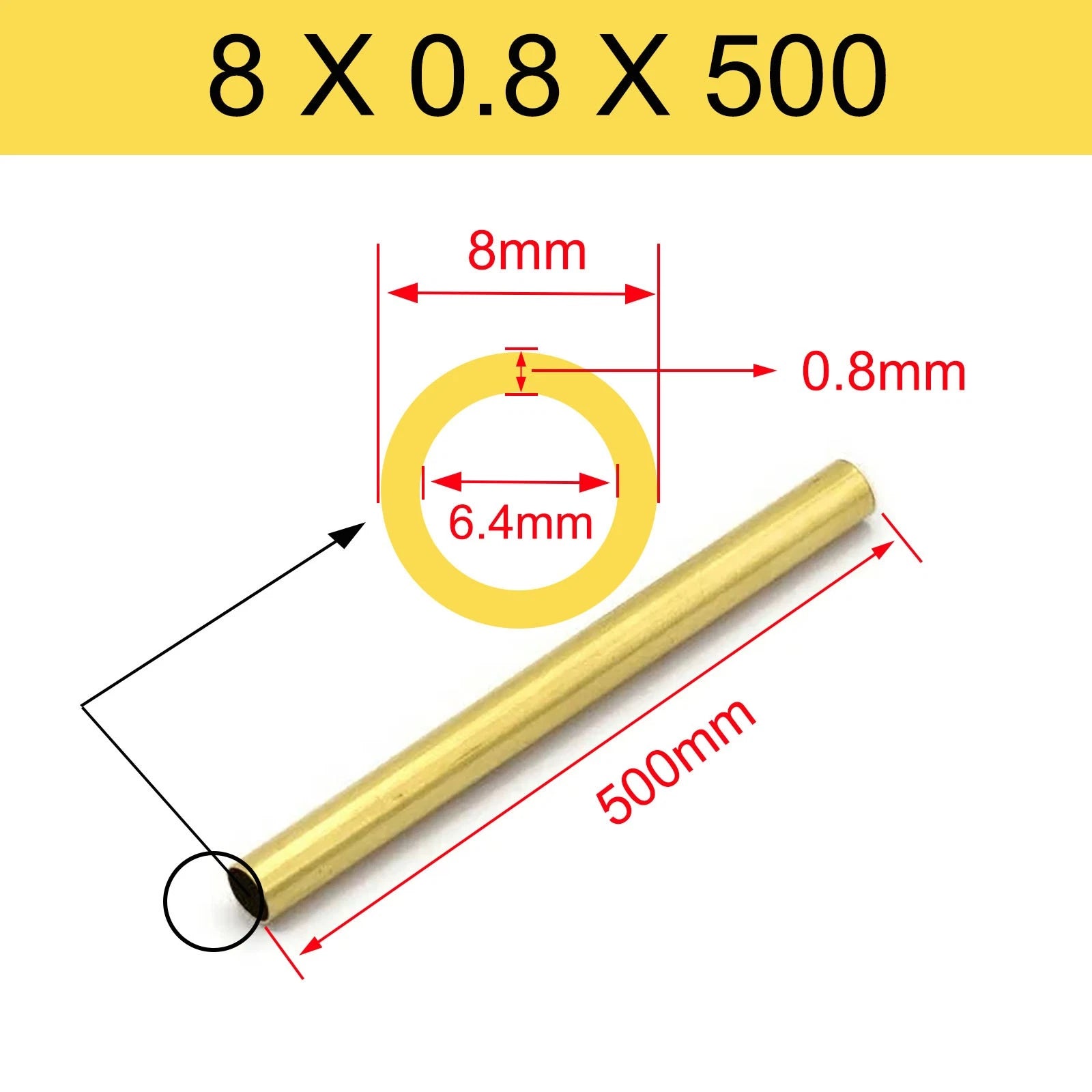
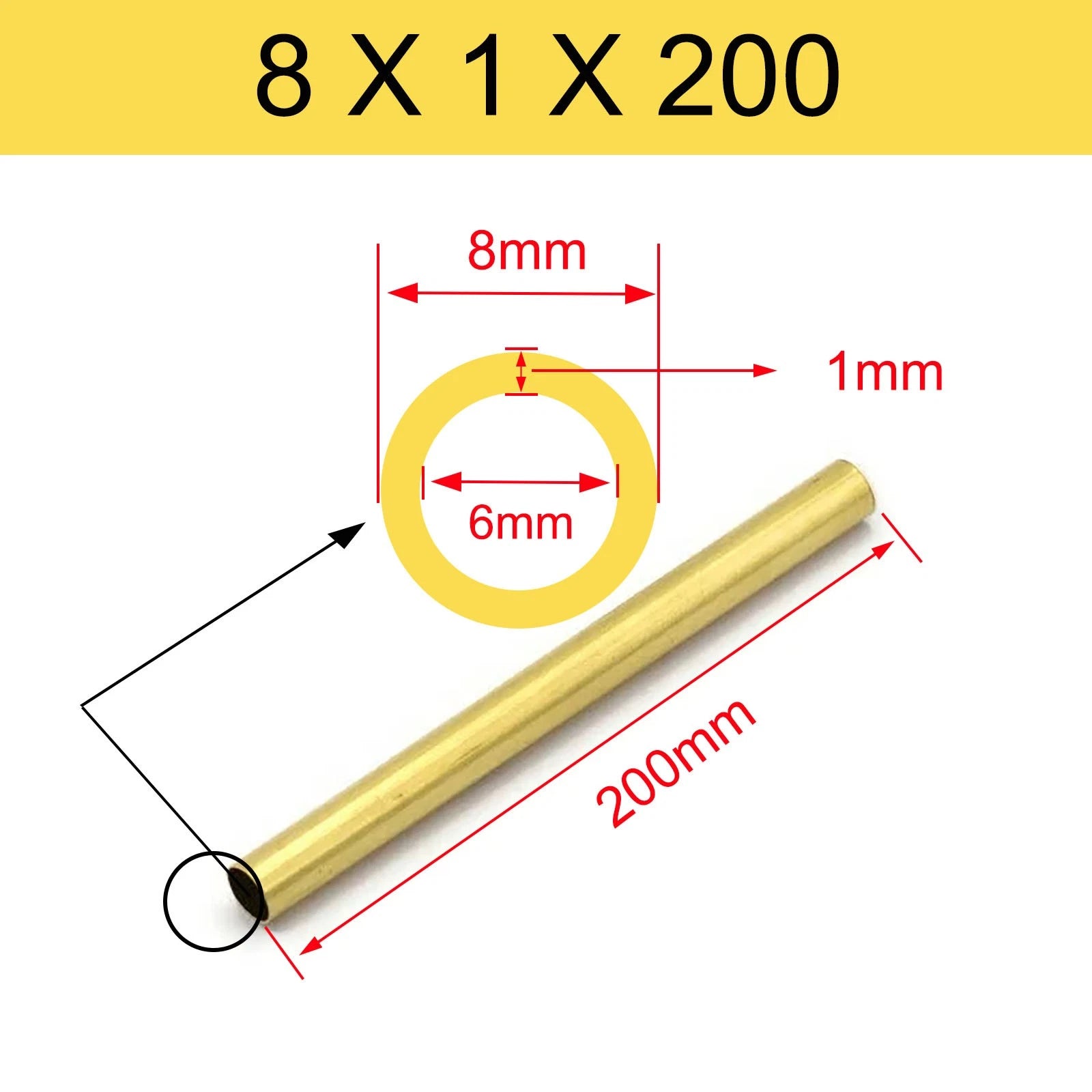
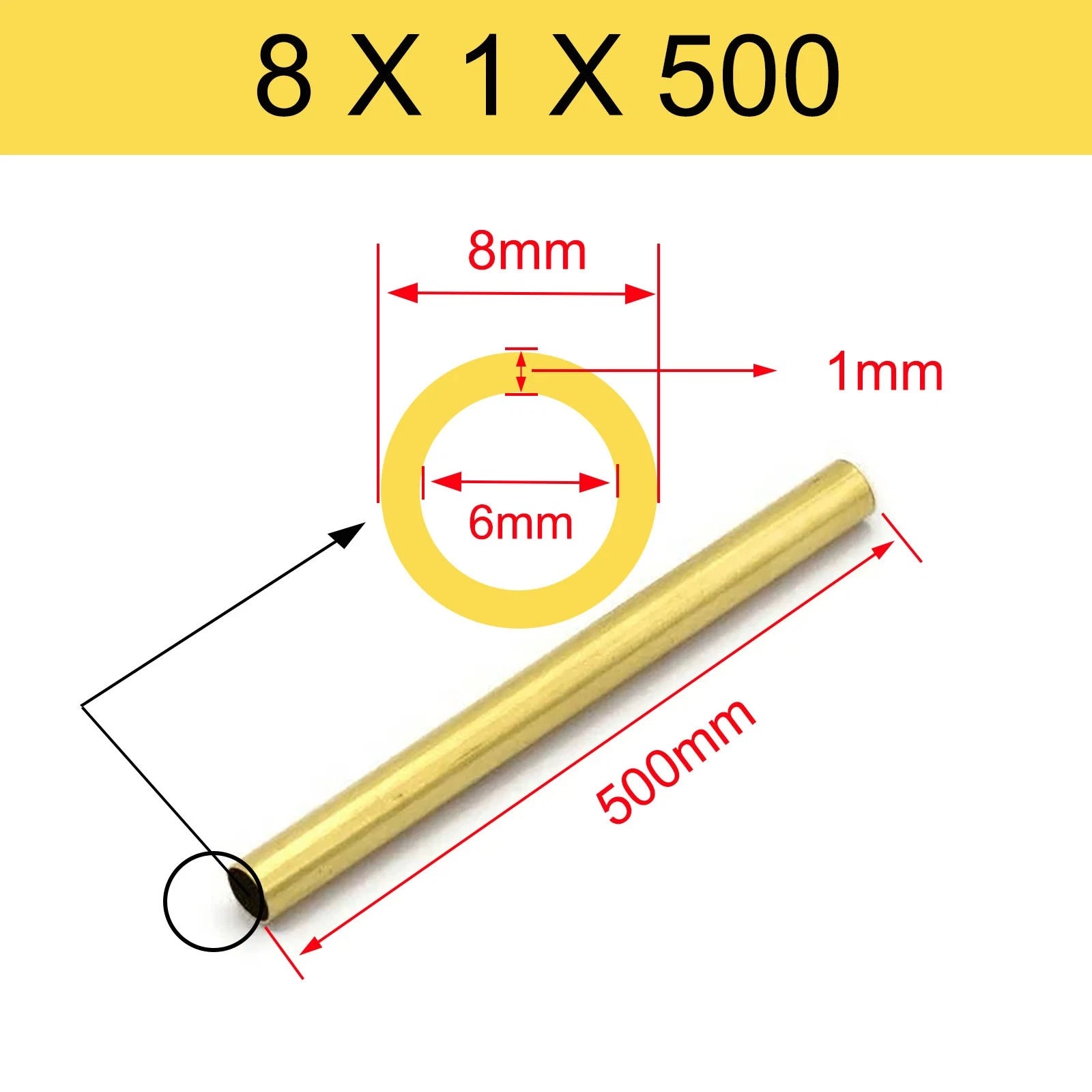
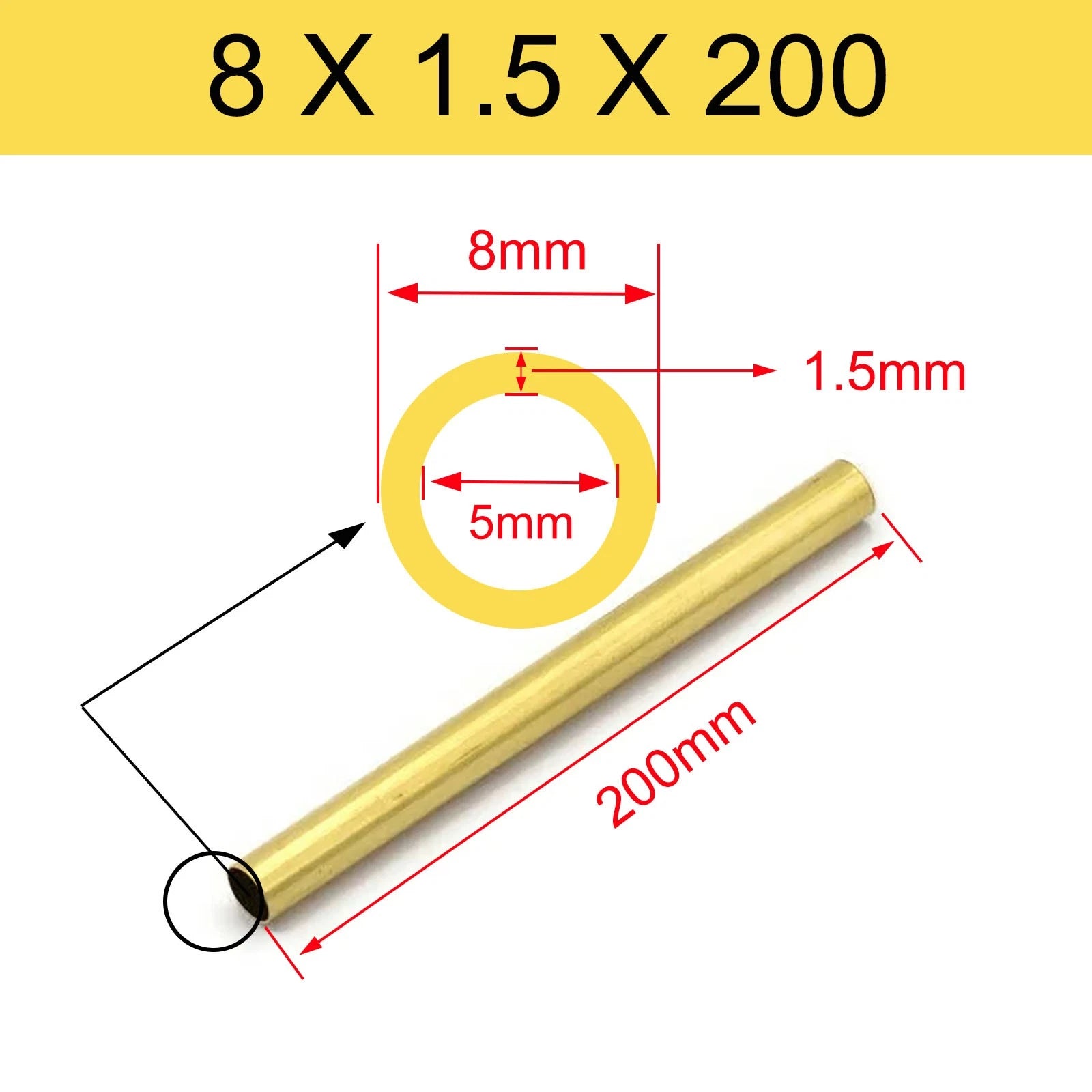
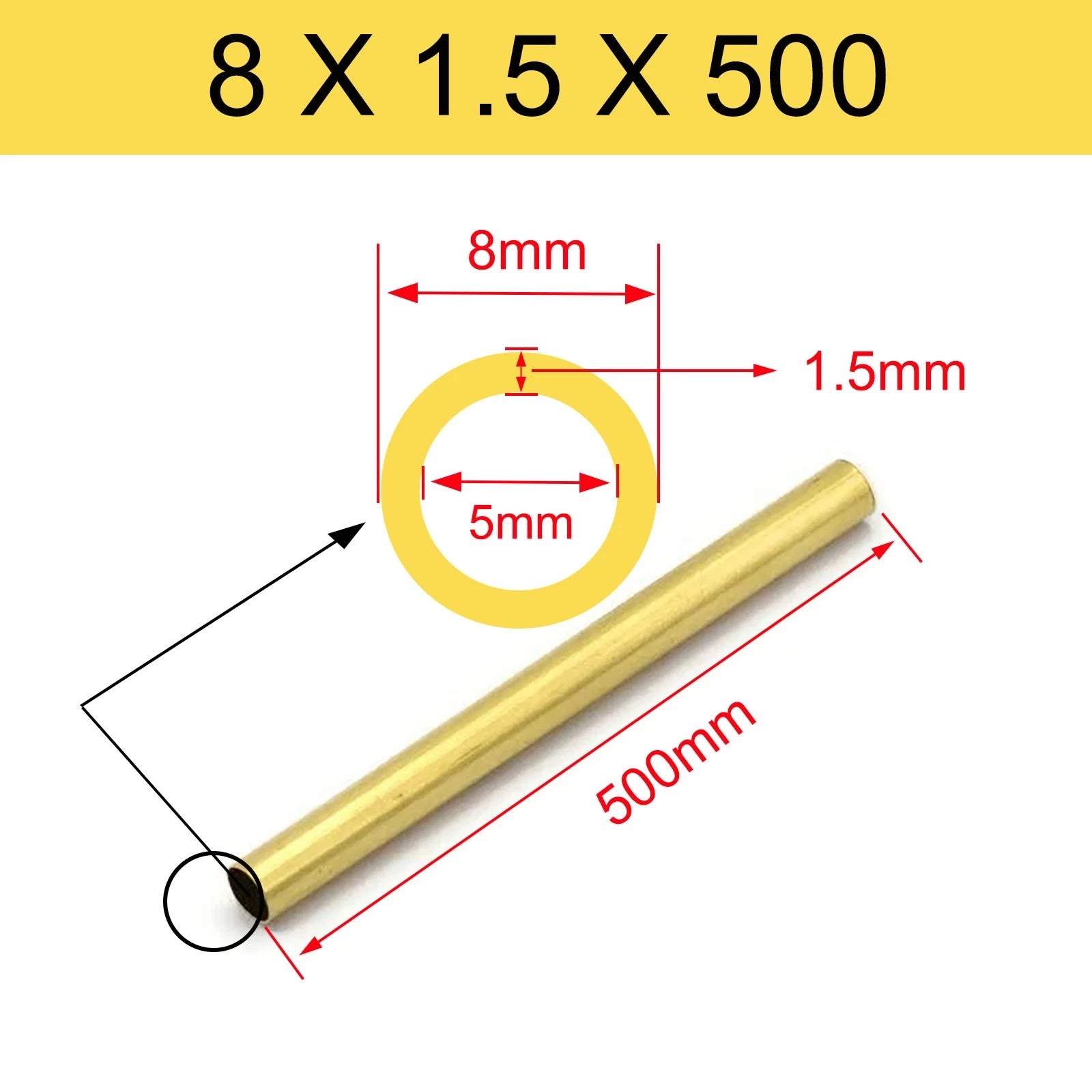
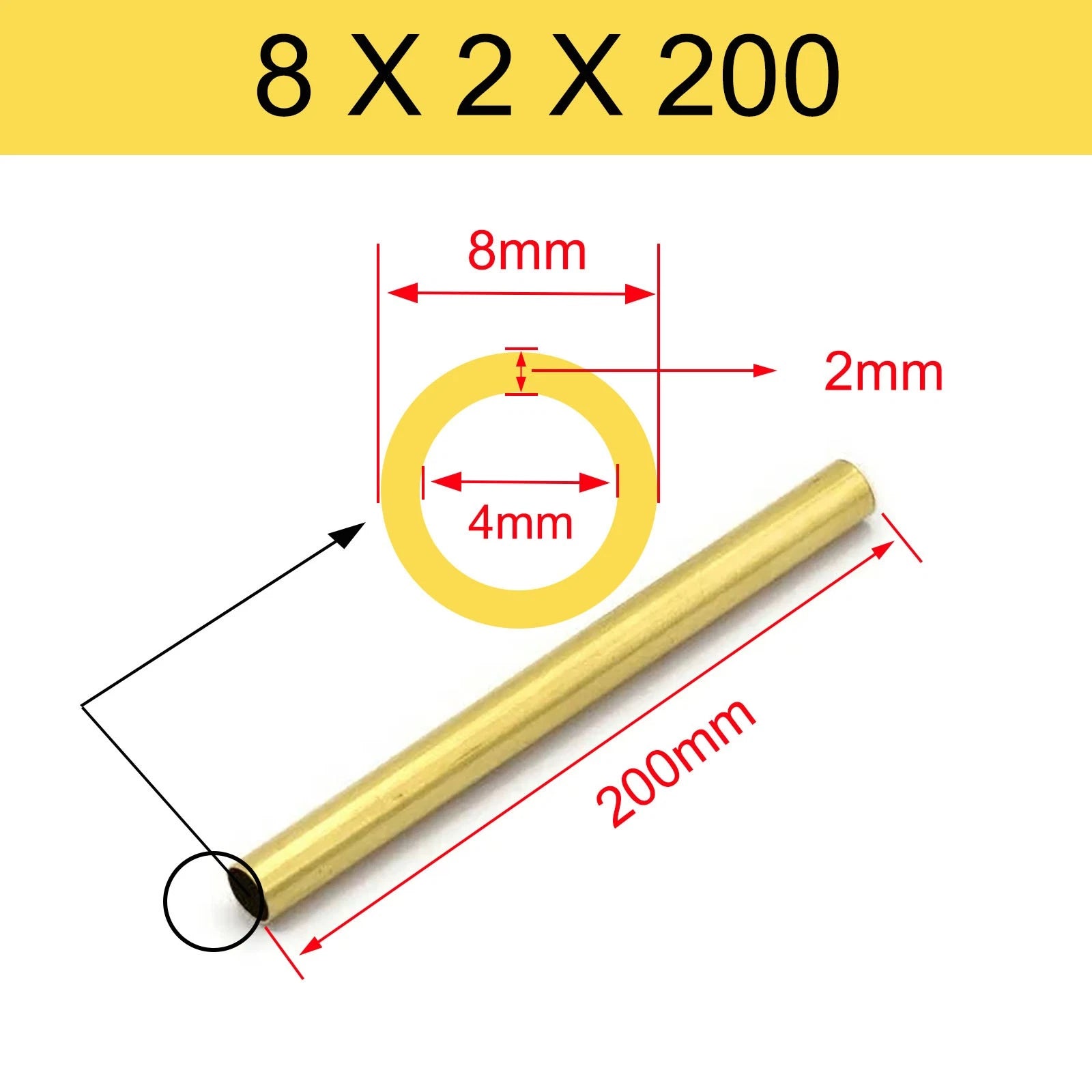
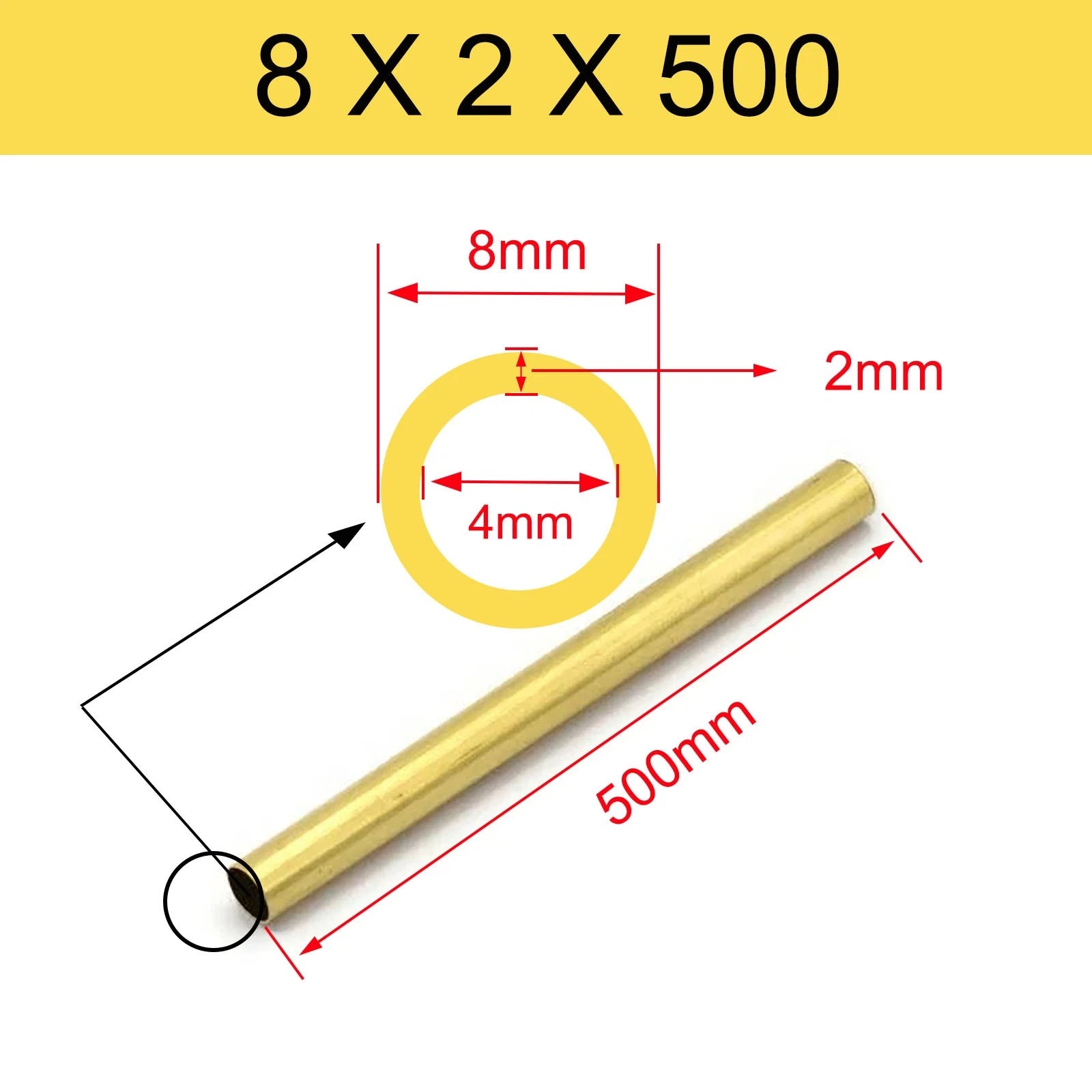
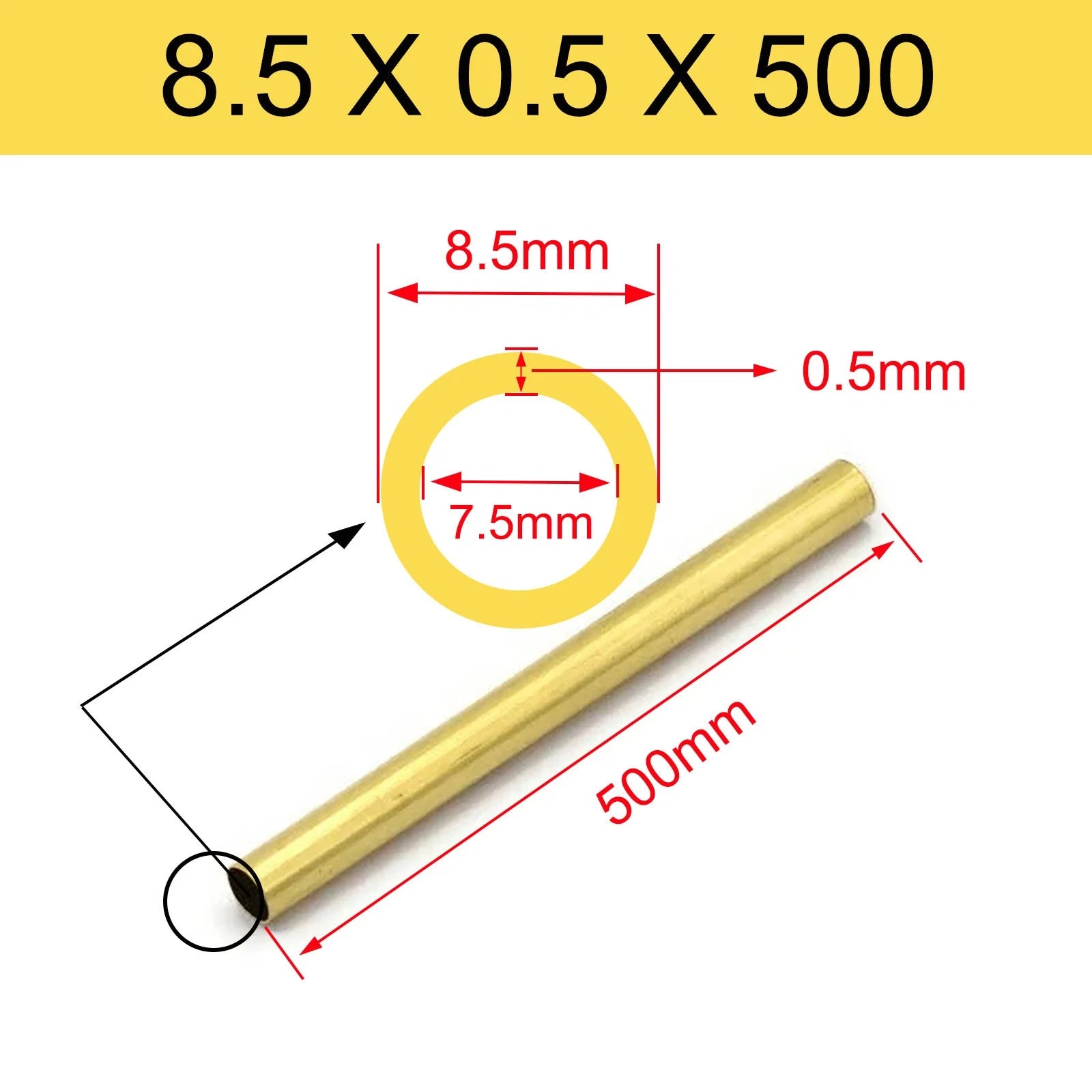
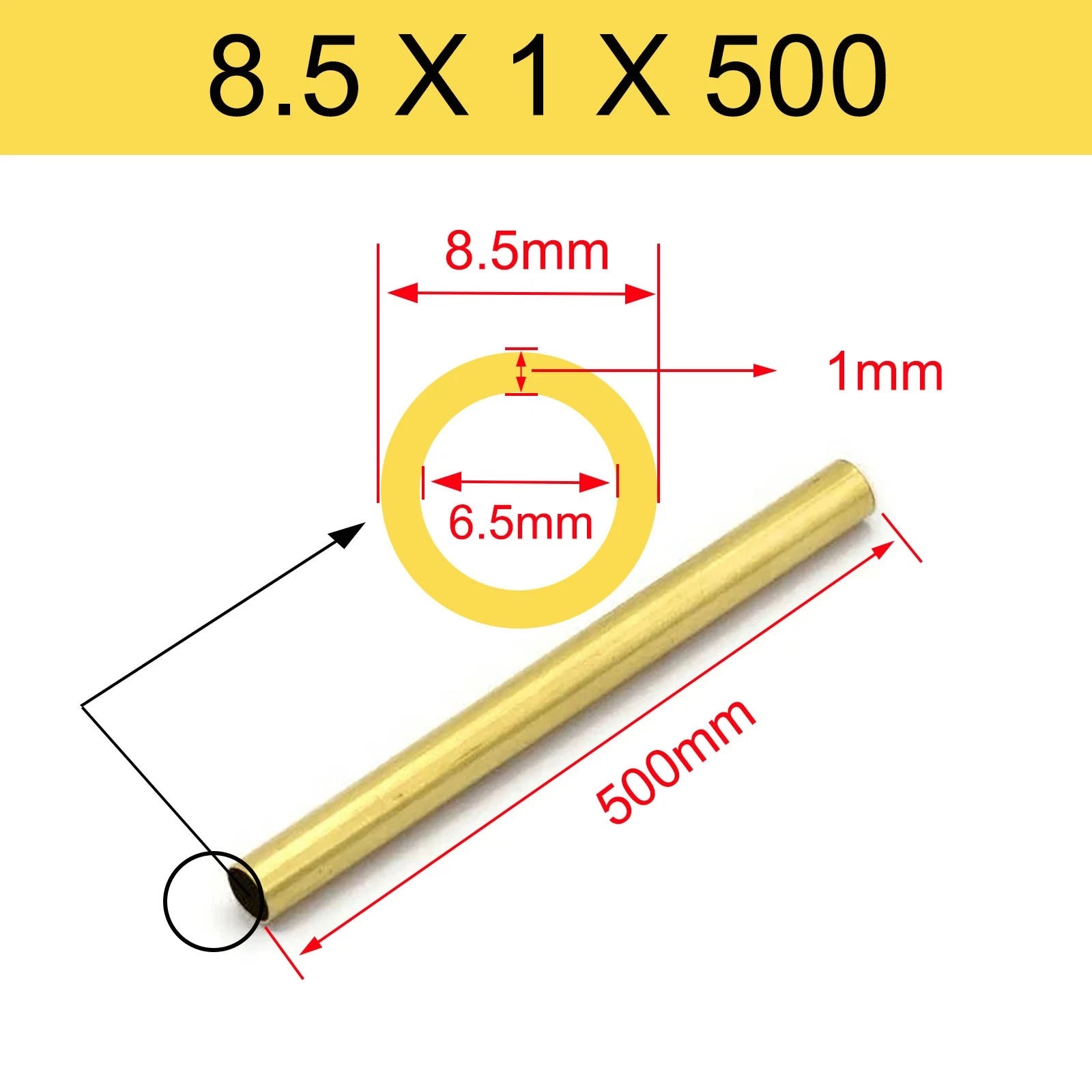
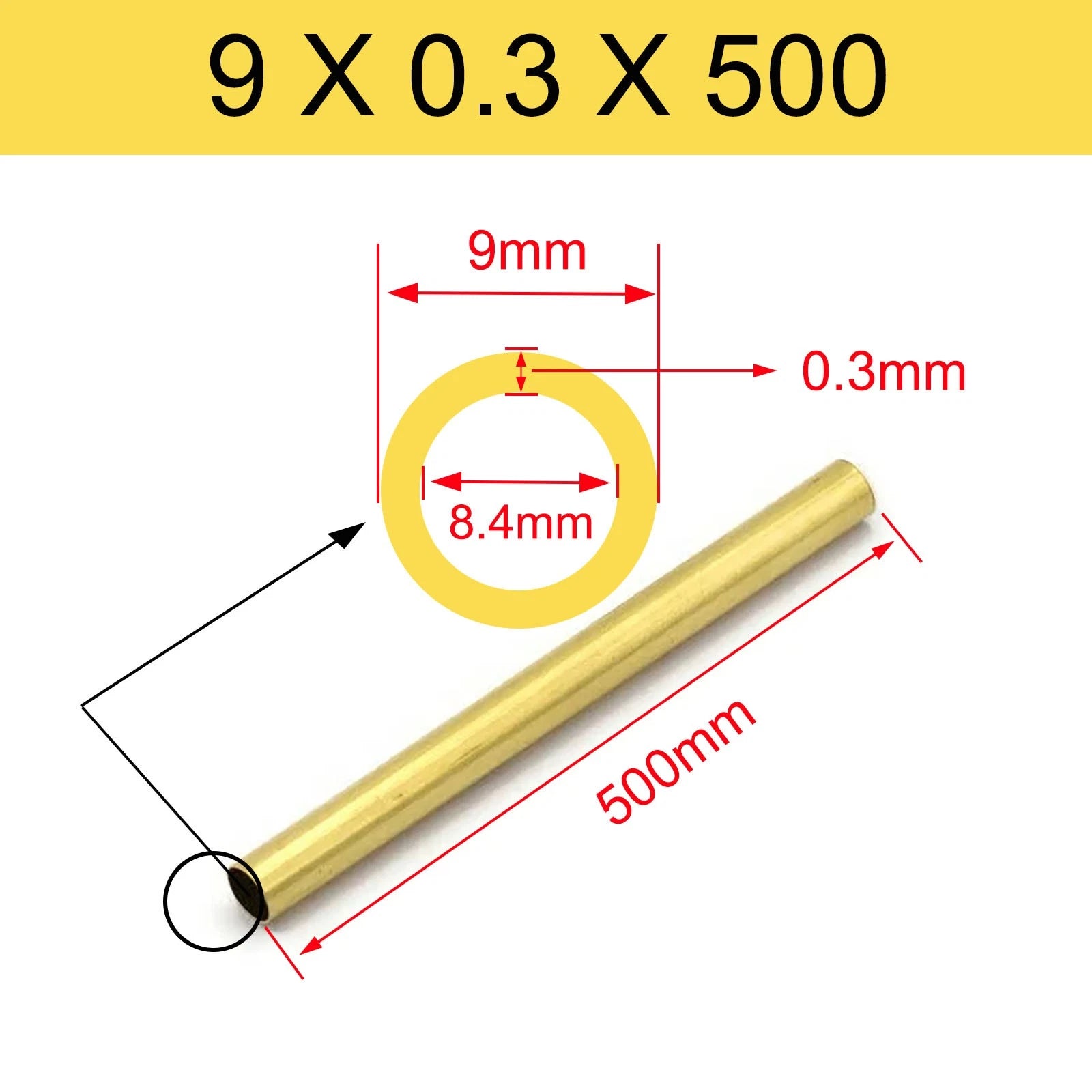
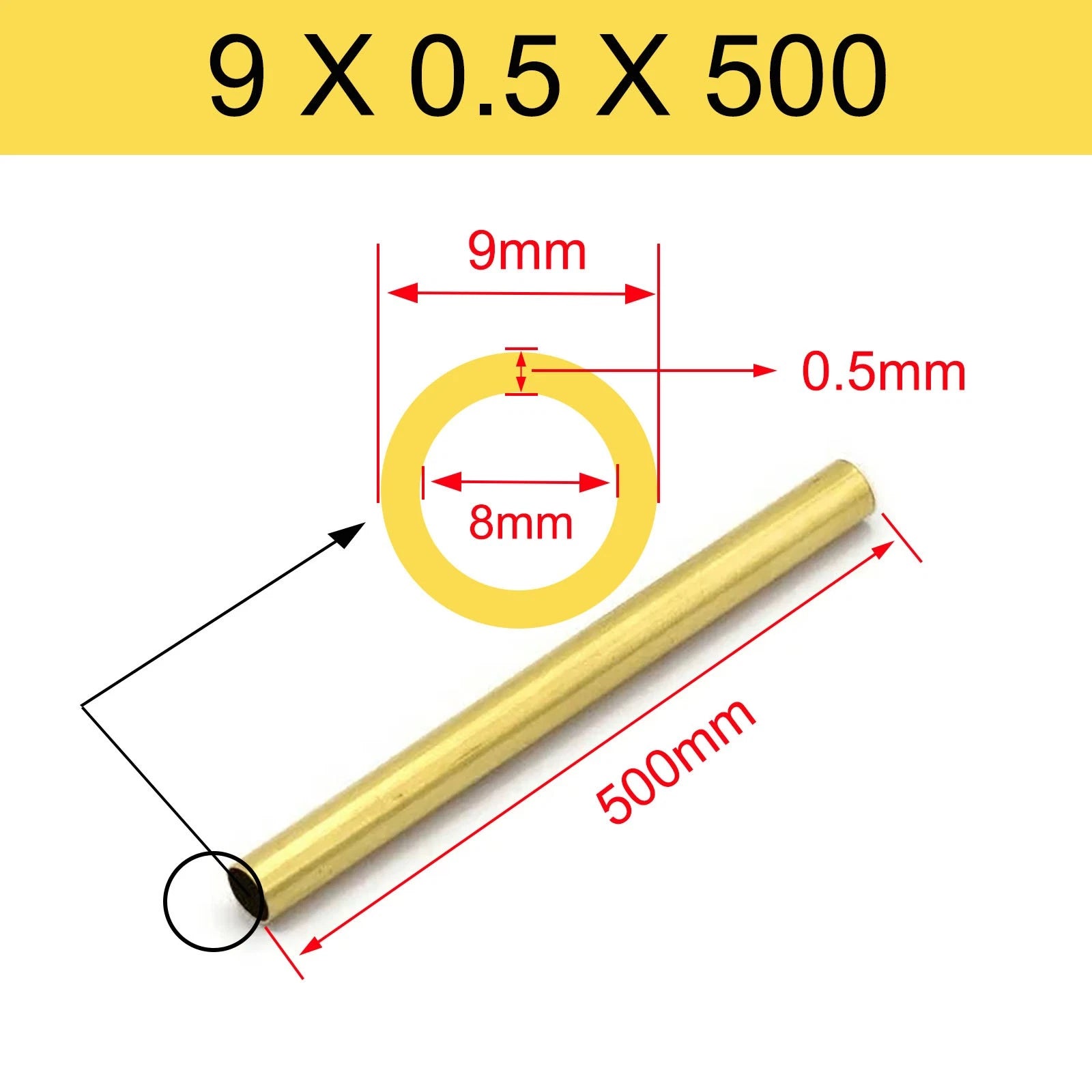
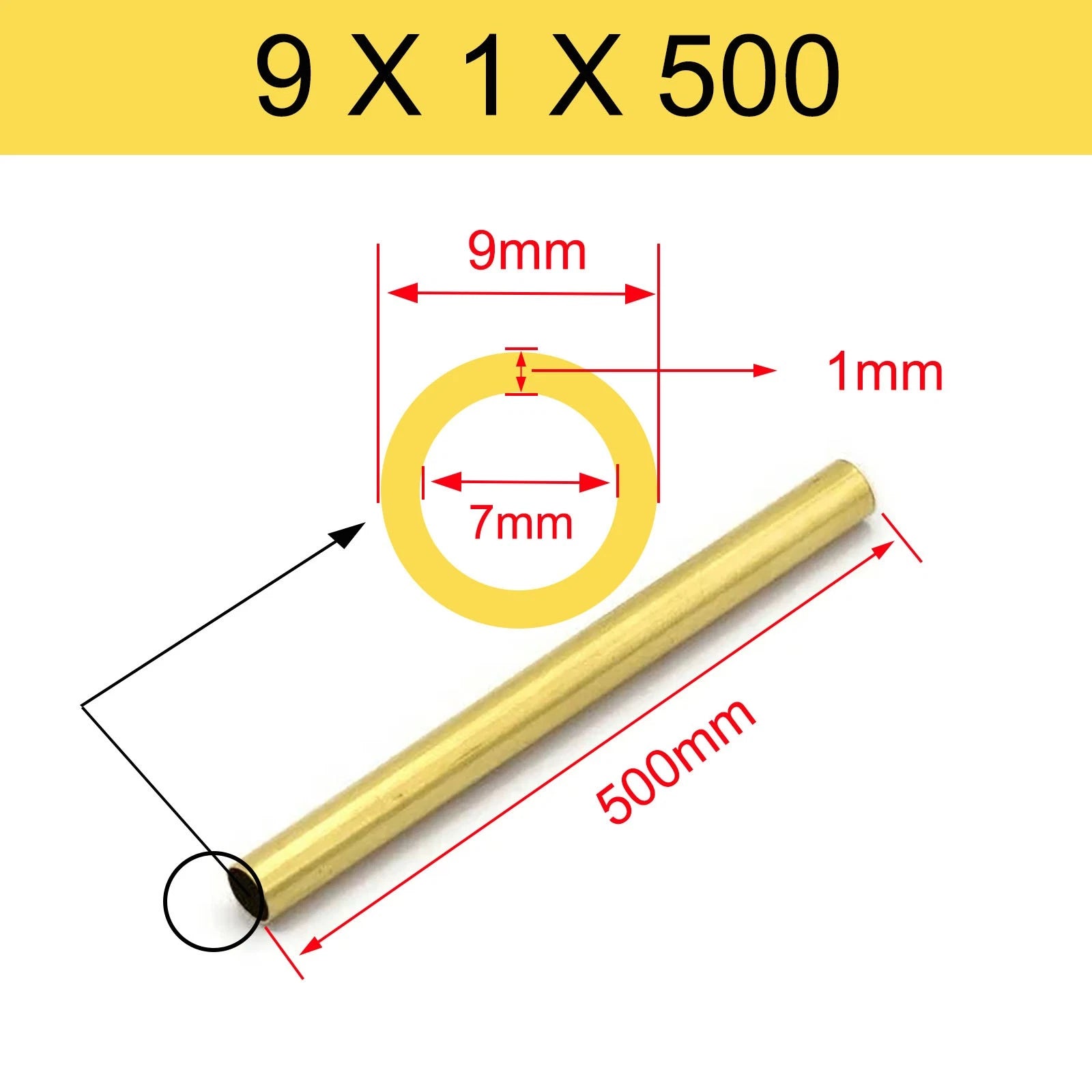
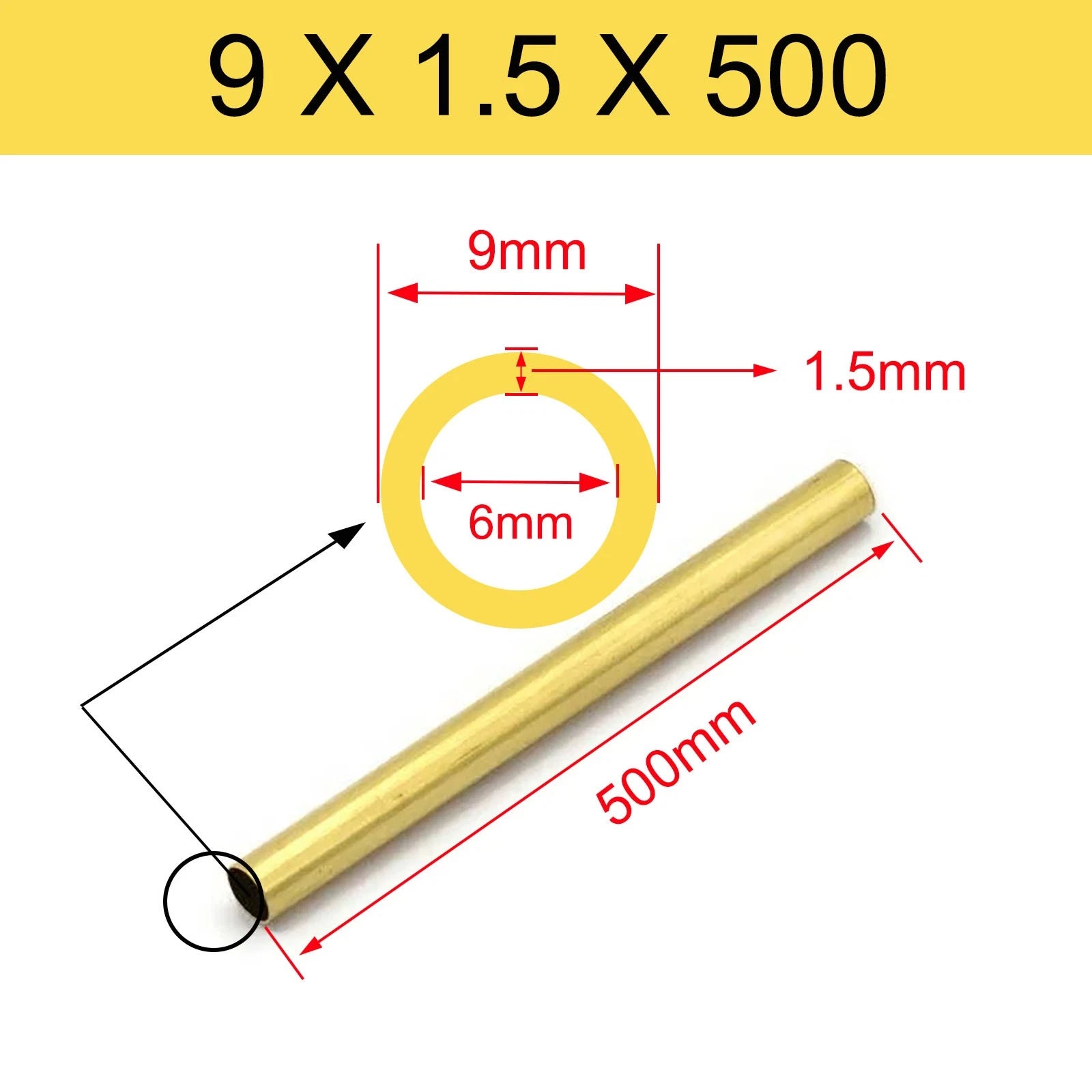
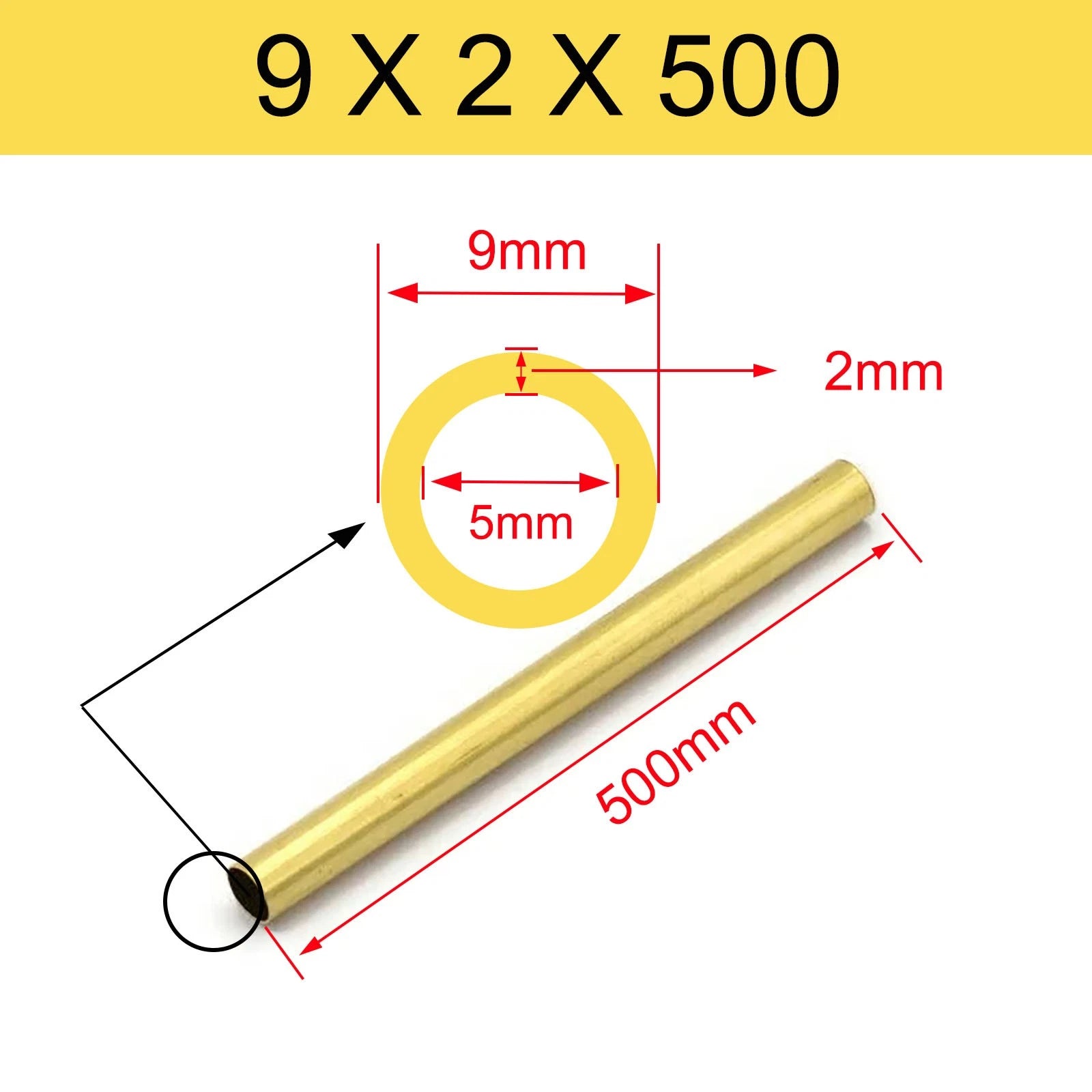
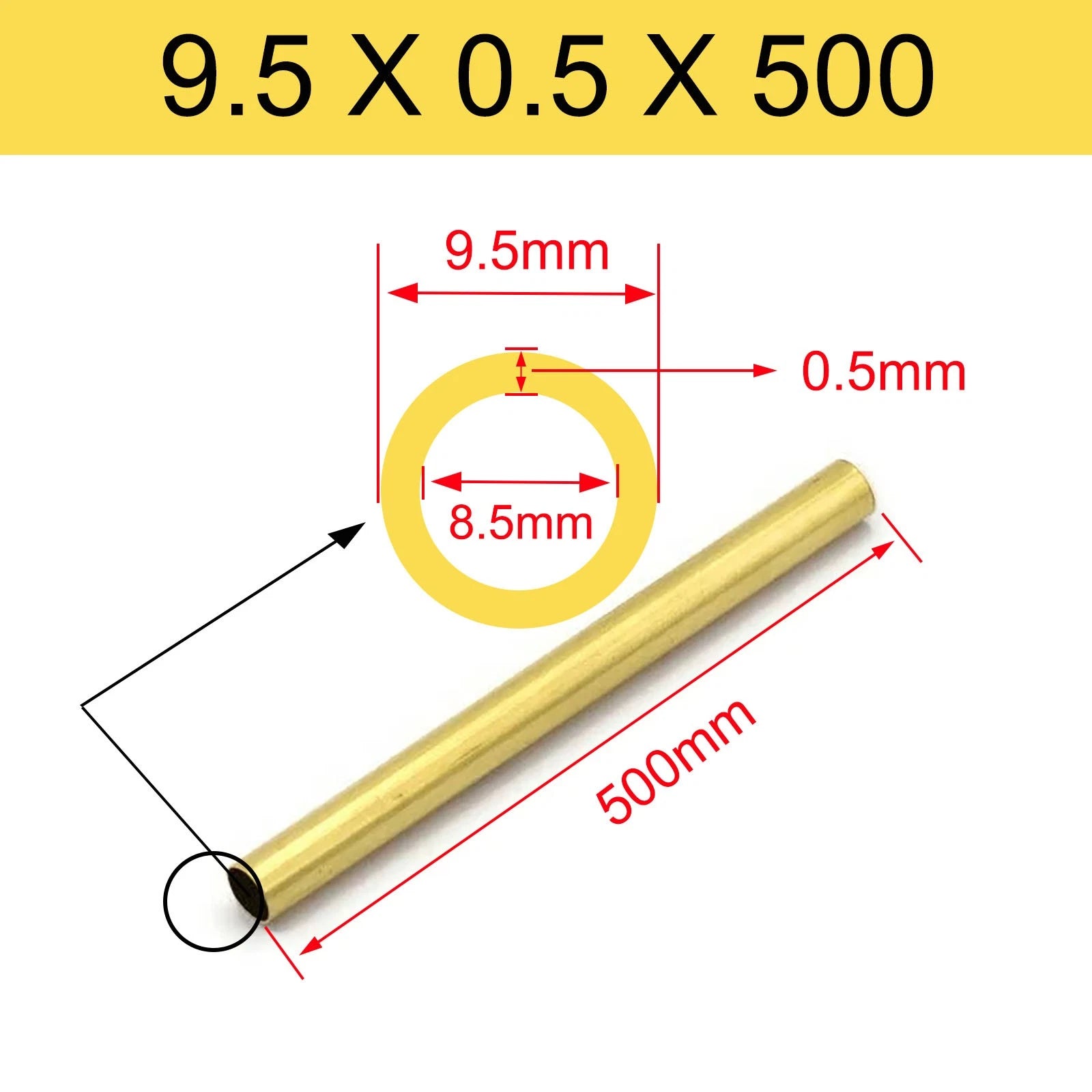
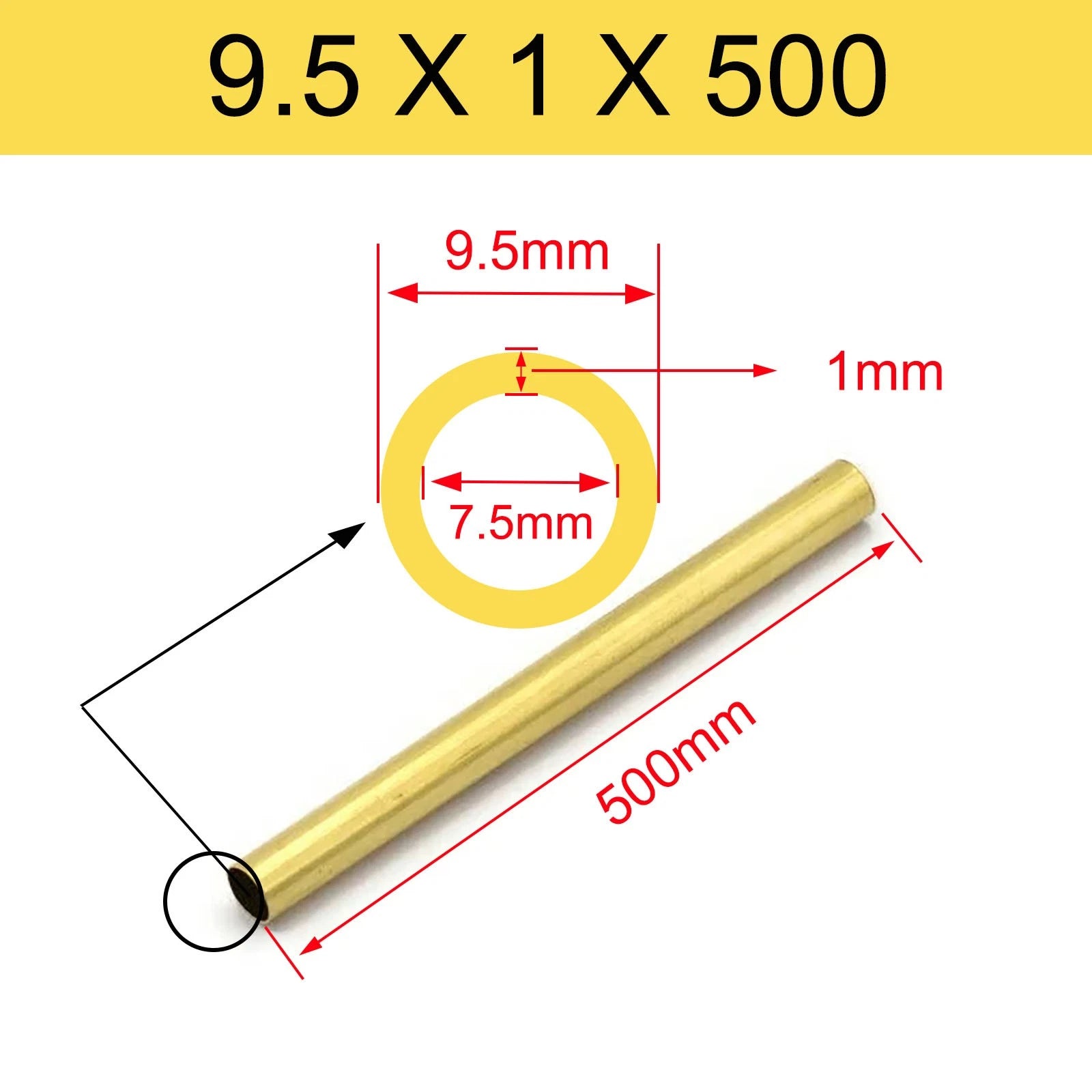
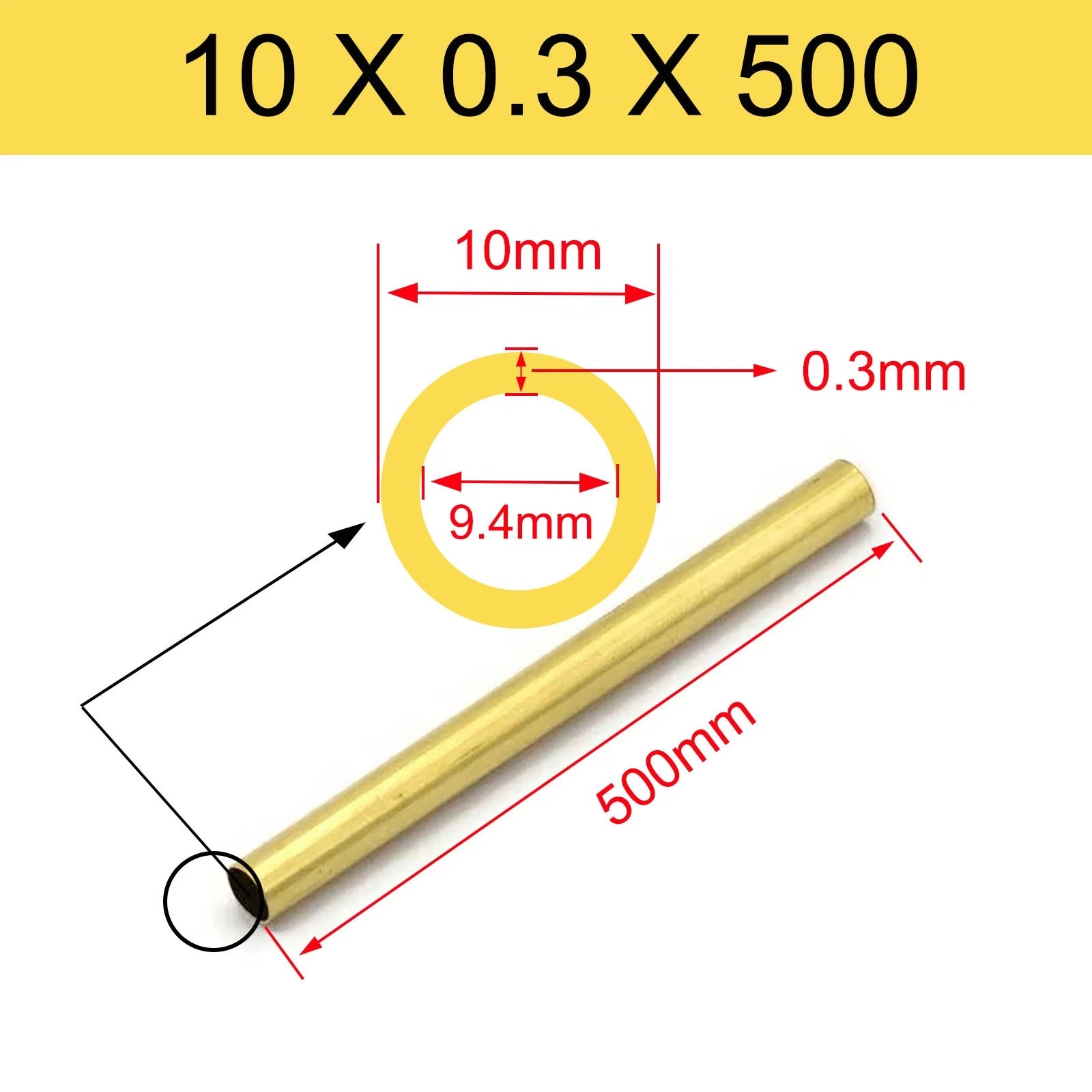
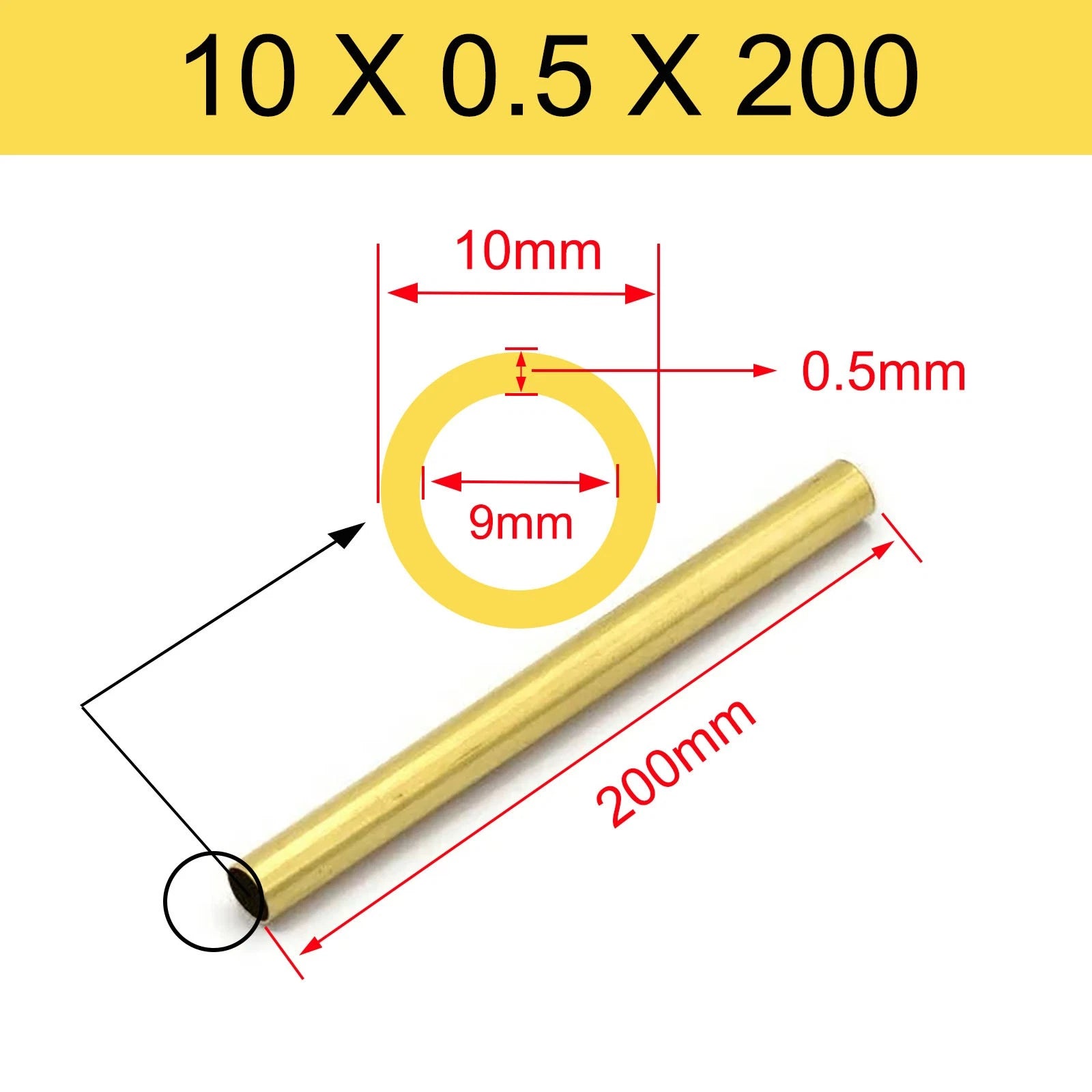
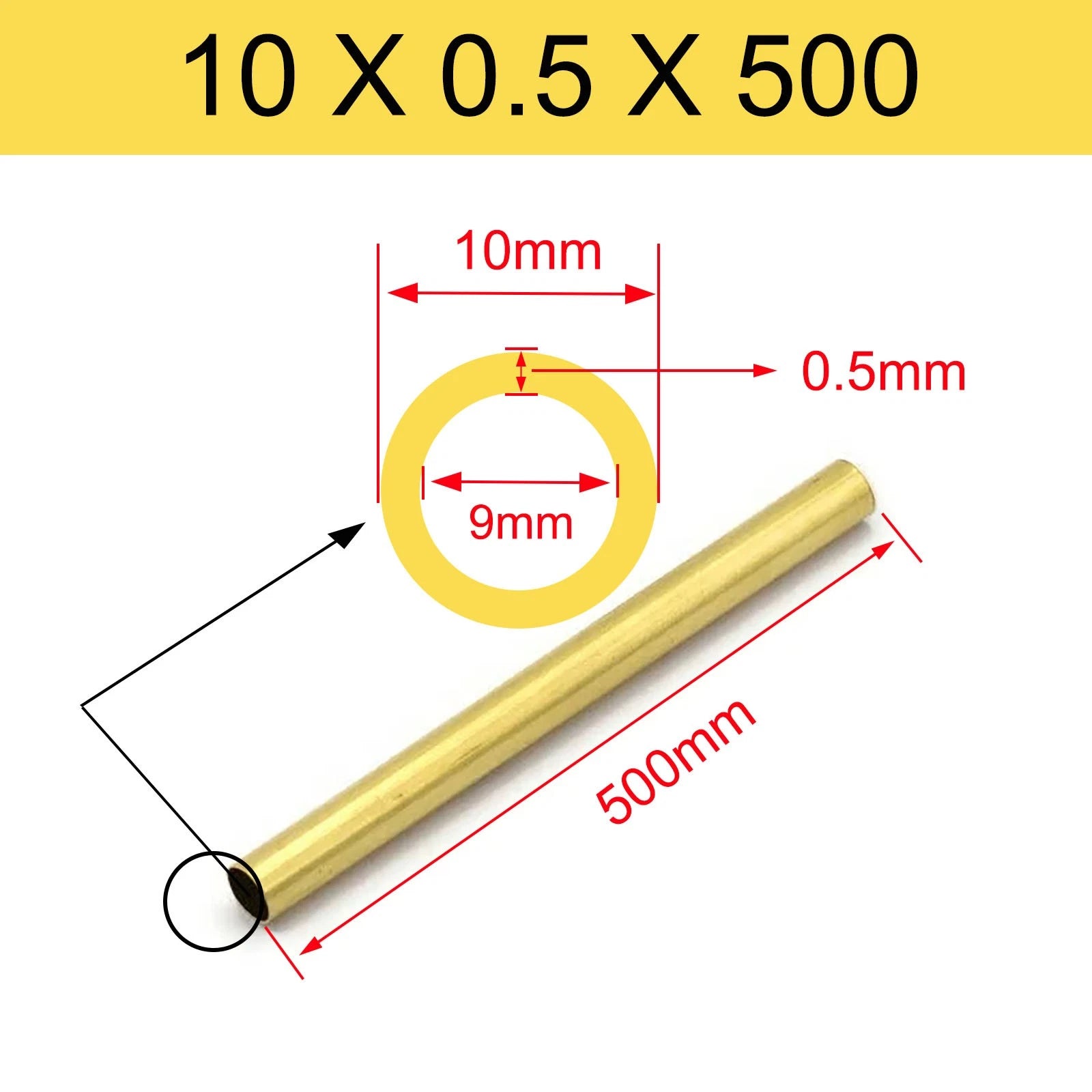
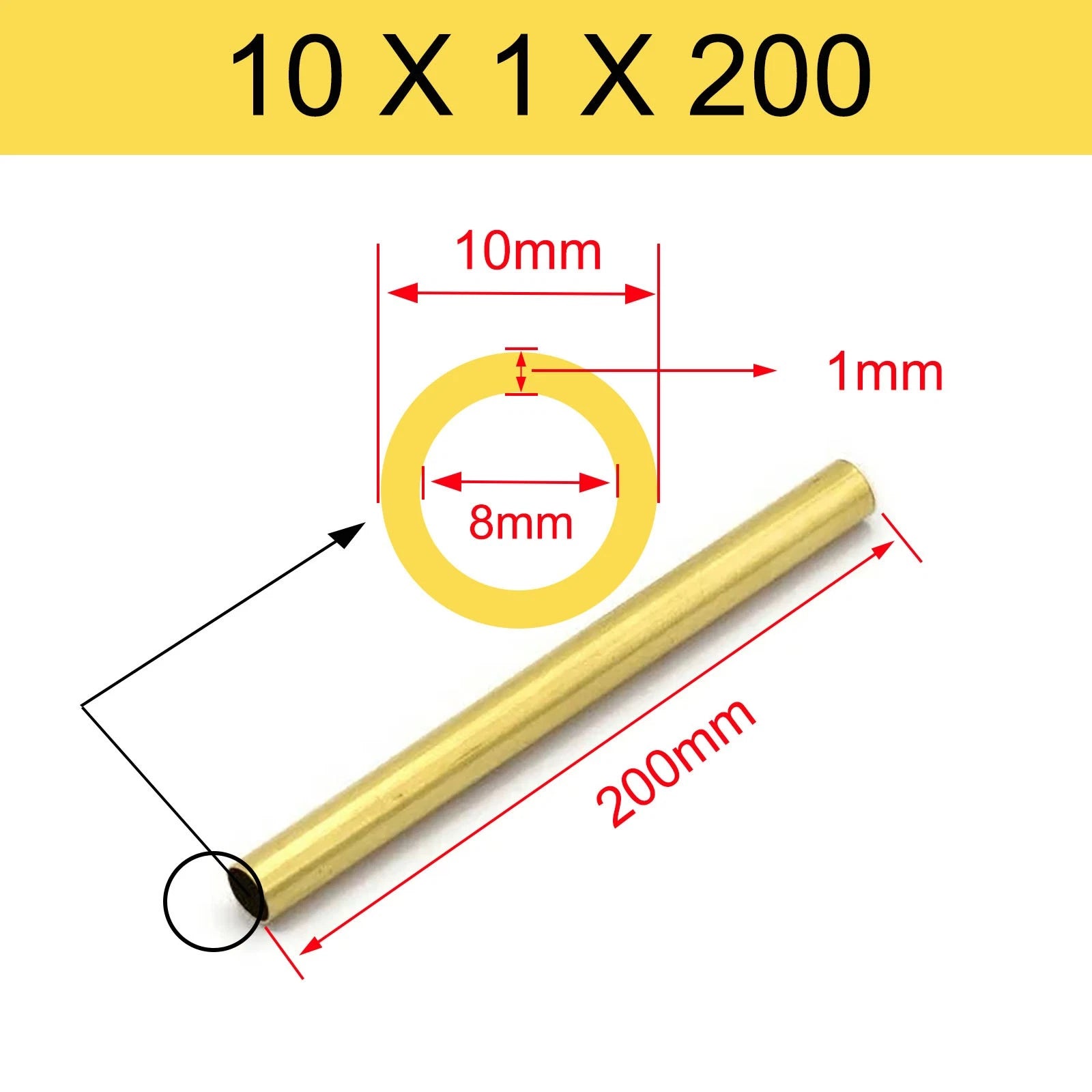
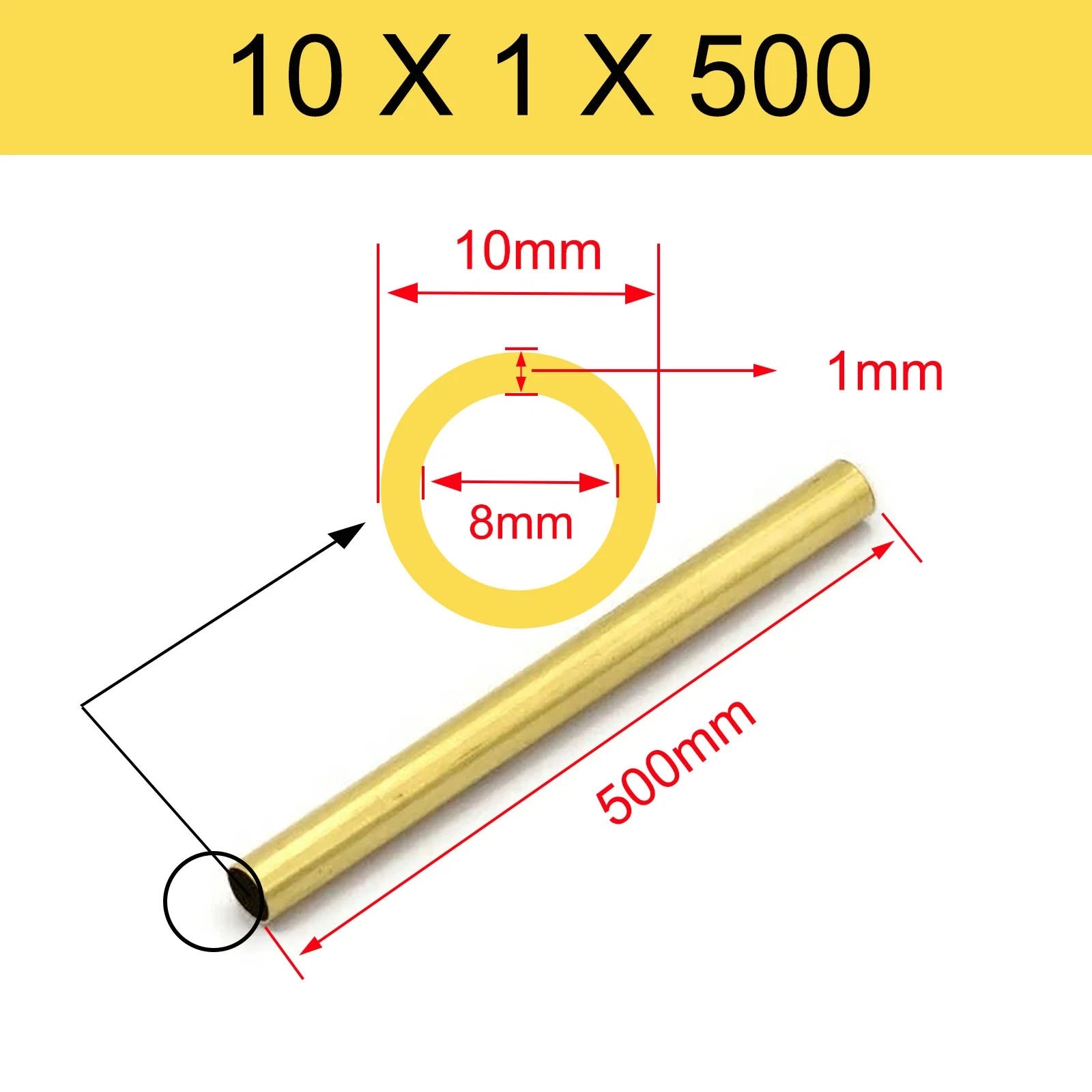
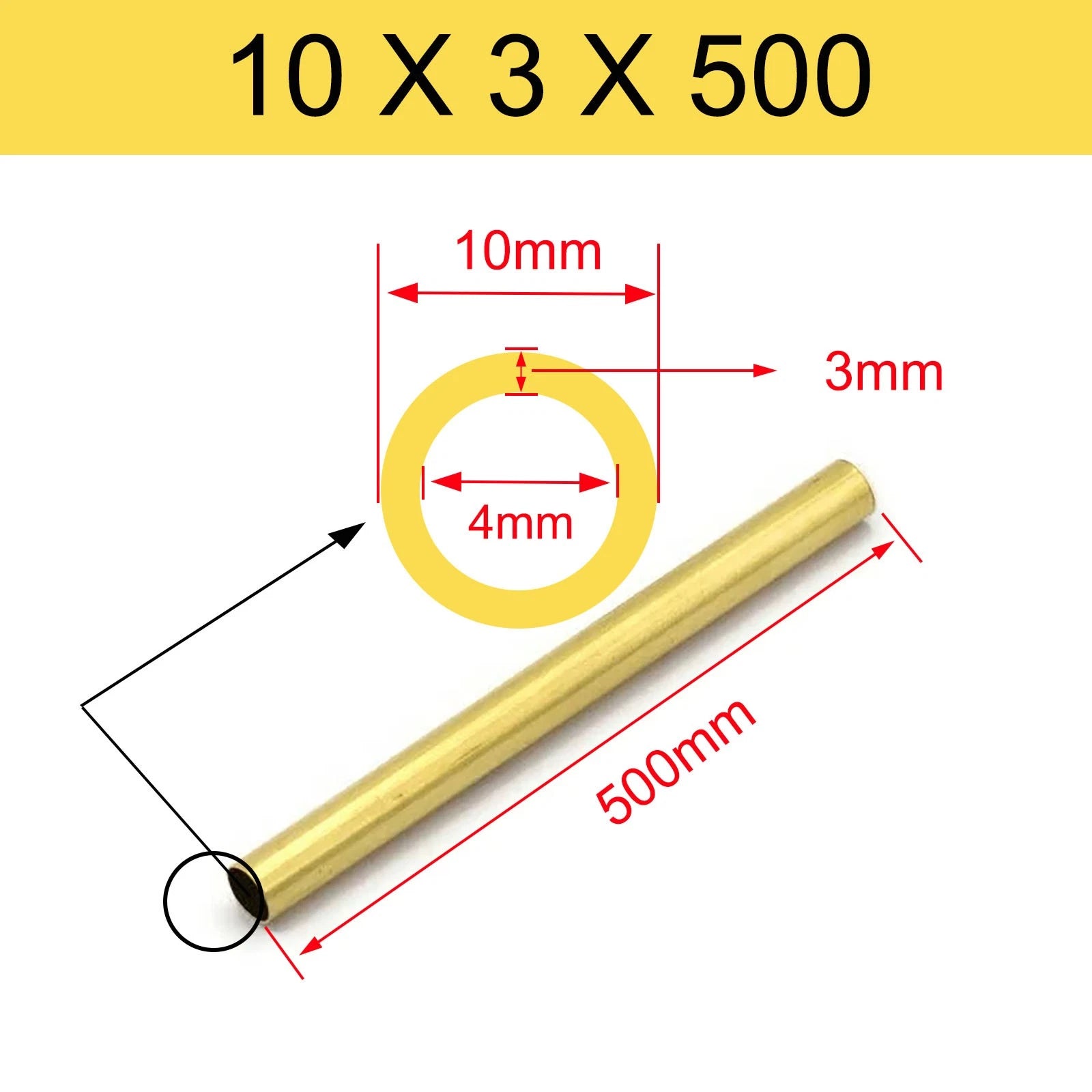
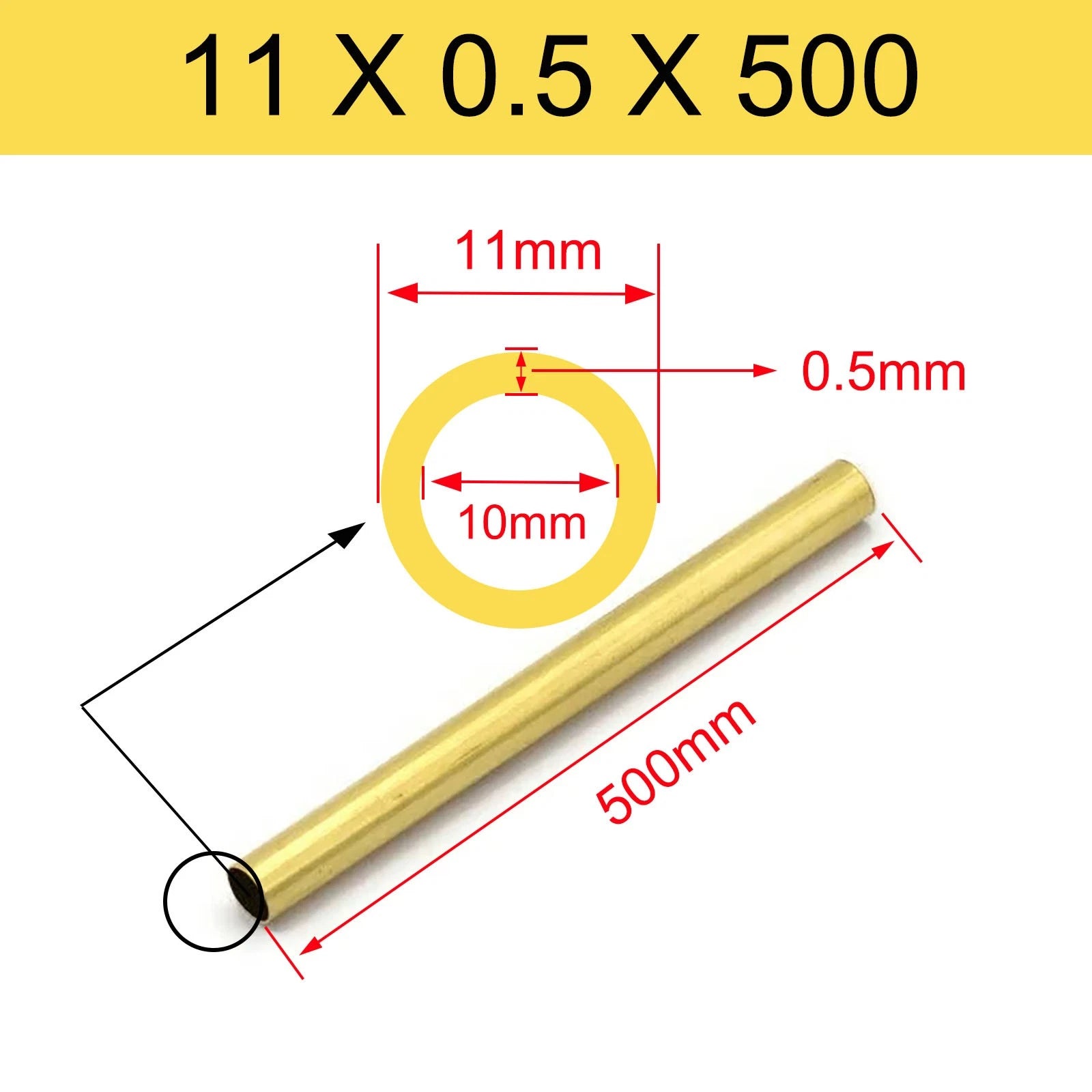
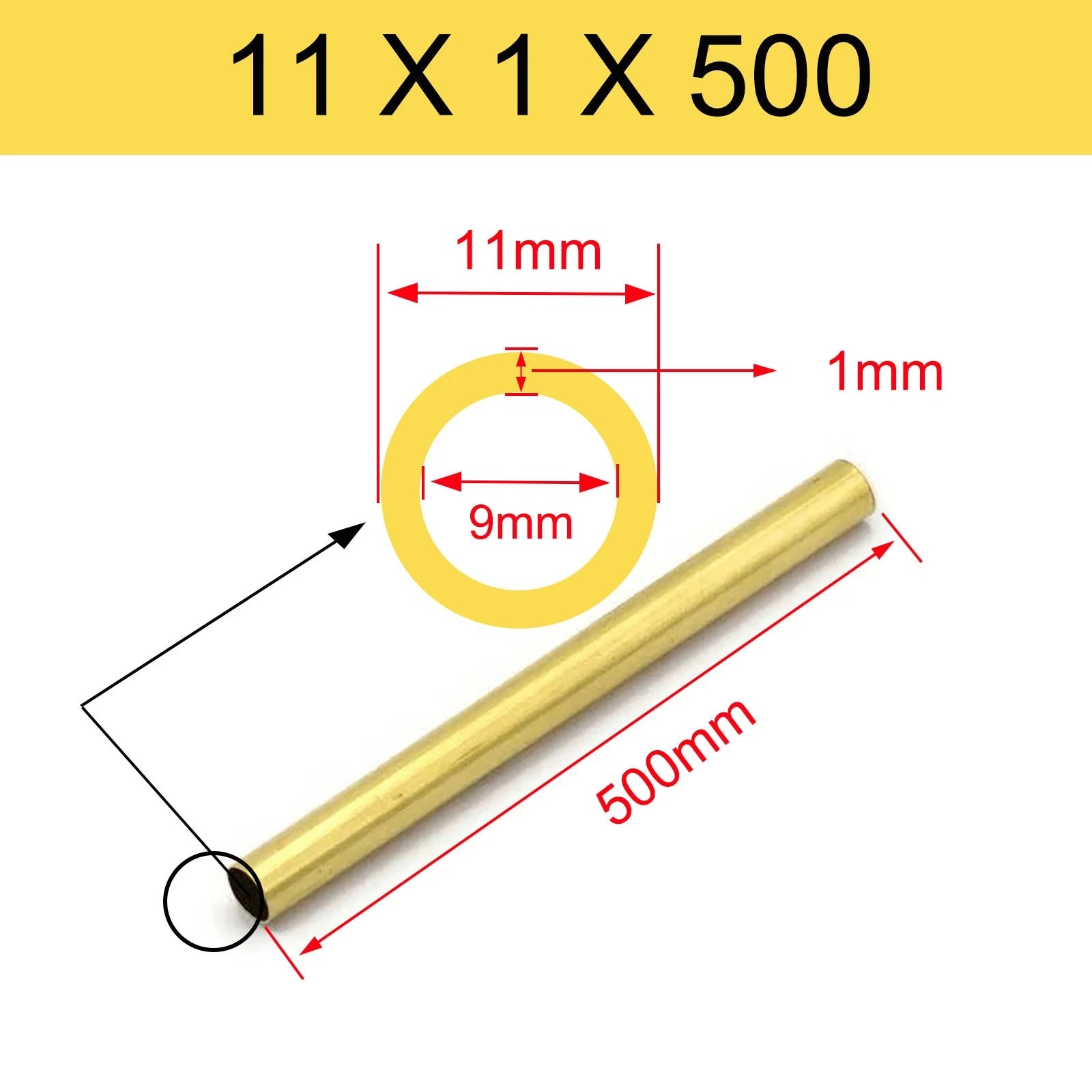
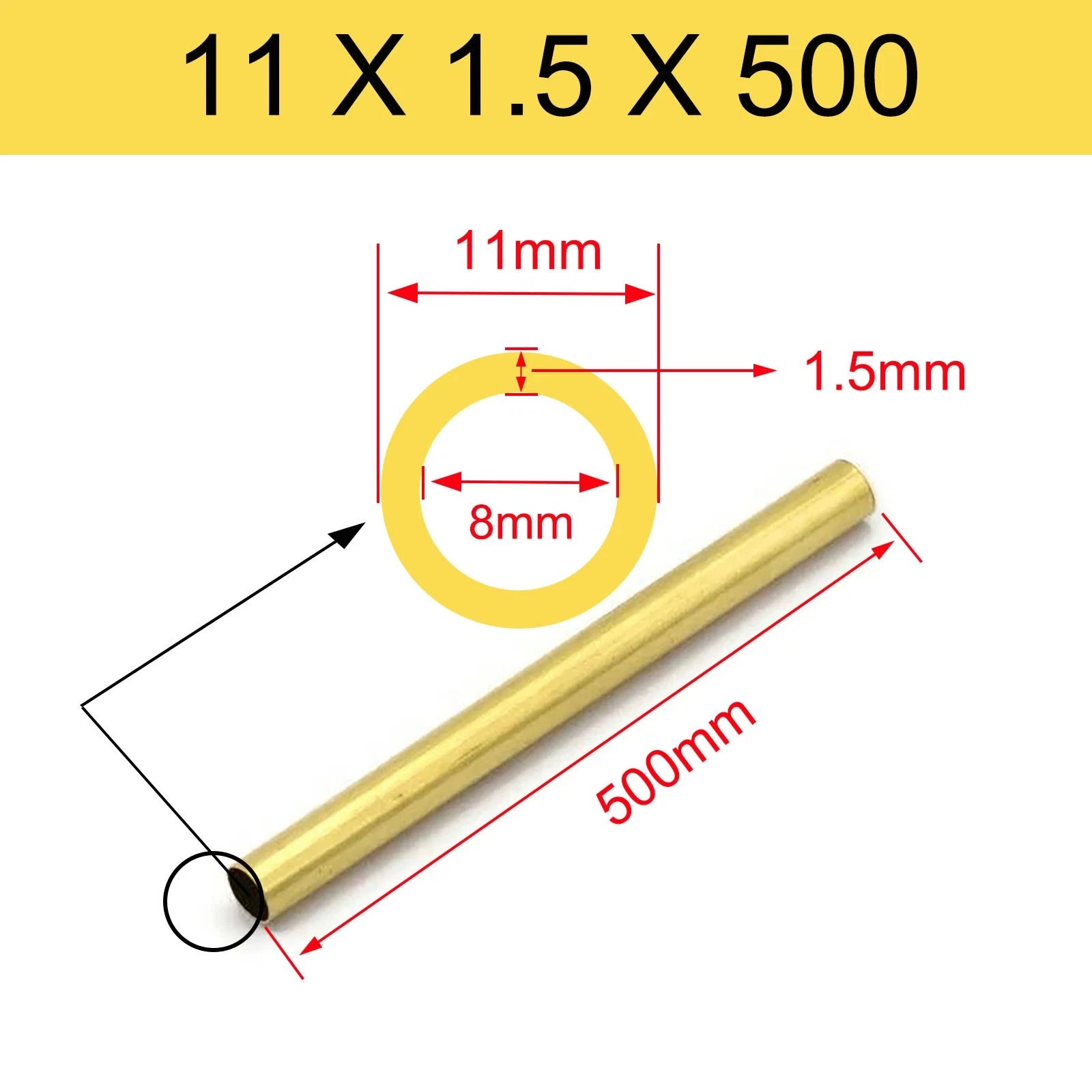
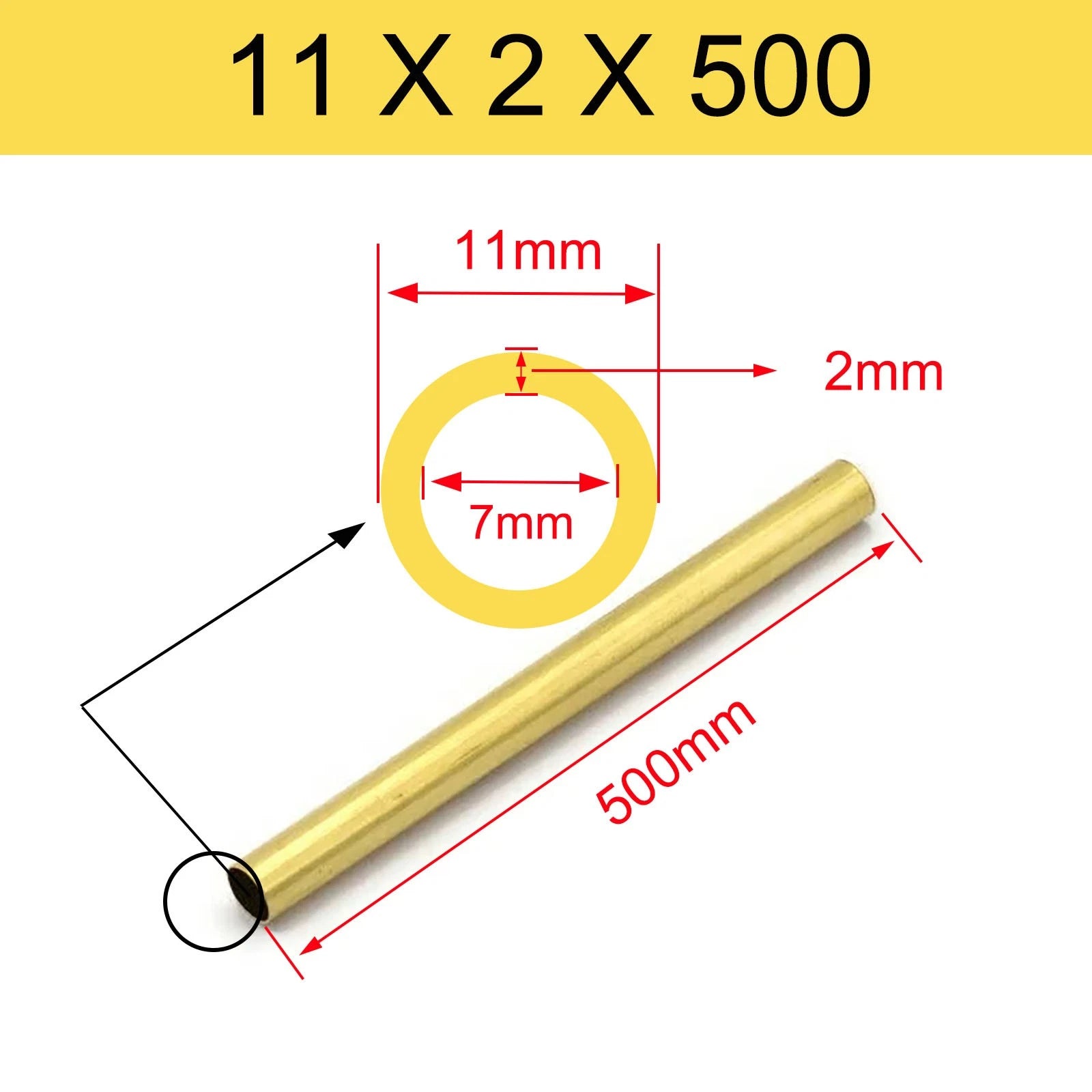
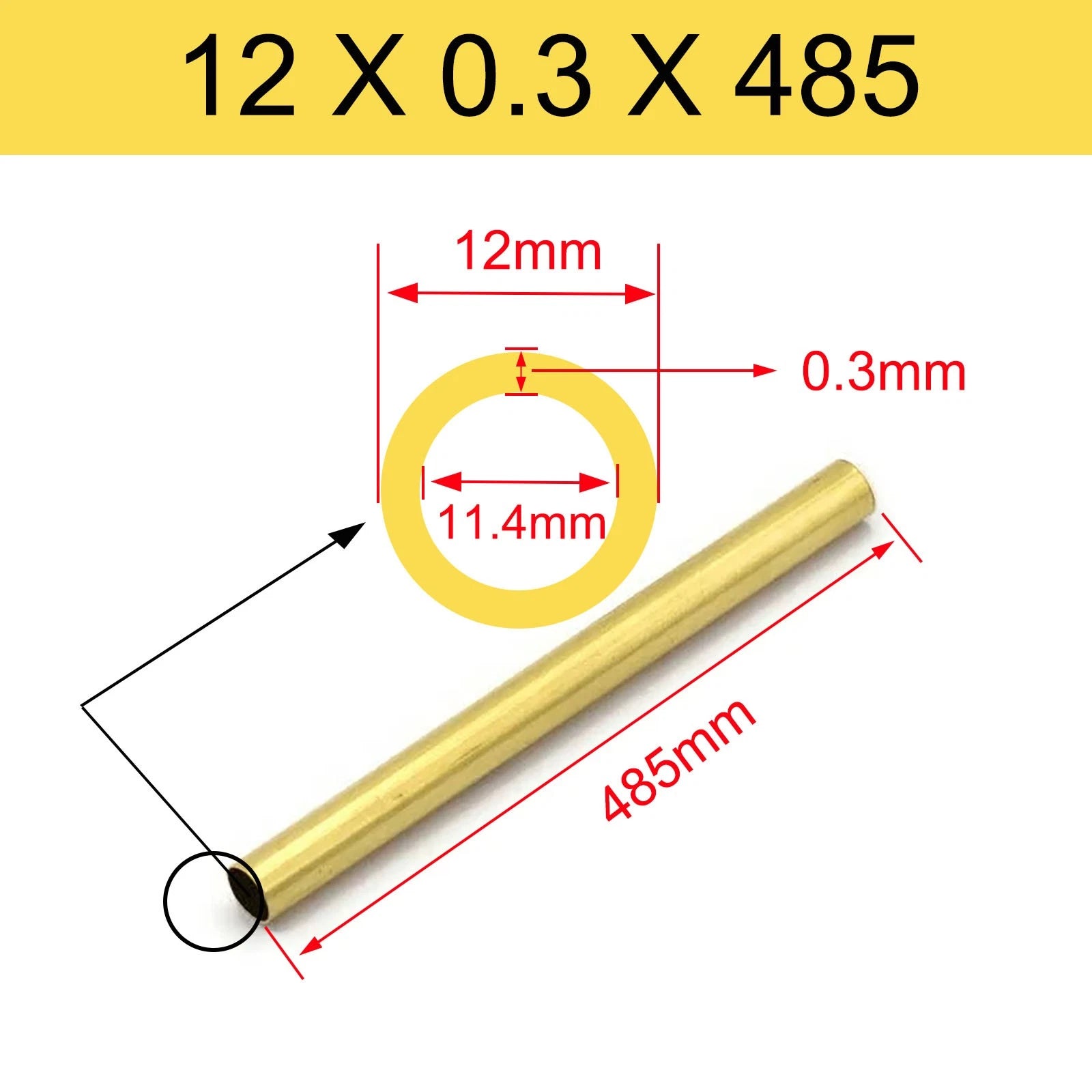
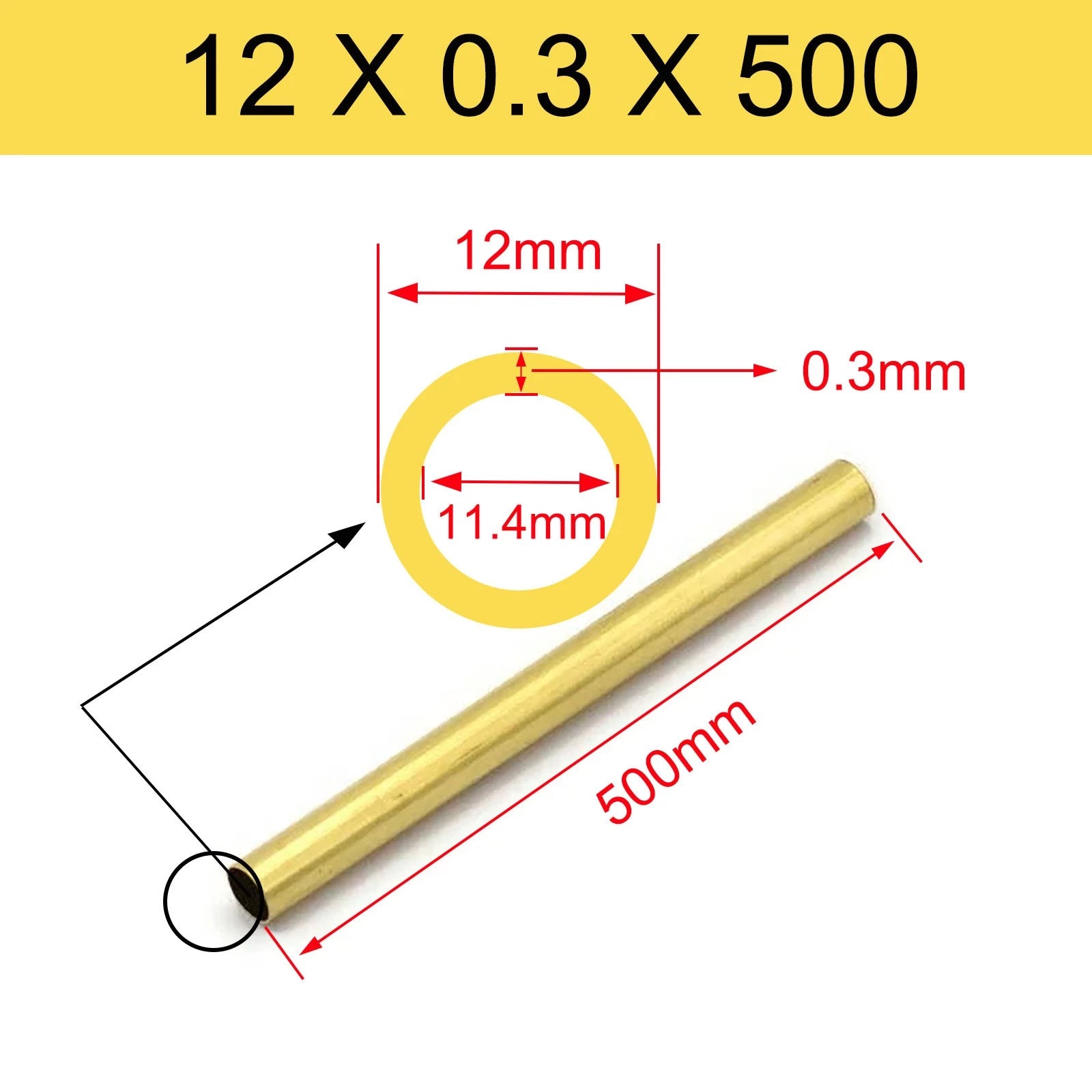
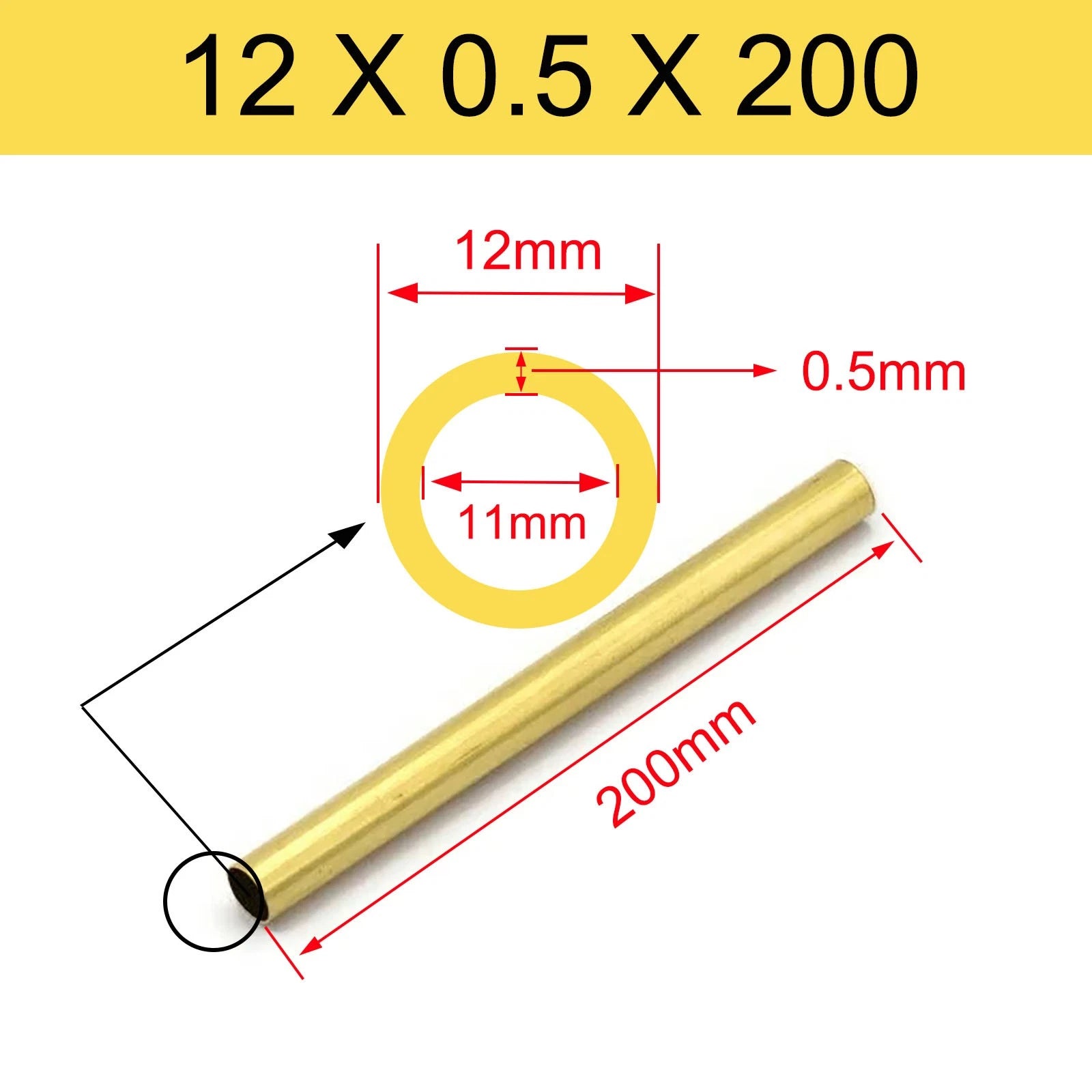
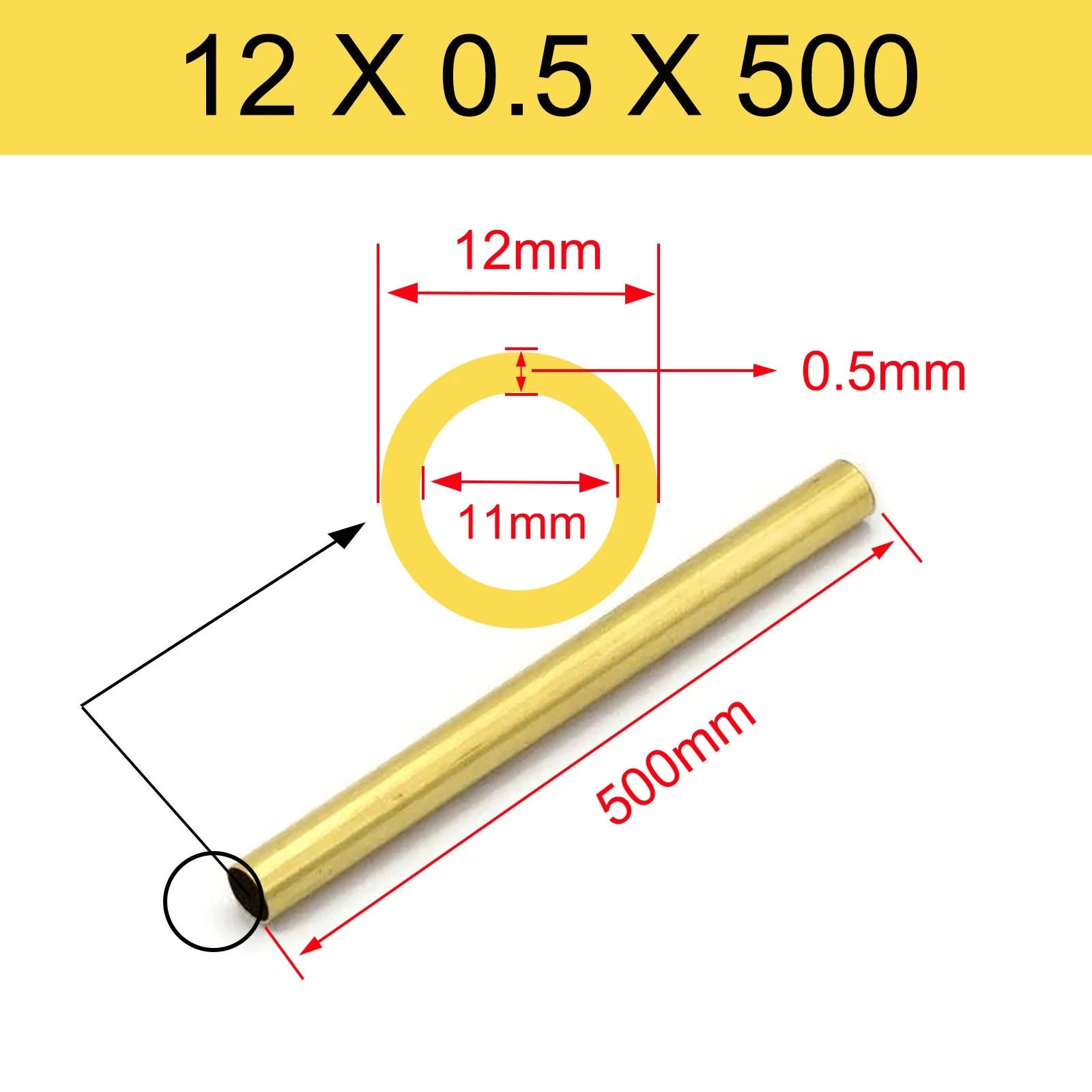
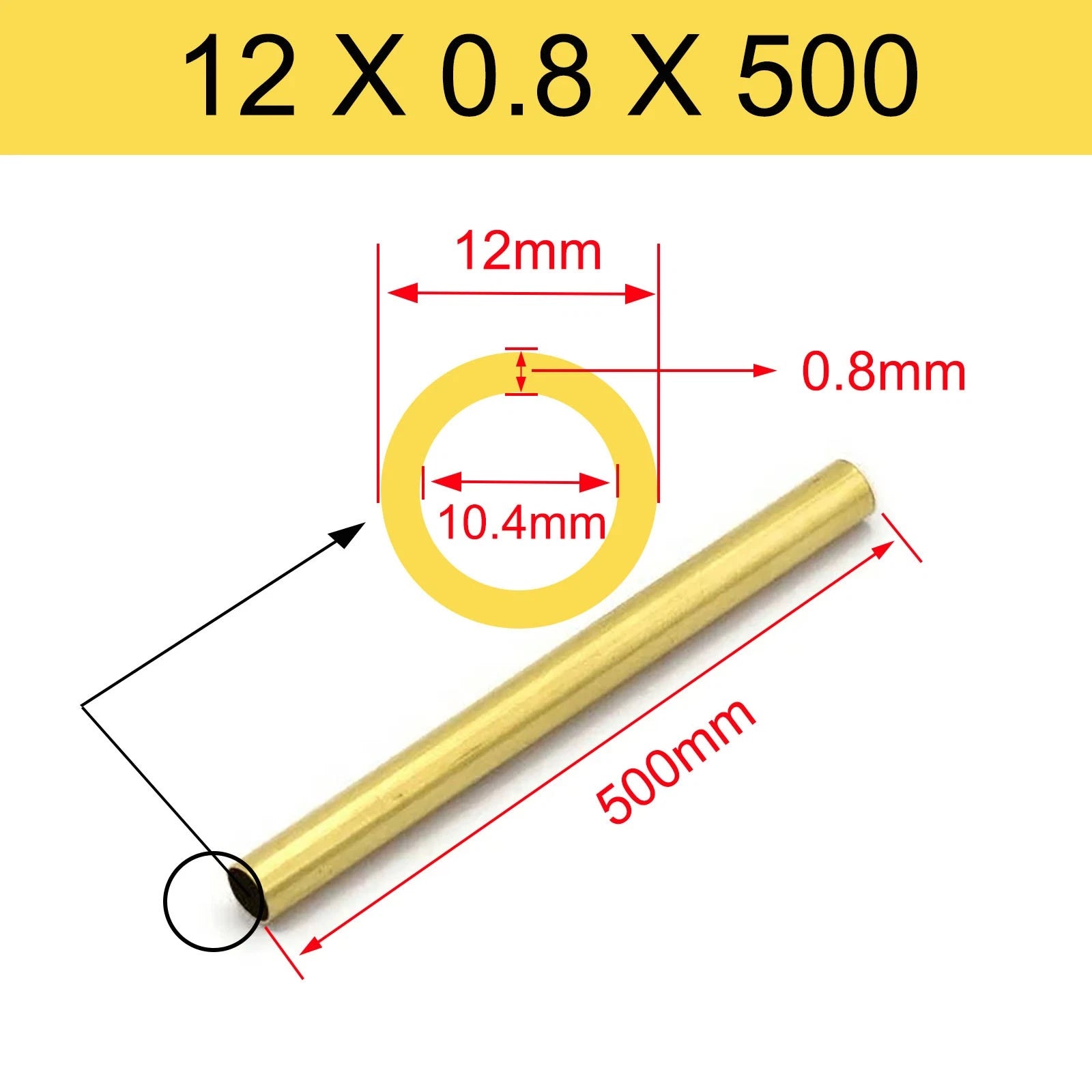
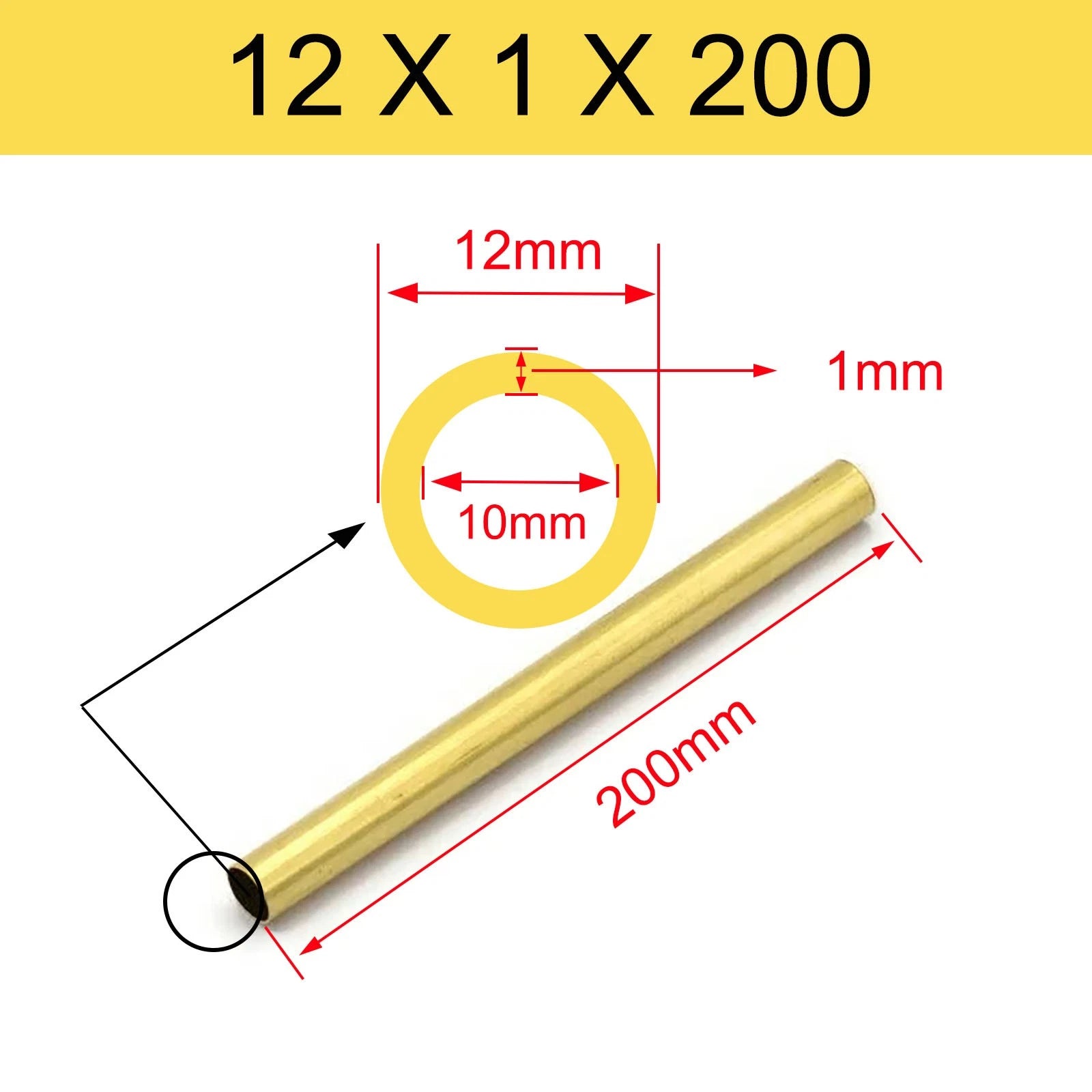
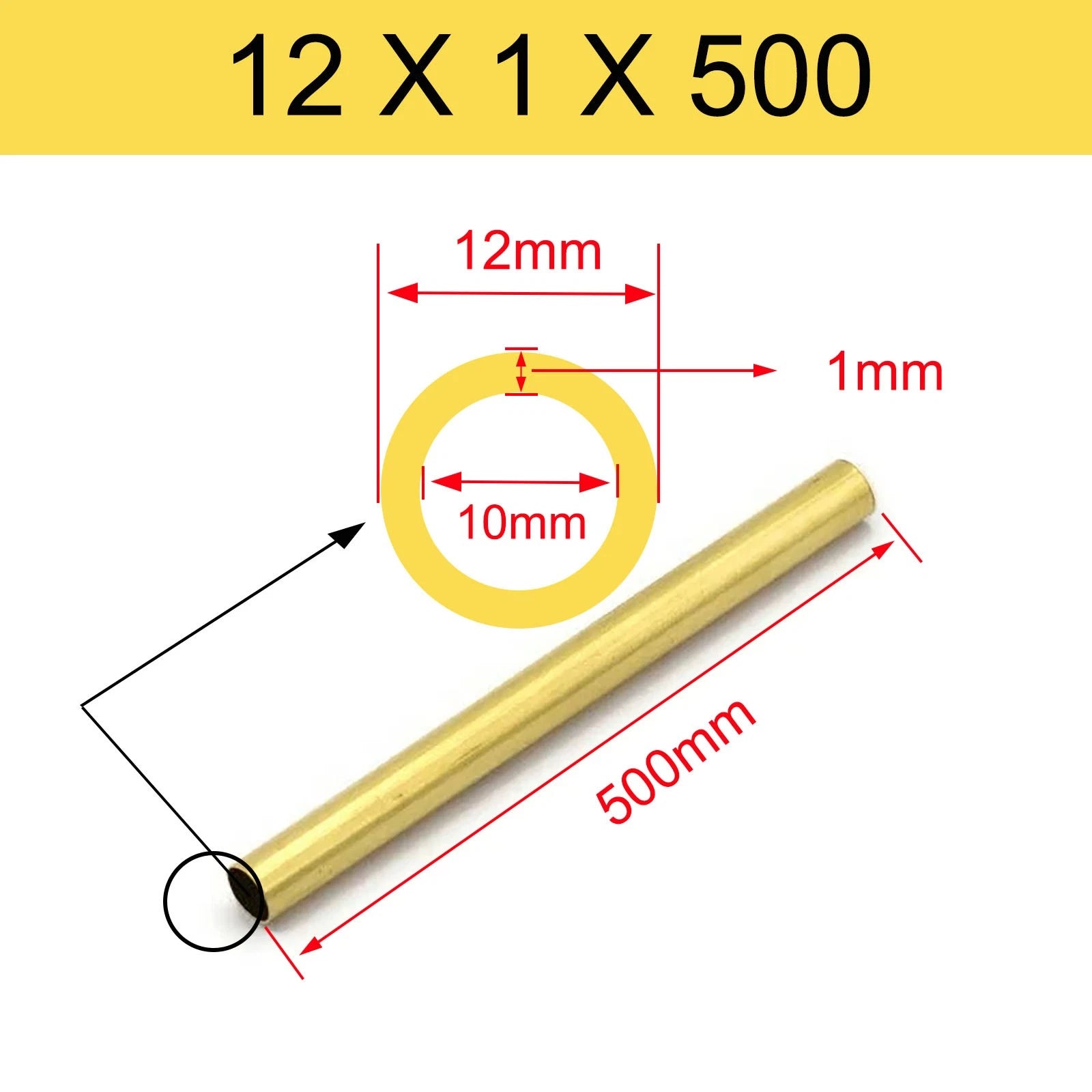
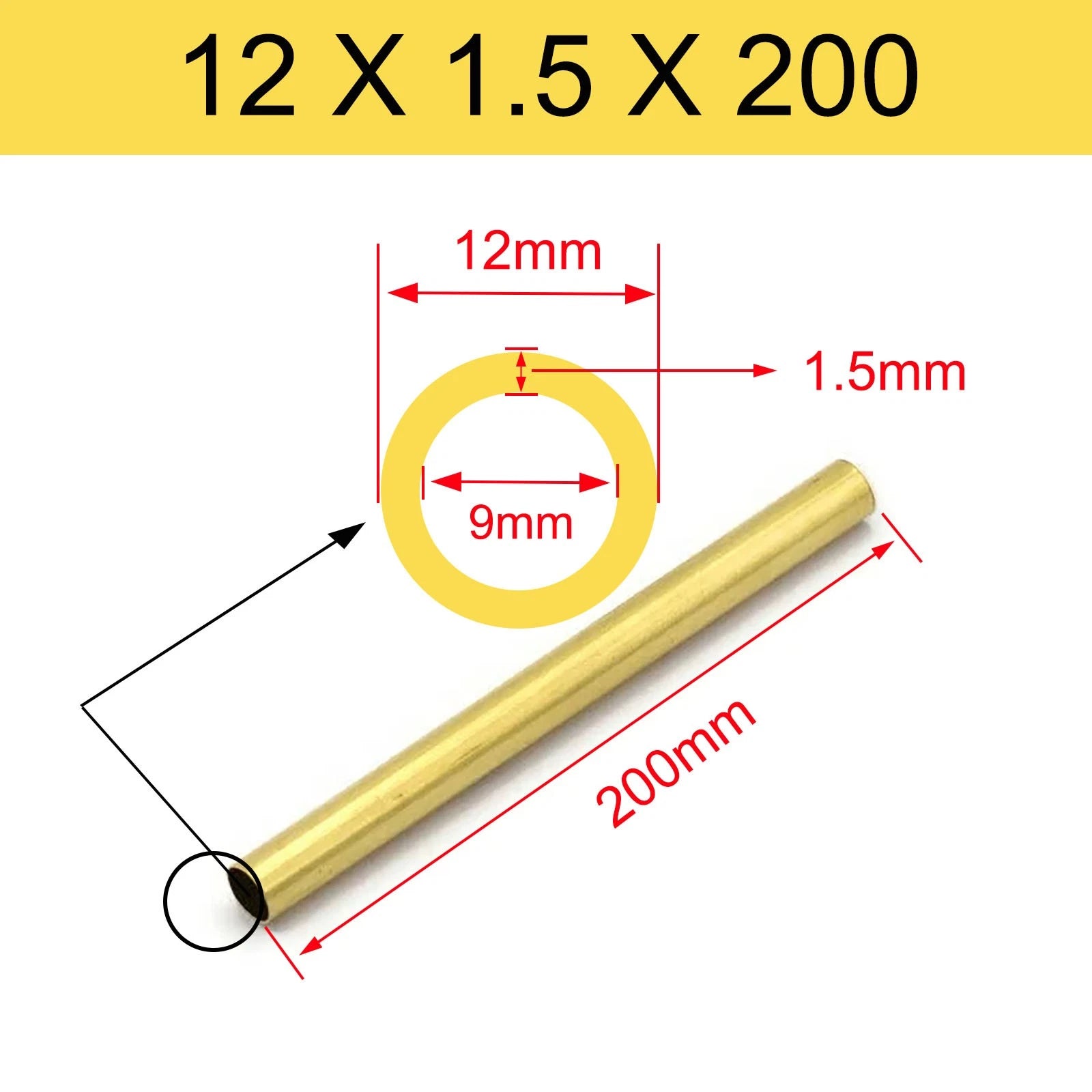
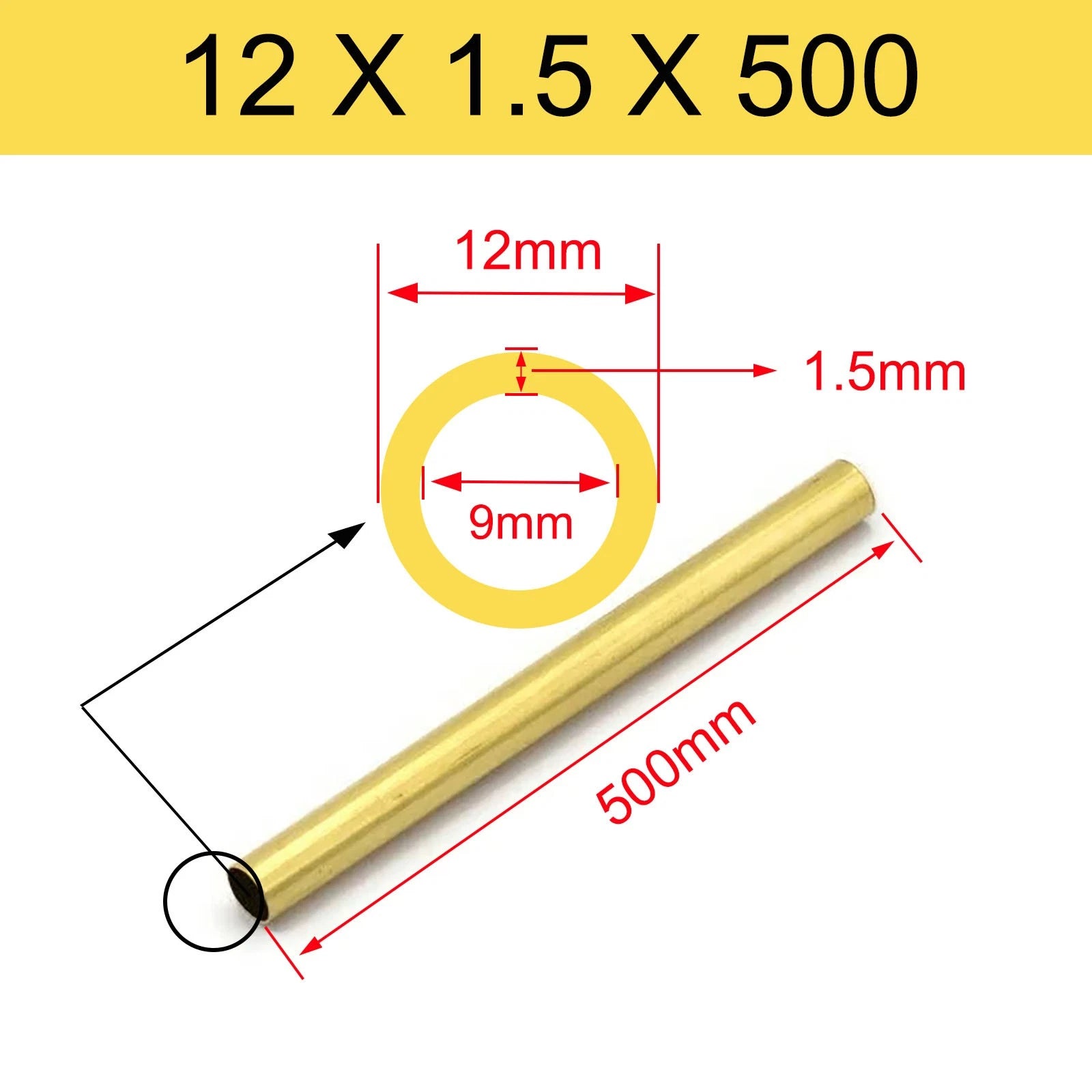
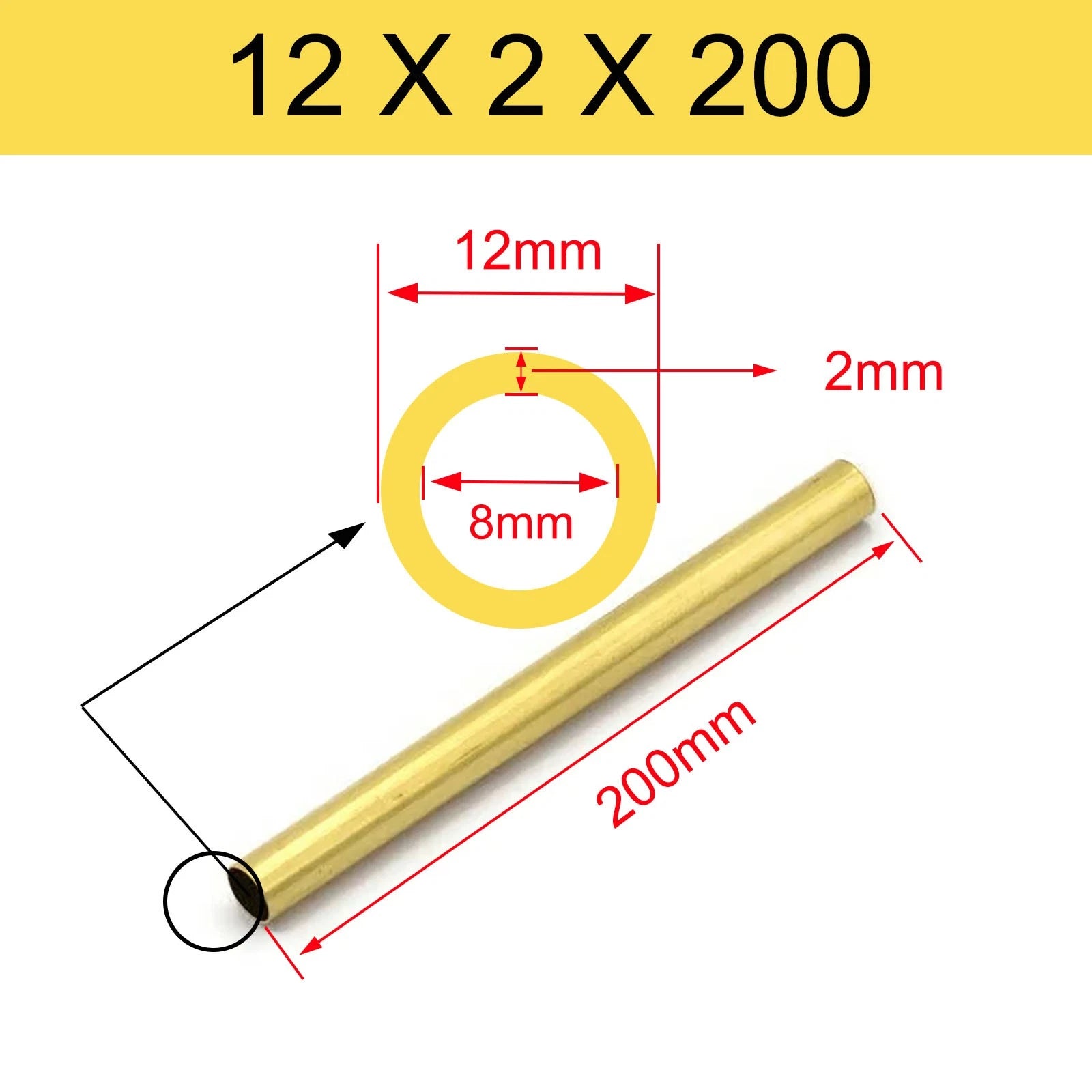
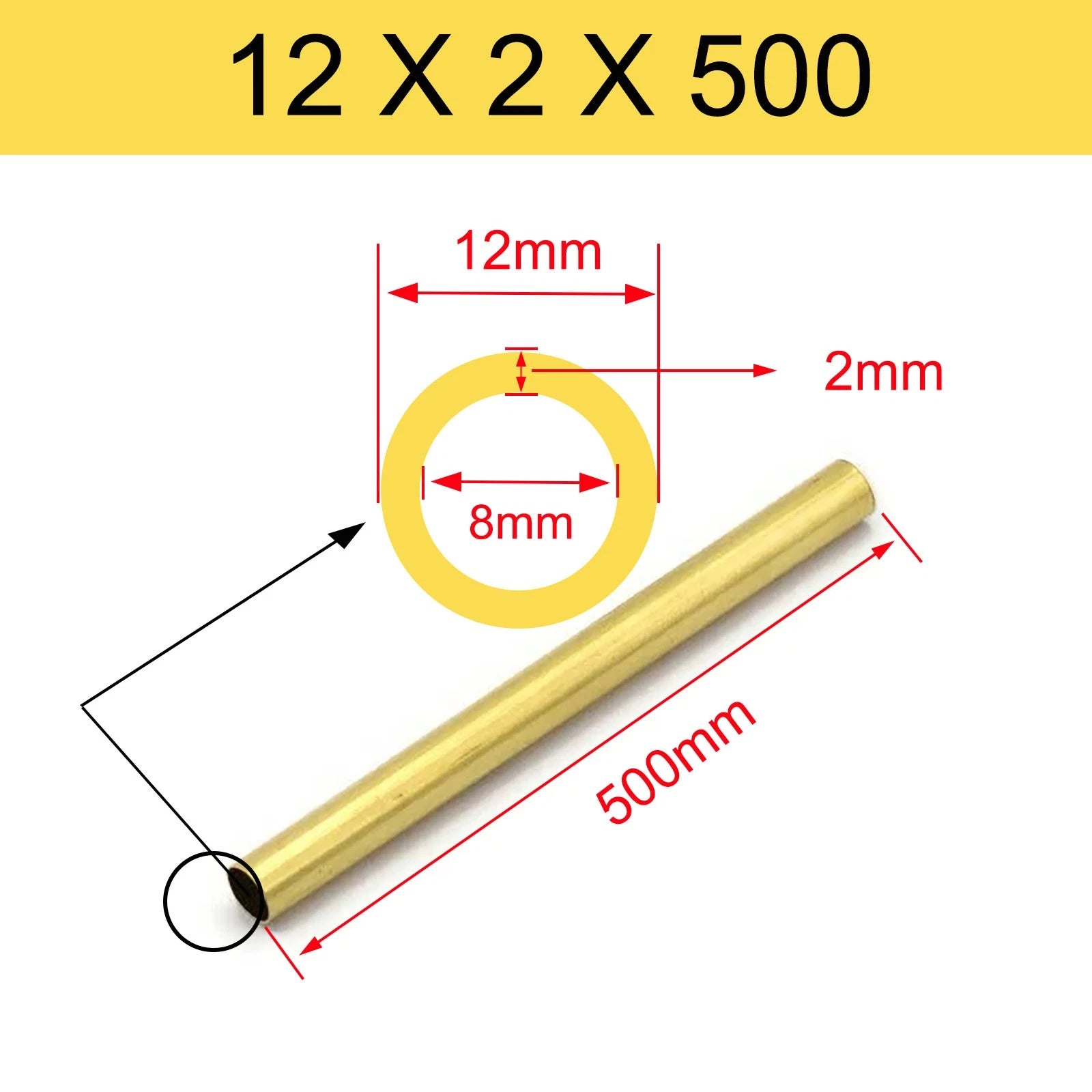
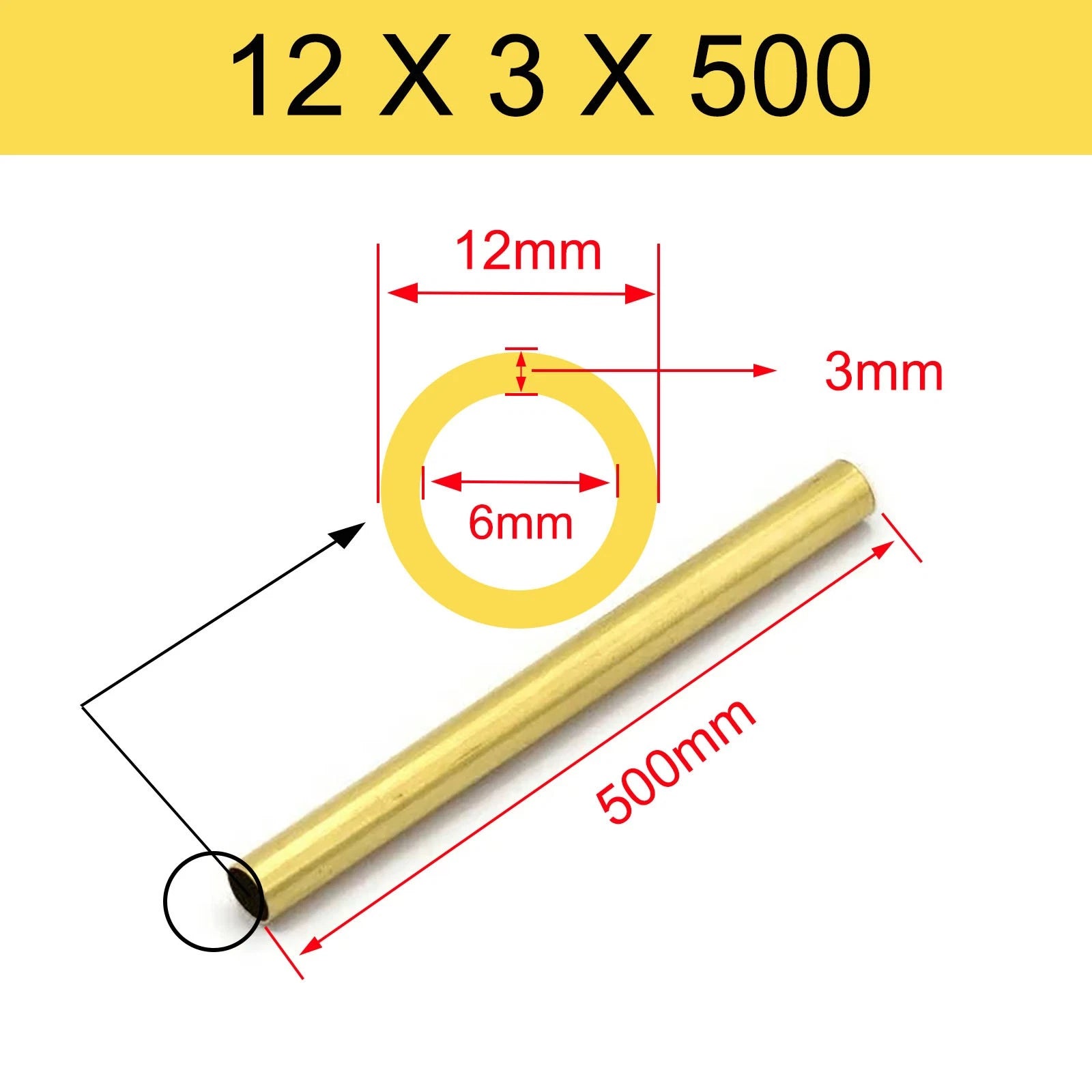
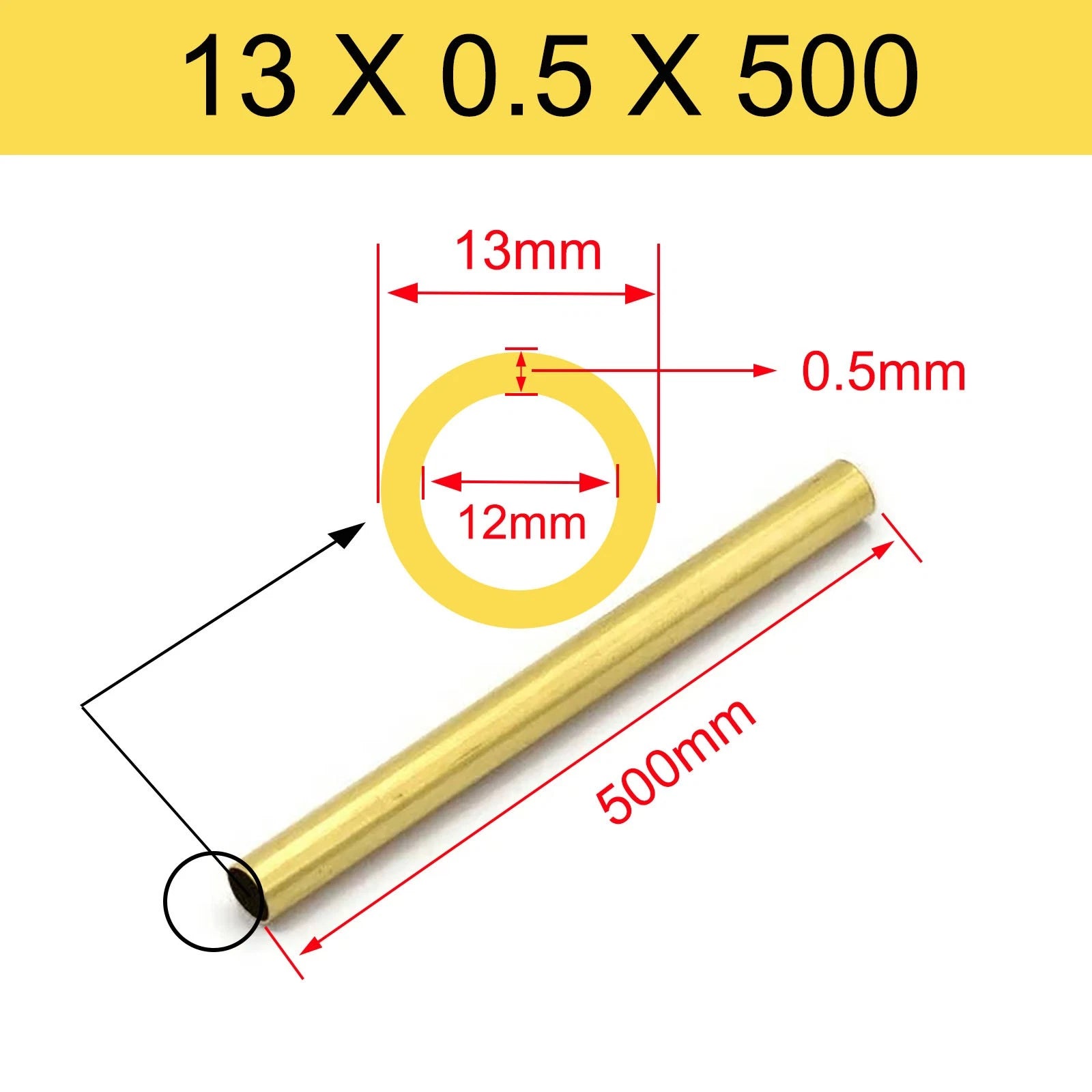
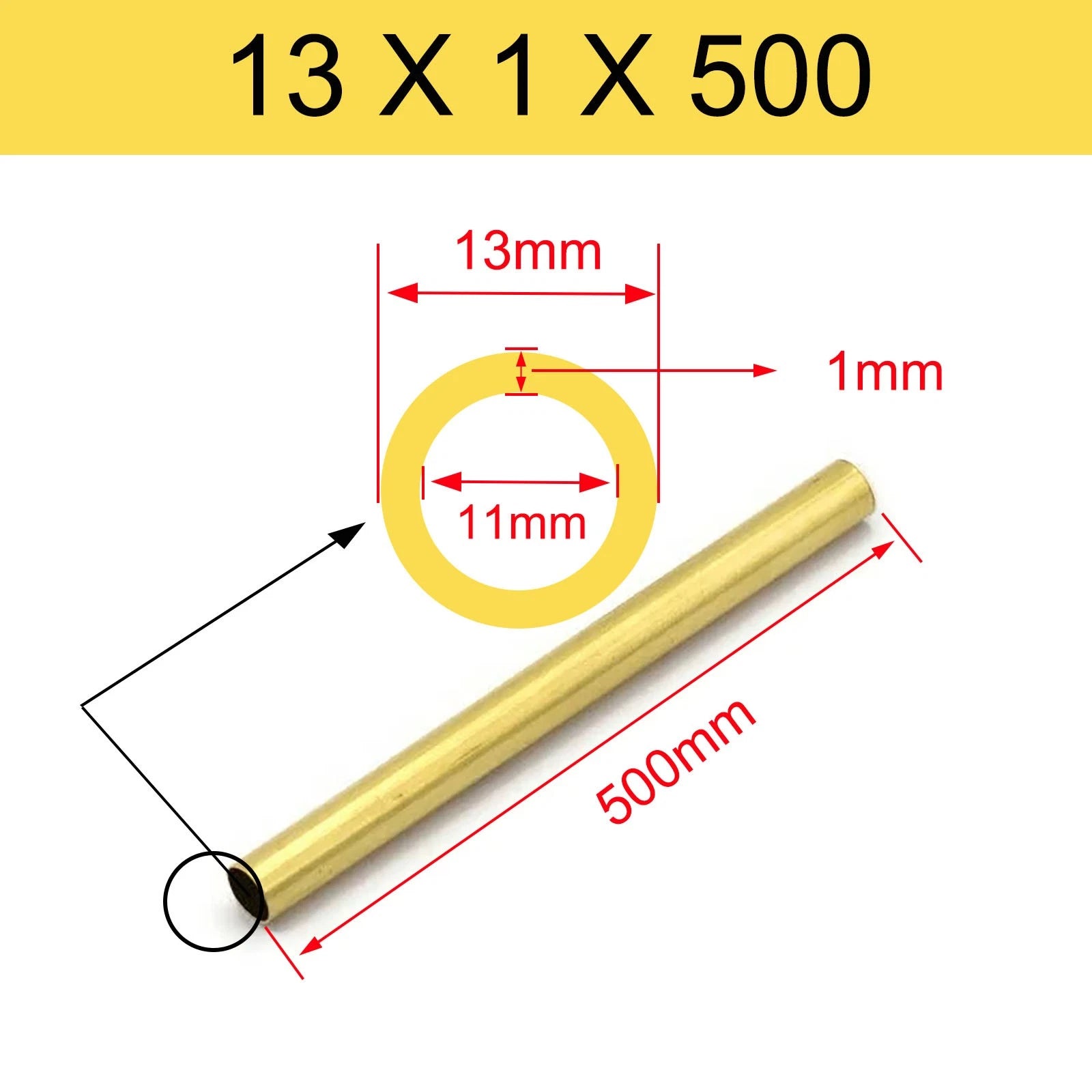
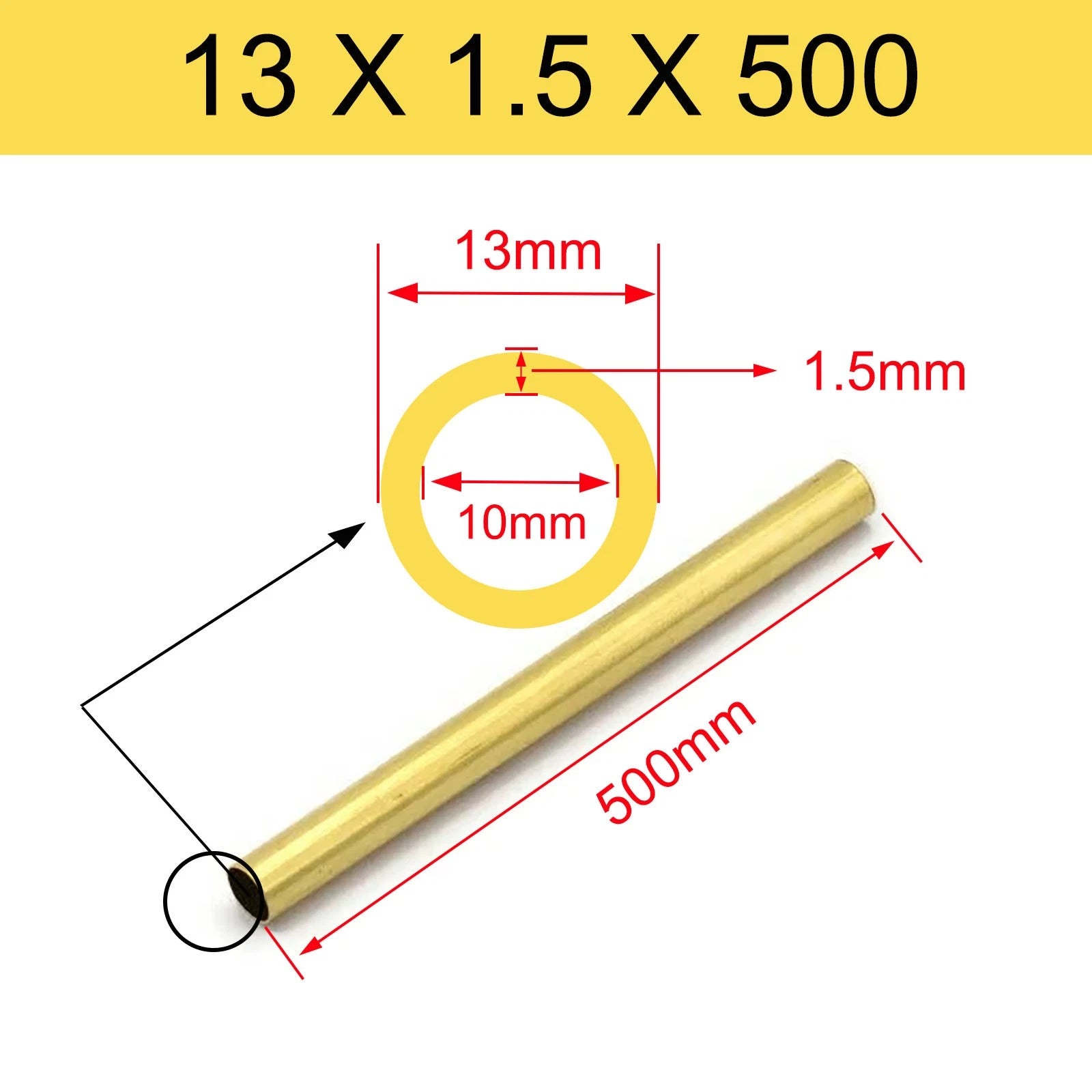
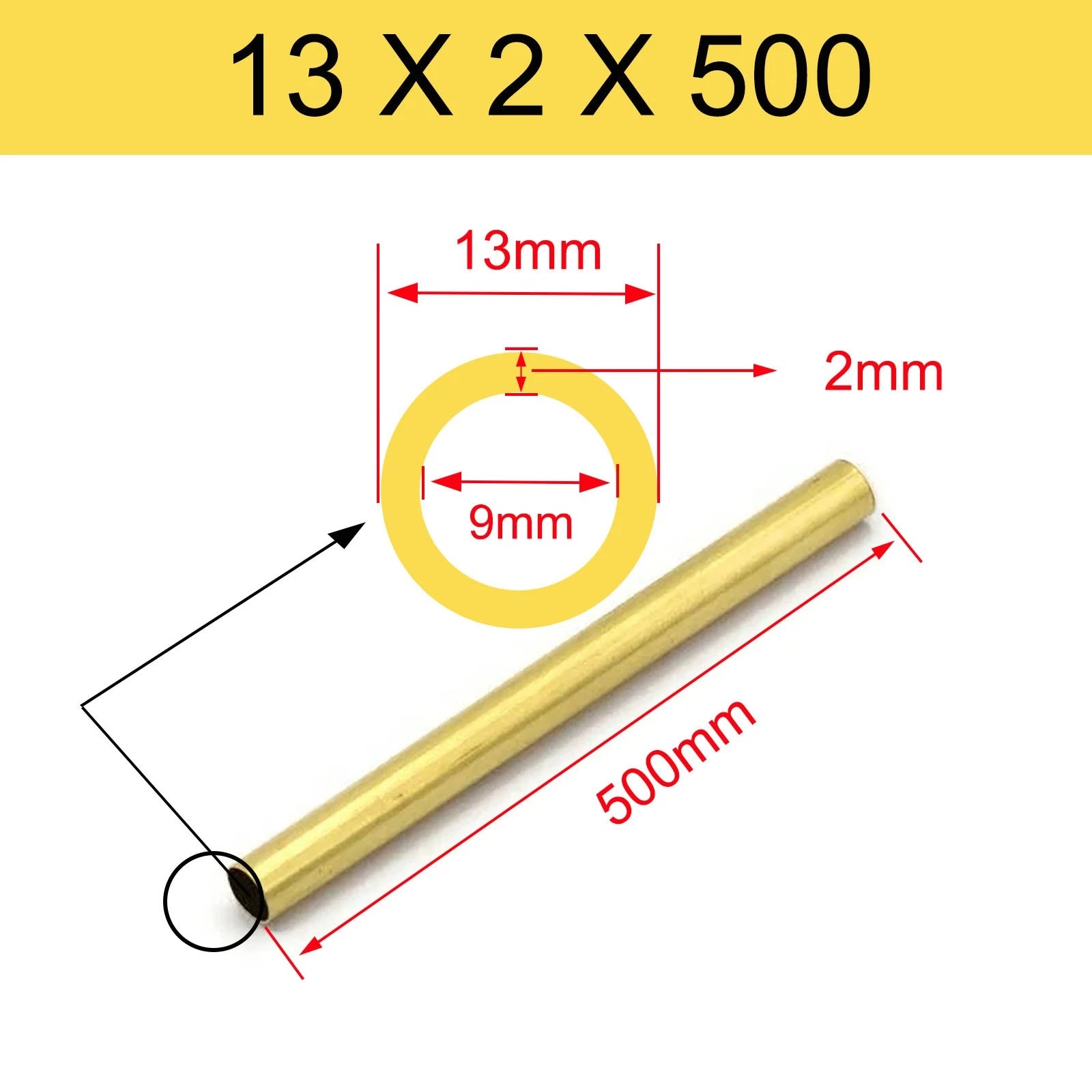
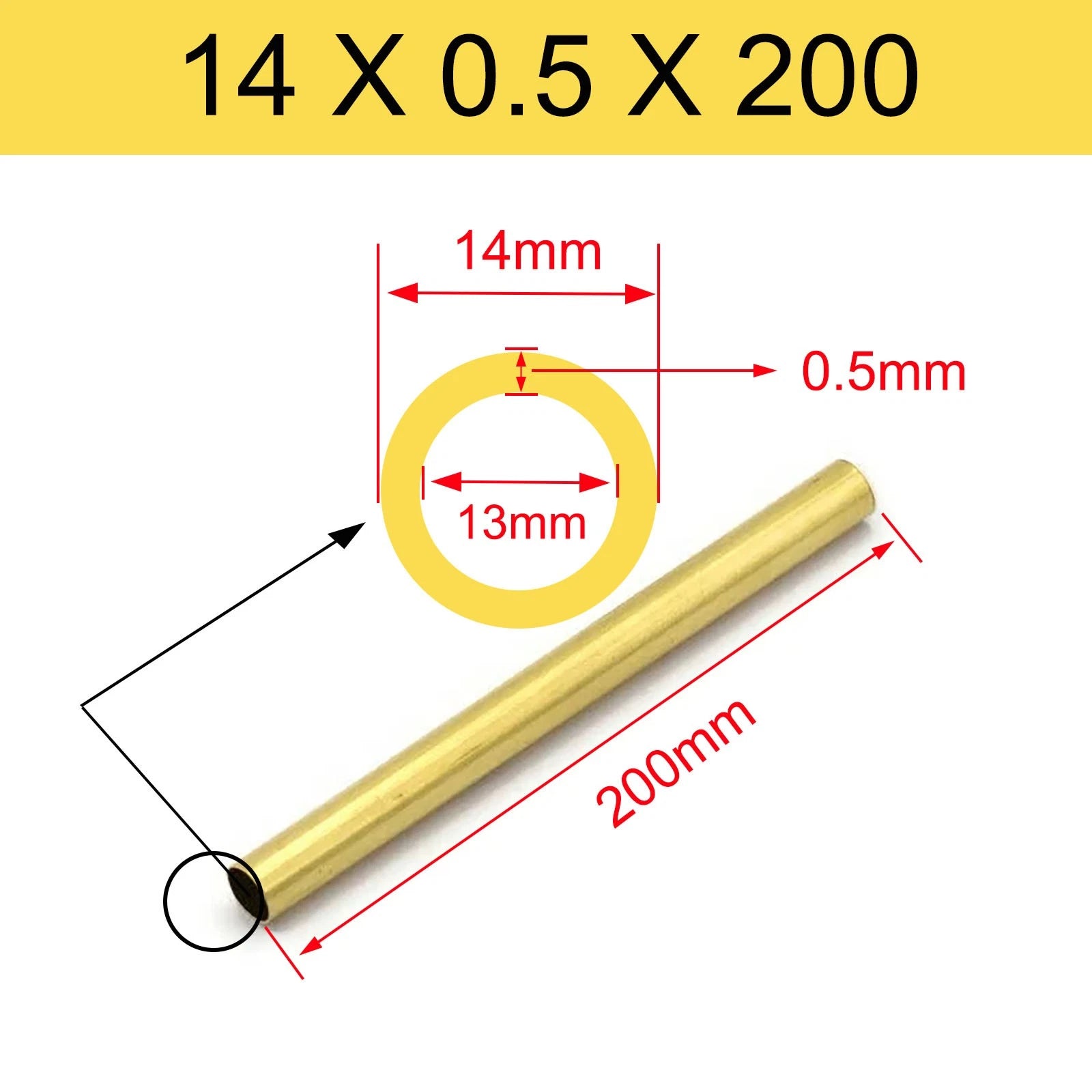
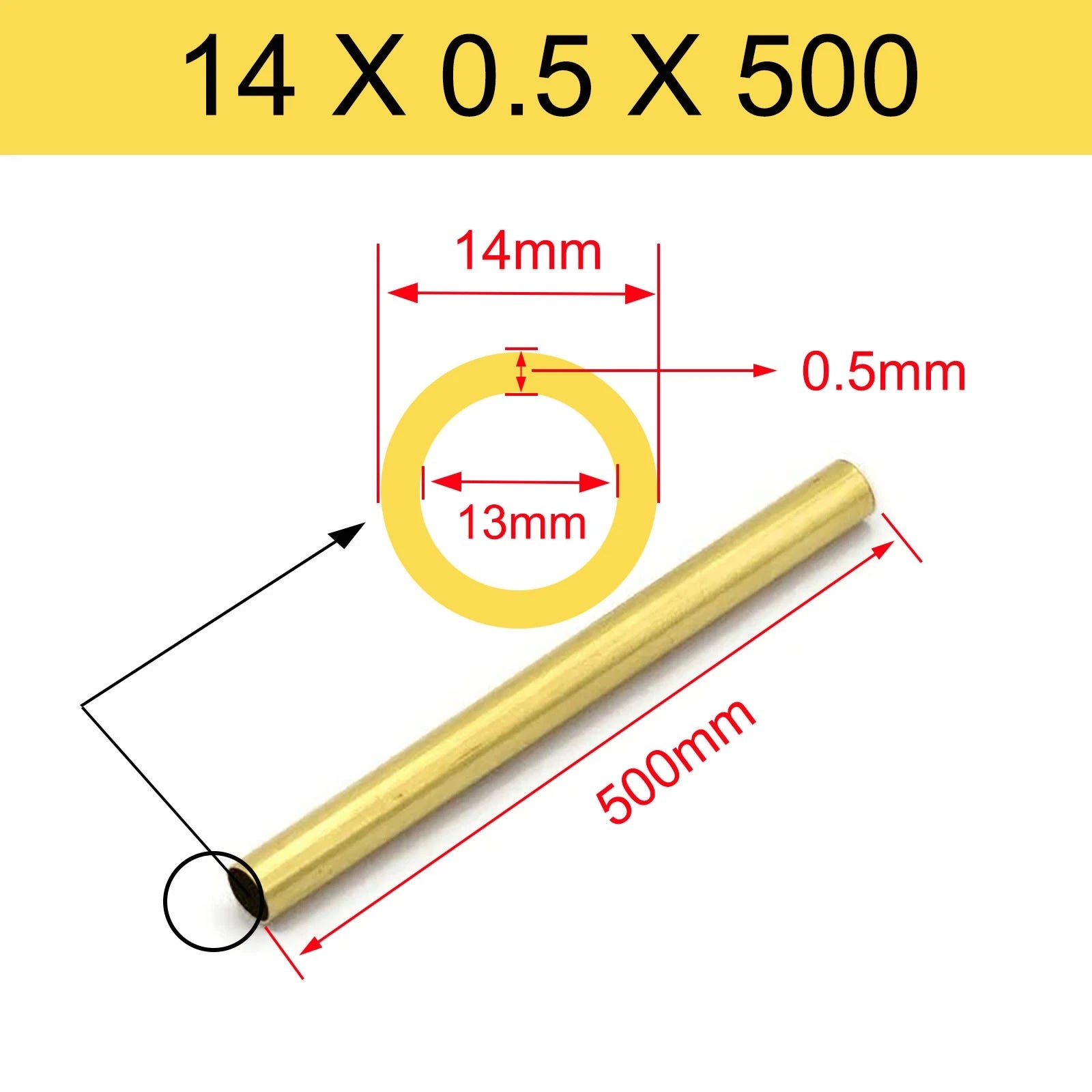
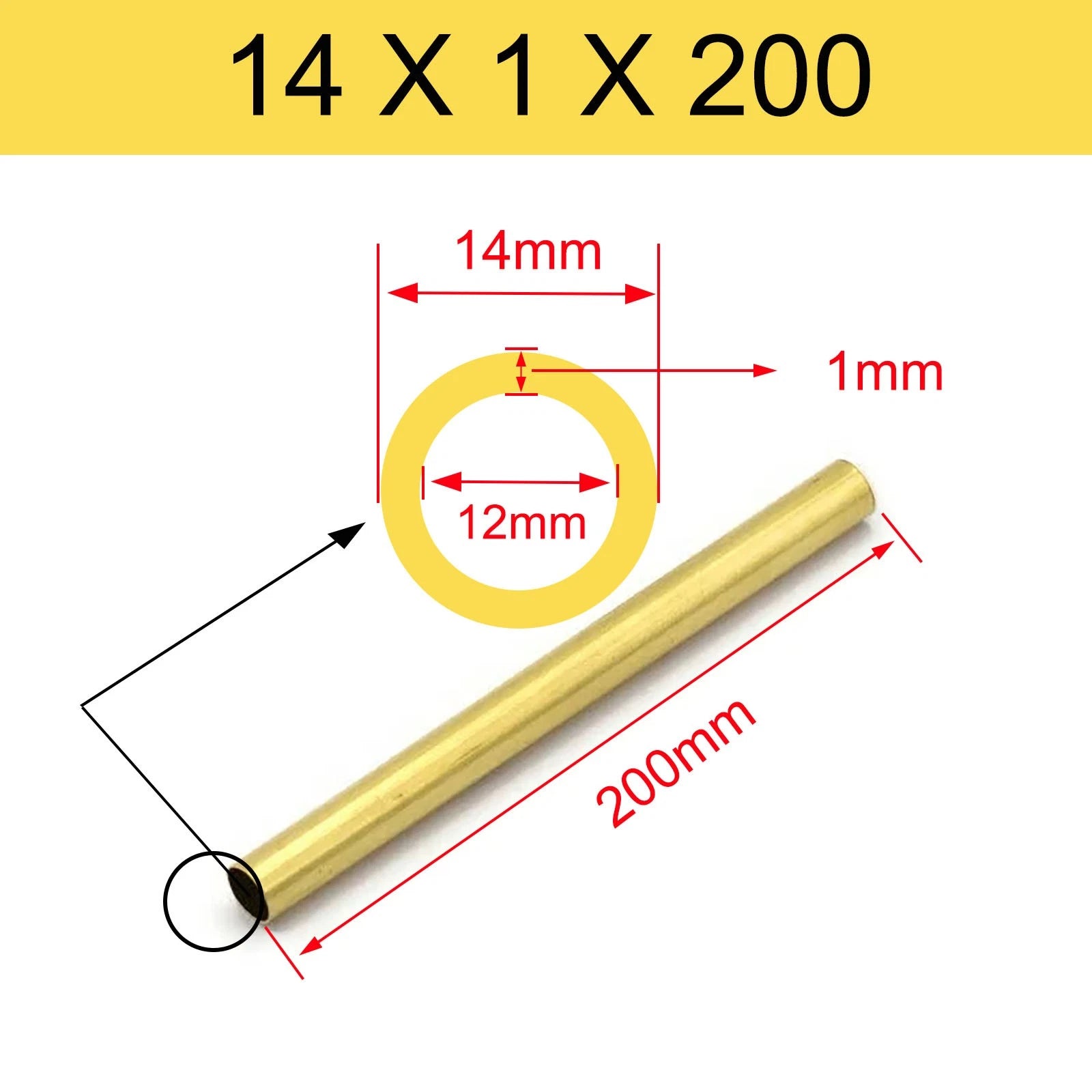
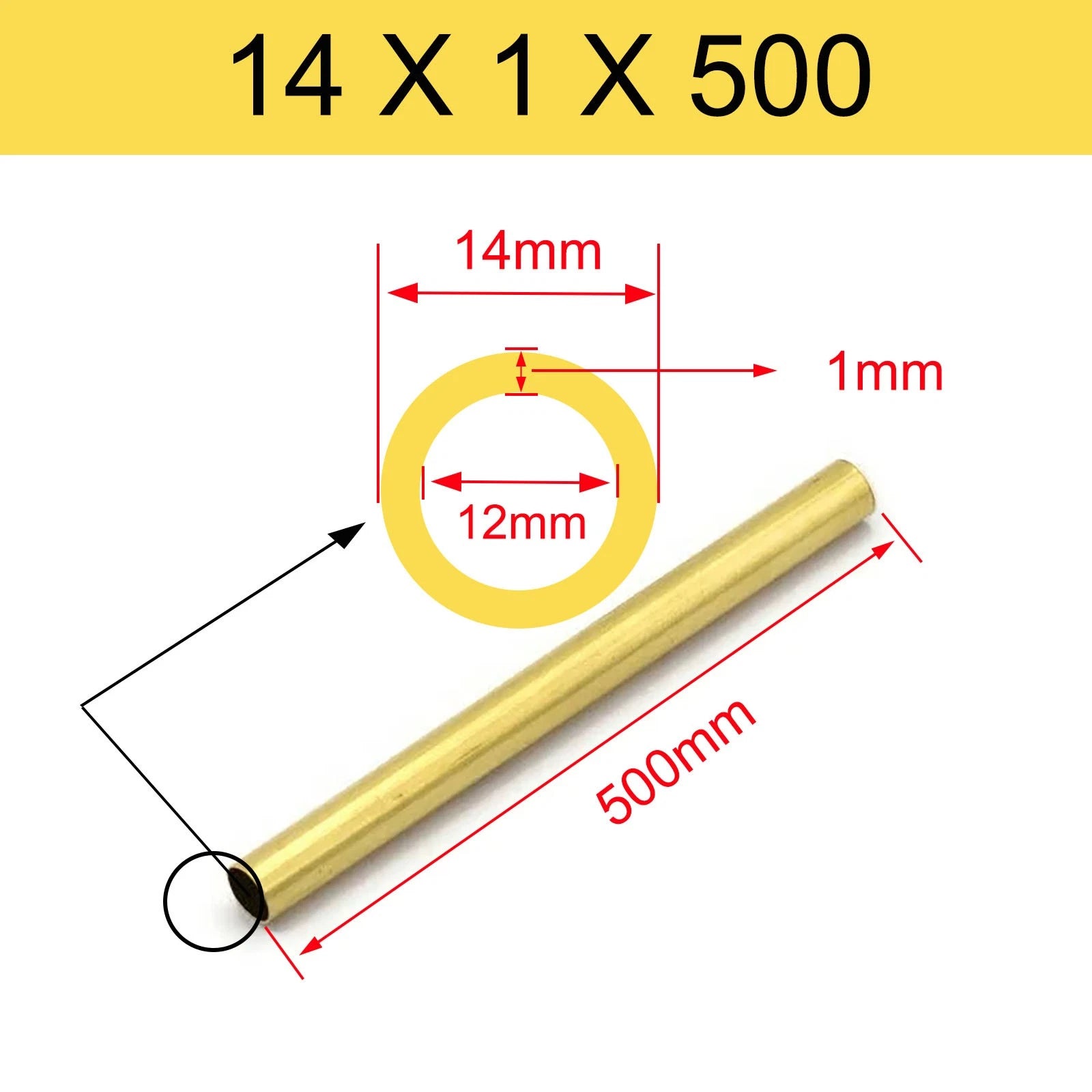
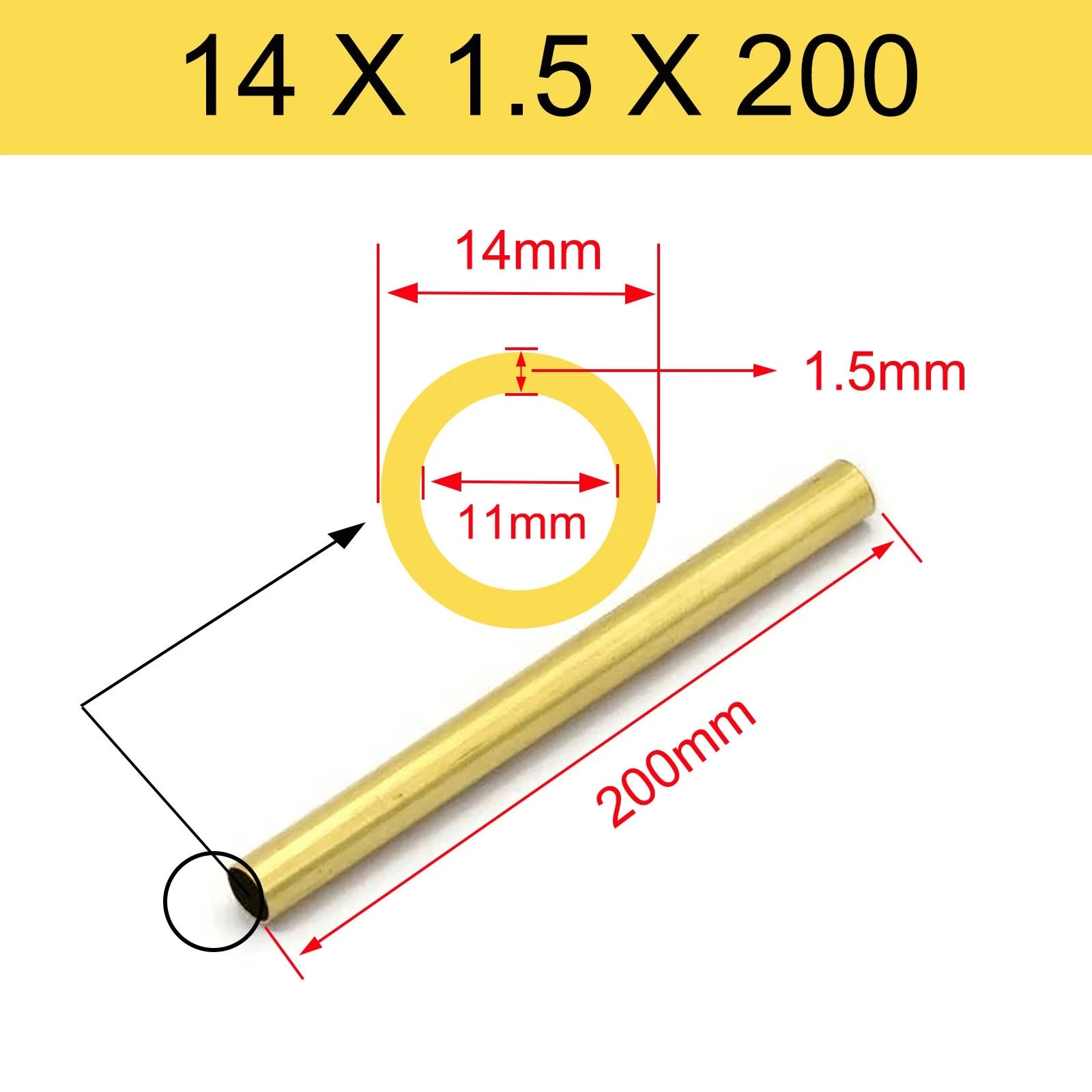
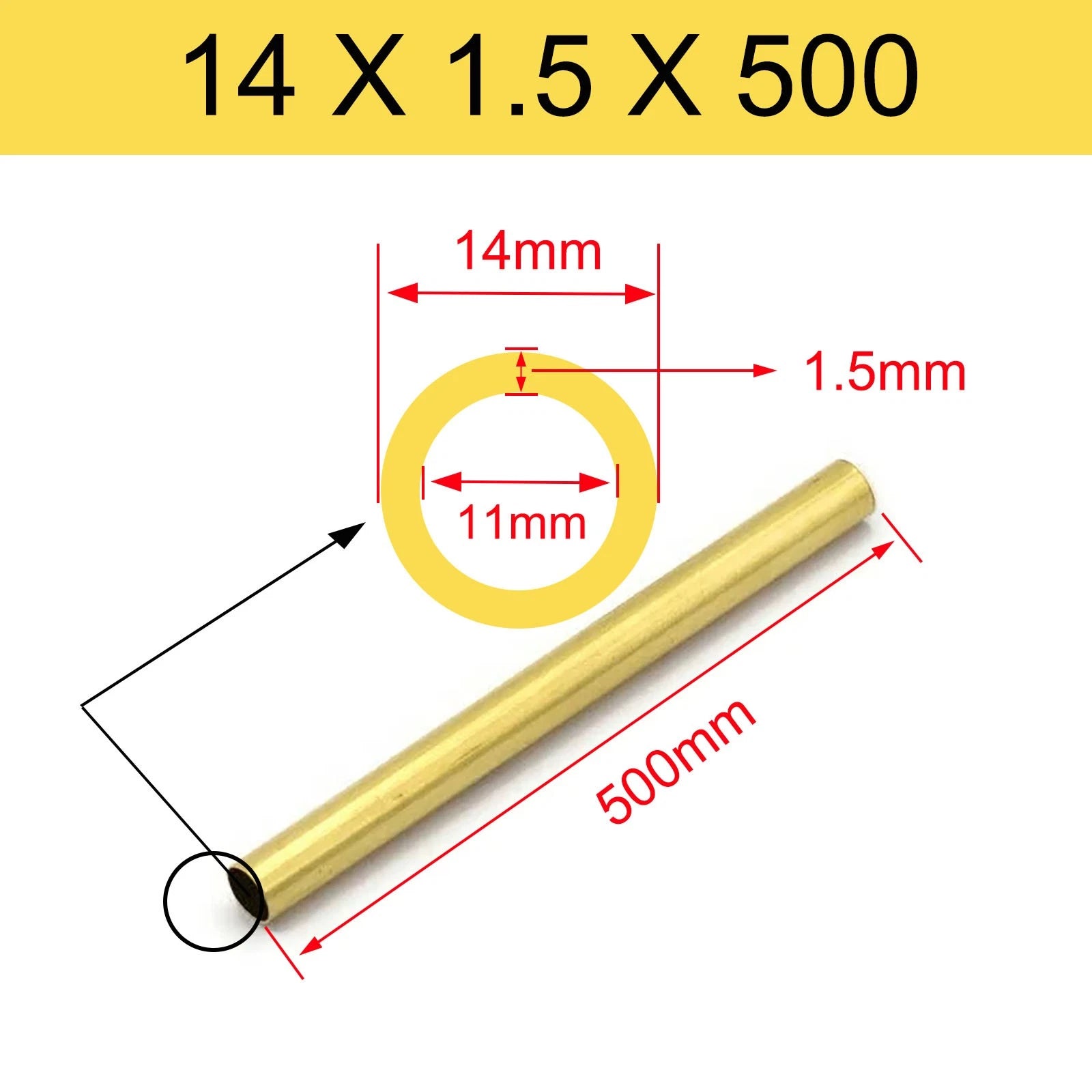
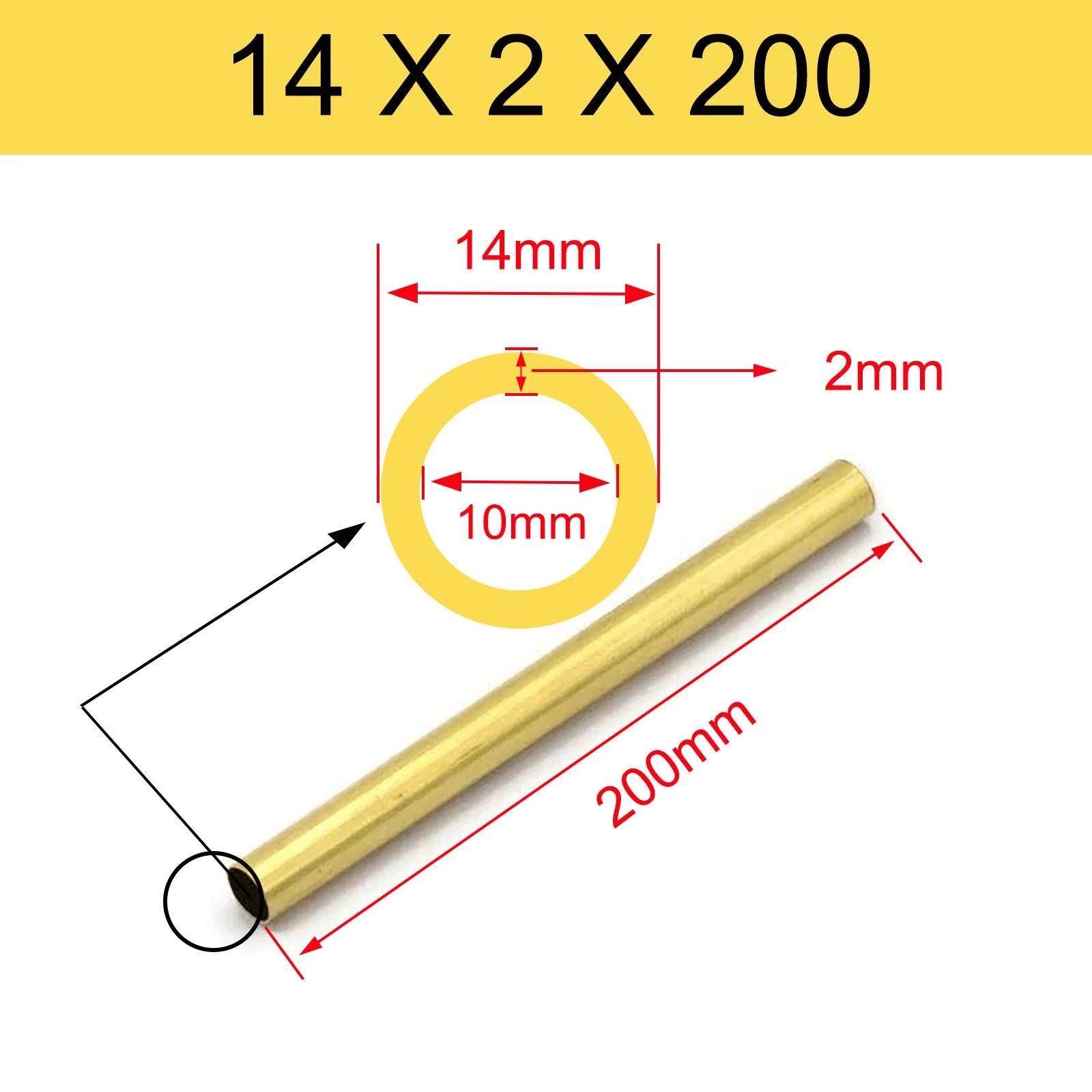
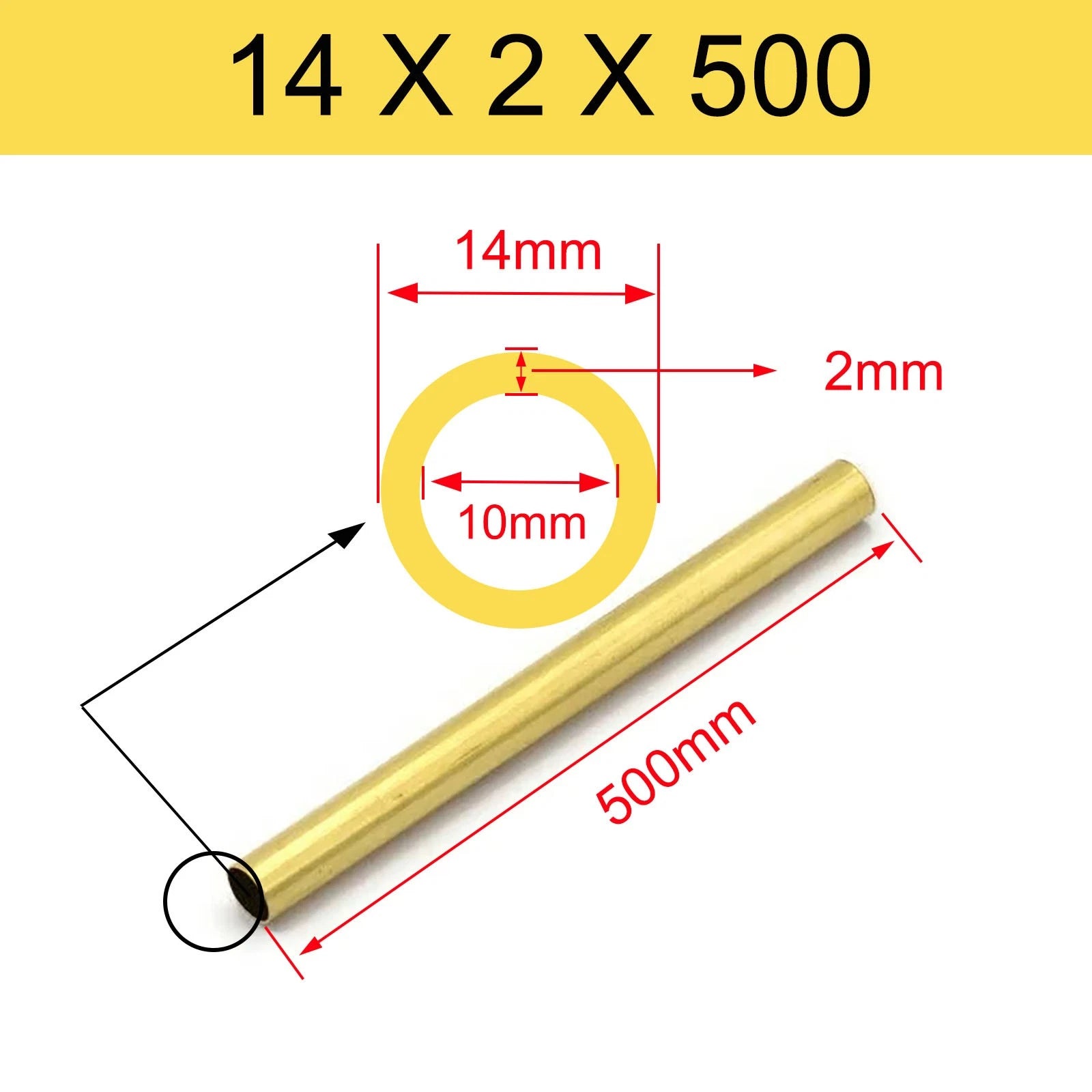
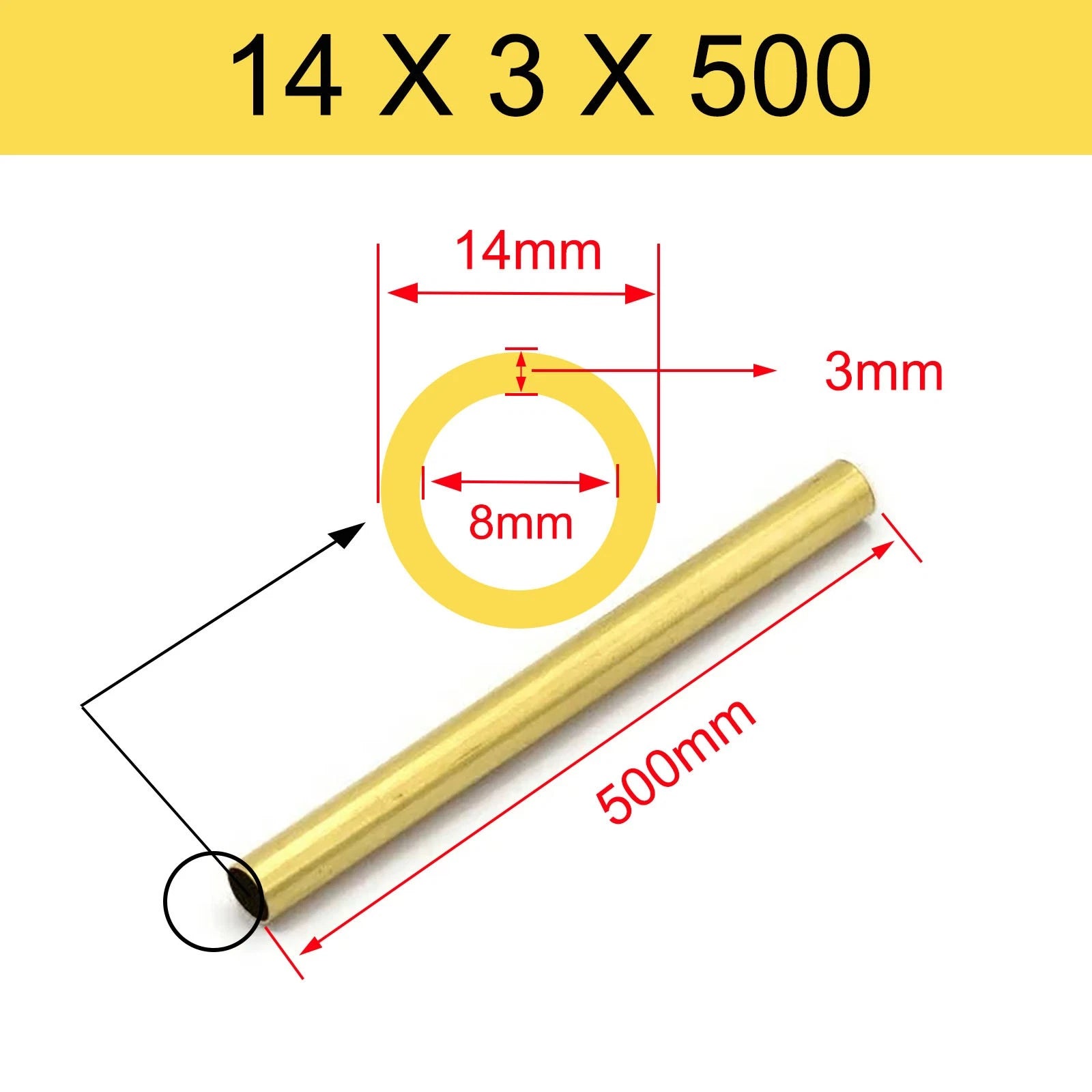
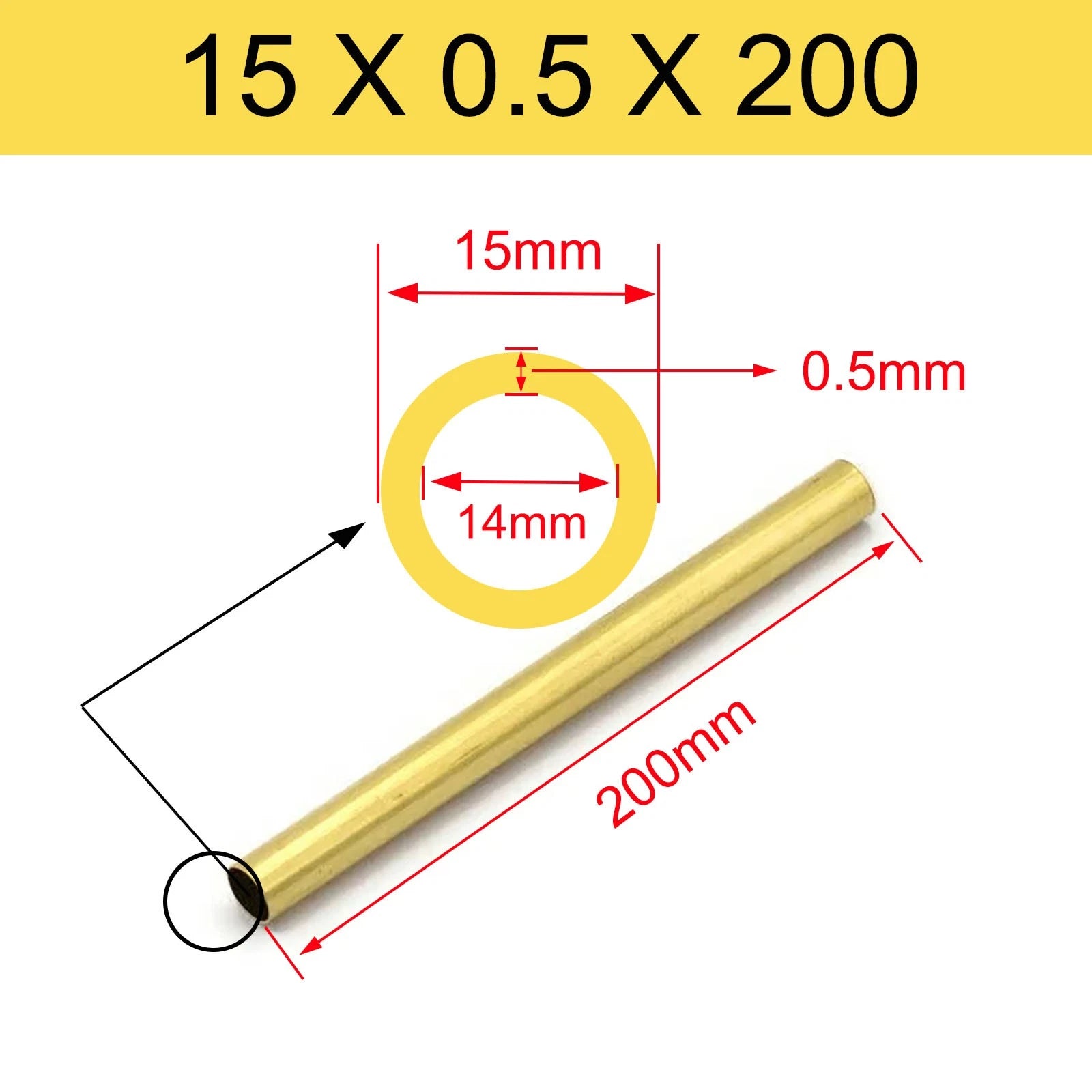
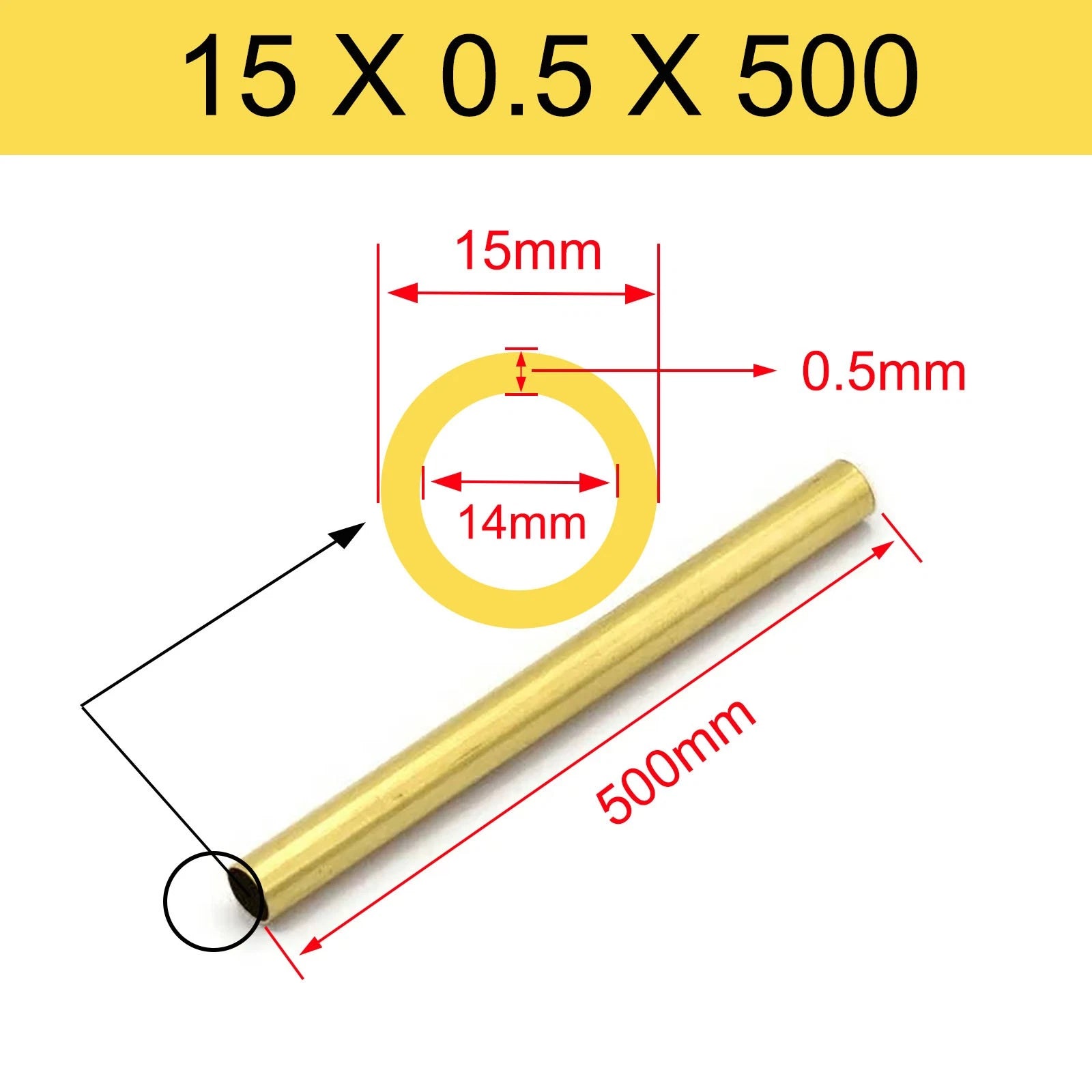
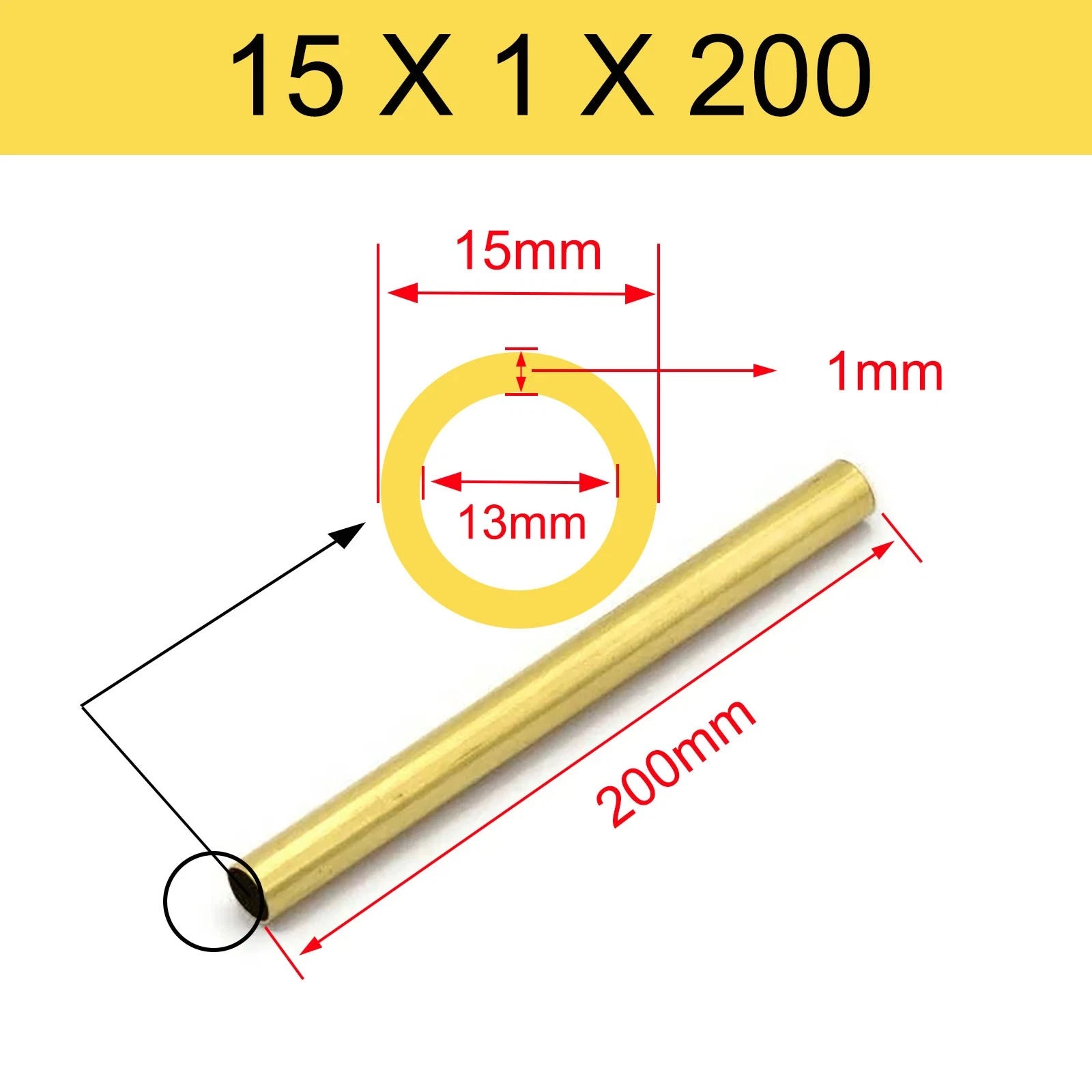
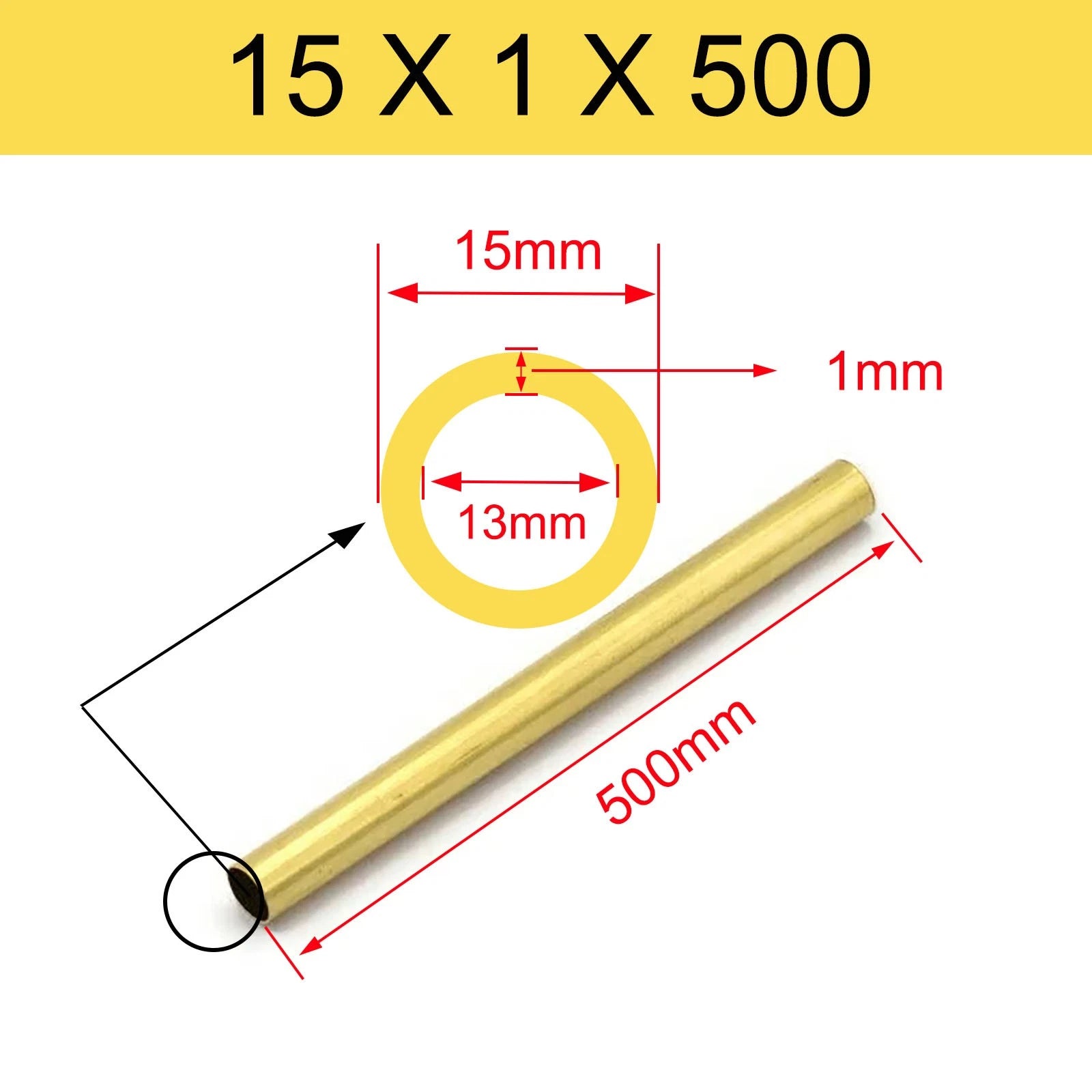
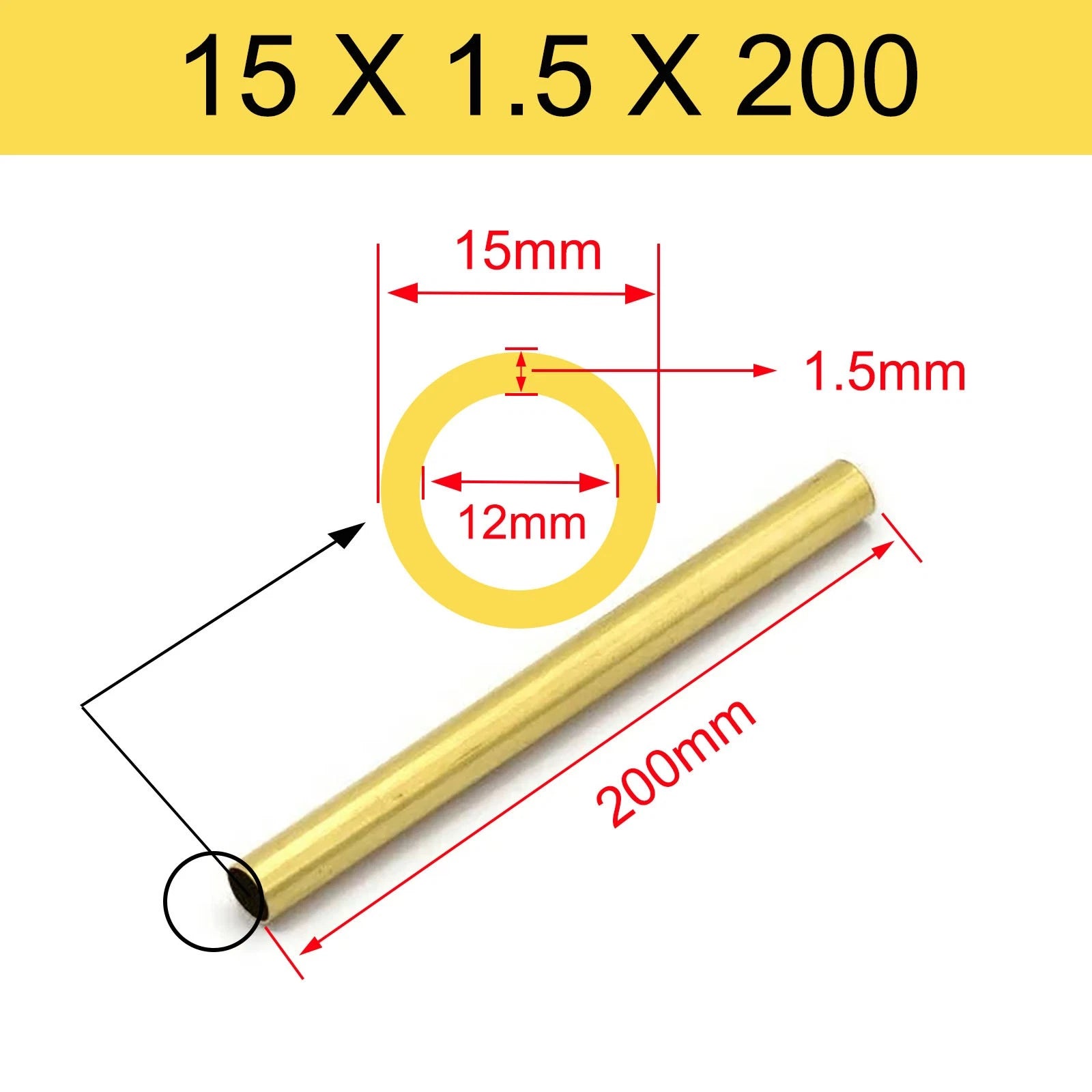
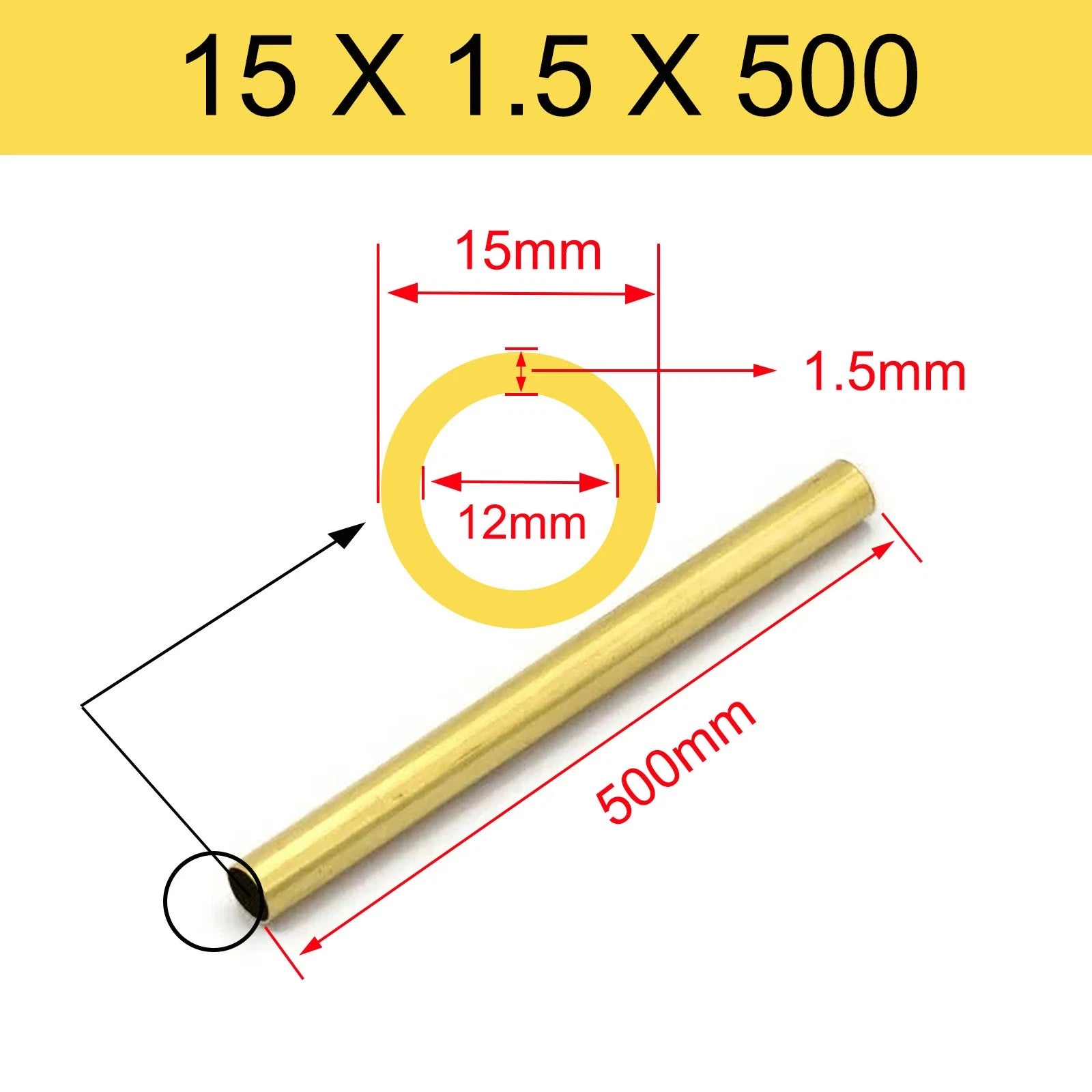
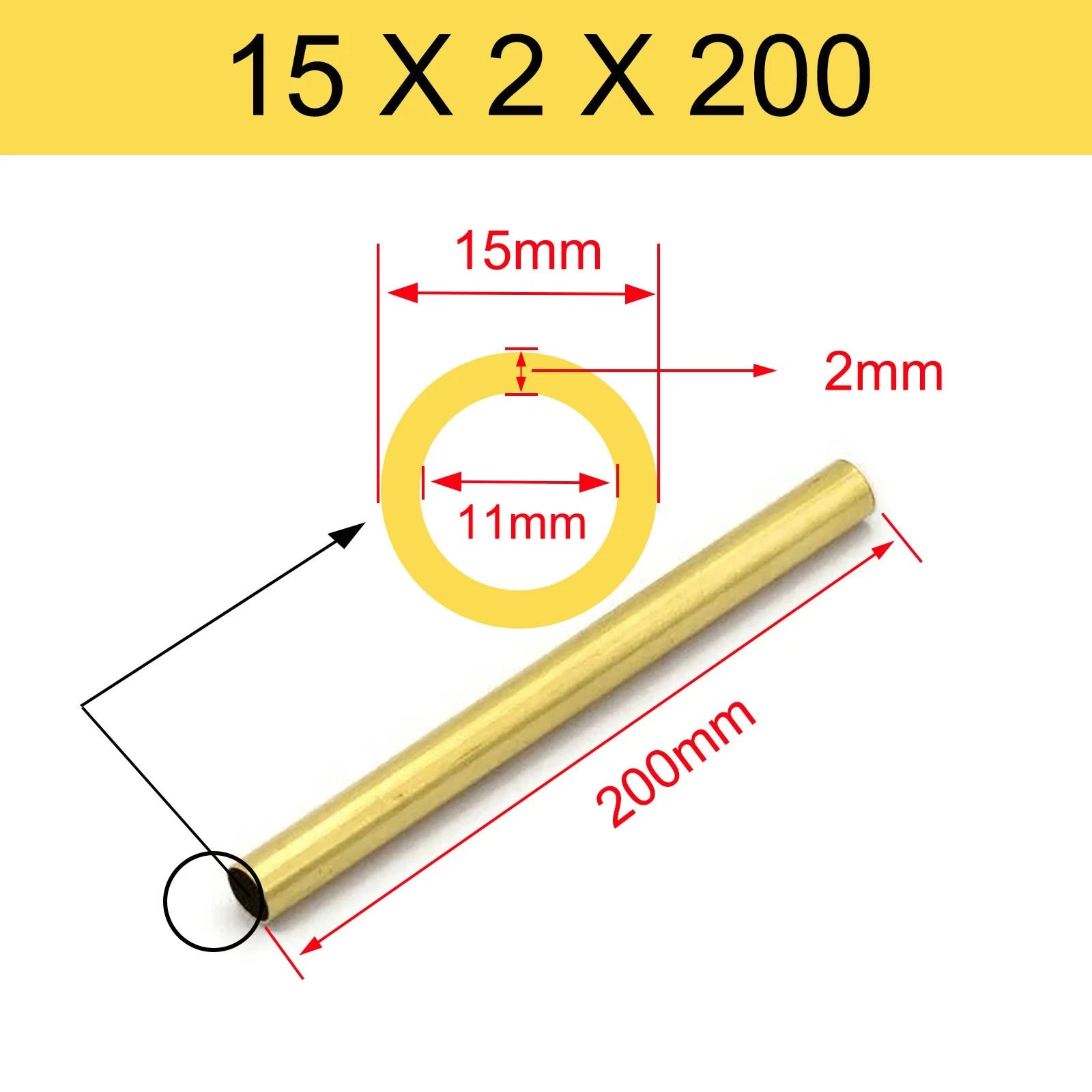
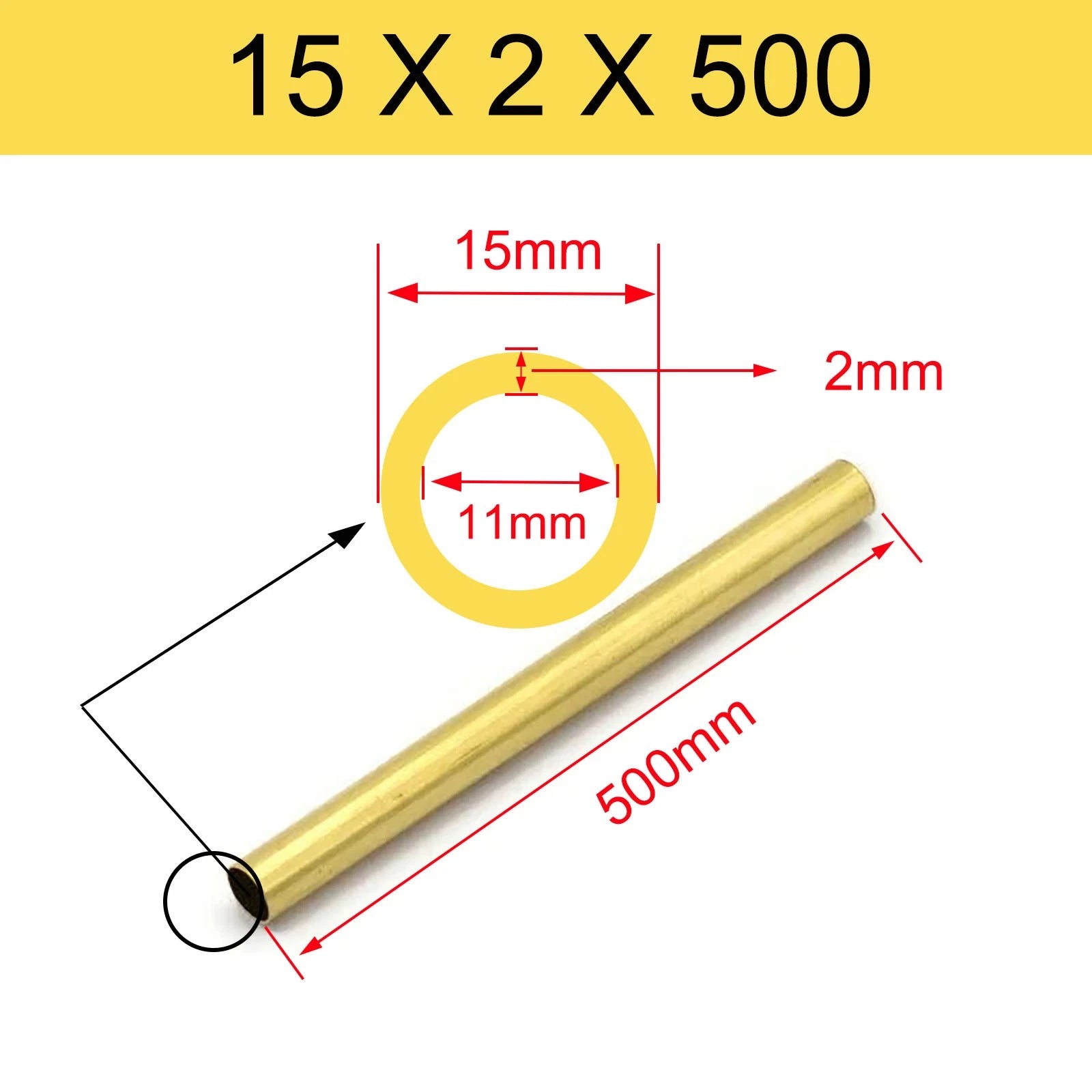
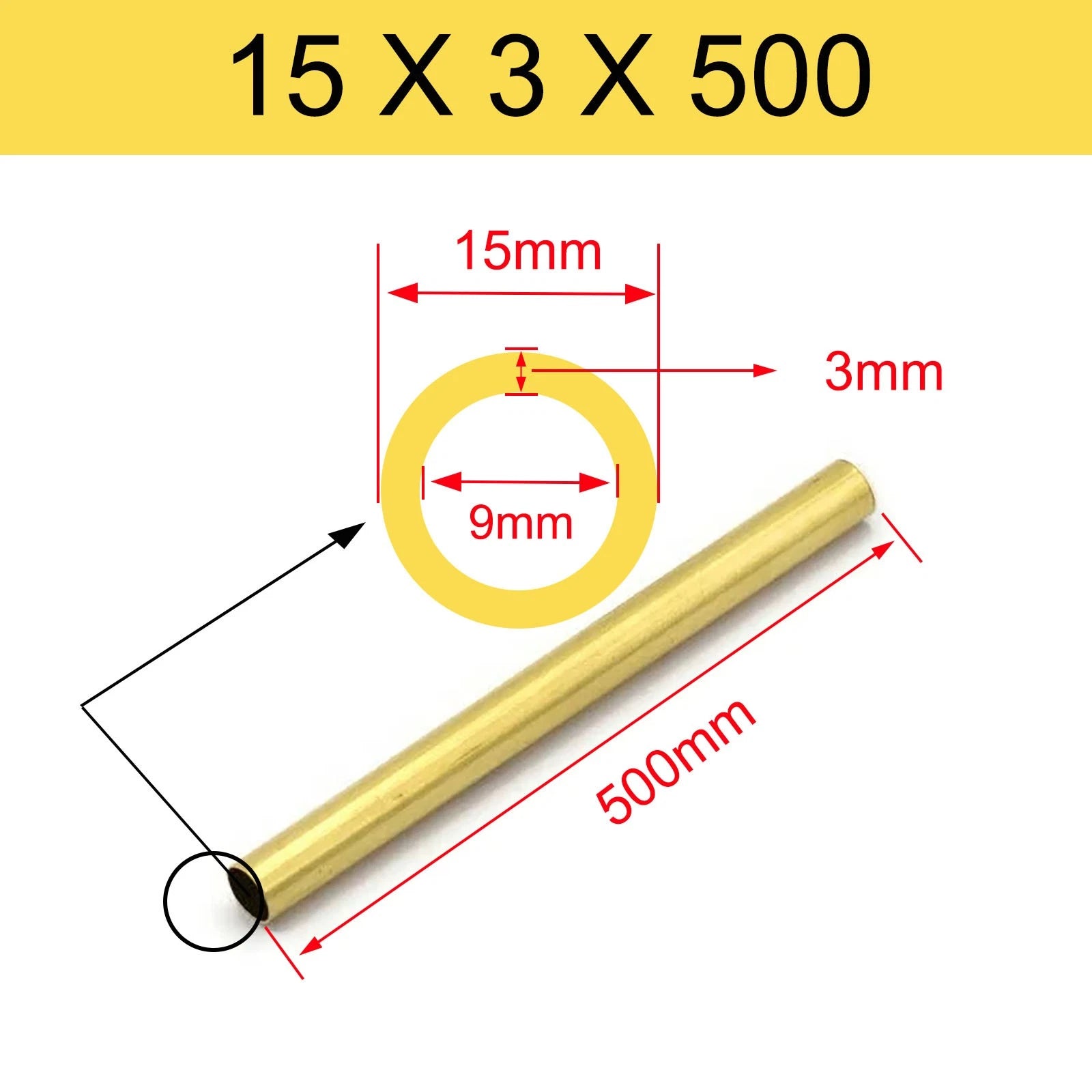
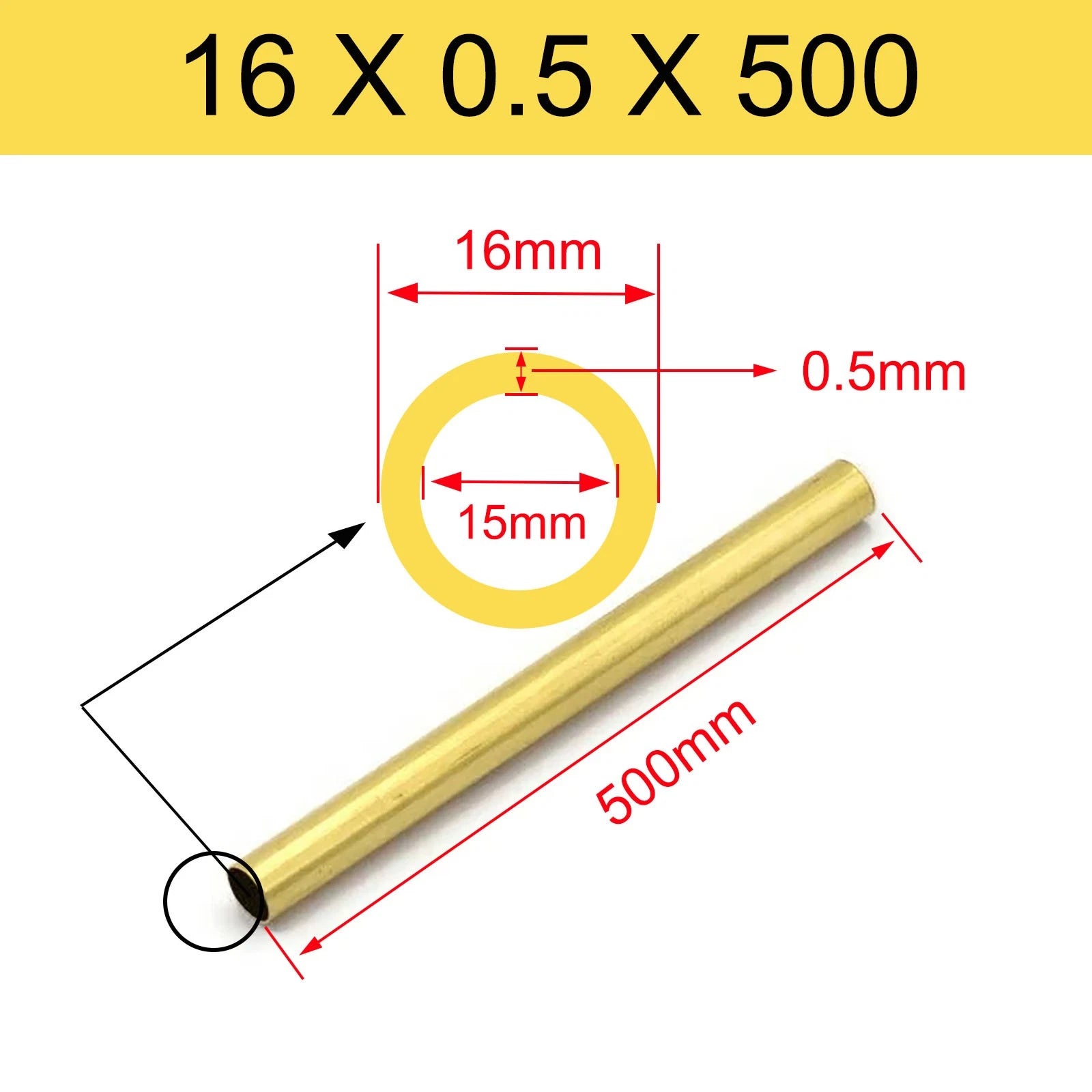
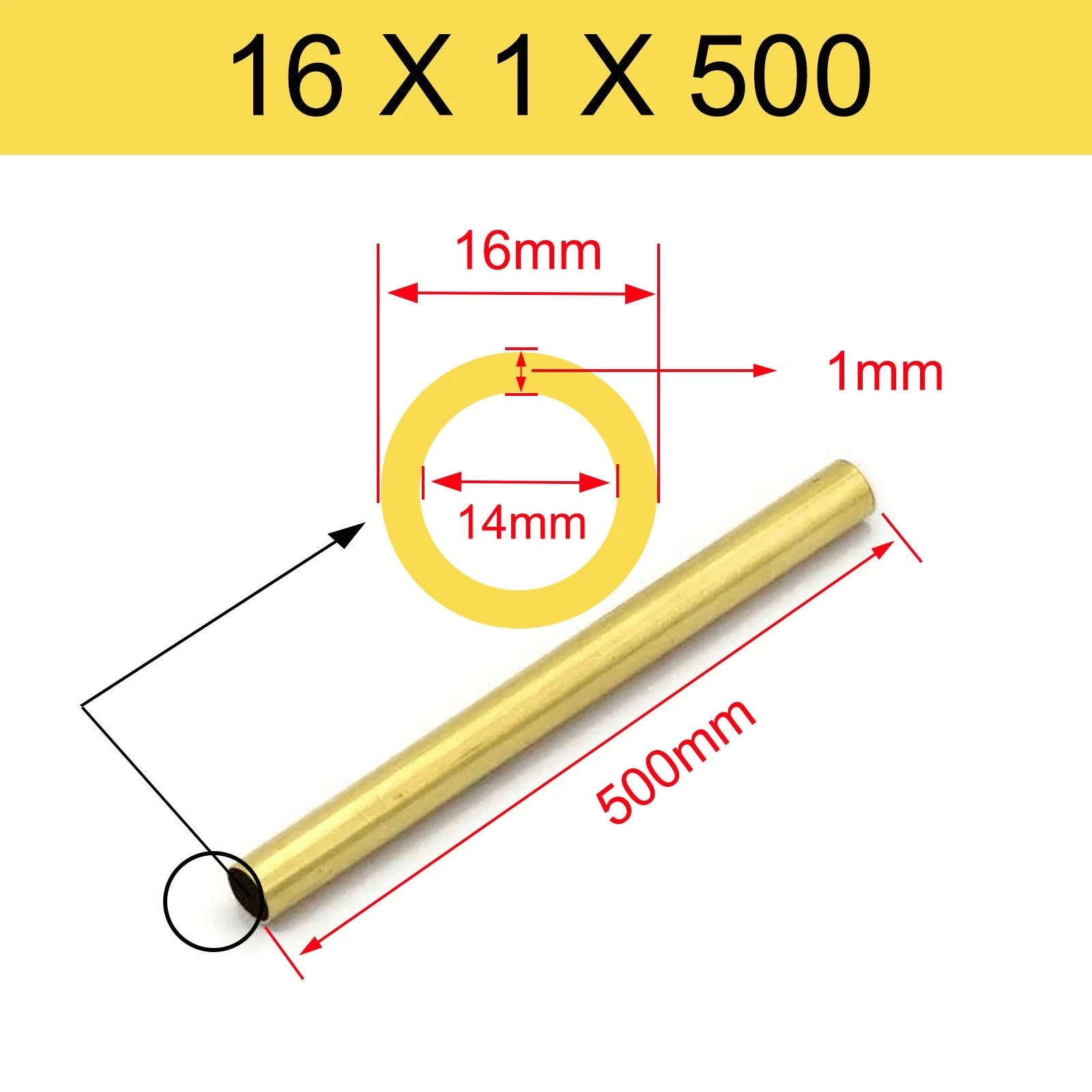
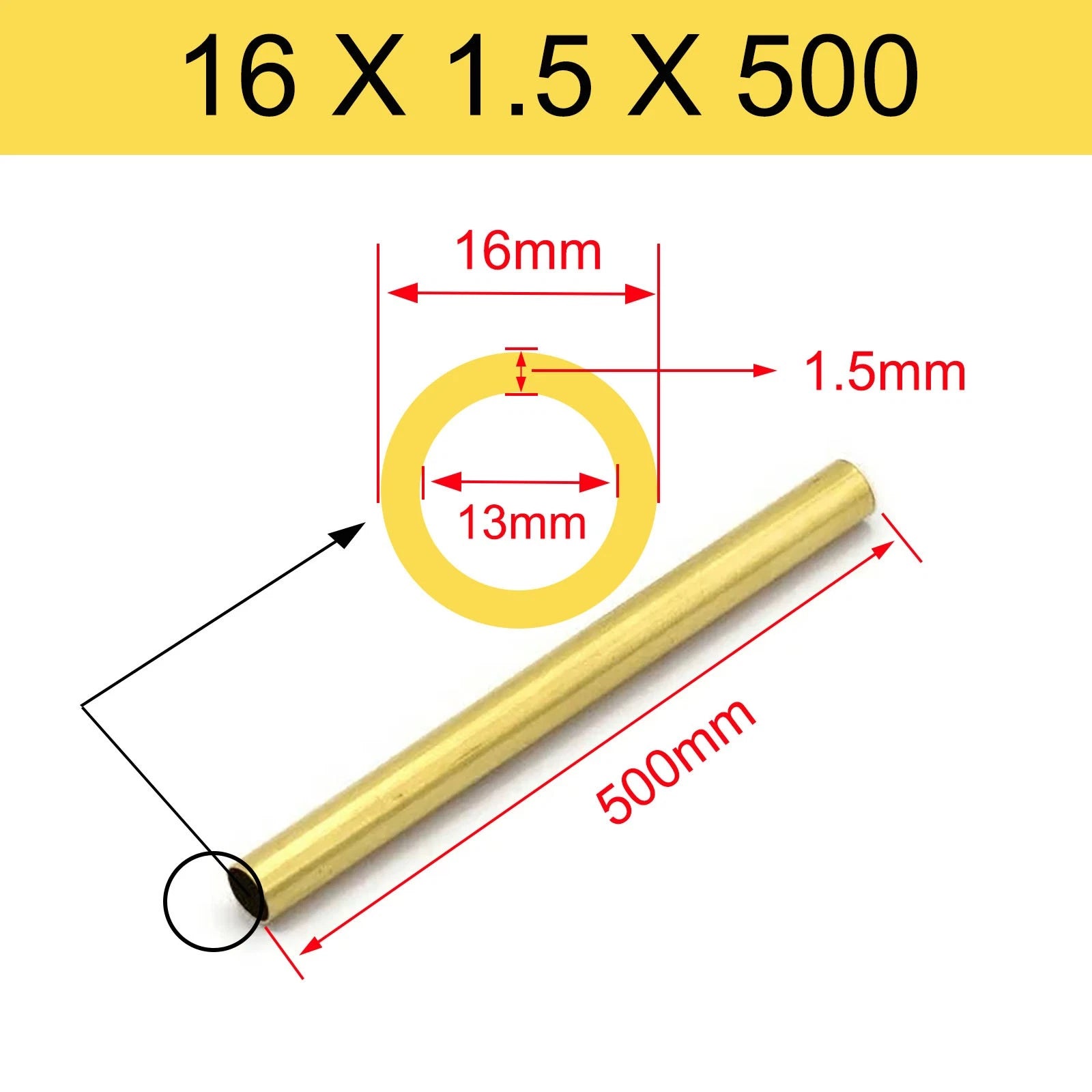
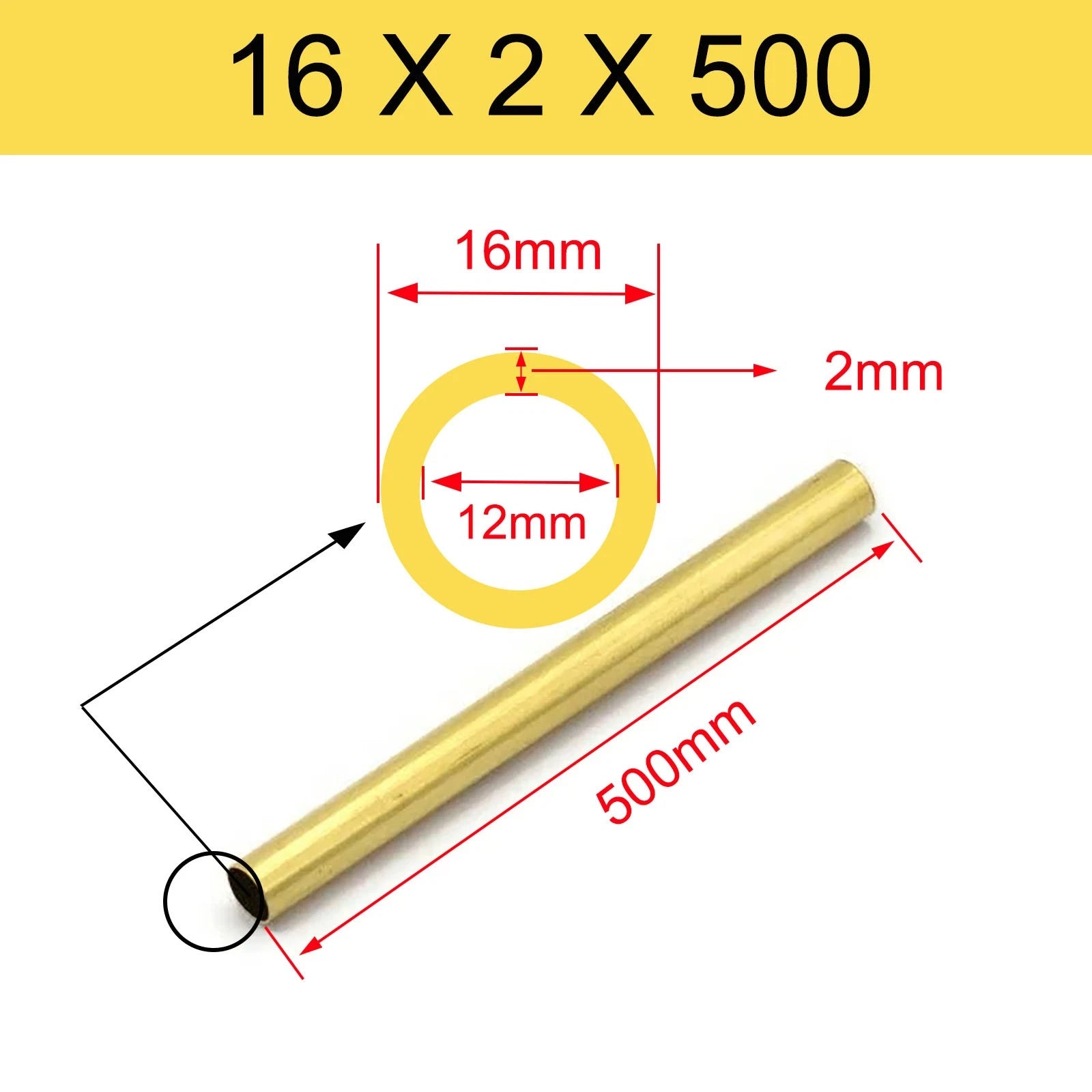
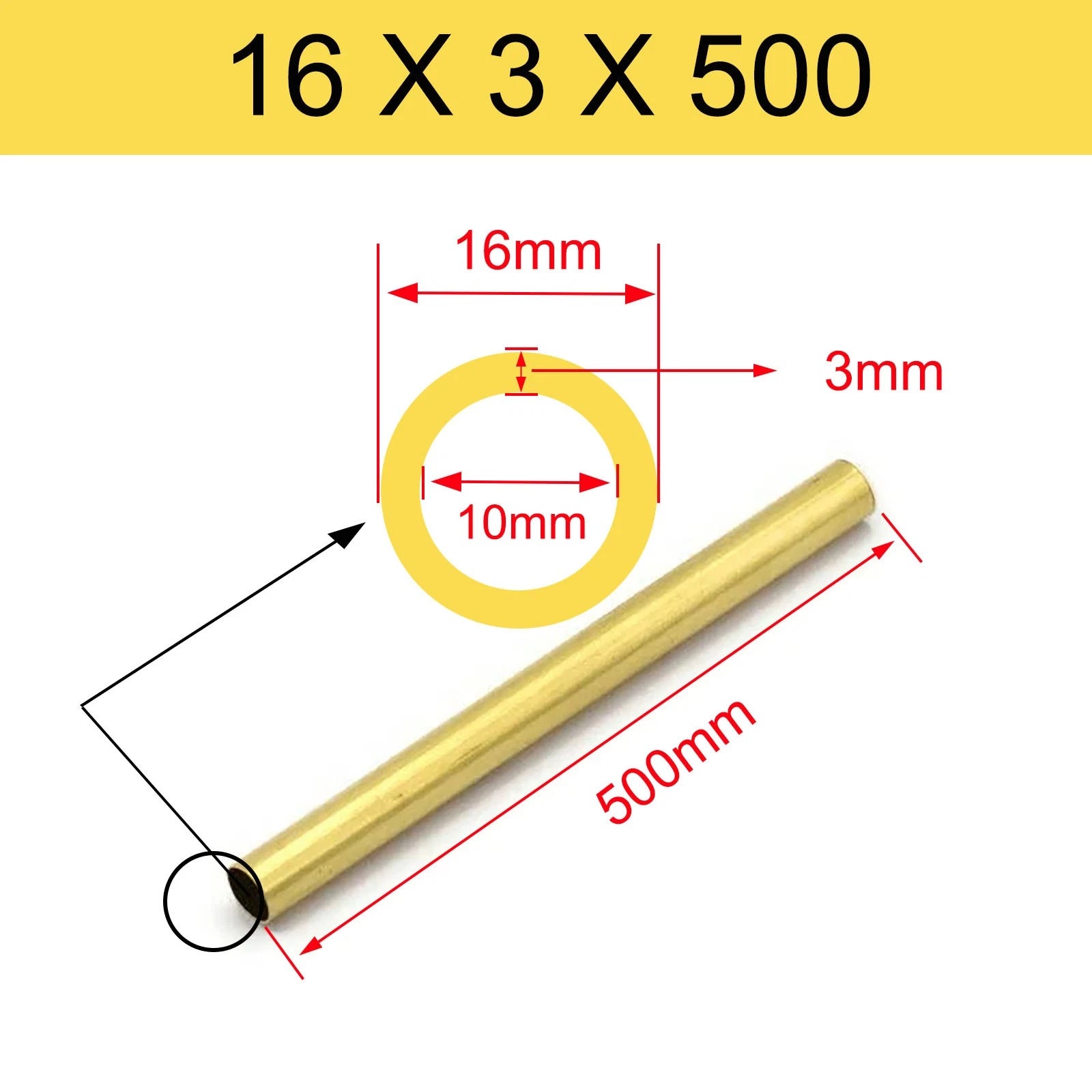
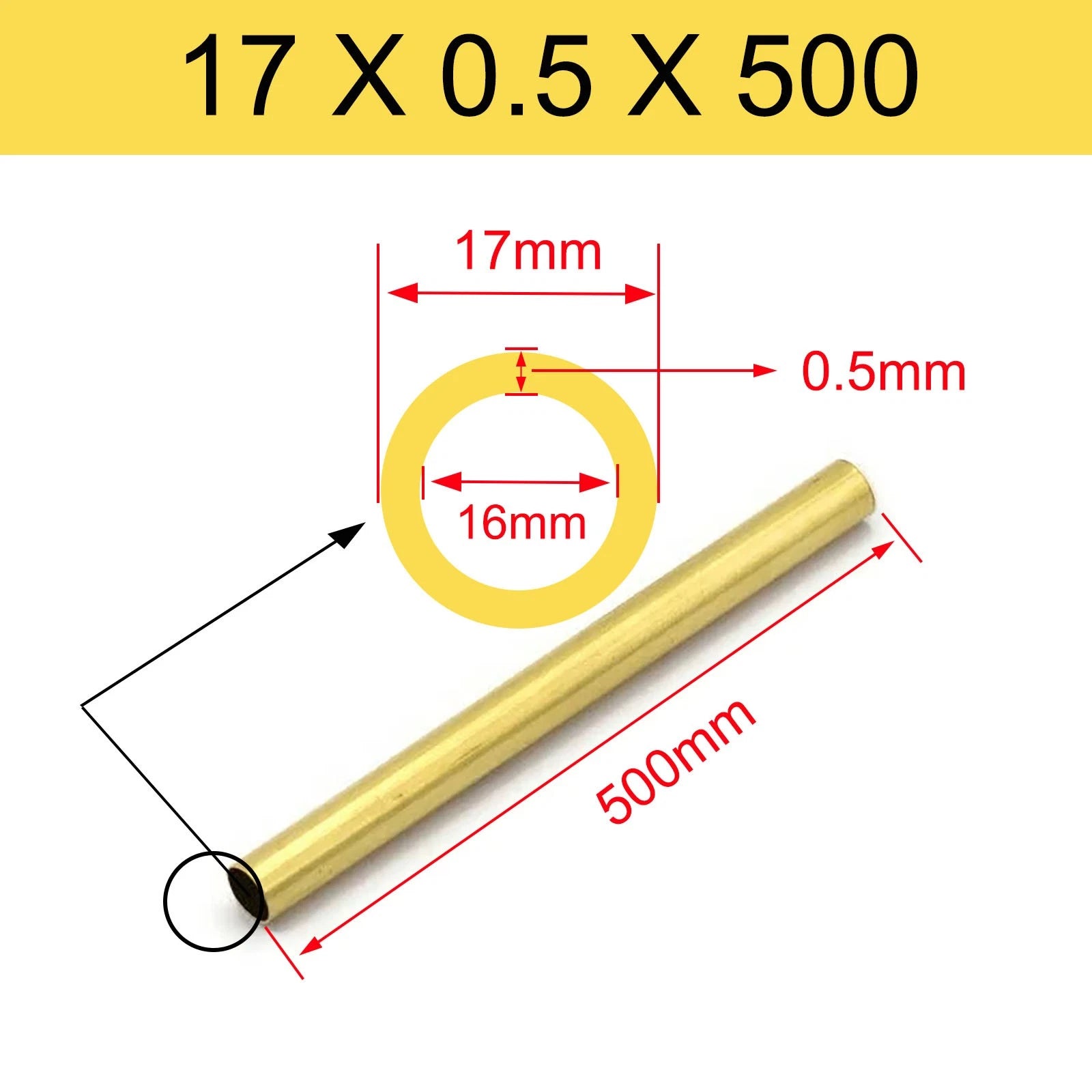
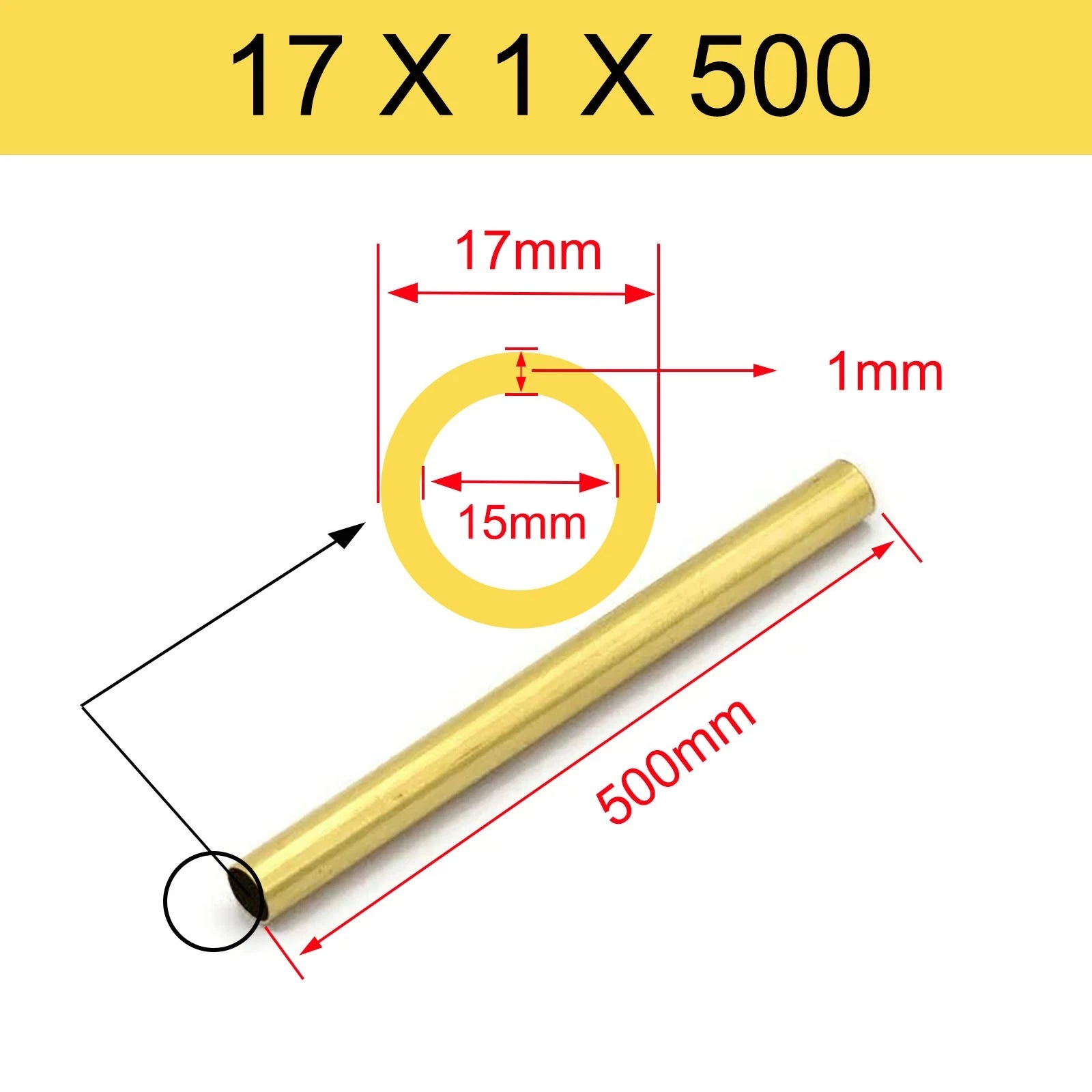
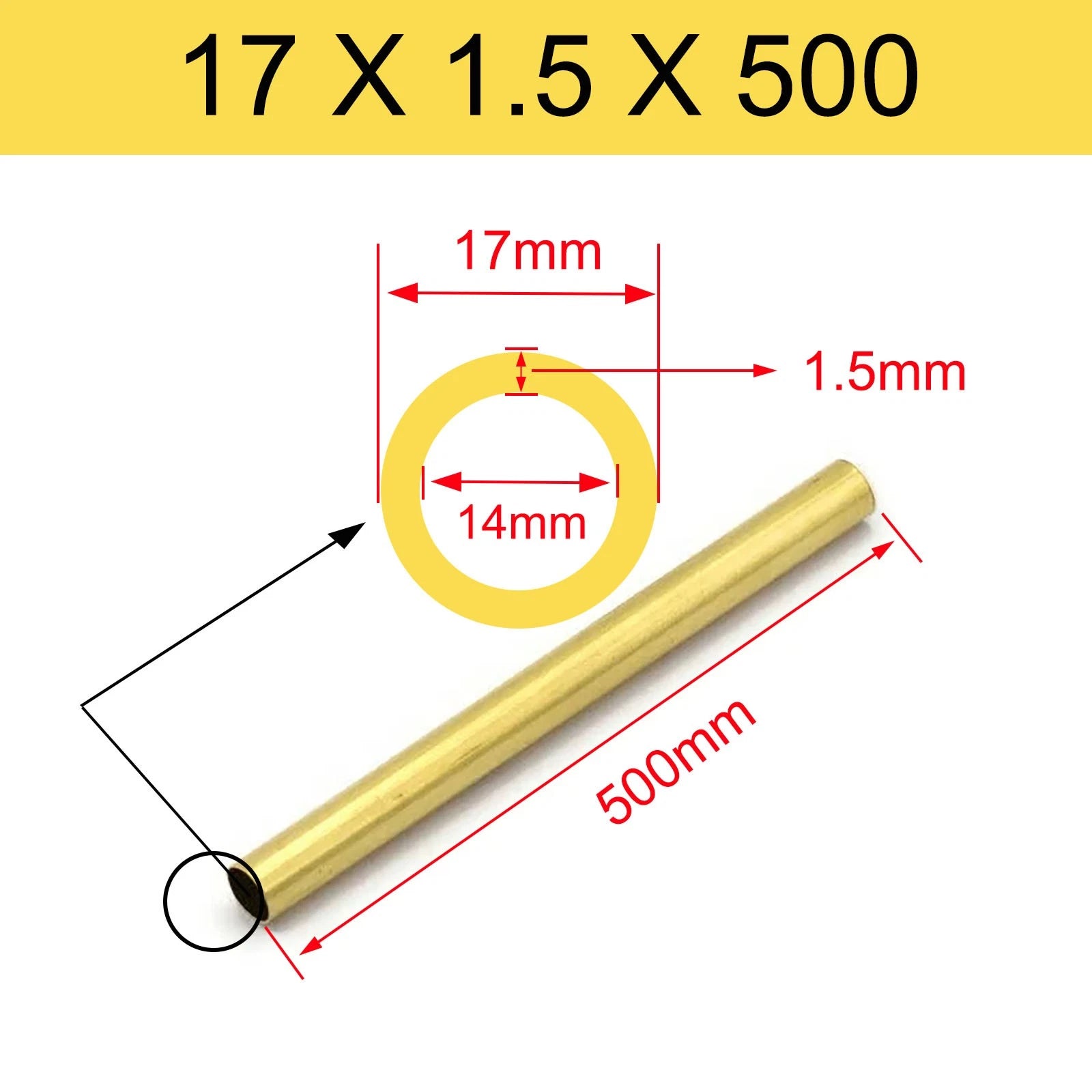
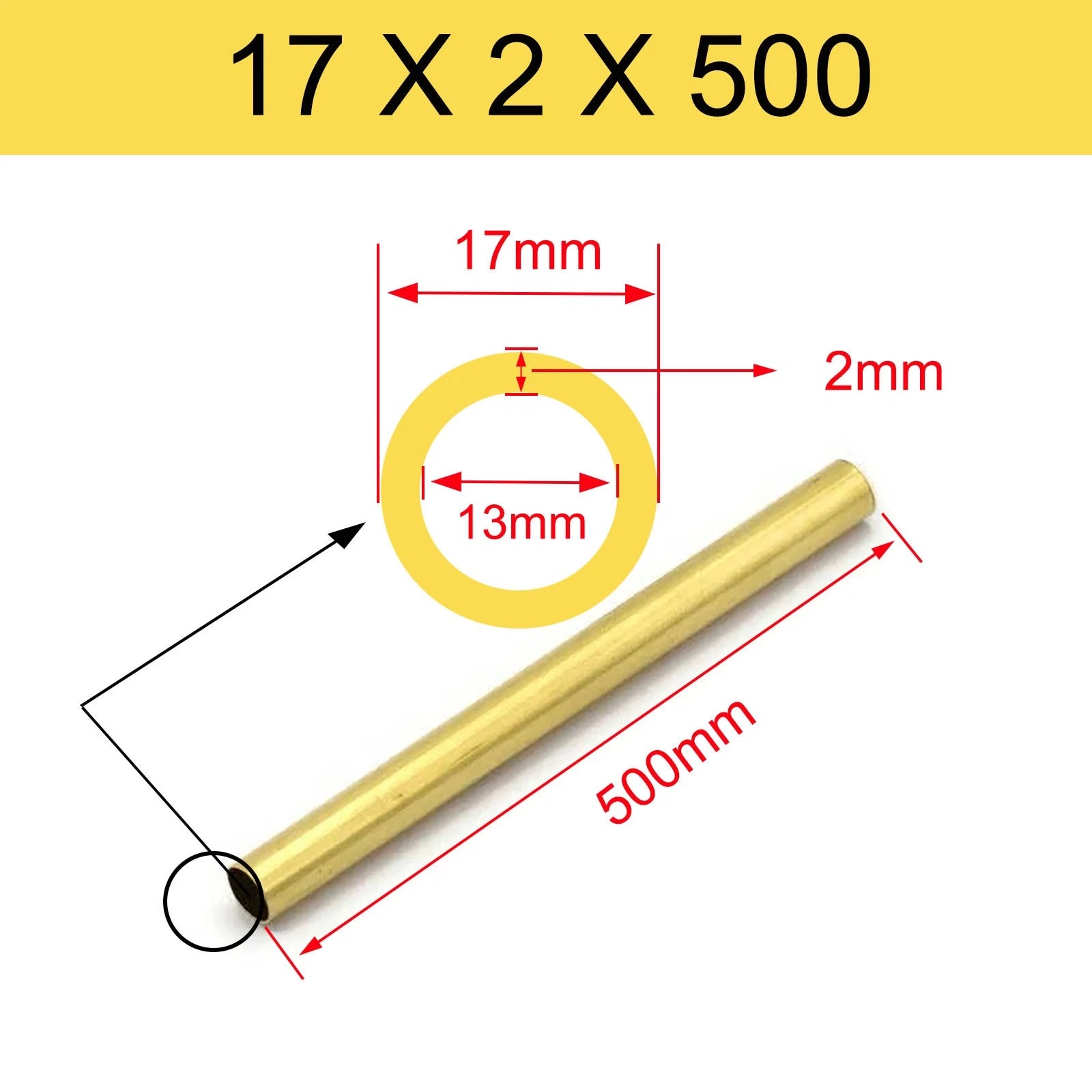
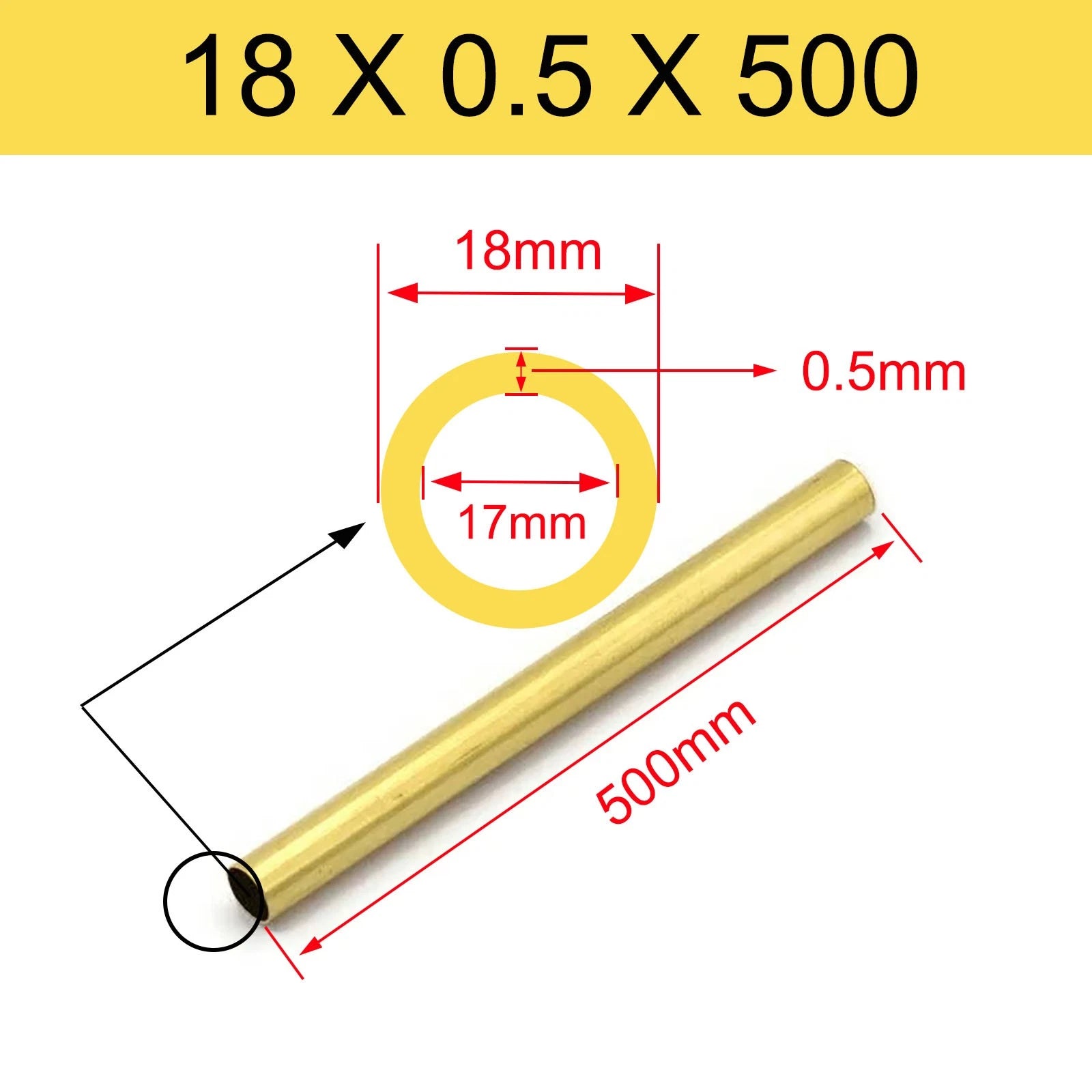
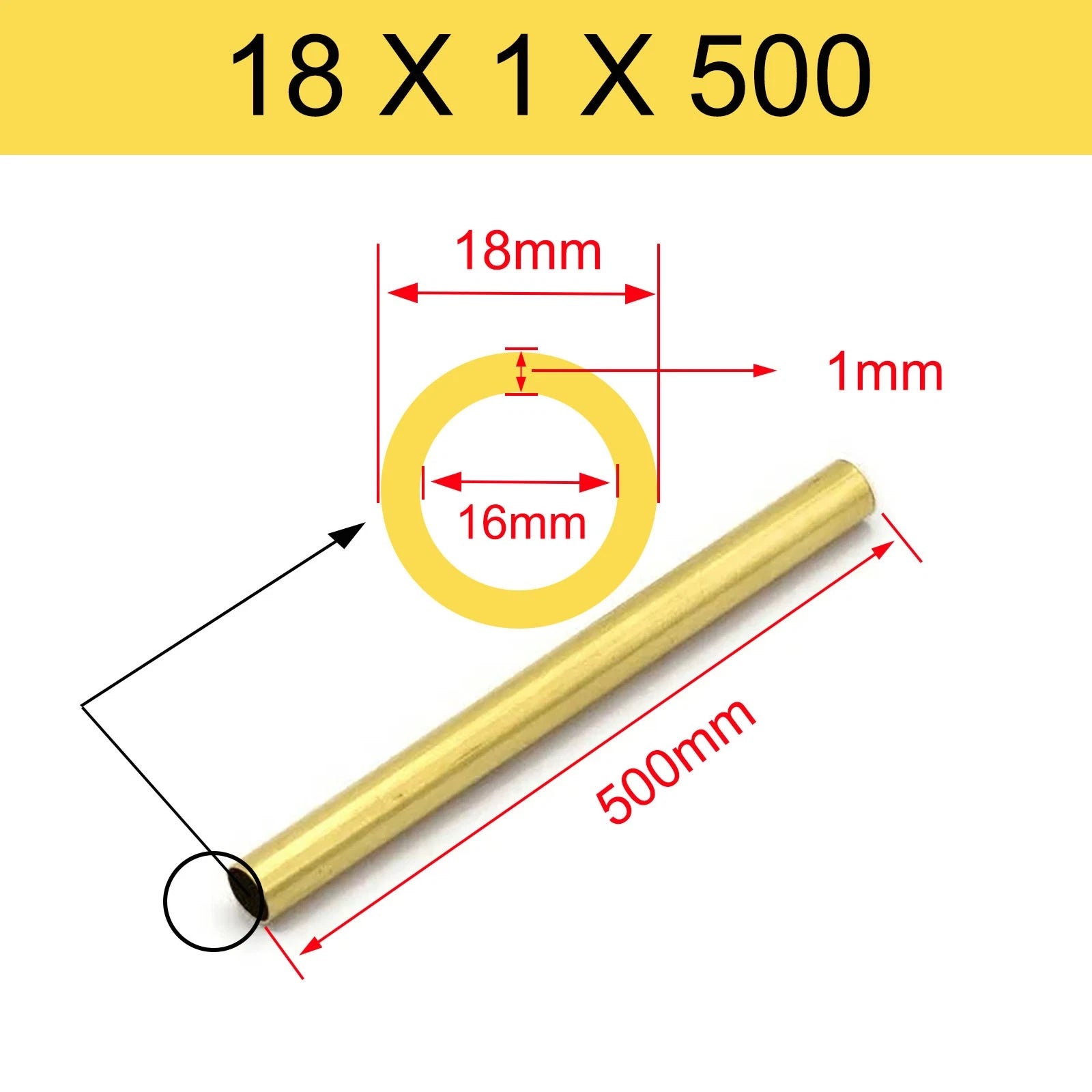
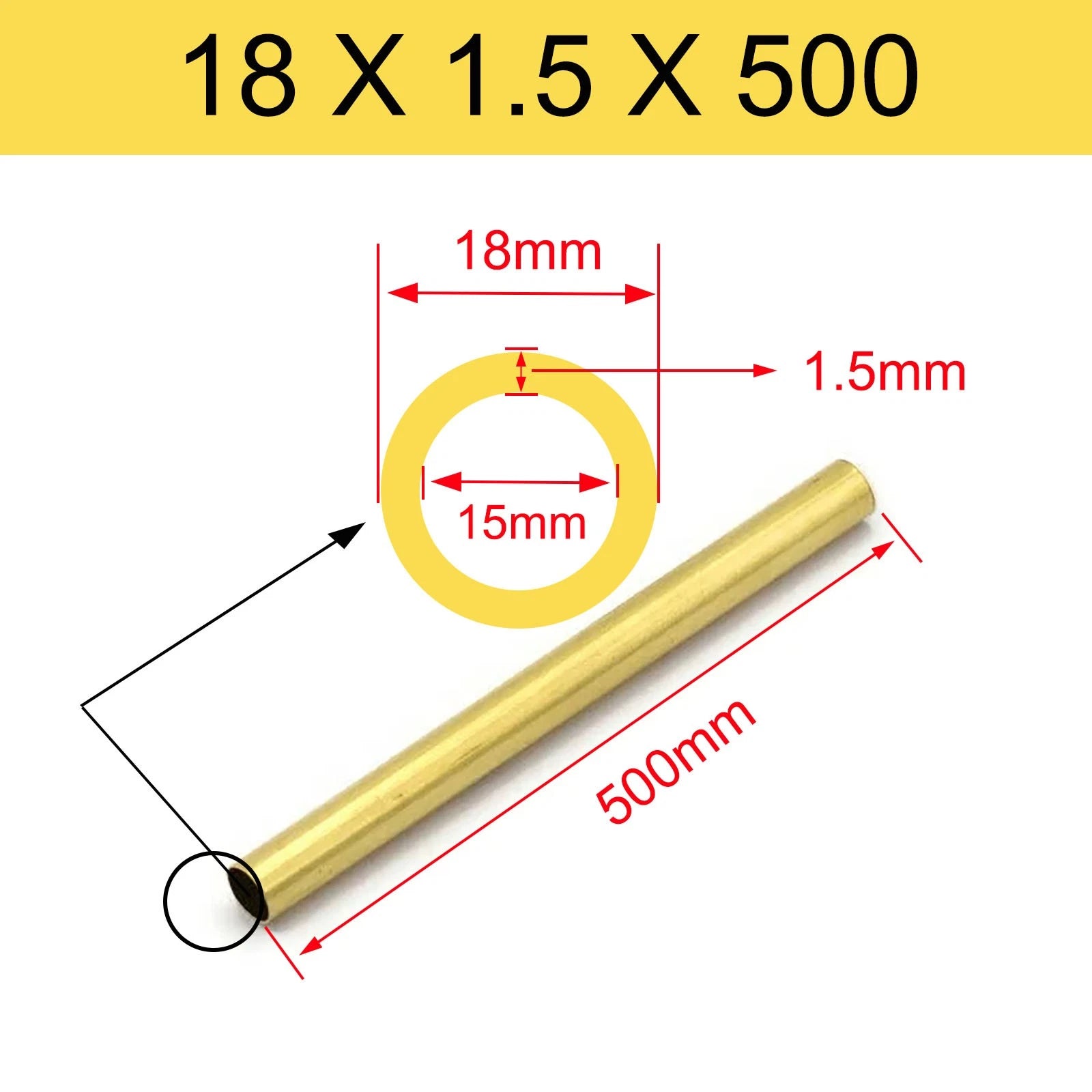
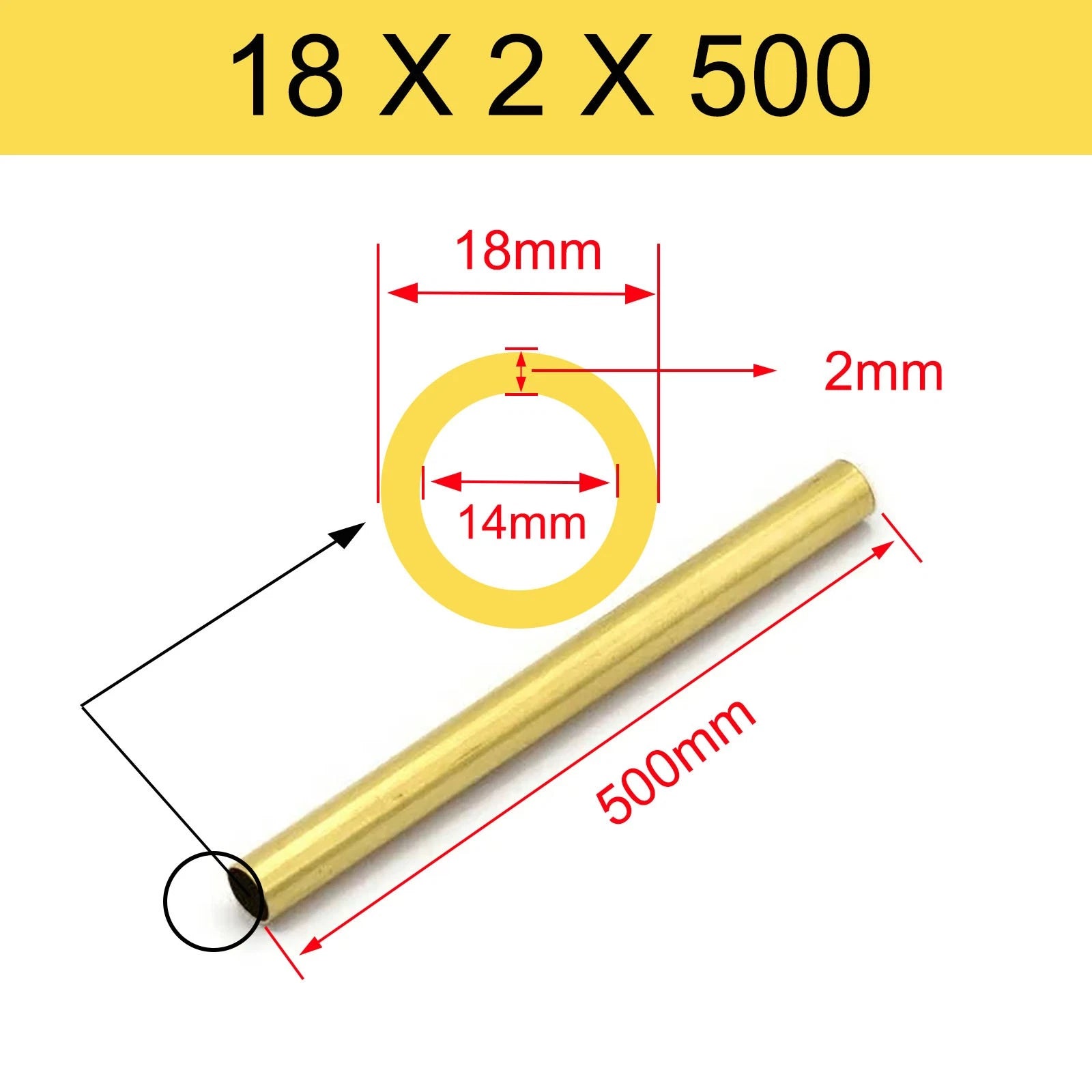
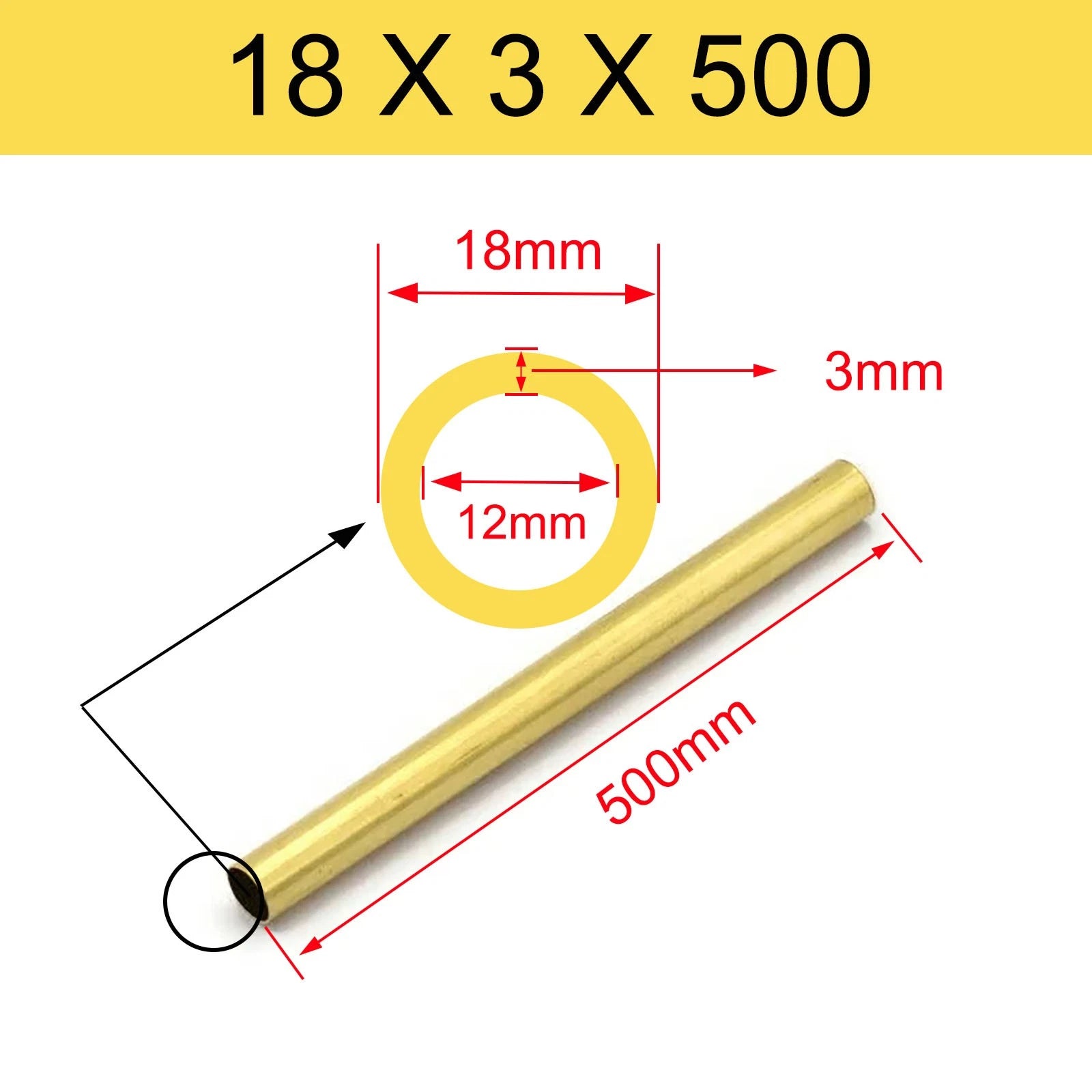
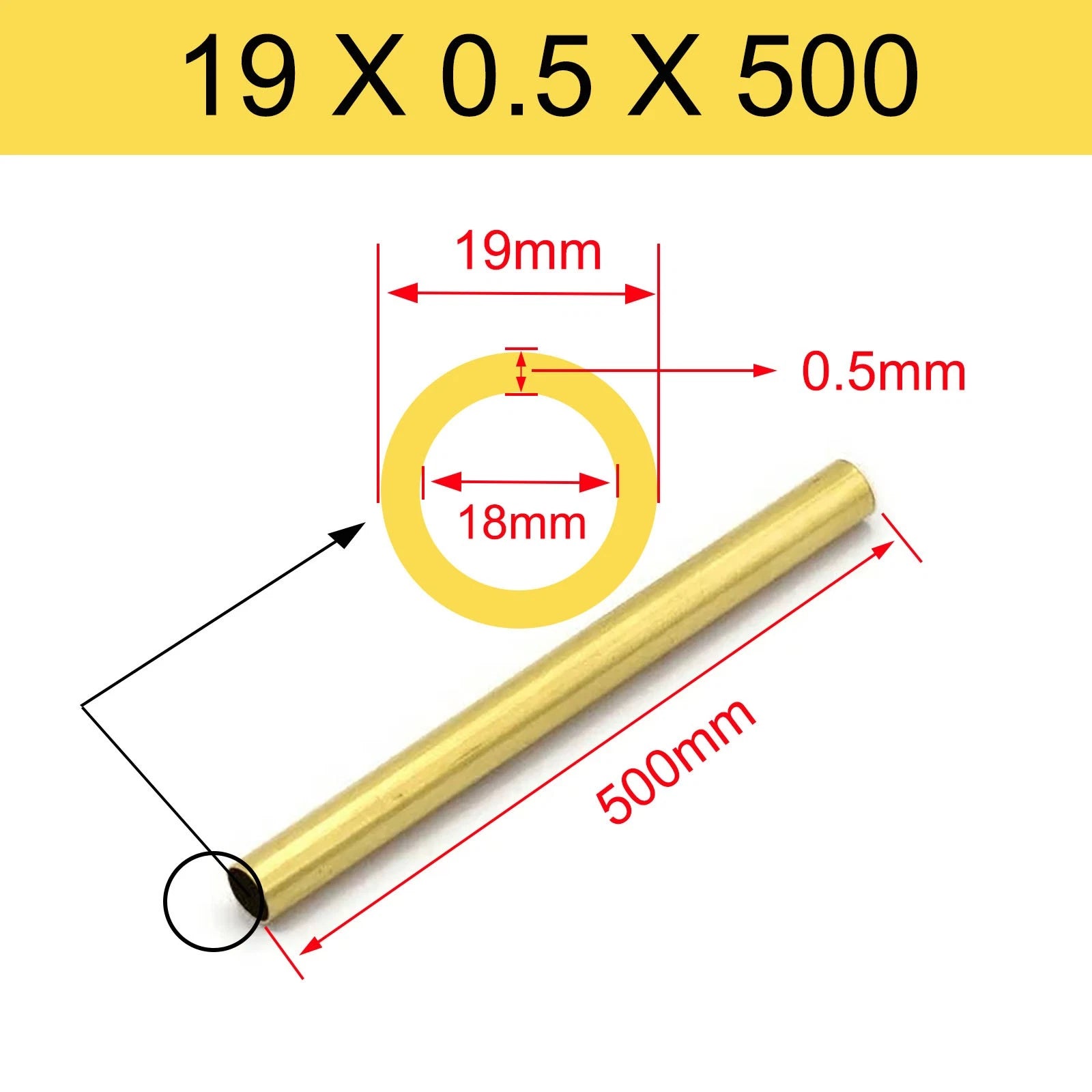
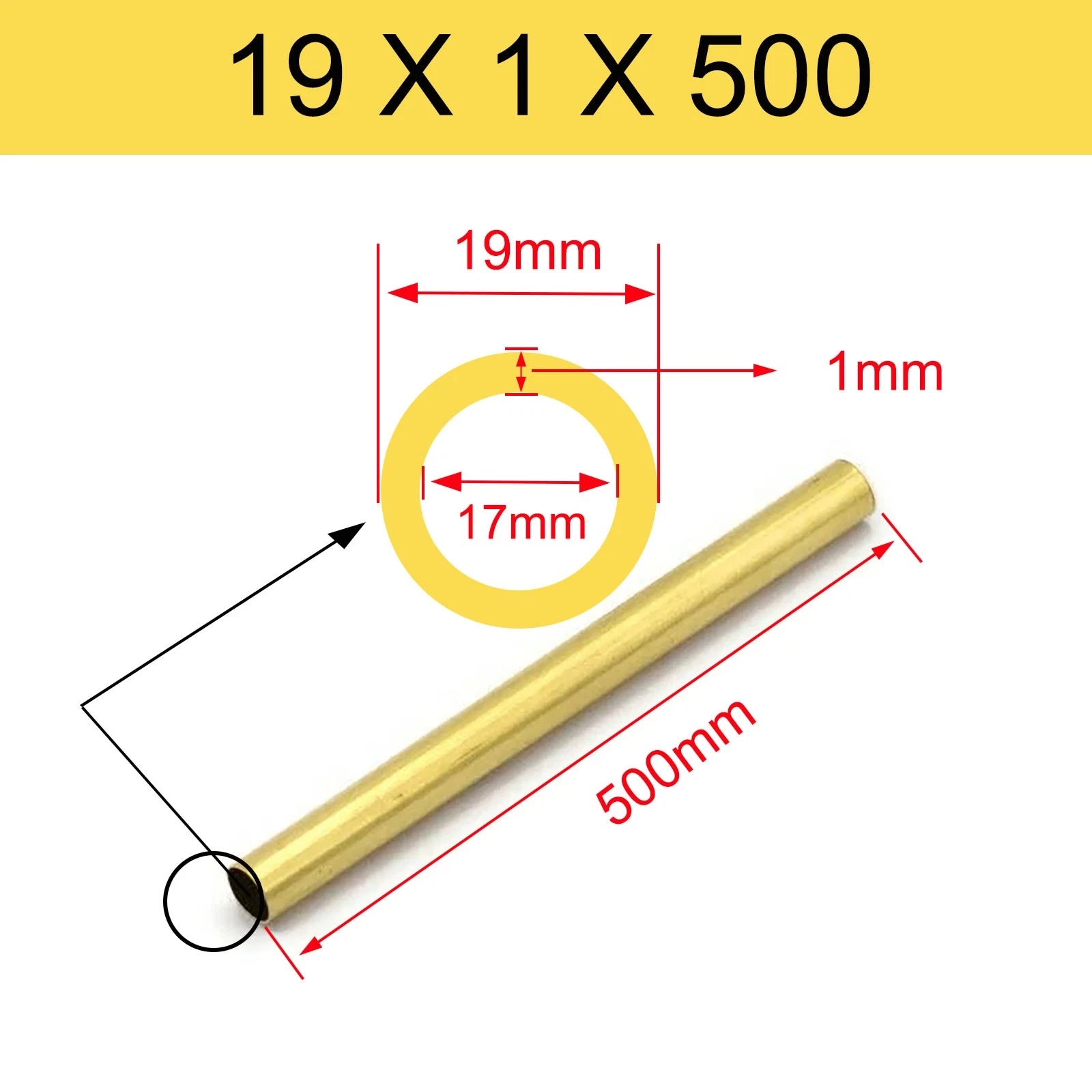
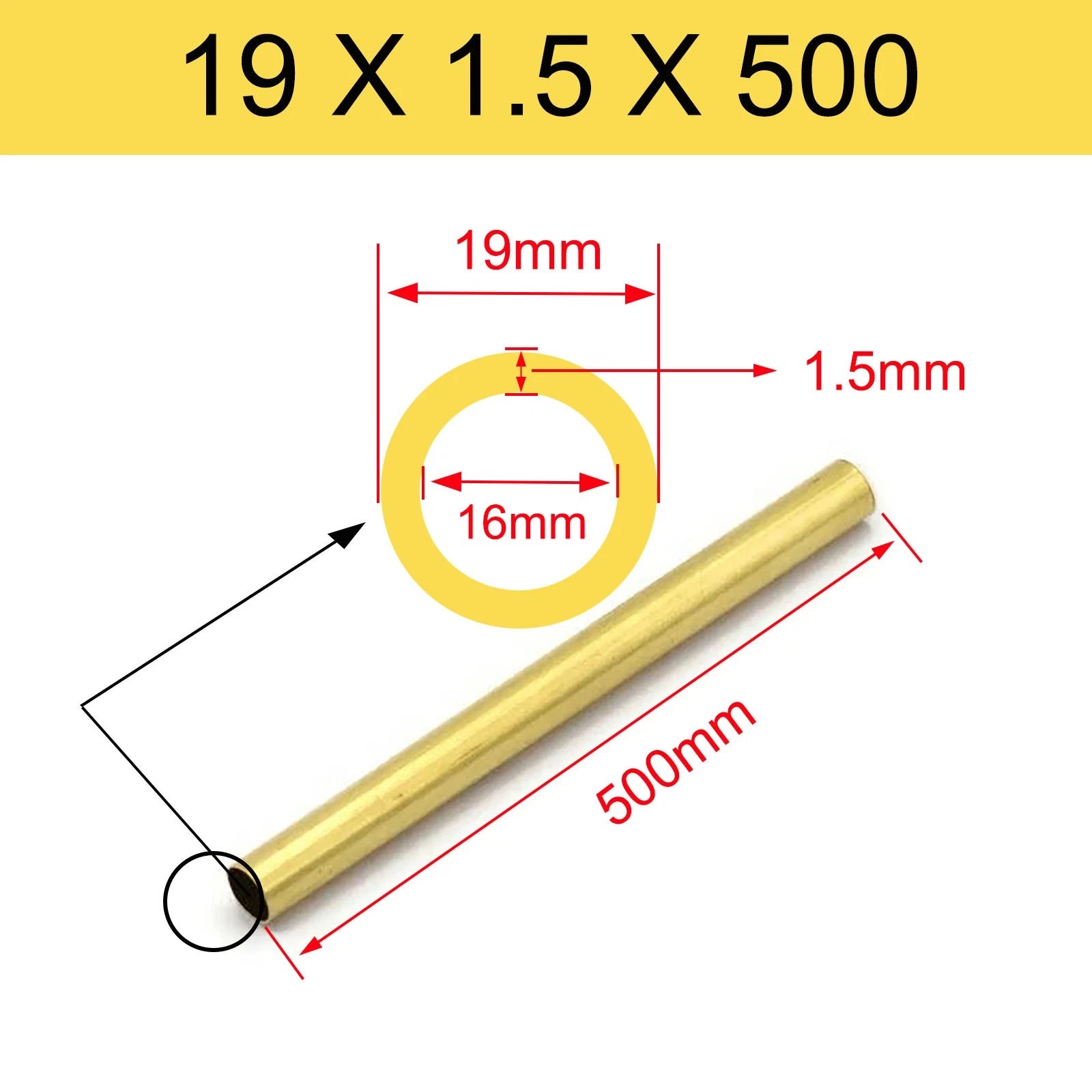
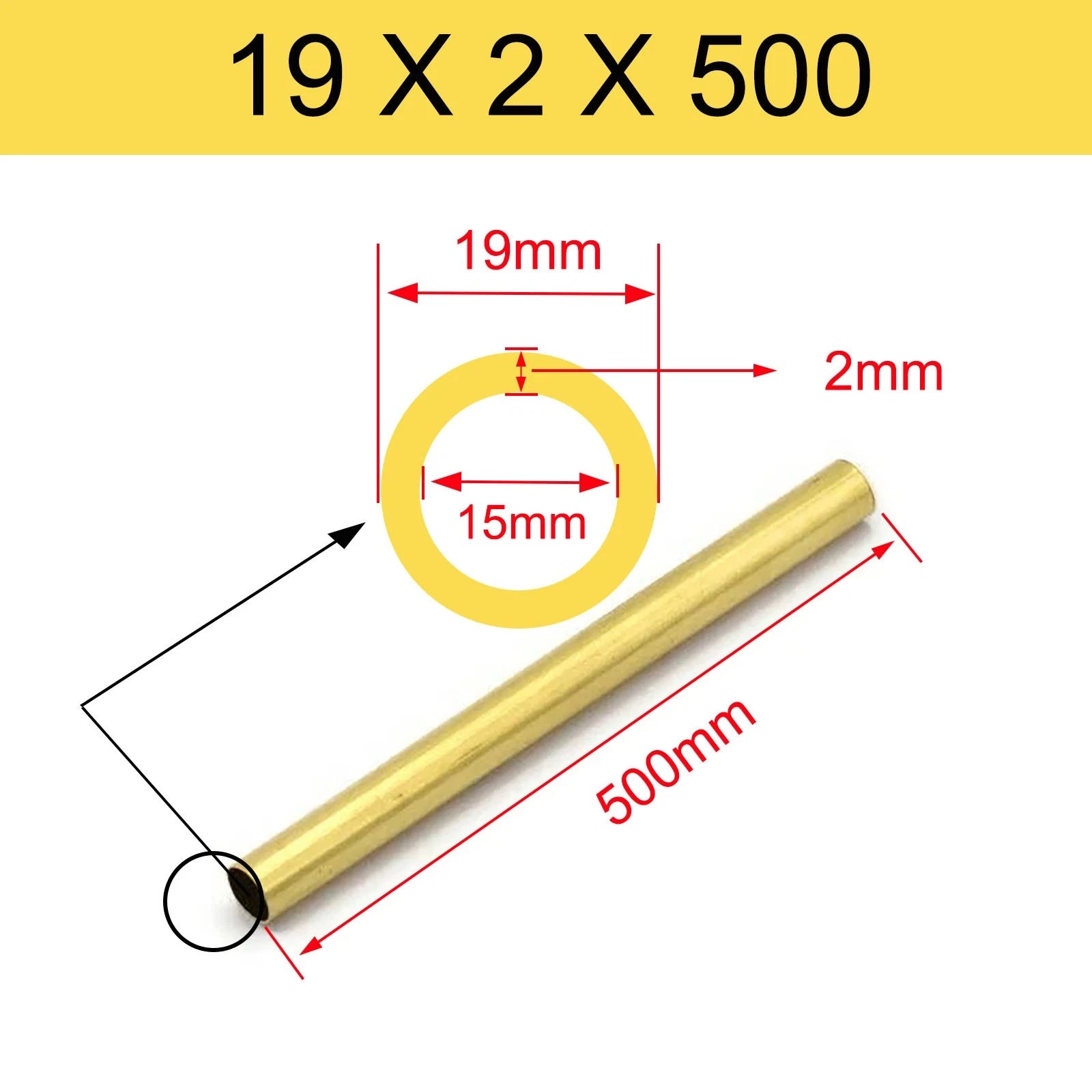
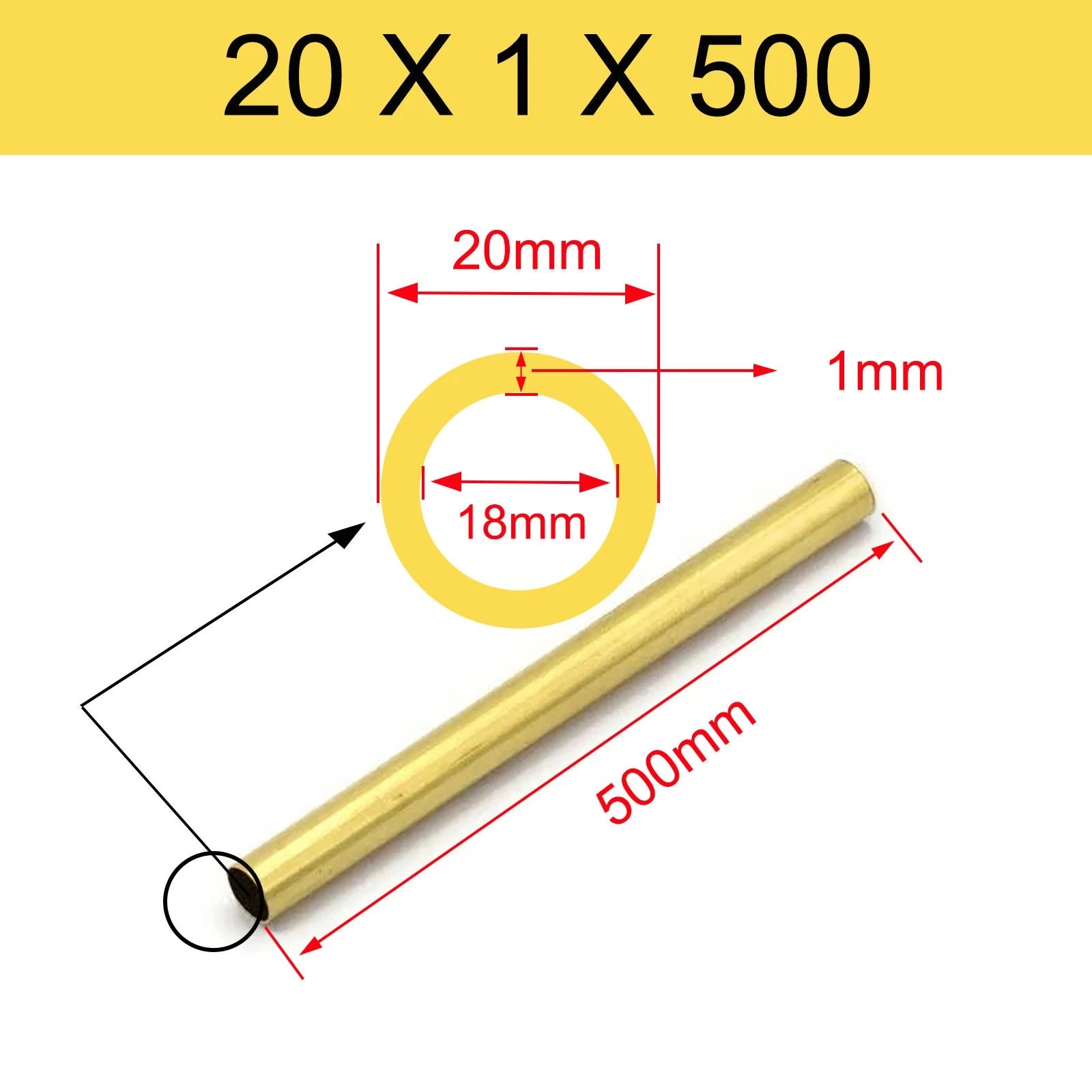
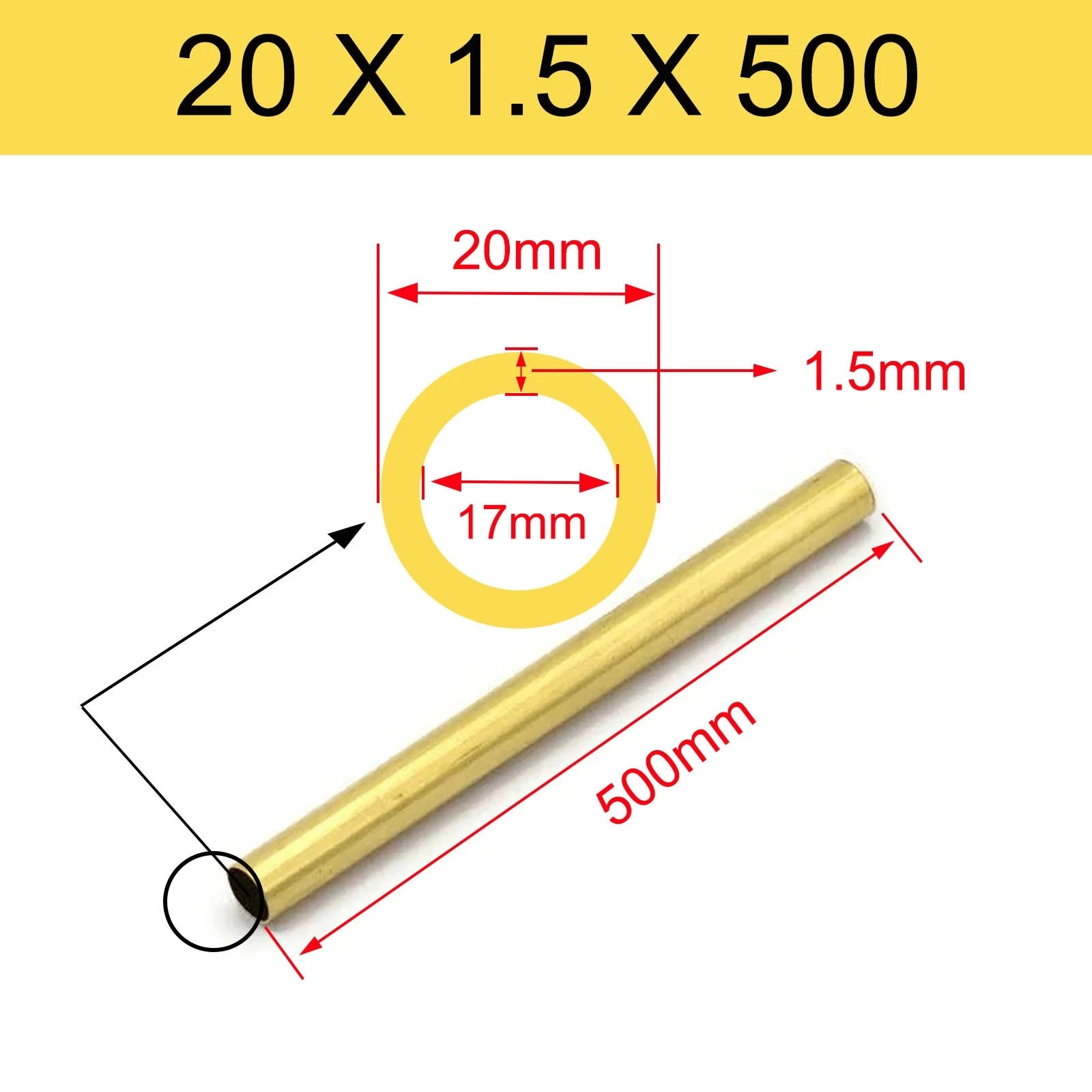
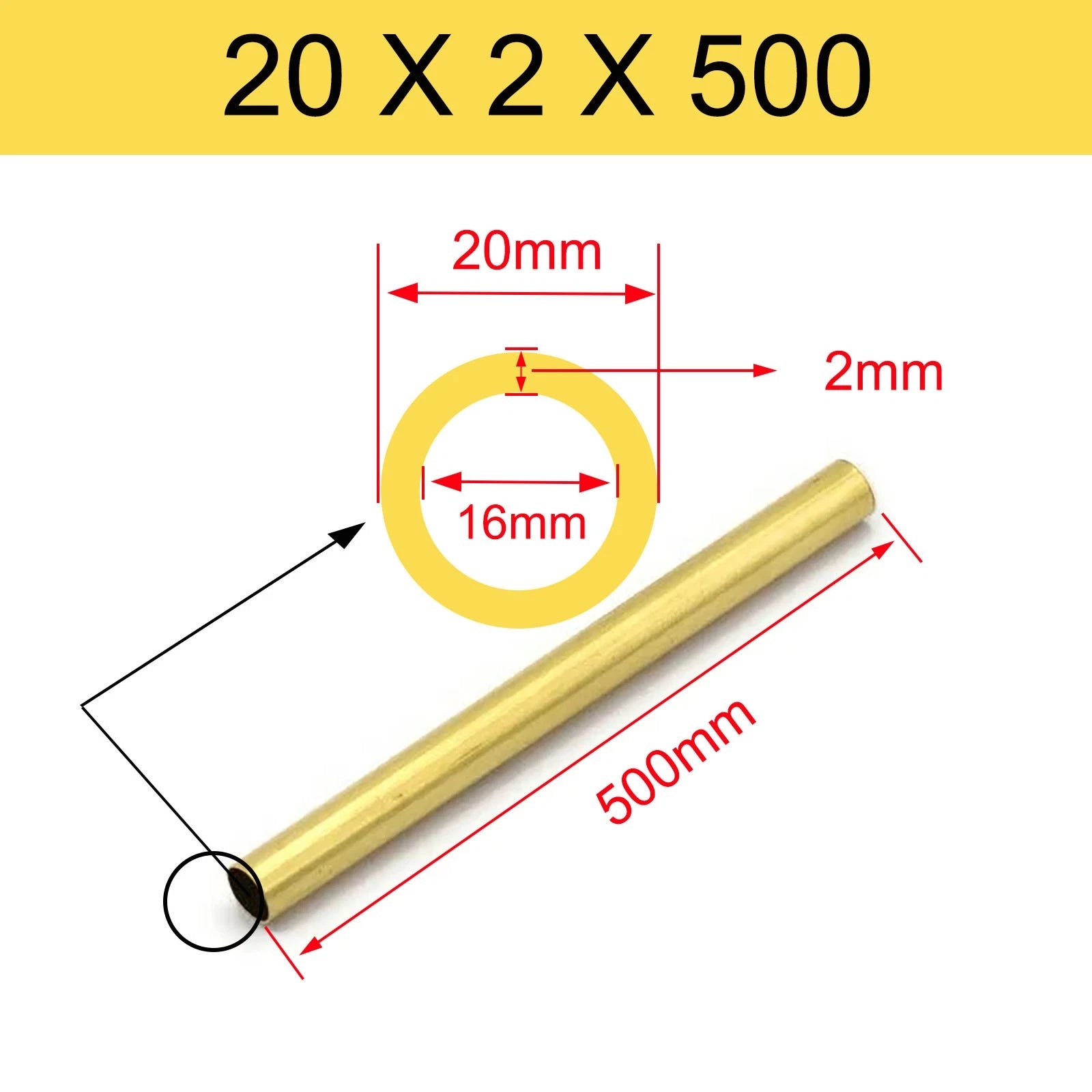
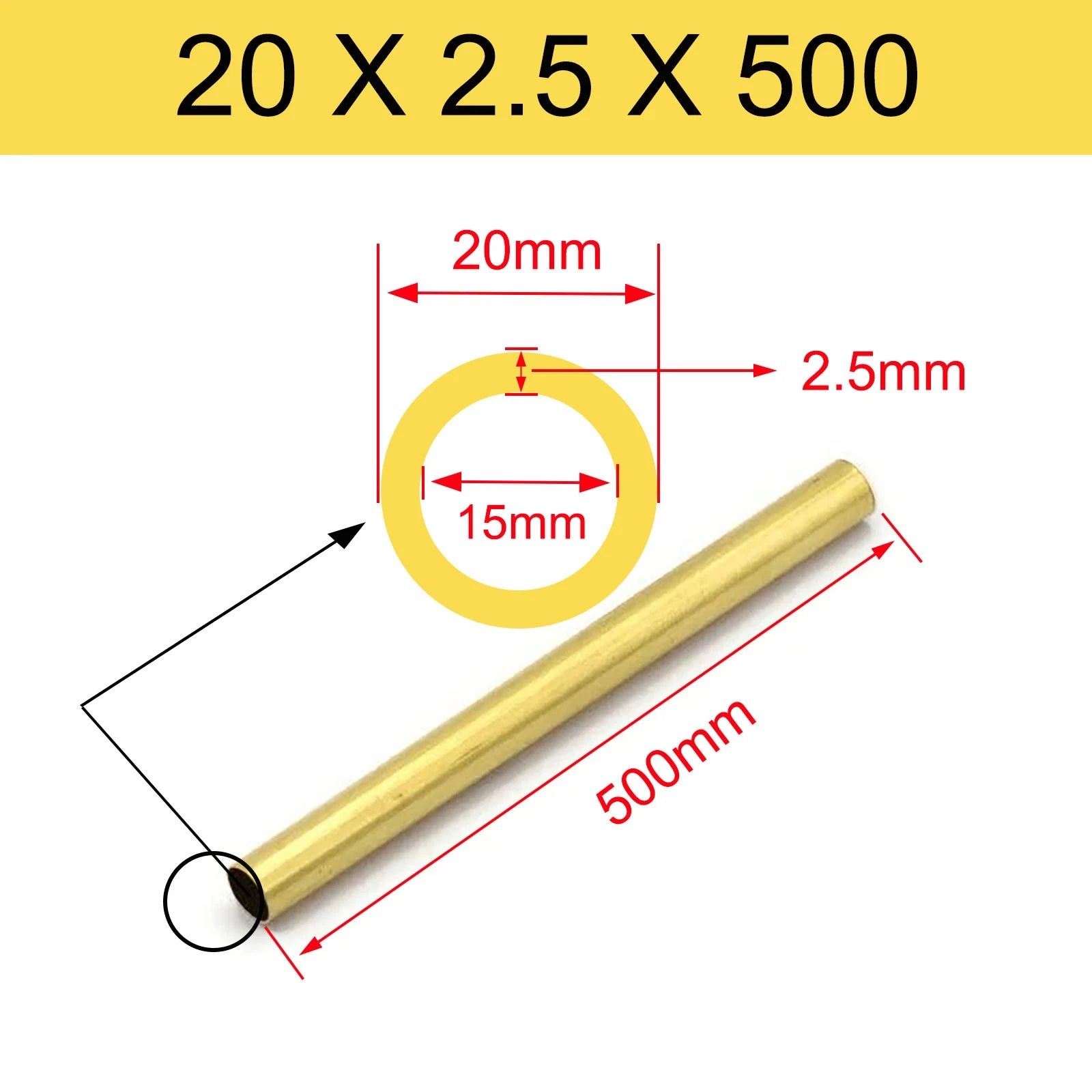
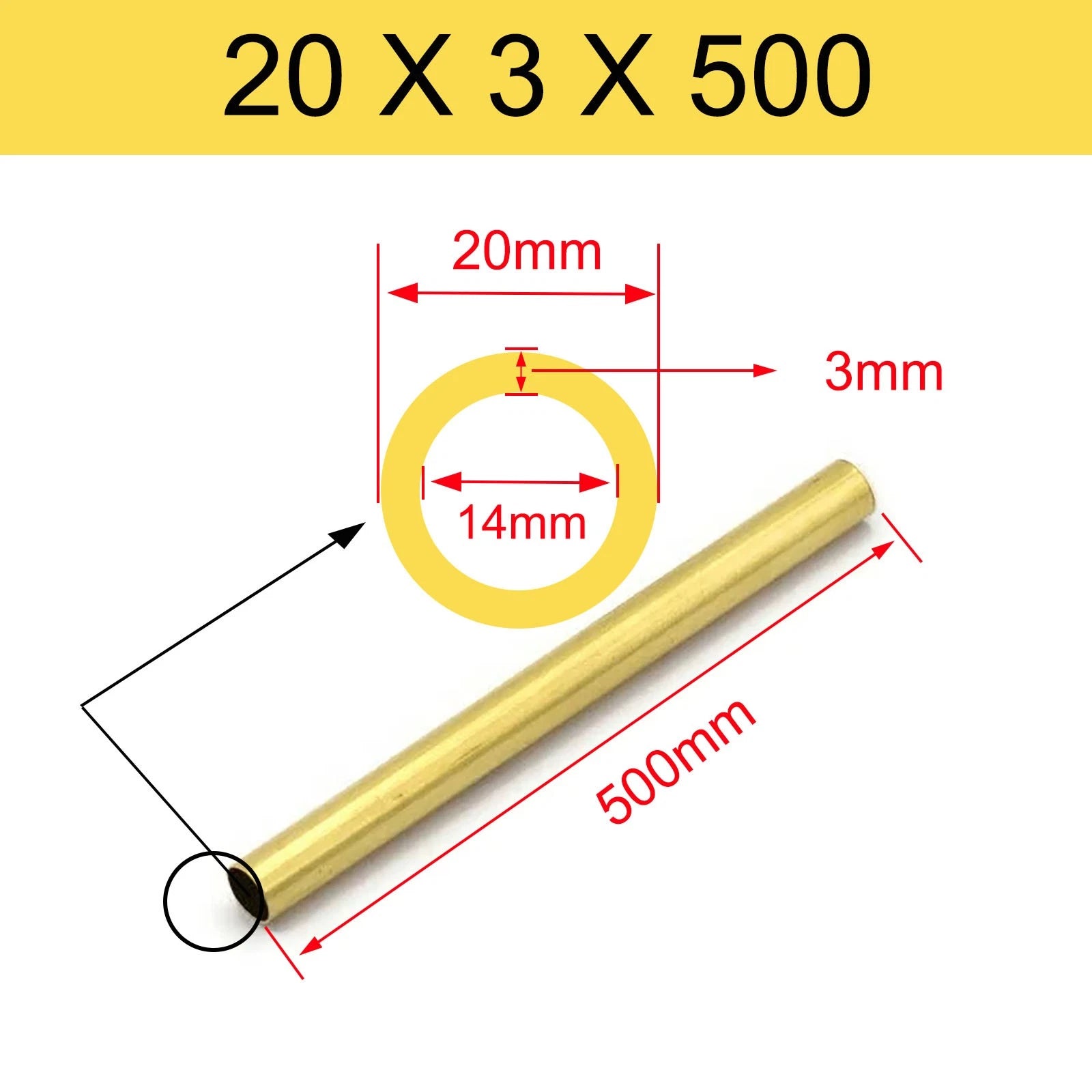
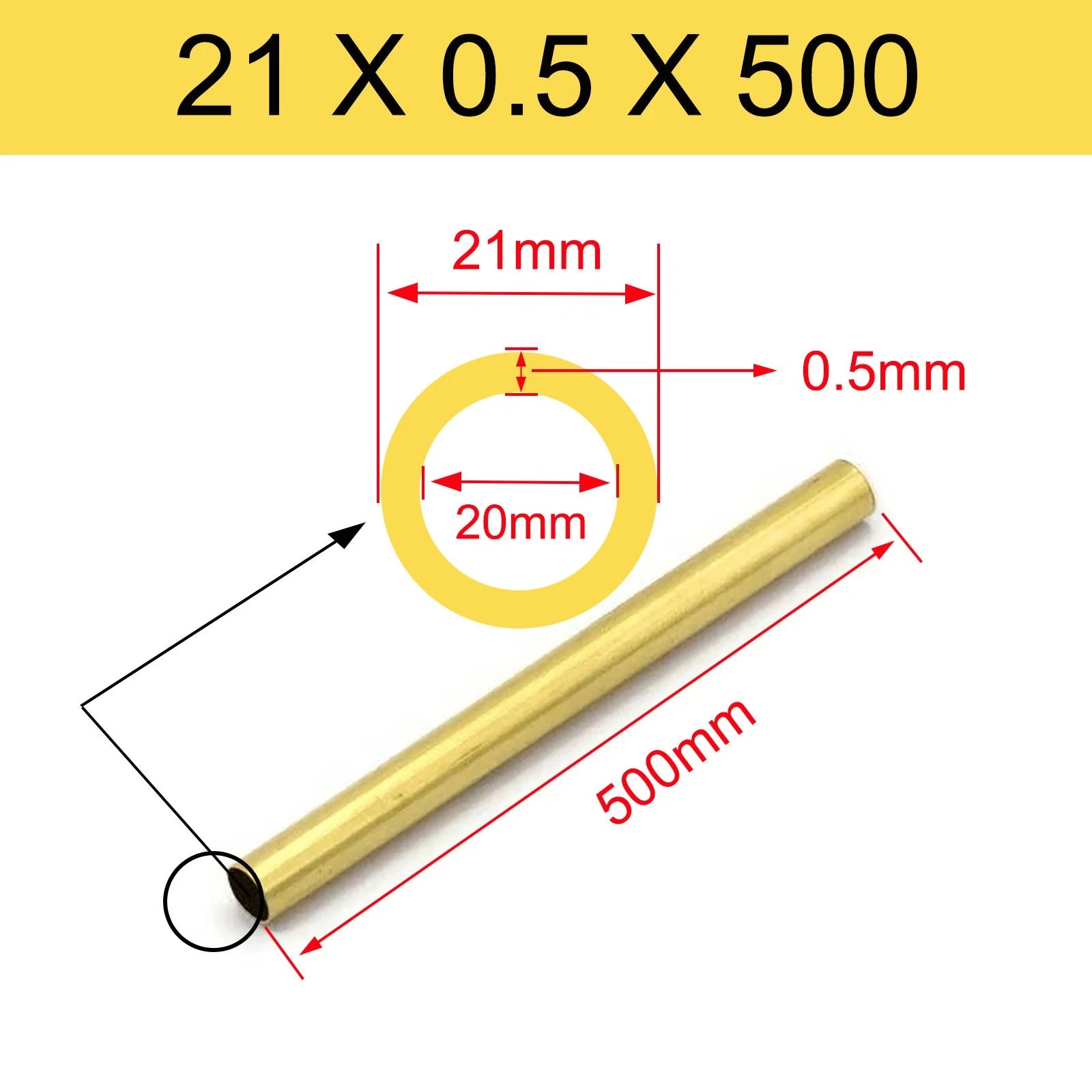
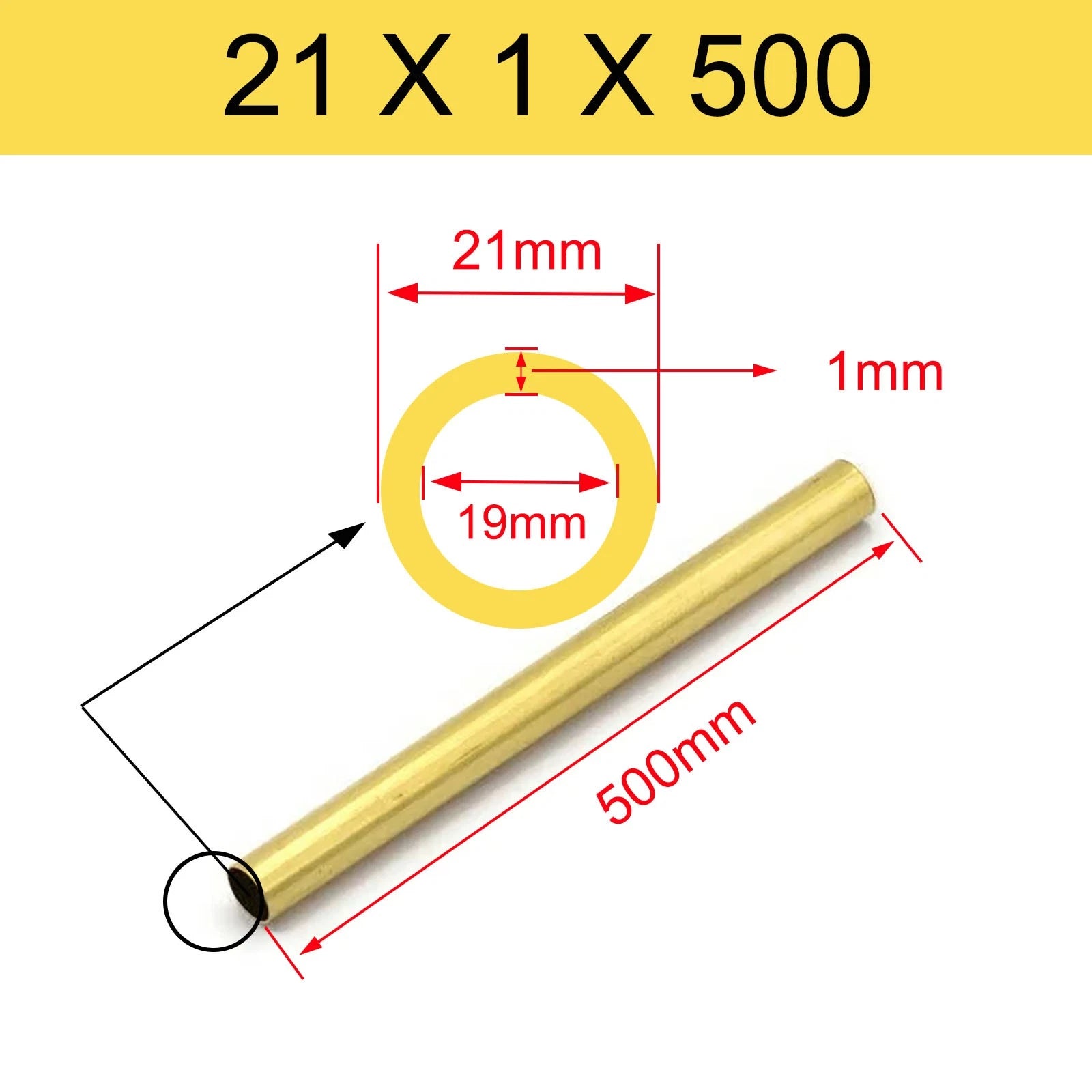
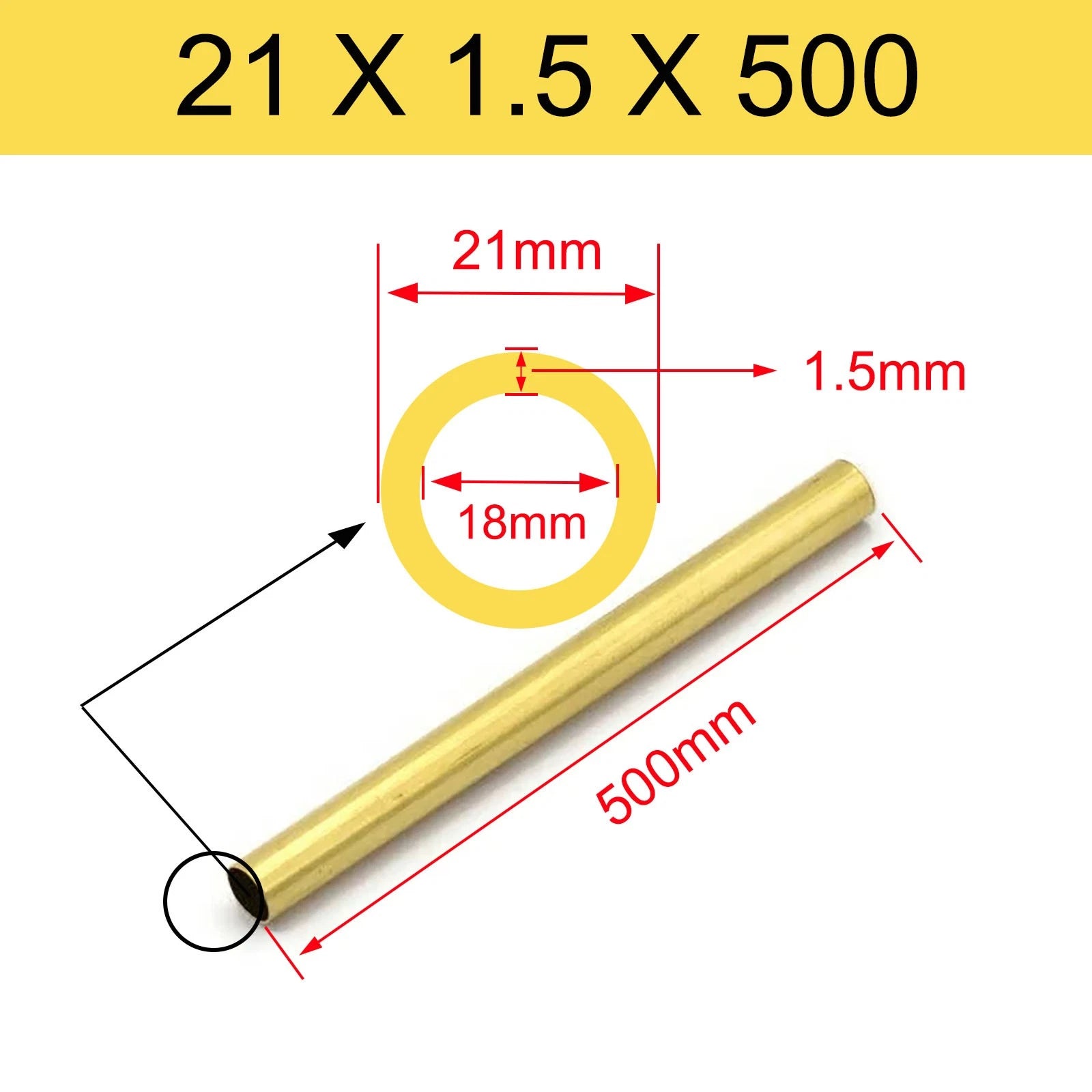
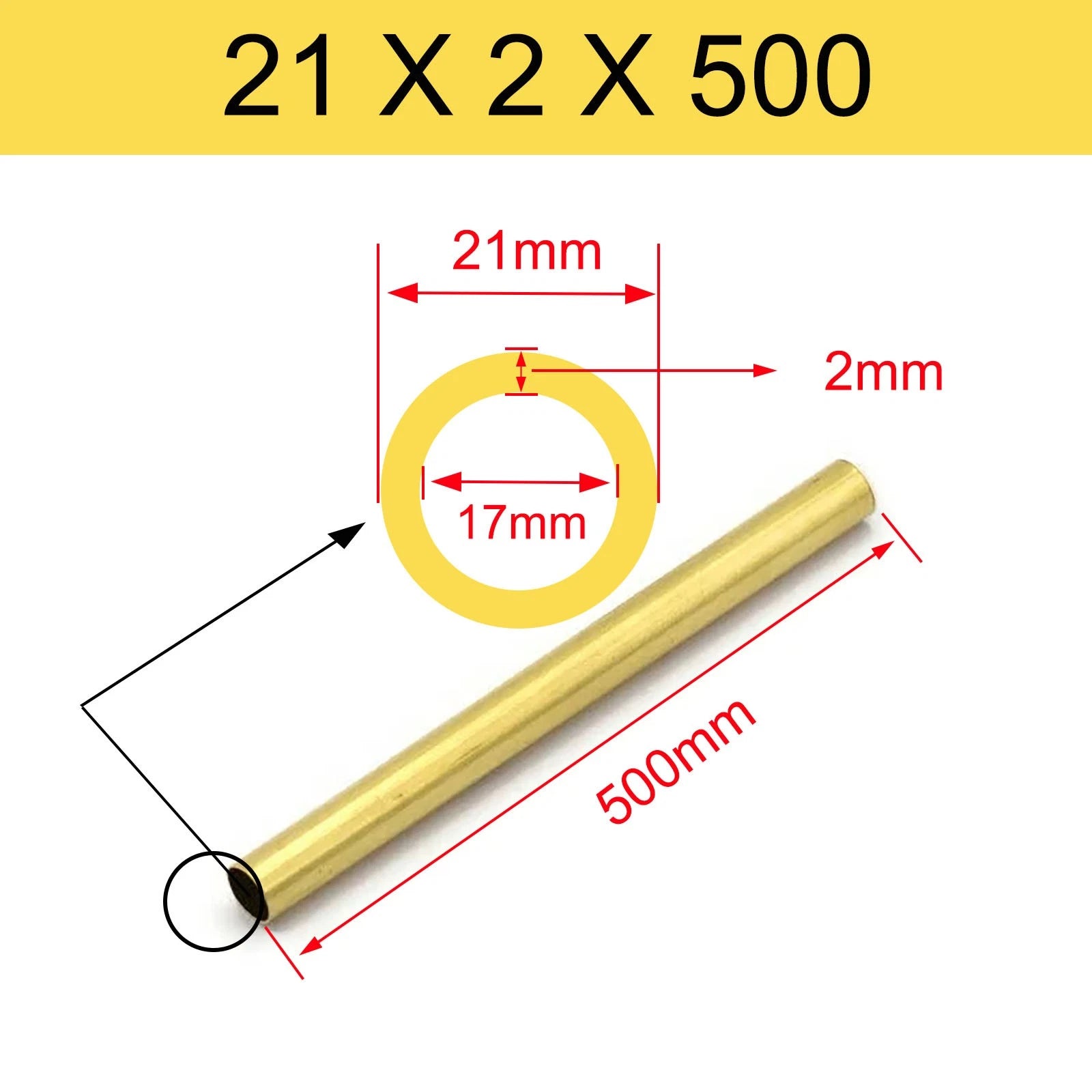
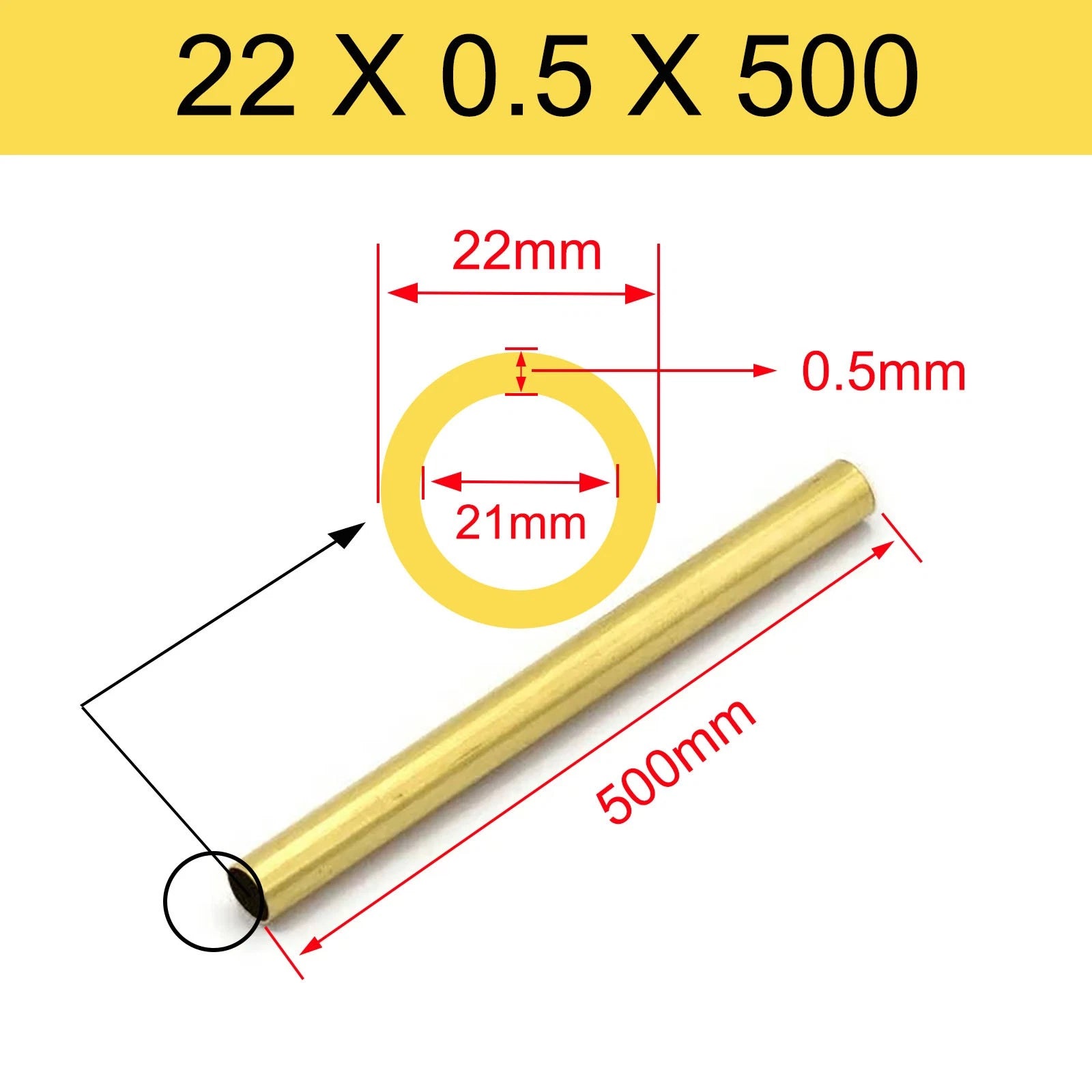
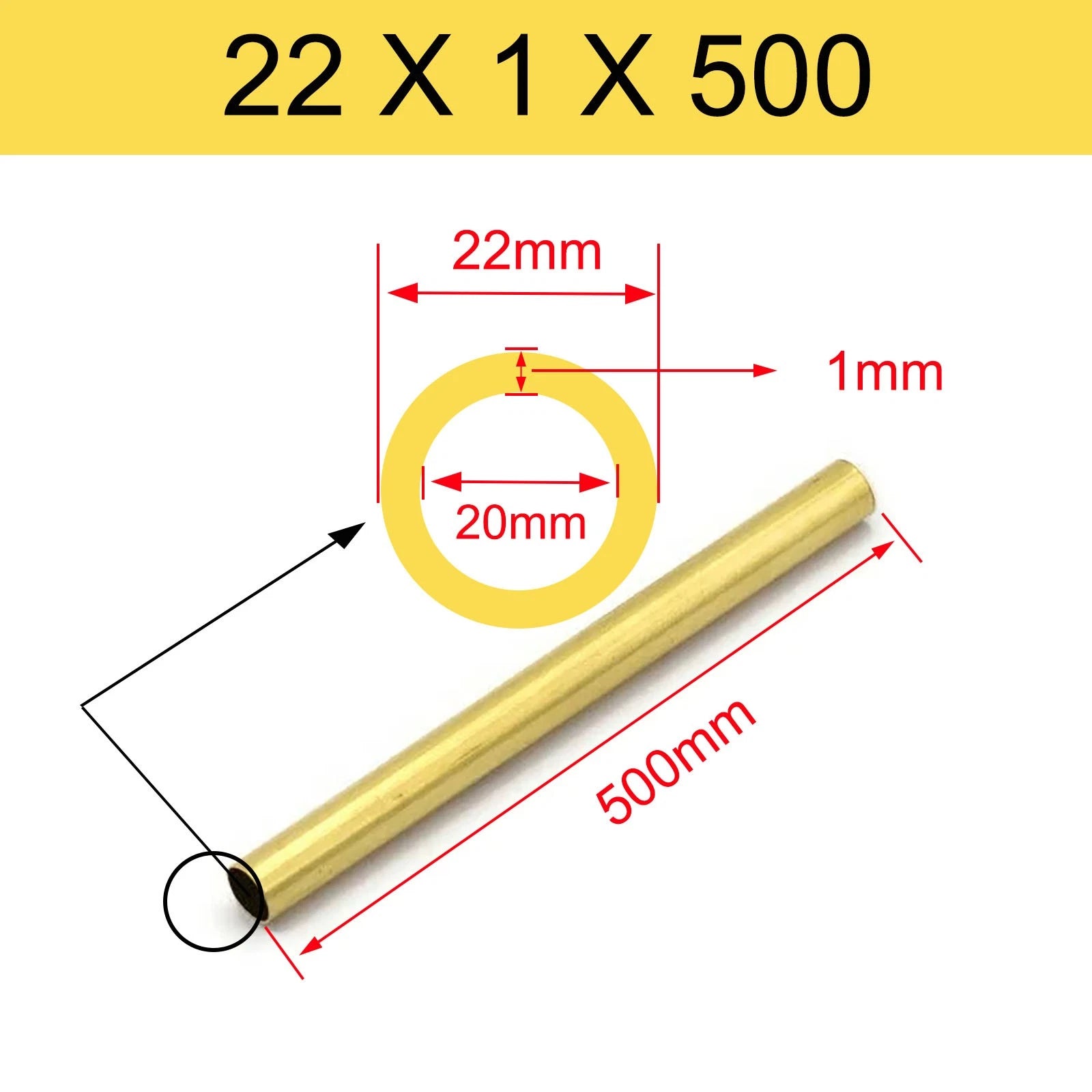
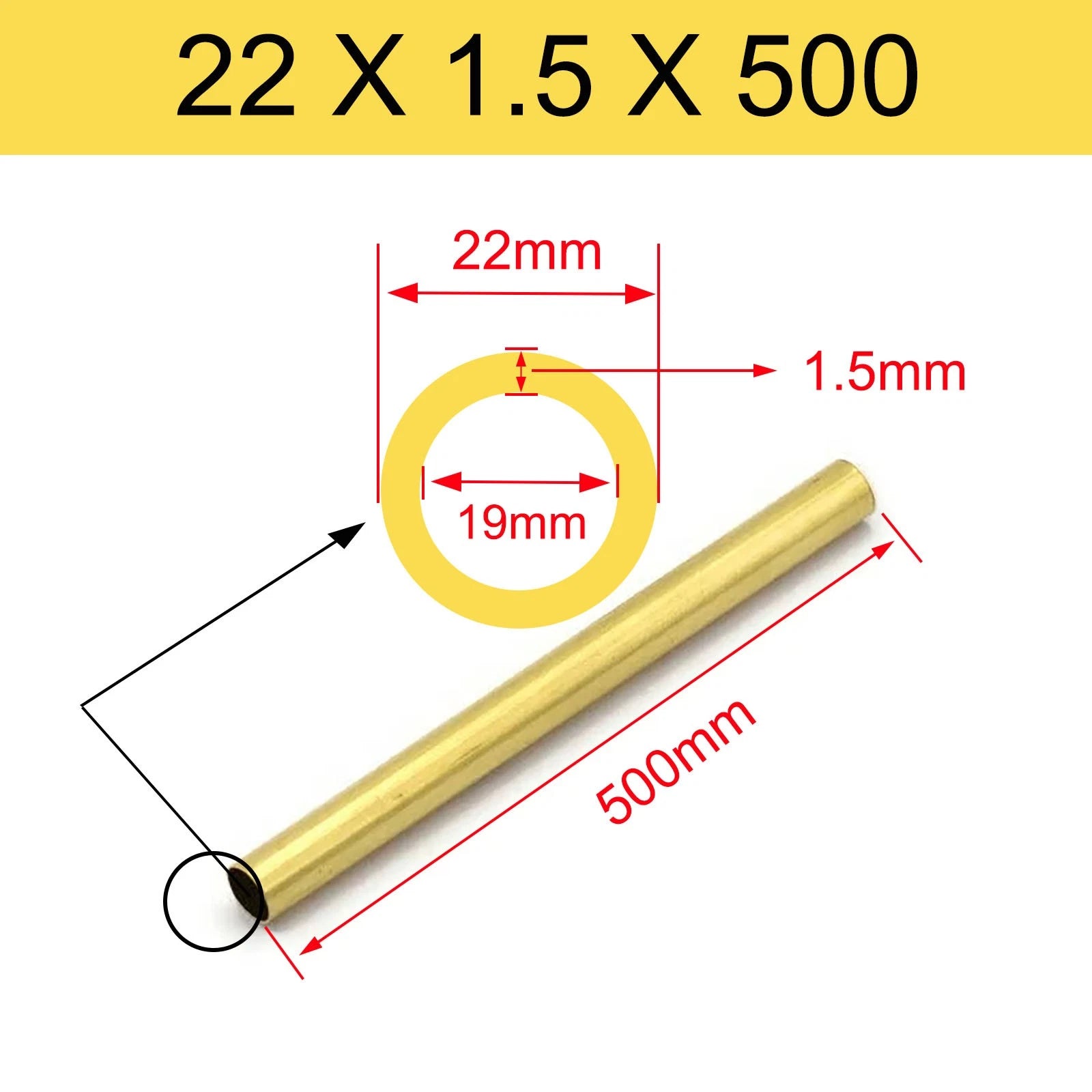
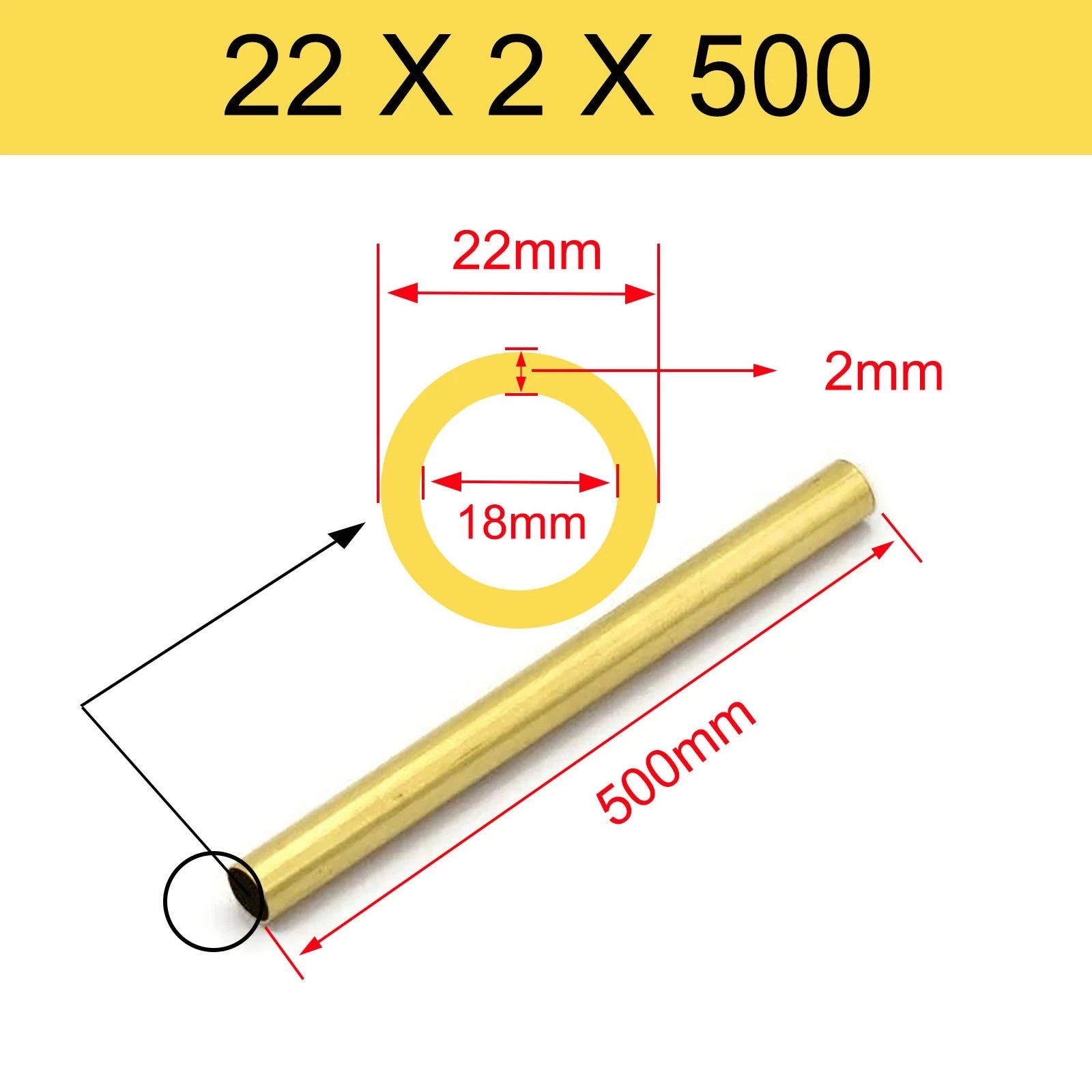
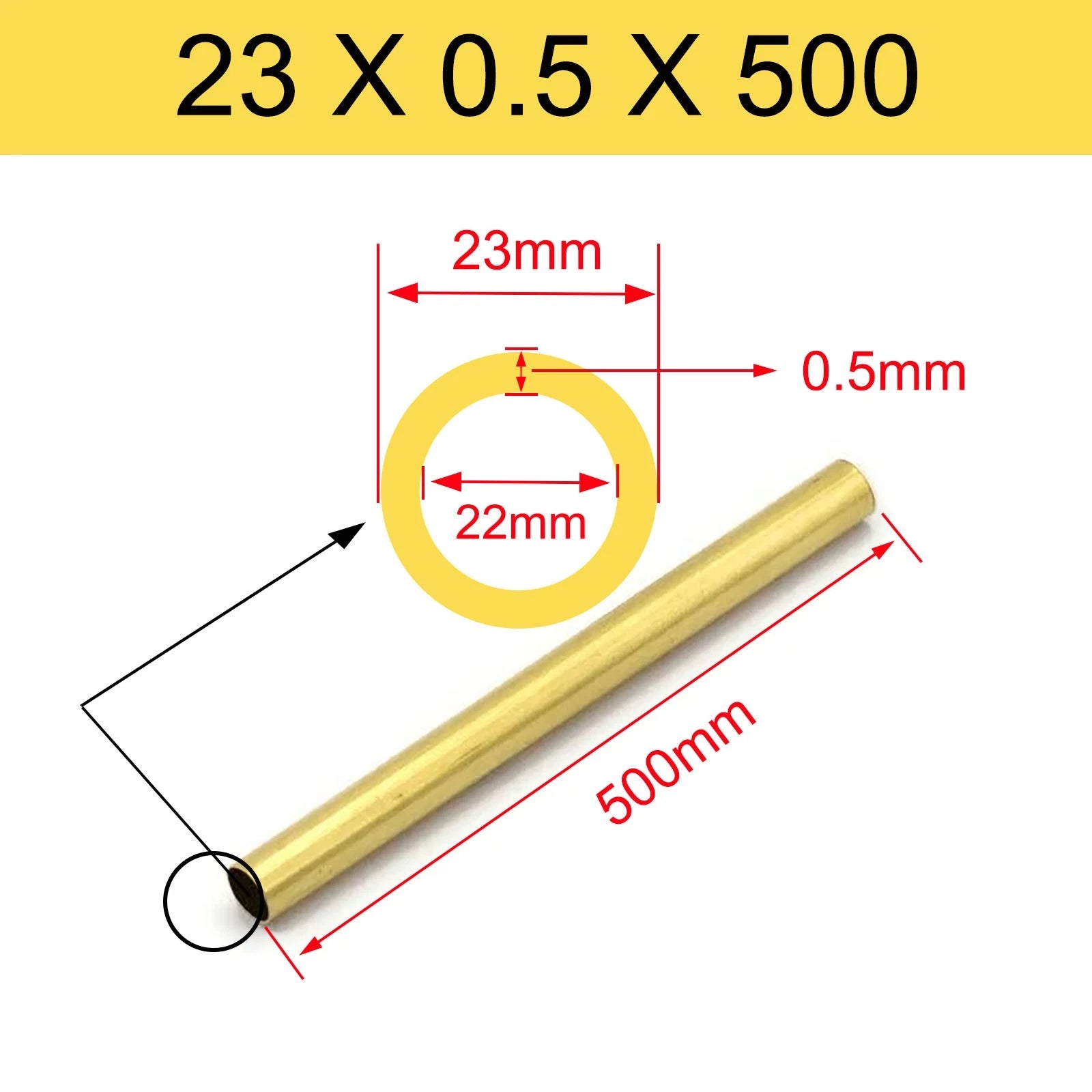
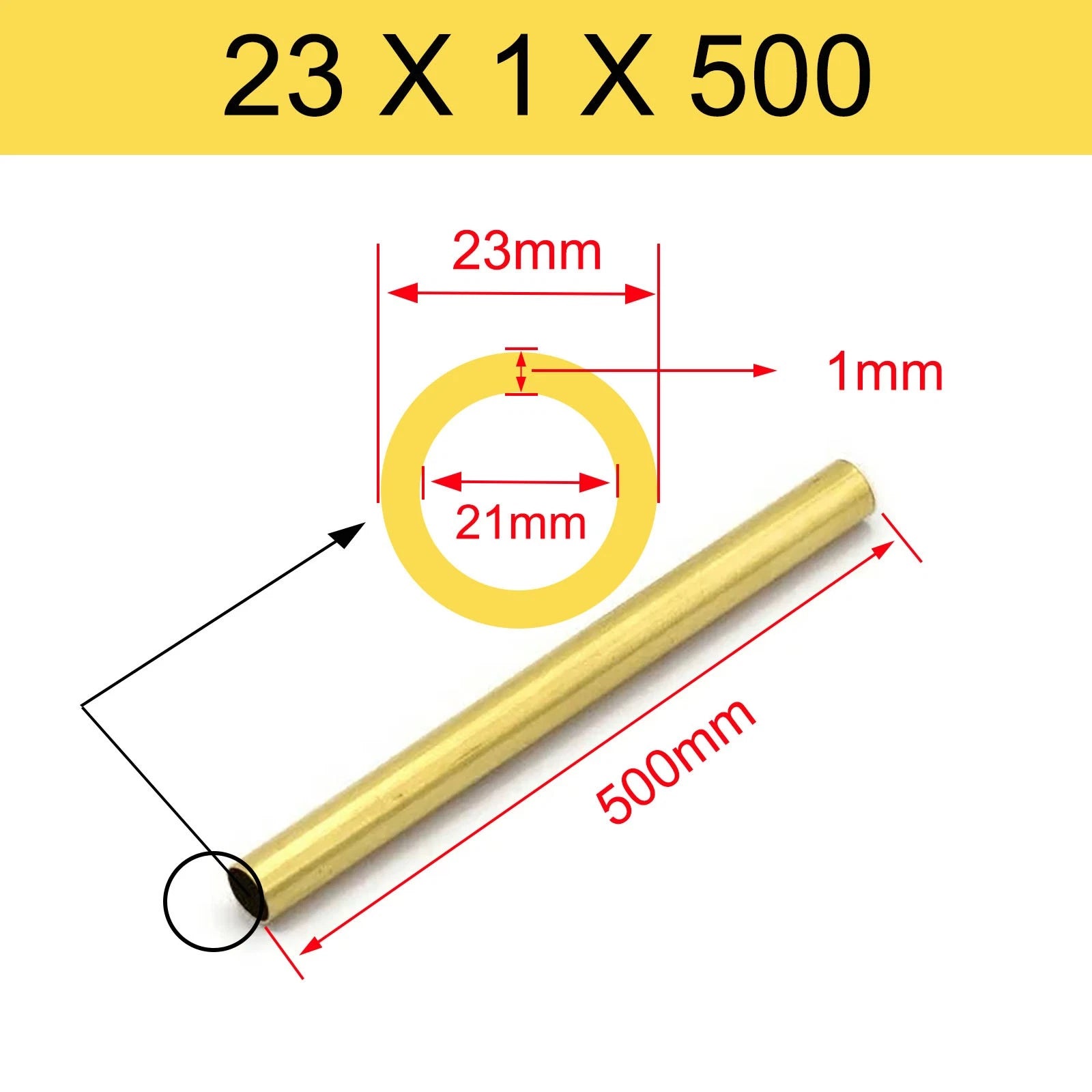
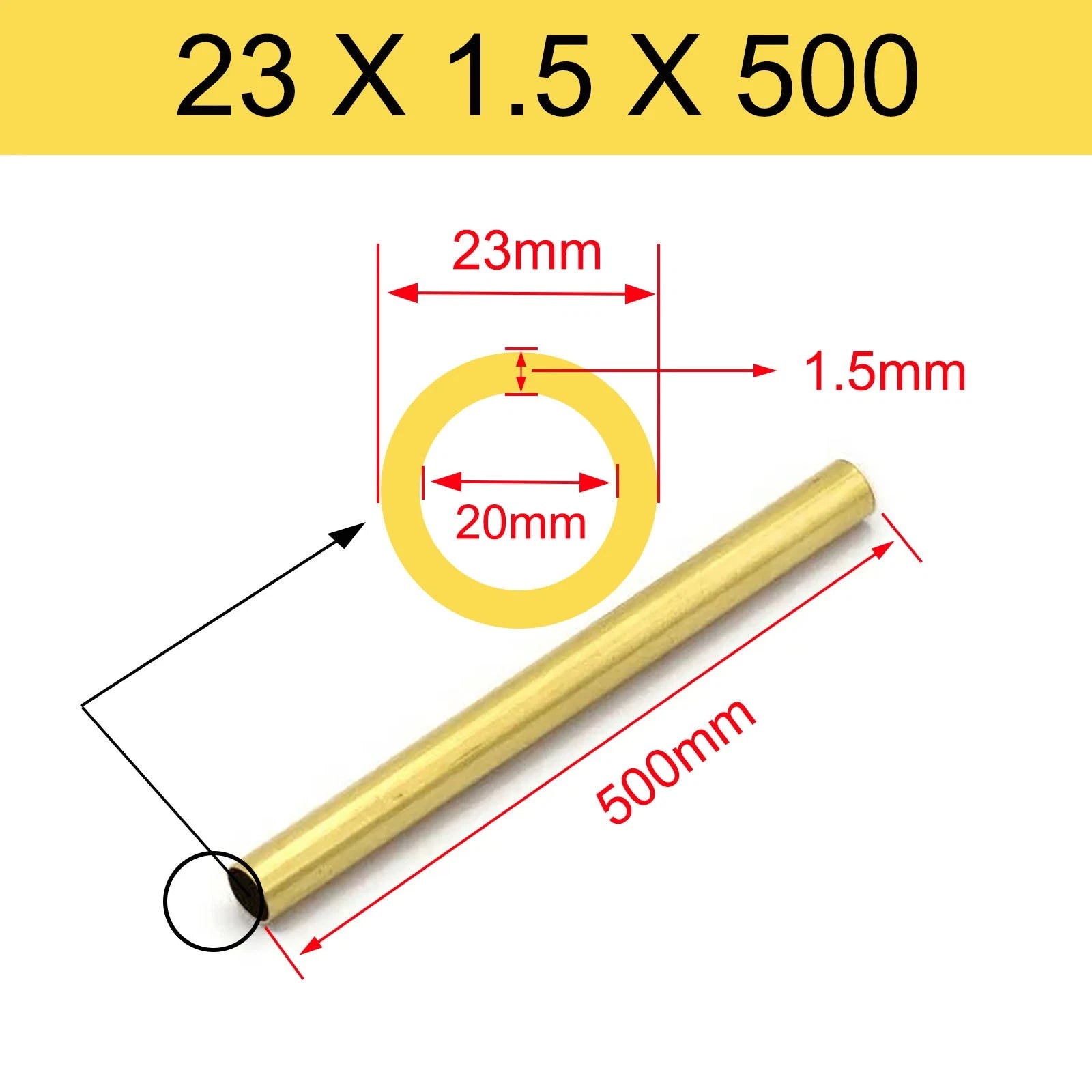
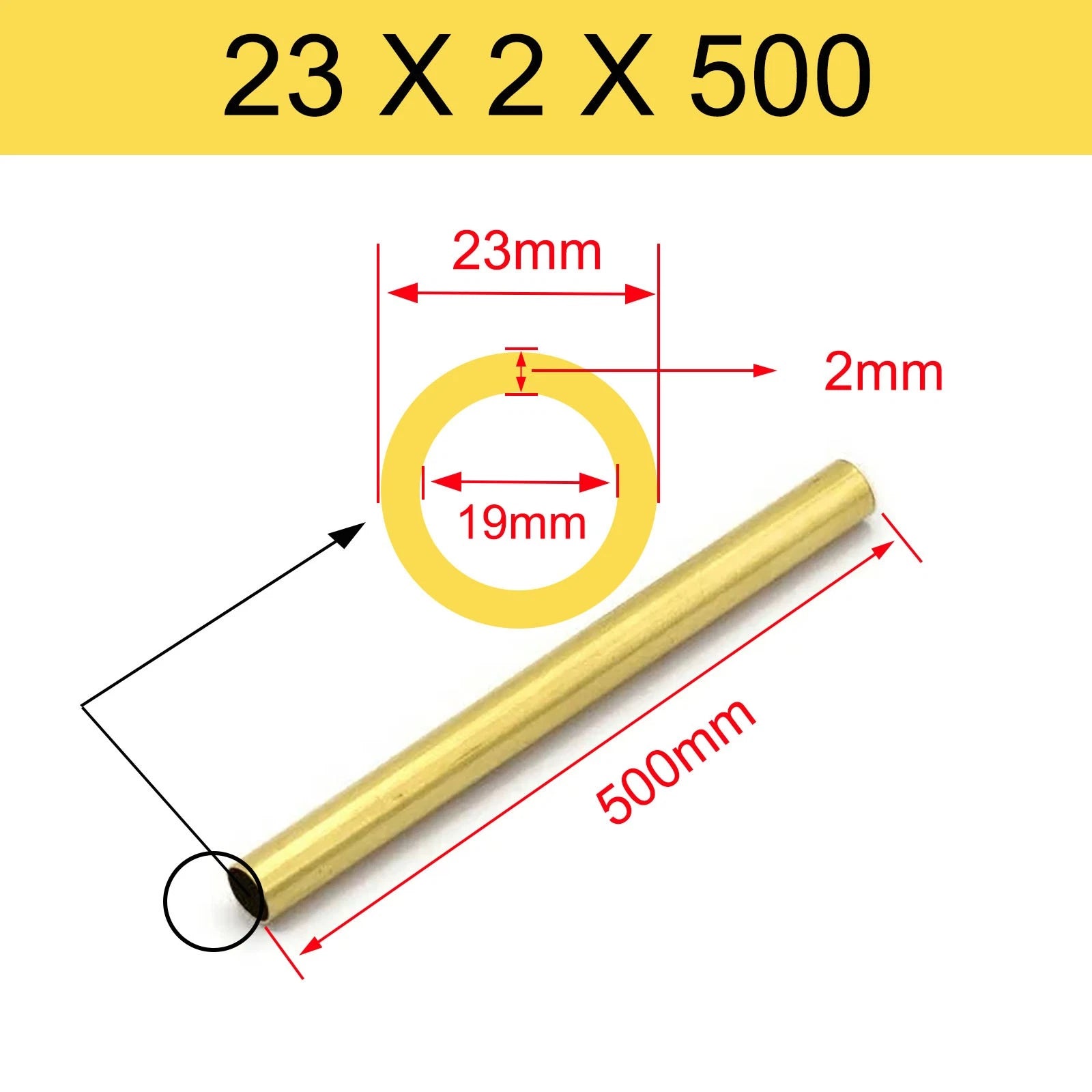
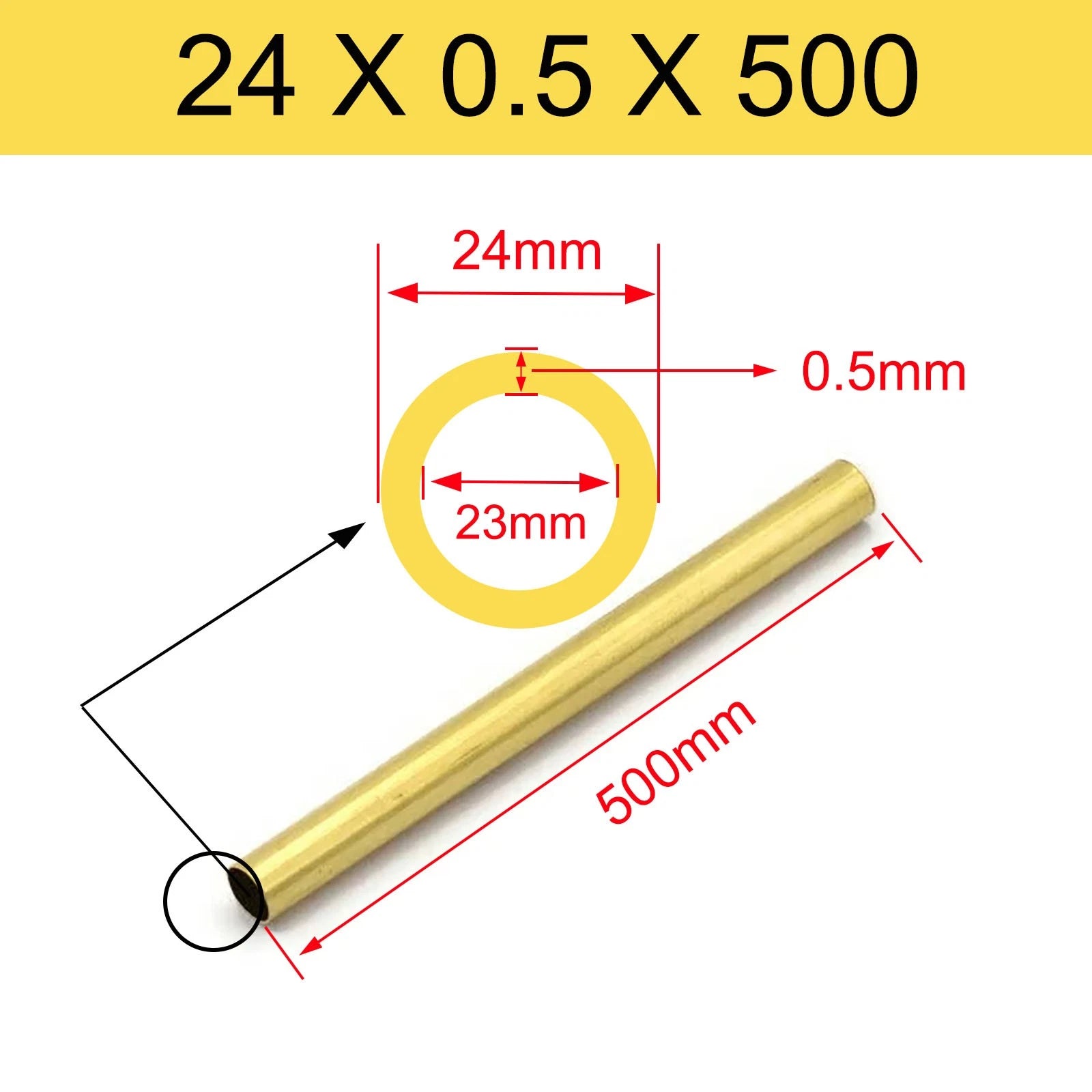
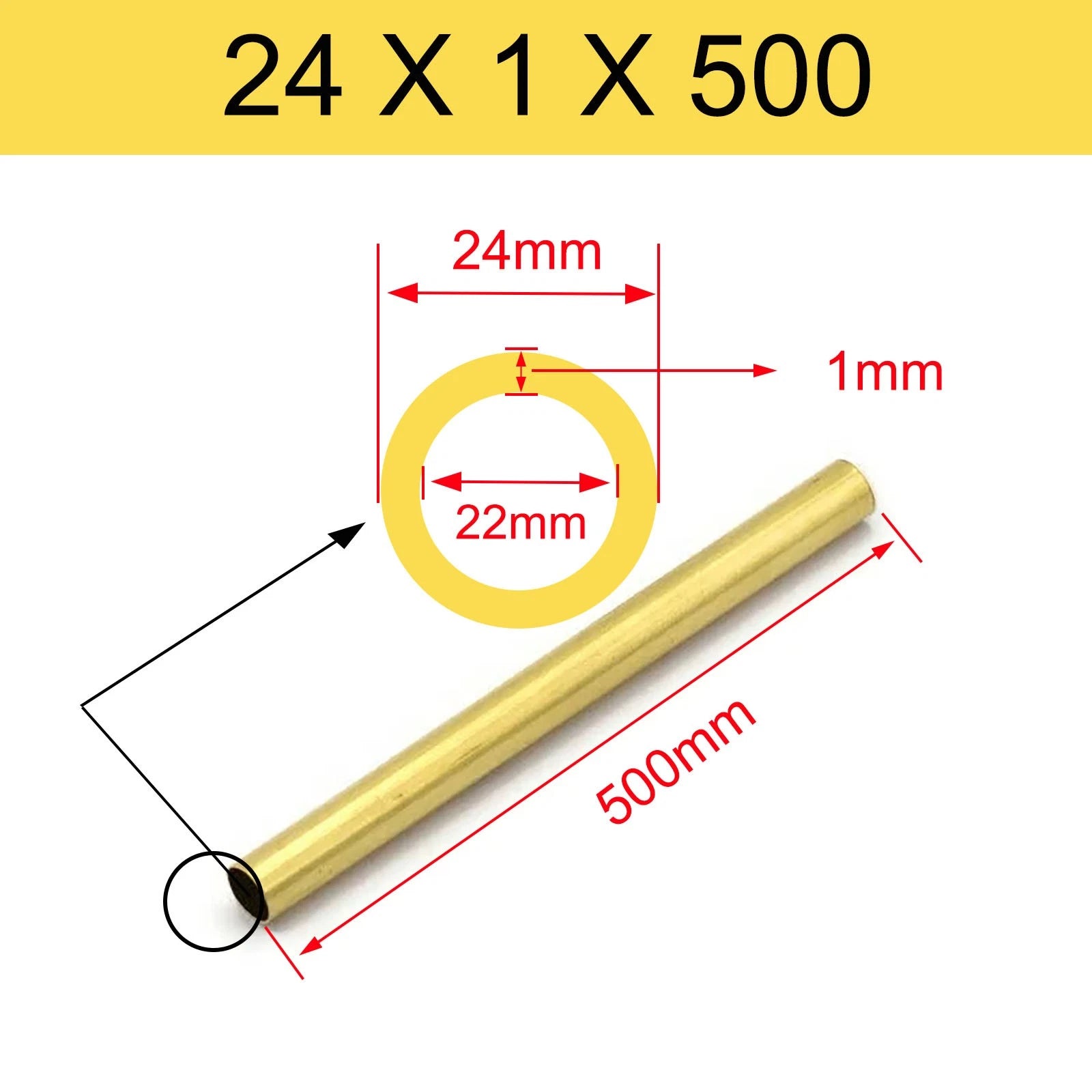
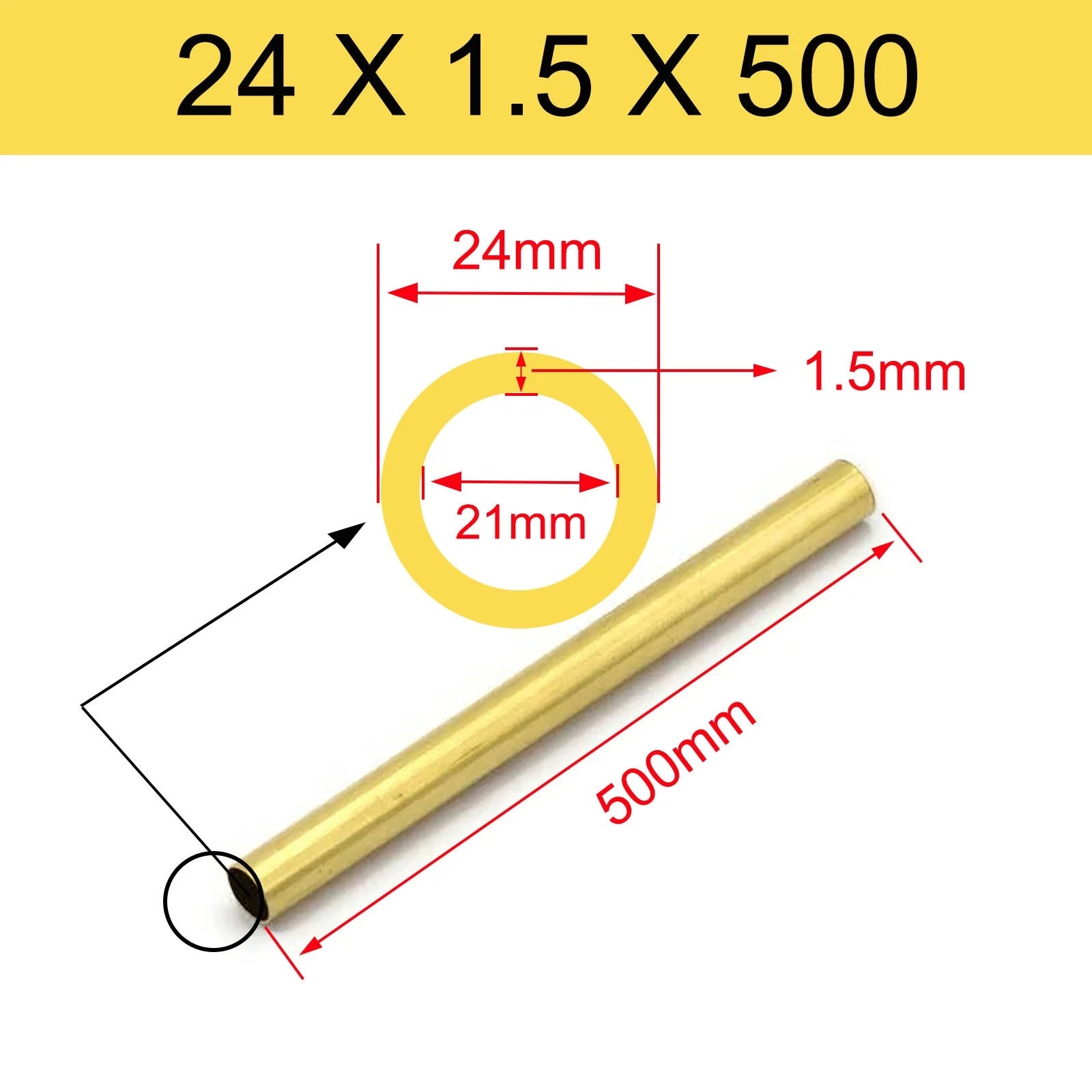
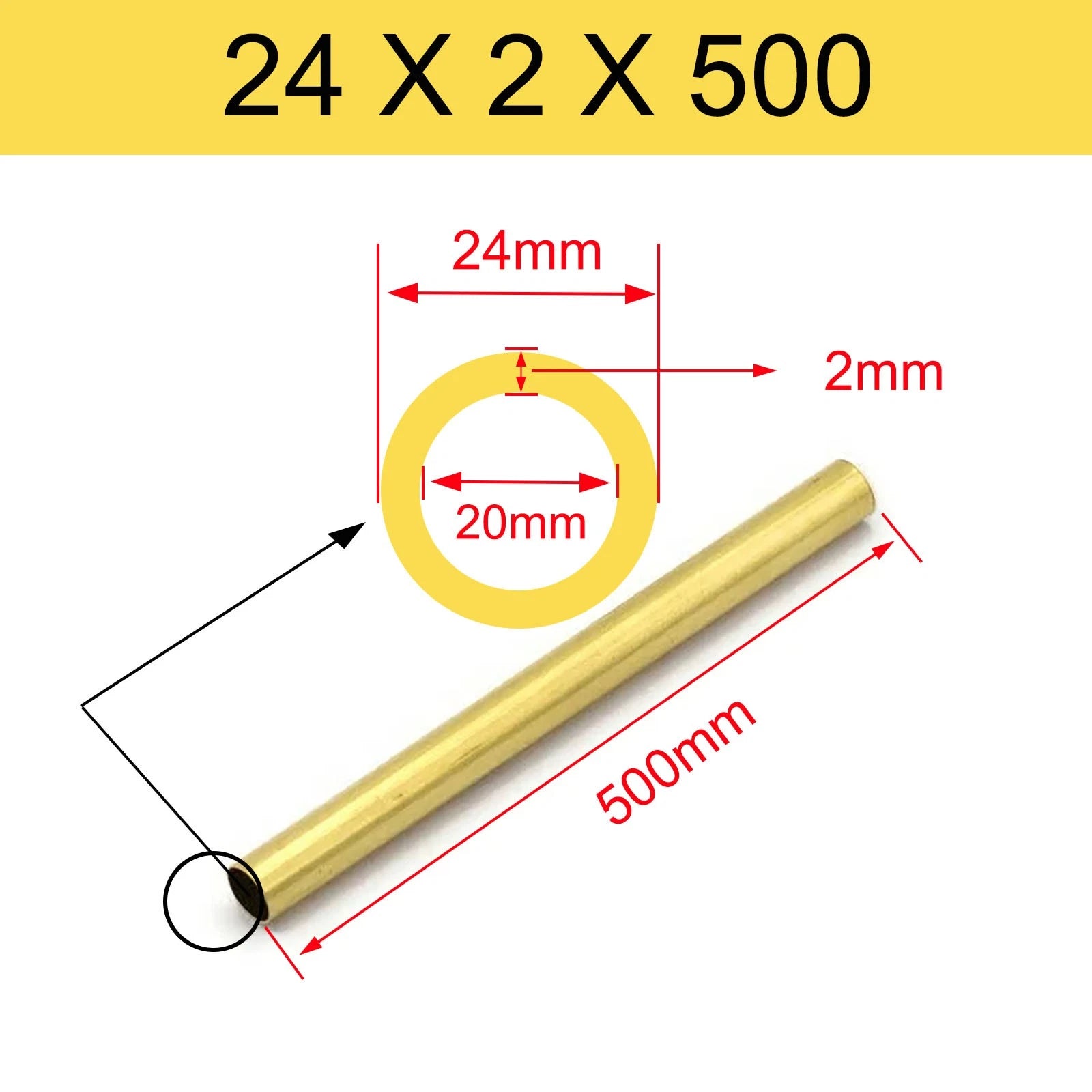
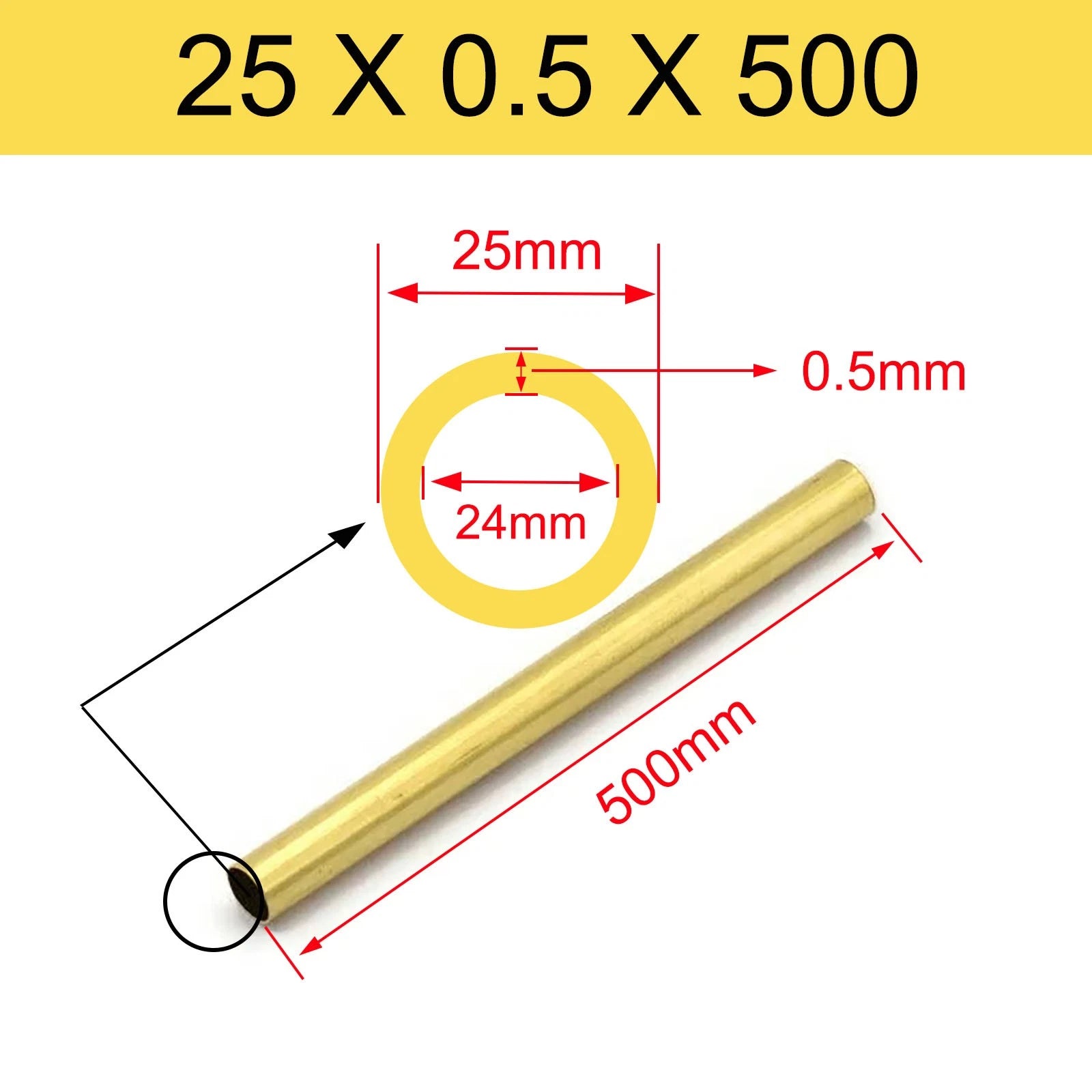
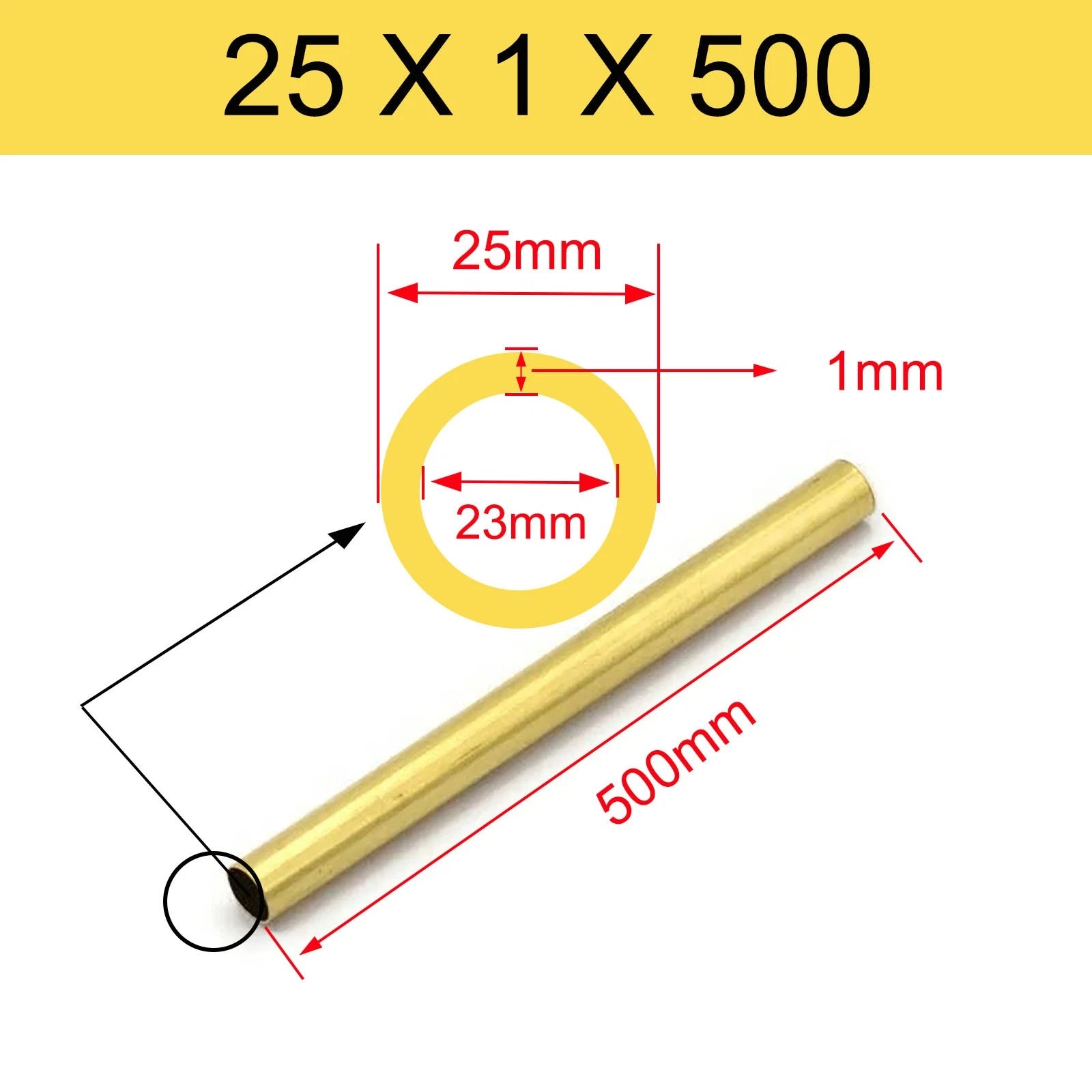
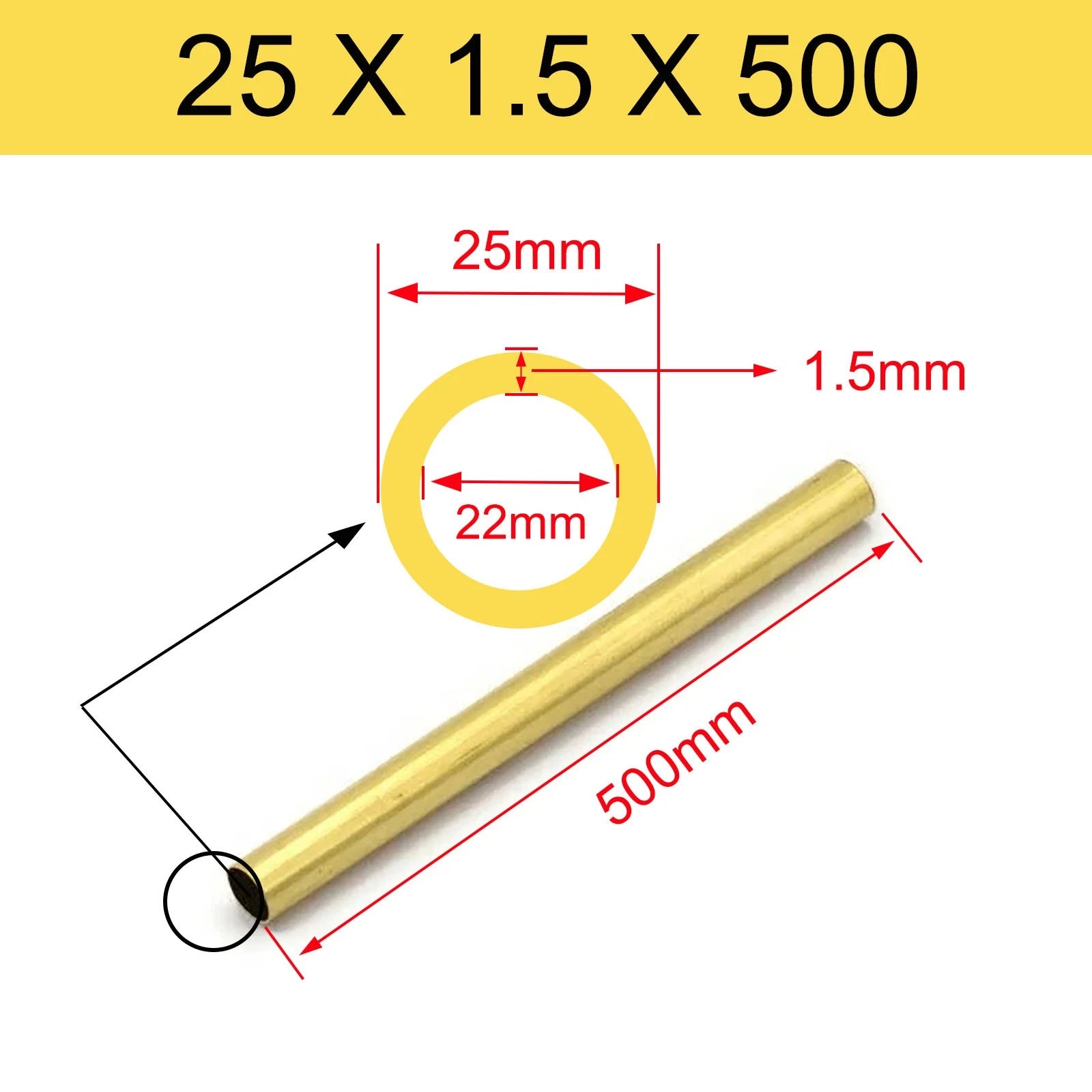
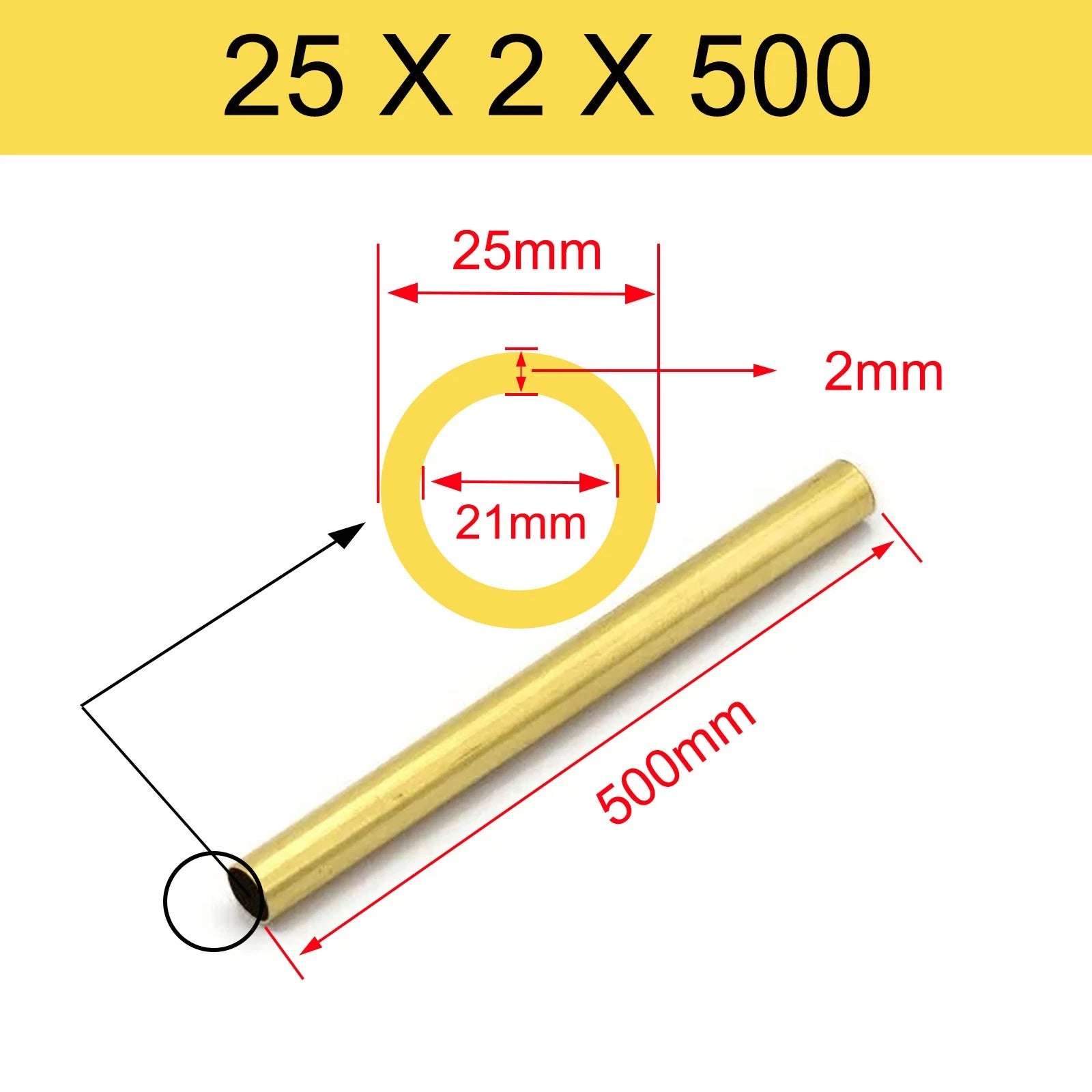
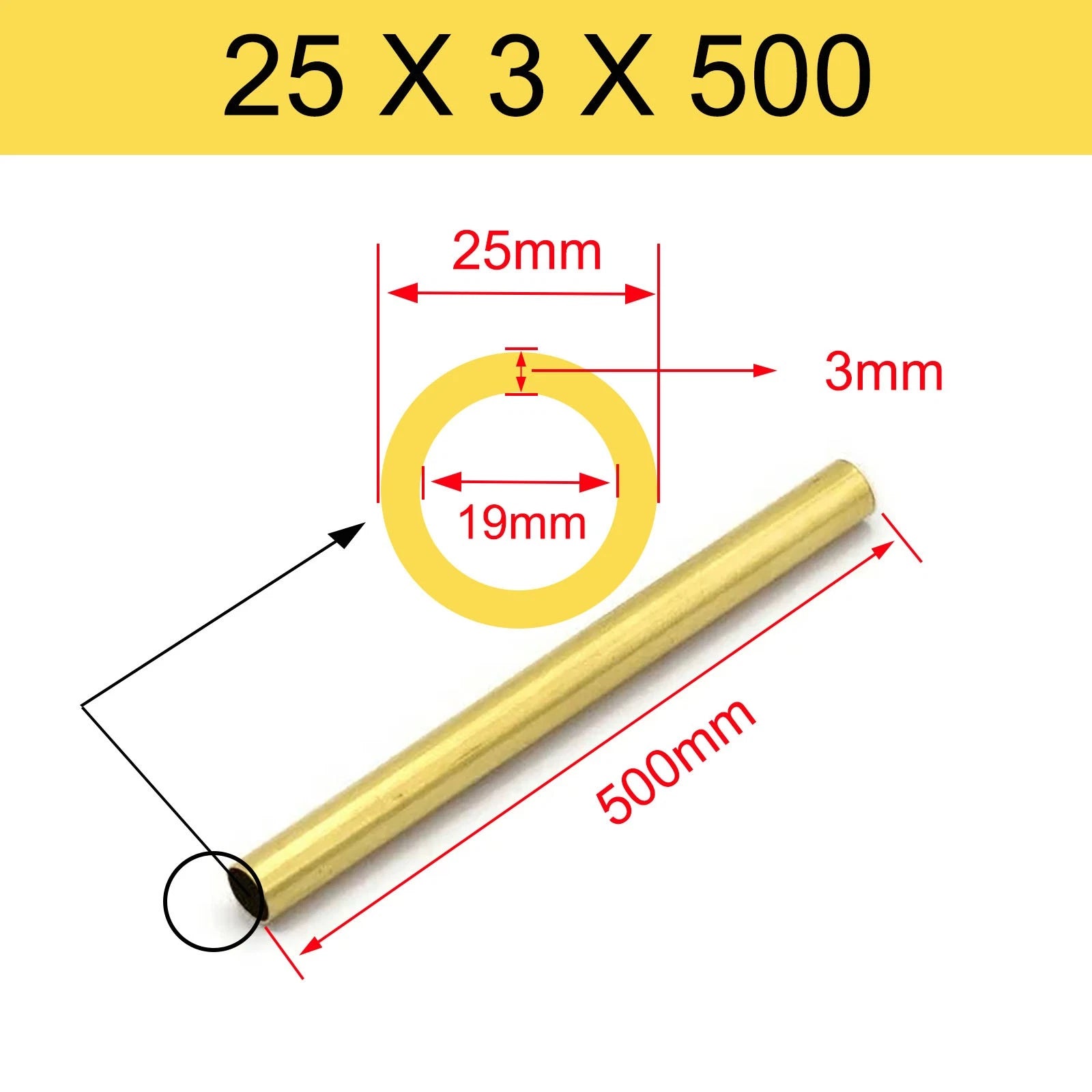
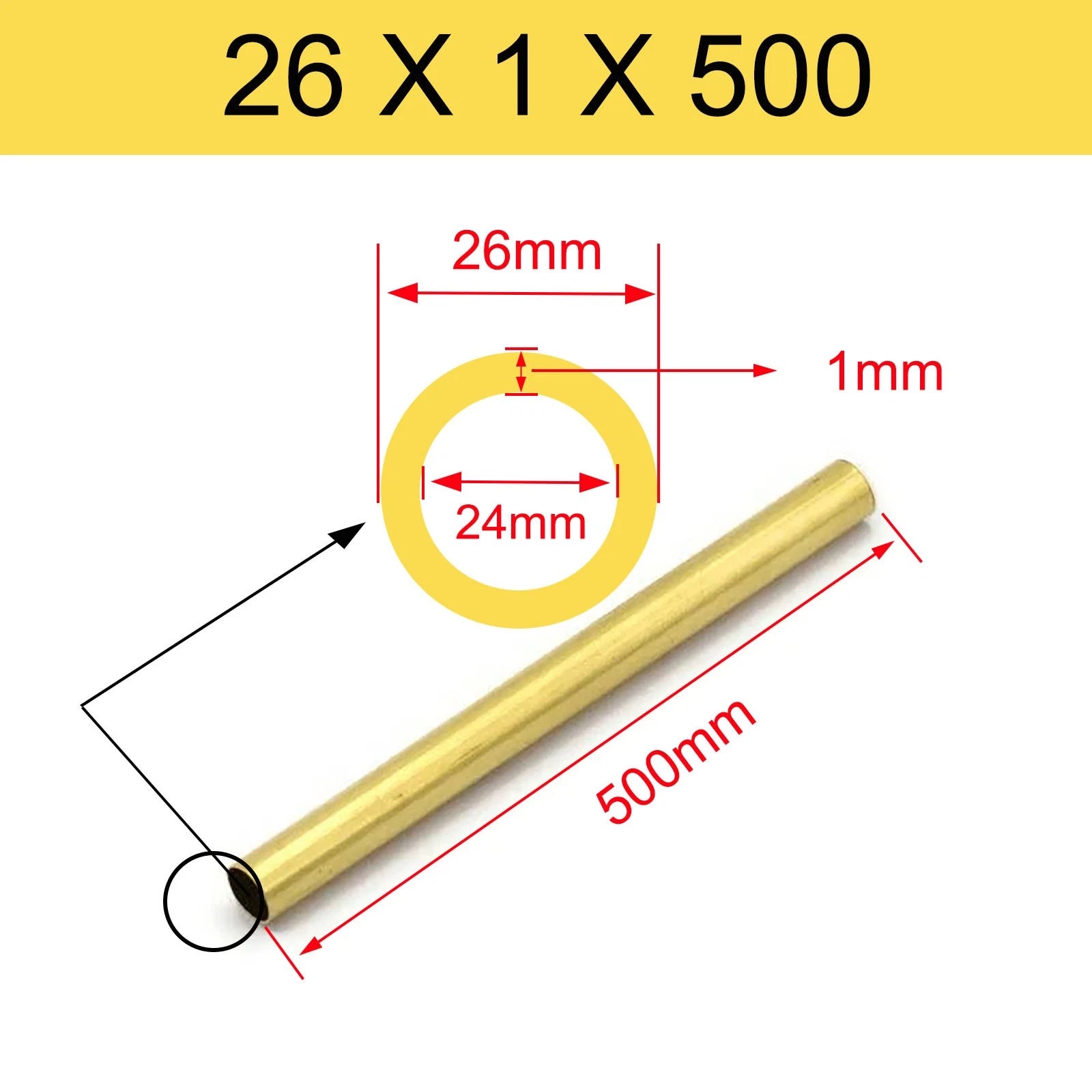
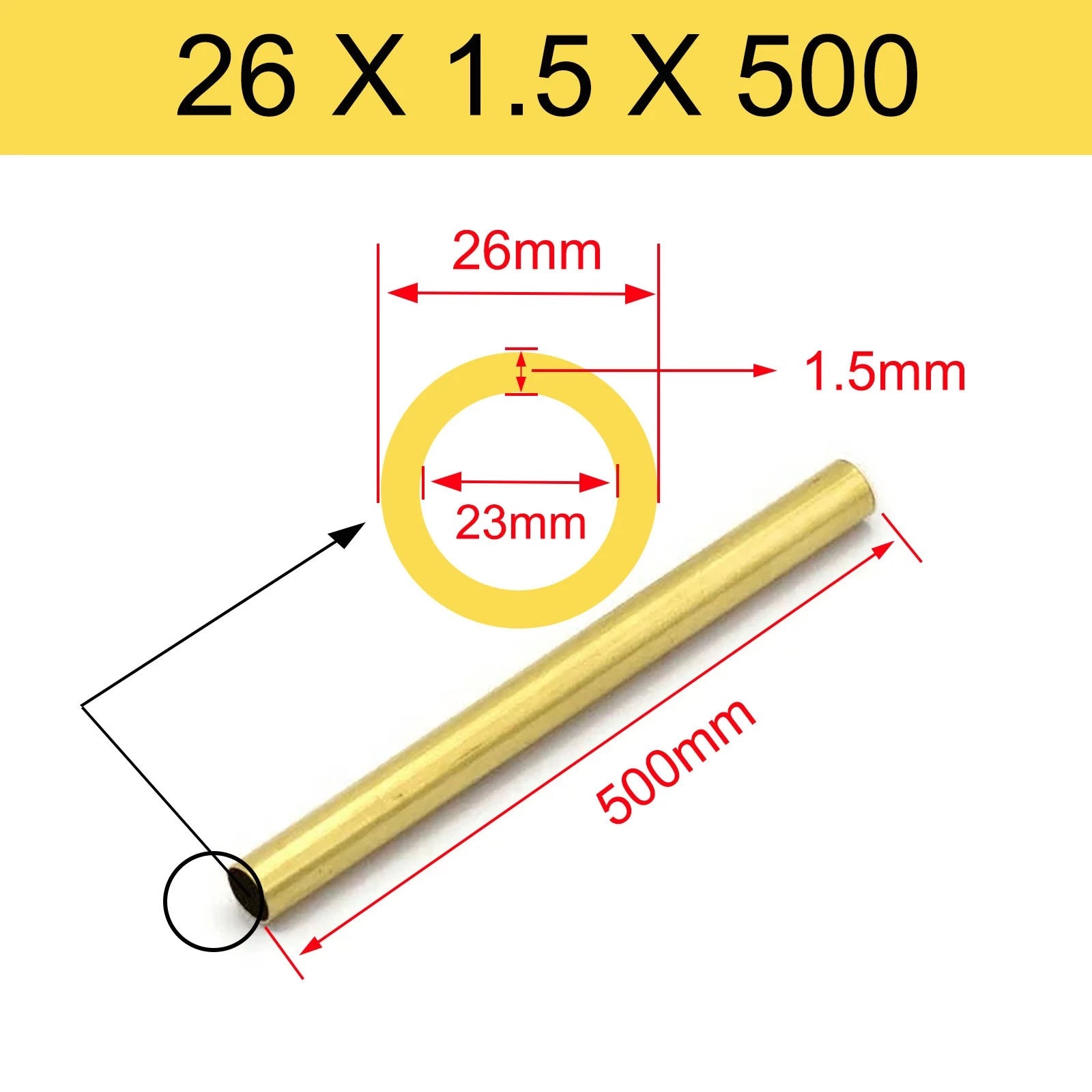
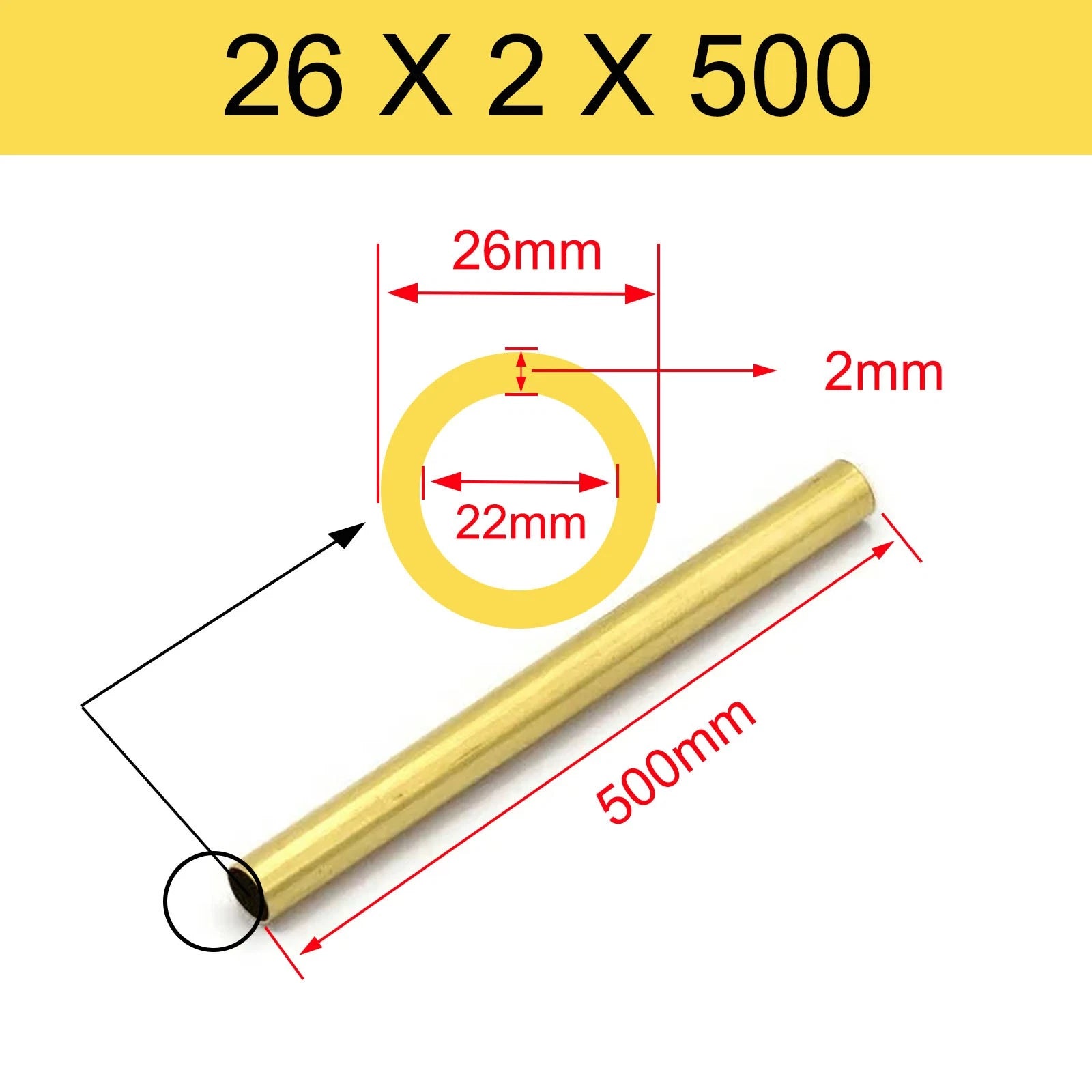
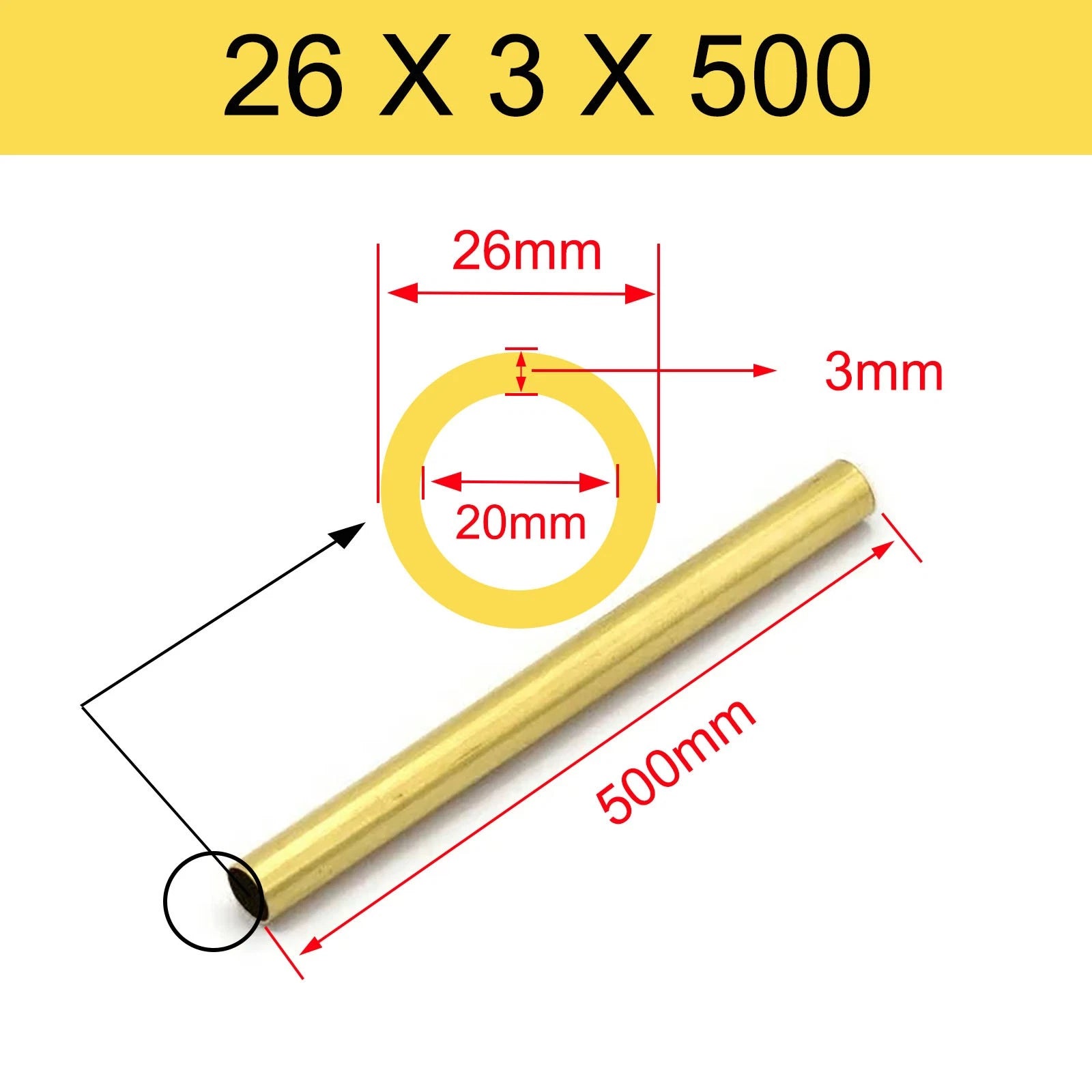
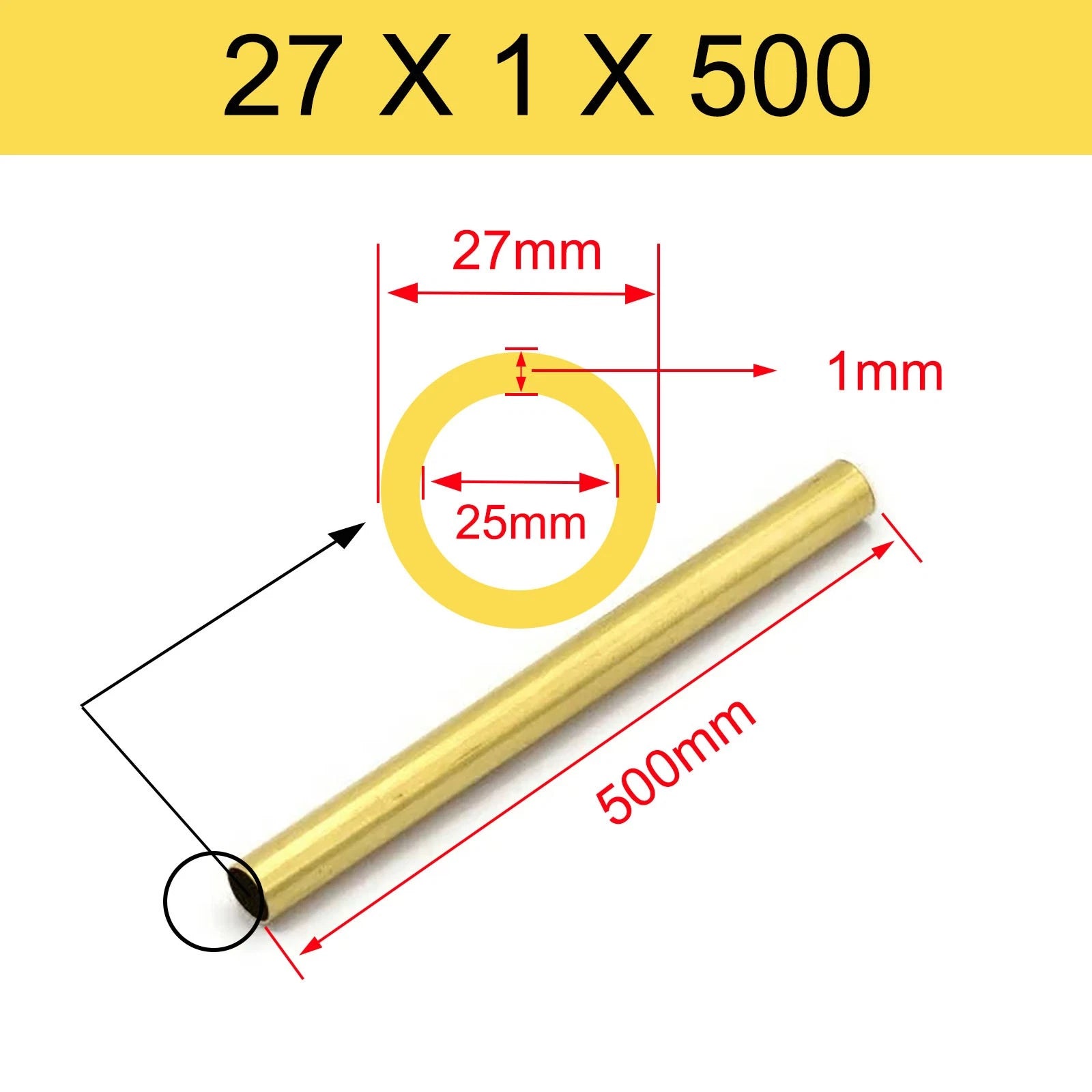
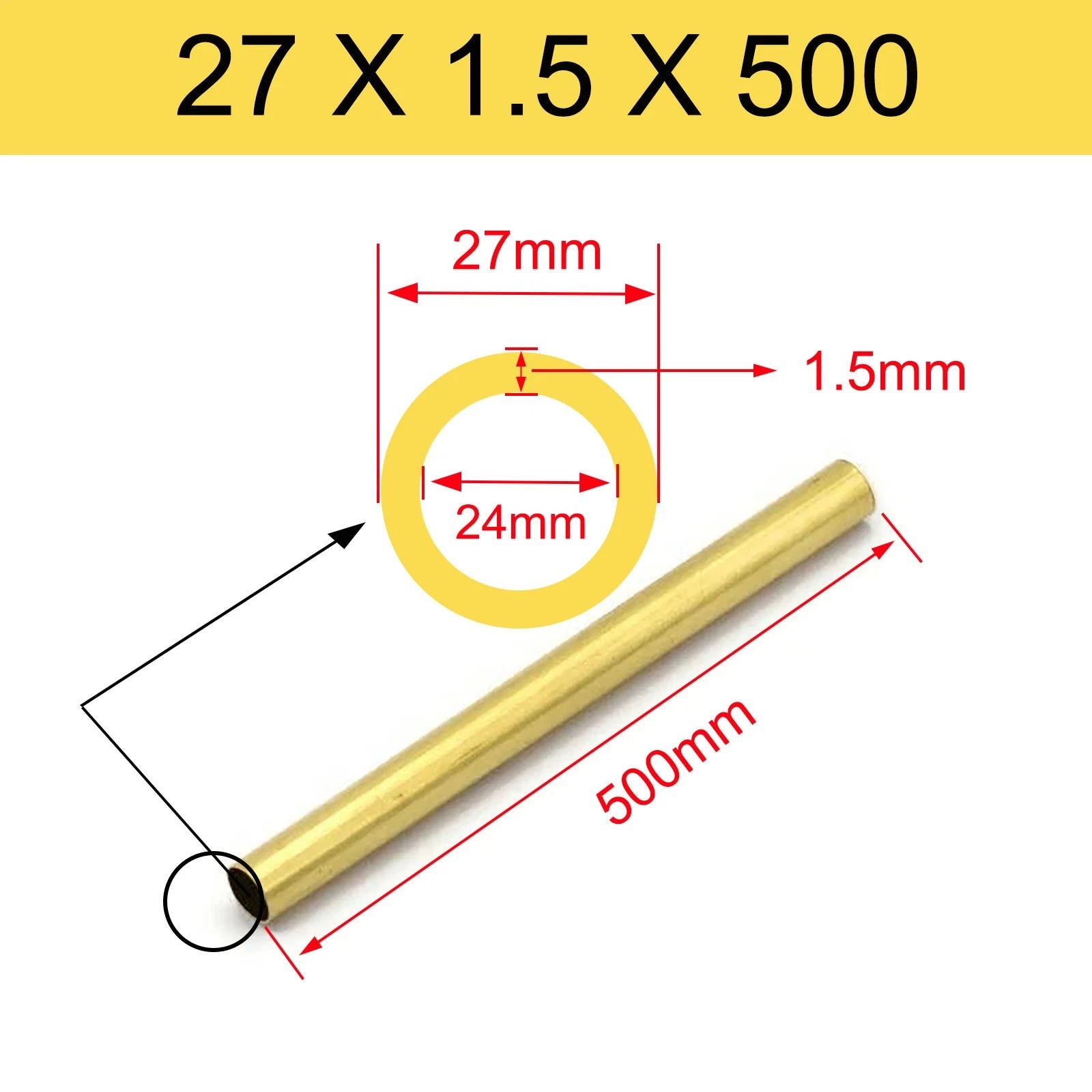
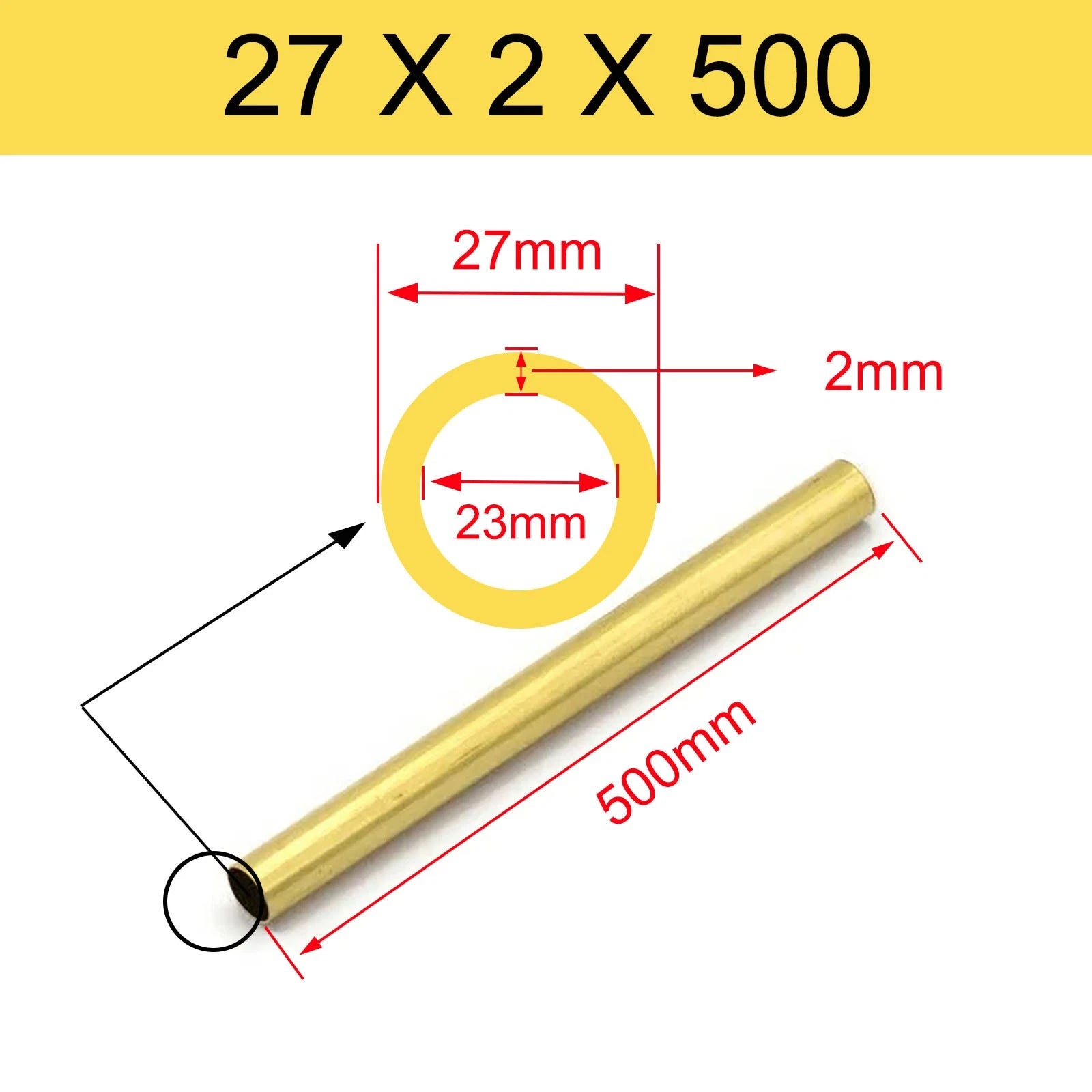
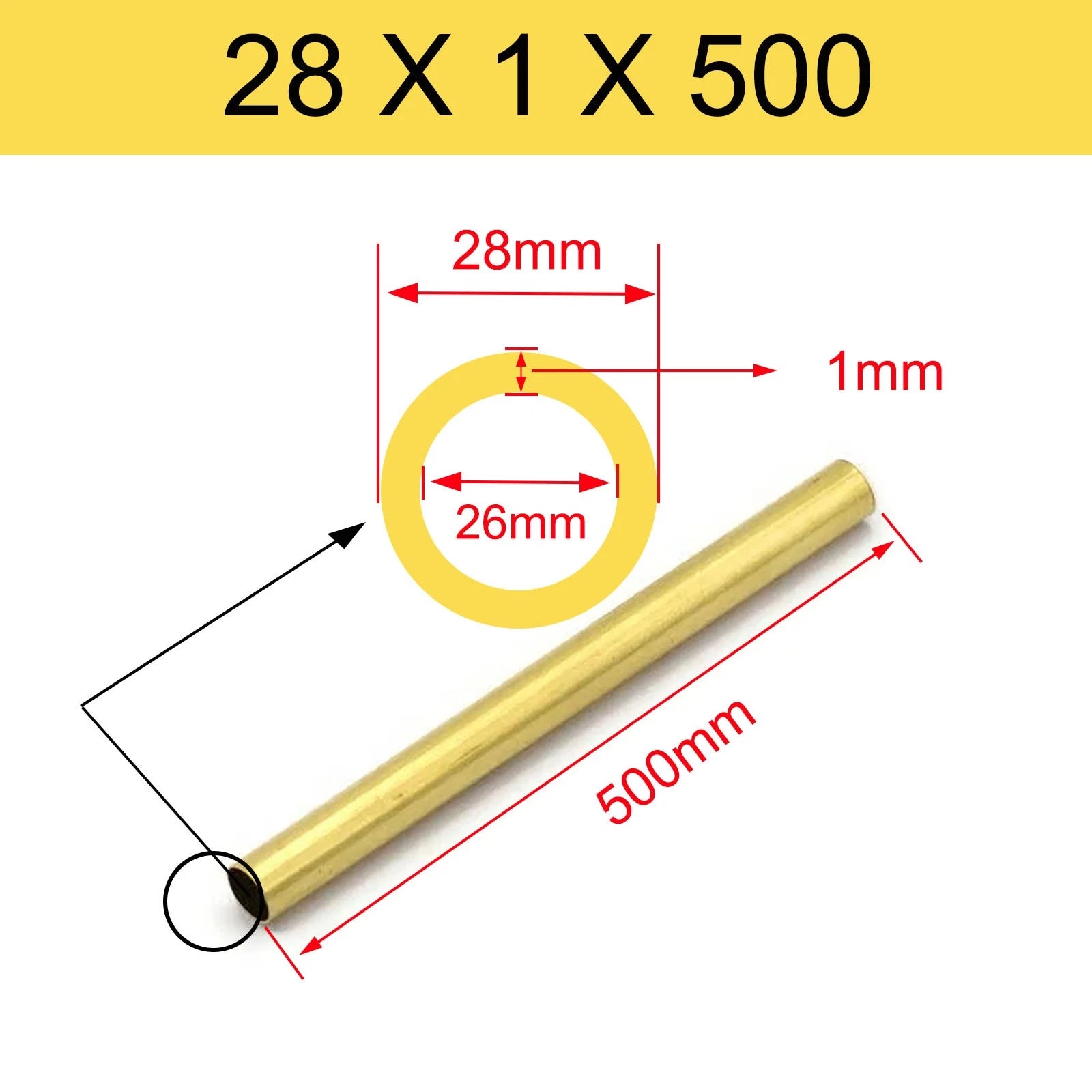
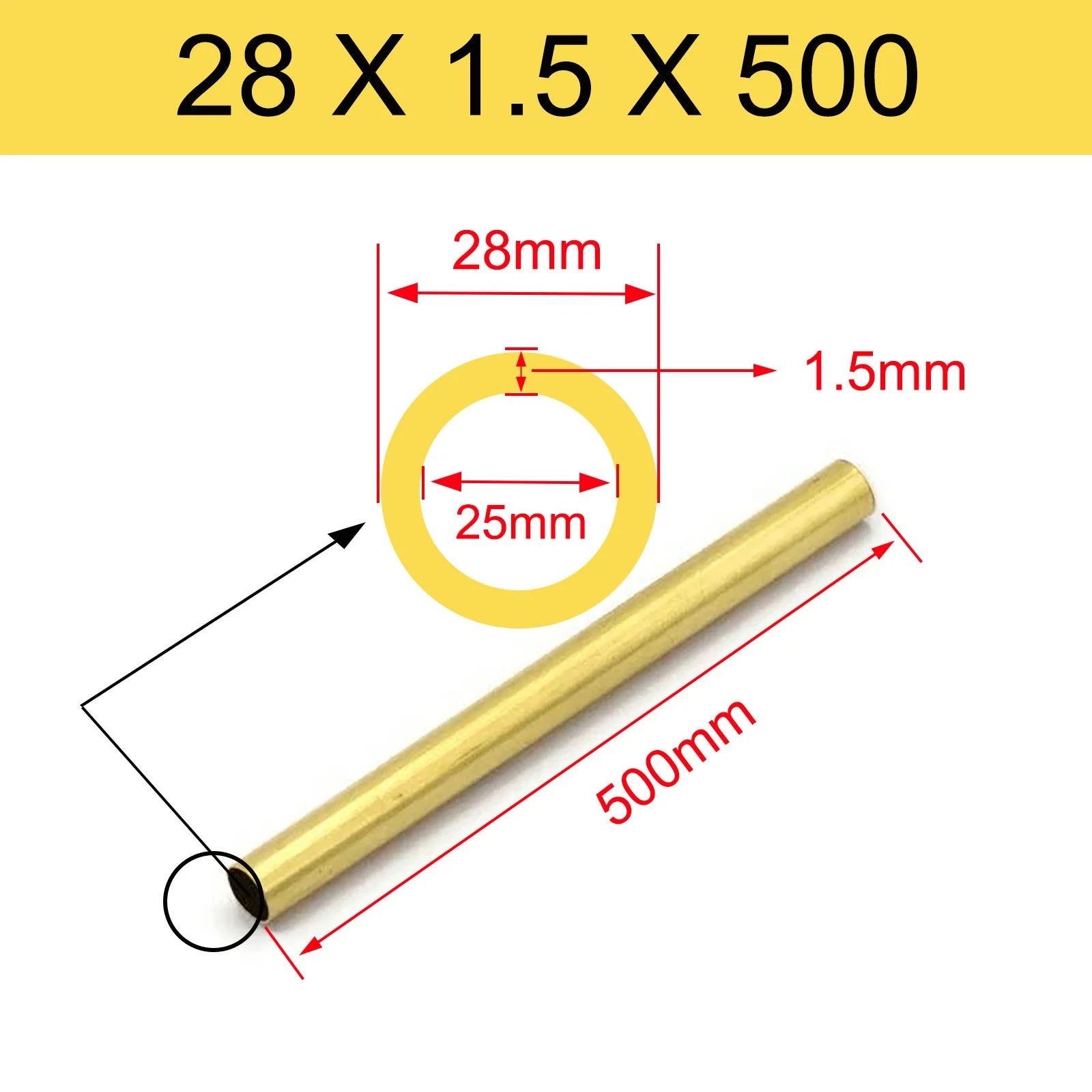
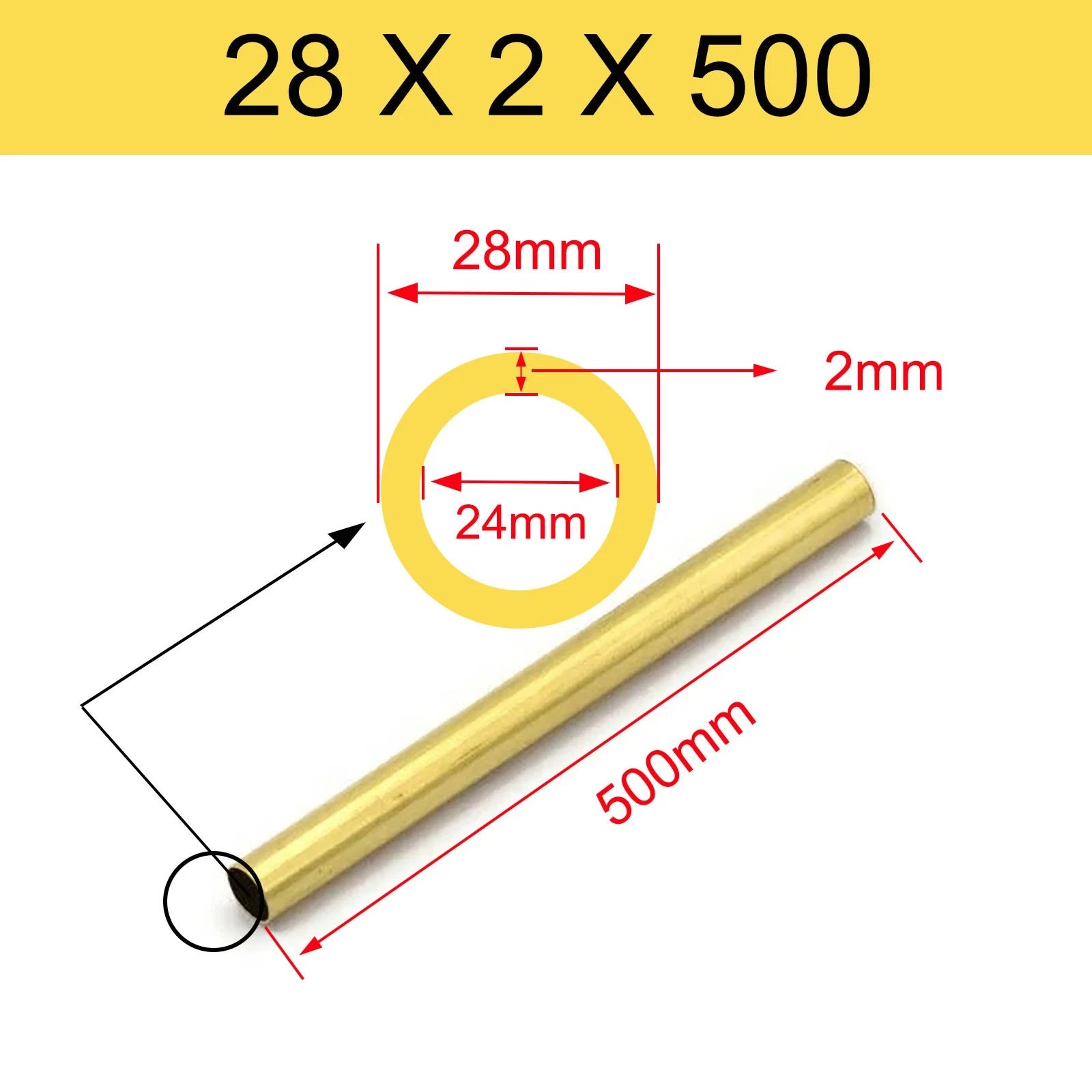
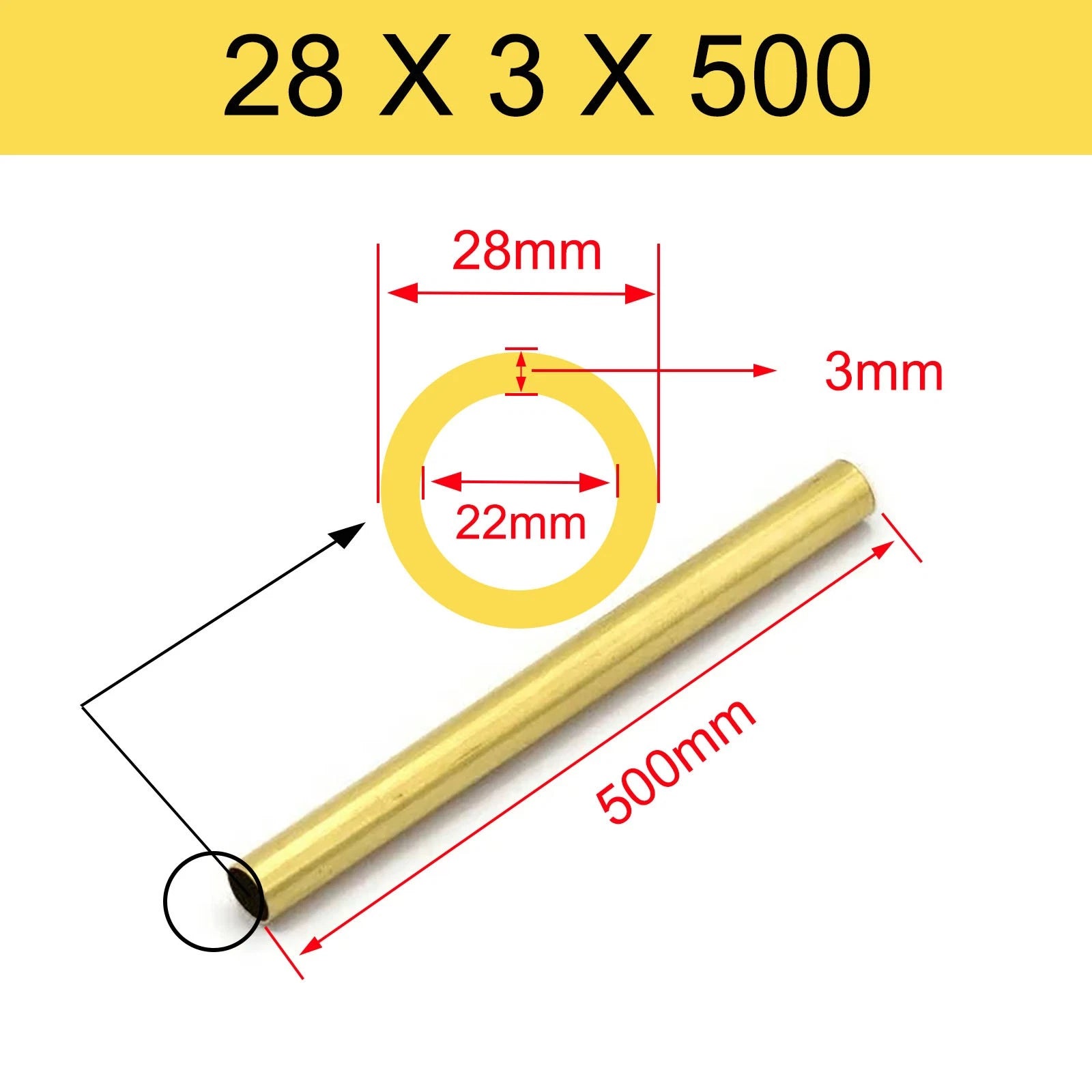
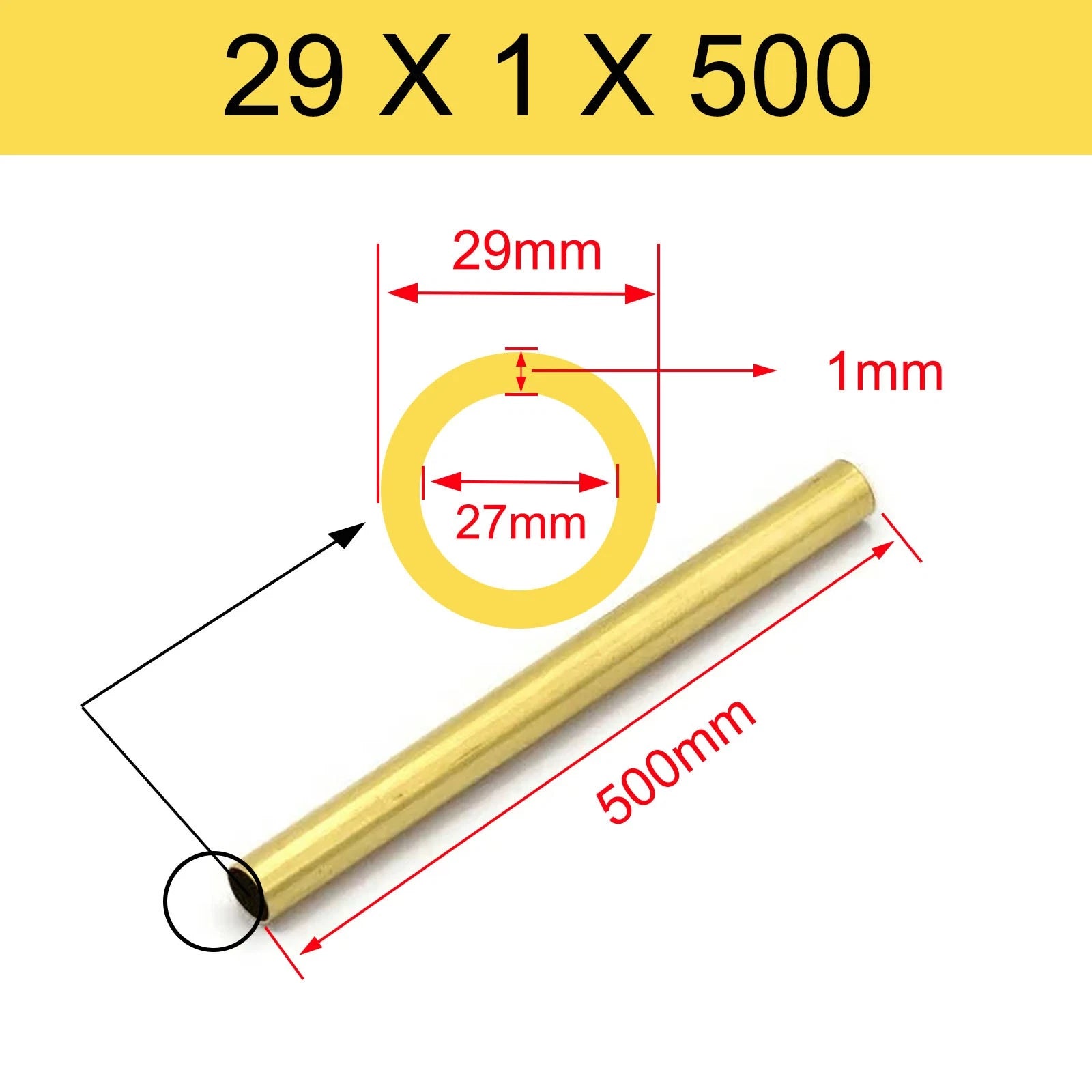
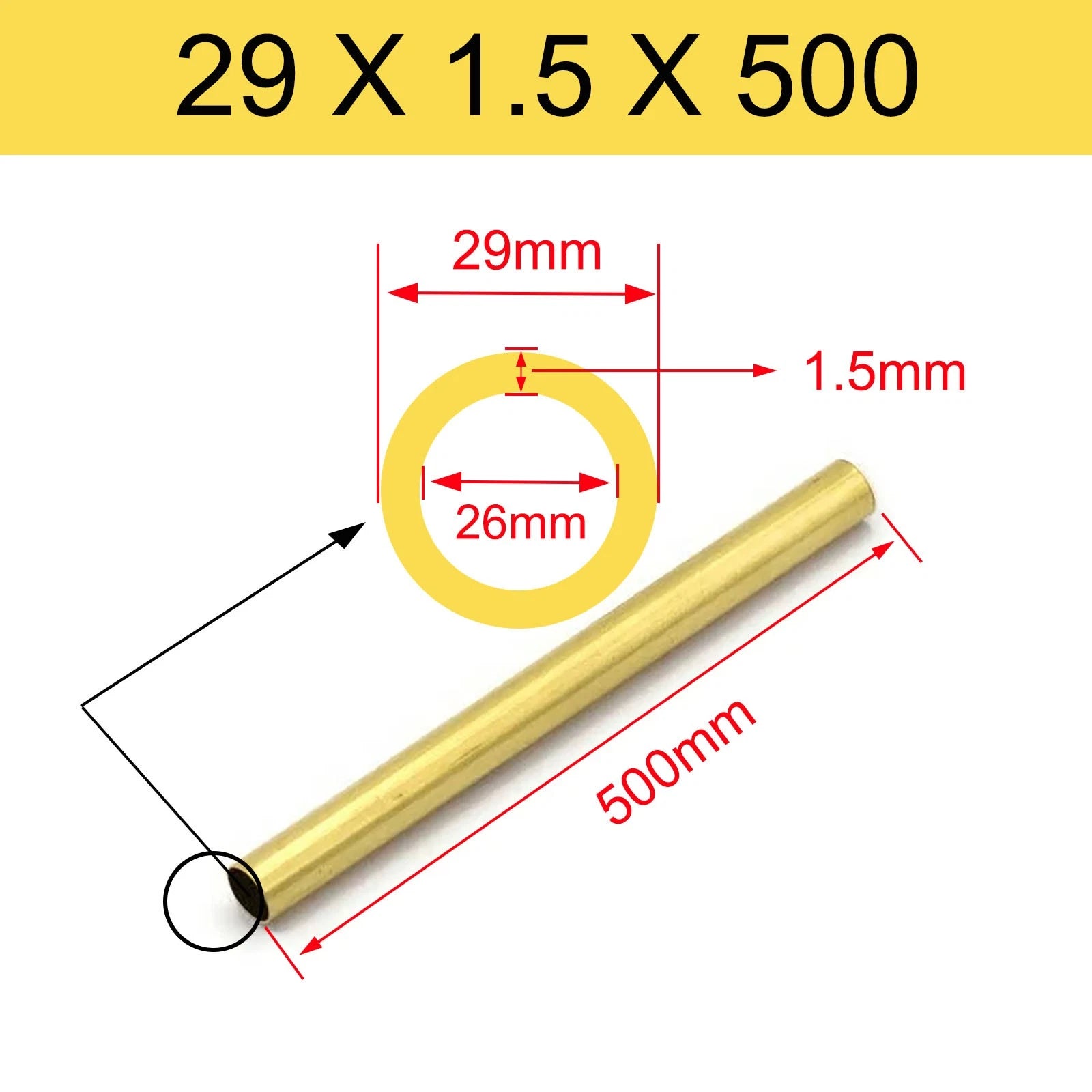
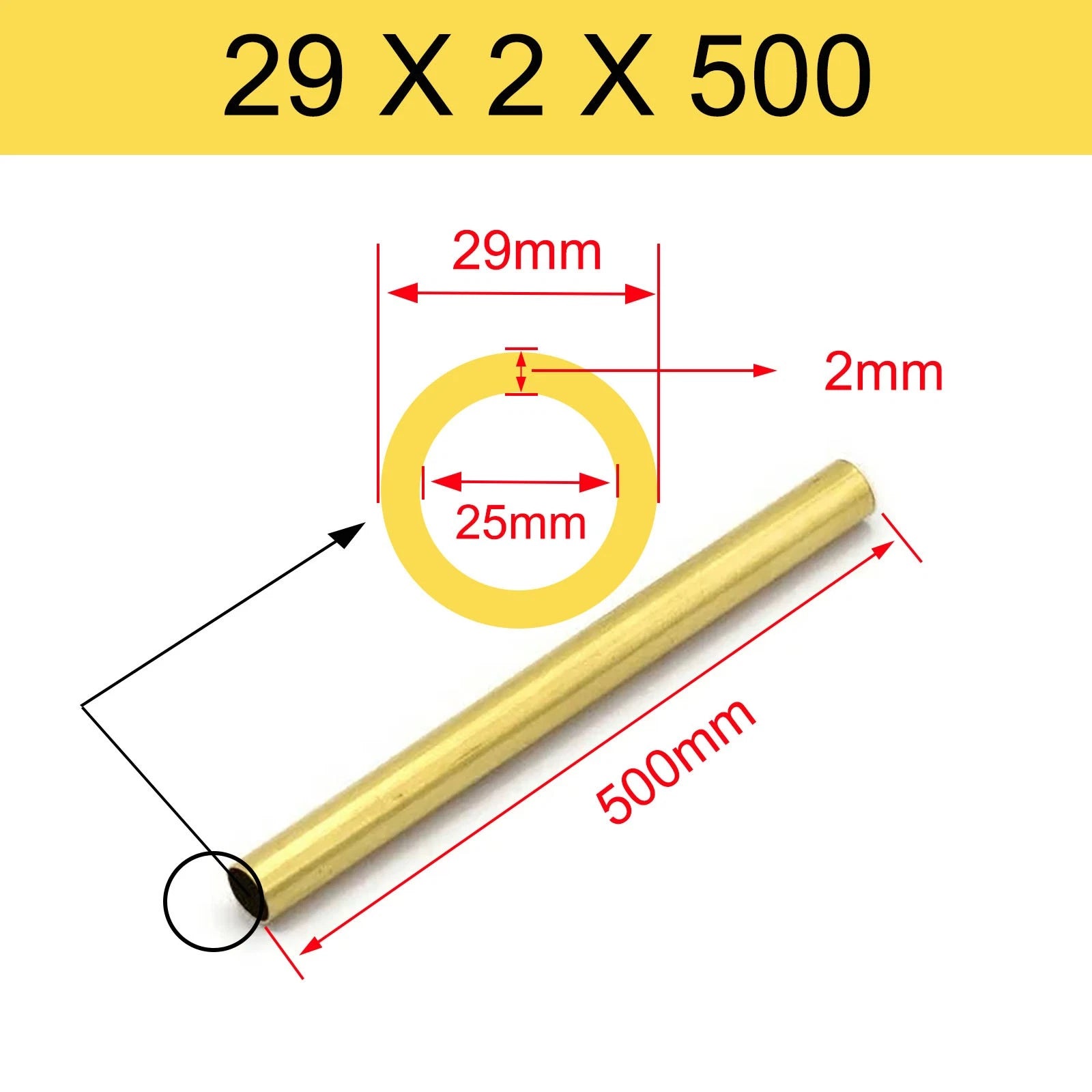
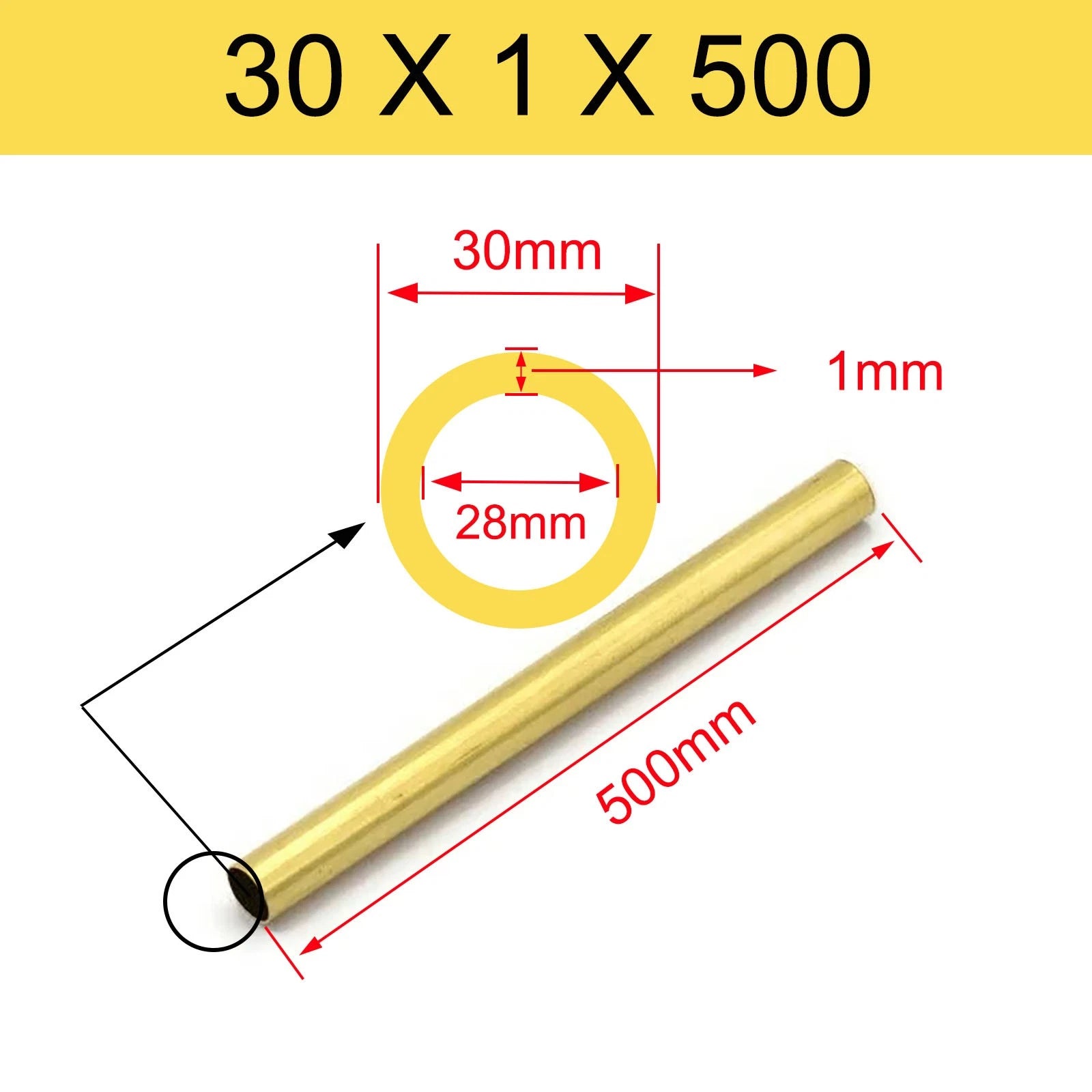
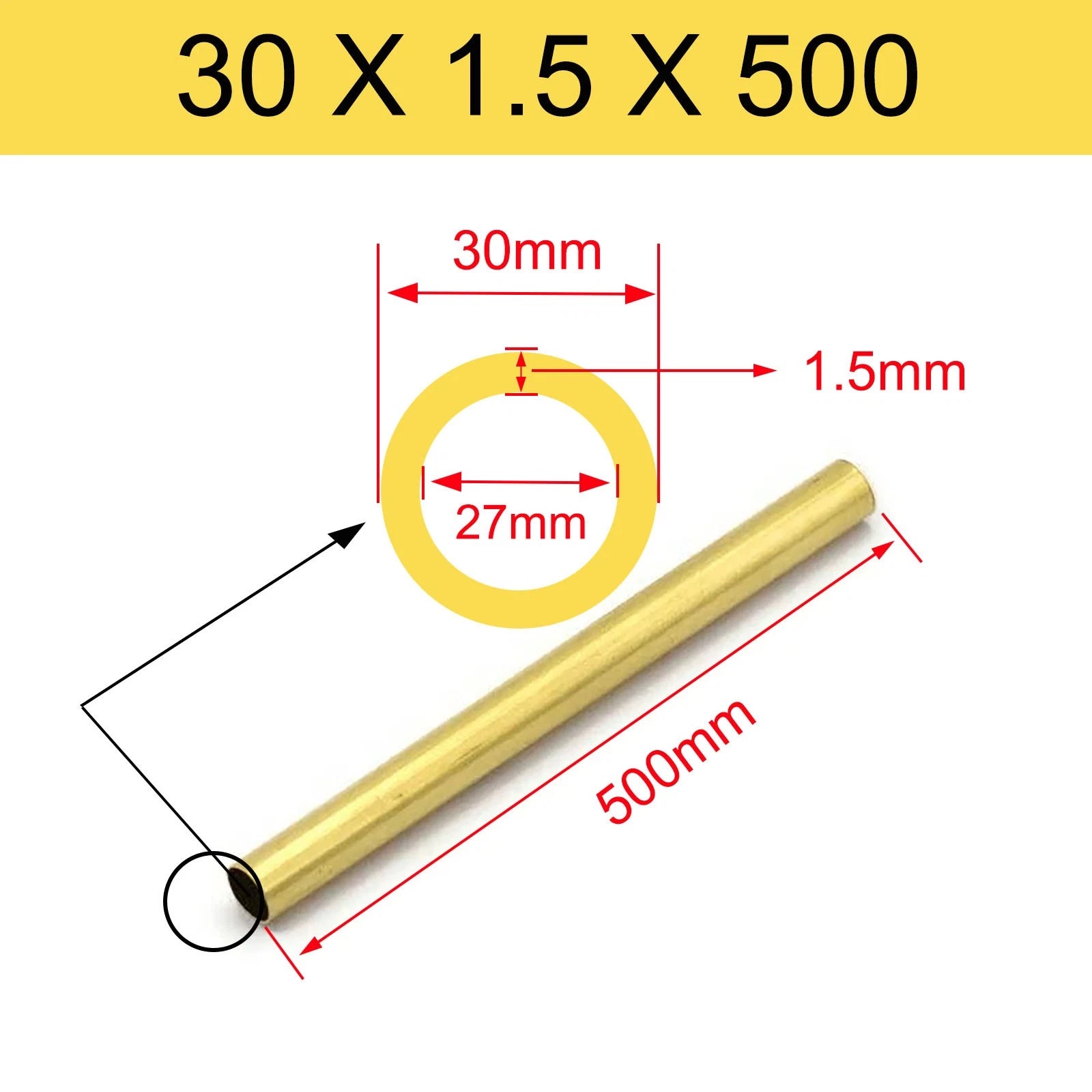
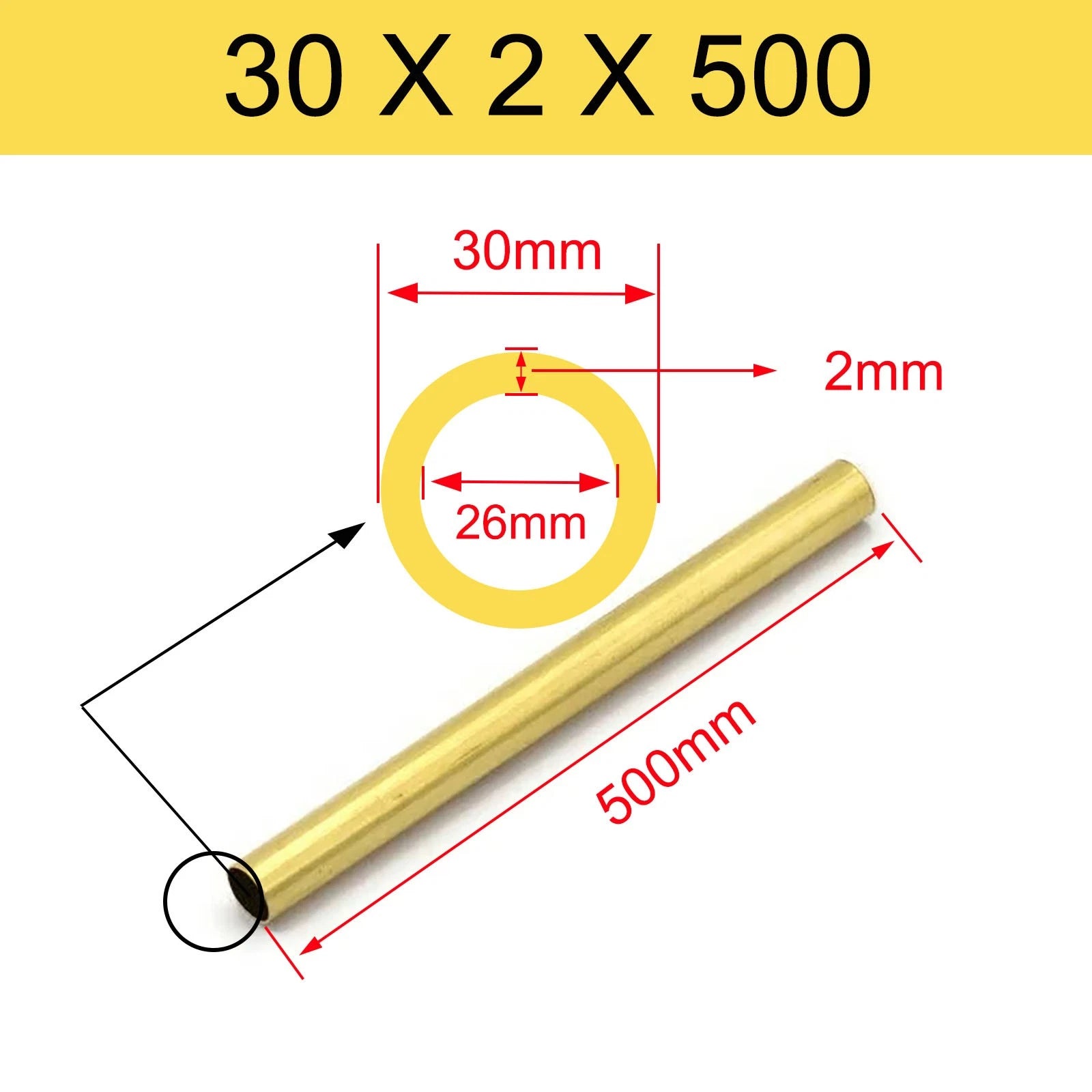
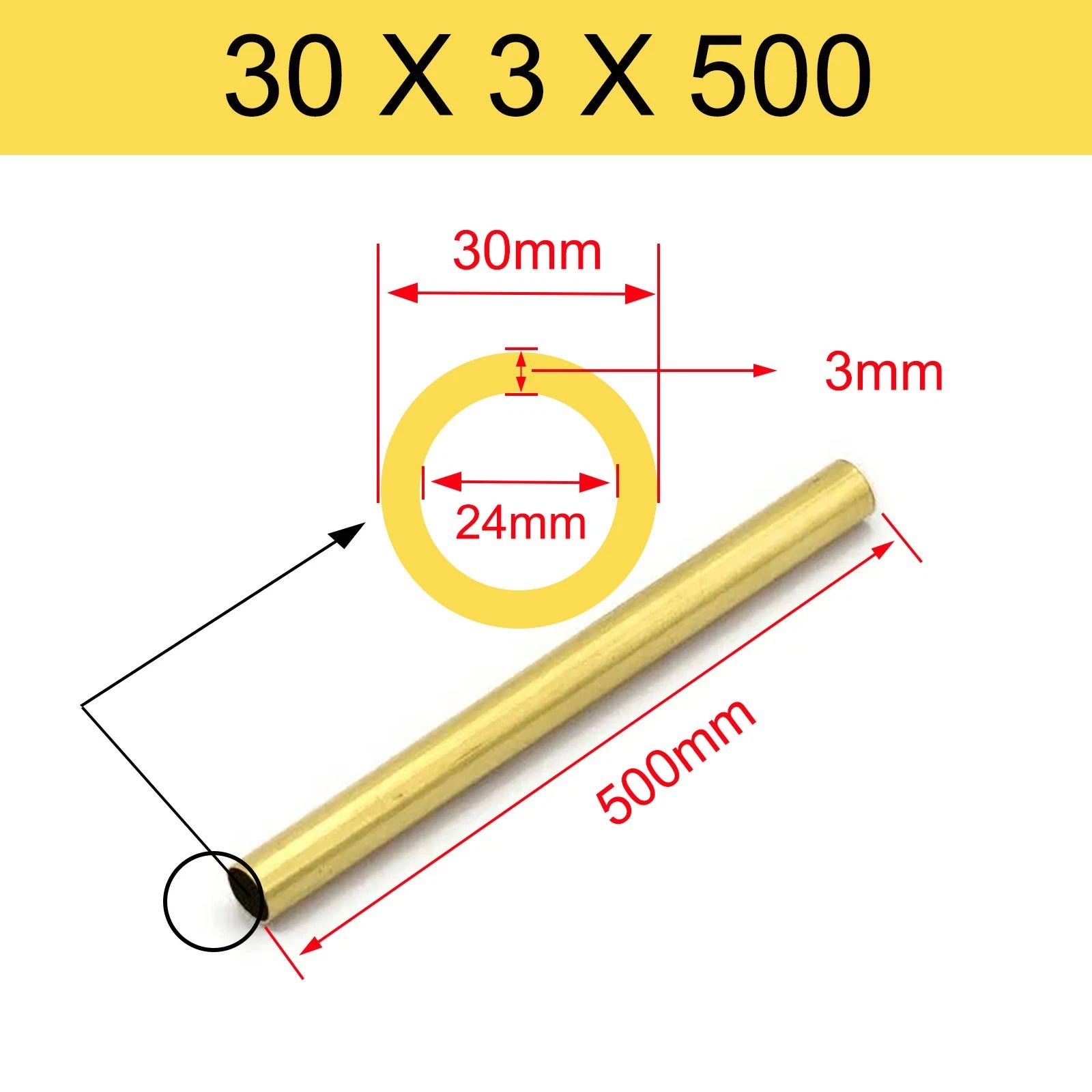
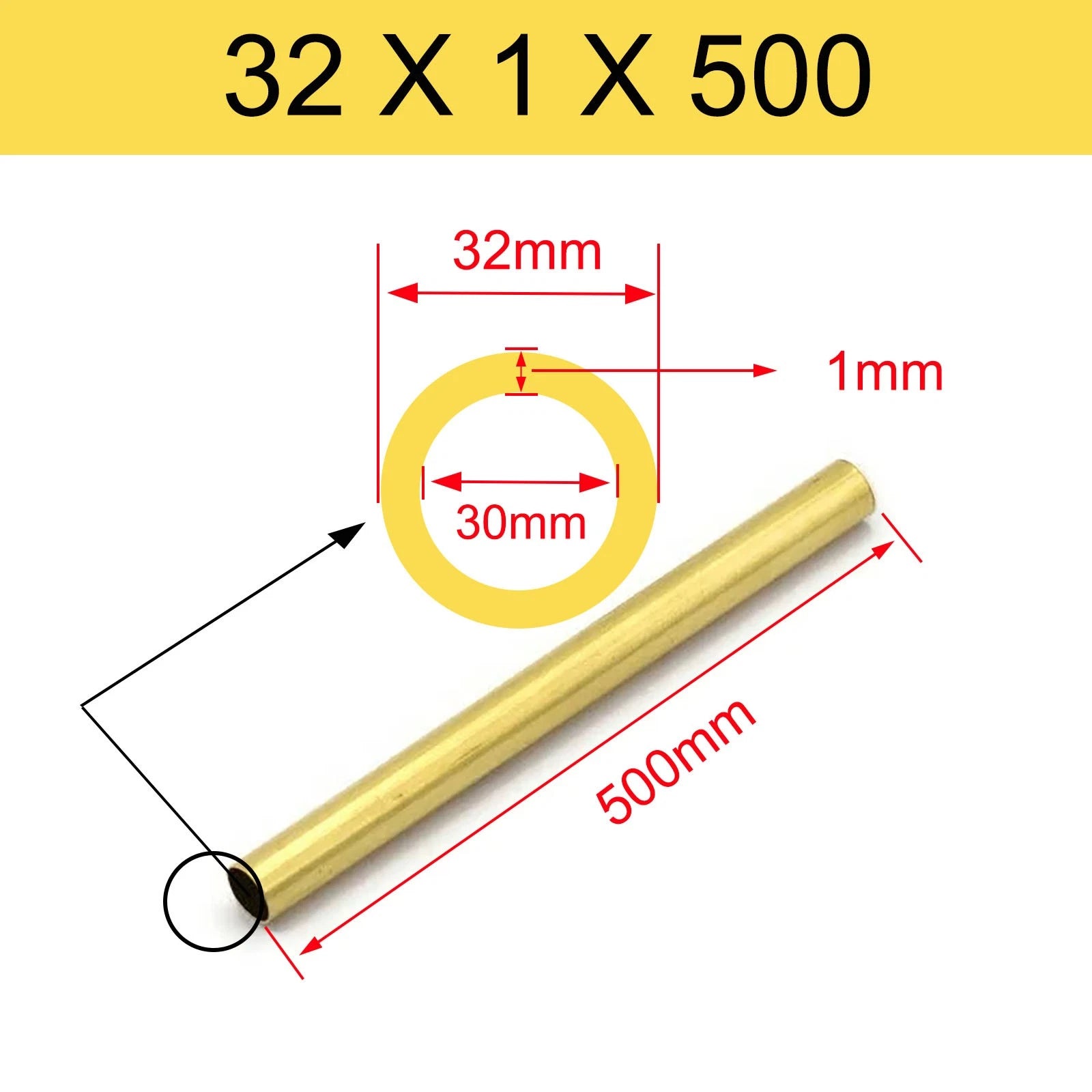
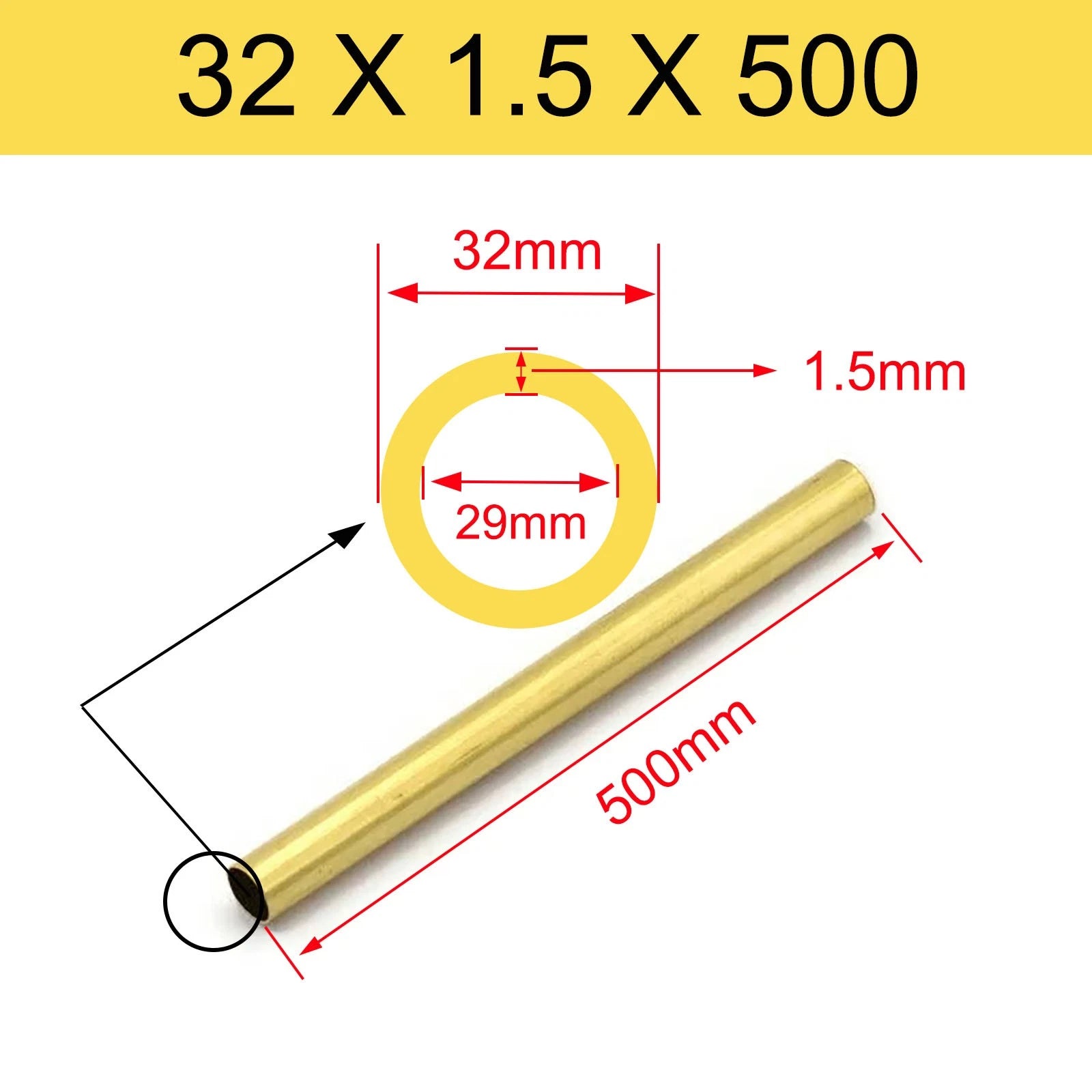
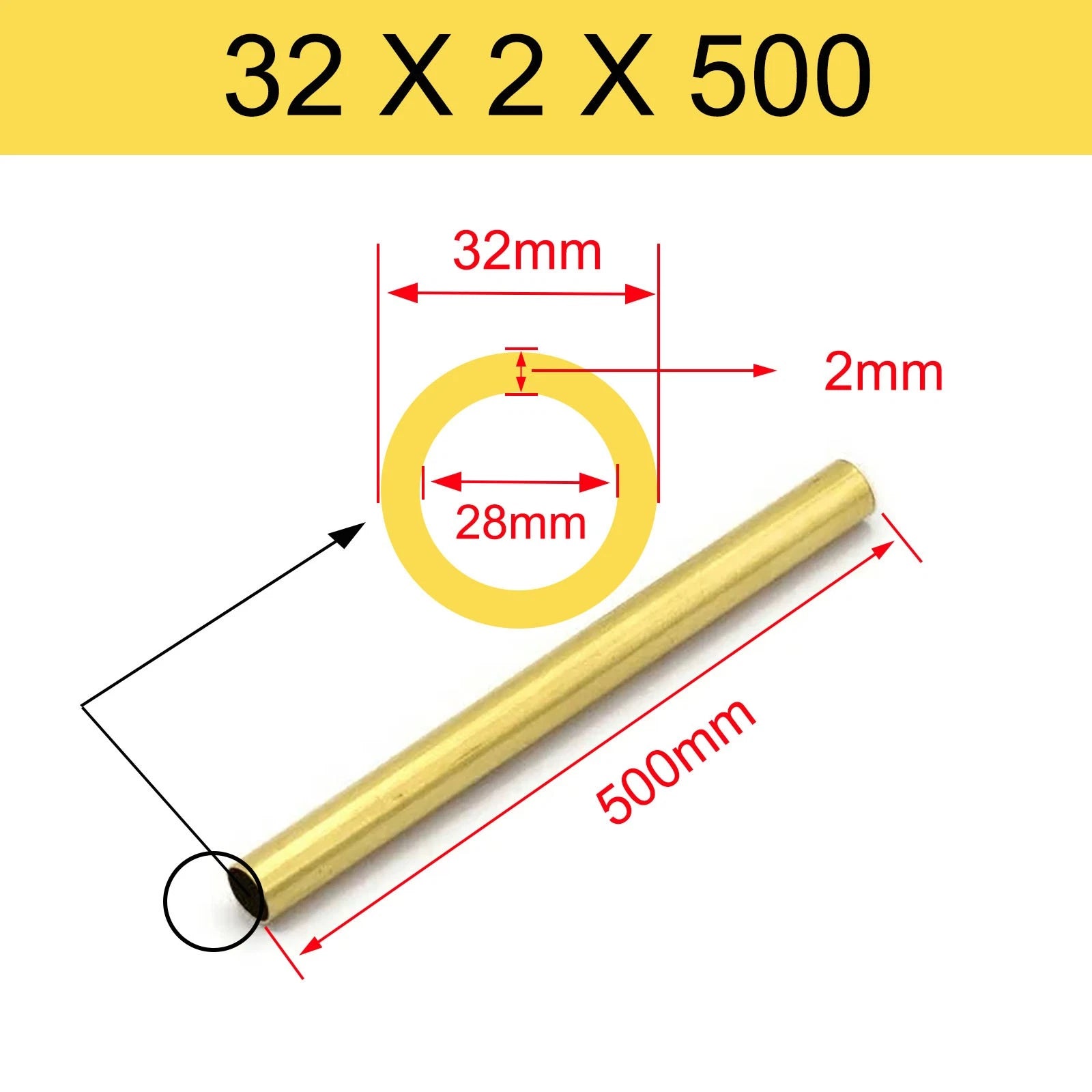
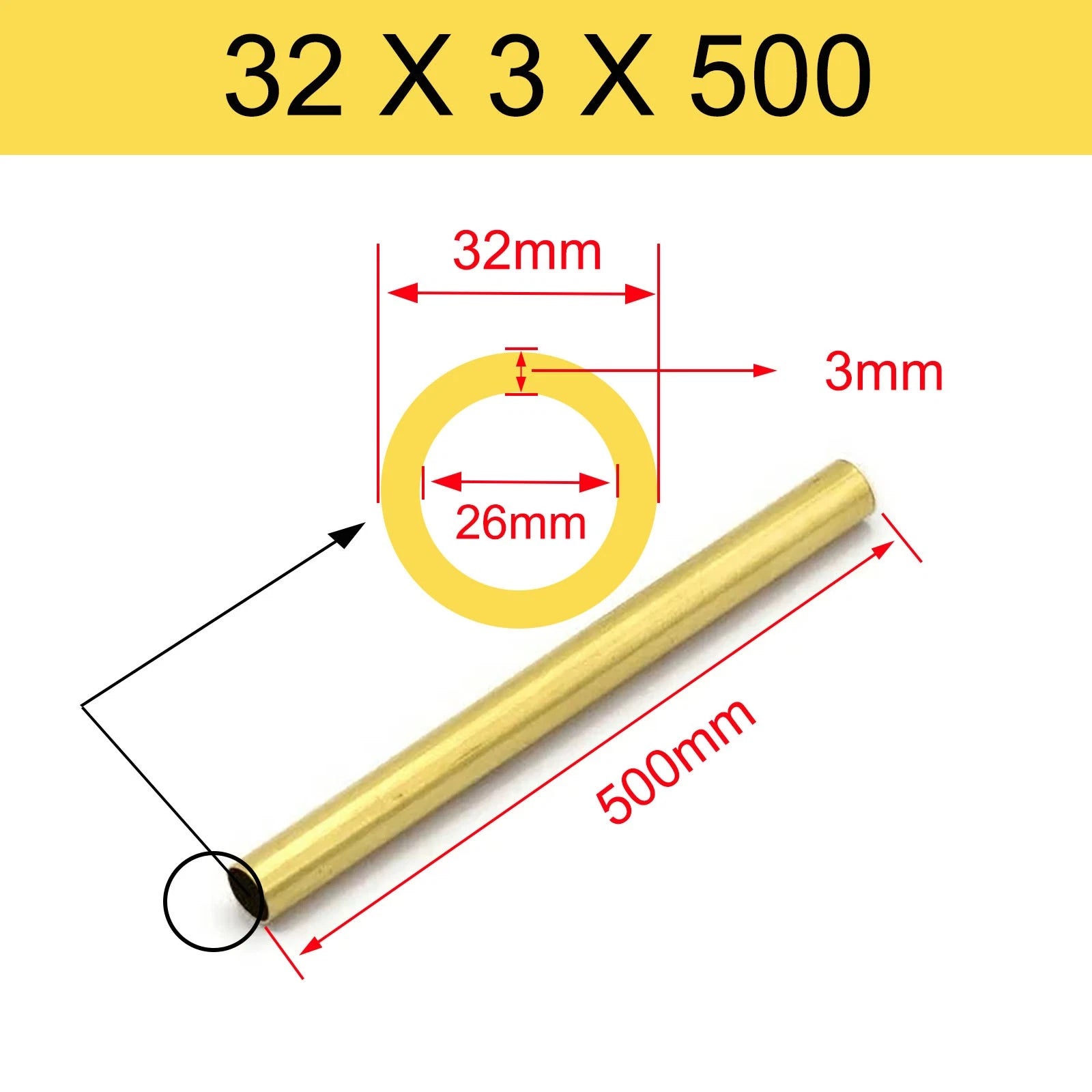
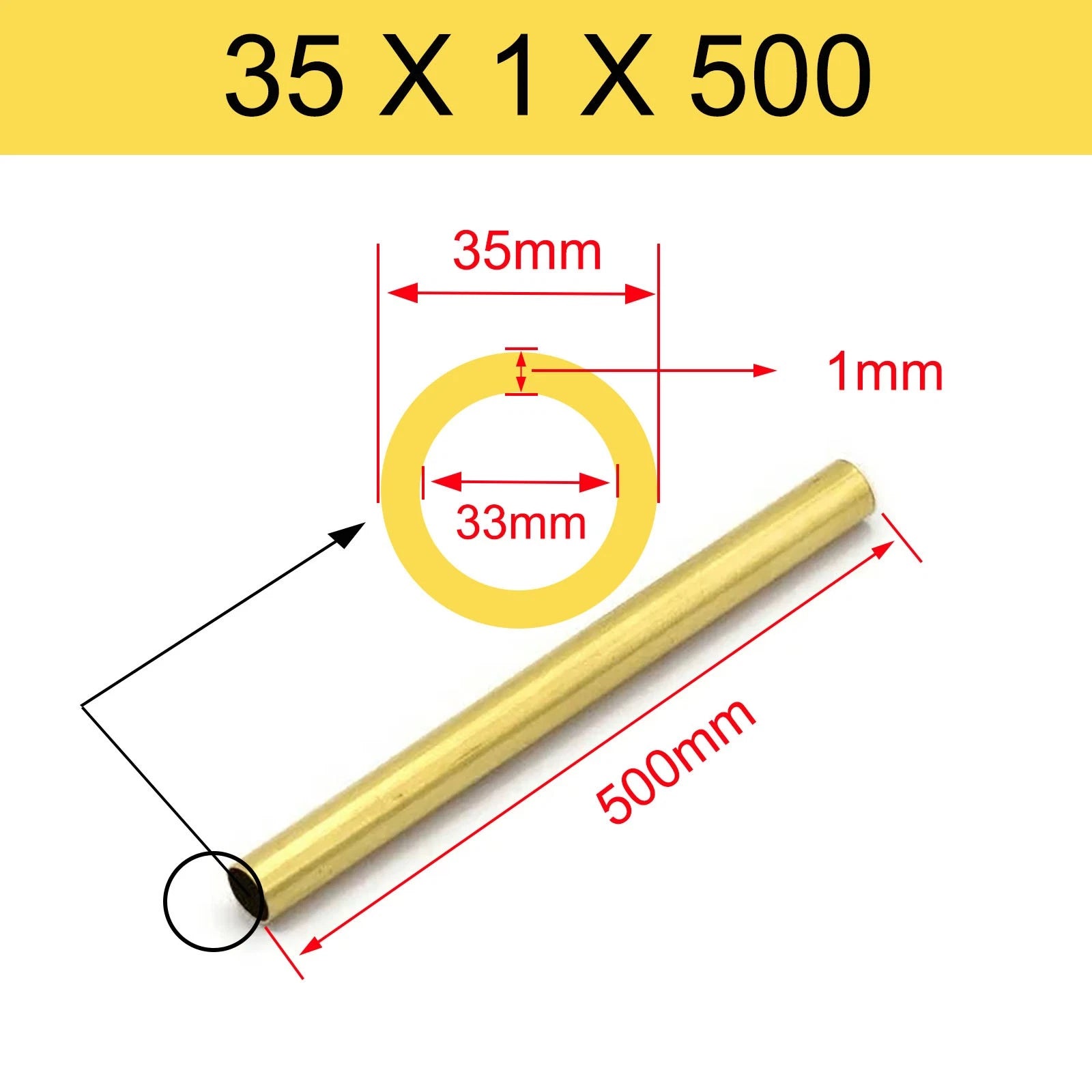
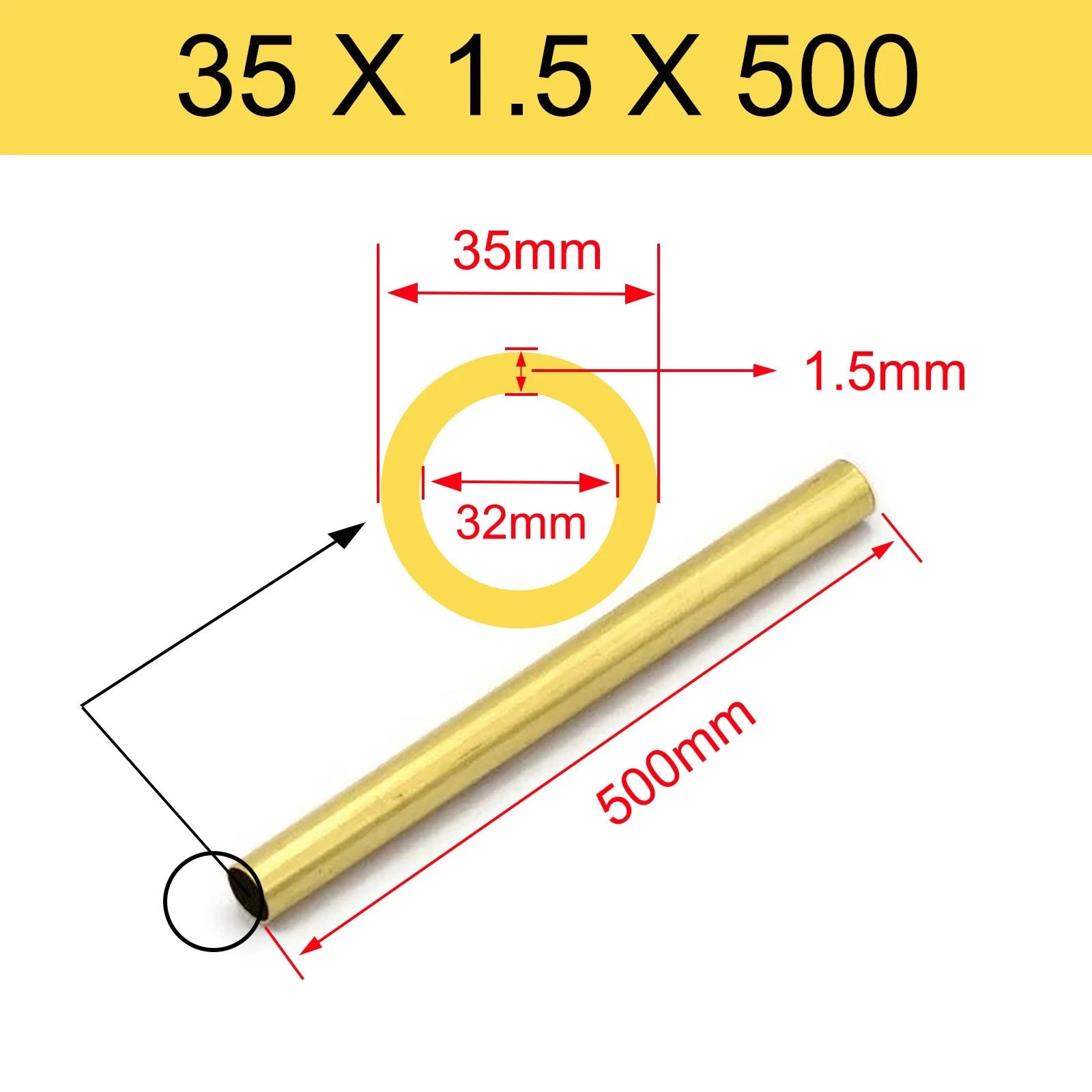
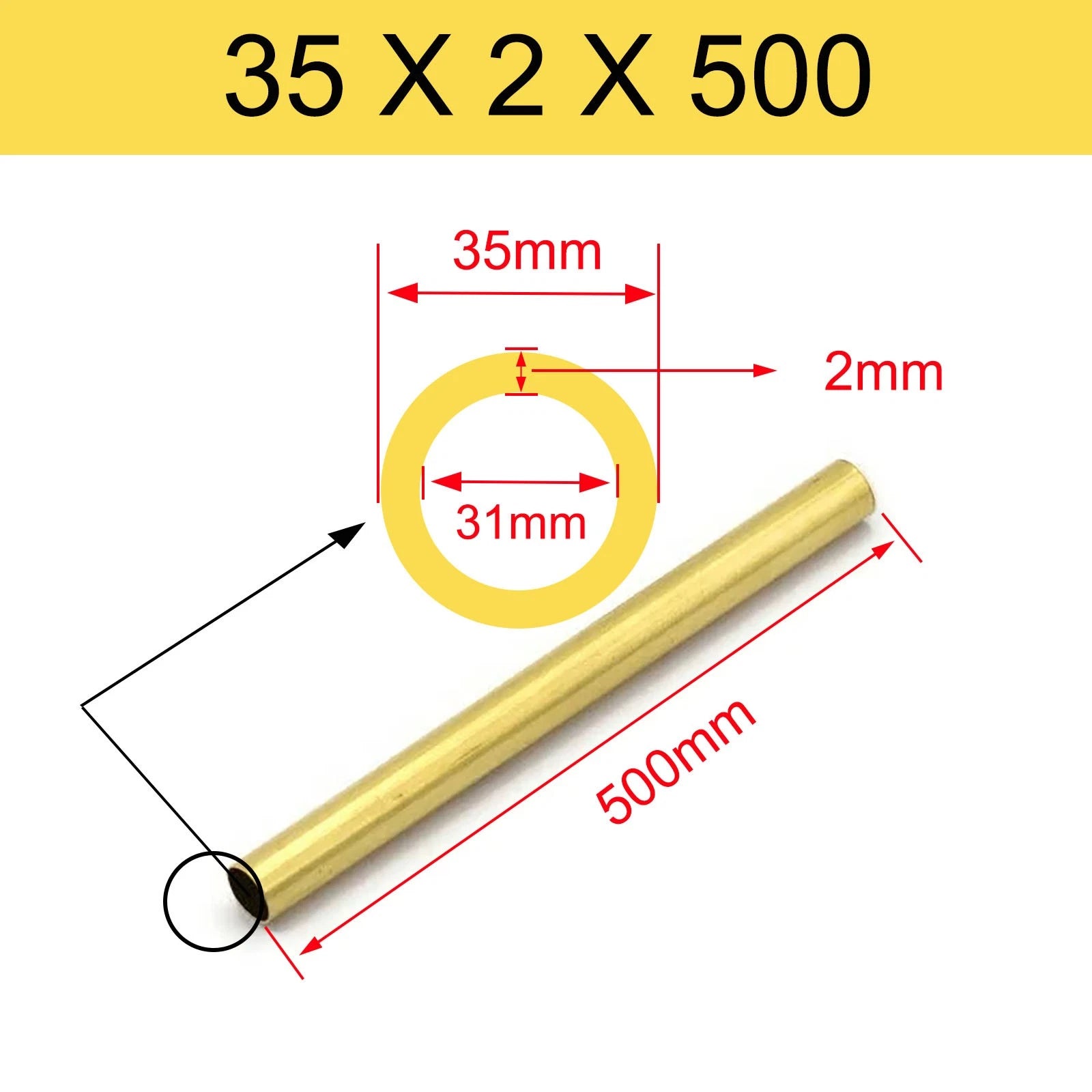
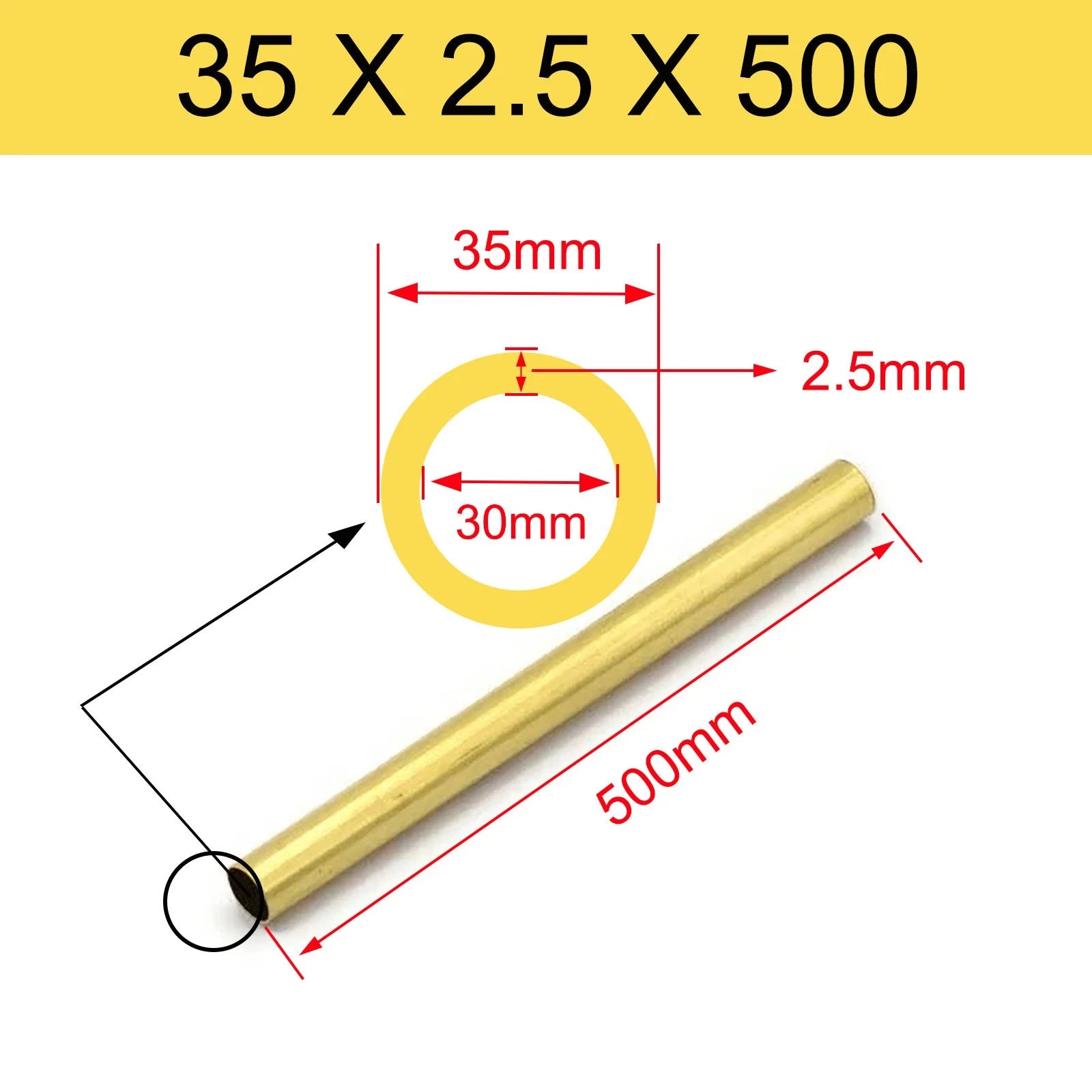
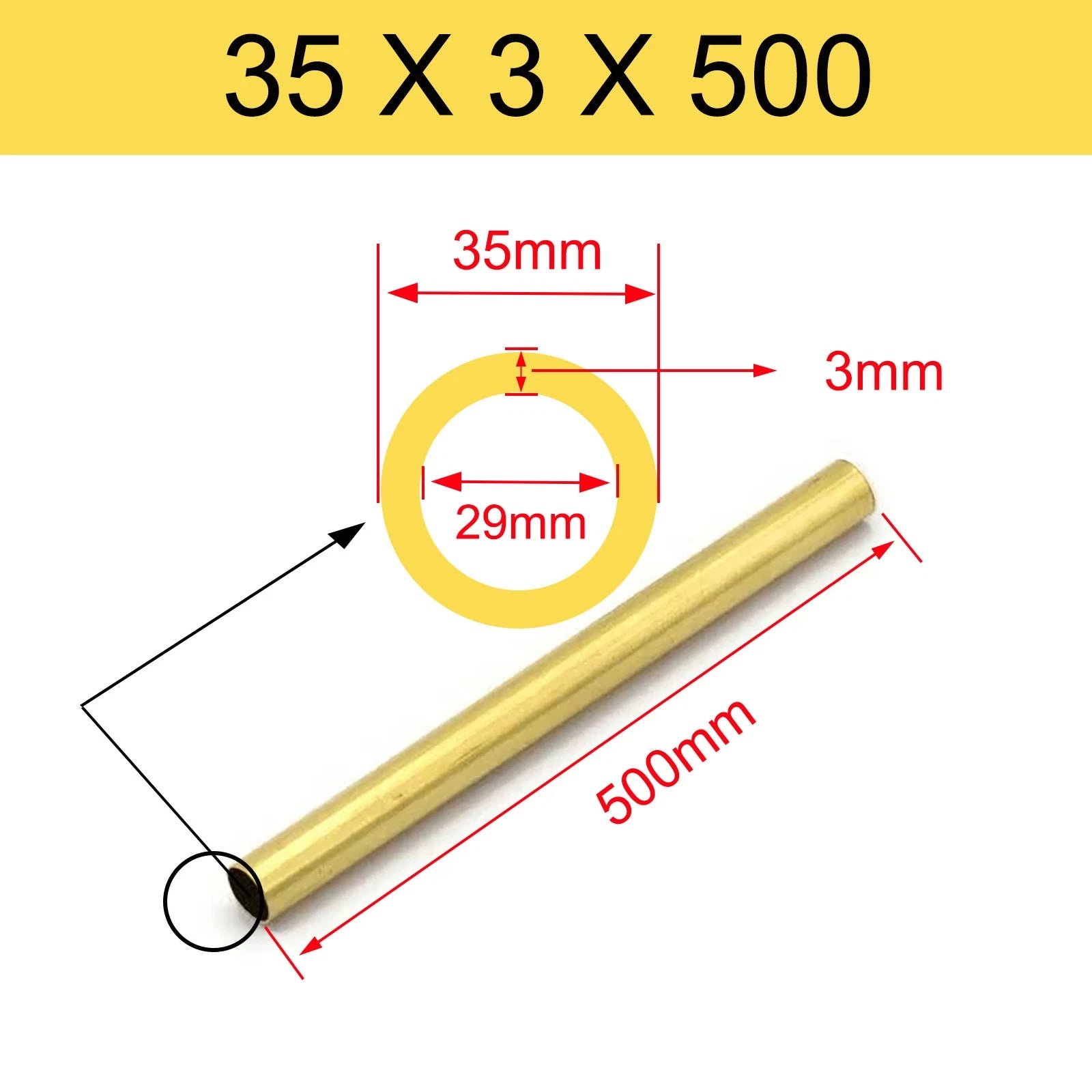
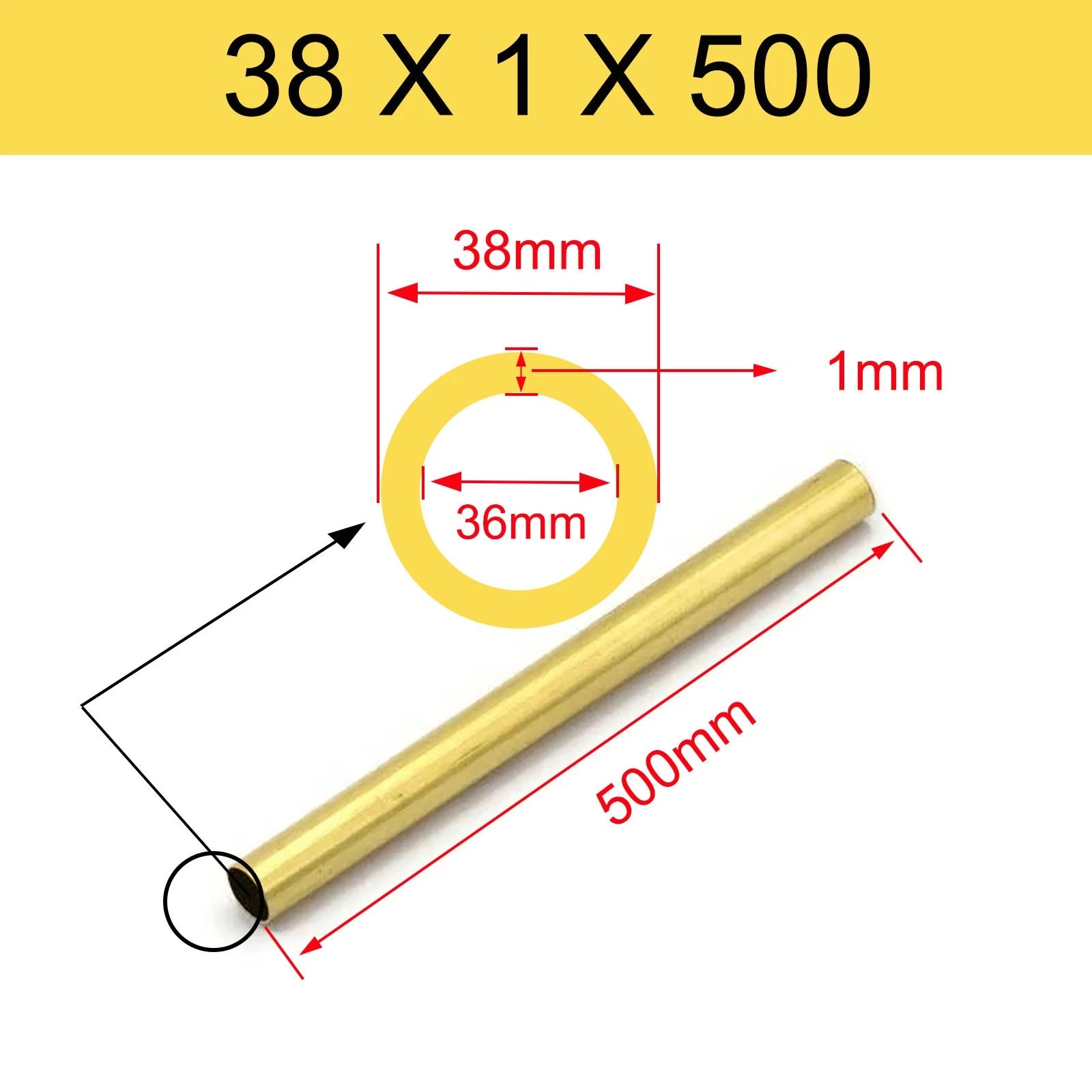
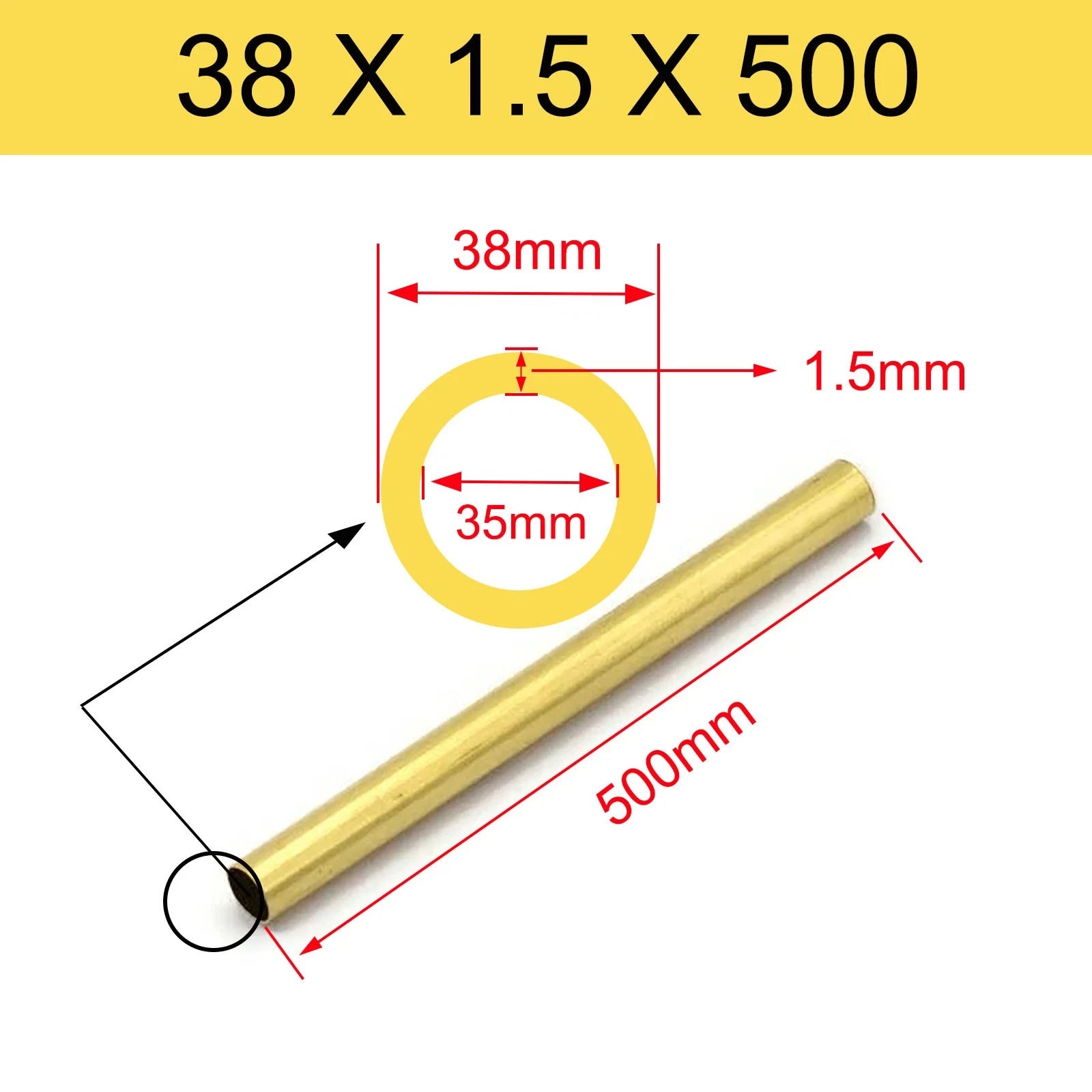
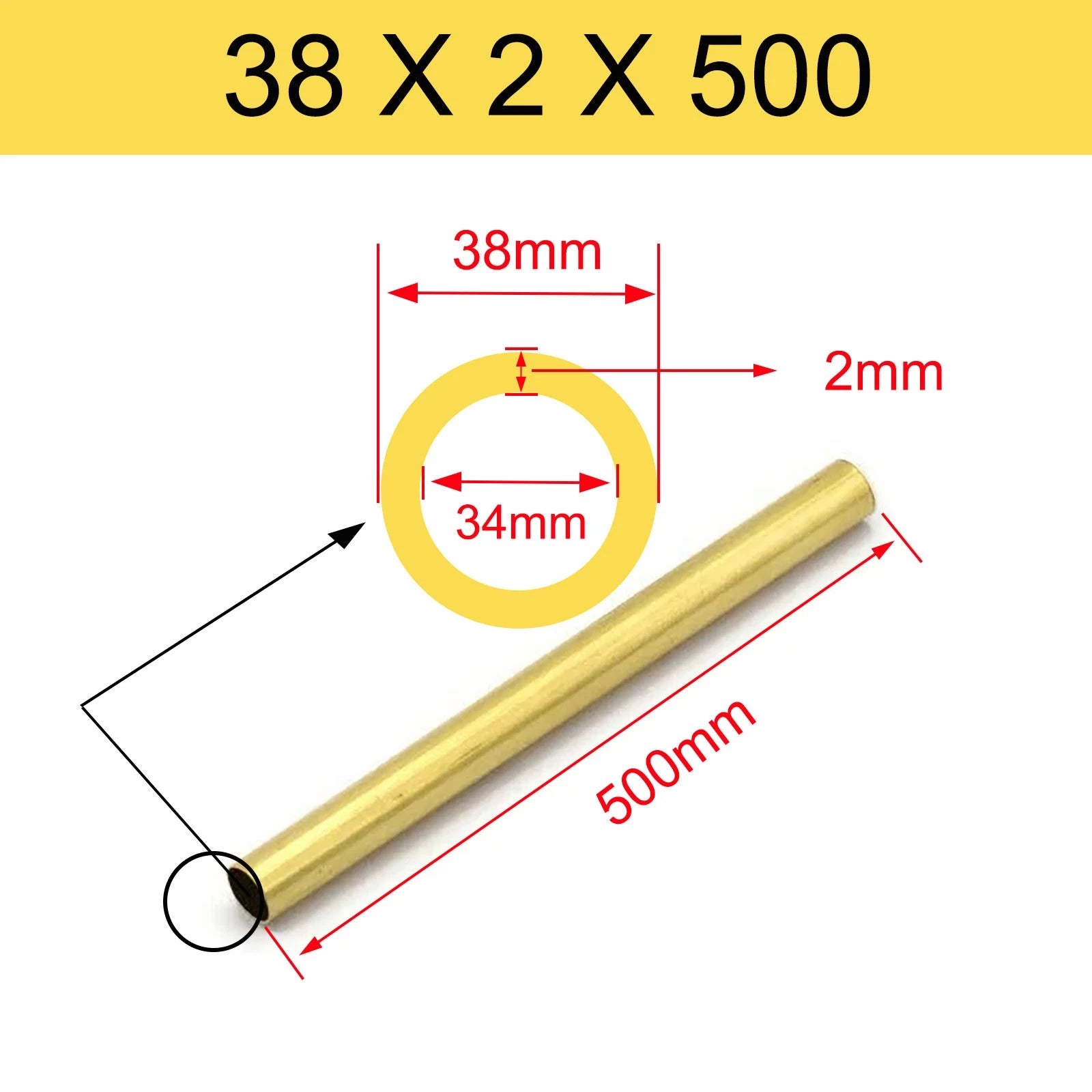
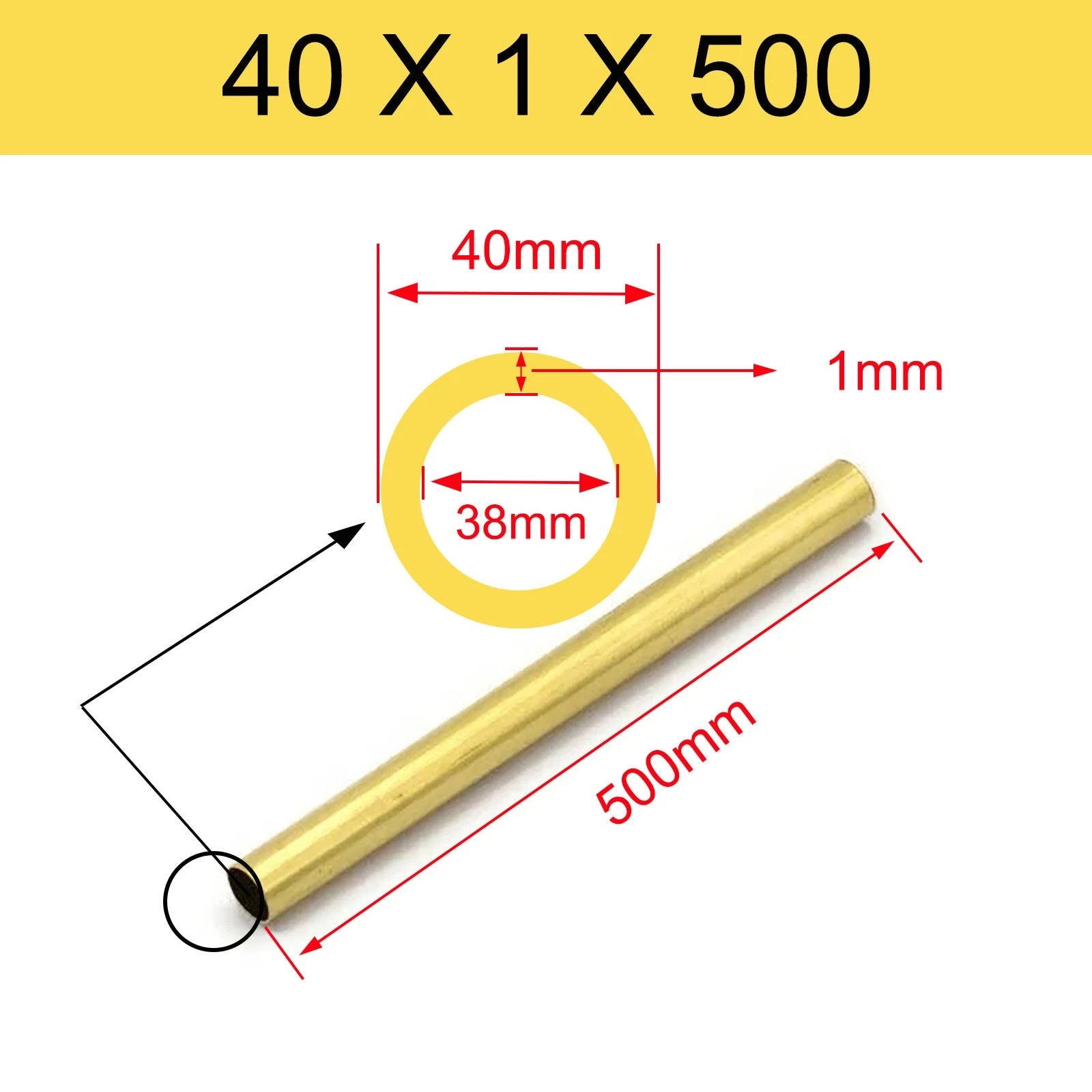
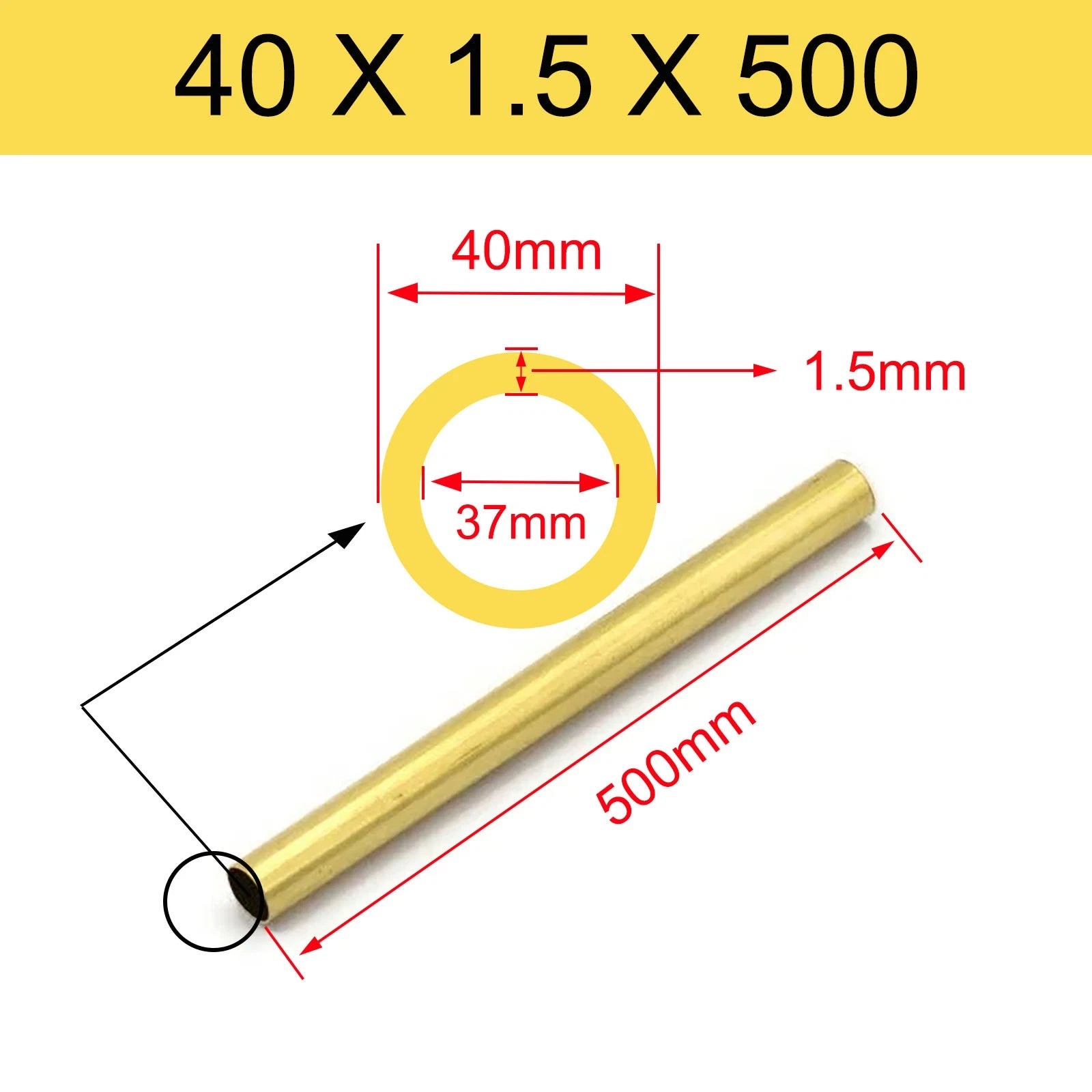
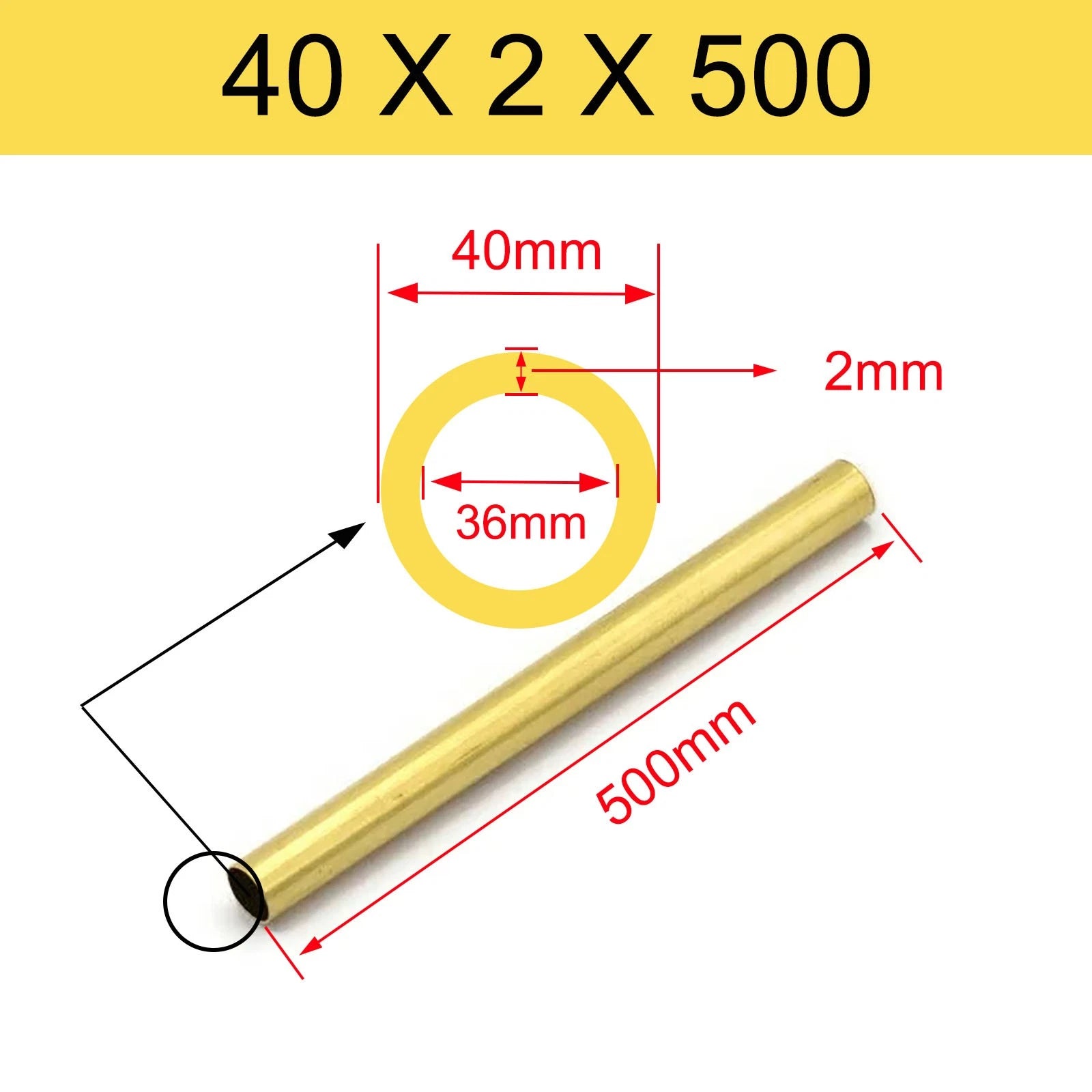
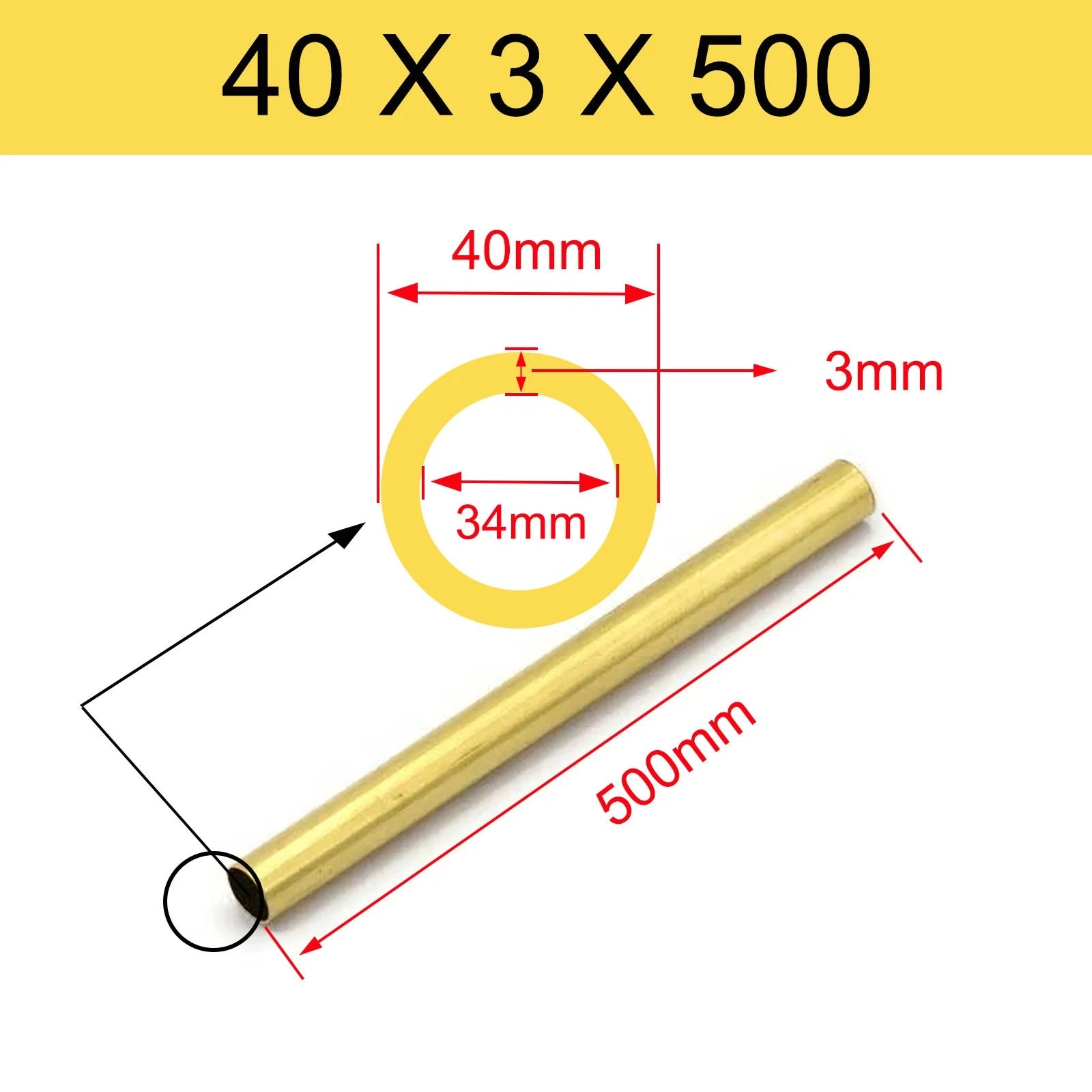
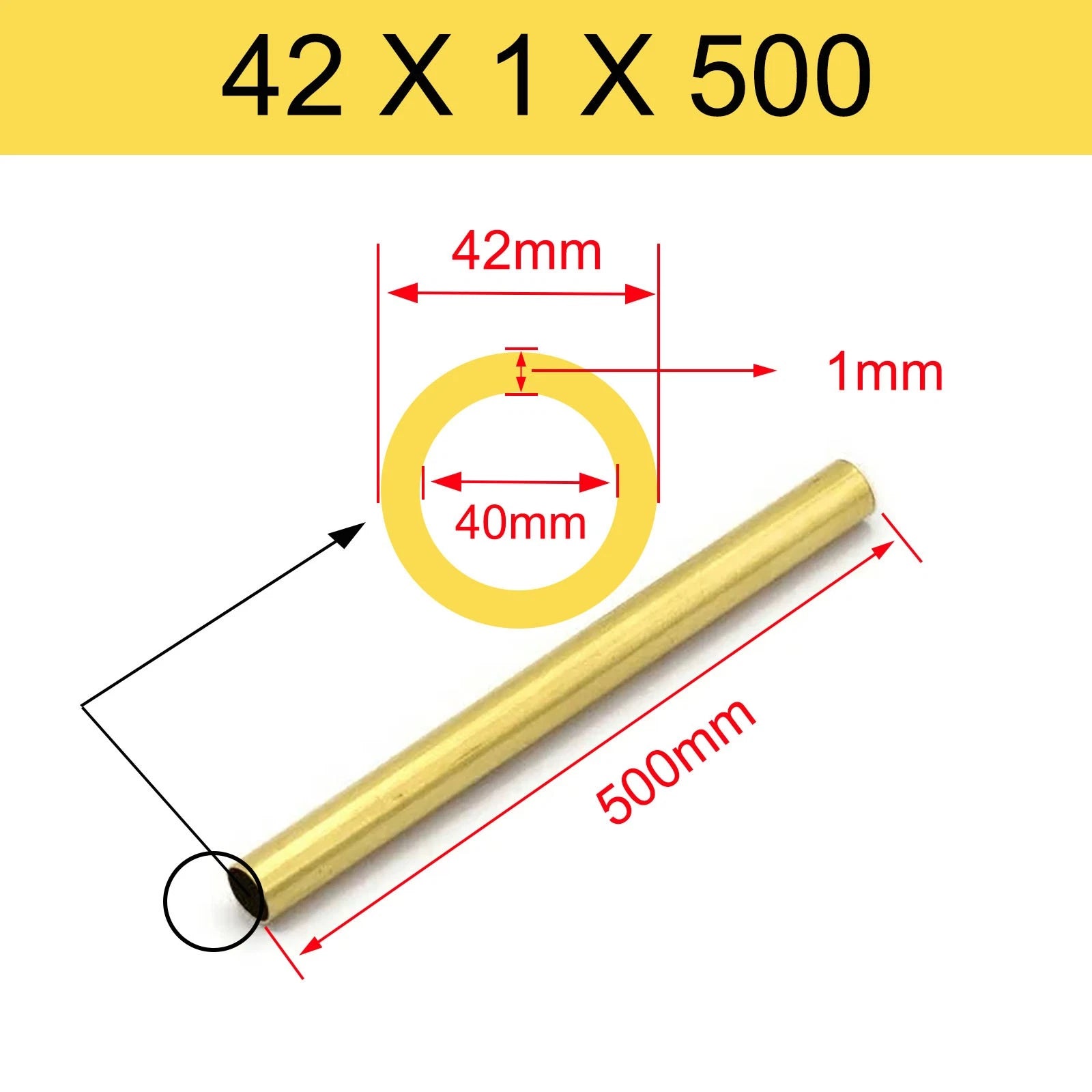
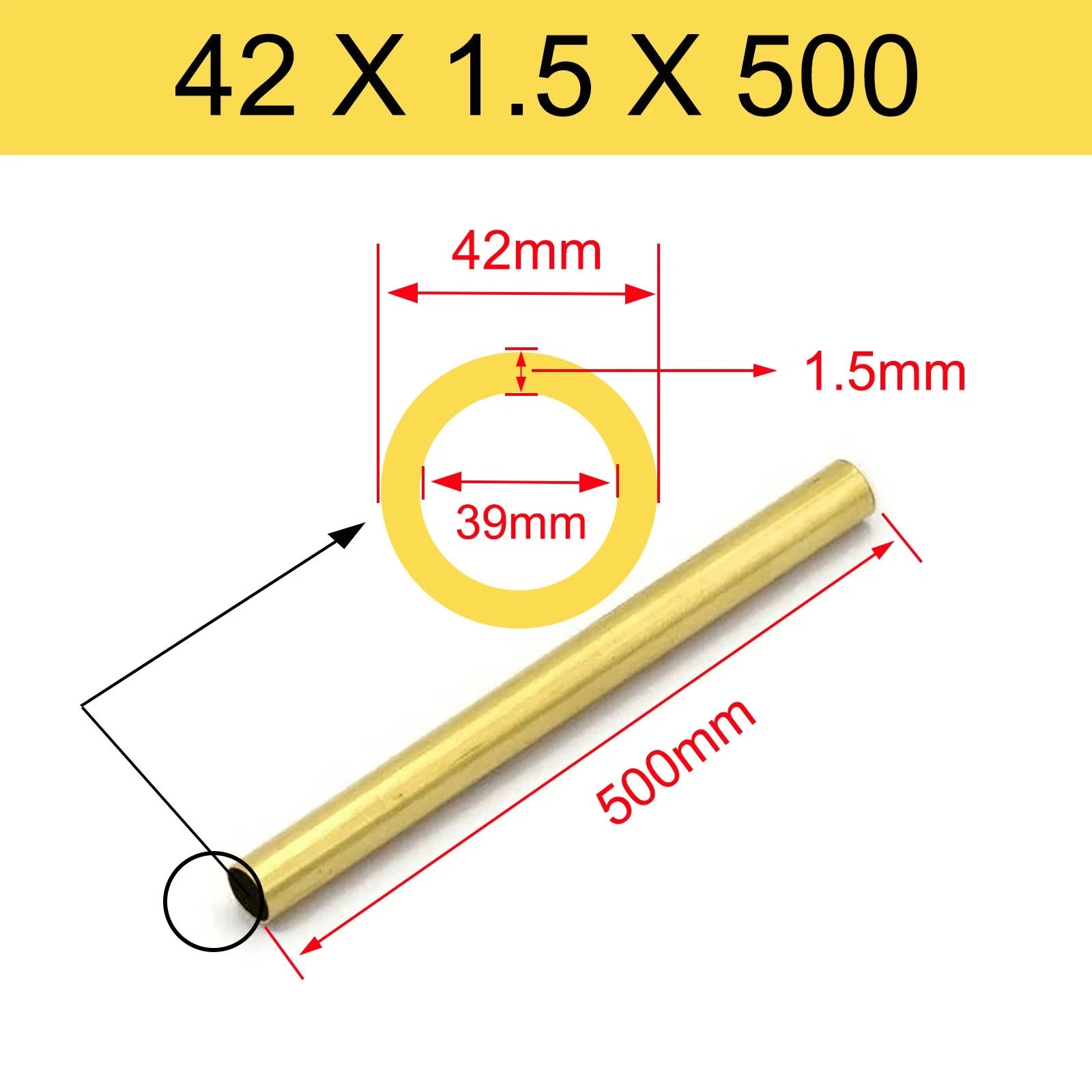
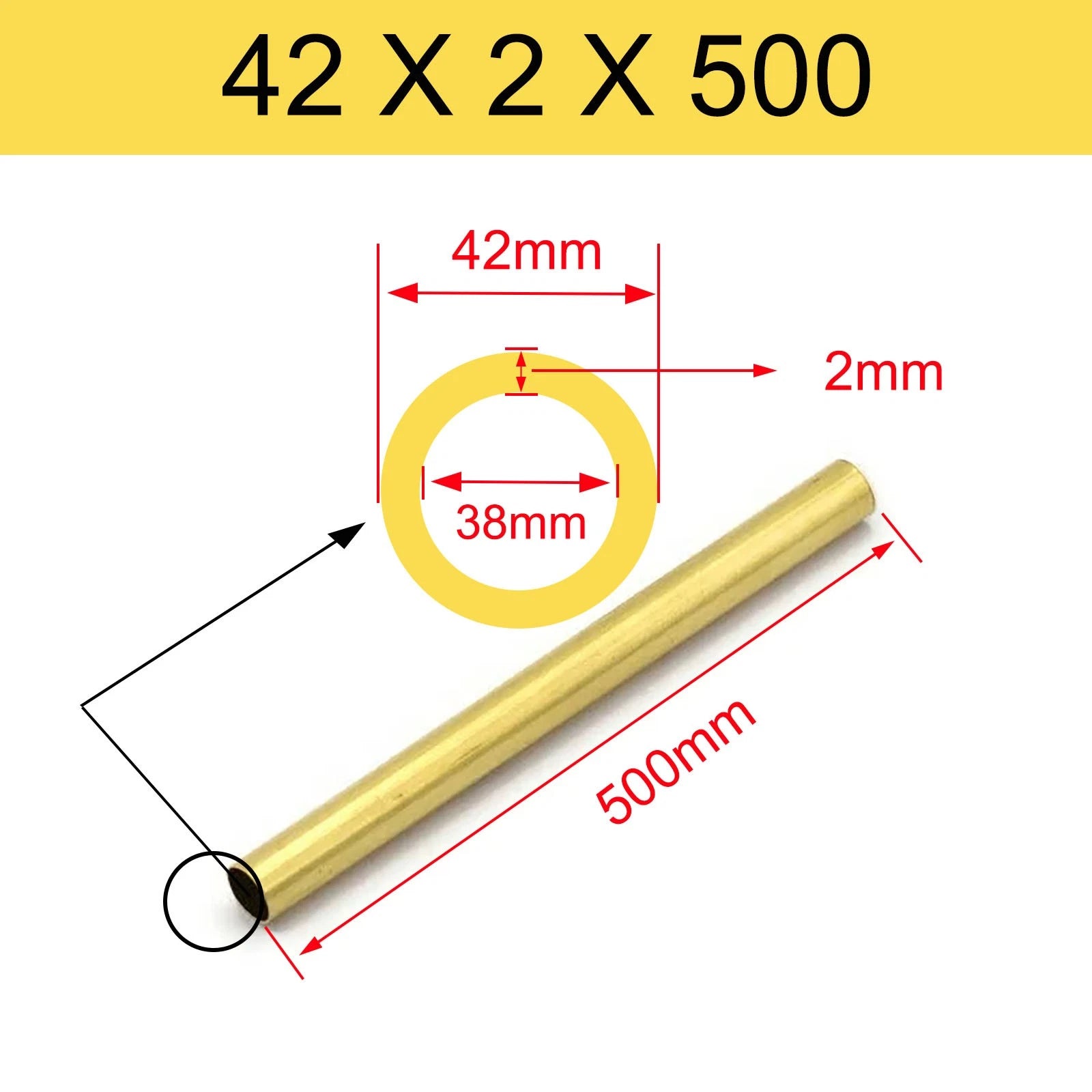
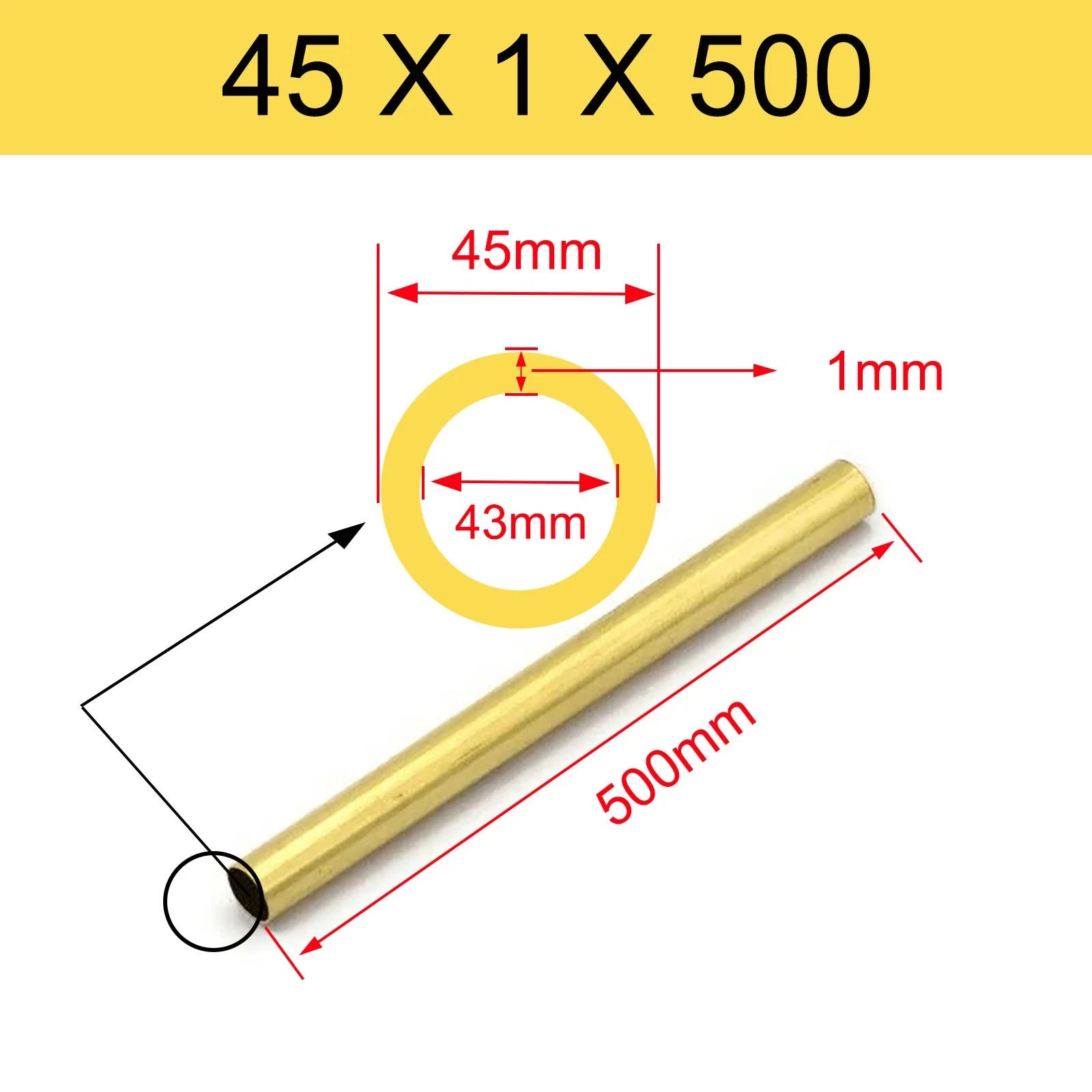
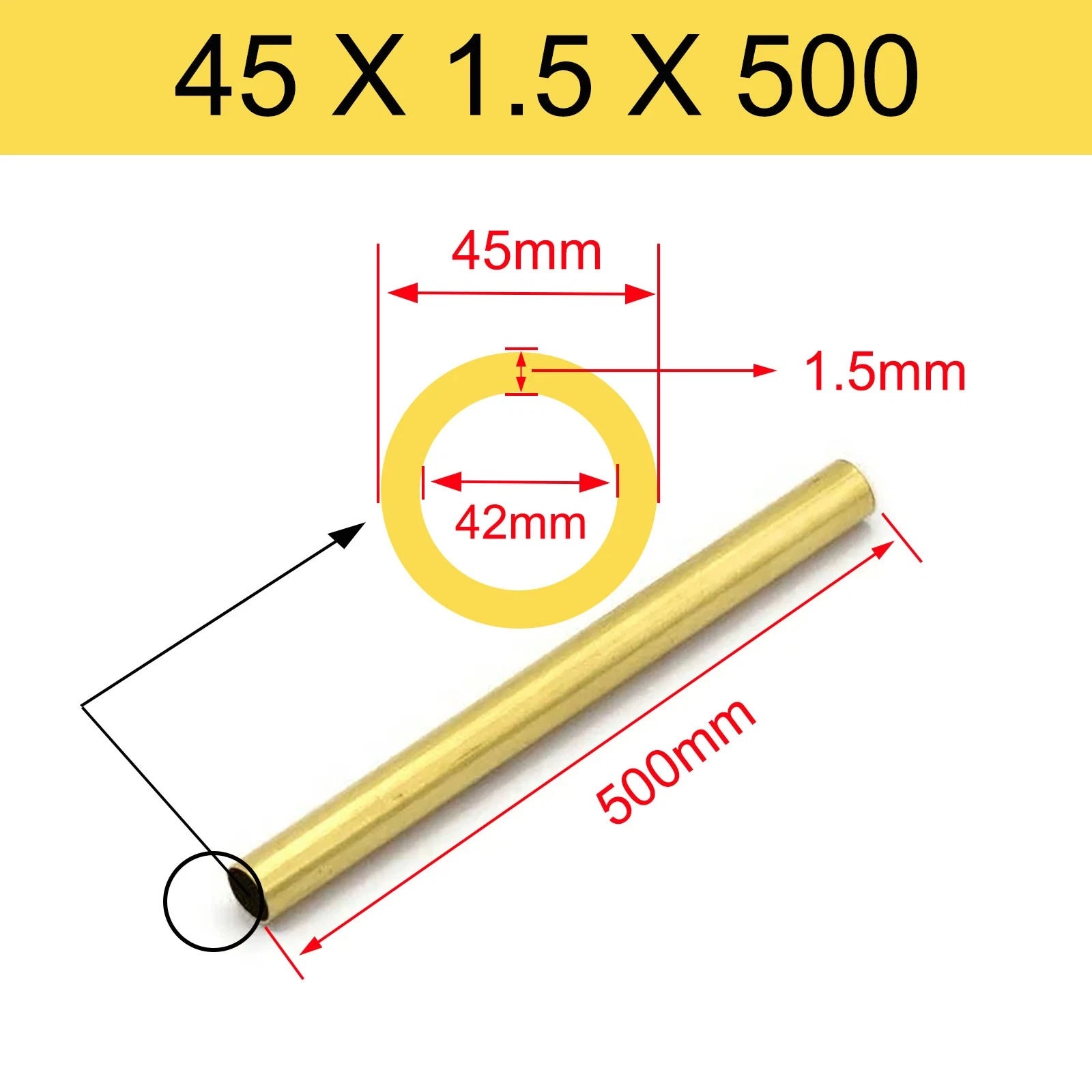
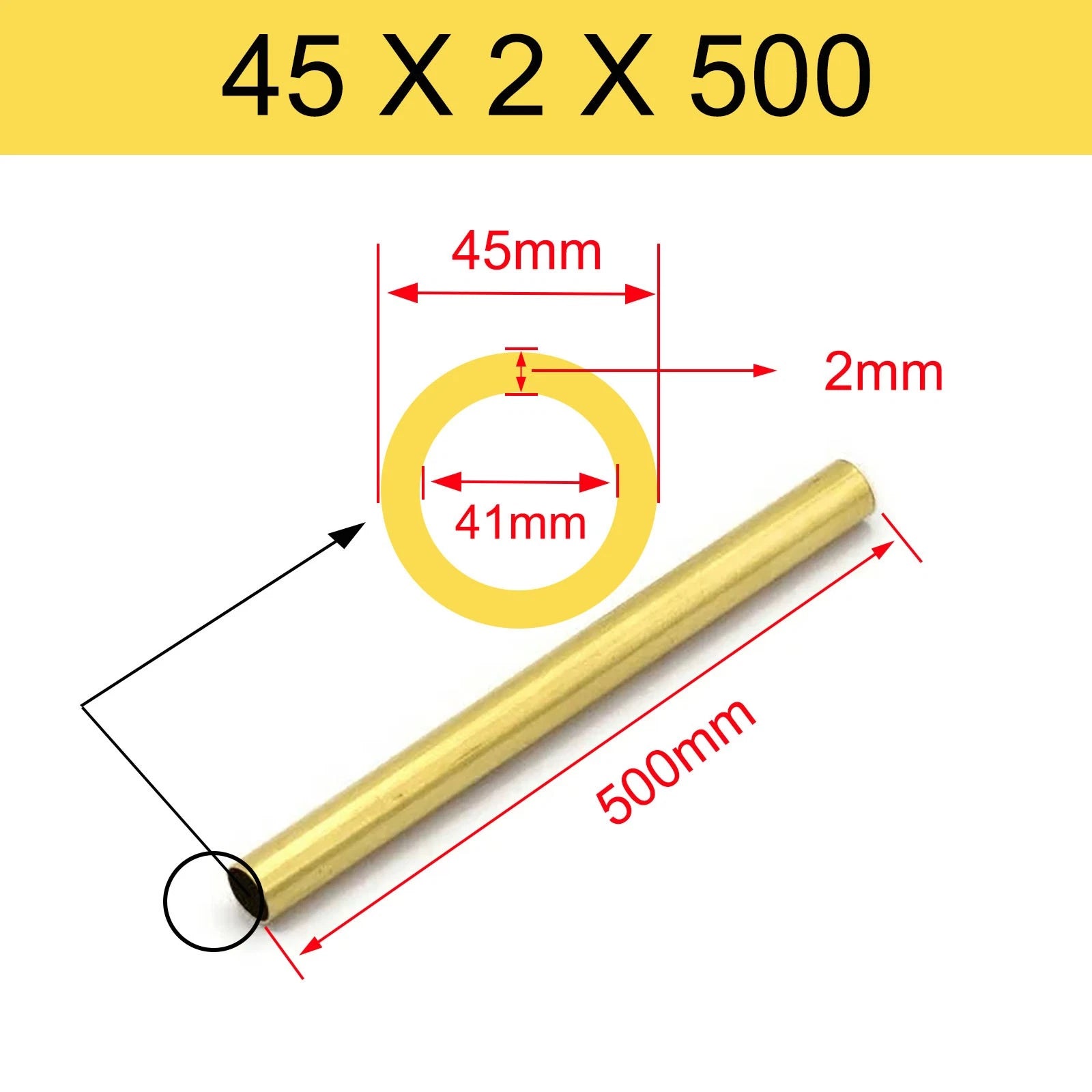
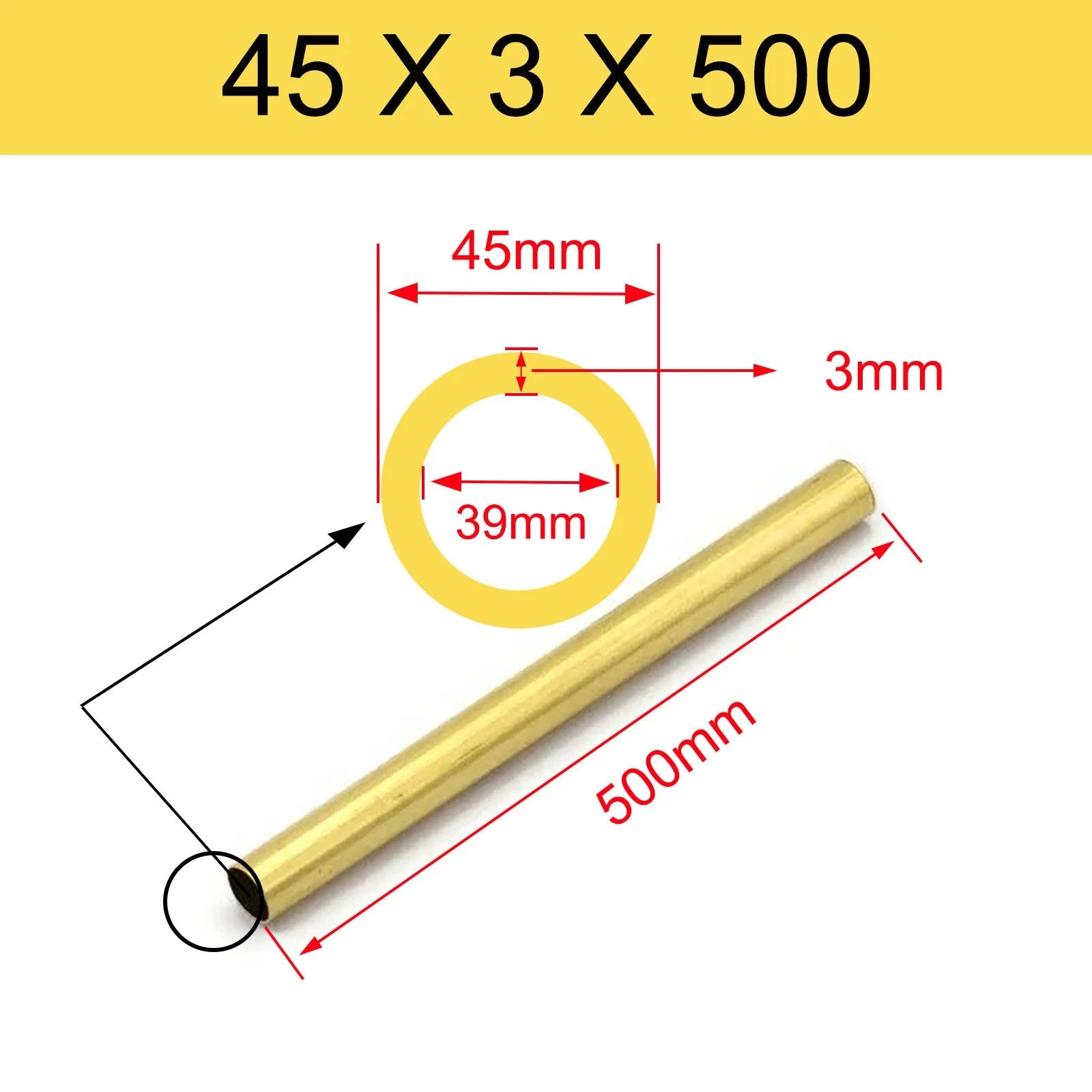
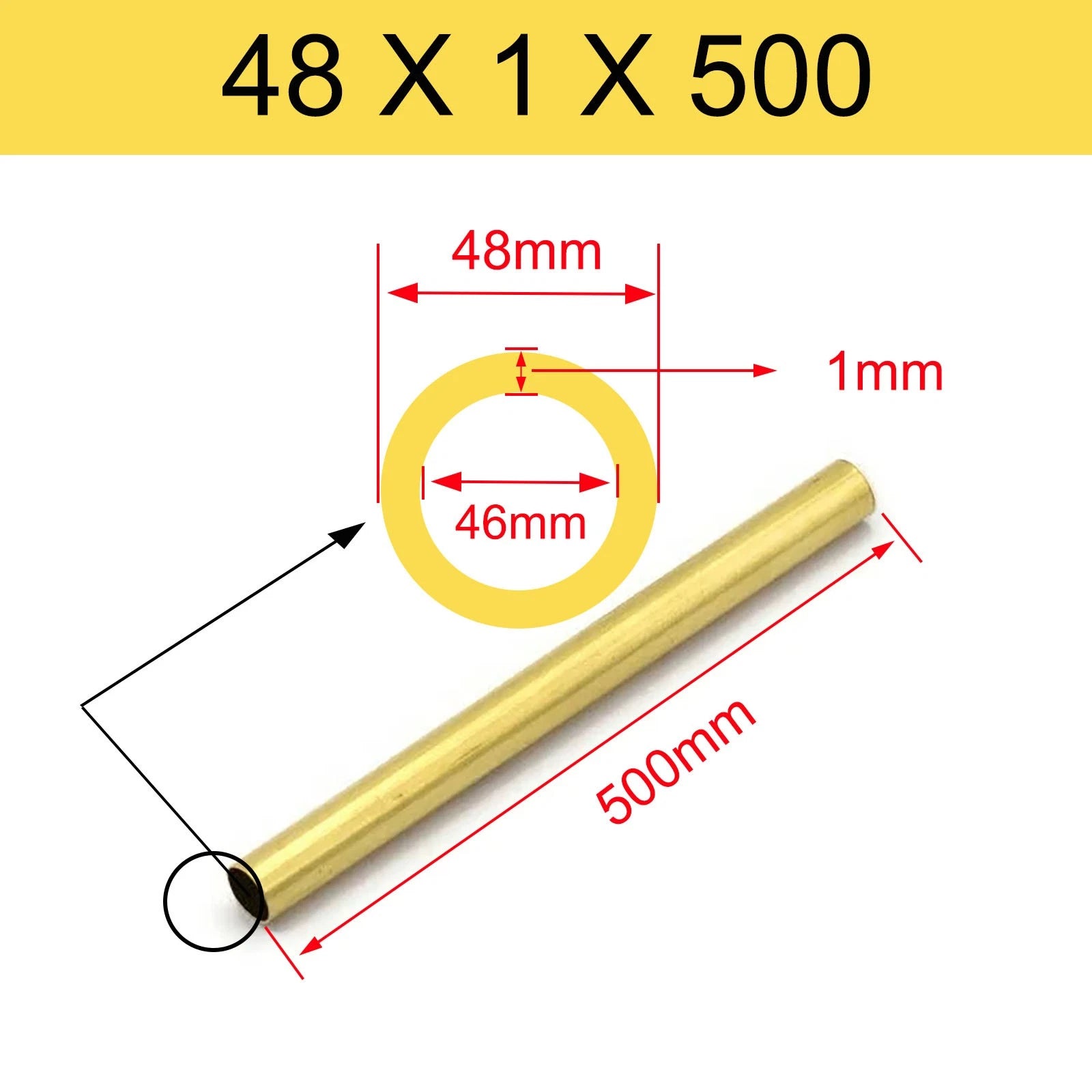
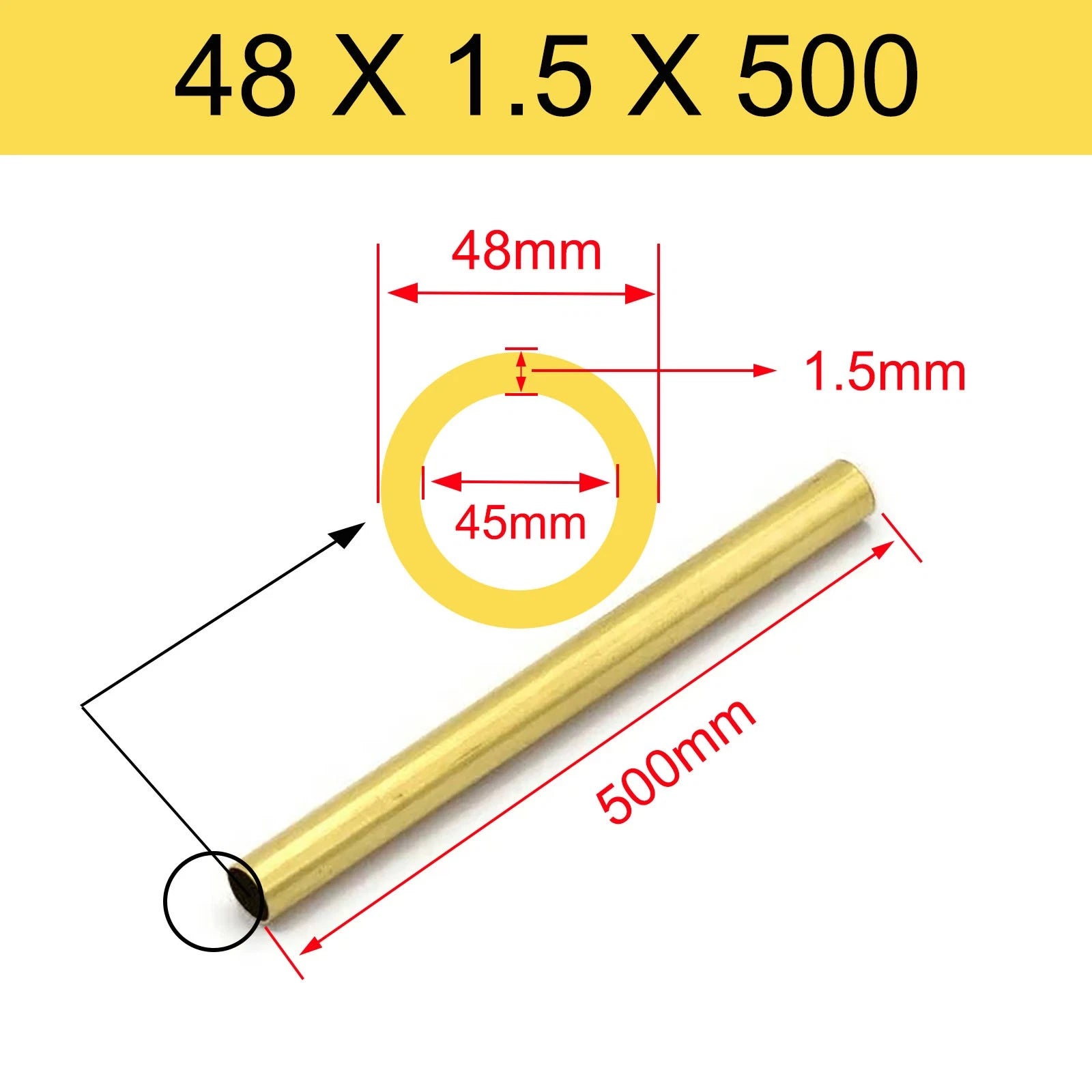
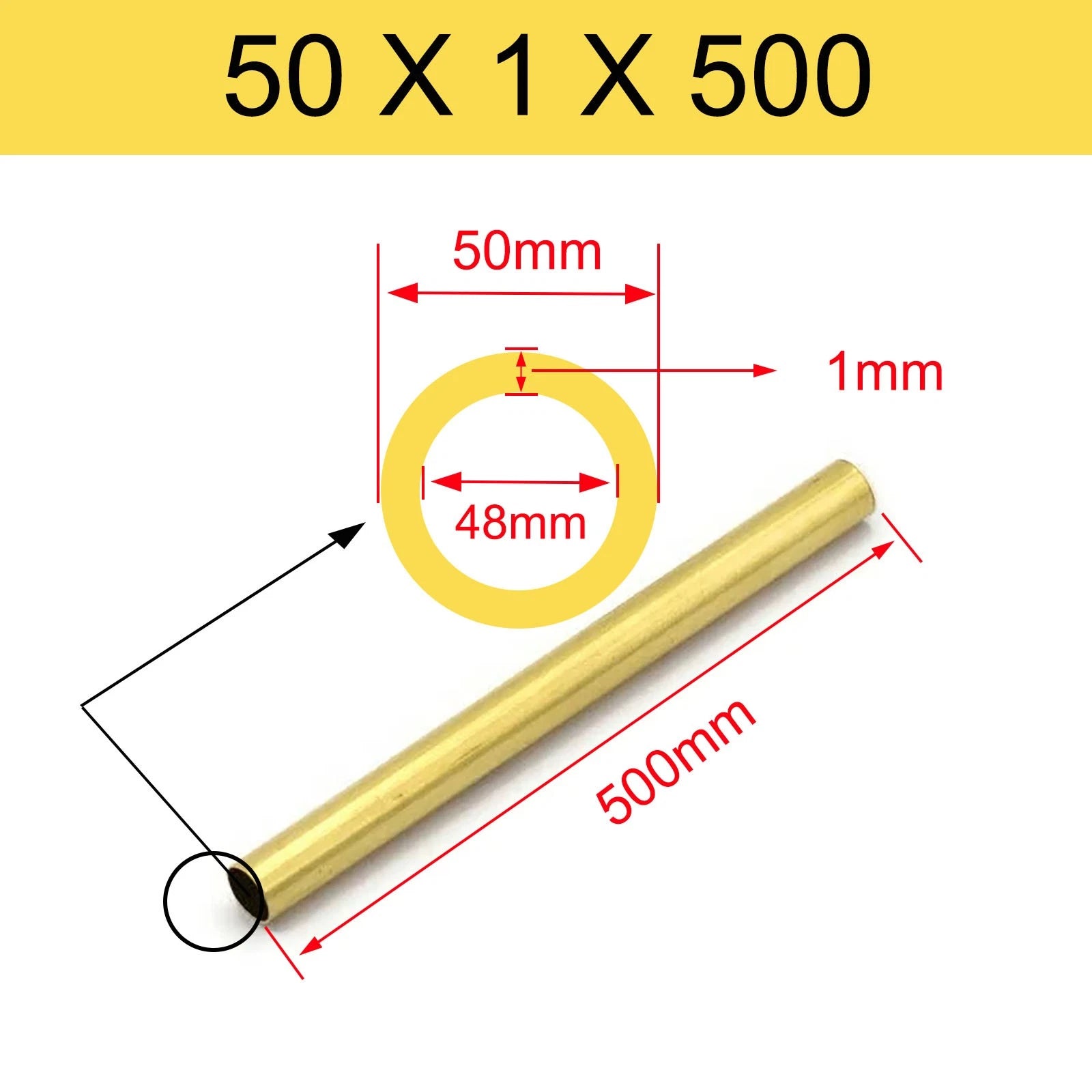
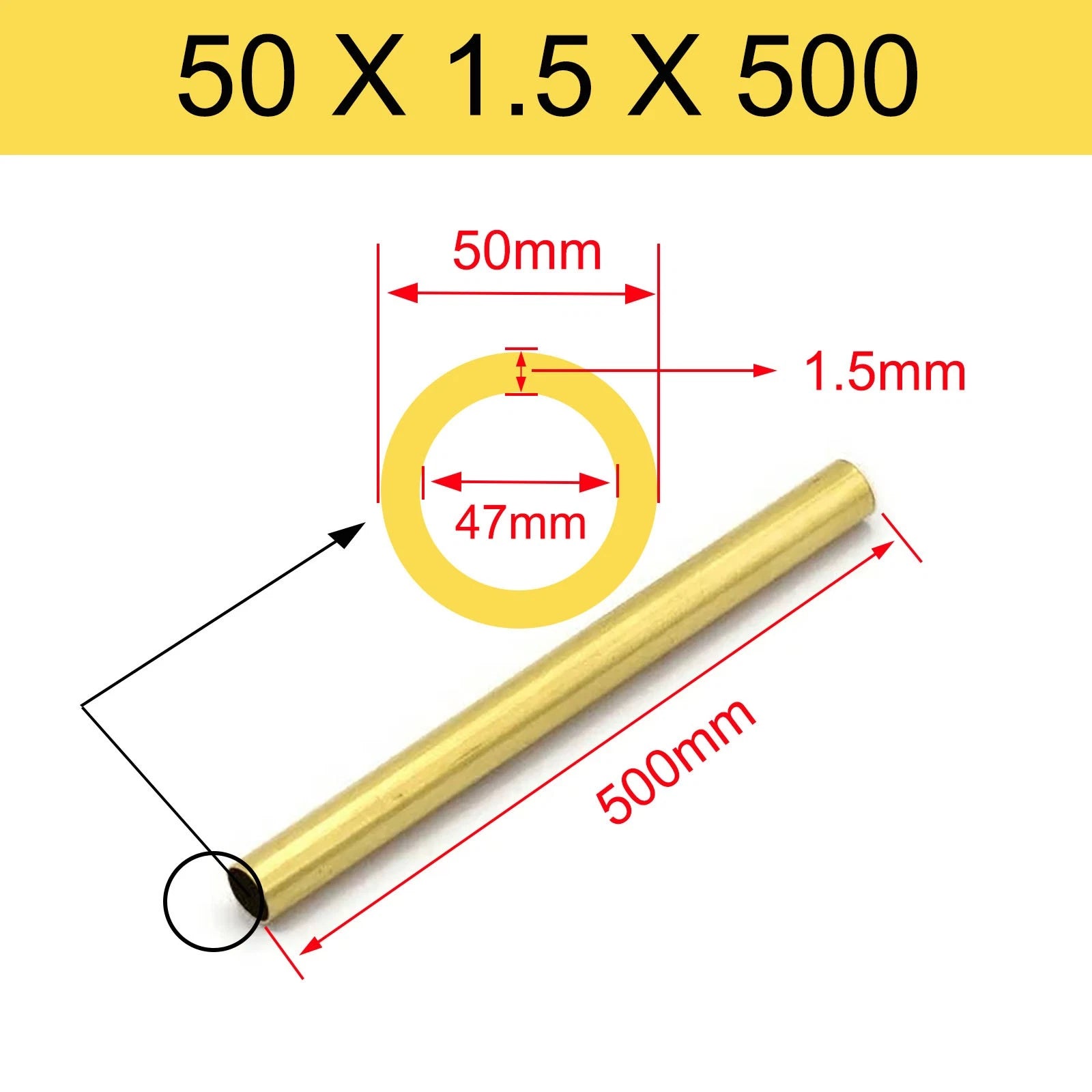
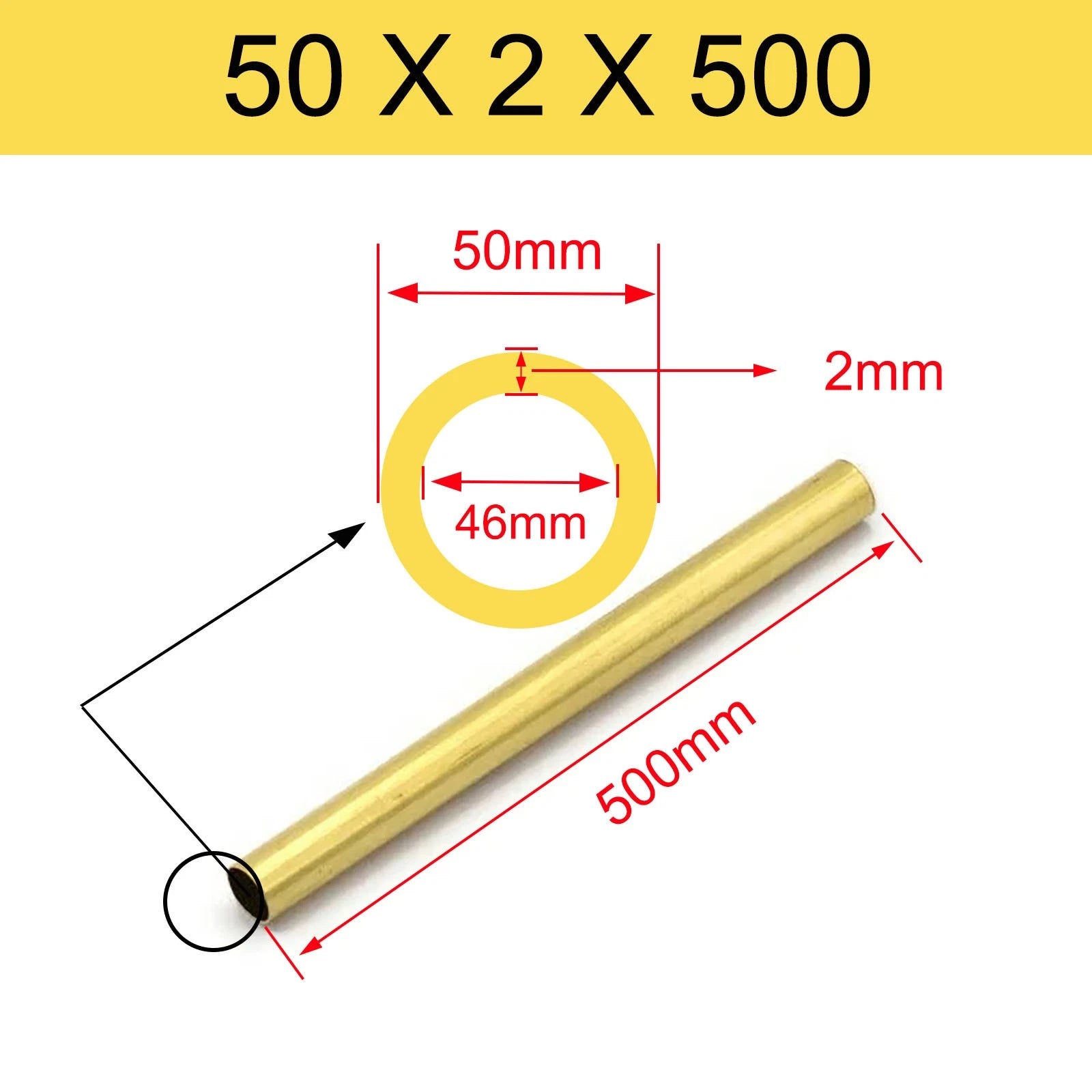
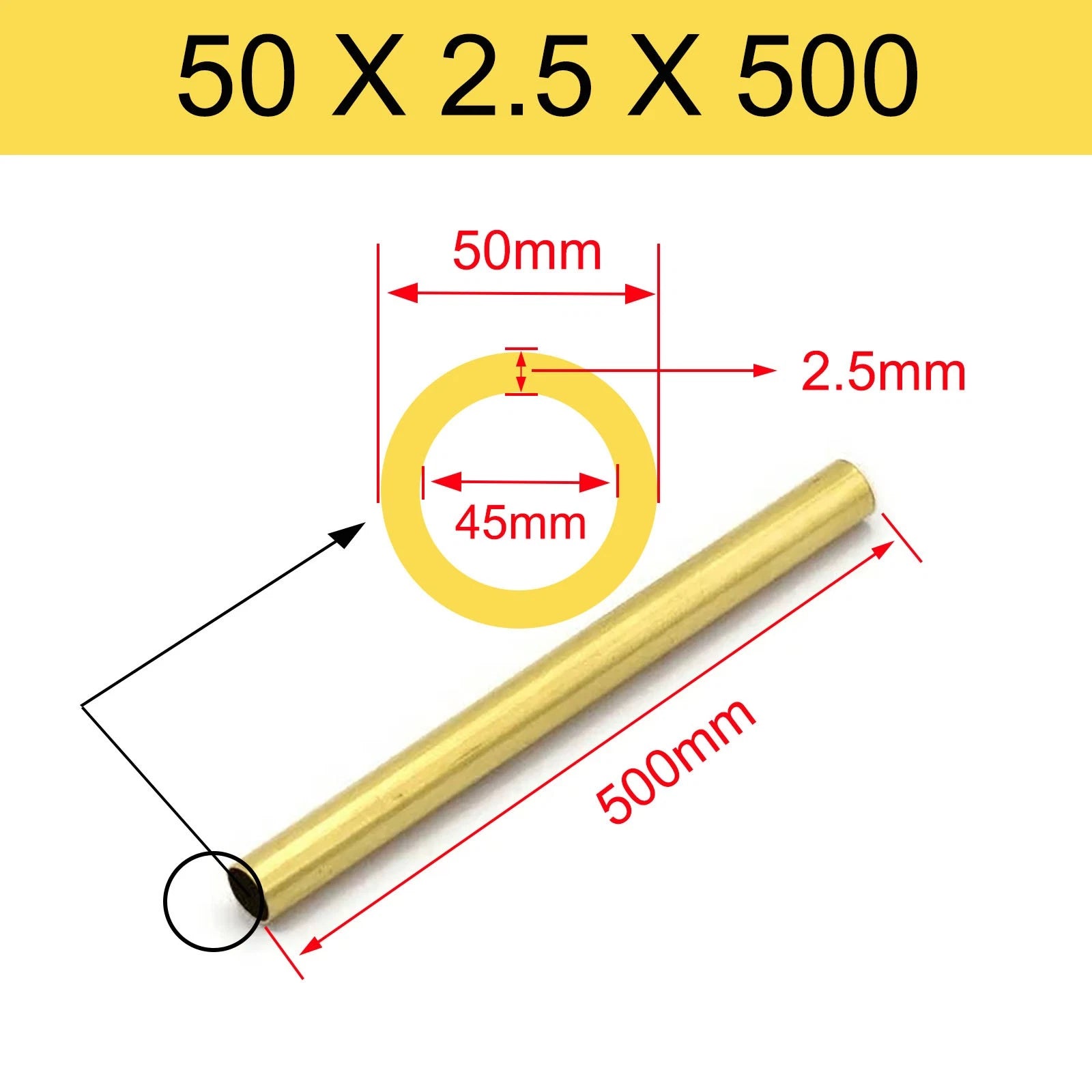
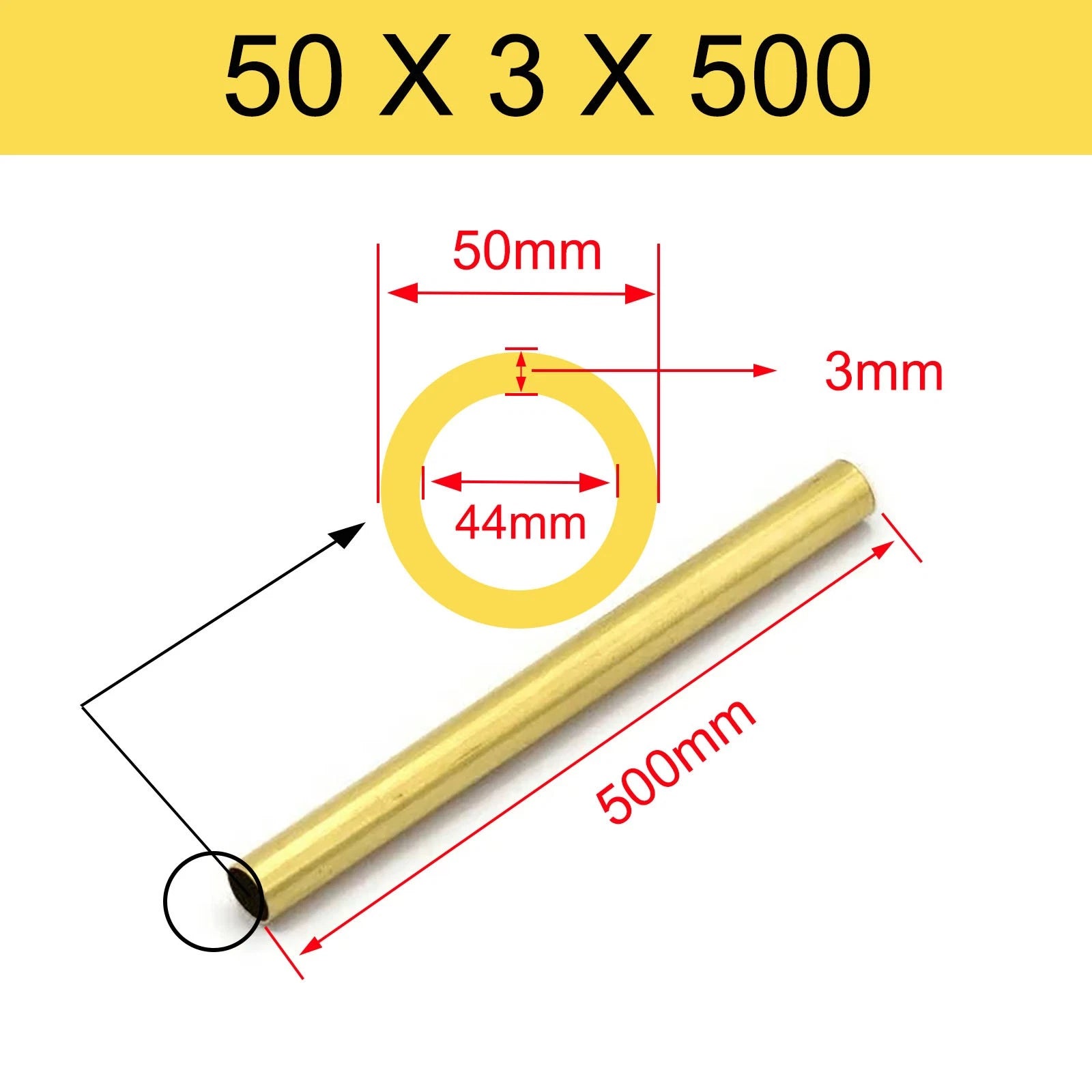
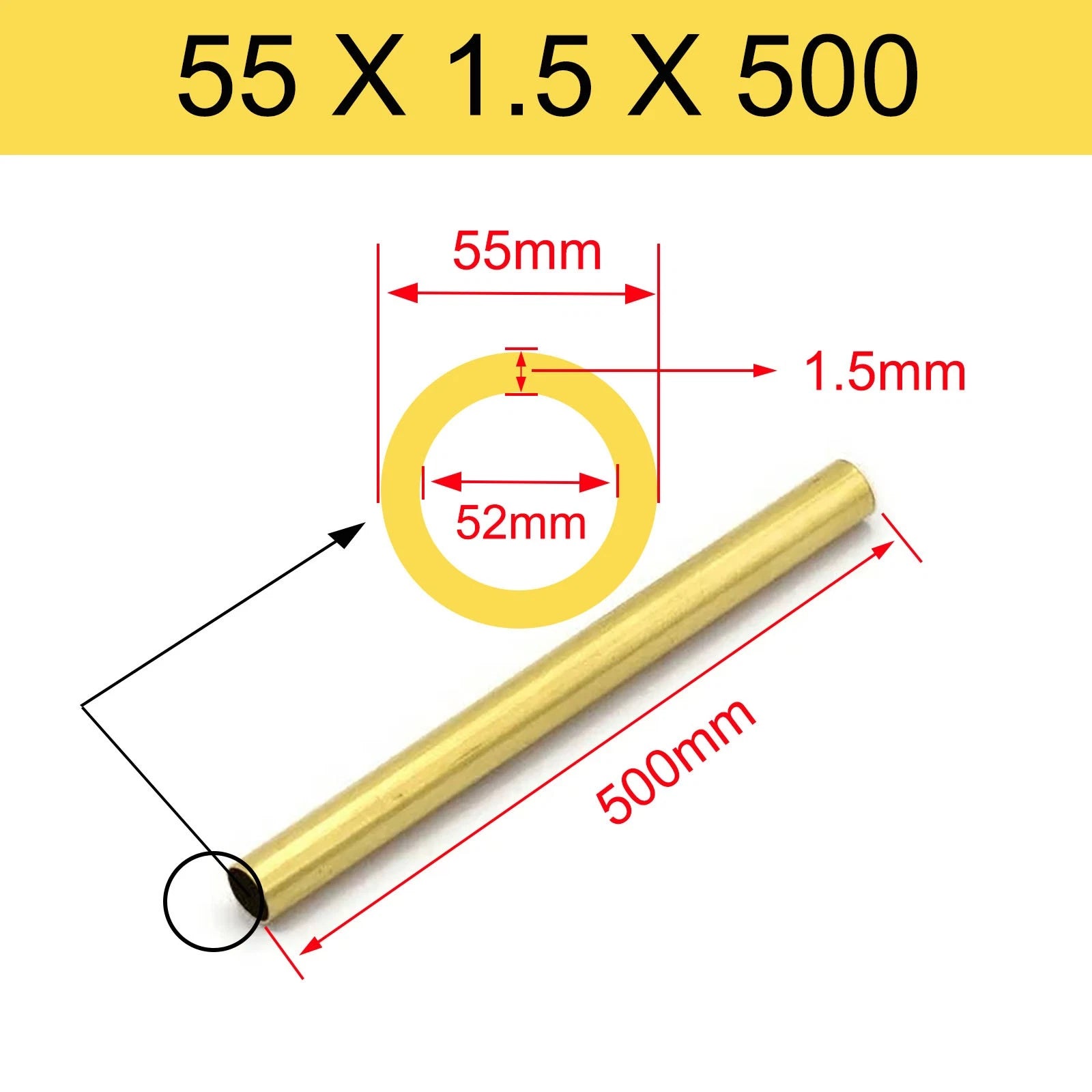
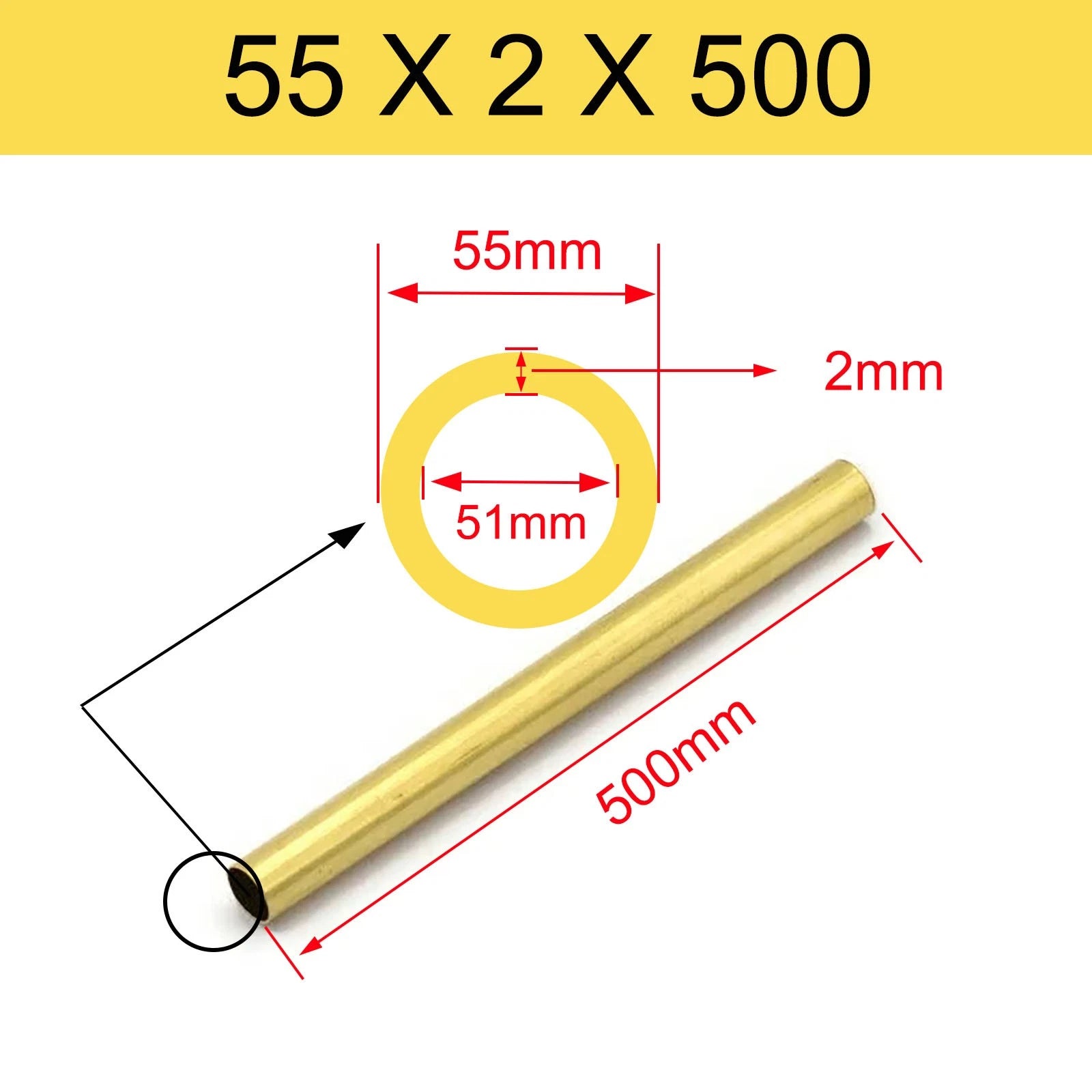
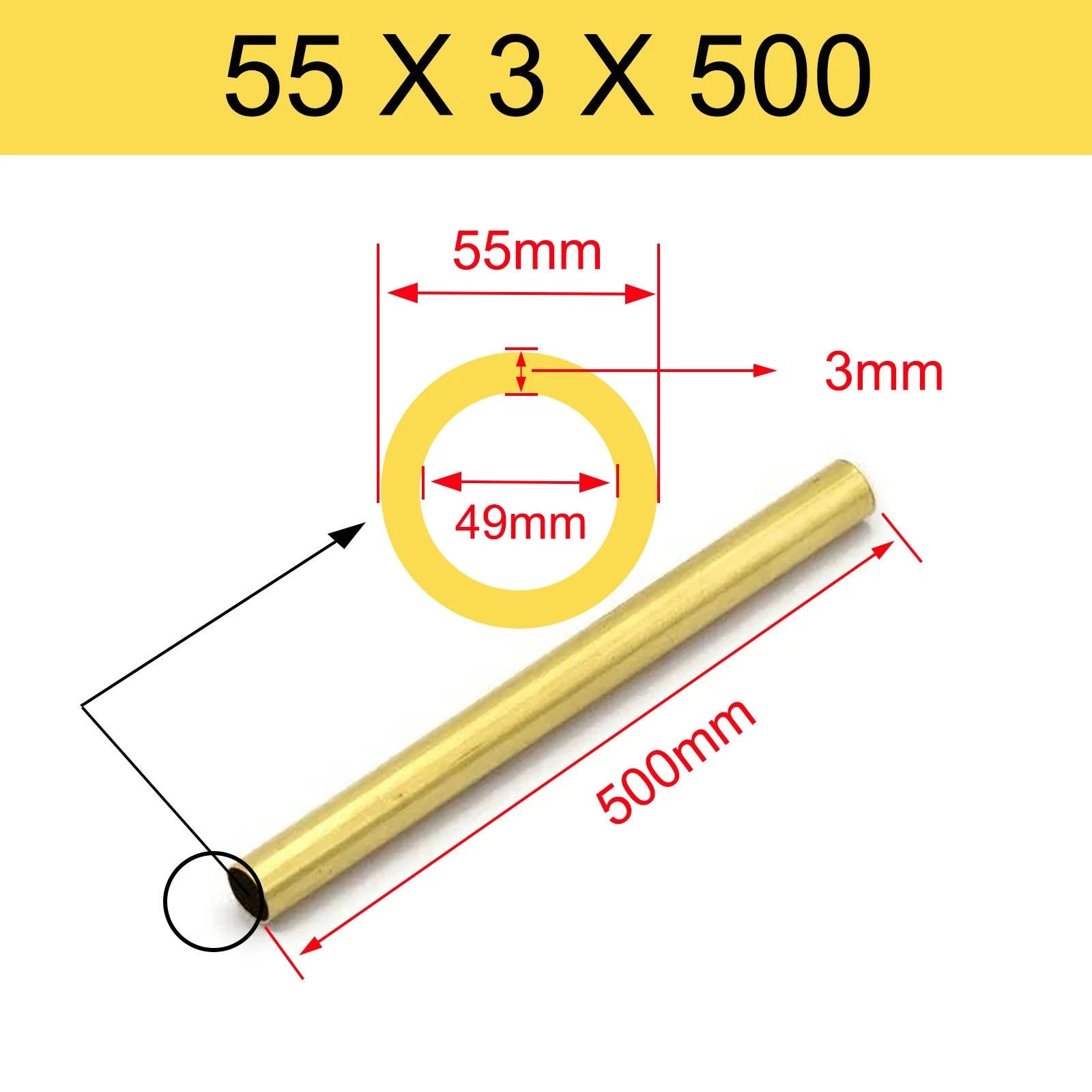
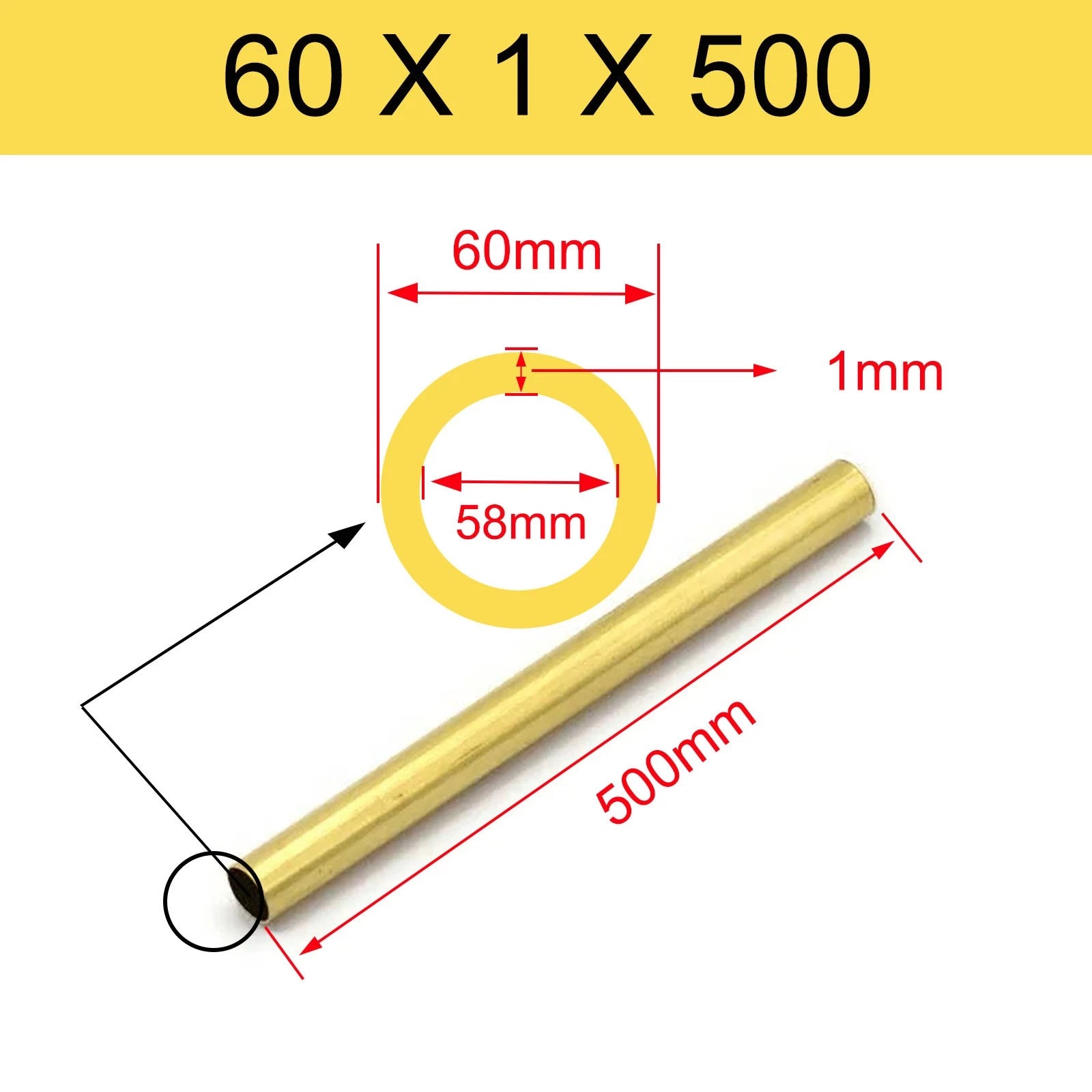
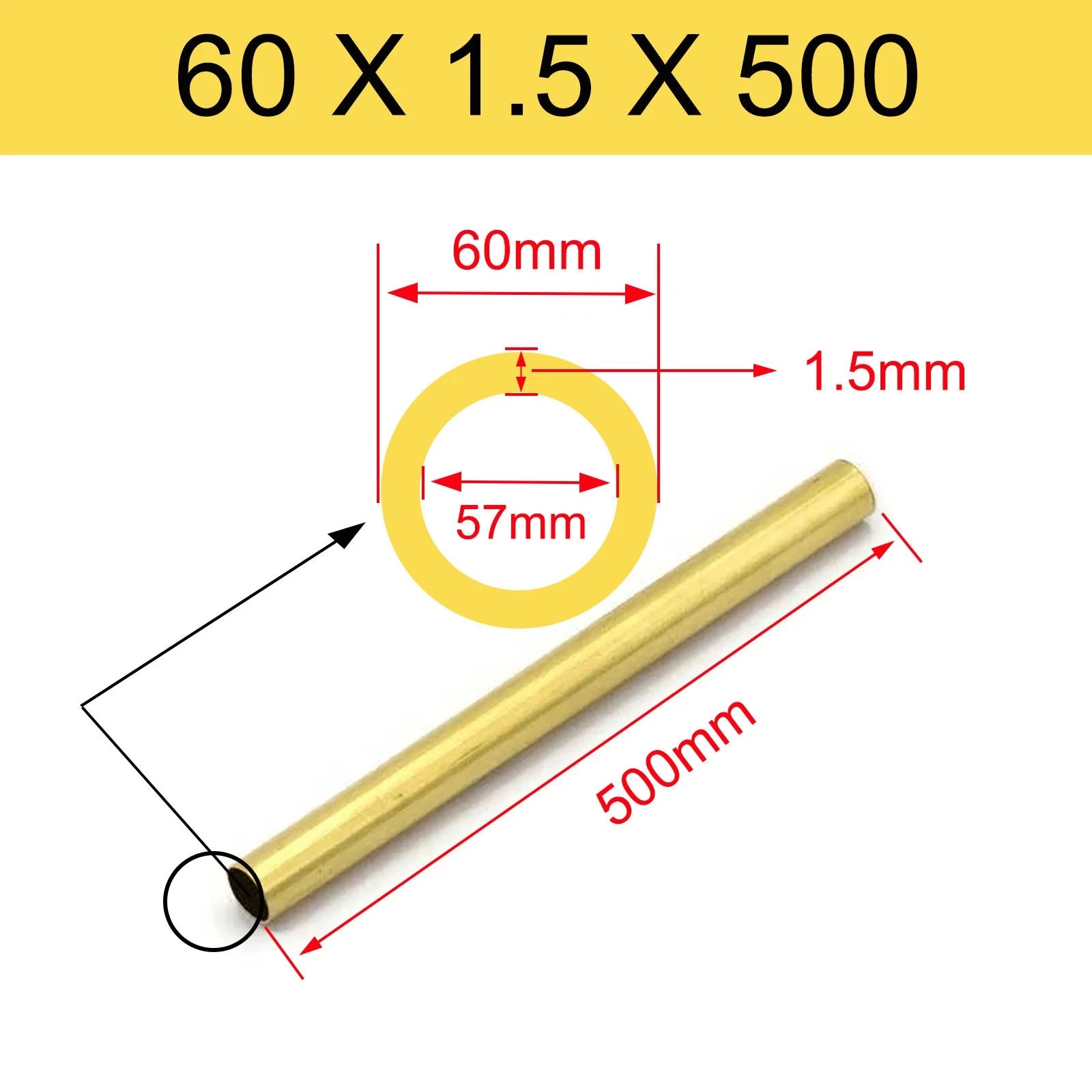
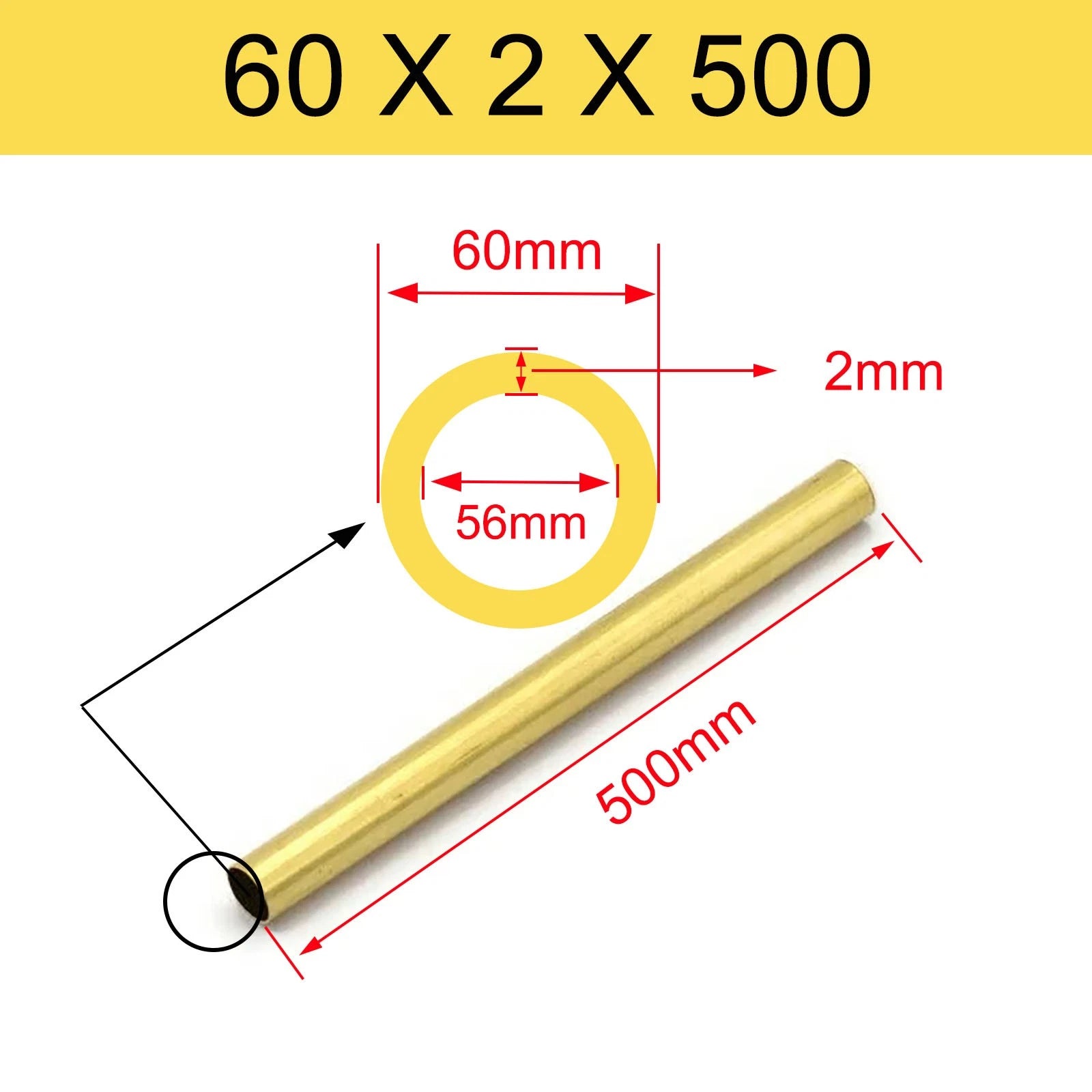
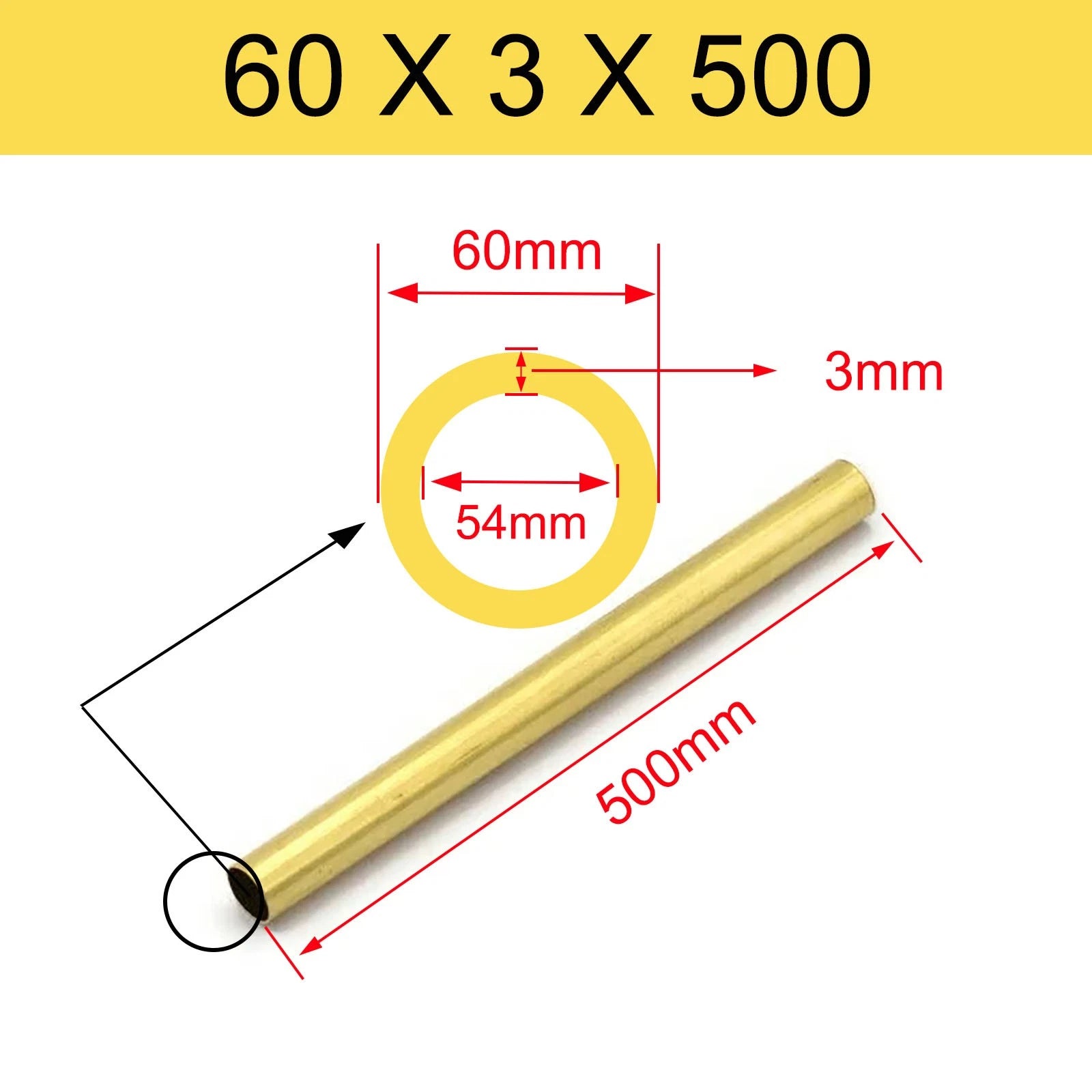
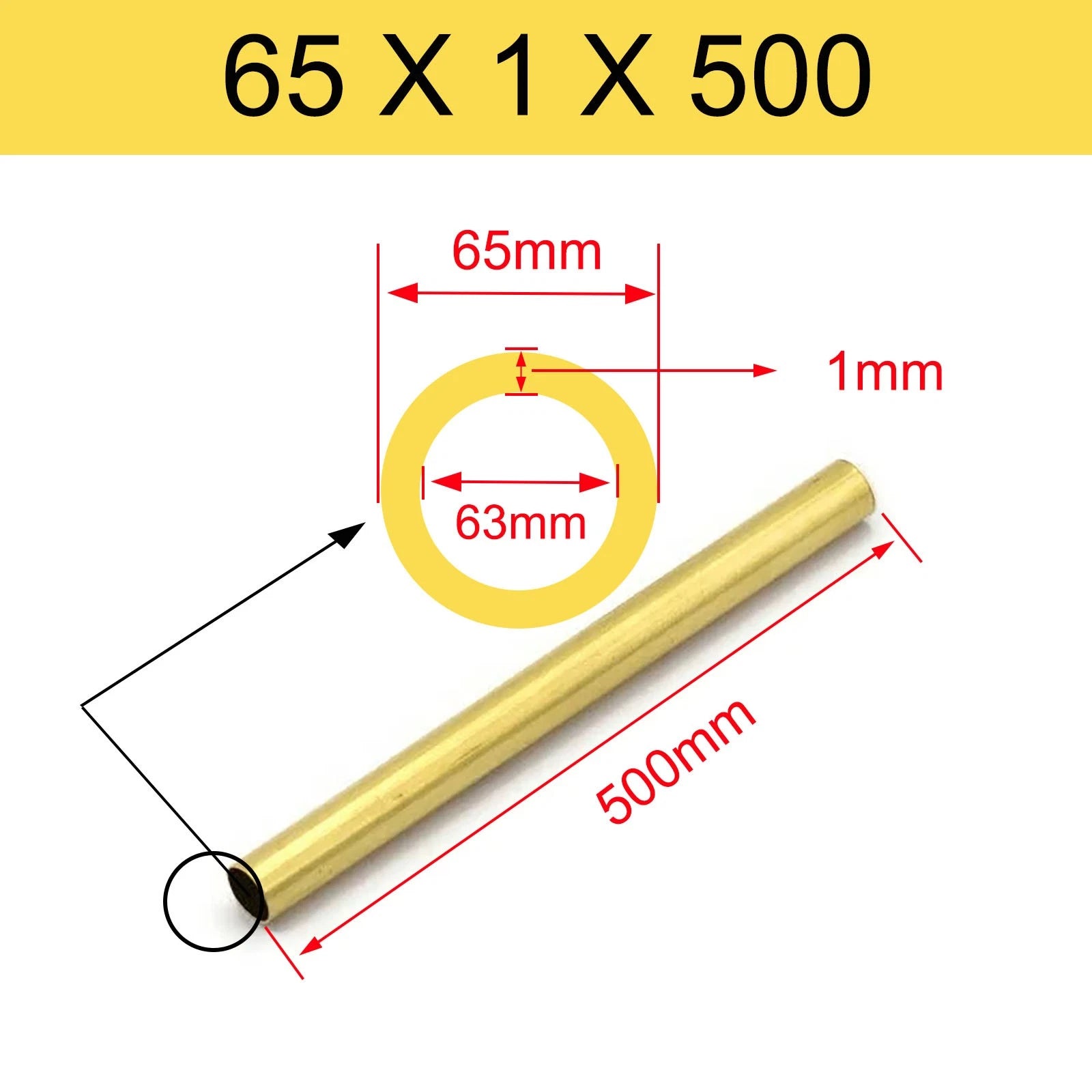
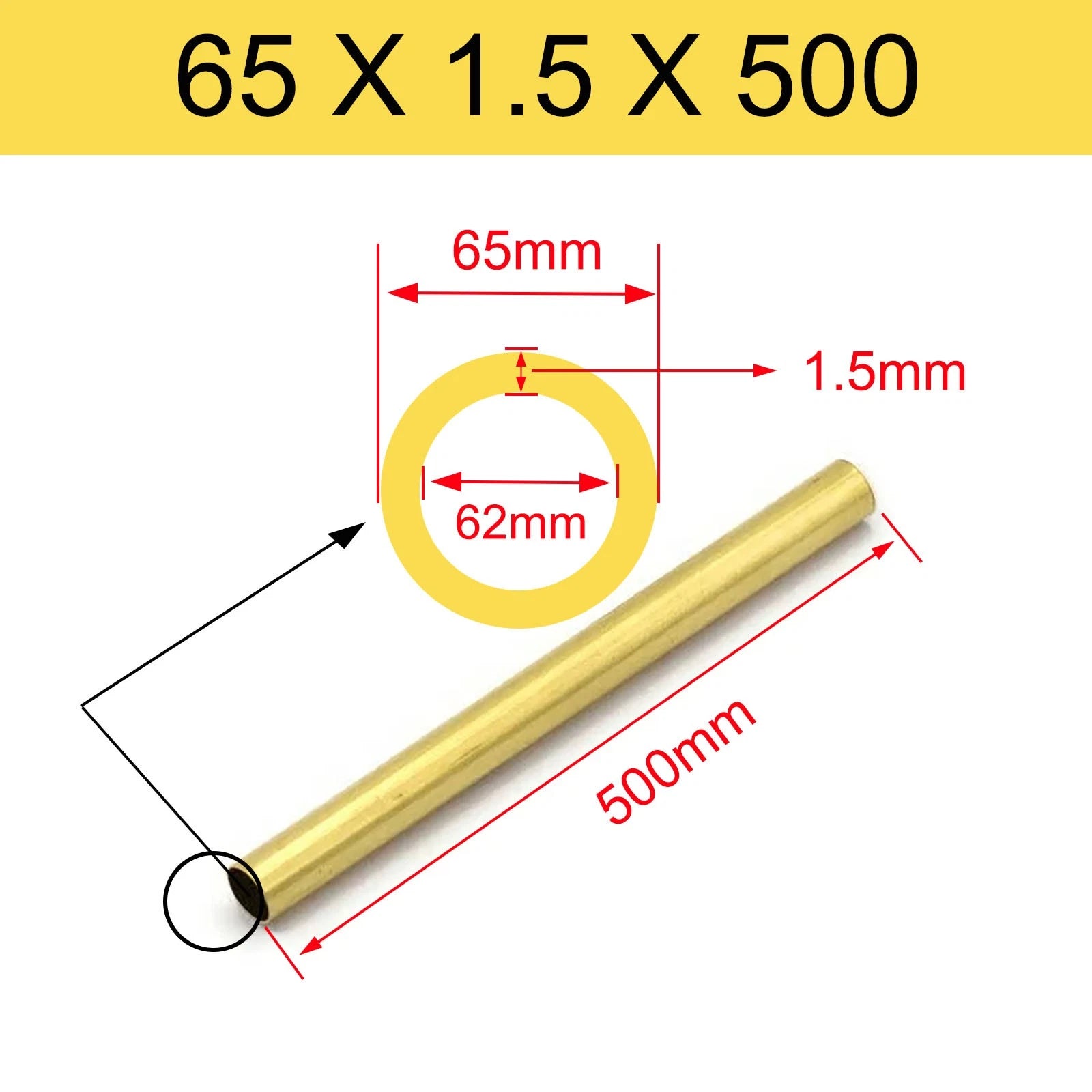
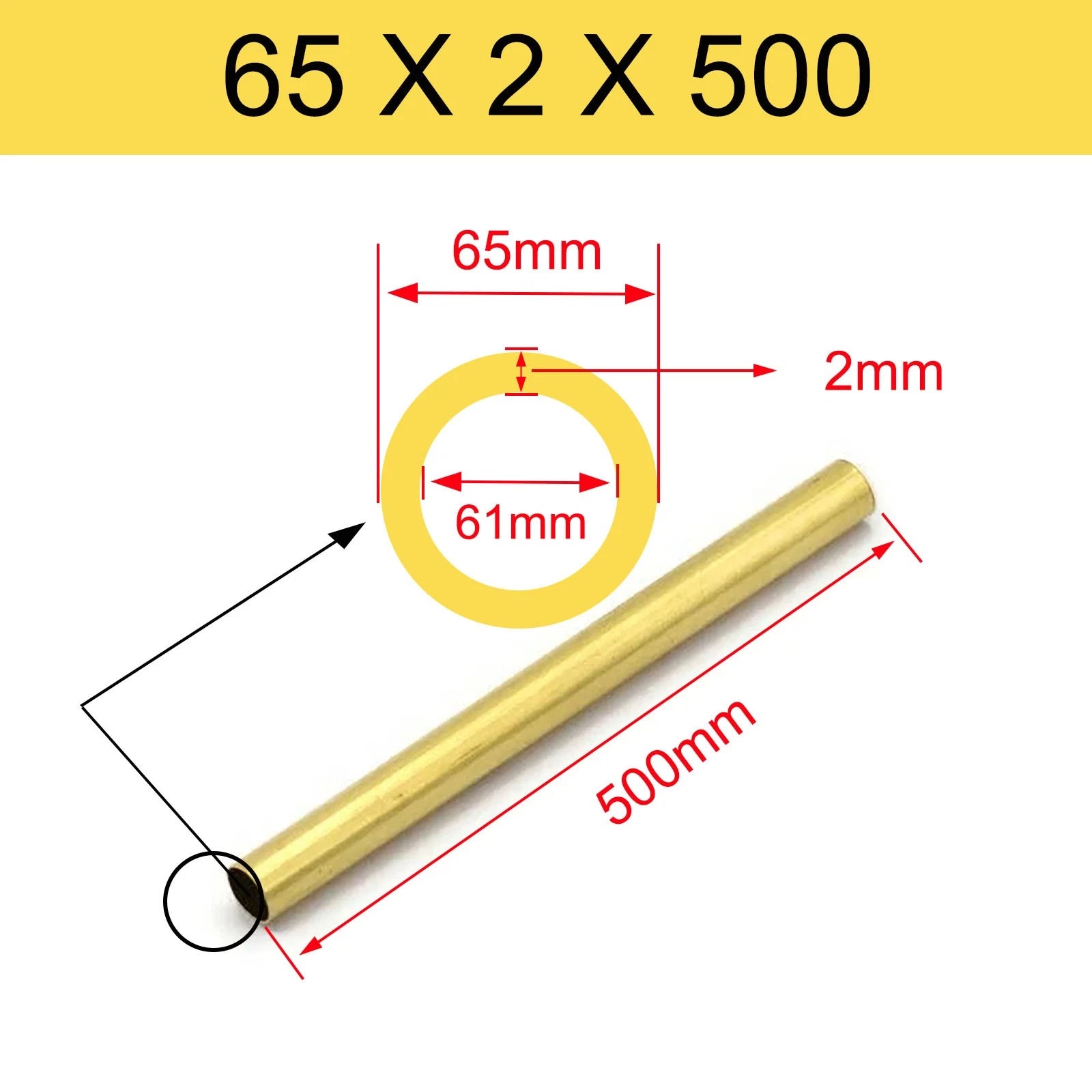
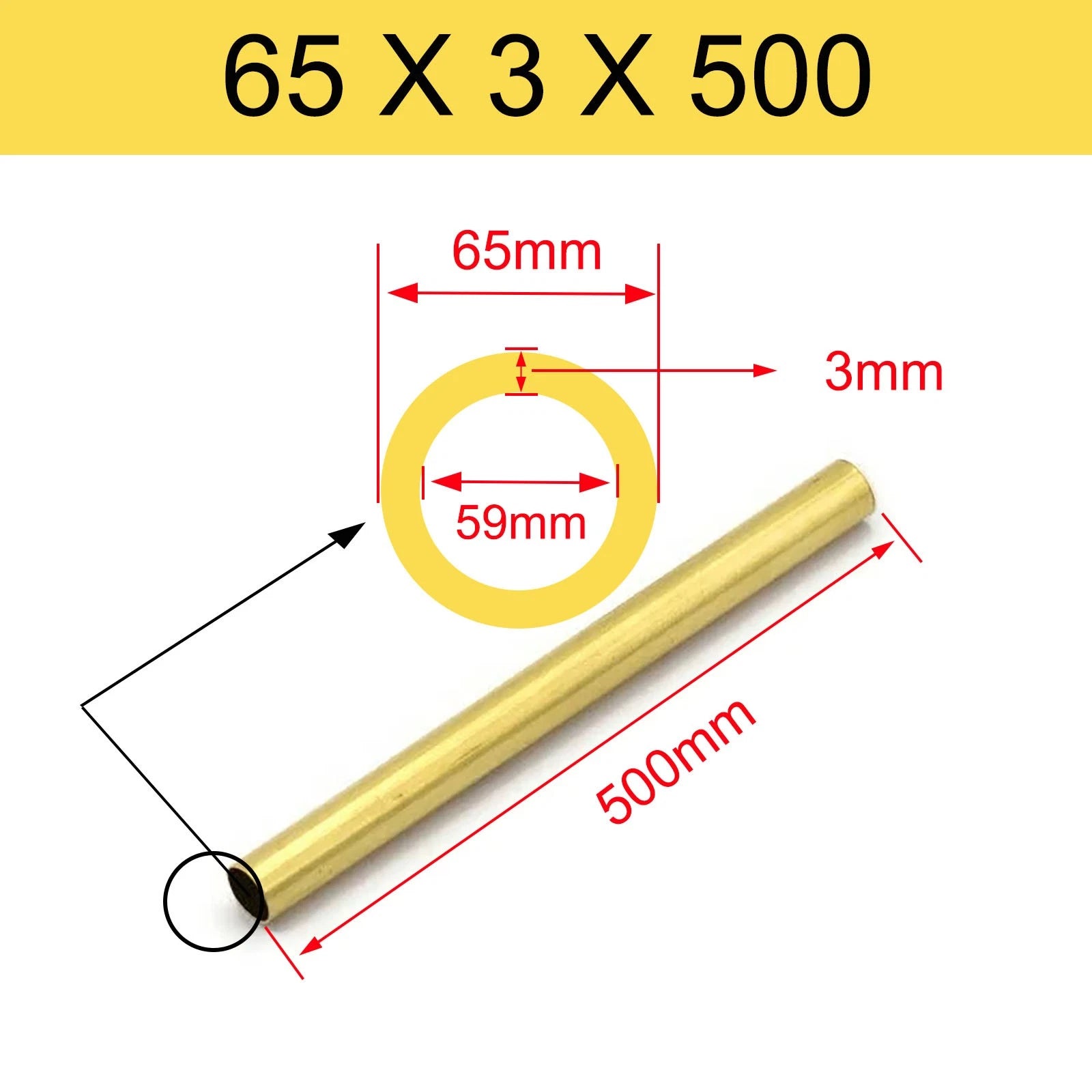
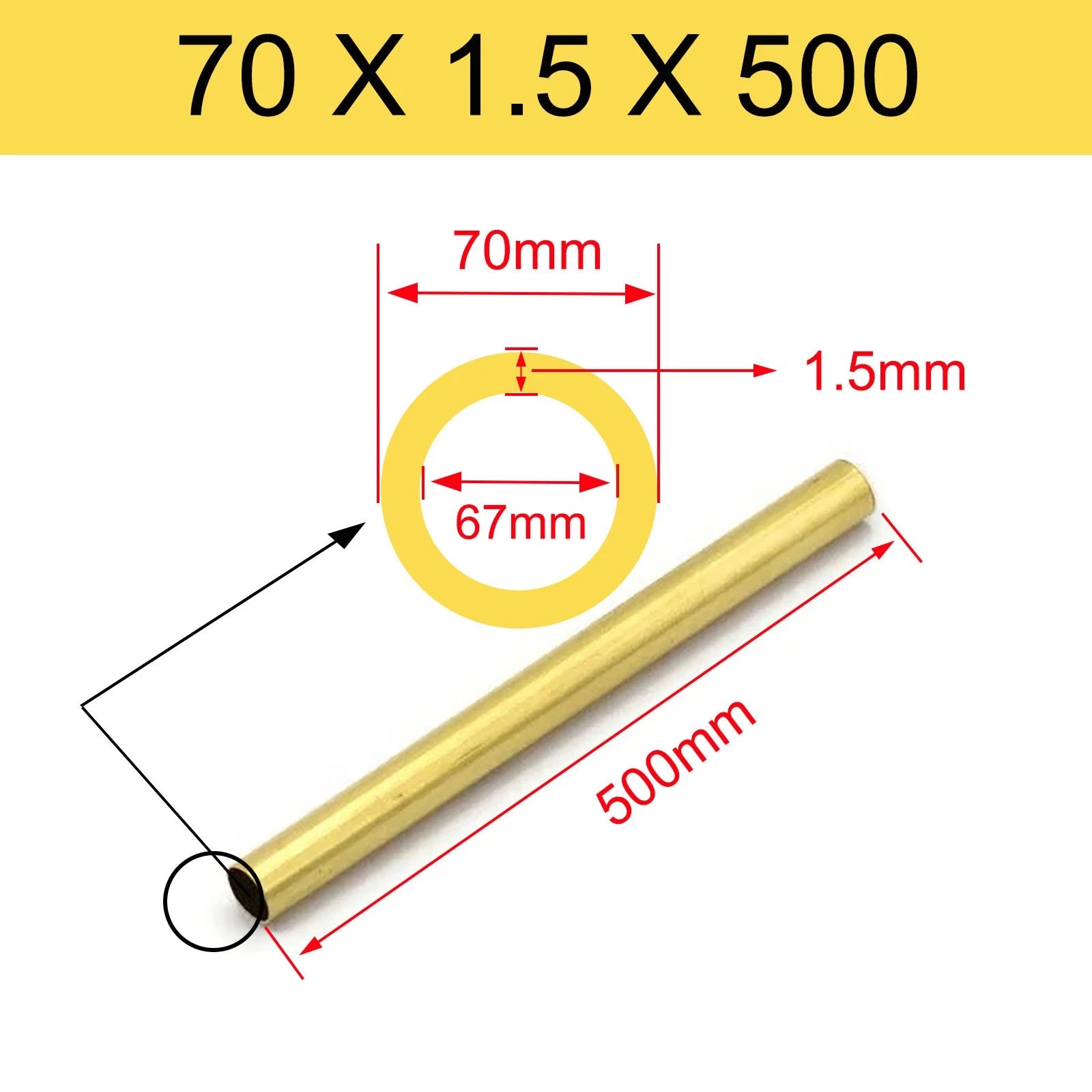
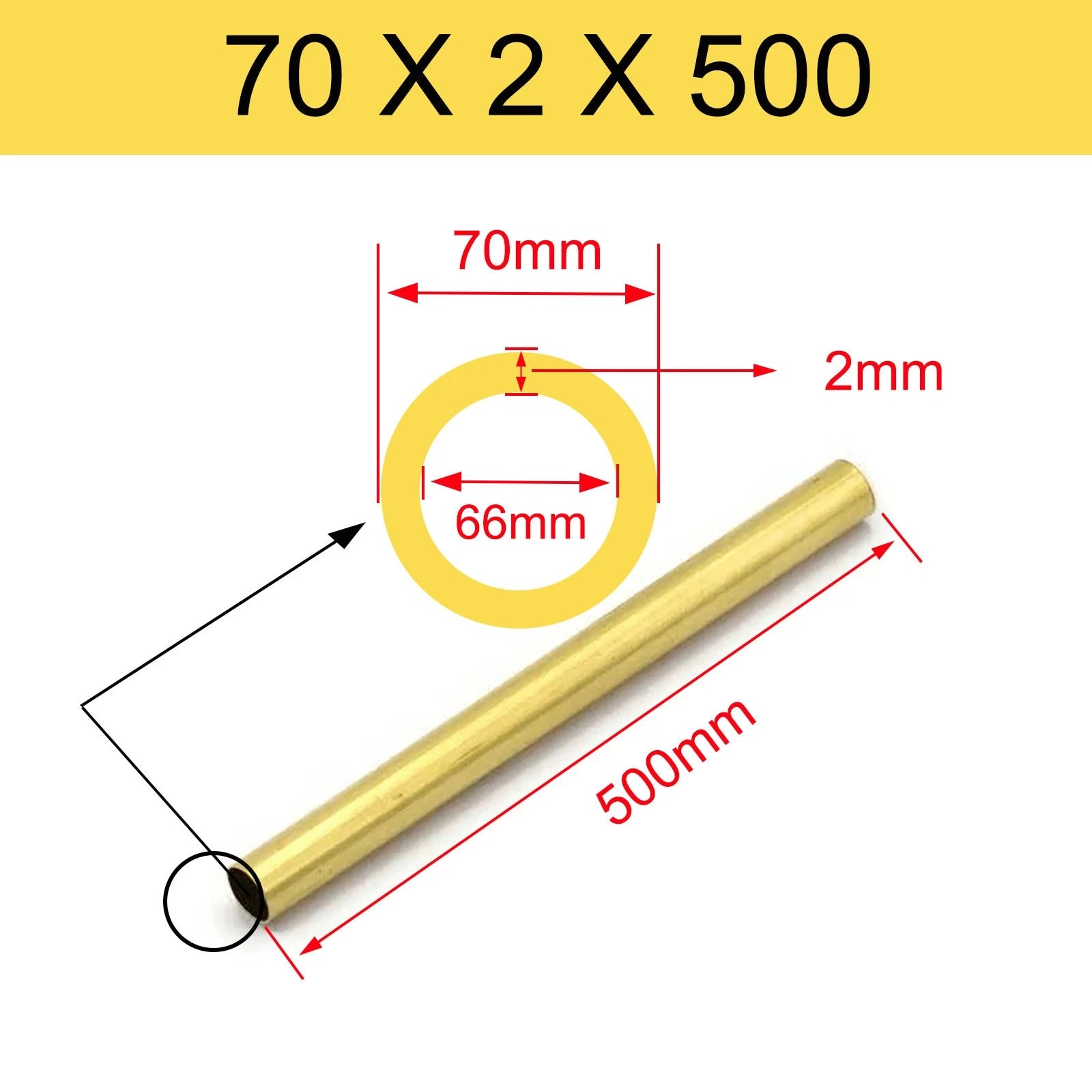
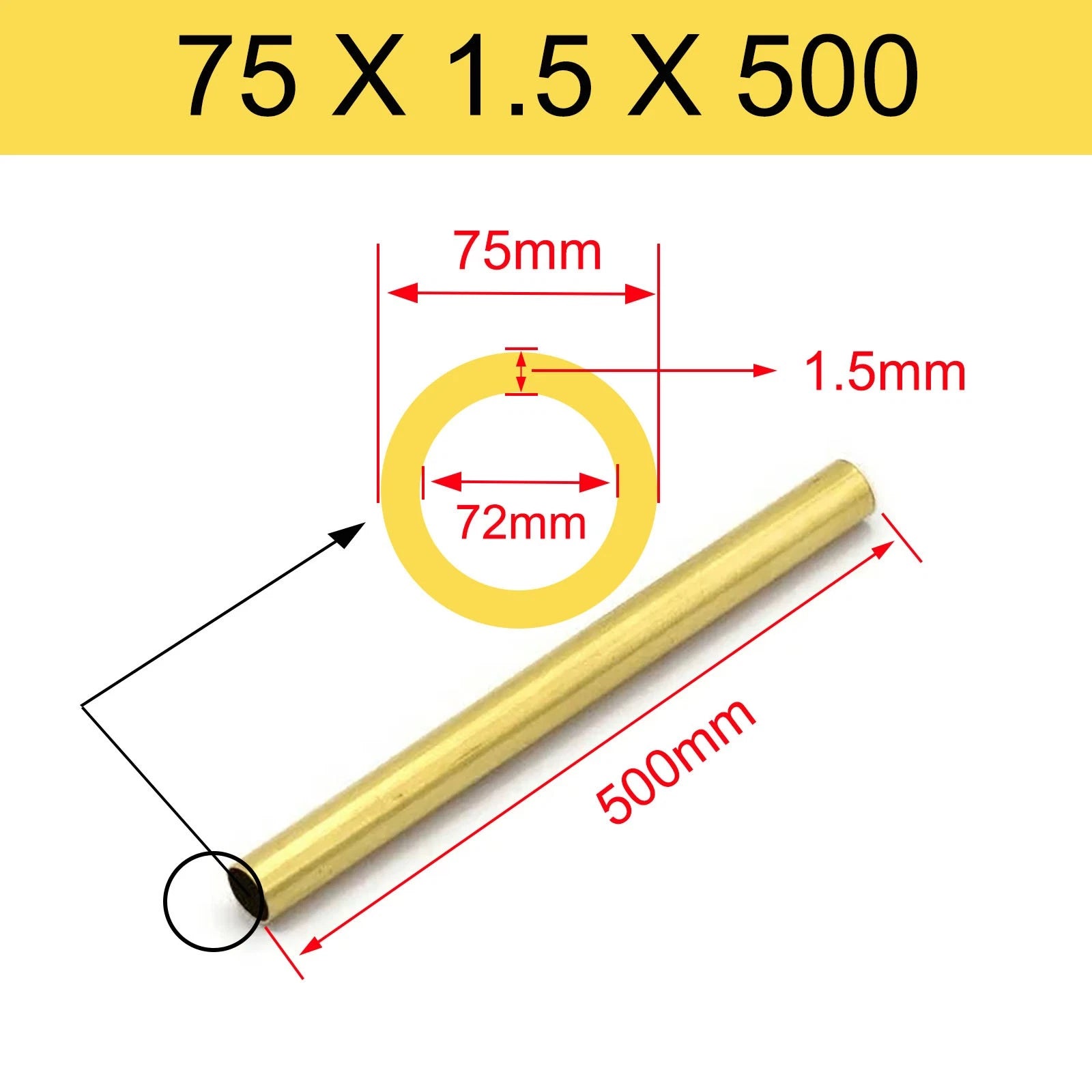
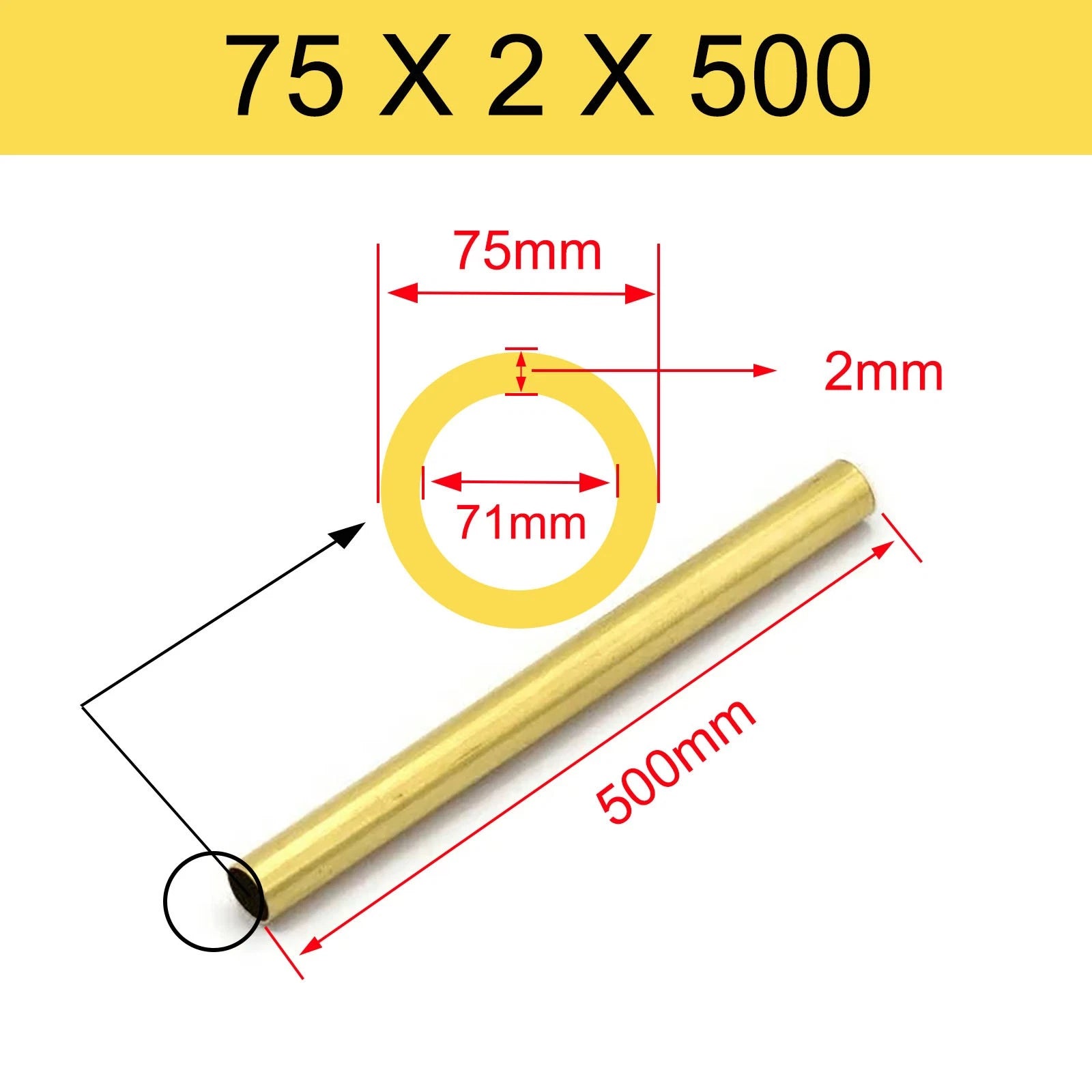
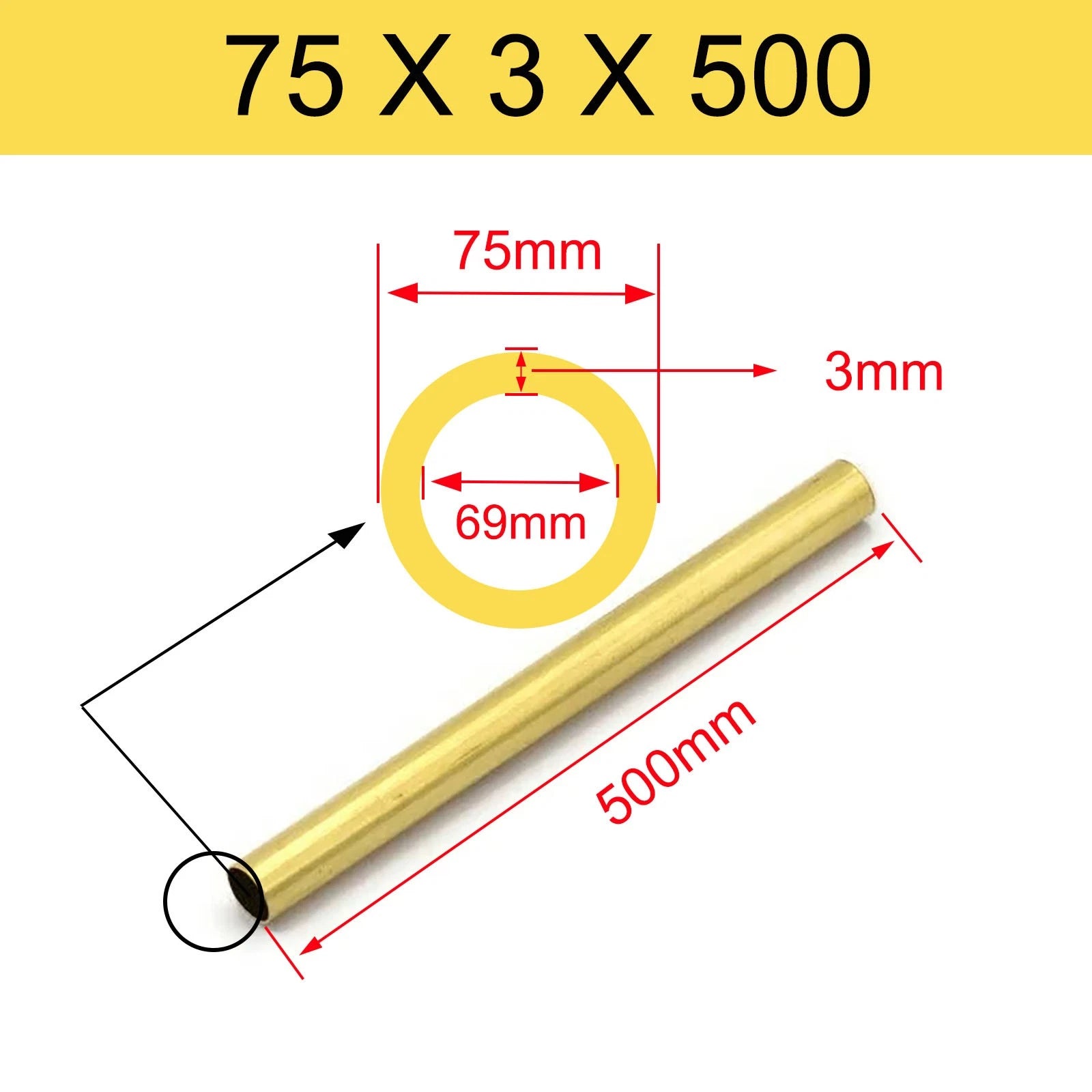
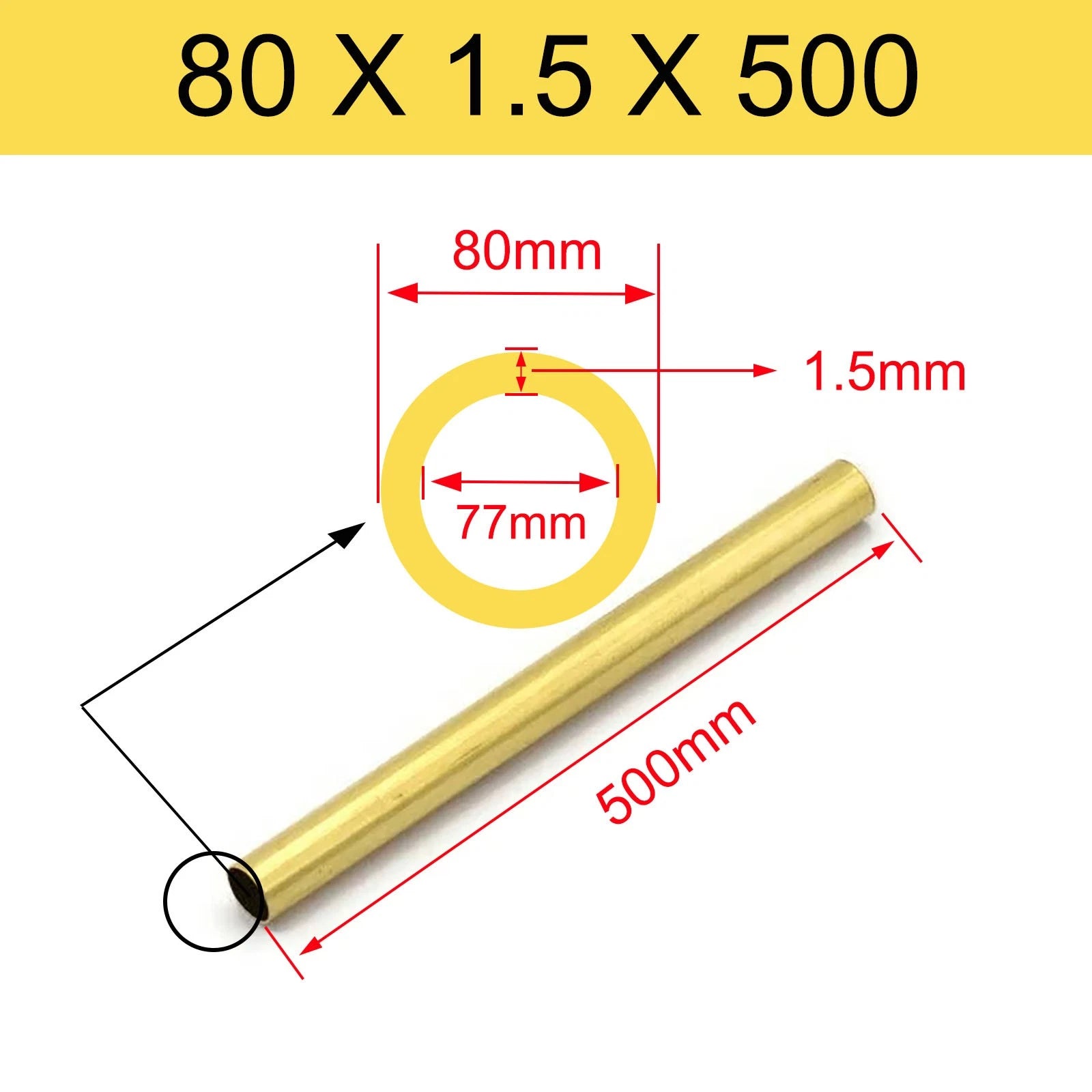
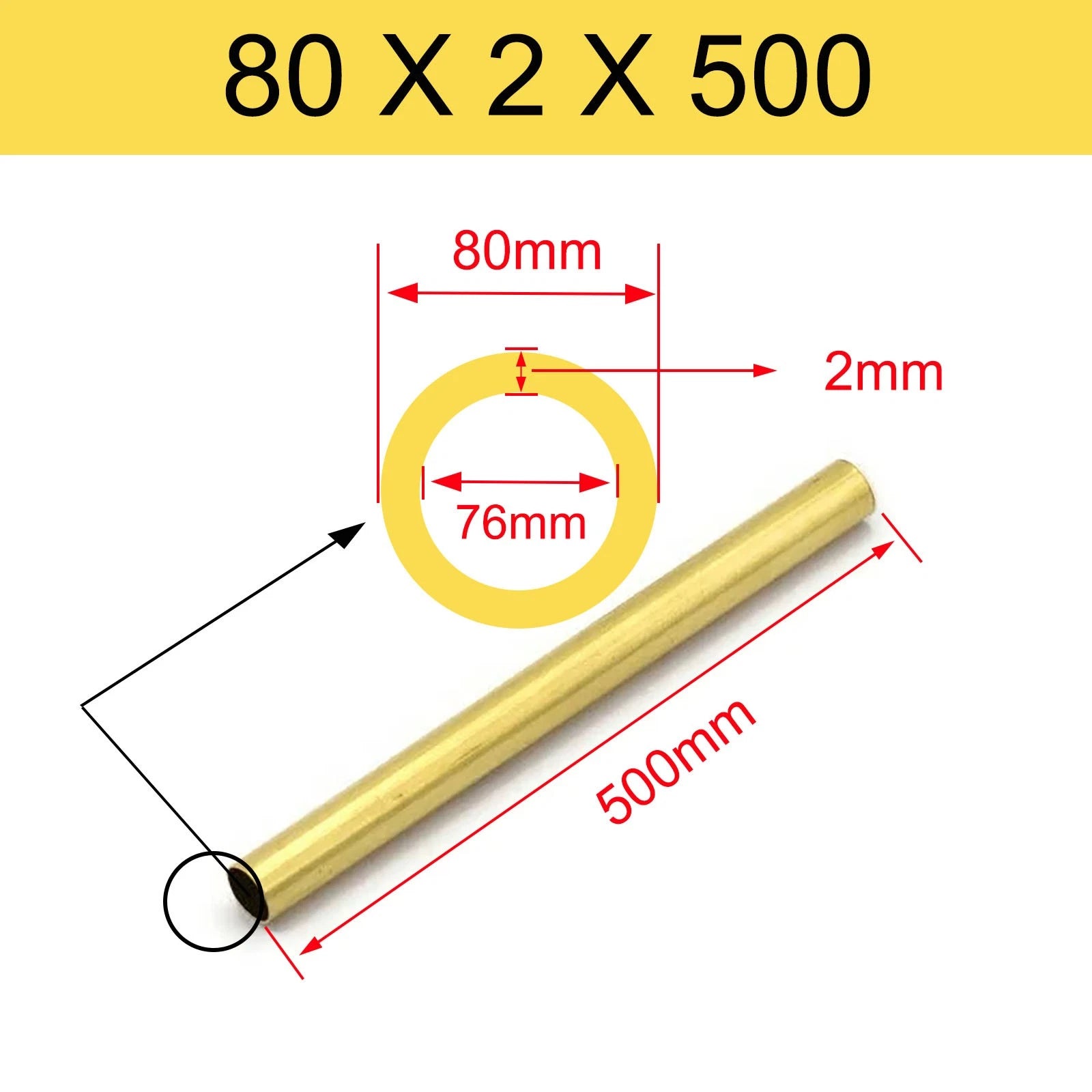
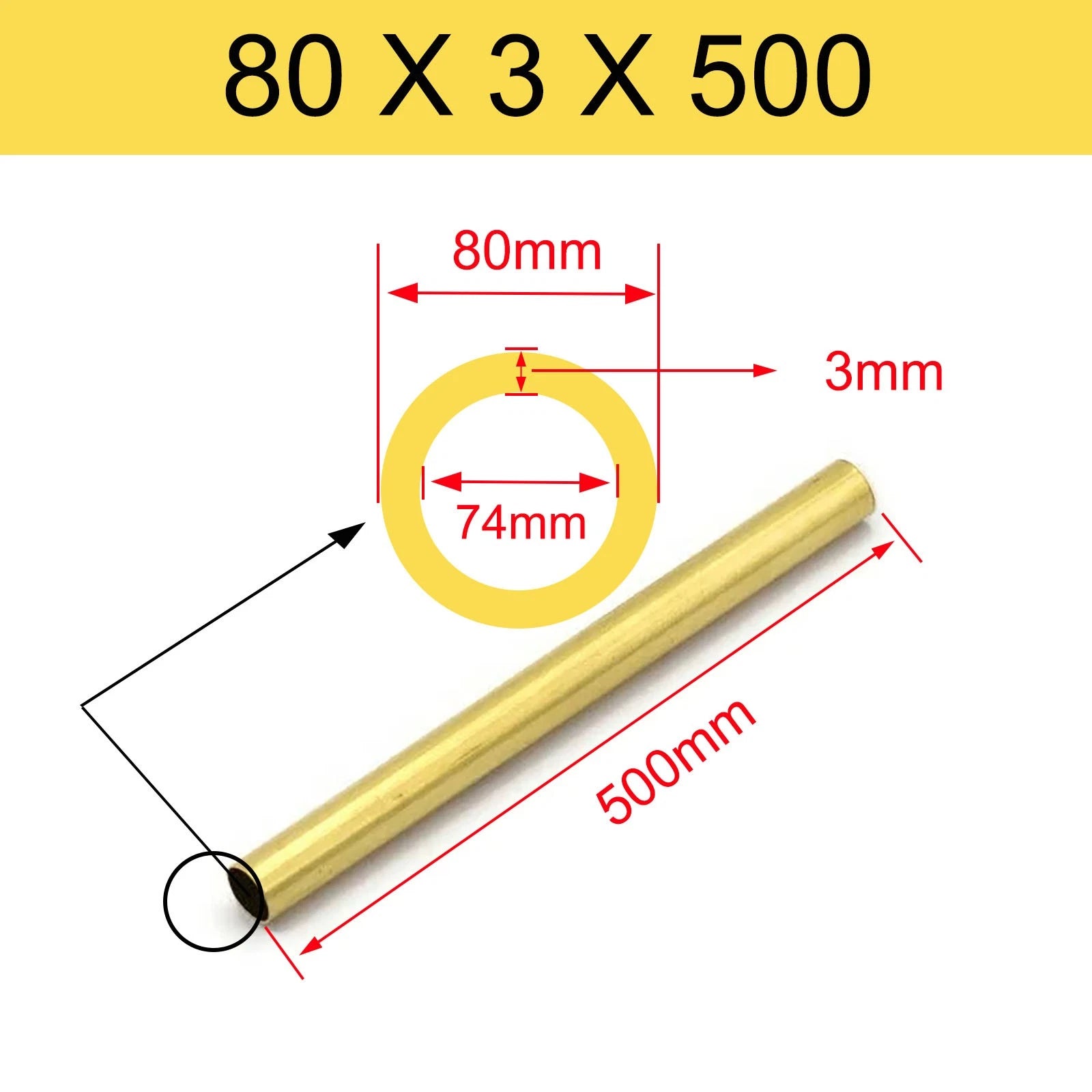
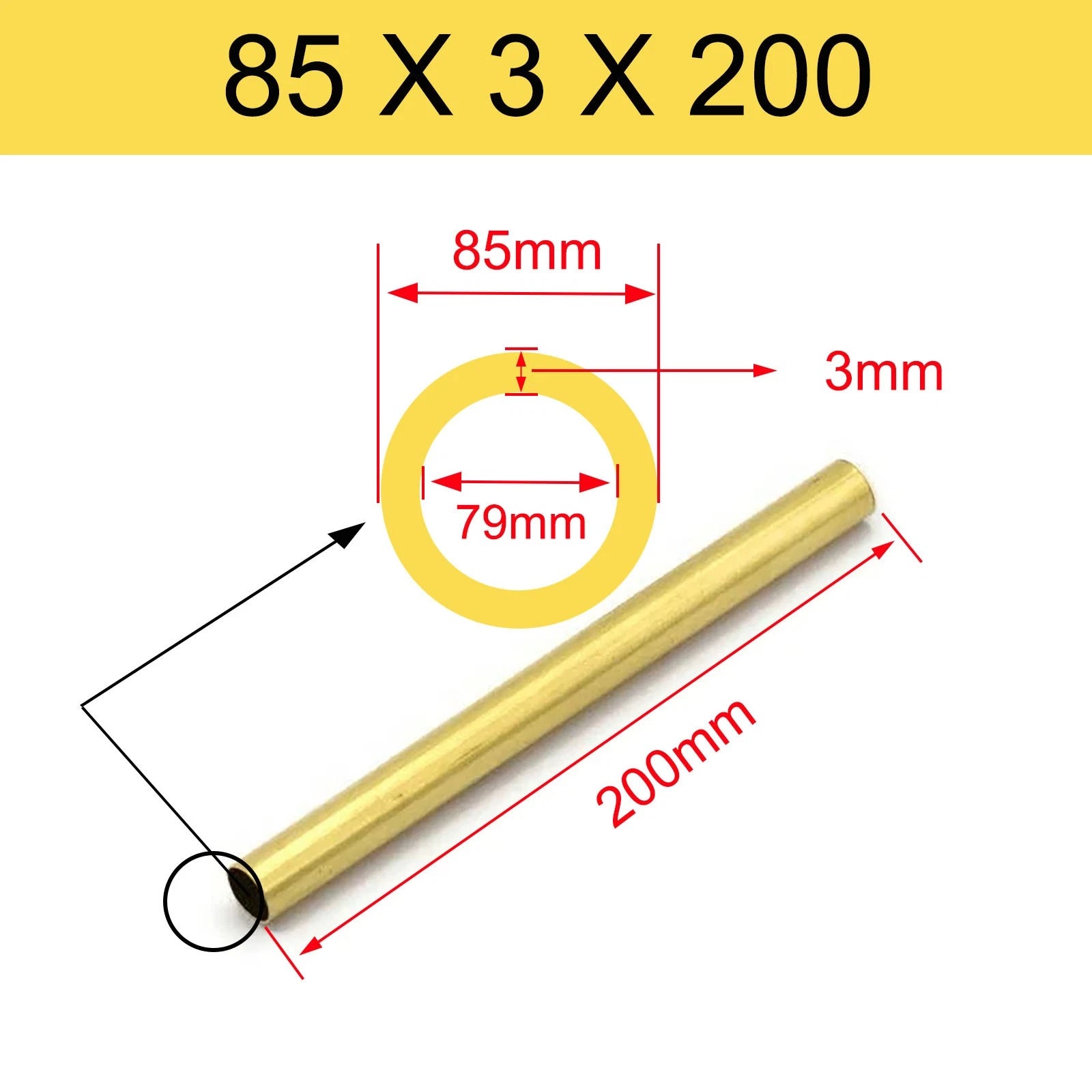
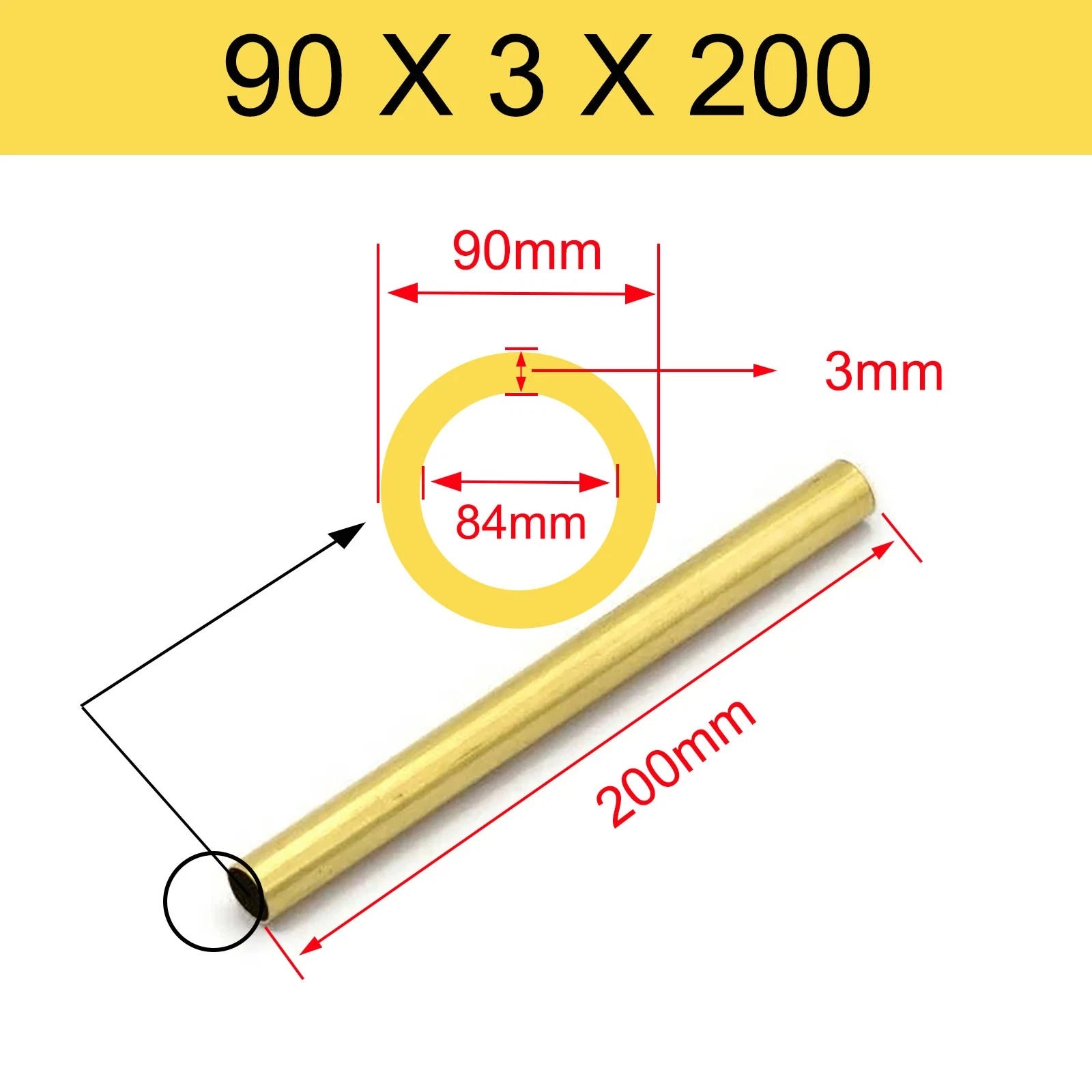
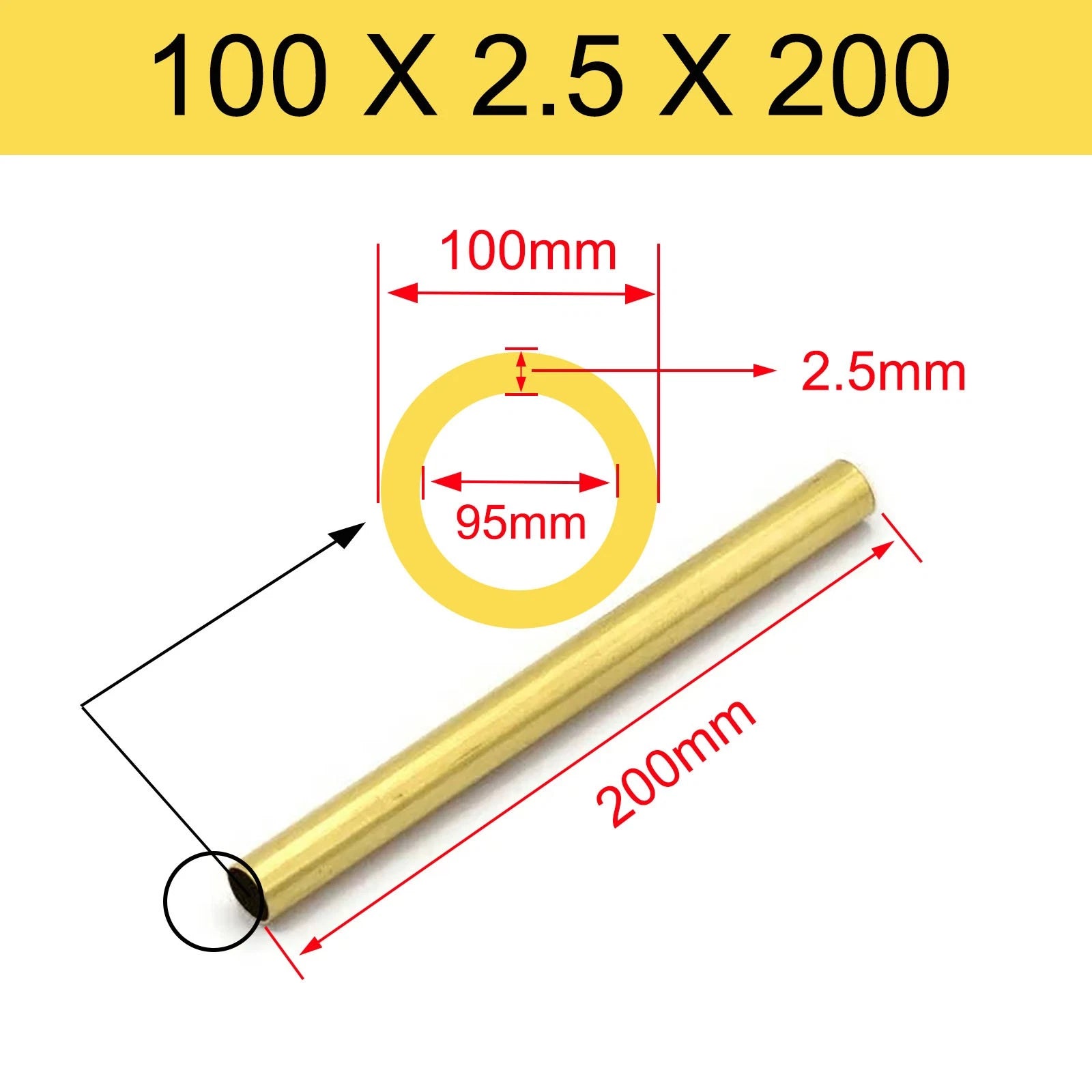
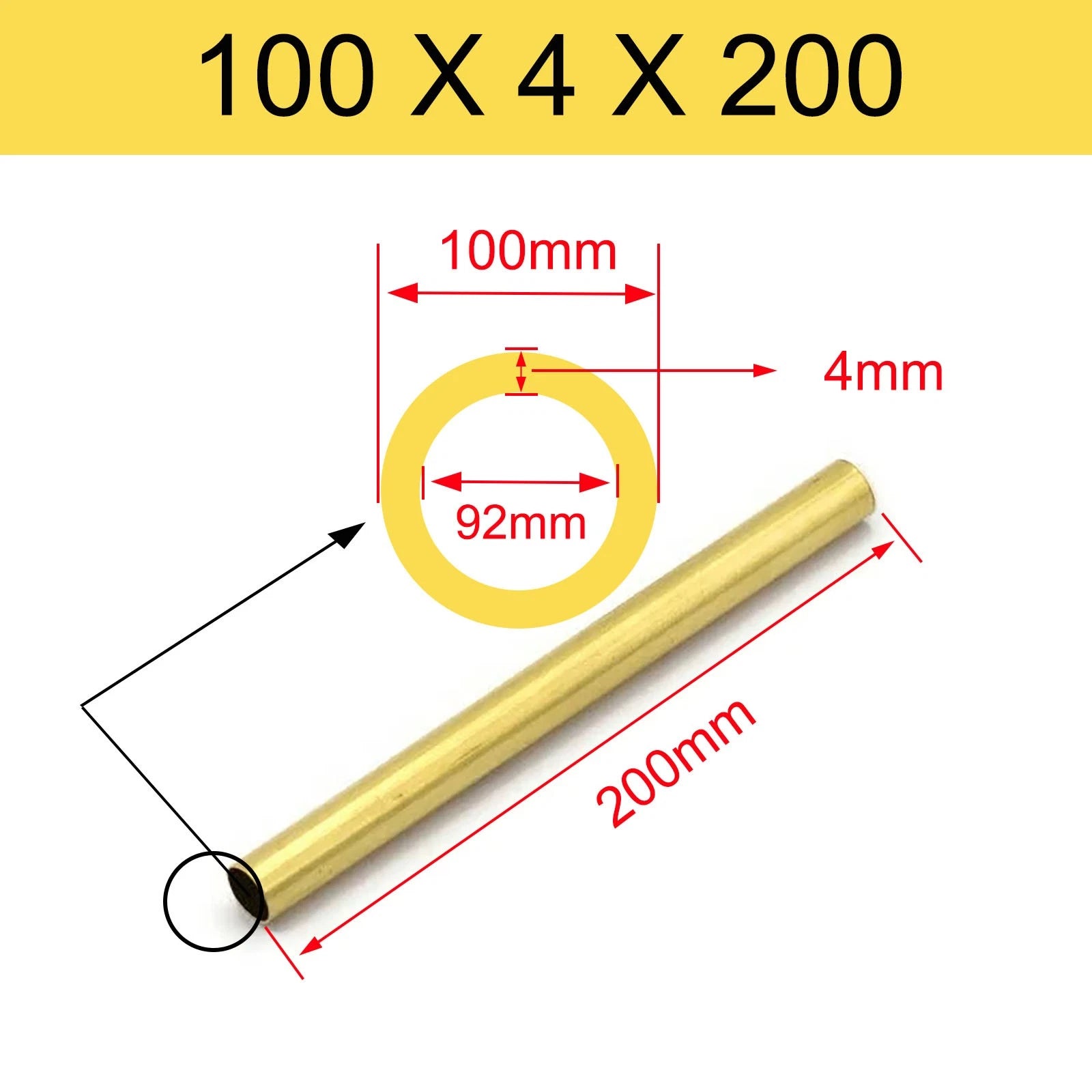
Brass Tubes ROUND PIPE Cu 62% OD 2mm 3mm 4mm 5mm 6mm 7mm 8mm 9mm 10mm To 90mm

No reviews

Price:
Sale price$74.73 USD
Stock:
In stock (500 units), ready to be shipped

Payment & Security

Ach Direct Debit Amazon American Express Apple Pay Bancontact Diners Club Discover Google Pay iDEAL Wero Mastercard PayPal Shop Pay USDC Visa

Your payment information is processed securely. We do not store credit card details nor have access to your credit card information.

Quantity Discount Promotion
🎯 BULK DISCOUNT: Buy More, Save More!
Buy 2 Items
5% OFF
Buy 4 Items
10% OFF
Buy 6 Items
15% OFF
Expert

DIY Expert Support

Get fitment advice & recommendations

Mon-Fri, 8:30AM-8PM
24-Hour Fast Ship
🚚
Arrives in 3-14 days
🌍
Global Reach
↩️
30-Day Returns
🌱 1 tree planted with every purchase

Description

Brass Round Tube Cu 62% — Precision Metric Sizes for DIY, Modelling & Engineering

When a project demands a tube that holds tight tolerances, machines cleanly, and resists corrosion without a coating, off-the-shelf steel or aluminium often falls short. Makers, hobbyists, and small-shop engineers who work in metric reach for brass round tube because it cuts with a hacksaw, solders without flux drama, and polishes to a warm gold finish that stays presentable. These brass round tubes are the answer for anyone who has spent time hunting for the exact OD and wall combination they need.

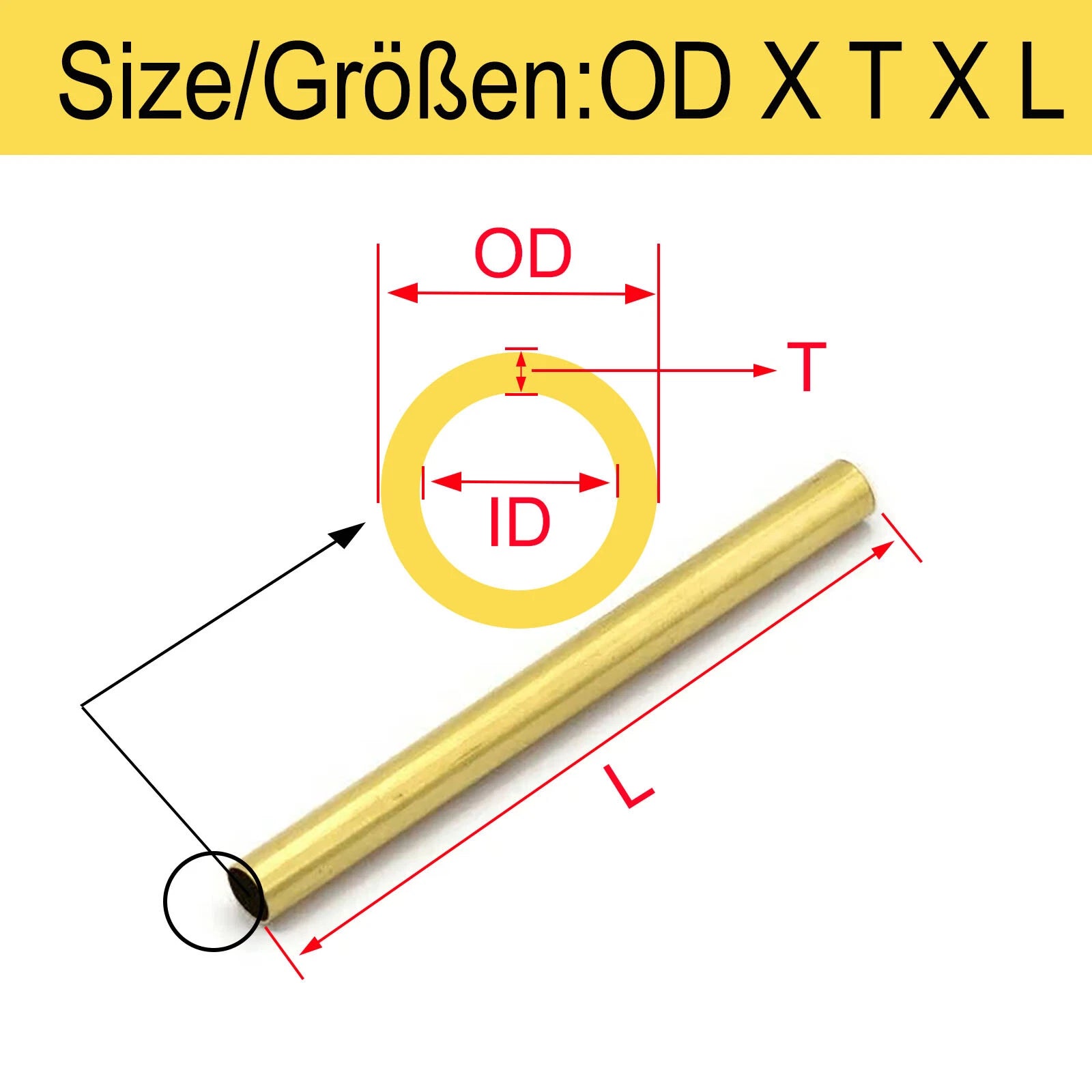
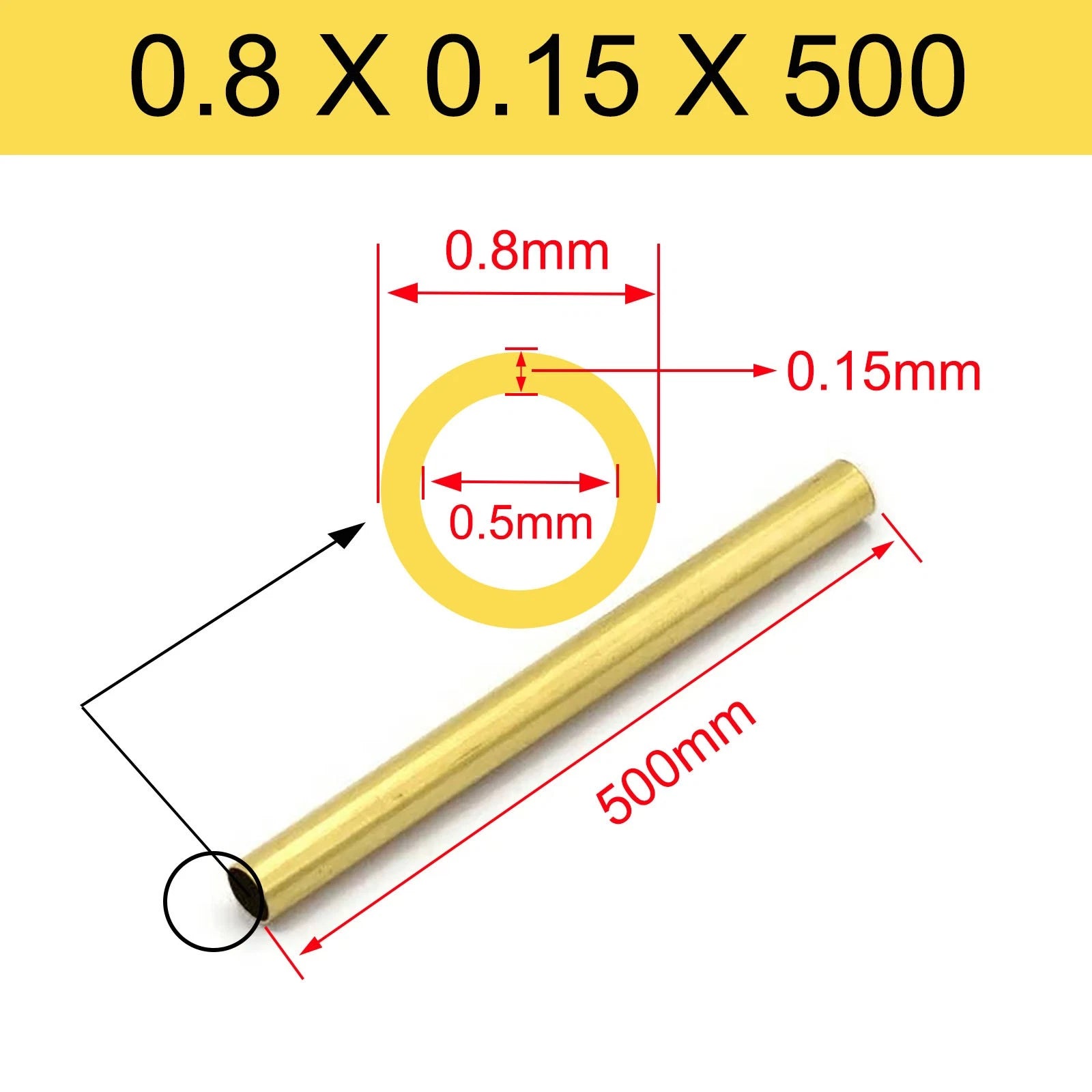
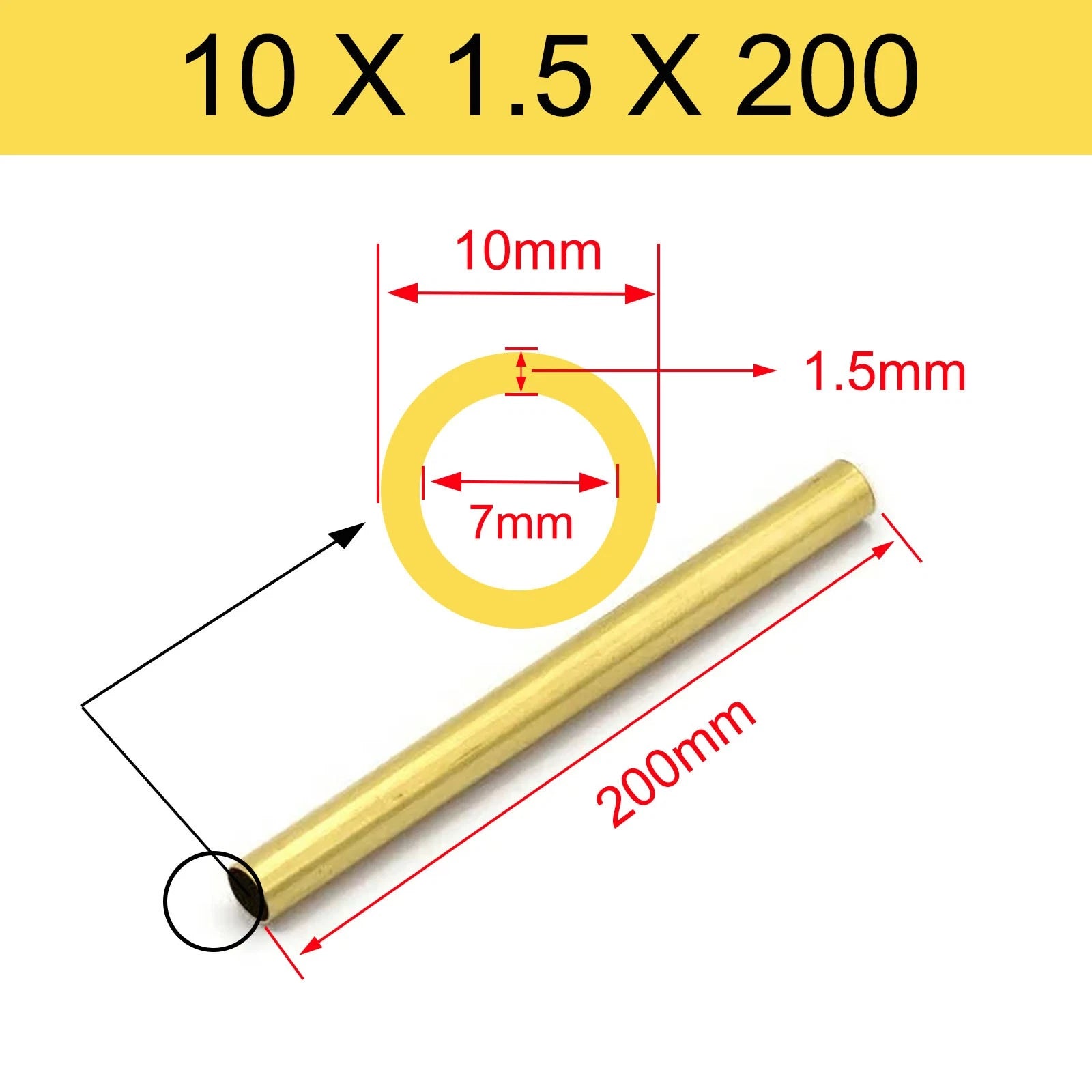
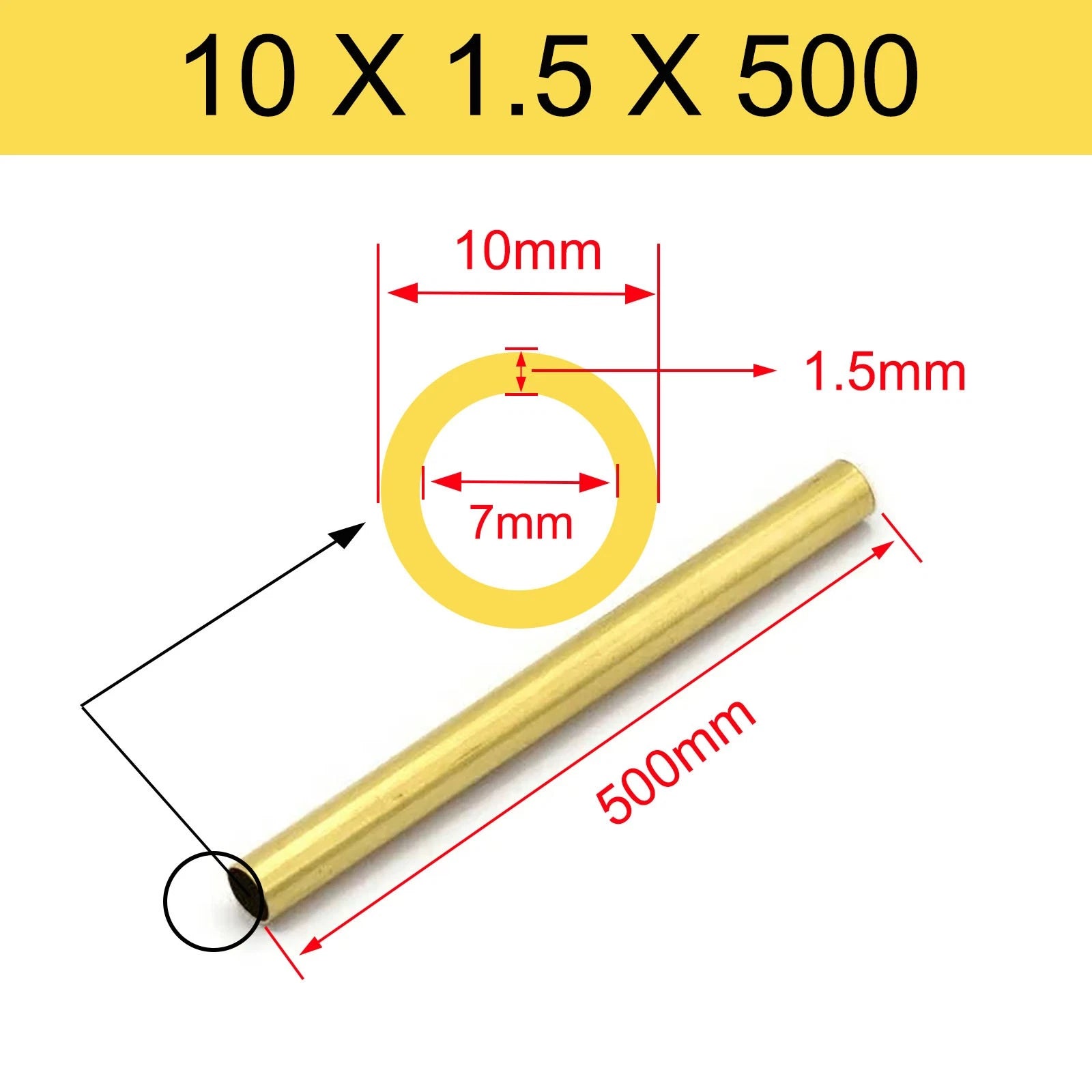
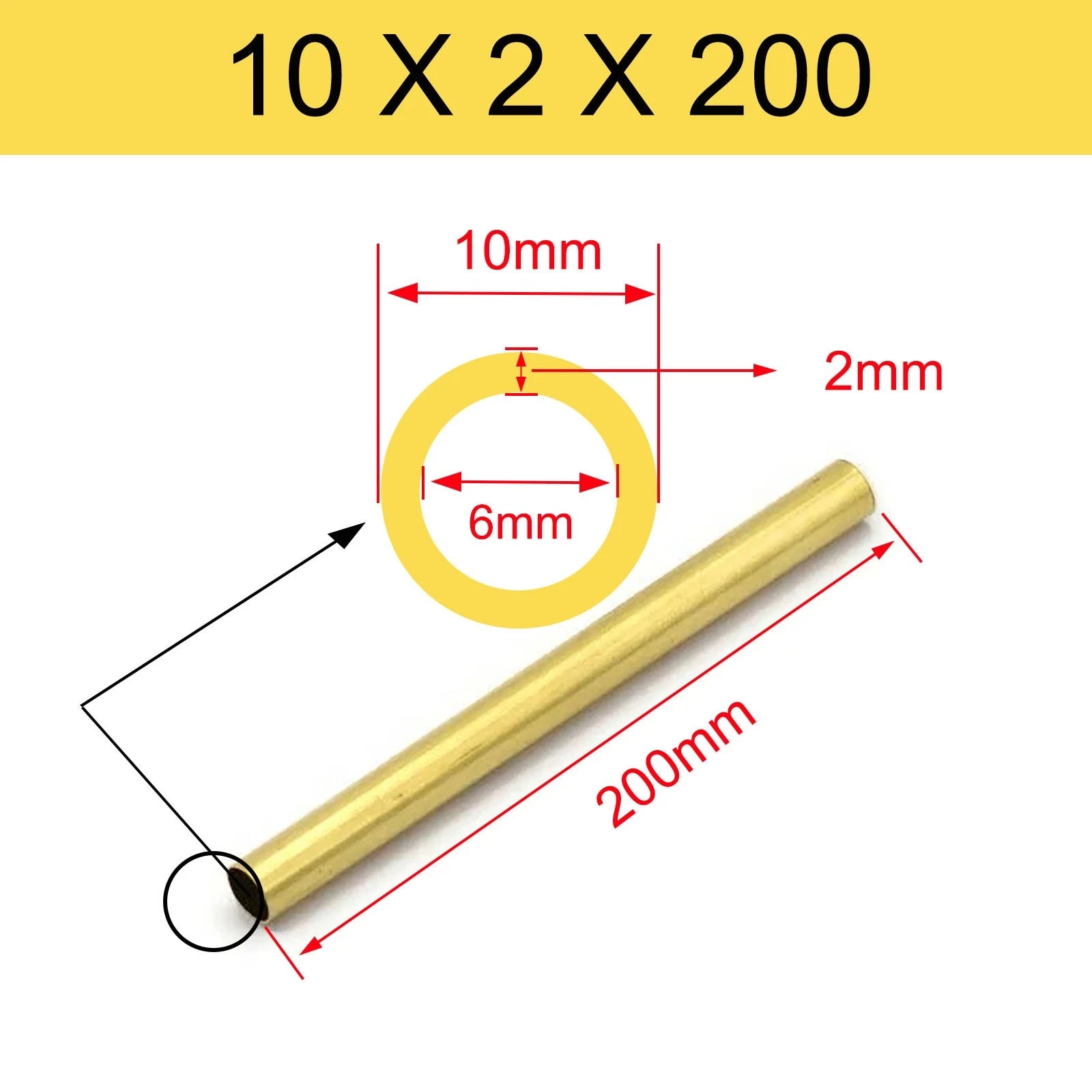
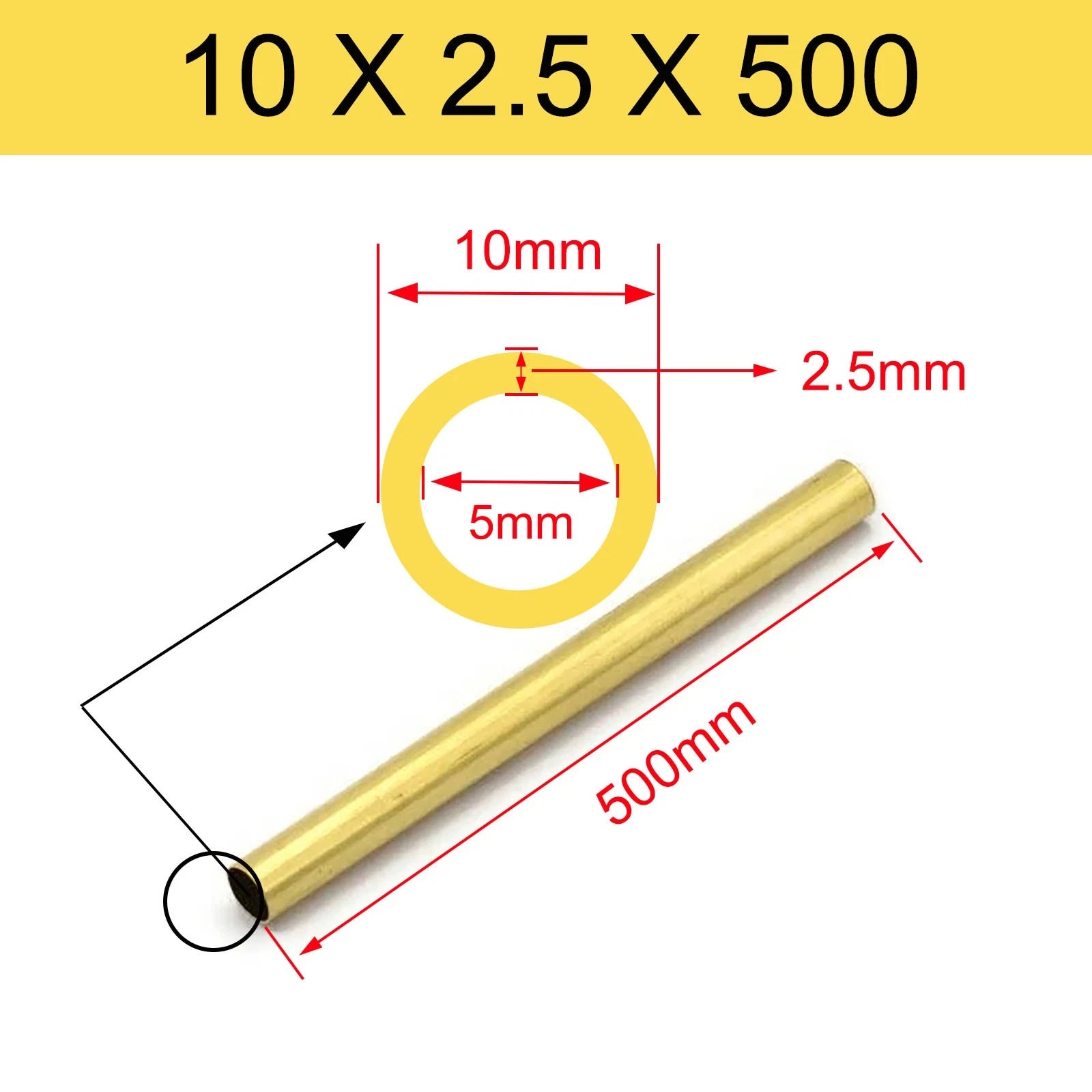
Each tube is drawn from Cu 62% brass alloy — a copper-zinc composition that balances machinability with structural rigidity. Outer diameters span 0.8 mm to 100 mm (~0.03 in to ~3.94 in), wall thicknesses range from 0.15 mm to 4 mm (~0.006 in to ~0.16 in), and standard cut lengths are 200 mm (~7.87 in) or 500 mm (~19.69 in). Variants are listed as OD × Wall Thickness × Length in millimetres.

Typical applications include telescope focuser draw-tubes and sliding mechanisms, RC model chassis and landing-gear sleeves, jewellery mandrels and ring-sizing tools, pneumatic instrument fittings, and decorative inlay work in woodturning. The consistent wall thickness makes these tubes well-suited for press-fit bushings, spacers in electronics enclosures, and any build where a brass round tube for model making or a metric brass tube for engineering needs to slide or rotate concentrically.

📐 Sizing note: All dimensions are metric (mm). Variant format is OD × Wall Thickness × Length. Inner diameter = OD − (2 × wall thickness). Confirm your required ID before ordering.

✅ Key Features of These Brass Round Tubes

🔩 Cu 62% Brass Alloy

Drawn from a copper-zinc alloy with approximately 62% copper content, delivering a balance of machinability, solderability, and moderate tensile strength suited to both structural and decorative applications.

📏 Wide Size Range

OD from 0.8 mm to 100 mm with wall thicknesses from 0.15 mm to 4 mm — one of the broadest metric brass round tube selections available, covering micro-scale modelling through to medium engineering stock.

✂️ Two Standard Lengths

Available in 200 mm (~7.87 in) and 500 mm (~19.69 in) cut lengths. Shorter lengths suit prototyping and small builds; 500 mm lengths reduce waste on longer runs or when multiple pieces are needed from a single stick.

🛡️ Corrosion-Resistant Surface

Brass naturally resists oxidation in ambient and mildly humid environments. The drawn finish provides a smooth outer surface that can be left as-is, polished, lacquered, or patinated depending on the application.

⚙️ Consistent Wall Concentricity

Drawn tube production maintains uniform wall thickness around the circumference, which is critical for press-fit bushings, rotating shafts, and any assembly where eccentricity would cause wobble or binding.

🔧 Easy to Machine and Solder

Cu 62% brass cuts cleanly with standard HSS tooling, files without loading, and accepts soft solder and silver solder readily — making it a practical choice for both workshop fabrication and fine detail work.

📐 Technical Specifications — Brass Round Tube

Material Brass, Cu 62% (copper-zinc alloy)
Tube Profile Round (circular cross-section)
Outer Diameter (OD) Range 0.8 mm – 100 mm (~0.03 in – ~3.94 in)
Wall Thickness Range 0.15 mm – 4 mm (~0.006 in – ~0.16 in)
Cut Length Options 200 mm (~7.87 in) or 500 mm (~19.69 in)
Inner Diameter (ID) See variant options (ID = OD − 2 × wall)
Surface Finish Drawn, smooth exterior
Dimension Standard Metric (mm)
Typical Tensile Strength See variant options
Quantity per Order 1 piece per variant selected

❓ Frequently Asked Questions

How do I calculate the inner diameter (ID) of a tube?

Subtract twice the wall thickness from the outer diameter: ID = OD − (2 × wall). For example, a 10 mm OD tube with a 1 mm wall has an ID of 8 mm. Always verify the ID matches your shaft, rod, or fitting before ordering, as tolerances can vary slightly between drawn sizes.

What does Cu 62% mean and how does it affect performance?

Cu 62% indicates the alloy contains approximately 62% copper with the remainder primarily zinc. This composition — sometimes called CW508L or similar — offers good machinability, reliable solderability with both soft and silver solder, and moderate corrosion resistance in ambient conditions. It is harder and stronger than pure copper but softer and more workable than steel.

Can I cut these tubes with a standard hacksaw or pipe cutter?

Yes. Brass cuts cleanly with a fine-tooth hacksaw (32 TPI recommended for thin walls), a junior hacksaw, or a rotary pipe cutter. For very small ODs (under 5 mm), a pipe cutter with a brass-rated wheel gives the cleanest, squarest cut. Deburr the cut end with a round file or deburring tool before assembly.

Are these tubes suitable for outdoor or marine use?

Brass resists oxidation well in ambient and mildly humid environments and is commonly used in marine fittings. However, in salt-spray or continuously submerged conditions, dezincification can occur over time in standard brass alloys. For demanding marine applications, consider whether a dezincification-resistant (DZR) brass or alternative alloy is more appropriate for your specific use case.

Which size should I choose for a sliding or telescoping fit?

For a sliding telescoping fit, select an inner tube whose OD is slightly smaller than the ID of the outer tube. A typical clearance of 0.1–0.3 mm between the inner OD and outer ID allows smooth sliding without excessive play. For example, a 9 mm OD tube (with appropriate wall) can slide inside a 10 mm OD tube with a 0.5 mm wall (ID ≈ 9 mm) with minimal clearance — check exact IDs using the formula above before ordering.

Can these tubes be soldered or brazed?

Yes. Cu 62% brass accepts soft solder (tin-lead or lead-free) with a standard flux and soldering iron, and silver solder (hard solder) with a torch. Clean the joint area with fine abrasive or flux before soldering. Avoid overheating thin-wall tubes, as excessive heat can distort the tube or cause the zinc to volatilise at very high temperatures.

What is the difference between the 200 mm and 500 mm length options?

Both lengths are the same tube material and OD/wall combination — only the cut length differs. The 200 mm length suits small projects, prototypes, or applications where only a short section is needed. The 500 mm length is more economical per millimetre and is better suited when you need to cut multiple pieces or require a longer continuous section. Check the variant name carefully, as the format is OD × Wall × Length.

How do I choose the right wall thickness for my application?

Thinner walls (0.15–0.5 mm) are suited to lightweight decorative work, model making, and applications where weight matters. Medium walls (0.5–1.5 mm) cover most general engineering, bushing, and structural uses. Thicker walls (2–4 mm) are appropriate where the tube must carry load, resist crushing, or be threaded. When in doubt, a wall thickness of at least 10–15% of the OD provides a reasonable starting point for structural applications.

🛒 Select your Size (OD × Wall Thickness × Length) above, then add to cart.

You may also like

Recently viewed