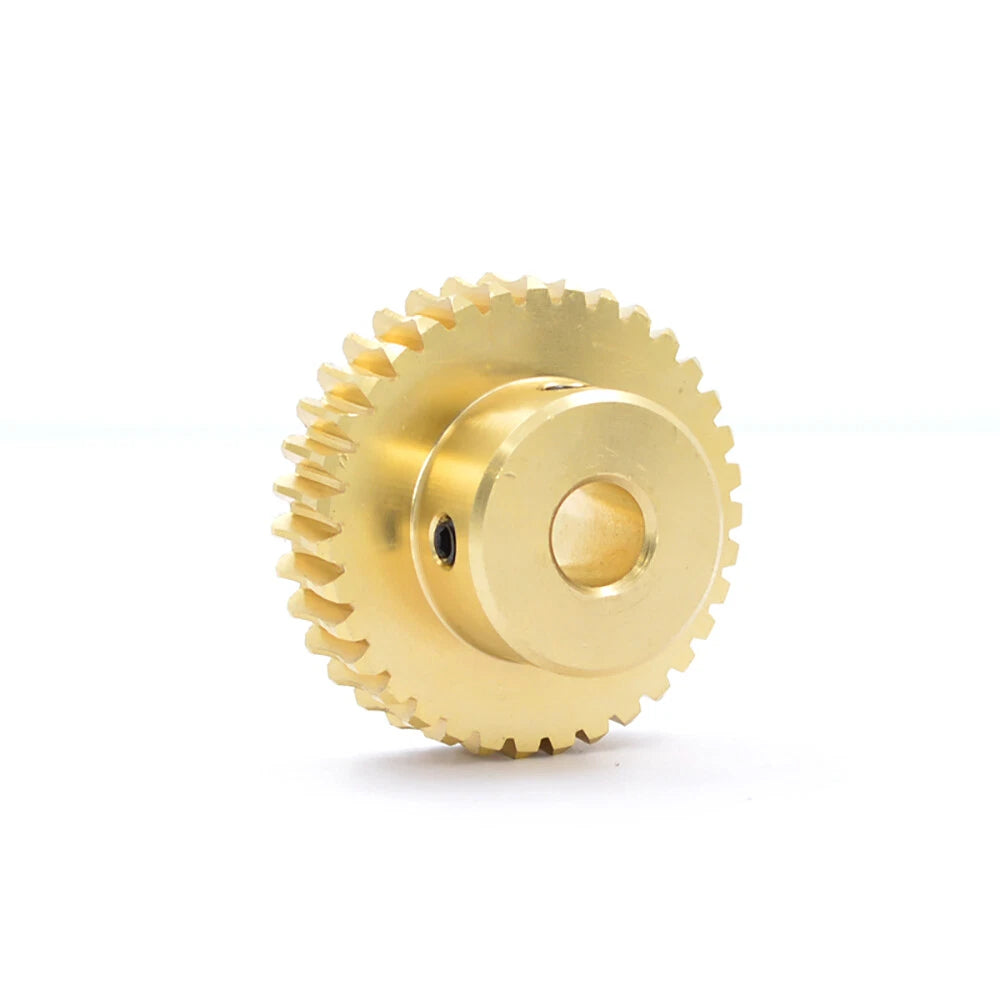
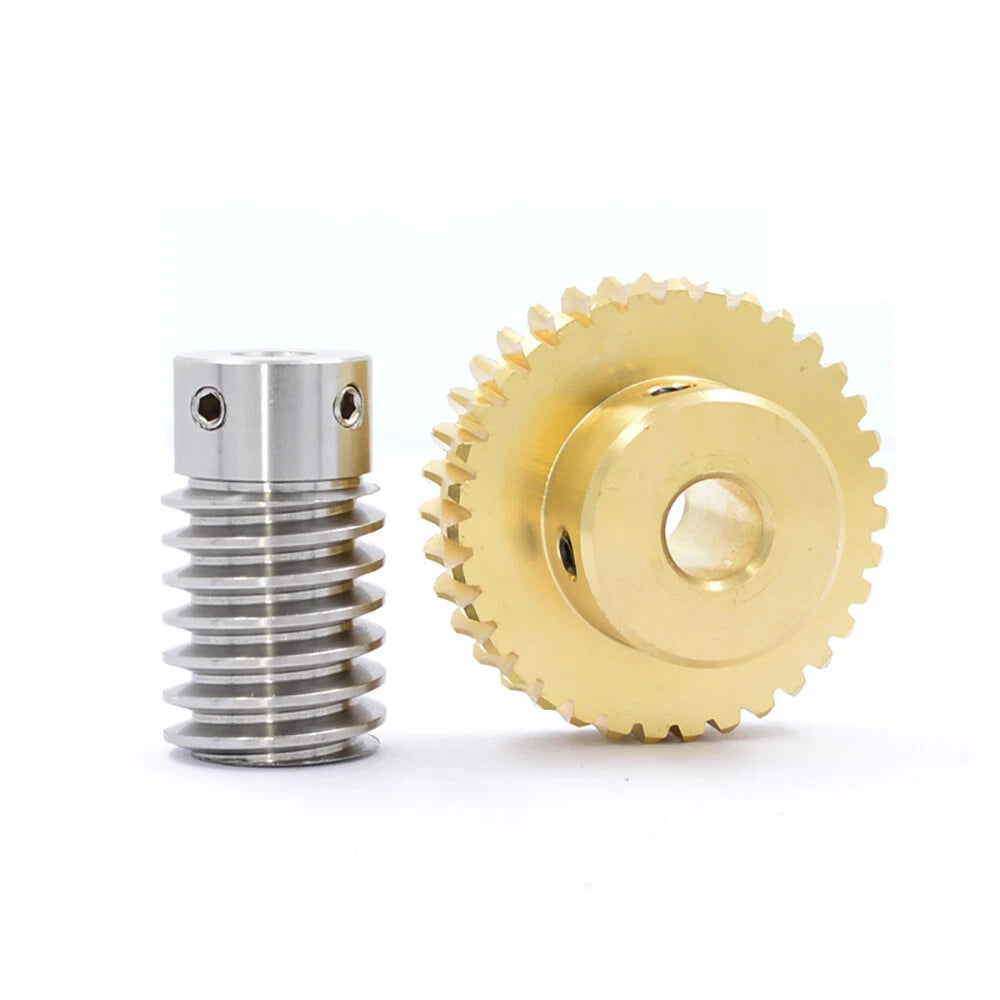
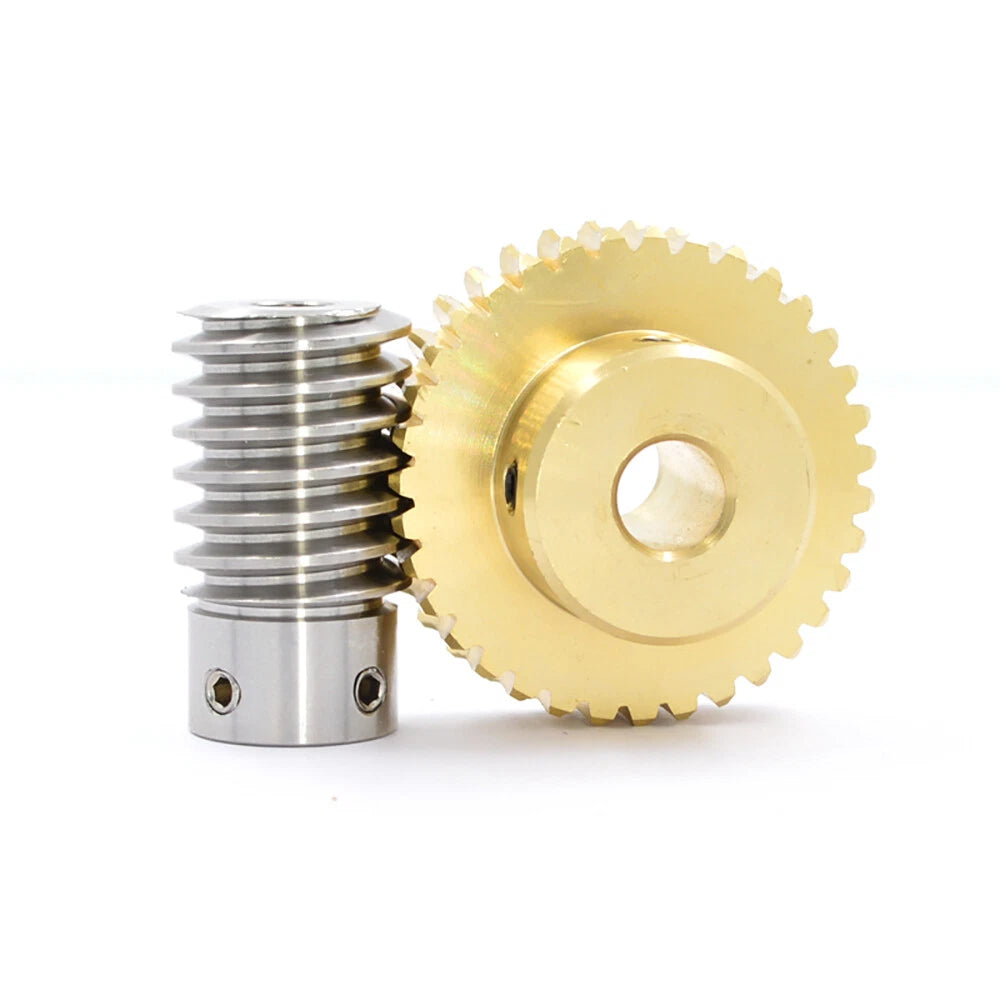
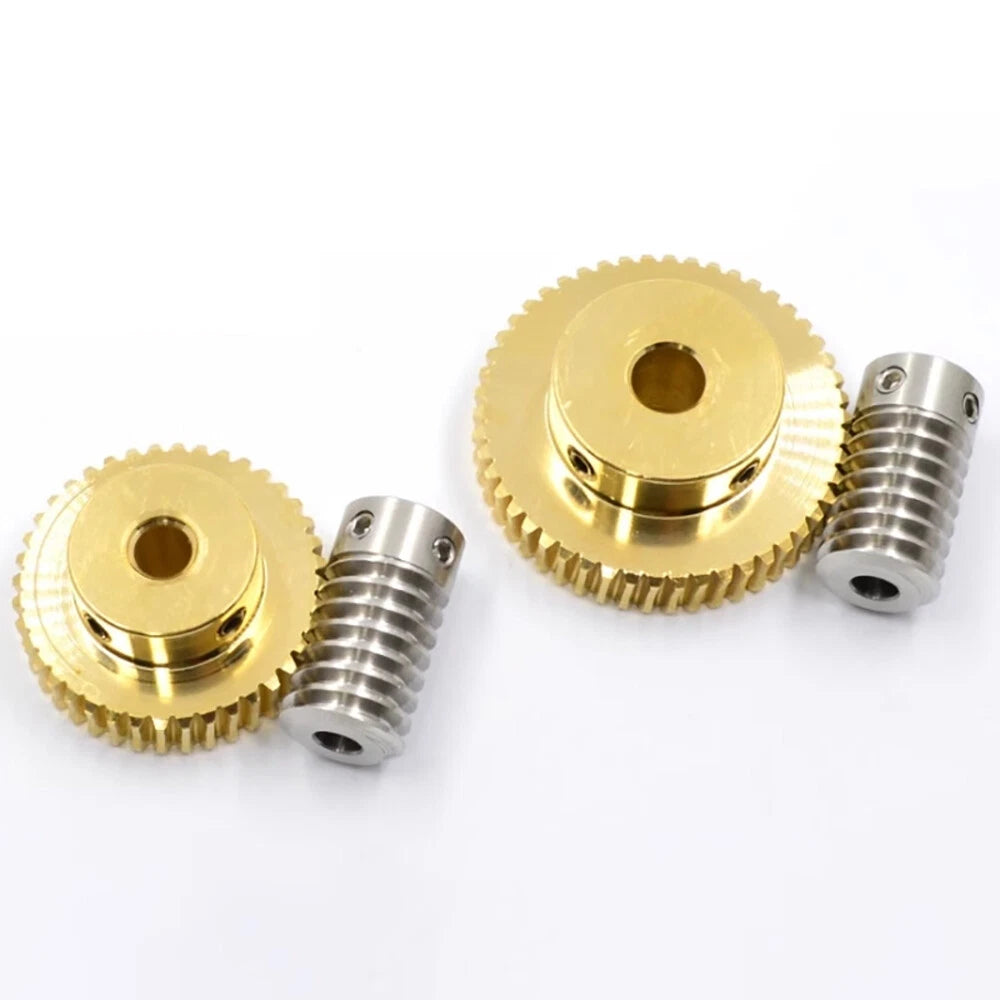
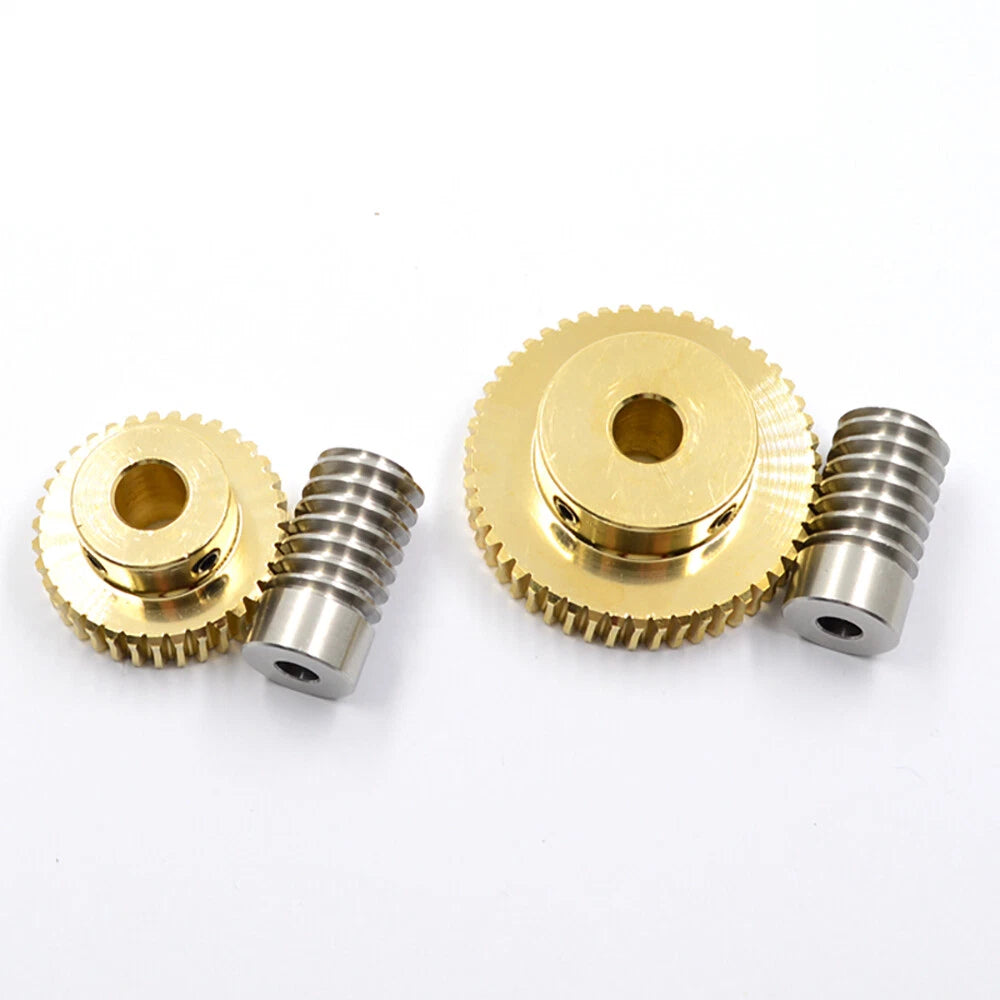
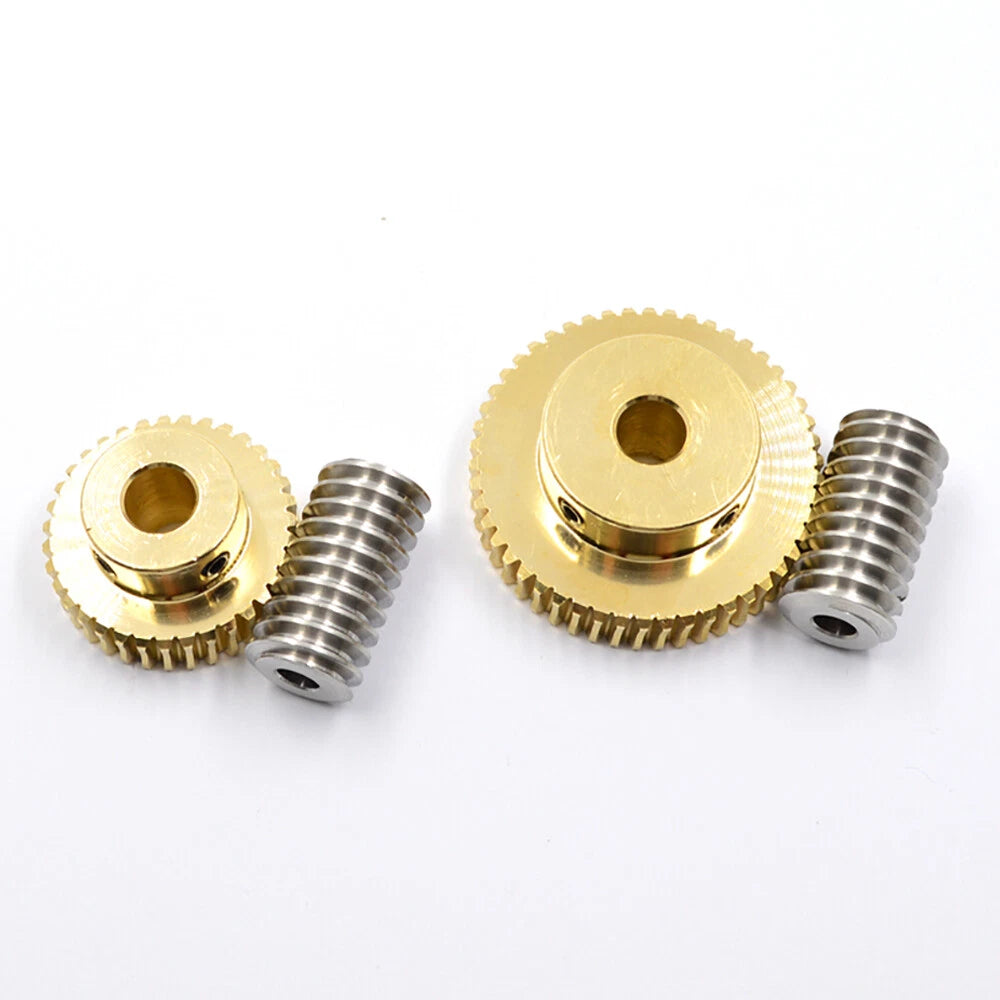
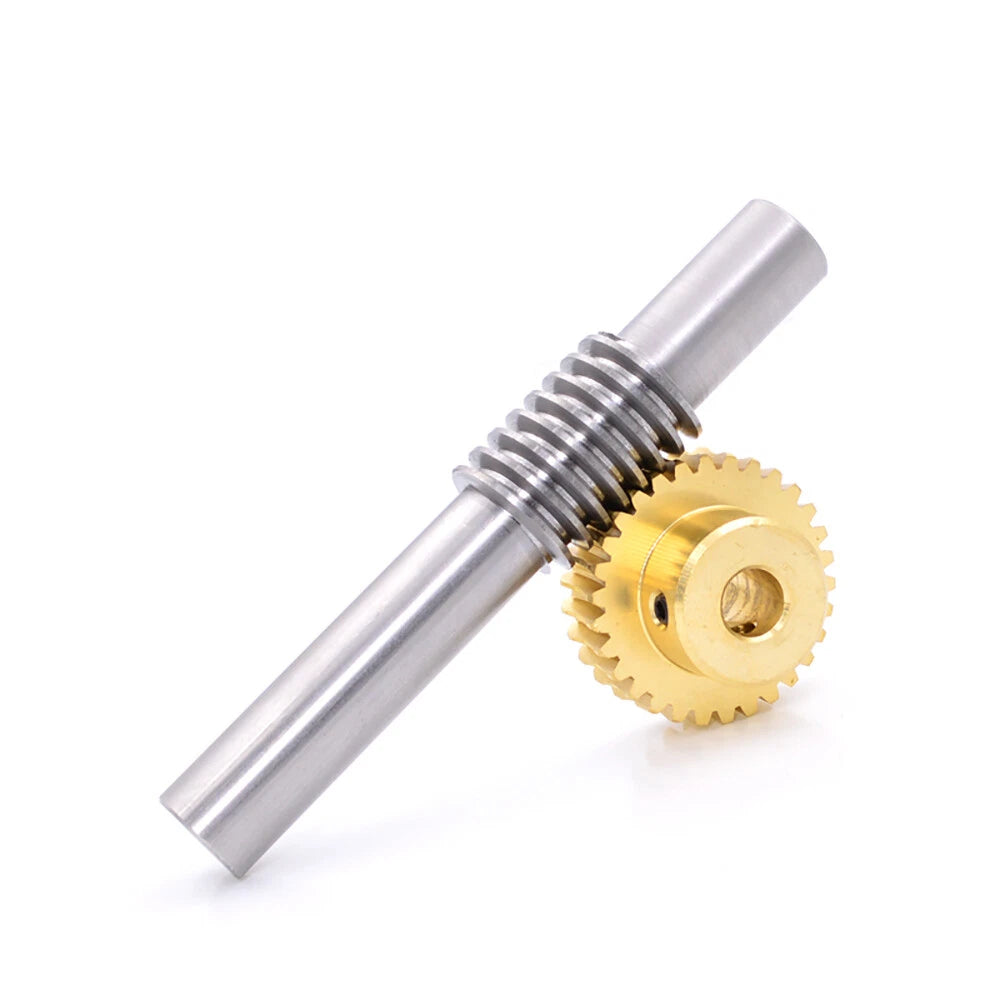
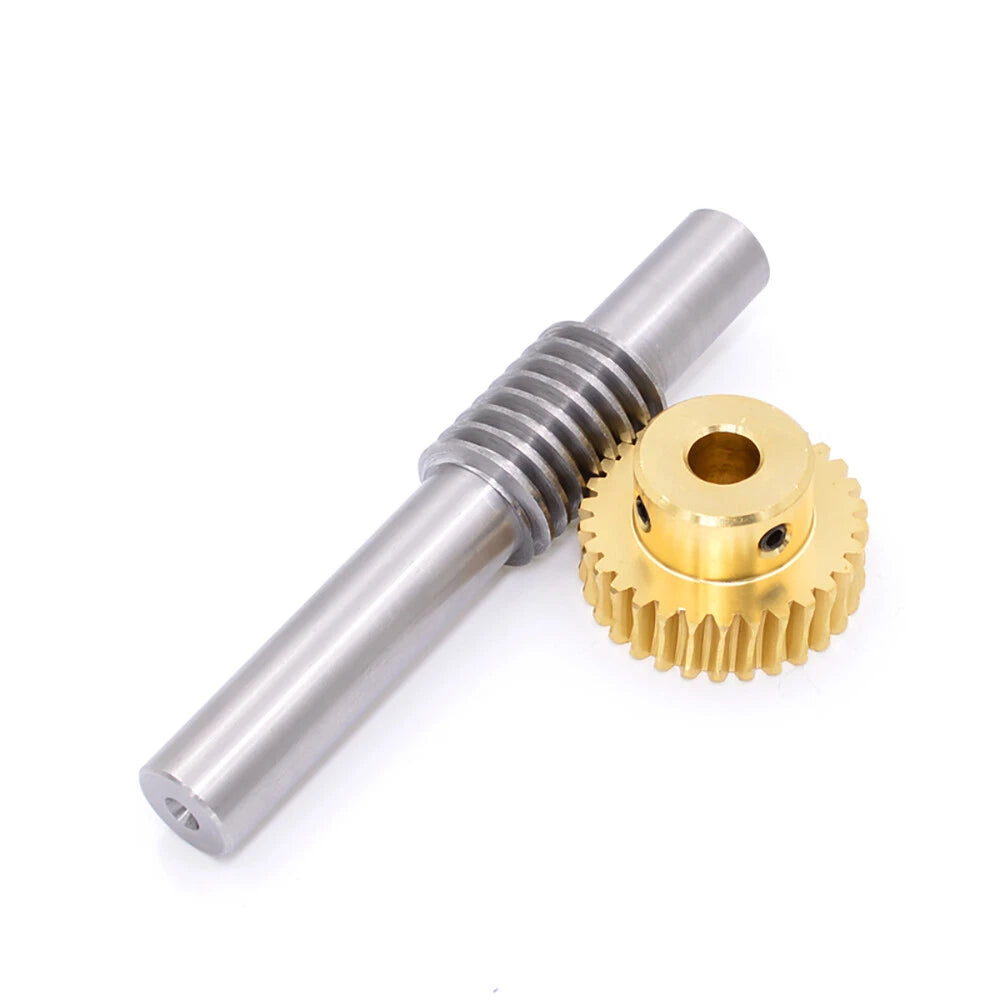
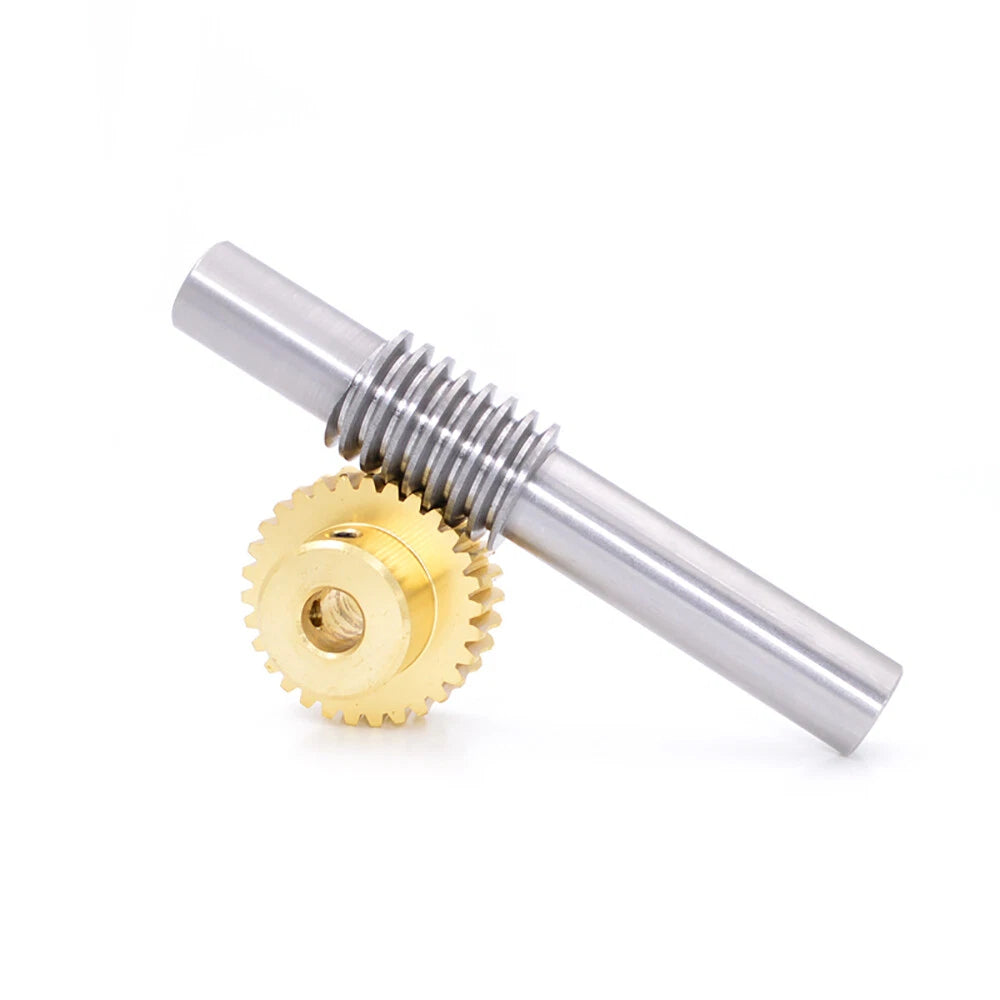
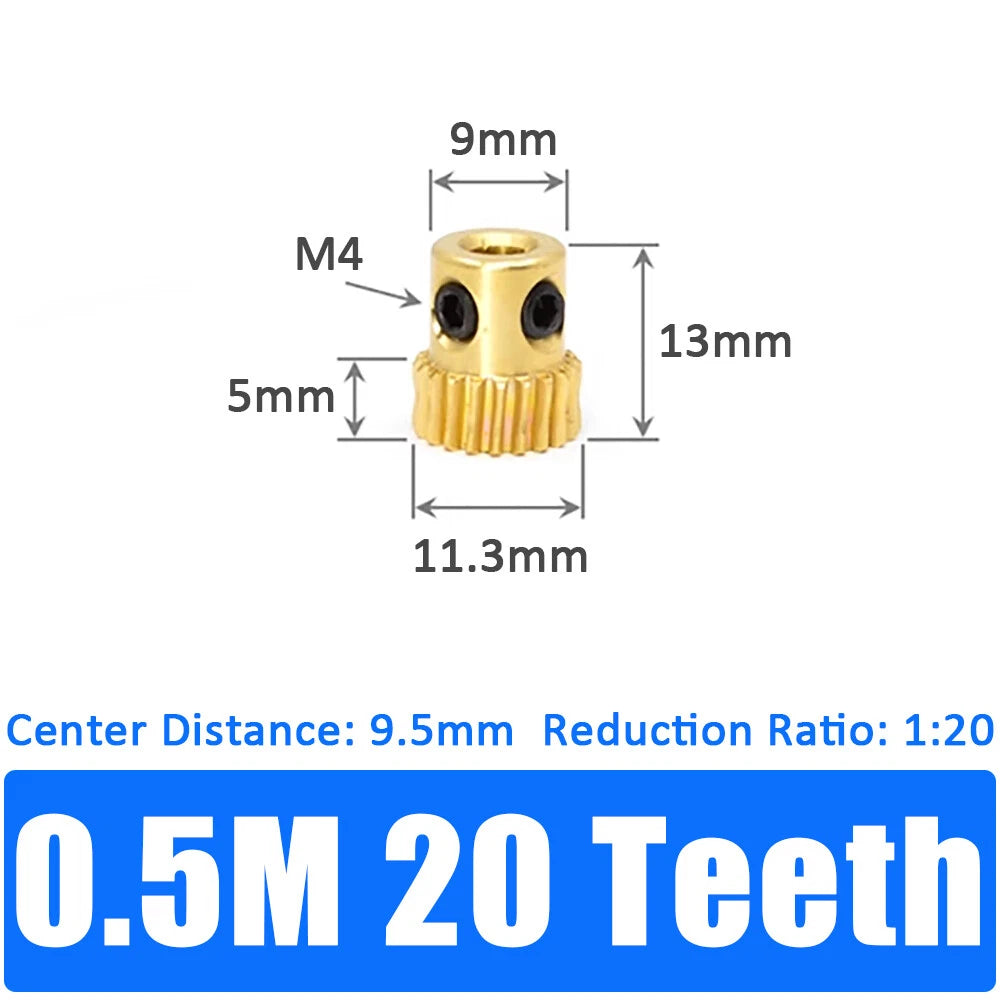
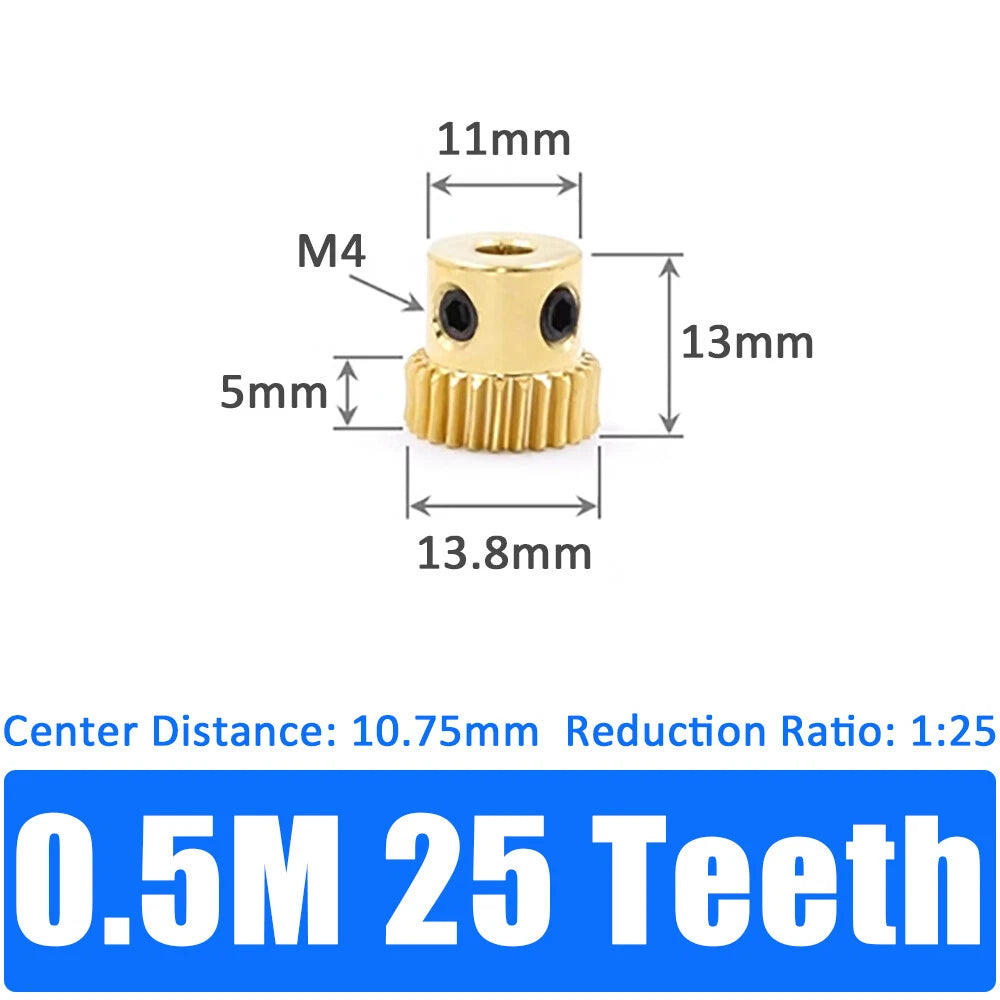
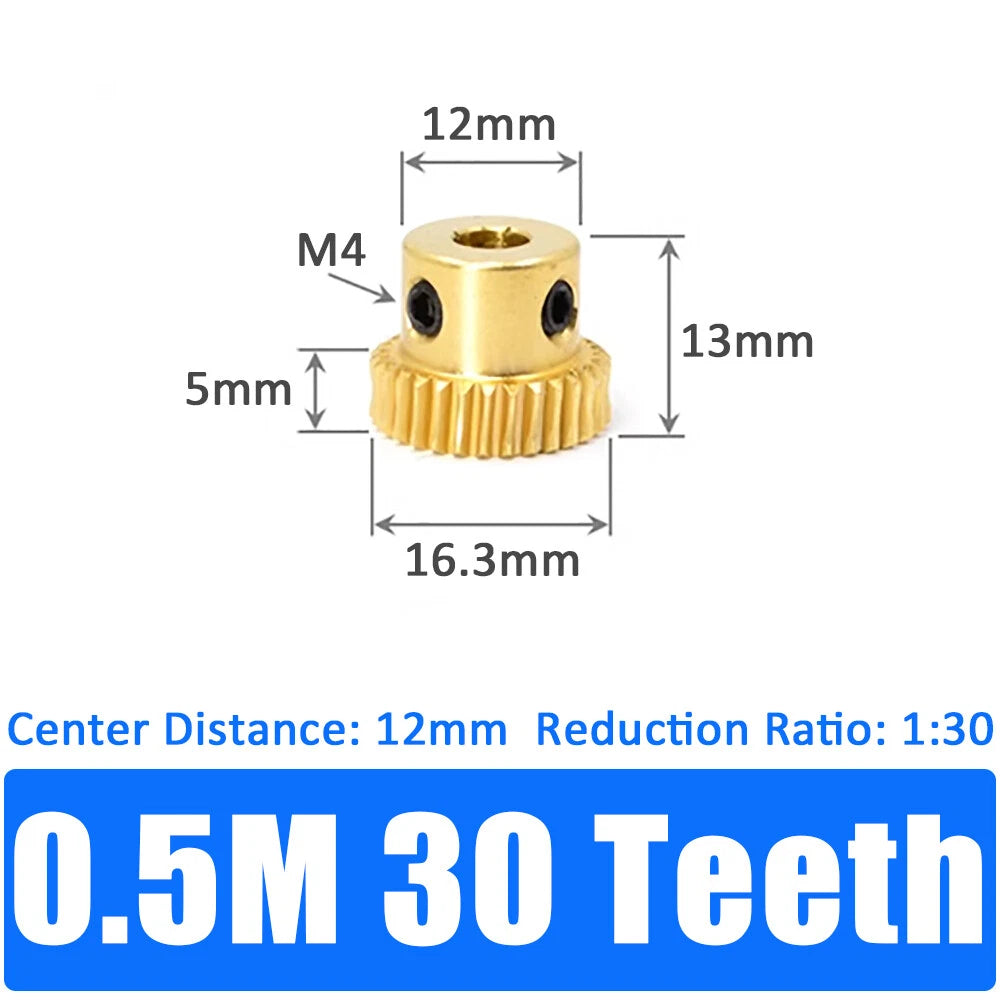
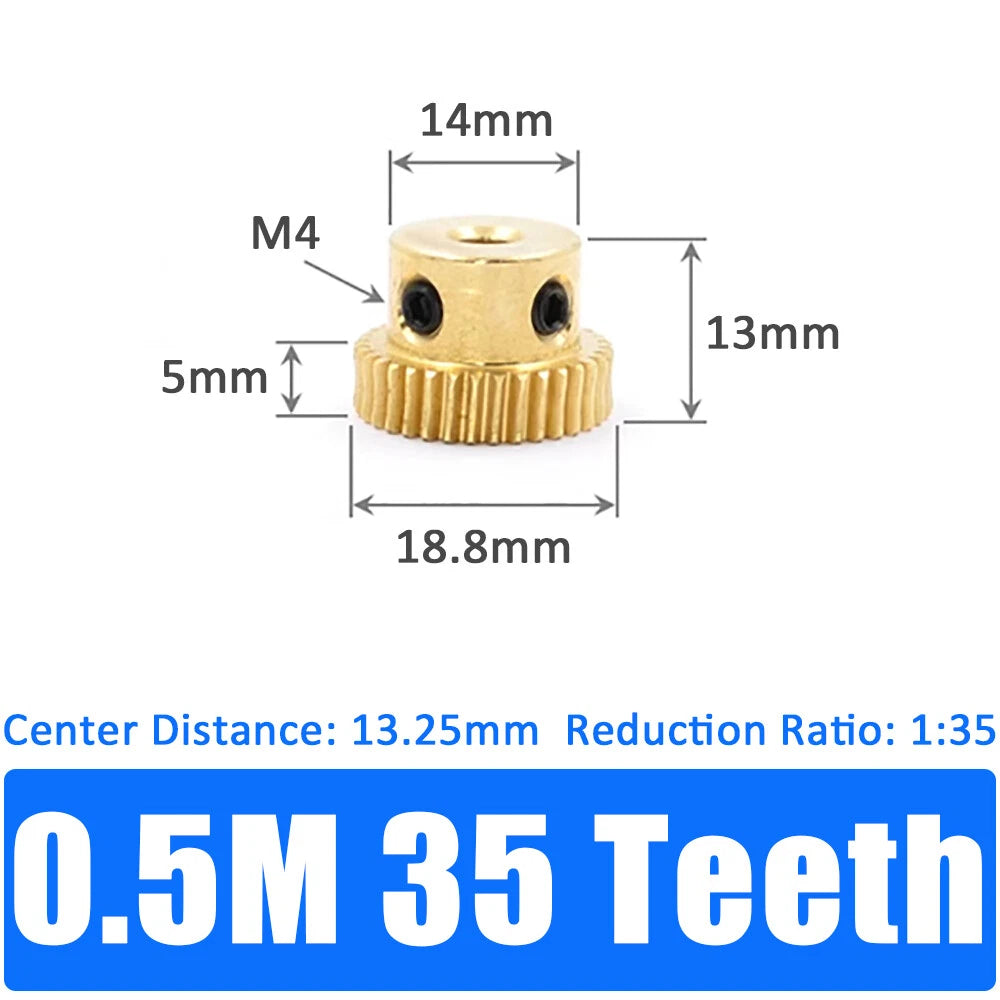
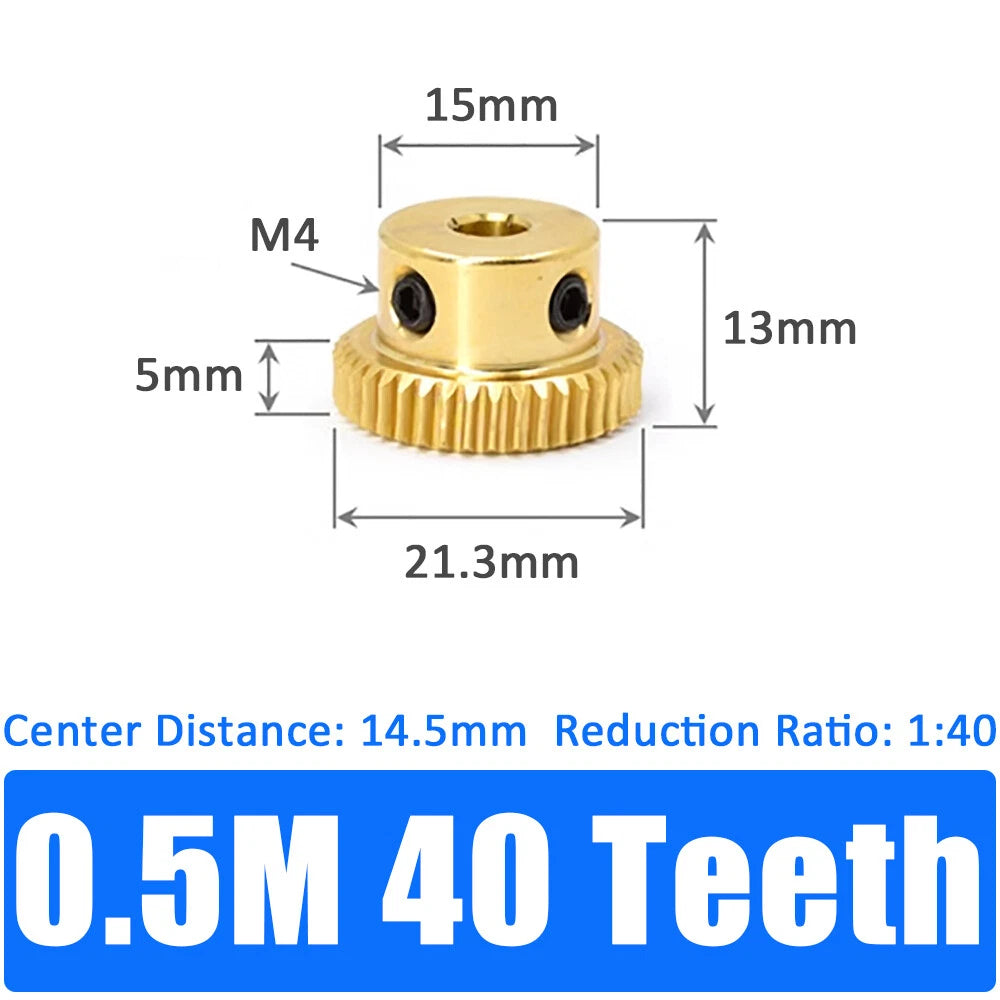
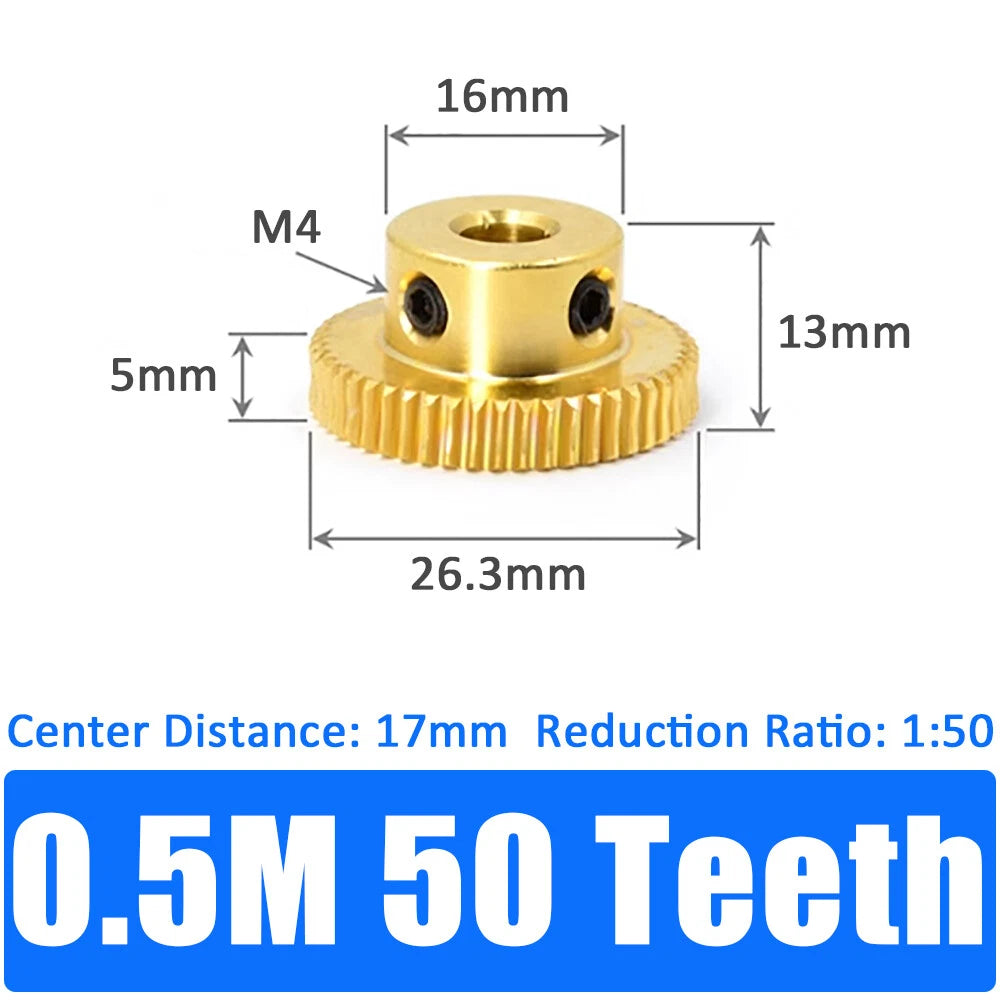
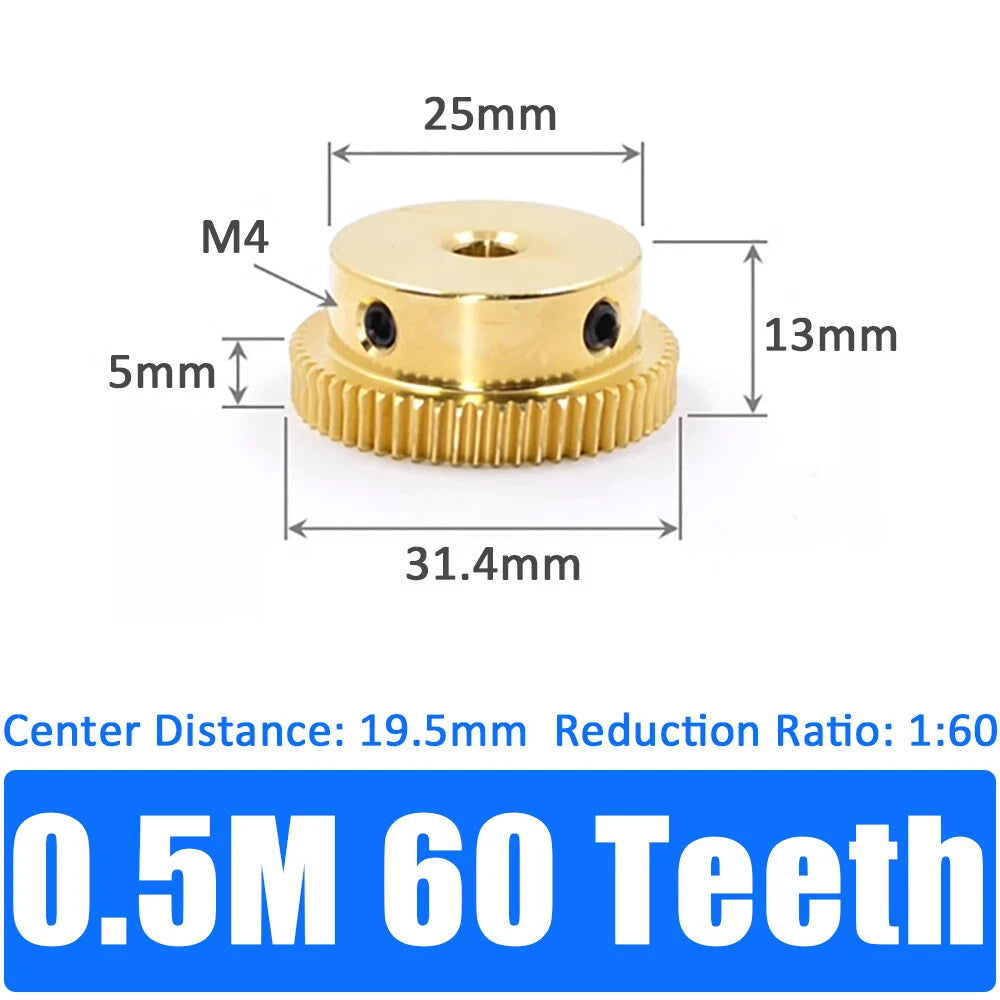
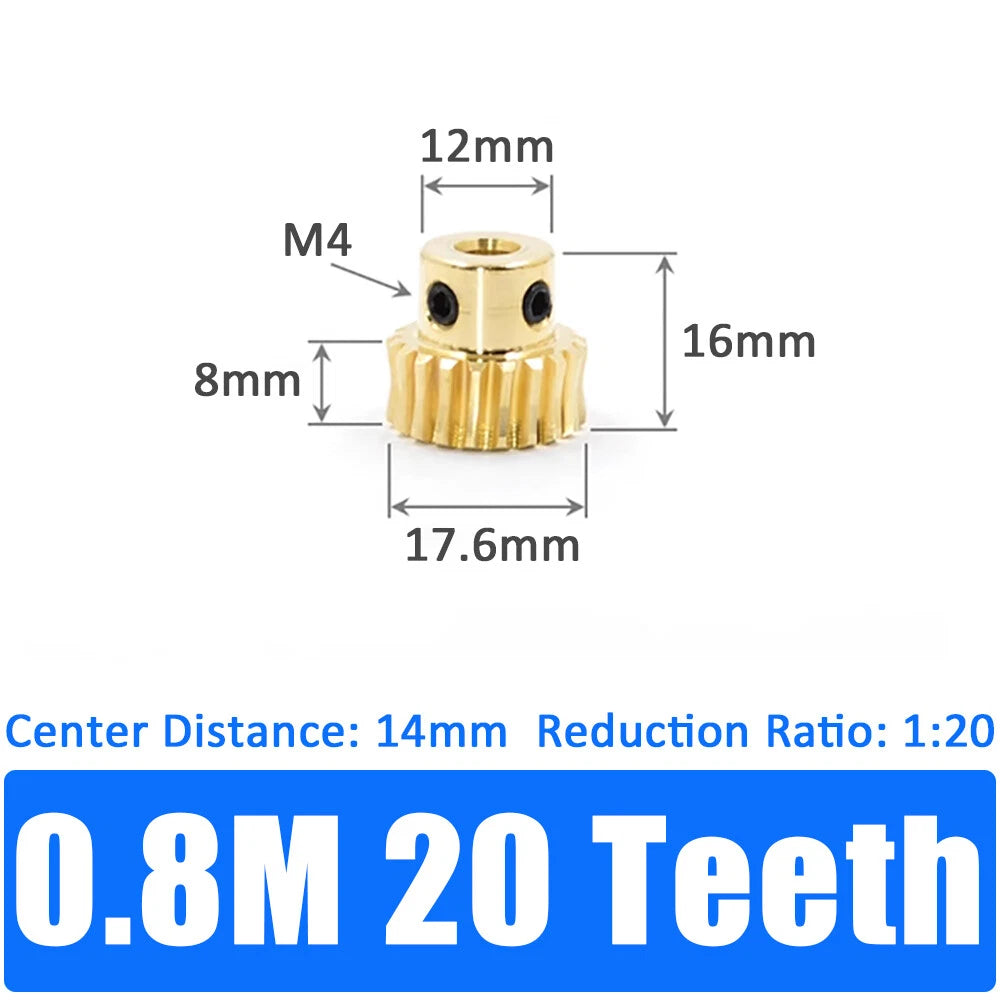
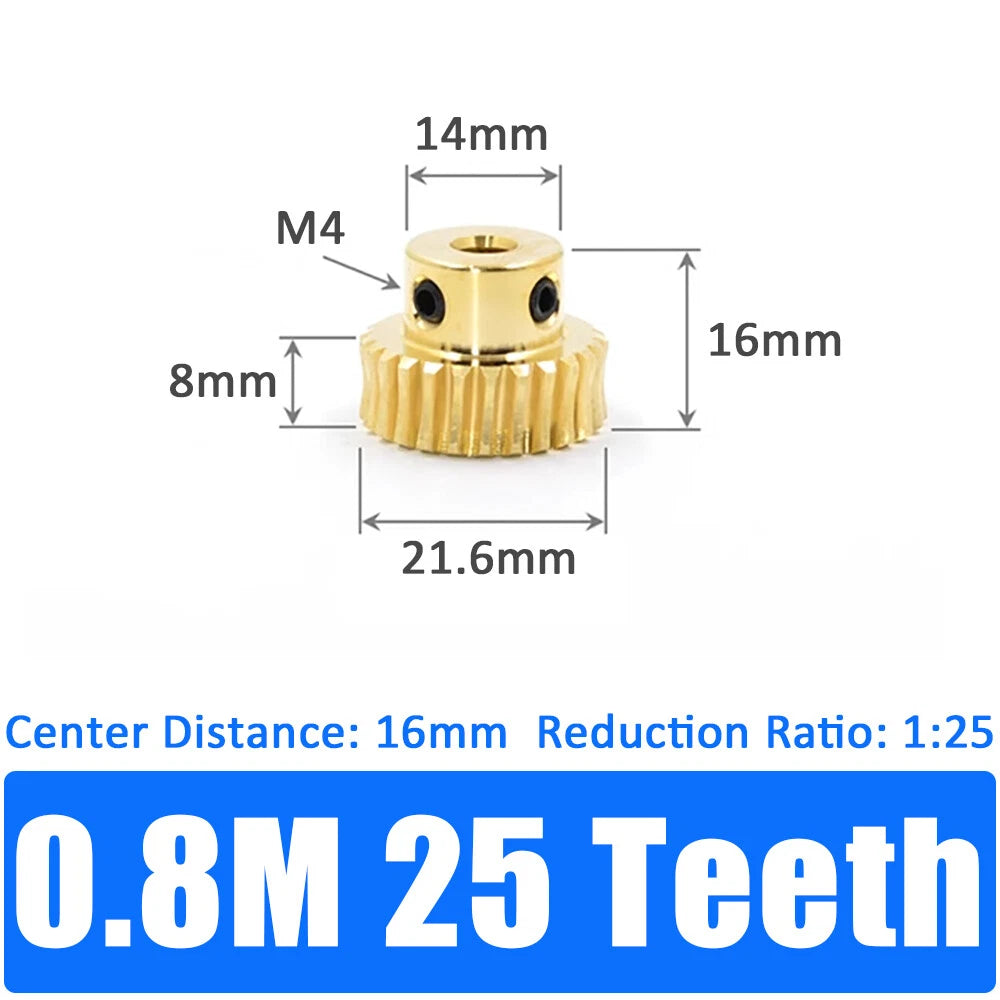
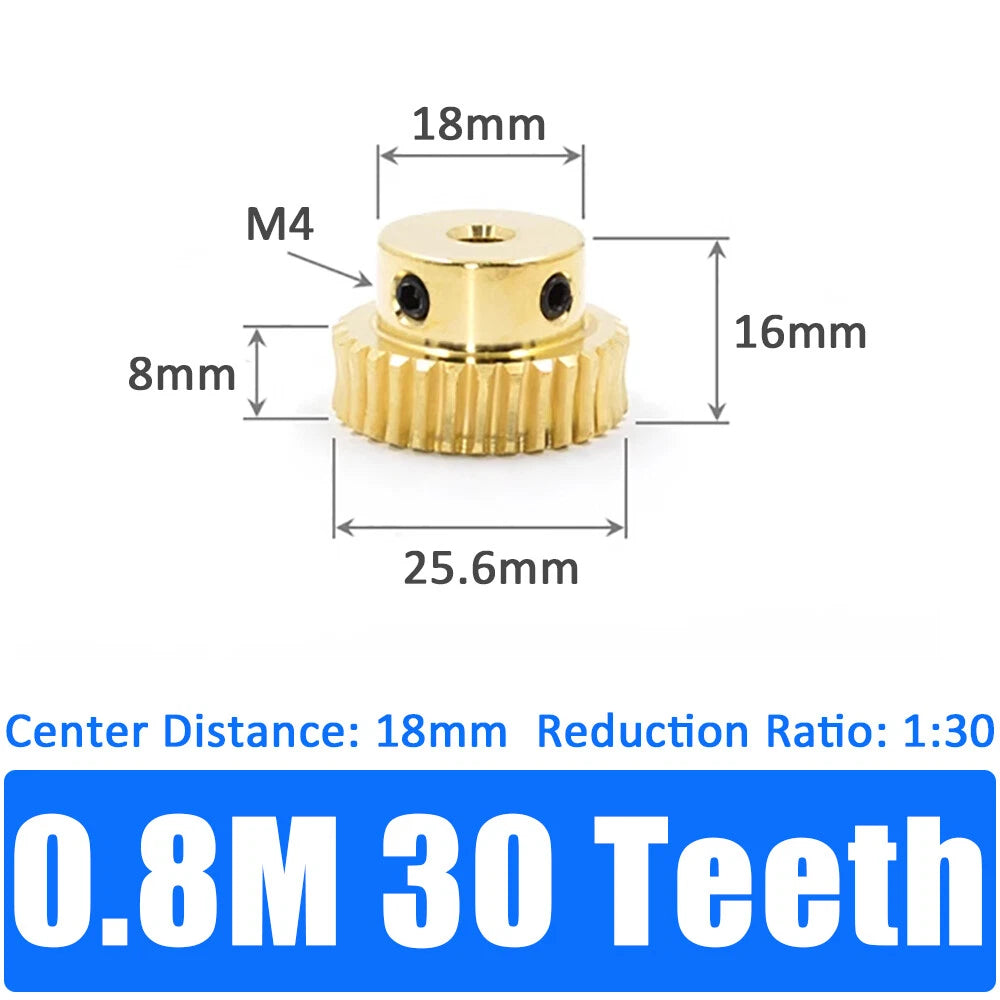
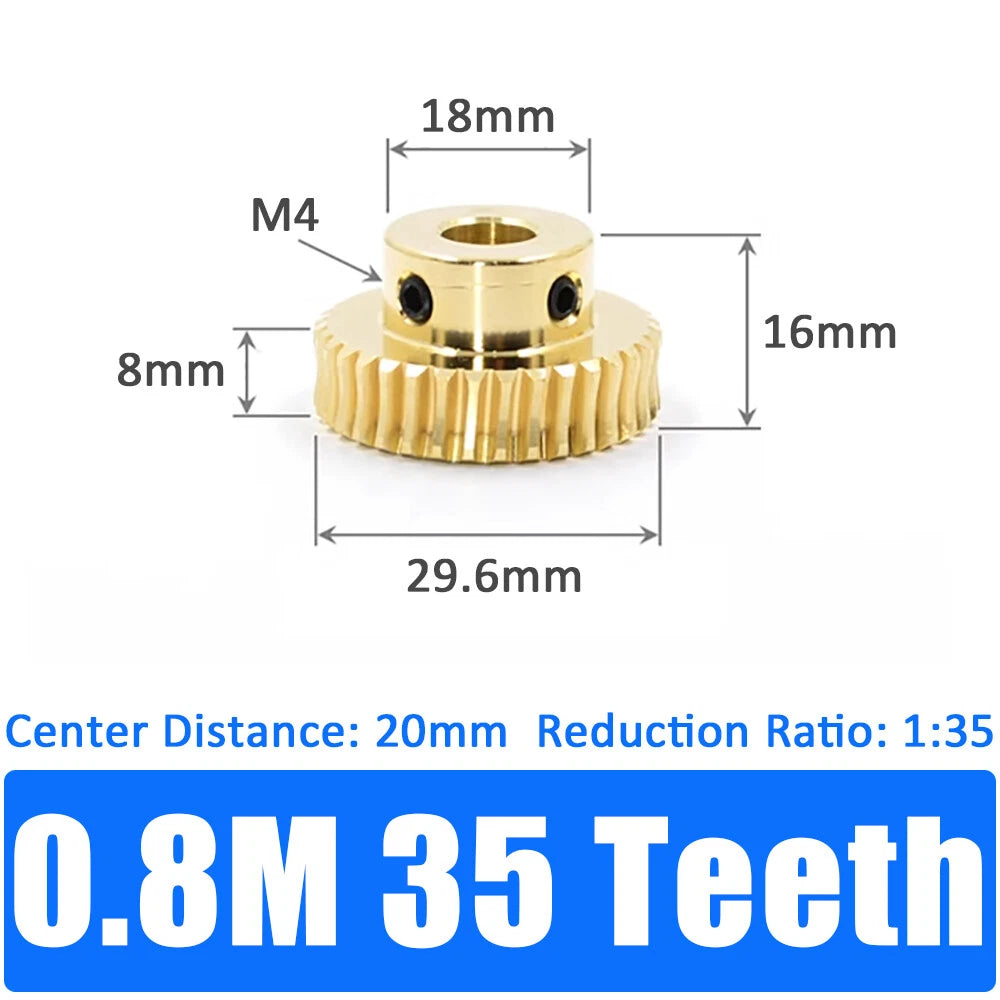
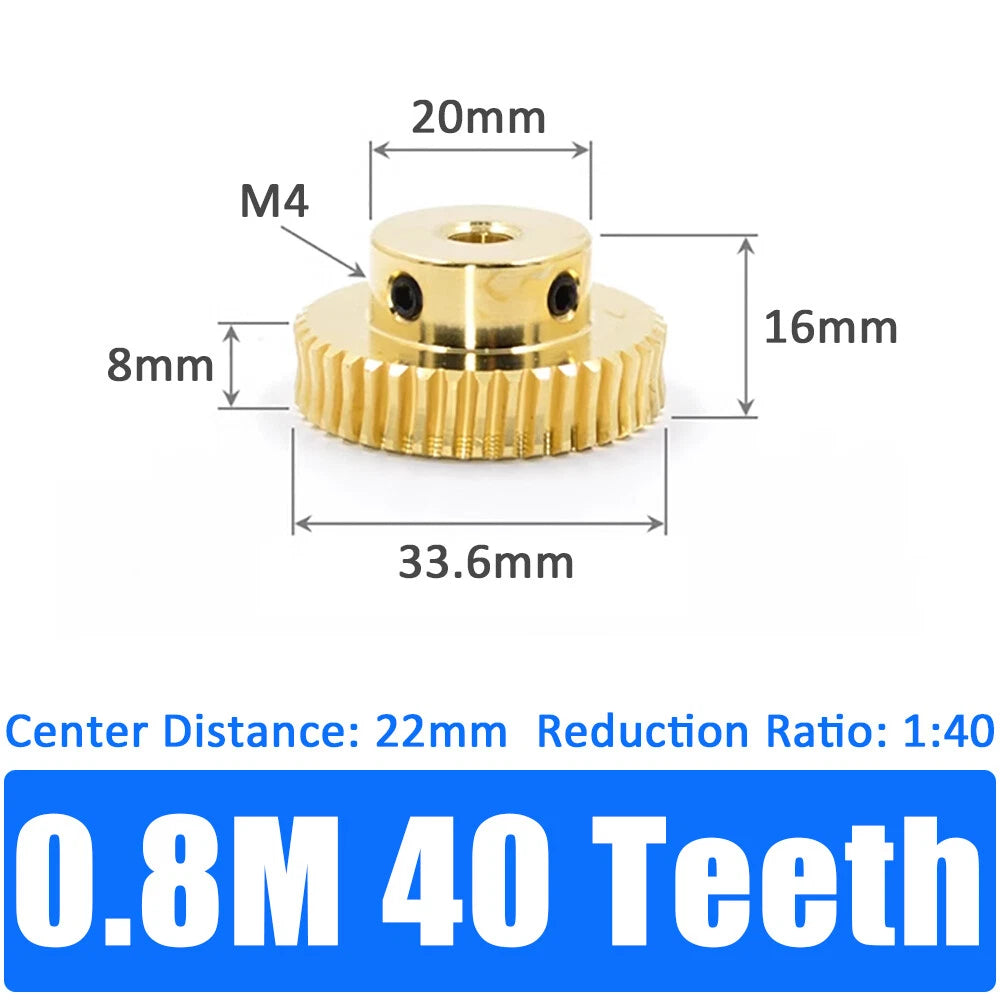
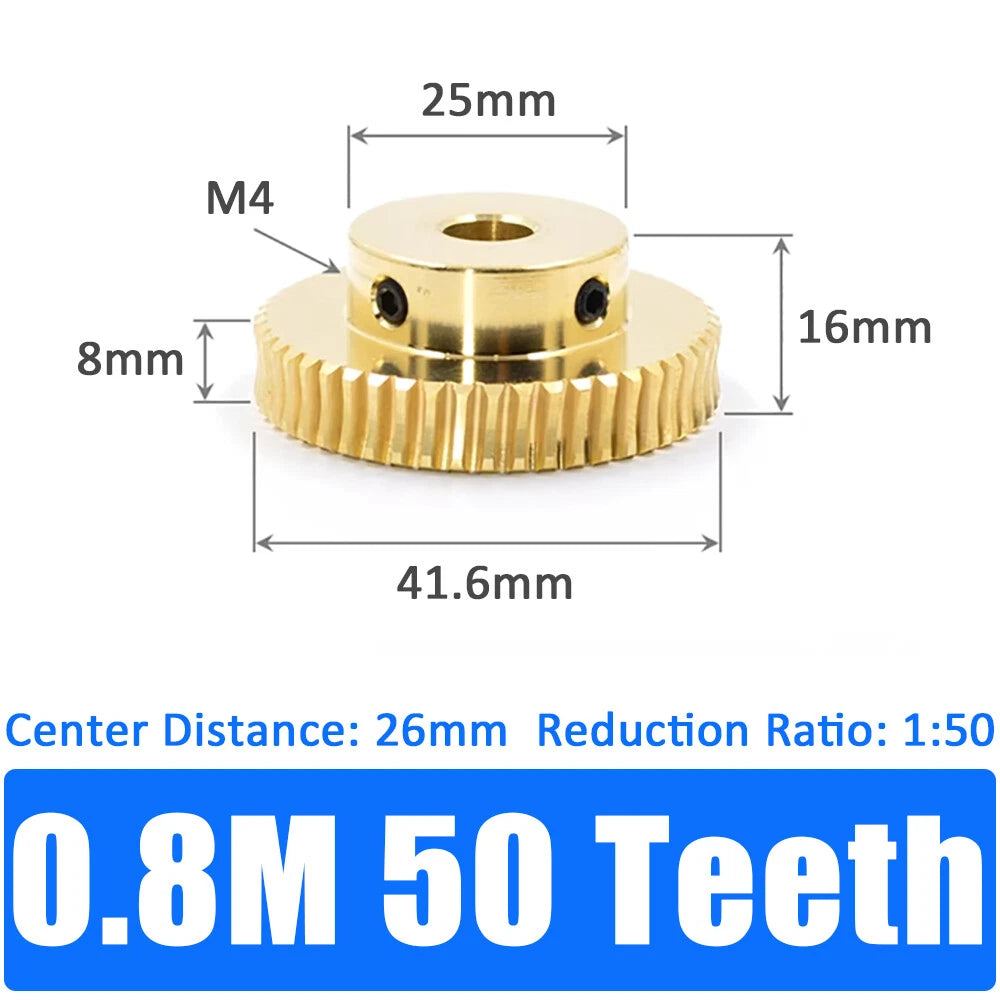
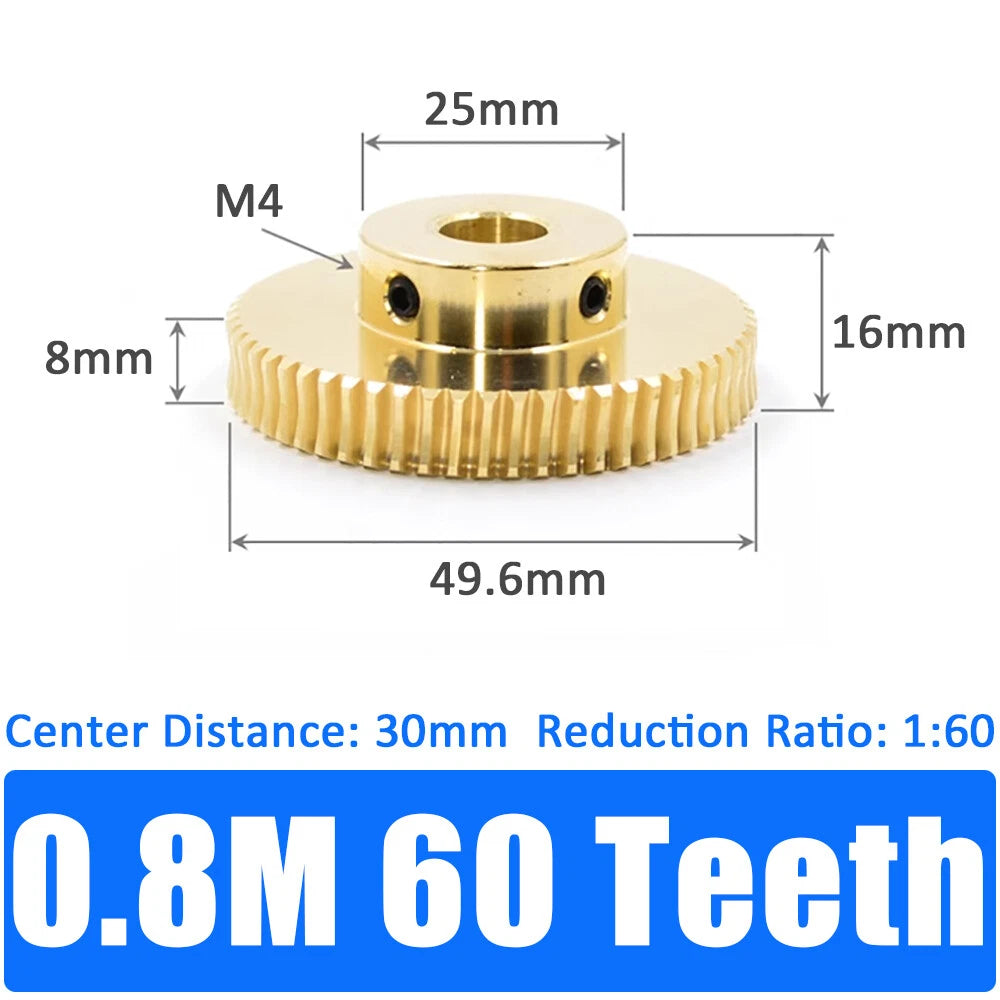
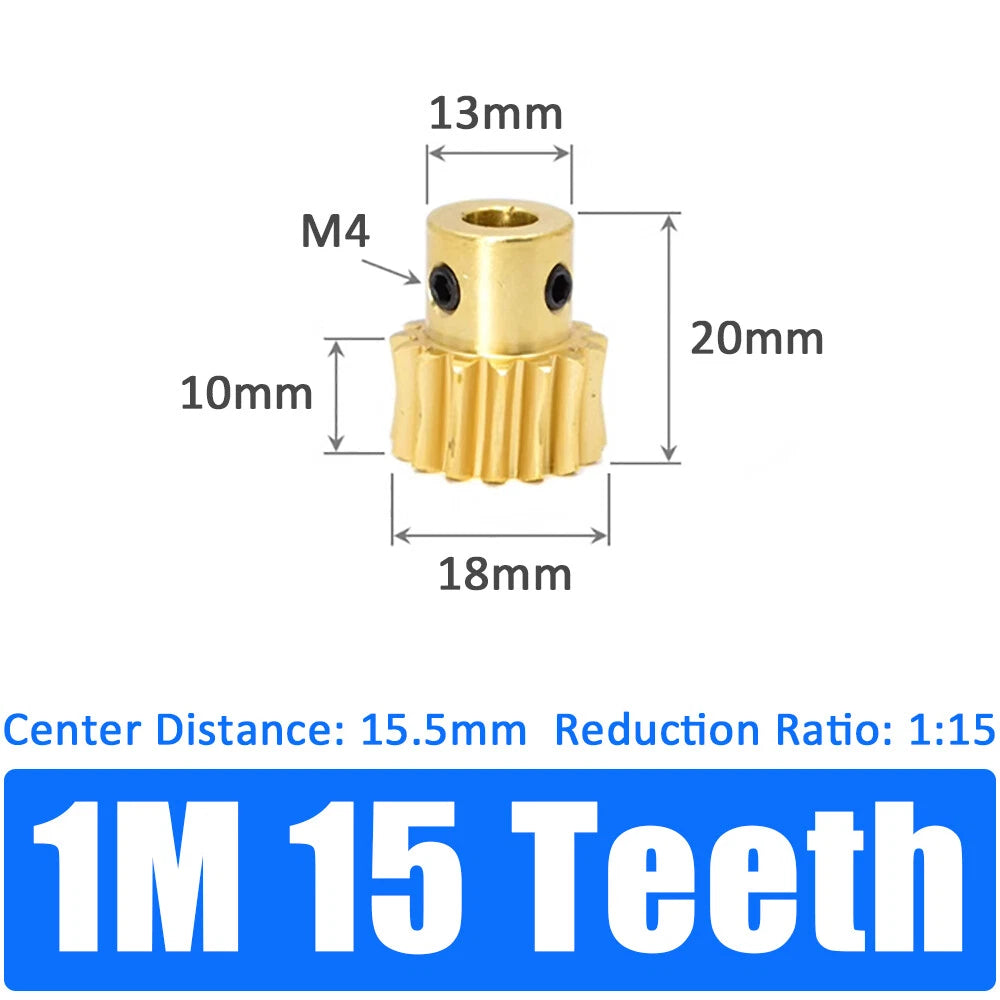
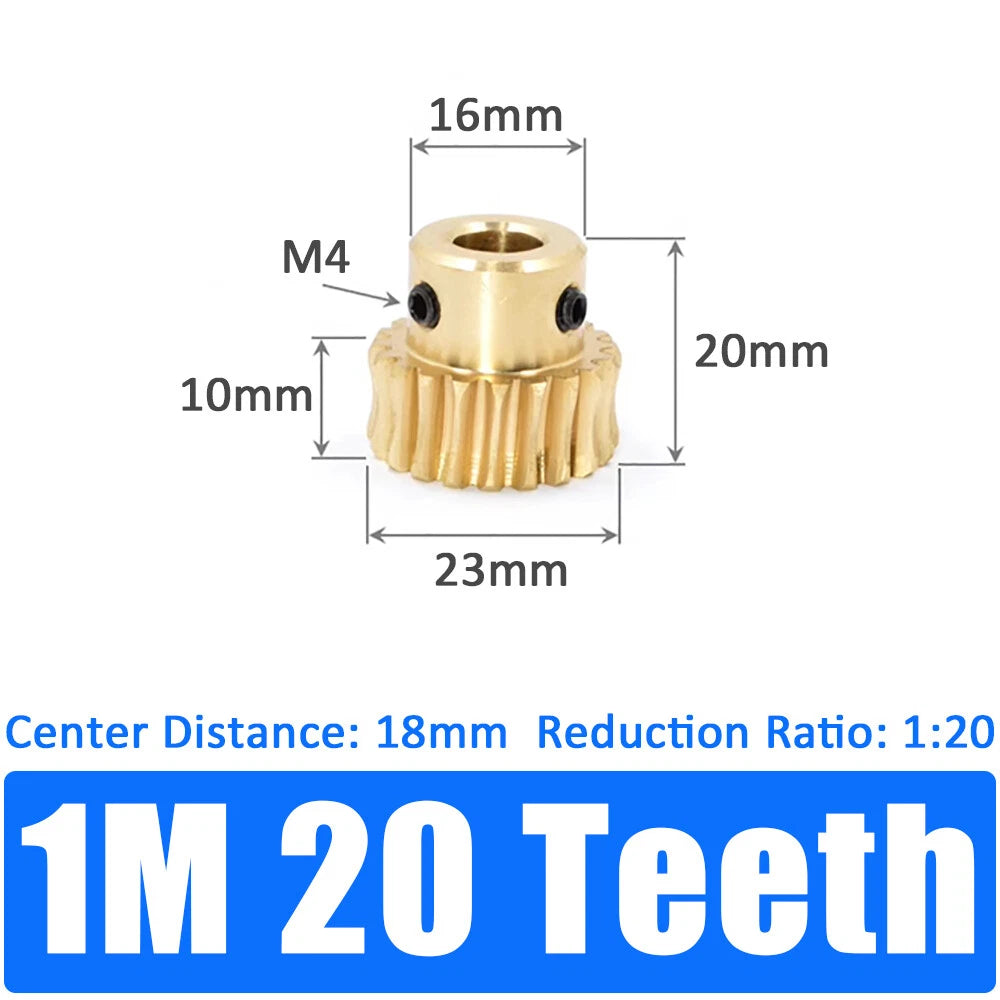
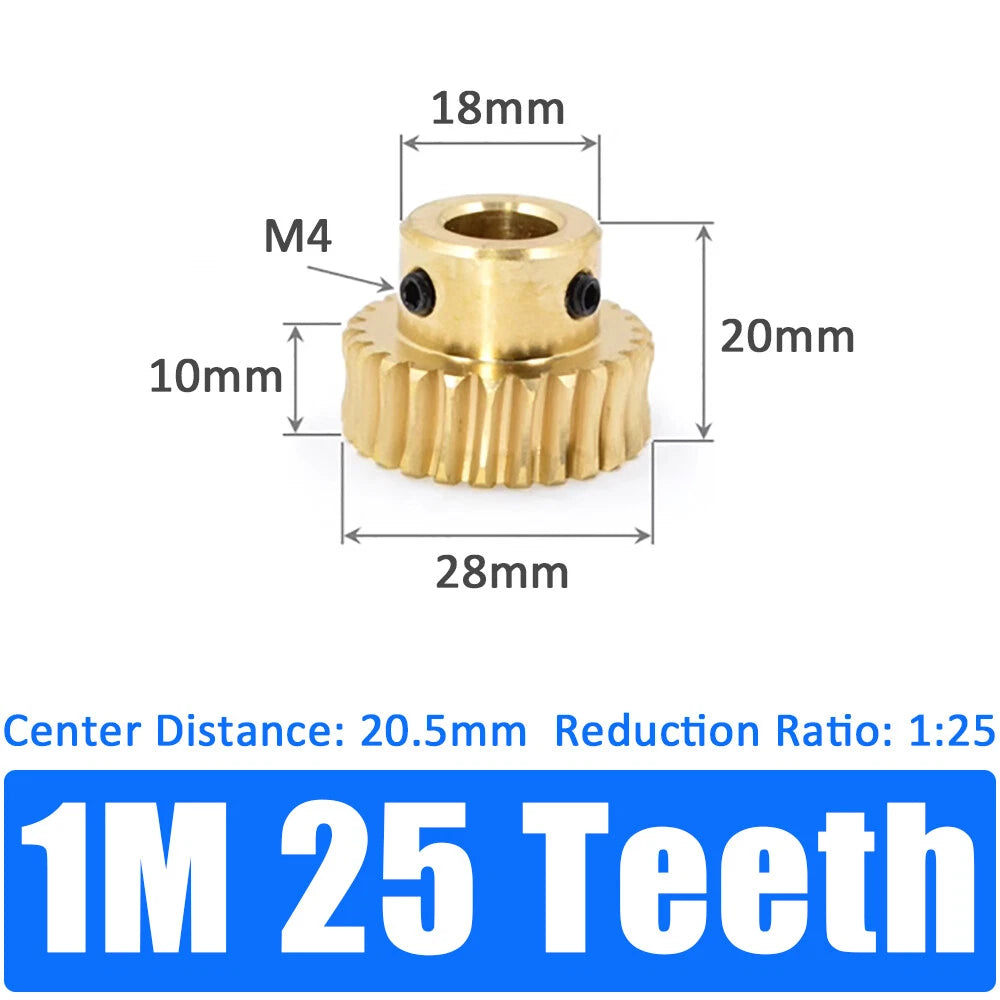
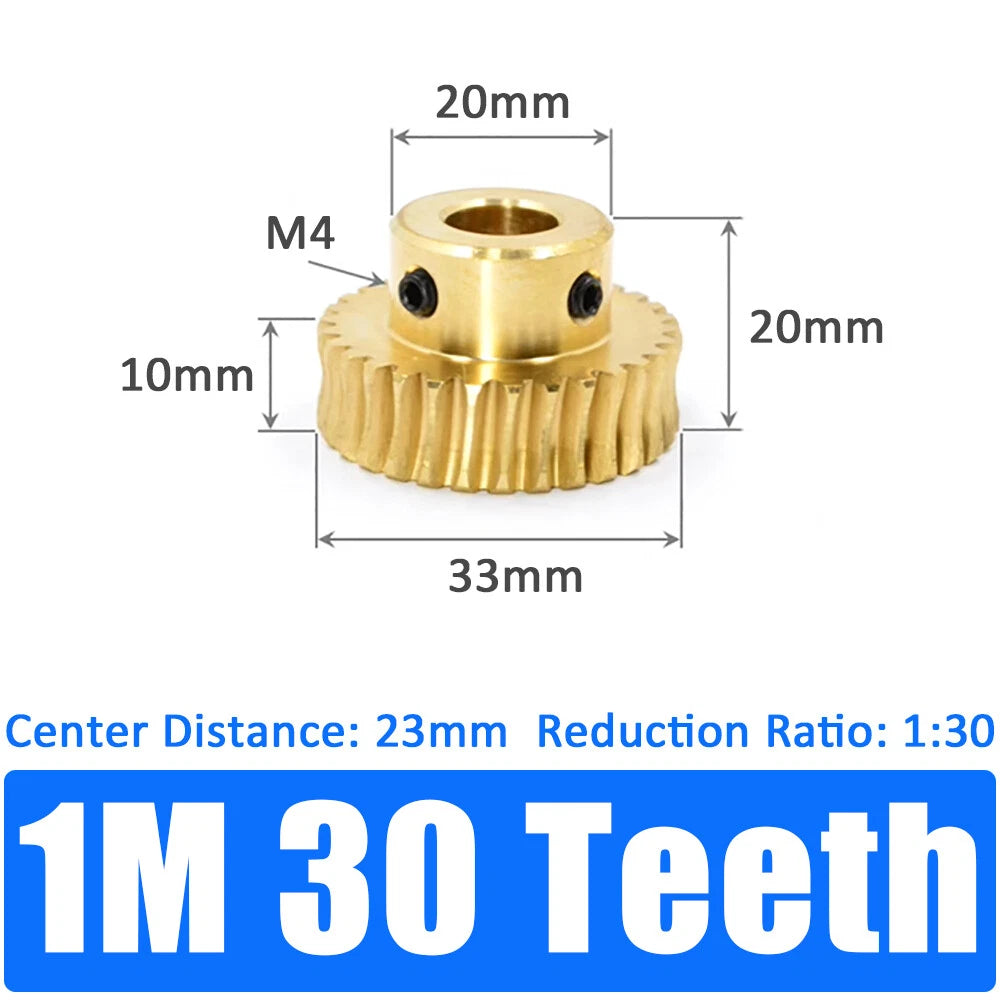
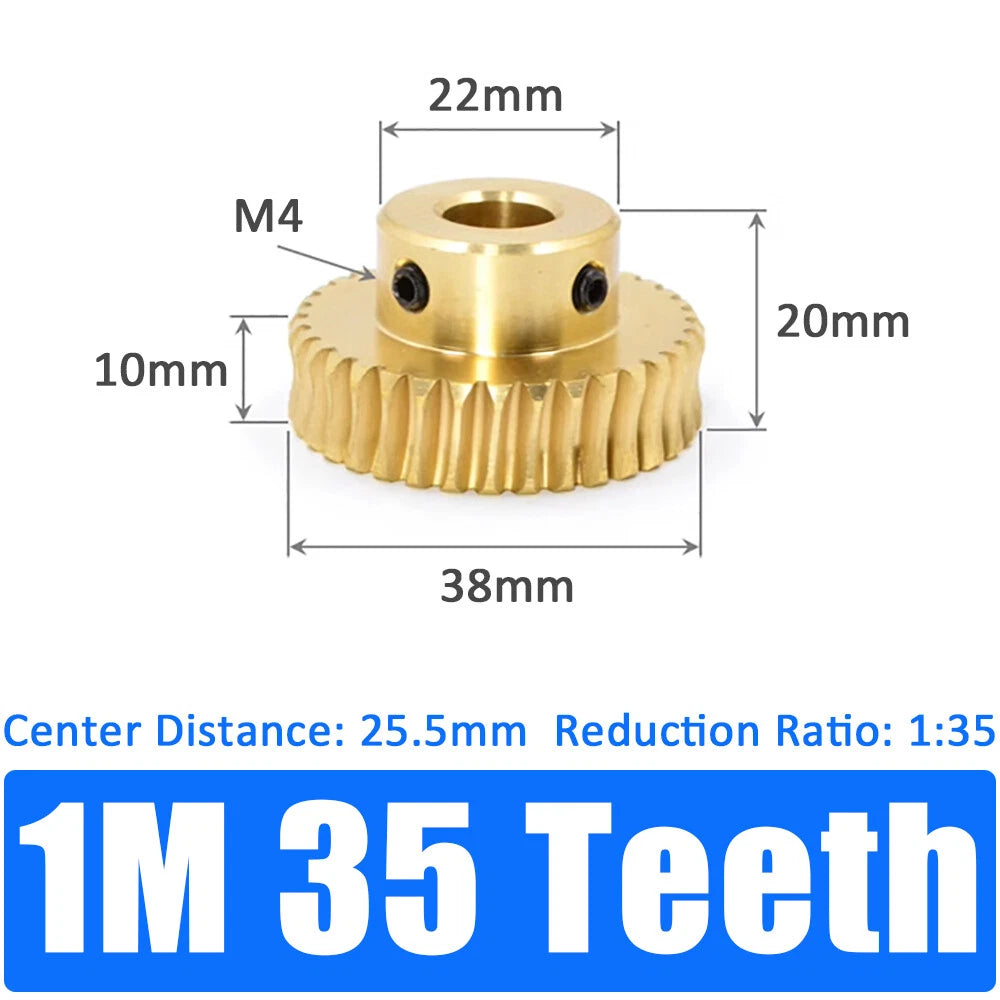
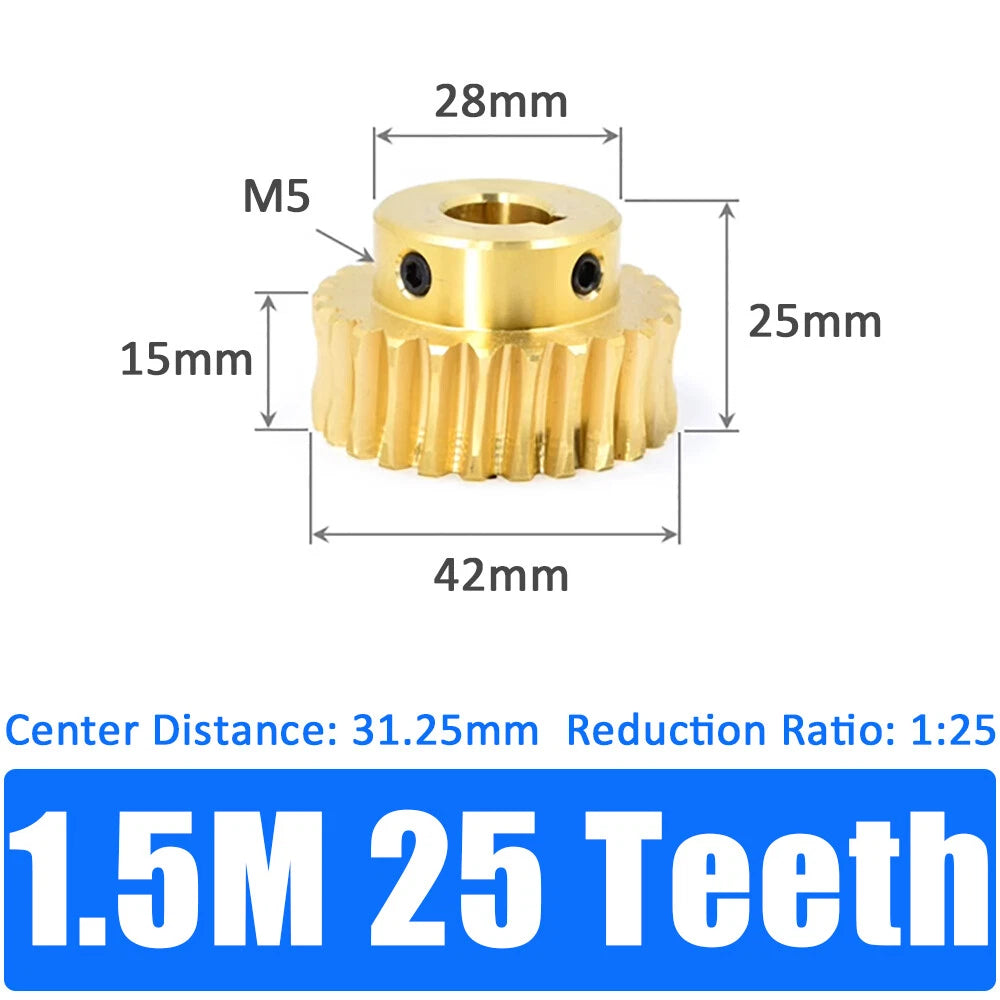
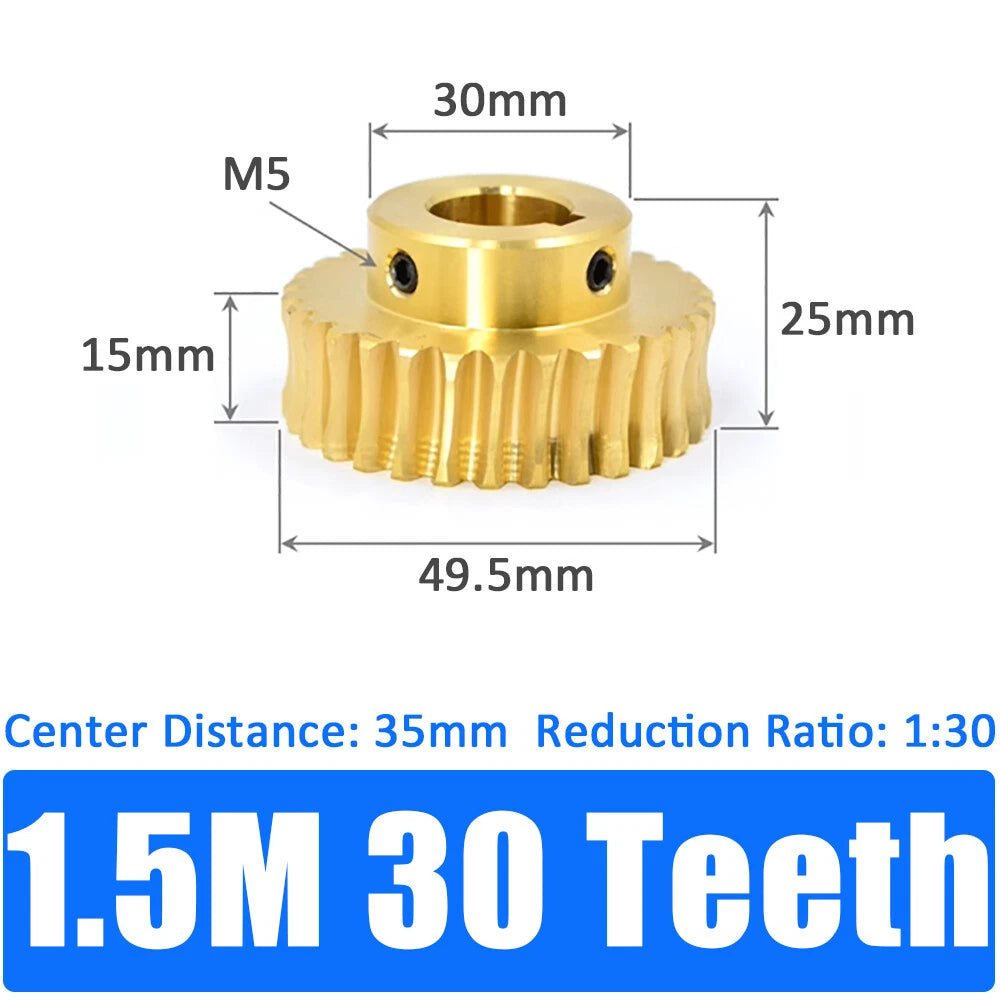
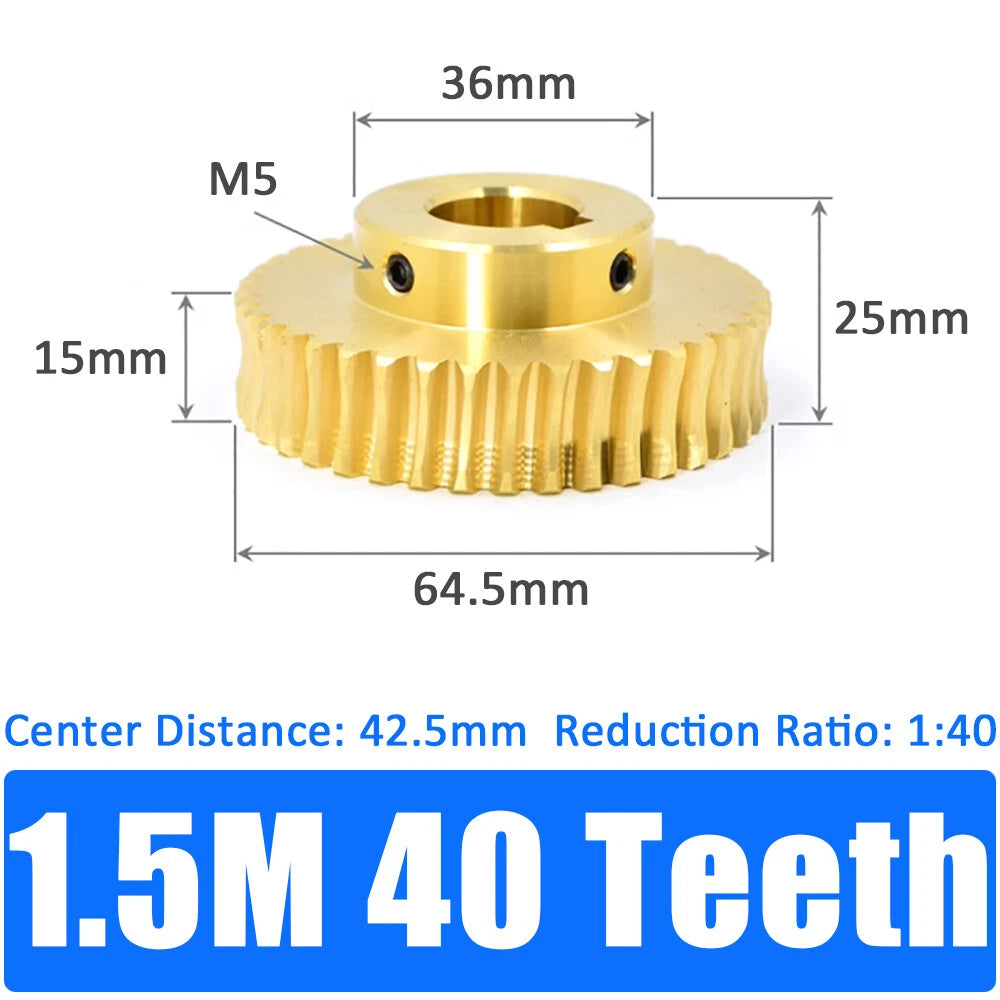
0.5/0.8/1/1.5 Module, 20 to 60 Teeth, Brass Worm Wheel Gear Shaft Hole 4mm-12mm

No reviews

Price:
Sale price$14.55 USD
Stock:
In stock (500 units), ready to be shipped

Payment & Security

Ach Direct Debit Amazon American Express Apple Pay Bancontact BLIK Diners Club Discover EPS Google Pay iDEAL Wero JCB Maestro Mastercard Multibanco MobilePay PayPal Przelewy24 Shop Pay Twint Union Pay USDC Visa

Your payment information is processed securely. We do not store credit card details nor have access to your credit card information.

Limited Offer — Spend More, Save More
Spend $55+
Save $5
Spend $100+
Save $10
Spend $200+
Save $25
HomeDIYer DIY Expert Support

DIY Expert Support

Get fitment advice & recommendations

Mon–Fri  8:30 AM – 8:00 PM
24-Hour Fast Ship
Arrives in 3–14 Days
Worldwide Shipping
30-Day Returns
1 tree planted with every purchase

Description

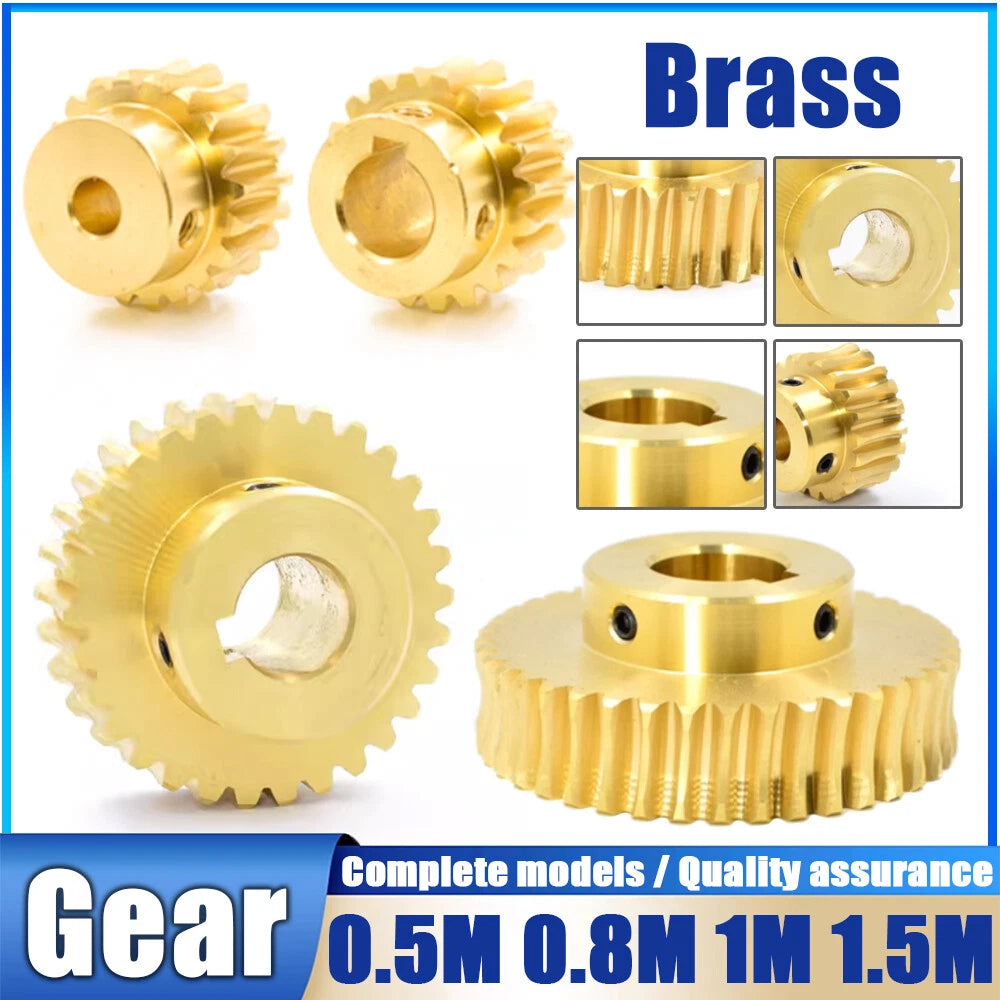
Brass Worm Wheel Gear — Precision Drive Component for Robotics & Automation

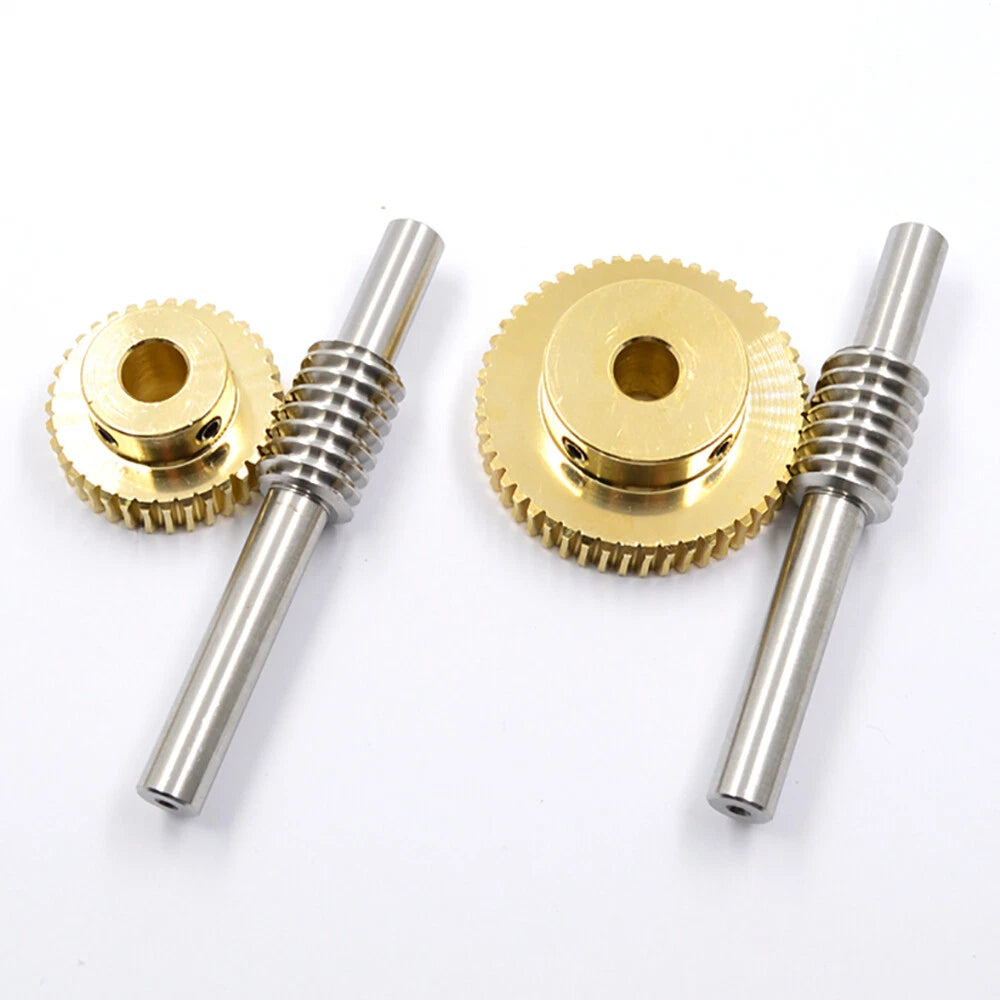
When your motion-control project demands reliable torque transfer in a compact footprint, finding a brass worm wheel gear that matches your exact module, tooth count, and bore diameter can be frustrating. These brass worm wheel gears are engineered for makers, robotics builders, and small-batch automation designers who need dimensionally consistent, drop-in-ready worm gear wheels without custom machining.

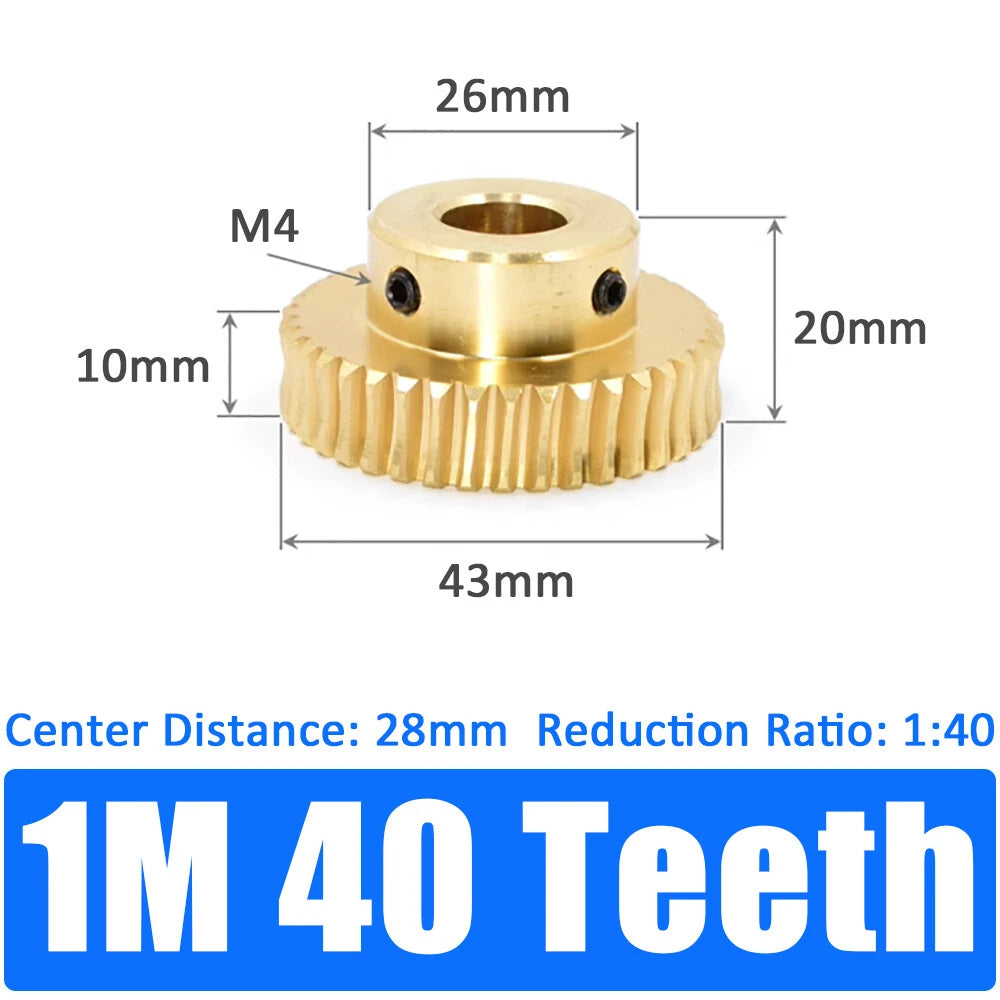
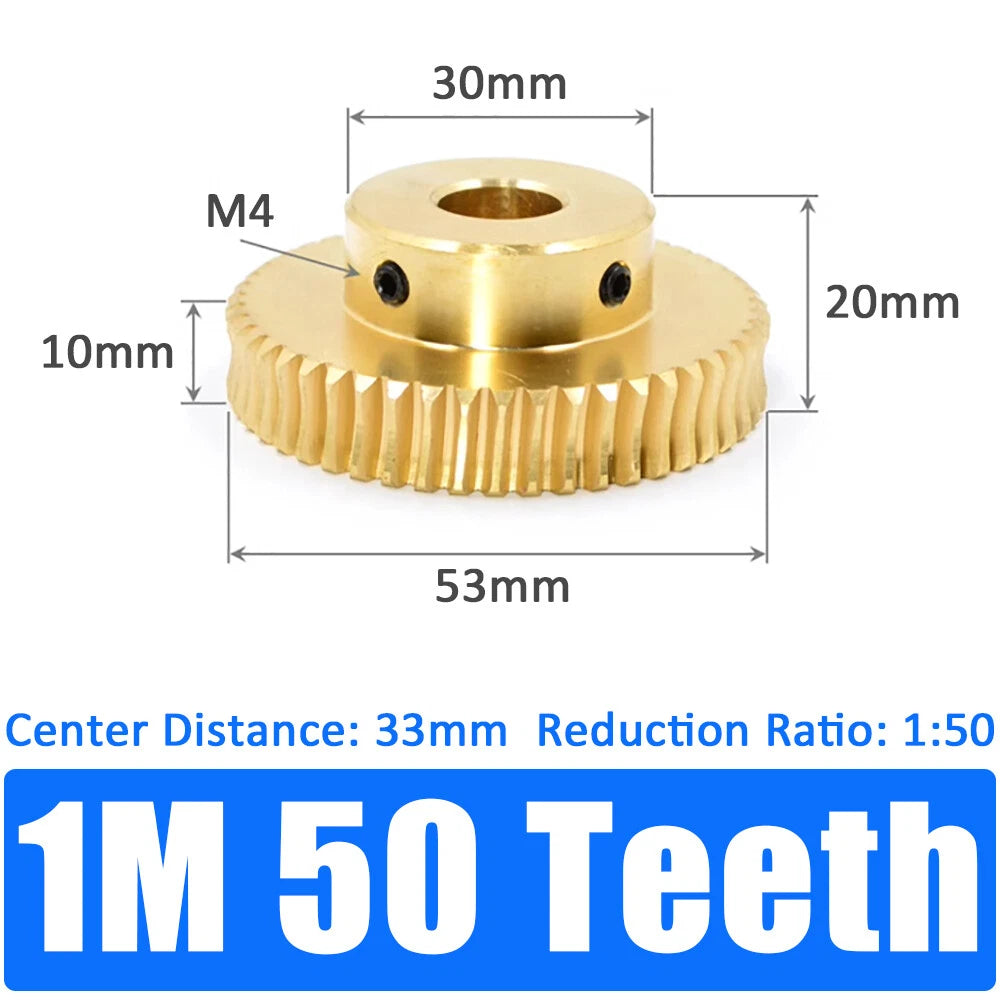
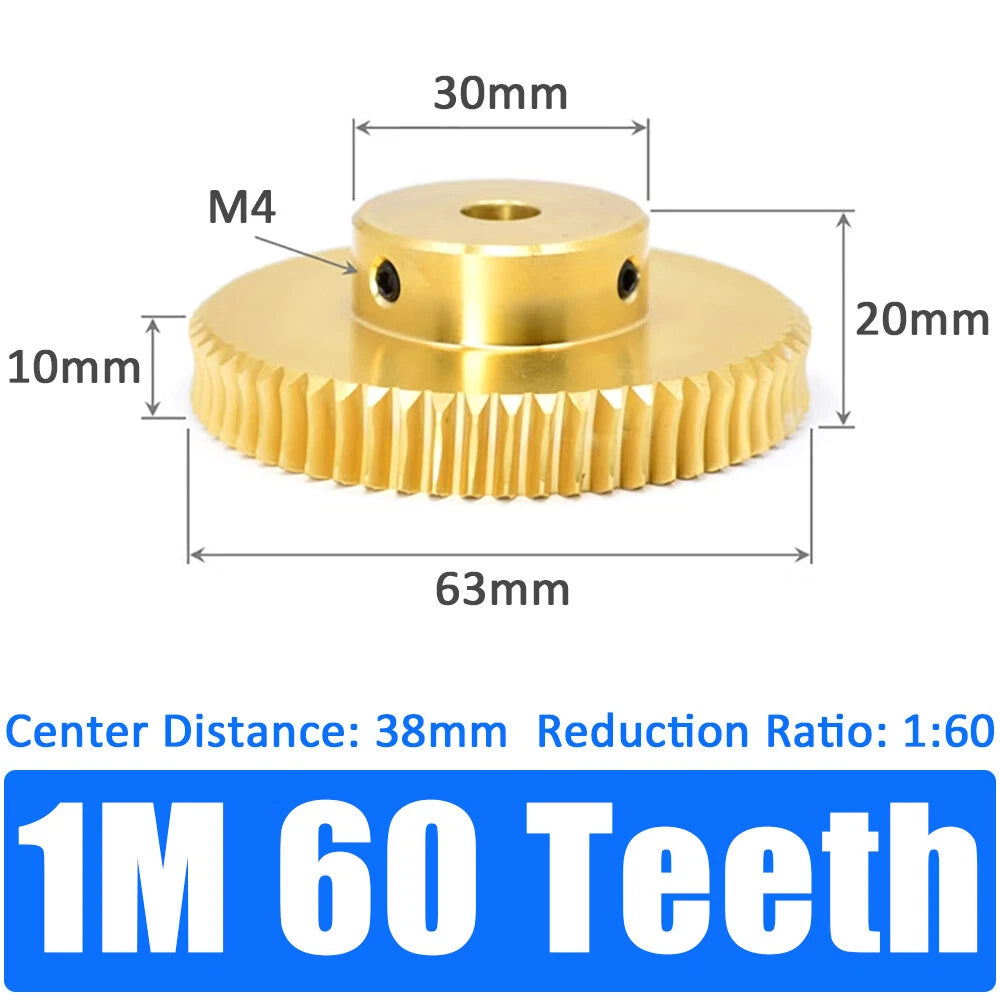
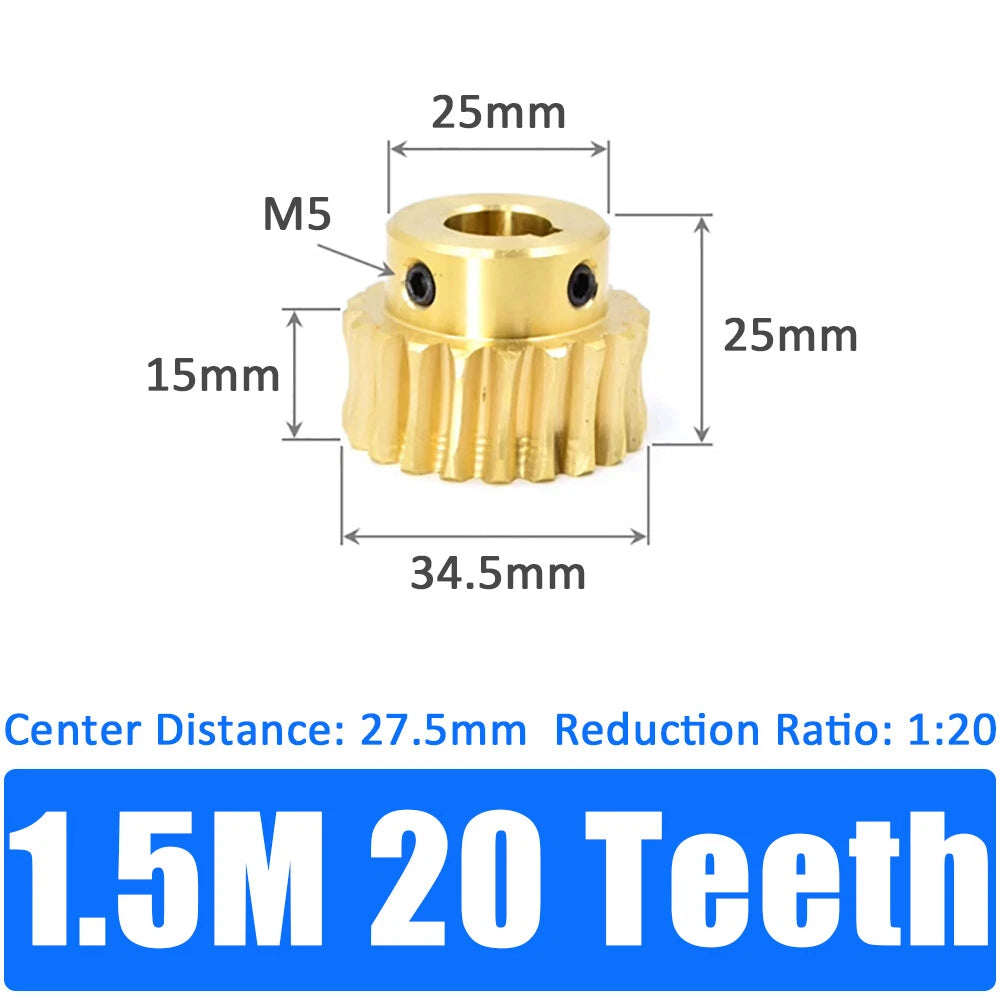
Each worm gear wheel is machined from solid brass, offering a combination of low friction against steel worm shafts, natural corrosion resistance, and excellent machinability for further bore finishing. Available in four modules — 0.5M, 0.8M, 1M, and 1.5M — with tooth counts from 20 to 60 and bore diameters ranging from 4 mm (0.16 in) to 20 mm (0.79 in), covering the most common shaft sizes used in hobby and light-industrial drives.

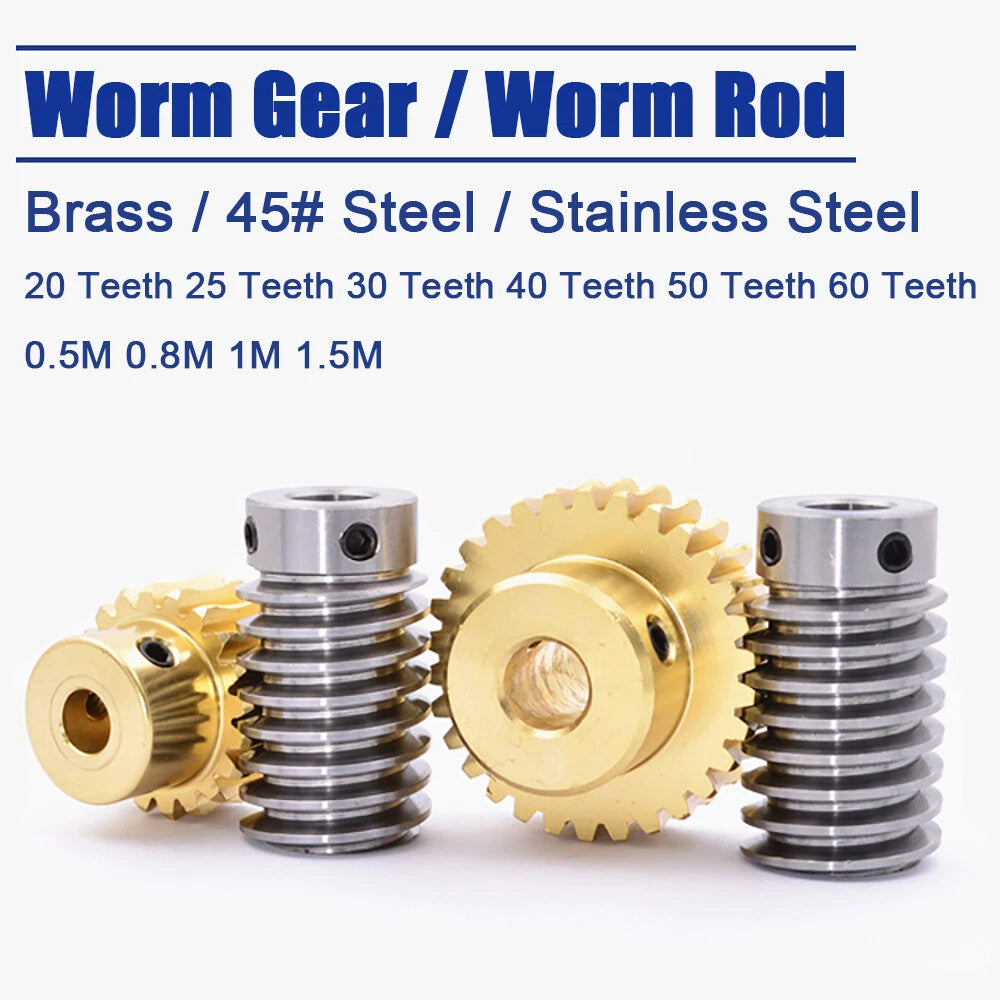
Typical applications include DIY worm gear reducer assemblies for 3D printer extruder drives, compact robotic joint actuators requiring high gear ratios, and small conveyor or indexing table drives where a self-locking worm gear set is needed to hold position without a brake.

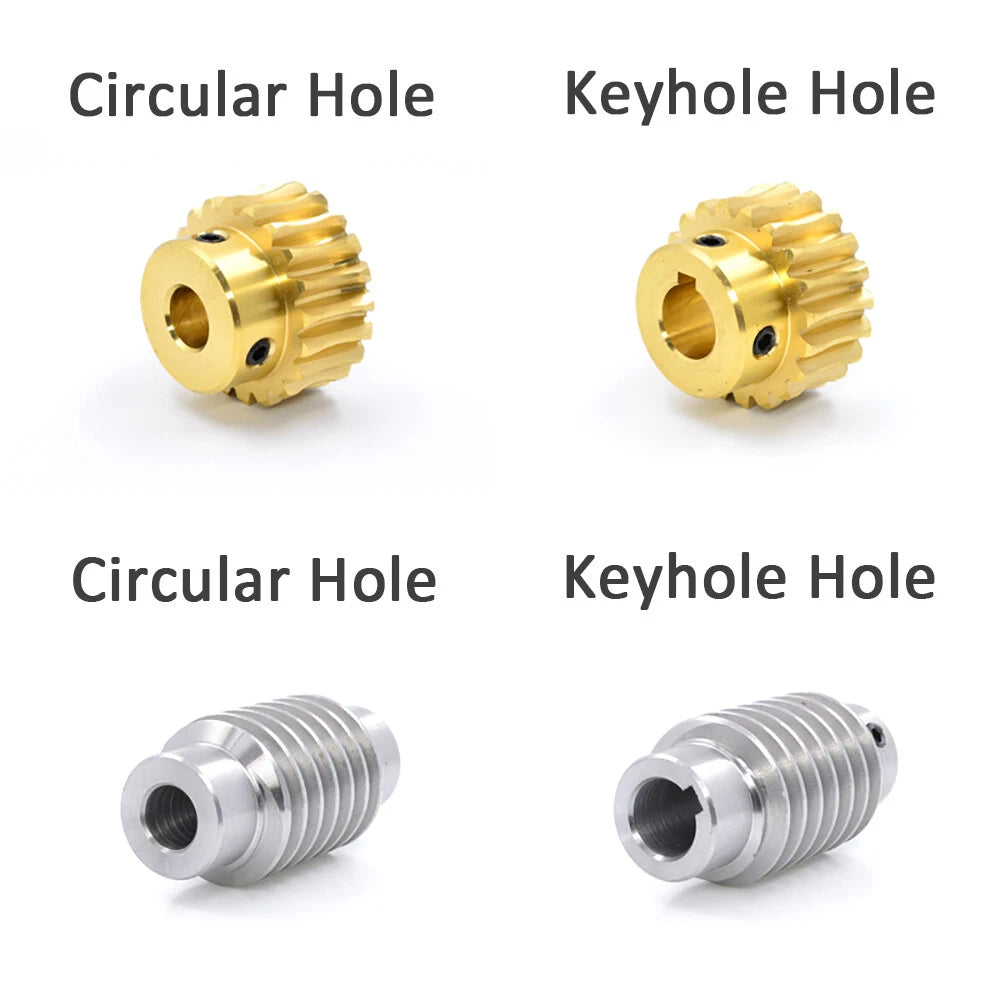
⚙️ Compatibility: Designed to mesh with matching-module single-start or multi-start steel worm shafts. Verify module (0.5M / 0.8M / 1M / 1.5M) and center distance before ordering. Bore sizes with keyway specs (e.g., 12mm 4×1.8mm, 14mm 5×2.3mm) are noted in variant options.

✅ Key Features of These Brass Worm Wheel Gears

🔩 Solid Brass Construction

Machined from brass for low-friction meshing against steel worm shafts, reducing wear and heat buildup in continuous-duty applications.

📐 Wide Module & Tooth Range

Four module sizes (0.5M, 0.8M, 1M, 1.5M) and tooth counts from 20 to 60 let you dial in the exact gear ratio your drive requires.

🕳️ Multiple Bore Options

Bore diameters from 4 mm to 20 mm — including keyway variants (4×1.8 mm, 5×2.3 mm, 6×2.8 mm) — accommodate a broad range of motor and shaft sizes.

🔒 Self-Locking Capability

Low lead-angle worm gear sets provide inherent back-drive resistance, holding load position without additional braking hardware in many configurations.

🛡️ Corrosion-Resistant Material

Brass resists oxidation in typical indoor and light-outdoor environments, making these worm wheels suitable for long-term installations without surface treatment.

🔧 Machinable for Custom Fit

Brass is easy to re-bore, ream, or key on a lathe, allowing precise shaft-fit customization when standard bore sizes are close but not exact.

📐 Technical Specifications — Brass Worm Wheel Gear

Material Brass
Module 0.5M / 0.8M / 1M / 1.5M
Tooth Count 20, 25, 30, 35, 40, 50, 60 (varies by module)
Bore Diameter 4 mm / 5 mm / 6 mm / 8 mm / 10 mm / 12 mm / 14 mm / 15 mm / 16 mm / 18 mm / 20 mm
Keyway Options 4×1.8 mm / 5×2.3 mm / 6×2.8 mm (see variant options)
Pressure Angle See variant options
Outer Diameter See variant options
Face Width See variant options
Gear Type Worm Wheel (Worm Gear)
Finish Natural brass (uncoated)
Quantity per Order 1 piece

❓ Frequently Asked Questions

How do I choose the right module for my worm gear set?

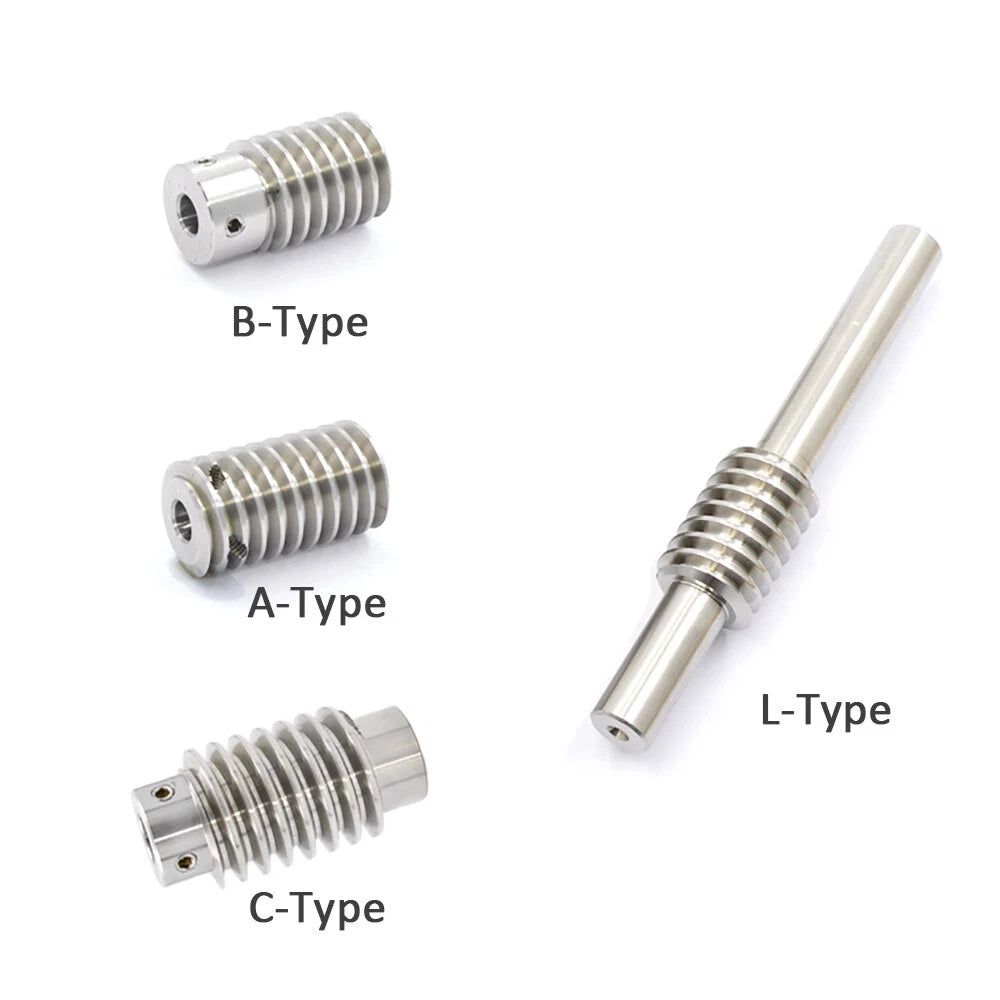
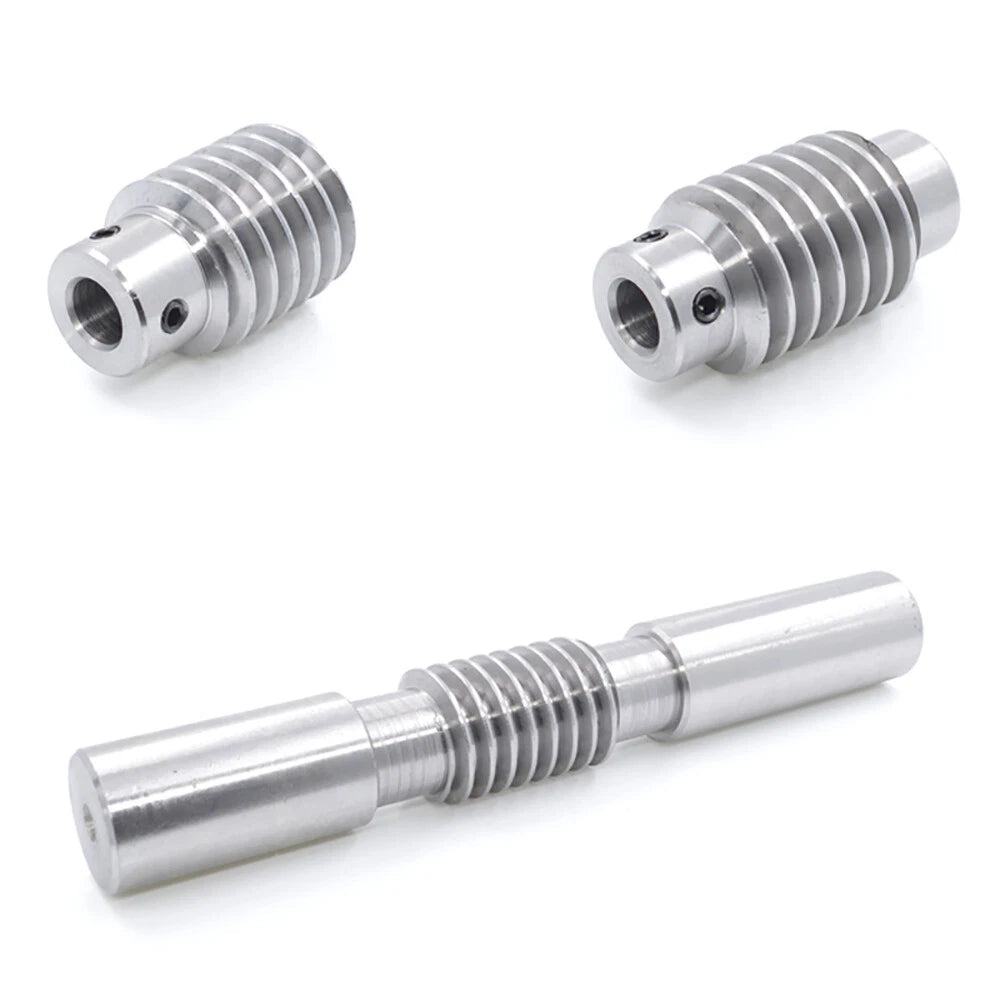
The module must match between the worm shaft and the worm wheel. Common pairings: 0.5M for miniature drives (e.g., small robotics), 0.8M for light-duty automation, 1M for general-purpose reducers, and 1.5M for heavier torque applications. Check your worm shaft's module specification before selecting.

What gear ratio can I achieve with these worm wheels?

The gear ratio equals the number of teeth on the worm wheel divided by the number of starts on the worm shaft. For example, a 40-tooth worm wheel paired with a single-start worm gives a 40:1 ratio. Multi-start worms reduce the ratio proportionally.

Are these worm gears self-locking?

Self-locking behavior depends on the lead angle and friction coefficient. Low-module, high-tooth-count combinations with a single-start worm typically exhibit self-locking, meaning the load cannot back-drive the worm. This is useful for holding position without a brake. Verify with your specific worm shaft lead angle.

Will brass worm wheels corrode or wear out quickly?

Brass is naturally corrosion-resistant in typical indoor environments and is the standard material for worm wheels because it provides low friction against steel worm shafts. With proper lubrication (light gear oil or grease), brass worm wheels offer long service life in moderate-duty applications.

How do I select the correct bore diameter and keyway?

Measure your motor or gearbox output shaft diameter. Select the bore size that matches or is slightly larger (for reaming). If your shaft has a key, choose a variant with the matching keyway spec — for example, a 12 mm bore with a 4×1.8 mm keyway fits a standard 12 mm keyed shaft. Plain bore variants can be keyed by a machinist.

Can I use these worm wheels with aluminum or plastic worm shafts?

These brass worm wheels are designed to mesh with steel worm shafts for optimal wear characteristics. Pairing with aluminum worm shafts is possible for very light-duty or low-cycle applications, but expect accelerated wear on the softer aluminum. Plastic worm shafts are not recommended for continuous-duty use with brass wheels.

What lubrication should I use for brass worm gears?

Use a light gear oil (ISO VG 68–150) or a lithium-based grease rated for worm gear applications. Avoid dry running — even a thin film of lubricant significantly reduces friction and extends gear life. Re-lubricate periodically based on duty cycle and operating temperature.

🛒 Select your module, tooth count, bore diameter, and quantity above, then add to cart.

You may also like

Recently viewed