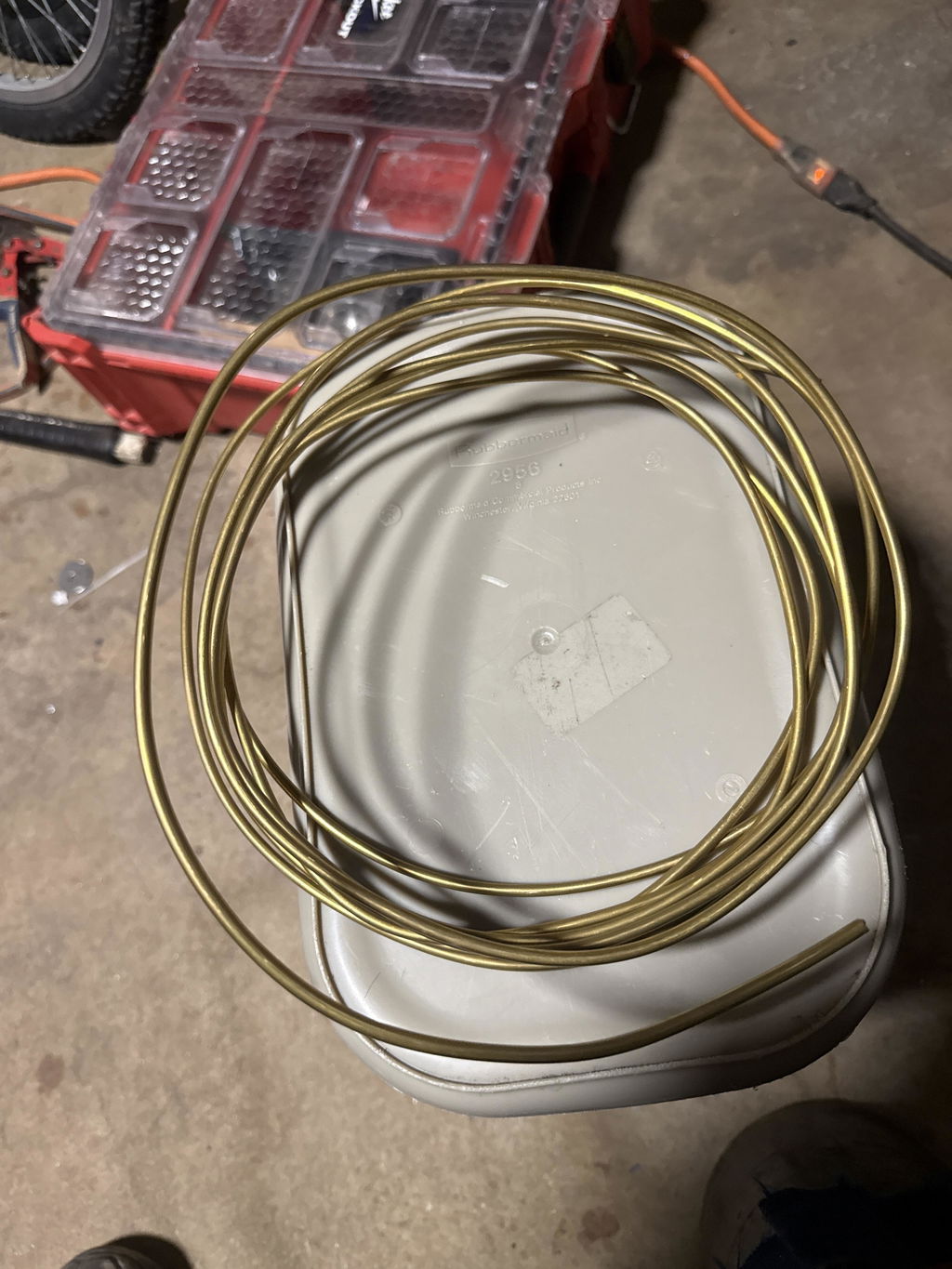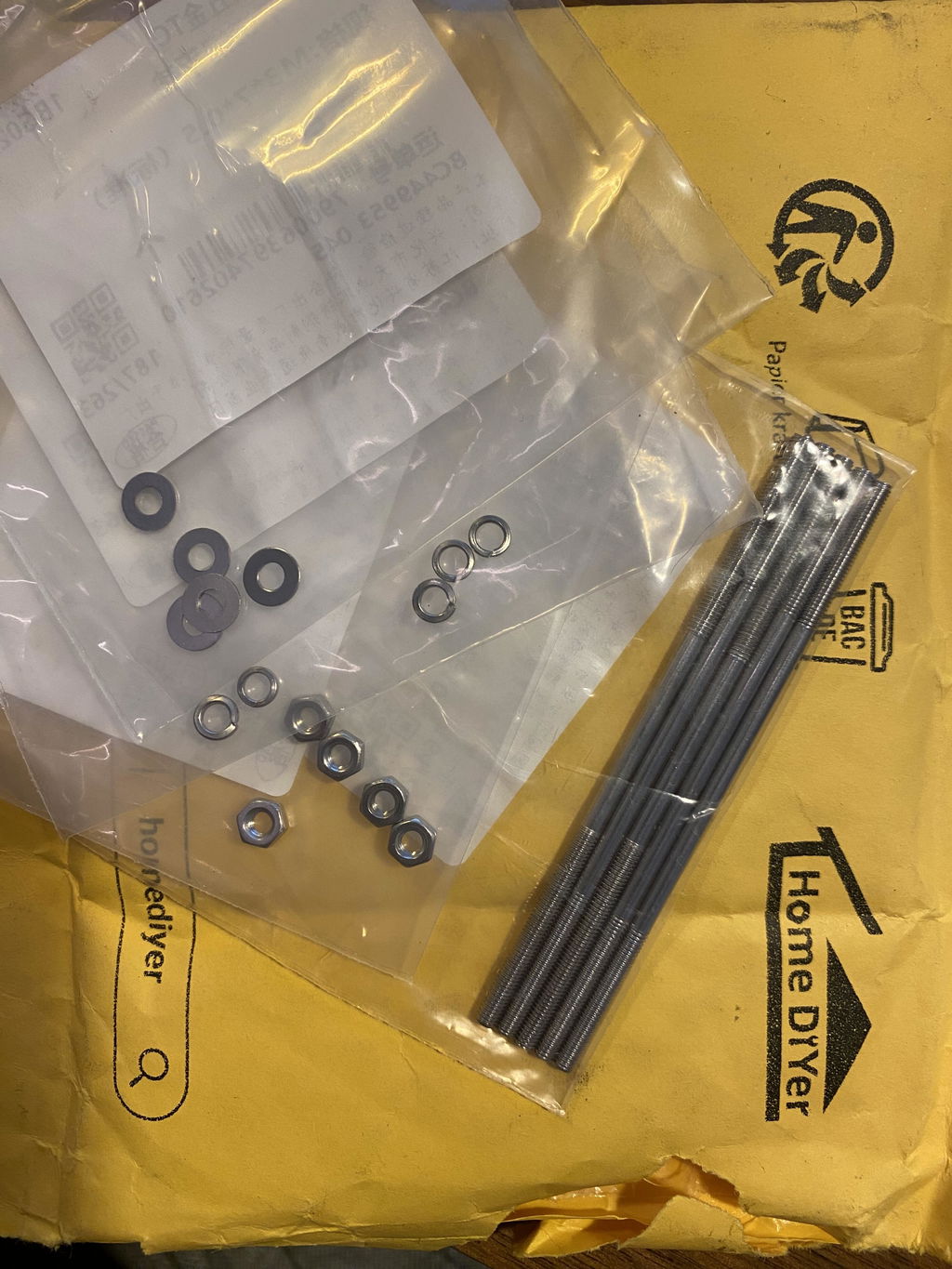
The chain is fine...but I ordered the wrong size. Nine links of the chain I ordered equals six of the size I wanted. My error...
How can I straighten out the springs? I can't use them coil uo as is.
Your payment information is processed securely. We do not store credit card details nor have access to your credit card information.
Get fitment advice & recommendations
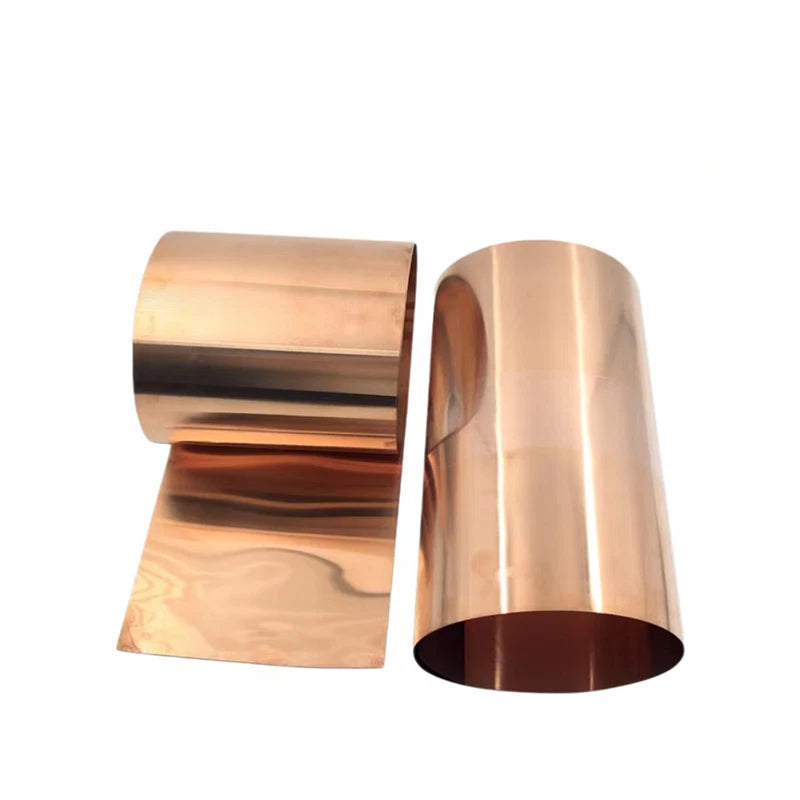
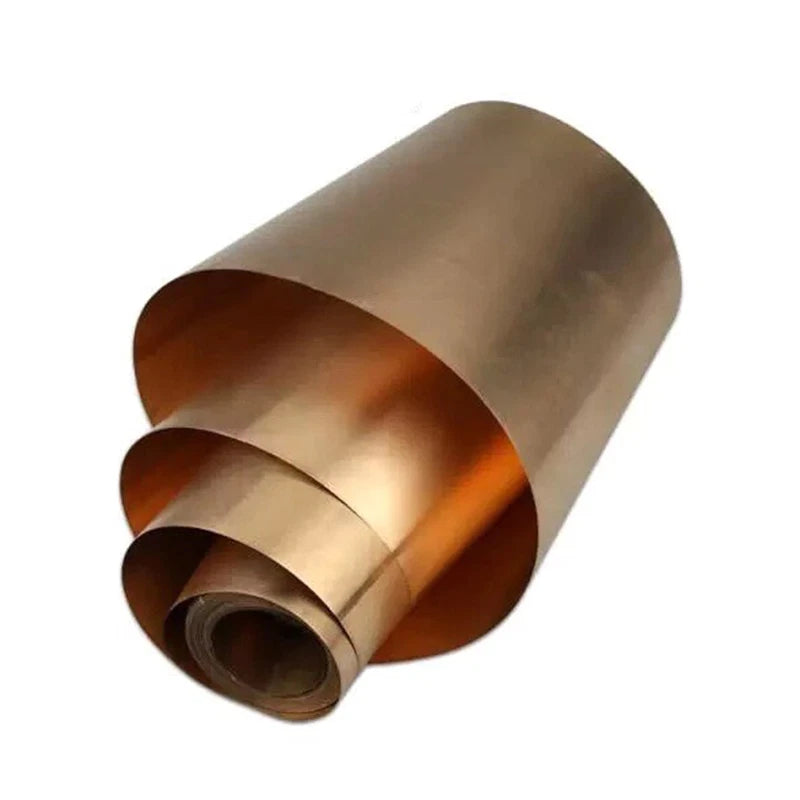
Engineers, machinists, and electronics fabricators who need ultra-thin, dimensionally stable metal sheet stock know the frustration of sourcing material that holds tolerance under load and resists fatigue over thousands of cycles. C17200 beryllium copper alloy foil sheets are engineered for exactly those conditions — delivering the spring-like resilience and electrical conductivity that standard brass or phosphor bronze simply cannot match.
Each sheet is cut from C17200 (CuBe2) beryllium copper alloy, a material recognized for its exceptional combination of strength, conductivity, and corrosion resistance. Available in three planar sizes — 100×100 mm (~3.94×3.94 in), 100×200 mm (~3.94×7.87 in), and 200×200 mm (~7.87×7.87 in) — with thicknesses ranging from 0.2 mm to 1.0 mm (approximately 0.008 in to 0.039 in). Quantity options of 1, 2, 3, 5, 8, or 10 pieces per order allow you to buy exactly what your project requires.
Typical use cases include precision shim and spacer stock in mechanical assemblies, spring contact elements in electrical connectors and switches, EMI/RFI shielding foil in enclosures and PCB housings, and thin-wall tooling inserts for injection mold and die applications where beryllium copper's thermal conductivity accelerates cycle times.
| Alloy Designation | C17200 / CuBe2 (UNS C17200) |
|---|---|
| Material | Beryllium Copper Alloy |
| Sheet Dimensions (W × L) | 100×100 mm / 100×200 mm / 200×200 mm (see variant options) |
| Thickness Range | 0.2 mm – 1.0 mm (see variant options) |
| Thickness Tolerance | See variant options |
| Tensile Strength (aged) | Typically 1,100–1,400 MPa |
| Electrical Conductivity | Approx. 22–28% IACS |
| Thermal Conductivity | Approx. 105–130 W/(m·K) |
| Hardness | See variant options |
| Surface Finish | Mill finish (cold-rolled) |
| Quantity per Order | 1 / 2 / 3 / 5 / 8 / 10 pcs (see variant options) |
| Weight per Sheet | See variant options |
Thickness selection depends on the required spring force, deflection range, and available clearance in your assembly. For light-duty spring contacts and shim applications, 0.2–0.4 mm is typical. For structural shims and heavier spring elements, 0.5–1.0 mm provides greater load capacity. If you are unsure, start with a single piece of two candidate thicknesses to test fit and spring-back before committing to a larger quantity.
In the age-hardened condition, C17200 beryllium copper achieves tensile strengths of approximately 1,100–1,400 MPa — roughly two to three times that of common brass alloys (C26000 at ~340 MPa) and significantly higher than phosphor bronze (C51000 at ~550 MPa). This makes it the preferred choice when both high strength and good electrical conductivity are required simultaneously.
C17200 beryllium copper forms a stable oxide layer that provides good resistance to atmospheric corrosion, fresh water, and many mild chemical environments. It is not recommended for prolonged exposure to strong acids, ammonia-based compounds, or marine splash zones without additional protective coating. For most indoor industrial and electronics applications, no surface treatment is required.
Yes. C17200 beryllium copper in the solution-annealed (soft) condition machines and forms readily using standard CNC milling, EDM wire cutting, laser cutting, and progressive die stamping. Age-hardening after forming achieves final mechanical properties. Note: machining beryllium copper generates fine particles that require appropriate respiratory controls per OSHA and NIOSH guidelines — always follow applicable safety regulations when cutting or grinding this material.
C17200 beryllium copper is solderable with standard tin-lead or lead-free solders using rosin-based flux, and brazeable with silver-based filler alloys. Avoid fluxes containing ammonia or amines, which can cause stress-corrosion cracking. Spot welding and resistance welding are also feasible with appropriate electrode force and current settings.
For prototyping, the 100×100 mm size in a quantity of 1–2 pieces is the most economical starting point when your part footprint fits within that envelope. If your part requires a longer blank or you need to nest multiple parts, the 100×200 mm or 200×200 mm sheets offer more layout flexibility. The quantity selector (1, 2, 3, 5, 8, or 10 pcs) lets you order exactly what you need — no minimum order beyond a single piece.
The three sizes differ only in their planar dimensions — the alloy, thickness options, and material properties are identical across all sizes. Choose based on the largest flat dimension your part requires: 100×100 mm (~3.94×3.94 in) for compact components, 100×200 mm (~3.94×7.87 in) for elongated strips or multiple small parts, and 200×200 mm (~7.87×7.87 in) for larger blanks or higher nesting efficiency.