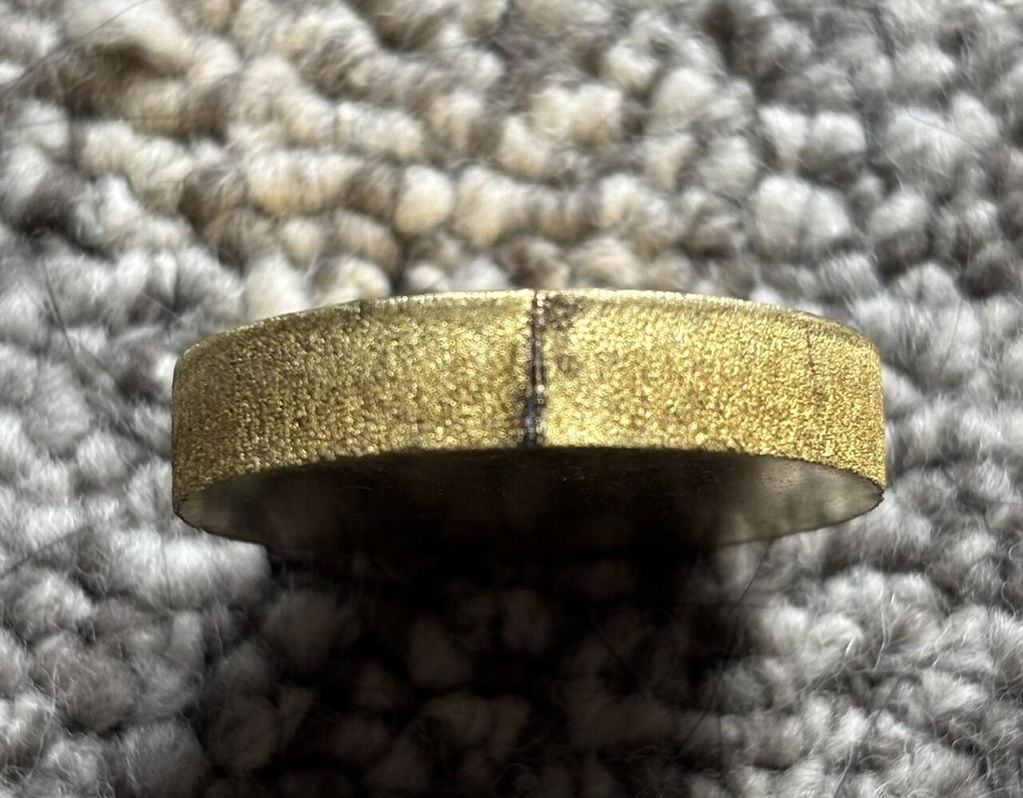
The chain is fine...but I ordered the wrong size. Nine links of the chain I ordered equals six of the size I wanted. My error...
How can I straighten out the springs? I can't use them coil uo as is.
Your payment information is processed securely. We do not store credit card details nor have access to your credit card information.
Get fitment advice & recommendations
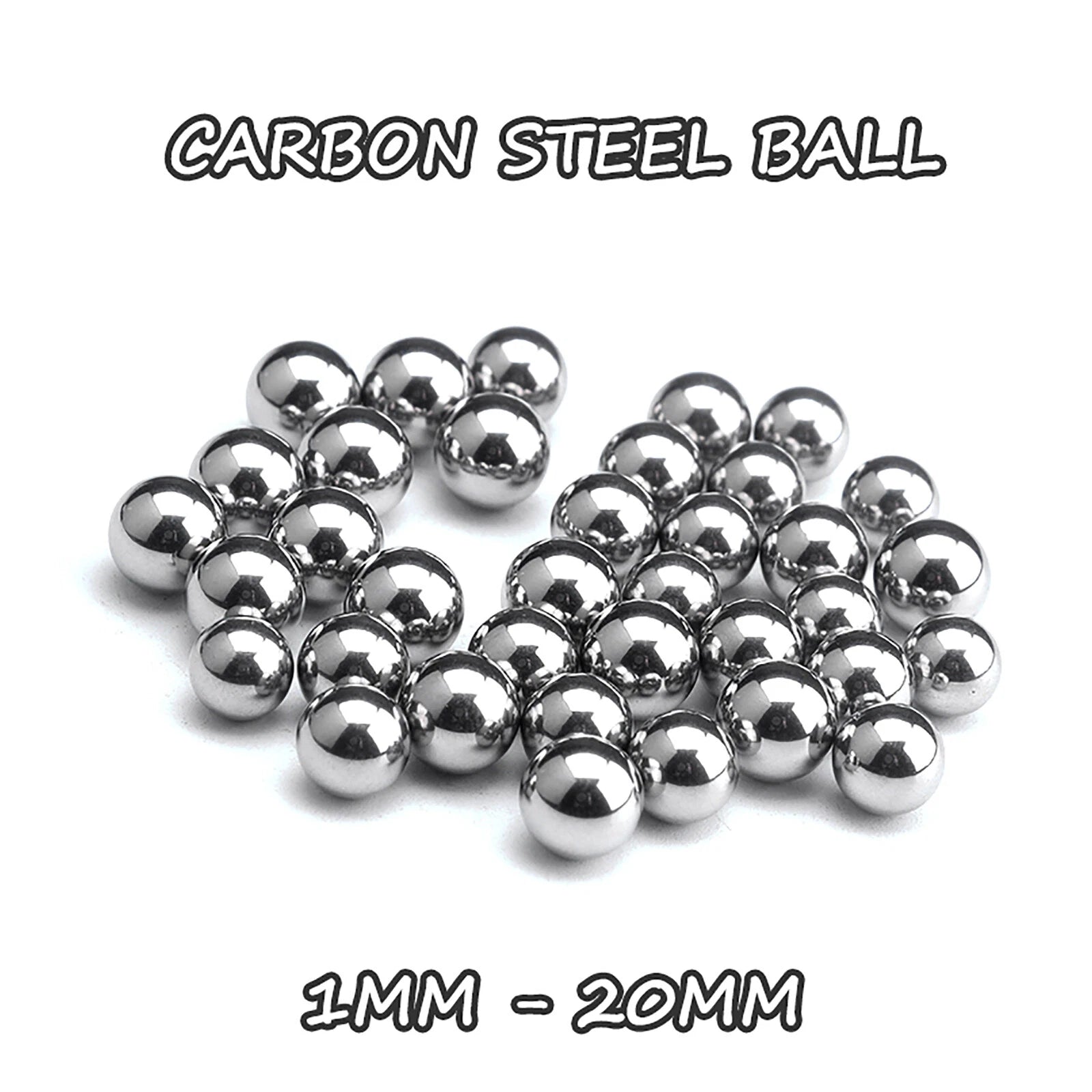
When your slingshot groups are inconsistent or your catapult ammo rolls off-spec, the culprit is almost always ball quality. Hobbyists, competitive slingshot shooters, and precision DIY builders need balls that are dimensionally repeatable shot after shot — and that's exactly what these carbon steel ball bearings deliver.
Each pack contains carbon steel ball bearings with a hardened surface finish. Diameters span 1mm through 20mm (approximately 0.039" to 0.787"), covering both metric and fractional inch sizes such as 3.175mm (1/8"), 4.763mm (3/16"), 5.556mm (7/32"), 7.938mm (5/16"), and 9.525mm (3/8"). Pack quantities range from 10 to 1,000 pieces to suit single-project needs or bulk restocking.
Typical use cases include slingshot and wrist-rocket ammo for target practice, catapult projectiles for physics demonstrations and hobby builds, replacement rolling elements in light-duty bearing housings, and precision spacers or detent balls in mechanical assemblies. The consistent sphericity makes these carbon steel ball bearings a reliable choice wherever dimensional accuracy matters.
| Material | Carbon Steel |
|---|---|
| Surface Finish | Bright / hardened (typical for carbon steel balls) |
| Diameter Range | 1mm – 20mm (0.039" – 0.787") |
| Available Diameters | See variant options |
| Pack Quantity Options | 10 / 50 / 100 / 500 / 1,000 pcs |
| Density (approx.) | ~7.85 g/cm³ |
| Hardness | See variant options |
| Roundness Tolerance | See variant options |
| Corrosion Resistance | Low (carbon steel; not stainless — keep dry or apply light oil) |
| Typical Applications | Slingshot ammo, catapult projectiles, detent balls, bearing replacements |
| Weight per Ball | See variant options (varies by diameter) |
The most common slingshot ammo sizes are 6mm, 8mm, 9.5mm, and 3/8" (9.525mm). Smaller diameters (6–8mm) suit lighter bands and shorter draw lengths; larger diameters (9.5–10mm) carry more energy for longer-range target work. Check your band manufacturer's recommended ammo size for best results.
Carbon steel has sufficient hardness for hobby catapult and slingshot use. The balls resist deformation on impact with soft targets. For repeated high-velocity impacts against hard surfaces, inspect balls periodically for flat spots, which can affect trajectory consistency.
Carbon steel is not stainless and will oxidize if exposed to moisture over time. Store balls in a dry container and apply a light coat of machine oil if you live in a humid environment or plan to store them long-term. For outdoor or wet-environment use, consider stainless steel alternatives.
Yes, for light-duty applications. Match the diameter precisely to your housing specification — fractional inch sizes such as 3.175mm (1/8"), 4.763mm (3/16"), and 9.525mm (3/8") are available for imperial-spec housings. For load-rated or high-speed bearings, consult the bearing manufacturer's specification for grade and material requirements.
For a single repair or test build, a pack of 10–50 is usually sufficient. Competitive slingshot shooters who practice regularly typically order 100–500 at a time. Bulk packs of 500–1,000 offer the best per-ball value for ongoing projects, classroom demonstrations, or resale.
Sizes such as 3.175mm, 4.763mm, 5.556mm, 7.938mm, and 9.525mm are the exact metric equivalents of 1/8", 3/16", 7/32", 5/16", and 3/8" respectively. They are manufactured to those fractional-inch dimensions and are interchangeable with imperial-spec applications within normal tolerance bands.
Ball weight scales with the cube of the diameter. As a reference: a 6mm carbon steel ball weighs approximately 0.9g; a 10mm ball approximately 4.1g; a 20mm ball approximately 32.7g. Contact us to confirm exact weights for a specific diameter if your application requires precise mass data.