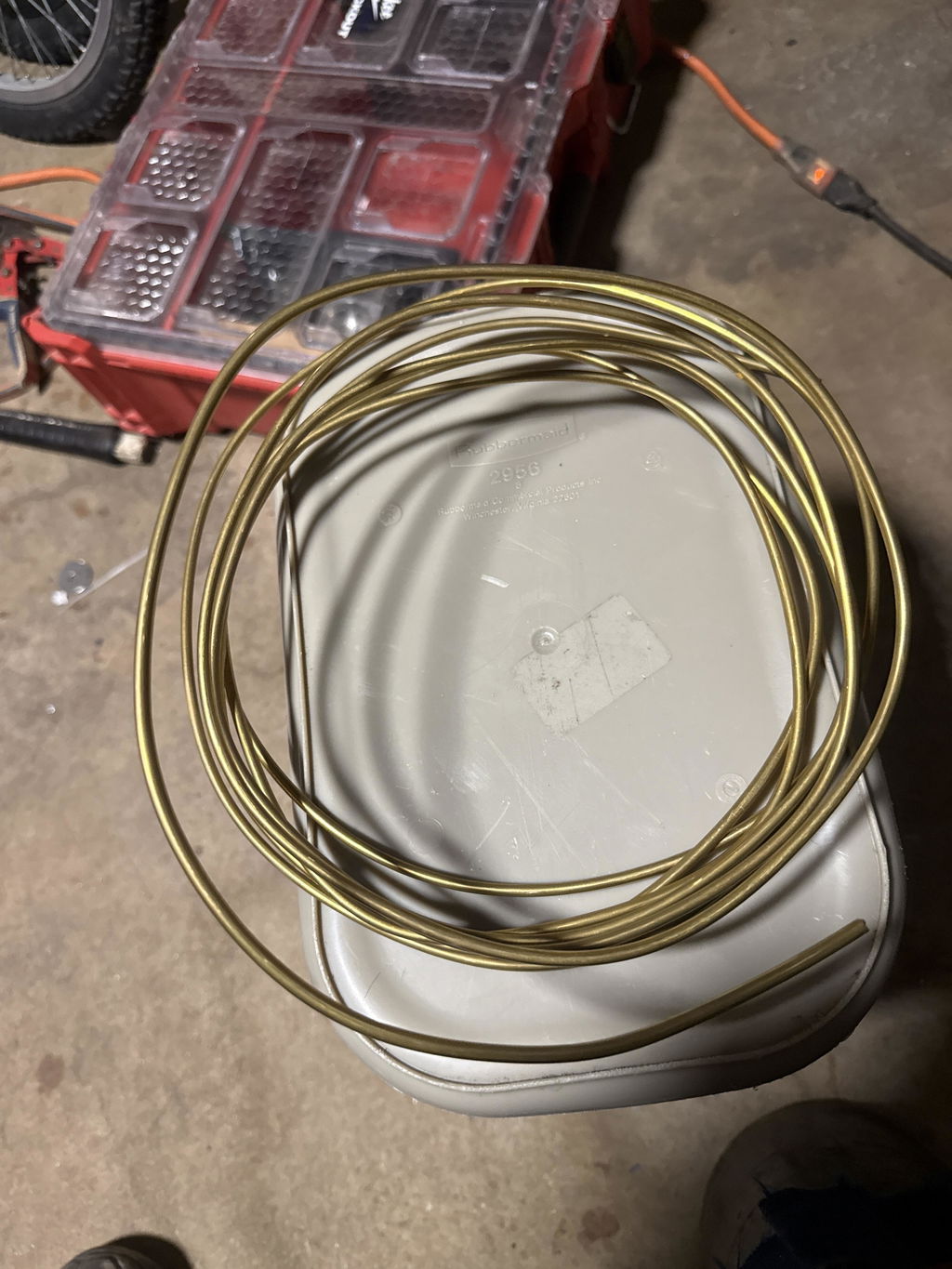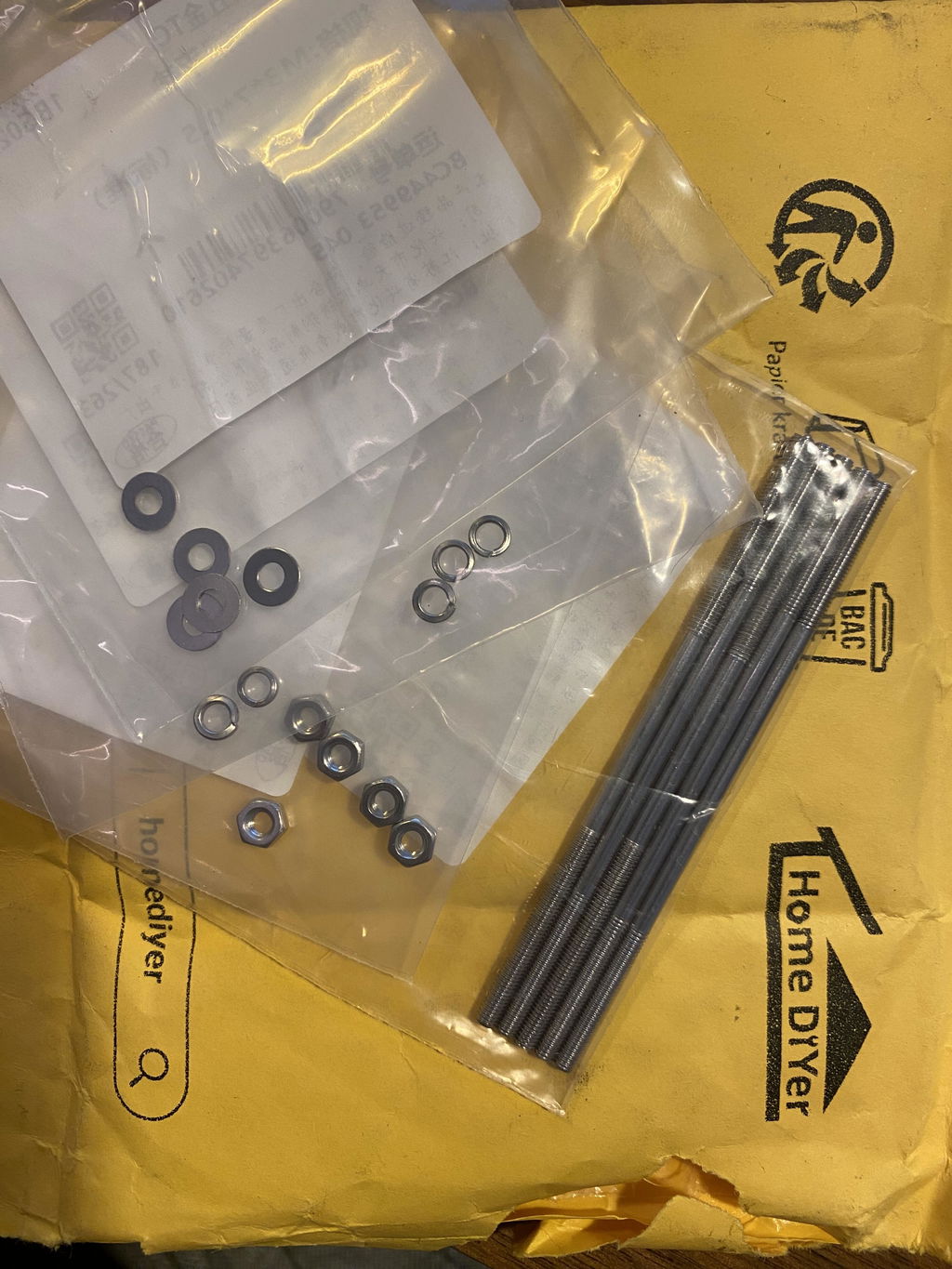
The chain is fine...but I ordered the wrong size. Nine links of the chain I ordered equals six of the size I wanted. My error...
How can I straighten out the springs? I can't use them coil uo as is.
Your payment information is processed securely. We do not store credit card details nor have access to your credit card information.
Get fitment advice & recommendations
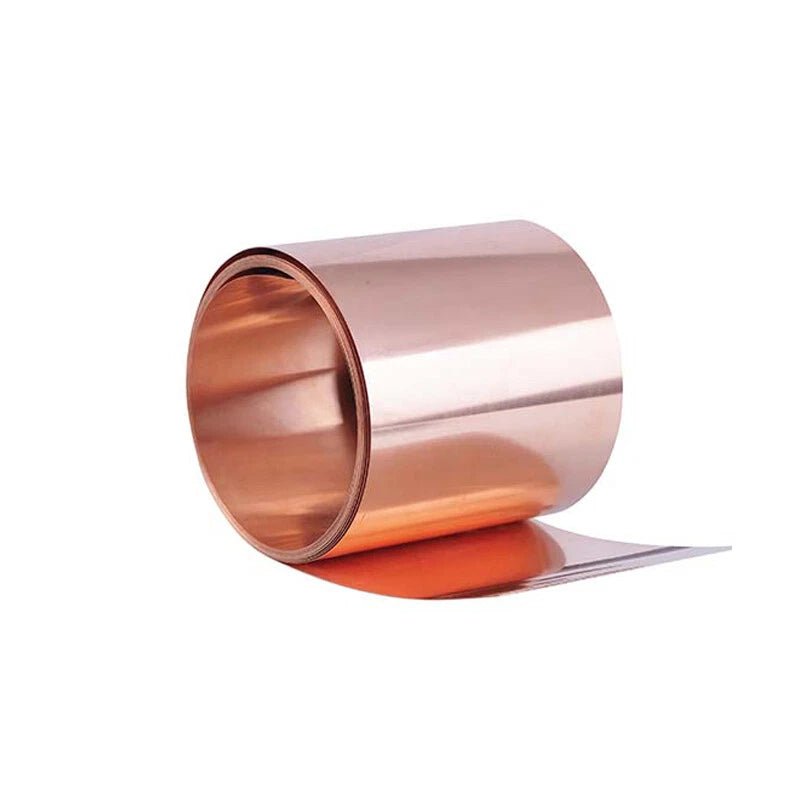
When your project demands a conductor that bends, wraps, and conforms without cracking, standard rigid copper sheet falls short. Makers, electronics hobbyists, and workshop builders who need a flexible, solderable copper surface turn to copper foil tape — a thin, rollable strip that delivers real conductivity in tight spaces. Whether you are shielding a guitar cavity, grounding a PCB edge, or laminating a decorative inlay, the right thickness and width make all the difference.
These copper foil strips are made from pure copper and are available in thicknesses ranging from 0.02 mm to 0.1 mm (approximately 0.0008 in to 0.004 in) and widths from 5 mm to 100 mm (approximately 0.2 in to 3.94 in). Each roll is sold in 1-meter or 5-meter lengths, giving you the flexibility to order exactly what your build requires without waste.
Typical applications include EMI and RFI shielding for electronics enclosures, copper tape inlays for woodworking and resin art, grounding straps in DIY audio equipment, heat-spreading layers in small thermal management assemblies, and conductive traces for flexible circuit prototyping.
| Material | Pure Copper |
|---|---|
| Thickness Range | 0.02 mm – 0.1 mm (0.0008 in – 0.004 in) |
| Width Range | 5 mm – 100 mm (0.20 in – 3.94 in) |
| Available Lengths | 1 Meter / 5 Meter per roll |
| Surface Finish | See variant options |
| Temper / Hardness | See variant options |
| Electrical Conductivity | High (pure copper) |
| Solderability | Yes — compatible with standard copper solder and flux |
| Flexibility | Rollable and formable; suitable for curved surfaces |
| Typical Applications | EMI shielding, grounding straps, PCB prototyping, decorative inlays, thermal spreading |
Thinner foils (0.02–0.03 mm) are ideal for flexible circuits, delicate inlays, and applications where minimal added height matters. Mid-range thicknesses (0.04–0.06 mm) suit general EMI shielding and grounding straps. Thicker foils (0.07–0.1 mm) provide more structural rigidity and are better for heat spreading or applications requiring a more robust copper layer. When in doubt, start with 0.05 mm as a versatile middle ground.
Width selection depends on the coverage area and the current-carrying requirement. Narrow widths (5–15 mm) work well for trace-style grounding runs and decorative inlays. Medium widths (20–50 mm) are common for guitar cavity shielding and general EMI panels. Wider strips (60–100 mm) are suited for broad shielding surfaces or thermal spreading applications. Select your Thickness x Width combination from the variant dropdown above.
Pure copper foil at these gauges is flexible rather than rigid — it will conform to surfaces and hold a bent shape, but it is not a structural material. For applications requiring rigidity, the foil is typically bonded to a substrate (wood, PCB, enclosure wall) using adhesive or mechanical fasteners. The thicker options (0.09–0.1 mm) offer noticeably more stiffness than the thinner gauges.
Pure copper naturally oxidizes when exposed to air and moisture, forming a patina that ranges from light brown to green over time. This surface oxidation does not significantly affect bulk electrical conductivity but can increase contact resistance at connection points. For applications requiring a consistently bright surface, store unused foil in a sealed bag and clean contact areas with isopropyl alcohol before soldering or bonding.
Yes. Pure copper is one of the most solderable metals available. Use a standard rosin-core or no-clean flux solder with a temperature appropriate for your solder alloy (typically 180–230 °C for lead-free solder). Lightly abrade or clean the surface with isopropyl alcohol before soldering if the foil has been stored for an extended period, as surface oxidation can reduce wetting.
Yes. Copper is one of the most effective materials for electromagnetic shielding due to its high electrical conductivity. These foil strips are commonly used to line instrument cavities, wrap cable bundles, and create shielding enclosures for sensitive electronics. For effective shielding, ensure the foil forms a continuous, grounded enclosure with overlapping seams soldered or taped for electrical continuity.
Use sharp scissors or a craft knife with a metal ruler for clean, straight cuts. Thinner gauges (0.02–0.03 mm) are very delicate and can tear if handled roughly — support the foil from underneath when cutting. Avoid creasing the foil sharply unless intentional, as repeated sharp bending at the same point can cause fatigue cracking over time. Wear gloves if handling large pieces to avoid fingerprint oils on the surface.