
The chain is fine...but I ordered the wrong size. Nine links of the chain I ordered equals six of the size I wanted. My error...
How can I straighten out the springs? I can't use them coil uo as is.
Your payment information is processed securely. We do not store credit card details nor have access to your credit card information.
Get fitment advice & recommendations
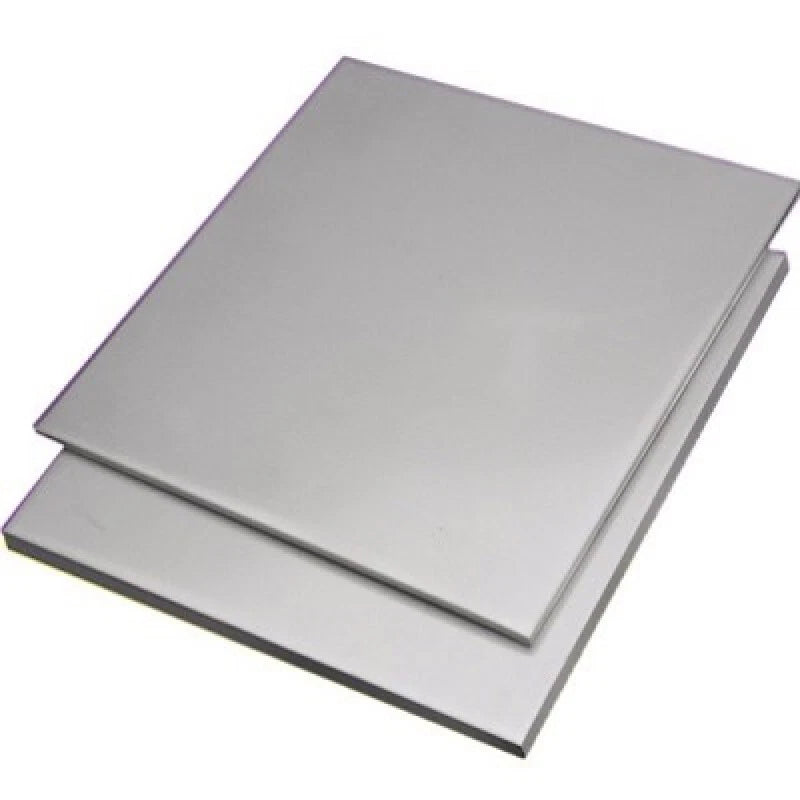
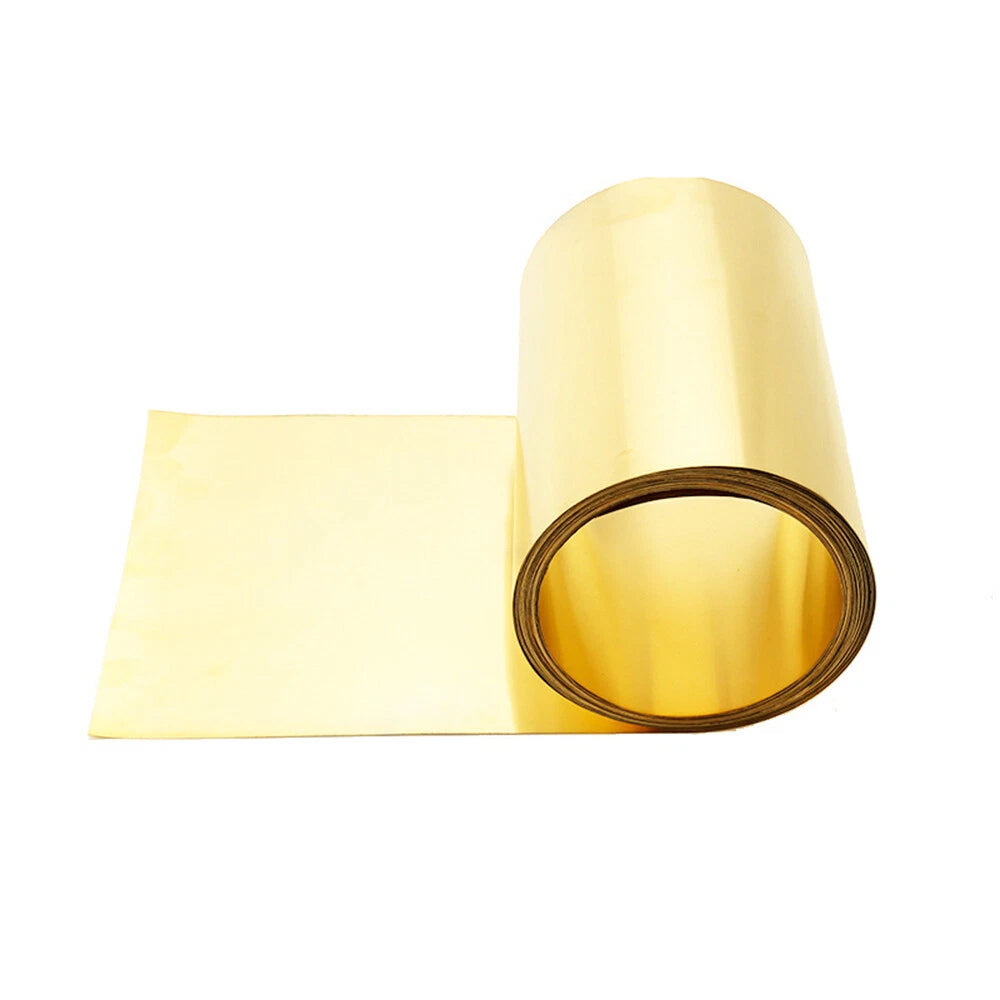
When your project demands a metal that holds up against moisture, salt air, and electrical stress, standard copper sheet often falls short. Makers, hobbyists, marine fabricators, and small-workshop engineers who need reliable flat stock without sourcing industrial minimums will find this copper nickel alloy sheet a practical, ready-to-use solution available in the exact size and thickness they need.
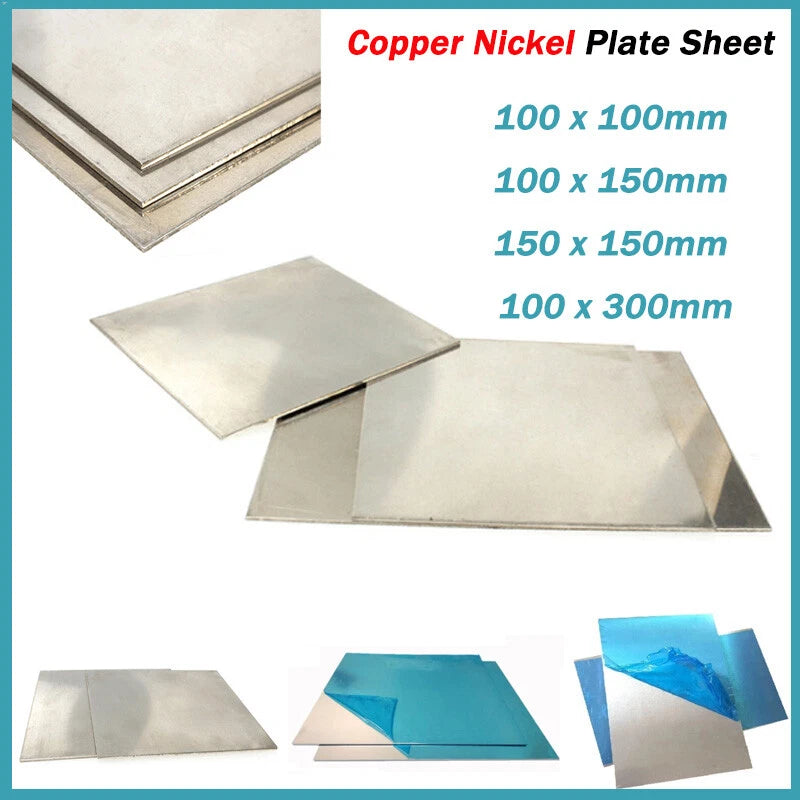
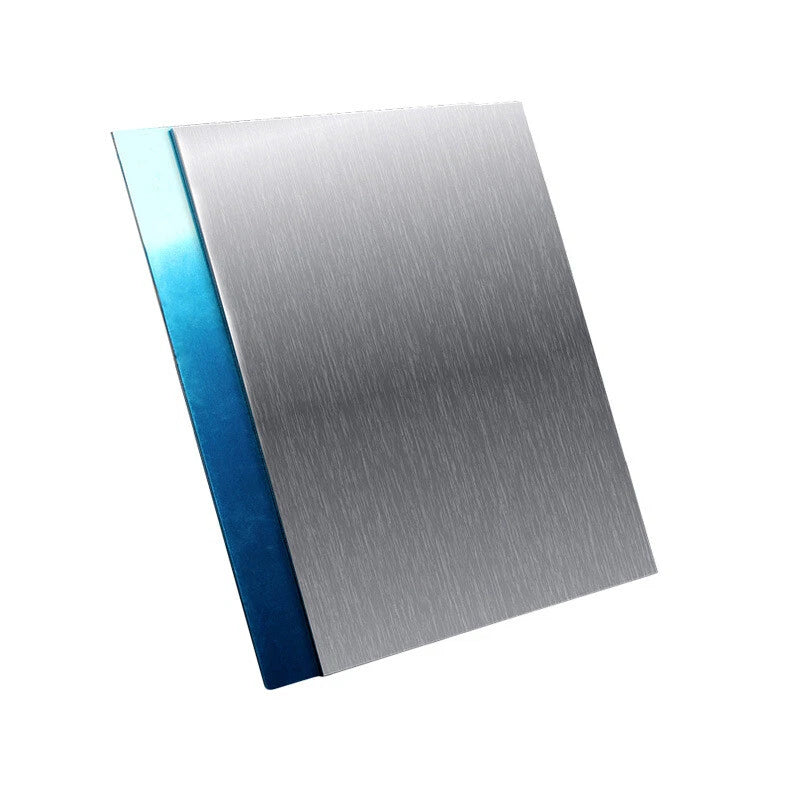
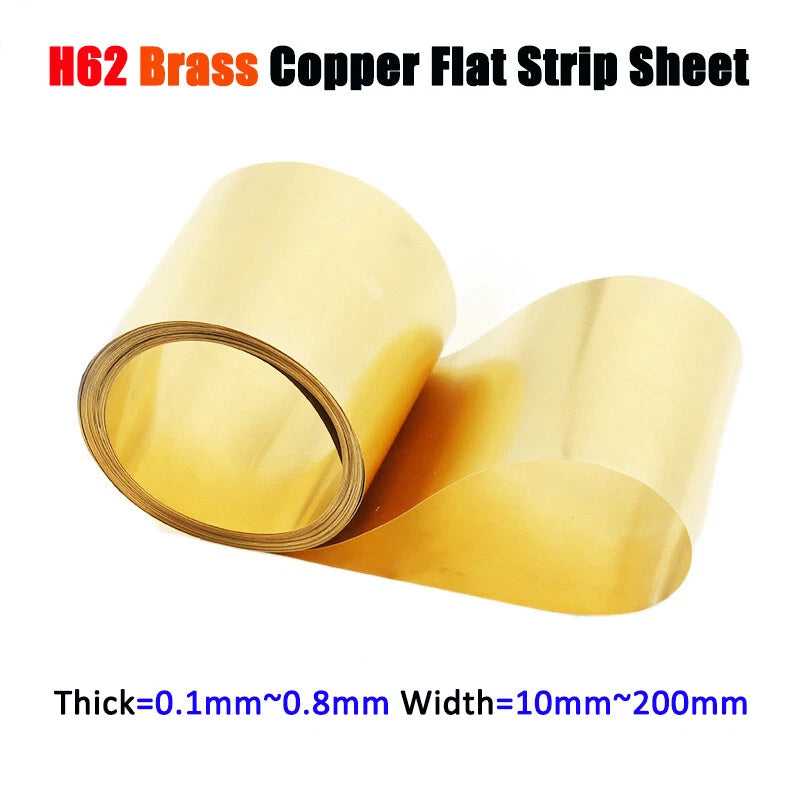
Each copper nickel alloy sheet is composed of a cupronickel alloy — a blend of copper and nickel — delivering a warm silver-gold tone with a smooth, flat surface finish. Sheet sizes range from 100 mm × 100 mm (approx. 3.94" × 3.94") up to 150 mm × 150 mm (approx. 5.91" × 5.91") and 100 mm × 300 mm (approx. 3.94" × 11.81"), with thickness options spanning 0.2 mm to 3 mm (approx. 0.008" to 0.118"). Quantity options from 1 to 10 pieces per order let you match your exact project needs.
This cupronickel flat panel sheet is well-suited for marine hardware prototyping and saltwater-exposed fixtures, electrical shielding and grounding strips in DIY electronics builds, and decorative metalwork such as inlay panels, jewelry backing plates, and custom enclosures requiring a corrosion-resistant copper nickel sheet stock.
| Material | Copper Nickel Alloy (Cupronickel) |
|---|---|
| Alloy Composition | See variant options |
| Surface Finish | Smooth flat panel, mill finish |
| Sheet Sizes Available | 100×100 mm / 100×200 mm / 100×300 mm / 150×150 mm |
| Thickness Range | 0.2 mm – 3 mm (0.008" – 0.118") |
| Thickness Tolerance | See variant options |
| Quantity per Order | 1 / 2 / 3 / 4 / 5 / 6 / 8 / 10 pcs (select above) |
| Tensile Strength | See variant options |
| Hardness | See variant options |
| Electrical Conductivity | Conductive (lower than pure copper; see variant options for grade) |
| Corrosion Resistance | Resistant to oxidation and saltwater corrosion |
| Machinability | Suitable for shearing, cutting, bending, soldering, and brazing |
| Color / Appearance | Warm silver-gold tone |
Thinner sheets (0.2 mm–0.5 mm) are ideal for flexible shielding, decorative inlays, and lightweight enclosures. Mid-range thicknesses (0.8 mm–1.5 mm) suit structural brackets, grounding straps, and general fabrication. Thicker panels (2 mm–3 mm) are better for load-bearing fixtures, marine hardware, and applications requiring rigidity. If you are unsure, start with 1 mm as a versatile all-around option.
Cupronickel alloys are generally stronger and harder than pure copper due to the solid-solution strengthening effect of nickel. This makes the copper nickel alloy sheet more resistant to deformation under mechanical stress while still remaining workable with standard metalworking tools.
Yes. Cupronickel is well-known for its resistance to seawater corrosion and biofouling, which is why it is widely used in marine heat exchangers and hull fittings. This flat panel sheet is a practical choice for marine prototyping, boat hardware, and any application exposed to salt air or moisture.
Yes. Cupronickel responds well to silver soldering and brazing. Standard soft soldering with rosin-core solder also works for electrical connections. Clean the surface with a mild abrasive or flux before soldering to ensure a reliable joint.
The 100 mm × 100 mm (approx. 3.94" × 3.94") size is a convenient starting point for small enclosures and shielding panels. For longer strips or larger panels, the 100 mm × 200 mm or 100 mm × 300 mm options provide more coverage without requiring you to join multiple pieces.
Compared to brass, cupronickel offers superior corrosion resistance in wet and marine environments. Compared to stainless steel, it is easier to cut, solder, and form by hand, and it provides better electrical conductivity. For projects combining workability, conductivity, and corrosion resistance, copper nickel alloy sheet is often the practical middle ground.
Thinner variants (0.2 mm–0.5 mm) can be cut with heavy-duty scissors or tin snips. Thicknesses of 0.8 mm and above are best cut with a metal shear, angle grinder, or jigsaw fitted with a metal-cutting blade. CNC routing and laser cutting are also compatible with all thickness options.





