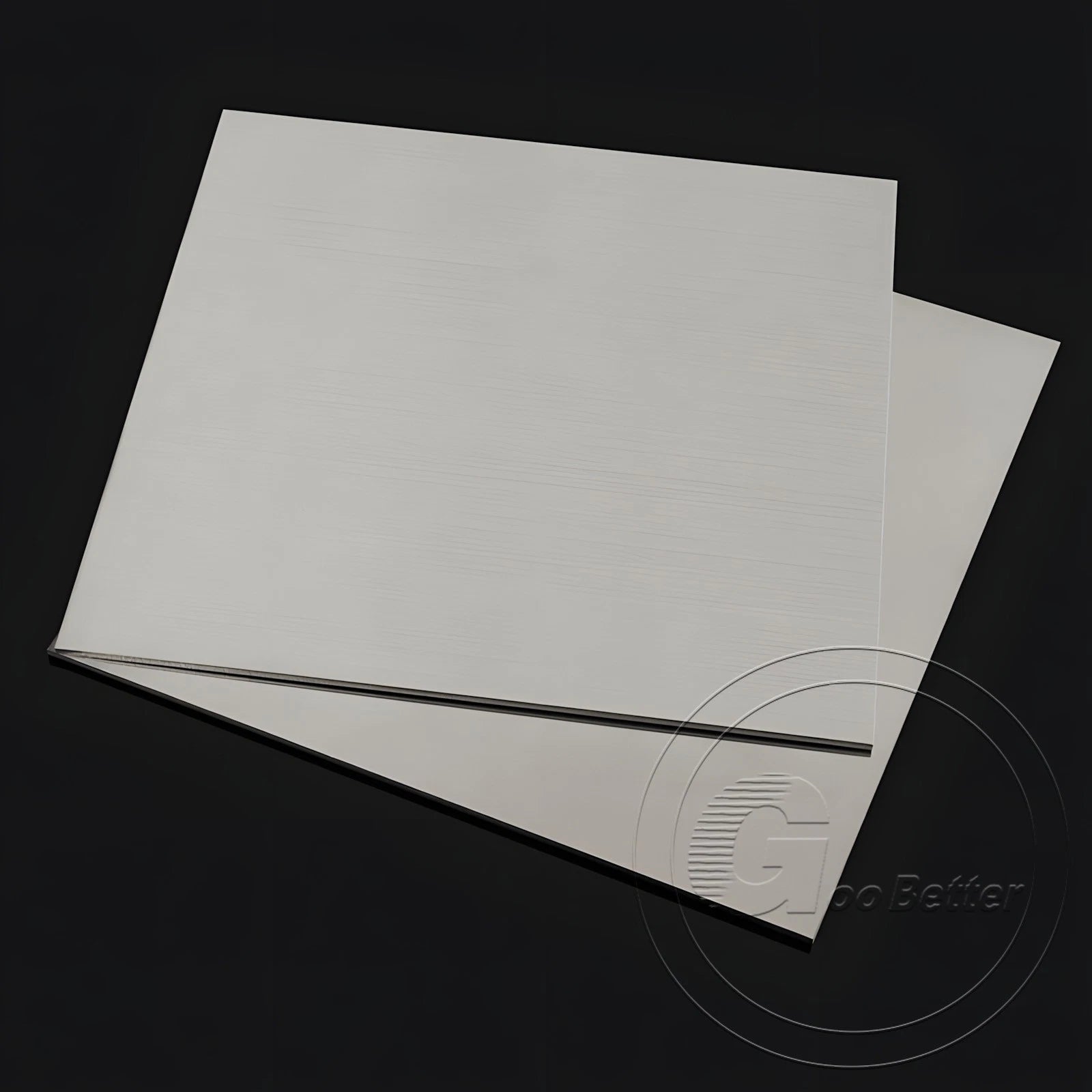
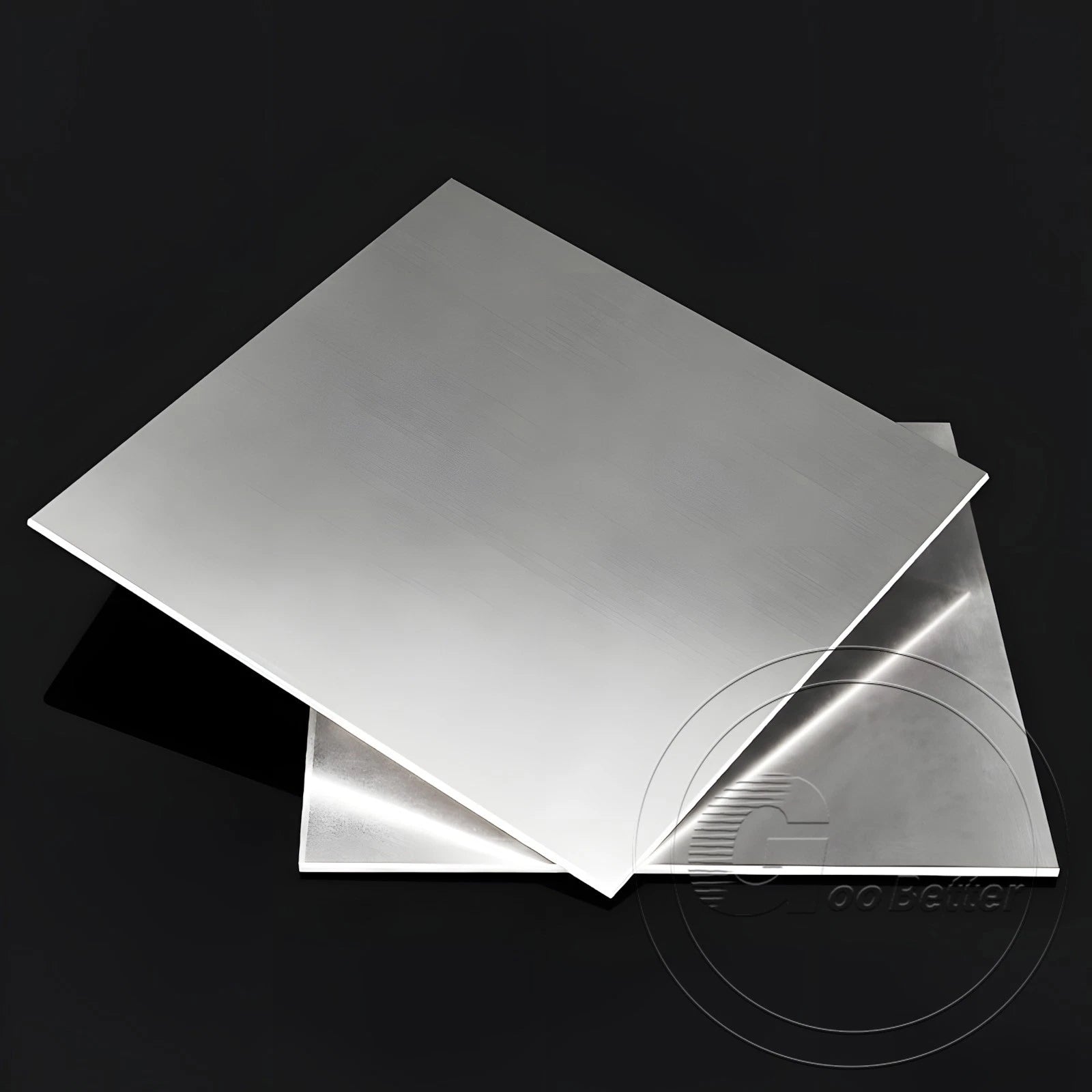
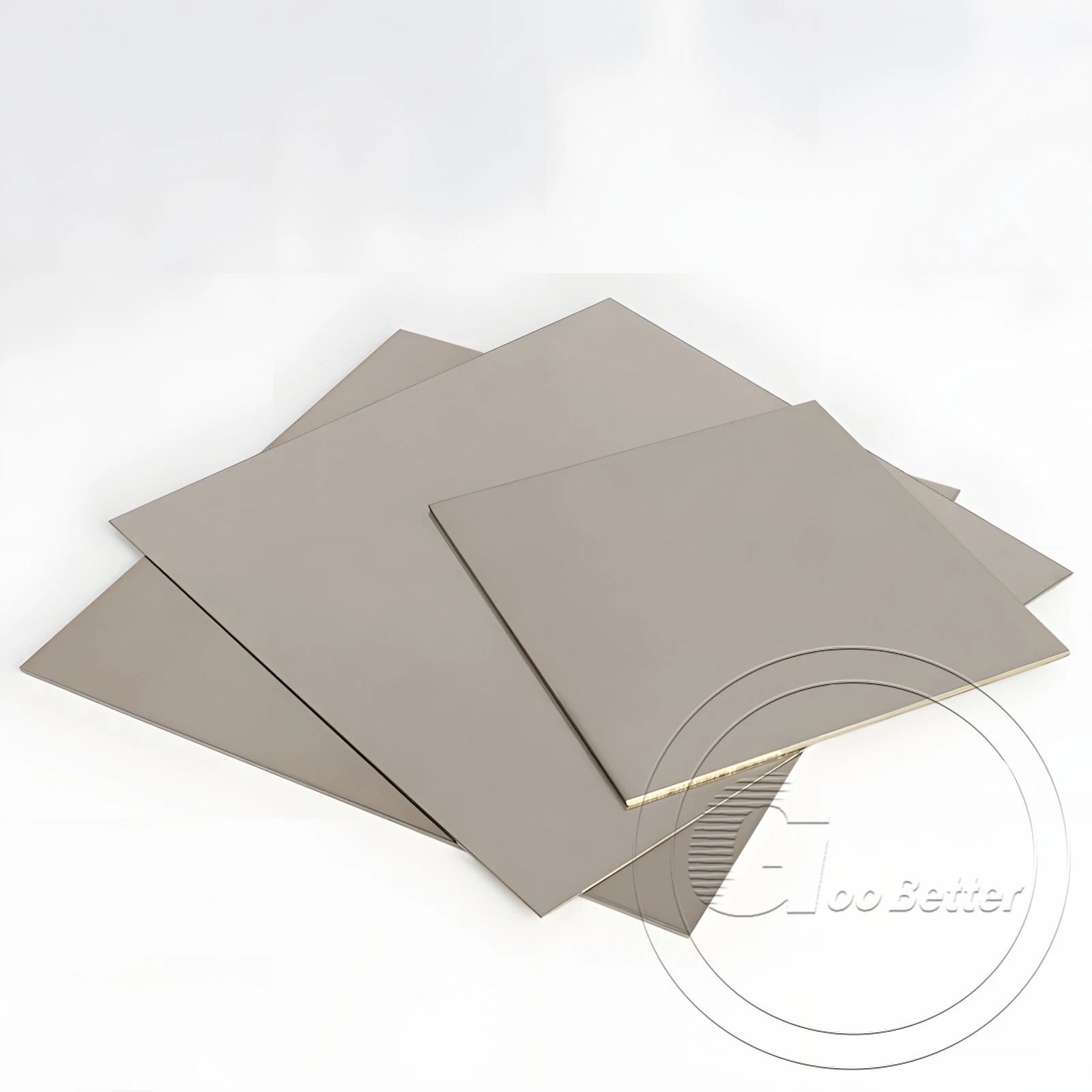
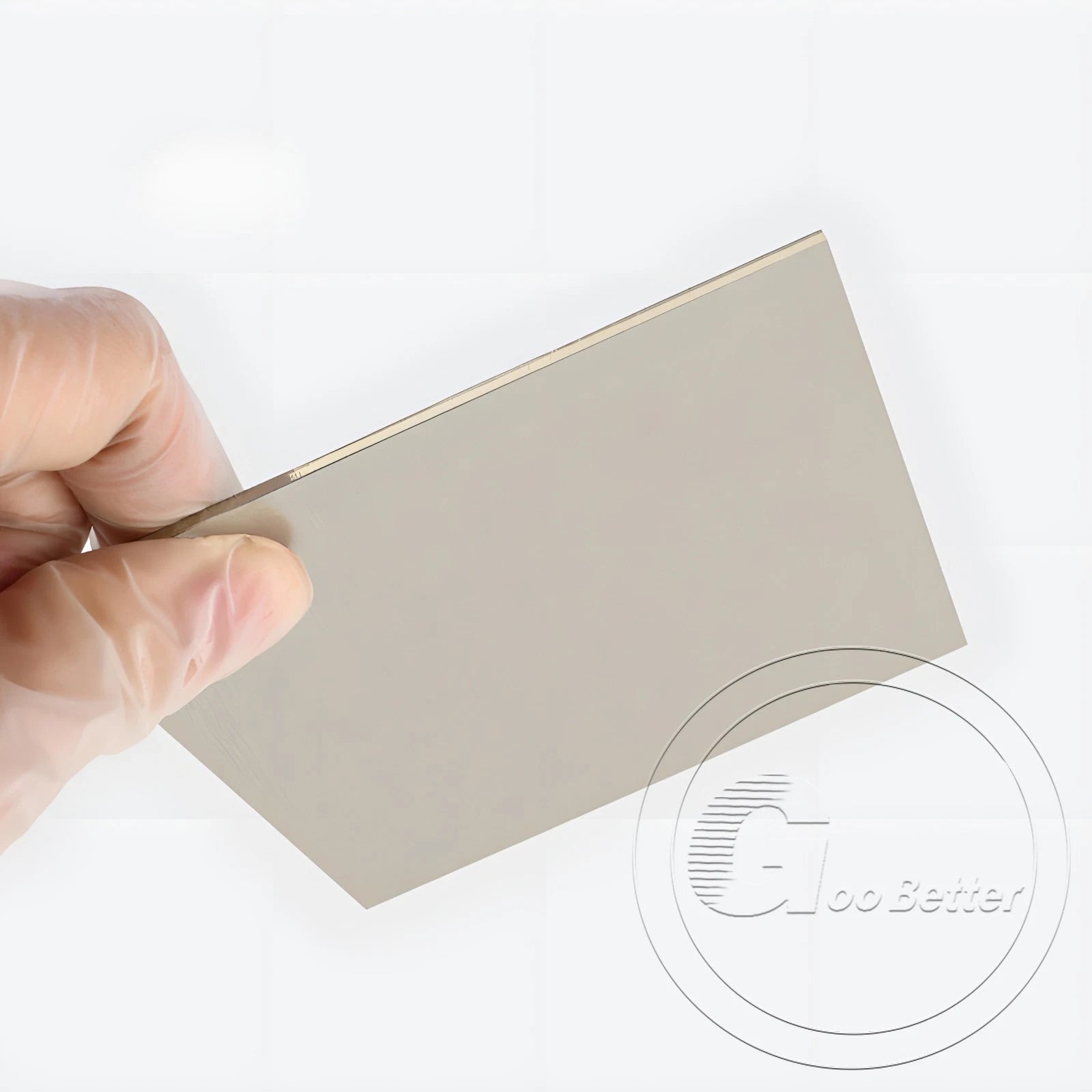
Copper Nickel Sheet Plate Nickel Alloy Plate Cupronickel Panel 0.1mm-3mm Thick

No reviews

Price:
Sale price$3.66 USD
Stock:
In stock (500 units), ready to be shipped

Payment & Security

Ach Direct Debit Amazon American Express Apple Pay Bancontact BLIK Diners Club Discover EPS Google Pay iDEAL Wero JCB Maestro Mastercard Multibanco MobilePay PayPal Przelewy24 Shop Pay Twint Union Pay USDC Visa

Your payment information is processed securely. We do not store credit card details nor have access to your credit card information.

Quantity Discount Promotion
🎯 BULK DISCOUNT: Buy More, Save More!
Buy 2 Items
5% OFF
Buy 4 Items
10% OFF
Buy 6 Items
15% OFF
Expert

DIY Expert Support

Get fitment advice & recommendations

Mon-Fri, 8:30AM-8PM
24-Hour Fast Ship
🚚
Arrives in 3-14 days
🌍
Global Reach
↩️
30-Day Returns
🌱 1 tree planted with every purchase

Description

Copper Nickel Alloy Sheet — Corrosion-Resistant Cupronickel Plate for Precision DIY Projects

When your project demands a metal that stands up to moisture, salt air, and repeated thermal cycling, standard copper or steel sheet often falls short. Makers, hobbyists, marine fabricators, and electrical engineers who need reliable thin-gauge sheet stock will find the copper nickel alloy sheet an ideal solution — combining the workability of copper with the corrosion resistance of nickel.

Each panel is cut from a copper-nickel (cupronickel) alloy, typically a Cu-Ni composition in the 70/30 or 90/10 range, delivering a warm silver-gold tone and excellent ductility. Sizes range from 100 mm × 100 mm (approx. 3.94" × 3.94") up to 300 mm × 300 mm (approx. 11.81" × 11.81"), with thickness options spanning 0.1 mm to 3 mm (approx. 0.004" to 0.118") to suit everything from delicate shielding work to structural brackets.

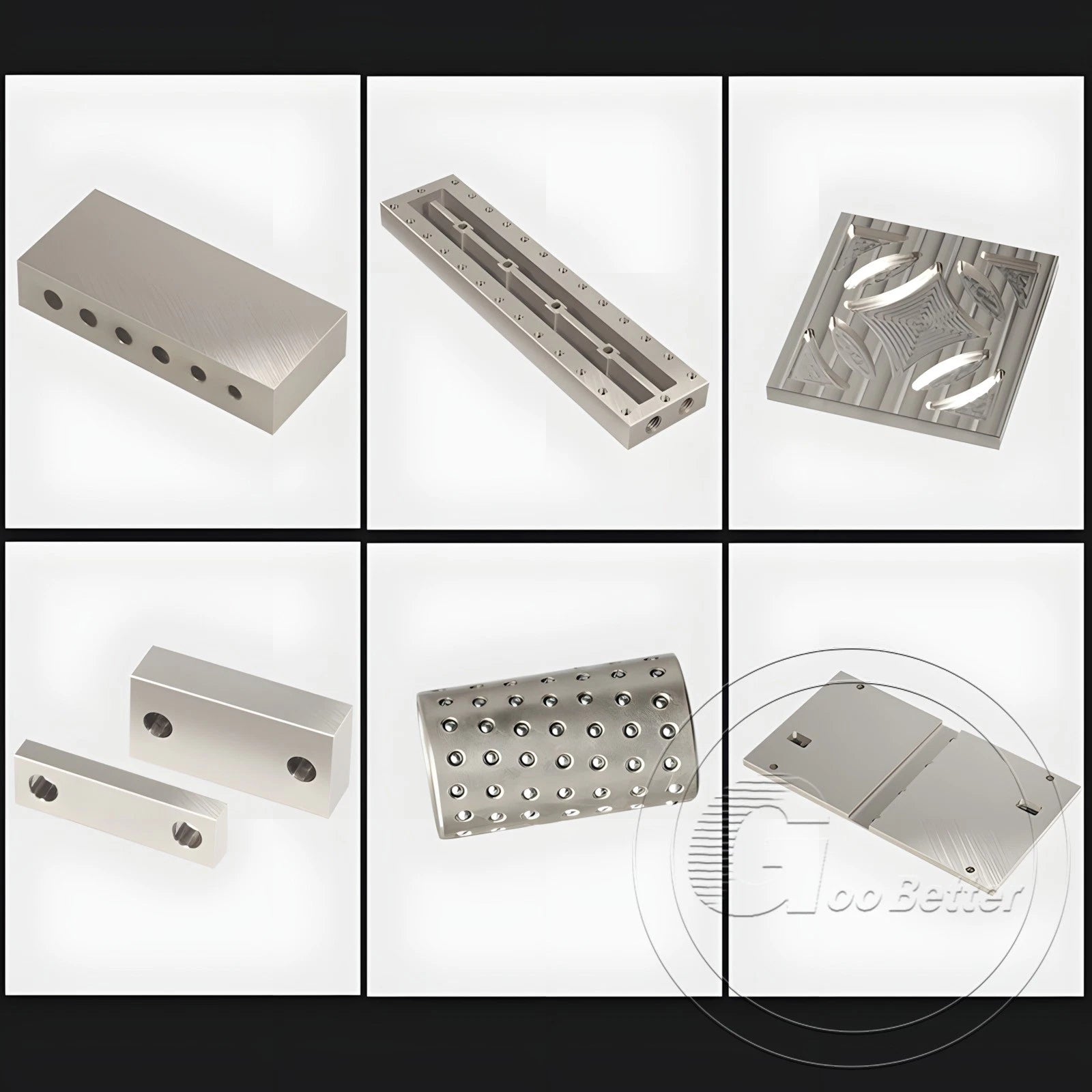
Typical use cases include DIY heat shields and thermal barriers in workshop builds, RF and EMI shielding panels for electronics enclosures, decorative inlay and metalwork for furniture and art projects, and marine hardware prototyping where saltwater corrosion resistance is critical.

🔧 Compatible with: CNC cutting, laser cutting, hand shearing, bending, soldering, and brazing. Works with standard copper-compatible flux and solder.

✅ Key Features of These Copper Nickel Alloy Sheet Panels

  • 🛡️Excellent Corrosion Resistance
    Cupronickel alloy resists oxidation, saltwater, and humid environments far better than pure copper, making it suitable for marine and outdoor applications.
  • 📐Wide Size & Thickness Range
    Available from 100×100 mm to 300×300 mm and 0.1 mm to 3 mm thick — choose the exact dimensions your project requires without wasteful over-ordering.
  • ✂️Easy to Cut & Form
    The alloy's ductility allows clean shearing, drilling, and bending with standard workshop tools. Thin gauges (0.1–0.5 mm) can be cut with heavy-duty scissors or a craft knife.
  • Good Electrical & Thermal Conductivity
    Retains meaningful conductivity for EMI shielding, grounding straps, and heat-spreading applications in electronics and DIY builds.
  • 🔩Solderable & Brazeable
    Bonds reliably with standard copper-compatible solder and silver brazing alloys, enabling strong, leak-free joints for plumbing prototypes and custom fittings.
  • 🎨Attractive Finish
    The natural silver-gold tone of cupronickel adds an aesthetic appeal for decorative metalwork, jewelry bases, and architectural accent pieces.

📐 Technical Specifications — Copper Nickel Alloy Sheet

Material Copper-Nickel Alloy (Cupronickel)
Alloy Composition See variant options
Available Sizes 100×100 mm, 100×200 mm, 100×300 mm, 200×300 mm, 300×300 mm
Thickness Range 0.1 mm – 3 mm (0.004" – 0.118")
Surface Finish Mill finish (smooth, uncoated)
Color / Appearance Silver-gold metallic tone
Tensile Strength See variant options
Hardness See variant options
Electrical Conductivity Moderate (lower than pure copper)
Thermal Conductivity Moderate — suitable for heat spreading
Corrosion Resistance Excellent — resistant to saltwater and oxidation
Machinability Good — cuttable, bendable, solderable
Amount per Order 1 Pcs or 2 Pcs (see variant options)

❓ Frequently Asked Questions

How do I choose the right thickness for my project?

For decorative inlay, shielding foil, or flexible wrapping, choose 0.1–0.3 mm. For structural brackets, heat shields, or rigid panels that need to hold shape, 0.8 mm–3 mm is recommended. Mid-range thicknesses (0.4–0.6 mm) work well for general fabrication and enclosure panels.

Is cupronickel strong enough for load-bearing applications?

Cupronickel has good tensile strength for a copper-based alloy, but it is not intended for structural load-bearing use in the same way as steel. For brackets, mounting plates, or stiffening ribs in light-duty assemblies, thicknesses of 1.5 mm–3 mm are appropriate. For heavy structural loads, consult an engineer.

Will this sheet rust or corrode outdoors?

Cupronickel is highly resistant to corrosion, including saltwater and humid environments. It will develop a natural patina over time (similar to copper), but it does not rust like iron or steel. For marine or outdoor applications, it is one of the most durable copper-based alloys available.

Can I solder or braze this sheet?

Yes. Cupronickel bonds well with standard copper-compatible solder (60/40 or lead-free) using a rosin or mild acid flux. Silver brazing alloys also work effectively. Clean the surface with fine abrasive or flux before soldering for best results.

What tools do I need to cut this sheet?

Thin gauges (0.1–0.5 mm) can be cut with heavy-duty craft scissors, a utility knife and straightedge, or tin snips. Thicker gauges (0.6–3 mm) are best cut with an angle grinder, jigsaw with a metal blade, or CNC/laser cutter. Always wear gloves and eye protection when cutting metal sheet.

Which size should I order for EMI or RF shielding?

For small electronics enclosures or PCB shielding cans, 100×100 mm or 100×200 mm at 0.1–0.3 mm thickness is typically sufficient. For larger enclosures or rack-mount panels, 200×300 mm or 300×300 mm provides more coverage. Multiple pieces can be overlapped and soldered for seamless shielding.

Is this the same as stainless steel or brass?

No. Cupronickel is a copper-nickel alloy — distinct from stainless steel (iron-chromium) and brass (copper-zinc). It offers better corrosion resistance than brass in marine environments and is more workable than stainless steel. Its electrical conductivity is also higher than stainless steel, making it preferred for electrical and shielding applications.

🛒 Select your Size, Thickness, and Amount above, then add to cart.

You may also like

Recently viewed