The chain is fine...but I ordered the wrong size. Nine links of the chain I ordered equals six of the size I wanted. My error...
How can I straighten out the springs? I can't use them coil uo as is.
Your payment information is processed securely. We do not store credit card details nor have access to your credit card information.
Get fitment advice & recommendations
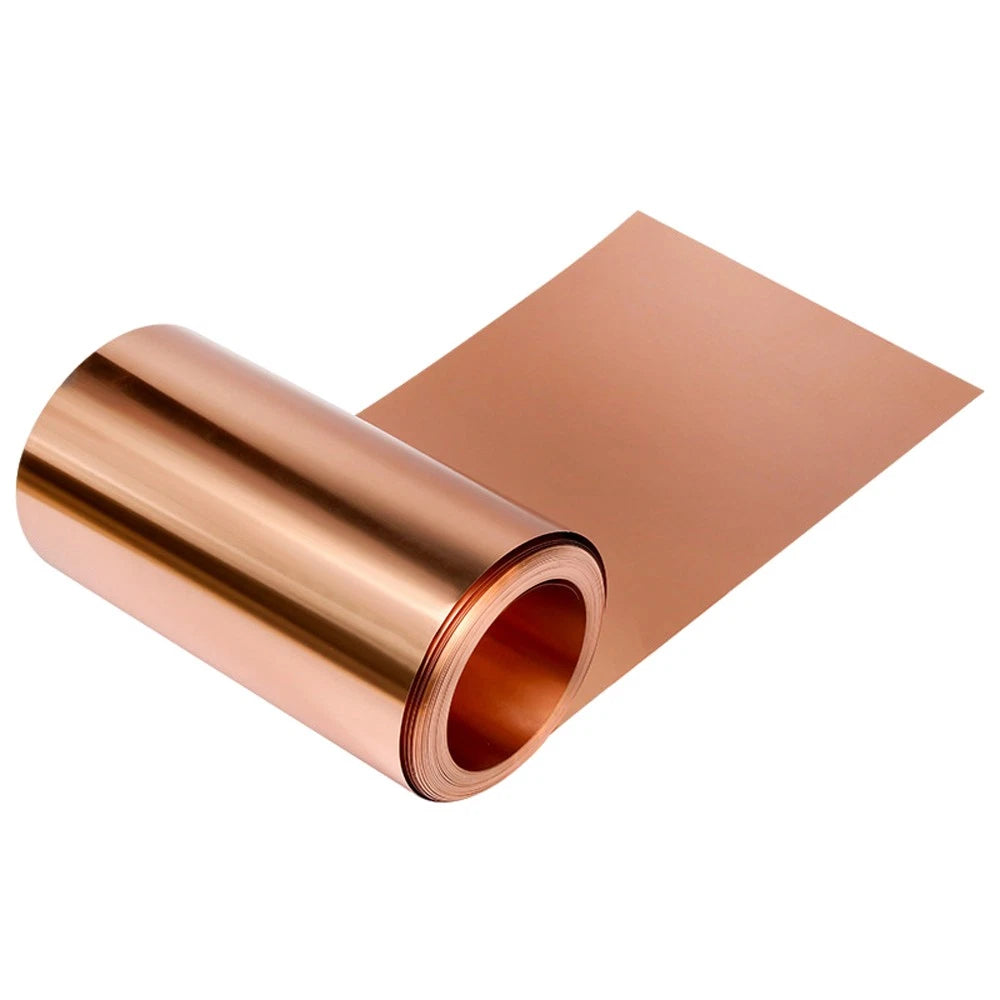
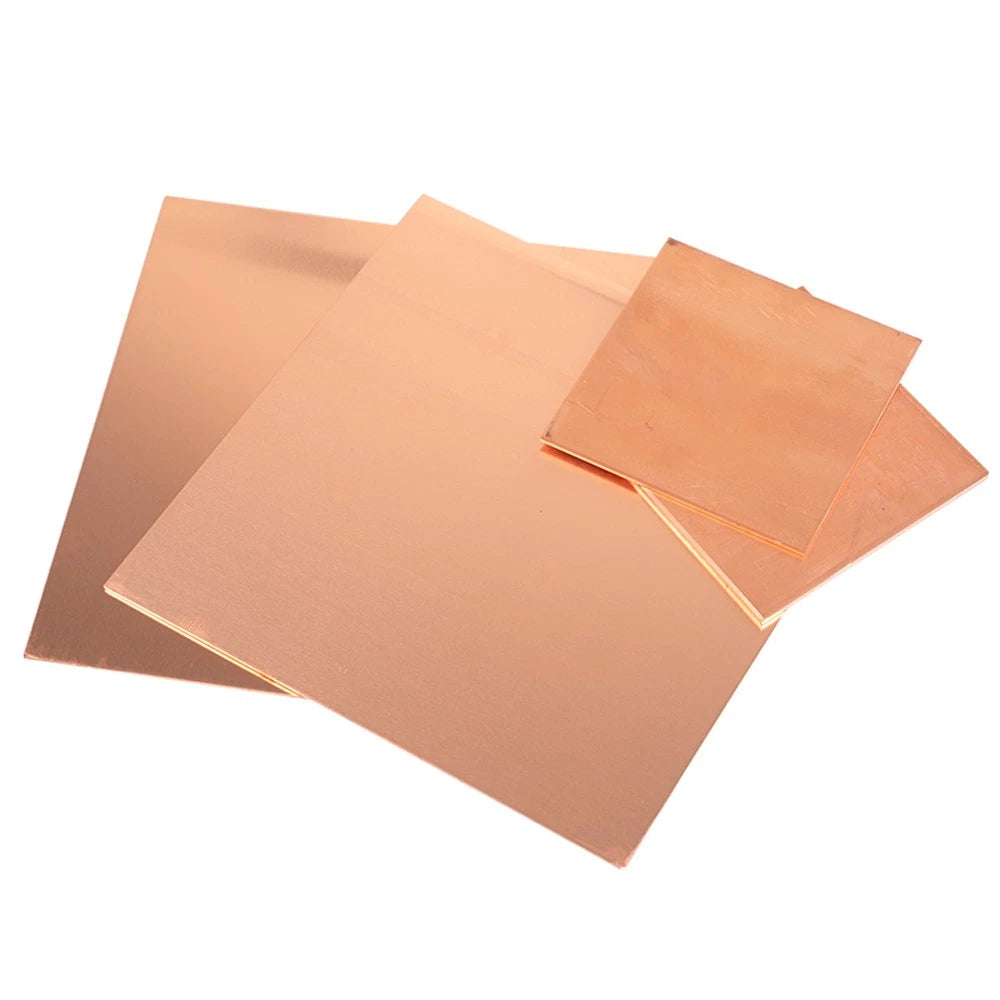
When your project demands a conductive, corrosion-resistant metal that cuts cleanly and solders reliably, finding the right thickness in a ready-to-use sheet size can be a real challenge. Whether you are a maker building RF shielding enclosures, an artist working on repousse metalwork, or a technician fabricating custom bus bars and grounding straps, these copper sheet metal panels give you a consistent, flat starting point without the waste of oversized stock.
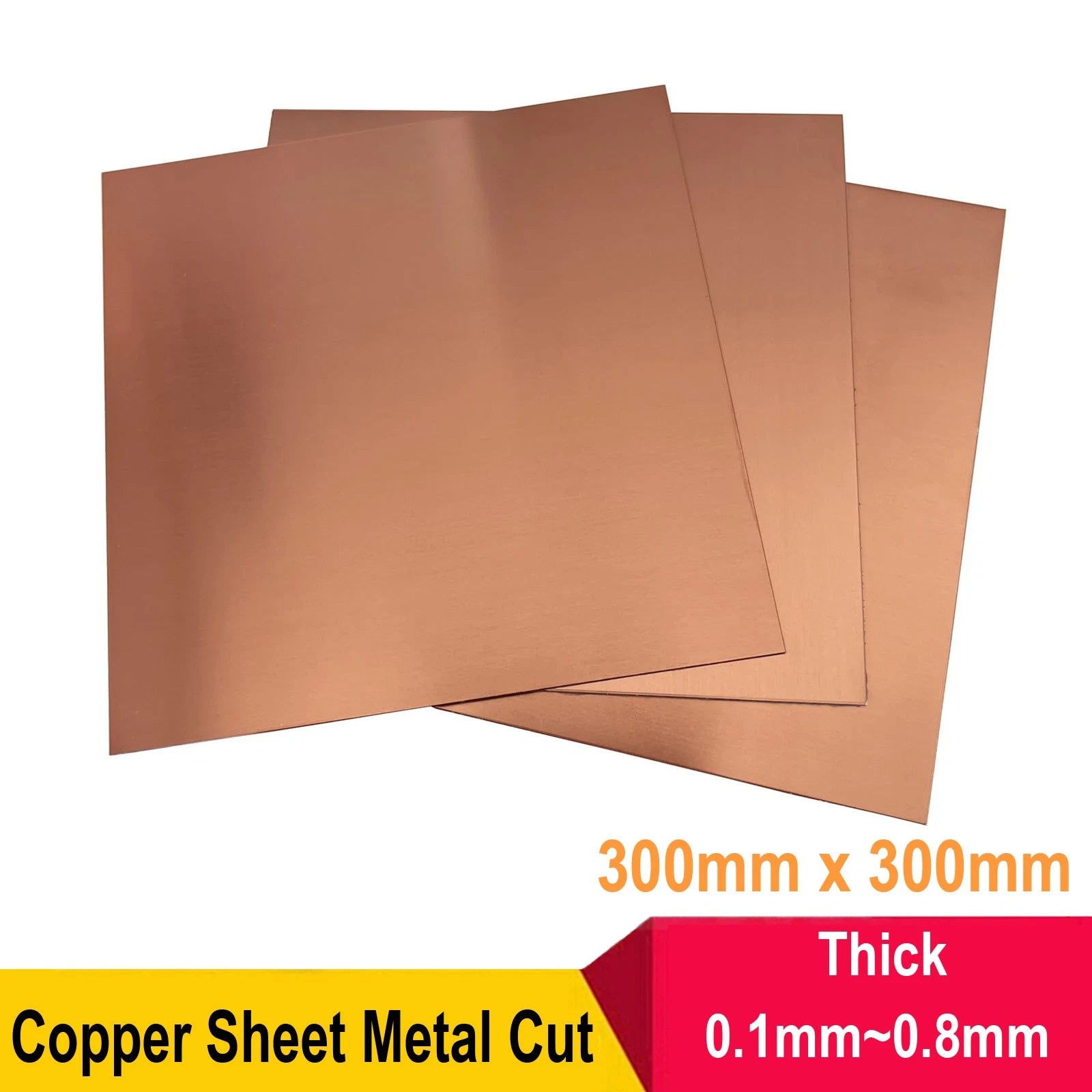
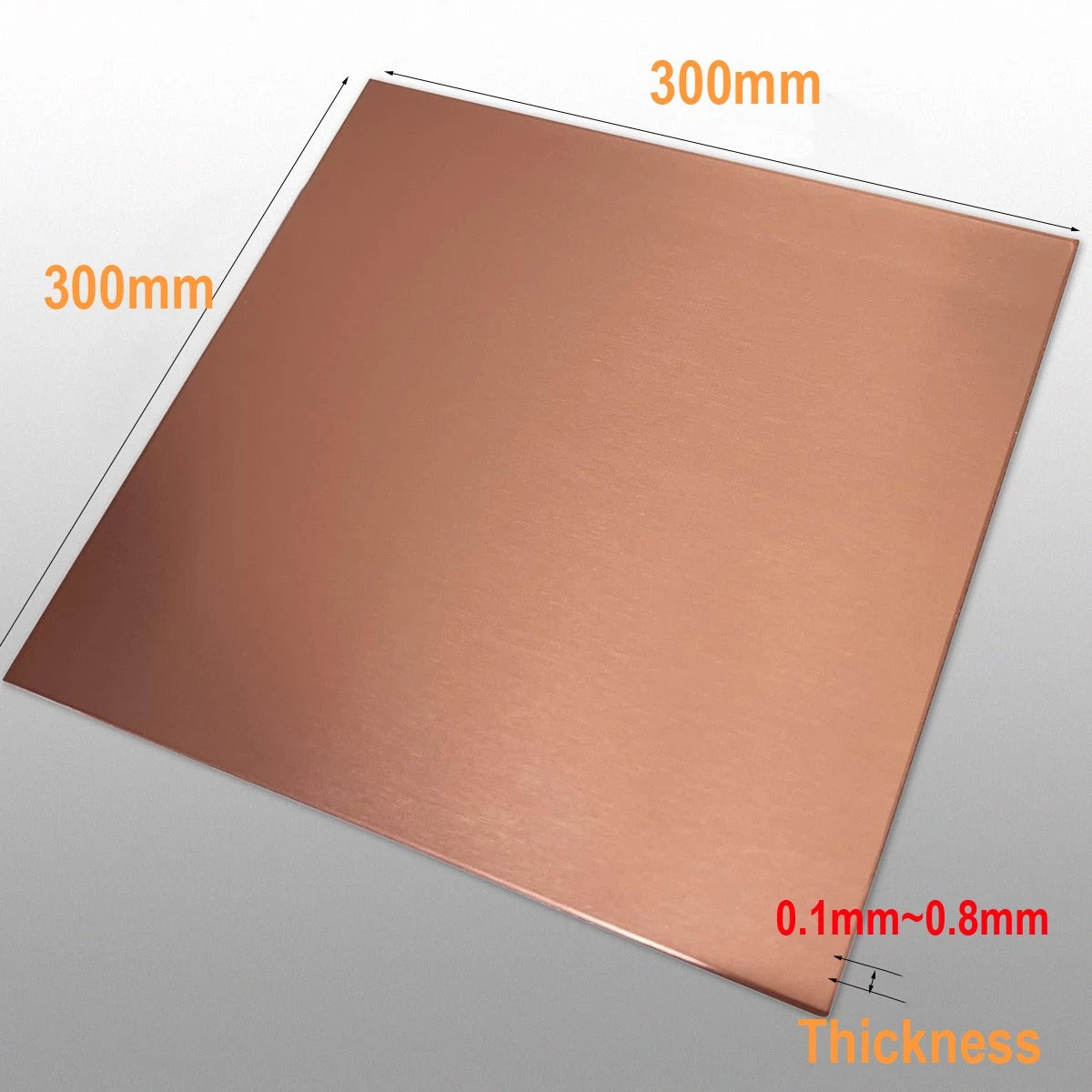
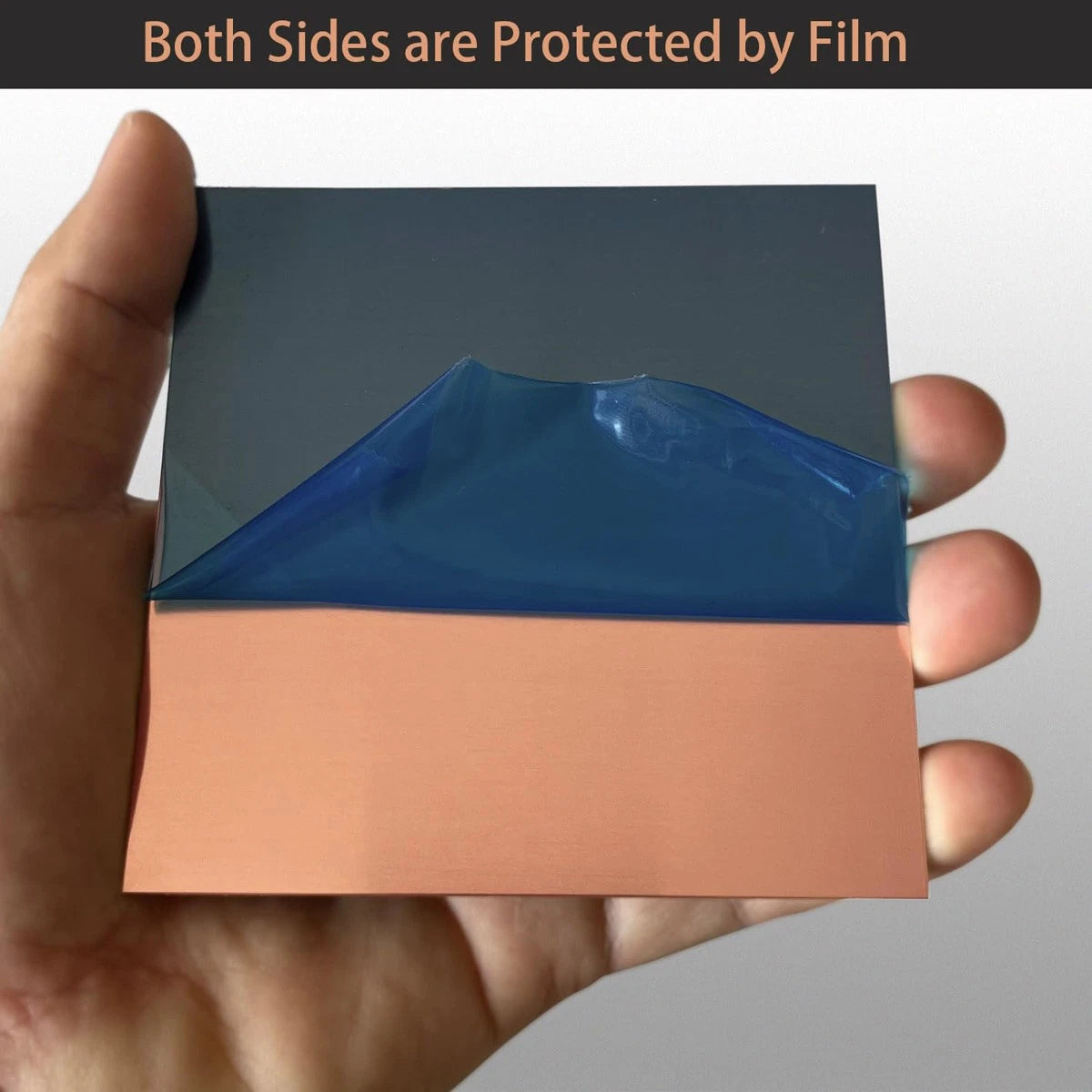
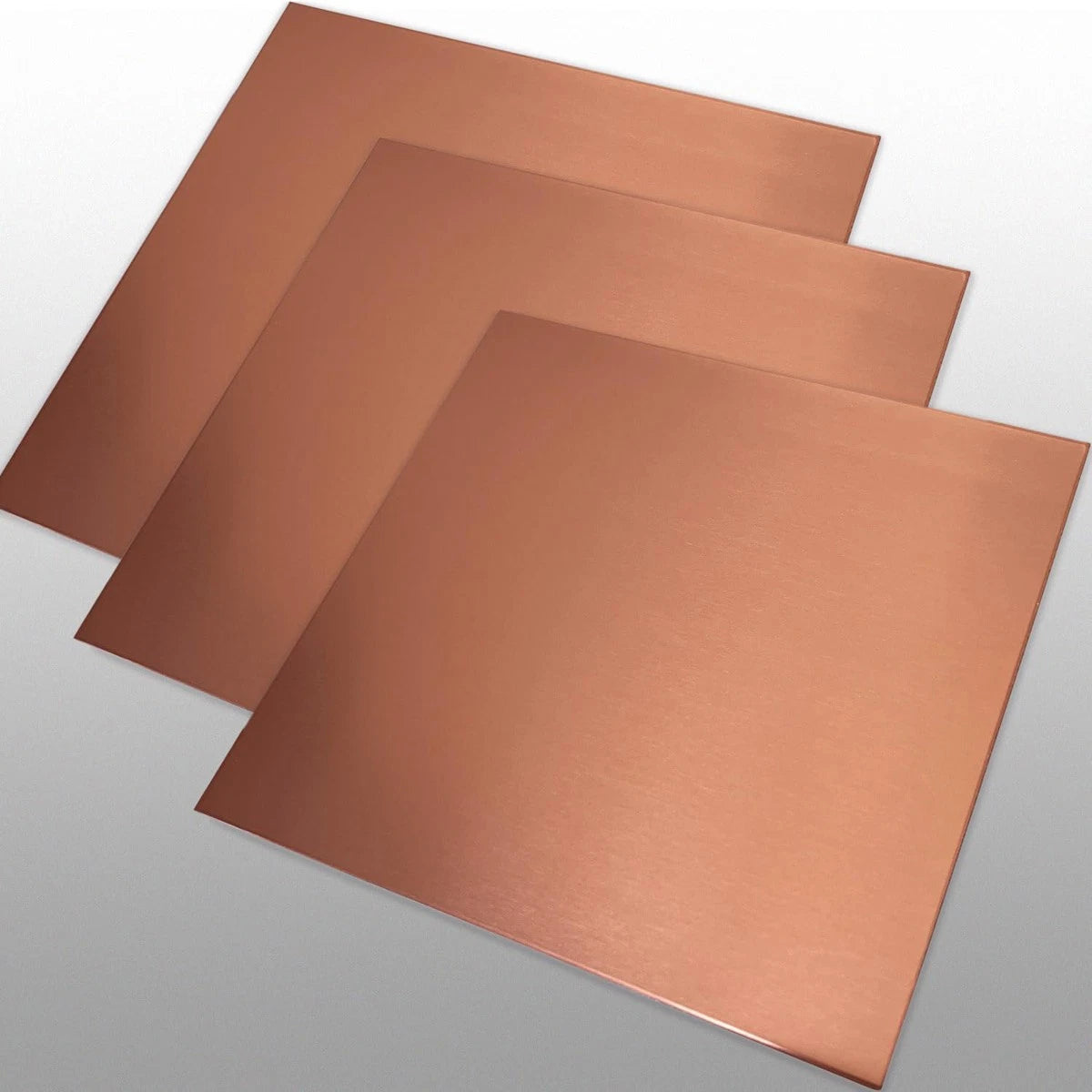
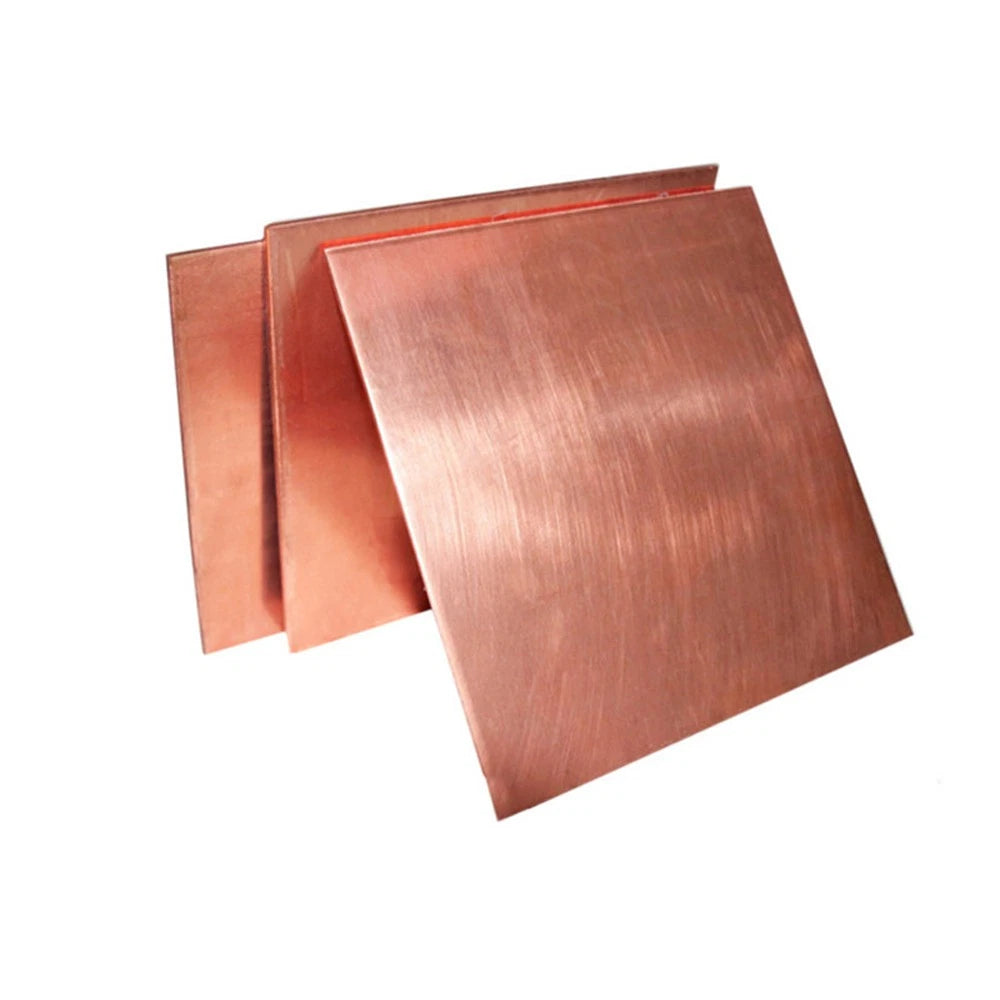
Each sheet is guillotine-cut from solid copper flat stock and measures 300 mm × 300 mm (approximately 11.8 in × 11.8 in). Thickness options span 0.1 mm to 0.8 mm (roughly 0.004 in to 0.031 in), covering everything from ultra-thin foil-grade shims to sturdier structural panels. The copper alloy is uncoated, giving you a bright, solderable surface straight out of the pack.
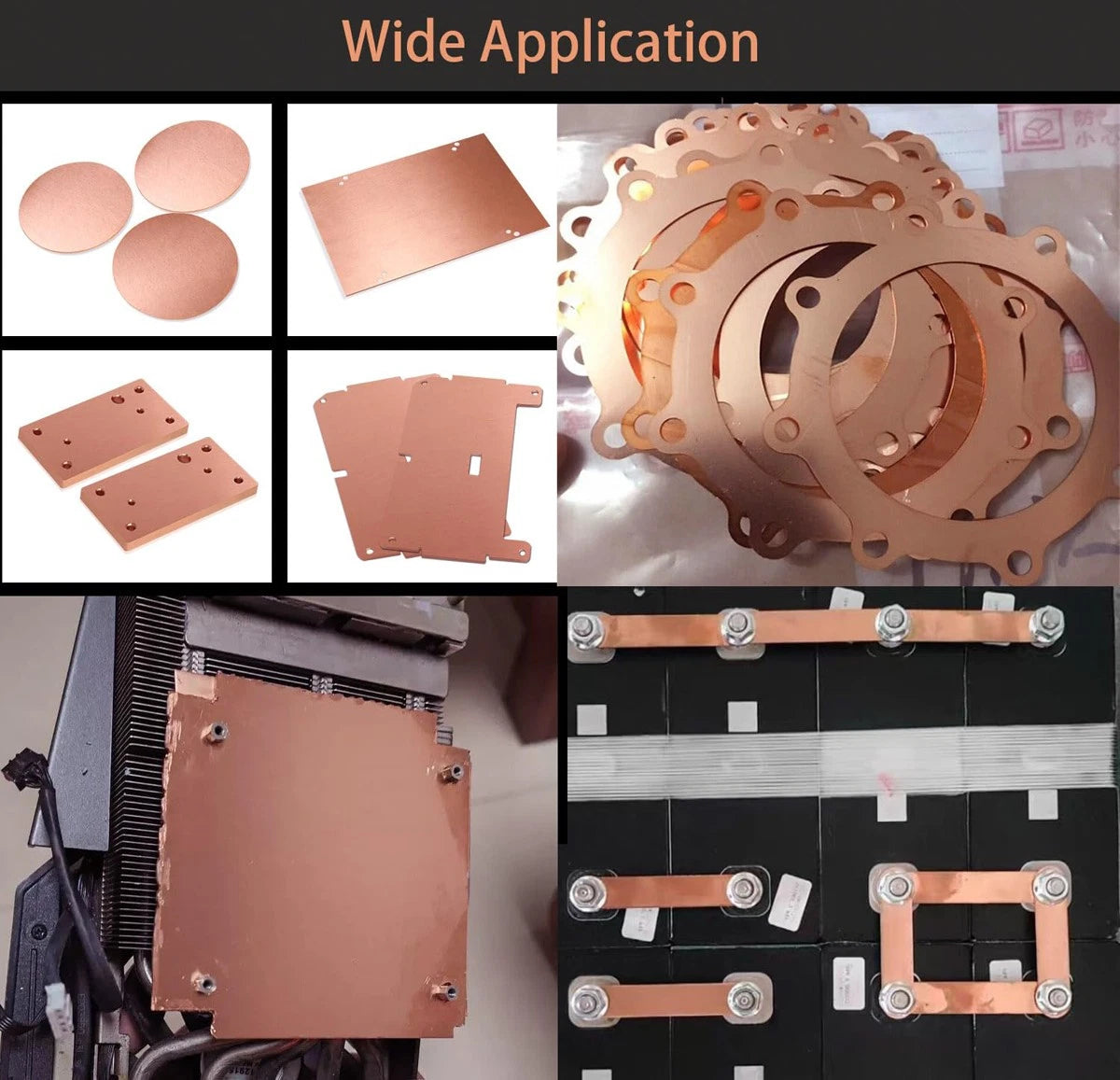
Typical use cases include DIY electromagnetic interference (EMI) shielding for electronics enclosures, hand-cut decorative inlays and jewellery blanks, heat-spreader patches for thermal management projects, and replacement shim stock for mechanical alignment tasks. The square format is also popular for hobbyist etching and PCB prototyping work where a consistent, flat copper surface is essential.
| Material | Copper (uncoated bare copper) |
|---|---|
| Sheet Width | 300 mm (11.81 in) |
| Sheet Length | 300 mm (11.81 in) |
| Thickness Range | 0.1 mm – 0.8 mm (0.004 in – 0.031 in) |
| Available Thicknesses | 0.1 / 0.2 / 0.3 / 0.4 / 0.5 / 0.6 / 0.8 mm |
| Cut Method | Guillotine shear |
| Surface Finish | Bare / uncoated copper |
| Quantity Options | 1 Pcs / 2 Pcs / 5 Pcs |
| Approximate Weight (0.1 mm, 1 Pcs) | See variant options |
| Solderability | Compatible with tin-lead and lead-free solder |
| Electrical Conductivity | High (copper, uncoated) |
| Thermal Conductivity | High (copper) |
For delicate decorative work, jewellery blanks, or foil-style shielding, 0.1–0.2 mm is typically sufficient. For general-purpose EMI shielding enclosures or heat spreaders, 0.3–0.5 mm offers a good balance of formability and rigidity. For structural bus bars, grounding straps, or applications requiring the sheet to hold its shape under load, 0.6–0.8 mm is recommended. If you are unsure, 0.3 mm is a versatile mid-range starting point.
Yes. The sheets have a bare, uncoated copper surface that accepts standard tin-lead (Sn63/Pb37) and lead-free (SAC305) solder without any pre-treatment. For best results, clean the surface with isopropyl alcohol and apply a small amount of flux before soldering. Avoid leaving flux residue on the surface after soldering, as it can accelerate surface oxidation.
Bare copper will naturally oxidise and develop a patina (darkening or greenish verdigris) when exposed to air and moisture. This oxide layer actually slows further corrosion. For applications where appearance matters, you can apply a clear lacquer or wax coating after cleaning. For electrical contact surfaces, keep the area clean and consider tinning (applying a thin solder coat) to maintain conductivity.
Thinner sheets (0.1–0.3 mm) can be cut cleanly with standard tin snips, heavy-duty scissors, or a craft knife and straight edge. Mid-range thicknesses (0.4–0.6 mm) work well with aviation snips or a rotary tool with a cutting disc. The 0.8 mm sheet is best cut with tin snips, a jigsaw with a metal blade, or a CNC router. All thicknesses are compatible with laser cutting and waterjet cutting for precision shapes.
Yes. The bare copper surface is well-suited for ferric chloride etching (PCB prototyping) and acid-based art etching techniques. The 0.1–0.3 mm thicknesses are most commonly used for this purpose due to their lighter weight and easier handling. Ensure the surface is degreased thoroughly with acetone or isopropyl alcohol before applying resist or toner transfer.
Thinner gauges (0.1–0.3 mm) are soft enough to hand-form around curves, fold along a straight edge, or shape with basic metalworking tools. Thicker gauges (0.5–0.8 mm) require more force and are better formed with a bench vise, sheet metal brake, or mallet over a form. Copper work-hardens as it is bent, so anneal (heat and quench) the sheet if you need to make multiple bends without cracking.
Each listing offers 1 Pcs, 2 Pcs, or 5 Pcs per order — select your preferred quantity from the variant options above. If you need quantities beyond 5 sheets or require a custom size, please use the Contact Us page to discuss your requirements.