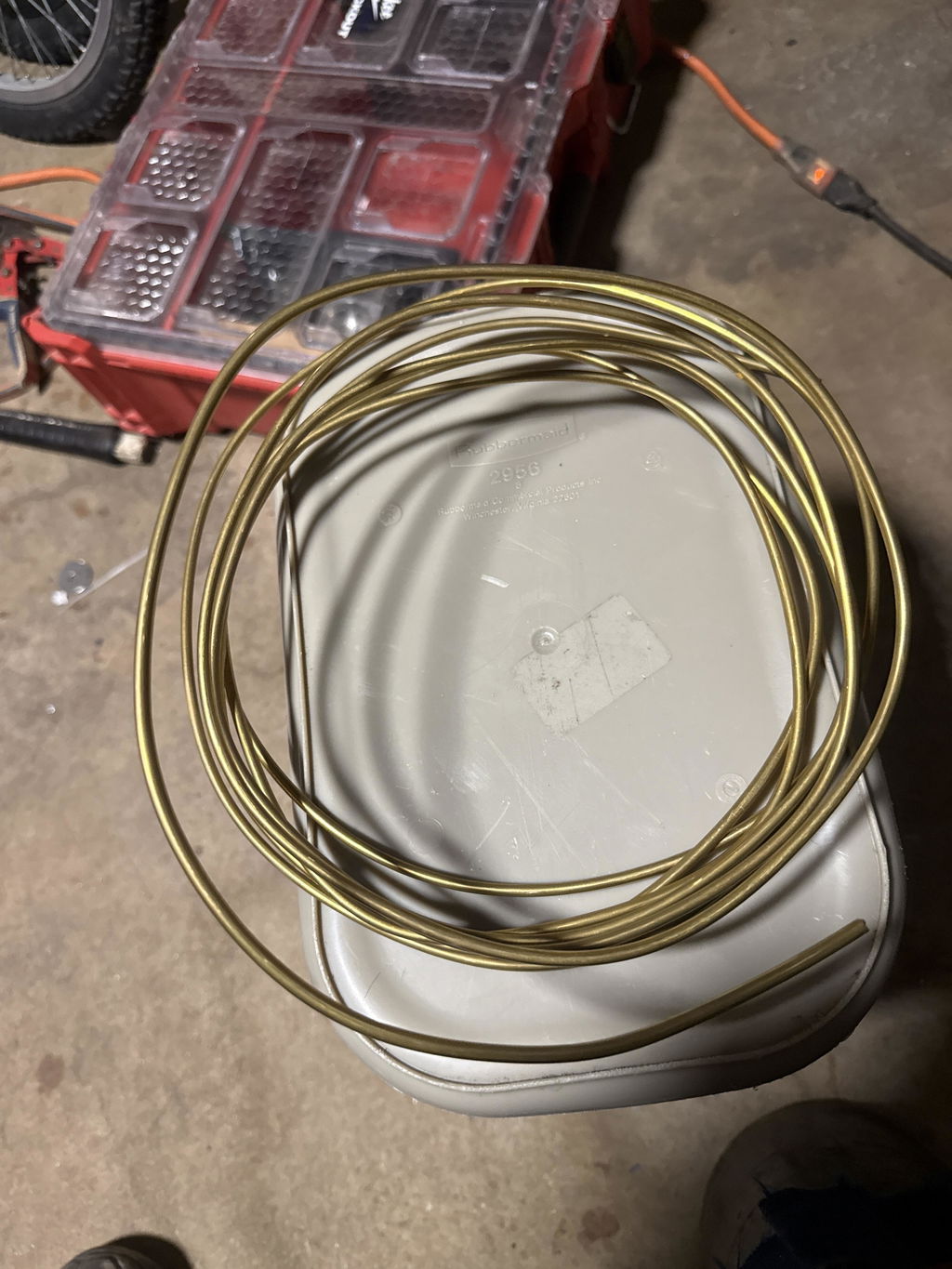
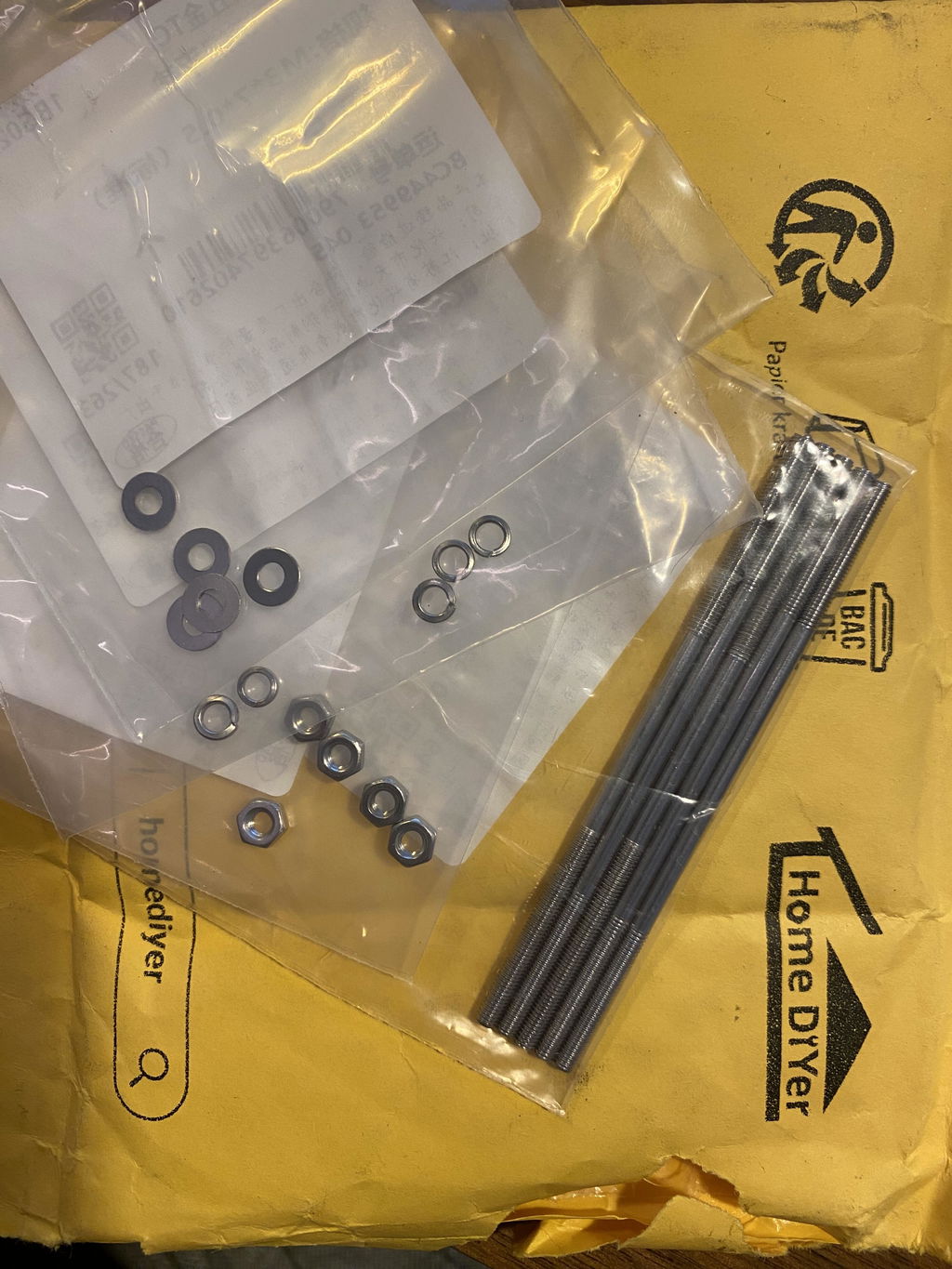
The chain is fine...but I ordered the wrong size. Nine links of the chain I ordered equals six of the size I wanted. My error...
How can I straighten out the springs? I can't use them coil uo as is.
Your payment information is processed securely. We do not store credit card details nor have access to your credit card information.
Get fitment advice & recommendations
When your project demands a conductor that won't let you down — whether you're grounding a circuit, lining a planter box, or fabricating a custom bracket — finding the right thickness and width in one place is rarely straightforward. This copper sheet strip is designed for makers, electricians, hobbyists, and repair technicians who need a reliable, workable copper flat bar in exact dimensions without ordering custom mill runs.
Each strip is made from pure copper (C11000 / ETP grade equivalent), available in thicknesses ranging from 0.01mm to 1mm (approximately 0.0004" to 0.039") and widths from 10mm to 300mm (approximately 0.39" to 11.8"). All pieces are cut to a fixed 1000mm (39.4") length. The surface is smooth-rolled with a natural copper finish, free of burrs on standard cuts.
Typical use cases include EMF/RF shielding tape for electronics enclosures, grounding straps for electrical panels and solar installations, decorative inlay work for woodworking and jewelry, heat-spreading shims in PC builds and LED lighting assemblies, and corrosion-resistant flashing strips for roofing and plumbing joints.
Choose from 0.01mm ultra-thin foil up to 1mm structural plate — covering shielding foil, shim stock, and light structural applications in a single product line.
Available in 10, 20, 30, 40, 50, 100, 150, 200, and 300mm widths — all at a consistent 1000mm (39.4") length — so you cut only what you need.
Pure copper construction delivers excellent electrical and thermal conductivity, making these strips ideal for grounding straps, bus bars, and EMF shielding applications.
Copper's natural oxide layer provides inherent resistance to moisture and mild corrosion, extending service life in both indoor and outdoor environments.
Soft-annealed copper is highly malleable — it can be cut with standard tin snips or a utility knife (thin gauges), bent by hand, and soldered without special equipment.
From roofing flashing and plumbing joints to decorative woodworking inlays and electronics repair, these strips adapt to a broad range of professional and hobbyist tasks.
| Material | Pure Copper (C11000 / ETP equivalent) |
|---|---|
| Thickness Range | 0.01mm – 1mm (0.0004" – 0.039") |
| Width Options | 10 / 20 / 30 / 40 / 50 / 100 / 150 / 200 / 300mm |
| Length | 1000mm (39.4") |
| Surface Finish | Smooth-rolled, natural copper |
| Temper | Soft-annealed (malleable) |
| Electrical Conductivity | ≥ 99% IACS (typical for ETP copper) |
| Packing Quantity | See variant options |
| Weight per Piece | See variant options |
| Color | Natural copper (reddish-orange) |
For EMF/RF shielding and foil tape applications, 0.01mm–0.05mm is typically sufficient. For grounding straps and electrical bus bars, 0.1mm–0.3mm offers a good balance of flexibility and conductivity. For structural shims, heat spreaders, or roofing flashing, 0.4mm–1mm provides the rigidity needed. If you're unsure, start with 0.1mm or 0.2mm — the most versatile range for general DIY use.
For residential electrical panel grounding, 20mm–50mm widths are commonly used. For solar panel array grounding or larger equipment bonding, 100mm–200mm strips provide lower impedance and better current-carrying capacity. Always verify your local electrical code requirements before installation.
Yes. Pure copper solders readily with standard rosin-core or water-soluble flux and 60/40 or lead-free solder. For thicker gauges (0.5mm and above), pre-heating the copper with a soldering iron or torch ensures proper solder flow. Avoid acid flux on thin foil gauges as it can cause pitting.
Copper naturally develops a patina (darkening or greenish verdigris) when exposed to air and moisture over time. This patina is non-destructive and actually protects the underlying metal. For applications where appearance matters, apply a clear lacquer or wax coating. For electrical connections, ensure contact surfaces are clean and bright before assembly.
Thin gauges (0.01mm–0.1mm) can be cut cleanly with sharp scissors, a utility knife, or a rotary cutter on a cutting mat. Medium gauges (0.15mm–0.5mm) work well with tin snips or aviation shears. Thicker strips (0.6mm–1mm) are best cut with bench shears or an angle grinder with a thin cutting disc. Always deburr cut edges with a fine file or sandpaper before handling.
These strips are made from ETP (Electrolytic Tough Pitch) copper, which is the same grade used in electrical wire and bus bars. It offers ≥99% IACS electrical conductivity, making it fully suitable for grounding, bonding, and current-carrying applications in both low-voltage and signal-level circuits.
Narrow strips (10mm–50mm) are ideal when you need a defined conductor path — such as a grounding strap, inlay channel, or heat pipe contact. Wide sheets (100mm–300mm) are better for area coverage — such as EMF shielding panels, roofing flashing, or large heat-spreading applications. Consider the surface area you need to cover and whether the strip will be bent or remain flat.