The chain is fine...but I ordered the wrong size. Nine links of the chain I ordered equals six of the size I wanted. My error...
How can I straighten out the springs? I can't use them coil uo as is.
Your payment information is processed securely. We do not store credit card details nor have access to your credit card information.
Get fitment advice & recommendations
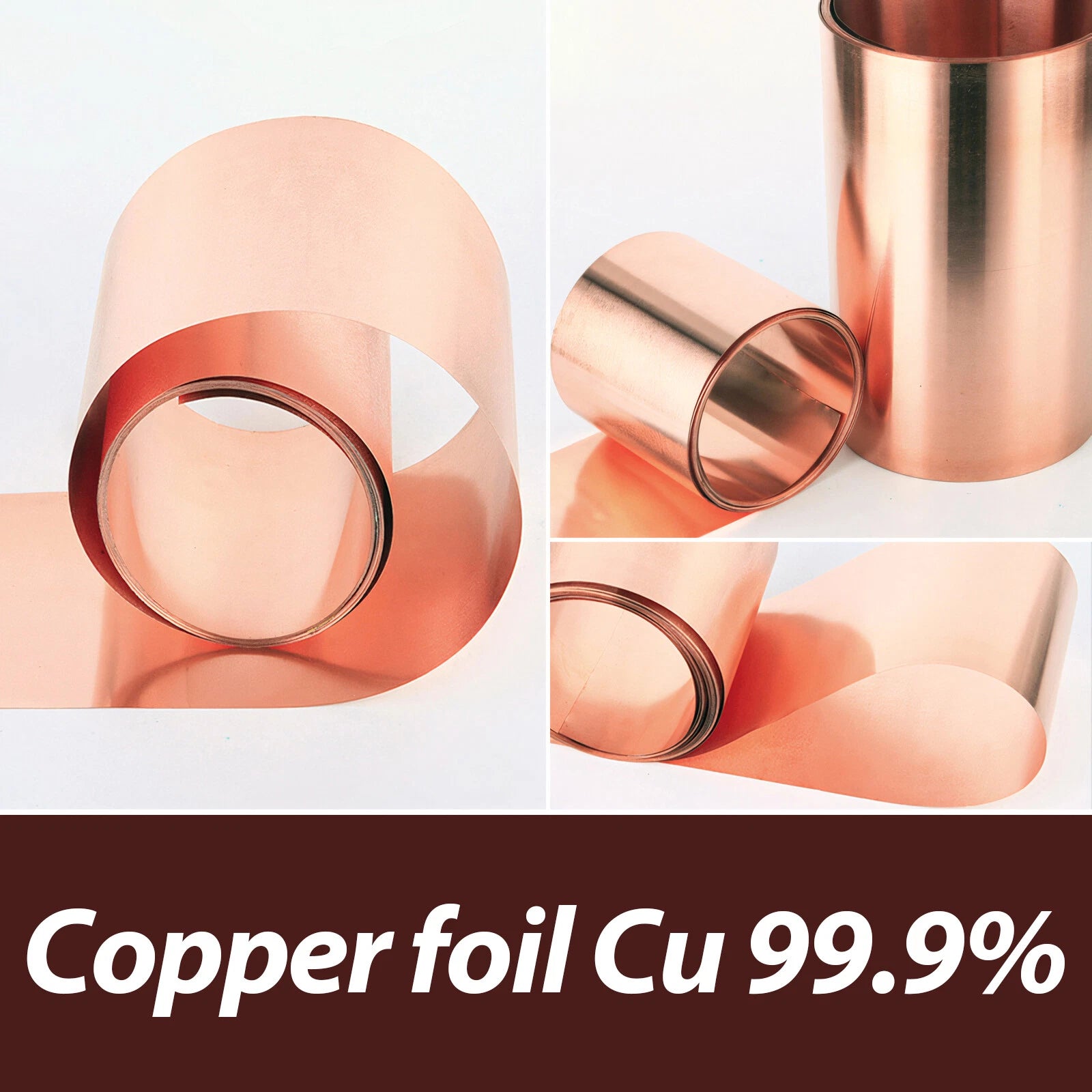
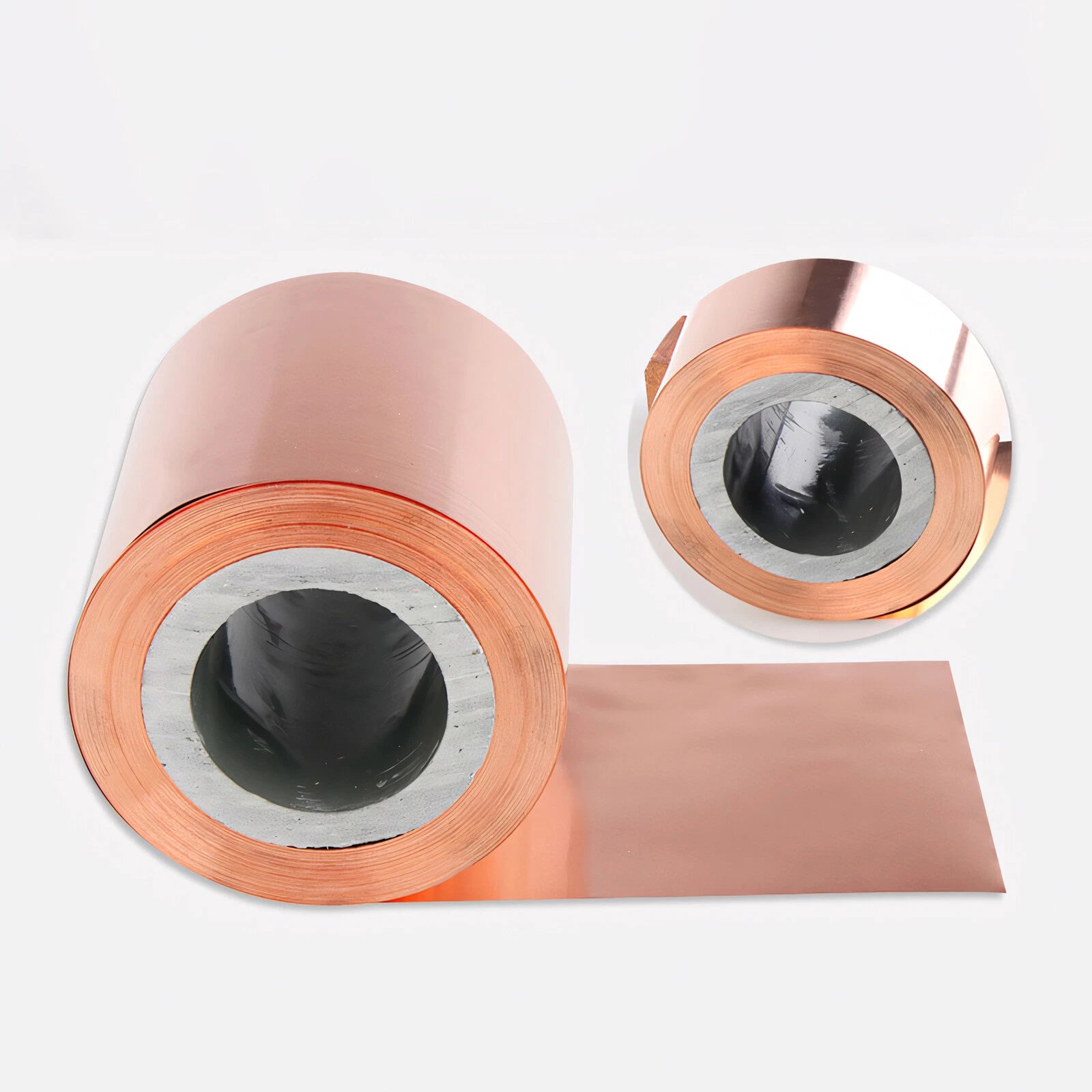
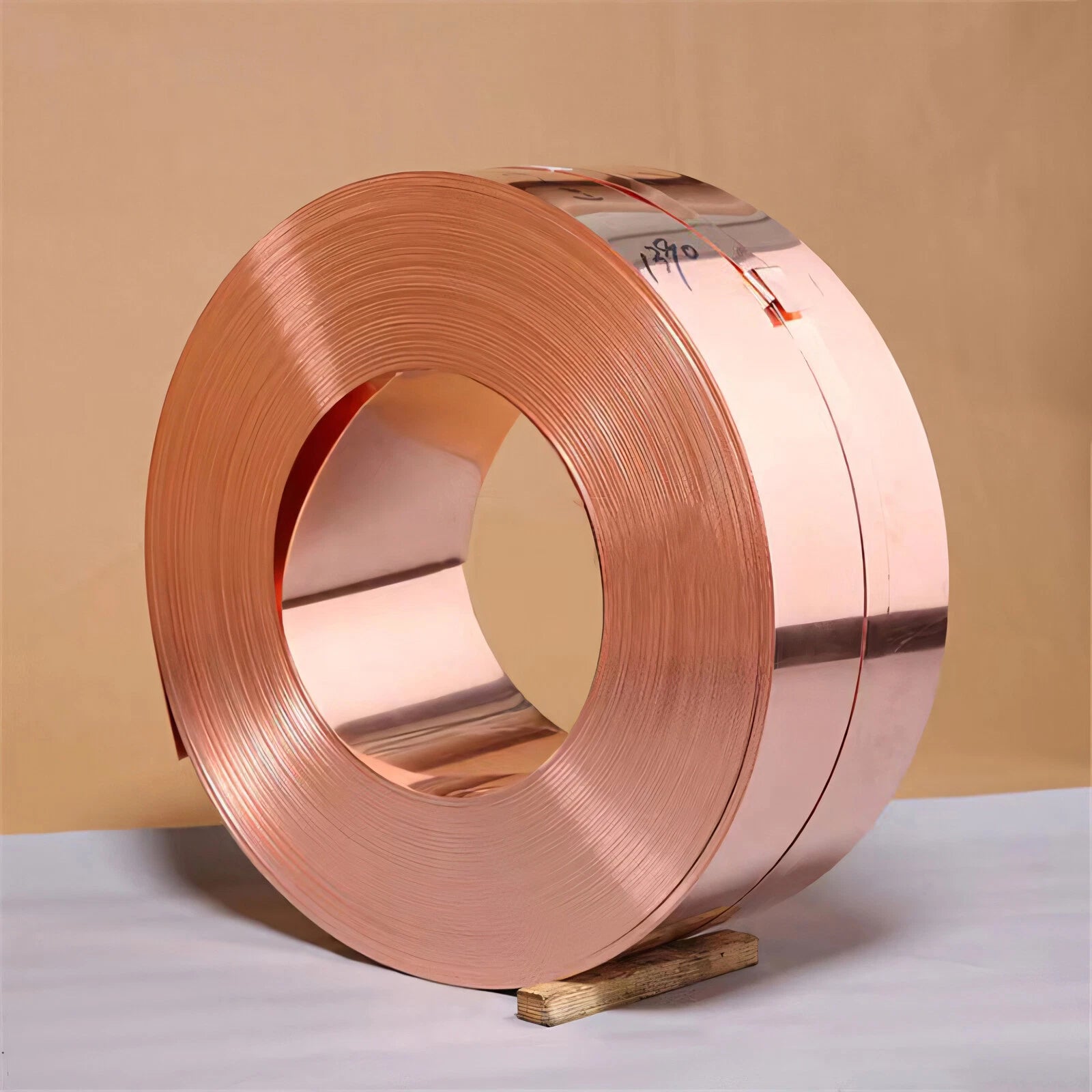
When your project demands reliable conductivity, corrosion resistance, and dimensional accuracy, standard hardware-store metal strips fall short. This 99.9% copper sheet roll is engineered for makers, electricians, hobbyists, and fabricators who need a consistent, pure copper foil they can cut to exact length without waste or guesswork.
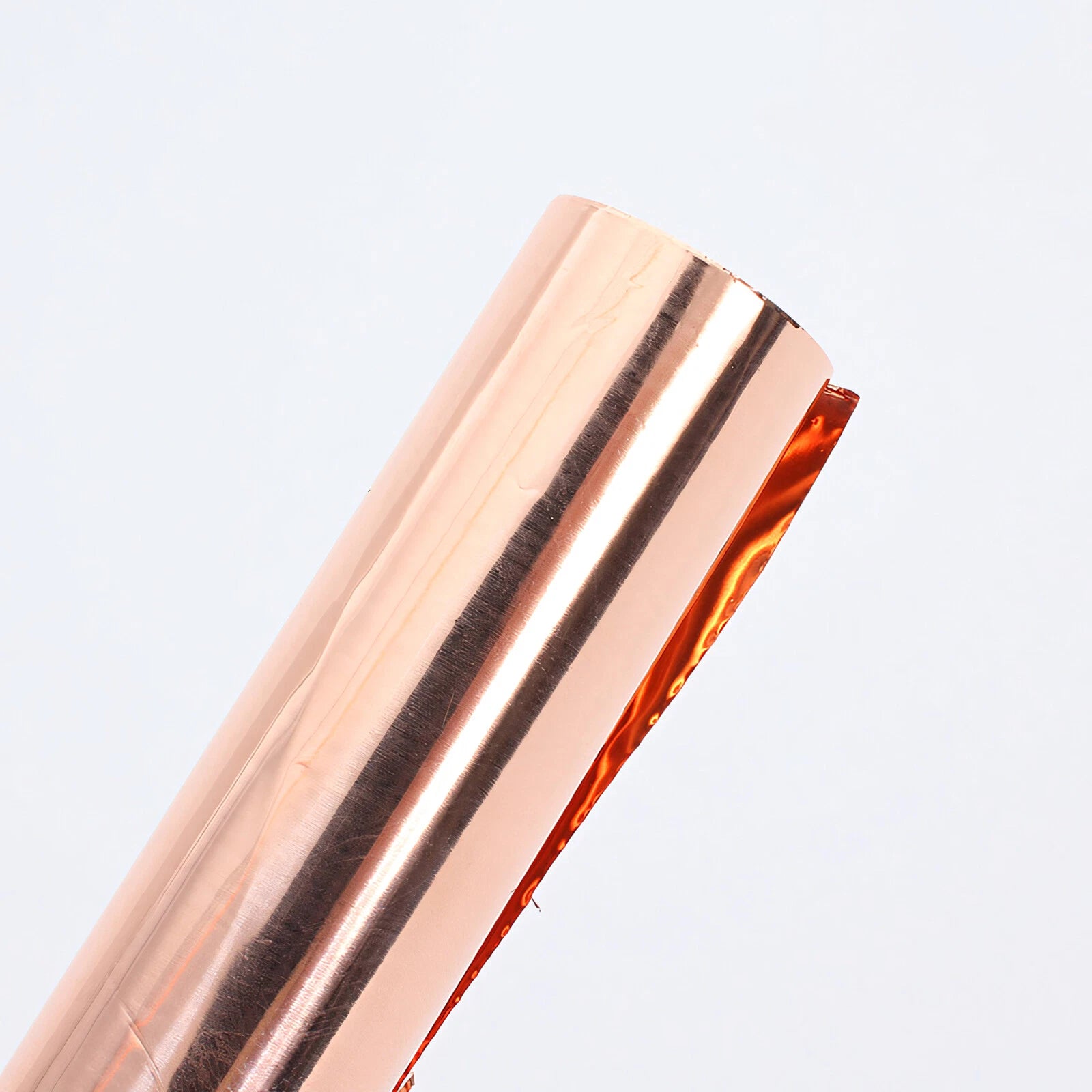
Each roll is made from 99.9% pure copper (C11000 / ETP grade equivalent), available in thicknesses from 0.25 mm to 1.0 mm (approximately 0.010"–0.039") and widths from 5 mm to 300 mm (approximately 0.20"–11.81"). Length options are 1 Meter and 5 Meters per order. The surface is smooth-rolled with a bright copper finish, free of burrs along the edges.
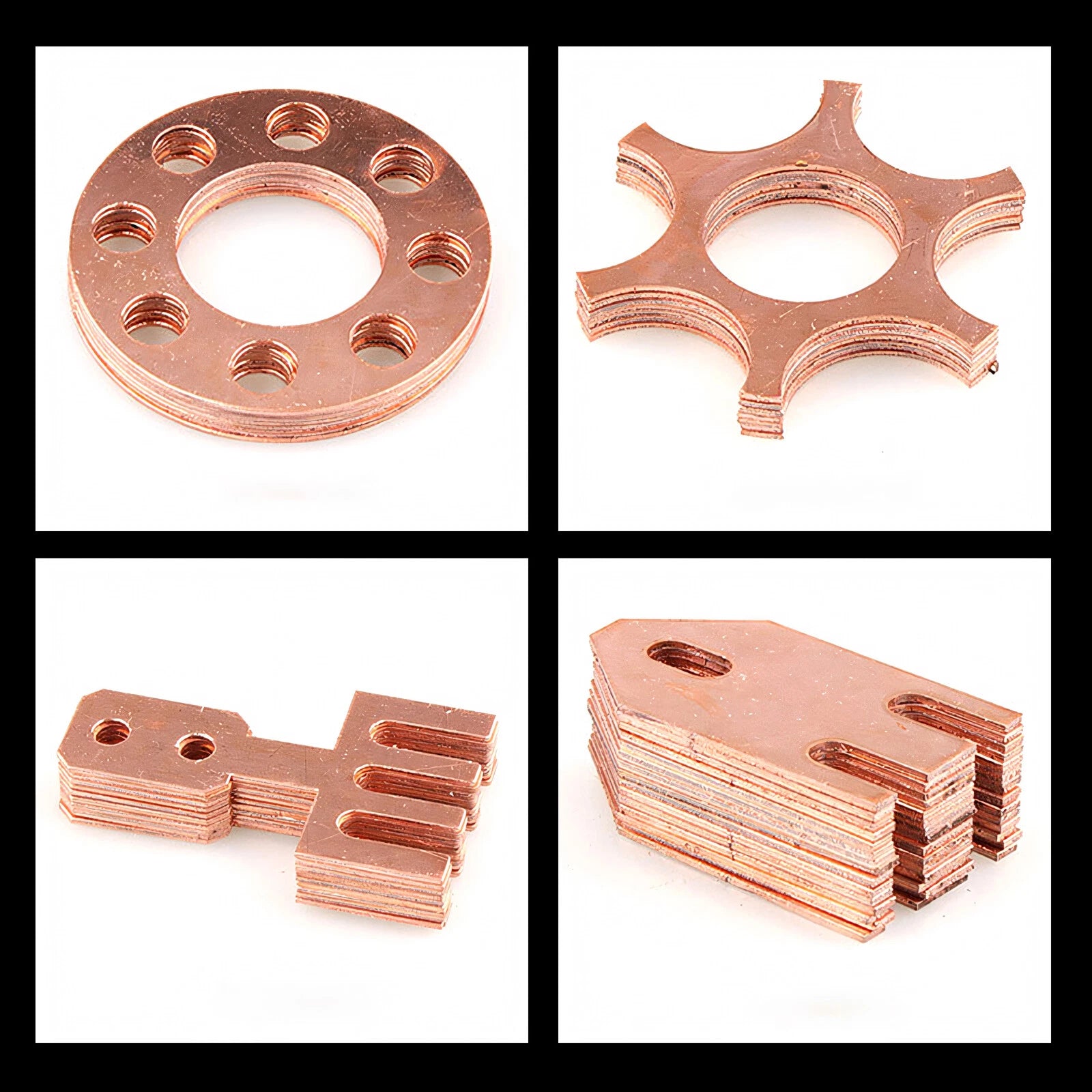
Typical use cases include EMF/RF shielding tape for electronics enclosures, grounding straps and bus bars in low-voltage electrical panels, decorative inlay work in woodworking and resin casting, and heat-spreading shims in DIY PC cooling builds. The combination of thin gauge and wide width range makes this copper foil roll one of the most versatile raw copper materials for custom fabrication.
| Material | 99.9% Pure Copper (C11000 / ETP Grade) |
|---|---|
| Thickness Options | 0.25 mm, 0.3 mm, 0.4 mm, 0.5 mm, 0.6 mm, 0.8 mm, 1.0 mm |
| Width Options | 5 mm – 300 mm (see variant options) |
| Length Options | 1 Meter / 5 Meters |
| Surface Finish | Smooth-rolled, bright copper |
| Temper | Soft / Annealed (H00) |
| Electrical Conductivity | ~100% IACS |
| Thermal Conductivity | ~385 W/(m·K) |
| Density | ~8.96 g/cm³ |
| Melting Point | ~1,085 °C (1,985 °F) |
| Weight per Unit | See variant options |
| Edge Condition | Mill-cut, burr-minimized |
For EMF/RF shielding tape and light decorative inlay, 0.25 mm–0.3 mm is typically sufficient and easy to cut with scissors or a utility knife. For grounding straps, bus bars, or heat-spreading shims, 0.5 mm–1.0 mm provides better mechanical strength and current-carrying capacity. If you need to bend the strip around tight radii without cracking, stay at 0.5 mm or thinner.
Width selection depends on your application. Narrow strips (5 mm–20 mm) suit grounding leads, decorative inlay channels, and PCB shielding tape. Medium widths (25 mm–100 mm) work well for bus bars, heat spreaders, and craft projects. Wide sheets (120 mm–300 mm) are suited for large-area EMF shielding panels, roofing flashing repairs, or custom fabrication blanks. Select your width from the variant dropdown above.
This is soft-annealed (H00 temper) copper foil, optimized for formability and conductivity rather than structural strength. It is not intended for load-bearing applications. For structural copper components, a harder temper (H02 or H04) would be more appropriate. This product excels in electrical, thermal, and decorative applications where malleability is an advantage.
Copper naturally oxidizes and develops a patina (darkening to brown, then eventually green verdigris in humid outdoor environments). This patina is a stable oxide layer that actually slows further corrosion. For indoor electrical and shielding applications, surface oxidation does not significantly affect conductivity at connection points if surfaces are cleaned before soldering. If a bright finish is required long-term, apply a clear lacquer or keep the copper sealed from air.
Yes. 99.9% ETP copper solders readily with standard rosin-core or water-soluble flux and 60/40 or lead-free solder. Clean the surface with isopropyl alcohol and apply flux before soldering for best adhesion. Thinner gauges (0.25 mm–0.4 mm) heat up quickly, so use a moderate iron temperature (around 300–350 °C) to avoid warping.
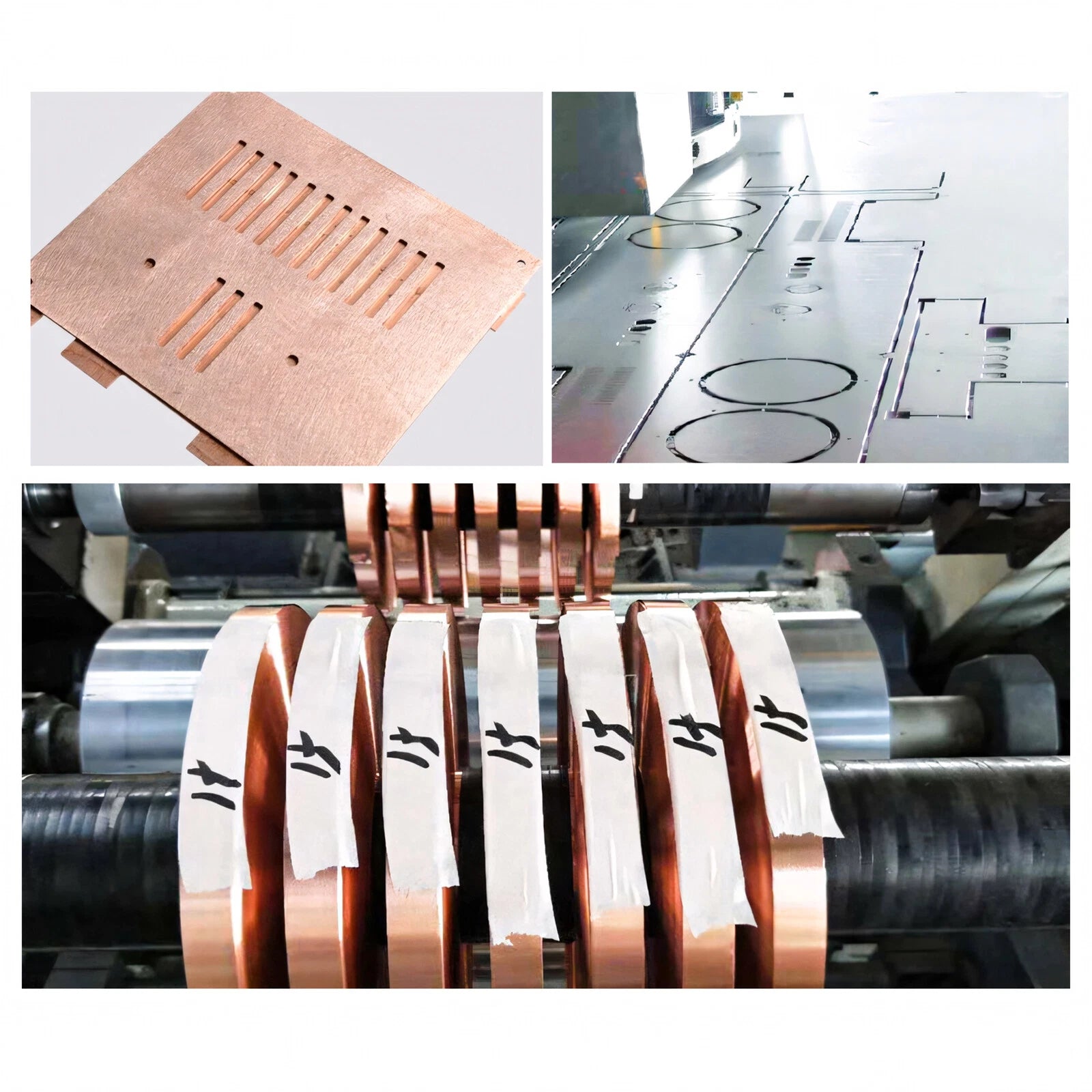
For thicknesses up to 0.4 mm, heavy-duty scissors, a utility knife with a straightedge, or a rotary cutter work well. For 0.5 mm–1.0 mm, use aviation tin snips, a bench shear, or a metal-cutting blade on a jigsaw. Always deburr cut edges with a fine file or sandpaper for safe handling. Score-and-snap is not recommended for copper foil as it may crack unevenly.
Yes. 99.9% pure copper is one of the most effective materials for RF and EMF shielding due to its high electrical conductivity. Even a 0.25 mm thick copper layer provides significant attenuation of high-frequency electromagnetic fields. For best shielding effectiveness, ensure overlapping seams are soldered or taped with conductive copper tape, and ground the shield to a suitable earth point.
Store unused copper rolls in a sealed plastic bag or wrap them in anti-tarnish paper (available at craft and jewelry supply stores). Keep in a cool, dry location away from humidity, sulfur-containing materials (rubber bands, certain papers), and direct sunlight. If tarnish does develop, it can be removed with a mild copper cleaner or a paste of salt and white vinegar before use.