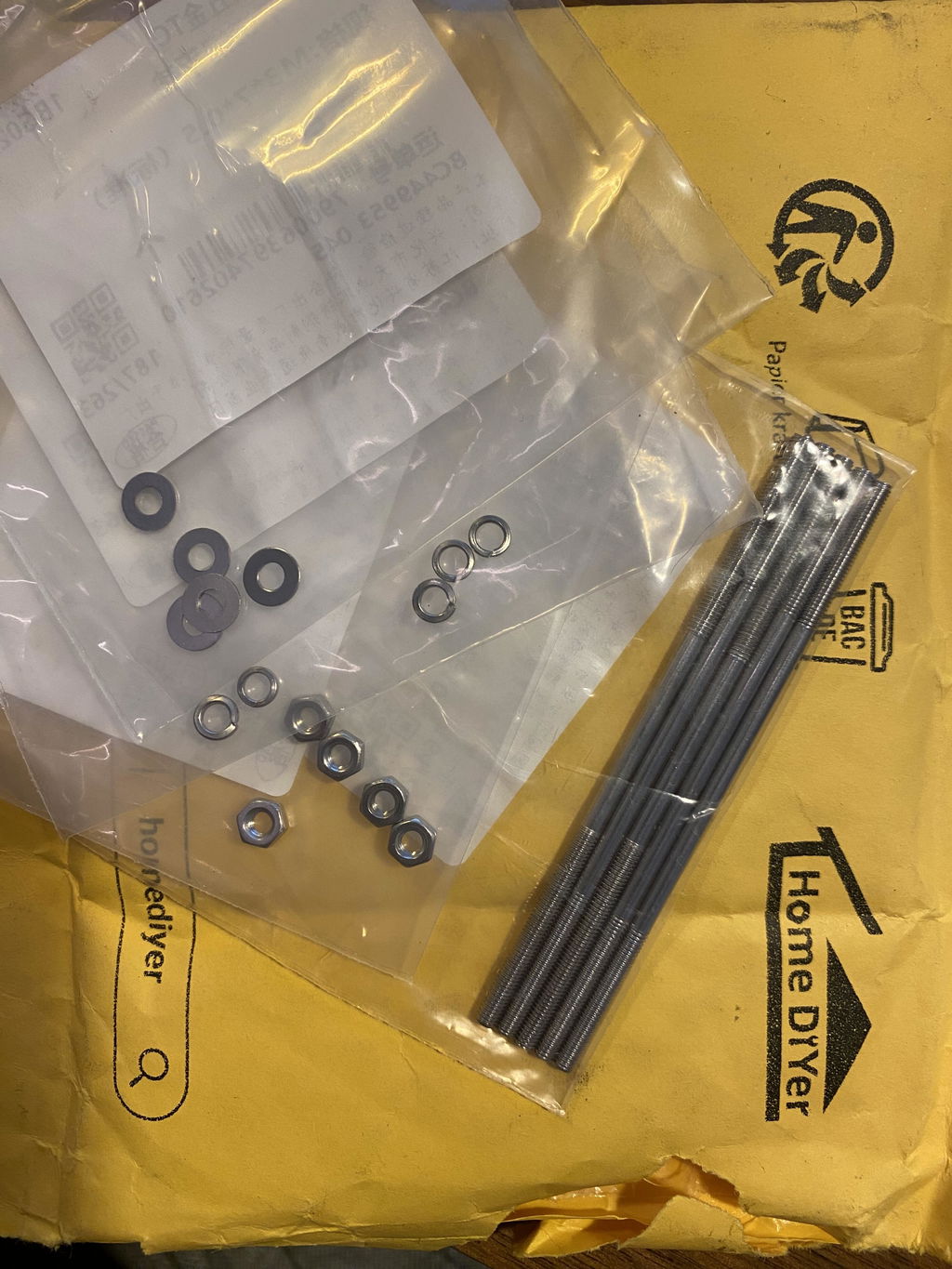


The chain is fine...but I ordered the wrong size. Nine links of the chain I ordered equals six of the size I wanted. My error...
How can I straighten out the springs? I can't use them coil uo as is.
Your payment information is processed securely. We do not store credit card details nor have access to your credit card information.
Get fitment advice & recommendations
When your project demands a conductor that bends without cracking, holds its shape under repeated flexing, and delivers reliable electrical performance, thin copper sheet strip is the material of choice. Makers, electronics hobbyists, HVAC technicians, and small-workshop fabricators all reach for this product when standard wire or rigid plate simply won't do.
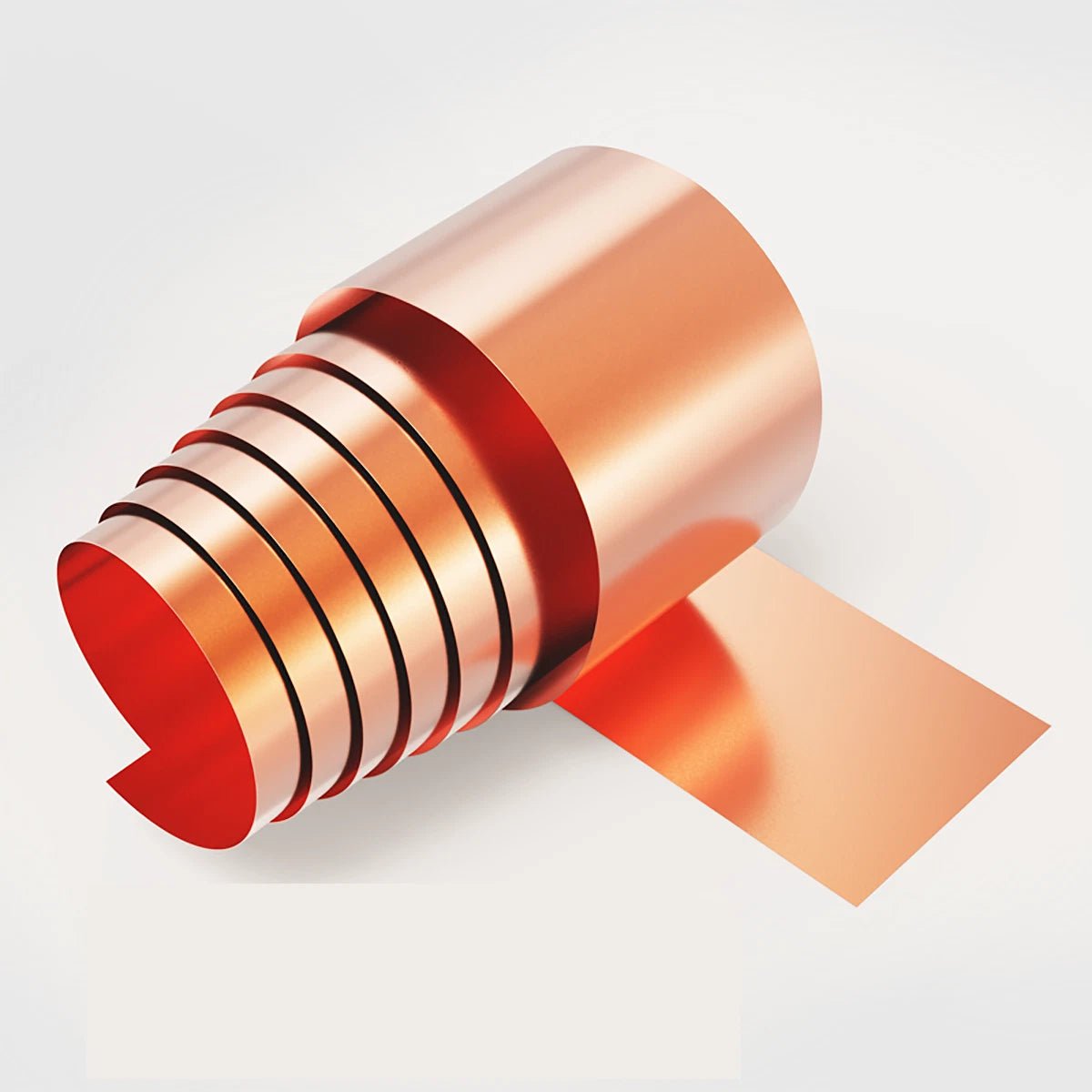
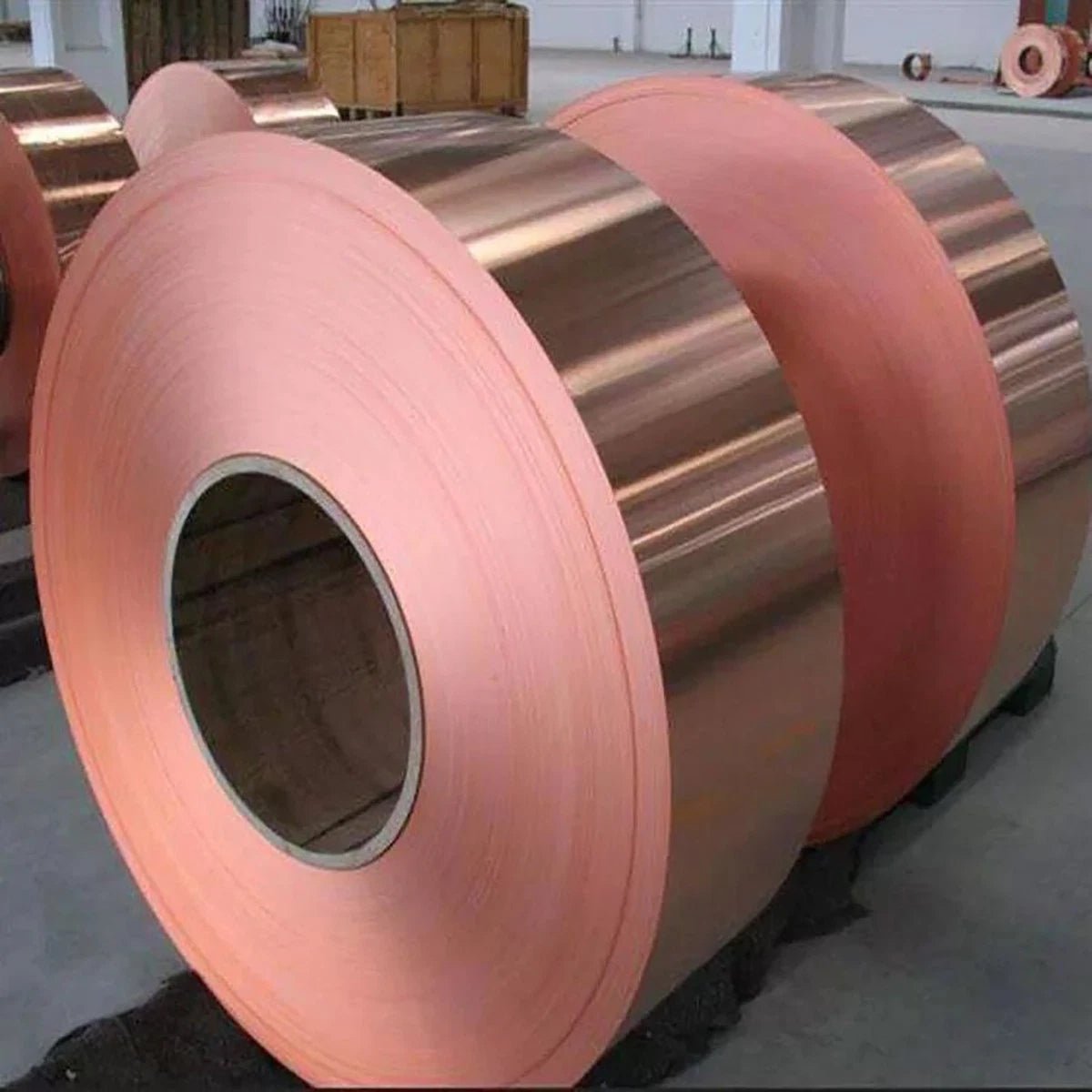
These copper strips are made from C101 (99.9%+ pure electrolytic copper), supplied in a flat rolled form. Thickness ranges from 0.02 mm (≈ 0.0008 in) up to 1.0 mm (≈ 0.039 in), and widths span from 5 mm (≈ 0.20 in) to 120 mm (≈ 4.72 in). Each piece is cut to a 1 m (≈ 39.4 in) length. The combination of tight dimensional tolerances and a smooth, burr-free surface makes these strips ready to use straight from the package.
Typical applications include EMI/RFI shielding tape for electronics enclosures, flexible bus bars in battery packs and solar installations, decorative inlay work in woodworking and jewelry, grounding straps for audio equipment, and heat-spreader shims in thermal management assemblies. The ultra-thin gauges (0.02–0.05 mm) are especially popular for copper foil shielding and craft projects, while the thicker gauges (0.3–1.0 mm) suit structural electrical connections and precision machined parts.
| Material | C101 Electrolytic Copper (99.9%+ Cu) |
|---|---|
| Thickness Range | 0.02 mm – 1.0 mm (0.0008 in – 0.039 in) |
| Width Range | 5 mm – 120 mm (0.20 in – 4.72 in) |
| Length | 1 m (≈ 39.4 in) per piece |
| Surface Finish | Bright rolled, burr-free slit edges |
| Temper | See variant options |
| Electrical Conductivity | ≥ 100% IACS (typical for C101) |
| Tensile Strength | See variant options |
| Density | 8.94 g/cm³ |
| Melting Point | 1,083 °C (1,981 °F) |
| Thermal Conductivity | ≈ 391 W/(m·K) |
| Form | Flat strip / sheet |
| Quantity per Order | 1 piece (1 m length) |
For EMI/RFI shielding tape and craft foil work, 0.02–0.05 mm is typically sufficient and easy to cut with scissors. For flexible bus bars, grounding straps, and heat spreaders, 0.1–0.3 mm offers a good balance of flexibility and current-carrying capacity. For structural electrical connections or machined parts requiring rigidity, 0.4–1.0 mm is recommended. Select your thickness above using the Size option.
Width determines the cross-sectional area available for current flow and the coverage area for shielding. Narrow strips (5–15 mm) suit wire-wrap grounding and inlay decoration. Medium widths (20–50 mm) are common for bus bars and shielding panels. Wide strips (60–120 mm) are used for large-area heat spreaders and broad EMI shielding applications. Use the Size selector above to pick your combination of thickness and width.
Yes. C101 copper has electrical conductivity of ≥ 100% IACS, making it one of the most conductive commercially available copper alloys. For bus bar applications, thicker gauges (0.3 mm and above) are recommended to handle higher current loads. Always size the cross-sectional area to your specific ampacity requirements and consult applicable electrical codes.
Copper naturally forms a thin oxide layer (tarnish) when exposed to air and moisture. This patina actually slows further corrosion and does not significantly affect electrical conductivity in most applications. For outdoor or high-humidity environments, consider applying a clear lacquer or anti-tarnish coating. For soldering applications, use appropriate flux to remove the oxide layer before joining.
Yes. C101 copper is highly solderable and brazeable. Use rosin-core or water-soluble flux appropriate for copper, and standard tin-lead or lead-free solder. For brazing, silver-bearing brazing alloys work well. Clean the surface with isopropyl alcohol or fine abrasive before soldering to ensure a strong, low-resistance joint.
Yes. Thin gauges (up to approximately 0.1 mm) can be cut with sharp scissors or a craft knife and steel ruler. Thicker gauges (0.15 mm and above) are best cut with metal shears, a guillotine cutter, or a rotary slitter for clean, straight edges. Always deburr cut edges with fine sandpaper or a deburring tool before handling or installing.
Yes. The 0.02–0.05 mm thickness range is ideal for guitar cavity shielding and electronics enclosure lining. These ultra-thin strips are flexible enough to conform to irregular surfaces and can be adhered with conductive adhesive tape or standard copper foil adhesive. Overlapping seams should be soldered or taped with conductive tape to ensure a continuous shield.