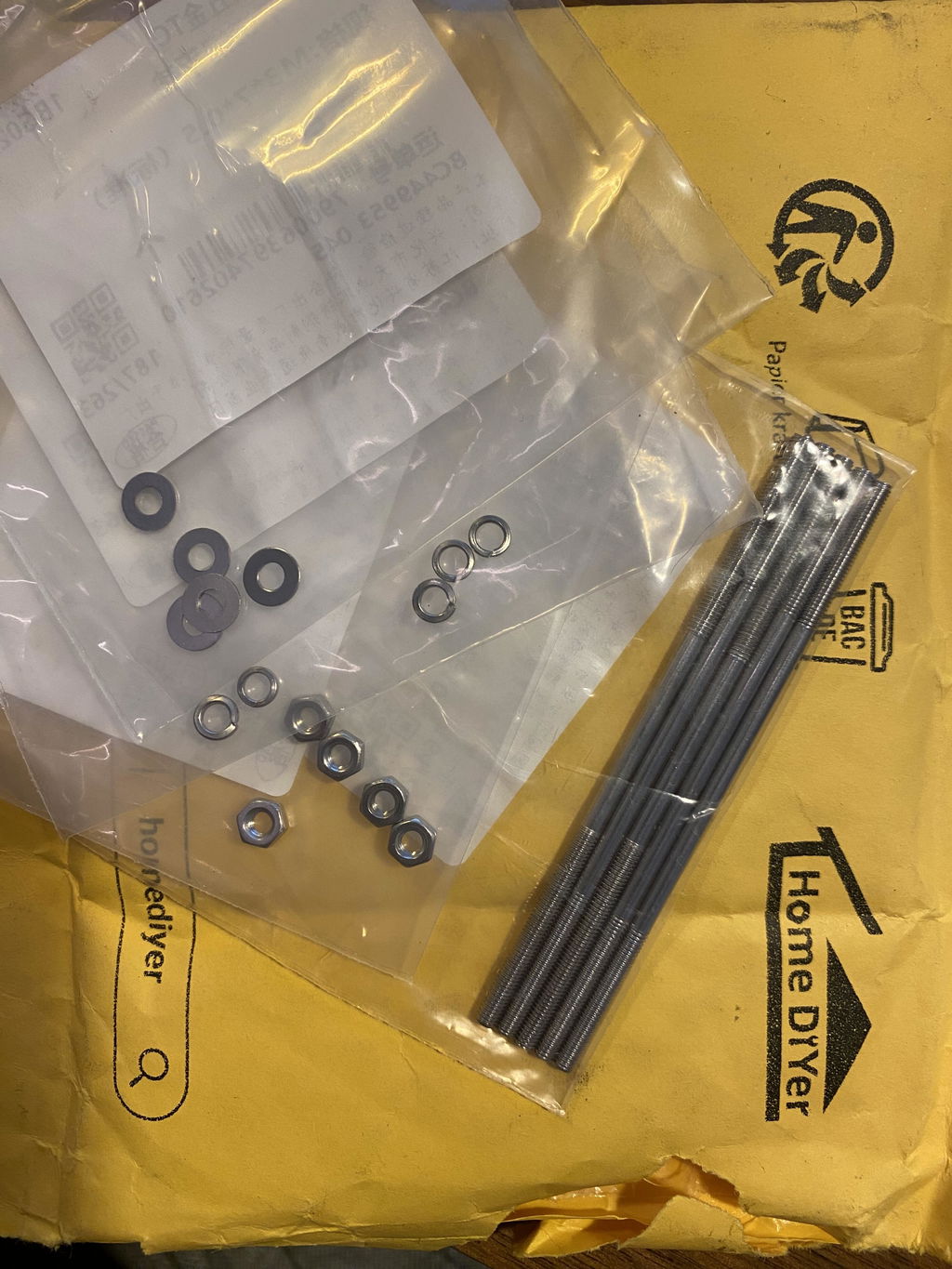

The chain is fine...but I ordered the wrong size. Nine links of the chain I ordered equals six of the size I wanted. My error...
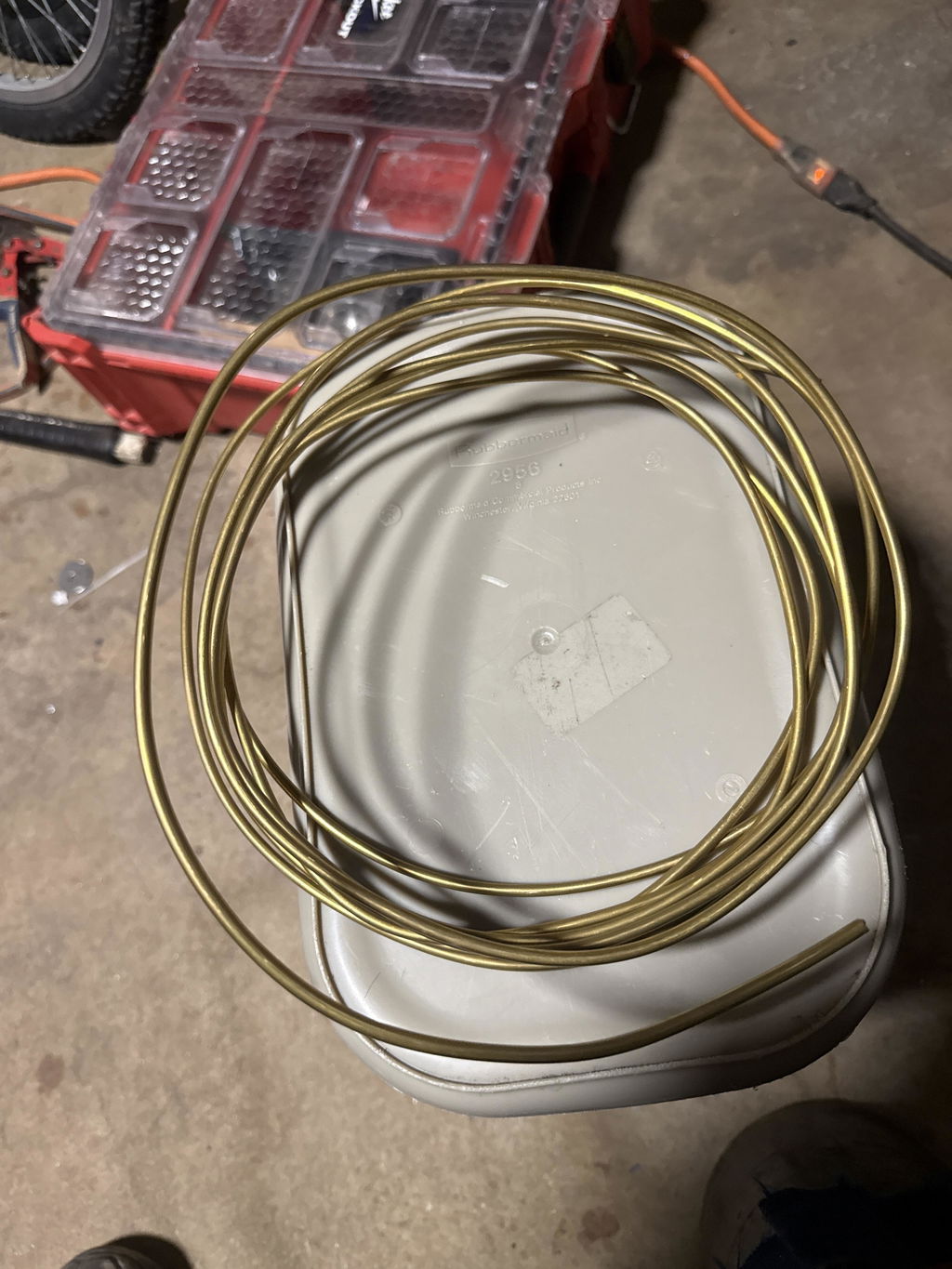
How can I straighten out the springs? I can't use them coil uo as is.
Your payment information is processed securely. We do not store credit card details nor have access to your credit card information.
Get fitment advice & recommendations
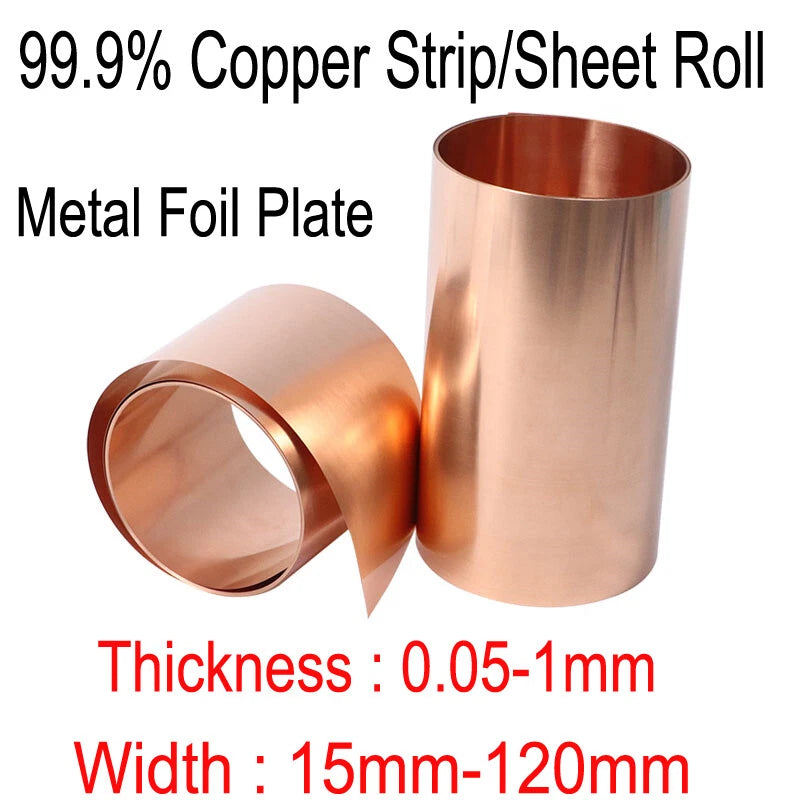
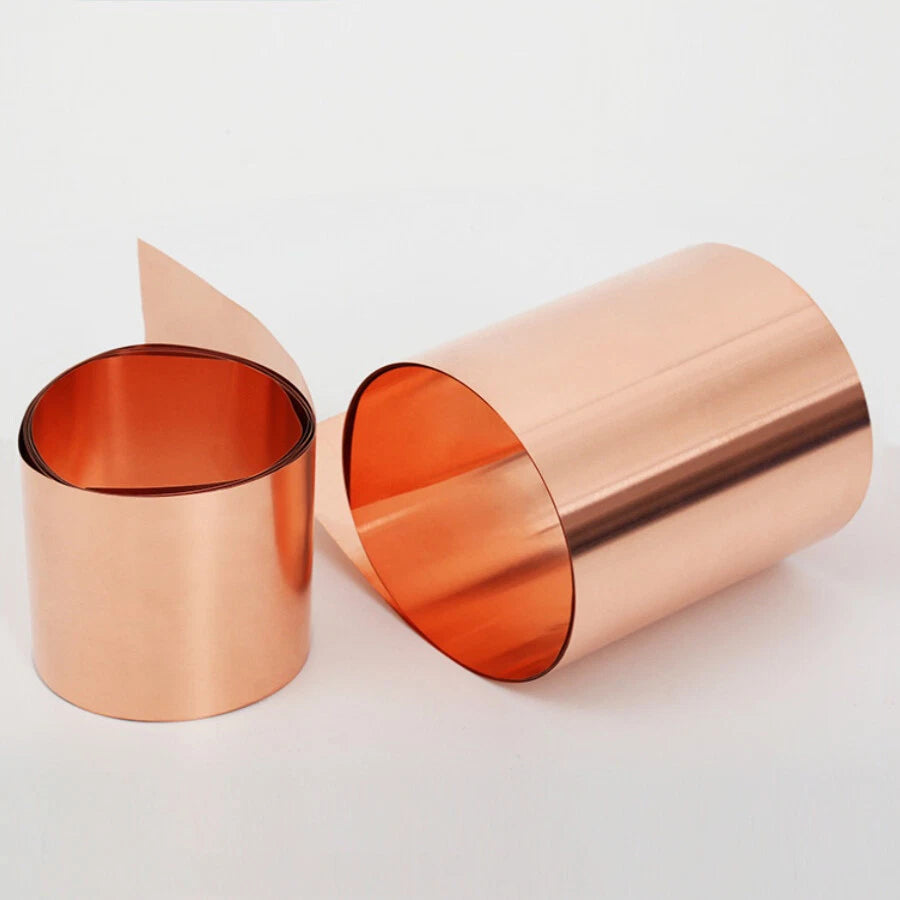
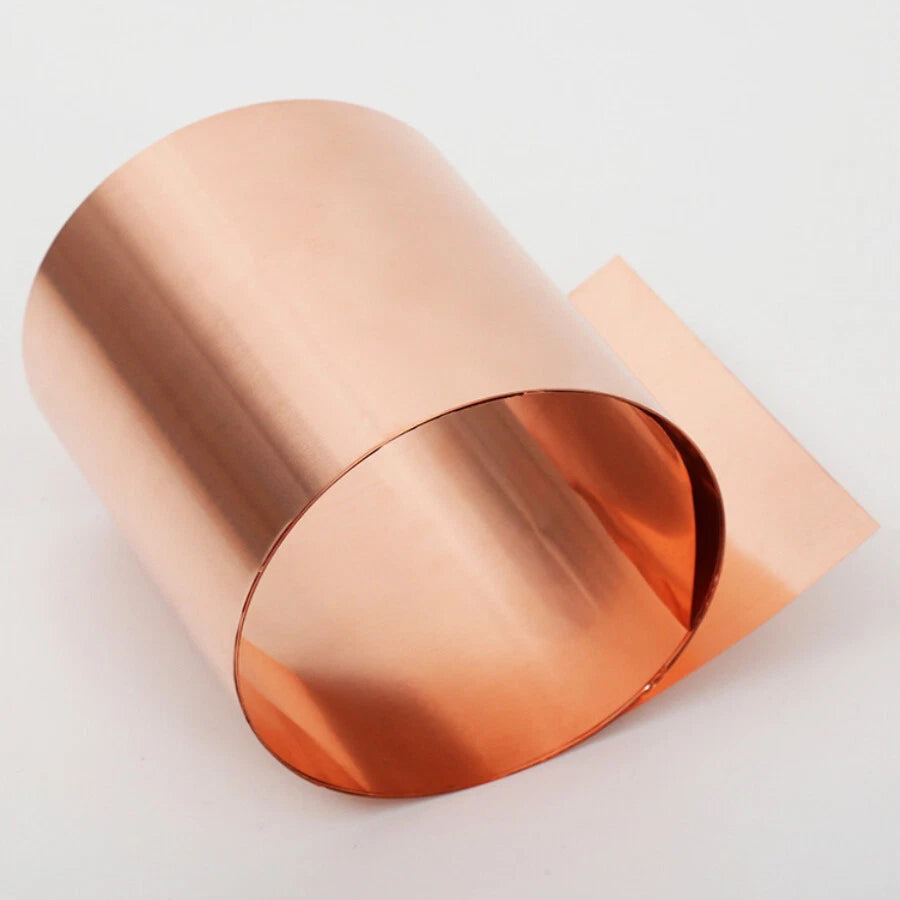
When your project demands reliable conductivity and consistent thickness, settling for impure or inconsistently rolled metal stock creates costly rework. Makers, electronics hobbyists, and small workshop operators who need dependable copper sheet stock will find this roll delivers the dimensional accuracy and material purity their work requires.
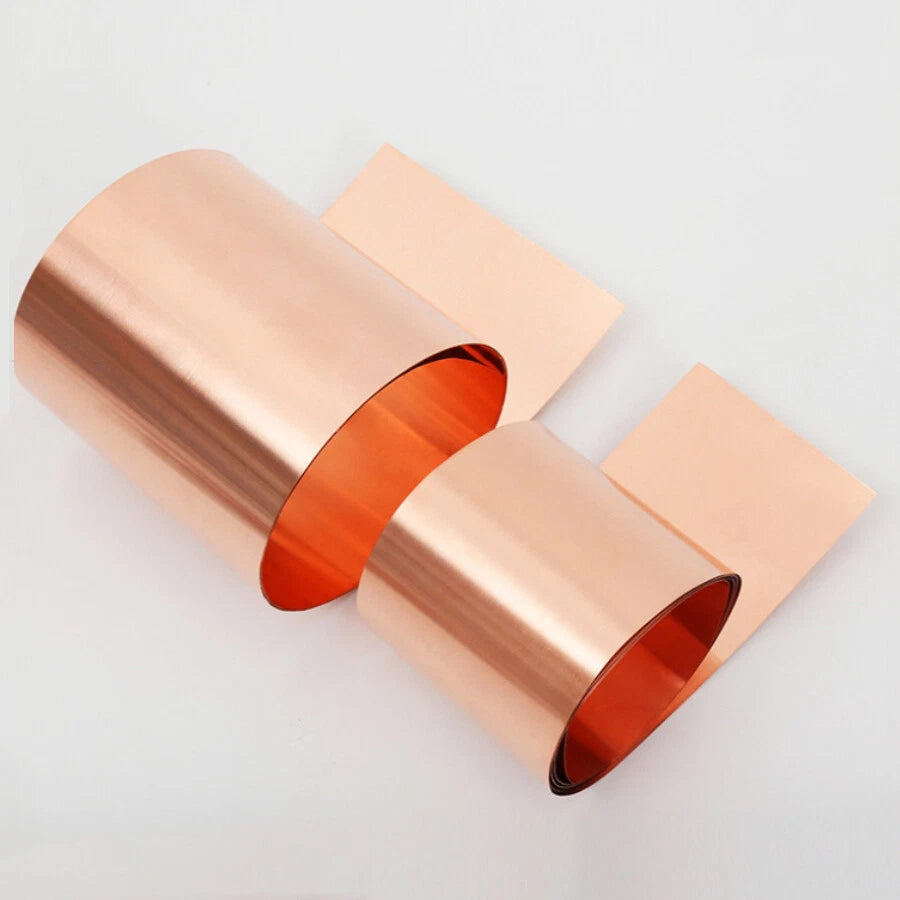
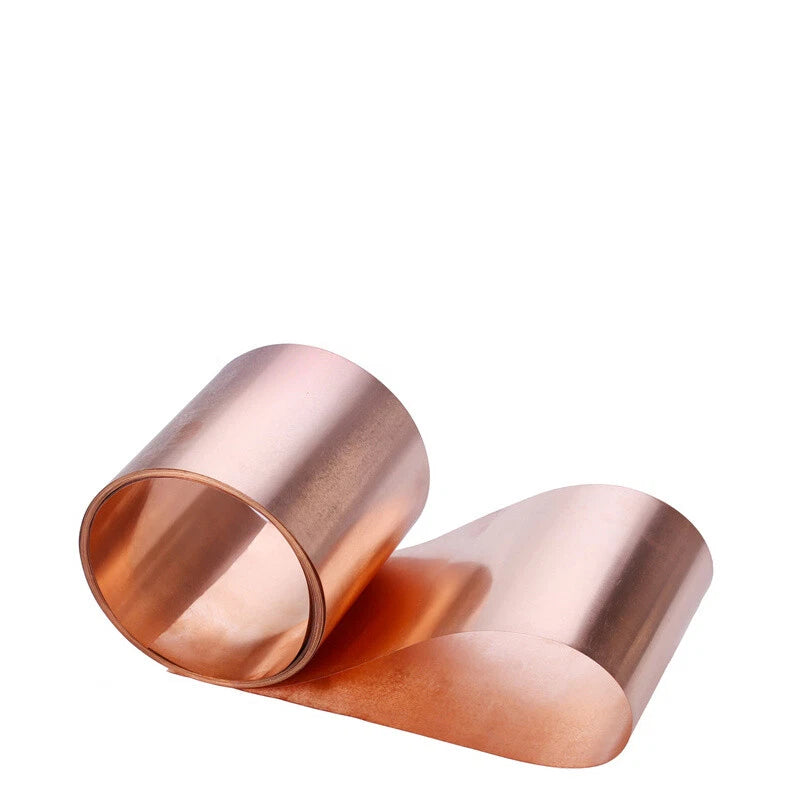
This copper strip sheet roll is made from 99.9% pure copper (C11000 equivalent grade), available in thicknesses from 0.05mm to 1mm (approximately 0.002" to 0.039") and widths from 10mm to 120mm (approximately 0.39" to 4.72"). Each roll is supplied in 1-meter, 2-meter, or 5-meter lengths, giving you the flexibility to order exactly what your build calls for.
Typical applications include EMI/RFI shielding tape for electronics enclosures, bus bar fabrication for low-voltage DC systems, decorative inlay work in woodworking and leathercraft, heat spreader shims for thermal management, and grounding straps in audio equipment builds.
| Material | 99.9% Pure Copper (C11000 / ETP grade) |
|---|---|
| Thickness Range | 0.05mm – 1mm (0.002" – 0.039") |
| Width Range | 10mm – 120mm (0.39" – 4.72") |
| Available Lengths | 1m / 2m / 5m per roll |
| Surface Finish | Bright mill finish (uncoated) |
| Conductivity | Typically ≥100% IACS |
| Temper | See variant options |
| Tolerance (Thickness) | See variant options |
| Tolerance (Width) | See variant options |
| Weight per Roll | See variant options |
| Product Type | Copper Sheet / Strip Roll |
For EMI shielding tape and flexible wrapping applications, 0.05mm–0.1mm is typically sufficient. For bus bars, grounding straps, and structural shims, 0.3mm–1mm provides the rigidity needed. If you are unsure, start with 0.2mm as a versatile mid-range option that balances formability and strength.
Bus bar width depends on your current-carrying requirement and enclosure dimensions. Narrower strips (10mm–25mm) suit low-current DC circuits, while wider strips (50mm–120mm) are used for higher-amperage distribution. Always verify your current density calculations before selecting a width.
Yes. 99.9% ETP copper solders readily with standard rosin-core or water-soluble flux and 60/40 or lead-free solder. For best results, lightly abrade the surface with fine-grit sandpaper or a fiberglass pen before applying flux to remove any surface oxide.
Copper naturally develops a patina (oxide layer) when exposed to air and moisture. This does not significantly affect conductivity in most applications. For applications requiring a bright finish, apply a clear lacquer or store unused rolls in a sealed bag. For outdoor or high-humidity environments, consider tin-plating or protective coating after fabrication.
Yes. Thinner gauges (0.05mm–0.3mm) can be cut cleanly with sharp scissors, a craft knife, or a rotary cutter. Thicker gauges (0.4mm–1mm) are best cut with metal snips, a guillotine shear, or a CNC router with a suitable end mill. Laser cutting is also effective for precise shapes across all thicknesses.
A 1m roll is ideal for prototyping or single-use projects. A 2m roll suits small production runs or projects requiring multiple pieces. A 5m roll offers the best per-meter value for ongoing workshop use or larger fabrication jobs. All rolls are the same material and quality — only the length differs.
Yes. The 99.9% purity and consistent thickness make these strips well-suited for EMI/RFI shielding enclosures, Faraday cage lining, and grounding planes. Thinner gauges (0.05mm–0.1mm) are commonly used as adhesive-backed shielding tape substrates when combined with a conductive adhesive.