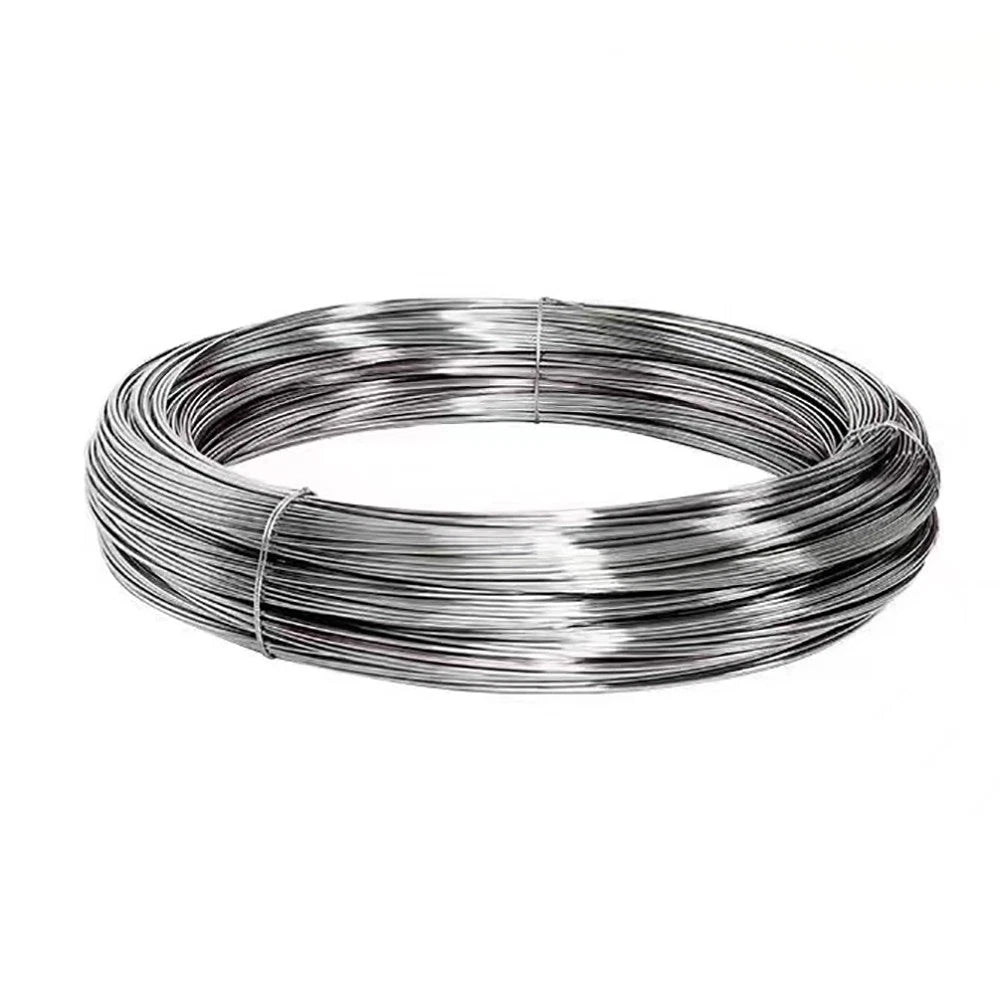
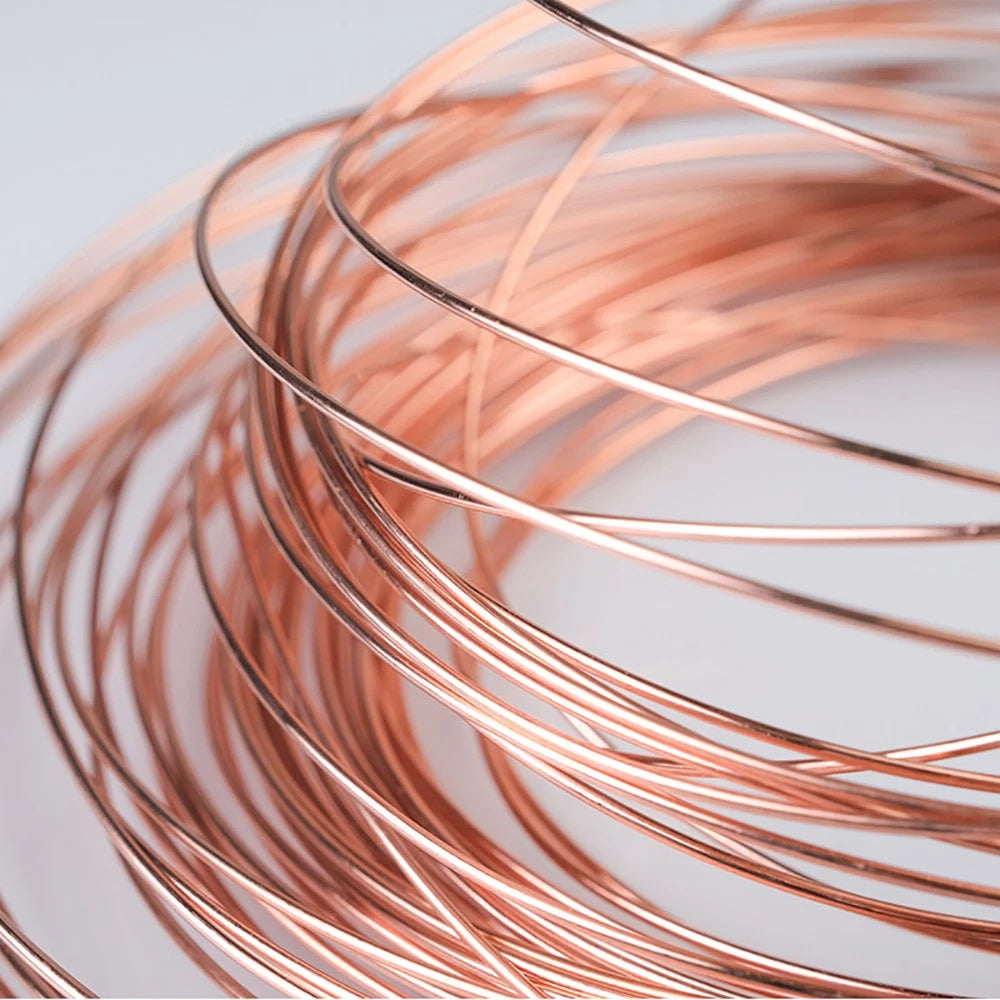
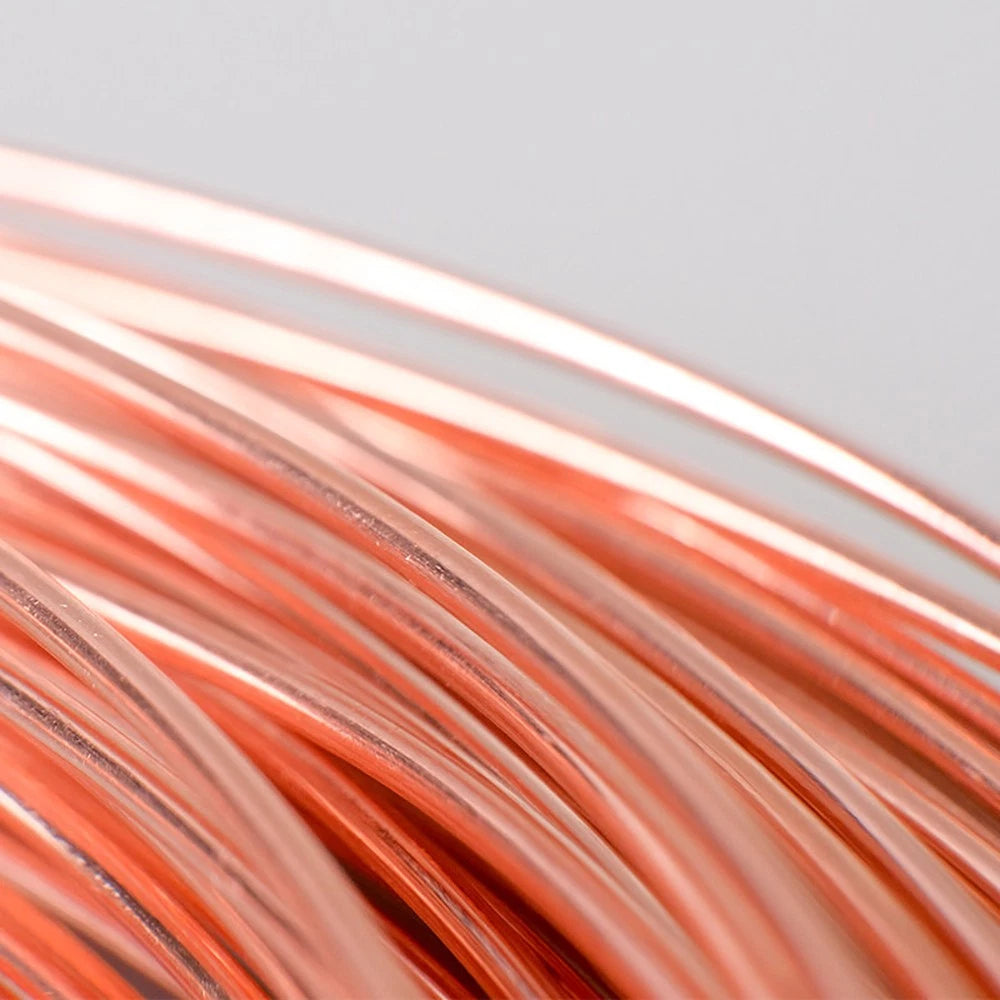
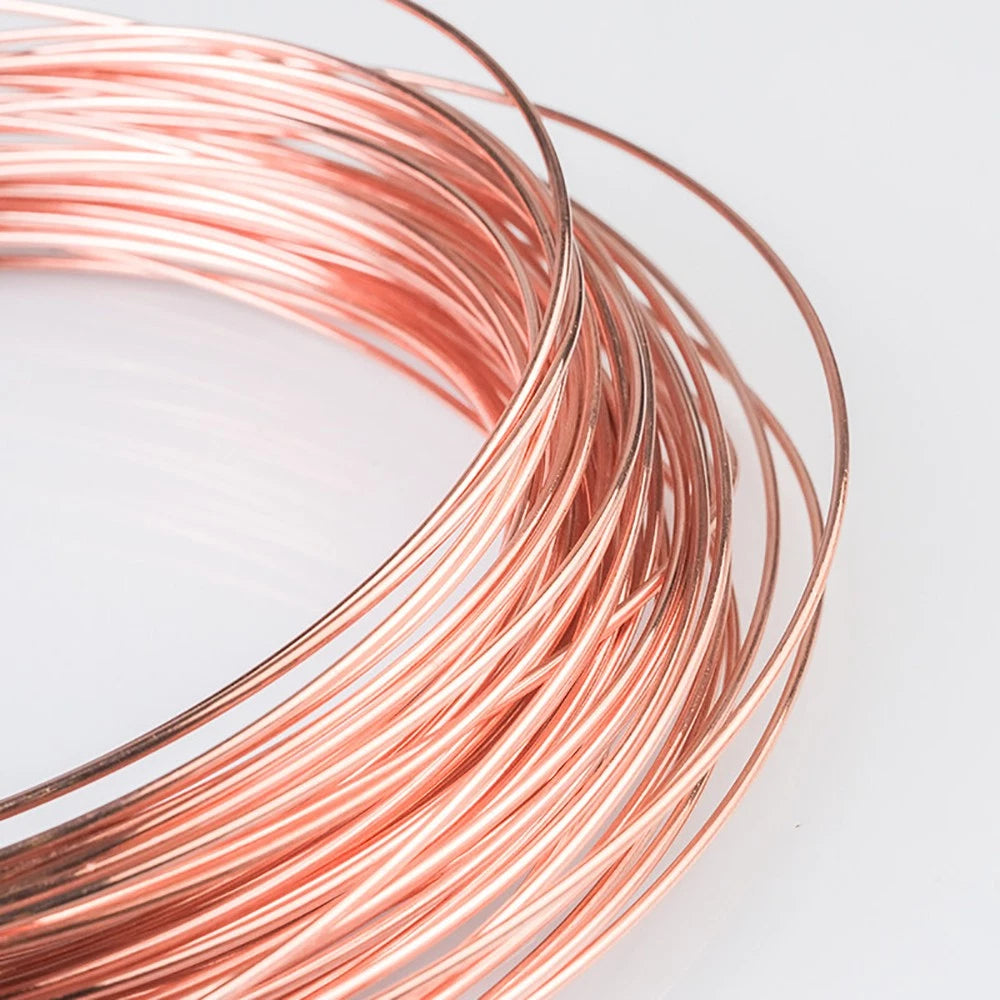
Craft Wire Stainless Steel-Brass-Copper-Aluminium-Titanium Metal Wires

No reviews

Price:
Sale price$2.43 USD
Stock:
In stock (500 units), ready to be shipped

Payment & Security

Ach Direct Debit Amazon American Express Apple Pay Bancontact Diners Club Discover Google Pay iDEAL Wero Mastercard PayPal Shop Pay USDC Visa

Your payment information is processed securely. We do not store credit card details nor have access to your credit card information.

Quantity Discount Promotion
🎯 BULK DISCOUNT: Buy More, Save More!
Buy 2 Items
5% OFF
Buy 4 Items
10% OFF
Buy 6 Items
15% OFF
Expert

DIY Expert Support

Get fitment advice & recommendations

Mon-Fri, 8:30AM-8PM
24-Hour Fast Ship
🚚
Arrives in 3-14 days
🌍
Global Reach
↩️
30-Day Returns
🌱 1 tree planted with every purchase

Description

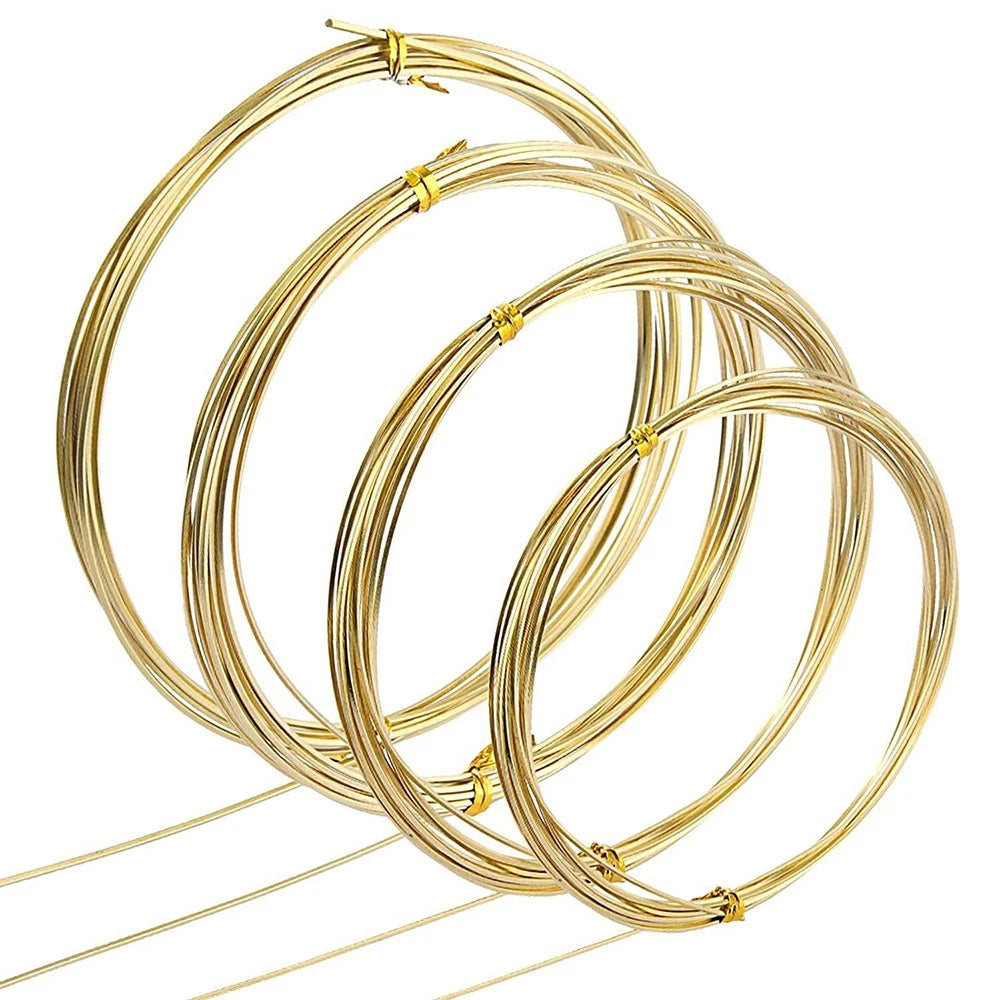
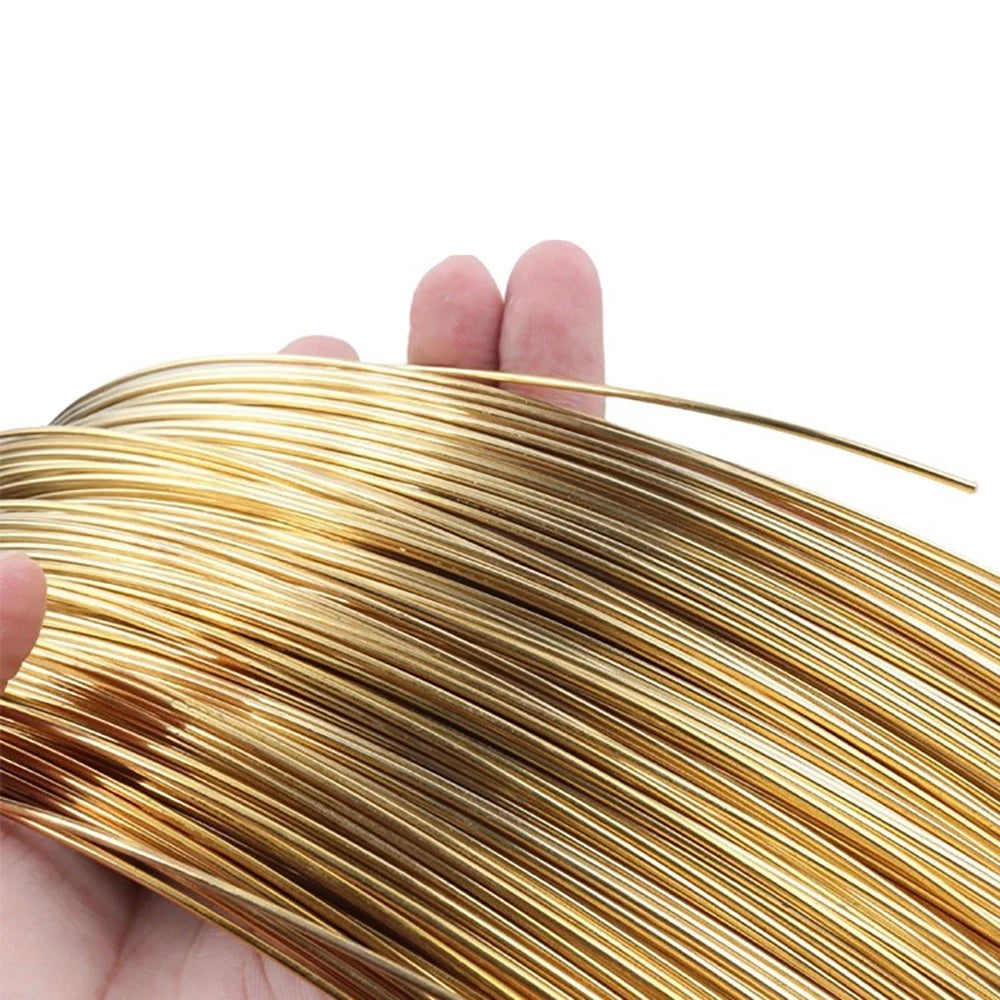
Craft Wire for Jewelry, Sculpture & DIY — Multi-Material Metal Wire in One Listing

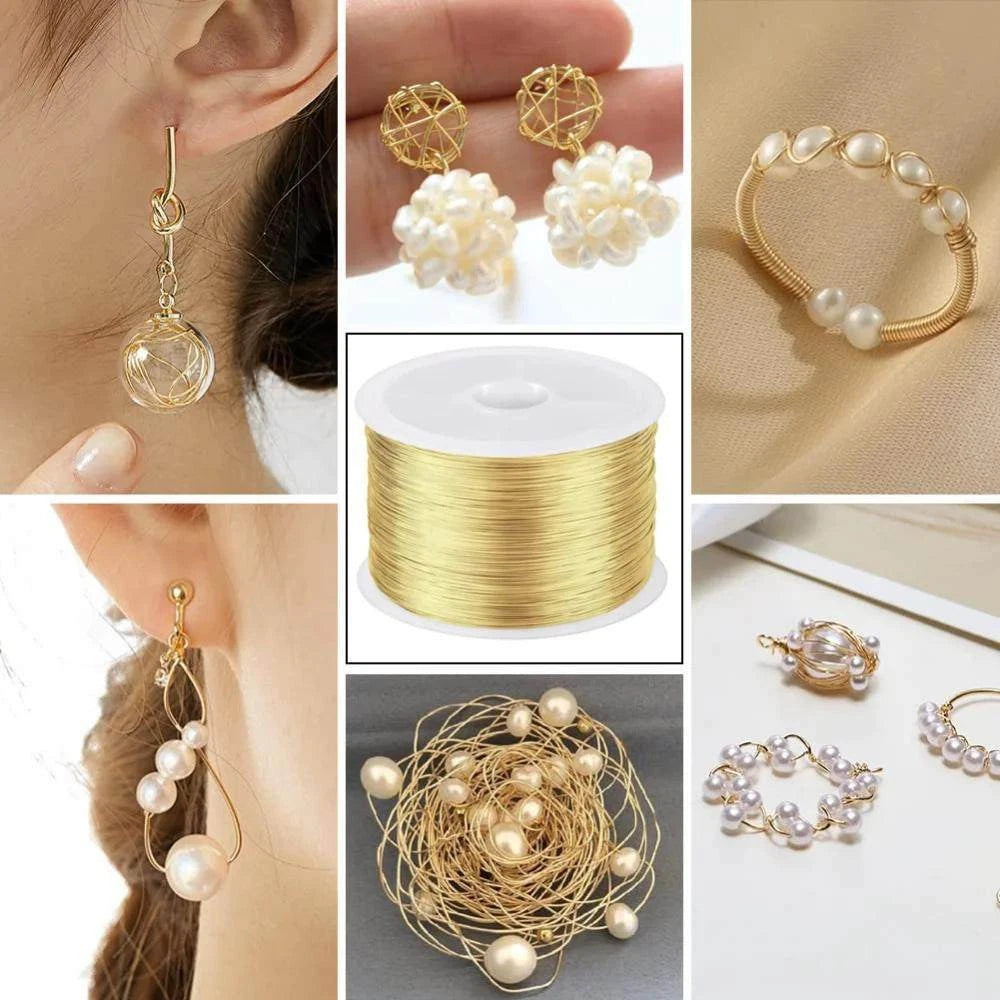
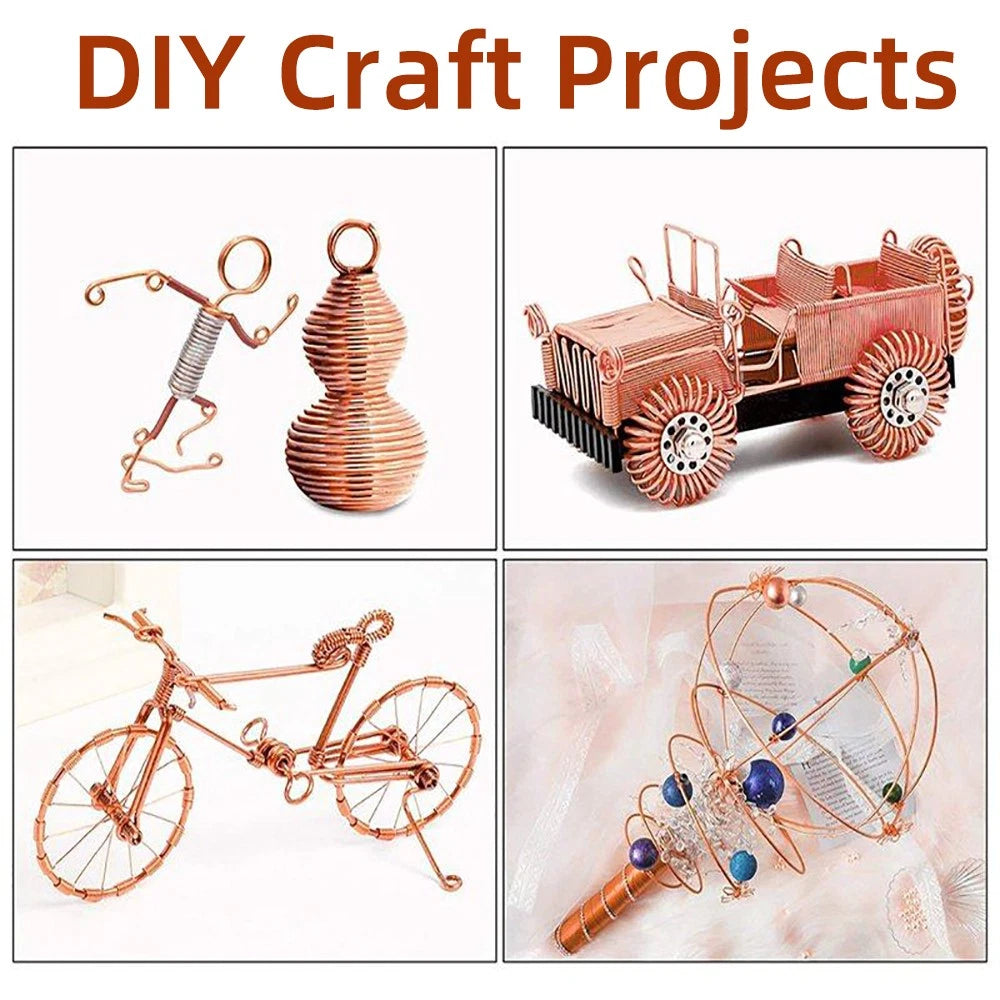
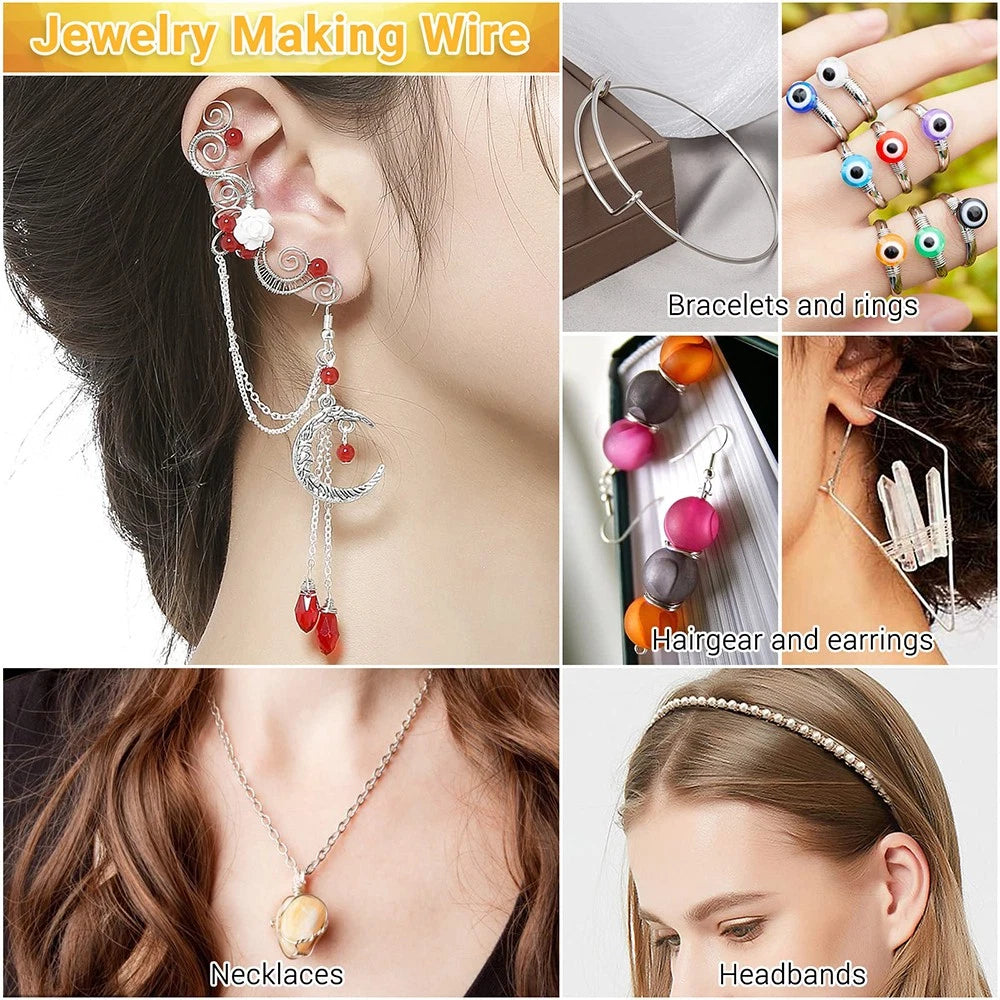
When a project demands the right wire and nothing else will do, choosing the wrong material or diameter means wasted time and failed joints. Whether you are a jewelry maker wrapping stones, a sculptor building armatures, or a hobbyist repairing household items, this listing gives you a single source for craft wire across seven distinct materials and dozens of diameters.

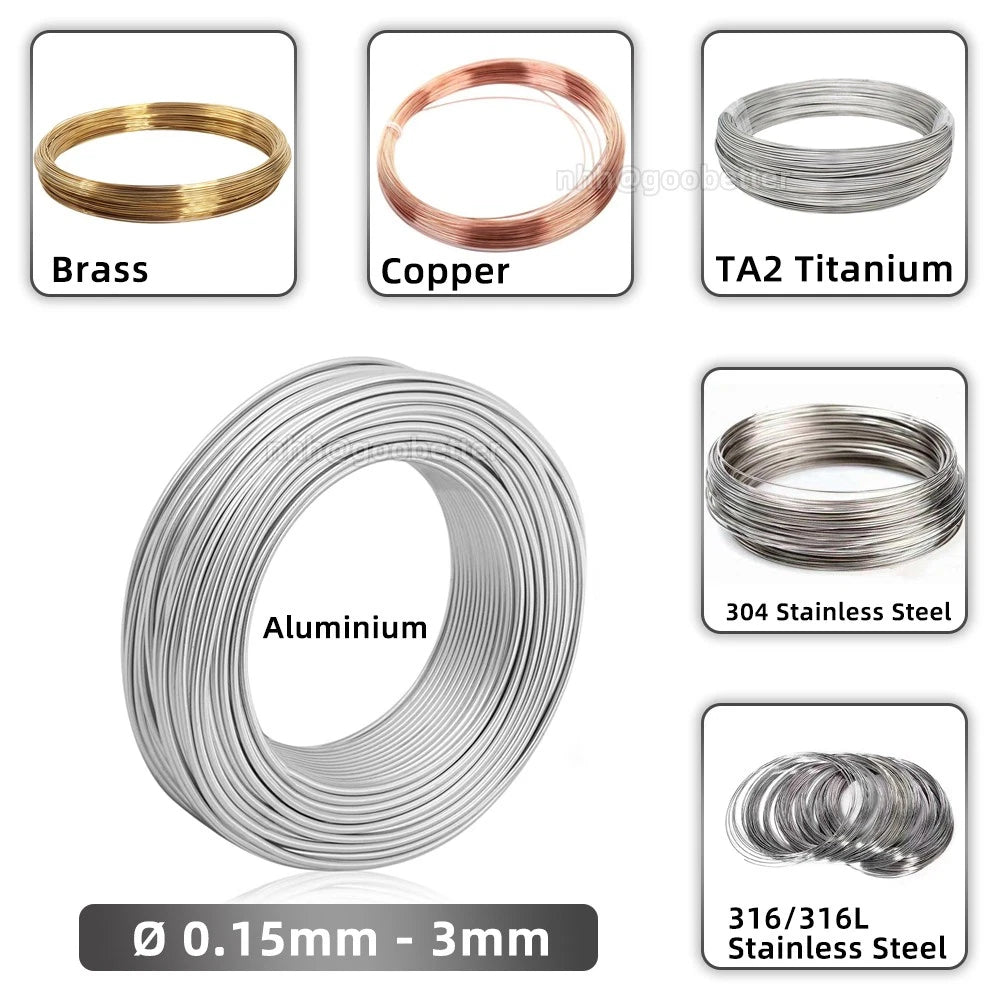
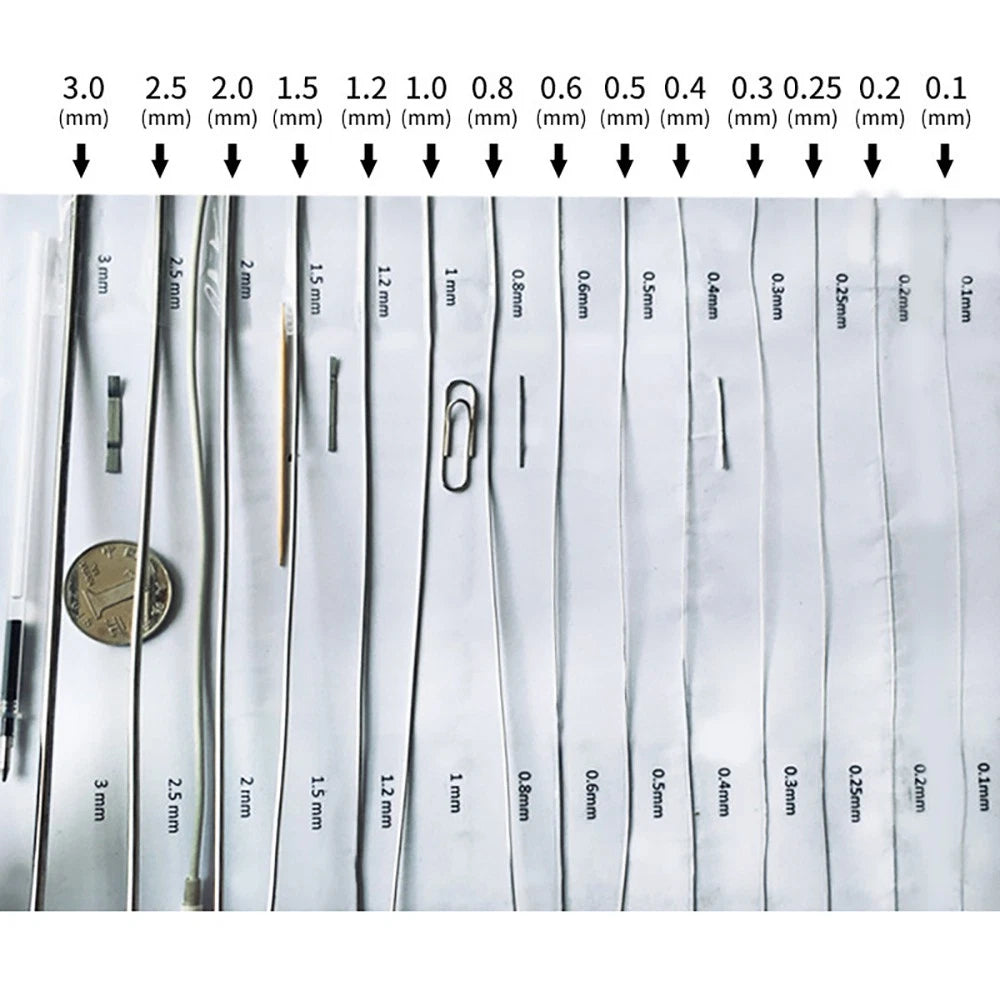
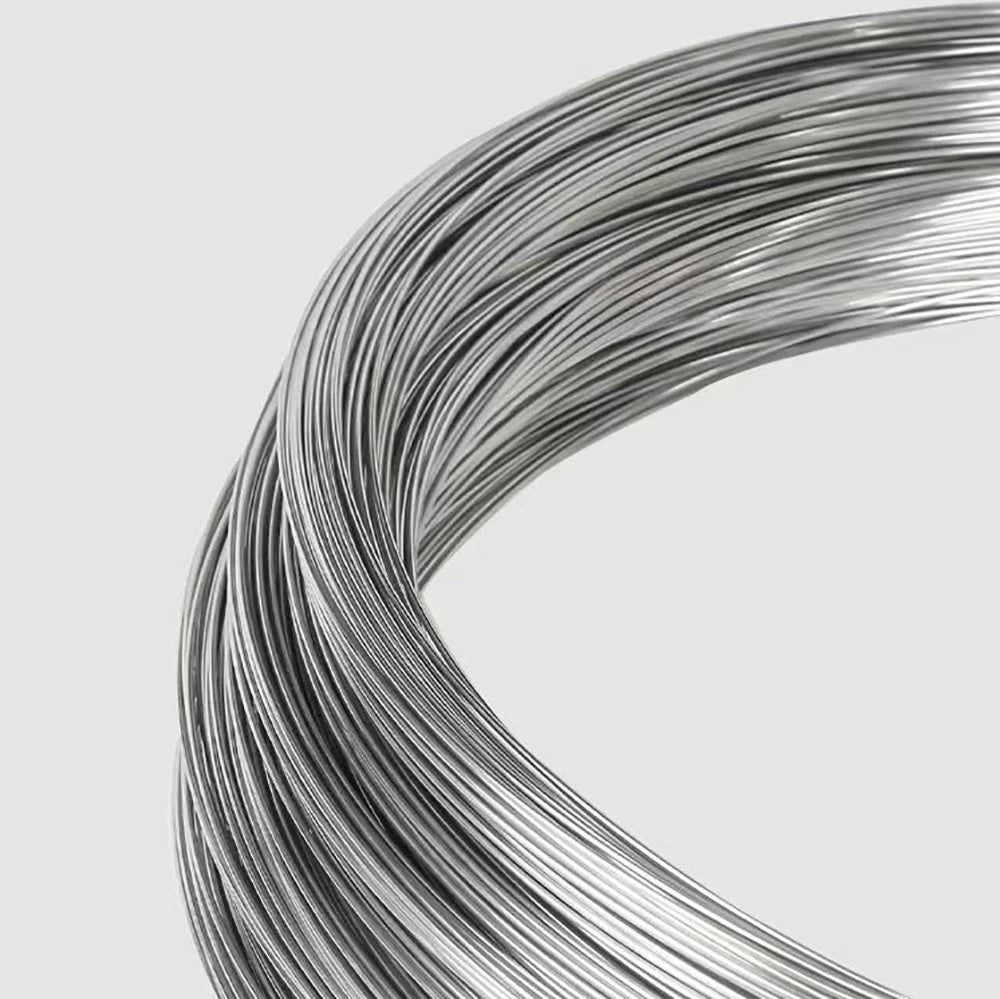
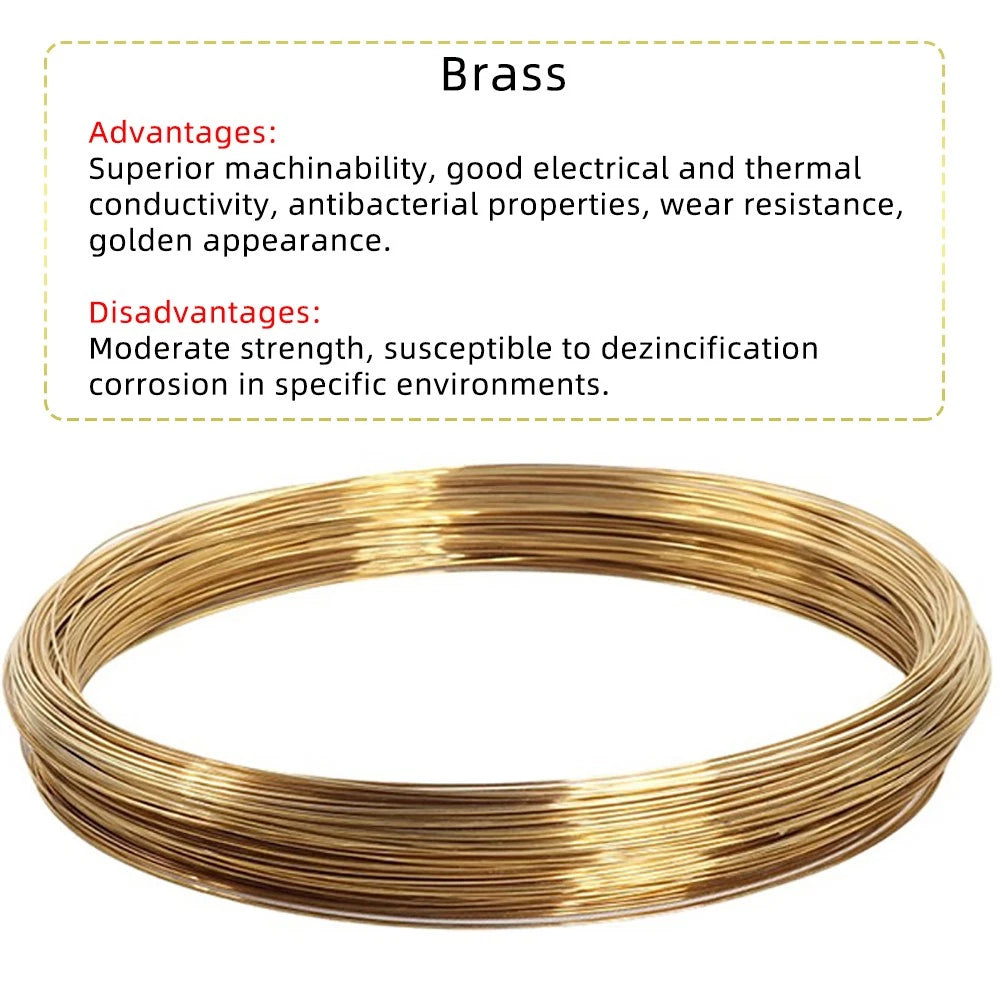
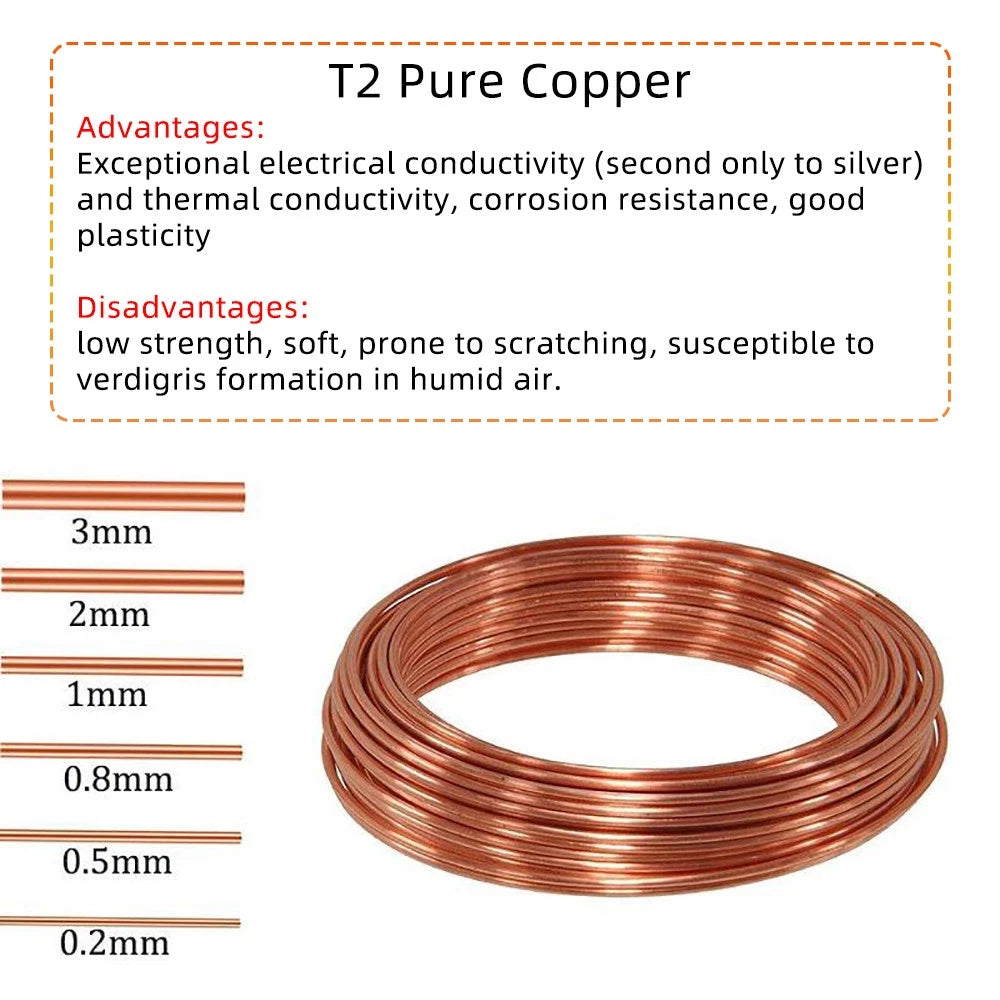
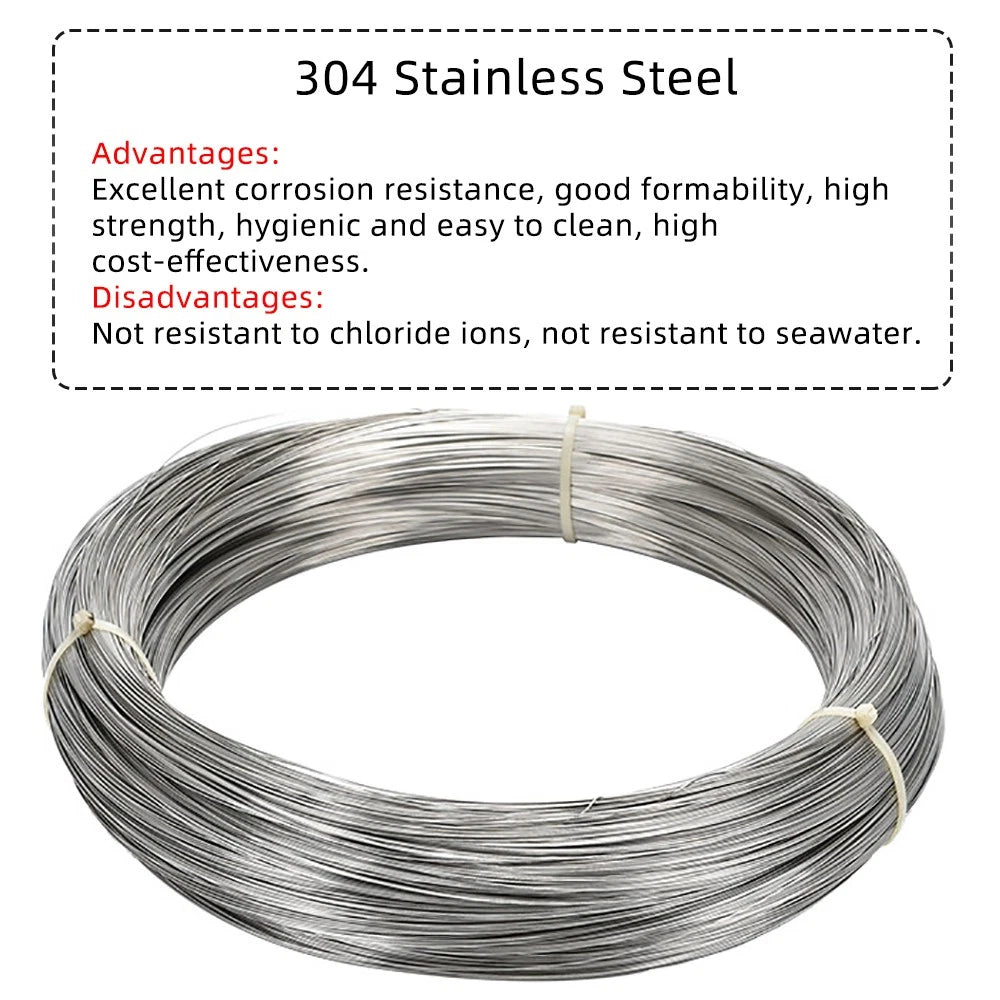
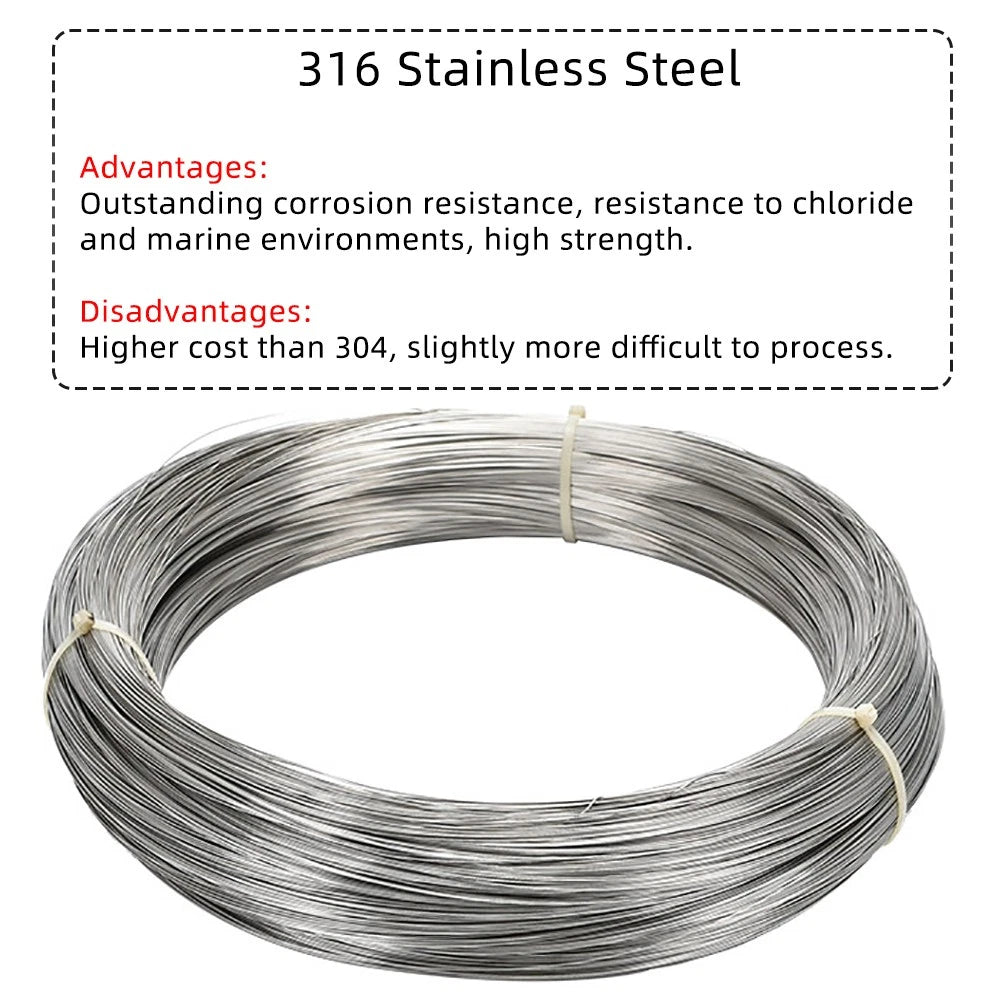
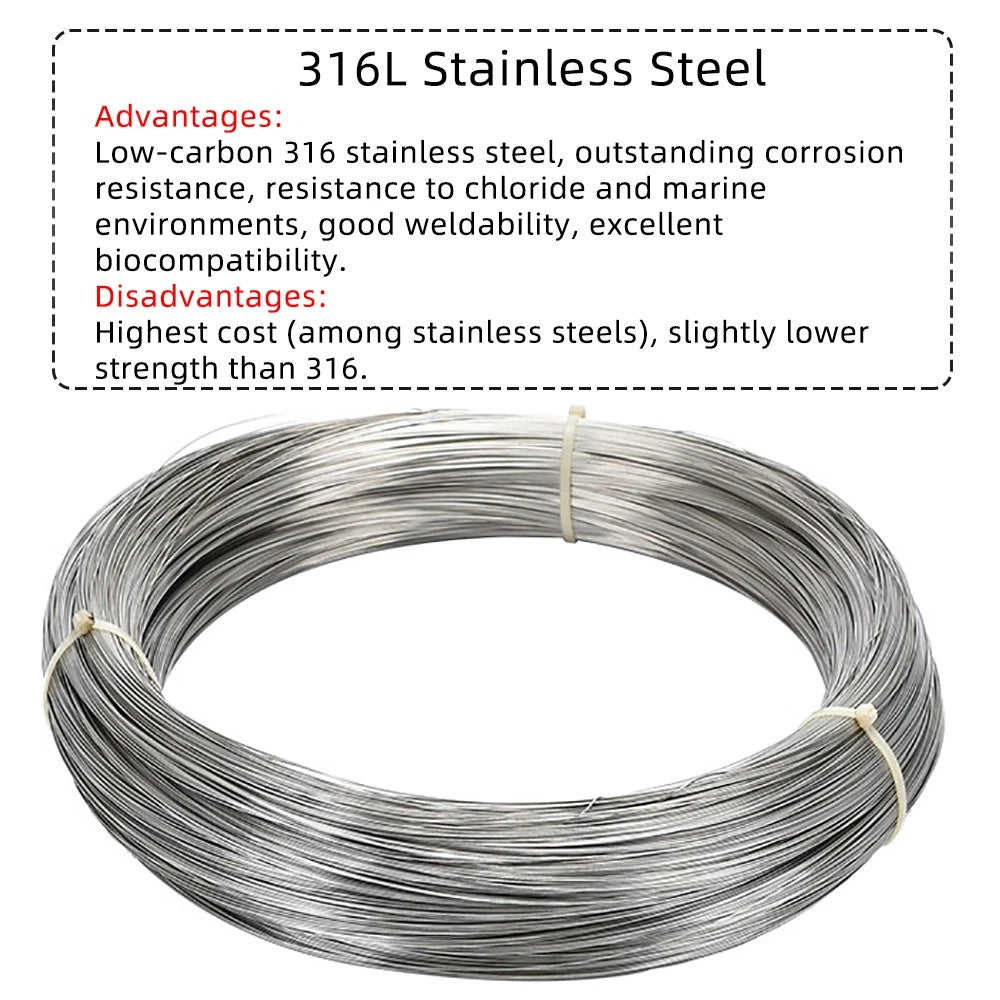
Available materials include Brass, Copper, 304 Stainless Steel, 316 Stainless Steel, 316L Stainless Steel, 1061 Aluminium, and Titanium TA2. Diameters range from 0.1 mm (approx. 0.004 in) up to 3 mm (approx. 0.118 in). Pack quantities run from 1-meter trial lengths through 5 m, 10 m, 20 m, 50 m, and bulk 500 g or 1 kg spools, so you can match the order size to your actual need. Hardness options — General, Soft, Semi-hard, and Hard — let you select the temper that suits your forming technique.

Typical use cases include wire-wrapping pendants and rings with brass or copper craft wire, fabricating corrosion-resistant fixtures with 316L stainless steel wire, building lightweight armatures with 1061 aluminium wire, and creating biocompatible body-jewelry components with titanium TA2 wire. The broad diameter range also makes this listing suitable for bonsai training wire, electrical grounding leads, and fine-detail model making.

⚙️ Compatibility note: Wire temper affects workability. Soft wire bends easily by hand and is suited to coiling and wrapping. Hard wire holds its shape after forming and is preferred for structural or spring applications. Semi-hard sits between the two. Select the hardness that matches your tools and technique.

✅ Key Features of These Craft Metal Wires

🔩 Seven material options in one listing — Brass, Copper, 304 SS, 316 SS, 316L SS, 1061 Aluminium, and Titanium TA2 cover the most common craft and engineering wire needs without switching suppliers.

📏 Wide diameter range: 0.1 mm – 3 mm — Fine gauges suit delicate jewelry wrapping and bead threading; larger diameters handle structural armatures, bonsai training, and repair tasks.

🔄 Multiple temper grades — General, Soft, Semi-hard, and Hard tempers let you match wire stiffness to your forming method, whether hand-bending, jig-forming, or coiling.

📦 Flexible pack quantities — Order from 1-meter samples up to 1 kg bulk spools. Trial lengths reduce waste when testing a new diameter; bulk packs lower the per-meter cost for production runs.

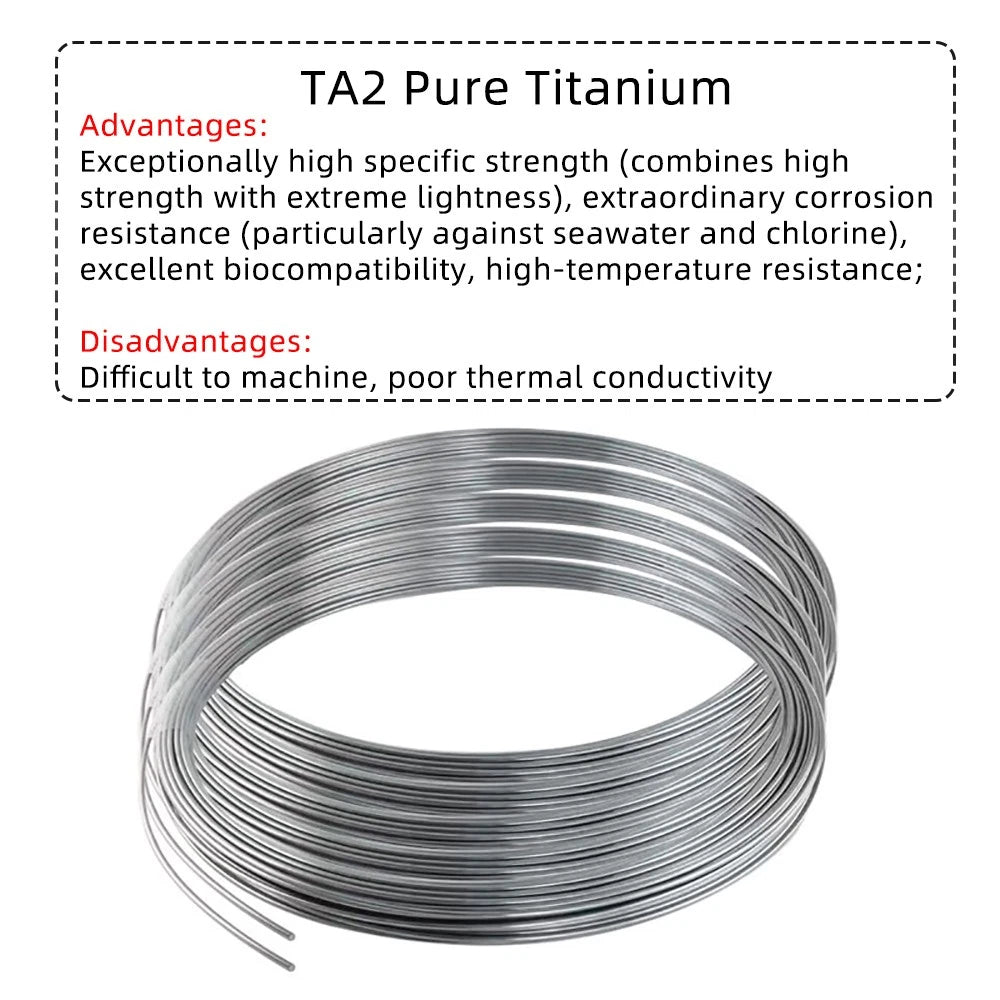
🛡️ Corrosion-resistant grades available — 316 and 316L stainless steel contain molybdenum for enhanced resistance to chloride environments. Titanium TA2 offers excellent resistance to oxidation and is suitable for skin-contact applications.

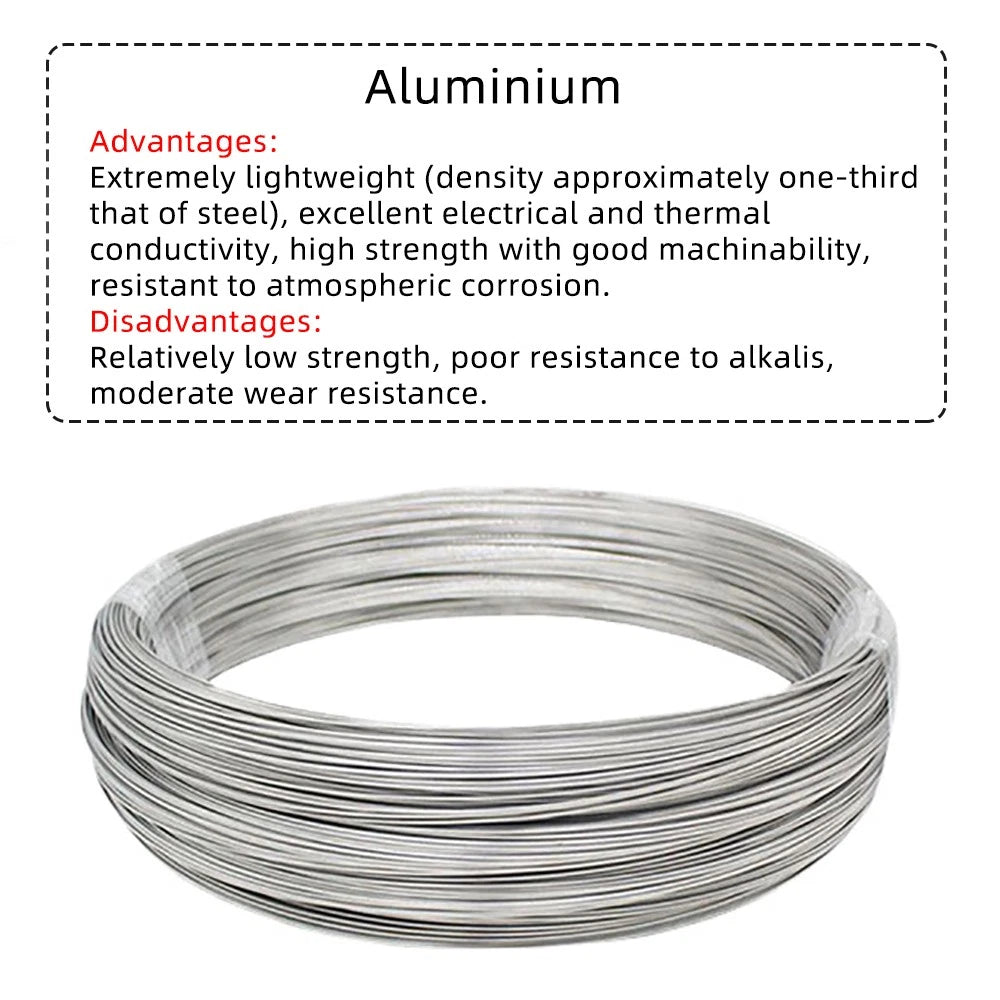
⚖️ Lightweight aluminium option — 1061 aluminium wire is significantly lighter than steel or copper at equivalent diameters, making it practical for large-scale sculpture, floral wire work, and applications where weight matters.

📐 Technical Specifications — Craft Metal Wire

Product Type Craft / Hobby Metal Wire
Available Materials Brass, Copper, 304 Stainless Steel, 316 Stainless Steel, 316L Stainless Steel, 1061 Aluminium, Titanium TA2
Diameter Range 0.1 mm – 3.0 mm (approx. 0.004 in – 0.118 in)
Temper / Hardness General, Soft, Semi-hard, Hard (see variant options)
Pack Quantity Options 1 m, 5 m, 10 m, 20 m, 50 m, 500 g spool, 1 kg spool
Wire Form Monofilament (single-strand, round cross-section)
Surface Finish See variant options
Tensile Strength See variant options
Applicable Standards Contact us to confirm

❓ Frequently Asked Questions

How do I choose the right diameter for jewelry wire wrapping?

For fine wire wrapping around stones or beads, diameters between 0.3 mm and 0.6 mm (28–24 AWG equivalent) are most common. Thinner wire (0.2 mm) works for delicate filigree but requires more care to avoid kinking. Thicker wire (0.8 mm–1 mm) is better for structural frames and clasps. Start with a 1-meter or 5-meter sample to test before committing to a larger spool.

What is the difference between Soft, Semi-hard, and Hard wire temper?

Soft wire has been annealed so it bends easily with minimal springback — ideal for coiling, wrapping, and weaving. Hard wire retains its shape after bending and resists deformation, making it suitable for springs, structural elements, and applications where the wire must hold a set angle. Semi-hard falls between the two: it bends with moderate force and holds its shape reasonably well, which suits ring shanks and ear wires. General temper (listed for Brass, Copper, and Titanium) is a standard commercial temper suitable for most craft applications.

Which material is most corrosion-resistant for outdoor or marine use?

316 and 316L stainless steel contain molybdenum, which significantly improves resistance to chloride-induced pitting compared to 304 stainless steel. For marine or coastal environments, 316L is the recommended choice. Titanium TA2 also offers excellent corrosion resistance and is suitable for saltwater exposure. Brass and copper will develop a natural patina over time and are not recommended for prolonged submersion in saltwater.

Is this wire compatible with standard jewelry-making tools?

Yes. Round-nose pliers, flat-nose pliers, wire cutters, and coiling mandrels all work with these wires. For diameters above 1.5 mm, heavier-duty cutters are recommended to avoid damaging tool jaws. Stainless steel wire is harder than brass or copper and will wear cutting edges faster — use dedicated stainless-rated cutters where possible.

Can I use aluminium wire for bonsai training?

Yes. 1061 aluminium wire is the standard material for bonsai training because it is lightweight, easy to bend by hand, and does not damage bark as readily as copper when applied correctly. Diameters of 1 mm to 3 mm cover most branch thicknesses. Copper wire is also used in bonsai but requires more force to bend and holds its position more firmly — it is preferred for thicker, more resistant branches.

What pack size should I order for a production run versus a trial?

For testing a new diameter or material, the 1-meter or 5-meter options let you verify workability and finish before committing to a larger quantity. For ongoing production, the 10-meter, 20-meter, and 50-meter packs offer a lower per-meter cost. The 500 g and 1 kg bulk spools provide the best value per meter and are suited to workshops or makers who use a specific wire regularly. Approximate meter lengths per 500 g spool are listed in the variant name for stainless steel grades.

Is Titanium TA2 wire safe for body jewelry applications?

Titanium TA2 (commercially pure titanium, Grade 2) is widely used in body jewelry and medical devices due to its biocompatibility and resistance to corrosion. It does not contain nickel, which is a common allergen in lower-grade stainless steels. However, for regulated body jewelry applications, confirm that the specific wire meets the relevant standard (e.g., ASTM F136 or ISO 10993) before use, as wire stock and implant-grade material have different certification requirements.

🛒 Select your Material, Diameter, and Hardness & Pack Qty above, then add to cart.

You may also like

Recently viewed